APIs for research and impurities
Subcategories of "APIs for research and impurities"
- Aminoacids and derivatives(12,319 products)
- Anthraquinones and derivatives(402 products)
- Benzimidazole and Imidazole Derivatives(10,389 products)
- Benzodiazepine Derivatives(326 products)
- Carbohydrates and glycoconjugates(5,046 products)
- Esters and Derivatives(42,242 products)
- Fatty Acids and Lypidic Derivatives(32,371 products)
- Flavonoids and Polyphenols(17,073 products)
- Free Radicals and Oxidant/Reducing Agents(211 products)
- Ketones and derivatives(2,398 products)
- Natural and semi-synthetic antibiotics(6,321 products)
- Nitriles and Cyano Derivatives(3,068 products)
- Nitrosamines and Derivatives(55 products)
- Nucleosides and Nucleotides(3,441 products)
- Organic Phosphates and Phosphonates(1,193 products)
- Organic Sulphonates and Sulphates(10,418 products)
- Organometallics(4,417 products)
- Others(6,270 products)
- Peptides and Proteins(3,132 products)
- Polymers and Derivatives(99 products)
- Purines and Pyrimidine Derivatives(8,895 products)
- Quinazoline and Quinoline Derivatives(65,667 products)
- Quinones and Derivatives(24,338 products)
- Salts and Derivatives of Active Pharmaceutical Ingredients (API)(81,323 products)
- Steroids and Derivatives(4,922 products)
- Sulfonamides and Derivatives(2,562 products)
- Terpenoids and Derivatives(3,833 products)
- Thiazolidinediones and Thiopyrans(2,752 products)
- β-Adrenergic Compounds(227 products)
Found 58693 products of "APIs for research and impurities"
Naltrexone impurity E
CAS:Controlled ProductNaltrexone impurity E is an analytical standard that is used to calibrate high-performance liquid chromatography (HPLC) instruments. This substance is a natural metabolite of naltrexone, which is an opioid receptor antagonist, and has the chemical name of 4-hydroxy-3-methoxy-N-(5α,6β)-dimethyl-2-[(1R)-1-(3-methyloxetan-3-yl)piperidin-4-yl] benzeneacetamide. Naltrexone impurity E is a pharmacopoeia grade compound that can be used in the synthesis of drug products. Custom synthesis and natural or synthetic sources are available.
Formula:C24H29NO4Purity:Min. 95%Color and Shape:PowderMolecular weight:395.49 g/molN-(5-Aminopentyl) methotrexate amide
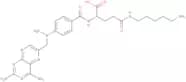
CAS:N-(5-Aminopentyl) methotrexate amide is a fluorescent probe that is used to study the transport of drugs across cell membranes. It binds to the plasma membrane of cells and can be visualized with a fluorescence microscope. N-(5-Aminopentyl) methotrexate amide has been shown to bind to leukemia cells in murine leukemia models. It has a high affinity for drug-resistant cells, which makes it useful for studying drug resistance mechanisms. This probe can be used at nanomolar concentrations for imaging studies, as well as for measuring the uptake of drugs into cancer cells by flow cytometry.
Formula:C25H34N10O4Purity:Min. 95%Color and Shape:Yellow PowderMolecular weight:538.6 g/molRef: 3D-FA17806
Discontinued productCetirizine Impurity B
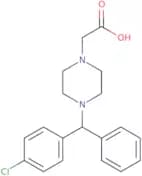
CAS:Cetirizine Impurity B is a custom synthesis impurity. It is a product of the metabolism of cetirizine, an anti-allergic drug. Cetirizine Impurity B is used as an impurity standard for drug development and analytical HPLC studies. It has been assigned CAS number 113740-61-7 by the Chemical Abstracts Service. The purity of this compound is greater than 99%.
Formula:C19H21ClN2O2Purity:Min. 90 Area-%Color and Shape:PowderMolecular weight:344.8 g/molRef: 3D-IC181078
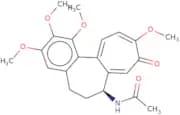
Discontinued productColchicine EP Impurity B
Colchicine EP Impurity B is a synthetic, impurity standard that is used in research and development for drug product development. It is also used as an analytical reagent. Colchicine EP Impurity B has been shown to be a metabolite of colchicine, which is found in the natural environment. This impurity can be synthesized by reacting 4-hydroxybenzaldehyde with nitroethane and sodium nitrite in the presence of hydrochloric acid. Analytical methods to detect this impurity include HPLC and GC-MS.
Purity:Min. 95%4-Amino-7-iodopyrrolo[2,1-f][1,2,4]triazine
CAS:4-Amino-7-iodopyrrolo[2,1-f][1,2,4]triazine is an impurity standard of the drug product. It is a high purity synthetic compound with a niche in pharmacopoeia and drug development. 4-Amino-7-iodopyrrolo[2,1-f][1,2,4]triazine has been shown to be a metabolite of the natural product.Formula:C6H5IN4Purity:Min. 97 Area-%Color and Shape:PowderMolecular weight:260.04 g/molRef: 3D-FA170208
Discontinued product5-Methoxy-2-[[(3,5-dimethyl-2-pyridinyl)methyl]sulphinyl]-1H-benzimidazole
CAS:5-Methoxy-2-[[(3,5-dimethyl-2-pyridinyl)methyl]sulphinyl]-1H-benzimidazole is a natural product. It is an impurity in the drug development process and may be present as an analytical marker for impurities. 5-Methoxy-2-[(3,5-dimethylpyridinium)methyl]sulfinyl]-1Hbenzimidazole is used as a pharmacopoeia standard and can be synthesized on request.Formula:C16H17N3O2SPurity:Min. 95%Color and Shape:PowderMolecular weight:315.39 g/molRef: 3D-IM57917
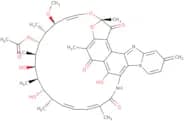
Discontinued productRifaximin Impurity 1
CAS:Rifaximin Impurity 1 is a synthetic impurity standard for Rifaximin. It is a metabolite of rifaximin and is used in research and development to test the purity of drug products. It has a molecular weight of 314.2 g/mol and molecular formula C9H16N4O4S. This product is not manufactured by or for the original equipment manufacturer (OEM).
Formula:C43H49N3O11Purity:Min. 95%Molecular weight:783.86 g/molN-[1-(R)-(1-Naphthyl)ethyl]-3-[3-(trifluoromethyl)phenyl]-1-propanamide
CAS:N-[1-(R)-(1-Naphthyl)ethyl]-3-[3-(trifluoromethyl)phenyl]-1-propanamide is an impurity standard that is used in the manufacture of a drug product. This compound is not found in nature and has no known biological activity. It has been shown to be metabolized by CYP2D6, CYP2C8, and CYP2C9. The analytical impurity content of this compound should be less than 10% or 10 ppm as determined using HPLC methods.Formula:C22H20F3NOPurity:Min. 95%Color and Shape:PowderMolecular weight:371.4 g/molRef: 3D-IN58183
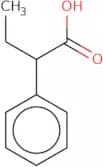
Discontinued product2-Phenylbutyric acid
CAS:2-Phenylbutyric acid is a product of the oxidation of phenylacetic acid by flavus. 2-Phenylbutyric acid is an inhibitor of contactor reactions that use α1-acid glycoprotein as a chromatographic support. It has been shown to inhibit the reaction mechanism of extractants (e.g., butamirate citrate) with enantiomeric compounds (e.g., creatine). It also inhibits subclinical mastitis in cows and fatty acid synthesis, leading to decreased cholesterol synthesis in humans.
Formula:C10H12O2Purity:Min. 95%Molecular weight:164.2 g/molN-[[2'-(2H-Tetrazol-5-yl)[1,1'-biphenyl]-4-yl]methyl]-L-Valine
CAS:N-[[2'-(2H-Tetrazol-5-yl)[1,1'-biphenyl]-4-yl]methyl]-L-Valine is a synthetic, nonstandardized HPLC standard that is used in drug development and metabolism studies. It is not available as a natural product, but can be made synthetically. N-[[2'-(2H-Tetrazol-5-yl)[1,1'-biphenyl]-4-yl]methyl]-L-Valine has the CAS No. 676129-92-3 and impurity standards are available for this compound.
Formula:C19H21N5O2Purity:Min. 95%Color and Shape:PowderMolecular weight:351.4 g/molRef: 3D-IT106480
Discontinued productAtorvastatin epoxydione impurity
CAS:Atorvastatin epoxydione impurity (EPI) is a heptanoic, hydrate, diastereoisomer, racemic mixture, enantiomer and impurity of Atorvastatin. The EPI has been minimized in the formulation process by using a novel synthesis route that employs a chiral pyrrole derivative as an intermediate. This minimization has allowed for the elimination of the tautomer and other impurities present in the original compound.
Formula:C26H22FNO4Purity:Min. 95 Area-%Color and Shape:White PowderMolecular weight:431.46 g/molRef: 3D-IA18016
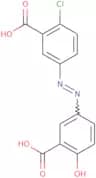
Discontinued productOlsalazine sodium impurity D
CAS:Olsalazine sodium impurity D is a natural substance that is present as an impurity in the drug Olsalazine sodium. It is used as an analytical standard for Olsalazine sodium and its metabolites, which are involved in drug development. The purity of this substance can be customized by our research and development team. This product has CAS number 93964-55-7 and is available at a reasonable price.
Formula:C14H9ClN2O5Purity:Min. 95%Color and Shape:PowderMolecular weight:320.68 g/molRef: 3D-IO63797
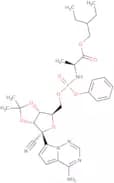
Discontinued productRemdesivir impurity 10
CAS:Remdesivir impurity 10 is a synthetic chemical compound that has been synthesized for research and development. It is an impurity standard of remdesivir, which is not present in any drug product. The purity of this product is high, and it can be used as a pharmacopoeia or drug development standard. It can also be used as an analytical standard to measure the concentration of metabolites in animal studies or metabolism studies.
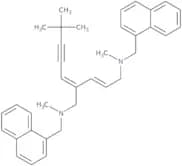
Formula:C27H35N6O8PPurity:Min. 95%Molecular weight:602.58 g/molTerbinafine dimer impurity dihydrochloride
CAS:Terbinafine is an antifungal agent that belongs to the family of medicines. It is used to treat fungal infections of the skin, nails and scalp. Terbinafine can also be used to treat other types of fungal infections, such as tinea corporis (ringworm), tinea cruris (jock itch), tinea pedis (athlete's foot) and tinea capitis (scalp ringworm). Terbinafine dimer impurity dihydrochloride is a by-product of terbinafine hydrochloride that has been shown to have industrial applications as a dispersant or lubricant in industries such as papermaking.
Formula:C36H40N2·2HClPurity:Min. 95%Color and Shape:White Off-White PowderMolecular weight:573.64 g/molRef: 3D-ID28037
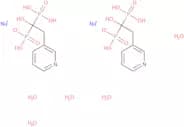
Discontinued productRisedronate sodium hydrate
CAS:Risedronate sodium hydrate is a polymorphic, water-soluble salt of risedronate. It has been used in the treatment of osteoporosis and Paget's disease of bone. Risedronate sodium hydrate binds to calcium ions in the body and prevents them from being deposited in bone tissue. This drug also cross-links collagen fibers in the bone matrix, which increases mineralization and decreases the risk of fracture by strengthening the bones. The monosodium salt form of risedronate is soluble in water and is used as an analytical reagent for determining ionic strength or pH. It has been shown to inhibit ionotropic gelation, which may be due to its polyphosphoric acid content. Risedronate sodium hydrate is a polymorphic, water-soluble salt of risedronate that has been used in the treatment of osteoporosis and Paget's disease of bone. Risedronate sodium hyd
Formula:C7H10NNaO7P2·xH2OPurity:Min. 98 Area-%Color and Shape:PowderMolecular weight:350.13 g/molRef: 3D-IM57822
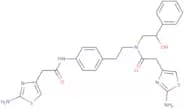
Discontinued productN-(2-Amino-4-thiazolyl)acetyl mirabegron
CAS:N-(2-Amino-4-thiazolyl)acetyl mirabegron is a research chemical that belongs to the category of drugs. It is custom synthesized and purified through analytical methods. N-(2-Amino-4-thiazolyl)acetyl mirabegron has been studied for its metabolism in vivo, including its pharmacokinetics and pharmacodynamics. This drug product is a metabolite of mirabegron, an agent used for the treatment of overactive bladder syndrome (OAB). The metabolite is also present in urine and plasma samples.
Formula:C26H28N6O3S2Purity:Min. 95%Molecular weight:536.7 g/molRemdesivir impurity 7
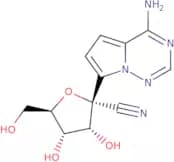
CAS:Remdesivir is an antiviral drug. It is an RNA-dependent RNA polymerase inhibitor that has been shown to be effective against a broad range of RNA viruses, including influenza A and B, rhinovirus, respiratory syncytial virus, and parainfluenza virus. Remdesivir impurity 7 (impurity) is a byproduct of the synthesis process of remdesivir. It is a white crystalline solid with a strong chemical odor. This impurity can be synthesized in high purity as well as in custom specifications to meet the needs of pharmaceutical companies developing new drugs.
Formula:C15H24NO5PPurity:Min. 95%Molecular weight:329.33 g/molPitavastatin 3S,5R isomer calcium
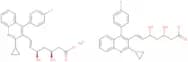
CAS:Pitavastatin 3S,5R isomer Calcium Salt is a potent inhibitor of cholesterol biosynthesis. It is marketed as the hemihydrate form under the trade name Pravacol and is used in the treatment of type 2 diabetes. Pitavastatin 3S,5R isomer Calcium Salt inhibits cholesterol biosynthesis by blocking HMG-CoA reductase, which converts 3-hydroxy-3-methylglutaryl coenzyme A (HMG-CoA) to mevalonate (MVA). The active metabolite, pitavastatin, binds to the regulatory region of HMG-CoA reductase and prevents it from converting MVA to HMG-CoA. This reduces the pool of HMG-CoA available for conversion to cholesterol. The inhibition of this enzyme slows down the production of cholesterol and decreases blood levels. It has been approved for use in adults with type 2 diabetes and for lowering highFormula:(C25H24FNO4)2•CaPurity:Min. 95%Color and Shape:White/Off-White SolidMolecular weight:880.98 g/molRef: 3D-IP145451
Discontinued productDecitabine impurity 12
Decitabine Impurity 12 is an analytical standard that is used in the research and development of drug products. It is a high purity, HPLC-grade impurity that complies with USP/NF requirements. Decitabine Impurity 12 has been shown to be a metabolite of decitabine, which is an anti-cancer drug used in the treatment of myelodysplastic syndrome (MDS) and acute myeloid leukemia (AML). This impurity has also been shown to have pharmacopoeia value as an impurity standard for drug products.
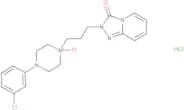
Formula:C4H6N6O2Purity:Min. 95%Molecular weight:170.13 g/molTrazodone Hydrochloride Impurity G
Trazodone Hydrochloride Impurity G is a synthetic compound that is an impurity found in Trazodone Hydrochloride, CAS No. 77893-17-6. This compound has the following physical properties: MW = 284.27, mp = 227-229°C, [α] D = -33.5° (c 1.0 in water), and UV max (λ max ) = 228 nm. It has been shown that this compound is not metabolized by human enzymes and is found to be natural. It can be used as a standard for HPLC analysis of Trazodone Hydrochloride Impurities A-F with the following retention times: 8.7 min for Impurity A, 9.2 min for Impurity B, 9.9 min for Impurity C, 10.4 min for Impurity D, 11.1 min for Impurity E, and 12.3 min for Impurity F.BR>BR
Formula:C17H27ClN2O·HClPurity:Min. 95%Molecular weight:347.32 g/mol6-Epi pravastatin sodium
CAS:6-Epi pravastatin sodium salt is a synthetic compound with the same molecular formula and chemical structure as the natural product. It has been used in pharmacological studies, drug development, and research. 6-Epi pravastatin sodium salt is a metabolite of pravastatin.
Formula:C23H36O7•NaPurity:Min. 92.0 Area-%Molecular weight:447.51 g/molRef: 3D-IE34975
Discontinued productOlmesartan
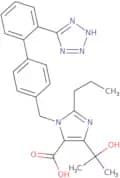
CAS:Olmesartan medoxomil is a prodrug that is hydrolyzed to olmesartan, its active form. It is a member of the angiotensin II receptor antagonists and it is used for the treatment of hypertension and heart failure. Olmesartan medoxomil reduces the risk of cardiovascular events in patients with resistant hypertension or heart failure. The drug binds to the angiotensin II type 1 receptor, thereby blocking the binding of angiotensin II to this receptor. This prevents activation of downstream signaling pathways, including phospholipase C, protein kinase C, and mitogen-activated protein kinases. Olmesartan medoxomil also blocks the formation of new blood vessels and vascular remodeling in animal models.
Formula:C24H26N6O3Purity:Min. 95%Color and Shape:White PowderMolecular weight:446.5 g/mol(3R)-3-Amino-1-[5,6-dihydro-3-(trifluoromethyl)-1,2,4-triazolo[4,3-α]pyrazin-7(8H)-yl]-4-(2,3,6-trifluorophenyl)-1-butanone
CAS:Please enquire for more information about (3R)-3-Amino-1-[5,6-dihydro-3-(trifluoromethyl)-1,2,4-triazolo[4,3-α]pyrazin-7(8H)-yl]-4-(2,3,6-trifluorophenyl)-1-butanone including the price, delivery time and more detailed product information at the technical inquiry form on this page
Formula:C16H15F6N5OPurity:Min. 95%Molecular weight:407.31 g/molEmpagliflozin R/S-furanose
Please enquire for more information about Empagliflozin R/S-furanose including the price, delivery time and more detailed product information at the technical inquiry form on this page
Formula:C23H27ClO7Purity:95%NmrColor and Shape:PowderMolecular weight:450.91 g/molOxytocin
CAS:Natriuretic hormone; induces uterine contraction and lactation
Formula:C43H66N12O12S2Purity:Min. 98 Area-%Color and Shape:White Off-White PowderMolecular weight:1,007.19 g/molRef: 3D-FO35402
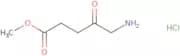
Discontinued product5-Aminolevulinic acid methyl ester hydrochloride
CAS:5-Aminolevulinic acid methyl ester hydrochloride is a drug that is used to treat skin conditions such as psoriasis, dermatitis, and vitiligo. It is used to treat skin cancer and inflammatory diseases such as lupus erythematosus. 5-Aminolevulinic acid methyl ester hydrochloride works by targeting the mitochondria of skin cells. This drug causes mitochondrial membrane depolarization in vitro. The clinical response to this drug is variable and may depend on the severity of the condition being treated. In vivo studies with human subjects show low bioavailability for this drug.
Formula:C6H11NO3·HClPurity:Min. 95%Color and Shape:PowderMolecular weight:181.62 g/molErythromycin impurity M
Erythromycin impurity M is a natural, API impurity (impurity standard) that is a metabolite of erythromycin. It has been synthesized as a high purity HPLC standard to meet the requirements of pharmacopoeia and drug development. Erythromycin impurity M is an analytical reference material with CAS number 528-73-2.
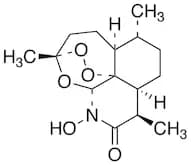
Formula:C37H67NO13Purity:Min. 95%Molecular weight:733.93 g/molN-Hydroxy-11-azaartemisinin
CAS:Controlled ProductFormula:C15H23NO5Color and Shape:WhiteMolecular weight:297.35Betamethasone EP impurity G
CAS:Controlled ProductBetamethasone EP Impurity G is an analytical impurity that is found in the drug product Betamethasone EP. It is also a natural, synthetic, and custom synthesis impurity that has been manufactured to be an impurity standard. Betamethasone EP Impurity G has a CAS number of 85700-75-0 and is a niche HPLC standard for research and development purposes. This high purity impurity may be synthesized from other chemical compounds or created synthetically.
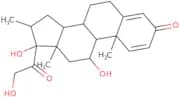
Formula:C22H30O5Purity:Min. 95%Color and Shape:PowderMolecular weight:374.5 g/molRef: 3D-IB180622
Discontinued product3-(N-Phenyl-N-methyl)aminoacrolein
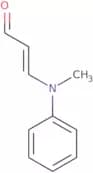
CAS:3-(N-Phenyl-N-methyl)aminoacrolein is a hydrophobic compound that has been shown to reversibly bind to serum albumin. This binding leads to a decrease in the lipid content of lipoproteins and a decrease in the rate of their metabolism. These effects are mediated by hydrophobic interactions with the hydrophobic regions of serum albumin. 3-(N-Phenyl-N-methyl)aminoacrolein also interacts with human serum albumin, which is involved in lipid transport and metabolism, and can be used as a contrast agent for X-ray diffraction studies.
Formula:C10H11NOPurity:Min. 97 Area-%Color and Shape:PowderMolecular weight:161.2 g/molRef: 3D-IP167308
Discontinued productN-Methyl metribuzin
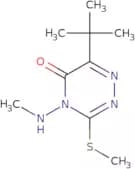
CAS:N-Methyl metribuzin is a drug product that belongs to the class of organic compounds known as phenylureas. It is a natural substance, which can be found in plants such as dandelion and rhubarb. Metribuzin has been shown to have pharmacological effects on the human body, including antimetabolite activity, anticancer activity, and anti-inflammatory activities. Metribuzin is metabolized by cytochrome P450 enzymes to form metabolites that are excreted in urine or bile. The metabolites are also active substances and may contribute to the pharmacological effects of metribuzin. Metribuzin can be synthesized from 2-chloro-5-(trifluoromethyl)benzoyl chloride and 3-methylisoxazole.
Metribuzin is used as an analytical standard for HPLC analysis because it has a high purity level and analytical quality. It is also used inFormula:C9H16N4OSPurity:Min. 95%Color and Shape:PowderMolecular weight:228.32 g/molRef: 3D-GCA74245
Discontinued product1-Benzyl-4-methylpiperidin-3-ol 4-methylbenzenesulfonate
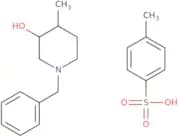
CAS:Please enquire for more information about 1-Benzyl-4-methylpiperidin-3-ol 4-methylbenzenesulfonate including the price, delivery time and more detailed product information at the technical inquiry form on this page
Formula:C20H27NO4SPurity:Min. 95%Molecular weight:377.5 g/molRef: 3D-TUA04020
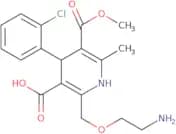
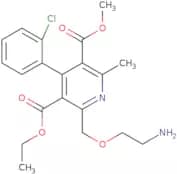
Discontinued product5-O-Desethyl amlodipine
CAS:5-O-Desethyl amlodipine is a metabolite of amlodipine. It has been used as an analytical reference standard for the determination of amlodipine and its metabolites in human plasma and urine. 5-O-Desethyl amlodipine has been reported to be excreted in human breast milk at a concentration that is about 20% of that found in maternal plasma. The drug product is manufactured by HPLC and is classified as a high purity pharmaceutical drug, which means it is free from extraneous substances such as other drugs, proteins, or bacteria.
Formula:C18H21ClN2O5Purity:Min. 95%Molecular weight:380.82 g/molRef: 3D-ID153422
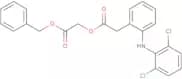
Discontinued productAceclofenac benzyl ester
CAS:Aceclofenac is a nonsteroidal anti-inflammatory drug (NSAID) that belongs to the propionic acid derivative group. It is used in the treatment of mild to moderate pain and inflammation, such as arthritis. Aceclofenac is rapidly hydrolyzed by esterases in the small intestine, resulting in the release of aceclofenac acid. Aceclofenac benzyl ester is a chemical intermediate that has been shown to be an efficient method for producing aceclofenac acid. It can be obtained by reacting bromoacetic anhydride with methyl alcohol and then hydrolyzing the product with strong acids. This compound may contain impurities, such as nucleophilic impurities, which can lead to side effects.
Formula:C23H19Cl2NO4Purity:Min. 95%Molecular weight:444.31 g/molRef: 3D-IA16909
Discontinued productOmeprazole Impurity 65
Impurity 65 is an impurity of Omeprazole, a drug used to treat gastroesophageal reflux disease and peptic ulcer. Impurity 65 is a metabolite of Omeprazole that can be found in the drug product at a concentration up to 0.5%. It has been shown to have anti-inflammatory effects and can be used as a research and development standard for HPLC analysis. Impurity 65 is also used as an impurity standard in the USP pharmacopoeia and other pharmacopoeias around the world.
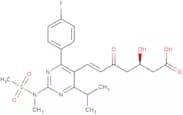
Formula:C17H17N3O4Purity:Min. 95%Molecular weight:327.33 g/mol5-Oxo Rosuvastatin
CAS:5-Oxo Rosuvastatin is a drug product that has been synthesized from natural ingredients. It is an analytical standard for the impurity, 5-oxo-rosuvastatin, which is a potential impurity in the API, rosuvastatin. This drug product has been custom synthesized in order to provide an Impurity Standard for HPLC. This drug product is also used as a Synthetic Reference Standard for Drug Development and Research and Development.
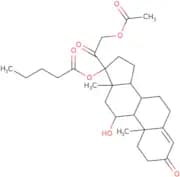
Formula:C22H26FN3O6SPurity:Min. 95%Color and Shape:Off-White To Light (Or Pale) Yellow To Dark Yellow SolidMolecular weight:479.52 g/molHydrocortisone 17-valerate 21-acetate
CAS:Controlled ProductPlease enquire for more information about Hydrocortisone 17-valerate 21-acetate including the price, delivery time and more detailed product information at the technical inquiry form on this page
Formula:C28H40O7Purity:Min. 95%Molecular weight:488.6 g/molRef: 3D-GDA45646
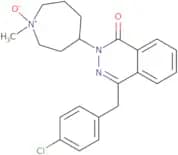
Discontinued productAzelastine N-oxide, mixture of diastereomers
CAS:Azelastine N-oxide is a racemic form of azelastine, an antihistamine. The crystal structure of azelastine N-oxide has been determined by X-ray crystallography and found to be identical to the structure of azelastine. Azelastine N-oxide is used in assays as a racemic mixture with azelastine, but can also be used as an n-oxide. Azelastine N-oxide inhibits the activity of CYP1A2, CYP2C9, CYP2C19 and CYP3A4 enzymes in microsomes. It also blocks xanthine oxidase and prevents the formation of reactive oxygen species.Formula:C22H24ClN3O2Purity:Min. 95%Molecular weight:397.9 g/molRef: 3D-QAB27988
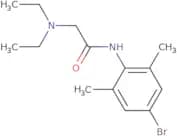
Discontinued product4'-Bromo-2-(diethylamino)-2',6'-acetoxylidide
CAS:Please enquire for more information about 4'-Bromo-2-(diethylamino)-2',6'-acetoxylidide including the price, delivery time and more detailed product information at the technical inquiry form on this page
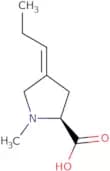
Formula:C14H21BrN2OPurity:Min. 95%Molecular weight:313.23 g/mol(trans)-4-Propyl-1-methyl-L-proline
CAS:(trans)-4-Propyl-1-methyl-L-proline is a synthetic compound that has been used in the past as an impurity standard in the synthesis of several drugs, including metaxalone and aminopyrine. It is also found to have pharmacological effects on its own and was used as a drug product for the treatment of rheumatoid arthritis. (trans)-4-Propyl-1-methyl-L-proline is not listed in any pharmacopoeia or international list of approved drugs.
Formula:C9H17NO2Purity:Min. 95%Color and Shape:White/Off-White SolidMolecular weight:171.24 g/molRef: 3D-FP27224
Discontinued productOlsalazine sodium EP impurity F
Olsalazine sodium EP impurity F
CAS No.:
Natural: Yes
API Impurity: Yes
Custom Synthesis: Yes
Impurity Standard: Yes
Synthetic: Yes
Drug Development: Yes
Research and Development: Yes
Niche Product: Yes
HPLC Standard: Yes
High Purity Product: Yes
Pharmacopoeia Product: NoFormula:C21H14N2O9Purity:Min. 95%Molecular weight:438.34 g/molTrazodone Impurity A
CAS:Trazodone Impurity A is a drug product that is an impurity standard for Trazodone. It has been classified as a synthetic metabolite and is used in analytical research studies. Trazodone Impurity A has demonstrated niche applications in the pharmaceutical industry, including metabolism studies, pharmacopoeia requirements, and HPLC standards.
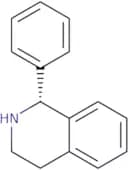
Formula:C19H22ClN5OPurity:Min. 95%Molecular weight:371.86 g/mol(R)-1-Phenyl-1,2,3,4-tetrahydroisoquinoline
CAS:(R)-1-Phenyl-1,2,3,4-tetrahydroisoquinoline is a chiral molecule with four stereocenters. It is synthesized by the reaction of sulfamic acid and cyclohexene in the presence of p-toluenesulfonic acid. The product formed is then dehydrogenated to produce (R)-1-phenyl-1,2,3,4-tetrahydroisoquinoline. This compound is soluble in organic solvents such as benzene and ethane and can be used as an acceptor for chiral stationary phases.
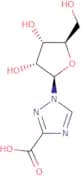
Formula:C15H15NPurity:Min. 95%Color and Shape:PowderMolecular weight:209.29 g/mol1-b-D-Ribofuranosyl-1,2,4-triazole-3-carboxylic acid
CAS:1-b-D-Ribofuranosyl-1,2,4-triazole-3-carboxylic acid (1bRT) is an amide that inhibits the growth of viruses by inhibiting the viral enzyme thiosemicarbazide. It has been shown to be active against specific viruses such as HIV and retroviruses. 1bRT is used to treat lung diseases caused by viruses, including bronchiolitis, pneumonia, and pulmonary fibrosis. It also has antibacterial properties. Studies have shown that 1bRT reduces the number of bacteria in body fluids and helps to prevent respiratory infections and other bacterial infections in people with weakened immune systems due to AIDS or cancer treatment.
Formula:C8H11N3O5Purity:Min. 95%Molecular weight:229.19 g/molRef: 3D-IR138822
Discontinued productDiltiazem EP Impurity H
CAS:Diltiazem EP Impurity H is a metabolite of diltiazem that is used as an impurity standard for the drug product. Diltiazem EP Impurity H has a purity level of 99% and is soluble in water. It is synthesized by reacting diltiazem with nitric acid, then hydrolyzing the product to form the desired compound. Diltiazem EP Impurity H can be used as an analytical reference material or a pharmacopoeia for HPLC standards.
Diltiazem EP Impurity H is a metabolite of diltiazem that is used as an impurity standard for the drug product. Diltiazem EP Impurity H has a purity level of 99% and is soluble in water. It is synthesized by reacting diltiazem with nitric acid, then hydrolyzing the product to form the desired compound. Diltiazem EP Impurity H can be used as an analytical reference materialFormula:C17H18N2O3SPurity:Min. 95%Molecular weight:330.4 g/molBenzylidene camphor sulfonic acid
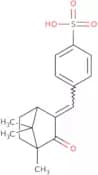
CAS:Benzylidene camphor sulfonic acid is a non-volatile, oil-soluble, water-insoluble, white solid. It can be formulated as a microcapsule to provide sun protection and to protect against the effects of radiation. Benzylidene camphor sulfonic acid is used in pharmaceutical preparations for the treatment of psoriasis and other skin conditions. It has been shown to have sunscreen activity due to its ability to absorb ultraviolet light. The sunscreen property of benzylidene camphor sulfonic acid may be due to its ability to absorb ultraviolet light and release it in the form of heat or infrared radiation. Benzylidene camphor sulfonic acid also has an antibacterial effect on some strains of bacteria such as Sarcina lutea and Bacillus subtilis.
Formula:C17H20O4SPurity:Min. 95%Molecular weight:320.4 g/molRef: 3D-GCA03958
Discontinued productLumiflavin 5-oxide
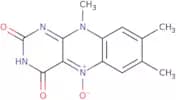
CAS:Lumiflavin 5-oxide is a metabolite of lumiflavin. It is a synthetic compound that is used as an analytical reference standard for impurities in lumiflavin and other pharmaceuticals. Lumiflavin 5-oxide has been shown to be metabolized through the cytochrome P450 system, with oxidative metabolites being formed by CYP1A2 and CYP3A4. Lumiflavin 5-oxide has also been shown to be a competitive inhibitor of NAD+-dependent enzymes such as glycerol kinase, phosphofructokinase, lactate dehydrogenase, alcohol dehydrogenase, and glucose 6-phosphate dehydrogenase.
Formula:C13H12N4O3Purity:Min. 95%Molecular weight:272.26 g/molRef: 3D-LBA99593
Discontinued productPyrimido[1,2-a]purin-10(1H)-one
CAS:Pyrimido[1,2-a]purin-10(1H)-one is a cytotoxic drug used in the treatment of various cancers. It is an analog of purine nucleoside and has been shown to inhibit mitochondrial functions and nuclear DNA synthesis, as well as to induce malondialdehyde production. Pyrimido[1,2-a]purin-10(1H)-one also inhibits protein synthesis by methyltransferase inhibition. The detection sensitivity of pyrimido[1,2-a]purin-10(1H)-one has been demonstrated using titration calorimetry on sephadex g-100 columns. This compound is not active against E. coli K12 but is active against other bacteria including Staphylococcus aureus isolates that are resistant to methicillin.
Formula:C8H5N5OPurity:Min. 95%Molecular weight:187.16 g/molRemdesivir related compound 9
CAS:Remdesivir related compound 9 is a drug product that is an analytical standard. It is a natural API impurity, which has been synthesized for use as an impurity standard. This compound has been custom synthesized to be used as a research and development chemical. CAS No. 1439900-56-7 is the number of this synthetic drug product. It can be used in HPLC standards and it meets pharmacopoeia requirements for purity. The niche market for this compound is high purity analytical standards, including HPLC standards.
Formula:C21H27N2O7PPurity:Min. 95%Molecular weight:450.42 g/mol(E)-2-Furaldehyde, (2,4-dinitrophenyl)hydrazone
CAS:Please enquire for more information about (E)-2-Furaldehyde, (2,4-dinitrophenyl)hydrazone including the price, delivery time and more detailed product information at the technical inquiry form on this page
Formula:C11H8N4O5Purity:Min. 95%Molecular weight:276.2 g/molRef: 3D-RAA41622
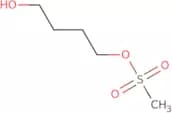
Discontinued product4-Methanesulfonyloxybutanol
CAS:4-Methanesulfonyloxybutanol is a chemical substance with the molecular formula CH3SO2CH(CH2OH)CH2OH. It is used as an intermediate in the synthesis of 4-methanesulfonyloxybutanol, which is a potent inhibitor of busulfan-induced leukopenia and myelosuppression. This substance has been shown to be highly effective in preventing busulfan-induced side effects when administered intravenously. 4-Methanesulfonyloxybutanol is chemically synthesized by intramolecular alkylation of butanol, followed by hydrolysis. The reaction product can be detected using an ionization detector in conjunction with gas chromatography. This product is an alkylation agent that reacts with polypropylene to produce polypropylene glycols.
Formula:C5H12O4SPurity:Min. 95%Color and Shape:LiquidMolecular weight:168.21 g/molAlpha-amino-4-octylbenzenebutanoic acid
CAS:Alpha-amino-4-octylbenzenebutanoic acid is an impurity standard for pharmacopoeia and drug development. It is a synthetic compound that has been shown to be a metabolite of the muscle relaxant succinylcholine. Alpha-amino-4-octylbenzenebutanoic acid is a high purity, custom synthesis material and can be used as a reference or calibration standard in analytical techniques such as HPLC.
Formula:C18H29NO2Purity:Min. 95%Molecular weight:291.40 g/molRef: 3D-WYA82019
Discontinued productEthyl 6-[4-[(5-chloro-1-oxopentyl)amino]phenyl]-4,5,6,7-tetrahydro-1-(4-methoxyphenyl)-7-oxo-1H-pyrazolo[3,4-c]pyridine-3-carboxylat e
CAS:Ethyl 6-[4-[(5-chloro-1-oxopentyl)amino]phenyl]-4,5,6,7-tetrahydro-1-(4-methoxyphenyl)-7-oxo-1H-pyrazolo[3,4-c]pyridine-3-carboxylate is a chemical compound with various applications. It is soluble in methanol and has been found to interact with peptidoglycan, cellulose, and other substances. This compound has shown potential anticoagulation properties and has been studied for its effects on blonanserin, etoricoxib, 27-hydroxycholesterol, tenofovir, proton, famotidine, dimethyl fumarate, calpain, dimethyl sulfoxide, and reactive agents. Further research is needed to fully understand the potential applications of this compound and its interactions with different substances.
Formula:C27H29ClN4O5Purity:Min. 95%Molecular weight:525 g/molRef: 3D-WGC82320
Discontinued productChloromethyl olanzapinium chloride
CAS:Chloromethyl olanzapinium chloride is an analytical reference material that can be used as a standard for HPLC-UV analysis. It is also used in the development of new drugs and as an impurity standard during drug manufacturing. Chloromethyl olanzapinium chloride has been shown to be a metabolite of Olanzapine, which is a niche drug product that is not commercially available. Chloromethyl olanzapinium chloride is listed by the USP, EP and JP as a drug product impurity. It can be synthesized from natural or synthetic sources.
Formula:C18H22Cl2N4SPurity:Min. 95%Color and Shape:PowderMolecular weight:397.37 g/molDuloxetine phenyl carbamate
CAS:Duloxetine is a drug product that belongs to the class of drugs known as selective serotonin and norepinephrine reuptake inhibitors. Duloxetine is a metabolite of duloxetine phenyl carbamate, which is an impurity standard for HPLC analysis. Duloxetine has been shown to inhibit the metabolism of serotonin and norepinephrine in the brain, leading to increased amounts of these neurotransmitters. This medication has been studied in niche populations such as those with depression and diabetic neuropathy. Duloxetine also has high purity standards, meeting the requirements of pharmacopoeia.
Formula:C25H23NO3SPurity:Min. 95%Molecular weight:417.50 g/molRef: 3D-XMB68609
Discontinued productAmoxicillin EP Impurity L
CAS:Amoxicillin EP Impurity L is an impurity standard for amoxicillin. It is a synthetic compound that is used to ensure the quality of amoxicillin drug products. Amoxicillin EP Impurity L has been shown to be metabolized through a number of metabolic transformations, including hydrolysis by esterases or glucuronidases, oxidation by cytochrome P450 enzymes, reduction by glutathione reductase, or conjugation with glucuronic acid. This impurity has also been shown to have anti-inflammatory properties and may be due to its inhibition of prostaglandin synthesis.
Formula:C24H29N5O7S2Purity:Min. 95%Molecular weight:563.65 g/molRef: 3D-IA180686
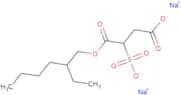
Discontinued productDisodium monooctyl sulfosuccinate
CAS:Disodium monooctyl sulfosuccinate (DSMS) is a sodium-based surfactant that is used as an excipient in tablets and capsules. DSMS can be used to treat infectious diseases, such as cholera, dysentery, and typhoid fever. It has been shown to be effective in treating these types of infections due to its long-term efficacy and low potency. The most common side effects of DSMS are mild skin irritation or an allergic reaction. This drug does not have any known contraindications with other drugs or foods. It is also biocompatible with a variety of polymers and fatty acids.
Formula:C12H20Na2O7SPurity:Min. 95%Molecular weight:354.33 g/molRef: 3D-LDA87853
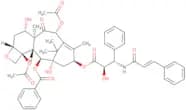
Discontinued productPaclitaxel impurity O
CAS:Paclitaxel impurity O is a synthetic drug that is used in the treatment of cancer. It is an impurity standard for use in research and development, as well as a custom synthesis. Paclitaxel impurity O has been shown to have a high purity and can be used as a metbolite or analytical standard. It has been shown to possess anti-inflammatory properties, which may be due to its ability to inhibit prostaglandin synthesis.
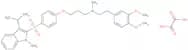
Formula:C49H53NO14Purity:Min. 95%Molecular weight:879.94 g/molSr 33805 oxalate
CAS:Sr 33805 oxalate is a potent inhibitor of cell proliferation that is used in the treatment of cancer. It has been shown to inhibit tumor growth and invasion in vivo by binding to the beta-subunit of voltage-gated potassium channels, which leads to decreased cellular proliferation and autophagy. Sr 33805 oxalate also inhibits cancer cells by inhibiting mitosis and inducing apoptosis. This agent has cytotoxic effects on brain cells, with an IC50 value of 0.1 μM in vitro against rat cerebellar neurons. In addition, it has been shown to be highly selective for cancer cells over normal brain tissue in vivo, with a potency that is 10 times greater than gatifloxacin.
Formula:C34H42N2O9SPurity:Min. 95%Molecular weight:654.8 g/molRef: 3D-WEA34633
Discontinued productAcrolein-d4
CAS:Please enquire for more information about Acrolein-d4 including the price, delivery time and more detailed product information at the technical inquiry form on this page
Formula:C3H4OPurity:Min. 95%Molecular weight:60.09 g/molRef: 3D-IBA98405
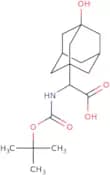
Discontinued productBoc-3-hydroxy-1-adamantyl-glycine
CAS:Boc-3-hydroxy-1-adamantyl-glycine is a catalytic, nucleophilic, chiral amino acid that is used in the synthesis of oximes. Boc-3-hydroxy-1-adamantyl-glycine has been shown to be an effective substitute for hydroxylamine in reductive amination reactions and can be used to synthesize some pharmaceuticals, including saxagliptin. This compound is stable under standard conditions and can be easily synthesized. It is also a powerful nucleophile that reacts with electrophiles such as chloroformates and sulfonyl chlorides.
Formula:C17H27NO5Purity:Min. 95%Molecular weight:325.4 g/molRef: 3D-JDC32139
Discontinued productDioctyl carbonate
CAS:Dioctyl carbonate is a pharmaceutical preparation used to treat skin conditions. It is a fatty acid ester of carbonic and carbonyl groups in which the two esters are in the same molecule. Dioctyl carbonate is a reaction product obtained by reacting an inorganic acid, such as hydrochloric acid or sulfuric acid, with an alcohol containing two hydroxyl groups and one double bond. This reaction may be facilitated by heating. The film-forming polymer may be polyvinylpyrrolidone, polyvinyl alcohol, or polyacrylic acid. Dioctyl carbonate has been shown to stimulate colony-stimulating factor production and inhibit the proliferation of human epidermal keratinocytes.
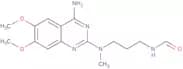
Formula:C17H34O3Purity:Min. 95%Color and Shape:Clear LiquidMolecular weight:286.4 g/molN-(4-Amino-6,7-dimethoxyquinazol-2-yl)-N-methylpropylenediamine formamide hydrochloride
CAS:N-(4-Amino-6,7-dimethoxyquinazol-2-yl)-N-methylpropylenediamine formamide hydrochloride is an impurity in the synthesis of N-(4-amino-6,7-dimethoxyquinazol-2-yl)-N'-methylpropylenediamine formamide hydrochloride. It is a white solid that can be used as an analytical reference standard for HPLC. It has been detected in the urine of people taking this drug and can be used to identify the presence of this drug in urine samples.
Formula:C14H17N5O2·HClPurity:Min. 95%Molecular weight:323.78 g/molKaempferol di-o-methoxymethyl ether
CAS:Kaempferol di-O-methoxymethyl ether is a natural product that has been identified as a metabolite of kaempferol. It is an API impurity in the drug product and can also be found in the synthesis of kaempferol. Kaempferol di-O-methoxymethyl ether is a synthetic compound that can be used for drug development, research and development, and analytical purposes. It is an HPLC standard for pharmacopoeia.Formula:C19H18O8Purity:Min. 95%Molecular weight:374.3 g/molRef: 3D-EDC80199
Discontinued product[1-Hydroxy-3-(methylisopentylamino)propylidene] bisphosphonic acid monosodium (ibandronic acid impurity)
CAS:[1-Hydroxy-3-(methylisopentylamino)propylidene] bisphosphonic acid monosodium (ibandronic acid impurity) is a metabolite of ibandronate, which is used in the treatment of osteoporosis. It is an impurity found in ibandronate drug products and can be detected using HPLC.
Formula:C9H22NNaO7P2Purity:Min. 95%Molecular weight:341.21 g/mol2-[2-[4-(5,5-Dioxidodibenzo[b,f][1,4]thiazepin-11-yl)-1-piperazinyl]ethoxy]ethanol
CAS:Quetiapine is a drug that belongs to the class of sulfoxides. It is usually administered orally, but can also be given intravenously or intramuscularly. Quetiapine has been studied for its clinical use in the treatment of schizophrenia and bipolar disorder. The plasma concentrations of quetiapine are determined by high-performance liquid chromatography (HPLC) with tandem mass spectrometry (LC-MS/MS) detection. Validation studies have shown that the HPLC-MS/MS method is accurate and precise, with good linearity over a range of concentrations. Analysis was performed on plasma samples from healthy volunteers who were administered either 2 mg or 10 mg doses of quetiapine by intravenous injection. Concentrations were calculated and compared to those found in patients with schizophrenia and bipolar disorder who had been given oral doses of 300 mg per day for four weeks, yielding a therapeutic plasma concentration range from 100 to 300 ng/mL.
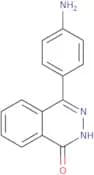
Formula:C21H25N3O4SPurity:Min. 95%Molecular weight:415.51 g/mol4-(4-Aminophenyl)phthalazin-1(2H)-one
CAS:4-(4-Aminophenyl)phthalazin-1(2H)-one is an antibacterial drug that belongs to the class of amide and minimise. It has a constant, synthetic, and chalcone profile. 4-(4-Aminophenyl)phthalazin-1(2H)-one has been shown to have antiplatelet activity in animals. This drug also inhibits the production of proinflammatory cytokines such as IL-6, IL-8, and TNFα by human monocytes. This drug also has antidiabetic properties and a safety profile similar to other nonsteroidal anti-inflammatory drugs.
Formula:C14H11N3OPurity:Min. 95%Molecular weight:237.26 g/molRef: 3D-GFA74153
Discontinued productGlipizide EP Impurity F
CAS:Glipizide EP Impurity F is a synthetic impurity that is used as a research and development impurity standard. It has high purity and is pharmacopoeia grade. Glipizide EP Impurity F is also a metabolite of the drug product Glipizide and has been shown to have analytical applications for pharmacokinetic studies. It can be synthesized from natural materials or can be custom synthesized depending on the needs of the customer.
Formula:C11H16N2O4SPurity:Min. 95%Color and Shape:PowderMolecular weight:272.32 g/mol5-[(Desloratadine)methyl] rupatadine
CAS:Desloratadine is a drug that belongs to the group of antihistamines and is indicated for the treatment of allergic rhinitis. It has been shown to be as effective as loratadine, cetirizine, and fexofenadine in clinical trials. Desloratadine is metabolized by cytochrome P450 enzymes including CYP2D6 to its active form, desloratadine N-oxide. The metabolites are excreted in the urine.
Formula:C45H43Cl2N5Purity:Min. 95%Molecular weight:724.80 g/molRef: 3D-ZYB51572
Discontinued product(2S,2R,Trans)-saxagliptin
CAS:(2S,2R,Trans)-saxagliptin is an anti-diabetic drug that belongs to the thiazolidinedione class of drugs. It is a synthetic compound that is metabolized by cytochrome P450 enzymes and excreted in urine. (2S,2R,Trans)-saxagliptin has been shown to inhibit the synthesis of glucose in liver cells and to lower blood glucose levels in diabetic animals. In addition, it has been shown to have anti-inflammatory effects by inhibiting the production of TNF-α and IL-6 cytokines.
Formula:C18H25N3O2Purity:Min. 95%Molecular weight:315.40 g/molCiprofibrate-o-β-glucuronide
CAS:Ciprofibrate-o-β-glucuronide is the major metabolite of ciprofibrate in humans. It can be detected in urine by a variety of analytical methods, including magnetic resonance spectroscopy, voltammetry, and microscopy. Ciprofibrate-o-β-glucuronide is an enantiomer of ciprofibrate and has been shown to have an enzymatic hydrolysis rate of 0.07% per hour. This hydrolysis process is catalyzed by cytochrome P450 enzymes. Ciprofibrate-o-β-glucuronide is also found in pharmaceutical formulations and excreted from the body with a half life of 4 hours.
Formula:C19H22Cl2O9Purity:Min. 95%Molecular weight:465.3 g/molRef: 3D-CEA62315
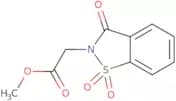
Discontinued product3-Oxo-1,2-benzoisothiazoline-2-acetic acid methyl ester 1,1-dioxide
CAS:Meloxicam is a nonsteroidal anti-inflammatory drug that is used in the treatment of osteoarthritis and rheumatoid arthritis. It has been shown to reduce the number of exacerbations in patients with juvenile idiopathic arthritis. Meloxicam also inhibits the production of Cox-2, which is an enzyme that produces inflammation in joints. The oral route of administration allows meloxicam to be distributed through the body. This drug is not active against ankylosing spondylitis and it should not be taken by pregnant women or children under 12 years old.
Formula:C10H9NO5SPurity:Min. 95%Molecular weight:255.25 g/molBortezomib impurity 76
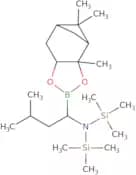
CAS:Bortezomib impurity 76 is an analytical reference material that is used in the development and production of pharmaceuticals. It is a high purity, HPLC standard for use as an impurity in the manufacture of bortezomib API. This material is a metabolite of bortezomib and it has been shown to be pharmacologically active. Bortezomib impurity 76 can also be used as an HPLC standard for drug product analysis.
Formula:C21H44BNO2Si2Purity:Min. 95%Color and Shape:PowderMolecular weight:409.56 g/molRef: 3D-IB181070
Discontinued product4-Desfluoro-4-[4-(2-oxo-2,3-dihydro-1H-benzimidazol-1-yl)-3,6-dihydropyridin-1(2H)-yl] droperidol
CAS:4-Desfluoro-4-[4-(2-oxo-2,3-dihydro-1H-benzimidazol-1-yl)-3,6-dihydropyridin-1(2H)-yl] droperidol is a research chemical that belongs to the class of drugs. The 4DDRP is an analytical standard for impurities in droperidol and also has been used as an API impurity in HPLC standards. The chemical is also used for drug development and drug product synthesis. 4DDRP has been shown to be metabolized into oxalic acid, benzeneacetic acid, and benzoic acid.
Formula:C34H34N6O3Purity:Min. 95%Molecular weight:574.70 g/molRef: 3D-WDC60417
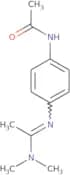
Discontinued productN’-(4-Acetylaminophenyl)-N,N-dimethylacetamidine
CAS:N’-(4-Acetylaminophenyl)-N,N-dimethylacetamidine is a drug product that is used in the development of new drugs. It has high purity, analytical grade and natural origin. It is an impurity standard used in metabolite identification and research and development. The CAS number for this compound is 1358054-66-6.Formula:C12H17N3OPurity:Min. 95%Molecular weight:219.28 g/molRef: 3D-IEC05466
Discontinued productAdefovir dipivoxil dimer
CAS:Adefovir dipivoxil dimer is a synthetic and natural product that is used as an analytical standard for HPLC, as well as in the development of new drug products. It is also used to identify impurities in API. Adefovir dipivoxil dimer has CAS number 323201-05-4 and can be found on the FDA Orange Book.
Formula:C41H64N10O16P2Purity:Min. 95%Molecular weight:1,014.95 g/molRef: 3D-YMA20105
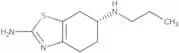
Discontinued product(R)-Pramipexole 2HCl
CAS:Controlled ProductDopamine (D2 and D3) receptor agonist; has anti-parkinsonian effects
Formula:C10H19Cl2N3SPurity:Min. 95%Molecular weight:283.06767Ref: 3D-FP27117
Discontinued productPirtenidine
CAS:Pirtenidine is a potent and selective kinase inhibitor that has been shown to inhibit the activity of cyclin-dependent kinases. It has demonstrated promising results in preclinical studies as an anticancer agent, inducing apoptosis in cancer cells. Pirtenidine is an analog of protein kinase inhibitors, which have been used to treat various types of tumors. It has been found to be effective against human cancer cell lines and has shown significant tumor growth inhibition in animal models. Pirtenidine has also been reported to be a potent urine inhibitor of Chinese hamster ovary cells, making it a promising candidate for the treatment of urinary tract cancers.
Formula:C21H38N2Purity:Min. 95%Molecular weight:318.5 g/molRef: 3D-DEA92327
Discontinued product17-o-(Acetyl-d3)-6-methylprednisolone
CAS:Controlled Product17-o-(Acetyl-d3)-6-methylprednisolone is a drug product that belongs to the group of corticosteroids. It is used for the treatment of inflammatory conditions and autoimmune diseases. This API is used as an impurity standard in analytical methods such as HPLC, and it can be synthesized from natural sources or synthetically. 17-o-(Acetyl-d3)-6-methylprednisolone can also be used in R&D for the development of drugs targeting niche markets, such as those with high purity requirements.
Formula:C24H29D3O6Purity:Min. 95%Molecular weight:419.53 g/molRef: 3D-LDA40194
Discontinued productN-Isopropylnoradrenochrome
CAS:N-Isopropylnoradrenochrome is used as a fluorescent substrate for hydroxylamine. It has also been shown to be a useful catalyst for the synthesis of alkali metal hydrazides and to have hypotensive properties. N-Isopropylnoradrenochrome has been used in the synthesis of pharmaceutical preparations, such as migraine prophylaxis, and yields an hydrazone when irradiated with light.
Formula:C11H13NO3Purity:Min. 95%Molecular weight:207.23 g/molRef: 3D-DAA73631
Discontinued productDoxylamine N-oxide
CAS:Doxylamine N-oxide is a drug product that is custom synthesized to meet the specific needs of the customer. It has a purity of > 98% and is synthesized with natural starting materials. Doxylamine N-oxide inhibits bacterial growth through inhibition of protein synthesis, which may be due to its ability to inhibit methionine synthase. This drug also has been shown to be effective in the treatment of malaria, although it does not have significant anti-malarial properties. Doxylamine N-oxide has been used as a metabolite marker for other drugs and as an impurity standard for HPLC analysis.
Formula:C17H22N2O2Purity:Min. 95%Molecular weight:286.37 g/molLy 2389575 hydrochloride
CAS:Ly 2389575 hydrochloride is a drug product for the treatment of rheumatoid arthritis, psoriatic arthritis, and plaque psoriasis. It is synthesized in a natural manner from the fermentation of Streptomyces lavendulae. The compound has been shown to be metabolized through a number of metabolic transformations including hydrolysis by esterases or glucuronidases, oxidation by cytochrome P450 enzymes, reduction by glutathione reductase, or conjugation with glucuronic acid. Ly 2389575 hydrochloride also specifically binds to markers expressed at high levels in Mycobacterium tuberculosis strains (e.g., ESX-1 secretion system protein) and inhibits cell growth in culture.
Formula:C15H16BrCl3N4Purity:Min. 95%Molecular weight:438.6 g/molRef: 3D-KKB10409
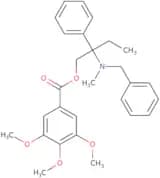
Discontinued productN-Benzyl N-demethyl trimebutine
CAS:N-Benzyl N-demethyl trimebutine is an analytical standard that is used in the development of new drugs. It is a synthetic compound and has not been found in any natural sources. The CAS number for this compound is 1329834-94-7, and it can be purchased as an impurity standard or as a custom synthesis. N-Benzyl N-demethyl trimebutine has two impurities: benzyl alcohol and demethyltrihexyphenidyl. This compound can be used as a pharmacopoeia or HPLC standard.
Formula:C28H33NO5Purity:Min. 95%Molecular weight:463.6 g/molRef: 3D-EDC83494
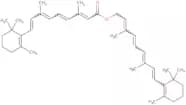
Discontinued productRetinyl retinoate
CAS:Controlled ProductRetinyl retinoate is a synthetic retinoid that is chemically stable and has been shown to be effective in clinical studies. Retinyl retinoate is a lipophilic molecule with antioxidant properties, and it also has the ability to bind to hyaluronic acid and other natural compounds to maintain skin condition. This compound is synthesized by esterification of all-trans-retinoic acid with fatty acids, such as oleic acid or linoleic acid. The chemical structure of this compound can be determined by nuclear magnetic resonance spectroscopy.
Formula:C40H56O2Purity:Min. 95%Molecular weight:568.9 g/molRef: 3D-QAA49886
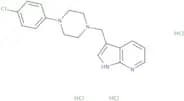
Discontinued productL-745,870 Trihydrochloride
CAS:L-745,870 is a subchronic atypical antipsychotic agent that is a potent D4 receptor agonist. Its efficacy in treating various mental disorders has been demonstrated in clinical studies with animals. L-745,870 has shown antidyskinetic activity in animal models of Parkinson's disease and dyskinesia. The molecular target for this drug is the dopamine D4 receptor. Clinical development of L-745,870 has begun in human studies.
Formula:C18H22Cl4N4Purity:Min. 95%Molecular weight:436.2 g/molRef: 3D-RJB02103
Discontinued product(2S,2R,Trans)-saxagliptin
CAS:(2S,2R,Trans)-saxagliptin is an analytical standard that is used in the development of drug products. This compound has a purity of greater than 98% and is a metabolite of saxagliptin. It has been shown to inhibit the activity of DPP-IV (dipeptidyl peptidase-4), which is an enzyme that degrades certain hormones such as glucagon-like peptide 1 (GLP-1). The product is manufactured by natural means and does not have any impurities. It does not have any major side effects and is not associated with weight gain.
Formula:C18H25N3O2Purity:Min. 95%Molecular weight:315.40 g/molRef: 3D-PMC26600
Discontinued product5-(4-Methoxyphenyl)-3-methyl-1-oxa-3-azaspiro[5.5]undecane
CAS:5-(4-Methoxyphenyl)-3-methyl-1-oxa-3-azaspiro[5.5]undecane is an analytical standard used in HPLC and GC. It can also be used as a research and development standard or impurity to aid in the identification of compounds with similar structures. 5-(4-Methoxyphenyl)-3-methyl-1-oxa-3-azaspiro[5.5]undecane has a purity of 99% and a melting point of 80°C. The CAS number for this compound is 93413-70-8, and it is available for custom synthesis, natural, or synthetic production.
Formula:C17H25NO2Purity:Min. 95%Molecular weight:275.39 g/molMethyl 2-sulfinobenzoate
CAS:Methyl 2-sulfinobenzoate (MSB) is an analytical, research and development, and drug development impurity that is used as an API impurity and HPLC standard. It is a metabolite of sulfadiazine, which belongs to the family of drugs known as sulfonamides. MSB has been shown to have pharmacopoeia activity for the treatment of bacterial infections. It is a natural product found in plants, such as garlic and onion, or it can be synthesized from benzene and sulfur chloride.
Formula:C8H8O4SPurity:Min. 95%Molecular weight:200.21 g/molAmlodipine besilate impurity D
CAS:Amlodipine besilate impurity D is a diluent, additive, and stabilizer. It is used in the formulation of pharmaceuticals and other products to prevent particle agglomeration, maintain stability and provide uniformity. Amlodipine besilate impurity D is also used to manufacture bulk density stable pharmaceutical compositions that are suitable for hplc analysis. This product contains magnesium hydroxide as an impurity.
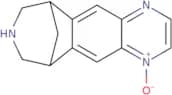
Formula:C20H23ClN2O5Purity:Min. 95%Molecular weight:406.86 g/molVarenicline N-oxide
CAS:Varenicline N-oxide is a synthetic drug product. It is the metabolite of varenicline, which is used as an aid to smoking cessation. Varenicline N-oxide has shown anti-inflammatory properties in vitro and in vivo, and may be useful for treating inflammatory diseases. Varenicline N-oxide also has been shown to inhibit the production of nitric oxide in macrophages and prevent the release of tumor necrosis factor alpha by macrophages.
Formula:C13H13N3OPurity:Min. 95%Molecular weight:227.26 g/molRef: 3D-IV177544
Discontinued productRjr 2429 dihydrochloride
CAS:Rjr 2429 dihydrochloride is a tumor promoter that has been shown to induce tumor growth in tissues and in cell culture. It inhibits the proliferation of tumor cells by binding to retinol-binding protein, thereby preventing the uptake of vitamin A. Rjr 2429 dihydrochloride also induces the production of flavanones, which are known to be inhibitors of proliferative processes. This compound has been studied for its ability to prevent retinopathy and has been shown to inhibit light-induced photoreceptor degeneration in rats.
Formula:C12H18Cl2N2Purity:Min. 95%Molecular weight:261.19 g/molRef: 3D-WQB41853
Discontinued product11-[3-(Dimethylamino)propyl]-6,11-dihydrodibenz[b,e]oxepin-11-ol
CAS:Dispersants are substances that are used to break up and disperse particles in a liquid. The dispersant 11-[3-(dimethylamino)propyl]-6,11-dihydrodibenz[b,e]oxepin-11-ol is an active substance that is used in the production of granules, tablets or other solidified forms of medicaments. It is a substance that has a physiologically active effect on humans and animals. This product can be applied as droplets or particles.
Formula:C19H23NO2Purity:Min. 95%Color and Shape:PowderMolecular weight:297.39 g/molRef: 3D-ID45253
Discontinued productN-4,5[Acetylamino)methyl]desmopressin
N-4,5[Acetylamino)methyl]desmopressin is a synthetic drug product that is used as an analytical standard for the identification and quantitation of desmopressin in pharmaceutical preparations. It is also used as an impurity standard for HPLC analysis. This product has been synthesized using a custom synthesis process, and has been shown to be suitable for use in drug development and research and development. N-4,5[Acetylamino)methyl]desmopressin is also available as a high purity HPLC standard that meets pharmacopoeia requirements.
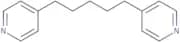
Purity:Min. 95%1,5-Bis(4-pyridyl)pentane
CAS:1,5-Bis(4-pyridyl)pentane is a coordination polymer that can be used in the preparation of polymers. It is bifunctional and has coordination properties. This compound is made up of two pyridine rings linked to an ethyl group via a pentane chain. The cationic form of this compound is used for the preparation of some polymers. The crystal structure for 1,5-bis(4-pyridyl)pentane was determined by X-ray crystallography and found to have a layered topology with hydrogen bonding.
Formula:C15H18N2Purity:Min. 95%Molecular weight:226.32 g/molRef: 3D-ABA38233
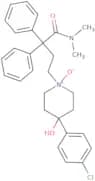
Discontinued productLoperamide N-oxide
CAS:Loperamide N-oxide is an analog of loperamide, which is commonly used as an anti-diarrheal medication. It has been shown to have potential anti-cancer properties by inducing apoptosis in cancer cells. Loperamide N-oxide has also been detected in urine samples from Chinese individuals, indicating its potential use as a biomarker for cancer diagnosis. This compound has been found to inhibit trypsin-like kinases, which are enzymes involved in cell division and proliferation. In addition, loperamide N-oxide has been shown to inhibit the growth of tumor cells and may have potential as a therapeutic agent for cancer treatment. However, it should be noted that rifampicin and other inhibitors can reduce the effectiveness of loperamide N-oxide against cancer cells. Further research is needed to fully understand the potential benefits and limitations of this compound.
Formula:C29H33ClN2O3Purity:Min. 95%Molecular weight:493 g/molRef: 3D-SIA47103
Discontinued productPf 3084014 hydrobromide
CAS:Pf 3084014 hydrobromide is a pluripotent, non-tumorigenic, and self-renewing cell line that can differentiate into cells of all three germ layers. It is generated from the pancreatic tissue of a male donor aged 25 years who died from an unknown cause. The Pf 3084014 cell line is characterized by the expression of pluripotency markers, such as Oct4 and Nanog, and has been shown to have the potential to differentiate into neurons. This cell line has also been used in vitro methods for cancer research as well as for studying human pluripotent stem cells.
Formula:C27H43Br2F2N5OPurity:Min. 95%Molecular weight:651.5 g/molRef: 3D-MDD92529
Discontinued productDecladinose roxithromycin
CAS:Decladinose roxithromycin is a novel drug that can be used for the diagnosis and treatment of disorders related to the mutation. Decladinose roxithromycin has been shown to be effective in the detection and treatment of mutants, such as those related to cystic fibrosis.
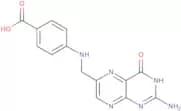
Formula:C33H62N2O12Purity:Min. 95%Molecular weight:678.85 g/molPteroic acid, min95%
CAS:Pteroic acid is a naturally occurring substance found in plants and animals. It has inhibitory activities against enzymes such as butyrate kinase, acetyl-CoA synthetase, and glutamate dehydrogenase. Pteroic acid is used to synthesize quinoxalines, which are used for the treatment of cancer. Pteroic acid also inhibits cell growth by inhibiting protein synthesis. This is done by conjugating with amino acids and inhibiting their uptake into the ribosome. The inhibition of glutamate dehydrogenase may be due to its ability to reduce levels of glutathione, which is an inhibitor of this enzyme.
Formula:C14H12N6O3Purity:Min. 95%Color and Shape:Slightly Yellow PowderMolecular weight:312.28 g/molN-(2-Hydroxyethyl)-P,P-bisaziridinyl thiophosphamide
CAS:N-(2-Hydroxyethyl)-P,P-bisaziridinyl thiophosphamide (HEPBTP) is a metabolite of the drug product. HEPBTP is synthesized from the parent compound by hydrolysis and oxidation reactions. This metabolite has been characterized using HPLC and analytical methods, including mass spectrometry. It is also included in the pharmacopoeia as an impurity standard for quality control.
Formula:C6H15N3O4PSPurity:Min. 95%Molecular weight:256.24 g/molRef: 3D-IH180621
Discontinued productDexamethasone-17-ketone
CAS:Controlled ProductPlease enquire for more information about Dexamethasone-17-ketone including the price, delivery time and more detailed product information at the technical inquiry form on this page
Formula:C20H25FO3Purity:Min. 95%Molecular weight:332.42 g/molRef: 3D-ID183298
Discontinued product

![4-Amino-7-iodopyrrolo[2,1-f][1,2,4]triazine](/_next/image/?url=https%3A%2Fstatic.cymitquimica.com%2Fproducts%2F3D%2Fthumb-webp%2FFA170208.webp&w=3840&q=75)
![5-Methoxy-2-[[(3,5-dimethyl-2-pyridinyl)methyl]sulphinyl]-1H-benzimidazole](/_next/image/?url=https%3A%2Fstatic.cymitquimica.com%2Fproducts%2F3D%2Fthumb-webp%2FIM57917.webp&w=3840&q=75)
![N-[1-(R)-(1-Naphthyl)ethyl]-3-[3-(trifluoromethyl)phenyl]-1-propanamide](/_next/image/?url=https%3A%2Fstatic.cymitquimica.com%2Fproducts%2F3D%2Fthumb-webp%2FIN58183.webp&w=3840&q=75)
![N-[[2'-(2H-Tetrazol-5-yl)[1,1'-biphenyl]-4-yl]methyl]-L-Valine](/_next/image/?url=https%3A%2Fstatic.cymitquimica.com%2Fproducts%2F3D%2Fthumb-webp%2FIT106480.webp&w=3840&q=75)



![(3R)-3-Amino-1-[5,6-dihydro-3-(trifluoromethyl)-1,2,4-triazolo[4,3-α]pyrazin-7(8H)-yl]-4-(2,3,6-tr…](/_next/image/?url=https%3A%2Fstatic.cymitquimica.com%2Fproducts%2F3D%2Fthumb-webp%2FIA183166.webp&w=3840&q=75)


![Pyrimido[1,2-a]purin-10(1H)-one](/_next/image/?url=https%3A%2Fstatic.cymitquimica.com%2Fproducts%2F3D%2Fthumb-webp%2FDEA40845.webp&w=3840&q=75)

![Ethyl 6-[4-[(5-chloro-1-oxopentyl)amino]phenyl]-4,5,6,7-tetrahydro-1-(4-methoxyphenyl)-7-oxo-1H-py…](/_next/image/?url=https%3A%2Fstatic.cymitquimica.com%2Fproducts%2F3D%2Fthumb-webp%2FWGC82320.webp&w=3840&q=75)



![[1-Hydroxy-3-(methylisopentylamino)propylidene] bisphosphonic acid monosodium (ibandronic acid imp…](/_next/image/?url=https%3A%2Fstatic.cymitquimica.com%2Fproducts%2F3D%2Fthumb-webp%2FXWC98436.webp&w=3840&q=75)
![2-[2-[4-(5,5-Dioxidodibenzo[b,f][1,4]thiazepin-11-yl)-1-piperazinyl]ethoxy]ethanol](/_next/image/?url=https%3A%2Fstatic.cymitquimica.com%2Fproducts%2F3D%2Fthumb-webp%2FID27366.webp&w=3840&q=75)
![5-[(Desloratadine)methyl] rupatadine](/_next/image/?url=https%3A%2Fstatic.cymitquimica.com%2Fproducts%2F3D%2Fthumb-webp%2FZYB51572.webp&w=3840&q=75)
![4-Desfluoro-4-[4-(2-oxo-2,3-dihydro-1H-benzimidazol-1-yl)-3,6-dihydropyridin-1(2H)-yl] droperidol](/_next/image/?url=https%3A%2Fstatic.cymitquimica.com%2Fproducts%2F3D%2Fthumb-webp%2FWDC60417.webp&w=3840&q=75)

![5-(4-Methoxyphenyl)-3-methyl-1-oxa-3-azaspiro[5.5]undecane](/_next/image/?url=https%3A%2Fstatic.cymitquimica.com%2Fproducts%2F3D%2Fthumb-webp%2FIM28679.webp&w=3840&q=75)
![11-[3-(Dimethylamino)propyl]-6,11-dihydrodibenz[b,e]oxepin-11-ol](/_next/image/?url=https%3A%2Fstatic.cymitquimica.com%2Fproducts%2F3D%2Fthumb-webp%2FID45253.webp&w=3840&q=75)
![N-4,5[Acetylamino)methyl]desmopressin](/_next/image/?url=https%3A%2Fstatic.cymitquimica.com%2Fproducts%2F3D%2Fthumb-webp%2FIA173214.webp&w=3840&q=75)