APIs for research and impurities
Subcategories of "APIs for research and impurities"
- Aminoacids and derivatives(12,318 products)
- Anthraquinones and derivatives(402 products)
- Benzimidazole and Imidazole Derivatives(10,390 products)
- Benzodiazepine Derivatives(326 products)
- Carbohydrates and glycoconjugates(5,044 products)
- Esters and Derivatives(42,242 products)
- Fatty Acids and Lypidic Derivatives(32,374 products)
- Flavonoids and Polyphenols(17,073 products)
- Free Radicals and Oxidant/Reducing Agents(211 products)
- Ketones and derivatives(2,399 products)
- Natural and semi-synthetic antibiotics(6,324 products)
- Nitriles and Cyano Derivatives(3,068 products)
- Nitrosamines and Derivatives(55 products)
- Nucleosides and Nucleotides(3,445 products)
- Organic Phosphates and Phosphonates(1,194 products)
- Organic Sulphonates and Sulphates(10,419 products)
- Organometallics(4,417 products)
- Others(6,269 products)
- Peptides and Proteins(3,132 products)
- Polymers and Derivatives(99 products)
- Purines and Pyrimidine Derivatives(8,898 products)
- Quinazoline and Quinoline Derivatives(65,683 products)
- Quinones and Derivatives(24,341 products)
- Salts and Derivatives of Active Pharmaceutical Ingredients (API)(81,254 products)
- Steroids and Derivatives(4,923 products)
- Sulfonamides and Derivatives(2,564 products)
- Terpenoids and Derivatives(3,835 products)
- Thiazolidinediones and Thiopyrans(2,753 products)
- β-Adrenergic Compounds(227 products)
Found 58629 products of "APIs for research and impurities"
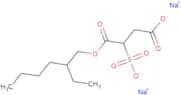
Disodium monooctyl sulfosuccinate
CAS:Disodium monooctyl sulfosuccinate (DSMS) is a sodium-based surfactant that is used as an excipient in tablets and capsules. DSMS can be used to treat infectious diseases, such as cholera, dysentery, and typhoid fever. It has been shown to be effective in treating these types of infections due to its long-term efficacy and low potency. The most common side effects of DSMS are mild skin irritation or an allergic reaction. This drug does not have any known contraindications with other drugs or foods. It is also biocompatible with a variety of polymers and fatty acids.
Formula:C12H20Na2O7SPurity:Min. 95%Molecular weight:354.33 g/molRef: 3D-LDA87853
Discontinued productCarmoxirole hydrochloride
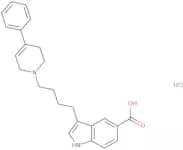
CAS:Carmoxirole hydrochloride is a hypoglycemic agent that is used in the treatment of type II diabetes. It is an analog of pergolide mesylate, which is a dopamine receptor agonist and has been shown to cause carcinogenesis in laboratory animals. Carmoxirole hydrochloride is synthesized from the reaction of 3-hydroxy-2-quinuclidinyl benzilate with chloroacetaldehyde, followed by hydrolysis of the ester linkages with hydrochloric acid. It has a particle size of less than 10 μm and exhibits high lipophilicity as it passes through cell membranes and into the intracellular fluid. The drug acts on all types of receptors, including alpha 1-, alpha 2-, beta 1-, beta 2-, and dopaminergic receptors.
Formula:C24H27ClN2O2Purity:Min. 95%Molecular weight:410.9 g/molRef: 3D-QEA09285
Discontinued product1,5-Bis(4-pyridyl)pentane
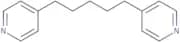
CAS:1,5-Bis(4-pyridyl)pentane is a coordination polymer that can be used in the preparation of polymers. It is bifunctional and has coordination properties. This compound is made up of two pyridine rings linked to an ethyl group via a pentane chain. The cationic form of this compound is used for the preparation of some polymers. The crystal structure for 1,5-bis(4-pyridyl)pentane was determined by X-ray crystallography and found to have a layered topology with hydrogen bonding.
Formula:C15H18N2Purity:Min. 95%Molecular weight:226.32 g/molRef: 3D-ABA38233
Discontinued productLinagliptin impurity E
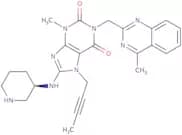
CAS:Controlled ProductLinagliptin impurity E is a metabolite of the drug Linagliptin. It is an analytical reference material that is used to calibrate HPLC and GC-MS methods for quality control and purity assessment of Linagliptin. This impurity standard is also used for metabolism studies.
Formula:C25H28N8O2Purity:Min. 95%Molecular weight:472.54 g/molRef: 3D-IB106310
Discontinued product1-[2-[2-Hydroxy-3-[[2-hydroxy-3-[2-(3-phenylpropanoyl)phenoxy]propyl]-propylamino]propoxy]phenyl]-3-phenylpropan-1-one
CAS:Arbidol is a drug molecule that interacts with protease enzymes. It has been shown to inhibit human erythrocyte chymotrypsin, trypsin, and elastase. Arbidol is also able to inhibit the growth of bacteria such as Staphylococcus aureus, Escherichia coli, and Pseudomonas aeruginosa. The molecular modelling of arbidol suggests that it binds to the active site of the enzyme by blocking hydrophobic pockets on the surface of the enzyme. The conformational change in the protease enzyme activates arbidol's binding site for an extended period of time. This prolonged interaction prevents substrate from binding to the catalytic site of the enzyme and inhibits its activity.
Formula:C39H45NO6Purity:Min. 95%Molecular weight:623.78 g/molRef: 3D-IP63820
Discontinued product22,23-Dihydroavermectin B1b (Ivermectin B1b)
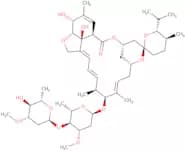
CAS:Ivermectin is a drug that belongs to the anthelmintic class of drugs. It is active against roundworms, pinworms, and hookworms. Ivermectin has been shown to have an effect on autoimmune diseases such as multiple sclerosis, systemic lupus erythematosus, and rheumatoid arthritis by inhibiting the inflammatory response. The drug has been shown to inhibit matrix metalloproteinases in vitro and in vivo. The matrix effect is seen when the drug binds to proteins in the blood plasma or tissue matrix, where it inhibits their activity. This inhibition prevents the degradation of collagen, which can lead to tissue damage or renal failure. Ivermectin also binds to striatal dopamine receptors and inhibits dry weight gain in animals infected with Ostertagia ostertagi. Ivermectin is given orally in a single dose of 200 micrograms/kg body weight for treatment of intestinal worms (roundworm,
Formula:C47H72O14Purity:Min. 95%Molecular weight:861.07 g/molRef: 3D-FD177819
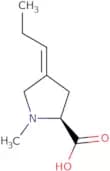
Discontinued product(trans)-4-Propyl-1-methyl-L-proline
CAS:(trans)-4-Propyl-1-methyl-L-proline is a synthetic compound that has been used in the past as an impurity standard in the synthesis of several drugs, including metaxalone and aminopyrine. It is also found to have pharmacological effects on its own and was used as a drug product for the treatment of rheumatoid arthritis. (trans)-4-Propyl-1-methyl-L-proline is not listed in any pharmacopoeia or international list of approved drugs.
Formula:C9H17NO2Purity:Min. 95%Color and Shape:White/Off-White SolidMolecular weight:171.24 g/molRef: 3D-FP27224
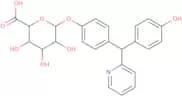
Discontinued productDesacetyl bisacodyl β-D-glucuronide
CAS:Desacetyl bisacodyl β-D-glucuronide is a drug product that is used as an impurity standard in analytical chemistry. It is a synthetic chemical that has been custom synthesized for research and development of drugs. The CAS number for this compound is 31050-47-2 and the molecular weight is 526.25 g/mol. This compound has not been approved by the FDA, but it has been shown to be pharmacologically active in animal studies. Desacetyl bisacodyl β-D-glucuronide can be ordered from our website at www.customsynthesislab.com
Formula:C24H23NO8Purity:Min. 95%Molecular weight:453.4 g/molRef: 3D-GBA05047
Discontinued productN-(4-Amino-6,7-dimethoxyquinazol-2-yl)-N-methylpropylenediamine hydrochloride
CAS:N-(4-Amino-6,7-dimethoxyquinazol-2-yl)-N-methylpropylenediamine hydrochloride is an impurity that can be found in some commercially available drugs. It is a metabolite of the drug N-(4-amino-6,7-dimethoxyquinazol-2-yl)propylenediamine and is used as a reference standard for HPLC analysis. This compound has been shown to have antiplatelet activities.
Formula:C14H22ClN5O2Purity:Min. 95%Molecular weight:327.81 g/molRef: 3D-FA17652
Discontinued productOlsalazine sodium EP impurity F
Olsalazine sodium EP impurity F
CAS No.:
Natural: Yes
API Impurity: Yes
Custom Synthesis: Yes
Impurity Standard: Yes
Synthetic: Yes
Drug Development: Yes
Research and Development: Yes
Niche Product: Yes
HPLC Standard: Yes
High Purity Product: Yes
Pharmacopoeia Product: NoFormula:C21H14N2O9Purity:Min. 95%Molecular weight:438.34 g/molAmlodipine besilate impurity D
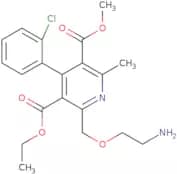
CAS:Amlodipine besilate impurity D is a diluent, additive, and stabilizer. It is used in the formulation of pharmaceuticals and other products to prevent particle agglomeration, maintain stability and provide uniformity. Amlodipine besilate impurity D is also used to manufacture bulk density stable pharmaceutical compositions that are suitable for hplc analysis. This product contains magnesium hydroxide as an impurity.
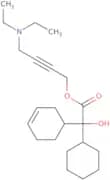
Formula:C20H23ClN2O5Purity:Min. 95%Molecular weight:406.86 g/molOxybutynin EP impurity A
CAS:Oxybutynin EP impurity A is a metabolite of oxybutynin, an antispasmodic drug. It has been shown to have immunomodulatory effects in a rat model of adjuvant arthritis. Oxybutynin EP impurity A is the major metabolite of oxybutynin and has been shown to be pharmacologically active in humans.
Purity:Min. 95%Ref: 3D-FO171019
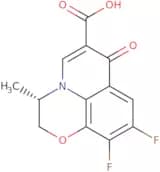
Discontinued productLevofloxacin carboxylic acid
CAS:Levofloxacin is a synthetic molecule with an asymmetric carbon atom in its heterocycle. It is synthesized by reacting chloroform with 2-fluoro-5-nitrobenzaldehyde, which reacts further with sodium hydroxide and hydrochloric acid to form the levofloxacin carboxylic acid. Impurities can be found in the reaction product due to chlorine atoms that are formed during the synthesis. The amount of impurities present in the final product can be determined using a titration method or through HPLC analysis. Levofloxacin has been shown to be effective against methicillin-resistant Staphylococcus aureus (MRSA) and Clostridium perfringens, although is not active against acid-fast bacteria such as Mycobacterium tuberculosis or Mycobacterium avium complex.
Formula:C13H9F2NO4Purity:Min. 95%Color and Shape:PowderMolecular weight:281.21 g/molRef: 3D-IL24882
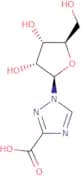
Discontinued product1-b-D-Ribofuranosyl-1,2,4-triazole-3-carboxylic acid
CAS:1-b-D-Ribofuranosyl-1,2,4-triazole-3-carboxylic acid (1bRT) is an amide that inhibits the growth of viruses by inhibiting the viral enzyme thiosemicarbazide. It has been shown to be active against specific viruses such as HIV and retroviruses. 1bRT is used to treat lung diseases caused by viruses, including bronchiolitis, pneumonia, and pulmonary fibrosis. It also has antibacterial properties. Studies have shown that 1bRT reduces the number of bacteria in body fluids and helps to prevent respiratory infections and other bacterial infections in people with weakened immune systems due to AIDS or cancer treatment.
Formula:C8H11N3O5Purity:Min. 95%Molecular weight:229.19 g/molRef: 3D-IR138822
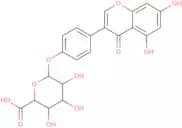
Discontinued productGenistein 4’-β-D-glucuronide
CAS:Genistein 4’-β-D-glucuronide is an isoflavonoid that is a natural product of soy and red clover, with estrogenic properties. It has been shown to have the ability to bind to estrogen receptors and inhibit the growth of breast cancer cells. Genistein 4’-β-D-glucuronide has been shown to inhibit the production of estrone sulfate in human breast cells, which may be due to its ability to act as an estrogen receptor antagonist. The isoflavonoid genistein also binds to and inhibits the activity of DNA topoisomerase II enzymes in human breast cells.
Formula:C21H18O11Purity:Min. 95%Molecular weight:446.4 g/molRef: 3D-VJA08407
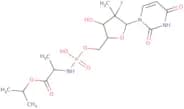
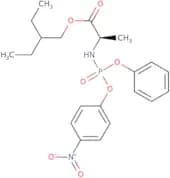
Discontinued producto-Desphenyl sofosbuvir
CAS:o-Desphenyl sofosbuvir is a drug product that has been custom synthesized for research purposes. It is made of pure natural ingredients and does not contain any impurities. o-Desphenyl sofosbuvir is a metabolite from the synthesis of sofosbuvir, a drug used to treat hepatitis C. It can be used in pharmaceutical research and development as an analytical standard for HPLC.
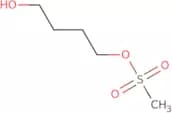
Formula:C16H25FN3O9PPurity:Min. 95%Molecular weight:453.36 g/mol4-Methanesulfonyloxybutanol
CAS:4-Methanesulfonyloxybutanol is a chemical substance with the molecular formula CH3SO2CH(CH2OH)CH2OH. It is used as an intermediate in the synthesis of 4-methanesulfonyloxybutanol, which is a potent inhibitor of busulfan-induced leukopenia and myelosuppression. This substance has been shown to be highly effective in preventing busulfan-induced side effects when administered intravenously. 4-Methanesulfonyloxybutanol is chemically synthesized by intramolecular alkylation of butanol, followed by hydrolysis. The reaction product can be detected using an ionization detector in conjunction with gas chromatography. This product is an alkylation agent that reacts with polypropylene to produce polypropylene glycols.
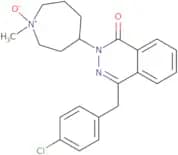
Formula:C5H12O4SPurity:Min. 95%Color and Shape:LiquidMolecular weight:168.21 g/molAzelastine N-oxide, mixture of diastereomers
CAS:Azelastine N-oxide is a racemic form of azelastine, an antihistamine. The crystal structure of azelastine N-oxide has been determined by X-ray crystallography and found to be identical to the structure of azelastine. Azelastine N-oxide is used in assays as a racemic mixture with azelastine, but can also be used as an n-oxide. Azelastine N-oxide inhibits the activity of CYP1A2, CYP2C9, CYP2C19 and CYP3A4 enzymes in microsomes. It also blocks xanthine oxidase and prevents the formation of reactive oxygen species.Formula:C22H24ClN3O2Purity:Min. 95%Molecular weight:397.9 g/molRef: 3D-QAB27988
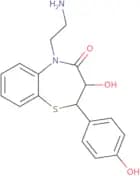
Discontinued productDiltiazem EP Impurity H
CAS:Diltiazem EP Impurity H is a metabolite of diltiazem that is used as an impurity standard for the drug product. Diltiazem EP Impurity H has a purity level of 99% and is soluble in water. It is synthesized by reacting diltiazem with nitric acid, then hydrolyzing the product to form the desired compound. Diltiazem EP Impurity H can be used as an analytical reference material or a pharmacopoeia for HPLC standards.
Diltiazem EP Impurity H is a metabolite of diltiazem that is used as an impurity standard for the drug product. Diltiazem EP Impurity H has a purity level of 99% and is soluble in water. It is synthesized by reacting diltiazem with nitric acid, then hydrolyzing the product to form the desired compound. Diltiazem EP Impurity H can be used as an analytical reference materialFormula:C17H18N2O3SPurity:Min. 95%Molecular weight:330.4 g/mol17-o-(Acetyl-d3)-6-methylprednisolone
CAS:Controlled Product17-o-(Acetyl-d3)-6-methylprednisolone is a drug product that belongs to the group of corticosteroids. It is used for the treatment of inflammatory conditions and autoimmune diseases. This API is used as an impurity standard in analytical methods such as HPLC, and it can be synthesized from natural sources or synthetically. 17-o-(Acetyl-d3)-6-methylprednisolone can also be used in R&D for the development of drugs targeting niche markets, such as those with high purity requirements.
Formula:C24H29D3O6Purity:Min. 95%Molecular weight:419.53 g/molRef: 3D-LDA40194
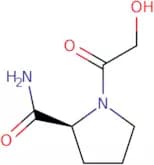
Discontinued product1-Glycoloyl-L-prolinamide
CAS:1-Glycoloyl-L-prolinamide is a drug product that is an analytical standard for the impurity 1-glycoloyl-L-proline (CAS No. 96166-39-1) in the API 1,4,5,6-tetrahydrobenzothiazole (CAS No. 86687-93-0). It has been synthesized to be used as an impurity standard and is provided at a purity of 98.0% or greater by weight. This chemical compound can be used in research and development for the production of drugs as well as in pharmaceutical manufacturing.
Formula:C7H12N2O3Purity:Min. 95%Molecular weight:172.18 g/molRef: 3D-FG167741
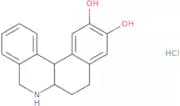
Discontinued productDihydrexidine hydrochloride
CAS:Dihydrexidine hydrochloride is a phosphate ion transport inhibitor that binds to the acetylcholine transporter, and inhibits the uptake of acetylcholine in the brain. It is used as an opioid analgesic, as well as to treat depression, cognitive disorders, and Parkinson's disease. Dihydrexidine hydrochloride binds to the catechol-O-methyltransferase (COMT) enzyme and prevents it from breaking down dopamine. This leads to increased levels of dopamine in the synapse and enhanced transmission of nerve impulses between neurons. Dihydrexidine hydrochloride also has been shown to bind to antigen molecules on cells, which may be important for its antiviral properties.
Formula:C17H18ClNO2Purity:Min. 95%Molecular weight:303.8 g/molRef: 3D-IGA70402
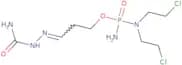
Discontinued productHydroxy cyclophosphamide semicarbazone-d4
CAS:Hydroxy cyclophosphamide semicarbazone-d4 is an analytical standard used to monitor the purity of a drug product. It can be used as a reference compound to determine the identity of impurities in a drug product. Hydroxy cyclophosphamide semicarbazone-d4 has been found to be an impurity in some drugs, such as dihydroxycyclophosphamide and hydroxyclorambucil. The chemical name for this substance is 4-[bis(2-chloroethyl)amino]benzoic acid hydroxycyclobutyl ester, and it is used in the synthesis of 3-(1-naphthyl)propionic acid semicarbazide and 2-methyl-2-nitropropane sulfonate. Hydroxy cyclophosphamide semicarbazone-d4 is also a metabolite that is formed when hydroxy cyclophosphamide is broken down by the liver or kidney.
Formula:C8H18Cl2N5O3PPurity:Min. 95%Molecular weight:334.14 g/molRef: 3D-DCA94846
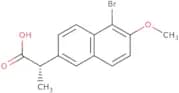
Discontinued productNaproxen Impurity C
CAS:Naproxen Impurity C is an analytical impurity that is found in Naproxen. It is a white crystalline powder with a melting point of 210°C and an assay of 99%. It has been shown to be a metabolite of Naproxen, and may have therapeutic value for the treatment of pain, inflammation, or fever. The purity of this product has been verified by HPLC analysis.
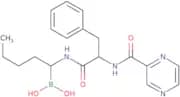
Formula:C14H13BrO3Purity:Min. 95%Molecular weight:309.16 g/molDesisobutyl-N-butyl bortezomib
CAS:Desisobutyl-N-butyl bortezomib is a drug product that has been custom synthesized for the purpose of research and development. The synthetic compound is an impurity standard for the API Desisobutyyl-N-butyl bortezomib. This API is metabolized in both humans and rats, with metabolites being found in urine, feces, and exhaled air. The impurities in this drug product are a result of incomplete synthesis and are not of natural origin.
Formula:C19H25BN4O4Purity:Min. 95%Molecular weight:384.2 g/molRef: 3D-EUB01135
Discontinued productN-Isopropylnoradrenochrome
CAS:N-Isopropylnoradrenochrome is used as a fluorescent substrate for hydroxylamine. It has also been shown to be a useful catalyst for the synthesis of alkali metal hydrazides and to have hypotensive properties. N-Isopropylnoradrenochrome has been used in the synthesis of pharmaceutical preparations, such as migraine prophylaxis, and yields an hydrazone when irradiated with light.
Formula:C11H13NO3Purity:Min. 95%Molecular weight:207.23 g/molRef: 3D-DAA73631
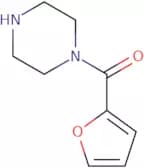
Discontinued product1-(2-Furoyl)piperazine
CAS:1-(2-Furoyl)piperazine is a potent inhibitor of tyrosinase, an enzyme involved in the production of melanin. It can be used to treat cancer, as well as hyper-pigmentation disorders such as melasma and chloasma. 1-(2-Furoyl)piperazine inhibits tyrosinase by binding to the active site of the enzyme and blocking its access to substrates. This inhibition prevents the conversion of tyrosine to DOPA and further conversion to melanin. 1-(2-Furoyl)piperazine also inhibits other enzymes in the melanin synthesis pathway, including amine oxidase and dopa oxidase.
Formula:C9H12N2O2Purity:Min. 95%Color and Shape:PowderMolecular weight:180.2 g/molRef: 3D-IF36870
Discontinued productRegadenoson Impurity 28
CAS:Regadenoson Impurity 28 is an analytical standard and research and development impurity. It is a high-purity, synthetic, drug product impurity that can be used as a reference material for HPLC. This drug impurity is also available in a custom synthesis service. Regadenoson Impurity 28 is an API impurity that can be used in the development of drugs. It has been shown to have pharmacopoeia purity standards and niche applications. Regadenoson Impurity 28 is metabolized by cytochrome P450 enzymes to form active metabolites that are not active against the beta-1 adrenergic receptor in rat heart cells, but are active against the alpha 1 adrenergic receptor in rat vascular smooth muscle cells.
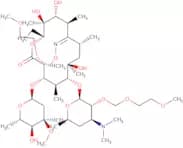
Formula:C10H14N6O3Purity:Min. 95%Molecular weight:266.26 g/molRoxithromycin impurity I
CAS:Roxithromycin impurity I is a natural metabolite of roxithromycin. The substance has been synthesized in order to serve as an analytical impurity standard for HPLC. Roxithromycin impurity 1 is also a metabolite of roxithromycin, which has been shown to produce pharmacological effects similar to those seen with the parent compound. Roxithromycin impurity I is not an API, but has been developed as a HPLC analytical impurity standard and will be used for metabolism studies.
Formula:C45H84N2O17Purity:Min. 95%Color and Shape:PowderMolecular weight:925.15 g/molRef: 3D-IR106455
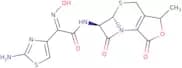
Discontinued productCefdinir impurity E
CAS:Cefdinir impurity E is a research and development, impurity standard, custom synthesis, drug product, synthetic, high purity, pharmacopoeia, drug development and analytical standard. CAS No. 946573-41-7 is the metabolite of cefdinir. It is used to study metabolism of cefdinir in vitro and in vivo. HPLC standards are available for this compound.
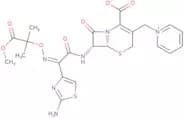
Purity:Min. 95%Ceftazidime impurity H
CAS:Ceftazidime impurity H is a by-product that can be found in the synthesis of ceftazidime. It has been detected using magnetic separation and UV detection. Ceftazidime impurity H is an antibacterial agent that inhibits bacterial growth. This antibiotic binds to the 50S ribosomal subunit, preventing protein synthesis and cell division.
Formula:C23H24N6O7S2Purity:Min. 95%Molecular weight:560.6 g/molRef: 3D-IC63721
Discontinued product(2S,4R)-Fosinopril sodium salt
CAS:(2S,4R)-Fosinopril sodium salt is a prodrug that is converted to the active form fosinopril in the body. It is used to treat high blood pressure and heart failure. Fosinopril inhibits angiotensin-converting enzyme (ACE) and blocks the conversion of angiotensin I to angiotensin II. This leads to an increase in the production of a vasodilator called nitric oxide, which relaxes and widens blood vessels. Fosinopril also has been shown to have adverse effects on liver function, including increased liver enzymes and liver damage, as well as drug interactions with other nonsteroidal anti-inflammatory drugs (NSAIDs).
Formula:C30H45NNaO7PPurity:Min. 95%Molecular weight:585.64 g/molRef: 3D-GEC35341
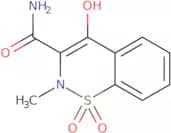
Discontinued product4-Hydroxy-2-methyl-2H-1,2-benzothiazine-3-carboxamide 1,1-dioxide
CAS:This is a white crystalline compound that has been shown to be effective against glutamic acid-sensitive L-amino acid decarboxylase. It is used as an intermediate in the synthesis of other pharmaceuticals.
Formula:C10H10N2O4SPurity:Min. 95%Molecular weight:254.26 g/molRef: 3D-IH21390
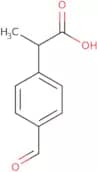
Discontinued product2-(4-Formylphenyl)propionic acid - Racemic
CAS:2-(4-Formylphenyl)propionic acid is a racemic mixture of 2-formylphenylacetic acid and 4-formylphenylacetic acid. This compound is used in the treatment of bacterial infections and inflammation. It is an organic solution that can be injected, administered orally, or applied topically. The 2-(4-formylphenyl)propionic acid has been shown to have anti-inflammatory properties, but also has side effects such as skin irritation when it is applied topically. This drug can also cause nausea, vomiting, and diarrhea when administered orally.
Formula:C10H10O3Purity:Min. 95%Color and Shape:White PowderMolecular weight:178.18 g/molRef: 3D-IF27430
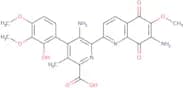
Discontinued productSteptonigrin
CAS:Streptonigrin is an anticancer drug that is derived from the bacterium Streptomyces flocculus. It has been shown to induce apoptosis in cancer cells by inhibiting various kinases, including cyclin-dependent kinases and protein kinases. Streptonigrin has been found to be effective against a variety of tumors, including those of Chinese hamster ovary cells and human urine-derived cancer cells. This inhibitor analog also has a potent inhibitory effect on tumor growth in vivo.
Formula:C25H22N4O8Purity:Min. 95%Molecular weight:506.5 g/molRef: 3D-ETB89379
Discontinued productRemdesivir impurity 5
CAS:Remdesivir impurity 5 is a metabolite that is generated in the body following metabolism and excretion of remdesivir. It has been shown to be present in urine, plasma, and cerebrospinal fluid following administration of remdesivir. Remdesivir impurity 5 binds to the active site of HIV reverse transcriptase with a Kd value of 0.5 nM. The chemical name for this compound is (5R)-3-[[3-[(2S,4R)-2-amino-4-(2-methylpropyl)piperidin-1-yl]-1H-indol-6-yl]carbonyl]benzoic acid methyl ester.
Formula:C21H27N2O7PPurity:Min. 95%Molecular weight:450.42 g/molTiotropium EP Impurity I
CAS:Tiotropium EP Impurity I is an impurity found in the API, Tiotropium EP. It is a natural product that is synthesized by chemical synthesis. The synthetic purity of Tiotropium EP Impurity I is high and complies with pharmacopoeia guidelines. This impurity can be used as a standard to test the quality of other products or to research the metabolism of Tiotropium EP.
Formula:C19H22BrNO4S2Purity:Min. 95%Molecular weight:472.40 g/molRef: 3D-LFA52148
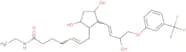
Discontinued productN-Ethyl fluprostenol carboxamide
CAS:N-Ethyl fluprostenol carboxamide is a synthetic compound with a chemical formula of C17H21NO4. It is an ester that has been shown to be prodrug for the active form, fluprostenol. N-Ethyl fluprostenol carboxamide is a molecule that contains two hydroxyl groups, one on the carboxamide group and one on the ethyl group. The chemical structure also contains a halogen atom and an ester group.
Formula:C25H34F3NO5Purity:Min. 95%Molecular weight:485.5 g/molN-Desbispropyl-N-pentyl-2-methyl ropinirole
CAS:N-Desbispropyl-N-pentyl-2-methyl ropinirole is an analytical reference standard. This product is a high purity, drug development, and API impurity. It is a CAS No. 249622-60-4 and has a niche, drug product, and impurity standard. This item is for Research and Development, High purity, Drug development, API impurity, HPLC standard, CAS No. 249622-60-4, niche, drug product, Impurity standard, Metabolite, pharmacopoeia Custom synthesis of natural or synthetic origin.
Formula:C16H24N2OPurity:Min. 95%Molecular weight:260.37 g/molRef: 3D-ZJA62260
Discontinued productTetracosanoic-d47 acid
CAS:Controlled ProductTetracosanoic acid is a drug product that is used in the development of drugs and as an analytical standard. Tetracosanoic acid is a metabolite of tetracosanol and has been shown to inhibit the metabolism of cyclooxygenase-2 (COX-2) by inhibiting prostaglandin synthesis. Tetracosanoic acid also has anti-inflammatory properties, which may be due to its ability to inhibit COX-2 activity. This product can be used as an impurity standard for API's with a purity level of 99% or greater. Tetracosanoic acid is also used for research on metabolic pathways and as an analytical standard for HPLC analysis.
Formula:C24HD47O2Purity:Min. 95%Molecular weight:415.93 g/molRef: 3D-TCA06000
Discontinued product(E)-4-Alloxycarboxyl tamoxifen
CAS:(E)-4-Alloxycarboxyl tamoxifen is a synthetic metabolite of tamoxifen. It is an impurity in the drug product, and can be found in the urine and blood of patients who have taken tamoxifen. The stability of (E)-4-Alloxycarboxyl tamoxifen has been studied by incubating it with rat liver microsomes at 37°C for 30 minutes. Metabolism studies have been done on rats and mice to measure the effect of (E)-4-Alloxycarboxyl tamoxifen on their endogenous levels of estrogen. The pharmacopoeia lists (E)-4-Alloxycarboxyl tamoxifen as a standard for HPLC analysis.
Formula:C30H33NO4Purity:Min. 95%Molecular weight:471.60 g/molRef: 3D-MBC19158
Discontinued product2,2'-(1,4-Piperazinediyl)bis[6,7-dimethoxy-4-quinazolinamine]
CAS:2,2'-(1,4-Piperazinediyl)bis[6,7-dimethoxy-4-quinazolinamine] is a chemical compound that is used as a lead to develop new drugs against malaria. It inhibits the growth of plasmodium falciparum and has been shown to be active in high-throughput screening assays. 2,2'-(1,4-Piperazinediyl)bis[6,7-dimethoxy-4-quinazolinamine] may serve as an active molecule for the treatment of malaria in combination with other antiplasmodial agents. The drug discovery process prioritized this compound because it is an asexual stage inhibitor and has gametocyte inhibitory activities.
Formula:C24H28N8O4Purity:Min. 95%Molecular weight:492.53 g/molRef: 3D-IP27062
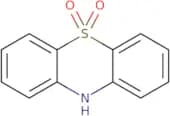
Discontinued productPhenothiazine S,S-dioxide
CAS:Phenothiazine S,S-dioxide is a fluorescent anion that can be used as a buffer. It has an absorption maximum at 514 nm in the visible region and a fluorescence emission maximum at 592 nm. Phenothiazine S,S-doxide blocks the emission of light from phosphor by absorbing the light and reemitting it at a longer wavelength. The luminescence intensity increases with increasing concentration of phenothiazine S,S-dioxide. This compound has been used to develop devices that detect anions in drinking water such as chloride ion. Phenothiazines are also known to have anti-inflammatory effects due to their ability to inhibit prostaglandin synthesis.
Formula:C12H9NO2SPurity:Min. 95%Molecular weight:231.27 g/molRef: 3D-BAA20966
Discontinued product6-o-Desmethyl moxonidine
CAS:6-O-Desmethyl moxonidine is a drug product that is a metabolite of the parent compound, moxonidine. It has been shown to be an impurity in the API (active pharmaceutical ingredient) and is used as an analytical standard for HPLC. 6-O-Desmethyl moxonidine is synthetically prepared and can be found in natural sources, such as plants or animals. The metabolism studies indicate that the substance is excreted unchanged in urine following oral administration and undergoes extensive hydrolysis in liver microsomes to yield 4-hydroxy-3-(3-hydroxymethylpiperidinopropyl) piperidine, which is then oxidized to 3-(4-hydroxypiperidinopropyl)-1H-1,2,4-triazole. This product may cause skin irritation.
Formula:C8H10ClN5OPurity:Min. 95%Molecular weight:227.65 g/molRef: 3D-CPA45733
Discontinued productBinospirone hydrochloride
CAS:Binospirone hydrochloride is a drug product that is used in the treatment of depression. It belongs to the class of antidepressants and has been shown to be effective against major depressive disorder (MDD). Binospirone hydrochloride is metabolized by cytochrome P450 enzymes into two metabolites: 3-hydroxybinospirone and 2,3-dihydroxybinospirone. The natural form of binospirone hydrochloride is synthesized from tyrosine and phenylalanine. It is also found as an impurity in other pharmaceuticals, such as clomipramine, amitriptyline, and fluoxetine. It has been shown that this compound binds to the serotonin transporter (SERT) at high affinity. This binding inhibits the reuptake of serotonin from synapses, leading to increased extracellular concentrations of serotonin.
Formula:C20H27ClN2O4Purity:Min. 95%Molecular weight:394.9 g/molRef: 3D-CEA90860
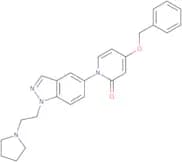
Discontinued productMch-1 antagonist 1
CAS:Mch-1 antagonist 1 is a drug product that is custom synthesized and is available in high purity. This compound is analytical, and it has been shown to be metabolized in vivo. Metabolism studies have been performed using this compound for the purposes of drug development. CAS No. 1039825-68-7 is the unique identification number for this compound, and it appears on the U.S. Drug Enforcement Administration's list of controlled substances as a natural product. It can be found in the pharmacopoeia as both a synthetic and natural product, with its synthetic form being an impurity standard for HPLC analysis. Mch-1 antagonist 1 has also been studied for its potential use in niche areas such as research and development of drugs or as an analytical standard for HPLC analysis.
Formula:C25H26N4O2Purity:Min. 95%Molecular weight:414.5 g/molRef: 3D-PRB82568
Discontinued productBortezomib impurity 76
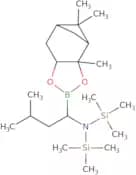
CAS:Bortezomib impurity 76 is an analytical reference material that is used in the development and production of pharmaceuticals. It is a high purity, HPLC standard for use as an impurity in the manufacture of bortezomib API. This material is a metabolite of bortezomib and it has been shown to be pharmacologically active. Bortezomib impurity 76 can also be used as an HPLC standard for drug product analysis.
Formula:C21H44BNO2Si2Purity:Min. 95%Color and Shape:PowderMolecular weight:409.56 g/molRef: 3D-IB181070
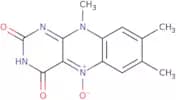
Discontinued productLumiflavin 5-oxide
CAS:Lumiflavin 5-oxide is a metabolite of lumiflavin. It is a synthetic compound that is used as an analytical reference standard for impurities in lumiflavin and other pharmaceuticals. Lumiflavin 5-oxide has been shown to be metabolized through the cytochrome P450 system, with oxidative metabolites being formed by CYP1A2 and CYP3A4. Lumiflavin 5-oxide has also been shown to be a competitive inhibitor of NAD+-dependent enzymes such as glycerol kinase, phosphofructokinase, lactate dehydrogenase, alcohol dehydrogenase, and glucose 6-phosphate dehydrogenase.
Formula:C13H12N4O3Purity:Min. 95%Molecular weight:272.26 g/molRef: 3D-LBA99593
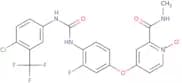
Discontinued productRegorafenib metabolite M2 oxide
CAS:Regorafenib metabolite M2 oxide (M2O) is a cancer drug that is an inhibitor of multikinase. It was developed as a prodrug for regorafenib, which is used to treat patients with metastatic colorectal cancer and has been shown to be effective against other cancers, such as lung and pancreatic cancer. M2O inhibits the efflux of drugs from cells by binding to the transporter protein P-glycoprotein. This prevents the accumulation of toxic concentrations of regorafenib in cells, which are responsible for its side effects, such as diarrhea and liver damage. The uptake of M2O by cells is also inhibited by light and acidic conditions. Oral administration of M2O leads to increased exposure to regorafenib in the body because it is not metabolized by CYP3A4 enzymes.
Formula:C21H15ClF4N4O4Purity:Min. 95%Molecular weight:498.81 g/molRef: 3D-IR164114
Discontinued productRosuvastatin anhydro lactone
CAS:Rosuvastatin anhydro lactone is a pure chemical compound that is used as an analytical reference standard for high-performance liquid chromatography (HPLC) for the determination of purity and identification of impurities in pharmaceuticals. It is also utilized as a drug development, API impurity, and HPLC standard. Rosuvastatin anhydro lactone is a metabolite of rosuvastatin and is chemically designated as C22H29NO3. The CAS number for rosuvastatin anhydro lactone is 1246665-85-9.
Formula:C22H24FN3O4SPurity:Min. 95%Molecular weight:445.50 g/molRef: 3D-WZB66585
Discontinued product

![1-[2-[2-Hydroxy-3-[[2-hydroxy-3-[2-(3-phenylpropanoyl)phenoxy]propyl]-propylamino]propoxy]phenyl]-…](/_next/image/?url=https%3A%2Fstatic.cymitquimica.com%2Fproducts%2F3D%2Fthumb-webp%2FIP63820.webp&w=3840&q=75)

![2,2'-(1,4-Piperazinediyl)bis[6,7-dimethoxy-4-quinazolinamine]](/_next/image/?url=https%3A%2Fstatic.cymitquimica.com%2Fproducts%2F3D%2Fthumb-webp%2FIP27062.webp&w=3840&q=75)