


APIs for research and impurities
Active Pharmaceutical Ingredients (APIs) are the substances in drugs responsible for their therapeutic effects. In this section, you will find a wide variety of APIs intended for research use. These compounds are essential for the development, testing, and validation of new pharmaceutical formulations. CymitQuimica offers high-quality APIs to support research in drug discovery and development.
Subcategories of "APIs for research and impurities"
- Aminoacids and derivatives(12,328 products)
- Anthraquinones and derivatives(405 products)
- Benzimidazole and Imidazole Derivatives(10,438 products)
- Benzodiazepine Derivatives(335 products)
- Carbohydrates and glycoconjugates(5,016 products)
- Esters and Derivatives(42,240 products)
- Fatty Acids and Lypidic Derivatives(32,395 products)
- Flavonoids and Polyphenols(17,087 products)
- Free Radicals and Oxidant/Reducing Agents(213 products)
- Ketones and derivatives(2,402 products)
- Natural and semi-synthetic antibiotics(6,380 products)
- Nitriles and Cyano Derivatives(3,067 products)
- Nitrosamines and Derivatives(55 products)
- Nucleosides and Nucleotides(3,431 products)
- Organic Phosphates and Phosphonates(1,202 products)
- Organic Sulphonates and Sulphates(10,434 products)
- Organometallics(4,422 products)
- Others(6,292 products)
- Peptides and Proteins(3,153 products)
- Polymers and Derivatives(100 products)
- Purines and Pyrimidine Derivatives(8,948 products)
- Quinazoline and Quinoline Derivatives(65,966 products)
- Quinones and Derivatives(24,349 products)
- Salts and Derivatives of Active Pharmaceutical Ingredients (API)(79,696 products)
- Steroids and Derivatives(4,975 products)
- Sulfonamides and Derivatives(2,594 products)
- Terpenoids and Derivatives(3,846 products)
- Thiazolidinediones and Thiopyrans(2,752 products)
- β-Adrenergic Compounds(230 products)
Show 21 more subcategories
Found 57012 products of "APIs for research and impurities"
Sort by
Purity (%)
0
100
|
0
|
50
|
90
|
95
|
100
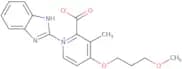
Rabeprazole Impurity 2
CAS:<p>Rabeprazole Impurity 2 is a research and development impurity standard that is used for qualitative analysis. It can be custom synthesized to meet specific needs, and it can also be used in drug product synthesis. Rabeprazole Impurity 2 is a high purity synthetic compound that has been pharmacopoeia-qualified. It can also be used as a metabolite or analytical standard, and it has been studied for its metabolism studies with HPLC-MS. Rabeprazole Impurity 2 has CAS No. 1807988-36-8.</p>Formula:C18H19N3O4Purity:Min. 95%Molecular weight:341.36 g/molPravastatin lactone
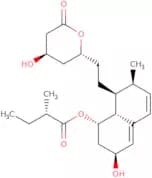
CAS:<p>Pravastatin lactone is a prodrug of pravastatin that is hydrolyzed in vivo to its active form. It is used for the treatment of bowel disease and has been shown to have concentration-time curves that are linear and dose-dependent. Pravastatin lactone has an acidic pH, which may be due to the presence of carboxyl groups on the molecule. This drug also inhibits the activity of 3-hydroxy-3-methylglutaryl coenzyme A (HMG CoA) reductase, which is an enzyme that catalyzes the conversion of HMG CoA to mevalonate in order to produce cholesterol. Pravastatin lactone also suppresses the production of fatty acids by inhibiting their synthesis at the level of acetyl-coenzyme A (acetyl-CoA). The drug has not shown any evidence of toxicity when administered to rats at doses up to 10 mg/kg body weight per day</p>Formula:C23H34O6Purity:Min. 98 Area-%Color and Shape:PowderMolecular weight:406.51 g/mol3-O-Methyl L-DOPA monohydrate
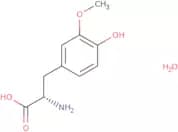
CAS:Controlled Product<p>3-O-Methyl L-DOPA monohydrate is a chromatographic method that is used to diagnose Parkinson's disease. The method separates the catechol-o-methyltransferase (COMT) from plasma samples, which converts dopamine to 3-O-methyl dopamine. The 3-O-methyl dopamine reacts with an electrochemical detector and overlapped peaks can be seen on the chromatogram. This analytical method can be used to detect low levels of dopamine in the blood and diagnose Parkinson's disease.</p>Formula:C10H13NO4·H2OPurity:Min. 95%Color and Shape:White PowderMolecular weight:229.23 g/mol1-β-D-Ribofuranosyl-3-guanylurea picrate
CAS:Controlled Product<p>1-beta-D-Ribofuranosyl-3-guanylurea picrate is also known as 1-(diaminomethylene)-3-(beta-D-ribofuranosyl)urea picrate, 1-amidino-3-b-D-ribofuranosylurea monopicrate and Azacitidine Related Compound C. 1-beta-D-Ribofuranosyl-3-guanylurea picrate is an impurity generated from the hydrolysis of the drug Azacitidine, available on the market with the trade name Vidaza. Azacitidine is a chemical analogue of cytidine and is used in the treatment of myelodysplastic syndrome.</p>Formula:C7H14N4O5•C6H3N3O7Purity:Min. 95.0 Area-%Color and Shape:PowderMolecular weight:463.31 g/molAmikacin EP impurity G
CAS:Please enquire for more information about Amikacin EP impurity G including the price, delivery time and more detailed product information at the technical inquiry form on this pageFormula:C22H43N5O13Purity:Min. 95%Molecular weight:585.61 g/mol(3R)-3-Amino-1-[5,6-dihydro-3-(trifluoromethyl)-1,2,4-triazolo[4,3-α]pyrazin-7(8H)-yl]-4-(2,3,5-trifluorophenyl)-1-butanone
CAS:<p>Please enquire for more information about (3R)-3-Amino-1-[5,6-dihydro-3-(trifluoromethyl)-1,2,4-triazolo[4,3-α]pyrazin-7(8H)-yl]-4-(2,3,5-trifluorophenyl)-1-butanone including the price, delivery time and more detailed product information at the technical inquiry form on this page</p>Formula:C16H15F6N5OPurity:Min. 95%Molecular weight:407.31 g/molL-138,037
CAS:Please enquire for more information about L-138,037 including the price, delivery time and more detailed product information at the technical inquiry form on this pageFormula:C28H34N4Purity:Min. 95%Color and Shape:PowderMolecular weight:426.6 g/molAtropine impurity D
<p>Atropine impurity D is a drug product that is an analytical standard for the metabolism studies of atropine. It is a natural API that belongs to the group of drugs and has CAS number 72-48-0. This drug has been synthesized from the synthetic process and then purified by HPLC. The purity of this drug exceeds 99%. Atropine impurity D is used as an impurity standard in pharmacopoeia, research and development, and drug development.</p>Purity:Min. 95%D-[Ala]18-Tirzepatide
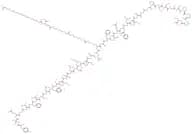
<p>Tirzepatide Impurity</p>Formula:C225H348N48O68Molecular weight:4,813.5 g/molD-Asp(9)-Tirzepatide
<p>Tirzepatide impurity.</p>Formula:C225H348N48O68Molecular weight:4,813.5 g/molN-Methylnitroacetamide
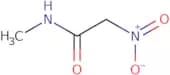
CAS:<p>N-Methylnitroacetamide is a pyridinium salt used as an additive in pharmaceutical preparations. It is also a drug substance that is used for oral dosage, and has been shown to be active in methylene chloride and organic solvents. This chemical has been found to have a number of impurities, including acidic compounds and organic solvents, which can cause it to degrade over time. The use of this compound requires validation and kinetic studies to ensure it meets the quality standards for its intended use.</p>Formula:C3H6N2O3Purity:Min. 95%Color and Shape:PowderMolecular weight:118.09 g/molRoxithromycin impurity E
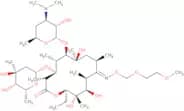
CAS:<p>Roxithromycin impurity E is a metabolite of roxithromycin. It is a yellow powder with a melting point of about 130°C and a molecular weight of 226.14g/mol. Roxithromycin impurity E has been shown to be an inhibitor of CYP3A4 and CYP2D6, as well as an inducer of CYP1A2. This impurity can be used for the research and development of roxithromycin, as well as production of analytical standards for HPLC analysis.</p>Formula:C40H74N2O15Purity:Min. 95%Molecular weight:823.02 g/molN4-Acetyl sulfadoxine
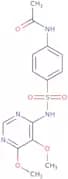
CAS:<p>N4-Acetyl sulfadoxine is a drug that is used to treat urinary tract infections in women and children. It is also used to treat bacterial infections of the skin, lungs, and joints. N4-Acetyl sulfadoxine may be effective against prostatitis caused by E. coli or Mycoplasma pneumoniae by inhibiting the production of prostaglandins. This drug works by binding to dihydropteroate synthase, which prevents folic acid from being incorporated into the bacterial cell wall, thereby inhibiting bacterial growth.</p>Formula:C14H16N4O5SPurity:Min. 95%Color and Shape:PowderMolecular weight:352.37 g/mol4-(1-Hydroxy-1-methylethyl)-2-propyl-1-[[2'-[1-(triphenylmethyl)-1H-tetrazol-5-yl][1,1'-biphenyl]-4-yl]methyl]-1H-imidazole-5-carbox ylic acid sodium salt
CAS:<p>4-(1-Hydroxy-1-methylethyl)-2-propyl-1-[[2'-[1-(triphenylmethyl)-1H-tetrazol-5-yl][1,1'-biphenyl]-4-yl]methyl]-1H-imidazole-5-carbox ylic acid sodium salt is a research and development compound that is synthesized using the drug product synthesis method. This compound belongs to the class of Impurity standards, which are used for quality control in analytical chemistry. The CAS number for this compound is 879097–59–3, and the molecular formula is C26H34N6O4S. The molecular weight of this compound is 564.49 g/mol. 4-(1-Hydroxy-1-methylethyl)-2-propyl-[1-[2'-[(1,3,5 -tris(triphenylmethyl</p>Formula:C43H39N6O3·NaPurity:Min. 95%Molecular weight:710.8 g/molAtorvastatin epoxy tetrahydrofuran impurity
CAS:<p>Atorvastatin epoxy tetrahydrofuran impurity is a byproduct of the synthesis process. It is a white crystalline powder that is soluble in organic solvents and sparingly soluble in water. Atorvastatin epoxy tetrahydrofuran impurity has been shown to be an impurity of atorvastatin. It is not known to have any biological activity, but it may pose a health risk if present in large quantities.</p>Formula:C26H24FNO5Purity:Min. 95%Color and Shape:PowderMolecular weight:449.47 g/molFeudomycinone B
CAS:<p>Feudomycinone B is a synthetic analogue of the natural product, Feudomycin. It is a potent cytotoxic agent with a broad spectrum of activity against microorganisms, including Gram-positive and Gram-negative bacteria, mycobacteria, and fungi.</p>Purity:Min. 95%3-O-Methylcarbidopa
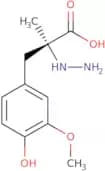
CAS:Controlled Product<p>3-O-Methylcarbidopa is a drug that belongs to the class of dopa decarboxylase inhibitors. It is an inactive prodrug, which is converted into its active form by hydrolysis in the body. 3-O-Methylcarbidopa has been shown to have a plasma concentration that can be detected, with an elimination rate of about 4 hours. The active substance is found in the particle size range of 0.1 to 1 micrometer and can be analyzed using chromatographic methods. 3-O-Methylcarbidopa is primarily used for the treatment of Parkinson's disease, but also has potential applications in other diseases such as Alzheimer's disease, depression and schizophrenia.</p>Purity:Min. 95%Molecular weight:240.26a-[3-[[2-(3,4-Dimethoxyphenyl)ethyl]methylamino]propyl]-α-ethyl-3,4-dimethoxy-benzeneacetonitrile
CAS:<p>a-[3-[[2-(3,4-Dimethoxyphenyl)ethyl]methylamino]propyl]-alpha-ethyl-3,4-dimethoxy-benzeneacetonitrile is a new inhibitor of the human p glycoprotein (Pgp). It has been shown to inhibit the function of Pgp in vitro and in vivo. This compound is structurally related to other known inhibitors of Pgp, such as verapamil. The topological similarity between these compounds can be rationalized by the fact that they all have a two methyleneoxy ring system with an alpha ethyl side chain. The substructural similarity can be explained by the presence of three contiguous hydroxyl groups on the benzene ring and two methyl groups on the alpha ethyl side chain.</p>Formula:C26H36N2O4Purity:Min. 95%Molecular weight:440.58 g/molGuaifenesin EP impurity C
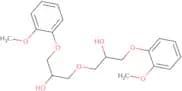
CAS:<p>This is a metabolite of guaifenesin, and it is an impurity in the EP guaifenesin. It can be custom synthesized for research and development purposes. The purity of this product is high, and it can be used as an analytical standard or a drug product.</p>Formula:C20H26O7Purity:Min. 95 Area-%Color and Shape:Colorless Clear LiquidMolecular weight:378.42 g/molColchicine EP Impurity B
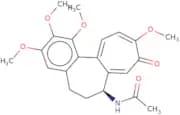
<p>Colchicine EP Impurity B is a synthetic, impurity standard that is used in research and development for drug product development. It is also used as an analytical reagent. Colchicine EP Impurity B has been shown to be a metabolite of colchicine, which is found in the natural environment. This impurity can be synthesized by reacting 4-hydroxybenzaldehyde with nitroethane and sodium nitrite in the presence of hydrochloric acid. Analytical methods to detect this impurity include HPLC and GC-MS.</p>Purity:Min. 95%Dehydrocorybulbine chloride
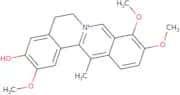
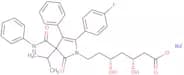
CAS:Dehydrocorybulbine chloride salt is a medicinal compound that has shown potential as an anticancer agent. It is an analog of the Chinese herb Corydalis yanhusuo and has been found to inhibit protein kinases, which are enzymes that play a key role in cancer cell growth and proliferation. Dehydrocorybulbine chloride salt has been shown to induce apoptosis (programmed cell death) in various types of cancer cells, including bladder, lung, and breast cancer cells. This compound also exhibits low toxicity towards normal human cells and has shown promise as a possible treatment for certain types of cancer.Formula:C21H22ClNO4Purity:Min. 95%Color and Shape:PowderMolecular weight:352.4 g/mol1b-(4-Fluorophenyl)hexahydro-β,7-dihydroxy-7-(1-methylethyl)-1a-phenyl-7a-[(phenylamino)carbonyl]-3H-oxireno[3,4]pyrrolo[2,1-b][1,3] oxazine-3-butanoic acid sodium
CAS:Fluoxetine is a selective serotonin reuptake inhibitor that is used to treat major depressive disorder, obsessive-compulsive disorder (OCD), bulimia nervosa, panic disorder, premenstrual dysphoric disorder (PMDD), and social anxiety disorder. It is also used as an appetite suppressant in some countries. Fluoxetine inhibits the neuronal uptake of serotonin by blocking the presynaptic transporter protein. The most common adverse effects are nausea, diarrhea, drowsiness, dry mouth, blurred vision and sexual dysfunction.Formula:C33H35FN2O7•NaPurity:Min. 95%Color and Shape:PowderMolecular weight:613.63 g/molEsomeprazole sodium - EP
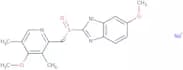
CAS:<p>Esomeprazole sodium is a proton pump inhibitor that decreases the production of stomach acid. It is used in the treatment of symptoms such as heartburn, regurgitation, and ulcers caused by gastroesophageal reflux disease (GERD). Esomeprazole sodium has been shown to reduce the amount of acid produced in the stomach and to increase the pH level in the stomach. This drug also has significant interactions with other drugs, which can lead to an increased risk of adverse events. Esomeprazole sodium is excreted from the body through urine and feces. The active form of esomeprazole is also found in wastewater treatment plants and can contribute to antimicrobial resistance.</p>Formula:C17H18N3NaO3SPurity:Min. 95%Color and Shape:White/Off-White SolidMolecular weight:367.4 g/molLansoprazole sulfone - Bio-X ™
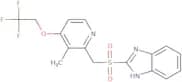
CAS:Lansoprazole is a proton pump inhibitor that is used in the treatment of gastrointestinal ulcers, symptoms of GERD and to eradicate Helicobacter pylori. This drug works by decreasing gastric acid secretion by targeting H+ and K+ ATPase. It offers pain relief from heartburn and reduces ulcer related pain.Formula:C16H14F3N3O3SPurity:Min. 95%Color and Shape:PowderMolecular weight:385.36 g/mol6’-Hydroxy simvastatin acid
CAS:<p>6’-Hydroxy simvastatin acid is a metabolite of simvastatin. It has an analytical purity of at least 98% and is used as an impurity standard in the preparation of high purity drug product. 6’-Hydroxy simvastatin acid is also used for research and development, such as drug discovery, new drug development, and analytical method validation. This compound has a CAS number of 1217529-34-4 and can be synthesized from natural or synthetic sources.</p>Formula:C25H40O7Purity:Min. 95%Molecular weight:452.58 g/molAllopurinol impurity C
CAS:Allopurinol impurity C is a product of the reaction between allopurinol and n-butyl alcohol, which occurs in the presence of sodium hydroxide solution and dimethylformamide. The reaction condition is heated to reflux for 12 hours, after which the mixture is filtered and concentrated under reduced pressure. The resultant crude product is purified by column chromatography with ethyl acetate and then recrystallized from methanol. The synthesis scheme can be found in Figure 1.Formula:C6H6N6OPurity:Min. 95%Color and Shape:Slightly Yellow PowderMolecular weight:178.15 g/mol25-Hydroxytachysterol
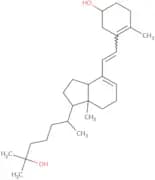
CAS:<p>25-Hydroxytachysterol is a drug product that is manufactured by natural and synthetic means. The natural form of the compound is found in the urine of pregnant women, while the synthetic form is produced by chemical synthesis. 25-Hydoxytachysterol has been shown to be an analytical standard, impurity standard, and API impurity. It also has been used extensively in metabolism studies and pharmacopoeia research.<br>25-Hydroxytachysterol can be synthesized from cholesterol or obtained from animal sources such as bile acids or piglets. The compound is metabolized by cytochrome P450 enzymes to produce 7alpha,24-dihydroxycholesterol, which has progesterone-like properties.</p>Formula:C27H44O2Purity:Min. 95%Molecular weight:400.64 g/mol3,5-Di-O-(4-chlorobenzoyl)-2-deoxy-a-D-ribofuranosyl isocyanate
<p>3,5-Di-O-(4-chlorobenzoyl)-2-deoxy-a-D-ribofuranosyl isocyanate (CAS No. 53477) is a drug product that belongs to the class of drugs called nucleosides. 3,5-Di-O-(4-chlorobenzoyl)-2-deoxy-a-D-ribofuranosyl isocyanate has been shown to be metabolized through a number of metabolic transformations, including hydrolysis by esterases or glucuronidases, oxidation by cytochrome P450 enzymes, reduction by glutathione reductase, or conjugation with glucuronic acid. This product has been shown to have antiplasmodial activity and may be useful in the treatment of malaria.</p>Formula:C20H15Cl2NO6Purity:Min. 95%Molecular weight:436.24 g/molRifaximin EP Impurity D
<p>Rifaximin EP Impurity D is an analytical impurity that has been identified as a metabolite of the drug Rifaximin. It is a white crystalline powder with no characteristic odor. This product can be used as an HPLC standard, niche compound, or pharmacopoeia impurity. It can also be custom synthesized to meet the needs of your research and development project.</p>Purity:Min. 95%O3-Desethyl apremilast
CAS:<p>O3-Desethyl apremilast is an experimental drug product that belongs to the class of drug products. This drug product has been shown to be a natural, synthetic and analytical impurity in API. It is also an impurity standard for HPLC analysis. O3-Desethyl apremilast can be used in research and development, as well as niche applications in the pharmaceutical industry.</p>Formula:C20H20N2O7SPurity:Min. 95%Color and Shape:PowderMolecular weight:432.45 g/moltrans-4-(4-Fluorophenyl)-3-hydroxymethyl-1-methylpiperidine
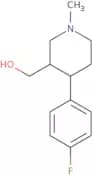
CAS:The compound is a natural product and its structure is similar to that of the neurotransmitter dopamine. The compound has been used in pharmacological studies as a tool for understanding the neurotoxicity of dopamine and other drugs. This drug has also been used to investigate the level of dopamine receptor occupancy by various dopaminergic drugs.Formula:C13H18FNOPurity:Min. 95%Molecular weight:223.29 g/mol(S,E)-N-(1-(3-Methylbut-1-enylamino)-1-oxo-3-phenylpropan-2-yl)pyrazine-2-carboxamide
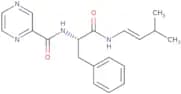
CAS:<p>R-N-(1-(3-methylbut-1-enyl)-1-oxo-3-phenylpropan-2-yl) pyrazine-2-carboxamide is a drug product that is used for the treatment of bacterial infections. The compound is an impurity in the synthesis of other compounds and is also used as an analytical standard. It is synthesized from commercially available starting materials and through custom synthesis. R-N-(1-(3-methylbut-1-enyl)-1--oxo--3--phenylpropan--2--yl)pyrazine--2--carboxamide has been shown to be metabolized by CYP450 enzymes, which are responsible for the metabolism of many drugs. R-(1-(3Methylbut 1Enylamino)-1Oxo 3Phenylpropan 2Yl)Pyrazine 2Carboxamide has not been evaluated as a drug product and therefore does not</p>Formula:C19H22N4O2Purity:Min. 95%Molecular weight:338.4 g/molD-Thr(5)-Semaglutide
<p>D-Thr(5)-Semaglutide is a semaglutide impurity. The amino acid at position 5 has been replaced by the D-form of the amino acid D-threonine (D-Thr). Semaglutide impurities are structurally related compounds that arise during synthesis, purification, or storage of semaglutide, a long-acting GLP-1 receptor agonist for managing type 2 diabetes and obesity.</p>Formula:C187H291N45O59Molecular weight:4,113.64 g/molDoxorubicin impurity
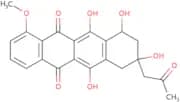
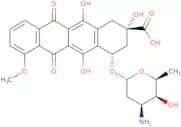
CAS:<p>Doxorubicin is an organic compound that belongs to the class of polycyclic aromatic hydrocarbons. It is used as a cancer therapy, primarily in the treatment of breast cancer. The chemical sensing of impurities in doxorubicin can be done using phase transfer methods. The quantification of these impurities can be done using high-performance liquid chromatography (HPLC) or gas chromatography (GC).</p>Formula:C26H27NO11Purity:Min. 90 Area-%Color and Shape:Red PowderMolecular weight:529.49 g/mol4-Methoxy-N,N-dimethyl-phenethylamine
CAS:Controlled Product<p>4-Methoxy-N,N-dimethylphenethylamine is a natural product that has been shown to inhibit the transfer of bacteria from the environment to food. It also has regulatory properties and can be used as a supplement in dietary drinks. 4-Methoxy-N,N-dimethylphenethylamine is an alkaloidal extract and has been shown to have antibacterial activity against Escherichia coli, Salmonella enterica, and Listeria monocytogenes. This compound was also found to have diffraction properties, which are related to its ability to bind DNA in bacterial cells.</p>Formula:C11H17NOPurity:Min. 95%Color and Shape:Clear LiquidMolecular weight:179.26 g/molAtorvastatin impurity F
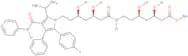
CAS:<p>Atorvastatin impurity F is an impurity that can be found in atorvastatin. It is a white to off-white crystalline solid with a melting point of 142°C. It has a molecular weight of 273.5 and chemical formula of C14H13N3O2. This impurity can be found in atorvastatin as an API impurity, which may have an effect on the efficacy or toxicity of the drug product. Impurities are present in all pharmaceutical products and should be identified, characterized, and quantified for quality control purposes. Impurities are often unavoidable byproducts of the manufacturing process and can lead to potential safety concerns if they are not detected early on during drug development. The presence of impurities may also affect the pharmacological effects or therapeutic efficacy of the drug product.</p>Formula:C40H47FN3O8NaPurity:Min. 95%Color and Shape:PowderMolecular weight:739.8 g/mol5-Benzoyl-7-bromo-2,3-dihydro-1H-pyrrolizine-1-carboxylic acid - Racemic
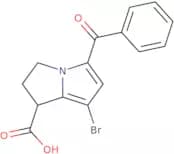
CAS:5-Benzoyl-7-bromo-2,3-dihydro-1H-pyrrolizine-1-carboxylic acid - Racemic is a drug product that is used for the research and development of drugs. It is manufactured synthetically. This compound has been shown to be metabolized in rats and humans. Studies have also shown that this compound may be an impurity in other drugs. The use of 5-Benzoyl-7-bromo-2,3-dihydro-1H-pyrrolizine-1-carboxylic acid - Racemic can be found in the USP/NF as a HPLC standard or as an analytical reference standard.Formula:C15H12BrO3NPurity:Min. 95%Molecular weight:334.16 g/molSunitinib Impurity 18
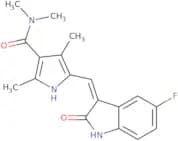
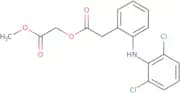
CAS:<p>Sunitinib impurity 18 is a natural API impurity that has been identified as the metabolite of sunitinib. This impurity is an analytical standard for HPLC and it is used in drug development, research and development, and niche markets. Sunitinib impurity 18 can be custom synthesized to meet your needs or you can purchase it as a synthetic or high purity API impurity. Metabolism studies on this compound have shown that it is not known to be toxic, mutagenic, carcinogenic, teratogenic, or cause reproductive toxicity.</p>Formula:C18H18FN3O2Purity:Min. 98 Area-%Color and Shape:PowderMolecular weight:327.35 g/molAceclofenac methyl ester
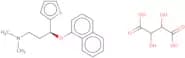
CAS:Aceclofenac methyl ester is an analgesic that belongs to the arylpropionic acid derivatives. It has been developed for the treatment of acute pain. Aceclofenac methyl ester has a structural formula of CH3CO-O-CH3 and a molecular weight of 164.2 g/mol. Aceclofenac is metabolized by CYP450 enzymes, which are located in the liver and other organs, to form acetic acid and 5-hydroxyaceclofenac. The reaction time is approximately 1 hour and tetrahydrofuranyl (THF) is used as a nucleophile in this reaction. This product can be synthesized by reacting ethyl acetate with acetonitrile in high yield, making it stable and anhydrous. The analgesic effects of aceclofenac methyl ester are due to its ability to block the transmission of pain signals from nerves to the brain at the spinal cord levelFormula:C17H15Cl2NO4Purity:Min. 98 Area-%Color and Shape:White PowderMolecular weight:368.21 g/molN,N-Dimethyl-3-(1-naphthalenyloxy)-3-(2-thienyl) propanamine tartrate
CAS:N,N-Dimethyl-3-(1-naphthalenyloxy)-3-(2-thienyl) propanamine tartrate (DMNPA) is a synthetic compound with the molecular formula C14H17NO. DMNPA is used as an analytical reference standard for the quantification of N,N-dimethyl-3-(1-naphthalenyloxy)-3-(2thienyl) propanamine HCl by HPLC. DMNPA has been shown to be a metabolite of the drug product, where it is formed from oxidation of the parent drug.Formula:C19H21NOS·C4H6O6Purity:Min. 95%Molecular weight:461.53 g/molUdp-3-O[R-3-hydroxymyristoyl]-N-acetylglucosamine
CAS:<p>UDP-3-O[R-3-hydroxymyristoyl]-N-acetylglucosamine is a potent inhibitor of tumor growth and has been used in medicinal research for its potential anticancer properties. It works by targeting kinases that are involved in the regulation of cell growth and survival, inducing apoptosis (programmed cell death) in cancer cells. UDP-3-O[R-3-hydroxymyristoyl]-N-acetylglucosamine is an analog of UDP-N-acetylglucosamine, which is a protein precursor found in human urine. This inhibitor has been shown to be effective against various types of cancer, including breast, lung, and prostate cancer. Additionally, it has been found to inhibit the activity of Chinese hamster ovary cells that produce proteins for therapeutic use. Overall, UDP-3-O[R-3-hydroxymyristoyl]-N-acetylglucosamine holds great promise as a potential anticancer</p>Formula:C31H53N3O19P2Purity:Min. 95%Molecular weight:833.7 g/mol2-[[[4-(3-Methoxypropoxy)-3-methyl-2-pyridinyl]methyl]thio]-1H-benzimidazole
CAS:<p>Rabeprazole is a proton pump inhibitor that is used to treat acid-related disorders such as gastroesophageal reflux disease and peptic ulcers. Rabeprazole inhibits the production of gastric acid by blocking the hydrogen/potassium ATPase that is found in the parietal cells of the stomach. The main mechanism of action for rabeprazole is competitive inhibition of the proton pump, which leads to decreased gastric acid secretion. Rabeprazole can be administered orally or intravenously, with a half-life of about 2 hours. It has been shown to have an effect on human liver cytochrome P450s, but does not affect the activity of recombinant cytochrome P450 3A4 (CYP3A4). In clinical studies, rabeprazole was shown to have no adverse effects on CYP3A4 activity and may even increase it slightly.</p>Formula:C18H21N3O2SPurity:Min. 95%Color and Shape:White PowderMolecular weight:343.44 g/mol6'-Methoxy-2'-acetonaphthone
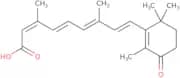
CAS:6'-Methoxy-2'-acetonaphthone is a reactive chemical that can be used as a reagent in organic synthesis. It is an electron-rich aromatic compound and its reactivity is enhanced by electron-donating groups such as -OH, -NH2, or -SH. 6'-Methoxy-2'-acetonaphthone can be used to form new carbon-carbon bonds in the presence of metal catalysts. This reaction can be done in either the presence or absence of a solvent, although the yield is better when carried out in organic solvents. Oxime derivatives are formed as oxidation products during this reaction. Acetylation may also occur, which would produce acetophenones or phenylacetones.Formula:C13H12O2Purity:Min. 95%Color and Shape:Off-White PowderMolecular weight:200.23 g/mol4-Keto 13-cis-retinoic acid
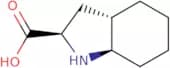
CAS:<p>4-Keto 13-cis-retinoic acid is a synthetic retinoid that was first synthesized in the 1970s. It is used for the treatment of ichthyosiform erythroderma and other skin diseases. 4-Keto 13-cis-retinoic acid binds to the retinoic acid receptor, which may be responsible for its effects on epidermal growth factor and cytosolic calcium. Treatment with 4-keto 13-cis-retinoic acid has been shown to inhibit the proliferation of hl-60 cells and squamous carcinoma cells in vitro, as well as reduce tumor size and metastasis in vivo. >>END</p>Formula:C20H26O3Purity:Min. 95%Color and Shape:PowderMolecular weight:314.42 g/mol(2R,3aS,7aR)-Octahydro-1H-indole-2-carboxylic acid
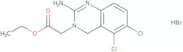
CAS:<p>(2R,3aS,7aR)-Octahydro-1H-indole-2-carboxylic acid is a drug product that is an analytical standard used in the study of metabolism. It is a natural compound that can be synthesized and purified. This chemical has been used as an impurity standard to identify other compounds. It has been used in the synthesis of other drugs and can be custom synthesized for research and development purposes. (2R,3aS,7aR)-Octahydro-1H-indole-2-carboxylic acid can be used as an HPLC standard or high purity chemical. This compound has shown pharmacopoeia activity and is used in drug development and research studies.</p>Formula:C9H15NO2Purity:Min. 95%Molecular weight:169.22 g/mol2-Amino-5,6-dichloro-3(4H)-quinazoline acetic acid ethyl ester hydrobromide
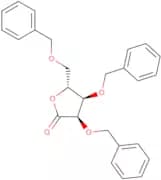
CAS:2-Amino-5,6-dichloro-3(4H)-quinazoline acetic acid ethyl ester hydrobromide is a drug development impurity that belongs to the group of API impurities. It is an impurity standard for HPLC and also appears as a metabolite in animal studies. This compound has been shown to have a high purity and can be used as a custom synthesis or analytical standard. 2-Amino-5,6-dichloro-3(4H)-quinazoline acetic acid ethyl ester hydrobromide is also an impurity in the drug product called "NOVOQUINOL". The compound has been found to be an intermediate in metabolism studies.Formula:C12H14BrCl2N3O2Purity:Min. 95%Color and Shape:PowderMolecular weight:383.07 g/mol2,3,5-Tri-O-benzyl-D-ribono-1,4-lactone
CAS:<p>2,3,5-Tri-O-benzyl-D-ribono-1,4-lactone is a synthetic building block which can undergo reaction with nucleophilic carbon species to afford C-ribosides (via the corresponding hemiacetal). Treatment of 2,3,5-Tri-O-benzyl-D-ribono-1,4-lactone with stronger reducing agents, such as sodium borohydride, affords ring opened products with a stereo-defined poly-oxygenated carbon chain backbone.</p>Formula:C26H26O5Purity:Min. 98 Area-%Color and Shape:White Off-White PowderMolecular weight:418.48 g/molD-Val(10)-Semaglutide
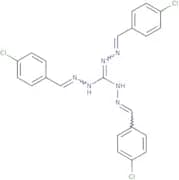
<p>D-Val(10)-Semaglutide is a semaglutide impurity. The amino acid at position 10 has been replaced by the D-form of the amino acid D-valine (D-Val). Semaglutide impurities are structurally related compounds that arise during synthesis, purification, or storage of semaglutide, a long-acting GLP-1 receptor agonist for managing type 2 diabetes and obesity.</p>Formula:C187H291N45O59Molecular weight:4,113.64 g/molN,N',N''-Tris(4-chlorobenzylideneimino)guanidine hydrochloride
CAS:<p>N,N',N''-Tris(4-chlorobenzylideneimino)guanidine hydrochloride is an analytical standard used to determine the purity of a drug product. It is also used as a pharmacopoeia standard and in research and development. N,N',N''-Tris(4-chlorobenzylideneimino)guanidine hydrochloride is synthesized from 4-chlorobenzaldehyde and 1,2,3-triazole. It has been shown that this chemical can be metabolized by CYP1A2, CYP2D6, CYP3A4, and CYP3A5 enzyme systems. This chemical has not been found to have any impurities.</p>Formula:C22H17Cl3N6•(HCl)xPurity:Min. 95%Color and Shape:White to off-white solid.Molecular weight:471.77 g/molPantoprazole sulfide N-oxide
CAS:<p>Pantoprazole sulfide N-oxide is a metabolite of pantoprazole, which is a proton pump inhibitor used to reduce stomach acid production. Pantoprazole sulfide N-oxide is an impurity in pantoprazole that can be detected by HPLC. It has been shown to have about the same biological activity as pantoprazole when given orally.</p>Formula:C16H15F2N3O4SPurity:Min. 95%Color and Shape:Off-White To Yellow SolidMolecular weight:383.37 g/molAmoxicillin trihydrate impurity N
<p>Amoxicillin trihydrate impurity N is a drug product that is an impurity in amoxicillin trihydrate. It is a natural, API impurity, which has been synthesized and tested for use as an impurity standard for HPLC analysis of amoxicillin trihydrate. The CAS number for Amoxicillin trihydrate impurity N is 592-84-1.</p>Purity:Min. 95%2-Ethoxy-4-[2-[[(1R)-3-methyl-1-[2-(1-piperidinyl)phenyl]butyl]amino]-2-oxoethyl]benzoic acid ethyl ester
CAS:<p>2-Ethoxy-4-[2-[[(1R)-3-methyl-1-[2-(1-piperidinyl)phenyl]butyl]amino]-2-oxoethyl]benzoic acid ethyl ester is a drug product that has been custom synthesized for use in research and development. This chemical has analytical properties, which can be used to study the metabolism of this compound. It is also used as a pharmacopoeia impurity standard and an API impurity. 2-Ethoxy-4-[2-[[(1R)-3-methyl-1-[2-(1-piperidinyl)phenyl]butyl]amino]-2-oxoethyl]benzoic acid ethyl ester is metabolized in vivo to form metabolites with different spectra of activity. These metabolites are used as analytical standards for HPLC analysis.</p>Formula:C29H40N2O4Purity:Min. 95%Molecular weight:480.64 g/molEthyl 3-(dimethylamino)-2-(4-methoxyphenyl)propanoate
CAS:Ethyl 3-(dimethylamino)-2-(4-methoxyphenyl)propanoate is an impurity standard for drug product. It is a high purity, API impurity, HPLC standard and niche chemical that is found in the CAS No. 323176-93-8. This compound is used in drug development and analytical research. It is a synthetic compound that can be custom synthesized, natural or found in research and development.Formula:C14H21NO3Purity:(%) Min. 95%Color and Shape:Clear Viscous LiquidMolecular weight:251.32 g/molAdefovir Dipivoxyl Impurity I
CAS:<p>Adefovir Dipivoxyl Impurity I is a white crystalline powder with a melting point of 232–234 °C. It is soluble in water, and insoluble in organic solvents. Adefovir Dipivoxyl Impurity I is used as an impurity standard for Adefovir Dipivoxyl and has been shown to be metabolized by CYP3A4 and UGT1A9. This impurity also has the potential to inhibit DNA synthesis in cells.</p>Formula:C21H34N5O9PPurity:Min. 95%Molecular weight:531.5 g/molUrolithin M5
CAS:<p>Urolithin M5 is a drug product that has undergone custom synthesis, and is high in purity. It has CAS No. 91485-02-8, analytical data, metabolism studies, and drug development. Urolithin M5 is natural, with a metabolite pharmacopoeia and niche. There are impurities in this substance that are of synthetic origin and have an analytical HPLC standard. This substance has been researched and developed for use as an Impurity Standard.</p>Formula:C13H8O7Purity:Min. 95%Color and Shape:PowderMolecular weight:276.2 g/molN-Despropyl ropinirole hydrochloride
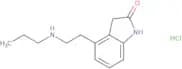
CAS:<p>N-Despropyl ropinirole hydrochloride is a synthetic drug product that is used as a research and development impurity standard. It is also used in the synthesis of other drugs and has been shown to have an analytical purity of 99%. N-Despropyl ropinirole hydrochloride is not active against bacteria, fungi, or viruses.</p>Formula:C13H19ClN2OPurity:Min. 95%Color and Shape:PowderMolecular weight:254.75 g/molDibenzosuberone
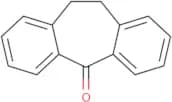
CAS:Dibenzosuberone is a reactive, surfactant, and β-catenin inhibitor that has been shown to have anti-cancer activity against solid tumours. It is synthesized by the asymmetric synthesis of dibenzoyl-L-tartaric acid with sodium dodecylsulfate in the presence of light. The substrate film is used to increase the rate of reactivity. Dibenzosuberone inhibits the growth of cancer cells by inhibiting cyclic peptide synthesis and blocking light emission from these cells. Dibenzosuberone also has an effect on cell migration and proliferation through its interactions with β-catenin. Dibenzosuberone hydrolyzes in aqueous solution to form benzene, which can be removed by adding hydrochloric acid or hydrogen bonding with anhydrous sodium.Formula:C15H12OPurity:Min. 95%Color and Shape:Solidified MassMolecular weight:208.26 g/molDesethyl amiodarone hydrochloride
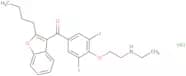
CAS:Amiodarone hydrochloride is an antiarrhythmic drug that belongs to the class of chromatographic agents. It is a prodrug, which is metabolized to amiodarone in vivo. Amiodarone has been shown to be effective in preventing ventricular fibrillation and malignant arrhythmias. Amiodarone prevents the onset of cardiac arrhythmia by prolonging the action potential duration and refractory period, which stabilizes the cell membrane potential during depolarization. The drug also inhibits the release of calcium ions from the sarcoplasmic reticulum, thereby reducing excitability and preventing re-entry into a fibrillating state. Amiodarone is used for the treatment of atrial fibrillation, ventricular tachycardia, and chronic heart failure.Formula:C23H25I2NO3•HClPurity:Min. 95%Color and Shape:PowderMolecular weight:653.72 g/molRemdesivir impurity 7
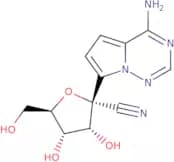
CAS:<p>Remdesivir is an antiviral drug. It is an RNA-dependent RNA polymerase inhibitor that has been shown to be effective against a broad range of RNA viruses, including influenza A and B, rhinovirus, respiratory syncytial virus, and parainfluenza virus. Remdesivir impurity 7 (impurity) is a byproduct of the synthesis process of remdesivir. It is a white crystalline solid with a strong chemical odor. This impurity can be synthesized in high purity as well as in custom specifications to meet the needs of pharmaceutical companies developing new drugs.</p>Formula:C15H24NO5PPurity:Min. 95%Molecular weight:329.33 g/mol4-Amino-7-iodopyrrolo[2,1-f][1,2,4]triazine
CAS:<p>4-Amino-7-iodopyrrolo[2,1-f][1,2,4]triazine is an impurity standard of the drug product. It is a high purity synthetic compound with a niche in pharmacopoeia and drug development. 4-Amino-7-iodopyrrolo[2,1-f][1,2,4]triazine has been shown to be a metabolite of the natural product.</p>Formula:C6H5IN4Purity:Min. 97 Area-%Color and Shape:PowderMolecular weight:260.04 g/mol2-Amino-2-deoxy-β-arabinofuranosyladenine
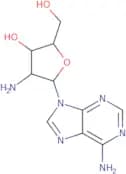
CAS:<p>2-Amino-2-deoxy-beta-arabinofuranosyladenine is an impurity standard for the synthesis of 2,6-diaminopurine. It is a synthetic compound that can be used to study metabolism. 2-Amino-2-deoxy-beta-arabinofuranosyladenine is a metabolite of nucleosides and nucleotides. It has been shown to have anti-inflammatory properties in animal models. 2,6-Diaminopurine protects the liver from oxidative stress by modulating glutathione biosynthesis and providing sulfur to the cell.</p>Formula:C10H14N6O3Purity:Min. 95%Molecular weight:266.26 g/molSitagliptin Diamide impurity
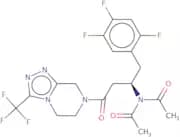
Sitagliptin Diamide Impurity is a drug product that is a white crystalline powder. It has been developed as an analytical standard for the impurity Sitagliptin Diamide. The impurity is a metabolite of sitagliptin, which is an oral antidiabetic drug used to treat type 2 diabetes. Sitagliptin Diamide Impurity can be used as a pharmaceutical intermediate and in research and development.Formula:C20H19F6N5O3Purity:Min. 95%Molecular weight:491.39 g/mol11-(1-Piperazinyl)dibenzo[b,f][1,4]thiazepine hydrochloride
CAS:<p>11-(1-Piperazinyl)dibenzo[b,f][1,4]thiazepine hydrochloride is a drug product that is used as an impurity standard in the manufacture of 11-aminoundecanoic acid. It is also used to study the metabolism of this compound. This drug product is not intended for use in humans or animals.</p>Formula:C17H18ClN3SPurity:Min. 95%Color and Shape:PowderMolecular weight:331.9 g/mol5-(2-Ethoxyphenyl)-1-methyl-3-n-propyl-1,6-dihydro-7H-pyrazolo[4,3-d]pyrimidin-7-one
CAS:Sildenafil is a selective PDE-5 inhibitor that is used in the treatment of erectile dysfunction. It has been shown to have anticancer activity in vitro and in vivo. Sildenafil inhibits the activity of cyclic guanosine monophosphate (cGMP) phosphodiesterase type 5 (PDE-5), which is found in the corpus cavernosum of the penis and inhibits cGMP degradation, leading to vasodilation and increased blood flow. Sildenafil has been shown to inhibit cancer cell proliferation by blocking the synthesis of both DNA and protein, as well as inhibiting the expression of genes encoding for anti-apoptotic proteins. Sildenafil binds to PDE-5 with high affinity, but does not bind to other PDEs or ion channels at therapeutic concentrations.Formula:C17H20N4O2Purity:Min. 95%Color and Shape:White To Off-White SolidMolecular weight:312.37 g/molGliclazide impurity F
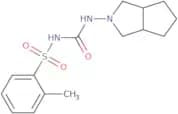
CAS:<p>Gliclazide is a sulfonylurea drug that is used to treat type 2 diabetes. The impurity F, which is an impurity standard, can be synthesized by reacting 1-chloro-2,6-difluoroaniline with sodium methoxide in methanol. It is also an API impurity found in the synthesis of gliclazide and can be custom synthesized for research and development purposes. Gliclazide impurity F has a CAS number of 1076198-18-9 and the molecular formula C8H4ClF3NOS. This product has a purity of >99% and is classified as synthetic. It has been shown to have pharmacopoeia activity and can also be used for niche applications such as drug development.</p>Formula:C15H21N3O3SPurity:Min. 95%Color and Shape:White Off-White PowderMolecular weight:323.41 g/mol2-[[1-(Methylamino)-2-nitroethenyl]amino]-ethanethiol
CAS:<p>Please enquire for more information about 2-[[1-(Methylamino)-2-nitroethenyl]amino]-ethanethiol including the price, delivery time and more detailed product information at the technical inquiry form on this page</p>Formula:C5H11N3O2SPurity:Min. 95%Molecular weight:177.23 g/molOxytocin
CAS:<p>Natriuretic hormone; induces uterine contraction and lactation</p>Formula:C43H66N12O12S2Purity:Min. 98 Area-%Color and Shape:White Off-White PowderMolecular weight:1,007.19 g/molTopiramate N-methyl impurity
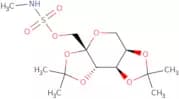
CAS:<p>Topiramate is a drug used to treat epilepsy and weight loss. The N-methyl impurity is a synthetic compound that is an impurity in the drug product. The impurity was synthesized by reacting 4-hydroxybenzaldehyde with methylamine in the presence of triethylamine. It has been shown to be not metabolized, but excreted unchanged in urine.</p>Formula:C13H23NO8SPurity:Min. 95%Color and Shape:Colourless LiquidMolecular weight:353.39 g/mol3-(3-(Trifluoromethl)phenyl-N-(R)-1-(naphthalen-1-yl)ethyl)prop-2-en-1-amine hydrochloride
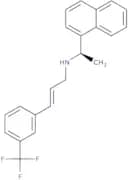
CAS:3-(3-(Trifluoromethl)phenyl-N-(R)-1-(naphthalen-1-yl)ethyl)prop-2-en-1-amine is a synthetic compound, which is not found in nature. It is an API impurity and a metabolite of the drug product. It can be synthesized in high purity and with a custom synthesis. 3-(3-(Trifluoromethl)phenyl-N-(R)-1-(naphthalen-1-yl)ethyl)prop-2-en-1-amine has been found to be involved in metabolism studies and research and development, as well as analytical purposes. This compound can also serve as an impurity standard for HPLC analysis.Formula:C22H20F3N•HClPurity:Min. 95%Color and Shape:White To Off-White SolidMolecular weight:391.86 g/mol2,6-Dimethyl-4-(3-nitrophenyl)-3,5-pyridinedicarboxylic acid isopropyl 2-methoxyethyl ester
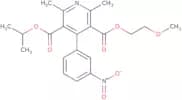
CAS:Nimodipine is a calcium channel blocker that is used to treat subarachnoid hemorrhage and aneurysms. It is also used as a neuroprotective agent in the treatment of stroke, intracranial hypertension, and cerebral vasospasm. Nimodipine acts by blocking voltage-sensitive L-type calcium channels in the cell membrane, which leads to a decrease in intracellular calcium levels. This results in decreased synthesis of nitric oxide and vasodilation, which reduces blood pressure and improves circulation to the brain. Nimodipine is administered intravenously or orally for the treatment of aneurysms or subarachnoid hemorrhage. It may be given as an infusion or as tablets for prevention of stroke and other neurological disorders.Formula:C21H24N2O7Purity:Min. 95%Color and Shape:Slightly Yellow PowderMolecular weight:416.42 g/molAll-trans-retinol-d5
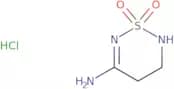
CAS:Controlled Product<p>All-trans-retinol-d5 is a supplement that is used to protect the brain from oxidative damage and to help maintain healthy skin. It is an antioxidant that prevents free radicals from damaging cells and helps maintain the structural integrity of cell membranes. All-trans-retinol-d5 can be found in high concentrations in animal tissues, such as liver, lung, kidney, heart, brain, and eye. It can also be found in human urine. The presence of all-trans-retinol-d5 in urine has been correlated with neuroprotective effects. Retinol levels have been shown to be higher in children who are less obese than those who are obese or overweight. All-trans retinol has been shown to inhibit cancer cell proliferation and induce apoptosis by inhibiting protein synthesis at the level of transcription.</p>Formula:C20H25D5OPurity:(%) Min. 80%Color and Shape:Clear Viscous LiquidMolecular weight:291.48 g/mol3-Amino-4,6-dihydro-1,2,6-thiadiazine-1,1-dioxide, hydrochloride
<p>3-Amino-4,6-dihydro-1,2,6-thiadiazine-1,1-dioxide is an impurity that has been identified in the process of synthesizing a drug. The impurity is typically found in small quantities and is not expected to have any adverse effects on the drug product if present in concentrations below 0.1% (w/w). 3-Amino-4,6-dihydro-1,2,6-thiadiazine-1,1-dioxide can be synthesized from two other compounds: 4,6-Diaminohexane and thiosemicarbazide. The CAS number for this impurity is 53497–14–8.</p>Formula:C3H8ClN3O2SPurity:Min. 95%Molecular weight:185.63 g/molN-Methyl-3-(1-naphthalenyloxy)-3-(3-thienyl) propanamine tartrate
<p>N-Methyl-3-(1-naphthalenyloxy)-3-(3-thienyl) propanamine tartrate is an impurity standard used for the quantitative analysis of norephedrine in pharmaceutical products. It is also a metabolite of methamphetamine, which has been shown to have anti-inflammatory activities.</p>Formula:C18H19NOS·C4H6O6Purity:Min. 95%Molecular weight:447.5 g/molLevonorgestrel EP Impurity O
CAS:<p>Soluble in Chloroform & in Methanol Confirmed<br>Insoluble in Water</p>Purity:95.0% MinColor and Shape:Off White or Beige SolidMolecular weight:344.495-Methoxy-2-[[(4-methoxy-3,5-dimethyl-2-pyridinyl)methyl]thio]-1H-benzimidazole
CAS:Omeprazole is a drug that belongs to the class of benzimidazole compounds. It is an inhibitor of gastric acid secretion in the stomach, reducing the production of hydrochloric acid and pepsin. Omeprazole has been shown to have greater chemical stability than other proton pump inhibitors (PPIs), with a higher solubility in water and a longer shelf life. Omeprazole also has anti-inflammatory properties, which may be due to its inhibition of prostaglandin synthesis. Omeprazole also exhibits pharmacokinetic properties that are different from other PPIs. Omeprazole is rapidly absorbed following oral administration and has a high bioavailability, which can be attributed to its hydroxyl group. This hydroxyl group allows for esomeprazole (a prodrug) to be formed by hydrolysis in the gut or liver, increasing omeprazole's absorption and bioavailability.Formula:C17H19N3O2SPurity:Min. 95%Color and Shape:PowderMolecular weight:329.42 g/molEpirubicin impurity G
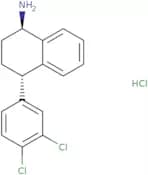
CAS:<p>Epirubicin impurity G is a synthetic research and development impurity standard that is used in the manufacture of drug products, as well as in the development of new drugs. Epirubicin impurity G is a metabolite of epirubicin and has been shown to be an active inhibitor of DNA synthesis. Epirubicin impurity G may also have potential as an analytical standard for HPLC analysis.</p>Formula:C54H58N2O22Purity:Min. 95%Molecular weight:1,087 g/mol(1R,4S)-N-Desmethyl sertraline hydrochloride
CAS:<p>Sertraline metabolite</p>Formula:C16H16Cl3NPurity:Min. 95%Color and Shape:PowderMolecular weight:328.66 g/mol[2-(3-Pyridinyl)ethylidene]bisphosphonic acid
CAS:<p>2-(3-Pyridinyl)ethylidene]bisphosphonic acid (3PPE) is a prenyl analog that inhibits the enzyme farnesyl pyrophosphate synthase, which is involved in the biosynthesis of prenyl groups. 3PPE has been shown to inhibit cellular proliferation and induce cell death in cultured cells. This drug also inhibits bacterial growth by binding to DNA-dependent RNA polymerase, thereby preventing transcription and replication. The high frequency of human activity has been shown using a patch-clamp technique on human erythrocytes. This active form is metabolized through a number of metabolic transformations, including hydrolysis by esterases or glucuronidases, oxidation by cytochrome P450 enzymes, reduction by glutathione reductase, or conjugation with glucuronic acid. Rifapentine also specifically binds to markers expressed at high levels in Mycobacterium tuberculosis strains (e.</p>Formula:C7H11NO6P2Purity:Min. 95%Molecular weight:267.11 g/mol(S)-Ethyl 2-ethoxy-4-[[[N-[1-(2-piperidinophenyl)-3-methyl-1-butyl]amino]carbonyl]methyl]benzoate
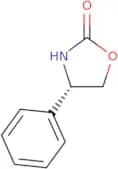
CAS:(S)-Ethyl 2-ethoxy-4-[[[N-[1-(2-piperidinophenyl)-3-methyl-1-butyl]amino]carbonyl]methyl]benzoate is an intermediate in the synthesis of repaglinide. It is a reagent that reacts with ethylamine and carbodiimide hydrochloride to form a urea derivative. This urea derivative is then reacted with filtration to give the desired product, which is recrystallized from dichloromethane solution. The (S)-ethyl 2-ethoxy-4-[(N-[1-(2-piperidinophenyl)-3-methyl-1-butyl]amino)carbonyl]-methyl benzoate can be converted into the ester, phenylacetic acid, through hydrolytic reaction.Formula:C29H40N2O4Purity:Min. 95%Color and Shape:White PowderMolecular weight:480.64 g/mol(S)-(+)-4-Phenyl-2-oxazolidinone
CAS:<p>(S)-(+)-4-Phenyl-2-oxazolidinone is a synthetic, white to off-white solid that is soluble in water and ethanol. It is used as an analytical standard for the determination of the drug product and impurities during development and manufacture. The CAS number for (S)-(+)-4-Phenyl-2-oxazolidinone is 99395-88-7.</p>Formula:C9H9NO2Purity:Min. 95%Molecular weight:163.17 g/molCalcipotriol EP Impurity H
Calcipotriol EP Impurity H is an impurity found in calcipotriol EP. It is a metabolite of calcipotriol EP, which is the active ingredient in Dovonex. Calcipotriol EP Impurity H can be detected by HPLC with a retention time of 11.5 minutes and its purity can be determined by UV spectroscopy at 254 nm with a purity of >98%. Calcipotriol EP Impurity H can also be synthesized from natural or synthetic sources.Formula:C54H78O5Purity:Min. 95 Area-%Color and Shape:PowderMolecular weight:807.19 g/mol3-(2-Chloroethyl)-2-methyl-6,7,8,9-tetrahydro-4H-pyrido[1,2-a]pyrimidin-4-one
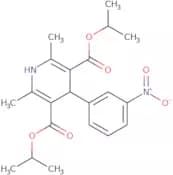
CAS:<p>3-(2-Chloroethyl)-2-methyl-6,7,8,9-tetrahydro-4H-pyrido[1,2-a]pyrimidin-4-one is an antibacterial agent that inhibits bacterial growth by binding to the 50S ribosomal subunit. It is a white crystalline powder that is soluble in methanol and acetonitrile. 3-(2-Chloroethyl)-2-methyl-6,7,8,9-tetrahydro-4H-pyrido[1,2-a]pyrimidin-4 - one binds to the ribosome and interferes with protein synthesis by inhibiting the release of aminoacyl tRNA from the ribosome. The drug has been shown to have antibacterial activity against Gram positive and Gram negative bacteria. 3-(2) Chloroethyl)-2-methyl 6,7</p>Formula:C11H15ClN2OPurity:Min. 95 Area-%Color and Shape:PowderMolecular weight:226.7 g/mol(RS)-Di-isopropyl 1,4-dihydro-2,6-dimethyl-4-(3-nitrophenyl)pyridine-3,5-dicarboxylate
CAS:Di-isopropyl 1,4-dihydro-2,6-dimethyl-4-(3-nitrophenyl)pyridine-3,5-dicarboxylate is a metabolite of gatifloxacin. It is a natural product and its CAS number is 21881-78-7. Diisopropyl 1,4-dihydro 2,6-dimethyl 4-(3 nitrophenyl) pyridine 3,5 di carboxylate is an impurity standard for gatifloxacin. It has been synthesized and can be custom made to meet the pharmacopeia or API impurity requirements for drug development. The purity of this compound ranges from 98% to 100%. This compound is used in HPLC standards for research and development purposes such as metabolism studies.Formula:C21H26N2O6Purity:Min. 95%Color and Shape:White PowderMolecular weight:402.44 g/molTrandolaprilat
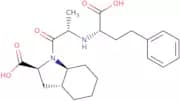
CAS:<p>Trandolaprilat is a prodrug of enalaprilat, which is an angiotensin-converting enzyme (ACE) inhibitor. Trandolaprilat binds to the active site of ACE and inhibits its activity, thereby causing a decrease in the formation of angiotensin II, a potent vasoconstrictor. Trandolaprilat has been shown to be effective in treating congestive heart failure and other cardiac disorders. Trandolaprilat has also been shown to have an effect on energy metabolism, as it inhibits the binding of ATPase to adenosine triphosphate (ATP). This inhibition leads to increased levels of ATP in cells and may be responsible for its cardioprotective effects.</p>Formula:C22H32N2O6Purity:Min. 95%Color and Shape:White PowderMolecular weight:420.5 g/molMicafungin impurity B
<p>Micafungin impurity B is a natural metabolite of micafungin. It is a synthetic impurity standard used in HPLC analysis. Micafungin impurity B has been shown to be the primary metabolite of micafungin in humans and is excreted in the urine and feces. Metabolism studies have shown that it may be formed by oxidation of the hydroxyl group at position C-3 or by hydrolysis of the amide bond between carbons C-4 and C-5.</p>Purity:Min. 95%Omeprazole impurity F and G
CAS:Omeprazole is a proton pump inhibitor that inhibits the H+/K+-ATPase enzyme in gastric parietal cells. Omeprazole impurity F and G are metabolites of omeprazole. Omeprazole impurity F is a metabolite of omeprazole that forms by oxidation of the methylthio group in omeprazole to form a sulfoxide. Omeprazole impurity G is formed by hydrolysis of the methylthio group in omeprazole to form an alcohol. The purity of this product is high and can be custom synthesized based on customer's needs. It is also available as an HPLC standard or as an API impurity for use in metabolism studies.Formula:C16H13N3O2SPurity:Min. 95%Color and Shape:Red PowderMolecular weight:311.36 g/mol4-[(2,4-Dihydroxy-3,3-dimethylbutanoyl)amino]-butanoic acid
CAS:<p>4-[(2,4-Dihydroxy-3,3-dimethylbutanoyl)amino]-butanoic acid is a white to off-white solid that is soluble in water. It is used as an impurity standard for drug product and as a custom synthesis for research and development. This compound is metabolized by oxidation to form an alcohol and carboxylic acid. The oxidation products are excreted in the urine. 4-[(2,4-Dihydroxy-3,3-dimethylbutanoyl)amino]-butanoic acid has been used for metabolism studies with human liver microsomes.</p>Formula:C20H38CaN2O11Purity:Min. 95%Molecular weight:522.6 g/molSimvastatin hydroxy acid ethyl ester
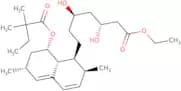
CAS:<p>Simvastatin hydroxy acid ethyl ester is a solvated form of simvastatin, an investigational drug for the treatment of dyslipidemia. The ammonium salt was prepared by alcoholysis with ethanol. The elution process was carried out using an acetonitrile-water mixture and chromatography on silica gel. Preparation methods were investigated to determine the best preparative procedure that would yield pure material. This compound has been investigated as a possible therapeutic agent for the treatment of midbody diseases such as familial amyloidotic polyneuropathy and Alzheimer's disease.</p>Formula:C27H44O6Purity:Min. 95%Color and Shape:Colourless To Pale Yellow LiquidMolecular weight:464.63 g/mol3-[[[2-[(Aminoiminomethyl)amino]-4-thiazolyl]methyl]thio]-propanoic acid methyl ester
CAS:<p>3-[[[2-[(Aminoiminomethyl)amino]-4-thiazolyl]methyl]thio]-propanoic acid methyl ester is an impurity standard for HPLC. The compound is a metabolite of the drug product and is naturally occurring. The CAS number for 3-[[[2-[(Aminoiminomethyl)amino]-4-thiazolyl]methyl]thio]-propanoic acid methyl ester is 76824-14-1. It has a purity of > 99% and can be used in research and development, analytical applications, or as an impurity standard for HPLC.</p>Formula:C9H14N4O2S2Purity:Min. 95%Molecular weight:274.37 g/molBetamethasone EP Impurity I
CAS:Controlled Product<p>Betamethasone EP Impurity I is a synthesized impurity of betamethasone. It is an impurity in the drug product that is used for the treatment of inflammation and allergies, as well as some skin conditions. The main physicochemical properties are: white powder, soluble in methanol, insoluble in water and acetone. This impurity can be obtained by synthetic methods or it can be formed by metabolic degradation of the parent drug.<br>The impurity has been shown to have a niche application in HPLC standards for analytical purposes and research and development of new drugs.</p>Formula:C22H29FO5Purity:Min. 95%Molecular weight:392.5 g/molAlbendazole sulfoxide
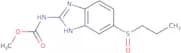
CAS:<p>Albendazole sulfoxide is a sulfoxide of albendazole. The molecular docking analysis of the two molecules showed that the sulfoxide group is located in the same position as the hydroxyl group on albendazole. It has been shown that this replacement of hydroxyl with a sulfoxide group increases the solubility and stability of albendazole, which may be due to hydrogen bonding interactions between these groups. Albendazole sulfoxide has been shown to be an effective treatment for infections caused by parasites such as helminths. However, it should not be used in combination with drugs that are metabolized by cytochrome P450 enzymes because it can inhibit their activity.</p>Formula:C12H15N3O3SPurity:Min. 97 Area-%Color and Shape:White PowderMolecular weight:281.33 g/molFluticasone furoate impurity I
<p>Fluticasone furoate impurity I is a drug product that is custom synthesized for research and development. It is an analytical standard that is used in metabolism studies. The metabolite of this impurity has been identified as the natural product, 4-fluoro-5-hydroxybenzoic acid. Fluticasone furoate impurity I is a synthetic standard for HPLC that can be used to calibrate the equipment and prepare stock solutions.</p>Purity:Min. 95%Desmethyl tacrolimus
CAS:<p>Tacrolimus is a macrolide antibiotic that binds to the calcineurin receptor and inhibits the production of cytokines. It is used to treat certain types of autoimmunity and hyperproliferation in patients with cancer, organ transplant recipients, and those who have undergone radiation therapy. The drug is available in two forms: tacrolimus (the natural form) and desmethyl tacrolimus (a metabolite). Desmethyl tacrolimus is produced by microbial transformation, which converts the natural form into a more water-soluble derivative. This conversion can be prevented by adding additives such as proton pump inhibitors or pde5 inhibitors. Symptoms of tacrolimus include hyperglycemia, hyperlipidemia, gastrointestinal disturbances, headache, fever, skin rash, diarrhea, and anemia. Tacrolimus has been shown to inhibit the activity of fk506-binding proteins in vitro and in vivo through competitive inhibition.</p>Formula:C43H67NO12Purity:Min. 90 Area-%Color and Shape:White PowderMolecular weight:789.99 g/molAtorvastatin lactam sodium salt impurity
CAS:<p>Atorvastatin is a drug used for the treatment of hypercholesterolemia and cardiovascular diseases. Atorvastatin lactam, which is an impurity formed during the synthesis of atorvastatin, has been shown to inhibit cholesterol biosynthesis in a rat model. The in vivo metabolism of atorvastatin lactam was studied by HPLC-MS/MS and was found to be identical to that of the parent molecule. This impurity may be useful as a research and development or custom synthesis product, or as an impurity standard for HPLC analysis.</p>Formula:C33H34FN2NaO6Purity:Min. 95%Color and Shape:White PowderMolecular weight:596.62 g/molRotogotine EP impurity J
<p>Rotogotine EP impurity J is a synthetic compound that is used as an impurity standard in the manufacture of rotogotine EP. It is a metabolite of rotogotine and has been shown to have pharmacological effects on animals. Rotogotine EP impurity J has been shown to have a high level of purity and is suitable for use as an analytical reference material in drug development, metabolism studies, and HPLC standards.</p>Purity:Min. 95%Methyl 2-deoxy-3,5-di-O-(4-chlorobenzoyl)-a-D-ribofuranoside
CAS:<p>Methyl 2-deoxy-3,5-di-O-(4-chlorobenzoyl)-a-D-ribofuranoside is a research and development impurity standard for the synthesis of drug products. This chemical is used as a metabolite in the study of metabolic pathways and can be converted to Methyl 3,5-di-O-(4-chlorobenzoyl)-a-D-ribofuranoside by hydrolysis with dilute acid. Methyl 2-deoxy-3,5-di-O-(4-chlorobenzoyl)-a-D ribofuranoside has been shown to be a synthetic molecule and is listed in pharmacopoeia. CAS No. 7818564 5.</p>Formula:C22H24O6Purity:Min. 95%Molecular weight:384.42 g/molDihydroergotamine mesylate impurity C
<p>Dihydroergotamine mesylate impurity C is an analytical standard used for the determination of purity in Dihydroergotamine Mesylate drug products. The impurity is a metabolite that has been shown to be pharmacologically active and thus should not exceed the limit of detection.</p>Formula:C33H37N5O6Purity:Min. 95%Molecular weight:599.68 g/molN,N'-Bis[2-[[[5-[(dimethylamino)methyl]-2-furanyl]methyl]thio]ethyl]-2-nitroethene-1,1-diamine
CAS:<p>N,N'-Bis[2-[[[5-[(dimethylamino)methyl]-2-furanyl]methyl]thio]ethyl]-2-nitroethene-1,1-diamine is a drug development impurity that has been shown to be an API impurity in the synthesis of gatifloxacin. N,N'-Bis[2-[[[5-[(dimethylamino)methyl]-2-furanyl]methyl]thio]ethyl]-2-nitroethene-1,1-diamine is often used as a HPLC standard and in research and development. It may have some pharmacopoeia use as an analytical standard. The structural formula is: <br>CAS No.: 72126-78-4<br>Molecular Formula: C14H18N3O6S<br>Molecular Weight: 328.38<br>Purity (GC): 99.9</p>Formula:C22H35N5O4S2Purity:Min. 95%Color and Shape:Red PowderMolecular weight:497.68 g/mol



![(3R)-3-Amino-1-[5,6-dihydro-3-(trifluoromethyl)-1,2,4-triazolo[4,3-α]pyrazin-7(8H)-yl]-4-(2,3,5-tr…](/_next/image/?url=https%3A%2Fstatic.cymitquimica.com%2Fproducts%2F3D%2Fthumb-webp%2FIA183165.webp&w=3840&q=75)

![D-[Ala]18-Tirzepatide](/_next/image/?url=https%3A%2Fstatic.cymitquimica.com%2Fproducts%2F3D%2Fthumb-webp%2FIA11851.webp&w=3840&q=75)
![4-(1-Hydroxy-1-methylethyl)-2-propyl-1-[[2'-[1-(triphenylmethyl)-1H-tetrazol-5-yl][1,1'-biphenyl]-…](/_next/image/?url=https%3A%2Fstatic.cymitquimica.com%2Fproducts%2F3D%2Fthumb-webp%2FIH159138.webp&w=3840&q=75)

![a-[3-[[2-(3,4-Dimethoxyphenyl)ethyl]methylamino]propyl]-α-ethyl-3,4-dimethoxy-benzeneacetonitrile](/_next/image/?url=https%3A%2Fstatic.cymitquimica.com%2Fproducts%2F3D%2Fthumb-webp%2FID145566.webp&w=3840&q=75)
![1b-(4-Fluorophenyl)hexahydro-β,7-dihydroxy-7-(1-methylethyl)-1a-phenyl-7a-[(phenylamino)carbonyl]-…](/_next/image/?url=https%3A%2Fstatic.cymitquimica.com%2Fproducts%2F3D%2Fthumb-webp%2FIO76438.webp&w=3840&q=75)


![Udp-3-O[R-3-hydroxymyristoyl]-N-acetylglucosamine](/_next/image/?url=https%3A%2Fstatic.cymitquimica.com%2Fproducts%2F3D%2Fthumb-webp%2FIEA63629.webp&w=3840&q=75)
![2-[[[4-(3-Methoxypropoxy)-3-methyl-2-pyridinyl]methyl]thio]-1H-benzimidazole](/_next/image/?url=https%3A%2Fstatic.cymitquimica.com%2Fproducts%2F3D%2Fthumb-webp%2FIM57863.webp&w=3840&q=75)



![2-Ethoxy-4-[2-[[(1R)-3-methyl-1-[2-(1-piperidinyl)phenyl]butyl]amino]-2-oxoethyl]benzoic acid ethy…](/_next/image/?url=https%3A%2Fstatic.cymitquimica.com%2Fproducts%2F3D%2Fthumb-webp%2FIE32567.webp&w=3840&q=75)


![4-Amino-7-iodopyrrolo[2,1-f][1,2,4]triazine](/_next/image/?url=https%3A%2Fstatic.cymitquimica.com%2Fproducts%2F3D%2Fthumb-webp%2FFA170208.webp&w=3840&q=75)
![11-(1-Piperazinyl)dibenzo[b,f][1,4]thiazepine hydrochloride](/_next/image/?url=https%3A%2Fstatic.cymitquimica.com%2Fproducts%2F3D%2Fthumb-webp%2FIN181068.webp&w=3840&q=75)
![5-(2-Ethoxyphenyl)-1-methyl-3-n-propyl-1,6-dihydro-7H-pyrazolo[4,3-d]pyrimidin-7-one](/_next/image/?url=https%3A%2Fstatic.cymitquimica.com%2Fproducts%2F3D%2Fthumb-webp%2FNE16544.webp&w=3840&q=75)
![2-[[1-(Methylamino)-2-nitroethenyl]amino]-ethanethiol](/_next/image/?url=https%3A%2Fstatic.cymitquimica.com%2Fproducts%2F3D%2Fthumb-webp%2FIM183181.webp&w=3840&q=75)


![5-Methoxy-2-[[(4-methoxy-3,5-dimethyl-2-pyridinyl)methyl]thio]-1H-benzimidazole](/_next/image/?url=https%3A%2Fstatic.cymitquimica.com%2Fproducts%2F3D%2Fthumb-webp%2FIM57923.webp&w=3840&q=75)

![[2-(3-Pyridinyl)ethylidene]bisphosphonic acid](/_next/image/?url=https%3A%2Fstatic.cymitquimica.com%2Fproducts%2F3D%2Fthumb-webp%2FIP21051.webp&w=3840&q=75)
![(S)-Ethyl 2-ethoxy-4-[[[N-[1-(2-piperidinophenyl)-3-methyl-1-butyl]amino]carbonyl]methyl]benzoate](/_next/image/?url=https%3A%2Fstatic.cymitquimica.com%2Fproducts%2F3D%2Fthumb-webp%2FIE27701.webp&w=3840&q=75)

![3-(2-Chloroethyl)-2-methyl-6,7,8,9-tetrahydro-4H-pyrido[1,2-a]pyrimidin-4-one](/_next/image/?url=https%3A%2Fstatic.cymitquimica.com%2Fproducts%2F3D%2Fthumb-webp%2FFC20229.webp&w=3840&q=75)
![4-[(2,4-Dihydroxy-3,3-dimethylbutanoyl)amino]-butanoic acid](/_next/image/?url=https%3A%2Fstatic.cymitquimica.com%2Fproducts%2F3D%2Fthumb-webp%2FTAA67990.webp&w=3840&q=75)
![3-[[[2-[(Aminoiminomethyl)amino]-4-thiazolyl]methyl]thio]-propanoic acid methyl ester](/_next/image/?url=https%3A%2Fstatic.cymitquimica.com%2Fproducts%2F3D%2Fthumb-webp%2FIA23223.webp&w=3840&q=75)




![N,N'-Bis[2-[[[5-[(dimethylamino)methyl]-2-furanyl]methyl]thio]ethyl]-2-nitroethene-1,1-diamine](/_next/image/?url=https%3A%2Fstatic.cymitquimica.com%2Fproducts%2F3D%2Fthumb-webp%2FIB57834.webp&w=3840&q=75)