APIs for research and impurities
Active Pharmaceutical Ingredients (APIs) are the substances in drugs responsible for their therapeutic effects. In this section, you will find a wide variety of APIs intended for research use. These compounds are essential for the development, testing, and validation of new pharmaceutical formulations. CymitQuimica offers high-quality APIs to support research in drug discovery and development.
Subcategories of "APIs for research and impurities"
- Aminoacids and derivatives(12,328 products)
- Anthraquinones and derivatives(405 products)
- Benzimidazole and Imidazole Derivatives(10,438 products)
- Benzodiazepine Derivatives(335 products)
- Carbohydrates and glycoconjugates(5,016 products)
- Esters and Derivatives(42,240 products)
- Fatty Acids and Lypidic Derivatives(32,395 products)
- Flavonoids and Polyphenols(17,087 products)
- Free Radicals and Oxidant/Reducing Agents(213 products)
- Ketones and derivatives(2,402 products)
- Natural and semi-synthetic antibiotics(6,380 products)
- Nitriles and Cyano Derivatives(3,067 products)
- Nitrosamines and Derivatives(55 products)
- Nucleosides and Nucleotides(3,431 products)
- Organic Phosphates and Phosphonates(1,202 products)
- Organic Sulphonates and Sulphates(10,434 products)
- Organometallics(4,422 products)
- Others(6,292 products)
- Peptides and Proteins(3,153 products)
- Polymers and Derivatives(100 products)
- Purines and Pyrimidine Derivatives(8,948 products)
- Quinazoline and Quinoline Derivatives(65,966 products)
- Quinones and Derivatives(24,349 products)
- Salts and Derivatives of Active Pharmaceutical Ingredients (API)(79,696 products)
- Steroids and Derivatives(4,975 products)
- Sulfonamides and Derivatives(2,594 products)
- Terpenoids and Derivatives(3,846 products)
- Thiazolidinediones and Thiopyrans(2,752 products)
- β-Adrenergic Compounds(230 products)
Show 21 more subcategories
Found 57012 products of "APIs for research and impurities"
Sort by
Purity (%)
0
100
|
0
|
50
|
90
|
95
|
100
Ene sacubitril (Impurity L)
<p>Ene sacubitril is an impurity in the drug product sacubitril. It is a synthetic compound that belongs to the class of drugs called angiotensin II receptor antagonists. This impurity can be used as a research and development standard, custom synthesis, or drug product impurity standard. Ene sacubitril is also a metabolite of sacubitril and can be used for metabolism studies or HPLC standard.</p>Purity:Min. 95%Cimetidine impurity F
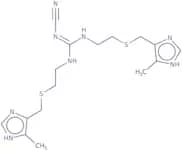
CAS:<p>Cimetidine impurity F is a research and development, drug product, analytical, synthetic, natural, niche, HPLC standard and pharmacopoeia impurity.<br>CAS No. 55272-86-1</p>Formula:C16H24N8S2Purity:Min. 95%Color and Shape:White PowderMolecular weight:392.55 g/molLercanidipine impurity A
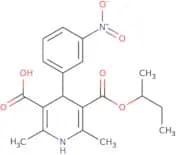
CAS:<p>Lercandipine Impurity A is a metabolite of the drug lercandipine. It is synthesized in the body by oxidation at the benzylic position of the cinnamoyl moiety. This impurity may be present in lercandipine-containing drugs and products, as well as in other drugs and products containing lercandipine. Lercandipine Impurity A has been shown to inhibit the metabolism of lercandipine and may also have anti-inflammatory properties. It is used as an analytical standard for HPLC, pharmacopoeia, drug development, and metabolism studies. Lercandipine Impurity A is found in the following: -Impurities of Lercandipine -Custom synthesis -Lercandipine Drug Product -Synthetic -High purity -Pharmacopoeia -Drug development</p>Formula:C19H22N2O6Purity:Min. 95%Color and Shape:PowderMolecular weight:374.39 g/molFluticasone furoate impurity I
<p>Fluticasone furoate impurity I is a drug product that is custom synthesized for research and development. It is an analytical standard that is used in metabolism studies. The metabolite of this impurity has been identified as the natural product, 4-fluoro-5-hydroxybenzoic acid. Fluticasone furoate impurity I is a synthetic standard for HPLC that can be used to calibrate the equipment and prepare stock solutions.</p>Purity:Min. 95%Olsalazine sodium impurity D
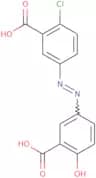
CAS:<p>Olsalazine sodium impurity D is a natural substance that is present as an impurity in the drug Olsalazine sodium. It is used as an analytical standard for Olsalazine sodium and its metabolites, which are involved in drug development. The purity of this substance can be customized by our research and development team. This product has CAS number 93964-55-7 and is available at a reasonable price.</p>Formula:C14H9ClN2O5Purity:Min. 95%Color and Shape:PowderMolecular weight:320.68 g/mol4-(1-Hydroxy-1-methylethyl)-2-propyl-1[4-[2-(tetrazol-5-yl)phenyl]phenyl]methyl imidazole-5-carboxylate [4-[2-(tetrazol-5-yl)phenyl] phenyl]methyl
CAS:<p>4-[2-(Tetrazol-5-yl)phenyl] phenyl]methyl is a metabolite of the drug product 4-(1-Hydroxy-1-methylethyl)-2-propyl-1[4-[2-(tetrazol-5-yl)phenyl]phenyl]methyl imidazole-5-carboxylate. 4-[2-(Tetrazol-5-yl)phenyl] phenyl]methyl is a yellowish solid with a melting point of 128°C and a molecular weight of 246.8 g/mol. The impurity standard for 4-[2-(Tetrazol-5-yl)phenyl] phenyl]methyl is available in the form of an analytical grade, HPLC standard, or pharmacopoeia grade.</p>Formula:C38H36N10O3Purity:Min. 95%Color and Shape:White to off-white solid.Molecular weight:680.76 g/mol7-epi-Taxol
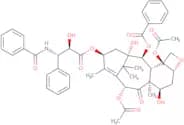
CAS:Paclitaxel is an anticancer drug that belongs to the class of taxanes. Paclitaxel binds to cell membranes and interferes with cell division by preventing the polymerization of microtubule proteins. This drug can be prepared by high-performance liquid chromatography (HPLC) and has minimal toxicity in humans, but is highly toxic in rats. Paclitaxel also inhibits glucose uptake in breast cancer cells, leading to significant cytotoxicity. It has inhibitory properties against toll-like receptor 4, which may contribute to its anti-inflammatory effects.Formula:C47H51NO14Purity:Min. 95%Color and Shape:PowderMolecular weight:853.91 g/molN-Acetylmemantine
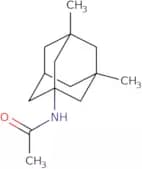
CAS:<p>N-Acetylmemantine is a drug that inhibits the activity of acetylcholinesterase in the brain. It has been shown to inhibit cancer cell growth and induce apoptosis, as well as inhibit the reaction of hydrolysis of acetonitrile with hydrochloric acid in an organic solvent. N-Acetylmemantine is synthesized by heating ethylene in the presence of hydrochloric acid. The synthesis yields a white solid that consists mainly of N-acetylmethamphetamine. This drug interacts with cellular membranes, which may be due to its ability to react with cholesterol or phospholipids. The interaction leads to changes in membrane permeability, which can result in apoptosis.</p>Formula:C14H23NOPurity:Min. 95%Color and Shape:White PowderMolecular weight:221.34 g/mol(1R,3S,5S)-8-Methyl-8-azabicyclo[3.2.1]oct-6-en-3-yl-2'-hydroxy-2',2'-di(thiophen-2''-yl)acetate
CAS:Tanshinone IIA is an enantioselective hydroxamic acid that inhibits matrix metalloproteinase. It is a structural analogue of the hydroxamic acid Tanshinone I and has been shown to inhibit aggrecanase, which is an enzyme that hydrolyzes the glycosaminoglycan aggrecan. It also has anti-cancer effects due to its inhibition of cell proliferation in cancer cells. Tanshinone IIA can be used as a chiral synthon for polymerase chain reactions (PCR) because it contains a stereogenic centre in its structure.Formula:C18H19NO3S2Purity:Min. 95%Color and Shape:PowderMolecular weight:361.48 g/mol(3R,5S)-Atorvastatin sodium salt
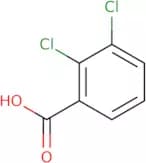
CAS:<p>(3R,5S)-Atorvastatin sodium salt is a synthetic compound that is used in the treatment of high cholesterol. It belongs to the class of statins, which are used for lowering blood cholesterol levels. The drug product contains at least 99% by weight of (3R,5S)-atorvastatin sodium salt. This product also has an analytical purity greater than 98%. It is metabolized via oxidation and hydroxylation to form metabolites that exhibit pharmacological activity similar to the parent molecule. (3R,5S)-Atorvastatin sodium salt is a natural product that can be found in plants such as yew trees. This drug has been shown to have niche applications in drug development and research and development.</p>Formula:C33H34FN2NaO5Purity:Min. 95%Color and Shape:PowderMolecular weight:580.62 g/mol2,3-Dichlorobenzoic acid
CAS:<p>2,3-Dichlorobenzoic acid is an organic compound that belongs to the class of carboxylates. It is used as a drug substance in the treatment of mycobacterial infections. 2,3-Dichlorobenzoic acid has been shown to have antimicrobial activity against Mycobacterium tuberculosis and other mycobacteria. The sensitivity index for this compound was determined using a chromatographic method with human erythrocytes as the test organism. 2,3-Dichlorobenzoic acid displays its antibacterial activity by inhibiting protein synthesis and cell division. This drug also forms crystalline solids that are soluble in organic solvents such as chloroform or benzene.</p>Formula:C7H4Cl2O2Purity:Min. 95%Color and Shape:PowderMolecular weight:191.01 g/molEthyl 3-(dimethylamino)-2-(4-methoxyphenyl)propanoate
CAS:Ethyl 3-(dimethylamino)-2-(4-methoxyphenyl)propanoate is an impurity standard for drug product. It is a high purity, API impurity, HPLC standard and niche chemical that is found in the CAS No. 323176-93-8. This compound is used in drug development and analytical research. It is a synthetic compound that can be custom synthesized, natural or found in research and development.Formula:C14H21NO3Purity:(%) Min. 95%Color and Shape:Clear Viscous LiquidMolecular weight:251.32 g/molDideiodo amiodarone
CAS:Controlled Product<p>Dideiodo amiodarone is a noncompetitive inhibitor of the enzyme, which is expressed in the human heart. It has been shown to interact with the benzofuran derivatives that are responsible for the antiarrhythmic effects of amiodarone. The inhibitory potency of dideiodo amiodarone is dose-dependent and constant. This drug has shown no competitive inhibition against any other analogs, such as quinidine or digitoxin. Dideiodo amiodarone inhibits the enzyme by binding to an allosteric site on the enzyme molecule. This site does not bind any other analogs, such as quinidine or digitoxin, and therefore it does not compete for this site.</p>Formula:C25H31NO3Purity:Min. 95%Color and Shape:Clear LiquidMolecular weight:393.52 g/molEpirubicin impurity G
CAS:<p>Epirubicin impurity G is a synthetic research and development impurity standard that is used in the manufacture of drug products, as well as in the development of new drugs. Epirubicin impurity G is a metabolite of epirubicin and has been shown to be an active inhibitor of DNA synthesis. Epirubicin impurity G may also have potential as an analytical standard for HPLC analysis.</p>Formula:C54H58N2O22Purity:Min. 95%Molecular weight:1,087 g/mol(S)-Duloxetine succinamide
CAS:Duloxetine succinamide is a chromatographic, solid, acidic compound. It has been synthesized by reacting (S)-duloxetine hydrochloride with succinic anhydride in the presence of triethylamine and acetonitrile. The reaction mixture was purified by high-performance liquid chromatography to produce the desired product. The purity of the compound was confirmed by postulating that it should have a reversed-phase HPLC profile similar to that of duloxetine succinate. Duloxetine succinamide is not soluble in water and is insoluble in organic solvents such as acetone, chloroform, ether, or benzene. The compound is stable at room temperature but decomposes when heated at higher temperatures. !--Formula:C22H23NO4SPurity:Min. 95%Color and Shape:PowderMolecular weight:397.49 g/mol8-Fluoro-2,2-dimethyl-9-(4-methyl-1-piperazinyl)-6-oxo-2H,6H-oxazolo[5,4,3-ij]quinoline-5-carboxylic acid
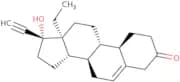
CAS:<p>8-Fluoro-2,2-dimethyl-9-(4-methyl-1-piperazinyl)-6-oxo-2H,6H-oxazolo[5,4,3-ij]quinoline-5-carboxylic acid is a synthetic drug product. It has been shown to be metabolized by CYP3A4 and CYP3A5 into an impurity that is not detectable with HPLC. 8FQCA is also studied for its pharmacological effects on the metabolic pathways of nicotinamide adenine dinucleotide phosphate (NADPH) oxidase and cyclooxygenase 2 (COX2).</p>Formula:C18H20FN3O4Purity:Min. 95%Molecular weight:361.37 g/mol(17a)-13-Ethyl-17-hydroxy-18,19-dinorpregn-5-en-20-yn-3-one
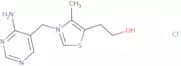
CAS:Controlled Product(17a)-13-Ethyl-17-hydroxy-18,19-dinorpregn-5-en-20-yn-3-one is a progestin that acts as an inhibitor of the P450 enzyme. It has been used in the treatment of women with fertility problems. (17a)-13-Ethyl-17-hydroxy-18,19-dinorpregn-5-en--20--yn--3--one has shown inhibitory effects on voltage dependent calcium channels and thus may have contraceptive properties. It has also been shown to be effective in the long term treatment of intrauterine devices. Low bioavailability is a disadvantage of this drug.br>br>Formula:C21H28O2Purity:Min. 95%Color and Shape:PowderMolecular weight:312.45 g/mol2'-Nor thiaMine
CAS:<p>2'-Nor thiaMine is a drug product, analytical and impurity standard for the manufacture of pharmaceuticals. It is a natural substance found in plants, animals and humans. 2'-Nor thiaMine has been shown to be an impurity of the drug 2-mercaptopurine (2MP), which is used to treat leukemia, lymphoma and psoriasis. This compound can also be used as a research tool or as an impurity standard.<br>2'-Nor thiaMine is used in metabolism studies of drugs that are metabolized by liver enzymes such as cytochrome P450. It has been shown to inhibit the activity of these enzymes in vitro at concentrations less than 1 μM.<br>CAS No.: 7770-93-6</p>Formula:C11H15ClN4OSPurity:Min. 95%Molecular weight:286.78 g/molLisdexamfetamine dimesylate impurity C
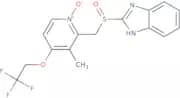
<p>Lisdexamfetamine dimesylate impurity C is a drug product that is an analytical standard. It is a synthetic impurity found in the drug Lisdexamfetamine Dimesylate, which is used for the treatment of ADHD and narcolepsy. Lisdexamfetamine Dimesylate Impurity C has been shown to be metabolized through oxidation by cytochrome P450 enzymes and conjugation with glucuronic acid. The impurity has been shown to have no effect on the pharmacological activity of the parent compound.</p>Purity:Min. 95%Lansoprazole N-oxide
CAS:<p>Lansoprazole N-oxide is a prodrug that is converted to lansoprazole sulfone in vivo. Lansoprazole N-oxide is used as a diluent in chromatographic experiments. It has been shown to be more sensitive than the parent compound, lansoprazole, for the diagnosis of reflux oesophagitis. Lansoprazole N-oxide also has a validation wavelength of 240 nm and can be detected by liquid chromatography. The active form of lansoprazole, lansoprazole sulfone, can be detected by gas chromatography mass spectrometry (GCMS).</p>Formula:C16H14F3N3O3SPurity:Min. 95%Color and Shape:White PowderMolecular weight:385.36 g/molParacetamol Impurity L
<p>Paracetamol Impurity L is a drug product that is used as an analytical standard for the impurity paracetamol. It is found in pharmaceuticals, such as acetaminophen, which is used to relieve pain and reduce fever. Paracetamol Impurity L is a natural compound and has been shown to be metabolically stable in humans. The CAS number for this compound is 619-25-4.</p>Formula:C16H16N2O4Purity:Min. 95%Molecular weight:300.31 g/mol4-Isobutyl-2-pyrrolidinone
CAS:<p>4-Isobutyl-2-pyrrolidinone is a colorless liquid that belongs to the category of phosphites. It has a high boiling point, which makes it suitable for use in organic solvents and as a heat transfer agent. The thermodynamic properties of 4-Isobutyl-2-pyrrolidinone have been evaluated using the protonation theory. It can be protonated at either the nitrogen or the methyl group, and both forms are present in solution. This means that 4-Isobutyl-2-pyrrolidinone is acidic and can react with other compounds to form salts called lactams. There are two isomers of this compound: cis and trans. Both isomers exist in equilibrium; however, the cis isomer predominates at room temperature. The most common impurities of 4-Isobutyl-2-pyrrolidinone are dehydration products formed during synthesis or</p>Formula:C8H15NOPurity:Min. 95%Color and Shape:White PowderMolecular weight:141.21 g/mol2-Amino-5,6-dichloro-3(4H)-quinazolineacetic acid methyl ester monohydrobromide
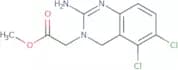
CAS:2-Amino-5,6-dichloro-3(4H)-quinazolineacetic acid methyl ester monohydrobromide is a metabolite of the drug product 2-amino-5,6-dichloroquinazoline acetic acid methyl ester. It is a synthetic compound that is used as an impurity standard for pharmaceuticals and other products. This chemical can be custom synthesized to meet your needs. It has been shown to have high purity and can be used in research and development or as a pharmacopoeia reference material.Formula:C11H12Cl2BrN3O2Purity:Min. 95%Color and Shape:Off-White PowderMolecular weight:369.04 g/molMethyl 2-deoxy-3,4-di-O-toluoyl-D-ribopyranoside
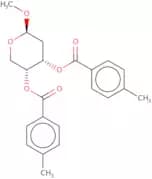
CAS:<p>Methyl 2-deoxy-3,4-di-O-toluoyl-D-ribopyranoside is a synthetic impurity standard for the drug product. It has been used in studies on metabolism and as an analytical reference material. Methyl 2-deoxy-3,4-di-O-toluoyl-D-ribopyranoside is also available as a custom synthesis at high purity.</p>Formula:C22H24O6Purity:Min. 95%Color and Shape:White powder.Molecular weight:384.42 g/molCetirizine N-Oxide
CAS:<p>Cetirizine metabolite</p>Formula:C21H25ClN2O4Purity:Min. 95%Color and Shape:PowderMolecular weight:404.89 g/molSildenafil N-Oxide
CAS:<p>Sildenafil N-Oxide is a solvate, hydrate, and prodrug of sildenafil citrate. It is used for the treatment of erectile dysfunction or pulmonary hypertension. Sildenafil N-Oxide is an oral drug that is converted to its active form, sildenafil, in the liver by CYP3A4. Sildenafil N-Oxide's effects on human erection are thought to be due to its ability to block phosphodiesterase type 5 (PDE5), which increases the levels of cGMP in smooth muscle cells and causes relaxation of the corpus cavernosum. This leads to increased blood flow into the penis and an erection.</p>Formula:C22H30N6O5SPurity:Min. 95%Molecular weight:490.58 g/mol1,4-Dihydro-2,6-dimethyl-4-(3-nitrophenyl)-3,5-pyridinedicarboxylic acid diethyl ester
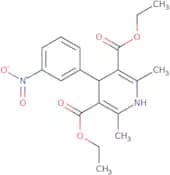
CAS:<p>1,4-Dihydro-2,6-dimethyl-4-(3-nitrophenyl)-3,5-pyridinedicarboxylic acid diethyl ester is an API impurity. It is a white or cream powder with a melting point of about 135°C. This impurity can be used as an impurity standard for HPLC applications to determine the purity of drug products. It is also suitable for use as a pharmacopoeia analytical reference material and as a synthetic intermediate in research and development (R&D) studies.</p>Formula:C19H22N2O6Purity:Min. 95%Color and Shape:Yellow PowderMolecular weight:374.39 g/molO-Methyl atorvastatin calcium
CAS:<p>O-Methyl atorvastatin calcium is a drug product that is an HPLC standard. It is a natural metabolite of atorvastatin, which is synthesized by cytochrome P450 3A4 in the liver. O-Methyl atorvastatin calcium has been shown to be an impurity in some batches of atorvastatin calcium. It has been observed to have pharmacological effects similar to those of atorvastatin. O-Methyl atorvastatin calcium has been used as a research and development (R&D) tool for studies on the metabolism of drugs, including its own synthesis and the study of the effect on other drugs such as amiodarone.</p>Formula:CaC68H71F2N4O10Purity:Min. 95%Color and Shape:PowderMolecular weight:1,182.39 g/mol1,3-Bis[(p-chlorobenzylidene)amino]guanidine hydrochloride
CAS:1,3-Bis(p-chlorobenzylidene)amino]guanidine hydrochloride (1,3-BCBGAH) is a method for the determination of p-hydroxybenzoic acid in reaction solutions. It is used as an analytical reagent in the analysis of p-hydroxybenzoic acid in pharmaceuticals and other organic chemicals. The matrix effect can be reduced by adding quillaja saponaria to the extraction solution. The main application of this compound is for the detection of resistant mutants in infectious diseases such as liver lesions and tissue infection. 1,3-BCBGAH has also been shown to be effective against robenidine and polymyxin B., with a more favorable toxicity profile than maduramicin ammonium or anhydrous sodium.Formula:C15H14Cl3N5Purity:Min. 95%Color and Shape:White PowderMolecular weight:370.66 g/molEsomeprazole Impurity Q
<p>Esomeprazole Impurity Q is a drug product. It is an impurity standard of esomeprazole, CAS No. 131428-60-1, which is used in the development of drugs and as an analytical reagent. It is synthesized from natural materials and has a purity of 99%. The metabolite can be found in animal and human metabolism studies. Esomeprazole Impurity Q is used for niche purposes such as HPLC standards, analytical reagents, or pharmacopoeia reference substances.</p>Purity:Min. 95%Trazodone hydrochloride impurity C
<p>Trazodone is a psychotropic agent that belongs to the group of antidepressants. Trazodone hydrochloride impurity C is a metabolite of trazodone and can be used as an impurity standard for the drug product in pharmacopoeia. Trazodone hydrochloride impurity C has been found in urine, blood, and saliva after administration of trazodone. It is also found in the plasma of pregnant women who are taking trazodone to treat depression or anxiety during pregnancy. <br>Trazodone hydrochloride impurity C is synthesized using a custom synthesis with high purity. It has been shown to have a niche market as an analytical reference material for HPLC standards.</p>Formula:C19H23Cl2N5OPurity:Min. 95%Molecular weight:408.32 g/mol2-EPIIvermectin B1a
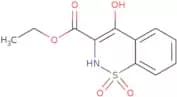
2-EPIivermectin B1a is a drug product that is used as an analytical standard for the detection of impurities in API and in the synthesis of Metabolite. It is also used as a natural product for drug development. 2-EPIivermectin B1a is not intended for use as an active pharmaceutical ingredient. This product has been shown to have pharmacopoeia purity, which means it meets the specifications set by the following organizations: USP, EP, JP, BP, and CP.Purity:Min. 95%4-Hydroxy-2H-1,2-benzothiazine-3-carboxylic acid ethyl ester 1,1-dioxide
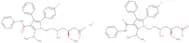
CAS:<p>Piroxicam is a nonsteroidal anti-inflammatory drug (NSAID) that belongs to the group of carboxylic acid esters. It has been approved for the treatment of pain and inflammation caused by osteoarthritis, rheumatoid arthritis, ankylosing spondylitis, and other conditions. Piroxicam is available in tablets, capsules, injectable solutions, and topical creams. The pharmacokinetics of piroxicam have been studied using intravenous and oral administration in healthy volunteers. Tolerability and side effects are minimal with piroxicam.</p>Formula:C11H11NO5SPurity:Min. 95%Color and Shape:PowderMolecular weight:269.27 g/mol1b-(4-Fluorophenyl)hexahydro-β,7-dihydroxy-7-(1-methylethyl)-1a-phenyl-7a-[(phenylamino)carbonyl]-3H-oxireno[3,4]pyrrolo[2,1-b][1,3] oxazine-3-butanoic acid sodium
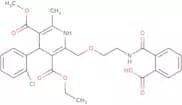
CAS:Fluoxetine is a selective serotonin reuptake inhibitor that is used to treat major depressive disorder, obsessive-compulsive disorder (OCD), bulimia nervosa, panic disorder, premenstrual dysphoric disorder (PMDD), and social anxiety disorder. It is also used as an appetite suppressant in some countries. Fluoxetine inhibits the neuronal uptake of serotonin by blocking the presynaptic transporter protein. The most common adverse effects are nausea, diarrhea, drowsiness, dry mouth, blurred vision and sexual dysfunction.Formula:C33H35FN2O7•NaPurity:Min. 95%Color and Shape:PowderMolecular weight:613.63 g/mol2-Carboxybenzoyl amlodipine
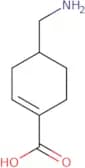
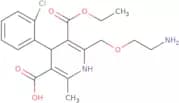
CAS:<p>2-Carboxybenzoyl amlodipine is a metabolite of the antihypertensive drug amlodipine. It is a white crystalline solid that is soluble in water. 2-Carboxybenzoyl amlodipine can be used as an impurity standard for HPLC analyses, and as an analytical standard for the determination of amlodipine in human plasma.</p>Formula:C28H29ClN2O8Purity:Min. 95%Color and Shape:White to off-white solid.Molecular weight:556.99 g/mol4-(Aminomethyl)-1-cyclohexene-1-carboxylic acid
CAS:4-(Aminomethyl)-1-cyclohexene-1-carboxylic acid is an antifibrinolytic agent that can be used to control bleeding. It is a carboxymethyl cellulose with a menthol flavour and it stabilizes the hemostatic effect of tranexamic acid. 4-(Aminomethyl)-1-cyclohexene-1-carboxylic acid has been shown to be effective in controlling bleeding in patients with disorders such as hemophilia and von Willebrand disease. The drug is stable in acidic compositions, making it useful for dental applications as well.Formula:C8H13NO2Purity:Min. 95%Color and Shape:White PowderMolecular weight:155.19 g/mol(R)-3-Methyl-1-(pyrazine- 2-carboxamido)butylboronic acid
<p>The compound is a drug product, analytical, and research material. The molecule has been synthesized and purified by the company's chemists. It is not an API impurity but an impurity standard for HPLC. This compound is a synthetic chemical that does not occur naturally in any living organism. It has been developed for use in drug development and research. The compound was custom synthesized by the company's chemists to meet customer demand for high purity standards of this compound. It is used as a pharmacopoeia standard for HPLC analysis and drug development.</p>Purity:Min. 95%Bicalutamide sulfide
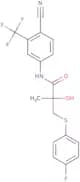
CAS:<p>Bicalutamide sulfide is a synthetic, phosphotungstic acid-reactive, bifunctional reagent that is synthesized from the reaction of bicalutamide and trifluoroacetic acid. This product can be used for the separation of fatty acids in environmental pollutants. The product has been shown to be useful for the analysis of fatty acid esters in recycled oils and fats. Bicalutamide sulfide is also used as an intermediate in the synthesis of pharmaceuticals, such as phosphotungstitane derivatives.</p>Formula:C18H14F4N2O2SPurity:Min. 95%Color and Shape:White To Off-White SolidMolecular weight:398.37 g/molTrazodone hydrochloride impurity H
<p>Trazodone hydrochloride impurity H is an impurity of the drug product Trazodone hydrochloride. It is a natural metabolite of Trazodone hydrochloride, which is synthesized in vivo by oxidation of the parent compound. Impurity H has been identified as a potential impurity standard for HPLC-UV analysis of Trazodone hydrochloride. The purity of this compound is 98.3% and it is available on a custom synthesis basis.</p>Formula:C23H30Cl2N4·HClPurity:Min. 95%Molecular weight:469.88 g/molDiclofenac impurity B
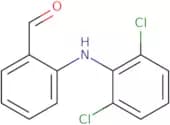
CAS:Diclofenac impurity B is a regulatory impurity in the drug Diclofenac, which is a nonsteroidal anti-inflammatory drug. Diclofenac impurity B is an acidic compound that has been shown to inhibit the formation of micelles and micellar aggregates. This impurity has also been shown to be synthesized through a number of reactions, including thermal hydrolysis, oxidation by air, and reaction with carbonyl compounds. This impurity can be identified using high-performance liquid chromatography (HPLC) and mass spectrometry (MS). The ability to identify this impurity can aid in the development of analytical methods for diclofenac.Formula:C13H9Cl2NOPurity:Min. 95%Color and Shape:PowderMolecular weight:266.12 g/mol3-[Methyl(phenylmethyl)amino]-1-phenyl-1-propanone hydrochloride
CAS:<p>Nisoxetine is a norepinephrine (NE) reuptake inhibitor that is used as an antidepressant. It has been shown to be a potent and selective NE reuptake inhibitor with a high affinity towards the NE transporter in rat brain synaptosomes, with potency several times higher than that of tricyclic antidepressants. Nisoxetine's major advantage over other antidepressants is its high efficiency, which makes it suitable for large-scale production. The synthesis of nisoxetine involves two steps: 1) reaction of 3-[methyl(phenylmethyl)amino]-1-phenyl-1-propanone hydrochloride with toluene to form the corresponding methyl ester and 2) hydrogenation of the methyl ester to form nisoxetine. This synthesis is efficient, stable, and chiral due to the use of bimetallic catalysts.</p>Formula:C17H19NO•HClPurity:Min. 95%Color and Shape:PowderMolecular weight:289.8 g/mol(RS)-Isopropyl 2-methoxyethyl 1,4-dihydro-2,6-dimethyl-4-(4-nitrophenyl)pyridine-3,5-dicarboxylate
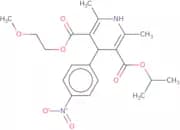
CAS:<p>(RS)-Isopropyl 2-methoxyethyl 1,4-dihydro-2,6-dimethyl-4-(4-nitrophenyl)pyridine-3,5-dicarboxylate is a white to off-white crystalline powder that is soluble in methanol and slightly soluble in water. It can be used as an impurity standard for the API drug product, research and development and metabolism studies. The CAS number for this compound is 2200280-99-3. This compound has a purity of 99% or greater with an analytical purity of 99.9%. This compound has been shown to have a melting point of about 237°C and a density of 1.06 g/cm3. This compound is insoluble in ether and acetone.</p>Formula:C21H26N2O7Purity:Min. 95%Color and Shape:Light (Or Pale) Yellow To Yellow SolidMolecular weight:418.44 g/molN,N'-Bis[2-[[[5-[(dimethylamino)methyl]-2-furanyl]methyl]thio]ethyl]-2-nitroethene-1,1-diamine
CAS:<p>N,N'-Bis[2-[[[5-[(dimethylamino)methyl]-2-furanyl]methyl]thio]ethyl]-2-nitroethene-1,1-diamine is a drug development impurity that has been shown to be an API impurity in the synthesis of gatifloxacin. N,N'-Bis[2-[[[5-[(dimethylamino)methyl]-2-furanyl]methyl]thio]ethyl]-2-nitroethene-1,1-diamine is often used as a HPLC standard and in research and development. It may have some pharmacopoeia use as an analytical standard. The structural formula is: <br>CAS No.: 72126-78-4<br>Molecular Formula: C14H18N3O6S<br>Molecular Weight: 328.38<br>Purity (GC): 99.9</p>Formula:C22H35N5O4S2Purity:Min. 95%Color and Shape:Red PowderMolecular weight:497.68 g/molAdefovir Dipivoxyl Impurity I
CAS:<p>Adefovir Dipivoxyl Impurity I is a white crystalline powder with a melting point of 232–234 °C. It is soluble in water, and insoluble in organic solvents. Adefovir Dipivoxyl Impurity I is used as an impurity standard for Adefovir Dipivoxyl and has been shown to be metabolized by CYP3A4 and UGT1A9. This impurity also has the potential to inhibit DNA synthesis in cells.</p>Formula:C21H34N5O9PPurity:Min. 95%Molecular weight:531.5 g/mol2'-Deoxyribavirin
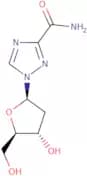
CAS:<p>Intermediate in the synthesis of ribavirin</p>Formula:C8H12N4O4Purity:Min. 95%Molecular weight:228.21 g/molDarunavir urea Impurity
<p>Darunavir Urea Impurity is an impurity of Darunavir which is used in the treatment of HIV. It is produced as a result of the metabolism of Darunavir by Cytochrome P450 enzymes. This impurity has been shown to be present in drug products that contain Darunavir and are manufactured using a process involving the use of urea. The CAS number for this impurity is 557-87-2.</p>Purity:Min. 95%N4-Acetyl sulfadoxine
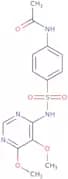
CAS:<p>N4-Acetyl sulfadoxine is a drug that is used to treat urinary tract infections in women and children. It is also used to treat bacterial infections of the skin, lungs, and joints. N4-Acetyl sulfadoxine may be effective against prostatitis caused by E. coli or Mycoplasma pneumoniae by inhibiting the production of prostaglandins. This drug works by binding to dihydropteroate synthase, which prevents folic acid from being incorporated into the bacterial cell wall, thereby inhibiting bacterial growth.</p>Formula:C14H16N4O5SPurity:Min. 95%Color and Shape:PowderMolecular weight:352.37 g/mol2,5-Pyrazinedipropionic acid
CAS:<p>2,5-Pyrazinedipropionic acid is a pyrazine derivative with two carboxylic acid groups. It has been shown to be effective in the stabilization of bladder tissue and as a treatment method for bladder cancer. 2,5-Pyrazinedipropionic acid can also be used in the diagnosis of cutaneous melanoma and mesoporous silica nanoparticles that are used in cancer detection. The compound has been found to have a high melting point and water absorption capacity, which makes it suitable for use as an aminolevulinic acid precursor for photodynamic therapy. The compound also has vibrational spectral characteristics that make it suitable for nucleophilic attack on DNA</p>Formula:C10H12N2O4Purity:Min. 95%Color and Shape:PowderMolecular weight:224.21 g/mol(S)-(+)-4-Phenyl-2-oxazolidinone
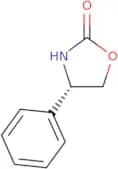
CAS:<p>(S)-(+)-4-Phenyl-2-oxazolidinone is a synthetic, white to off-white solid that is soluble in water and ethanol. It is used as an analytical standard for the determination of the drug product and impurities during development and manufacture. The CAS number for (S)-(+)-4-Phenyl-2-oxazolidinone is 99395-88-7.</p>Formula:C9H9NO2Purity:Min. 95%Molecular weight:163.17 g/mol3-Methylene simvastatin impurity
CAS:<p>3-Methylene simvastatin impurity is an impurity that is formed during the synthesis of simvastatin. It has a molecular formula of C14H24O2 and its molecular weight is 256. 3-Methylene simvastatin impurity can be synthesized by reacting acetone with hydrochloric acid in the presence of hydroxyl groups. The target product, simvastatin, can then be obtained by reacting the hydroxyl groups with chloroacetic acid and sodium methoxide.</p>Formula:C26H38O5Purity:Min. 95%Molecular weight:430.58 g/mol2,3,4-Trimethoxybenzyl alcohol
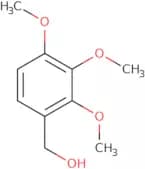
CAS:2,3,4-Trimethoxybenzyl alcohol is a photooxidant that is used in pharmaceutical formulations. It has a catalytic effect on the photooxidation of trifluoroacetic acid and is used for the production of fluoroquinolones. It can also be used to produce other pharmaceutical compounds such as antibiotics and anti-cancer drugs. 2,3,4-Trimethoxybenzyl alcohol is found in small quantities in many natural products such as fruits and vegetables. It has been shown to have potential impurities including 4-methoxybenzaldehyde and selectivity modifiers.Formula:C10H14O4Purity:Min 96.5%Color and Shape:Clear LiquidMolecular weight:198.22 g/molDoxorubicin impurity
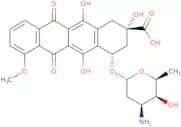
CAS:<p>Doxorubicin is an organic compound that belongs to the class of polycyclic aromatic hydrocarbons. It is used as a cancer therapy, primarily in the treatment of breast cancer. The chemical sensing of impurities in doxorubicin can be done using phase transfer methods. The quantification of these impurities can be done using high-performance liquid chromatography (HPLC) or gas chromatography (GC).</p>Formula:C26H27NO11Purity:Min. 90 Area-%Color and Shape:Red PowderMolecular weight:529.49 g/molAmbroxol hydrochloride impurity B
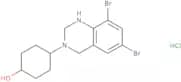
CAS:<p>Ambroxol hydrochloride impurity B is a byproduct of the chemical synthesis of Ambroxol hydrochloride. It is an organic compound that is a colorless, crystalline solid with a melting point of 93°C and a vapor pressure of 0.0012 mmHg at 25°C. The biological relevance and chronic bronchitis detection time of Ambroxol hydrochloride impurity B are unknown. Chemical reactions involving this compound include hydrolysis, oxidation, esterification, and reduction. Ambroxol hydrochloride impurity B has been detected in human blood plasma as well as in the lungs, liver, spleen, brain and kidney tissues following intravenous administration. This substance can be found as a metabolite in urine and feces following oral ingestion or injection.</p>Formula:C14H19Br2ClN2OPurity:Min. 95%Color and Shape:White PowderMolecular weight:426.57 g/molN-Methyl zonisamide
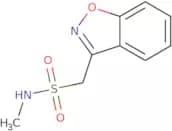
CAS:N-Methyl zonisamide is a drug that is an impurity in Zonisamide. It is an analog of the drug and has been used as a research and development standard for Zonisamide. N-Methyl zonisamide can be synthesized from the corresponding nitrobenzene, aminobenzene, and formaldehyde. The synthesis can be performed by converting nitrobenzene to aminobenzene with sodium hydroxide in methanol, followed by conversion to N-methyl zonisamide with formaldehyde in ethanol. Pharmacopoeia standards for this compound are available from Sigma Aldrich, which can be purchased from our website.Formula:C9H10N2O3SPurity:Min. 95 Area-%Color and Shape:PowderMolecular weight:226.25 g/mol[4-(4-Amino-6,7-dimethoxy-2-quinazolinyl)-1-piperazinyl]-2-furanyl-methanone
CAS:<p>Leflunomide is a drug that belongs to the class of pyridones. It is used in the treatment of rheumatoid arthritis, juvenile idiopathic arthritis, psoriatic arthritis, and ankylosing spondylitis. Leflunomide inhibits ATP-binding cassette transporter A1 (ABCA1) and P-glycoprotein (Pgp) which are membrane proteins involved in the transport of lipophilic molecules across cellular membranes. Leflunomide also has been shown to inhibit 5-hydroxytryptamine2 receptors (5HT2 receptors). This inhibition may be responsible for leflunomide's effect on water retention. Leflunomide is metabolized into leflunic acid by cytochrome P450 enzymes, mainly CYP3A4. The activity of leflunic acid is similar to that of leflunomide.</p>Formula:C19H21N5O4Purity:Min. 95%Molecular weight:383.4 g/molDibenzosuberone
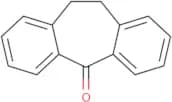
CAS:Dibenzosuberone is a reactive, surfactant, and β-catenin inhibitor that has been shown to have anti-cancer activity against solid tumours. It is synthesized by the asymmetric synthesis of dibenzoyl-L-tartaric acid with sodium dodecylsulfate in the presence of light. The substrate film is used to increase the rate of reactivity. Dibenzosuberone inhibits the growth of cancer cells by inhibiting cyclic peptide synthesis and blocking light emission from these cells. Dibenzosuberone also has an effect on cell migration and proliferation through its interactions with β-catenin. Dibenzosuberone hydrolyzes in aqueous solution to form benzene, which can be removed by adding hydrochloric acid or hydrogen bonding with anhydrous sodium.Formula:C15H12OPurity:Min. 95%Color and Shape:Solidified MassMolecular weight:208.26 g/molAtorvastatin diepoxide
CAS:<p>Atorvastatin diepoxide is an analytical standard for the drug atorvastatin that is used in the development of pharmaceuticals. It is synthesized by reacting atorvastatin with epichlorohydrin, which produces a diepoxide derivative. This synthetic molecule can be used as an impurity standard for HPLC analysis. The CAS number for atorvastatin diepoxide is 887470-43-1.</p>Formula:C33H35FN2O7Purity:Min. 95%Molecular weight:509.64 g/molUrolithin M5
CAS:<p>Urolithin M5 is a drug product that has undergone custom synthesis, and is high in purity. It has CAS No. 91485-02-8, analytical data, metabolism studies, and drug development. Urolithin M5 is natural, with a metabolite pharmacopoeia and niche. There are impurities in this substance that are of synthetic origin and have an analytical HPLC standard. This substance has been researched and developed for use as an Impurity Standard.</p>Formula:C13H8O7Purity:Min. 95%Color and Shape:PowderMolecular weight:276.2 g/molApixaban Impurity 3
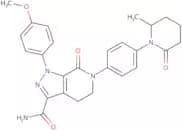
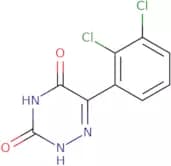
CAS:<p>Apixaban Impurity 3 is a reactant in medicines. It reacts with an amide to form the target compound, apixaban. Apixaban is a drug used to prevent stroke and blood clots in patients who have atrial fibrillation.</p>Formula:C26H27N5O4Purity:Min. 95%Color and Shape:PowderMolecular weight:473.52 g/mol6-(2,3-Dichlorophenyl)-1,2,4-triazine-3,5(2H,4H)-dione
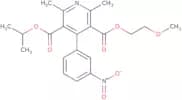
CAS:6-(2,3-Dichlorophenyl)-1,2,4-triazine-3,5(2H,4H)-dione is a chlorinating agent that converts alcohols to alkyl chlorides. It is used for the conversion of diazotizable aromatic compounds to diazo compounds. This compound has been shown to be neuroprotective in animal models and provides protection against glutamate excitotoxicity. 6-(2,3-Dichlorophenyl)-1,2,4-triazine-3,5(2H,4H)-dione also reacts with nitrite ions to form the corresponding nitroso derivatives. These derivatives can cause DNA damage and are mutagenic. 6-(2,3-Dichlorophenyl)-1,2,4-triazine-3,5(2H,4H)-dione has been shown to react with aminoguanidine to produce a chromatFormula:C9H5Cl2N3O2Purity:Min. 95%Color and Shape:PowderMolecular weight:258.06 g/mol2,6-Dimethyl-4-(3-nitrophenyl)-3,5-pyridinedicarboxylic acid isopropyl 2-methoxyethyl ester
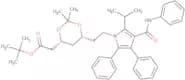
CAS:Nimodipine is a calcium channel blocker that is used to treat subarachnoid hemorrhage and aneurysms. It is also used as a neuroprotective agent in the treatment of stroke, intracranial hypertension, and cerebral vasospasm. Nimodipine acts by blocking voltage-sensitive L-type calcium channels in the cell membrane, which leads to a decrease in intracellular calcium levels. This results in decreased synthesis of nitric oxide and vasodilation, which reduces blood pressure and improves circulation to the brain. Nimodipine is administered intravenously or orally for the treatment of aneurysms or subarachnoid hemorrhage. It may be given as an infusion or as tablets for prevention of stroke and other neurological disorders.Formula:C21H24N2O7Purity:Min. 95%Color and Shape:Slightly Yellow PowderMolecular weight:416.42 g/molDefluoro atorvastatin acetonide tert-butyl ester
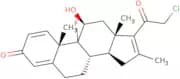
CAS:Please enquire for more information about Defluoro atorvastatin acetonide tert-butyl ester including the price, delivery time and more detailed product information at the technical inquiry form on this pageFormula:C40H48N2O5Purity:Min. 95%Color and Shape:PowderMolecular weight:636.82 g/molClobetasol Propionate - Impurity B
CAS:Controlled Product(11β)-21-Chloro-9-fluoro-11-hydroxy-16-methylpregna-1,4,16-triene-3,20-dione is a chemical compound that can be used as a building block in the synthesis of other chemicals. It is structurally related to progesterone and has been found to have antiandrogenic properties. This product can also be used as a reagent or speciality chemical in research. It is high quality and versatile. (11β)-21-Chloro-9-fluoro-11-hydroxy-16-methylpregna 1,4,16 triene 3,20 dione has been shown to have an effect on the body's reproductive system by binding to the androgen receptor.Formula:C22H26ClFO3Purity:Min. 95%Color and Shape:PowderMolecular weight:392.89 g/mol11-(1-Piperazinyl)dibenzo[b,f][1,4]thiazepine hydrochloride
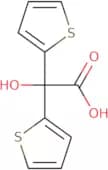
CAS:<p>11-(1-Piperazinyl)dibenzo[b,f][1,4]thiazepine hydrochloride is a drug product that is used as an impurity standard in the manufacture of 11-aminoundecanoic acid. It is also used to study the metabolism of this compound. This drug product is not intended for use in humans or animals.</p>Formula:C17H18ClN3SPurity:Min. 95%Color and Shape:PowderMolecular weight:331.9 g/mol2-Hydroxy-2,2-bis(2-thienyl) acetic acid
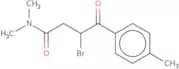
CAS:<p>2-Hydroxy-2,2-bis(2-thienyl) acetic acid is a long-acting bronchodilator that can be administered by inhalation. It has been used in the clinical development of medicines for the treatment of asthma and chronic obstructive pulmonary disease. 2-Hydroxy-2,2-bis(2-thienyl) acetic acid is chemically related to pyridinium compounds. It is a potent inhibitor of muscarinic receptors and has an anticholinergic profile similar to atropine. The safety profile of this drug seems to be favourable in humans with no major side effects reported so far.</p>Formula:C10H8O3S2Purity:Min. 95%Color and Shape:Yellow PowderMolecular weight:240.3 g/mol3-Bromo-N,N-dimethyl-3-(4-methylbenzoyl)propionamide
CAS:3-Bromo-N,N-dimethyl-3-(4-methylbenzoyl)propionamide is a natural metabolite of the drug 3-(2,6-dichlorobenzoyl)-1,2,3,4-tetrahydroisoquinoline. It is an impurity found in the synthesis of 3-(2,6-dichlorobenzoyl)-1,2,3,4-tetrahydroisoquinoline and has been shown to be a metabolite of this compound. 3-Bromo-N,N-dimethyl-3-(4-methylbenzoyl)propionamide is also used as an analytical reference material for HPLC. This chemical can be synthesized from commercially available starting materials or custom synthesized with your specifications.Formula:C13H16BrNO2Purity:Min. 95%Color and Shape:PowderMolecular weight:298.18 g/mol(S)-6-(Ethyl(2-(thiophen-2-yl)ethyl)amino)-5,6,7,8-tetrahydronaphthalen-1-ol hydrochloride
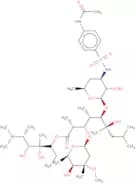
CAS:(S)-6-(Ethyl(2-(thiophen-2-yl)ethyl)amino)-5,6,7,8-tetrahydronaphthalen-1-ol hydrochloride is a synthetic compound that has been designed for use as an impurity standard in the validation of analytical methods. It is a custom synthesis product and is not commercially available. It is a white crystalline solid with a melting point of 170°C and its molecular formula is C14H12N2O3S. (S)-6-(Ethyl(2-(thiophen-2-yl)ethyl)amino)-5,6,7,8-tetrahydronaphthalen-1-ol hydrochloride has been shown to have no biological activity in rats.Formula:C18H24ClNOSPurity:Min. 95%Molecular weight:337.9 g/mol3-N-didesmethyl-3-N-tosyl azithromycin
<p>3-N-didesmethyl-3-N-tosyl azithromycin is an impurity of azithromycin. It is a white crystalline solid that is soluble in methanol and acetone, but insoluble in water. 3-N-didesmethylazithromycin has been shown to be a metabolite of azithromycin, which can be found as an impurity in the drug product.</p>Formula:C45H79N3O15SPurity:Min. 95%Molecular weight:934.19 g/mol3-[[[2-[(Diaminomethylene)amino]-4-thiazolyl]methyl]thio]propanamide
CAS:3-[[[2-[(Diaminomethylene)amino]-4-thiazolyl]methyl]thio]propanamide is a synthetic drug product. It is not found in natural products and it has no pharmacopoeia name. 3-[[[2-[(Diaminomethylene)amino]-4-thiazolyl]methyl]thio]propanamide is an impurity standard for the manufacture of pharmaceuticals. It is also used as a research and development reagent and analytical standard. 3-[[[2-[(Diaminomethylene)amino]-4-thiazolyl]methyl]thio]propanamide has not been evaluated by the FDA as a food additive, but it has been evaluated by the European Union as a flavoring agent.Formula:C8H13N5OS2Purity:Min. 95%Color and Shape:White PowderMolecular weight:259.35 g/mol4-[(2,4-Dihydroxy-3,3-dimethylbutanoyl)amino]-butanoic acid
CAS:<p>4-[(2,4-Dihydroxy-3,3-dimethylbutanoyl)amino]-butanoic acid is a white to off-white solid that is soluble in water. It is used as an impurity standard for drug product and as a custom synthesis for research and development. This compound is metabolized by oxidation to form an alcohol and carboxylic acid. The oxidation products are excreted in the urine. 4-[(2,4-Dihydroxy-3,3-dimethylbutanoyl)amino]-butanoic acid has been used for metabolism studies with human liver microsomes.</p>Formula:C20H38CaN2O11Purity:Min. 95%Molecular weight:522.6 g/molD-Ser(8)-Semaglutide
<p>D-Ser(8)-Semaglutide is a semaglutide impurity. The amino acid at position 8 has been replaced by the D-form of the amino acid D-serine (D-Ser). Semaglutide impurities are structurally related compounds that arise during synthesis, purification, or storage of semaglutide, a long-acting GLP-1 receptor agonist for managing type 2 diabetes and obesity.</p>Formula:C187H291N45O59Molecular weight:4,113.64 g/molDes-His(1)-Semaglutide
<p>Des-His(1)-semaglutide is a semaglutide-related impurity. This des-amino acid form has the histidine (His) amino acid from position 1 removed from the peptide chain. Semaglutide impurities are structurally related compounds that arise during synthesis, purification, or storage of semaglutide, a long-acting GLP-1 receptor agonist used for managing type 2 diabetes and obesity.</p>Formula:C181H284N42O58Molecular weight:3,976.5 g/molD-Gln19-Tirzepatide
<p>Tirzepatide impurities.</p>Formula:C225H348N48O68Molecular weight:4,813.5 g/molO3-Desethyl apremilast
CAS:<p>O3-Desethyl apremilast is an experimental drug product that belongs to the class of drug products. This drug product has been shown to be a natural, synthetic and analytical impurity in API. It is also an impurity standard for HPLC analysis. O3-Desethyl apremilast can be used in research and development, as well as niche applications in the pharmaceutical industry.</p>Formula:C20H20N2O7SPurity:Min. 95%Color and Shape:PowderMolecular weight:432.45 g/molSunitinib Impurity 18
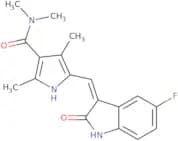
CAS:<p>Sunitinib impurity 18 is a natural API impurity that has been identified as the metabolite of sunitinib. This impurity is an analytical standard for HPLC and it is used in drug development, research and development, and niche markets. Sunitinib impurity 18 can be custom synthesized to meet your needs or you can purchase it as a synthetic or high purity API impurity. Metabolism studies on this compound have shown that it is not known to be toxic, mutagenic, carcinogenic, teratogenic, or cause reproductive toxicity.</p>Formula:C18H18FN3O2Purity:Min. 98 Area-%Color and Shape:PowderMolecular weight:327.35 g/mol(RS)-Di-(2-methoxyethyl) 1,4-dihydro-2,6-dimethyl-4-(3-nitrophenyl)pyridine-3,5-dicarboxylate
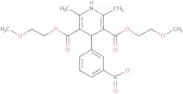
CAS:<p>(RS)-Di-(2-methoxyethyl) 1,4-dihydro-2,6-dimethyl-4-(3-nitrophenyl)pyridine-3,5-dicarboxylate is an impurity standard for the API (Active Pharmaceutical Ingredient) Impurity Standard. It may be used as a reference compound in HPLC analyses of analytical samples. This compound has been evaluated by the National Institute of Standards and Technology (NIST) to be a niche HPLC standard. It is also a metabolite of the drug product Metaxalone.</p>Formula:C21H26N2O8Purity:Min. 95%Color and Shape:Slightly Yellow PowderMolecular weight:434.44 g/molrac-2-Cyano-2-phenylbutanamide
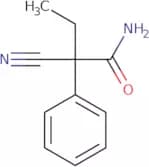
CAS:<p>Rac-2-cyano-2-phenylbutanamide is a synthetic molecule that is used as a growth regulator. It has been shown to be toxic to the arthropod Mollusca, with an LD50 of 1.6 µg/cm² (milligrams per square centimeter). Rac-2-cyano-2-phenylbutanamide also inhibits the growth of organisms such as Anisopliae and Metarhizium, and has been shown to have an asymmetric effect on tissue culture cells. Rac-2-cyano-2-phenylbutanamide is chemically related to the antibiotic subtilin, which belongs to the class of aminoglycoside antibiotics. Rac-2-cyano-2-phenylbutanamide may inhibit bacterial protein synthesis by binding to ribosomes and blocking the attachment of aminoacyl tRNA molecules during translation. This compound also inhibits DNA replication in bacteria by preventing DNA</p>Formula:C11H12N2OPurity:Min. 95 Area-%Color and Shape:White PowderMolecular weight:188.23 g/mol5-Benzoyl-N-[2-hydroxy-1,1-bis(hydroxymethyl)ethyl]-2,3-dihydro-1H-pyrrolizine-1-carboxamide, racemic
CAS:5-Benzoyl-N-[2-hydroxy-1,1-bis(hydroxymethyl)ethyl]-2,3-dihydro-1H-pyrrolizine-1-carboxamide is a drug product that is used in research and development. It is a synthetic compound with niche applications. It has been shown to be metabolized in animal studies and the metabolism pathways have been elucidated. The analytical impurity standard for this drug product is 5-(benzoylamino)-N-[2-(hydroxymethyl)propanoyl]-2,3,-dihydro-1H-pyrrolizine-1 -carboxamide. This compound can be custom synthesized and also has an HPLC standard available.Formula:C19H22N2O5Purity:Min. 95%Color and Shape:PowderMolecular weight:358.39 g/mol3-O-Desmethyl amlodipine
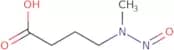
CAS:3-O-Desmethyl amlodipine is a metabolite of the drug amlodipine. It has been shown to be formed in vivo and may contribute to the pharmacological activity of amlodipine, although its contribution is not well understood. 3-O-Desmethyl amlodipine has been used as an analytical standard for chemical purity testing of pharmaceuticals, and as an impurity standard for HPLC analysis.Formula:C19H23ClN2O5Purity:Min. 95%Color and Shape:PowderMolecular weight:394.85 g/molN-Nitroso-N-methyl-4-aminobutyric acid
CAS:<p>N-Nitroso-N-methyl-4-aminobutyric acid (NMBA) is a solid with a low melting point which has been identified as a potentially carcinogenic component of both tobacco and tobacco smoke. NMBA is also one of a number of nitrosamine impurities which have been found to be present in angiotensin II receptor blocker (ARB) drugs used to treat high blood pressure.</p>Formula:C5H10N2O3Purity:Min. 98 Area-%Color and Shape:Slightly Yellow PowderMolecular weight:146.14 g/mol4-Amino-2-chloro-6,7-dimethoxyquinazoline
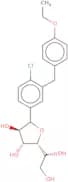
CAS:<p>4-Amino-2-chloro-6,7-dimethoxyquinazoline (4ACDMQ) is a synthetic compound that has been used as a chemical intermediate. The chemical structure of 4ACDMQ is similar to that of the natural amino acid tryptophan. It is synthesized by reacting phosphorus pentachloride with 2,6,7-trimethoxyquinazoline in the presence of hydroxide solution and hexamethylphosphoramide. 4ACDMQ has been shown to be an inhibitor of ubiquitin proteasome system and has been used in functional studies on this system. The reaction yield for 4ACDMQ can be increased by using sodium hydroxide solution or n-dimethyl formamide as a solvent. Functional assays have shown binding properties for 4ACDMQ to proteins such as ubiquitin and proteasome subunits.</p>Formula:C10H10ClN3O2Purity:Min. 95%Color and Shape:PowderMolecular weight:239.66 g/molDapagliflozin Impurity 4
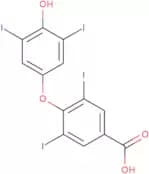
<p>Dapagliflozin Impurity 4 is a research and development impurity standard for the drug Dapagliflozin. Dapagliflozin Impurity 4 is a white crystalline solid with a molecular weight of 646.5 and an empirical formula of C20H22N2O2. It is soluble in water, methanol, ethanol, and acetonitrile. The compound has a melting point of 181°C with decomposition and a boiling point of 254°C at 760 mm Hg. It is not oxidizable under aerobic conditions and does not react with acid or alkali to form any ionizable species.</p>Purity:Min. 95%3,3',5,5'-Tetraiodothyroformic acid
CAS:Cymit Quimicaetic beta-D-glucosiduronic acidFormula:C13H6I4O4Purity:Min. 95 Area-%Color and Shape:Off-White PowderMolecular weight:733.8 g/molN-[[2'-(2H-Tetrazol-5-yl)[1,1'-biphenyl]-4-yl]methyl]-L-valine methyl ester
CAS:<p>N-[[2'-(2H-Tetrazol-5-yl)[1,1'-biphenyl]-4-yl]methyl]-L-valine methyl ester is a synthetic compound used as an HPLC standard. It is also used in the development of new drugs to study the metabolism of these drugs and their metabolites. N-[[2'-(2H-Tetrazol-5-yl)[1,1'-biphenyl]-4-yl]methyl]-L-valine methyl ester can be synthesized from 2-[(2H)-tetrazol-5-yl][1,1'-biphenyl]-4-(phenylamino)propanenitrile and L -valine methyl ester. It is soluble in ethyl acetate, chloroform and methanol. N-[2'(2H)-tetrazol-[5' (phenylamino)</p>Formula:C20H23N5O2Purity:Min. 95%Color and Shape:PowderMolecular weight:365.43 g/molRemdesivir nucleoside monophosphate
CAS:<p>Remdesivir is a nucleoside monophosphate that inhibits the HIV-1 reverse transcriptase and HIV-1 protease. This drug is used to treat human immunodeficiency virus (HIV) and acquired immune deficiency syndrome (AIDS). Remdesivir blocks the viral life cycle by preventing the production of new viruses. It also has an affinity for polymerase and phosphatase, which are enzymes necessary for viral replication. Remdesivir is uncharged, so it can be taken orally.<br>Remdesivir does not work against all strains of HIV, but it does inhibit some strains more than others.</p>Formula:C12H14N5O7PPurity:Min. 95%Color and Shape:PowderMolecular weight:371.24 g/molTenofovir disoproxil related compound B
CAS:<p>Tenofovir disoproxil related compound B is a peptidyl prodrug that is metabolized by esterases to tenofovir. It has been shown to be an effective agent against Mycobacterium tuberculosis and other bacterial species. Tenofovir disoproxil related compound B was also found to inhibit protein synthesis in Mycobacterium avium and Mycobacterium smegmatis, but not in Escherichia coli. This drug binds to the ribosome's 30S subunit, which blocks the binding of aminoacyl-tRNA and prevents the formation of peptide bonds. The mechanism of action for this drug is similar to that of the antibiotic erythromycin.</p>Formula:C8H9N5Purity:Min. 98 Area-%Molecular weight:175.19 g/molBis[N-[2-[[[5-[(dimethylamino)methyl]furan-2-yl]methyl]thio]ethyl]-N'-methyl-2,2-diamino-1-nitroethenyl]methane
CAS:Impurity arising druring the synthesis of ranitidineFormula:C27H44N8O6S2Purity:Min. 95%Color and Shape:Orange PowderMolecular weight:640.82 g/molD-Asp(9)-Semaglutide
<p>D-Asp(9)-Semaglutide is a semaglutide impurity. The amino acid at position 9 has been replaced by the D-form of the amino acid D-aspartic acid (D-Asp). Semaglutide impurities are structurally related compounds that arise during synthesis, purification, or storage of semaglutide, a long-acting GLP-1 receptor agonist for managing type 2 diabetes and obesity.</p>Formula:C187H291N45O59Molecular weight:4,113.64 g/molAmiodarone N-oxide HCl
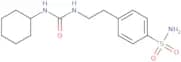
CAS:Amiodarone N-oxide HCl is a class III antiarrhythmic drug that acts by slowing the heart rate and prolonging the time between heartbeats. It has been shown to be effective in treating atrial fibrillation, ventricular fibrillation, and atrial flutter. Amiodarone N-oxide HCl has significant cytotoxicity, which can lead to cardiomyopathy and myocardial infarcts. Due to its long half life, amiodarone can accumulate in the body and cause side effects such as pulmonary toxicity, gastrointestinal bleeding, thyroid dysfunction, or liver damage. It is not recommended for use in patients with structural heart disease or those taking nonsteroidal anti-inflammatory drugs (NSAIDs) because of an increased risk of adverse events.Formula:C25H29I2NO4HClPurity:Min. 95%Color and Shape:Off-White To Yellow SolidMolecular weight:697.77 g/mol4-(2-((Cyclohexylcarbamoyl)amino)ethyl)benzenesulfonamide
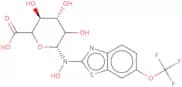
CAS:<p>4-(2-((Cyclohexylcarbamoyl)amino)ethyl)benzenesulfonamide is a research and development impurity standard that is used for the synthesis of drug products. CAS No. 10080-05-4, 4-(2-((Cyclohexylcarbamoyl)amino)ethyl)benzenesulfonamide is a synthetic compound that has been shown to be metabolized in humans and in rats. It has been extensively evaluated as a potential antituberculosis drug candidate and shown to inhibit bacterial growth by binding to DNA-dependent RNA polymerase, thereby preventing transcription and replication. This active form is metabolized through a number of metabolic transformations, including hydrolysis by esterases or glucuronidases, oxidation by cytochrome P450 enzymes, reduction by glutathione reductase, or conjugation with glucuronic acid. In vitro studies have demonstrated its efficacy against Mycobacter</p>Formula:C15H23N3O3SPurity:Min. 95%Molecular weight:325.4 g/molN-Hydroxy riluzole N-b-D-glucuronide
N-Hydroxy riluzole N-b-D-glucuronide (NHRG) is a drug product that has been used as an analytical reference standard in metabolism studies. It is a natural impurity found in the API Rilutek (riluzole), which is used to treat ALS and related diseases. NHRG exhibits a retention time of 9.5 minutes on HPLC, and its purity should be at least 98%. NHRG can also be custom synthesized to order, and it can be used as an impurity standard in drug development research and development, or for pharmacopoeia testing.Formula:C14H13F3N2O8SPurity:Min. 95%Molecular weight:426.32 g/mol(S)-Ethyl 2-ethoxy-4-[[[N-[1-(2-piperidinophenyl)-3-methyl-1-butyl]amino]carbonyl]methyl]benzoate
CAS:(S)-Ethyl 2-ethoxy-4-[[[N-[1-(2-piperidinophenyl)-3-methyl-1-butyl]amino]carbonyl]methyl]benzoate is an intermediate in the synthesis of repaglinide. It is a reagent that reacts with ethylamine and carbodiimide hydrochloride to form a urea derivative. This urea derivative is then reacted with filtration to give the desired product, which is recrystallized from dichloromethane solution. The (S)-ethyl 2-ethoxy-4-[(N-[1-(2-piperidinophenyl)-3-methyl-1-butyl]amino)carbonyl]-methyl benzoate can be converted into the ester, phenylacetic acid, through hydrolytic reaction.Formula:C29H40N2O4Purity:Min. 95%Color and Shape:White PowderMolecular weight:480.64 g/mol5-(2-Ethoxyphenyl)-1-methyl-3-n-propyl-1,6-dihydro-7H-pyrazolo[4,3-d]pyrimidin-7-one
CAS:Sildenafil is a selective PDE-5 inhibitor that is used in the treatment of erectile dysfunction. It has been shown to have anticancer activity in vitro and in vivo. Sildenafil inhibits the activity of cyclic guanosine monophosphate (cGMP) phosphodiesterase type 5 (PDE-5), which is found in the corpus cavernosum of the penis and inhibits cGMP degradation, leading to vasodilation and increased blood flow. Sildenafil has been shown to inhibit cancer cell proliferation by blocking the synthesis of both DNA and protein, as well as inhibiting the expression of genes encoding for anti-apoptotic proteins. Sildenafil binds to PDE-5 with high affinity, but does not bind to other PDEs or ion channels at therapeutic concentrations.Formula:C17H20N4O2Purity:Min. 95%Color and Shape:White To Off-White SolidMolecular weight:312.37 g/molBortezomib intermediate I
CAS:Bortezomib intermediate I is a metabolite of bortezomib, which is a research and development drug product. Bortezomib intermediate I is an impurity standard for bortezomib. Bortezomib intermediate I can be synthesized from the corresponding compound. It is an analytical standard used in pharmacopoeia and can be used as an API impurity or synthetic material in drug development. Bortezomib intermediate I has a high purity, natural origin, and a niche application. CAS No. 1248339-44-7Formula:C25H36BN5O4Purity:Min. 95%Color and Shape:White PowderMolecular weight:481.4 g/molSemaglutide Impurity 59
<p>D-Arg(28)-Semaglutide is a semaglutide impurity. The amino acid at position 28 has been replaced by the D-form of the amino acid D-arginine (D-Arg). Semaglutide impurities are structurally related compounds that arise during synthesis, purification, or storage of semaglutide, a long-acting GLP-1 receptor agonist for managing type 2 diabetes and obesity.</p>Formula:C187H291N45O59Molecular weight:4,113.64 g/molD-Ser32-Tirzepatide
<p>Please enquire for more information about D-Ser32-Tirzepatide including the price, delivery time and more detailed product information at the technical inquiry form on this page</p>Formula:C225H348N48O68Molecular weight:4,813.5 g/mol(3S,5S)-Atorvastatin sodium salt
CAS:<p>Atorvastatin is a statin drug that inhibits the enzyme HMG-CoA reductase, which is responsible for cholesterol synthesis. Atorvastatin is used to lower LDL cholesterol and total cholesterol levels in the blood. It also lowers triglyceride levels and raises HDL cholesterol levels. Atorvastatin has been shown to inhibit fibrinogen production, reduce TNF-α production, and improve body mass index (BMI) in obese patients. This drug has been shown to be effective in reducing the size of atherosclerotic lesions by decreasing the amount of cholesteryl esters transferred from high-density lipoprotein (HDL) to low-density lipoprotein (LDL). It has also been shown to inhibit collagen production and stimulate muscle cell proliferation.</p>Formula:C33H34FN2NaO5Purity:Min. 95%Color and Shape:PowderMolecular weight:580.62 g/molValsartan Impurity 23
CAS:<p>Valsartan is a drug that belongs to the class of angiotensin II receptor blockers. It has a molecular weight of 376.5 and an empirical formula of C21H28N2O4S. Valsartan Impurity 23 is a synthetic impurity with CAS No. 2459446-44-5, which has a molecular weight of 464.3 and an empirical formula of C25H30N2O6S. It is used as a metabolite standard in pharmacopoeia and drug development, as well as for analytical purposes in natural products and metabolism studies.</p>Purity:Min. 95%2-(3-Hydroxy-2,2-Dimethylpropoxy)-1-(6-Hydroxy-2-Naphthyl)Propan-1-One
<p>The following is a description of an impurity standard for the metabolite 2-(3-Hydroxy-2,2-Dimethylpropoxy)-1-(6-Hydroxy-2-Naphthyl)Propan-1-One:</p>Purity:Min. 95%

![4-(1-Hydroxy-1-methylethyl)-2-propyl-1[4-[2-(tetrazol-5-yl)phenyl]phenyl]methyl imidazole-5-carbox…](/_next/image/?url=https%3A%2Fstatic.cymitquimica.com%2Fproducts%2F3D%2Fthumb-webp%2FIH57927.webp&w=3840&q=75)
![(1R,3S,5S)-8-Methyl-8-azabicyclo[3.2.1]oct-6-en-3-yl-2'-hydroxy-2',2'-di(thiophen-2''-yl)acetate](/_next/image/?url=https%3A%2Fstatic.cymitquimica.com%2Fproducts%2F3D%2Fthumb-webp%2FIM42883.webp&w=3840&q=75)



![8-Fluoro-2,2-dimethyl-9-(4-methyl-1-piperazinyl)-6-oxo-2H,6H-oxazolo[5,4,3-ij]quinoline-5-carboxyl…](/_next/image/?url=https%3A%2Fstatic.cymitquimica.com%2Fproducts%2F3D%2Fthumb-webp%2FIF182900.webp&w=3840&q=75)




![1,3-Bis[(p-chlorobenzylidene)amino]guanidine hydrochloride](/_next/image/?url=https%3A%2Fstatic.cymitquimica.com%2Fproducts%2F3D%2Fthumb-webp%2FIB57827.webp&w=3840&q=75)
![1b-(4-Fluorophenyl)hexahydro-β,7-dihydroxy-7-(1-methylethyl)-1a-phenyl-7a-[(phenylamino)carbonyl]-…](/_next/image/?url=https%3A%2Fstatic.cymitquimica.com%2Fproducts%2F3D%2Fthumb-webp%2FIO76438.webp&w=3840&q=75)
![3-[Methyl(phenylmethyl)amino]-1-phenyl-1-propanone hydrochloride](/_next/image/?url=https%3A%2Fstatic.cymitquimica.com%2Fproducts%2F3D%2Fthumb-webp%2FIM58070.webp&w=3840&q=75)
![N,N'-Bis[2-[[[5-[(dimethylamino)methyl]-2-furanyl]methyl]thio]ethyl]-2-nitroethene-1,1-diamine](/_next/image/?url=https%3A%2Fstatic.cymitquimica.com%2Fproducts%2F3D%2Fthumb-webp%2FIB57834.webp&w=3840&q=75)




![[4-(4-Amino-6,7-dimethoxy-2-quinazolinyl)-1-piperazinyl]-2-furanyl-methanone](/_next/image/?url=https%3A%2Fstatic.cymitquimica.com%2Fproducts%2F3D%2Fthumb-webp%2FIA63850.webp&w=3840&q=75)
![11-(1-Piperazinyl)dibenzo[b,f][1,4]thiazepine hydrochloride](/_next/image/?url=https%3A%2Fstatic.cymitquimica.com%2Fproducts%2F3D%2Fthumb-webp%2FIN181068.webp&w=3840&q=75)
![3-[[[2-[(Diaminomethylene)amino]-4-thiazolyl]methyl]thio]propanamide](/_next/image/?url=https%3A%2Fstatic.cymitquimica.com%2Fproducts%2F3D%2Fthumb-webp%2FID58074.webp&w=3840&q=75)
![4-[(2,4-Dihydroxy-3,3-dimethylbutanoyl)amino]-butanoic acid](/_next/image/?url=https%3A%2Fstatic.cymitquimica.com%2Fproducts%2F3D%2Fthumb-webp%2FTAA67990.webp&w=3840&q=75)
![5-Benzoyl-N-[2-hydroxy-1,1-bis(hydroxymethyl)ethyl]-2,3-dihydro-1H-pyrrolizine-1-carboxamide, race…](/_next/image/?url=https%3A%2Fstatic.cymitquimica.com%2Fproducts%2F3D%2Fthumb-webp%2FIB58063.webp&w=3840&q=75)

![N-[[2'-(2H-Tetrazol-5-yl)[1,1'-biphenyl]-4-yl]methyl]-L-valine methyl ester](/_next/image/?url=https%3A%2Fstatic.cymitquimica.com%2Fproducts%2F3D%2Fthumb-webp%2FIT106481.webp&w=3840&q=75)
![Bis[N-[2-[[[5-[(dimethylamino)methyl]furan-2-yl]methyl]thio]ethyl]-N'-methyl-2,2-diamino-1-nitroet…](/_next/image/?url=https%3A%2Fstatic.cymitquimica.com%2Fproducts%2F3D%2Fthumb-webp%2FIB57852.webp&w=3840&q=75)

![(S)-Ethyl 2-ethoxy-4-[[[N-[1-(2-piperidinophenyl)-3-methyl-1-butyl]amino]carbonyl]methyl]benzoate](/_next/image/?url=https%3A%2Fstatic.cymitquimica.com%2Fproducts%2F3D%2Fthumb-webp%2FIE27701.webp&w=3840&q=75)
![5-(2-Ethoxyphenyl)-1-methyl-3-n-propyl-1,6-dihydro-7H-pyrazolo[4,3-d]pyrimidin-7-one](/_next/image/?url=https%3A%2Fstatic.cymitquimica.com%2Fproducts%2F3D%2Fthumb-webp%2FNE16544.webp&w=3840&q=75)