APIs for research and impurities
Active Pharmaceutical Ingredients (APIs) are the substances in drugs responsible for their therapeutic effects. In this section, you will find a wide variety of APIs intended for research use. These compounds are essential for the development, testing, and validation of new pharmaceutical formulations. CymitQuimica offers high-quality APIs to support research in drug discovery and development.
Subcategories of "APIs for research and impurities"
- Aminoacids and derivatives(12,327 products)
- Anthraquinones and derivatives(405 products)
- Benzimidazole and Imidazole Derivatives(10,437 products)
- Benzodiazepine Derivatives(335 products)
- Carbohydrates and glycoconjugates(5,015 products)
- Esters and Derivatives(42,240 products)
- Fatty Acids and Lypidic Derivatives(32,393 products)
- Flavonoids and Polyphenols(17,085 products)
- Free Radicals and Oxidant/Reducing Agents(213 products)
- Ketones and derivatives(2,401 products)
- Natural and semi-synthetic antibiotics(6,377 products)
- Nitriles and Cyano Derivatives(3,067 products)
- Nitrosamines and Derivatives(55 products)
- Nucleosides and Nucleotides(3,431 products)
- Organic Phosphates and Phosphonates(1,202 products)
- Organic Sulphonates and Sulphates(10,433 products)
- Organometallics(4,422 products)
- Others(6,292 products)
- Peptides and Proteins(3,152 products)
- Polymers and Derivatives(100 products)
- Purines and Pyrimidine Derivatives(8,948 products)
- Quinazoline and Quinoline Derivatives(65,955 products)
- Quinones and Derivatives(24,349 products)
- Salts and Derivatives of Active Pharmaceutical Ingredients (API)(79,663 products)
- Steroids and Derivatives(4,975 products)
- Sulfonamides and Derivatives(2,593 products)
- Terpenoids and Derivatives(3,845 products)
- Thiazolidinediones and Thiopyrans(2,752 products)
- β-Adrenergic Compounds(230 products)
Show 21 more subcategories
Found 56980 products of "APIs for research and impurities"
Sort by
Purity (%)
0
100
|
0
|
50
|
90
|
95
|
100
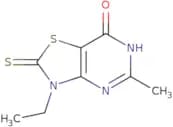
2-[(4-Chloro-3-methyl-2-pyridinyl)methylthio]-1H-benzimidazole
CAS:<p>2-[(4-Chloro-3-methyl-2-pyridinyl)methylthio]-1H-benzimidazole is a drug product. It is an impurity standard for the analytical determination of 2-[(4-chloro-3-methylpyridin)-2yl]thiohydantoin in pharmaceuticals and other chemical products. This compound is also used as a research and development (R&D) metabolite and impurity standard for the synthesis of 4-(4,5,6,7-tetrahydrobenzo[b]thiophen-2-yl)pyridine. The CAS number for this compound is 103312-62-5./END></p>Formula:C14H12ClN3SPurity:Min. 95%Molecular weight:289.78 g/molN-Methyl amisulpride
CAS:<p>N-Methyl amisulpride is a synthetic drug with antipsychotic properties. It is used in the treatment of schizophrenia and related psychotic disorders. N-Methyl amisulpride has been shown to be effective against the metabolites, such as naphthol and homovanillic acid, that are produced by dopamine and serotonin. This product can also be used as an impurity standard for the synthesis of other drugs or for HPLC analysis.</p>Formula:C18H29N3O4SPurity:Min. 95%Molecular weight:383.5 g/mol2,3-Diphospho-D-glyceric acid pentasodium
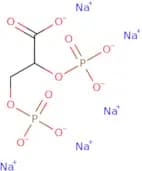
CAS:<p>Please enquire for more information about 2,3-Diphospho-D-glyceric acid pentasodium including the price, delivery time and more detailed product information at the technical inquiry form on this page</p>Formula:C3H3Na5O10P2Purity:Min. 95%Molecular weight:375.95 g/molProfluthrin
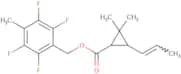
CAS:Profluthrin is a potent analog of the Chinese medicinal herb, Chrysanthemum indicum. It acts as an inhibitor of protein kinases involved in the regulation of cell cycle and apoptosis. Profluthrin has been shown to have anticancer properties by inducing apoptosis in cancer cells and inhibiting tumor growth. This compound also shows potential as a urinary inhibitor for the prevention of urinary tract infections. Its unique chemical structure allows it to act selectively on specific protein kinases, making it a promising candidate for targeted cancer therapy.Formula:C17H18F4O2Purity:Min. 95%Molecular weight:330.32 g/molCatechol diallyl ether
CAS:Catechol diallyl ether is a potential use for the manufacture of vinyl alcohol, which has been shown to have a high reactivity with methoxy and triazine. Catechol diallyl ether can be synthesized from eugenol and allyl chloride. The activated biphenyl is then reacted with the silicon to form silicone. The silicon is then synthesized into diode.Formula:C12H14O2Purity:Min. 95%Molecular weight:190.24 g/molN-(Aminosulphonyl)-2-[[[2-[(Aminoiminomethyl)amino]-4-thiazolyl]methylsulphinyl]propanimidamide
CAS:N-(Aminosulphonyl)-2-[[[2-[(aminoiminomethyl)amino]-4-thiazolyl]methylsulphinyl]propanimidamide (NTSX) is an analytical standard and a metabolite of the drug product N-(aminosulphonyl)-2-[[[2-[(aminothiazolyl)methyl]sulfinyl]propanimidamide (NTST). The CAS number is 109467-06-3. NTSX is a white to off-white crystalline powder that is soluble in water and has a molecular weight of 296.37. It has been shown to be active against ampicillin resistant strains of Staphylococcus aureus, but not against methicillin resistant strains. NTSX can be synthesized from the drug NTST or obtained as an impurity from the synthesis of NTST.Formula:C8H15N7O3S3·C4H4O4Purity:Min. 95%Molecular weight:469.52 g/mol2''-Desethyl- 2''- vinyl Simvastatin
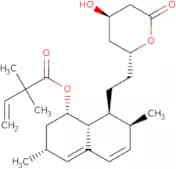
CAS:<p>2''-Desethyl- 2''- vinyl Simvastatin is a high purity, custom synthesis, impurity standard that is available for sale. The CAS number for this product is 1449248-72-9. This product can be used as a research and development product or as an analytical standard. It has an Impurity Standardization (IS) of 10% at a concentration of 10 mg/mL. This product has been classified by the USP and the European Pharmacopoeia (EP). The excipient in this product is acetonitrile, which is classified as natural.</p>Formula:C25H36O5Purity:Min. 95%Molecular weight:416.55 g/molAE-3763
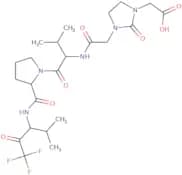
CAS:AE-3763 is an inhibitor of kinases that has shown promise in the treatment of cancer. It is a small molecule that selectively inhibits the activity of certain kinases, which are enzymes involved in cell signaling pathways. AE-3763 has been found to induce apoptosis (programmed cell death) in cancer cells by blocking the activity of specific kinases. This compound has also been shown to inhibit tumor growth in animal models and to have anticancer effects in human cancer cell lines. AE-3763 can be detected in urine and has been studied extensively for its potential therapeutic use against various types of cancer, including breast, lung, and colon cancers. The compound is derived from d-xylose and was first identified as a potent kinase inhibitor by Chinese researchers.Formula:C23H34F3N5O7Purity:Min. 95%Molecular weight:549.5 g/molDmab-anabaseine dihydrochloride
CAS:<p>Dmab-anabaseine dihydrochloride is an analytical reference standard for HPLC. It has been used as an impurity standard in the production of drugs and drug products. Dmab-anabaseine dihydrochloride is an impurity that can be found in the synthesis of Metabolite. The purity of this compound is 99% with a CAS number of 154149-38-9. Dmab-anabaseine dihydrochloride is natural or synthetic and it does not have any pharmacopoeia listings. Custom synthesis and research and development are some other uses for this product.</p>Formula:C19H23Cl2N3Purity:Min. 95%Molecular weight:364.3 g/molNilotinib N-oxide
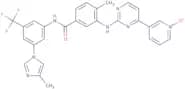
CAS:<p>Nilotinib N-oxide is a bosutinib metabolite that is categorized as a profile 1B inhibitor. It has a chemical structure similar to imatinib and dasatinib. The metabolite of nilotinib N-oxide, which is an active form, focuses on the inhibition of chronic myeloid leukemia (CML) cells by targeting the oncoprotein BCR-ABL. Nilotinib N-oxide has been shown to have cardiac toxicity, which may be due to its ability to inhibit the synthesis of uridine and reduce thrombocytopenia. It also has the potential for toxicities such as pancreatitis and hepatotoxicity.</p>Formula:C28H22F3N7O2Purity:Min. 95%Molecular weight:545.5 g/mol8-Hydroxypinoresinol 4'-o-β-D-glucopyranoside
CAS:Eucommia is a genus of trees in the family Eucommiaceae. The bark and leaves of eucommia have been shown to contain the compound 8-hydroxypinoresinol 4'-o-β-D-glucopyranoside. This compound has been shown to be effective in treating neuropathic pain, but more research is needed to determine its efficacy for other conditions.Formula:C26H32O12Purity:Min. 95%Molecular weight:536.53 g/mol2-Cyclohexyl-2-(4-methoxyphenyl)-N,N-dimethylethanamine
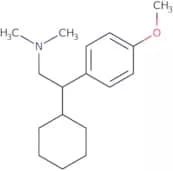
CAS:Controlled Product<p>2-Cyclohexyl-2-(4-methoxyphenyl)-N,N-dimethylethanamine is a synthetic research and development impurity standard. This compound is used as an analytical reference in pharmacopoeia to determine the purity of synthesized drugs. 2-Cyclohexyl-2-(4-methoxyphenyl)-N,N-dimethylethanamine is also a metabolite of other compounds and can be used for metabolism studies.</p>Formula:C17H27NOPurity:Min. 95%Molecular weight:261.4 g/mol2-[1-[2-Cyclopropyl-1-(2-fluorophenyl)-2-oxoethyl]-4-(methylthio)-3-piperidinylidene]acetic acid
CAS:<p>2-[1-[2-Cyclopropyl-1-(2-fluorophenyl)-2-oxoethyl]-4-(methylthio)-3-piperidinylidene]acetic acid is an inhibitor of protein kinases that has shown promising results in the treatment of cancer. This compound has been found to induce apoptosis, or programmed cell death, in cancer cells by targeting specific kinases involved in tumor growth and survival. Additionally, studies have shown that 2-[1-[2-Cyclopropyl-1-(2-fluorophenyl)-2-oxoethyl]-4-(methylthio)-3-piperidinylidene]acetic acid can inhibit the growth of tumors in human models. This compound can be detected in urine samples after administration, and its absorption can be enhanced by co-administration with D-xylose. Overall, this anticancer agent shows great potential for the development of novel cancer therapies.</p>Formula:C19H22FNO3SPurity:Min. 95%Molecular weight:363.4 g/molRemdesivir impurity 9
CAS:<p>CAS No.: 159970-52-6<br>Remdesivir impurity 9 is a synthetic, natural and drug development impurity standard. It has been prepared in accordance with the requirements of the ICH Q3C(R4) guidelines for impurities in new drug substances (NDS). Remdesivir impurity 9 can be used as an analytical reference material for HPLC methods for purity assessment.<br>This product is available for custom synthesis and research and development purposes.</p>Formula:C27H35N6O8PPurity:Min. 95%Molecular weight:602.58 g/mol5-[[4-[2-(5-Ethyl-2-pyridinyl)ethoxy]phenyl]-methylene]-2,4-thiazolidinedione
CAS:<p>5-[[4-[2-(5-Ethyl-2-pyridinyl)ethoxy]phenyl]-methylene]-2,4-thiazolidinedione is a drug product that is used for the research and development of drugs. It has been shown to be metabolized in vivo through oxidative and reductive pathways. 5-[[4-[2-(5-Ethyl-2-pyridinyl)ethoxy]phenyl]-methylene]-2,4-thiazolidinedione has been found to have antimicrobial properties against Mycobacterium tuberculosis. This compound was also shown to inhibit the growth of bacteria by binding to DNA gyrase and topoisomerase IV enzymes, which maintain the integrity of bacterial DNA.</p>Formula:C19H18N2O3SPurity:Min. 95%Molecular weight:354.42 g/mol5-Benzoyl-2,3-dihydro-1H-pyrrolizine-1-carboxylic acid - Racemic
CAS:<p>5-Benzoyl-2,3-dihydro-1H-pyrrolizine-1-carboxylic acid - Racemic (5BPC) is a drug that is used for the treatment of pain. It has been shown to be safe and effective in treating postoperative pain when given by intravenous infusion or as an oral tablet. 5BPC has minimal toxicity and is metabolized primarily by the liver with a half life of 2.6 hours. The drug has been found to have pharmacokinetic properties that allow it to be used safely in patients with hepatic impairment and in those recovering from abdominal surgery. 5BPC is a prodrug that undergoes biotransformation by esterases into its active form, pyrrolizidine alkaloid (PA). PA acts as a nonsteroidal anti-inflammatory agent and inhibits prostaglandin synthesis, which leads to analgesia. This drug also has minimal drug interactions because</p>Formula:C15H13O3NPurity:Min. 95%Molecular weight:255.27 g/molN2-Methyl alfuzosin
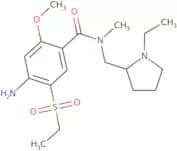
CAS:<p>N2-Methyl alfuzosin is an impurity of Alfuzosin, a drug used to treat benign prostatic hyperplasia. It can be used as an HPLC standard for the detection and quantification of Alfuzosin in pharmaceutical products. N2-Methyl alfuzosin is a metabolite of Alfuzosin that is formed by cytochrome P450 3A4. It has been shown to have anti-inflammatory effects, which may be due to its inhibition of prostaglandin synthesis.</p>Formula:C19H27N5O4Purity:Min. 95%Molecular weight:389.45 g/molRetinyl retinoate
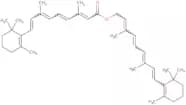
CAS:Controlled Product<p>Retinyl retinoate is a synthetic retinoid that is chemically stable and has been shown to be effective in clinical studies. Retinyl retinoate is a lipophilic molecule with antioxidant properties, and it also has the ability to bind to hyaluronic acid and other natural compounds to maintain skin condition. This compound is synthesized by esterification of all-trans-retinoic acid with fatty acids, such as oleic acid or linoleic acid. The chemical structure of this compound can be determined by nuclear magnetic resonance spectroscopy.</p>Formula:C40H56O2Purity:Min. 95%Molecular weight:568.9 g/molRitonavir hydroxy impurity
CAS:<p>Ritonavir hydroxy impurity is a drug product with HPLC purity of >99.9% and CAS number 2519851-81-9. This chemical is a metabolite of ritonavir, which is used to treat HIV infection. Ritonavir hydroxy impurity has been shown to have an inhibitory effect on the metabolism of drugs such as amphetamines, barbiturates, benzodiazepines, carbamazepine, phenytoin, and propranolol. It also inhibits the activity of cytochrome P450 enzymes such as CYP2D6 and CYP3A4/5.</p>Purity:Min. 95%3-[2-[4-(6-Fluoro-2-benzoxazolyl)-1-piperidinyl]ethyl]-6,7,8,9-tetrahydro-2-methyl-4H-pyrido[1,2-a]pyrimidin-4-one
CAS:<p>3-[2-[4-(6-Fluoro-2-benzoxazolyl)-1-piperidinyl]ethyl]-6,7,8,9-tetrahydro-2-methyl-4H-pyrido[1,2-a]pyrimidin-4-one is a synthetic compound that functions as a drug product. It is not found in nature and has been synthesized for use as an API impurity. The CAS number for this compound is 1005191-81-0. 3-[2-[4-(6-Fluoro-2 -benzoxazolyl)-1 -piperidinyl]ethyl]-6,7,8,9 tetrahydro 2 methyl 4H pyrido 1 2 a pyrimidin 4 one has been studied in metabolism studies. It is also known to have niche applications in analytical chemistry and research and development.</p>Formula:C23H27FN4O2Purity:Min. 95%Molecular weight:410.48 g/molN,N-Bis(2-chloroethyl)-4-methoxybenzenesulfonamide
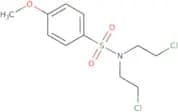
CAS:<p>Please enquire for more information about N,N-Bis(2-chloroethyl)-4-methoxybenzenesulfonamide including the price, delivery time and more detailed product information at the technical inquiry form on this page</p>Formula:C11H15Cl2NO3SPurity:Min. 95%Molecular weight:312.2 g/molButibufen-d5
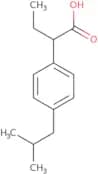
CAS:<p>Please enquire for more information about Butibufen-d5 including the price, delivery time and more detailed product information at the technical inquiry form on this page</p>Formula:C14H20O2Purity:Min. 95%Molecular weight:225.34 g/molSulfamethoxypyridazine-d3
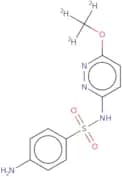
CAS:Controlled Product<p>Sulfamethoxypyridazine-d3 is a compound that has been shown to have anti-trophic and transport properties. It has been shown to be capable of binding with organic pollutants, including benzothiazoles, and has the potential to be used in screening for these compounds. Sulfamethoxypyridazine-d3 has also been shown to inhibit the growth of organisms, such as bacteria and fungi. This compound is not absorbed by humans or animals when administered orally, but can be transferred through skin contact. In vitro studies show that it is not toxic at concentrations of up to 100 μg/mL and does not cause irritation in skin or eye irritation tests.</p>Formula:C11H9D3N4O3SPurity:Min. 95%Molecular weight:283.32 g/mol2-Isopropoxy-5-phenyl-1,3,4-oxadiazole
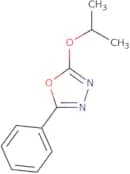
CAS:2-Isopropoxy-5-phenyl-1,3,4-oxadiazole is a potent anticancer agent that has been extensively studied for its ability to inhibit tumor growth in humans. This compound belongs to the class of kinase inhibitors and has been shown to induce apoptosis in cancer cells. It is an analog of a medicinal compound that was first identified in Chinese herbal medicine. 2-Isopropoxy-5-phenyl-1,3,4-oxadiazole specifically inhibits certain protein kinases involved in cancer cell signaling pathways, leading to a decrease in cell proliferation and survival. This compound has demonstrated significant activity against various types of cancer cells and may have potential as a therapeutic agent for the treatment of cancer. Its presence can be detected in human urine after administration.Formula:C11H12N2O2Purity:Min. 95%Molecular weight:204.22 g/molArundinin
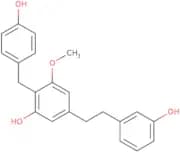
CAS:Arundinin is a potent anticancer agent that has been shown to induce apoptosis in cancer cells. It is a protein analog derived from Chinese medicine and has been found to inhibit several kinases, including testosterone-sensitive kinases, which are involved in the growth of prostate cancer cells. Arundinin has also been demonstrated to have anti-tumor activity in human clinical trials. This inhibitor belongs to a class of compounds known as kinase inhibitors, which are being actively investigated for their potential as novel anticancer agents. Arundinin is excreted primarily in urine and holds great promise for the treatment of various types of cancer.Formula:C22H22O4Purity:Min. 95%Molecular weight:350.4 g/molHydroxyvarenicline N-oxide
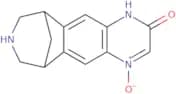
CAS:<p>Hydroxyvarenicline N-oxide is a drug product with a purity of 98.0%. It is an analytical standard used in metabolism studies, drug development, and pharmacopoeia. It has been shown to be metabolized by CYP450 enzymes to form its metabolite hydroxyvarenicline N-oxide sulfate. The CAS number for this compound is 2306217-11-6.</p>Purity:Min. 95%Tri-N,O,o-(4-benzyloxy)benzyl ractopamine
CAS:Tri-N,O,o-(4-benzyloxy)benzyl ractopamine is a compound that has been extensively studied for its impurities and molecular docking properties. It has shown to have reactive properties in the presence of methanol and interferon, making it potentially useful in various applications. Additionally, Tri-N,O,o-(4-benzyloxy)benzyl ractopamine has been found to interact with herbicides and preservatives, suggesting its potential as an additive or synergistic agent. Studies have also explored its photodegradation behavior under different conditions, revealing insights into its stability and potential applications in pharmaceuticals and environmental science. Furthermore, Tri-N,O,o-(4-benzyloxy)benzyl ractopamine has demonstrated antioxidant activity, which may be beneficial in promoting hematopoiesis and protecting against oxidative stress. Overall, this compound offers a range of interesting characteristics that warrant further investigation for various scientific and industrial purposes.Formula:C60H59NO6Purity:Min. 95%Molecular weight:890.1 g/molN-(1-Phenylethyl) ibuprofen amide
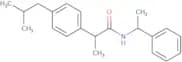
CAS:<p>N-(1-Phenylethyl) ibuprofen amide is a metabolite of ibuprofen. It is an impurity in the drug product ibuprofen amide, which is used to synthesize the pharmaceutical drug ibuprofen. N-(1-Phenylethyl) ibuprofen amide has been shown to be a substrate for CYP2C9 and CYP3A4 enzymes. The compound also inhibits prostaglandin synthesis.</p>Formula:C21H27NOPurity:Min. 95%Color and Shape:PowderMolecular weight:309.4 g/molAmoxicillin EP Impurity L
CAS:<p>Amoxicillin EP Impurity L is an impurity standard for amoxicillin. It is a synthetic compound that is used to ensure the quality of amoxicillin drug products. Amoxicillin EP Impurity L has been shown to be metabolized through a number of metabolic transformations, including hydrolysis by esterases or glucuronidases, oxidation by cytochrome P450 enzymes, reduction by glutathione reductase, or conjugation with glucuronic acid. This impurity has also been shown to have anti-inflammatory properties and may be due to its inhibition of prostaglandin synthesis.</p>Formula:C24H29N5O7S2Purity:Min. 95%Molecular weight:563.65 g/molChloromethyl olanzapinium chloride
CAS:<p>Chloromethyl olanzapinium chloride is an analytical reference material that can be used as a standard for HPLC-UV analysis. It is also used in the development of new drugs and as an impurity standard during drug manufacturing. Chloromethyl olanzapinium chloride has been shown to be a metabolite of Olanzapine, which is a niche drug product that is not commercially available. Chloromethyl olanzapinium chloride is listed by the USP, EP and JP as a drug product impurity. It can be synthesized from natural or synthetic sources.</p>Formula:C18H22Cl2N4SPurity:Min. 95%Color and Shape:PowderMolecular weight:397.37 g/mol1-[1-(4-Methoxyphenyl)-2-[[2-(4-methoxyphenyl)ethyl]amino]ethyl]cyclohexanol
CAS:1-[1-(4-Methoxyphenyl)-2-[[2-(4-methoxyphenyl)ethyl]amino]ethyl]cyclohexanol is a drug product that is used as a standard for HPLC. It is also used in the development of drugs, natural research and development, and analytical studies. The impurity standard is an analytical impurity that has CAS No. 1329795-88-1 and is synthetically made. Metabolism studies have been done to determine how this drug product will be metabolized by the body. This drug product is found naturally in the plant Nicotiana tabacum, but it can also be manufactured synthetically using commercial processes. 1-[1-(4-Methoxyphenyl)-2-[[2-(4-methoxyphenyl)ethyl]amino]ethyl]cyclohexanol has niche uses as it can be used as a pharmacopoeia impFormula:C24H33NO3Purity:Min. 95%Molecular weight:383.52 g/mol4-Methanesulfonyloxybutanol
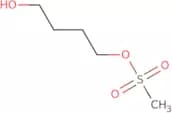
CAS:<p>4-Methanesulfonyloxybutanol is a chemical substance with the molecular formula CH3SO2CH(CH2OH)CH2OH. It is used as an intermediate in the synthesis of 4-methanesulfonyloxybutanol, which is a potent inhibitor of busulfan-induced leukopenia and myelosuppression. This substance has been shown to be highly effective in preventing busulfan-induced side effects when administered intravenously. 4-Methanesulfonyloxybutanol is chemically synthesized by intramolecular alkylation of butanol, followed by hydrolysis. The reaction product can be detected using an ionization detector in conjunction with gas chromatography. This product is an alkylation agent that reacts with polypropylene to produce polypropylene glycols.</p>Formula:C5H12O4SPurity:Min. 95%Color and Shape:LiquidMolecular weight:168.21 g/molIndacaterol impurity 3
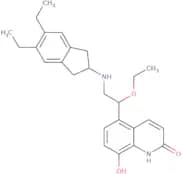
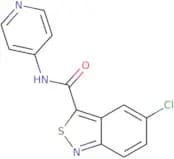
CAS:Indacaterol is a drug product that belongs to the class of drugs known as beta-adrenergic agonists. It is used for the treatment of asthma and COPD. Indacaterol impurity 3 (ID3) is an impurity found in indacaterol, which has been identified as a metabolite of indacaterol. ID3 is not active against bacteria. ID3 has been shown to be synthesized by human liver microsomes and erythrocytes in vitro. ID3 can be purified from indacaterol by HPLC with a purity greater than 99%.Formula:C26H32N2O3Purity:Min. 95%Molecular weight:420.5 g/mol5-Chloro-N-4-pyridinyl-2,1-benzisothiazole-3-carboxamide
CAS:<p>Please enquire for more information about 5-Chloro-N-4-pyridinyl-2,1-benzisothiazole-3-carboxamide including the price, delivery time and more detailed product information at the technical inquiry form on this page</p>Formula:C13H8ClN3OSPurity:Min. 95%Molecular weight:289.74 g/molRemdesivir impurity 8
<p>Remdesivir impurity 8 is a metabolite of remdesivir, a drug product that belongs to the class of synthetic compounds. Remdesivir impurity 8 has been used as a research and development standard for HPLC analysis. It is also used as an impurity standard in pharmacopoeia and drug development. This impurity has shown natural activity in metabolism studies, but it is not known if this activity is due to the compound itself or an artifact from its synthesis.</p>Formula:C30H39N6O8PPurity:Min. 95%Molecular weight:642.64 g/mol5-Oxo pitavastatin
CAS:<p>5-Oxo pitavastatin is a research and development drug product that is synthesized by custom synthesis. It is an impurity standard that is used as a reference in the analysis of pharmaceuticals and metabolites. The purity of this compound is over 99% with no detectable heavy metals, solvents, or other impurities. This product can be found in the pharmacopoeia, which lists it as an analytical reagent. 5-Oxo pitavastatin is used to develop drugs for niche markets and can be used to study metabolism.</p>Formula:C25H22FNO4Purity:Min. 95%Color and Shape:PowderMolecular weight:419.45 g/molRemdesivir related compound 9
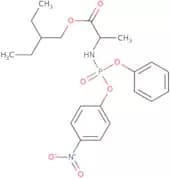
CAS:<p>Remdesivir related compound 9 is a drug product that is an analytical standard. It is a natural API impurity, which has been synthesized for use as an impurity standard. This compound has been custom synthesized to be used as a research and development chemical. CAS No. 1439900-56-7 is the number of this synthetic drug product. It can be used in HPLC standards and it meets pharmacopoeia requirements for purity. The niche market for this compound is high purity analytical standards, including HPLC standards.</p>Formula:C21H27N2O7PPurity:Min. 95%Molecular weight:450.42 g/molN-4,5[Acetylamino)methyl]desmopressin
<p>N-4,5[Acetylamino)methyl]desmopressin is a synthetic drug product that is used as an analytical standard for the identification and quantitation of desmopressin in pharmaceutical preparations. It is also used as an impurity standard for HPLC analysis. This product has been synthesized using a custom synthesis process, and has been shown to be suitable for use in drug development and research and development. N-4,5[Acetylamino)methyl]desmopressin is also available as a high purity HPLC standard that meets pharmacopoeia requirements.</p>Purity:Min. 95%6-Benzoyl-2,3-dihydro-1H-pyrrolizine-1-carboxylic acid, racemic
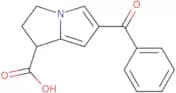
CAS:<p>6-Benzoyl-2,3-dihydro-1H-pyrrolizine-1-carboxylic acid, racemic is a drug product that is used as an analytical standard in the development of new drugs. It is also used to study the metabolism of drugs. 6BPDC has been shown to inhibit bacterial growth by binding to DNA and RNA, thereby preventing transcription and replication. This metabolite can be synthesized in the laboratory.</p>Formula:C15H13NO3Purity:Min. 95%Molecular weight:255.27 g/molSulfo-Cy 3 carboxylic acid
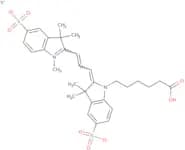
CAS:<p>Sulfo-Cy 3 carboxylic acid is a synthetic fluorescent dye that emits green light and has a fluorescence quantum yield of 0.7. It is prepared via the reaction of benzindole with 4-sulfonyl chloride in the presence of triethylamine and recrystallization from ethyl acetate. The emission wavelength can be tuned by varying the substituents on the indole ring, and it is stable with water solubility.</p>Formula:C30H35KN2O8S2Purity:Min. 95%Molecular weight:654.8 g/molThromboxane A2 potassium salt
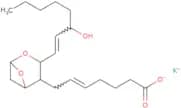
CAS:<p>Please enquire for more information about Thromboxane A2 potassium salt including the price, delivery time and more detailed product information at the technical inquiry form on this page</p>Formula:C20H31KO5Purity:Min. 95%Molecular weight:390.6 g/molAnastrozole dimer impurity
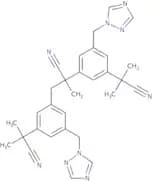
CAS:<p>Anastrozole is an aromatase inhibitor that has been used in the treatment of breast cancer. It binds competitively to the heme moiety of aromatase, blocking its access to substrate and thereby inhibiting estrogen production. Anastrozole dimer impurity is an analytical impurity found in drug products that is not a natural component of the API (active pharmaceutical ingredient). CAS No. 1216898-82-6 refers to this impurity standard as well as other synthetic analogues. This impurity is a custom synthesis with no pharmacopoeia standards for purity. The HPLC standard for this product is high purity (99%).</p>Formula:C30H31N9Purity:Min. 95%Molecular weight:517.63 g/molDecladinose roxithromycin
CAS:<p>Decladinose roxithromycin is a novel drug that can be used for the diagnosis and treatment of disorders related to the mutation. Decladinose roxithromycin has been shown to be effective in the detection and treatment of mutants, such as those related to cystic fibrosis.</p>Formula:C33H62N2O12Purity:Min. 95%Molecular weight:678.85 g/molCp-66713 mesylate
CAS:<p>Cp-66713 mesylate is a synthetic drug product with a molecular formula of C17H19NO2 and a molecular weight of 269.34. It has the following CAS number: 91896-58-1. The purity of this compound is >99% (HPLC).</p>Formula:C15H10ClN5Purity:Min. 95%Molecular weight:295.72 g/molOxybutynin EP impurity A
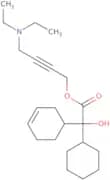
CAS:<p>Oxybutynin EP impurity A is a metabolite of oxybutynin, an antispasmodic drug. It has been shown to have immunomodulatory effects in a rat model of adjuvant arthritis. Oxybutynin EP impurity A is the major metabolite of oxybutynin and has been shown to be pharmacologically active in humans.</p>Purity:Min. 95%Omeprazole Impurity 65
<p>Impurity 65 is an impurity of Omeprazole, a drug used to treat gastroesophageal reflux disease and peptic ulcer. Impurity 65 is a metabolite of Omeprazole that can be found in the drug product at a concentration up to 0.5%. It has been shown to have anti-inflammatory effects and can be used as a research and development standard for HPLC analysis. Impurity 65 is also used as an impurity standard in the USP pharmacopoeia and other pharmacopoeias around the world.</p>Formula:C17H17N3O4Purity:Min. 95%Molecular weight:327.33 g/molDha-paclitaxel
CAS:<p>Dha-paclitaxel is a synthetic, natural, and pharmacopoeia impurity standard. It is used as an analytical reference in HPLC to measure paclitaxel content. Dha-paclitaxel may be present in the drug product as a metabolite of paclitaxel. This impurity can be found in the urine or feces of patients who have received paclitaxel therapy.</p>Formula:C69H81NO15Purity:Min. 95%Molecular weight:1,164.40 g/molPolyethylene glycol monoisotridecyl ether
CAS:<p>Polyethylene glycol monoisotridecyl ether (PEG-DTAE) is a polymer that can be used as an antimicrobial agent. It is active against Gram-positive bacteria but not against Gram-negative bacteria. PEG-DTAE has anti-angiogenic effects, which may be due to its ability to inhibit the growth of new blood vessels and thereby prevent the spread of infection. In vitro assays have shown that PEG-DTAE can induce cell lysis and hemolysis in test samples. PEG-DTAE has been shown to have hemolytic activity in vivo in rats, with histology sections showing inflammation and necrosis in the spleen and liver. This polymer also causes symptoms such as fever, chills, rigors, and hypotension in patients with chronic renal failure who are undergoing dialysis.</p>Formula:C30H62O10Purity:Min. 95%Molecular weight:582.8 g/mol6,7-Dimethoxy-2-[4-[(tetrahydro-2-furanyl)carbonyl]-1-piperazinyl]-4(3H)-quinazolinone
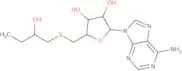
CAS:<p>6,7-Dimethoxy-2-[4-[(tetrahydro-2-furanyl)carbonyl]-1-piperazinyl]-4(3H)-quinazolinone is a drug product. It is an analytical standard for the impurity of CAS No. 1177261-73-2. This compound has been synthesized by custom synthesis and its purity is high. The compound has been used in research and development of drugs, pharmacopoeia, HPLC standards, and other related fields.</p>Formula:C19H24N4O5Purity:Min. 95%Molecular weight:388.42 g/mol5'-S-(4-Hydroxybutyl)-5'-thio-adenosine
CAS:Please enquire for more information about 5'-S-(4-Hydroxybutyl)-5'-thio-adenosine including the price, delivery time and more detailed product information at the technical inquiry form on this pageFormula:C14H21N5O4SPurity:Min. 95%Molecular weight:355.42 g/mol(+)-Anatoxin A hydrochloride
CAS:<p>(+)-Anatoxin A hydrochloride is a tumor inhibitor that has medicinal properties for the treatment of cancer. It is an analog of protein kinase inhibitors and works by inhibiting kinases in cancer cells, leading to apoptosis or programmed cell death. (+)-Anatoxin A hydrochloride has been shown to be effective against Chinese hamster ovary cells and human tumor cell lines. This drug also has potential as an anticancer agent due to its ability to induce apoptosis in cancer cells. Additionally, it has been found in urine samples of patients with bladder cancer and may serve as a diagnostic marker for this disease. Overall, (+)-Anatoxin A hydrochloride shows great promise as a potent and selective kinase inhibitor with potential therapeutic applications for the treatment of cancer.</p>Formula:C10H16ClNOPurity:Min. 95%Molecular weight:201.69 g/mol2-Acetoxy-1,4-naphthoquinone
CAS:2-Acetoxy-1,4-naphthoquinone is a potent inhibitor of kinases and has shown to have anticancer properties. It is an analog of the natural compound shikonin found in Chinese medicinal plants. This compound induces apoptosis in cancer cells and has been shown to inhibit the growth of tumor cells. 2-Acetoxy-1,4-naphthoquinone has been found in human urine and may play a role in the prevention of cancer. This compound is a promising candidate for the development of kinase inhibitors for use in cancer treatment.Formula:C12H8O4Purity:Min. 95%Molecular weight:216.19 g/molCis-ethyl 2-hydroxyimino-3-oxobutyrate
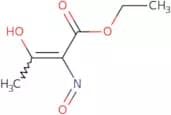
CAS:<p>Cis-ethyl 2-hydroxyimino-3-oxobutyrate is an organic acid that can be used as a reagent for the detection of primary amines and chiral amines. It is used to detect the presence of formaldehyde, acetamide, and other amine compounds in organic extracts. Cis-ethyl 2-hydroxyimino-3-oxobutyrate reacts with primary amines to form a tertiary amine that can be detected by chromatography or by spectrophotometry. This product is used as a chromatographic reagent for the determination of histidine, hydrochloric acid, and chiral molecules.<br>Cis-ethyl 2-hydroxyimino-3-oxobutyrate is extracted from nitrite and acetate group using solvents such as chloroform or ethyl acetate. The extract can then be separated using chromatography methods such as gas chromatography (GC) or</p>Formula:C6H9NO4Purity:Min. 95%Molecular weight:159.14 g/molDespropylrotigotine
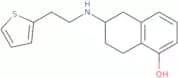
CAS:<p>Despropylrotigotine is a dopamine agonist that is used to treat Parkinson's disease. It is structurally related to rotigotine, which is an active metabolite of the drug. Despropylrotigotine has a long half-life and high potency, making it suitable for once-daily dosing. It has been shown to be well tolerated and effective in clinical trials for the treatment of Parkinson's disease. The pharmacokinetic profile of this drug is similar to that of other drugs in the same class, with despropylrotigotine being able to cross the blood-brain barrier and bind to dopamine receptors in the brain, thereby increasing dopamine levels in Parkinson's patients.</p>Formula:C16H19NOSPurity:Min. 95%Molecular weight:273.4 g/molDienogest Impurity K
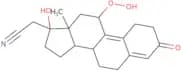
CAS:Controlled Product<p>Dienogest Impurity K is an analytical standard that is used as a reference material for High-performance liquid chromatography. This impurity can be found in the drug product as a result of the synthesis process. Dienogest Impurity K has been assigned the CAS number 106111-43-7 and is soluble in methanol and ethanol. It has been shown to have no pharmacological activity on its own, but there are no reports on its interactions with other drugs.</p>Formula:C20H25NO4Purity:Min. 95%Color and Shape:PowderMolecular weight:343.4 g/molAvanafil impurity 26
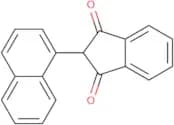
CAS:Avanafil impurity 26 is a metabolite of avanafil that has been synthesized for use as an impurity standard. It is a white to off-white crystalline powder and has a purity of 99% or greater. Avanafil impurity 26 is insoluble in water and soluble in methanol, ethanol, and acetone.Formula:C19H19ClN6O2SPurity:Min. 95%Molecular weight:430.9 g/molNaphthylin
CAS:Naphthylin is an angiotensin inhibitor that has been shown to have anti-cancer properties. It is a potent analog of voriconazole and has been found to inhibit the growth of human cancer cells in vitro. Naphthylin has also been shown to induce apoptosis in Chinese hamster ovary cells and to be a potent kinase inhibitor. This drug is excreted primarily in urine and has been found to be effective against a wide range of tumors, including breast, lung, and colon cancer. Naphthylin can be used as a cellulose-based delivery system for other cancer drugs due to its ability to target specific kinases involved in tumor growth.Formula:C19H12O2Purity:Min. 95%Molecular weight:272.3 g/mol(5S)-5-(Aminomethyl)-3-[3-fluoro-4-(4-morpholinyl)phenyl]-1,3-oxazolidin-2-one
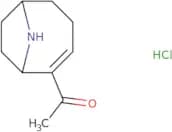
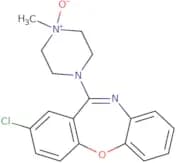
CAS:<p>(5S)-5-(Aminomethyl)-3-[3-fluoro-4-(4-morpholinyl)phenyl]-1,3-oxazolidin-2-one is a molecule with a broad spectrum of antimicrobial activity. It is a potent inhibitor of the enzyme metallo-β-lactamase, which is found in Streptococcus faecalis and other bacteria. This molecule also has antibacterial activity against Streptococcus pyogenes and Staphylococcus aureus. (5S)-5-(Aminomethyl)-3-[3-fluoro-4-(4-morpholinyl)phenyl]-1,3-oxazolidin-2 -one is an amide with mass spectrometric and spectroscopic properties that can be used as analytical methods to identify it in biological samples.</p>Formula:C14H18FN3O3Purity:Min. 95%Color and Shape:Off-White PowderMolecular weight:295.31 g/molLoxapine N-oxide
CAS:<p>Loxapine N-oxide is a metabolite of loxapine. It has been shown that the n-oxide form of loxapine has regulatory effects on the metabotropic glutamate receptor and can be used to treat symptoms of schizophrenia. Loxapine N-oxide has been shown to have antipsychotic effects in vitro. The structural formula for loxapine N-oxide is as follows:</p>Formula:C18H18ClN3O2Purity:Min. 95%Molecular weight:343.8 g/molDescyclopropyl-2-oxopropyl prasugrel
CAS:<p>Descyclopropyl-2-oxopropyl prasugrel is a metabolite of the prodrug prasugrel. It is a synthetic compound that has been shown to have pharmacological activity similar to its parent drug. Descyclopropyl-2-oxopropyl prasugrel has a purity of >98% and is available as an API standard in impurity grade and as custom synthesis. The chemical name for descyclopropyl-2-oxopropyl prasugrel is 2-[4-(4,4,5,5-tetramethyl-[1,3,2]dioxaborolan-2- yl)butoxy]-N-(3S)-(3aR*,8aS*)-octahydroindole-1,3(2H)-dione.</p>Formula:C18H18FNO3SPurity:Min. 95%Molecular weight:347.40 g/molTetrahydro erlotinib
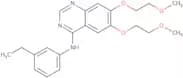
CAS:<p>Tetrahydro erlotinib is a drug product that is used in the treatment of non-small cell lung cancer. Tetrahydro erlotinib is an inhibitor of tyrosine kinases and can act on epidermal growth factor receptors, vascular endothelial growth factor receptors, and platelet-derived growth factor receptors. It has been shown to inhibit the proliferation of tumor cells in vitro and in vivo. Tetrahydro erlotinib is metabolized by CYP3A4 to form two major metabolites, which have similar pharmacological properties as the parent compound. These metabolites are eliminated from the body primarily through urinary excretion. Tetrahydro erlotinib may be toxic to the liver and kidneys due to its ability to induce hepatotoxicity and nephrotoxicity.</p>Formula:C22H27N3O4Purity:Min. 95%Molecular weight:397.5 g/mol6β-Phthalimidopenicillanic acid
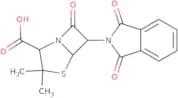
CAS:<p>6β-Phthalimidopenicillanic acid is an analog of penicillin that acts as an inhibitor of cyclin-dependent kinases (CDKs). It has been shown to have potent anticancer activity and induce apoptosis in tumor cells. This medicinal compound specifically targets CDKs, which are important regulators of the cell cycle and have been implicated in cancer development. 6β-Phthalimidopenicillanic acid has been tested in Chinese hamster ovary cells and human cancer cell lines, where it has demonstrated significant inhibition of CDK activity. This inhibitor also exhibits potential as a protein kinase inhibitor, making it a promising candidate for further development as an anticancer agent.</p>Formula:C16H14N2O5SPurity:Min. 95%Molecular weight:346.4 g/molAbacavir 5’-4-chloro-6-methylpyrimidine-2,5-diamine
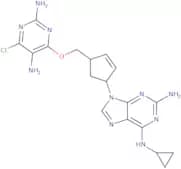
CAS:Abacavir is an antiviral drug that is used to treat HIV/AIDS. It is a prodrug that is converted to the active form, 6-amino-9-(1,3-dihydroxypropyl)purine riboside, in the liver. Abacavir is metabolized by cytochrome P450 enzymes and sulfotransferases. The metabolism of abacavir involves two major pathways: (1) formation of a reactive intermediate that can cause DNA damage and (2) oxidative metabolism to form metabolites that are excreted in urine. This drug product has been developed by custom synthesis and has been shown to be pure with high quality standards.Formula:C18H21ClN10OPurity:Min. 95%Molecular weight:428.9 g/molBis-[[2-[1-methylamino-2-nitroethenamine]ethyl]thio]methane
CAS:<p>Bis-[[2-[1-methylamino-2-nitroethenamine]ethyl]thio]methane is a drug product that has been synthesized for research and development. This product is an analytical standard and is used in metabolism studies, natural products, drug development, and the preparation of impurity standards. The CAS number for this product is 1331637-48-9. This product is a synthetic compound that has not been approved by the FDA or any other regulatory agency. It can be shipped to US destinations only.</p>Formula:C11H22N6O4S2Purity:Min. 95%Molecular weight:366.46 g/mol1-Hydroxy-3-nitrodeamino fingolimod
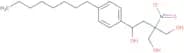
CAS:<p>1-Hydroxy-3-nitrodeamino fingolimod is a drug product that belongs to the class of drugs known as immunosuppressants. It is a synthetic, non-natural compound that belongs to the family of drugs known as sphingosine analogues. The HPLC standard for 1-hydroxy-3-nitrodeamino fingolimod is available and can be used in research and development or analytical studies. This drug has been shown to have niche applications in the treatment of multiple sclerosis, but it is not yet included in any pharmacopoeia.</p>Formula:C19H31NO5Purity:Min. 95%Molecular weight:353.5 g/molProfluazol
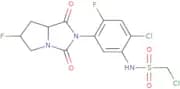
CAS:<p>Profluazol is an inhibitor of protein kinases that has shown potential in the treatment of cancer. This Chinese indole derivative has been found to inhibit the proliferation of leukemia cells and induce apoptosis in tumor cell lines. Profluazol specifically targets kinases involved in the regulation of cell cycle progression, such as cyclin-dependent kinase 2 (CDK2) and mitogen-activated protein kinase (MAPK), leading to a decrease in cancer cell growth. In addition, this compound has shown selectivity towards human cancer cells while sparing normal cells, making it a promising anti-cancer agent with minimal side effects.</p>Formula:C13H11Cl2F2N3O4SPurity:Min. 95%Molecular weight:414.2 g/molN-(5,6-Dichloro-1,4-dihydro-2-quinazolinyl)-2,3-dihydroxypropanamide 2,2,2-trifluoroacetate
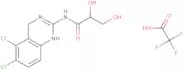
CAS:<p>N-(5,6-Dichloro-1,4-dihydro-2-quinazolinyl)-2,3-dihydroxypropanamide 2,2,2-trifluoroacetate is an analytical reference standard that can be used as a high purity drug product impurity in HPLC. It also has niche application as an API impurity and is a metabolite of the drug quinine.</p>Formula:C13H12Cl2F3N3O5Purity:Min. 95%Molecular weight:418.15 g/molTobramycin impurity 3
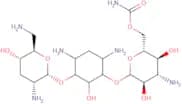
<p>Tobramycin impurity 3 is a natural product that belongs to the class of antibiotics. It is an impurity in the drug tobramycin, which is used for the treatment of respiratory tract infections. Tobramycin impurity 3 has been shown as a major metabolite of tobramycin by HPLC and GC-MS. The chemical structure is not known, but it has been identified as a metabolite based on its similarity to other metabolites. Metabolism studies are required to elucidate the metabolic pathway and identify the enzyme responsible for its formation.</p>Purity:Min. 95%Iso propyl ether aberaterone
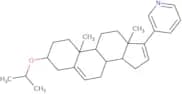
CAS:Controlled ProductIso propyl ether abiraterone is a medicinal compound that has shown promising results in the treatment of cancer. It is an inhibitor of CYP17A1, which is a protein involved in the production of androgens such as testosterone. By inhibiting this protein, iso propyl ether abiraterone can reduce the levels of androgens in the body, which can slow or stop the growth of certain types of cancer cells. This compound has been shown to induce apoptosis (cell death) in cancer cells and has demonstrated anticancer activity in both human and Chinese hamster ovary cell lines. Iso propyl ether abiraterone is an analog of other kinase inhibitors and has potential for use in combination with other anticancer drugs.Formula:C27H37NOPurity:Min. 95%Molecular weight:391.6 g/mol4,4-(1,3,3-Trimethyl-1-propene-1,3-diyl)bisphenol
CAS:<p>4,4-(1,3,3-Trimethyl-1-propene-1,3-diyl)bisphenol is a synthetic compound that is used in the development of pharmaceutical drugs. It is used as an analytical standard for HPLC and is available as a new drug product. 4,4-(1,3,3-Trimethyl-1-propene-1,3-diyl)bisphenol has been shown to be metabolized by CYP 450 enzymes and to be an impurity in API production. 4,4-(1,3,3-Trimethyl-1-propene-1,3-diyl)bisphenol is also found in natural products such as plant leaves and bark.</p>Formula:C18H20O2Purity:Min. 95%Molecular weight:268.30 g/molHydroxy cyclophosphamide semicarbazone-d4
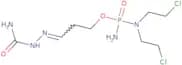
CAS:<p>Hydroxy cyclophosphamide semicarbazone-d4 is an analytical standard used to monitor the purity of a drug product. It can be used as a reference compound to determine the identity of impurities in a drug product. Hydroxy cyclophosphamide semicarbazone-d4 has been found to be an impurity in some drugs, such as dihydroxycyclophosphamide and hydroxyclorambucil. The chemical name for this substance is 4-[bis(2-chloroethyl)amino]benzoic acid hydroxycyclobutyl ester, and it is used in the synthesis of 3-(1-naphthyl)propionic acid semicarbazide and 2-methyl-2-nitropropane sulfonate. Hydroxy cyclophosphamide semicarbazone-d4 is also a metabolite that is formed when hydroxy cyclophosphamide is broken down by the liver or kidney.</p>Formula:C8H18Cl2N5O3PPurity:Min. 95%Molecular weight:334.14 g/molN,N'-Carbonylbis[L-glutamic acid]
CAS:N,N'-Carbonylbis[L-glutamic acid] is a metal chelate that has been used as a fluorescent marker for diagnostic purposes. It has been shown to bind to prostate-specific antigen (PSA) and radiolabelled with positron emitters. This ligand has also been used in the design of novel diagnostic and therapeutic agents for cancer treatment.Formula:C11H16N2O9Purity:Min. 95%Molecular weight:320.25 g/mol(2S,4R)-Fosinopril sodium salt
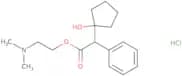
CAS:<p>(2S,4R)-Fosinopril sodium salt is a prodrug that is converted to the active form fosinopril in the body. It is used to treat high blood pressure and heart failure. Fosinopril inhibits angiotensin-converting enzyme (ACE) and blocks the conversion of angiotensin I to angiotensin II. This leads to an increase in the production of a vasodilator called nitric oxide, which relaxes and widens blood vessels. Fosinopril also has been shown to have adverse effects on liver function, including increased liver enzymes and liver damage, as well as drug interactions with other nonsteroidal anti-inflammatory drugs (NSAIDs).</p>Formula:C30H45NNaO7PPurity:Min. 95%Molecular weight:585.64 g/molN,N-Dimethylaminoethyl-a-(1-Hydroxycyclopentyl)phenylacetate hydrochloride
CAS:Controlled Product<p>N,N-Dimethylaminoethyl-a-(1-Hydroxycyclopentyl)phenylacetate hydrochloride (DMAEA) is a drug that is used as an ophthalmic. It has been shown to be safe and effective in patients with chronic open angle glaucoma, and it may also have some efficacy for the treatment of other conditions such as uveitis and retinal detachment. DMAEA is thought to work by binding to the DNA in the eye’s optic nerve cells and blocking the production of leukotrienes. This drug has also been shown to have anti-inflammatory properties.</p>Formula:C17H26ClNO3Purity:Min. 95%Color and Shape:PowderMolecular weight:327.85 g/mol1-[3-(Dimethylamino)propyl]-1-(4-fluorophenyl)-1,3-dihydro-5-isobenzofurancarboxaldehyde oxime
CAS:<p>1-[3-(Dimethylamino)propyl]-1-(4-fluorophenyl)-1,3-dihydro-5-isobenzofurancarboxaldehyde oxime is an impurity in the drug product of 1-[3-(dimethylamino)propyl]-1-(4-fluorophenyl)-1,3-dihydro-5-isobenzofuran. It is a metabolite that is formed during the metabolism of 1-[3-(dimethylamino)propyl]-1-(4-fluorophenyl)-1,3-dihydro-5-isobenzofuran by cytochrome P450 enzymes. The CAS number for this compound is 227954–88–3. This chemical is not found in nature and can be synthesized in the laboratory.</p>Formula:C20H23FN2O2Purity:Min. 95%Molecular weight:342.41 g/molRoflumilast Impurity B
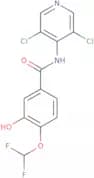
CAS:<p>Roflumilast Impurity B is an oxidative reagent that can be used for the preparation of a variety of organic compounds. It is a white solid that is soluble in organic solvents. Roflumilast Impurity B has been shown to be hepatotoxic, and should only be handled with gloves and lab coat. This material should not come in contact with skin or eyes. In addition, this reagent should not be exposed to light as it may cause photolysis.</p>Formula:C13H8Cl2F2N2O3Purity:Min. 95%Molecular weight:349.12 g/molN-Methyl formoterol fumarate
CAS:<p>N-Methyl formoterol fumarate is a drug product for the treatment of asthma and chronic obstructive pulmonary disease. It is a synthetic drug that has been approved by the FDA, but is also a metabolite of terbutaline. Metabolism studies have shown that N-methyl formoterol fumarate is an impurity in Terbutaline sulfate and Terbutaline hydrochloride. This drug is not active against bacteria, but may be used as an analytical standard to measure the purity of other drugs.</p>Formula:C44H56N4O12Purity:Min. 95%Molecular weight:832.94 g/molSteptonigrin
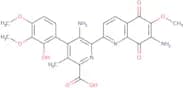
CAS:<p>Streptonigrin is an anticancer drug that is derived from the bacterium Streptomyces flocculus. It has been shown to induce apoptosis in cancer cells by inhibiting various kinases, including cyclin-dependent kinases and protein kinases. Streptonigrin has been found to be effective against a variety of tumors, including those of Chinese hamster ovary cells and human urine-derived cancer cells. This inhibitor analog also has a potent inhibitory effect on tumor growth in vivo.</p>Formula:C25H22N4O8Purity:Min. 95%Molecular weight:506.5 g/mol1-[[4-(3-Methoxypropoxy)-3-methyl-2-pyridinyl]methyl]-2-[[[4-(3-methoxypropoxy)-3-methyl-2-pyridinyl]methyl]thio]-1H-benzimidazole
CAS:<p>1-[[4-(3-Methoxypropoxy)-3-methyl-2-pyridinyl]methyl]-2-[[[4-(3-methoxypropoxy)-3-methyl-2-pyridinyl]methyl]thio]-1H-benzimidazole is a drug product with analytical applications. It has been shown to have natural and synthetic origins, as well as impurities of its own. It is a custom synthesis and research and development compound that is used for HPLC standardization. The compound has been synthesized for the purpose of drug development and it is intended for niche use.</p>Formula:C29H36N4O4SPurity:Min. 95%Molecular weight:536.69 g/molSacubitril Impurity 19
CAS:<p>Sacubitril Impurity 19 is a drug product that is used as an analytical standard for the purity and concentration of sacubitril. It is also used as an impurity in API manufacture. Sacubitril Impurity 19 is a natural metabolite of sacubitril, which is synthesized from the chemical reaction between sacubitril and hydroxypropyl-beta-cyclodextrin. The impurity has been shown to be eliminated through metabolism studies in rats. Sacubitril Impurity 19 can be found at a concentration of up to 0.2% in commercial samples of sacubitril. It may be present at levels up to 10% in medicinal products containing sacubitril.</p>Purity:Min. 95%2,3,3',4',6-Pentachlorobiphenyl
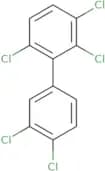
CAS:Controlled Product<p>2,3,3',4',6-Pentachlorobiphenyl (PCB-126) is an inhibitor of tumor growth and cancer cell proliferation. It has been shown to induce apoptosis in Chinese hamster ovary cells and inhibit protein kinase C activity. PCB-126 is an analog of caffeine and has been found in human urine samples. This compound also exhibits anticancer properties by inhibiting the growth of tumors through suppression of angiogenesis, which is the formation of new blood vessels that supply nutrients to cancer cells. Additionally, PCB-126 has been shown to inhibit the secretion of oxytocin, which may contribute to its anticancer effects. Overall, PCB-126 is a potent inhibitor with promising potential for cancer treatment.</p>Formula:C12H5Cl5Purity:Min. 95%Molecular weight:326.4 g/molL-Pyroglutamic acid-13C5
CAS:<p>L-Pyroglutamic acid-13C5 is a drug product that is used as an impurity standard in the synthesis of L-pyroglutamic acid, which is an API for the treatment of various diseases. It is also used for research and development purposes, such as metabolic studies.</p>Formula:C5H7NO3Purity:Min. 95%Molecular weight:134.08 g/molZolmitriptan related compound D
CAS:<p>Zolmitriptan related compound D is a drug product that is an analytical impurity of the active ingredient, zolmitriptan. It is a synthetic compound and has been shown to be metabolized in vivo in humans. The chemical name for Zolmitriptan related compound D is 3-acetyl-5-(4-methoxyphenyl)-1H-indole-2,3-dione. This compound has been shown to have niche pharmacological properties that are not shared with other compounds in the same class, such as zolmitriptan.</p>Formula:C19H25N3O4Purity:Min. 95%Molecular weight:359.42 g/molLolcde-in-1
CAS:Please enquire for more information about Lolcde-in-1 including the price, delivery time and more detailed product information at the technical inquiry form on this pageFormula:C21H20FN3OPurity:Min. 95%Molecular weight:349.4 g/molCyproterone acetate EP Impurity A
CAS:<p>Cyproterone acetate EP Impurity A is a metabolite of cyproterone acetate. Cyproterone acetate is an androgen receptor antagonist drug product which is used in the treatment of prostate cancer and male pattern hair loss. Cyproterone acetate EP Impurity A has been found to be toxic to rats when administered orally, with LD50 values of 40-120 mg/kg, depending on the study. It also has been shown to inhibit hepatic p450 enzymes in rats after oral administration.<br>Cyproterone acetate EP Impurity A is an impurity standard for cyproterone acetate and is available as a pure compound or as a custom synthesis. This impurity can be analyzed using HPLC with UV detection at 210 nm or by GC with flame ionization detection at 230°C. The purity of this compound can be confirmed using NMR spectroscopy, melting point determination, or elemental analysis.END></p>Formula:C24H30O4Purity:Min. 95%Molecular weight:382.5 g/molSalbutamol EP impurity C
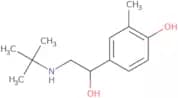
CAS:<p>Salbutamol EP Impurity C is an impurity of Salbutamol EP, which is an active pharmaceutical ingredient. It is a hydrophilic interaction chromatography and reverse-phase high-performance liquid chromatography method that can be used to screen for the presence of impurities in this product. The detection method is based on the use of a diode array detector with a synchronous detection mode. The column used in this screening process is a liquid chromatography column with a particle size of 5 microns and a length of 250 mm, which has been packed with 5% phenyl-95% dimethyl polysiloxane stationary phase. This process requires acetonitrile as the mobile phase, and the detection wavelength ranges from 220 nm to 240 nm.</p>Formula:C13H21NO2Purity:Min. 95%Color and Shape:PowderMolecular weight:223.31 g/molEthyl 4-(2-N-Boc-2-aminoethyl)benzenesulfonamide carbamate
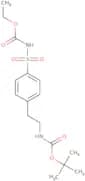
CAS:<p>Please enquire for more information about Ethyl 4-(2-N-Boc-2-aminoethyl)benzenesulfonamide carbamate including the price, delivery time and more detailed product information at the technical inquiry form on this page</p>Formula:C16H24N2O6SPurity:Min. 95%Molecular weight:372.4 g/molNeostige impurity A
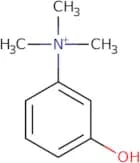
CAS:<p>Neostigmine impurity A is a potent inhibitor of kinases that have been implicated in cancer cell growth and tumor progression. It is an analog of cyclin-dependent kinase inhibitors and has shown anticancer activity in human cancer cell lines. Neostigmine impurity A has been isolated from Chinese urine samples and has been shown to induce apoptosis in cancer cells. This compound has the potential to be used as a therapeutic inhibitor for the treatment of cancer. Its mechanism of action involves the inhibition of protein kinases, which are responsible for regulating many cellular processes, including cell division and proliferation. Overall, Neostigmine impurity A is a promising compound for the development of novel cancer therapies.</p>Formula:C9H14NOPurity:Min. 95%Molecular weight:152.21 g/molMMPI-1154
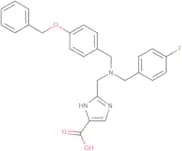
CAS:<p>MMPI-1154 is an analog of a protein kinase inhibitor that has shown promising anticancer activity. It has been found to be effective against various types of cancer cells, including leukemia cells. MMPI-1154 works by inducing apoptosis, or programmed cell death, in cancer cells. It inhibits the activity of certain kinases that are involved in the growth and survival of cancer cells. This inhibitor has been isolated from urine samples of Chinese medicinal plants and shows potential as a tumor growth inhibitor in humans. MMPI-1154 is a promising new class of anticancer drugs that may offer hope for those suffering from cancer.</p>Formula:C26H24FN3O3Purity:Min. 95%Molecular weight:445.5 g/mol3-((3R,4S)-3,4-Dimethylpiperidin-4-yl)phenol
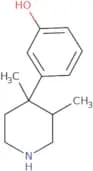
CAS:<p>3-((3R,4S)-3,4-Dimethylpiperidin-4-yl)phenol is a potent inhibitor of cancer cell growth and tumor development. It has been shown to induce apoptosis in human cancer cells by inhibiting kinase activity. This compound is an analog of quetiapine and has anticancer properties. 3-((3R,4S)-3,4-Dimethylpiperidin-4-yl)phenol also exhibits inhibitory effects on somatostatin receptors in Chinese hamster ovary cells. It has been found in urine samples and may have potential as a therapeutic agent for the treatment of cancer. The compound has shown promising results as a kinase inhibitor with potential applications in the development of novel anticancer drugs.</p>Formula:C13H19NOPurity:Min. 95%Molecular weight:205.3 g/molBosentan impurity C
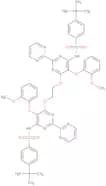
CAS:<p>Bosentan impurity C is a stable crystalline compound that is soluble in organic solvents. It has been identified as an impurity of the drug bosentan, and has been found to be present in the drug at concentrations of up to 0.2%. Bosentan impurity C can be prepared by crystallization from an alkaline solution and can also be obtained as a salt form. The salt form is a dimer that consists of two bosentan molecules linked together by one oxygen atom. Bosentan impurity C is stable under normal conditions and does not undergo any changes when exposed to light or heat. This compound has shown no significant adverse effects on humans who have taken it, with no adverse effects on the kidney, liver, or lungs reported.</p>Formula:C52H52N10O10S2Purity:Min. 95%Molecular weight:1,041.16 g/molN-(N-Benzoyl-L-tyrosyl)-L-alanine-13C6
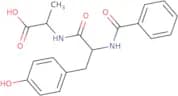
CAS:Please enquire for more information about N-(N-Benzoyl-L-tyrosyl)-L-alanine-13C6 including the price, delivery time and more detailed product information at the technical inquiry form on this pageFormula:C19H20N2O5Purity:Min. 95%Molecular weight:362.33 g/mol9-Cis,13-cis-retinol 15-acetate
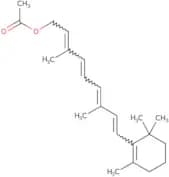
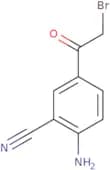
CAS:<p>9-Cis,13-cis-retinol 15-acetate is an impurity in drugs that are used to treat a variety of conditions including psoriasis, acne, and ichthyosis. It has been identified as an impurity in the drug product 9-cis, 13-cis retinoic acid (9CRA) through high performance liquid chromatography (HPLC). It has been found to be a metabolite of 9CRA and is not toxic.</p>Formula:C22H32O2Purity:Min. 95%Molecular weight:328.5 g/mol2-Amino-5-(2-bromoacetyl)benzonitrile hydrobromide
CAS:<p>Please enquire for more information about 2-Amino-5-(2-bromoacetyl)benzonitrile hydrobromide including the price, delivery time and more detailed product information at the technical inquiry form on this page</p>Formula:C9H7BrN2OPurity:Min. 95%Molecular weight:239.07 g/molAzoxystrobin acid
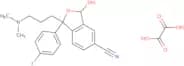
CAS:<p>Azoxystrobin acid is a natural product that is used as an analytical reference material and as an impurity standard. Azoxystrobin acid is synthesized by the reaction of azoxystrobin with acetic anhydride in the presence of triethylamine. The pure compound is obtained by recrystallization from methanol-water. Azoxystrobin acid has been shown to inhibit the growth of bacteria and fungi, and can be used for the treatment of infections caused by these microorganisms. Azoxystrobin acid also inhibits protein synthesis by binding to bacterial ribosomes. It has been shown to have anti-inflammatory properties, which may be due to its inhibition of prostaglandin synthesis.</p>Formula:C21H15N3O5Purity:Min. 95%Molecular weight:389.4 g/mol3-Hydroxy citalopram oxalate
CAS:<p>3-Hydroxy citalopram oxalate (3HCO) is a drug product that is used as an analytical standard and impurity standard. It is synthesized in the laboratory by reacting 3,4-dihydroxyphenylacetic acid with citalopram, followed by esterification with oxalic acid. The purity of the final product is typically >98%.</p>Formula:C22H23FN2O6Purity:Min. 95%Molecular weight:430.4 g/molrac-Clopidogrel carboxylic acid
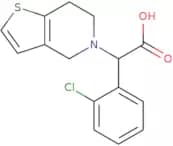
CAS:Clopidogrel is a drug that belongs to the group of antiplatelet agents. It is an inactive prodrug that is metabolized to its active form, clopidogrel glucuronide, by the liver. Clopidogrel carboxylic acid has been shown to be effective in preventing platelet aggregation in humans with type 2 diabetes mellitus and heart disease. This drug does not have any known interaction with other drugs or foods. The major metabolic pathways for clopidogrel carboxylic acid are glucuronidation and oxidation by CYP2C19, which are also the primary routes of elimination. Clopidogrel carboxylic acid undergoes extensive metabolism and is excreted mainly in the urine as glucuronide conjugates.Formula:C15H14ClNO2SPurity:Min. 95%Molecular weight:307.8 g/molEpi-canagliflozin
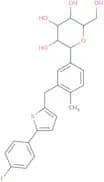
CAS:<p>Epi-canagliflozin is a drug product that is manufactured by HPLC. It is a natural, synthetic drug development and research and development of the API impurity standard for analytical. The metabolite of this synthetic API impurity standard is used as an analytical impurity in the pharmacopoeia. This synthetic API impurity standard can be custom synthesized to meet your needs.</p>Formula:C24H25FO5SPurity:Min. 95%Molecular weight:444.5 g/molDoxorubicin Imp B HBr salt
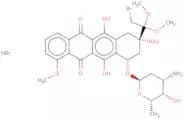
CAS:<p>Doxorubicin Imp B HBr salt is a drug product that is custom synthesized for research and development. It's high purity, analytical, and natural are well suited for pharmacopoeia, drug development, and niche. Doxorubicin Imp B HBr salt has been shown to be metabolized through a number of metabolic transformations, including hydrolysis by esterases or glucuronidases, oxidation by cytochrome P450 enzymes, reduction by glutathione reductase, or conjugation with glucuronic acid. The CAS No. 148218-14-8 is an impurity standard that can be used in HPLC analysis to determine the purity of Doxorubicin Imp B HBr salt.</p>Formula:C29H34BrNO11BrHPurity:Min. 95%Molecular weight:733.4 g/molrac-Benzyl phenylephrone hydrochloride
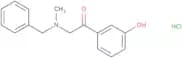
CAS:Controlled Product<p>Rac-Benzyl phenylephrone hydrochloride is a synthetic compound that is not found in nature. It can be used as an analytical standard or a pharmacopoeia impurity standard. Rac-Benzyl phenylephrone hydrochloride has been shown to inhibit the activity of CYP3A4, an enzyme which metabolizes many drugs. As a result, it may be useful for drug development and research and could have applications in niche markets such as natural products.</p>Formula:C16H18ClNO2Purity:Min. 95%Molecular weight:291.77 g/mol
![2-[(4-Chloro-3-methyl-2-pyridinyl)methylthio]-1H-benzimidazole](/_next/image/?url=https%3A%2Fstatic.cymitquimica.com%2Fproducts%2F3D%2Fthumb-webp%2FIC21227.webp&w=3840&q=75)

![N-(Aminosulphonyl)-2-[[[2-[(Aminoiminomethyl)amino]-4-thiazolyl]methylsulphinyl]propanimidamide](/_next/image/?url=https%3A%2Fstatic.cymitquimica.com%2Fproducts%2F3D%2Fthumb-webp%2FIA58086.webp&w=3840&q=75)
![2-[1-[2-Cyclopropyl-1-(2-fluorophenyl)-2-oxoethyl]-4-(methylthio)-3-piperidinylidene]acetic acid](/_next/image/?url=https%3A%2Fstatic.cymitquimica.com%2Fproducts%2F3D%2Fthumb-webp%2FRLB59927.webp&w=3840&q=75)
![5-[[4-[2-(5-Ethyl-2-pyridinyl)ethoxy]phenyl]-methylene]-2,4-thiazolidinedione](/_next/image/?url=https%3A%2Fstatic.cymitquimica.com%2Fproducts%2F3D%2Fthumb-webp%2FIE23114.webp&w=3840&q=75)


![3-[2-[4-(6-Fluoro-2-benzoxazolyl)-1-piperidinyl]ethyl]-6,7,8,9-tetrahydro-2-methyl-4H-pyrido[1,2-a…](/_next/image/?url=https%3A%2Fstatic.cymitquimica.com%2Fproducts%2F3D%2Fthumb-webp%2FIF23377.webp&w=3840&q=75)


![1-[1-(4-Methoxyphenyl)-2-[[2-(4-methoxyphenyl)ethyl]amino]ethyl]cyclohexanol](/_next/image/?url=https%3A%2Fstatic.cymitquimica.com%2Fproducts%2F3D%2Fthumb-webp%2FIM63868.webp&w=3840&q=75)

![N-4,5[Acetylamino)methyl]desmopressin](/_next/image/?url=https%3A%2Fstatic.cymitquimica.com%2Fproducts%2F3D%2Fthumb-webp%2FIA173214.webp&w=3840&q=75)



![6,7-Dimethoxy-2-[4-[(tetrahydro-2-furanyl)carbonyl]-1-piperazinyl]-4(3H)-quinazolinone](/_next/image/?url=https%3A%2Fstatic.cymitquimica.com%2Fproducts%2F3D%2Fthumb-webp%2FID63842.webp&w=3840&q=75)

![(5S)-5-(Aminomethyl)-3-[3-fluoro-4-(4-morpholinyl)phenyl]-1,3-oxazolidin-2-one](/_next/image/?url=https%3A%2Fstatic.cymitquimica.com%2Fproducts%2F3D%2Fthumb-webp%2FIA58038.webp&w=3840&q=75)
![Bis-[[2-[1-methylamino-2-nitroethenamine]ethyl]thio]methane](/_next/image/?url=https%3A%2Fstatic.cymitquimica.com%2Fproducts%2F3D%2Fthumb-webp%2FIB57853.webp&w=3840&q=75)
![N,N'-Carbonylbis[L-glutamic acid]](/_next/image/?url=https%3A%2Fstatic.cymitquimica.com%2Fproducts%2F3D%2Fthumb-webp%2FCMA94152.webp&w=3840&q=75)
![1-[3-(Dimethylamino)propyl]-1-(4-fluorophenyl)-1,3-dihydro-5-isobenzofurancarboxaldehyde oxime](/_next/image/?url=https%3A%2Fstatic.cymitquimica.com%2Fproducts%2F3D%2Fthumb-webp%2FID182715.webp&w=3840&q=75)
![1-[[4-(3-Methoxypropoxy)-3-methyl-2-pyridinyl]methyl]-2-[[[4-(3-methoxypropoxy)-3-methyl-2-pyridin…](/_next/image/?url=https%3A%2Fstatic.cymitquimica.com%2Fproducts%2F3D%2Fthumb-webp%2FIM25351.webp&w=3840&q=75)