APIs for research and impurities
Subcategories of "APIs for research and impurities"
- Aminoacids and derivatives(12,331 products)
- Anthraquinones and derivatives(404 products)
- Benzimidazole and Imidazole Derivatives(10,435 products)
- Benzodiazepine Derivatives(333 products)
- Carbohydrates and glycoconjugates(5,050 products)
- Esters and Derivatives(42,250 products)
- Fatty Acids and Lypidic Derivatives(32,404 products)
- Flavonoids and Polyphenols(17,080 products)
- Free Radicals and Oxidant/Reducing Agents(212 products)
- Ketones and derivatives(2,400 products)
- Natural and semi-synthetic antibiotics(6,373 products)
- Nitriles and Cyano Derivatives(3,068 products)
- Nitrosamines and Derivatives(55 products)
- Nucleosides and Nucleotides(3,470 products)
- Organic Phosphates and Phosphonates(1,199 products)
- Organic Sulphonates and Sulphates(10,430 products)
- Organometallics(4,421 products)
- Others(6,297 products)
- Peptides and Proteins(3,143 products)
- Polymers and Derivatives(100 products)
- Purines and Pyrimidine Derivatives(8,934 products)
- Quinazoline and Quinoline Derivatives(65,945 products)
- Quinones and Derivatives(24,357 products)
- Salts and Derivatives of Active Pharmaceutical Ingredients (API)(80,718 products)
- Steroids and Derivatives(4,946 products)
- Sulfonamides and Derivatives(2,587 products)
- Terpenoids and Derivatives(3,843 products)
- Thiazolidinediones and Thiopyrans(2,753 products)
- β-Adrenergic Compounds(230 products)
Found 58070 products of "APIs for research and impurities"
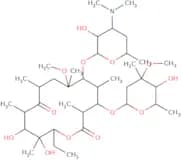
Clarithromycin-N-methyl-d3
CAS:Controlled ProductPlease enquire for more information about Clarithromycin-N-methyl-d3 including the price, delivery time and more detailed product information at the technical inquiry form on this pageFormula:C38H66D3NO13Purity:Min. 95%Molecular weight:750.97 g/molBrexpiprazole impurity 3
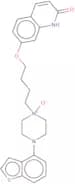
CAS:Brexpiprazole impurity 3 is a drug product that has been custom synthesized for research purposes. The purity of this product is high and it has been analyzed using analytical methods. This product can be used to study the metabolism of brexpiprazole, which is an atypical antipsychotic medication. Brexpiprazole impurity 3 also has pharmacopoeia standards, which can be used to develop new drugs or as a quality control standard in research and development.Formula:C25H27N3O3SPurity:Min. 95%Molecular weight:449.57 g/molCarbidopa impurity F
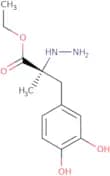
CAS:Controlled ProductCarbidopa is an impurity of the drug L-DOPA, which is used as a treatment for Parkinson's disease. Carbidopa is a prodrug that is converted to L-DOPA by decarboxylase, an enzyme in the body. The conversion process can be inhibited by the presence of carbidopa impurity F (CIF), which binds to carboxamides and forms a stable complex with them. This prevents CIF from binding to decarboxylase and blocking its ability to convert carbidopa into L-DOPA. CIF has been shown to have anti-parkinsonian effects by reducing the severity of symptoms associated with Parkinson's disease such as muscular rigidity and tremors.Formula:C12H18N2O4Purity:Min. 95%Color and Shape:PowderMolecular weight:254.28 g/mol(R)-4-Chloro-3-hydroxy butanamide
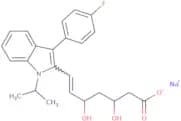
CAS:The 4-chloro-3-hydroxy butanamide is a white crystalline powder that is soluble in water, ethanol, and chloroform. It has an analytical purity of 99.5% and a research and development purity of 99.0%. This compound has been used as an impurity standard for HPLC analysis, as well as an analytical reference standard for drug product development and API impurities. The chemical formula is C7H10ClNO2 with a molecular weight of 164.24 g/mol. CAS No. 226213-72-5. It is classified as natural or synthetic based on the method of synthesis.Formula:C4H8ClNO2Purity:Min. 95%Molecular weight:137.56 g/molRel-(3R,5R)-fluvastatin sodium
CAS:Rel-(3R,5R)-fluvastatin sodium is an impurity standard of fluvastatin that is used in the development of new drugs. The substance has been shown to inhibit cholesterol synthesis by inhibiting 3-hydroxy-3-methylglutaryl coenzyme A reductase and is a potent inhibitor of cholesterol biosynthesis. Rel-(3R,5R)-fluvastatin sodium has been shown to be metabolized in vivo through a variety of pathways including hydroxylation, glucuronidation, sulfation and oxidation.Formula:C24H25FNNaO4Purity:Min. 95%Molecular weight:433.4 g/mol3-[2-[4-(2,4-Difluorobenzoyl)piperidin-1-yl]ethyl]-2-methyl-6,7,8,9-tetrahydro-pyrido[1,2-a]pyrimidin-4-one
CAS:Roflumilast is a drug used to treat chronic obstructive pulmonary disease. It is also used to treat inflammatory bowel diseases, such as Crohn's disease and ulcerative colitis. Roflumilast inhibits the enzyme cytochrome P450 in the liver, which is responsible for metabolizing certain drugs and other substances. This inhibition reduces the metabolism of these substances, leading to increased levels of these substances in the body. This can lead to side effects such as nausea, vomiting, dizziness, headache, and itching. Roflumilast also has an anti-inflammatory effect on the intestines by regulating the production of inflammatory cytokines and inhibiting the activity of pro-inflammatory enzymes.
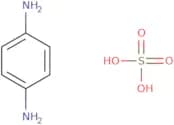
Formula:C23H27F2N3O2Purity:Min. 95%Molecular weight:415.48 g/mol1,4-Phenylenediamine sulfate
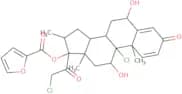
CAS:1,4-Phenylenediamine sulfate is an inhibitor that has been used in medicinal research for its potential to inhibit cancer cell growth. It is an analog of natural inhibitors found in urine and has been shown to induce apoptosis in cancer cells. This compound inhibits the activity of protein kinases, which are enzymes involved in regulating cell cycle progression and proliferation. Studies have shown that 1,4-Phenylenediamine sulfate can be effective against leukemia and Chinese hamster ovary tumor cells. Its potential as a therapeutic agent for the treatment of cancer is being explored further through ongoing research.Formula:C6H10N2O4SPurity:Min. 95%Molecular weight:206.22 g/mol6β-Hydroxy mometasone furoate
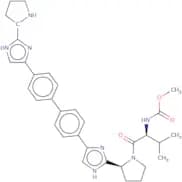
CAS:6β-Hydroxy mometasone furoate is a synthetic glucocorticoid that has high potency and receptor activity. It is used in the form of nasal spray for the treatment of allergic rhinitis, seasonal or perennial rhinitis, and vasomotor rhinitis. 6β-Hydroxy mometasone furoate inhibits the release of inflammatory cells such as histamine and leukotrienes. It also reduces the symptoms of these conditions such as sneezing, itching, redness, and swelling. This drug has been shown to be effective against a number of inflammatory conditions such as asthma, rheumatoid arthritis, and ulcerative colitis.Formula:C27H30Cl2O7Purity:Min. 95%Molecular weight:537.4 g/molMonodes(N-carboxymethyl)valine daclatasvir-d3
CAS:Monodes(N-carboxymethyl)valine daclatasvir-d3 is a drug product that is a metabolite of daclatasvir. It is an analytical standard for the determination of daclatasvir in human plasma and urine. Monodes(N-carboxymethyl)valine daclatasvir-d3 has been shown to be a natural metabolite of daclatasvir, which is derived from the hydrolysis of the ester bond between valine and N-carboxymethylated valine. This product can be used as an impurity standard for HPLC analysis.Formula:C33H36D3N7O3Purity:Min. 95%Molecular weight:584.73 g/mol2-Hydroxy levamisole
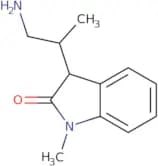
CAS:2-Hydroxy levamisole is a metabolite of Levamisole that is used as an analytical standard for the determination of Levamisole in HPLC. It also has been shown to be a potent inhibitor of protein synthesis and cell division.
Formula:C11H12N2OSPurity:Min. 95%Molecular weight:220.29 g/molAtorvastatin lactam methyl ester
CAS:Atorvastatin lactam methyl ester is a drug product that is used as an analytical standard for HPLC. It has a purity of 98-99%. It is a natural product, which can be found in plants and animals. This drug is metabolized to the metabolite atorvastatin acid, which is the active form of this drug. Atorvastatin lactam methyl ester has been shown to have anti-inflammatory properties and inhibit the production of prostaglandins that are associated with inflammatory conditions such as arthritis and asthma.Formula:C34H37FN2O6Purity:Min. 95%Molecular weight:588.70 g/molCis-10,11-dihydroxy-10,11-dihydrocarbamazepine
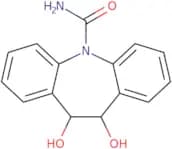
CAS:Cis-10,11-dihydroxy-10,11-dihydrocarbamazepine is a drug that is used to treat epilepsy. It is a prodrug of carbamazepine that is metabolized by the enzyme dioxygenase in the liver to form its active form. Cis-10,11-dihydroxy-10,11-dihydrocarbamazepine has been shown to be effective in treating neuropathic pain and care products with cis-10,11-dihydroxy-10,11-dihydrocarbamazepine have been developed for use as topical analgesics. Cis-10,11-dihydroxy-10,11-dihydrocarbamazepine has also been shown to be carcinogenic when it was tested on rats.Formula:C15H14N2O3Purity:Min. 95%Molecular weight:270.28 g/molOlsalazine sodium impurity B
Olsalazine sodium impurity B is a synthetic compound that is used in the production of Olsalazine sodium. It is one of the metabolites of olsalazine and has been found to be more potent than olsalazine sodium. Olsalazine sodium impurity B is purified by HPLC and characterized by analytical methods such as UV, IR, melting point, NMR, and mass spectrometry. Impurity standard for this compound has not been established yet.Formula:C14H10N2O6Purity:Min. 95%Molecular weight:302.24 g/molMometasone Furoate EP Impurity J
Mometasone Furoate EP Impurity J is a natural, non-synthetic impurity found in the drug product Mometasone Furoate EP. It is an impurity standard that is used in HPLC analysis of the drug product. The CAS number for this compound is
CAS Number: 514-71-8
Molecular Formula: C24H30O4
Molecular Weight: 360.48
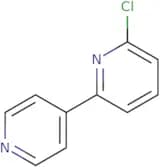
Synonyms: Mometasone Furoate EP Impurity J;5α-pregna-1,4-diene-3,20 dione, 16-[(6-chloro-3-pyridinyl)oxy]-11β,17α,21-(epoxy)-
Impurity Standard for Mometasone Furoate EPPurity:Min. 95%Esomeprazole impurity 17
Esomeprazole impurity 17 is a drug product that is an analytical standard. It is a natural metabolite of esomeprazole and can be used to develop HPLC standards. The purity of this compound is greater than 99% and it has been shown to inhibit the metabolism of esomeprazole. Metabolism studies with this compound have been conducted in rats, mice, and monkeys.Formula:C26H30N4O5SPurity:Min. 95%Molecular weight:510.61 g/molTalopram hydrochloride
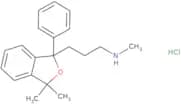
CAS:Talopram hydrochloride is an antiviral drug that inhibits the enzyme phospholipase A2 and the viral enzyme protease. It is used to treat a variety of nervous system disorders, including Parkinson's disease and Alzheimer's disease, as well as certain cancers. The mechanism of action of Talopram hydrochloride is not fully known, but it may be due to its inhibition of phospholipases and proteases in the body. This drug interacts with polymorphic variants in some individuals, affecting bioavailability and metabolization. It also interacts with other drugs by forming conjugates or being transformed into metabolites that are more polar than the original molecule. In addition, this drug can cause liver disorders when taken with other drugs that are processed by the liver.Formula:C20H26ClNOPurity:Min. 95%Molecular weight:331.9 g/molDesacetylvinblastine
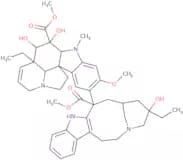
CAS:Controlled ProductDesacetylvinblastine is a natural product that has been shown to have potent antitumor activity and antiangiogenic properties. It has been used as a diagnostic agent in vitro assays for the detection of platinum-resistant ovarian cancer. Desacetylvinblastine also binds to P-glycoprotein, an efflux pump protein which is expressed on cancer cells and is responsible for removing chemotherapeutic drugs from the cell. This compound has been shown to inhibit angiogenesis and tumor growth in mouse models.Formula:C44H56N4O8Purity:Min. 95%Molecular weight:768.9 g/molDes[(5-ethyl-2-pyridinyl)ethyl] pioglitazone dimer ether impurity
CAS:Des[(5-ethyl-2-pyridinyl)ethyl] pioglitazone dimer ether impurity is a research and development impurity standard. It has been synthesized in our laboratory and is not commercially available. Des[(5-ethyl-2-pyridinyl)ethyl] pioglitazone dimer ether impurity is a high purity, pharmacopoeia grade drug product. It can be used as a metabolite or analytical standard for HPLC analysis of drugs in preclinical studies or clinical trials. The CAS number for this compound is 1391052-15-5. Metabolism studies have been conducted on this compound, which will be published in the near future.Formula:C20H16N2O5S2Purity:Min. 95%Molecular weight:428.50 g/mol(R)-N4-(3-Chloro-4-fluorophenyl)-7-(tetrahydrofuran-3-yloxy)quinazoline-4,6-diamine
CAS:(R)-N4-(3-Chloro-4-fluorophenyl)-7-(tetrahydrofuran-3-yloxy)quinazoline-4,6-diamine is a drug product that is custom synthesized. It has an analytical purity of 99.2% and a natural purity of 97%. Metabolism studies have been performed with this substance. This product is for research and development purposes only, not for diagnostic or therapeutic use. (R)-N4-(3-Chloro-4-fluorophenyl)-7-(tetrahydrofuran-3-yloxy)quinazoline-4,6-diamine is manufactured in accordance with the pharmacopoeia and can be used as a metabolite standard or impurity standard.Formula:C18H16ClFN4O2Purity:Min. 95%Molecular weight:374.8 g/mol(S)-3-Hexyl-5,6-dihydro-6-undecyl-2H-pyran-2-one
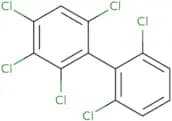
CAS:(S)-3-Hexyl-5,6-dihydro-6-undecyl-2H-pyran-2-one is a natural metabolite that is used for the analytical standardization of HPLC. It is also used in research and development for drug development and as an impurity in pharmaceuticals. This compound has a purity of 99% and a CAS number of 130676-64-1. (S)-3-Hexyl-5,6-dihydro-6-undecyl-2H-pyran-2one is synthesized from 2,4,5,7 tetrahydrobenzofuran.Formula:C22H40O2Purity:Min. 95%Molecular weight:336.55 g/mol2,2',3,4,6,6'-Hexachlorobiphenyl
CAS:2,2',3,4,6,6'-Hexachlorobiphenyl is an analog of polychlorinated biphenyls (PCBs), which are toxic pollutants that have been widely used in industrial applications. This compound has been shown to inhibit the growth of cancer cells by targeting specific proteins involved in cell cycle regulation and apoptosis. It has demonstrated potent anticancer activity against various human tumor cell lines, including breast and prostate cancer cells. 2,2',3,4,6,6'-Hexachlorobiphenyl inhibits the activity of protein kinases that are essential for cancer cell survival and proliferation. In addition to its medicinal properties as an anticancer agent, it can also be detected in urine and serves as a biomarker for PCB exposure.
Formula:C12H4Cl6Purity:Min. 95%Molecular weight:360.9 g/mol2-Acetoxy-1,4-naphthoquinone
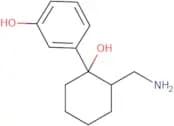
CAS:2-Acetoxy-1,4-naphthoquinone is a potent inhibitor of kinases and has shown to have anticancer properties. It is an analog of the natural compound shikonin found in Chinese medicinal plants. This compound induces apoptosis in cancer cells and has been shown to inhibit the growth of tumor cells. 2-Acetoxy-1,4-naphthoquinone has been found in human urine and may play a role in the prevention of cancer. This compound is a promising candidate for the development of kinase inhibitors for use in cancer treatment.Formula:C12H8O4Purity:Min. 95%Molecular weight:216.19 g/mol(+)-o-Desmethyl-N,N-bisdesmethyl tramadol
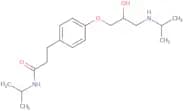
CAS:(+)-o-Desmethyl-N,N-bisdesmethyl tramadol is a synthetic opioid analgesic. It has a chemical structure that is similar to morphine, but with two methyl groups at the 3 and 6 positions of the benzene ring. (+)-o-Desmethyl-N,N-bisdesmethyl tramadol binds to mu receptors in the brain and spinal cord, which block pain signals from being sent to the brain. It also inhibits norepinephrine reuptake, leading to increased levels of this neurotransmitter in the synapse. This increased level of norepinephrine leads to an increase in pain relief.Formula:C13H19NO2Purity:Min. 95%Molecular weight:221.29 g/molEsmolol isopropyl amine hydrochloride
CAS:Esmolol is a drug product that has been developed for the treatment of cardiac arrhythmias. It is an ester prodrug of esmolol, which is metabolized by hydrolysis to produce esmolol. Esmolol isopropyl amine hydrochloride (ESA) is an analytical standard used as a reference compound in HPLC methods. ESA is an impurity standard for API esmolol and CAS number 83356-59-6. Research on ESA has shown that it undergoes rapid metabolism to form metabolites that are detectable in plasma. Metabolism studies have shown that this drug has niche applications in the field of pharmacopoeia and high purity pharmaceuticals.Formula:C18H28N2O3·HClPurity:Min. 95%Molecular weight:322.44 g/molHydroxythio acetildenafil
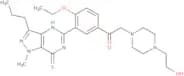
CAS:Hydroxythio acetildenafil is a synthetic drug product with CAS No. 1159977-47-5. It is used as an analytical standard for the examination of Metabolism studies, Natural, API impurity, Custom synthesis, Impurity standard, and Synthetic drugs. Hydroxythio acetildenafil can be custom synthesized in order to meet the needs of Drug development, Research and Development, niche markets, and High purity requirements. This product is also used as an HPLC standard in pharmacopoeia.Formula:C25H34N6O3SPurity:Min. 95%Molecular weight:498.6 g/molDha-paclitaxel
CAS:Dha-paclitaxel is a synthetic, natural, and pharmacopoeia impurity standard. It is used as an analytical reference in HPLC to measure paclitaxel content. Dha-paclitaxel may be present in the drug product as a metabolite of paclitaxel. This impurity can be found in the urine or feces of patients who have received paclitaxel therapy.
Formula:C69H81NO15Purity:Min. 95%Molecular weight:1,164.40 g/mol(1R,2S,6R,7S)-4-[[(1R,2S)-2-[[4-(1,2-Benzothiazol-3-yl)piperazin-1-yl]methyl]cyclohexyl]methyl]-4-azatricyclo[5.2.1.02,6]decane-3,5- dione
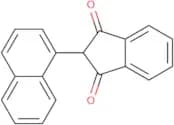
CAS:Controlled Product(1R,2S,6R,7S)-4-[[(1R,2S)-2-[[4-(1,2-Benzothiazol-3-yl)piperazin-1-yl]methyl]cyclohexyl]methyl]-4-azatricyclo[5.2.1.02,6]decane-3,5- dione is a drug product for use in human and animal health. It is an analytical standard that has been synthesized from natural starting materials by the custom synthesis process. The impurities present are within the limits of the pharmacopoeia and it is used in HPLC as an impurity standard for this compound. It has been developed to research and develop niche drugs in drug development and research studies.Formula:C28H36N4O2SPurity:Min. 95%Molecular weight:492.7 g/molNaphthylin
CAS:Naphthylin is an angiotensin inhibitor that has been shown to have anti-cancer properties. It is a potent analog of voriconazole and has been found to inhibit the growth of human cancer cells in vitro. Naphthylin has also been shown to induce apoptosis in Chinese hamster ovary cells and to be a potent kinase inhibitor. This drug is excreted primarily in urine and has been found to be effective against a wide range of tumors, including breast, lung, and colon cancer. Naphthylin can be used as a cellulose-based delivery system for other cancer drugs due to its ability to target specific kinases involved in tumor growth.Formula:C19H12O2Purity:Min. 95%Molecular weight:272.3 g/molN-Methyl-N-(3-chloropropyl)homoveratrylamine
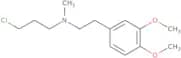
CAS:N-Methyl-N-(3-chloropropyl)homoveratrylamine is a chlorinated alkylating agent that has been shown to accumulate in the myocardium. It is an anaesthetic that can be recycled and used as a nutrient. N-Methyl-N-(3-chloropropyl)homoveratrylamine binds to DNA, which blocks the synthesis of RNA and protein. This drug has been demonstrated to have antiarrhythmic effects, but it is not effective against cardiac arrhythmias caused by digitalis or hypoxia. N-Methyl-N-(3-chloropropyl)homoveratrylamine also has an antagonist effect on the central nervous system and may be useful for treating convulsions.Formula:C12H19NO2·HClPurity:Min. 95%Molecular weight:245.75 g/mola,a,a',a'-Tetramethyl-5-(dibromomethyl)-1,3-benzenediacetonitrile
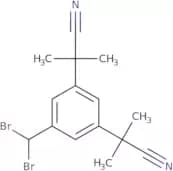
CAS:Tetramethyl-1,3-benzenediacetonitrile is a synthetic chemical that is used as an impurity in the synthesis of pharmaceuticals. It can be found in drug products and is used as an analytical standard for HPLC analysis. Tetramethyl-1,3-benzenediacetonitrile can also be found in natural sources such as plants and fungi. The metabolite has been studied for its metabolism and pharmacological properties. Tetramethyl-1,3-benzenediacetonitrile is not regulated by any pharmacopoeia standards.Formula:C15H16Br2N2Purity:Min. 95%Molecular weight:384.11 g/mola-Ribavirin (impurity B)
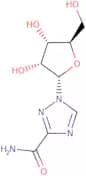
CAS:Controlled ProductRibavirin is an antiviral drug that inhibits the synthesis of RNA and DNA. It is used to treat human immunodeficiency virus (HIV) infection, hepatitis B, and influenza A. Ribavirin is a nucleoside analog that acts as an antimetabolite by inhibiting acid synthesis in the host cell and therefore blocking viral replication. Ribavirin has been shown to inhibit dna viruses like herpes simplex virus type 1 and 2, as well as RNA viruses like influenza A and respiratory syncytial virus. Ribavirin also binds to the ribonucleotide reductase enzyme, which is necessary for the production of deoxyribonucleotides from ribonucleotides during DNA synthesis, thereby interfering with DNA replication.Formula:C8H12N4O5Purity:Min. 95%Molecular weight:244.2 g/molEstriol trisulfate-ammonium salt
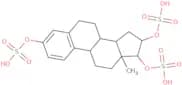
CAS:Estriol trisulfate-ammonium salt is a potent anticancer agent that has been shown to inhibit tumor growth and induce apoptosis in cancer cells. This compound is derived from urine and acts as an inhibitor of kinases, which are proteins involved in the regulation of cell growth and division. Estriol trisulfate-ammonium salt is an analog of quetiapine, a drug used to treat schizophrenia and bipolar disorder. It has been found to be effective against various types of cancer in Chinese hamster ovary cells and human tumor cell lines. The compound works by inhibiting the activity of specific kinases involved in cancer cell proliferation, making it a promising candidate for targeted cancer therapy.Formula:C18H24O12S3Purity:Min. 95%Molecular weight:528.6 g/mol4-(2-Hydroxy-3-isopropylaminopropoxy)benzoic acid 2-hydroxyethyl ester
CAS:4-(2-Hydroxy-3-isopropylaminopropoxy)benzoic acid 2-hydroxyethyl ester is a synthetic drug product that can be used as an HPLC standard. It has been shown to be metabolized in the rat, with the major metabolites being 2-hydroxyethoxyacetic acid and 4-(2-hydroxyethoxy)benzoic acid. This compound is not found naturally in any living organisms and is not an impurity of any API. The purity of this compound is >98%.Formula:C15H23NO5Purity:Min. 95%Molecular weight:297.35 g/mol(2E,5R)-7-[(1S,2S,6R,8S,8aR)-8-(2,2-Dimethyl-1-oxobutoxy)-1,2,6,7,8,8a-hexahydro-2,6-dimethyl-1-naphthalenyl]-5-hydroxy-2-heptenoic acid sodium salt
CAS:(2E,5R)-7-[(1S,2S,6R,8S,8aR)-8-(2,2-Dimethyl-1-oxobutoxy)-1,2,6,7,8,8a-hexahydro-2,6-dimethyl-1-naphthalenyl]-5-hydroxy-2-heptenoic acid sodium salt is a synthetic drug product. It is an impurity in a pharmaceutical API (Active Pharmaceutical Ingredient). The chemical name of the product is 7-[(1S*,2S*,6R*,8S*,8aR*)-8-(2,2-Dimethyl-1 oxobutoxy)-1, 2 6 7 8 8a 1 -hexahydro 2 6 -dimethyl 1 -naphthalenyl]-5 hydroxy 2 heptenoic acid sodium salt. It has the following CAS Number: 39Formula:C25H37NaO5Purity:Min. 95%Molecular weight:440.55 g/mol3-[2-[4-(6-Fluoro-1,2-benzisoxazol-3-yl)-1-piperidinyl]ethyl]-7,8-dihydro-2-methyl-4H-pyrido[1,2-a]pyrimidine-4,9(6H)-dione
CAS:3-[2-[4-(6-Fluoro-1,2-benzisoxazol-3-yl)-1-piperidinyl]ethyl]-7,8-dihydro-2-methyl-4H-pyrido[1,2-a]pyrimidine-4,9(6H)-dione is a research and development impurity standard. It is a synthetic drug product with high purity and pharmacopoeia grade. 3-[2-[4-(6-Fluoro-1,2-benzisoxazol-3-yl)-1 piperidinyl]ethyl]-7,8 dihydro 2 methyl 4 H pyrido [ 1 , 2 - a ] pyrimidine 4 9 ( 6 H ) dione has CAS No. 118951665 1 and is an analytical standard for HPLC analysis. 3-[2-[4-(6 Fluoro 1 , 2 benzisoxFormula:C23H25FN4O3Purity:Min. 95%Molecular weight:424.47 g/mol[1,1'-Biphenyl]-2'-(2H-tetrazol-5-yl)-4-carboxylic acid, [1,1'-biphenyl]-(2'-(2H-tetrazol-5-yl)-4-yl)methyl ester
CAS:Biphenyl-2'-(2H-tetrazol-5-yl)-4-carboxylic acid, [1,1'-biphenyl]-(2'-(2H-tetrazol-5-yl)-4-yl)methyl ester is a research and development impurity standard. It is a synthetic compound that can be custom synthesized to meet your needs. The product is available in high purity and pharmacopoeia grade. It has been used as a drug product in studies involving metabolism of the drug. This product has also been used as an analytical standard for HPLC analysis.Formula:C28H20N8O2Purity:Min. 95%Molecular weight:500.51 g/molRosuvastatin impurity B
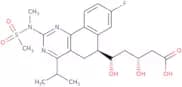
CAS:Rosuvastatin impurity B is a hydrophilic impurity with a molecular weight of 716.8 that is found in the formulation of rosuvastatin. It is an analyte that can be detected by liquid chromatography and interacts with metformin, one of the analytes in the analysis. The calibration curve for this impurity was generated by adding ammonium formate to the mobile phase at different concentrations and measuring its interaction with rosuvastatin. The validation of this method was done by injecting samples containing known amounts of rosuvastatin impurity B and comparing the results to those obtained from the calibration curve. This method has a flow rate of 1 mL/min, which is sufficient for analyzing compounds that are eluted at low concentrations.Formula:C22H27FN3O6S·NaPurity:Min. 95%Molecular weight:503.52 g/molDesloratadine N-carboxylic acid methyl ester
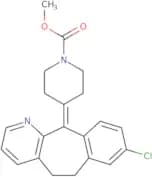
CAS:Desloratadine N-carboxylic acid methyl ester is an impurity in the drug product, Desloratadine. The chemical name for this impurity is desloratadine N-carboxylic acid methyl ester. This product can be found in the Metabolism studies section of our catalog under natural products. Desloratadine N-carboxylic acid methyl ester is a custom synthesis with a purity level of 99%. It is used as an analytical standard and has been shown to have similar retention times as the CAS No. 165740-03-4 reference standard.
Formula:C21H21ClN2O2Purity:Min. 95%Molecular weight:368.9 g/molTriacontanol
CAS:Triacontanol is a medicinal compound that has been shown to have inhibitory activity against cancer cells, particularly breast cancer. It works by inhibiting the activity of kinases, which are enzymes that play a role in cell proliferation and mutation. Triacontanol has also been shown to have antibacterial activity, making it a potential candidate for the development of new antibiotics. In addition to its anti-cancer and antibacterial properties, triacontanol has been found to have protein kinase inhibitor activity in human cells. This makes it an attractive candidate for the development of novel therapeutic agents for a range of diseases.
Formula:C30H62OPurity:Min. 95%Molecular weight:438.8 g/molPaliperidone E-oxime
CAS:Paliperidone E-oxime is used as a reference standard to calibrate impurities in drug products, and as an analytical reference standard. Paliperidone E-oxime is also used in the synthesis of other drugs. Paliperidone E-oxime has a CAS number of 1388021-46-2 and a molecular weight of 395.37 g/mol.
Formula:C23H28F2N4O3Purity:Min. 95%Molecular weight:446.50 g/mol(S)-Phenylephrine hydrochloride
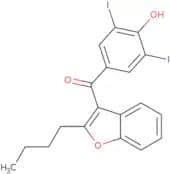
CAS:(S)-Phenylephrine hydrochloride is a chiral sulfate salt of phenylephrine that is used as a bronchodilator. It has been shown to inhibit cell growth in the presence of sulfate and has been studied for its effects on the respiratory cycle. The compound was also investigated for possible use in treating liver cancer and showed promising results. Chromatograms of hepg2 cells, human liver cells, and liquid chromatography lysates revealed the presence of salbutamol, which is a metabolite of (S)-phenylephrine hydrochloride.Formula:C9H14ClNO2Purity:Min. 95%Molecular weight:203.67 g/mol2-Butyl-3-(3,5-diiodo-4-hydroxybenzoyl)benzofuran
CAS:2-Butyl-3-(3,5-diiodo-4-hydroxybenzoyl)benzofuran is a benzofuran. It is a yellow solid that can be dissolved in water and alcohol.Formula:C19H16I2O3Purity:Min. 95%Molecular weight:546.14 g/molELOVL6-IN-1
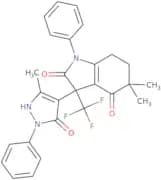
CAS:Please enquire for more information about ELOVL6-IN-1 including the price, delivery time and more detailed product information at the technical inquiry form on this pageFormula:C27H24F3N3O3Purity:Min. 95%Molecular weight:495.5 g/mol(+/-)-Pronethalol
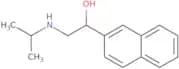
CAS:Pronethalol is a non-steroidal anti-inflammatory drug (NSAID) that has been shown to be effective against primary sclerosing cholangitis and chronic inflammatory bowel disease. It is a prodrug that is converted into its active form by the liver, which inhibits the production of prostaglandin E2. Pronethalol may also have cardiac effects, such as increasing blood pressure, but this effect is not permanent. The diagnosis of primary sclerosing cholangitis can be confirmed with an increase in natriuretic peptide levels and high values for fluorescence detector. Long-term efficacy of pronethalol has been demonstrated in some cases. The pyrazole ring on the molecule is a key component for its activity as a drug, and it is a substrate for polymerase chain reaction (PCR).
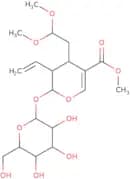
Formula:C15H19NOPurity:Min. 95%Molecular weight:229.32 g/molSecologanin acetal
CAS:Secologanin acetal is a lonicerae japonicae schisandrae fruit extract that is used in traditional Chinese medicines. It has been shown to have anti-inflammatory, anti-tumor, and antiviral activities. Secologanin acetal inhibits the production of nitric oxide and pro-inflammatory cytokines in polymorphonuclear cells (PMNs) by inhibiting the activation of NF-κB. Structural formula:Formula:C19H30O11Purity:Min. 95%Molecular weight:434.4 g/molFexofenadine Impurity F
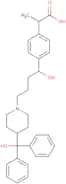
CAS:Impurity F is a metabolite of Fexofenadine. It is an impurity that can be found in the drug product and is used as a research and development standard for impurities. Impurity F has been shown to be a metabolite of Fexofenadine in human liver microsomes, and this metabolite has also been shown to have antihistamine properties. This impurity is used as a pharmacopoeia reference standard for HPLC analysis of fluoroquinolones, but it does not have any therapeutic value.
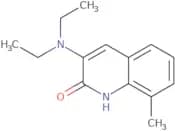
Formula:C31H37NO4Purity:Min. 95%Molecular weight:487.6 g/mol3-(Diethylamino)-8-methyl-2(1H)-quinolinone
CAS:Please enquire for more information about 3-(Diethylamino)-8-methyl-2(1H)-quinolinone including the price, delivery time and more detailed product information at the technical inquiry form on this pageFormula:C14H18N2OPurity:Min. 95%Molecular weight:230.31 g/mol(2R,2R,Trans)-saxagliptin
CAS:(2R,2R,Trans)-saxagliptin is a drug product that is synthesized using natural ingredients. It is a custom synthesis and has high purity. The CAS number for this compound is 1564266-03-0. (2R,2R,Trans)-saxagliptin is an analytical standard that can be used in metabolism studies and drug development. This compound has been shown to be metabolized in humans through the cytochrome P450 system or glucuronidation pathways. Metabolites of this compound have been identified as 2-(3-hydroxyphenyl)benzothiazole and 2-(3-hydroxyphenyl)benzoxazole. Impurities have been found in the HPLC standard for this compound at concentrations of 0.0025%.Formula:C18H25N3O2Purity:Min. 95%Molecular weight:315.40 g/mol1-[4-[4-(2,3-Dichlorophenyl)piperazin-1-yl]butyl]-7-hydroxy-1,2,3,4-tetrahydro-carbostyril
CAS:1-[4-[4-(2,3-Dichlorophenyl)piperazin-1-yl]butyl]-7-hydroxy-1,2,3,4-tetrahydro-carbostyril (1HHC) is a synthetic drug that is used as a research tool in the study of metabolism. It has been shown to be metabolized through a number of metabolic transformations, including hydrolysis by esterases or glucuronidases, oxidation by cytochrome P450 enzymes, reduction by glutathione reductase, or conjugation with glucuronic acid. 1HHC also specifically binds to markers expressed at high levels in Mycobacterium tuberculosis strains (e.g., ESX-1 secretion system protein) and inhibits cell growth in culture.Formula:C23H29Cl2N3O2Purity:Min. 95%Molecular weight:450.40 g/mol(5aR,10aR)-Tetrahydro-3H,5H,8H,10H-bisthiazolo[3,4-a:3',4'-d]pyrazine-5,10-dione
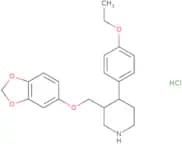
CAS:(5aR,10aR)-Tetrahydro-3H,5H,8H,10H-bisthiazolo[3,4-a:3',4'-d]pyrazine-5,10-dione is a drug product that is an impurity standard for the API (Active Pharmaceutical Ingredient) 5α-tetrahydrospiro[benzofuran-1(3H),2'(3'H)]pyrido-[2,1'-cyclohexan]-6β,7β-(1'H)-dione. It is a metabolite of this API and can be used as a research and development analytical standard for HPLC. The CAS number for this compound is 72744-67-3. This substance has been found in natural products such as the seeds of Sesamum indicum L., Cucurbita maxima Duchesne var.Formula:C8H10N2O42S2Purity:Min. 95%Molecular weight:870.29 g/molrac-Trans-4-defluoro-4-ethoxy paroxetine hydrochloride
CAS:Rac-trans-4-defluoro-4-ethoxy paroxetine hydrochloride is a drug product and an analytical standard. It can be used in the study of metabolism and natural products. Rac-trans-4-defluoro-4-ethoxy paroxetine hydrochloride is also an impurity standard in the synthesis of 4-(trans, trans)-4-(2,6 difluorobenzoyl)paroxetine hydrochloride. Rac-trans-4-defluoro-4-ethoxy paroxetine hydrochloride is a racemic mixture with a purity of 99%.Formula:C21H26ClNO4Purity:Min. 95%Molecular weight:391.9 g/molTaiwanin C
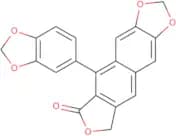
CAS:Taiwanin C is an analog of dabigatran, a potent inhibitor of kinases that has been shown to have anticancer properties. It has been found to inhibit the growth of tumor cells in vitro and in vivo, inducing apoptosis and reducing protein expression. Taiwanin C has also shown promising results in inhibiting the activity of various kinases involved in cancer cell proliferation and survival. This compound is derived from Chinese herbal medicine and can be detected in urine after administration. Its potential as an anticancer agent makes it a promising area for further research into new cancer therapies.
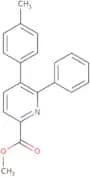
Formula:C20H12O6Purity:Min. 95%Molecular weight:348.3 g/molMethyl 6-phenyl-5-(p-tolyl)picolinate
CAS:Methyl 6-phenyl-5-(p-tolyl)picolinate is a metabolite that is produced when the drug phenacetin (acetanilide) is broken down in the body. It has been used as a standard for HPLC, as well as an impurity in certain drugs. This compound has been shown to be a nicotinic acetylcholine receptor agonist, and it has been used to study the pharmacological properties of this receptor.Formula:C20H17NO2Purity:Min. 95%Molecular weight:303.4 g/molcis-4-[[[(1,1-Dimethylethoxy)carbonyl]amino]methyl]-cyclohexanecarboxylic acid
CAS:Cis-4-[[[(1,1-Dimethylethoxy)carbonyl]amino]methyl]-cyclohexanecarboxylic acid is a tert-butyl derivative of cis-4-[(dimethylamino)methyl]-cyclohexanecarboxylic acid. It has been shown to interact with plasmin and inhibit both the enzymatic activity and the binding of plasmin to its substrates. Cis-4-[(dimethylamino)methyl]-cyclohexanecarboxylic acid interacts with the side chain of the amino group in plasmin's active site, which is different from other known inhibitors. This compound has also been shown to inhibit urokinase and picolyl plasminogen activator (PPA).Formula:C13H23NO4Purity:Min. 95%Molecular weight:257.33 g/mol1,4-Di-2-furoylpiperazine
CAS:1,4-Di-2-furoylpiperazine is a synthetic compound that has been shown to have anti-inflammatory and analgesic properties. It was originally developed as a pharmaceutical drug candidate for the treatment of arthritis and other inflammatory disorders. 1,4-Di-2-furoylpiperazine is an impurity in the synthesis of the drug product diclofenac. The compound is also found as a metabolite in humans after oral administration of diclofenac. 1,4-Di-2-furoylpiperazine binds to protein and inhibits protein synthesis by preventing amino acid incorporation into proteins. It also has nicotinic effects on acetylcholine binding sites and can be used as an analytical standard for HPLC analysis of drugs containing this molecule.Formula:C14H14N2O4Purity:Min. 95%Molecular weight:274.27 g/molFluorometholone delta 9,11
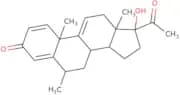
CAS:Controlled ProductFluorometholone delta 9,11 is a drug product that is used as an analytical reference standard for the quantitative determination of impurities in drugs. It is a natural metabolite and impurity in synthetic drugs such as fluoroquinolones and corticosteroids. Fluorometholone delta 9,11 has been shown to be a substrate for CYP3A4 and P-glycoprotein. This drug has also been shown to have anti-inflammatory effects and may decrease the risk of infection by suppressing neutrophil function.Formula:C22H28O3Purity:Min. 95%Molecular weight:340.46 g/molBeperidium iodide
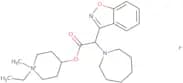
CAS:Beperidium iodide is a diagnostic agent that is used to identify the presence of glycerides and fatty acids in the skin through electrical impedance measurements. It has been shown to be effective for implanting in fatty tissue, including the nasal area. Beperidium iodide is a polyvalent ionic preparation that contains magnesium, pharmaceutical grade excipients, and fatty acid esters. This drug is usually formulated as a cream or ointment, which can be applied topically to the desired site.Formula:C23H34IN3O3Purity:Min. 95%Molecular weight:527.4 g/molClindamycin phosphate EP impurity G
Clindamycin phosphate EP impurity G is a metabolite of clindamycin that can be found in the urine of patients taking clindamycin. It is a white to off-white crystalline solid with a melting point of about 205°C. Clindamycin phosphate EP impurity G has been used as an analytical reference standard for clindamycin, and it is also used as a synthetic intermediate in the drug development process. The CAS number for this compound is 719-72-4.
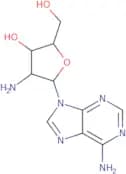
Formula:C18H33N2O8PSPurity:Min. 95%Molecular weight:468.5 g/mol2-Amino-2-deoxy-β-arabinofuranosyladenine
CAS:2-Amino-2-deoxy-beta-arabinofuranosyladenine is an impurity standard for the synthesis of 2,6-diaminopurine. It is a synthetic compound that can be used to study metabolism. 2-Amino-2-deoxy-beta-arabinofuranosyladenine is a metabolite of nucleosides and nucleotides. It has been shown to have anti-inflammatory properties in animal models. 2,6-Diaminopurine protects the liver from oxidative stress by modulating glutathione biosynthesis and providing sulfur to the cell.Formula:C10H14N6O3Purity:Min. 95%Molecular weight:266.26 g/mol2-[3,5-Dichloro-4-(4-chlorobenzoyl)phenyl]-1,2,4-triazine-3,5(2H,4H)-dione
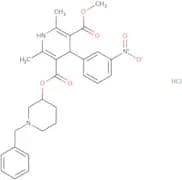
CAS:2-[3,5-Dichloro-4-(4-chlorobenzoyl)phenyl]-1,2,4-triazine-3,5(2H,4H)-dione is a research and development impurity standard. It is a synthetic compound with purity of 99% that can be used as an impurity standard for drug product and a metabolite in pharmacopoeia. 2-[3,5-Dichloro-4-(4-chlorobenzoyl)phenyl]-1,2,4-triazine-3,5(2H,4H)-dione has been used in metabolism studies to demonstrate the formation of 2-[3,5-dichloro-4-(4-fluorobenzoyl)phenyl]-1,2,4-triazine 3,5(2H, 4H)-dione.Formula:C16H8Cl3N3O3Purity:Min. 95%Molecular weight:396.6 g/mol(+)-α-Benidipine hydrochloride
CAS:(+)-α-Benidipine hydrochloride is a medicinal compound that acts as an inhibitor of kinases, which are proteins involved in various cellular processes. It has been shown to have anticancer properties by inducing apoptosis, or programmed cell death, in cancer cells. (+)-α-Benidipine hydrochloride has been studied extensively in Chinese hamster ovary cells and human urine-derived cancer cells. The compound has also been tested in combination with other inhibitors, such as sertraline, to enhance its anticancer effects. Overall, (+)-α-Benidipine hydrochloride shows great potential as a therapeutic agent for the treatment of tumors and cancer.
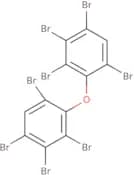
Formula:C28H32ClN3O6Purity:Min. 95%Molecular weight:542 g/molPBDE 197
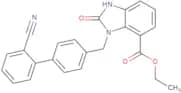
CAS:Controlled ProductPBDE 197 is a medicinal compound that has shown potential as an anticancer agent. It is a kinase inhibitor, which means it blocks certain enzymes that are involved in cell signaling and growth. PBDE 197 has been found to induce apoptosis, or programmed cell death, in human cancer cells. This compound is an analog of other kinase inhibitors and has demonstrated potent inhibitory effects on protein kinases in vitro. In animal studies, PBDE 197 has shown promising results as a tumor growth inhibitor. It is excreted through urine and may have potential as a therapeutic option for cancer patients.Formula:C12H2Br8OPurity:Min. 95%Molecular weight:801.4 g/molAzilsartan cyano-des-1,2,4-oxadiazol-5-ol ketone
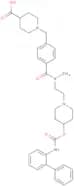
CAS:Azilsartan cyano-des-1,2,4-oxadiazol-5-ol ketone is a compound used in various industrial applications. It is commonly used as an impurity reference standard for quality control purposes. Azilsartan cyano-des-1,2,4-oxadiazol-5-ol ketone has been found to be stable in xylose and methanol solutions and does not show any significant degradation or interaction with these substances. Additionally, it has been observed that Azilsartan cyano-des-1,2,4-oxadiazol-5-ol ketone does not react with glutamate or chamomile extract.Formula:C24H19N3O3Purity:Min. 95%Molecular weight:397.4 g/molDesamino-hydroxy revefenacin
CAS:Please enquire for more information about Desamino-hydroxy revefenacin including the price, delivery time and more detailed product information at the technical inquiry form on this pageFormula:C35H42N4O5Purity:Min. 95%Molecular weight:598.7 g/molAtropine impurity G
Atropine impurity G is a natural metabolite that is found in the body as an impurity of atropine. It is a synthetic drug product that is used as an analytical standard for the quantification of atropine and other drugs. Atropine impurity G has been shown to inhibit metabolism studies, which may be due to its ability to inhibit CYP3A4 activity. This impurity can be detected using HPLC with UV detection.Purity:Min. 95%3,4-Dihydro naratriptan oxalate
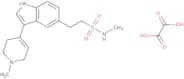
CAS:Please enquire for more information about 3,4-Dihydro naratriptan oxalate including the price, delivery time and more detailed product information at the technical inquiry form on this page
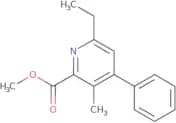
Formula:C19H25N3O6SPurity:Min. 95%Molecular weight:423.5 g/mol6-Ethyl-3-methyl-4-phenyl-2-pyridinecarboxylic acid methyl ester
CAS:6-Ethyl-3-methyl-4-phenyl-2-pyridinecarboxylic acid methyl ester is a synthetic molecule that is used as an impurity standard in the manufacture of drug product. 6EMPA has been shown to be a metabolite of the drug clindamycin and can be found in human plasma and urine. 6EMPA has also been shown to have anti-inflammatory properties. This compound is sold by us as a research grade material for use in HPLC standards, pharmacopoeia, and custom synthesis.Formula:C16H17NO2Purity:Min. 95%Molecular weight:255.31 g/molDiethatyl
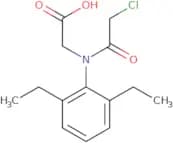
CAS:Diethatyl is an anticancer drug that induces apoptosis in human tumor cells. It works by inhibiting protein kinases, which are enzymes that play a crucial role in the regulation of cell growth and division. Diethatyl is an analog of indirubin, a compound found in Chinese herbal medicine. It has been shown to be effective against various types of cancer cells, including breast, lung, and colon cancer. Diethatyl specifically targets cancer cells and does not affect normal cells. It is a promising new inhibitor in the fight against cancer.Formula:C14H18ClNO3Purity:Min. 95%Molecular weight:283.75 g/molSolifenacin Impurity D
CAS:Solifenacin Impurity D is a synthetic impurity of solifenacin. Solifenacin is an anti-cholinergic drug used to treat overactive bladder and urinary incontinence. The purity of this product is 99%. It is soluble in methanol, ethanol, chloroform, and acetone. Solifenacin Impurity D can be used as a reference material for analytical purposes or as an impurity standard in the development of new drugs.Formula:C31H28N2OPurity:Min. 96 Area-%Color and Shape:White PowderMolecular weight:444.57 g/molRisperidone pyrimidinone-N-oxide(risperidone impurity)
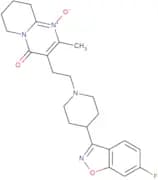
CAS:Risperidone pyrimidinone-N-oxide (ROPN) is a metabolite of risperidone. It is an impurity that is used as a reference standard for HPLC in the drug development process. ROPN can be synthesized from risperidone, but it is also found naturally in some plants and fungi. It has been shown to have anti-inflammatory properties, which may be due to its inhibition of prostaglandin synthesis.
Formula:C23H27FN4O3Purity:Min. 95%Molecular weight:426.5 g/molEsomeprazole impurity 12
Esomeprazole impurity 12 is a drug product that belongs to the class of organic compounds. It is a metabolite of esomeprazole, an API impurity. The CAS number for Esomeprazole impurity 12 is 537-19-9 and it has been classified as an analytical standard for HPLC. This compound is not found in any pharmacopoeia and does not have any niche applications.Formula:C26H30N4O4SPurity:Min. 95%Molecular weight:494.61 g/mol(7-(4-{4-[4-(2,3-Dichlorophenyl)piperazin-1-yl]butoxy}butoxy)-3,4-dihydroquinolin-2(1H)-one)
CAS:7-(4-{4-[4-(2,3-Dichlorophenyl)piperazin-1-yl]butoxy}butoxy)-3,4-dihydroquinolin-2(1H)-one is an analytical reference standard for HPLC. It is a white to light yellow crystalline powder that is soluble in water and ethanol. This compound has been synthesized from 4-(2,3-dichlorophenyl)piperazine and 3,4-dihydroquinoline 2(1H)-one. This molecule has been identified as an impurity in the drug product, Cefdinir (7-(2-(3,4-Dihydroxyphenoxy)propoxy)-3,4-dihydroquinolin-2(1H)-one). The purity of this chemical has been shown to be greater than 99.5% by high performance liquid chromatography (HPLC).
Formula:C27H35Cl2N3O3Purity:Min. 95%Molecular weight:520.50 g/molMethyldiclazuril
CAS:Methyldiclazuril is a synthetic, non-steroidal, anti-inflammatory drug that belongs to the group of diclofenac analogues. Methyldiclazuril is an impurity standard for the pharmacopoeia. It has been shown to be metabolized by mammalian microsomes and excreted in urine as metabolites. Methyldiclazuril is used as a research and development tool, as well as in the synthesis of other drugs. Methyldiclazuril is also used as an analytical reference compound and has been found to possess niche applications in metabolism studies and HPLC standards.Formula:C18H11Cl3N4O2Purity:Min. 95%Molecular weight:421.7 g/mol4-o-Benzyl-3-acetyloxy tyrosol α-acetate
CAS:Please enquire for more information about 4-o-Benzyl-3-acetyloxy tyrosol α-acetate including the price, delivery time and more detailed product information at the technical inquiry form on this pageFormula:C19H20O5Purity:Min. 95%Molecular weight:328.4 g/molIndenestrol-d3
CAS:Indenestrol-d3 is a synthetic, natural or semi-synthetic metabolite of indenestrol. It is an impurity in the drug product and is detectable by HPLC. Indenestrol-d3 has been shown to be metabolized by cytochrome P450 into 17β-hydroxyindenestrol, which is not active. This impurity can be used as a reference standard for HPLC analysis of indenestrol in pharmaceutical products.Formula:C18H18O2Purity:Min. 95%Molecular weight:266.30 g/molBenz[A]anthracene-7-methanol
CAS:Benz[A]anthracene-7-methanol is a cytosolic carcinogen that is metabolized by the liver to form benz[a]anthracene-7,8-epoxide. This metabolite binds to DNA and causes mutations in the genes, which leads to cancer. The hydroxyl group of this compound reacts with epidermal growth factor, causing an increase in the number of liver cells that can cause cancer. Benz[A]anthracene-7-methanol also interacts with reactive oxygen species and stimulates the production of growth factors like epidermal growth factor, which promote skin cell growth. It has been shown that benz[A]anthracene-7-methanol promotes tumorigenesis in CD1 mice and induces tumor formation in rat liver microsomes.Formula:C19H14OPurity:Min. 95%Molecular weight:258.3 g/mol(S)-(-)-2-Aminomethyl-1-ethylpyrrolidine
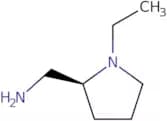
CAS:(S)-(-)-2-Aminomethyl-1-ethylpyrrolidine is a compound that belongs to the class of cyclohexane ring. It has been shown to possess potent anti-infective activity against bacteria and fungi, but not against viruses. It is an inorganic compound that can be synthesized by the chlorination of (S)-(-)-2-aminoethanol. This method is efficient and does not require any organic solvents or catalysts. The binding of inhibitors to the enzyme can be studied by using this molecule as a model system. This molecule also has application as a coating for metal surfaces, which can inhibit corrosion.Formula:C7H16N2Purity:Min. 95%Molecular weight:128.22 g/molRitonavir impurity N
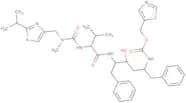
CAS:Ritonavir impurity N is an impurity in Ritonavir, a drug product. It has been shown to have natural origin. Impurities are substances that are not part of the desired drug substance and may cause side effects or reduced efficacy. Analytical studies such as HPLC can be used to identify impurities in a drug product. CAS No. 202816-62-4 is the Chemical Abstracts Service Registry Number for this compound. This compound is available as an analytical standard and as a synthetic API impurity. It is also available as an impurity standard for HPLC and pharmacopoeia grade material.END>Formula:C37H48N6O5S2Purity:Min. 95%Molecular weight:720.9 g/mol2,6-Bis(2-hydroxy-5-bromobenzyl)-4-bromophenol
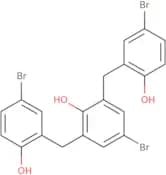
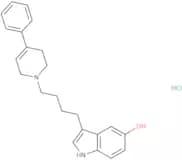
CAS:Please enquire for more information about 2,6-Bis(2-hydroxy-5-bromobenzyl)-4-bromophenol including the price, delivery time and more detailed product information at the technical inquiry form on this pageFormula:C20H15Br3O3Purity:Min. 95%Molecular weight:543 g/molRoxindole hydrochloride
CAS:Roxindole hydrochloride is a synthetic compound that is used to treat bowel disease. It belongs to the group of pharmaceutical preparations and has been shown to inhibit 5-HT1A receptors in the brain. Roxindole hydrochloride has been shown to have therapeutic effects on patients with ischemic brain damage, as well as dopamine-related diseases such as Parkinson's Disease and restless legs syndrome. This drug also inhibits the synthesis of proinflammatory cytokines in the gastrointestinal tract, which may be due to its ability to bind CB2 receptors.Formula:C23H27ClN2OPurity:Min. 95%Molecular weight:382.9 g/molNaftifine-d3 hydrochloride
CAS:Controlled ProductNaftifine-d3 is an analytical standard for HPLC. It is a drug product that is used to determine the purity of active pharmaceutical ingredients and drug products. Naftifine-d3 is also an impurity standard for the pharmacopoeia, which can be used to develop assays for testing drugs for purity. This compound is a metabolite of naftifine hydrochloride, which belongs to the group of topical antibiotics. Naftifine-d3 has been found in natural sources such as plants and fungi. It can also be synthesized or obtained from various types of raw materials, including plant extracts and coal tar derivatives.
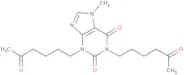
Formula:C21H19D3ClNPurity:Min. 95%Molecular weight:326.88 g/mol3-Desmethyl-3-(5-oxohexyl) pentoxifylline
CAS:Controlled ProductPlease enquire for more information about 3-Desmethyl-3-(5-oxohexyl) pentoxifylline including the price, delivery time and more detailed product information at the technical inquiry form on this pageFormula:C18H26N4O4Purity:Min. 95%Molecular weight:362.4 g/mol6-Hydroxy-4’-tert-butyldimethylsylyl raloxifene-d4
CAS:Please enquire for more information about 6-Hydroxy-4’-tert-butyldimethylsylyl raloxifene-d4 including the price, delivery time and more detailed product information at the technical inquiry form on this page
Formula:C34H41NO4SSiPurity:Min. 95%Molecular weight:591.9 g/molPyrazole N-demethyl sildenafil-d3
CAS:Pyrazole N-demethyl sildenafil-d3 is a synthetic impurity standard for drug development and research. It is used as an analytical reference material for the study of metabolism in humans, animals, and other species. Pyrazole N-demethyl sildenafil-d3 has been shown to inhibit the CYP2C9 enzyme from metabolizing sildenafil, leading to increased plasma levels of active sildenafil.Formula:C21H25D3N6O4SPurity:Min. 95%Molecular weight:463.57 g/mol1-(RS)-1-[4-hydroxy-3-(hydroxymethylphenyl]-2-[(4-phenylbutyl)aminoethanol (salmeterol ep impurity A)
CAS:Salmeterol ep impurity A is an API impurity in the drug product 1-(RS)-1-[4-hydroxy-3-(hydroxymethylphenyl]-2-[(4-phenylbutyl)aminoethanol. It is a synthetic, natural, and pharmacopoeia impurity standard. The CAS number for this compound is 1798014-51-3. Salmeterol ep impurity A has a molecular weight of 255.9 g/mol and chemical formula of C24H30ClNO5.
Formula:C20H25NO4Purity:Min. 95%Molecular weight:343.40 g/molMercaptopurine impurity standard
CAS:Mercaptopurine impurity standard is a drug product that is used as an analytical reference standard in the development of drugs. Mercaptopurine impurity standard is a natural metabolite of 6-mercaptopurine, which is used to treat leukemia and other forms of cancer. It has been shown to have an anti-inflammatory effect, but this has not been confirmed. Mercaptopurine impurity standard is a synthetic compound that is made synthetically for use as an impurity standard. It has also been shown to be metabolized by cytochrome P450 enzymes, glutathione reductase, or conjugation with glucuronic acid. Mercaptopurine impurity standard has been shown to be stable under acidic conditions and heat treatment at temperatures up to 200°C.Purity:Min. 95%N-Carbomethoxyamoxapine
CAS:N-Carbomethoxyamoxapine is an analytical standard and impurity in the synthesis of a drug product. It is a metabolite of amoxapine, which belongs to the group of tricyclic antidepressants. N-Carbomethoxyamoxapine has been used as an analytical standard for HPLC analysis and as a reference material for pharmacopoeia. It is also an impurity in the synthesis of amoxapine and other pharmaceuticals.Formula:C19H18ClN3O3Purity:Min. 95%Molecular weight:371.80 g/molRotogotine EP Impurity J hydrochloride
Rotogotine EP Impurity J is a synthetic drug that is metabolized to produce the active form, rotogotine. Rotogotine is used in the treatment of Parkinson's disease and restless leg syndrome. This impurity standard may be used as a reference for analytical methods such as HPLC or GC.Purity:Min. 95%N-Nitroso N-hydroxy cyclohexanamine
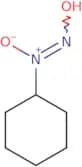
CAS:N-Nitroso N-hydroxy cyclohexanamine is an analog of betamethasone and a potent inhibitor of kinases. It has been shown to have anticancer properties by inducing apoptosis in cancer cells. This compound is excreted in urine and has been studied extensively in Chinese populations for its potential as an anticancer agent. N-Nitroso N-hydroxy cyclohexanamine inhibits the activity of kinases, which are important enzymes involved in cell signaling pathways that regulate cell growth and division. This inhibition leads to the suppression of tumor growth and the induction of apoptosis in cancer cells. Additionally, this compound has been found to be a potent inhibitor of vitamin D receptor (VDR) and may play a role in regulating VDR-mediated gene expression.
Formula:C6H12N2O2Purity:Min. 95%Molecular weight:144.17 g/mol(RS)-Methyl ethyl 1,4-dihydro-2,6-dimethyl-4-(3-nitrophenyl)pyridine-3,5-dicarboxylate - EP Grade
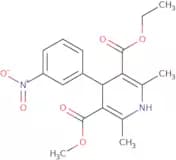
CAS:Propranolol hydrochloride is a non-selective beta-adrenergic blocker that blocks the effects of epinephrine, norepinephrine and dopamine. Propranolol hydrochloride has been shown to inhibit the activity of proximal tubules in the kidney, which may be due to its inhibition of chemical ionization. This drug also has antihypertensive activity and can be used for the treatment of cardiac disorders such as hypertension. Propranolol hydrochloride is a monoclonal antibody that is activated by nitro groups and binds with high affinity to multiple-reaction monitoring (MRM) transitions for protonated molecular ions at m/z 289, 296, 305, 313, 320, 328, 336 and 344. Propranolol hydrochloride also has vasodilatory effects on the papillary muscle which aids in regulating blood pressure by maintaining vascular resistance.Formula:C18H20N2O6Purity:Min. 95%Molecular weight:360.36 g/mol3’,4’-Dimethoxy flurbiprofen
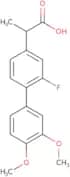
CAS:3’,4’-Dimethoxy flurbiprofen is a synthetic drug product with the molecular formula C17H18O3 and CAS No. 1346601-72-6. It is a metabolite of Ibuprofen, which is an active ingredient in many over-the-counter pain relievers. 3’,4’-Dimethoxy flurbiprofen is used in research and development as a standard for impurity testing and quality control. 3’,4’-Dimethoxy flurbiprofen has also been used as a pharmacopoeia to provide standards for HPLC analysis of ibuprofen metabolites.Formula:C17H17FO4Purity:Min. 95%Molecular weight:304.31 g/molMontelukast dicarboxylic acid
CAS:Controlled ProductMontelukast is a drug product that belongs to the class of drugs called leukotriene receptor antagonists. Montelukast binds to cysteinyl leukotrienes (LTC4, LTD4, LTE4) and prevents their interaction with receptors on the cell surface. It can be used for the treatment of asthma, chronic obstructive pulmonary disease, and other allergic conditions. Montelukast is available in tablet form and is taken orally. Montelukast is not expected to be toxic because it has been shown to have a low incidence of side effects in clinical trials.Formula:C35H34ClNO5SPurity:Min. 95%Molecular weight:616.20 g/mol(S)-(+)-Hydroxy chloroquine diphosphate
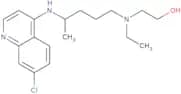
CAS:(S)-(+)-Hydroxy chloroquine diphosphate is a drug that can be used to treat chronic kidney disease. It is a prodrug of hydroxychloroquine, which is also an anti-inflammatory agent. (S)-(+)-Hydroxychloroquine diphosphate has been shown to inhibit the growth of cancer cells in vitro and in vivo by inducing autophagy. This drug inhibits the tyrosine kinase receptor on cancer cells and blocks the downstream signaling pathways that lead to tumor cell proliferation. (S)-(+)-Hydroxychloroquine diphosphate has been shown to have a higher activity than hydroxychloroquine when tested against skin tumors in animals. The liposomal formulation of this drug allows for high concentrations to be achieved at the site of inflammation, making it more effective for treatment of cutaneous lesions.Formula:C18H26ClN3OPurity:Min. 95%Molecular weight:335.9 g/mol[4-(N-Methylpyridinium-4-yl)-1,3-thiazol-2-yl]thiolate
CAS:Please enquire for more information about [4-(N-Methylpyridinium-4-yl)-1,3-thiazol-2-yl]thiolate including the price, delivery time and more detailed product information at the technical inquiry form on this pageFormula:C9H8N2S2Purity:Min. 95%Molecular weight:208.3 g/molRuxoRuxolitinib amidelitinib-amide
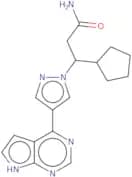
CAS:RuxoRuxolitinib amidelitinib-amide is a drug product that is used in the development of new drugs. This synthetic compound has been shown to have cytotoxic activity in vitro and in vivo against cancer cells. The active metabolite of this drug product, desacetylruxolitinib, has been shown to suppress platelet activation and inhibit the growth of erythrocytes. RuxoRuxolitinib amidelitinib-amide is an impurity standard for analytical purposes and an API impurity. It also has been shown to have pharmacological effects on the liver and kidneys, as well as having toxic effects on red blood cells. RuxoRuxolitinib amidelitinib-amide is not found in any pharmacopoeia because it is a synthetic compound.Formula:C17H20N6OPurity:Min. 95%Molecular weight:324.38 g/mol2-Hydroxy-5-[2-[4-(2-imino-1(2H)-pyridinyl)phenyl]diazenyl]-benzoic acid
CAS:2-Hydroxy-5-[2-[4-(2-imino-1(2H)-pyridinyl)phenyl]diazenyl]-benzoic acid (DPC) is a drug product that is used in pharmaceutical research and development. It is an impurity standard for HPLC analysis. DPC has been shown to be a metabolite of the drug product 2,6-dimethoxy-N-(3-methylphenyl)pyrimidine-4,6-diamine (DMX), which is used in the treatment of cancer. Impurities standards are important for ensuring the quality of drugs and ensuring that they are safe for human use. This product can also be synthesized from commercially available amino acids.Formula:C18H14N4O3Purity:85%MinMolecular weight:334.33 g/mol2-Methoxy-5-methyl-gamma-phenylbenzenepropanol
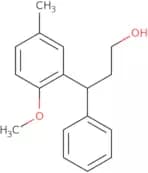
CAS:2-Methoxy-5-methyl-gamma-phenylbenzenepropanol is a synthetic compound that is used as an intermediate in the synthesis of coumarin derivatives. Reaction with sulfonating agents produces sulfones, and reaction with borohydride reagents produces boronates. The synthesis of 2-methoxy-5-methyl-gamma-phenylbenzenepropanol can be accomplished by the reduction of diphenyl ethers with lithium aluminum hydride or borohydride. The reduction can also be carried out using lanthanum oxide and potassium borohydride. The reaction proceeds smoothly at room temperature in nonpolar solvents.
2-Methoxy-5-methyl-gamma-phenylbenzenepropanol reacts with chloride to produce the corresponding chlorides, which are useful intermediates for the synthesis of tolterodine tartrate, a drug used to treat urinary incFormula:C17H20O2Purity:Min. 95%Molecular weight:256.34 g/molN-Boc-(R)-2-(3-thiazolidinylcarbonyl)pyrrolidine
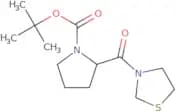
CAS:N-Boc-(R)-2-(3-thiazolidinylcarbonyl)pyrrolidine is a molecule that is used to develop analytical methods. It is a key intermediate in the synthesis of metformin hydrochloride, an anti-diabetic drug. N-Boc-(R)-2-(3-thiazolidinylcarbonyl)pyrrolidine can be used as a surrogate for impurities in pharmaceuticals and other substances. This product can be used to validate analytical methods and has been shown to have high sensitivity. N-Boc-(R)-2-(3-thiazolidinylcarbonyl)pyrrolidine can be synthesized by reacting acetonitrile with melamine, which is an impurity found in products such as milk powder, baby formula, and wheat gluten. The compound is then purified using RP-HPLC.Formula:C13H22N2O3SPurity:Min. 95%Molecular weight:286.39 g/molN-Demethyl pazopanib
CAS:N-Demethyl pazopanib is a synthetic drug that has been researched and developed for the treatment of cancer. It is an impurity standard, custom synthesis, and drug product. Synthetic N-demethyl pazopanib is used in clinical trials as a research and development tool to explore the metabolism of this drug and its metabolites. High purity N-demethyl pazopanib is used as a pharmacopoeia reference material for HPLC analysis in pharmacological studies. The metabolite of N-demethyl pazopanib has been found to be carcinogenic in animal studies. Metabolism studies have shown that N-demethyl pazopanib undergoes extensive hydroxylation and glucuronidation, which are detoxification pathways for xenobiotics in mammals.Formula:C20H21N7O2SPurity:Min. 95%Molecular weight:423.5 g/molN-(3-Trifluoromethylphenyl)-phenylamine
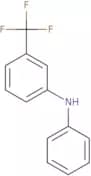
CAS:N-(3-Trifluoromethylphenyl)-phenylamine is a research and development drug product that is used as an analytical impurity standard. It has a CAS number of 101-23-5 and is classified under the trade name 3TFPPA. The chemical formula for N-(3-Trifluoromethylphenyl)-phenylamine is C12H8F3NO. This compound can be synthesized from phenylamine, 3-trifluoromethylaniline, and hydrochloric acid. The molecular weight of this compound is 197.19 g/mol, which falls within the range of 195 to 200 g/mol. N-(3-Trifluoromethylphenyl)-phenylamine can be found in the following pharmacopoeia: USP (United States Pharmacopeia), EP (European Pharmacopoeia), JP (Japanese Pharmacopeia), BPFormula:C13H10F3NPurity:Min. 95%Molecular weight:237.22 g/mol

![3-[2-[4-(2,4-Difluorobenzoyl)piperidin-1-yl]ethyl]-2-methyl-6,7,8,9-tetrahydro-pyrido[1,2-a]pyrimi…](/_next/image/?url=https%3A%2Fstatic.cymitquimica.com%2Fproducts%2F3D%2Fthumb-webp%2FID21865.webp&w=3840&q=75)
![Des[(5-ethyl-2-pyridinyl)ethyl] pioglitazone dimer ether impurity](/_next/image/?url=https%3A%2Fstatic.cymitquimica.com%2Fproducts%2F3D%2Fthumb-webp%2FRFC05215.webp&w=3840&q=75)




![(1R,2S,6R,7S)-4-[[(1R,2S)-2-[[4-(1,2-Benzothiazol-3-yl)piperazin-1-yl]methyl]cyclohexyl]methyl]-4-…](/_next/image/?url=https%3A%2Fstatic.cymitquimica.com%2Fproducts%2F3D%2Fthumb-webp%2FUHA86182.webp&w=3840&q=75)

![3-[2-[4-(6-Fluoro-1,2-benzisoxazol-3-yl)-1-piperidinyl]ethyl]-7,8-dihydro-2-methyl-4H-pyrido[1,2-a…](/_next/image/?url=https%3A%2Fstatic.cymitquimica.com%2Fproducts%2F3D%2Fthumb-webp%2FIF24786.webp&w=3840&q=75)
![[1,1'-Biphenyl]-2'-(2H-tetrazol-5-yl)-4-carboxylic acid, [1,1'-biphenyl]-(2'-(2H-tetrazol-5-yl)-4-…](/_next/image/?url=https%3A%2Fstatic.cymitquimica.com%2Fproducts%2F3D%2Fthumb-webp%2FIB18639.webp&w=3840&q=75)


![1-[4-[4-(2,3-Dichlorophenyl)piperazin-1-yl]butyl]-7-hydroxy-1,2,3,4-tetrahydro-carbostyril](/_next/image/?url=https%3A%2Fstatic.cymitquimica.com%2Fproducts%2F3D%2Fthumb-webp%2FRFC05474.webp&w=3840&q=75)
![(5aR,10aR)-Tetrahydro-3H,5H,8H,10H-bisthiazolo[3,4-a:3',4'-d]pyrazine-5,10-dione](/_next/image/?url=https%3A%2Fstatic.cymitquimica.com%2Fproducts%2F3D%2Fthumb-webp%2FIT145578.webp&w=3840&q=75)
![cis-4-[[[(1,1-Dimethylethoxy)carbonyl]amino]methyl]-cyclohexanecarboxylic acid](/_next/image/?url=https%3A%2Fstatic.cymitquimica.com%2Fproducts%2F3D%2Fthumb-webp%2FID22372.webp&w=3840&q=75)
![2-[3,5-Dichloro-4-(4-chlorobenzoyl)phenyl]-1,2,4-triazine-3,5(2H,4H)-dione](/_next/image/?url=https%3A%2Fstatic.cymitquimica.com%2Fproducts%2F3D%2Fthumb-webp%2FIFA64881.webp&w=3840&q=75)
![(7-(4-{4-[4-(2,3-Dichlorophenyl)piperazin-1-yl]butoxy}butoxy)-3,4-dihydroquinolin-2(1H)-one)](/_next/image/?url=https%3A%2Fstatic.cymitquimica.com%2Fproducts%2F3D%2Fthumb-webp%2FWWC92863.webp&w=3840&q=75)

![Benz[A]anthracene-7-methanol](/_next/image/?url=https%3A%2Fstatic.cymitquimica.com%2Fproducts%2F3D%2Fthumb-webp%2FRAA11013.webp&w=3840&q=75)

![1-(RS)-1-[4-hydroxy-3-(hydroxymethylphenyl]-2-[(4-phenylbutyl)aminoethanol (salmeterol ep impurity…](/_next/image/?url=https%3A%2Fstatic.cymitquimica.com%2Fproducts%2F3D%2Fthumb-webp%2FYWC01451.webp&w=3840&q=75)

![[4-(N-Methylpyridinium-4-yl)-1,3-thiazol-2-yl]thiolate](/_next/image/?url=https%3A%2Fstatic.cymitquimica.com%2Fproducts%2F3D%2Fthumb-webp%2FCHC20746.webp&w=3840&q=75)
![2-Hydroxy-5-[2-[4-(2-imino-1(2H)-pyridinyl)phenyl]diazenyl]-benzoic acid](/_next/image/?url=https%3A%2Fstatic.cymitquimica.com%2Fproducts%2F3D%2Fthumb-webp%2FIH145665.webp&w=3840&q=75)