APIs for research and impurities
Subcategories of "APIs for research and impurities"
- Aminoacids and derivatives(12,331 products)
- Anthraquinones and derivatives(404 products)
- Benzimidazole and Imidazole Derivatives(10,435 products)
- Benzodiazepine Derivatives(333 products)
- Carbohydrates and glycoconjugates(5,047 products)
- Esters and Derivatives(42,250 products)
- Fatty Acids and Lypidic Derivatives(32,401 products)
- Flavonoids and Polyphenols(17,080 products)
- Free Radicals and Oxidant/Reducing Agents(212 products)
- Ketones and derivatives(2,400 products)
- Natural and semi-synthetic antibiotics(6,371 products)
- Nitriles and Cyano Derivatives(3,068 products)
- Nitrosamines and Derivatives(55 products)
- Nucleosides and Nucleotides(3,470 products)
- Organic Phosphates and Phosphonates(1,199 products)
- Organic Sulphonates and Sulphates(10,430 products)
- Organometallics(4,421 products)
- Others(6,295 products)
- Peptides and Proteins(3,143 products)
- Polymers and Derivatives(100 products)
- Purines and Pyrimidine Derivatives(8,934 products)
- Quinazoline and Quinoline Derivatives(65,934 products)
- Quinones and Derivatives(24,356 products)
- Salts and Derivatives of Active Pharmaceutical Ingredients (API)(80,667 products)
- Steroids and Derivatives(4,946 products)
- Sulfonamides and Derivatives(2,587 products)
- Terpenoids and Derivatives(3,843 products)
- Thiazolidinediones and Thiopyrans(2,753 products)
- β-Adrenergic Compounds(230 products)
Found 58049 products of "APIs for research and impurities"
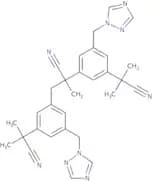
Anastrozole dimer impurity
CAS:Anastrozole is an aromatase inhibitor that has been used in the treatment of breast cancer. It binds competitively to the heme moiety of aromatase, blocking its access to substrate and thereby inhibiting estrogen production. Anastrozole dimer impurity is an analytical impurity found in drug products that is not a natural component of the API (active pharmaceutical ingredient). CAS No. 1216898-82-6 refers to this impurity standard as well as other synthetic analogues. This impurity is a custom synthesis with no pharmacopoeia standards for purity. The HPLC standard for this product is high purity (99%).Formula:C30H31N9Purity:Min. 95%Molecular weight:517.63 g/molTrandolapril acyl-β-D-glucuronide
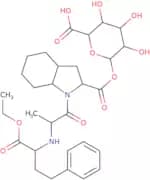
CAS:Trandolapril acyl-β-D-glucuronide (TAPG) is a drug product that is used for research and development. It is a metabolite of the drug trandolapril, which is used for hypertension and heart failure. TAPG has been found to be an impurity in some batches of trandolapril. TAPG has been shown to have the same pharmacological properties as trandolapril, but at a lower dose.Formula:C30H42N2O11Purity:Min. 95%Molecular weight:606.7 g/molIndacaterol impurity 3
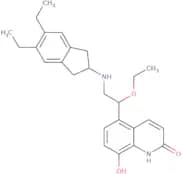
CAS:Indacaterol is a drug product that belongs to the class of drugs known as beta-adrenergic agonists. It is used for the treatment of asthma and COPD. Indacaterol impurity 3 (ID3) is an impurity found in indacaterol, which has been identified as a metabolite of indacaterol. ID3 is not active against bacteria. ID3 has been shown to be synthesized by human liver microsomes and erythrocytes in vitro. ID3 can be purified from indacaterol by HPLC with a purity greater than 99%.Formula:C26H32N2O3Purity:Min. 95%Molecular weight:420.5 g/mol3,3'-Bisdemethylpinoresinol
CAS:3,3'-Bisdemethylpinoresinol is a phenylpropanoid that has been shown to have antioxidant properties. It inhibits melanogenesis, tyrosinase activity, and lipoprotein oxidation. 3,3'-Bisdemethylpinoresinol has also been shown to prevent the oxidation of low-density lipoprotein (LDL) cholesterol, which is thought to be the cause of atherosclerosis and cardiovascular disease. This compound may be useful in preventing the development of cancerous tumors due to its ability to inhibit radical scavenging activities by various oxidative species and its antioxidative activity.
Formula:C18H18O6Purity:Min. 95%Molecular weight:330.33 g/mol1-Cyclopropyl-7-8-difluoro-6-methoxy-4-oxo-1,4-dihydroquinoline-3-carboxylic acid ethyl ester
CAS:1-Cyclopropyl-7-8-difluoro-6-methoxy-4-oxo-1,4-dihydroquinoline-3-carboxylic acid ethyl ester is a research and development impurity standard. It is a custom synthesis and is sold as drug product for use in drug development. 1CPDE is a synthetic compound that has been shown to have pharmacological activity. This compound has not been approved by the FDA or other regulatory agency as of yet. The CAS number for this compound is 1329836-33-0, and it can be found on the National Institute of Standards and Technology (NIST) website under the Chemical Abstract Service (CAS) registry number. 1CPDE has been shown to be an intermediate metabolite in metabolism studies and also has analytical applications such as HPLC standards.
Formula:C16H15F2NO4Purity:Min. 95%Molecular weight:323.29 g/mol1-[1-(4-Methoxyphenyl)-2-[[2-(4-methoxyphenyl)ethyl]amino]ethyl]cyclohexanol
CAS:1-[1-(4-Methoxyphenyl)-2-[[2-(4-methoxyphenyl)ethyl]amino]ethyl]cyclohexanol is a drug product that is used as a standard for HPLC. It is also used in the development of drugs, natural research and development, and analytical studies. The impurity standard is an analytical impurity that has CAS No. 1329795-88-1 and is synthetically made. Metabolism studies have been done to determine how this drug product will be metabolized by the body. This drug product is found naturally in the plant Nicotiana tabacum, but it can also be manufactured synthetically using commercial processes. 1-[1-(4-Methoxyphenyl)-2-[[2-(4-methoxyphenyl)ethyl]amino]ethyl]cyclohexanol has niche uses as it can be used as a pharmacopoeia impFormula:C24H33NO3Purity:Min. 95%Molecular weight:383.52 g/molN-(1-Phenylethyl) ibuprofen amide
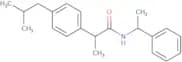
CAS:N-(1-Phenylethyl) ibuprofen amide is a metabolite of ibuprofen. It is an impurity in the drug product ibuprofen amide, which is used to synthesize the pharmaceutical drug ibuprofen. N-(1-Phenylethyl) ibuprofen amide has been shown to be a substrate for CYP2C9 and CYP3A4 enzymes. The compound also inhibits prostaglandin synthesis.Formula:C21H27NOPurity:Min. 95%Color and Shape:PowderMolecular weight:309.4 g/molSulfamethoxypyridazine-d3
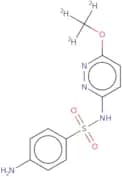
CAS:Controlled ProductSulfamethoxypyridazine-d3 is a compound that has been shown to have anti-trophic and transport properties. It has been shown to be capable of binding with organic pollutants, including benzothiazoles, and has the potential to be used in screening for these compounds. Sulfamethoxypyridazine-d3 has also been shown to inhibit the growth of organisms, such as bacteria and fungi. This compound is not absorbed by humans or animals when administered orally, but can be transferred through skin contact. In vitro studies show that it is not toxic at concentrations of up to 100 μg/mL and does not cause irritation in skin or eye irritation tests.Formula:C11H9D3N4O3SPurity:Min. 95%Molecular weight:283.32 g/mol3-[2-[4-(6-Fluoro-2-benzoxazolyl)-1-piperidinyl]ethyl]-6,7,8,9-tetrahydro-2-methyl-4H-pyrido[1,2-a]pyrimidin-4-one
CAS:3-[2-[4-(6-Fluoro-2-benzoxazolyl)-1-piperidinyl]ethyl]-6,7,8,9-tetrahydro-2-methyl-4H-pyrido[1,2-a]pyrimidin-4-one is a synthetic compound that functions as a drug product. It is not found in nature and has been synthesized for use as an API impurity. The CAS number for this compound is 1005191-81-0. 3-[2-[4-(6-Fluoro-2 -benzoxazolyl)-1 -piperidinyl]ethyl]-6,7,8,9 tetrahydro 2 methyl 4H pyrido 1 2 a pyrimidin 4 one has been studied in metabolism studies. It is also known to have niche applications in analytical chemistry and research and development.Formula:C23H27FN4O2Purity:Min. 95%Molecular weight:410.48 g/mol1,1-Bis-(methylthio)-2-nitroethene
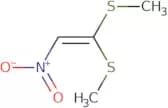
CAS:1,1-Bis-(methylthio)-2-nitroethene is a versatile molecule that can be used as an imine. It is synthesized by reacting trifluoromethanesulfonic acid with the amine in the presence of a base. The imine product has been shown to bind to amines and is therefore a potential drug candidate for prostate cancer cells. 1,1-Bis-(methylthio)-2-nitroethene reacts with triflic acid to produce an intramolecular hydrogen bond, leading to its efficient synthesis. The resulting compound then undergoes reactions that are characterized by nmr spectra and profiles. This functional group is inhibitory against prostate cancer cell lines at high concentrations, although it has no effect on other cell lines.Formula:C4H7NO2S2Purity:Min. 95%Molecular weight:165.24 g/mol3-(Benzyloxy)-5-nitrobenzoic acid
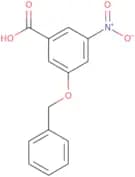
CAS:3-(Benzyloxy)-5-nitrobenzoic acid is a benzimidazole derivative that is synthesized in three steps. It can be formed by reacting potassium chloride, formic acid and 3-hydroxy-5-nitrobenzoic acid. The reaction yields are dependent on the concentration of the reactants. The isomeric mixture can be separated by distillation into two fractions; one fraction contains the desired product and the other fraction contains the undesired product. This compound has been shown to have antibacterial activity against both Gram-positive and Gram-negative bacteria, as well as antifungal activity against Candida albicans. 3-(Benzyloxy)-5-nitrobenzoic acid binds to ribosomes of bacteria, inhibiting protein synthesis by preventing peptide bond formation between amino acids. This compound also reacts with sulfate ion to produce sulfate ester, which inhibits bacterial growth by disrupting membrane integrity.
Formula:C14H11NO5Purity:Min. 95%Molecular weight:273.24 g/mol3-[2-[4-(1,2-Benzisoxazol-3-yl)-1-piperidinyl]ethyl]-6,7,8,9-tetrahydro-2-methyl-4H-pyrido[1,2-a]pyrimidin-4-one
CAS:3-[2-[4-(1,2-Benzisoxazol-3-yl)-1-piperidinyl]ethyl]-6,7,8,9-tetrahydro-2-methyl-4H-pyrido[1,2-a]pyrimidin-4-one is an analog of the antibacterial drug cefuroxime. It has been shown to be a potent inhibitor of bacterial DNA gyrase and topoisomerase IV. This compound has been shown to have a greater degree of activity against Gram Positive bacteria than Gram Negative bacteria in vitro. 3-[2-[4-(1,2-Benzisoxazol-3-yl)-1-piperidinyl]ethyl]-6,7,8,9-tetrahydro-- 2 -methyl-- 4H-- pyrido[1,2-- a]pyrimidin-- 4 -one is not active against acidFormula:C23H28N4O2Purity:Min. 95%Molecular weight:392.49 g/molBenserazide EP Impurity B hydrochloride
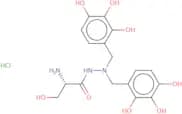
Please enquire for more information about Benserazide EP Impurity B hydrochloride including the price, delivery time and more detailed product information at the technical inquiry form on this page
Formula:C17H21N3O8•HClPurity:Min. 95%Molecular weight:431.83 g/molCladribine Impurity D
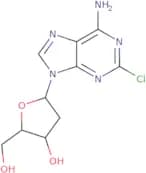
CAS:Cladribine Impurity D is a polymerase chain reaction (PCR) diagnostic agent that is used to identify the presence of Cladribine in the blood. Cladribine Impurity D binds to an RNA polymerase enzyme, which prevents it from synthesizing DNA and RNA, resulting in a lack of cell proliferation. This drug has been shown to be effective in treating bowel disease and solid tumours. It also has a number of side effects including interactions with other medications, such as natural compounds and autoimmune diseases, as well as bronchiolitis obliterans and lymphoma. Cladribine Impurity D also interacts with the IL-2 receptor on cells, which may cause allergic reactions. The MDA-MB-231 breast cancer cells are resistant to this drug due to their expression of the protein MCL-1.Formula:C10H12ClN5O3Purity:Min. 95%Molecular weight:285.69 g/molFOS-12-PDT
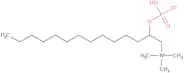
CAS:Please enquire for more information about FOS-12-PDT including the price, delivery time and more detailed product information at the technical inquiry form on this pageFormula:C17H38NO4PPurity:Min. 95%Molecular weight:376.61 g/molBupropion impurity 9
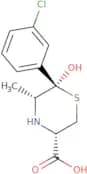
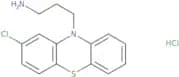
CAS:Bupropion impurity 9 is a diphosphate and it has novel, high quality, DNA. CAS No. 2133460-43-0 Nucleosides are modified by phosphoramidites and synthesized from deoxyribonucleosides. Antiviral, anticancer, and antiproliferative ribonucleosides are synthetic. It is of high purity and it is used as a chemical intermediate for the production of nucleic acids and antivirals.Formula:C12H14ClNO3SPurity:Min. 95%Molecular weight:287.76 g/molDidesmethylchlorpromazine hydrochloride
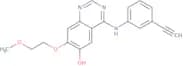
CAS:Didesmethylchlorpromazine hydrochloride is an antitumor agent that is resistant to multidrug resistance. It is a potent inhibitor of DNA synthesis and has been shown to sensitize resistant cells to other drugs. Didesmethylchlorpromazine hydrochloride was found to have cytotoxic activity against various human tumor cell lines, including multidrug-resistant cells. However, it did not show any significant activity against normal cells.Formula:C15H16Cl2N2SPurity:Min. 95%Molecular weight:327.3 g/molDes-6-methoxyethanol erlotinib
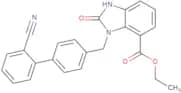
CAS:Please enquire for more information about Des-6-methoxyethanol erlotinib including the price, delivery time and more detailed product information at the technical inquiry form on this pageFormula:C19H17N3O3Purity:Min. 95%Molecular weight:335.4 g/molAzilsartan cyano-des-1,2,4-oxadiazol-5-ol ketone
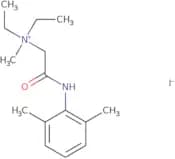
CAS:Azilsartan cyano-des-1,2,4-oxadiazol-5-ol ketone is a compound used in various industrial applications. It is commonly used as an impurity reference standard for quality control purposes. Azilsartan cyano-des-1,2,4-oxadiazol-5-ol ketone has been found to be stable in xylose and methanol solutions and does not show any significant degradation or interaction with these substances. Additionally, it has been observed that Azilsartan cyano-des-1,2,4-oxadiazol-5-ol ketone does not react with glutamate or chamomile extract.Formula:C24H19N3O3Purity:Min. 95%Molecular weight:397.4 g/molN-Methyllidocaine iodide
CAS:N-Methyllidocaine iodide is a drug that is used to treat cardiac arrhythmias. It has been shown to inhibit the uptake of fatty acids into cardiac cells, which leads to an increase in diacylglycerol and a reduction in intracellular pH. This drug also has a depressant effect on heart function by inhibiting the depolarization of ventricular myocytes. N-Methyllidocaine iodide induces arrhythmia in animals and genetic ablation of the gene for fatty acid synthase enhances this effect.
Formula:C15H25IN2OPurity:Min. 95%Molecular weight:376.28 g/mol2-Methyl-Celecoxib
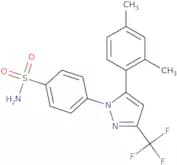
CAS:CAS No. 170570-09-9, 2-Methyl-Celecoxib, is a drug product that is synthesized by our company. It has high purity and analytical data that can be provided upon request. Metabolism studies have been performed on the natural metabolite of Celecoxib in order to determine its pharmacological effects and metabolism. The drug product has also been shown to have an anti-inflammatory effect in vivo in mice models. 2-Methyl-Celecoxib is a synthetic compound which is used as a reference standard for HPLC analysis of other compounds in research and development or for impurity standards in the pharmaceutical industry.Formula:C18H16F3N3O2SPurity:Min. 95%Molecular weight:395.4 g/molCefazolin EP Impurity G
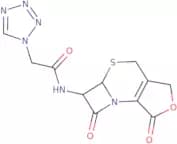
CAS:Cefazolin EP Impurity G is a synthetic, impure drug product of cefazolin. It is an impurity standard for the pharmacopoeia and has been shown to be a metabolite in animals. The purity of this compound is unknown. Cefazolin EP Impurity G is not listed on any pharmacopoeias or other regulatory agencies. CAS No.: 1172998-53-6Formula:C11H10N6O4SPurity:Min. 95%Molecular weight:322.3 g/molPregabalin impurity PD 0312236 and Pregabalin impurity PD 0312237 (mixture of tautomeric isomers)
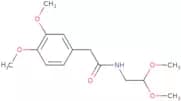
CAS:Lactose conjugate degradation product of pregabalinFormula:C20H35NO11Purity:Min. 95%Molecular weight:465.49 g/molN-(2,2-Dimethoxyethyl)-3,4-dimethoxybenzeneacetamide(ivabradine impurity)
CAS:N-(2,2-dimethoxyethyl)-3,4-dimethoxybenzeneacetamide is a drug impurity that is used as a research and development or impurity standard. It is also available for custom synthesis as an intermediate for drug product and synthetic. This product has high purity, with a purity of 99%. The CAS number for this compound is 73954-34-4. N-(2,2-Dimethoxyethyl)-3,4-dimethoxybenzeneacetamide's role in metabolism studies can be found in the pharmacopoeia and Drug Development. Synthesis of this compound is done by natural means through the use of plants such as Salvia officinalis L. (sage).Formula:C14H21NO5Purity:Min. 95%Molecular weight:283.32 g/molMethyl 5,6-dimethyl-3-phenylpicolinate
CAS:Methyl 5,6-dimethyl-3-phenylpicolinate is a synthetic compound used as an analytical standard for the determination of methyl picolinate. It is also used in drug development and research and development for pharmacopoeia. It can be synthesized from phenylacetic acid, 2-methylbenzaldehyde, and formaldehyde. Methyl 5,6-dimethyl-3-phenylpicolinate has a purity of ≥ 98% by HPLC.Formula:C15H15NO2Purity:Min. 95%Molecular weight:241.28 g/molGastrofensin an 5
CAS:Gastrofensin an 5 is a drug product that is undergoing research and development. It is not yet approved for use in humans. Gastrofensin an 5 is used as a reference substance in analytical work, metabolism studies, and natural product analysis. The CAS No. for this compound is 89845-16-9. Gastrofensin an 5 has the following impurities: 0.1% (m/m) of 2-(6-chloroquinolin-2-yl)acetic acid; 0.1% (m/m) of 2-(6-chloroquinolin-3-yl)acetic acid; 0.1% (m/m) of 2-(6,7-dichloroquinolyl)-acetic acid; 0.1% (m/m) of 3-(6,7 dichloroquinolyl)-acetic acid; 0.1% (Formula:C19H21ClN2O2Purity:Min. 95%Molecular weight:344.8 g/mol(6E,8Z)-5-Oxo-6,8-octadecadienoic acid
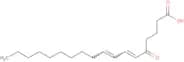
CAS:(6E,8Z)-5-Oxo-6,8-octadecadienoic acid is a potent anticancer agent that has shown promising results in the treatment of various types of cancer. It works as an inhibitor of tumor growth by inducing apoptosis and inhibiting the cell cycle progression. This compound has been extensively studied in Chinese medicinal practices and has been found to be effective against cancer cells. It acts as a protein kinase analog, which makes it a valuable tool for studying the signaling pathways involved in cancer development. Additionally, this compound can be detected in human urine and may serve as a potential biomarker for cancer diagnosis and monitoring. Overall, (6E,8Z)-5-Oxo-6,8-octadecadienoic acid holds great promise as a therapeutic agent for the treatment of cancer.Formula:C18H30O3Purity:Min. 95%Molecular weight:294.4 g/mol1-C-4-Chloro-3-[(4-ethoxyphenyl)methyl]phenyl]-D-glucopyranose
CAS:1-C-4-Chloro-3-[(4-ethoxyphenyl)methyl]phenyl]-D-glucopyranose is a natural product. It is an API impurity that has been synthesized by the custom synthesis process. 1-C-4-Chloro-3-[(4-ethoxyphenyl)methyl]phenyl]-D-glucopyranose has been shown to have pharmacological activity in research and development studies and as a potential drug product.Formula:C21H25ClO7Purity:Min. 95%Molecular weight:424.87 g/mol5-Methyl-L-norleucine orlistat analogue
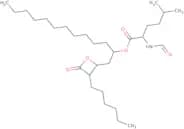
CAS:5-Methyl-L-norleucine orlistat analogue is an anticancer compound that acts as a kinase inhibitor. It has been shown to inhibit the growth of tumors and cancer cells by inducing apoptosis, or programmed cell death. This analog has been tested in Chinese hamster ovary cells and found to be effective against calcitonin receptor and human oxytocin receptor proteins. Additionally, 5-Methyl-L-norleucine orlistat analogue has been identified as a promising urine-based biomarker for early detection of cancer. Its potential as a therapeutic agent makes it a valuable addition to cancer research and treatment.Formula:C30H55NO5Purity:Min. 95%Molecular weight:509.8 g/molSimvastatin hydroxy acid methyl ester
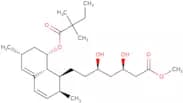
CAS:Simvastatin hydroxy acid methyl ester is a drug product that belongs to the group of statins. It is an impurity standard for synthetic simvastatin as well as a natural metabolite formed from simvastatin through oxidation and hydroxylation. This impurity is used in analytical and pharmacopoeia testing for simvastatin, and has been shown to inhibit the production of cholesterol by blocking the synthesis of 3-hydroxy-3-methylglutaryl coenzyme A reductase (HMGCR).Formula:C26H42O6Purity:Min. 95%Molecular weight:450.61 g/molHaloperidol octanoate
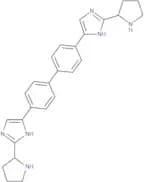
CAS:Haloperidol octanoate is a synthetic, long-acting neuroleptic that is used to treat schizophrenia and other psychotic disorders. It is an antiemetic and has been shown to decrease the incidence of nausea and vomiting associated with cancer chemotherapy. Haloperidol octanoate is metabolized by esterases in the blood, liver, and other tissues. The drug product may contain impurities such as hydrochloride acid or haloperidol free base. Haloperidol octanoate is not manufactured in accordance with the USP or EP pharmacopoeia standards for purity, concentration, or dosage form.Formula:C29H37ClFNO3Purity:Min. 95%Molecular weight:502.10 g/mol4,4'-Bis(2-((S)-pyrrolidin-2-yl)-1H-imidazol-5-yl)-1,1'-biphenyl
CAS:4,4'-Bis(2-((S)-pyrrolidin-2-yl)-1H-imidazol-5-yl)-1,1'-biphenyl is a drug product that has been custom synthesized to meet the needs of specific research and development. The CAS number for this compound is 1007882-27-0. It has a purity of ≥99%. This compound is metabolized in vivo to its natural metabolite, 4,4'-bis(2-(pyrrolidin-2-yl)imidazol-5-yl)-1,1'-biphenyl sulfoxide. Metabolism studies have been conducted on rats.Formula:C26H28N6Purity:Min. 95%Molecular weight:424.5 g/molLiriope muscari saponin C
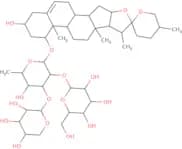
CAS:Liriope muscari saponin C is a saponin from the roots of Liriope muscari. The stereoisomers of this compound have been shown to be effective in reversing leukemia cells in mice. Moreover, it has been shown to have anticancer properties in a clinical study that was conducted on human subjects. This compound also has antibacterial properties, which are due to its ability to form conjugates with bacterial cell wall proteins and organic solvents. Furthermore, Liriope muscari saponin C has an anti-inflammatory effect that is mediated by inhibition of prostaglandin synthesis.Formula:C44H70O17Purity:Min. 95%Molecular weight:871 g/mol1-(4-Methyl-2,5-dioxoimidazolidin-4-yl)urea
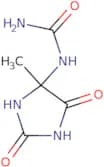
CAS:Please enquire for more information about 1-(4-Methyl-2,5-dioxoimidazolidin-4-yl)urea including the price, delivery time and more detailed product information at the technical inquiry form on this page
Formula:C5H8N4O3Purity:Min. 95%Molecular weight:172.14 g/molrac o-Methyl tolterodine fumarate
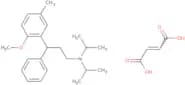
CAS:Ai Product Descriptions 50 Creative
Formula:C27H37NO5Purity:Min. 95%Molecular weight:455.6 g/mol1,3-Bis[4-(2-methoxyethyl)phenoxy]-2-propanol
CAS:1,3-Bis[4-(2-methoxyethyl)phenoxy]-2-propanol is a synthetic compound that is used as an impurity standard in the manufacture of drug products. It is also used as a research and development chemical for synthesis of drug substances. 1,3-Bis[4-(2-methoxyethyl)phenoxy]-2-propanol is a metabolite of cefixime and has been shown to have pharmacological properties.Formula:C21H28O5Purity:Min. 95%Molecular weight:360.4 g/molApixaban Impurity 11
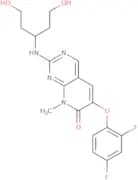
CAS:Apixaban impurity 11 is an analytical standard used in research and development, drug development, and the production of API. It has a purity of 99.5% by HPLC and is a metabolite of apixaban. Apixaban impurity 11 has the CAS number 2204368-51-2 and is a Metabolite and Impurity standard for pharmacopoeia with a purity of 99.5% by HPLC. This product can be custom synthesized or natural with a purity of 99.5% by HPLC.Formula:C29H31N5O5Purity:Min. 95%Molecular weight:529.59 g/molPamapimod-d4
CAS:Please enquire for more information about Pamapimod-d4 including the price, delivery time and more detailed product information at the technical inquiry form on this pageFormula:C19H20F2N4O4Purity:Min. 95%Molecular weight:410.4 g/mol(R)-Norfluoxetine phthalimide
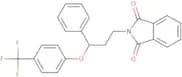
CAS:(R)-Norfluoxetine phthalimide is a metabolite of fluoxetine. It is an impurity in the drug product and is subject to USP 797> Metabolite Standard. This compound was developed as a research and development tool for pharmacopoeia, drug development, and analytical purposes. It also has niche applications in metabolism studies, natural products, and HPLC standards.Formula:C24H18F3NO3Purity:Min. 95%Molecular weight:425.4 g/molEntecavir (1R,3R,4S) diastereomer
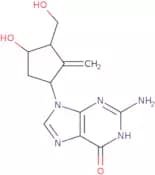
CAS:Entecavir (1R,3R,4S) diastereomer is a synthetic compound and is an analytical standard for HPLC. This product is an impurity of the drug Entecavir. The impurity is characterized by a retention time of 17.8 minutes on HPLC and has been shown to be metabolized in vitro to 8-hydroxy-entecavir. The purity of this product is 98% with a CAS number of 1367369-78-5.
Formula:C12H15N5O3Purity:Min. 95%Molecular weight:277.28 g/molOlsalazine sodium impurity E
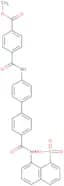
CAS No. is a drug product that has been custom synthesized for research and development purposes. It is a white crystalline powder with a melting point of 256-258°C. Metabolism studies have shown that olsalazine sodium impurity E is metabolized to sulfapyridine, which is an active metabolite of olsalazine sodium. Impurity standard A has been synthesized as an analytical standard for HPLC analysis. This impurity standard exhibits the same retention time as olsalazine sodium in the HPLC system and can be used for the quantitative determination of this impurity in olsalazine sodium samples.Formula:C15H12N2O8SPurity:Min. 95%Molecular weight:380.33 g/molFumarranol
CAS:Fumarranol is a potent inhibitor of kinases that play a crucial role in cancer cell growth and proliferation. It has been shown to inhibit the growth of tumor cells by inducing apoptosis, or programmed cell death. Fumarranol is effective against various types of cancer, including leukemia, and has been tested on human cell lines. This compound works by blocking the activity of kinases that are essential for the progression of the cell cycle, preventing cancer cells from dividing and multiplying. Fumarranol has also been found in urine samples and may have potential as a biomarker for cancer detection. With its ability to target specific proteins involved in cancer development, fumarranol shows promise as a potential treatment option for various types of cancer.Formula:C16H24O4Purity:Min. 95%Molecular weight:280.36 g/molDapagliflozin Impurity 17
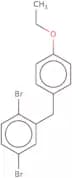
CAS:Dapagliflozin Impurity 17 is a research and development impurity standard for HPLC. It is a natural product and is registered under CAS No. 1807632-93-4. Dapagliflozin Impurity 17 is a metabolite of dapagliflozin, an oral anti-diabetic drug that has been shown to be effective in the treatment of type 2 diabetes. This impurity standard has been synthesized as a research tool for the study of metabolism and pharmacokinetics, as well as analytical methods validation.Formula:C15H14Br2OPurity:Min. 95%Molecular weight:370.08 g/mol2-Fluoro-alpha-(2-methyl-1-oxopropyl)-gamma-oxo-N,beta-diphenyl-benzenebutanamide
CAS:2-Fluoro-alpha-(2-methyl-1-oxopropyl)-gamma-oxo-N,beta-diphenylbenzenebutanamide is a drug product that is an impurity from the synthesis of 2,6-dichloroquinazoline. It has been shown to have antihistaminic effects in rats. The impurity standard for this product is available for custom synthesis upon customer request.Formula:C26H24FNO3Purity:Min. 95%Molecular weight:417.50 g/molApitoxin
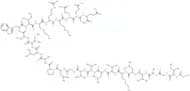
CAS:Apitoxin is a natural toxin found in the venom of honeybees. Studies have shown that it has potential anti-cancer properties due to its ability to induce apoptosis, or programmed cell death, in human cancer cells. Additionally, apitoxin contains kinases that can inhibit tumor growth and glycerol analogs that have demonstrated anticancer activity in Chinese hamster ovary cells. Indirubin, a compound found in apitoxin, has been identified as a potent inhibitor of kinases involved in cancer cell proliferation. Apitoxin may also be useful as a urinary biomarker for detecting prostate cancer. Overall, the unique properties of apitoxin make it an intriguing candidate for further research into potential cancer treatments.
Formula:C129H224N38O31Purity:Min. 95%Molecular weight:2,803.4 g/molDesmethylnortriptyline
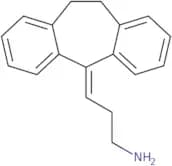
CAS:Desmethylnortriptyline is a tricyclic antidepressant drug that has been shown to have anti-inflammatory properties. It inhibits the production of inflammatory cytokines in the intestine, which may be due to its effect on the induction of apoptosis by inhibiting protein synthesis. Desmethylnortriptyline also has a beneficial effect on bowel diseases, such as colitis and ileitis. This drug inhibits the uptake of serotonin in rat brains and can lead to decreased levels of serotonin in the brain and spinal cord, which may be responsible for its clinical response. Desmethylnortriptyline is metabolized by demethylation and deamination. It undergoes oxidative deamination by cytochrome P450 enzymes found in human liver microsomes and isolated heart tissue, generating an inactive product. The drug also undergoes oxidation by uridine diphosphate glucuronosyltransferase 1A1 (UGT1A1) to form an active metabolite.
Formula:C18H19NPurity:Min. 95%Molecular weight:249.3 g/mol4'-Hydroxy aceclofenac
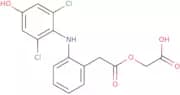
CAS:Aceclofenac is a nonsteroidal anti-inflammatory drug (NSAID) that inhibits the production of prostaglandins, which are produced by inflammatory cells in response to tissue injury. It is used to treat pain and inflammation. Aceclofenac is absorbed quickly from the gastrointestinal tract and has a high bioavailability. The maximum plasma concentration is reached within 1 hour after oral administration. Aceclofenac has a short half-life of about 2 hours. This drug binds to fatty acids and hepatoprotective substances, such as polymers, pyruvic transaminase, acetate extract, and humans. It also inhibits the transcription of cyclooxygenase-2 (COX-2), which produces prostaglandins that are involved in various aspects of inflammation.
Formula:C16H13Cl2NO5Purity:Min. 95%Molecular weight:370.18 g/mol5-Amino-N,N’-bis[2-hydroxy-1-(hydroxymethyl)ethyl]-2,4,6-triiodo-1,3-benzenedicarboxamide - EP
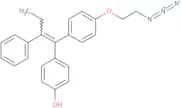
CAS:5-Amino-N,N’-bis[2-hydroxy-1-(hydroxymethyl)ethyl]-2,4,6-triiodo-1,3-benzenedicarboxamide - EP is an impurity found in the synthetic process of iopamidol. It is a nonionic chemical that has been shown to be synthesized using the following methods: dichloride and synthetic. 5-Amino-N,N’-bis[2-hydroxy-1-(hydroxymethyl)ethyl]-2,4,6-triiodo-1,3-benzenedicarboxamide - EP is used as a contrast agent for magnetic resonance imaging (MRI).Formula:C14H18I3N3O6Purity:Min. 95%Molecular weight:705.02 g/mol(E/Z)-N,N-Didesmethyl-4-hydroxy tamoxifen 2’-azide
CAS:(E/Z)-N,N-Didesmethyl-4-hydroxy tamoxifen 2’-azide is a metabolite of tamoxifen. It is an impurity that can be found in the drug product. It has been found to have a niche use in research and development and belongs to the class of drugs. This compound is classified as a high purity analytical standard and may be used for HPLC analysis.Formula:C24H23N3O2Purity:Min. 95%Molecular weight:385.5 g/mol2-(2-Chloroethoxy)-N-(2-nitrophenyl)-acetamide
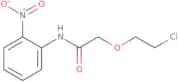
CAS:Please enquire for more information about 2-(2-Chloroethoxy)-N-(2-nitrophenyl)-acetamide including the price, delivery time and more detailed product information at the technical inquiry form on this pageFormula:C10H11ClN2O4Purity:Min. 95%Molecular weight:258.66 g/molAllopurinol impurity E
CAS:This product is a synthetic impurity of Allopurinol. It is a cyclization reaction product of dimethylhydrazine and allopurinol in the presence of an organic solvent such as DMF.
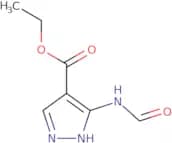
Formula:C7H9N3O3Purity:Min. 95%Molecular weight:183.16 g/mol1-[[2-[(2-Aminophenyl)amino]-5-methyl-3-thienyl]carbonyl]-4-methyl-piperazine
CAS:Please enquire for more information about 1-[[2-[(2-Aminophenyl)amino]-5-methyl-3-thienyl]carbonyl]-4-methyl-piperazine including the price, delivery time and more detailed product information at the technical inquiry form on this pageFormula:C17H22N4OSPurity:Min. 95%Molecular weight:330.45 g/molEthyl(1-methylbutyl)malonuric acid
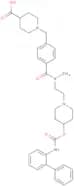
CAS:Please enquire for more information about Ethyl(1-methylbutyl)malonuric acid including the price, delivery time and more detailed product information at the technical inquiry form on this pageFormula:C11H20N2O4Purity:Min. 95%Molecular weight:244.29 g/molDesamino-hydroxy revefenacin
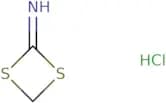
CAS:Please enquire for more information about Desamino-hydroxy revefenacin including the price, delivery time and more detailed product information at the technical inquiry form on this pageFormula:C35H42N4O5Purity:Min. 95%Molecular weight:598.7 g/mol1,3-Dithietan-2-imine hydrochloride
CAS:Please enquire for more information about 1,3-Dithietan-2-imine hydrochloride including the price, delivery time and more detailed product information at the technical inquiry form on this pageFormula:C2H4ClNS2Purity:Min. 95%Molecular weight:141.6 g/molCaptopril EP Impurity N
CAS:Captopril EP Impurity N is a synthetic impurity found in Captopril EP, which is used as a drug product for the treatment of hypertension. The impurity standard for Captopril EP Impurity N is available on request.
Formula:C8H14O4S2Purity:Min. 95%Molecular weight:238.33 g/mol2-[3,5-Dichloro-4-[(4-chlorophenyl)methyl]phenyl]-1,2,4-triazine-3,5(2H,4H)-dione
CAS:2-[3,5-Dichloro-4-[(4-chlorophenyl)methyl]phenyl]-1,2,4-triazine-3,5(2H,4H)-dione is a research and development impurity standard. It is custom synthesized for drug product synthesis and analysis. This chemical is high purity with a purity of > 98% and has been tested in the pharmacopoeia for quality assurance. 2-[3,5-Dichloro-4-[(4-chlorophenyl)methyl]phenyl]-1,2,4-triazine-3,5(2H,4H)-dione can be used as a metabolite marker in metabolism studies due to its structural similarity to the parent compound.Formula:C16H10Cl3N3O2Purity:Min. 95%Molecular weight:382.6 g/molD-Ribose-1-D
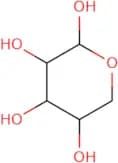
CAS:D-Ribose-1-D is a medicinal compound that has been shown to have anticancer properties. It is a kinase inhibitor that prevents the activation of proteins involved in cancer cell growth and division. Studies have shown that D-Ribose-1-D induces apoptosis, or programmed cell death, in leukemia cells. It also inhibits the cell cycle, preventing cancer cells from dividing and growing. D-Ribose-1-D has potential as an effective treatment for human cancers and may be useful in combination with other inhibitors to enhance its anticancer effects. This compound can be found naturally in Chinese herbs and is excreted in urine after consumption.
Formula:C5H10O5Purity:Min. 95%Molecular weight:151.14 g/molN-(3-hydroxytricyclo[3.3.1.1]dec-1-yl)glycyl-L-prolinamide
CAS:N-(3-hydroxytricyclo[3.3.1.1]dec-1-yl)glycyl-L-prolinamide is a metabolite that is formed when the drug product, ticagrelor, undergoes metabolism in the liver. Ticagrelor is a prodrug that requires conversion to its active form, which is N-(3-hydroxytricyclo[3.3.1.1]dec-1-yl)glycyl-L-prolinamide, before it can be used as a platelet inhibitor and antiplatelet agent for the prevention of thrombotic events such as heart attack and stroke. It has been shown to have an excellent stability profile and high purity when produced by HPLC or synthesized using the latest methodology under GMP conditions.Purity:Min. 95%N-Desmethyl phenyltoloxamine hydrochloride
CAS:N-Desmethyl phenyltoloxamine hydrochloride is a white crystalline powder that is soluble in water and slightly soluble in ethanol. It has an analytical purity of greater than 99% with a melting point of 188-190°C. This compound is a metabolite of phenyltoloxamine, which is used as an analgesic and anti-inflammatory drug. N-Desmethyl phenyltoloxamine hydrochloride can be used as a pharmacopoeia reference standard for the analysis of this metabolite and also as a research and development starting material for the synthesis of other compounds.Formula:C16H20ClNOPurity:Min. 95%Molecular weight:277.79 g/mol2-Cyclopropyl-1-nitro-naphthalene
CAS:Please enquire for more information about 2-Cyclopropyl-1-nitro-naphthalene including the price, delivery time and more detailed product information at the technical inquiry form on this pageFormula:C13H11NO2Purity:Min. 95%Molecular weight:213.23 g/molColterol-d9
CAS:Please enquire for more information about Colterol-d9 including the price, delivery time and more detailed product information at the technical inquiry form on this pageFormula:C12H19NO3Purity:Min. 95%Molecular weight:234.34 g/mol(S)-Mirabegron
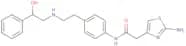
CAS:(S)-Mirabegron is a drug development, API impurity, and HPLC standard. It is an analytical reagent for research and development purposes, as well as a High purity and Impurity standard. This product is also used in the synthesis of drugs or drug products. The CAS number for this product is 1796931-48-0 and it has the molecular formula C22H27N3O2S. (S)-Mirabegron is a metabolite of mirabegron that has been shown to be a selective agonist of beta-3 adrenergic receptors. Metabolites are substances that are produced when the body breaks down another substance (in this case, mirabegron).Formula:C21H24N4O2SPurity:Min. 95%Molecular weight:396.51 g/mol3,9-Dihydro-9-[(2-hydroxyethoxy)methyl]-1H-Purine-2,6-dione
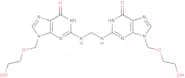
CAS:3,9-Dihydro-9-[(2-hydroxyethoxy)methyl]-1H-Purine-2,6-dione is an impurity found in the synthesis of a drug product. It is also used as an analytical standard for HPLC methods and as a pharmacopoeia standard. 3,9-Dihydro-9-[(2-hydroxyethoxy)methyl]-1H-Purine-2,6-dione has been shown to be produced by the metabolism of other drugs such as caffeine. This impurity is not expected to have any therapeutic effects when administered to humans.Formula:C8H10N4O4Purity:Min. 95%Molecular weight:226.19 g/molSolifenacin impurity C
CAS:Solifenacin impurity C is an impurity that is found in the drug product Solifenacin. It has been shown to be a natural metabolite and has been detected in human urine. Solifenacin impurity C is used as an analytical standard for HPLC analyses of solifenacin, and can also be used as a reference material for pharmacopoeia. The purity of this compound is 99%.Formula:C31H28N2OPurity:Min. 95 Area-%Color and Shape:White PowderMolecular weight:444.57 g/molLurasidone sulfoxide
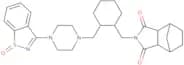
CAS:Lurasidone sulfoxide is a molecule that inhibits the binding of ligands to the receptors in cells. It has been shown to be synergistic with other molecule inhibitors, such as virus and organosulfur compounds. Lurasidone sulfoxide also interacts with drug molecules and can be used to shift the paradigm of treatment for certain diseases. Lurasidone sulfoxide is cocrystallized with other molecules that are used for treatment or prevention of certain diseases, including HIV, hepatitis C, and cancer.
Formula:C28H36N4O3SPurity:Min. 95%Molecular weight:508.68 g/molCinacalcet impurity E hydrochloride
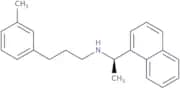
CAS:Cinacalcet is a drug product that is used for the treatment of secondary hyperparathyroidism in patients with chronic kidney disease. It is metabolized through a number of metabolic transformations, including hydrolysis by esterases or glucuronidases, oxidation by cytochrome P450 enzymes, reduction by glutathione reductase, or conjugation with glucuronic acid. The high frequency of human activity has been shown using a patch-clamp technique on human erythrocytes. Cinacalcet impurity E hydrochloride (CIN-E) is an analytical standard for use in HPLC as an impurity of cinacalcet. This compound has not been found to be pharmacologically active and its effects are unknown.
Formula:C22H25N·HClPurity:Min. 95%Molecular weight:339.9 g/molMl 10302 hydrochloride
CAS:Ml 10302 hydrochloride is a drug that has anxiolytic-like effects in animals. Ml 10302 hydrochloride binds to the GABAA receptor and enhances its sensitivity to the neurotransmitter GABA. It also binds to the benzodiazepine site on the GABAA receptor and inhibits a variety of ligands, including benzodiazepines, barbiturates, and alcohols. Ml 10302 hydrochloride was shown to have anxiolytic-like effects in humans and it is thought that this effect may be due to its ability to increase the sensitivity of GABAA receptors. Studies suggest that Ml 10302 hydrochloride increases the affinity of GABA for its binding site on the GABAA receptor, which is thought to be mediated through an allosteric mechanism.Formula:C15H22Cl2N2O3Purity:Min. 95%Molecular weight:349.2 g/molTirofiban impurity 8
CAS:Tirofiban impurity 8 is an analytical standard for HPLC. It is a research-grade, high purity, impurity standard for the drug product. Tirofiban impurity 8 is a metabolite of tirofiban that has been shown to be pharmacologically active in animal models and in vitro. Tirofiban impurity 8 has a natural or synthetic origin and its CAS number is 2250244-25-6.
Formula:C18H22N2O3Purity:Min. 95%Molecular weight:314.4 g/molN-Methyl mitomycin A
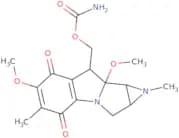
CAS:N-Methyl mitomycin A is an aziridine compound that is used as a cytotoxic agent to treat inflammatory diseases, such as cavity. It is also used to treat cancer and autoimmune diseases. N-Methyl mitomycin A inhibits the growth of tumor cells by cross-linking DNA in the target tissue, which prevents replication of the cell. This drug has been shown to induce lymphocytic leukemia in some animals by binding with DNA sequences and preventing RNA synthesis. N-Methyl mitomycin A also inhibits protein synthesis, leading to the death of the cell.Formula:C17H21N3O6Purity:Min. 95%Molecular weight:363.4 g/molDRI-c21045
CAS:DRI-c21045 is an analog of a medicinal compound that has been shown to inhibit the activity of a specific protein kinase involved in cell cycle regulation and tumor growth. This inhibitor has been demonstrated to induce apoptosis in cancer cells, making it a promising candidate for anticancer therapy. DRI-c21045 has been tested in both Chinese and human cancer cell lines and has shown potent activity against various types of tumors. Additionally, this compound has been detected in urine samples from patients with cancer, suggesting that it may have potential as a diagnostic marker for certain types of cancer. Overall, DRI-c21045 shows great promise as a potential anticancer agent with significant therapeutic potential.
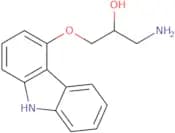
Formula:C32H24N2O7SPurity:Min. 95%Molecular weight:580.6 g/mol1-Amino-3-(9H-carbazol-4-yloxy)-2-propanol
CAS:Please enquire for more information about 1-Amino-3-(9H-carbazol-4-yloxy)-2-propanol including the price, delivery time and more detailed product information at the technical inquiry form on this pageFormula:C15H16N2O2Purity:Min. 95%Molecular weight:256.3 g/mol3-(3-Trifluoromethylphenyl)propionaldehyde diethylacetal
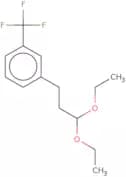
CAS:3-(3-Trifluoromethylphenyl)propionaldehyde diethylacetal is a synthetic compound that belongs to the class of drug products. It is used for research and development, as well as for developing analytical standards for HPLC. This product has been shown to be metabolized in the rat liver by hydrolysis of the acetal group and oxidation of the alcohol.
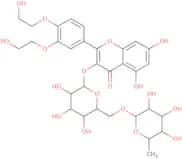
Formula:C14H19F3O2Purity:Min. 95%Molecular weight:276.29 g/mol3’,4’-Bis(hydroxyethyl)rutoside
CAS:Please enquire for more information about 3’,4’-Bis(hydroxyethyl)rutoside including the price, delivery time and more detailed product information at the technical inquiry form on this pageFormula:C31H38O18Purity:Min. 95%Molecular weight:698.6 g/molAcyclovir Impurity K
CAS:Acyclovir Impurity K is a drug product that is used as an analytical reference standard for metabolism studies. Acyclovir Impurity K is a natural product and an impurity of acyclovir, which has CAS No. 1797131-64-6. The chemical name of this drug is 3-hydroxy-2,5,6,7-tetrahydro-1H-[1]benzopyran-2,4(3H)-dione. It can be synthesized in the laboratory by custom synthesis or it can be obtained from a commercial supplier as an impurity standard. This product is used to help with drug development and research and development in the pharmaceutical industry. It can also be used as a high purity HPLC standard for pharmacopoeia testing purposes.
Formula:C17H22N10O6Purity:Min. 95%Molecular weight:462.42 g/mol4-Hydroxy azithromycin
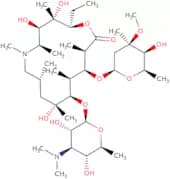
CAS:4-Hydroxy azithromycin is an impurity of Azithromycin that is a metabolite of the drug. 4-Hydroxy azithromycin is a synthetic product, which has been synthesized for use as an analytical standard for HPLC and LC-MS/MS. It has also been used as a pharmacopoeia standard for testing antibiotic purity and quality. Metabolism studies have shown that 4-hydroxy azithromycin is not absorbed from the gastrointestinal tract, but is found in the urine and feces.
Formula:C38H72N2O13Purity:Min. 95%Molecular weight:764.98 g/molAmoxicillin EP Impurity H
CAS:Amoxicillin EP Impurity H is a potassium clavulanate that is found in Amoxicillin EP. It has bactericidal activity against gram-negative bacteria and can be used to treat infections caused by these bacteria. Amoxicillin EP Impurity H is resistant to many antibiotics, including penicillins, cephalosporins, erythromycin, and tetracyclines. This impurity can be detected using an elemental analysis of the sample or by liquid chromatography with a detection limit of 100 ppm.
Formula:C13H17NO4Purity:Min. 95%Molecular weight:251.28 g/molThreo ifenprodil hemitartrate
CAS:Threo ifenprodil hemitartrate is a drug product that has been synthesized and analyzed. It is an impurity standard for the synthesis of ifenprodil HCl. The purity of this product is greater than 99% and meets the requirements of the USP-NF, EP, BP, JP, and the pharmacopoeias of other countries. This product can be used in drug development research and development to develop drugs for niche markets.Formula:C21H27NO2Purity:Min. 95%Molecular weight:325.40 g/mol3-[4-(4-Chlorobenzoyl)phenoxy]-2-butanone
CAS:3-[4-(4-Chlorobenzoyl)phenoxy]-2-butanone is an impurity in the drug product, N-{3-[4-(4-chlorobenzoyl)phenoxy]-2-butenyl}acetamide. It can be used as an analytical reference standard for determining the presence of impurities in pharmaceutical products. 3-[4-(4-Chlorobenzoyl)phenoxy]-2-butanone is not a natural component of the API and is typically synthesized with high purity. This compound has been shown to be metabolized by human liver microsomes and rat lung microsomes. The metabolic pathways are unknown but may include oxidation, hydrolysis, or conjugation reactions.Formula:C17H15ClO3Purity:Min. 95%Molecular weight:302.75 g/mol1,3-Benzodioxol-5-yl[4-(2-chloroethoxy)phenyl]methanone
CAS:1,3-Benzodioxol-5-yl[4-(2-chloroethoxy)phenyl]methanone (1,3-BDE) is a synthetic compound that is intended for use as an analytical reference standard. 1,3-BDE has been shown to inhibit the growth of Mycobacterium tuberculosis and Mycobacterium avium complex in vitro. This drug product is intended for research and development purposes only.Formula:C16H13ClO4Purity:Min. 95%Molecular weight:304.72 g/molD-Threo-3,4-dihydroxyphenylserine hydrochloride
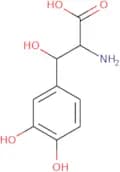
CAS:D-Threo-3,4-dihydroxyphenylserine hydrochloride is a potent inhibitor that has been shown to induce apoptosis in various cancer cell lines. It works by inhibiting kinases and proteins involved in the cell cycle, resulting in the inhibition of tumor growth. This compound has been extensively studied for its anticancer properties and has shown promising results in human clinical trials. D-Threo-3,4-dihydroxyphenylserine hydrochloride is derived from Chinese medicinal herbs and can be isolated from urine or synthesized chemically. Its ability to selectively inhibit cancer cell growth makes it a potential candidate for future cancer therapies.Formula:C9H11NO5Purity:Min. 95%Molecular weight:213.19 g/molDecarboxy ciprofloxacin
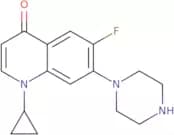
CAS:Decarboxy ciprofloxacin is a prodrug that is active against bacteria and other microorganisms. It has been shown to have an affinity for the fluoroquinolone binding site on the bacterial ribosome, inhibiting protein synthesis and cell division. Decarboxy ciprofloxacin has been used in animals to treat infections caused by Escherichia coli, Klebsiella pneumoniae, Salmonella enterica, Proteus mirabilis, and Pseudomonas aeruginosa. Decarboxy ciprofloxacin is administered orally in the form of tablets or capsules. The drug binds to metal ions and can be detected with a biosensor that uses an aptamer-coated electrode. This sensor can be used for the detection of both metal ions and fluoroquinolones. Decarboxy ciprofloxacin is also used as a research tool toFormula:C16H18FN3OPurity:Min. 95%Color and Shape:PowderMolecular weight:287.33 g/molo-Cresol-d7
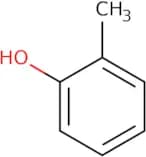
CAS:Please enquire for more information about o-Cresol-d7 including the price, delivery time and more detailed product information at the technical inquiry form on this pageFormula:C7H8OPurity:Min. 95%Molecular weight:115.18 g/mol9,13β-Dehydro epinastine
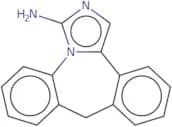
CAS:9,13β-Dehydro epinastine is a synthetic impurity that is an analytical reference material. It is a metabolite of the drug epinastine and has been shown to have pharmacological activity.Formula:C16H13N3Purity:Min. 95%Molecular weight:247.29 g/mol8-Hydroxy warfarin-d5
CAS:8-Hydroxy warfarin-d5 is a drug product that is an impurity standard for the metabolism of warfarin. It is an analytical standard that can be used to determine the concentration of warfarin in a sample. The CAS number for 8-Hydroxy warfarin-d5 is 94820-66-3, and it has a molecular weight of 318.83 g/mol. This compound can be synthesized from natural sources or by chemical synthesis. 8-Hydroxy warfarin-d5 may also be used as a research and development tool in pharmacology, drug development, and toxicology studies.Formula:C19H11D5O5Purity:Min. 95%Molecular weight:329.36 g/mol2-Demethoxy-4-methoxy urapidil
CAS:2-Demethoxy-4-methoxy urapidil is a drug product that is used in the development of new drugs. It is a synthetic compound that is metabolized to form its natural metabolite, 2-demethoxyurapidil. This impurity standard has been shown to have anti-inflammatory effects and can be used as an API impurity for pharmacopoeia. 2DMO4MU has been shown to be useful in the study of metabolism and has been found to inhibit prostaglandin synthesis.
Formula:C20H29N5O3Purity:Min. 95%Molecular weight:387.48 g/molPrilocaine hydrochloride
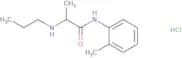
CAS:Prilocaine is a synthetic chemical that is used as an active ingredient in some local anesthetic preparations. It is a metabolite of lidocaine and has been shown to be more potent than lidocaine in animal studies. Prilocaine hydrochloride is the free base form of prilocaine, which is soluble in water and alcohol. This product can be used as a reference standard for quality control purposes or as an analytical impurity standard for the analysis of drug products containing prilocaine.Formula:C13H21ClN2OPurity:Min. 95%Molecular weight:256.77 g/molMoncrotophos
CAS:Controlled ProductMoncrotophos is an anticancer agent that has been shown to inhibit the activity of kinases, enzymes that play a crucial role in cell growth and proliferation. This inhibitor has been found to induce apoptosis, or programmed cell death, in cancer cells. Moncrotophos is a synthetic analog of ghrelin, a hormone that regulates appetite and energy balance in humans. It has been shown to have potent inhibitory effects on tumor growth in animal models and human cancer cell lines. In addition to its anticancer properties, Moncrotophos has also been investigated as a potential treatment for other diseases such as diabetes and obesity due to its ability to regulate glucose metabolism. However, caution should be exercised when using this product as it can be toxic if not used properly.
Formula:C7H14NO5PPurity:Min. 95%Molecular weight:223.16 g/mol1-[4-Chloro-2-(2-fluorobenzoyl)phenyl]-2-methyl-1H-imidazole-5-carboxylic acid
CAS:Please enquire for more information about 1-[4-Chloro-2-(2-fluorobenzoyl)phenyl]-2-methyl-1H-imidazole-5-carboxylic acid including the price, delivery time and more detailed product information at the technical inquiry form on this page
Formula:C18H12ClFN2O3Molecular weight:358.75 g/molPropafenone beta-D-glucuronide
CAS:Propafenone beta-D-glucuronide is a drug product that is used as an analytical reference standard. It has been shown to be metabolized in the rat, dog, and human by hydrolysis of the glucuronide group. The natural form of propafenone is found in various plants and fruits. Research and Development includes the synthesis of Propafenone beta-D-glucuronide from synthetic precursors. CAS No. 91411-76-6 is a Metabolite impurity standard for API Impurities testing which is found in pharmaceuticals, including propafenone, as an impurity.Formula:C27H35NO9Purity:Min. 95%Molecular weight:517.60 g/molIsopropyl 2-(3-nitrobenzilidene)acetoacetate
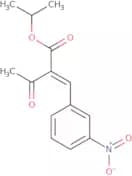
CAS:This isopropyl 2-(3-nitrobenzylidene)acetoacetate is a reaction solution that can be used to produce the antihypertensive drug, methyldopa. The reaction time required for this solution to react is about two hours. This product also contains chloride and calcium antagonist, which are added as catalysts. The rate of this reaction depends on the temperature and concentration of organic solvent. Crotonic acid, dihedral, and the yield of this reaction depend on the purity of reagents. Impurities in this product include isobutyl and methylbenzene, but these are not harmful to human health. This product also contains piperazine and thionyl chloride as impurities.Formula:C14H15NO5Purity:Min. 95%Molecular weight:277.27 g/mol2-(Hydroxymethyl)-1-phenylcyclopropanecarbonitrile
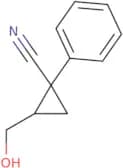
CAS:Please enquire for more information about 2-(Hydroxymethyl)-1-phenylcyclopropanecarbonitrile including the price, delivery time and more detailed product information at the technical inquiry form on this pageFormula:C11H11NOPurity:Min. 95%Molecular weight:173.21 g/molNSC 116339
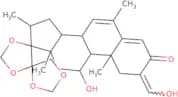
CAS:Please enquire for more information about NSC 116339 including the price, delivery time and more detailed product information at the technical inquiry form on this pageFormula:C26H34O7Purity:Min. 95%Molecular weight:458.5 g/molEthylene terephthalate cyclic tetramer-d16
CAS:Ethylene terephthalate (ET) is a polymer that is used in the textile industry. ET is made by the reaction of ethylene glycol with terephthalic acid, which results in the formation of linear polyesters. This process can be done as a batch or continuous process. The polymerization process starts by heating the reactants and then adding an appropriate catalyst to initiate the reaction. This step is called “extrusion” and it involves forcing the reactants through a small hole under high pressure, which creates long strings of molecules of polyester. After this, the polymer strands are heated to remove any remaining water and are stretched out into long fibers under tension. These fibers are then drawn to make them thinner and stronger before they are cut into lengths. Finally, they are wound onto spools for later use.Formula:C40H16D16O16Purity:Min. 95%Molecular weight:784.77 g/mol4-Hydroxy guanabenz hydrochloride
CAS:Please enquire for more information about 4-Hydroxy guanabenz hydrochloride including the price, delivery time and more detailed product information at the technical inquiry form on this pageFormula:C8H9Cl3N4OPurity:Min. 95%Molecular weight:283.5 g/molO-De(3-fluorobenzyl) lapatinib ditosylate
CAS:O-De(3-fluorobenzyl) lapatinib ditosylate (OFLB) is a drug product that is supplied as a white to light yellow crystalline powder. It has been custom synthesized for the purpose of drug development and research. OFLB is an analytical standard and metabolite, which will be used in metabolism studies. This product is not intended for use in humans or animals.Formula:C22H21ClN4O4S•(C7H8O3S)2Purity:Min. 95%Molecular weight:817.35 g/molN,N-Bis[2-(2-hydroxyethoxy)ethyl] quetiapine chloride
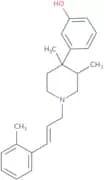
N,N-Bis[2-(2-hydroxyethoxy)ethyl] quetiapine chloride is a synthetic drug product with a purity of >98% and low impurity content, which is used in research and development. It can be custom synthesized to meet the needs of a particular research or development project. This compound has an analytical purity of >98% and low impurity content, making it suitable for use as an API impurity standard. N,N-Bis[2-(2-hydroxyethoxy)ethyl] quetiapine chloride is not currently regulated by any pharmacopoeia.Formula:C25H34ClN3O4SPurity:Min. 95%Molecular weight:508.07 g/mol(2S,4S)-4-Cyclohexyl-1-(1,3 dioxopentyl)-L-proline
CAS:Controlled Product(4S)-4-Cyclohexyl-1-(1,3 dioxopentyl)-L-proline is a synthetic, non-natural amino acid. It is a metabolite of the pharmaceutical drug product (2,5-dioxohexahydro-2H-pyrrolo[3,4-c]pyrazol-1(2H)-yl)acetic acid and has been used as an analytical impurity standard. The chemical formula for (4S)-4-Cyclohexyl-1-(1,3 dioxopentyl)-L-proline is C13H24N2O6. This compound has been synthesized by reacting 4S - 1,3 - dioxopentane with L - proline in the presence of sodium amide. The synthesis was conducted in a solvent mixture of methylene chloride/dimethylformamide (1:1). The molecularFormula:C16H25NO4Purity:Min. 95%Molecular weight:295.37 g/mol2-(2-(4-(Dibenzo[b,f][1,4]thiazepin-11-yl)piperazin-1-yl)ethoxy)ethyl acetatequetiapine acetate
CAS:2-(2-(4-(Dibenzo[b,f][1,4]thiazepin-11-yl)piperazin-1-yl)ethoxy)ethyl acetatequetiapine acetate is a drug product that is synthesized and purified by HPLC. It is a metabolite of quetiapine, an antipsychotic drug used for the treatment of schizophrenia and bipolar disorder. 2-(2-(4-(Dibenzo[b,f][1,4]thiazepin-11-yl)piperazin-1-yl)ethoxy)ethyl acetatequetiapine acetate has been shown to be more potent than quetiapine in inhibiting dopamine release in rat brain synaptosomes and dopamine transporter activity in human cells. This compound also inhibits the binding of ligands to the serotonin transporter at higher concentrations than those required for inhibition of dopamine uptake.Formula:C23H27N3O3SPurity:Min. 95%Molecular weight:425.50 g/molM1-Enrofloxacin hydrochloride
CAS:Please enquire for more information about M1-Enrofloxacin hydrochloride including the price, delivery time and more detailed product information at the technical inquiry form on this page
Formula:C17H20FN3O3Purity:Min. 95%Molecular weight:333.36 g/mol



![1-[1-(4-Methoxyphenyl)-2-[[2-(4-methoxyphenyl)ethyl]amino]ethyl]cyclohexanol](/_next/image/?url=https%3A%2Fstatic.cymitquimica.com%2Fproducts%2F3D%2Fthumb-webp%2FIM63868.webp&w=3840&q=75)
![3-[2-[4-(6-Fluoro-2-benzoxazolyl)-1-piperidinyl]ethyl]-6,7,8,9-tetrahydro-2-methyl-4H-pyrido[1,2-a…](/_next/image/?url=https%3A%2Fstatic.cymitquimica.com%2Fproducts%2F3D%2Fthumb-webp%2FIF23377.webp&w=3840&q=75)
![3-[2-[4-(1,2-Benzisoxazol-3-yl)-1-piperidinyl]ethyl]-6,7,8,9-tetrahydro-2-methyl-4H-pyrido[1,2-a]p…](/_next/image/?url=https%3A%2Fstatic.cymitquimica.com%2Fproducts%2F3D%2Fthumb-webp%2FIB21194.webp&w=3840&q=75)

![1-C-4-Chloro-3-[(4-ethoxyphenyl)methyl]phenyl]-D-glucopyranose](/_next/image/?url=https%3A%2Fstatic.cymitquimica.com%2Fproducts%2F3D%2Fthumb-webp%2FIC181108.webp&w=3840&q=75)

![1,3-Bis[4-(2-methoxyethyl)phenoxy]-2-propanol](/_next/image/?url=https%3A%2Fstatic.cymitquimica.com%2Fproducts%2F3D%2Fthumb-webp%2FFJA97530.webp&w=3840&q=75)

![5-Amino-N,N’-bis[2-hydroxy-1-(hydroxymethyl)ethyl]-2,4,6-triiodo-1,3-benzenedicarboxamide - EP](/_next/image/?url=https%3A%2Fstatic.cymitquimica.com%2Fproducts%2F3D%2Fthumb-webp%2FIA138685.webp&w=3840&q=75)
![1-[[2-[(2-Aminophenyl)amino]-5-methyl-3-thienyl]carbonyl]-4-methyl-piperazine](/_next/image/?url=https%3A%2Fstatic.cymitquimica.com%2Fproducts%2F3D%2Fthumb-webp%2FIA183184.webp&w=3840&q=75)

![2-[3,5-Dichloro-4-[(4-chlorophenyl)methyl]phenyl]-1,2,4-triazine-3,5(2H,4H)-dione](/_next/image/?url=https%3A%2Fstatic.cymitquimica.com%2Fproducts%2F3D%2Fthumb-webp%2FIFA64880.webp&w=3840&q=75)
![N-(3-hydroxytricyclo[3.3.1.1]dec-1-yl)glycyl-L-prolinamide](/_next/image/?url=https%3A%2Fstatic.cymitquimica.com%2Fproducts%2F3D%2Fthumb-webp%2FIN176051.webp&w=3840&q=75)

![3,9-Dihydro-9-[(2-hydroxyethoxy)methyl]-1H-Purine-2,6-dione](/_next/image/?url=https%3A%2Fstatic.cymitquimica.com%2Fproducts%2F3D%2Fthumb-webp%2FID157193.webp&w=3840&q=75)
![3-[4-(4-Chlorobenzoyl)phenoxy]-2-butanone](/_next/image/?url=https%3A%2Fstatic.cymitquimica.com%2Fproducts%2F3D%2Fthumb-webp%2FIC20198.webp&w=3840&q=75)
![1,3-Benzodioxol-5-yl[4-(2-chloroethoxy)phenyl]methanone](/_next/image/?url=https%3A%2Fstatic.cymitquimica.com%2Fproducts%2F3D%2Fthumb-webp%2FJKA14965.webp&w=3840&q=75)


![1-[4-Chloro-2-(2-fluorobenzoyl)phenyl]-2-methyl-1H-imidazole-5-carboxylic acid](/_next/image/?url=https%3A%2Fstatic.cymitquimica.com%2Fproducts%2F3D%2Fthumb-webp%2FIC184413.webp&w=3840&q=75)

![N,N-Bis[2-(2-hydroxyethoxy)ethyl] quetiapine chloride](/_next/image/?url=https%3A%2Fstatic.cymitquimica.com%2Fproducts%2F3D%2Fthumb-webp%2FIB76470.webp&w=3840&q=75)
![2-(2-(4-(Dibenzo[b,f][1,4]thiazepin-11-yl)piperazin-1-yl)ethoxy)ethyl acetatequetiapine acetate](/_next/image/?url=https%3A%2Fstatic.cymitquimica.com%2Fproducts%2F3D%2Fthumb-webp%2FUIB63907.webp&w=3840&q=75)