APIs for research and impurities
Subcategories of "APIs for research and impurities"
- Aminoacids and derivatives(12,316 products)
- Anthraquinones and derivatives(402 products)
- Benzimidazole and Imidazole Derivatives(10,375 products)
- Benzodiazepine Derivatives(323 products)
- Carbohydrates and glycoconjugates(5,038 products)
- Esters and Derivatives(42,239 products)
- Fatty Acids and Lypidic Derivatives(32,360 products)
- Flavonoids and Polyphenols(17,066 products)
- Free Radicals and Oxidant/Reducing Agents(208 products)
- Ketones and derivatives(2,393 products)
- Natural and semi-synthetic antibiotics(6,307 products)
- Nitriles and Cyano Derivatives(3,068 products)
- Nitrosamines and Derivatives(55 products)
- Nucleosides and Nucleotides(3,409 products)
- Organic Phosphates and Phosphonates(1,192 products)
- Organic Sulphonates and Sulphates(10,415 products)
- Organometallics(4,417 products)
- Others(6,257 products)
- Peptides and Proteins(3,129 products)
- Polymers and Derivatives(99 products)
- Purines and Pyrimidine Derivatives(8,889 products)
- Quinazoline and Quinoline Derivatives(65,574 products)
- Quinones and Derivatives(24,334 products)
- Salts and Derivatives of Active Pharmaceutical Ingredients (API)(81,501 products)
- Steroids and Derivatives(4,905 products)
- Sulfonamides and Derivatives(2,539 products)
- Terpenoids and Derivatives(3,827 products)
- Thiazolidinediones and Thiopyrans(2,752 products)
- β-Adrenergic Compounds(227 products)
Found 58881 products of "APIs for research and impurities"
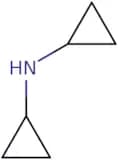
Dicyclopropylamine
CAS:Dicyclopropylamine is a molecule that has been clinically developed as a drug. It is an inhibitor of the enzyme tyrosinase, which is involved in the production of melanin, and has been shown to have anti-cancer properties. Dicyclopropylamine hydrochloride has been shown to be effective against aliphatic hydrocarbons such as hexane and cyclohexane, as well as aromatic compounds such as benzene and toluene. This drug can also bind to coordination complexes with high kinetic energy, which may be useful for tumor treatment. Dicyclopropylamine hydrochloride can be used for the clinical treatment of human epidermoid carcinoma.
Formula:C6H11NPurity:Min. 95%Molecular weight:97.16 g/molTrazodone Hydrochloride Impurity G
Trazodone Hydrochloride Impurity G is a synthetic compound that is an impurity found in Trazodone Hydrochloride, CAS No. 77893-17-6. This compound has the following physical properties: MW = 284.27, mp = 227-229°C, [α] D = -33.5° (c 1.0 in water), and UV max (λ max ) = 228 nm. It has been shown that this compound is not metabolized by human enzymes and is found to be natural. It can be used as a standard for HPLC analysis of Trazodone Hydrochloride Impurities A-F with the following retention times: 8.7 min for Impurity A, 9.2 min for Impurity B, 9.9 min for Impurity C, 10.4 min for Impurity D, 11.1 min for Impurity E, and 12.3 min for Impurity F.BR>BR
Formula:C17H27ClN2O·HClPurity:Min. 95%Molecular weight:347.32 g/mol5-Methoxy-2-[[(3,5-dimethyl-2-pyridinyl)methyl]sulphinyl]-1H-benzimidazole
CAS:5-Methoxy-2-[[(3,5-dimethyl-2-pyridinyl)methyl]sulphinyl]-1H-benzimidazole is a natural product. It is an impurity in the drug development process and may be present as an analytical marker for impurities. 5-Methoxy-2-[(3,5-dimethylpyridinium)methyl]sulfinyl]-1Hbenzimidazole is used as a pharmacopoeia standard and can be synthesized on request.Formula:C16H17N3O2SPurity:Min. 95%Color and Shape:PowderMolecular weight:315.39 g/molRef: 3D-IM57917
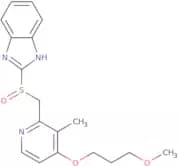
Discontinued productRabeprazole
CAS:Rabeprazole is a proton pump inhibitor that suppresses the production of stomach acid by blocking the H+/K+ ATPase enzyme. It is used for the treatment of gastroesophageal reflux disease, peptic ulcers, and Zollinger-Ellison syndrome. Rabeprazole has been shown to be more effective than omeprazole in reducing gastric acid secretion in two-way crossover studies. Rabeprazole also has been shown to inhibit the growth of antibiotic-resistant strains of bacteria. In addition, rabeprazole binds to metal ions like iron and copper, which may affect its pharmacokinetics and efficacy. This drug is currently being investigated as an analytical method for determination of proton pump inhibitors in human serum and urine samples by electrochemical impedance spectroscopy (EIS).
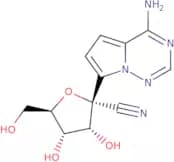
Formula:C18H21N3O3SPurity:Min. 95%Color and Shape:White PowderMolecular weight:359.44 g/molRemdesivir impurity 7
CAS:Remdesivir is an antiviral drug. It is an RNA-dependent RNA polymerase inhibitor that has been shown to be effective against a broad range of RNA viruses, including influenza A and B, rhinovirus, respiratory syncytial virus, and parainfluenza virus. Remdesivir impurity 7 (impurity) is a byproduct of the synthesis process of remdesivir. It is a white crystalline solid with a strong chemical odor. This impurity can be synthesized in high purity as well as in custom specifications to meet the needs of pharmaceutical companies developing new drugs.
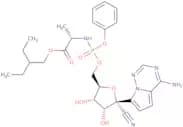
Formula:C15H24NO5PPurity:Min. 95%Molecular weight:329.33 g/molRemdesivir impurity 13
CAS:Remdesivir impurity 13 is a metabolite of remdesivir, which is a drug product that is custom synthesized by us. This compound has been shown to be natural and can be found in the human body. Remdesivir impurity 13 has been studied extensively for its metabolic pathway and as a potential impurity standard for HPLC analysis.
Formula:C27H35N6O8PPurity:Min. 95%Molecular weight:602.58 g/molAtorvastatin epoxydione impurity
CAS:Atorvastatin epoxydione impurity (EPI) is a heptanoic, hydrate, diastereoisomer, racemic mixture, enantiomer and impurity of Atorvastatin. The EPI has been minimized in the formulation process by using a novel synthesis route that employs a chiral pyrrole derivative as an intermediate. This minimization has allowed for the elimination of the tautomer and other impurities present in the original compound.
Formula:C26H22FNO4Purity:Min. 95 Area-%Color and Shape:White PowderMolecular weight:431.46 g/molRef: 3D-IA18016
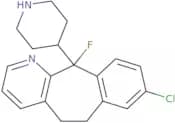
Discontinued product11-Fluoro desloratadine
CAS:11-Fluoro desloratadine is a metabolite of the antihistamine, loratadine. It has shown to be an analytical standard for HPLC, and impurity standard for pharmacopoeia. 11-Fluoro desloratadine is typically synthesized by reacting loratadine with fluorinating reagent such as N-fluorosuccinimide (NFSI) in the presence of a base catalyst such as sodium methoxide. 11-Fluoro desloratadine is also found in breast milk at concentrations of up to 1.2% of total loratadine concentration, which has been attributed to incomplete metabolism or passive transfer from mother to child.
Formula:C19H20N2ClFPurity:Min. 95%Color and Shape:PowderMolecular weight:330.83 g/molRef: 3D-IF46257
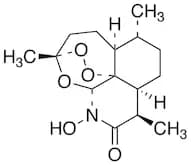
Discontinued productN-Hydroxy-11-azaartemisinin
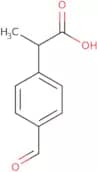
CAS:Controlled ProductFormula:C15H23NO5Color and Shape:WhiteMolecular weight:297.352-(4-Formylphenyl)propionic acid - Racemic
CAS:2-(4-Formylphenyl)propionic acid is a racemic mixture of 2-formylphenylacetic acid and 4-formylphenylacetic acid. This compound is used in the treatment of bacterial infections and inflammation. It is an organic solution that can be injected, administered orally, or applied topically. The 2-(4-formylphenyl)propionic acid has been shown to have anti-inflammatory properties, but also has side effects such as skin irritation when it is applied topically. This drug can also cause nausea, vomiting, and diarrhea when administered orally.
Formula:C10H10O3Purity:Min. 95%Color and Shape:White PowderMolecular weight:178.18 g/molRef: 3D-IF27430
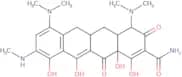
Discontinued product9-Methylamino minocycline
CAS:9-Methylamino minocycline is a semi-synthetic antibiotic with excellent oral bioavailability. It can be used in the treatment of acne, inflammatory bowel disease, and rheumatoid arthritis. 9-Methylamino minocycline is an impurity that occurs during the synthesis of minocycline. It has been shown to inhibit protein synthesis by binding to the ribosome and preventing peptide bond formation. This impurity also inhibits RNA polymerase activity, which may account for its antimicrobial properties.
Formula:C24H30N4O7Purity:Min. 95%Molecular weight:486.52 g/molRef: 3D-HZA40273
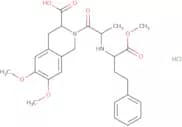
Discontinued productMoexipril methyl ester analog hydrochloride
CAS:Moexipril methyl ester analog hydrochloride is a drug product that has been custom synthesized for research and development. It is a high purity, analytical grade compound with CAS No. 1356841-17-2. Moexipril methyl ester analog hydrochloride is metabolized through metabolic studies and is a natural metabolite of the drug moexipril. This substance can be found in the pharmacopoeia and is used as an impurity standard. Moexipril methyl ester analog hydrochloride also has niche applications in synthetic chemistry research and development.Formula:C26H32N2O7•HClPurity:Min. 95%Color and Shape:PowderMolecular weight:521 g/molRef: 3D-GEC84117
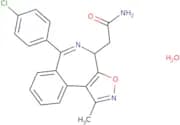
Discontinued productCPI 0610
CAS:CPI 0610 is a medicinal compound that acts as a potent inhibitor of protein phosphorylation. It has been shown to inhibit the cell cycle and promote apoptosis in Chinese hamster ovary cells. CPI 0610 is an effective inhibitor of kinase activity in cancer cells, leading to decreased tumor growth and increased survival rates. In preclinical studies, CPI 0610 has demonstrated efficacy against a wide range of cancers, including breast, prostate, and lung cancer. This inhibitor has also been shown to be effective in human cancer cell lines, making it a promising candidate for future cancer therapies.
Formula:C20H18ClN3O3Purity:Min. 95%Molecular weight:383.8 g/molRef: 3D-VYC72614
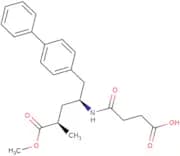
Discontinued productSacubitril methyl ester
CAS:Sacubitril methyl ester is a drug product that belongs to the group of angiotensin receptor blockers. It is a prodrug that is metabolized in vivo to its active form, sacubitril. Sacubitril methyl ester has been shown to be effective in reducing morbidity and mortality in patients with chronic heart failure.
Formula:C23H27NO5Purity:Min. 95%Color and Shape:PowderMolecular weight:397.47 g/molRef: 3D-IS181150
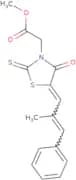
Discontinued product(E,Z)-Epalrestat methyl ester
CAS:(E,Z)-Epalrestat methyl ester is a drug product that is custom-synthesized for research and development purposes. It is a natural metabolite of (E,Z)-epalrestat acid. The chemical name for this compound is 3-[(2-chlorophenyl)methyl]-N-(1H-indol-3-ylmethylene)malonamide. The molecular weight of this compound is 284.87 g/mol and it has an empirical formula of C24H27ClN2O2. It has been found to inhibit the activity of phosphodiesterase (PDE), which plays a role in the breakdown of cyclic nucleotides such as cAMP and cGMP. This product has high purity and analytical data that can be used for metabolism studies or clinical trials.
Formula:C16H15NO3S2Purity:Min. 95%Molecular weight:333.43 g/molRef: 3D-HCB77570
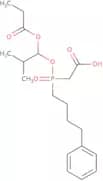
Discontinued product2-((2-Methyl-1-(propionyloxy)propoxy)(4-phenylbutyl)phosphoryl)acetic acid
CAS:2-((2-Methyl-1-(propionyloxy)propoxy)(4-phenylbutyl)phosphoryl)acetic acid (KZPBA) is a zoonotic antibiotic that has been shown to be active against agalactiae. It is a prodrug, which is metabolized to the active form, KZPBA, in humans and other mammals. The mechanism of action of KZPBA is not yet known; however, it has been hypothesized that its activity may be due to inhibition of DNA gyrase and topoisomerase IV. This drug has also been shown to have an effect on mastitis in dairy cows.Formula:C19H29O6PPurity:Min. 95%Molecular weight:384.4 g/molRef: 3D-IM27637
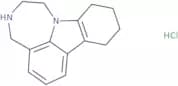
Discontinued productMesulergine hydrochloride
CAS:Mesulergine hydrochloride is a drug that inhibits the dopamine and serotonin receptors. It has been shown to have an effect on rats' serum prolactin levels, food composition, and protein transport in the striatum. Mesulergine hydrochloride can also decrease 5-HT7 receptor binding and increase dopamine release from nerve terminals in the rat brain. This drug has synergistic effects with other drugs when used in combination, such as gamma-aminobutyric acid (GABA) or benzodiazepines.
Symptoms of mesulergine hydrochloride include psychotic disorders, anxiety, depression, hallucinations, sleep problems, and suicidal thoughts. These symptoms may be due to mesulergine's effect on 5-HT2C receptors.Formula:C18H27ClN4O2SPurity:Min. 95%Molecular weight:399 g/molRef: 3D-XCA78612
Discontinued productDioctyl carbonate
CAS:Dioctyl carbonate is a pharmaceutical preparation used to treat skin conditions. It is a fatty acid ester of carbonic and carbonyl groups in which the two esters are in the same molecule. Dioctyl carbonate is a reaction product obtained by reacting an inorganic acid, such as hydrochloric acid or sulfuric acid, with an alcohol containing two hydroxyl groups and one double bond. This reaction may be facilitated by heating. The film-forming polymer may be polyvinylpyrrolidone, polyvinyl alcohol, or polyacrylic acid. Dioctyl carbonate has been shown to stimulate colony-stimulating factor production and inhibit the proliferation of human epidermal keratinocytes.
Formula:C17H34O3Purity:Min. 95%Color and Shape:Clear LiquidMolecular weight:286.4 g/moltert-Butyl 4-(4-amino-6,7-dimethoxyquinazolin-2-yl)piperazine-1-carboxylate
CAS:tert-Butyl 4-(4-amino-6,7-dimethoxyquinazolin-2-yl)piperazine-1-carboxylate is an impurity that is found in the production of tert-butyl 4-(4,5,6,7,8,9,10-hexahydrobenzo[a]pyrido[1,2:4,3]triazin-2(3H)-yl)piperazine-1 carboxylate. It has been used as a reference standard for HPLC. This compound is not active when administered orally and does not exhibit any pharmacological activity.Formula:C19H27N5O4Purity:Min. 95%Molecular weight:389.4 g/molRef: 3D-KAC93966
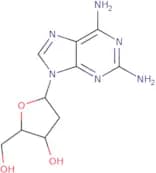
Discontinued productRegadenoson Impurity 28
CAS:Regadenoson Impurity 28 is an analytical standard and research and development impurity. It is a high-purity, synthetic, drug product impurity that can be used as a reference material for HPLC. This drug impurity is also available in a custom synthesis service. Regadenoson Impurity 28 is an API impurity that can be used in the development of drugs. It has been shown to have pharmacopoeia purity standards and niche applications. Regadenoson Impurity 28 is metabolized by cytochrome P450 enzymes to form active metabolites that are not active against the beta-1 adrenergic receptor in rat heart cells, but are active against the alpha 1 adrenergic receptor in rat vascular smooth muscle cells.
Formula:C10H14N6O3Purity:Min. 95%Molecular weight:266.26 g/mol(-)-Bornyl ferulate
CAS:Controlled Product(-)-Bornyl ferulate is a natural compound, specifically a type of ferulic acid ester, which is a secondary metabolite found in certain plants. Its source is primarily the essential oils and resins of various coniferous species, where it contributes to the plant's defense mechanisms. The mode of action of (-)-Bornyl ferulate involves its ability to scavenge free radicals, thus exhibiting antioxidant activity. It also modulates inflammatory pathways, suggesting possible anti-inflammatory effects.
Formula:C20H26O4Purity:Min. 95%Molecular weight:330.42 g/molRef: 3D-FCA51107
Discontinued productEsomeprazole Impurity Q
Esomeprazole Impurity Q is a drug product. It is an impurity standard of esomeprazole, CAS No. 131428-60-1, which is used in the development of drugs and as an analytical reagent. It is synthesized from natural materials and has a purity of 99%. The metabolite can be found in animal and human metabolism studies. Esomeprazole Impurity Q is used for niche purposes such as HPLC standards, analytical reagents, or pharmacopoeia reference substances.
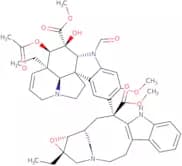
Purity:Min. 95%N-Formyl leurosine
CAS:N-Formyl leurosine is an inhibitor of fatty acid synthesis. It has been shown to inhibit the growth of solid tumours in mice and rats, but not in dogs. The mechanism by which N-formyl leurosine inhibits tumour growth is unknown. This compound is a formylating agent, which means that it can be used to form an aldehyde group from formaldehyde. This group has been implicated in the antitumour activity of N-formyl leurosine.
Formula:C46H54N4O10Purity:Min. 95%Molecular weight:822.94 g/molRef: 3D-IF23552
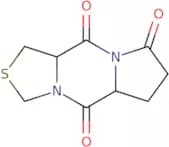
Discontinued productPidotimod Diketopiperazine
CAS:Pidotimod Diketopiperazine is a test substance that is a phosphoric acid salt of pidotimod with a diketopiperazine group. Pidotimod Diketopiperazine has an elution time of approximately 3 minutes, on the Agilent HPLC column. It is soluble in water and has a pH of around 1.5-2.5. Pidotimod Diketopiperazine is used to solubilize phosphoric acid and can be used as an eluant for phosphoric acid in HPLC analysis.
Formula:C9H10N2O3SPurity:Min. 95%Molecular weight:226.25 g/molL(+)-2-Amino-5-phosphonovaleric acid
CAS:L-2-Amino-5-phosphonovaleric acid is an inhibitory neurotransmitter that binds to the GABAA receptor. It is used in the treatment of bladder disorders, such as urinary frequency, urgency, and incontinence. L-2-Amino-5-phosphonovaleric acid has been shown to have a depressant effect on the central nervous system and can cause symptoms such as nausea, vomiting, and headache. This drug also has antimicrobial properties due to its ability to inhibit bacterial enzyme activities. L-2-Amino-5-phosphonovaleric acid blocks glutamate receptors in mouse hippocampal cells by binding the alpha1 subunit of the GABAA receptor. This prevents the influx of calcium ions into cells and inhibits phosphorylation of protein kinase C. L(+)-2-Amino-5-phosphonovaleric acid also inhibits pentosan polysulfate sodium,
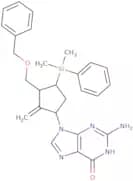
Formula:C5H12NO5PPurity:Min. 95%Molecular weight:197.13 g/mol6-o-Benzyl-4-dehydroxy-4-dimethylphenylsilyl entecavir
CAS:6-o-Benzyl-4-dehydroxy-4-dimethylphenylsilyl entecavir is a synthetic drug product with an API impurity. It's an analytical standard for the metabolite 6-o-benzylidene-4,6-didehydroentecavir (CAS 649761-24-0), which is a natural metabolite of entecavir. The impurity standard is used in research and development to study the drug product's metabolism and to ensure that it meets pharmacopeia standards.Formula:C27H31N5O2SiPurity:Min. 95%Molecular weight:485.7 g/molRef: 3D-ZAB76124
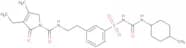
Discontinued productm-Glimepiride impurity
CAS:m-Glimepiride impurity is a chemical substance that belongs to the sulfonylurea family. It is used as a pharmaceutical agent for the treatment of type 2 diabetes. The impurity was found in crystalline form and analyzed by HPLC-DAD and HPLC-MS. The purity of m-Glimepiride impurity was determined to be 99%. It is not known whether this impurity has any biological activity.
Formula:C24H34N4O5SPurity:Min. 95%Molecular weight:490.62 g/mol2-Phenylbutyramide
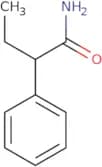
CAS:2-Phenylbutyramide is a drug that acts as a potent, nonselective agonist at adenosine A3 receptors. It has been shown to have therapeutic potential for the treatment of bowel disease and cardiac diseases. 2-Phenylbutyramide binds to the adenosine A3 receptor and triggers an increase in intracellular calcium levels, which leads to smooth muscle relaxation in the gut. This drug also has been found to be effective against autoimmune diseases and organometallic toxicity. It is not active against bacterial infections such as hepatitis or inflammatory bowel disease.
Formula:C10H13NOPurity:Min. 95%Molecular weight:163.22 g/molL-Valine 2-hydroxyethyl ester tosylate
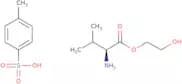
CAS:L-Valine 2-hydroxyethyl ester tosylate (L-V2HT) is a drug product that is synthesized by custom synthesis. It has high purity, analytical, and natural properties. L-V2HT is metabolized through a number of metabolic transformations, including hydrolysis by esterases or glucuronidases, oxidation by cytochrome P450 enzymes, reduction by glutathione reductase, or conjugation with glucuronic acid. The active form of L-V2HT is metabolized through a number of metabolic transformations, including hydrolysis by esterases or glucuronidases, oxidation by cytochrome P450 enzymes, reduction by glutathione reductase, or conjugation with glucuronic acid. L-V2HT also specifically binds to markers expressed at high levels in Mycobacterium tuberculosis strains (e.g., ESX-1 secretion system protein) and inhibits cell
Formula:C14H23NO6SPurity:Min. 95%Molecular weight:333.4 g/molRef: 3D-IV178763
Discontinued productSteptonigrin
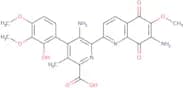
CAS:Streptonigrin is an anticancer drug that is derived from the bacterium Streptomyces flocculus. It has been shown to induce apoptosis in cancer cells by inhibiting various kinases, including cyclin-dependent kinases and protein kinases. Streptonigrin has been found to be effective against a variety of tumors, including those of Chinese hamster ovary cells and human urine-derived cancer cells. This inhibitor analog also has a potent inhibitory effect on tumor growth in vivo.
Formula:C25H22N4O8Purity:Min. 95%Molecular weight:506.5 g/molRef: 3D-ETB89379
Discontinued productEnalaprilat tert-butyl ester
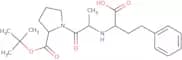
CAS:Enalaprilat tert-butyl ester is a synthetic compound and impurity standard used in the synthesis of drug product. Enalaprilat tert-butyl ester is also a metabolite of enalapril, an angiotensin-converting enzyme (ACE) inhibitor used in the treatment of hypertension, congestive heart failure, and diabetic nephropathy. Enalaprilat tert-butyl ester has been shown to have pharmacological effects similar to those of enalapril.
Formula:C22H32N2O5Purity:Min. 95%Molecular weight:404.5 g/molRef: 3D-ZBB79629
Discontinued product(3R,5S,6E)-7-[4-(4-Fluorophenyl)-6-(1-methylethyl)-2-[methyl[(2-hydroxy-2-methylpropyl)sulfonyl]amino]-5-pyrimidinyl]-3,5-dihydroxy- 6-heptenoic acid sodium salt
CAS:(3R,5S,6E)-7-[4-(4-Fluorophenyl)-6-(1-methylethyl)-2-[methyl[(2-hydroxy-2-methylpropyl)sulfonyl]amino]-5-pyrimidinyl]-3,5-dihydroxy- 6-heptenoic acid sodium salt is a synthetic drug product. It is an impurity standard in the synthesis of Metabolism studies. The CAS number is 1714147-50-8 and the chemical name is (3R,5S,6E)-7-[4-(4-fluorophenyl)-6-(1-methylethyl)-2-[methyl[(2-hydroxy-2 methylpropyl)sulfonyl]amino]-5-pyrimidinyl]-3,5dihydroxyheptenoic acid sodium salt. The molecular weight is 781
Formula:C25H33FN3NaO7SPurity:Min. 95%Molecular weight:561.6 g/molRef: 3D-IF156830
Discontinued productN-[2-[(8R)-1,6,7,8-Tetrahydro-6-oxo-2H-indeno[5,4-b]furan-8-yl]ethyl]propanamide
CAS:N-[2-[(8R)-1,6,7,8-Tetrahydro-6-oxo-2H-indeno[5,4-b]furan-8-yl]ethyl]propanamide is a synthetic compound that has not been identified in nature. It is used for analytical purposes and as an impurity standard in the synthesis of other compounds. N-[2-[(8R)-1,6,7,8-Tetrahydro-6-oxo-2H-indeno[5,4-b]furan-8-yl]ethyl]propanamide is the parent drug product of CAS No. 896736–22–4. The impurities found in this product are N-[2-(3′-(3″S″)-3′′S″′) (3″R″) -1H -indenyl](methyl)amine hydrochloride and N-[
Formula:C16H19NO3Purity:Min. 95%Molecular weight:273.33 g/molRef: 3D-WKB73622
Discontinued productImipramine N-oxide hydrate
CAS:Imipramine N-oxide hydrate is a drug product that is used in the synthesis of other drugs. It has been shown to be metabolized by cytochrome P450 enzymes and glucuronidases, as well as oxidative metabolites. Imipramine N-oxide hydrate is a metabolite of imipramine.
Formula:C19H26N2O2Purity:Min. 95%Molecular weight:314.40 g/molRef: 3D-QYB68142
Discontinued productRS 67506 hydrochloride
CAS:RS 67506 hydrochloride is a biochemical that is used in experimental and descriptor studies. The ketone group has been found to be an important part of the molecular structure. RS 67506 hydrochloride has been shown to have a number of biological properties, including inhibition of the synthesis of neurotransmitters such as dopamine, serotonin and norepinephrine; it also has anti-nervous system activity. This chemical was also found to inhibit the synthesis of prostaglandin E2 in human neutrophils. It is hypothesized that RS 67506 hydrochloride may inhibit phospholipase A2, which would prevent the release of arachidonic acid from phospholipids into the cell membrane and block the production of eicosanoids.
Formula:C18H29Cl2N3O4SPurity:Min. 95%Molecular weight:454.4 g/molRef: 3D-TGA98661
Discontinued productLevofloxacin carboxylic acid
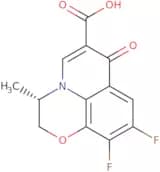
CAS:Levofloxacin is a synthetic molecule with an asymmetric carbon atom in its heterocycle. It is synthesized by reacting chloroform with 2-fluoro-5-nitrobenzaldehyde, which reacts further with sodium hydroxide and hydrochloric acid to form the levofloxacin carboxylic acid. Impurities can be found in the reaction product due to chlorine atoms that are formed during the synthesis. The amount of impurities present in the final product can be determined using a titration method or through HPLC analysis. Levofloxacin has been shown to be effective against methicillin-resistant Staphylococcus aureus (MRSA) and Clostridium perfringens, although is not active against acid-fast bacteria such as Mycobacterium tuberculosis or Mycobacterium avium complex.
Formula:C13H9F2NO4Purity:Min. 95%Color and Shape:PowderMolecular weight:281.21 g/molRef: 3D-IL24882
Discontinued product11-[3-(Dimethylamino)propyl]-6,11-dihydrodibenz[b,e]oxepin-11-ol
CAS:Dispersants are substances that are used to break up and disperse particles in a liquid. The dispersant 11-[3-(dimethylamino)propyl]-6,11-dihydrodibenz[b,e]oxepin-11-ol is an active substance that is used in the production of granules, tablets or other solidified forms of medicaments. It is a substance that has a physiologically active effect on humans and animals. This product can be applied as droplets or particles.
Formula:C19H23NO2Purity:Min. 95%Color and Shape:PowderMolecular weight:297.39 g/molRef: 3D-ID45253
Discontinued product5-[[4-[2-(5-Ethyl-2-pyridinyl)ethoxy]phenyl]-methylene]-2,4-thiazolidinedione
CAS:5-[[4-[2-(5-Ethyl-2-pyridinyl)ethoxy]phenyl]-methylene]-2,4-thiazolidinedione is a drug product that is used for the research and development of drugs. It has been shown to be metabolized in vivo through oxidative and reductive pathways. 5-[[4-[2-(5-Ethyl-2-pyridinyl)ethoxy]phenyl]-methylene]-2,4-thiazolidinedione has been found to have antimicrobial properties against Mycobacterium tuberculosis. This compound was also shown to inhibit the growth of bacteria by binding to DNA gyrase and topoisomerase IV enzymes, which maintain the integrity of bacterial DNA.
Formula:C19H18N2O3SPurity:Min. 95%Molecular weight:354.42 g/molRef: 3D-IE23114
Discontinued product2-[[4-(2-Pyridylsulfamoyl)phenyl]azo]hydroxybenzene
CAS:2-[[4-(2-Pyridylsulfamoyl)phenyl]azo]hydroxybenzene is an impurity found in sulfasalazine. It is a metabolite that is formed by the P450 system in the liver. The metabolic process of 2-[[4-(2-Pyridylsulfamoyl)phenyl]azo]hydroxybenzene has been studied in detail and has been shown to be a major contributor to the pharmacokinetic profile of sulfasalazine. This substance also exhibits antimicrobial activity and inhibits the growth of bacteria, fungi, and viruses.
Formula:C17H14N4O3SPurity:Min. 95%Molecular weight:354.38 g/molRef: 3D-IP27340
Discontinued productRoxithromycin impurity I
CAS:Roxithromycin impurity I is a natural metabolite of roxithromycin. The substance has been synthesized in order to serve as an analytical impurity standard for HPLC. Roxithromycin impurity 1 is also a metabolite of roxithromycin, which has been shown to produce pharmacological effects similar to those seen with the parent compound. Roxithromycin impurity I is not an API, but has been developed as a HPLC analytical impurity standard and will be used for metabolism studies.
Formula:C45H84N2O17Purity:Min. 95%Color and Shape:PowderMolecular weight:925.15 g/molRef: 3D-IR106455
Discontinued productAlbendazole sulfone
CAS:Albendazole sulfone is a metabolite of the drug albendazole. It is used as an analytical standard to measure the concentration of albendazole in human plasma and urine samples. The concentration-time curve for albendazole sulfone can be determined using a nonlinear regression analysis, with the rate constant being calculated from the slope and intercept. This method has been shown to be accurate for predicting pharmacokinetic parameters in humans. Albendazole sulfone is also used as a probe in wastewater treatment studies, where it binds to colloidal gold particles that are used to visualize the removal of small particles by microorganisms.
Formula:C12H15N3O4SPurity:Min. 95 Area-%Color and Shape:PowderMolecular weight:297.33 g/molRef: 3D-IA17258
Discontinued productTerbutaline impurity b
CAS:Terbutaline impurity b is a pharmacopoeia grade drug product that is used as an analytical standard. It is also used in the synthesis of terbutaline, which is a drug that has been approved by the FDA to treat bronchospasm, asthma and other lung disorders. Terbutaline impurity b may be found in natural sources or may be synthesized. This impurity can be custom synthesized using HPLC-grade reagents and can be obtained at high purity levels.
Purity:Min. 95%Ref: 3D-IT182020
Discontinued productN-Desbispropyl-N-pentyl-2-methyl ropinirole
CAS:N-Desbispropyl-N-pentyl-2-methyl ropinirole is an analytical reference standard. This product is a high purity, drug development, and API impurity. It is a CAS No. 249622-60-4 and has a niche, drug product, and impurity standard. This item is for Research and Development, High purity, Drug development, API impurity, HPLC standard, CAS No. 249622-60-4, niche, drug product, Impurity standard, Metabolite, pharmacopoeia Custom synthesis of natural or synthetic origin.
Formula:C16H24N2OPurity:Min. 95%Molecular weight:260.37 g/molRef: 3D-ZJA62260
Discontinued producto-Desmethyl venlafaxine N-dimer
CAS:o-Desmethyl venlafaxine N-dimer is a metabolite of venlafaxine that has been identified in human plasma. It is a white to off-white crystalline powder with a melting point of about 175°C. The purity of the product is more than 98%. It is soluble in methanol and ethanol, but insoluble in water. The o-desmethyl venlafaxine N-dimer was developed as an analytical reference standard for use in HPLC analysis of venlafaxine and its metabolites and impurities.
Formula:C32H48N2O4Purity:Min. 95%Molecular weight:524.73 g/molRef: 3D-MXB54561
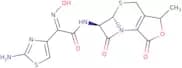
Discontinued productCefdinir impurity E
CAS:Cefdinir impurity E is a research and development, impurity standard, custom synthesis, drug product, synthetic, high purity, pharmacopoeia, drug development and analytical standard. CAS No. 946573-41-7 is the metabolite of cefdinir. It is used to study metabolism of cefdinir in vitro and in vivo. HPLC standards are available for this compound.
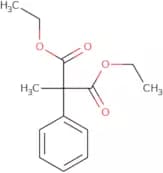
Purity:Min. 95%Diethyl methylphenylmalonate
CAS:Diethyl methylphenylmalonate is a halogenated organic compound that can be prepared by the reaction of magnesium with diethyl malonate and methylbromide. Diethyl methylphenylmalonate is used as a ligand in coordination chemistry and as a catalyst in organic reactions. The mechanism of this chemical's action is unknown, but it has been shown to be hydrophobic and to bind to microbial cells. It also has been demonstrated to have an oxidation catalyst activity. Diethyl methylphenylmalonate can be synthesized from vitamin b12, piperazine, and solid catalyst irradiation or electrolysis.
Formula:C14H18O4Purity:Min. 95%Molecular weight:250.29 g/molRef: 3D-JBA00961
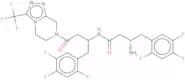
Discontinued productSitagliptin Hydrazine Diamide impurity
CAS:Sitagliptin Hydrazine Diamide impurity is an analytical reference material that has been manufactured in accordance with the requirements of the United States Pharmacopeia (USP) and the European Pharmacopoeia (EP). The material is a white to off-white crystalline powder. It has a purity of 99.9% with a specific gravity of 1.06 g/cm3 and a melting point of 176-177°C. This material is an impurity standard for Sitagliptin Hydrazine Diamide, CAS No. 2072867-07-1, which is used as an anti-diabetic drug product in niche markets.
Formula:C26H23F9N6O2Purity:Min. 95%Molecular weight:622.49 g/molRef: 3D-IS106474
Discontinued productTc 1698 dihydrochloride
CAS:Tc 1698 dihydrochloride is a tumor-promoting agent that inhibits the growth of tumor tissues. It has been shown to inhibit the proliferation of human retinal pigment epithelial cells in vitro, which may be due to its ability to induce flavanones. Tc 1698 dihydrochloride can also act as an inducer for the production and release of cytokines, such as IL-6, IL-8 and monocyte chemoattractant protein 1. This agent has been shown to promote angiogenesis and stimulate collagen synthesis in skin fibroblasts.
Formula:C13H20Cl2N2Purity:Min. 95%Molecular weight:275.21 g/molRef: 3D-MGB58706
Discontinued productWay 629 hydrochloride
CAS:Way 629 hydrochloride is a chemical compound that belongs to the class of synthetic, pharmacopoeia and drug development. It is used as an impurity standard and a custom synthesis. Way 629 hydrochloride is also used in the study of metabolism. This compound has been shown to be metabolized by cytochrome P450 enzymes, glucuronidases, glutathione reductase, or conjugation with glucuronic acid.
Formula:C15H19ClN2Purity:Min. 95%Molecular weight:262.78 g/molRef: 3D-HCA75644
Discontinued product2-Methoxy-5-sulfamoylbenzoic acid
CAS:2-Methoxy-5-sulfamoylbenzoic acid (2MSBA) is a reactive compound that reacts with the proton of vancomycin to form a dianion. This reaction is reversible and can be catalyzed by chloride ions. 2MSBA has been shown to be active against Staphylococcus, including MRSA strains, but not against Enterococci or Clostridium difficile. 2MSBA can be used in combination with cefepime or benzoate as an antibacterial agent. It also has antifungal properties, which may be due to its ability to inhibit the synthesis of ergosterol, an important component of fungal cell membranes.
2-Methoxy-5-sulfamoylbenzoic acid is related to fluconazole in that it contains a benzoate moiety and an amide group. These structural features confer antibacterial and antifFormula:C8H9NO5SPurity:Min. 95%Molecular weight:231.23 g/molRef: 3D-IM145487
Discontinued product

![5-Methoxy-2-[[(3,5-dimethyl-2-pyridinyl)methyl]sulphinyl]-1H-benzimidazole](/_next/image/?url=https%3A%2Fstatic.cymitquimica.com%2Fproducts%2F3D%2Fthumb-webp%2FIM57917.webp&w=3840&q=75)






![(3R,5S,6E)-7-[4-(4-Fluorophenyl)-6-(1-methylethyl)-2-[methyl[(2-hydroxy-2-methylpropyl)sulfonyl]am…](/_next/image/?url=https%3A%2Fstatic.cymitquimica.com%2Fproducts%2F3D%2Fthumb-webp%2FIF156830.webp&w=3840&q=75)
![N-[2-[(8R)-1,6,7,8-Tetrahydro-6-oxo-2H-indeno[5,4-b]furan-8-yl]ethyl]propanamide](/_next/image/?url=https%3A%2Fstatic.cymitquimica.com%2Fproducts%2F3D%2Fthumb-webp%2FWKB73622.webp&w=3840&q=75)

![11-[3-(Dimethylamino)propyl]-6,11-dihydrodibenz[b,e]oxepin-11-ol](/_next/image/?url=https%3A%2Fstatic.cymitquimica.com%2Fproducts%2F3D%2Fthumb-webp%2FID45253.webp&w=3840&q=75)
![5-[[4-[2-(5-Ethyl-2-pyridinyl)ethoxy]phenyl]-methylene]-2,4-thiazolidinedione](/_next/image/?url=https%3A%2Fstatic.cymitquimica.com%2Fproducts%2F3D%2Fthumb-webp%2FIE23114.webp&w=3840&q=75)
![2-[[4-(2-Pyridylsulfamoyl)phenyl]azo]hydroxybenzene](/_next/image/?url=https%3A%2Fstatic.cymitquimica.com%2Fproducts%2F3D%2Fthumb-webp%2FIP27340.webp&w=3840&q=75)