APIs for research and impurities
Active Pharmaceutical Ingredients (APIs) are the substances in drugs responsible for their therapeutic effects. In this section, you will find a wide variety of APIs intended for research use. These compounds are essential for the development, testing, and validation of new pharmaceutical formulations. CymitQuimica offers high-quality APIs to support research in drug discovery and development.
Subcategories of "APIs for research and impurities"
- Aminoacids and derivatives(12,278 products)
- Anthraquinones and derivatives(405 products)
- Benzimidazole and Imidazole Derivatives(10,375 products)
- Benzodiazepine Derivatives(333 products)
- Carbohydrates and glycoconjugates(5,012 products)
- Esters and Derivatives(42,045 products)
- Fatty Acids and Lypidic Derivatives(32,245 products)
- Flavonoids and Polyphenols(17,011 products)
- Free Radicals and Oxidant/Reducing Agents(213 products)
- Ketones and derivatives(2,394 products)
- Natural and semi-synthetic antibiotics(6,363 products)
- Nitriles and Cyano Derivatives(3,045 products)
- Nitrosamines and Derivatives(55 products)
- Nucleosides and Nucleotides(3,427 products)
- Organic Phosphates and Phosphonates(1,201 products)
- Organic Sulphonates and Sulphates(10,405 products)
- Organometallics(4,401 products)
- Others(6,278 products)
- Peptides and Proteins(3,127 products)
- Polymers and Derivatives(99 products)
- Purines and Pyrimidine Derivatives(8,901 products)
- Quinazoline and Quinoline Derivatives(65,624 products)
- Quinones and Derivatives(24,235 products)
- Salts and Derivatives of Active Pharmaceutical Ingredients (API)(79,450 products)
- Steroids and Derivatives(4,962 products)
- Sulfonamides and Derivatives(2,592 products)
- Terpenoids and Derivatives(3,839 products)
- Thiazolidinediones and Thiopyrans(2,733 products)
- β-Adrenergic Compounds(230 products)
Show 21 more subcategories
Found 56771 products of "APIs for research and impurities"
Sort by
Purity (%)
0
100
|
0
|
50
|
90
|
95
|
100
Chlorhexidine EP Impurity N hydrochloride
CAS:<p>Chlorhexidine is an antimicrobial agent that has been shown to be effective against escherichia and chlorobenzene. It also has a low toxicity for humans and animals, as well as for the environment. Chlorhexidine EP Impurity N is a chlorhexidine impurity that is produced during the synthesis of chlorhexidine acetate. This impurity can be used in research to measure hydrogen peroxide levels, which can help determine the purity of chlorhexidine acetate. Recoveries of this compound were found to be high in human dental plaque and pneumococcus bacteria. Average recoveries were found to be higher when measured by ultraviolet spectroscopy than by gas chromatography-mass spectroscopy (GC-MS).</p>Formula:C15H25ClN8•(HCl)xPurity:Min. 95%Molecular weight:352.87 g/molQuetiapine carboxylate impurity
CAS:<p>Quetiapine carboxylate impurity is a high purity, analytical grade quetiapine carboxylate impurity with CAS No. 1011758-00-1. This product is used in pharmacopoeia, drug development, and metabolite research and development. Quetiapine carboxylate impurity is a synthetic compound that has been developed to be an impurity standard for HPLC analysis of quetiapine carboxylate in pharmaceutical products. It can also be used as a natural metabolite in metabolism studies or as a niche synthesis compound in the research and development of new drugs.</p>Formula:C22H25N3O4SPurity:Min. 95%Molecular weight:427.5 g/molTriclonide
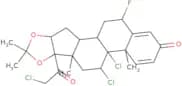
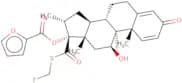
CAS:<p>Triclonide is an analog of a protein kinase inhibitor that has shown potent anticancer activity. It is derived from human urine and has been found to induce apoptosis in cancer cells. Triclonide works by inhibiting the activity of kinases, which are enzymes that play a critical role in cell signaling pathways that regulate cell growth and division. This inhibition leads to the suppression of tumor growth and proliferation. Triclonide has been identified as a potential medicinal agent for cancer treatment due to its ability to target specific kinases involved in cancer progression, making it a promising candidate for further research and development.</p>Formula:C24H28Cl3FO4Purity:Min. 95%Molecular weight:505.8 g/mol9-Epimitomycin B
CAS:<p>9-Epimitomycin B is a water-soluble, alkoxy-substituted amino compound that is used medicinally. It has antibacterial activity and has been shown to be effective against Gram-positive bacteria such as Staphylococcus aureus, Streptococcus pyogenes, and Enterococcus faecalis. 9-Epimitomycin B inhibits the growth of these bacteria by binding to their ribosomes and inhibiting protein synthesis. The carbon atoms in 9-epimitomycin B are linked to an alkoxy group at one end, which causes it to have a higher affinity for bacterial ribosomes than human ribosomes. 9-Epimitomycin B also binds to mitomycin C, which may be responsible for its antimetabolite properties.</p>Formula:C16H19N3O6Purity:Min. 95%Molecular weight:349.34 g/molLidocaine-d10 hydrochloride
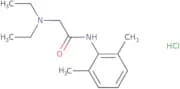
CAS:<p>Lidocaine is a local anesthetic that inhibits the transmission of nerve impulses. Lidocaine-d10 hydrochloride is a drug product that contains lidocaine and deuterium-labeled lidocaine, which has been chemically synthesized to contain deuterium atoms in place of hydrogen atoms. Lidocaine-d10 hydrochloride is used as an analytical standard for pharmacological studies and drug development. It also serves as an impurity standard in the synthesis of other compounds. Lidocaine-d10 hydrochloride is metabolized through oxidation and reduction, forming metabolites such as 4-hydroxylidocaine, 4-dehydroxylidocaine, and 2,6-dehydroxylidocaine.<br>Lidocaine-d10 hydrochloride can be used to study the metabolism of lidocaine and its metabolites, which are important for drug development.</p>Formula:C14H13D10ClN2OPurity:Min. 95%Molecular weight:280.86 g/molMutagen X
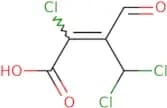
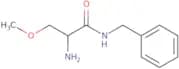
CAS:<p>Mutagen X is an anticancer drug that works by inhibiting kinases, which are enzymes involved in cell cycle regulation and apoptosis. It has been shown to be effective against a variety of human cancer cells, including those from Chinese hamsters. Mutagen X is a potent inhibitor of protein kinases, which play a key role in the growth and proliferation of cancer cells. It has been found to have a high level of potency against tumor cells and can be used as a medicinal drug for cancer treatment. Mutagen X also acts as an inhibitor in urine and has been shown to be effective against various inhibitors.</p>Formula:C5H3Cl3O3Purity:Min. 95%Molecular weight:217.43 g/mol(2S)-2-Amino-3-methoxy-N-(phenylmethyl)propanamide
CAS:<p>Please enquire for more information about (2S)-2-Amino-3-methoxy-N-(phenylmethyl)propanamide including the price, delivery time and more detailed product information at the technical inquiry form on this page</p>Formula:C11H16N2O2Purity:Min. 95%Molecular weight:208.26 g/molRS 67506 hydrochloride
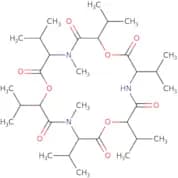
CAS:<p>RS 67506 hydrochloride is a biochemical that is used in experimental and descriptor studies. The ketone group has been found to be an important part of the molecular structure. RS 67506 hydrochloride has been shown to have a number of biological properties, including inhibition of the synthesis of neurotransmitters such as dopamine, serotonin and norepinephrine; it also has anti-nervous system activity. This chemical was also found to inhibit the synthesis of prostaglandin E2 in human neutrophils. It is hypothesized that RS 67506 hydrochloride may inhibit phospholipase A2, which would prevent the release of arachidonic acid from phospholipids into the cell membrane and block the production of eicosanoids.</p>Formula:C18H29Cl2N3O4SPurity:Min. 95%Molecular weight:454.4 g/molEnniatin B2
CAS:<p>Enniatin B2 is a natural cyclic hexadepsipeptide that has been isolated from Chinese medicinal herbs. It is an analog of enniatin, which is known to be a potent inhibitor of protein kinase C. Enniatin B2 has been shown to induce apoptosis in cancer cells and inhibit tumor growth in human cell lines. It exerts its anticancer effects by disrupting the cell cycle and inhibiting the activity of various protein kinases involved in cell signaling pathways. Enniatin B2 also exhibits inhibitory effects on urease, which makes it a potential therapeutic agent for urinary tract infections caused by urease-producing bacteria. Its unique characteristics make it a promising candidate for further research into its potential as an anticancer and antimicrobial agent.</p>Formula:C32H55N3O9Purity:Min. 95%Molecular weight:625.8 g/molEdaravone d5
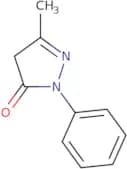
CAS:<p>Please enquire for more information about Edaravone d5 including the price, delivery time and more detailed product information at the technical inquiry form on this page</p>Formula:C10H10N2OPurity:Min. 95%Molecular weight:179.23 g/molYs-035 hydrochloride
CAS:<p>Ys-035 hydrochloride is a drug product that is custom synthesized and has no CAS number. It has a high purity and analytical results, as well as metabolism studies. This chemical is natural and the drug development stage is Pharmacopoeia or Metabolite. Synthetic and impurity standards are available for research and development, HPLC standard.</p>Formula:C21H30ClNO4Purity:Min. 95%Molecular weight:395.9 g/molApomorphine
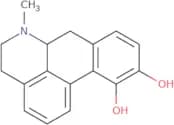
CAS:<p>Apomorphine is a medicinal compound that has shown potential as an anticancer agent. It works by inhibiting protein kinases, which are enzymes that play a crucial role in the regulation of cell cycle and apoptosis. Apomorphine has been shown to induce apoptosis in human cancer cells, including leukemia cells. It also acts as an inhibitor of angiogenesis, which is the formation of new blood vessels that are necessary for tumor growth. In addition, apomorphine has been studied for its potential to enhance the effectiveness of other cancer treatments, such as nintedanib. Its ability to target cancer cells while sparing healthy cells makes it a promising candidate for cancer therapy.</p>Formula:C17H17NO2Purity:Min. 95%Molecular weight:267.32 g/mol2-[[4-[2-(Cyclopropylmethoxy)ethyl]phenoxy]methyl]oxirane
CAS:<p>2-[4-[2-(Cyclopropylmethoxy)ethyl]phenoxy]methyloxirane is a metabolite of the drug product 2-[[4-[2-(Cyclopropylmethoxy)ethyl]phenoxy]methyl]oxirane. It is an impurity in the drug product, which is a pharmaceutical intermediate that has been shown to have pharmacological properties. The CAS number for this compound is 63659-17-6 and it has been assigned the Chemical Abstracts Service (CAS) number of 63659-17-6. This compound has been characterized using HPLC and GC/MS methods.</p>Formula:C15H20O3Purity:Min. 95%Molecular weight:248.32 g/molDesotamide B
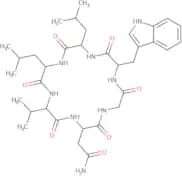
CAS:<p>Desotamide B is an analog of saxagliptin, a kinase inhibitor that has shown promising results in the treatment of cancer. It has been found to induce apoptosis, or programmed cell death, in cancer cells while sparing healthy cells. Desotamide B specifically targets kinases and proteins involved in the growth and survival of cancer cells, making it a potential anticancer therapy. This compound has been tested on Chinese hamster ovary cells and human tumor cell lines with positive results. Desotamide B is excreted primarily through urine, indicating its potential for use as a systemic therapy for various types of cancer. Its unique mechanism of action makes it a promising candidate for future cancer treatments.</p>Formula:C34H50N8O7Purity:Min. 95%Molecular weight:682.8 g/molN-Acetylsulfathiazole
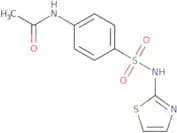
CAS:<p>N-Acetylsulfathiazole is a sulfa drug that acts as an inhibitor of bacterial growth. It reacts with sulfonic acids in the receptor molecule and forms hydrogen chloride, which inhibits bacterial growth by denaturing proteins. N-Acetylsulfathiazole has been shown to be effective against bacteria such as E. coli, Klebsiella pneumoniae, Pseudomonas aeruginosa, Staphylococcus aureus, Streptococcus pyogenes, and Salmonella enterica. This antibiotic binds to the active site of the enzyme dihydropteroate synthase and inhibits pyrimidine synthesis by competing with para-aminobenzoic acid (PABA) for binding sites on the enzyme. The formation of PABA is necessary for the synthesis of folic acid (vitamin B9). N-Acetylsulfathiazole is also used to treat vitamin B6 deficiency caused by</p>Formula:C11H11N3O3S2Purity:Min. 95%Molecular weight:297.4 g/mol2S,3S,4R,5R,6R-2-3-4-Acetoxybenzyl-4-chlorophenyl-6-(acetoxymethyl)tetrahydro-2H-pyran-3,4,5-triyl triacetate
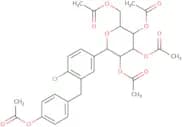
CAS:<p>2S,3S,4R,5R,6R-2-3-4-Acetoxybenzyl-4-chlorophenyl-6-(acetoxymethyl)tetrahydro-2H-pyran-3,4,5-triyl triacetate is a drug product that is used in the analytical and metabolic studies. It can also be used as an impurity standard for HPLC analysis. This compound has been synthesized from natural sources and it is not available as a commercially available API. 2S,3S,4R,5R,6R-2-3-4-Acetoxybenzyl-4-chlorophenyl-6-(acetoxymethyl)tetrahydro2H-[1]pyran-[2]3,4,[1]5-[1]triol triacetate is a synthetic compound that has been developed for drug development and research and</p>Formula:C29H31ClO11Purity:Min. 95%Molecular weight:591 g/mol1,3-Benzodioxol-5-yl[4-(2-chloroethoxy)phenyl]methanone
CAS:<p>1,3-Benzodioxol-5-yl[4-(2-chloroethoxy)phenyl]methanone (1,3-BDE) is a synthetic compound that is intended for use as an analytical reference standard. 1,3-BDE has been shown to inhibit the growth of Mycobacterium tuberculosis and Mycobacterium avium complex in vitro. This drug product is intended for research and development purposes only.</p>Formula:C16H13ClO4Purity:Min. 95%Molecular weight:304.72 g/molPBB 154
CAS:Controlled Product<p>PBB 154 is a medicinal compound that has shown promising results in the treatment of cancer. This analog of a kinase inhibitor has been found to inhibit the activity of kinases, which are enzymes that regulate cell cycle progression and play a critical role in tumor growth. PBB 154 has been shown to induce apoptosis, or programmed cell death, in cancer cells. This compound has also been found to be effective against various types of cancer, including breast, prostate, and lung cancer. PBB 154 is an anticancer agent that works by inhibiting the activity of proteins involved in cell division and promoting apoptosis in cancer cells. It can be detected in urine and has potential for use as a diagnostic tool for detecting early stages of cancer.</p>Formula:C12H4Br6Purity:Min. 95%Molecular weight:627.6 g/molCXCR2-IN-2
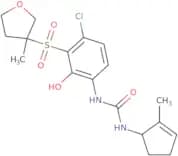
CAS:<p>Please enquire for more information about CXCR2-IN-2 including the price, delivery time and more detailed product information at the technical inquiry form on this page</p>Formula:C18H23ClN2O5SPurity:Min. 95%Molecular weight:414.9 g/molN,N-Dimethyl-2-[6-methyl-2-(2-bromo-4-methylphenyl)imidazol[1,2-a]pyridin-3-yl]acetamide
CAS:<p>N,N-Dimethyl-2-[6-methyl-2-(2-bromo-4-methylphenyl)imidazol[1,2-a]pyridin-3-yl]acetamide is a drug product that has not yet been fully characterized. It is a synthetic compound that is not found in nature. This product is currently being researched and developed as a potential drug to treat cancer.</p>Formula:C19H20BrN3OPurity:Min. 95%Molecular weight:386.29 g/molNeratinib-d6
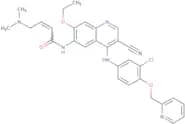
CAS:<p>Neratinib-d6 is a potent inhibitor of cancer cell growth and is used in the treatment of various types of cancer. It induces apoptosis, or programmed cell death, in cancer cells by inhibiting specific proteins that are required for their survival. This anticancer drug has been shown to be effective against a variety of tumors and is being studied for its potential use in treating other types of cancer as well. Neratinib-d6 is a medicinal inhibitor that works by blocking the action of certain enzymes involved in the cell cycle, such as Chinese hamster ovary kinase and human epidermal growth factor receptor 2 (HER2). It is also an analog of neratinib, which is another anticancer drug that has been approved for use in humans. Neratinib-d6 can be detected in urine samples, making it useful for monitoring patients undergoing treatment with this drug.</p>Formula:C30H29ClN6O3Purity:Min. 95%Molecular weight:563.1 g/molDemethylchloro citalopram hydrochloride
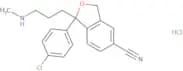
CAS:<p>Please enquire for more information about Demethylchloro citalopram hydrochloride including the price, delivery time and more detailed product information at the technical inquiry form on this page</p>Formula:C19H20Cl2N2OPurity:Min. 95%Molecular weight:363.3 g/mol2-[2-(4-Dibenzo[b,f][1,4]thiazepin-11-yl-1-piperazinyl)ethoxy]ethanol N-oxide
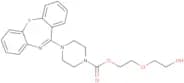
CAS:<p>2-[2-(4-Dibenzo[b,f][1,4]thiazepin-11-yl-1-piperazinyl)ethoxy]ethanol N-oxide is a peroxide that is used in pharmaceutical preparations as an antioxidant. It is a white solid that is insoluble in water and has a molecular weight of 168.13. 2-[2-(4-Dibenzo[b,f][1,4]thiazepin-11-yl-1-piperazinyl)ethoxy]ethanol N-oxide has been shown to be effective against the development of cholesterol gallstones and can be used as a prophylactic agent against cardiovascular disease. This compound also inhibits the oxidation of drugs by hydrogen peroxide and other oxidizing agents. 2-[2-(4-Dibenzo[b,f][1,4]thiazepin-11-yl-1-piperazinyl)eth</p>Formula:C21H25N3O3SPurity:Min. 95%Color and Shape:Tan to pale orange solid.Molecular weight:399.51 g/mol(2E)-2-[(2-Methoxyphenyl)methylene]hydrazinecarbothioamide
CAS:<p>Please enquire for more information about (2E)-2-[(2-Methoxyphenyl)methylene]hydrazinecarbothioamide including the price, delivery time and more detailed product information at the technical inquiry form on this page</p>Formula:C9H11N3OSPurity:Min. 95%Molecular weight:209.27 g/molTenofovir disoproxil
CAS:<p>Tenofovir disoproxil is the disoproxil fumarate salt of tenofovir. It is a nucleoside reverse transcriptase inhibitor that has been shown to be effective in the treatment of chronic hepatitis B virus (HBV) in combination with emtricitabine and as a single agent in the treatment of HIV-1 infection. Tenofovir disoproxil is available as tablets, capsules, or oral solution. The drug has been shown to cause an increase in serum creatinine levels, which may be due to inhibition of renal tubular secretion of creatinine by tenofovir. This drug should not be used with alafenamide and tenofovir because it can lead to kidney failure and death.</p>Formula:C17H28N5O7P·(C4H4O4)Purity:Min. 95%Molecular weight:445.41 g/molLosartan related compound E
CAS:<p>Losartan is a drug that is used to treat high blood pressure and congestive heart failure. It is an angiotensin II receptor antagonist that blocks the binding of angiotensin II to its receptor, preventing the activation of protein kinase A and the release of aldosterone. Losartan is also known as losartan-related compound E (LZE). LZE has been shown to have a papain-like protease activity with a light chain. This activity may be responsible for its anti-diabetic effects. LZE has been shown to inhibit hyperglycemia in mice by reducing serum glucose levels and increasing insulin sensitivity. In addition, LZE has been shown to reduce cardiac death in rats by activating nuclear factor erythroid 2-related factor 2 (Nrf2), which induces expression of antioxidant enzymes such as heme oxygenase 1 and superoxide dismutase 1 (SOD1).</p>Formula:C44H43Cl2KN12OPurity:Min. 95%Molecular weight:865.9 g/mol6,6-Dibromopenicillanic acid S,S-dioxide
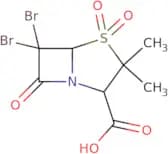
CAS:<p>6,6-Dibromopenicillanic acid S,S-dioxide (DBPA) is an inorganic compound that is used as an antibiotic. It inhibits the growth of bacteria by binding to the 50S ribosomal subunit and preventing the formation of a complex with the enzyme cell wall synthesis that is required for cell wall biosynthesis, inhibiting protein synthesis and cell division. DBPA degrades lactamase enzymes that are necessary for resistance to this antibiotic. This chemical also has a high degree of stability against hydrochloric acid, which makes it useful in organic solvents. It is resistant to many resistant bacteria due to its mechanism of action and lack of substrate specificity.</p>Formula:C8H9Br2NO5SPurity:Min. 95%Molecular weight:391.04 g/mol6-Chloro-2-(chloromethyl)-4-phenyl-quinazoline
CAS:<p>6-Chloro-2-(chloromethyl)-4-phenyl-quinazoline is a phenyl ring with an oxide group at the 6 position and a chlorodiazepoxide group at the 2 position. It is used in dermatitis, as it inhibits the release of histamines. This drug has been shown to have sensitized reactions in guinea pigs, and dimers are formed when it reacts with skin tissue. 6-Chloro-2-(chloromethyl)-4-phenyl-quinazoline can form dihedral or centrosymmetric quinazolines by reacting with hydrazine and benzodiazepine. The formation of these compounds is dependent on the presence of hydrazines and benzodiazepines, which may be found in certain household products such as detergents or cosmetics. This compound also forms supramolecular assemblies that stack on top of one another like a deck of cards, which may be due to</p>Formula:C15H10Cl2N2OPurity:Min. 95%Molecular weight:305.2 g/molVandetanib N-oxide
CAS:<p>Vandetanib N-oxide is a drug product that is custom synthesized for research and development purposes. It has been shown to have high purity, analytical, and natural properties. Vandetanib N-oxide can be used as a metabolite or impurity standard in pharmacopoeias, such as the USP. The compound also has niche use in drug development and metabolism studies.</p>Formula:C22H24BrFN4O3Purity:Min. 95%Molecular weight:491.40 g/mol9,10-Dihydro-4,5-dihydroxy-9,10-dioxo-2-anthracenecarboxylic acid-13C6
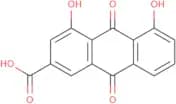
CAS:<p>9,10-Dihydro-4,5-dihydroxy-9,10-dioxo-2-anthracenecarboxylic acid-13C6 is a potent anticancer agent that targets various cancer cells by inhibiting kinases and blocking the action of proteins involved in cell cycle regulation. It has been shown to induce apoptosis in leukemia cells and inhibit the growth of several cancer cell lines. This compound is also used as a medicinal tool for studying protein inhibitors and their effects on cell cycle progression. 9,10-Dihydro-4,5-dihydroxy-9,10-dioxo-2-anthracenecarboxylic acid-13C6 can be detected in urine samples and may have potential as a diagnostic tool for detecting certain types of cancer. Its unique isotopic labeling with 13C6 makes it an ideal candidate for use in metabolic studies or other analytical applications that require accurate quantification.</p>Formula:C15H8O6Purity:Min. 95%Molecular weight:290.18 g/molTramazoline monohydrochloride monohydrate
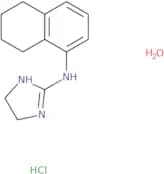
CAS:<p>Tramazoline monohydrochloride monohydrate is a potent anticancer agent that has shown promising results in the treatment of leukemia. This Chinese medicinal compound induces cell cycle arrest and apoptosis in cancer cells by inhibiting cyclin-dependent kinases, which are enzymes that regulate cell division. Tramazoline monohydrochloride monohydrate also acts as a protein kinase inhibitor, preventing the activation of tumor-promoting proteins. Studies have shown that this compound has significant inhibitory effects on cancer cell growth and proliferation. It may be an effective treatment option for various types of tumors and cancers.</p>Formula:C13H20ClN3OPurity:Min. 95%Molecular weight:269.77 g/mol(R)-2-Phenylchroman-4-one
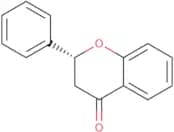
CAS:<p>(R)-2-Phenylchroman-4-one is a flavonoid glycoside that has been shown to be metabolized by human liver enzymes. It can be found in the seeds of plants such as Cassia occidentalis, Cinchona pubescens, and Cinchona suksdorfii. The molecule contains a phenolic hydroxyl group with an esterified sugar, which is connected to the aromatic ring through an alpha carbon. The sugar moiety can be either glucose or rhamnose. (R)-2-Phenylchroman-4-one has been shown to inhibit the enzyme cytochrome P450, which is a vital component of drug metabolism in humans. This inhibition may lead to significant changes in pharmacokinetics and efficacy of drugs such as cyclosporin A and erythromycin estolate that are metabolized by this enzyme. In addition, (R)-2-phenylchroman</p>Formula:C15H12O2Purity:Min. 95%Molecular weight:224.25 g/mol1-(2-Chloro-1,2-diphenylethenyl)-4-(2-chloroethoxy)benzene
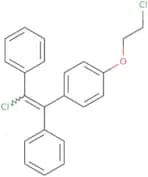
CAS:<p>Please enquire for more information about 1-(2-Chloro-1,2-diphenylethenyl)-4-(2-chloroethoxy)benzene including the price, delivery time and more detailed product information at the technical inquiry form on this page</p>Formula:C22H18Cl2OPurity:Min. 95%Molecular weight:369.3 g/molHomopravastatin lactone di-(tert-butyldimethylsilyl) ether
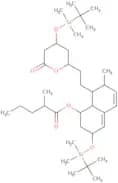
CAS:<p>Please enquire for more information about Homopravastatin lactone di-(tert-butyldimethylsilyl) ether including the price, delivery time and more detailed product information at the technical inquiry form on this page</p>Formula:C36H64O6Si2Purity:Min. 95%Molecular weight:649.1 g/molOxodesmosine
CAS:<p>Oxodesmosine is an analog of a protein found in Chinese urine that has shown promise as an anticancer agent. It works by inhibiting kinases, which are enzymes that play a key role in cancer cell growth and survival. Oxodesmosine has been shown to induce apoptosis, or programmed cell death, in tumor cells both in vitro and in vivo. This compound may be useful as a therapeutic agent for the treatment of various types of cancer in humans. Additionally, Oxodesmosine has been studied for its potential synergistic effects with other kinase inhibitors such as mirtazapine. Overall, Oxodesmosine represents a promising new avenue for the development of novel anticancer therapies.</p>Formula:C23H37N5O7Purity:Min. 95%Molecular weight:495.6 g/molRotigotine sulfate
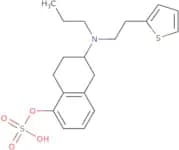
CAS:<p>Rotigotine is a drug that belongs to the group of pharmaceutical formulations. It is an unlabeled drug that has been shown to be effective in the treatment of depression. Rotigotine may be administered through a transdermal patch or by iontophoresis, which is a technique used to administer drugs through the skin. The mechanism of action is not known, but it may involve the inhibition of monoamine reuptake and/or alteration of intracellular levels of catecholamines. Rotigotine sulfate has a high affinity for dopamine receptors and increases plasma concentrations of dopamine by inhibiting its reuptake into presynaptic neurons. This leads to increased concentrations of dopamine in synaptic clefts and an increase in postsynaptic receptor binding.</p>Formula:C19H25NO4S2Purity:Min. 95%Molecular weight:395.5 g/molα-[4-(2-dimethylaminoethoxy)phenyl]stilbene
CAS:<p>Alpha-[4-(2-dimethylaminoethoxy)phenyl]stilbene (DS) is a synthetic, analytical standard that is used as an impurity in the manufacture of pharmaceutical products. DS is also sold as a reference material for HPLC and GC/MS analysis.</p>Formula:C24H25NOPurity:Min. 95%Molecular weight:343.50 g/molDefluoro pitavastatin
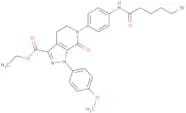
CAS:<p>Please enquire for more information about Defluoro pitavastatin including the price, delivery time and more detailed product information at the technical inquiry form on this page</p>Formula:C25H25NO4Purity:Min. 95%Molecular weight:403.47 g/molApixaban rc G
CAS:<p>Please enquire for more information about Apixaban rc G including the price, delivery time and more detailed product information at the technical inquiry form on this page</p>Formula:C27H29BrN4O5Purity:Min. 95%Molecular weight:569.4 g/mol11β-Hydroxy-5α-pregnane-3,20-dione
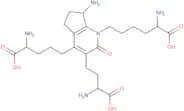
CAS:Controlled Product<p>11β-Hydroxy-5α-pregnane-3,20-dione is a medicinal compound that has been found to have potential anticancer properties. It is a steroid analog that inhibits protein kinases, which are enzymes involved in the regulation of cell cycle and tumor growth. This compound has shown promising results as an inhibitor of various cancer cells in Chinese hamster ovary cells and human urine-derived bladder cancer cells. 11β-Hydroxy-5α-pregnane-3,20-dione may also have applications as an inhibitor of other kinases involved in cancer growth and progression. Its unique chemical structure makes it a promising candidate for further research into its potential therapeutic applications.</p>Formula:C21H32O3Purity:Min. 95%Molecular weight:332.5 g/mol4-Glutathionyl cyclophosphamide
CAS:<p>4-Glutathionyl cyclophosphamide is an analog of the anticancer drug cyclophosphamide that has been modified to include a glutathione moiety. This modification enhances the drug's ability to inhibit cancer cell growth by acting as a kinase inhibitor, which prevents cancer cells from dividing and proliferating. In addition, 4-Glutathionyl cyclophosphamide has been shown to induce apoptosis in human tumor cells, leading to their death. This drug also inhibits the activity of dabigatran, a protein involved in blood clotting. 4-Glutathionyl cyclophosphamide is excreted in urine and can be used as a potential biomarker for monitoring cancer treatment efficacy. This drug may also have synergistic effects when used in combination with other chemotherapeutic agents such as chloroquine.</p>Formula:C17H30Cl2N5O8PSPurity:Min. 95%Molecular weight:566.4 g/molLevofloxacin carboxylic acid
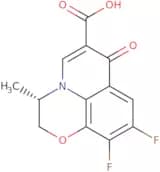
CAS:<p>Levofloxacin is a synthetic molecule with an asymmetric carbon atom in its heterocycle. It is synthesized by reacting chloroform with 2-fluoro-5-nitrobenzaldehyde, which reacts further with sodium hydroxide and hydrochloric acid to form the levofloxacin carboxylic acid. Impurities can be found in the reaction product due to chlorine atoms that are formed during the synthesis. The amount of impurities present in the final product can be determined using a titration method or through HPLC analysis. Levofloxacin has been shown to be effective against methicillin-resistant Staphylococcus aureus (MRSA) and Clostridium perfringens, although is not active against acid-fast bacteria such as Mycobacterium tuberculosis or Mycobacterium avium complex.</p>Formula:C13H9F2NO4Purity:Min. 95%Color and Shape:PowderMolecular weight:281.21 g/molDeterenol-d7 hydrochloride
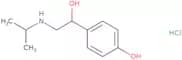
CAS:<p>Deterenol-d7 hydrochloride is a drug product that is an analytical standard. Deterenol-d7 hydrochloride is used in metabolism studies and has been shown to be natural, with the CAS number of 1246817-36-6. Deterenol-d7 hydrochloride also has impurities that are identified as synthetic, which may have an impact on its potency. Deterenol-d7 hydrochloride can be used for Custom synthesis and Drug development, as well as Research and Development. The drug product is a niche compound, with a high purity level of 99%. Deterenol-d7 hydrochloride is a HPLC standard and complies with pharmacopoeia guidelines.</p>Formula:C11H18ClNO2Purity:Min. 95%Molecular weight:238.76 g/molTiotropium Bromide EP Impurity G
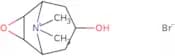
CAS:<p>Tiotropium Bromide EP Impurity G is an anticholinergic bronchodilator that is used in the treatment of asthma. Tiotropium Bromide EP Impurity G has been shown to have long-acting properties, with a half-life of about 20 hours. It has a high affinity for the muscarinic receptor and acts as a competitive antagonist at this site. Tiotropium Bromide EP Impurity G also has a cavity, which may be necessary for its activity.</p>Formula:C9H6BrNO2Purity:Min. 95%Molecular weight:240.05 g/molS-Amisulpride
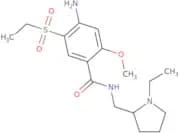
CAS:Controlled Product<p>S-Amisulpride is a benzamide antipsychotic drug that is an atypical antipsychotic. It has been shown to be effective in the treatment of schizophrenia, schizoaffective disorder, and bipolar disorder. Amisulpride was first synthesized by a French company called Laboratoires Servier and it was approved for sale in France in 1988. The drug is available as tablets for oral administration. The clinical effects of amisulpride are due to its ability to block dopamine receptors and serotonin receptors, which are neurotransmitters that play a role in the regulation of mood. Amisulpride also has stereoselective properties as it is active as an antipsychotic only when administered in the S-enantiomer form.</p>Formula:C17H27N3O4SPurity:Min. 95%Molecular weight:369.5 g/molDeiodo amiodarone
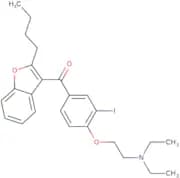
CAS:<p>Deiodo amiodarone is a noncompetitive inhibitor that binds to the active site of the enzyme and blocks the binding of substrate, thereby inhibiting the synthesis of catecholamines. Deiodo amiodarone has been shown to inhibit the oxidation of benzofuran derivatives in rat liver microsomes, human liver tissue samples, and chromatographic conditions. The inhibition constant for deiodo amiodarone was determined by liquid chromatography with a homogenizing technique.</p>Formula:C25H30INO3Purity:Min. 95%Molecular weight:519.42 g/molrac-Pregabalin N-acrylamide
CAS:<p>Pregabalin is an anticonvulsant drug that is used to treat epilepsy, neuropathic pain, and generalized anxiety disorder. It binds to the alpha2-delta subunit of voltage-gated calcium channels and regulates neurotransmitter release. Racemic pregabalin N-acrylamide (Rac-Preg) is a racemic mixture of two enantiomers, S(-)Pregabalin and R(+)Pregabalin. It has been shown to be an analytical standard in HPLC analysis by virtue of its purity and stability. Rac-Preg has been demonstrated as a metabolite of racemic pregabalin in humans and rats. Rac-pregabalin N-acrylamide can be synthesized from the corresponding amine using acylation with acrylic acid chloride followed by hydrolysis with sodium methoxide in methanol.</p>Formula:C11H19NO3Purity:Min. 95%Molecular weight:213.27 g/mol(7α,17α)- 9,17-Dihydroxy-3-oxo-pregn-4-ene-7,21-dicarboxylic acid di-γ-lactone
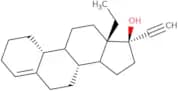
CAS:<p>(7Alpha,17Alpha)- 9,17-Dihydroxy-3-oxo-pregn-4-ene-7,21-dicarboxylic acid di-gamma-lactone is a synthetic analogue of progesterone. It is used as a drug product for research and development purposes. The product has been shown to be metabolized through the 3beta hydroxysteroid dehydrogenase pathway or the side chain cleavage enzyme pathways. This product has not been evaluated in humans and should not be used for any human applications. (7Alpha,17Alpha)- 9,17-Dihydroxy-3-oxo-pregn-4-ene-7,21 -dicarboxylic acid di gamma lactone is an impurity standard for HPLC analysis of progesterone in urine.</p>Formula:C23H28O5Purity:Min. 95%Molecular weight:384.50 g/mol13-Ethyl-18,19-dinor-17a-pregn-4-en-20-yn-17-ol - EP
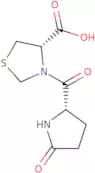
CAS:Controlled Product<p>13-Ethyl-18,19-dinor-17a-pregn-4-en-20-yn-17-ol - EP is an analytical standard for HPLC with purity of > 99.5%. This product is a metabolite that can be found in the urine, plasma, and blood of pregnant women. It is also used as a drug development and API impurity. 13EPD can be synthesized from natural or synthetic sources.</p>Formula:C21H30OPurity:Min. 95%Molecular weight:298.46 g/mol(S)-3-((S)-5-Oxopyrrolidine-2-carbonyl)thiazolidine-4-carboxylic acid
CAS:<p>(S)-3-((S)-5-Oxopyrrolidine-2-carbonyl)thiazolidine-4-carboxylic acid is a synthetic compound that is used as an impurity standard for HPLC. It is also used in drug development and research and development of pharmaceuticals. This product was made through custom synthesis and is not natural.</p>Formula:C9H12N2O4SPurity:Min. 95%Molecular weight:244.27 g/molMonobenzyl phthalate (phenyl-d4) β-D-glucuronide
CAS:<p>Monobenzyl phthalate (MBP) is a metabolite of di-n-butyl phthalate (DBP), which is a chemical that is used as plasticizer. MBP is the major metabolite of DBP and has been detected in human urine. Monobenzyl phthalate β-D-glucuronide (MBPG) is an impurity found in certain drug products, including those that are marketed for the treatment of diabetes mellitus. The compound has been shown to inhibit protein synthesis and induce apoptosis in cells.</p>Formula:C21H16D4O10Purity:Min. 95%Molecular weight:436.4 g/molN-Ethoxycarbonyl dabigatran ethyl ester
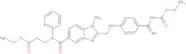
CAS:<p>N-Ethoxycarbonyl dabigatran ethyl ester is a synthetic compound that is an impurity in the drug product, Dabigatran etexilate (CAS No. 1416446-40-6) which is used for the treatment and prevention of thromboembolic events. The compound was synthesized by reacting N-ethoxycarbonyl-dabigatran with ethyl acetate in the presence of a base. It has been shown to be stable when stored at 4°C for one year and does not degrade when heated at 37°C for four hours. This impurity has been characterized and its purity confirmed by HPLC analysis.</p>Formula:C30H33N7O5Purity:Min. 95%Molecular weight:571.63 g/molDehydro nicardipine hydrochloride
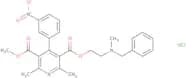
CAS:<p>Please enquire for more information about Dehydro nicardipine hydrochloride including the price, delivery time and more detailed product information at the technical inquiry form on this page</p>Formula:C26H28ClN3O6Purity:Min. 95%Molecular weight:514 g/mol(3S,5R)-Atorvastatin calcium
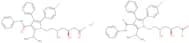
CAS:<p>(3S,5R)-Atorvastatin calcium is an analytical standard for the drug atorvastatin. It has a purity of 99.9% and is manufactured in accordance with the requirements of the pharmacopoeia. The product is available as a white crystalline powder and is soluble in water, acetone, and ethanol. (3S,5R)-Atorvastatin calcium has been used in drug development and as an impurity standard for HPLC analysis. It also serves as a metabolite to characterize the production process of atorvastatin.</p>Formula:C66H68CaF2N4O10Purity:Min. 95%Molecular weight:1,155.34 g/mol3-(Isonicotinoylhydrazonomethyl) rifamycin
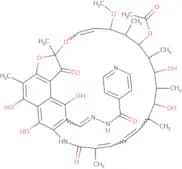
CAS:<p>3-(Isonicotinoylhydrazonomethyl) rifamycin is a metabolite of rifamycin. It is synthesized from the natural product, which is purified as an impurity standard and used as a research and development tool for drugs. 3-(Isonicotinoylhydrazonomethyl)rifamycin has been shown to have antibiotic activity against Mycobacterium tuberculosis and Clostridium perfringens.</p>Formula:C44H52N4O13Purity:Min. 95%Molecular weight:844.9 g/mol8-Hydroxymethylriboflavin
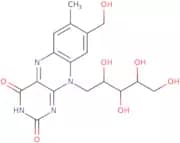
CAS:<p>8-Hydroxymethylriboflavin is a metabolite of riboflavin that has been shown to be important in the metabolism of this vitamin. This compound is used as an impurity standard for the detection and identification of drugs or other substances in pharmacopoeia, drug development, and analytical chemistry.</p>Formula:C17H20N4O7Purity:90%MinMolecular weight:392.4 g/molEthyl p-aminobenzoate-N-D-mannose
CAS:<p>CAS No. 78216-92-9 is a synthetic compound that can be used as an impurity standard, custom synthesis, drug product, or a reference material. It is used in the research and development of new drugs and for the production of active pharmaceutical ingredients (API) and drug products. CAS No. 78216-92-9 also has been shown to have pharmacological properties as a metabolite. It is a metabolite of ethyl p-amino benzoate in humans and other mammals. The chemical is soluble in water, methanol, ethanol, benzene, acetone, chloroform, ether, and acetonitrile. The solubility of CAS No. 78216-92-9 in water at 37°C (98.6°F) is 2 g/L; at 20°C (68°F) - 1 g/L; at 0°C (32°F) - 0.2 g</p>Formula:C15H21NO7Purity:Min. 95%Molecular weight:327.33 g/molN-(Diphenoxymethylene)-methanesulfonamide
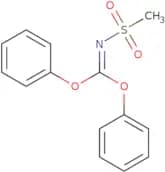
CAS:<p>N-(Diphenoxymethylene)-methanesulfonamide is a potent cancer kinase inhibitor that has been shown to induce apoptosis in human cancer cells. It is an analog of the anticancer drug staurosporine and inhibits a wide range of kinases, including cyclin-dependent kinases (CDKs) and protein kinase C. N-(Diphenoxymethylene)-methanesulfonamide has demonstrated significant activity against various tumor types in Chinese hamster ovary cells and has been shown to be effective in inhibiting the growth of several different cancer cell lines. This inhibitor can also be found in urine samples, indicating its potential use as a biomarker for cancer diagnosis and treatment monitoring. Overall, N-(Diphenoxymethylene)-methanesulfonamide represents a promising new class of anticancer agents with broad-spectrum kinase inhibition activity.</p>Formula:C14H13NO4SPurity:Min. 95%Molecular weight:291.32 g/molVigabatrin EP Impurity B
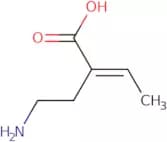
CAS:<p>Vigabatrin EP Impurity B is a research and development impurity standard that belongs to the class of drugs. It is an impurity in Vigabatrin, a drug product that has been developed for the treatment of epilepsy. Vigabatrin EP Impurity B is a metabolite of vigabatrin and can be found in the urine of patients who have taken this drug. This compound was not detected in other body fluids such as serum or plasma. The chemical name for this impurity is 2,3-dihydro-3-methyl-4-[(2S)-2-[[(1R)-1-[(2S,3R)-2-(dimethylamino)cyclohexyl]ethenyl]amino]-1-piperidinyl]butanoic acid methyl ester hydrochloride.</p>Formula:C6H11NO2Purity:Min. 95%Molecular weight:129.16 g/molQuetiapine Impurity 8
CAS:<p>Quetiapine Impurity 8 is a drug product that is used as an analytical standard for drug metabolism studies. It is a natural impurity found in the API Quetiapine, which has the CAS number 1977-09-9. Quetiapine Impurity 8 is also an impurity standard for HPLC and has been shown to be a synthetic compound. This compound can be custom synthesized and is often used in research and development of new drugs. Quetiapine Impurity 8 has high purity and pharmacopoeia grade, making it suitable for use in niche markets such as drug development, research, and analysis.</p>Formula:C18H19N3SPurity:Min. 95%Molecular weight:309.4 g/molSsr 180711 hydrochloride
CAS:<p>Ssr 180711 hydrochloride is a synthetic compound with a molecular weight of 557.5. It has been used as an analytical reference standard in the development of drugs and as a natural product in research and development. Ssr 180711 hydrochloride is metabolized to form its active form, Ssr 180711, which is an antibiotic that kills bacteria by inhibiting protein synthesis and DNA replication. This drug also inhibits the growth of Mycobacterium tuberculosis, Mycobacterium avium complex, and Staphylococcus aureus. The purity of this product is 99.0% pure (HPLC).</p>Formula:C14H18BrClN2O2Purity:Min. 95%Molecular weight:361.66 g/molEthyl 2-cyano-4-methylpent-2-enoate
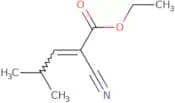
CAS:<p>Please enquire for more information about Ethyl 2-cyano-4-methylpent-2-enoate including the price, delivery time and more detailed product information at the technical inquiry form on this page</p>Formula:C9H13NO2Purity:Min. 95%Molecular weight:167.2 g/molMethyl 4-[[1-(ethoxycarbonyl)-2-oxocyclopentyl]methyl]-α-methylbenzeneacetate
CAS:<p>Please enquire for more information about Methyl 4-[[1-(ethoxycarbonyl)-2-oxocyclopentyl]methyl]-α-methylbenzeneacetate including the price, delivery time and more detailed product information at the technical inquiry form on this page</p>Formula:C19H24O5Purity:Min. 95%Molecular weight:332.39 g/molPhenylacetyl coa
CAS:<p>Phenylacetyl CoA is a precursor in the synthesis of phenylalanine. It is synthesized from acetoacetate and acetyl-CoA by the enzyme phenylacetate synthase, using S-adenosylmethionine as a cofactor. Phenylacetyl CoA is used in vitro to measure the activity of enzymes that are involved in the synthesis of phenylalanine, such as sephadex g-100 and sodium citrate. Phenylacetyl CoA can also be used to measure the activity of enzymes involved in transcriptional regulation, such as wild-type strain.</p>Formula:C29H42N7O17P3SPurity:Min. 95%Color and Shape:PowderMolecular weight:885.7 g/mol6-Bromo-1-hydroxypyrene
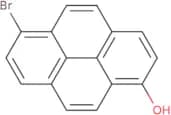
CAS:<p>6-Bromo-1-hydroxypyrene is a natural metabolite of the aromatic hydrocarbon benzo[a]pyrene. It has been used as an analytical standard for HPLC and GC analyses, and as a research and development (R&D) drug product in pharmacopoeia. 6-Bromo-1-hydroxypyrene has been shown to have anti-inflammatory activities in mouse skin. It also inhibits liver microsomal cytochrome P450 enzymes, suggesting that it may be useful in the treatment of disorders such as Alzheimer's disease.</p>Formula:C16H9BrOPurity:Min. 95%Molecular weight:297.14 g/mol2,2-Bis-[3-(1-methylpiperidin-4-yl)-1H-indol-5-yl]ethanesulfonic acid methylamide
CAS:<p>2,2-Bis-[3-(1-methylpiperidin-4-yl)-1H-indol-5-yl]ethanesulfonic acid methylamide is an analytical standard for HPLC. It is a synthetic substance and has been shown to be a metabolite of the drug product, 2,2-bis-(3-(1-methylpiperidin-4-yl)indol-5-yl)ethanesulfonic acid methylamide.</p>Formula:C31H41N5O2SPurity:Min. 95%Molecular weight:547.80 g/molBuprenorphine furanyl impurity
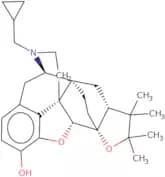
CAS:Controlled Product<p>Buprenorphine is a semi-synthetic opioid that is used to treat pain. It has been shown to have high purity, when compared to other synthetic opioids, and is often used as an analytical standard. Buprenorphine furanyl impurity is an impurity in buprenorphine that can be detected by high-performance liquid chromatography (HPLC). It is also a metabolite of the drug and can be used as a pharmacopoeia reference material.</p>Formula:C28H37NO3Purity:Min. 95%Molecular weight:435.6 g/molImidafenacin metabolite M4
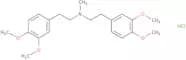
CAS:<p>Imidafenacin metabolite M4 is a synthetic impurity of imidafenacin. It is an API impurity as it is produced during the synthesis of this drug. Imidafenacin metabolite M4 has been shown to be present in high purity and is used as a pharmacopoeia standard. The compound has been studied for its metabolism, which includes studies on its ability to inhibit cytochrome P450 enzymes and other drug-metabolizing enzymes, as well as its potential to cause drug interactions.</p>Formula:C18H19N3O3Purity:Min. 95%Molecular weight:325.40 g/molN,N'-Bis[2-(3,4-dimethoxyphenyl)ethyl]-N,N'-dimethyl-1,3-propanediamine dihydrochloride
CAS:<p>N,N'-Bis[2-(3,4-dimethoxyphenyl)ethyl]-N,N'-dimethyl-1,3-propanediamine dihydrochloride is a synthetic compound that is metabolized to the natural product naphthol AS. It is an impurity in the drug product and can also be used as an analytical reference standard.</p>Formula:C25H38N2O4·2HClPurity:Min. 95%Molecular weight:503.5 g/molRoxithromycin impurity I
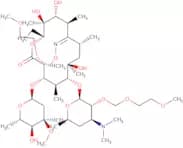
CAS:<p>Roxithromycin impurity I is a natural metabolite of roxithromycin. The substance has been synthesized in order to serve as an analytical impurity standard for HPLC. Roxithromycin impurity 1 is also a metabolite of roxithromycin, which has been shown to produce pharmacological effects similar to those seen with the parent compound. Roxithromycin impurity I is not an API, but has been developed as a HPLC analytical impurity standard and will be used for metabolism studies.</p>Formula:C45H84N2O17Purity:Min. 95%Color and Shape:PowderMolecular weight:925.15 g/molN,N-Dimethylsulfonyl dofetilide
CAS:<p>N,N-Dimethylsulfonyl dofetilide is a research and development impurity with no known drug product. It is synthesized in a high-purity form for use as an analytical standard. N,N-Dimethylsulfonyl dofetilide is not found in any pharmacopoeia. This compound has been used in metabolite studies and HPLC standards.</p>Formula:C21H31N3O9S4Purity:Min. 95%Molecular weight:597.80 g/molCefazedone Impurity 12
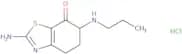
CAS:<p>Cefazedone Impurity 12 is a drug product that has been custom synthesized for research and development purposes. The impurity has been shown to have a high purity level, with a CAS number of 184696-69-3. Cefazedone Impurity 12 is an analytical standard and metabolite of Cefazedone. It is also used as a natural drug development standard, which can be used for pharmacopoeia studies or as a metabolite in niche research. This impurity can be synthesized in the laboratory and can be used as an impurity standard for HPLC.</p>Formula:C8H8N2O3SPurity:Min. 95%Molecular weight:212.23 g/molrac-7-Oxo-pramipexole hydrochloride
CAS:<p>Please enquire for more information about rac-7-Oxo-pramipexole hydrochloride including the price, delivery time and more detailed product information at the technical inquiry form on this page</p>Formula:C10H16ClN3OSPurity:Min. 95%Molecular weight:261.77 g/molFluticasone furoate EP impurity E
CAS:<p>Fluticasone furoate EP impurity E is an analytical reference standard for pharmacopoeia and research. It is a synthetic fluticasone furoate EP impurity that has been custom synthesized for use as a high-purity, HPLC-grade standard. Fluticasone furoate EP impurity E is characterized by its natural origin and purity, making it appropriate for use in drug development and research. The CAS number for this product is 398454-97-2.</p>Formula:C25H31F3O5SPurity:Min. 95%Molecular weight:500.5 g/mol2-Deschloro aripiprazole
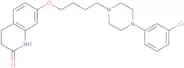
CAS:<p>2-Deschloro aripiprazole is a drug that belongs to the class of antipsychotics. It is an atypical antipsychotic with a high affinity for human albumin and α1-acid glycoprotein, which are plasma proteins. 2-Deschloro aripiprazole has been shown to interact with human albumin and α1-acid glycoprotein in vitro, and it has been suggested that this interaction may be responsible for its pharmacological effects. 2-Deschloro aripiprazole has also been shown to bind to the dopamine D2 receptor, which is thought to be responsible for its therapeutic effects as an antipsychotic. The molecular interactions between 2-deschloro aripiprazole and human albumin have been studied using isothermal titration calorimetry (ITC) and molecular docking studies. These studies have helped us understand how 2-deschloro aripiprazole binds to human album</p>Formula:C23H28ClN3O2Purity:Min. 95%Molecular weight:413.94 g/molEpi-canagliflozin
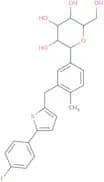
CAS:<p>Epi-canagliflozin is a drug product that is manufactured by HPLC. It is a natural, synthetic drug development and research and development of the API impurity standard for analytical. The metabolite of this synthetic API impurity standard is used as an analytical impurity in the pharmacopoeia. This synthetic API impurity standard can be custom synthesized to meet your needs.</p>Formula:C24H25FO5SPurity:Min. 95%Molecular weight:444.5 g/molDesisobutyl-N-butyl bortezomib
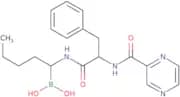
CAS:<p>Desisobutyl-N-butyl bortezomib is a drug product that has been custom synthesized for the purpose of research and development. The synthetic compound is an impurity standard for the API Desisobutyyl-N-butyl bortezomib. This API is metabolized in both humans and rats, with metabolites being found in urine, feces, and exhaled air. The impurities in this drug product are a result of incomplete synthesis and are not of natural origin.</p>Formula:C19H25BN4O4Purity:Min. 95%Molecular weight:384.2 g/molBosentan impurity C
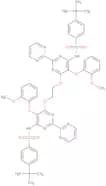
CAS:<p>Bosentan impurity C is a stable crystalline compound that is soluble in organic solvents. It has been identified as an impurity of the drug bosentan, and has been found to be present in the drug at concentrations of up to 0.2%. Bosentan impurity C can be prepared by crystallization from an alkaline solution and can also be obtained as a salt form. The salt form is a dimer that consists of two bosentan molecules linked together by one oxygen atom. Bosentan impurity C is stable under normal conditions and does not undergo any changes when exposed to light or heat. This compound has shown no significant adverse effects on humans who have taken it, with no adverse effects on the kidney, liver, or lungs reported.</p>Formula:C52H52N10O10S2Purity:Min. 95%Molecular weight:1,041.16 g/molSalbutamol EP impurity C
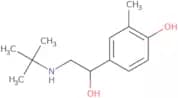
CAS:<p>Salbutamol EP Impurity C is an impurity of Salbutamol EP, which is an active pharmaceutical ingredient. It is a hydrophilic interaction chromatography and reverse-phase high-performance liquid chromatography method that can be used to screen for the presence of impurities in this product. The detection method is based on the use of a diode array detector with a synchronous detection mode. The column used in this screening process is a liquid chromatography column with a particle size of 5 microns and a length of 250 mm, which has been packed with 5% phenyl-95% dimethyl polysiloxane stationary phase. This process requires acetonitrile as the mobile phase, and the detection wavelength ranges from 220 nm to 240 nm.</p>Formula:C13H21NO2Purity:Min. 95%Color and Shape:PowderMolecular weight:223.31 g/mol5-[(Hydroxyacetyl)amino]-N,N'-bis [2-hydroxy-1-(hydroxymethyl)ethyl]-2,4,6-triiodo-1,3-benzenedicarboxamide
CAS:<p>5-[(Hydroxyacetyl)amino]-N,N'-bis [2-hydroxy-1-(hydroxymethyl)ethyl]-2,4,6-triiodo-1,3-benzenedicarboxamide is a drug product that was synthesized for research purposes. It is an analytical standard for HPLC and has not been approved for clinical use. 5-[(Hydroxylacetyl)amino]-N,N'-bis [2-hydroxy-1-(hydroxymethyl)ethyl]-2,4,6-triiodo-1,3-benzenedicarboxamide is a compound with natural origin and has been classified as an API impurity. This synthetic drug product is custom synthesized to meet the requirements of pharmacopoeia standards.</p>Formula:C16H20I3N3O8Purity:Min. 95%Molecular weight:763.06 g/molIsopropyl (1S)-(+)-10-camphorsulfate
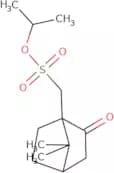
CAS:<p>Isopropyl (1S)-(+)-10-camphorsulfate is an analytical standard that is used in the preparation of aqueous solutions with a purity of at least 99.5%. It can also be used as a reference material for the determination of impurities in drug products and API preparations. Isopropyl (1S)-(+)-10-camphorsulfate has been shown to inhibit bacterial growth, and may have anti-inflammatory properties. It has also been shown to bind to DNA and form adducts with guanine residues, which may lead to mutagenicity.</p>Formula:C13H22O4SPurity:Min. 95%Molecular weight:274.38 g/molDecarboxylated S-adenosylmethionine sulfate
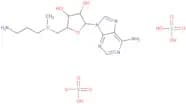
CAS:<p>Decarboxylated S-adenosylmethionine sulfate is a synthetic, high purity, pharmacopoeia grade impurity standard used in the research and development of drugs. This drug product is also used as a metabolite in metabolism studies. Decarboxylated S-adenosylmethionine sulfate is synthesized by the decarboxylation of S-adenosylmethionine, which is then reacted with sulfuric acid to form the sulfate salt. Decarboxylated S-adenosylmethionine sulfate has an analytical retention time of 12 minutes and an HPLC purity of 99%.</p>Formula:C14H26N6O11S3Purity:Min. 95%Molecular weight:550.6 g/molEpi lovastatin
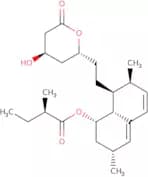
CAS:<p>Lovastatin is a cholesterol-lowering drug that acts by inhibiting the enzyme HMG-CoA reductase. It is also used to prevent organ rejection after a liver transplant, and has been shown to have anti-aging effects. Lovastatin has been shown to reduce serum cholesterol levels, which may be due to its ability to inhibit cellular proliferation in rat hepatocytes. This drug has been shown to have an effect on DNA damage and post-translational modification of proteins, as well as on health care foods. Lovastatin is a member of the statins family of drugs, which are all natural products isolated from fungi or bacteria. The active form of lovastatin is made in the laboratory by chemical synthesis, using recombinant DNA technology. The recombinant gene encoding lovastatin was cloned into an expression vector and expressed in Escherichia coli cells (E.M.).</p>Formula:C24H36O5Purity:Min. 95%Molecular weight:404.54 g/molFenofibrate impurity G
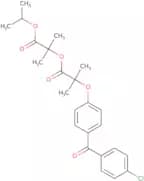
CAS:<p>Fenofibrate impurity G is a drug product that is synthesized from natural sources and is not chemically modified. It has the CAS number 217636-48-1. Fenofibrate impurity G is an analytical standard in the field of drug development and pharmacopoeia. It can be used as a metabolite or impurity standard in research and development, HPLC standard, or as a niche product for pharmaceutical companies. Fenofibrate impurity G can be synthesized to create new chemical entities.</p>Formula:C24H27ClO6Purity:Min. 95%Molecular weight:446.92 g/mol1-[3-(Dimethylamino)propyl]-1-(4-fluorophenyl)-1,3-dihydro-5-isobenzofurancarboxaldehyde oxime
CAS:<p>1-[3-(Dimethylamino)propyl]-1-(4-fluorophenyl)-1,3-dihydro-5-isobenzofurancarboxaldehyde oxime is an impurity in the drug product of 1-[3-(dimethylamino)propyl]-1-(4-fluorophenyl)-1,3-dihydro-5-isobenzofuran. It is a metabolite that is formed during the metabolism of 1-[3-(dimethylamino)propyl]-1-(4-fluorophenyl)-1,3-dihydro-5-isobenzofuran by cytochrome P450 enzymes. The CAS number for this compound is 227954–88–3. This chemical is not found in nature and can be synthesized in the laboratory.</p>Formula:C20H23FN2O2Purity:Min. 95%Molecular weight:342.41 g/molDapsone N-β-D-glucuronide sodium salt
CAS:<p>Dapsone N-β-D-glucuronide sodium salt is a drug product that is Custom synthesized for your research and development needs. It is available for sale as a white to off-white crystalline powder with a purity of 98%. Dapsone N-β-D-glucuronide sodium salt has CAS No. 54749-81-4, analytical, Metabolism studies, Drug development, Natural, Metabolite, pharmacopoeia, niche, Synthetic, Impurity standard and Research and Development. It is an HPLC standard in the form of a white to off-white crystalline powder with a purity of 98%.</p>Formula:C18H19N2NaO8SPurity:Min. 95%Molecular weight:446.41 g/molNaproxen Impurity C
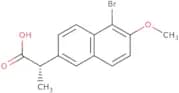
CAS:<p>Naproxen Impurity C is an analytical impurity that is found in Naproxen. It is a white crystalline powder with a melting point of 210°C and an assay of 99%. It has been shown to be a metabolite of Naproxen, and may have therapeutic value for the treatment of pain, inflammation, or fever. The purity of this product has been verified by HPLC analysis.</p>Formula:C14H13BrO3Purity:Min. 95%Molecular weight:309.16 g/molValaciclovir Related Compound E
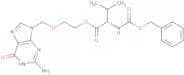
CAS:<p>Valaciclovir Related Compound E is a white crystalline powder that has an appearance similar to acyclovir, with a melting point of 164-167°C. It is soluble in water and methanol. The compound is used as a medicament and also acts as an intermediate for the synthesis of other pharmaceutical products. Valaciclovir Related Compound E can be synthesized from valaciclovir by reacting it with ethyl chloroformate, followed by recrystallization from pyridine and chloroform. This process produces the desired product in high purity under good yield. Valaciclovir Related Compound E is a white crystalline powder that has an appearance similar to acyclovir, with a melting point of 164-167°C. It is soluble in water and methanol. The compound is used as a medicament and also acts as an intermediate for the synthesis of other pharmaceutical products. Valac</p>Formula:C21H26N6O6Purity:Min. 95%Molecular weight:458.47 g/molPruvanserin hydrochloride
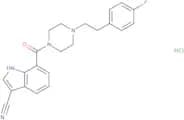
CAS:<p>Pruvanserin hydrochloride is a synthetic compound that belongs to the group of drugs called selective serotonin reuptake inhibitors (SSRIs). It is used for research and development purposes. Pruvanserin hydrochloride has not been marketed as a drug product. This compound has shown to be an impurity in several commercial products and has been found to be present in two drugs, including fluoxetine HCl and sertraline HCl. Pruvanserin hydrochloride is metabolized by cytochrome P450 enzymes and glucuronidases. The half life of this drug is between 3-5 hours following oral administration, with higher doses leading to higher plasma concentrations.</p>Formula:C22H22ClFN4OPurity:Min. 95%Molecular weight:412.9 g/molPBT Impurity 2
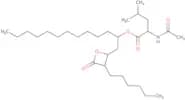
CAS:<p>Please enquire for more information about PBT Impurity 2 including the price, delivery time and more detailed product information at the technical inquiry form on this page</p>Formula:C36H38O13Molecular weight:678.69 g/molN-Desformyl N-acetyl (S,S,R,S)-orlistat (orlistat impurity)
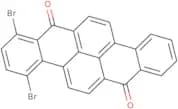
CAS:<p>Please enquire for more information about N-Desformyl N-acetyl (S,S,R,S)-orlistat (orlistat impurity) including the price, delivery time and more detailed product information at the technical inquiry form on this page</p>Formula:C30H55NO5Purity:Min. 95%Molecular weight:509.8 g/molDibromodibenzo(b,def)chrysene-7,14-dione
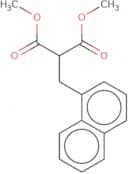
CAS:<p>Please enquire for more information about Dibromodibenzo(b,def)chrysene-7,14-dione including the price, delivery time and more detailed product information at the technical inquiry form on this page</p>Formula:C24H10Br2O2Purity:Min. 95%Molecular weight:490.1 g/molDiethyl (1-naphthylmethyl)malonate
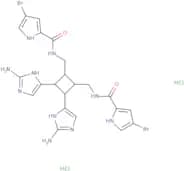
CAS:<p>Diethyl (1-naphthylmethyl)malonate is an impurity of the drug product. It is a metabolite that has been found in rat urine and feces. Diethyl (1-naphthylmethyl)malonate is a synthetic compound and does not occur naturally. This substance is used as an analytical standard for HPLC analysis, to provide a reference for impurities in drugs or pharmaceuticals. It is also used as a chemical intermediate in the synthesis of other compounds. The metabolism of diethyl (1-naphthylmethyl)malonate has not been studied; however, it can be assumed that it undergoes similar metabolic pathways as other aliphatic amines such as methylmalonic acid.</p>Formula:C18H20O4Purity:Min. 95%Molecular weight:300.35 g/molSceptrin dihydrochloride
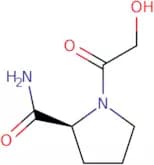
CAS:<p>Sceptrin dihydrochloride is a natural product that is the first asymmetric synthesis of the sceptrin molecule. It has been shown to have anti-inflammatory properties and can be used for the treatment of inflammatory bowel disease. Sceptrin dihydrochloride inhibits the activity of leukotriene A4 hydrolase, which is an enzyme that controls the production of leukotrienes. This inhibition leads to decreased levels of leukotrienes and reduced inflammation in the gastrointestinal tract. Sceptrin dihydrochloride has also been shown to have an effect on skeleton cells, where it can inhibit bone resorption by activating osteoclasts and inhibiting osteoblasts.<br>Sceptrin dihydrochloride belongs to a group of compounds called fatty acid esters and has a chemical structure consisting of nitrogen atoms with two chiral centers. The synthesis was carried out using an asymmetric synthesis method that involved reaction with a chiral catalyst and</p>Formula:C22H26Br2Cl2N10O2Purity:Min. 95%Molecular weight:693.2 g/mol1-Glycoloyl-L-prolinamide
CAS:<p>1-Glycoloyl-L-prolinamide is a drug product that is an analytical standard for the impurity 1-glycoloyl-L-proline (CAS No. 96166-39-1) in the API 1,4,5,6-tetrahydrobenzothiazole (CAS No. 86687-93-0). It has been synthesized to be used as an impurity standard and is provided at a purity of 98.0% or greater by weight. This chemical compound can be used in research and development for the production of drugs as well as in pharmaceutical manufacturing.</p>Formula:C7H12N2O3Purity:Min. 95%Molecular weight:172.18 g/molDeacetyl-N,o-didemethyldiltiazem
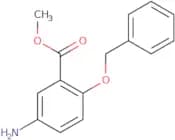
CAS:<p>Deacetyl-N,o-didemethyldiltiazem is a drug product that is used for the treatment of hypertension. It is a synthetic compound and has not been found in nature. The impurity standard for this product is an analytical chemical that can be used to identify the presence of impurities in a sample. Deacetyl-N,o-didemethyldiltiazem can be synthesized from commercially available starting materials using custom synthesis methods. It is an API impurity and can be developed into a drug by researching and developing it as a niche therapy for hypertension. This compound has high purity and can be used as an HPLC standard.</p>Formula:C18H20N2O3SPurity:Min. 95%Molecular weight:344.40 g/mol5-Amino-2-(phenylmethoxy)benzoic acid methyl ester
CAS:<p>Please enquire for more information about 5-Amino-2-(phenylmethoxy)benzoic acid methyl ester including the price, delivery time and more detailed product information at the technical inquiry form on this page</p>Formula:C15H15NO3Purity:Min. 95%Molecular weight:257.28 g/molToremifene-N-oxide
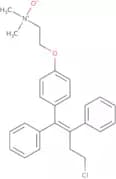
CAS:<p>Toremifene-N-oxide is a drug that has been shown to have genotoxic effects in human liver cells in an incubated system. Toremifene-N-oxide is the active form of toremifene, which is a selective estrogen receptor modulator (SERM). Toremifene-N-oxide is metabolized by peroxidases and can react with reactive oxygen species (ROS) to produce DNA damage. It also binds to DNA at the site of supercoiled DNA, leading to changes in the molecule's structure. Toremifene-N-oxide has been shown to have an optimum pH of 7.4 and ionization mass of 367. This drug binds to lactoperoxidase found in human liver cells and produces reactive molecules that cause oxidative DNA damage.</p>Formula:C26H28ClNO2Purity:Min. 95%Molecular weight:421.96 g/molAvanafil impurity 26
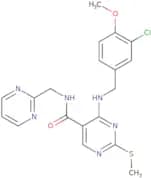
CAS:<p>Avanafil impurity 26 is a metabolite of avanafil that has been synthesized for use as an impurity standard. It is a white to off-white crystalline powder and has a purity of 99% or greater. Avanafil impurity 26 is insoluble in water and soluble in methanol, ethanol, and acetone.</p>Formula:C19H19ClN6O2SPurity:Min. 95%Molecular weight:430.9 g/molCis-ethyl 2-hydroxyimino-3-oxobutyrate
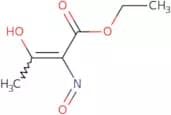
CAS:<p>Cis-ethyl 2-hydroxyimino-3-oxobutyrate is an organic acid that can be used as a reagent for the detection of primary amines and chiral amines. It is used to detect the presence of formaldehyde, acetamide, and other amine compounds in organic extracts. Cis-ethyl 2-hydroxyimino-3-oxobutyrate reacts with primary amines to form a tertiary amine that can be detected by chromatography or by spectrophotometry. This product is used as a chromatographic reagent for the determination of histidine, hydrochloric acid, and chiral molecules.<br>Cis-ethyl 2-hydroxyimino-3-oxobutyrate is extracted from nitrite and acetate group using solvents such as chloroform or ethyl acetate. The extract can then be separated using chromatography methods such as gas chromatography (GC) or</p>Formula:C6H9NO4Purity:Min. 95%Molecular weight:159.14 g/mol



![2-[[4-[2-(Cyclopropylmethoxy)ethyl]phenoxy]methyl]oxirane](/_next/image/?url=https%3A%2Fstatic.cymitquimica.com%2Fproducts%2F3D%2Fthumb-webp%2FIC20741.webp&w=3840&q=75)
![1,3-Benzodioxol-5-yl[4-(2-chloroethoxy)phenyl]methanone](/_next/image/?url=https%3A%2Fstatic.cymitquimica.com%2Fproducts%2F3D%2Fthumb-webp%2FJKA14965.webp&w=3840&q=75)

![N,N-Dimethyl-2-[6-methyl-2-(2-bromo-4-methylphenyl)imidazol[1,2-a]pyridin-3-yl]acetamide](/_next/image/?url=https%3A%2Fstatic.cymitquimica.com%2Fproducts%2F3D%2Fthumb-webp%2FID57808.webp&w=3840&q=75)
![2-[2-(4-Dibenzo[b,f][1,4]thiazepin-11-yl-1-piperazinyl)ethoxy]ethanol N-oxide](/_next/image/?url=https%3A%2Fstatic.cymitquimica.com%2Fproducts%2F3D%2Fthumb-webp%2FID27365.webp&w=3840&q=75)
![(2E)-2-[(2-Methoxyphenyl)methylene]hydrazinecarbothioamide](/_next/image/?url=https%3A%2Fstatic.cymitquimica.com%2Fproducts%2F3D%2Fthumb-webp%2FXUA16186.webp&w=3840&q=75)

![α-[4-(2-dimethylaminoethoxy)phenyl]stilbene](/_next/image/?url=https%3A%2Fstatic.cymitquimica.com%2Fproducts%2F3D%2Fthumb-webp%2FUAA95751.webp&w=3840&q=75)




![Methyl 4-[[1-(ethoxycarbonyl)-2-oxocyclopentyl]methyl]-α-methylbenzeneacetate](/_next/image/?url=https%3A%2Fstatic.cymitquimica.com%2Fproducts%2F3D%2Fthumb-webp%2FIM184082.webp&w=3840&q=75)
![2,2-Bis-[3-(1-methylpiperidin-4-yl)-1H-indol-5-yl]ethanesulfonic acid methylamide](/_next/image/?url=https%3A%2Fstatic.cymitquimica.com%2Fproducts%2F3D%2Fthumb-webp%2FWDC60416.webp&w=3840&q=75)
![N,N'-Bis[2-(3,4-dimethoxyphenyl)ethyl]-N,N'-dimethyl-1,3-propanediamine dihydrochloride](/_next/image/?url=https%3A%2Fstatic.cymitquimica.com%2Fproducts%2F3D%2Fthumb-webp%2FIB145560.webp&w=3840&q=75)
![5-[(Hydroxyacetyl)amino]-N,N'-bis [2-hydroxy-1-(hydroxymethyl)ethyl]-2,4,6-triiodo-1,3-benzenedica…](/_next/image/?url=https%3A%2Fstatic.cymitquimica.com%2Fproducts%2F3D%2Fthumb-webp%2FIH138513.webp&w=3840&q=75)
![1-[3-(Dimethylamino)propyl]-1-(4-fluorophenyl)-1,3-dihydro-5-isobenzofurancarboxaldehyde oxime](/_next/image/?url=https%3A%2Fstatic.cymitquimica.com%2Fproducts%2F3D%2Fthumb-webp%2FID182715.webp&w=3840&q=75)