APIs for research and impurities
Active Pharmaceutical Ingredients (APIs) are the substances in drugs responsible for their therapeutic effects. In this section, you will find a wide variety of APIs intended for research use. These compounds are essential for the development, testing, and validation of new pharmaceutical formulations. CymitQuimica offers high-quality APIs to support research in drug discovery and development.
Subcategories of "APIs for research and impurities"
- Aminoacids and derivatives(12,278 products)
- Anthraquinones and derivatives(405 products)
- Benzimidazole and Imidazole Derivatives(10,376 products)
- Benzodiazepine Derivatives(333 products)
- Carbohydrates and glycoconjugates(5,013 products)
- Esters and Derivatives(42,045 products)
- Fatty Acids and Lypidic Derivatives(32,246 products)
- Flavonoids and Polyphenols(17,012 products)
- Free Radicals and Oxidant/Reducing Agents(213 products)
- Ketones and derivatives(2,394 products)
- Natural and semi-synthetic antibiotics(6,364 products)
- Nitriles and Cyano Derivatives(3,045 products)
- Nitrosamines and Derivatives(55 products)
- Nucleosides and Nucleotides(3,428 products)
- Organic Phosphates and Phosphonates(1,201 products)
- Organic Sulphonates and Sulphates(10,406 products)
- Organometallics(4,401 products)
- Others(6,279 products)
- Peptides and Proteins(3,129 products)
- Polymers and Derivatives(99 products)
- Purines and Pyrimidine Derivatives(8,902 products)
- Quinazoline and Quinoline Derivatives(65,630 products)
- Quinones and Derivatives(24,237 products)
- Salts and Derivatives of Active Pharmaceutical Ingredients (API)(79,468 products)
- Steroids and Derivatives(4,964 products)
- Sulfonamides and Derivatives(2,592 products)
- Terpenoids and Derivatives(3,839 products)
- Thiazolidinediones and Thiopyrans(2,733 products)
- β-Adrenergic Compounds(230 products)
Show 21 more subcategories
Found 56796 products of "APIs for research and impurities"
Sort by
Purity (%)
0
100
|
0
|
50
|
90
|
95
|
100
Fenirofibrate acyl-β-D-glucuronide
CAS:<p>Please enquire for more information about Fenirofibrate acyl-β-D-glucuronide including the price, delivery time and more detailed product information at the technical inquiry form on this page</p>Formula:C23H25ClO10Purity:Min. 95%Molecular weight:496.9 g/mol2-Methyl-3,4-dimethoxy pyridine hydrochloride
CAS:<p>2-Methyl-3,4-dimethoxy pyridine hydrochloride is an analytical standard that is used as a reference compound in the pharmaceutical industry to identify impurities in drug products. It also has a niche use as an API impurity and HPLC standard. 2-Methyl-3,4-dimethoxy pyridine hydrochloride is used as an intermediate for the synthesis of other drugs, including benzodiazepines and beta blockers. It is also used in research and development for its high purity. This chemical is natural or synthetic in origin but can be custom synthesized to meet specific requirements. 2-Methyl-3,4-dimethoxy pyridine hydrochloride also has CAS number 1210824-88-6.</p>Formula:C8H11NO2HClPurity:Min. 95%Molecular weight:189.64 g/molCetirizine amide dihydrochloride
CAS:<p>Cetirizine amide dihydrochloride is a drug product that has been custom synthesized for research and development. It is a high purity, analytical grade material that is natural and synthetic in origin. Cetirizine amide dihydrochloride's CAS number is 200707-85-3. The impurity standard for this material is HPLC grade. This drug product can be found on the United States Pharmacopoeia (USP) and the European Pharmacopoeia (EP). Cetirizine amide dihydrochloride has been used in metabolism studies and as a pharmacopoeia reference standard.</p>Formula:C21H28Cl3N3O2Purity:Min. 95%Molecular weight:460.82 g/mol(2S,2R,Trans)-saxagliptin
CAS:<p>(2S,2R,Trans)-saxagliptin is an analytical standard that is used in the development of drug products. This compound has a purity of greater than 98% and is a metabolite of saxagliptin. It has been shown to inhibit the activity of DPP-IV (dipeptidyl peptidase-4), which is an enzyme that degrades certain hormones such as glucagon-like peptide 1 (GLP-1). The product is manufactured by natural means and does not have any impurities. It does not have any major side effects and is not associated with weight gain.</p>Formula:C18H25N3O2Purity:Min. 95%Molecular weight:315.40 g/mol6-Amino-N-(2,6-dimethylphenyl)hexanamide
CAS:<p>Please enquire for more information about 6-Amino-N-(2,6-dimethylphenyl)hexanamide including the price, delivery time and more detailed product information at the technical inquiry form on this page</p>Formula:C14H22N2OPurity:Min. 95%Molecular weight:234.34 g/molDesethylene posaconazole N,N’-diformyl
CAS:<p>Desethylene posaconazole N,N’-diformyl is an analog of posaconazole that has been shown to have potential as an anticancer agent. It induces apoptosis in cancer cells by inhibiting various kinases, including cyclin-dependent kinases. Desethylene posaconazole N,N’-diformyl has been detected in human urine and may have potential as a diagnostic marker for cancer. This compound has also shown promising results in inhibiting the growth of human tumor cells and Chinese hamster ovary cells. As a protein kinase inhibitor, Desethylene posaconazole N,N’-diformyl has the potential to be used in the treatment of various types of cancer.</p>Formula:C37H40F2N8O6Purity:Min. 95%Molecular weight:730.8 g/mol(E)-2-Cyanoethyl 3-aminobut-2-enoate
CAS:<p>Please enquire for more information about (E)-2-Cyanoethyl 3-aminobut-2-enoate including the price, delivery time and more detailed product information at the technical inquiry form on this page</p>Formula:C7H10N2O2Purity:Min. 95%Molecular weight:154.17 g/molLy 2389575 hydrochloride
CAS:<p>Ly 2389575 hydrochloride is a drug product for the treatment of rheumatoid arthritis, psoriatic arthritis, and plaque psoriasis. It is synthesized in a natural manner from the fermentation of Streptomyces lavendulae. The compound has been shown to be metabolized through a number of metabolic transformations including hydrolysis by esterases or glucuronidases, oxidation by cytochrome P450 enzymes, reduction by glutathione reductase, or conjugation with glucuronic acid. Ly 2389575 hydrochloride also specifically binds to markers expressed at high levels in Mycobacterium tuberculosis strains (e.g., ESX-1 secretion system protein) and inhibits cell growth in culture.</p>Formula:C15H16BrCl3N4Purity:Min. 95%Molecular weight:438.6 g/mol(R)-N-Methyl-laudanosine iodide
CAS:<p>(R)-N-Methyl-laudanosine iodide is an impurity that has been reported in the product of a custom synthesis. This impurity can be used as an analytical standard or as a reference material for HPLC analysis. It is also used to study the metabolism of drugs, including how they are processed by the body and how it may affect their pharmacological activity. (R)-N-Methyl-laudanosine iodide is synthesized synthetically and can be customized to meet your needs.</p>Formula:C22H30INO4Purity:Min. 95%Molecular weight:499.38 g/molHexahydrophenyl cinacalcet hydrochloride
CAS:<p>Hexahydrophenyl cinacalcet hydrochloride (HPC) is a synthetic compound that is used as an impurity standard in the manufacture of other drugs. It is also used in research and development for the purpose of evaluating drug products. HPC is a metabolite of cinacalcet, which is a drug for the treatment of secondary hyperparathyroidism, particularly in patients with chronic renal failure. HPC has been shown to inhibit bone resorption, which may be due to its effects on calcium metabolism. HPC has also been shown to have anti-inflammatory properties that may be due to its effects on prostaglandins synthesis.</p>Formula:C22H28F3NPurity:Min. 95%Molecular weight:363.50 g/molPelitinib-d6
CAS:<p>Pelitinib-d6 is an anticancer drug that inhibits the activity of protein kinases, which are enzymes involved in cell cycle regulation and apoptosis. This drug has been shown to be effective against various types of cancer cells, including those found in human tumors and Chinese hamster ovary cells. Pelitinib-d6 acts as a potent inhibitor of the epidermal growth factor receptor (EGFR) and other related receptors, which play a key role in cancer cell growth and proliferation. This drug has also been found to inhibit heparin-induced platelet aggregation, making it potentially useful for preventing blood clots associated with cancer. Pelitinib-d6 is a deuterated analog of pelitinib, which means that it contains six deuterium atoms instead of hydrogen atoms. This modification can enhance the stability and pharmacokinetics of the drug, making it more effective as a medicinal agent.</p>Formula:C24H23ClFN5O2Purity:Min. 95%Molecular weight:474 g/molTrandolaprilat diketopiperazine
CAS:<p>Trandolaprilat diketopiperazine is an analog of trandolapril, a medication used to treat high blood pressure. Trandolaprilat diketopiperazine has been found to have potential anticancer properties by acting as an inhibitor of several kinases involved in cancer cell growth and apoptosis. This compound has been shown to inhibit the growth of human cancer cells in vitro and in vivo, making it a promising candidate for further research into its potential as an anticancer agent. Trandolaprilat diketopiperazine can be detected in urine after administration, indicating that it may be suitable for use as a medicinal compound. Its ability to inhibit protein kinases makes it a valuable tool for studying the role of kinases in cancer progression and identifying new targets for anticancer therapies.</p>Formula:C22H28N2O4Purity:Min. 95%Molecular weight:384.5 g/molPseudomonic acid B
CAS:<p>Pseudomonic acid B is a metabolite of pseudomonic acid A and is used as an impurity standard for the pharmacopoeia. The purity of this product is high, with a minimum of 98% pseudomonic acid B. This substance has been synthesized from the natural sources pseudomonic acid A and pseudomonic acid C. Pseudomonic acid B is also a metabolite of pseudomonic acid A and has been used to study the metabolism of pseudomonic acids.</p>Formula:C26H44O10Purity:Min. 95%Molecular weight:516.60 g/molValdecoxib impurity I
CAS:<p>Valdecoxib impurity I is a synthetic compound that is used as an impurity standard for the drug product Valdecoxib. It has a CAS number of 1373038-59-5 and is used in HPLC analysis to detect the presence of metabolites. Valdecoxib impurity I has been shown to be a metabolite of Valdecoxib, but the metabolic pathway has not been elucidated.</p>Formula:C16H15N3O5S2Purity:Min. 95%Molecular weight:393.44 g/mol7-Chloro-3-(piperazin-1-yl)benzol[D]isothiazole
CAS:<p>Please enquire for more information about 7-Chloro-3-(piperazin-1-yl)benzol[D]isothiazole including the price, delivery time and more detailed product information at the technical inquiry form on this page</p>Formula:C11H12ClN3SPurity:Min. 95%Molecular weight:253.75 g/molEthylene terephthalate cyclic pentamer-d20
CAS:<p>The ethylene terephthalate cyclic pentamer is a polyester that is used in the manufacture of polyester fibers and polyester films. It is extracted from the raw material, which is a mixture of dimethyl terephthalate, ethylene glycol, and 1,4-butanediol. The extruder heats the raw material to 240°C in order to convert it into its liquid form. The crystallization process takes place at room temperature and produces a white solid product called oligomer. Extraction removes impurities from the oligomer by washing it with water. Linear polyester is obtained by heating the purified oligomer at 260°C for 40 minutes, while extruded polyester undergoes a heat treatment of 230°C for 20 minutes. Extrusion produces pellets that are then processed into filaments or sheets.</p>Formula:C50H20D20O20Purity:Min. 95%Molecular weight:980.96 g/mol1-C-4-Chloro-3-[(4-ethoxyphenyl)methyl]phenyl]- D-glucitol
CAS:<p>This compound is a research and development impurity standard with a custom synthesis. It is synthesized in the lab using high purity methods to produce an API impurity for drug product. The compound is available in high purity, pharmacopoeia, and analytical grade. This compound is used as an analytical reference standard. Metabolites of this compound have been studied to determine its metabolism pathway.</p>Formula:C21H27ClO7Purity:Min. 95%Molecular weight:426.89 g/mol1-Isopropyl-1-N-methylpropylamino-(3,4-dimethoxyphenyl)acetonitrile
CAS:<p>1-Isopropyl-1-N-methylpropylamino-(3,4-dimethoxyphenyl)acetonitrile is a fluorescent probe that can be used for the detection of drugs in biological samples. It has been shown to have a high fluorescence intensity and low detection sensitivity, making it suitable for use as a probe for detecting drugs with low concentrations. This probe can also be used to study drug interactions and its concentration–time curve in humans. The drug transporter P-glycoprotein (Pgp) is inhibited by verapamil, which could explain the increase in 1-isopropyl-1-N-methylpropylamino-(3,4-dimethoxyphenyl)acetonitrile's detection sensitivity.</p>Formula:C17H26N2O2Purity:Min. 95%Color and Shape:PowderMolecular weight:290.4 g/molLercanidipine-D impurity 6
CAS:<p>Please enquire for more information about Lercanidipine-D impurity 6 including the price, delivery time and more detailed product information at the technical inquiry form on this page</p>Formula:C13H15ClO2Purity:Min. 95%Molecular weight:238.71 g/molLosartan related compound D
CAS:<p>Losartan related compound D is an antihypertensive agent that has been shown to reduce blood pressure in experimental animals. It is a prodrug that is hydrolyzed by esterases to losartan, its active form. Losartan related compound D has been shown to significantly improve the function of ventricular cells in rats with hypertension. The mechanism for this effect may be due to the ability of losartan related compound D to inhibit the production of inflammatory mediators and decrease the reactivity of vascular endothelial cells.<br>Losartan related compound D has not been extensively studied in humans; therefore, it is difficult to predict its effectiveness as a treatment for diseases such as heart failure or stroke.</p>Formula:C44H43Cl2KN12OPurity:Min. 95%Molecular weight:865.9 g/molDes-chloromeclozine-d9
CAS:<p>Des-chloromeclozine-d9 is a research and development impurity standard. It is used as an impurity in the synthesis of meclozine, a drug product. This compound is synthesized using the organic chemistry laboratory technique called custom synthesis. The purity of this compound is high and it meets the requirements of pharmacopoeia standards for analytical use. Des-chloromeclozine-d9 has been found to be a metabolite of meclozine and may have some niche applications for metabolism studies. This synthetic compound has CAS number 16896-82-5.</p>Formula:C25H28N2Purity:Min. 95%Molecular weight:356.5 g/molN-[2-[(4-Chlorophenyl)thio]phenyl]-carbamic acid phenyl ester
CAS:<p>Please enquire for more information about N-[2-[(4-Chlorophenyl)thio]phenyl]-carbamic acid phenyl ester including the price, delivery time and more detailed product information at the technical inquiry form on this page</p>Formula:C19H14ClNO2SPurity:Min. 95%Molecular weight:355.8 g/molThalrugosaminine
CAS:<p>Thalrugosaminine is an ethanolic extract of the bark and roots of the Indian plant Thalrugosia jatrorrhizina. It has been shown to have potent antibacterial activity against Staphylococcus aureus, and an in vitro study showed it to be effective against Mycobacterium tuberculosis. Thalrugosaminine has been used as a herbal remedy for infectious diseases such as bovine mastitis and human disorders such as thaligosis. It has also been shown to have hypotensive effects in animal studies.</p>Formula:C39H44N2O7Purity:Min. 95%Molecular weight:652.8 g/molEthyl 6-[4-[(5-chloro-1-oxopentyl)amino]phenyl]-4,5,6,7-tetrahydro-1-(4-methoxyphenyl)-7-oxo-1H-pyrazolo[3,4-c]pyridine-3-carboxylat e
CAS:<p>Ethyl 6-[4-[(5-chloro-1-oxopentyl)amino]phenyl]-4,5,6,7-tetrahydro-1-(4-methoxyphenyl)-7-oxo-1H-pyrazolo[3,4-c]pyridine-3-carboxylate is a chemical compound with various applications. It is soluble in methanol and has been found to interact with peptidoglycan, cellulose, and other substances. This compound has shown potential anticoagulation properties and has been studied for its effects on blonanserin, etoricoxib, 27-hydroxycholesterol, tenofovir, proton, famotidine, dimethyl fumarate, calpain, dimethyl sulfoxide, and reactive agents. Further research is needed to fully understand the potential applications of this compound and its interactions with different substances.</p>Formula:C27H29ClN4O5Purity:Min. 95%Molecular weight:525 g/molO-Desethyl Dapagliflozin
CAS:<p>O-Desethyl Dapagliflozin is a white powder that is a synthetic drug product. It is an impurity standard that can be used in the synthesis of dapagliflozin. O-Desethyl Dapagliflozin is also a high purity, pharmacopoeia grade drug product. This compound has been shown to be a metabolite of dapagliflozin and has been used for metabolism studies. It has been found to have niche applications in analytical chemistry and natural products research.</p>Formula:C19H21ClO6Purity:Min. 95%Color and Shape:PowderMolecular weight:380.82 g/mol5-Oxo pitavastatin
CAS:<p>5-Oxo pitavastatin is a research and development drug product that is synthesized by custom synthesis. It is an impurity standard that is used as a reference in the analysis of pharmaceuticals and metabolites. The purity of this compound is over 99% with no detectable heavy metals, solvents, or other impurities. This product can be found in the pharmacopoeia, which lists it as an analytical reagent. 5-Oxo pitavastatin is used to develop drugs for niche markets and can be used to study metabolism.</p>Formula:C25H22FNO4Purity:Min. 95%Color and Shape:PowderMolecular weight:419.45 g/molDihydrocephalomannine
CAS:<p>Dihydrocephalomannine is a natural product that is used as a reagent in the synthesis of other molecules. It can be found in plants such as Taxus brevifolia, which contains the molecule taxol. Dihydrocephalomannine is synthesized by benzoylation and hydroxylation of dihydrobenzofuran. The molecule has been shown to have cytotoxic activity against human ovarian cancer cells, but its mechanism of action is not yet known.</p>Formula:C45H55NO14Purity:Min. 95%Molecular weight:833.9 g/molα-amino-4-octylbenzenebutanoic acid
CAS:<p>Alpha-amino-4-octylbenzenebutanoic acid is an impurity standard for pharmacopoeia and drug development. It is a synthetic compound that has been shown to be a metabolite of the muscle relaxant succinylcholine. Alpha-amino-4-octylbenzenebutanoic acid is a high purity, custom synthesis material and can be used as a reference or calibration standard in analytical techniques such as HPLC.</p>Formula:C18H29NO2Purity:Min. 95%Molecular weight:291.40 g/mol2,3',5,5'-Tetrachlorobiphenyl
CAS:Controlled Product<p>2,3',5,5'-Tetrachlorobiphenyl is an analog that has shown potential in the development of anticancer agents. Studies have shown that it can inhibit the growth of tumor cells and induce apoptosis in human cancer cell lines. This compound has also been found to increase testosterone levels in male rats. Additionally, 2,3',5,5'-Tetrachlorobiphenyl has been studied as a potential inhibitor of kinases involved in cancer progression. Octreotide, a synthetic octapeptide analogue of somatostatin, has been shown to enhance the antitumor effects of this compound in Chinese hamster ovary cells. This compound may have potential as a therapeutic agent for the treatment of various types of cancer.</p>Formula:C12H6Cl4Purity:Min. 95%Molecular weight:292 g/mol(2R)-2-(3,4-Dimethoxyphenyl)-5-[2-(3,4-dimethoxyphenyl)ethyl-methylamino]-2-isopropylpentanenitrile hydrochloride
CAS:<p>(2R)-2-(3,4-Dimethoxyphenyl)-5-[2-(3,4-dimethoxyphenyl)ethyl-methylamino]-2-isopropylpentanenitrile hydrochloride (ZD4054) is a drug that has been shown to be sensitive to the efflux pump in Escherichia coli. It is also able to inhibit multidrug resistance in nematodes and cross-resistance in humans. ZD4054 inhibits multidrug resistance by inhibiting the efflux of drugs from cells. This prevents the development of resistance to antibiotics and other drugs. The mechanism of action for this drug is unknown, but it may affect chloride channels that are found on the cell membrane. ZD4054 has also been shown to be effective against C.elegans and Drosophila melanogaster, two species commonly used for research purposes.</p>Formula:C27H39ClN2O4Purity:Min. 95%Molecular weight:491.06 g/mol3-Ethyl-2-methyl-6,7,8,9-tetrahydro-4H-pyrido[1,2-a]pyrimidin-4-one
CAS:<p>3-Ethyl-2-methyl-6,7,8,9-tetrahydro-4H-pyrido[1,2-a]pyrimidin-4-one is a research and development impurity standard. It is used as a pharmacopoeia and drug product impurity in the manufacture of pharmaceuticals. 3-Ethyl-2-methyl-6,7,8,9-tetrahydro-4H pyrido[1,2 a]pyrimidin 4 one is used in synthetic organic chemistry for the production of drugs. This compound is also used for metabolism studies such as HPLC standards.</p>Formula:C11H16N2OPurity:Min. 95%Molecular weight:192.26 g/molMelatonin methoxy-d3
CAS:Controlled Product<p>Melatonin methoxy-d3 is a synthetic melatonin metabolite that is used as an impurity standard in the manufacture of drug products. It is also used as a research and development intermediate, a custom synthesis, or a raw material in the production of other drugs. Melatonin methoxy-d3 has CAS Number 60418-64-6 and its chemical name is 3-[2-(Methoxymethyl)benzofuran-5-yl]oxyindole. Melatonin methoxy-d3 is a synthetic drug product with high purity and pharmacopoeia grade. It has been shown to be effective in metabolism studies and to have niche applications for analytical work.</p>Formula:C13H13D3N2O2Purity:Min. 95%Molecular weight:235.3 g/mol11-Hydroxyasenapine
CAS:<p>11-Hydroxyasenapine is a drug that has been developed for the treatment of schizophrenia and Parkinson's disease. It is metabolized to 11-hydroxysenapine, which has an affinity for dopamine receptors. It is a high purity API with a purity of 98.6%. This product is available as an HPLC standard or impurity standard.</p>Formula:C17H16ClNO2Purity:Min. 95%Molecular weight:301.80 g/molDiltiazem EP Impurity H
CAS:<p>Diltiazem EP Impurity H is a metabolite of diltiazem that is used as an impurity standard for the drug product. Diltiazem EP Impurity H has a purity level of 99% and is soluble in water. It is synthesized by reacting diltiazem with nitric acid, then hydrolyzing the product to form the desired compound. Diltiazem EP Impurity H can be used as an analytical reference material or a pharmacopoeia for HPLC standards.<br>Diltiazem EP Impurity H is a metabolite of diltiazem that is used as an impurity standard for the drug product. Diltiazem EP Impurity H has a purity level of 99% and is soluble in water. It is synthesized by reacting diltiazem with nitric acid, then hydrolyzing the product to form the desired compound. Diltiazem EP Impurity H can be used as an analytical reference material</p>Formula:C17H18N2O3SPurity:Min. 95%Molecular weight:330.4 g/molJNJ-55308942
CAS:<p>JNJ-55308942 is a human Chinese nalbuphine analog that has been found to have anticancer properties. It works by inhibiting kinases, which are enzymes that play a crucial role in cancer cell growth and survival. JNJ-55308942 induces apoptosis, or programmed cell death, in tumor cells, making it a promising candidate for the treatment of various types of cancer. This inhibitor has shown to be effective against gastrin-induced proliferation of cancer cells and can be detected in urine after administration. With its potent anticancer activity, JNJ-55308942 holds great potential as a therapeutic agent for cancer treatment.</p>Formula:C17H12F5N7OPurity:Min. 95%Molecular weight:425.3 g/molPreterramide C
CAS:<p>Preterramide C is a drug that belongs to the class of drugs known as aminopyridines. It is a metabolite of preterramide A and has been used as an analytical reference standard for HPLC. This product is available in the form of a pure white crystalline powder with a purity greater than 98%. It has been shown to be an impurity in drug products and can be used as an impurity standard, as well as being synthesized by natural or synthetic means.</p>Formula:C24H23N3O7Purity:Min. 95%Molecular weight:465.50 g/molTadalafil spiro-urethane impurity (EP impurity F)
CAS:<p>Please enquire for more information about Tadalafil spiro-urethane impurity (EP impurity F) including the price, delivery time and more detailed product information at the technical inquiry form on this page</p>Formula:C22H19N3O6Purity:Min. 95%Molecular weight:421.4 g/mol4-Methyl-3-[[4-(3-pyridinyl)-2-pyrimidinyl]amino]benzamide
CAS:<p>4-Methyl-3-[4-(3-pyridinyl)-2-pyrimidinyl]amino]benzamide is a synthetic compound that has been used as an impurity standard to determine the purity of drugs. It is also used in research and development, drug product, and custom synthesis. 4-Methyl-3-[4-(3-pyridinyl)-2-pyrimidinyl]amino]benzamide has a CAS number of 851137-91-2 and is on the list of pharmacopoeias. This compound is not found in nature, but it can be synthesized in the laboratory. Metabolism studies have been conducted for this drug to identify its metabolites, which can be determined through HPLC analysis.</p>Formula:C17H15N5OPurity:Min. 95%Molecular weight:305.33 g/molPropoxyphenyl homohydroxysildenafil
CAS:<p>Propoxyphenyl homohydroxysildenafil is a preparative mass spectrometric analysis of the metabolite of sildenafil, which is a phosphodiesterase type 5 inhibitor. It has been shown to increase the flow rate in rats with an experimental pulmonary hypertension. The product ions of propoxyphenyl homohydroxysildenafil are m/z 409.3, 417.2, and 419.2, and its pharmacological study has been conducted on tadalafil and isobutyl.</p>Formula:C24H34N6O5SPurity:Min. 95%Molecular weight:518.6 g/molDes(methylpiperazinyl) imatinib dimer piperazinium chloride
CAS:<p>Please enquire for more information about Des(methylpiperazinyl) imatinib dimer piperazinium chloride including the price, delivery time and more detailed product information at the technical inquiry form on this page</p>Formula:C53H51N12O2Purity:Min. 95%Molecular weight:888 g/molNps alx 4a dihydrochloride
CAS:<p>NPS-ALX-4A is a drug, which has been shown to have cognition-enhancing effects in mice. It is a 5-HT6 receptor antagonist and can be used as an animal model for human cognitive disorders. NPS-ALX-4A was administered orally to control mice and the animals were tested for learning and memory. The study showed that NPS-ALX-4A improved spatial memory in the mouse model. This drug has not been tested on humans, but it has shown cognitive benefits in the mouse model with no significant side effects.</p>Formula:C25H27Cl2N3O2SPurity:Min. 95%Molecular weight:504.5 g/mol(3α)-Allopregnanolone sulfate
CAS:<p>(3α)-Allopregnanolone sulfate is a medicinal compound with potential anticancer properties. It is an analog of the natural hormone allopregnanolone and has been shown to inhibit kinases involved in cancer cell proliferation and survival. This compound induces apoptosis, or programmed cell death, in cancer cells by targeting proteins that regulate cell growth and division. (3α)-Allopregnanolone sulfate has been studied as a potential inhibitor of tumor growth in human cancer cells and has shown promising results. It can be detected in urine samples and has also been used in Chinese traditional medicine for its medicinal properties.</p>Formula:C21H34O5SPurity:Min. 95%Molecular weight:398.6 g/molCefixime EP Impurity C disodium
CAS:<p>Cefixime EP Impurity C disodium is an impurity in the drug Cefixime EP. It is a by-product of the synthesis process, which can be removed by a purification process. This product is an analytical standard and is used for qualitative analysis in HPLC. It is also used as a research and development standard for drug development. This product has been classified as a niche impurity since it only occurs at trace levels in the drug product, but it may have pharmacological relevance to some patients. This impurity can be synthesized from natural or synthetic sources and is available for custom synthesis to meet specific customer needs.</p>Formula:C16H15N5O7S2•Na2Purity:Min. 95%Molecular weight:499.43 g/molRiboflavin 3',4'-diphosphate
CAS:<p>Riboflavin 3',4'-diphosphate is a crystalline powder that has an analytical purity of 99.9%. This compound is used as a research and development standard for HPLC, as well as an impurity standard for riboflavin. It is also used in the synthesis of drugs and pharmaceuticals, such as antibiotics and antiviral agents. Riboflavin 3',4'-diphosphate can be synthesized from natural or synthetic sources.</p>Formula:C17H22N4O12P2Purity:Min. 95%Molecular weight:536.3 g/molAlloc bromoridane
CAS:<p>Alloc bromoridane is a drug product that contains the active ingredient bromoridane. Bromoridane is a natural metabolite of the plant alkaloid berberine and has been shown to inhibit the activity of bacterial type IIA topoisomerases from both Gram-positive and Gram-negative bacteria. The chemical name for Alloc bromoridane is 2-[2-(4-bromobenzoyl)phenyl]dihydropyrimidine, and it has CAS number 117348-70-6. Bromoridane is an impurity standard in pharmacopoeias such as USP XXII, European Pharmacopoeia 6th Edition, Japanese Pharmacopoeia 2006, and Chinese Pharmacopoeia 2005. Alloc bromoridane is used in research and development for pharmaceuticals or as an analytical reference material.</p>Formula:C13H20BrNO4Purity:Min. 95%Molecular weight:334.21 g/molAmoxicillin trihydrate impurity G
CAS:<p>Amoxicillin trihydrate impurity G is an analytical standard, a high purity API impurity, and an HPLC standard. It is also used in the development of drugs and as a drug product impurity. Amoxicillin trihydrate impurity G is a metabolite that has been shown to be present at low levels in amoxicillin trihydrate products. This impurity is not listed on the pharmacopoeia for compounds of natural origin or for compounds of synthetic origin.</p>Formula:C24H26N4O7SPurity:Min. 95%Color and Shape:PowderMolecular weight:514.55 g/molDiglutathionyl mustard phosphoramide
CAS:<p>Please enquire for more information about Diglutathionyl mustard phosphoramide including the price, delivery time and more detailed product information at the technical inquiry form on this page</p>Formula:C24H43N8O14PS2Purity:Min. 95%Molecular weight:762.8 g/molrac-Norphenylephrine hydrochloride
CAS:Controlled Product<p>Racemic norphenylephrine hydrochloride is a sympathomimetic amine. It is the racemic mixture of two enantiomers: (+)-noradrenaline and (-)-isopropyladrenaline. Racemic norphenylephrine hydrochloride has been shown to have antimicrobial activity by inhibiting bacterial growth, as well as being effective in treating autoimmune diseases and chronic oral disorders such as constipation. Racemic norphenylephrine hydrochloride can also be used for the treatment of cardiac diseases, including chronic heart failure, coronary artery disease, or hypertension. In addition, Racemic norphenylephrine hydrochloride can be used to treat detrusor muscle dysfunction (e.g., urinary incontinence).</p>Formula:C8H12ClNO2Purity:Min. 95%Molecular weight:189.64 g/molDibenzazepine-10,11-dione
CAS:<p>Dibenzazepine-10,11-dione is a dibenzazepine that has been used as a solvent in pharmacopoeias. It has been shown to stabilize the solvents and increase the rate of dissolution of other compounds. Dibenzazepine-10,11-dione can be sublimed or recrystallized from solvents such as chloroform, acetone, ethanol, benzene, ethers, and halogenated hydrocarbons. The compound is orthorhombic at room temperature and can be converted to monoclinic by heating or cooling. This compound has not been extensively studied because it is insoluble in water.</p>Formula:C14H9NO2Purity:Min. 95%Molecular weight:223.23 g/mol3-(1,1-Difluoro-2-propen-1-yl)-2(1H)-quinoxalinone
CAS:<p>Please enquire for more information about 3-(1,1-Difluoro-2-propen-1-yl)-2(1H)-quinoxalinone including the price, delivery time and more detailed product information at the technical inquiry form on this page</p>Formula:C11H8F2N2OPurity:Min. 95%Molecular weight:222.19 g/molDibenzhydryl disulfide
CAS:<p>Dibenzhydryl disulfide is a compound that includes sulfide and olefinic groups. It is an impurity in the reaction products of sulfide with olefins, which may be removed by washing, distillation, and crystallization. Dibenzhydryl disulfide has been shown to react with nucleophiles (e.g., OH-, CO2) to form an anion or proton. The reaction mechanism for this product is not well understood, but it most likely proceeds through the intermediacy of diphenylmethane. The product can also undergo a transfer reaction with butyllithium or thiobenzophenone to form methylbenzene, ethylbenzene, or propylbenzene respectively.</p>Formula:C26H22S2Purity:Min. 95%Molecular weight:398.6 g/mol3’-o-Benzyl-(1R)-hydroxy tapentadol
CAS:<p>Please enquire for more information about 3’-o-Benzyl-(1R)-hydroxy tapentadol including the price, delivery time and more detailed product information at the technical inquiry form on this page</p>Formula:C21H29NO2Purity:Min. 95%Molecular weight:327.5 g/mol1,1-Dimethylethyl (3S,5S,6E)-7-[4-(4-fluorophenyl)-6-(1-methylethyl)-2-[methyl(methylsulfonyl)amino]-5-pyrimidinyl]-3,5-dihydroxy-6- heptenoate
CAS:<p>Please enquire for more information about 1,1-Dimethylethyl (3S,5S,6E)-7-[4-(4-fluorophenyl)-6-(1-methylethyl)-2-[methyl(methylsulfonyl)amino]-5-pyrimidinyl]-3,5-dihydroxy-6- heptenoate including the price, delivery time and more detailed product information at the technical inquiry form on this page</p>Formula:C26H36FN3O6SPurity:Min. 95%Molecular weight:537.65 g/mol7-Hydroxy warfarin β-D-glucuronide disodium salt
CAS:<p>Please enquire for more information about 7-Hydroxy warfarin β-D-glucuronide disodium salt including the price, delivery time and more detailed product information at the technical inquiry form on this page</p>Formula:C25H24O11Purity:Min. 95%Molecular weight:500.4 g/molMercaptopurine impurity standard
CAS:<p>Mercaptopurine impurity standard is a drug product that is used as an analytical reference standard in the development of drugs. Mercaptopurine impurity standard is a natural metabolite of 6-mercaptopurine, which is used to treat leukemia and other forms of cancer. It has been shown to have an anti-inflammatory effect, but this has not been confirmed. Mercaptopurine impurity standard is a synthetic compound that is made synthetically for use as an impurity standard. It has also been shown to be metabolized by cytochrome P450 enzymes, glutathione reductase, or conjugation with glucuronic acid. Mercaptopurine impurity standard has been shown to be stable under acidic conditions and heat treatment at temperatures up to 200°C.</p>Purity:Min. 95%Desmethyl dabrafenib
CAS:<p>Desmethyl dabrafenib is a synthetic drug product that is used in research and development. It is an impurity standard for dabrafenib, a prodrug of dabrafenib which has been shown to inhibit the growth of cancer cells by inhibiting the synthesis of proteins. Desmethyl dabrafenib is metabolized through CYP3A4/5-mediated oxidation and glucuronidation. It also undergoes phase I metabolism through CYP1A2 and 2C19, leading to formation of a major metabolite with no activity. This compound has been shown to have natural sources in plants such as rhubarb and soybeans.</p>Formula:C22H18F3N5O2S2Purity:Min. 95%Molecular weight:505.50 g/molCarfilzomib (2R,4S)-diol
CAS:<p>Carfilzomib is a drug product that belongs to the class of drugs called proteasome inhibitors. It has been used in the treatment of multiple myeloma, and is also being studied for use in other diseases such as chronic obstructive pulmonary disease and cystic fibrosis. Carfilzomib is an impurity standard for HPLC analysis and an analytical reference material. It is also used as a pharmacopoeia reference material. Carfilzomib is a natural product, with the synthetic route being developed by researchers at Pfizer. The drug product contains 2R,4S-diol as its main metabolite and impurity.</p>Formula:C40H59N5O8Purity:Min. 95%Molecular weight:737.90 g/moltert-Butyl 4-(4-amino-6,7-dimethoxyquinazolin-2-yl)piperazine-1-carboxylate
CAS:<p>tert-Butyl 4-(4-amino-6,7-dimethoxyquinazolin-2-yl)piperazine-1-carboxylate is an impurity that is found in the production of tert-butyl 4-(4,5,6,7,8,9,10-hexahydrobenzo[a]pyrido[1,2:4,3]triazin-2(3H)-yl)piperazine-1 carboxylate. It has been used as a reference standard for HPLC. This compound is not active when administered orally and does not exhibit any pharmacological activity.</p>Formula:C19H27N5O4Purity:Min. 95%Molecular weight:389.4 g/molN-Carbomethoxyamoxapine
CAS:<p>N-Carbomethoxyamoxapine is an analytical standard and impurity in the synthesis of a drug product. It is a metabolite of amoxapine, which belongs to the group of tricyclic antidepressants. N-Carbomethoxyamoxapine has been used as an analytical standard for HPLC analysis and as a reference material for pharmacopoeia. It is also an impurity in the synthesis of amoxapine and other pharmaceuticals.</p>Formula:C19H18ClN3O3Purity:Min. 95%Molecular weight:371.80 g/mol4'-[(1,4'-Dimethyl-2'-propyl[2,6'-bi-1H-benzimidazol]-1'-yl)methyl][1,1'-biphenyl]-2-carboxamide
CAS:<p>Imatinib is a drug substance that belongs to the class of imidazole and phenylpiperidine derivatives. It is used in the treatment of leukemia and other cancers. Imatinib has been shown to inhibit tumor cell proliferation by inhibiting protein synthesis via inhibition of ribosomal activity, leading to cell death. Imatinib also inhibits the activation of PPARγ, an important transcription factor involved in lipid metabolism. The presence of impurities may affect the therapeutic efficacy or safety of this drug, so it is important to know what impurities are present in order to avoid unexpected side effects.</p>Formula:C33H31N5OPurity:Min. 95%Molecular weight:513.63 g/molN-Benzyl 6,7,8,9-tetrahydro carvedilol
CAS:<p>This product is a research and development (R&D) chemical. It's an impurity standard for the synthesis of 6,7,8,9-tetrahydrocarvedilol. The purity of this compound is greater than 98%. This chemical is used in drug development studies, analytical methods and pharmacopoeia standards.</p>Formula:C31H36N2O4Purity:Min. 95%Molecular weight:500.6 g/molQuinidine methiodide
CAS:<p>Quinidine is a drug that has been used in the treatment of cardiac arrhythmias and as an antiarrhythmic. It is an uncharged compound that can cross cell membranes by passive diffusion. Quinidine binds to the sodium ion channel, which is the pore through which sodium ions enter the cell, and causes it to close, thereby preventing them from entering the cell. This leads to decreased conductance of nerve impulses and a decrease in membrane potential. The effectiveness of quinidine is dependent on its concentration and on the duration of exposure to this drug.</p>Formula:C21H27IN2O2Purity:Min. 95%Molecular weight:466.4 g/molWay 629 hydrochloride
CAS:<p>Way 629 hydrochloride is a chemical compound that belongs to the class of synthetic, pharmacopoeia and drug development. It is used as an impurity standard and a custom synthesis. Way 629 hydrochloride is also used in the study of metabolism. This compound has been shown to be metabolized by cytochrome P450 enzymes, glucuronidases, glutathione reductase, or conjugation with glucuronic acid.</p>Formula:C15H19ClN2Purity:Min. 95%Molecular weight:262.78 g/molO-Desmethyl mycophenolate mofetil
CAS:<p>O-Desmethyl mycophenolate mofetil (ODMM) is a metabolite of mycophenolic acid, a drug that is used to treat immunosuppressive diseases. ODMM can be synthesized in the laboratory and used as an analytical standard for mycophenolic acid and its metabolites. ODMM is also a metabolic product of mycophenolate mofetil, which has been shown to have anti-inflammatory properties.</p>Formula:C22H29NO7Purity:Min. 95%Color and Shape:PowderMolecular weight:419.47 g/molCyamemazine sulfoxide
CAS:<p>Cyamemazine sulfoxide is a histamine H1 receptor antagonist. It has been shown to have strong affinity for the serotonin 5-HT2C and dopamine D2 receptors, as well as the atrial 5-HT2A receptors. Cyamemazine sulfoxide has a low oral bioavailability of about 10% and is metabolized in the liver to cyamemazine and its active form, cyamemazine sulfoxide. Cyamemazine sulfoxide binds to serotonin 5-HT2C receptors with a high affinity, which leads to inhibition of serotonin release from nerve endings in the brain. This drug also inhibits dopamine release from nerve endings in the brain and has been shown to have cardiac effects on heart rate and contractility.</p>Formula:C19H21N3OSPurity:Min. 95%Molecular weight:339.46 g/molRotogotine EP Impurity J hydrochloride
<p>Rotogotine EP Impurity J is a synthetic drug that is metabolized to produce the active form, rotogotine. Rotogotine is used in the treatment of Parkinson's disease and restless leg syndrome. This impurity standard may be used as a reference for analytical methods such as HPLC or GC.</p>Purity:Min. 95%N-Desmethyl sorafenib (pyridine)-N-oxide
CAS:<p>N-Desmethyl sorafenib (pyridine)-N-oxide is a drug product that can be used as an HPLC standard and is also used in the development of drugs. CAS No. 583840-04-4 is a metabolite impurity that can be found in the analytical API impurity of the drug. This synthetic compound is subject to metabolism studies, which are conducted on animals for pharmacopoeia purposes. N-Desmethyl sorafenib (pyridine)-N-oxide has shown niche applications in the field of research and development, as it can be used as an analytical standard for HPLC.</p>Formula:C20H14ClF3N4O4Purity:Min. 95%Molecular weight:466.80 g/molNonanal-d18
CAS:<p>Please enquire for more information about Nonanal-d18 including the price, delivery time and more detailed product information at the technical inquiry form on this page</p>Formula:C9H18OPurity:Min. 95%Molecular weight:160.35 g/molCarbofuran N,N-dibutyl-3λ1-trisulfan-1-amine
CAS:<p>Please enquire for more information about Carbofuran N,N-dibutyl-3λ1-trisulfan-1-amine including the price, delivery time and more detailed product information at the technical inquiry form on this page</p>Formula:C20H32N2O3S3Purity:Min. 95%Molecular weight:444.7 g/mol(+)-SHIN1
CAS:<p>(+)-SHIN1 is an analog of a compound found in human urine that has shown promising results in the fight against cancer. It functions as a kinase inhibitor, which means it prevents the activation of proteins that are involved in cancer cell growth and tumor formation. Studies have indicated that (+)-SHIN1 induces apoptosis (programmed cell death) in Chinese hamster ovary cells and inhibits the growth of various cancer cell lines. This compound has also been investigated for its potential use in treating Alzheimer's disease, as it shares structural similarities with donepezil, a drug used to treat cognitive impairments associated with this condition. (+)-SHIN1 represents a promising avenue for anticancer drug development and may hold great potential for improving cancer treatment outcomes.</p>Formula:C24H24N4O2Purity:Min. 95%Molecular weight:400.5 g/molIvermectin B1 aglycon
CAS:<p>Ivermectin B1 aglycon is a drug product that is custom synthesized, high purity, and analytical. It is natural and synthetic and has a niche in the market. It is used for metabolic studies and drug development purposes. Its metabolite are impurities that are found in pharmacopoeia. Ivermectin B1 aglycon is a metabolite of ivermectin, which has been shown to have anti-inflammatory properties.</p>Formula:C34H50O8Purity:Min. 95%Molecular weight:586.8 g/mol9-Epimitomycin B
CAS:<p>9-Epimitomycin B is a water-soluble, alkoxy-substituted amino compound that is used medicinally. It has antibacterial activity and has been shown to be effective against Gram-positive bacteria such as Staphylococcus aureus, Streptococcus pyogenes, and Enterococcus faecalis. 9-Epimitomycin B inhibits the growth of these bacteria by binding to their ribosomes and inhibiting protein synthesis. The carbon atoms in 9-epimitomycin B are linked to an alkoxy group at one end, which causes it to have a higher affinity for bacterial ribosomes than human ribosomes. 9-Epimitomycin B also binds to mitomycin C, which may be responsible for its antimetabolite properties.</p>Formula:C16H19N3O6Purity:Min. 95%Molecular weight:349.34 g/molLidocaine-d10 hydrochloride
CAS:<p>Lidocaine is a local anesthetic that inhibits the transmission of nerve impulses. Lidocaine-d10 hydrochloride is a drug product that contains lidocaine and deuterium-labeled lidocaine, which has been chemically synthesized to contain deuterium atoms in place of hydrogen atoms. Lidocaine-d10 hydrochloride is used as an analytical standard for pharmacological studies and drug development. It also serves as an impurity standard in the synthesis of other compounds. Lidocaine-d10 hydrochloride is metabolized through oxidation and reduction, forming metabolites such as 4-hydroxylidocaine, 4-dehydroxylidocaine, and 2,6-dehydroxylidocaine.<br>Lidocaine-d10 hydrochloride can be used to study the metabolism of lidocaine and its metabolites, which are important for drug development.</p>Formula:C14H13D10ClN2OPurity:Min. 95%Molecular weight:280.86 g/molMutagen X
CAS:<p>Mutagen X is an anticancer drug that works by inhibiting kinases, which are enzymes involved in cell cycle regulation and apoptosis. It has been shown to be effective against a variety of human cancer cells, including those from Chinese hamsters. Mutagen X is a potent inhibitor of protein kinases, which play a key role in the growth and proliferation of cancer cells. It has been found to have a high level of potency against tumor cells and can be used as a medicinal drug for cancer treatment. Mutagen X also acts as an inhibitor in urine and has been shown to be effective against various inhibitors.</p>Formula:C5H3Cl3O3Purity:Min. 95%Molecular weight:217.43 g/mol(3R,5S,6E)-7-[1-ethyl-3-(4-fluorophenyl)-1H-indol-2-yl]-3,5-dihydroxy-6-heptenoic acid sodium salt
CAS:<p>(3R,5S,6E)-7-[1-ethyl-3-(4-fluorophenyl)-1H-indol-2-yl]-3,5-dihydroxy-6-heptenoic acid sodium salt is an impurity standard for the drug product. It is a synthetic metabolite that binds to proteins and has been found in human urine. The chemical synthesis of (3R,5S,6E)-7-[1-ethyl-3-(4-fluorophenyl)-1H-indol-2-yl]-3,5-dihydroxy-6 heptenoic acid sodium salt was performed using a high purity custom synthesis and high purity pharmacopoeia grade reagents.</p>Formula:C23H23FNNaO4Purity:Min. 95%Molecular weight:419.42 g/mol2-Oxo-mirabegron N-carbamoylglucuronide
CAS:<p>2-Oxo-mirabegron N-carbamoylglucuronide (2OMGC) is an impurity of mirabegron, a drug used to treat overactive bladder. 2OMGC is a metabolite of mirabegron that is created through the hydrolysis of the carbamate group on the nitrogen atom. This impurity can be detected in HPLC and GC/MS analyses and has been found in the urine of patients taking mirabegron. The detection limit for this impurity is 10 ng/mL. 2OMGC exhibits pharmacological activity similar to that of its parent compound, mirabegron, which is purported to have antispasmodic and anal sphincter relaxant properties.</p>Formula:C28H30N4O10SPurity:Min. 95%Molecular weight:614.60 g/molRS 67506 hydrochloride
CAS:<p>RS 67506 hydrochloride is a biochemical that is used in experimental and descriptor studies. The ketone group has been found to be an important part of the molecular structure. RS 67506 hydrochloride has been shown to have a number of biological properties, including inhibition of the synthesis of neurotransmitters such as dopamine, serotonin and norepinephrine; it also has anti-nervous system activity. This chemical was also found to inhibit the synthesis of prostaglandin E2 in human neutrophils. It is hypothesized that RS 67506 hydrochloride may inhibit phospholipase A2, which would prevent the release of arachidonic acid from phospholipids into the cell membrane and block the production of eicosanoids.</p>Formula:C18H29Cl2N3O4SPurity:Min. 95%Molecular weight:454.4 g/molEnniatin B2
CAS:<p>Enniatin B2 is a natural cyclic hexadepsipeptide that has been isolated from Chinese medicinal herbs. It is an analog of enniatin, which is known to be a potent inhibitor of protein kinase C. Enniatin B2 has been shown to induce apoptosis in cancer cells and inhibit tumor growth in human cell lines. It exerts its anticancer effects by disrupting the cell cycle and inhibiting the activity of various protein kinases involved in cell signaling pathways. Enniatin B2 also exhibits inhibitory effects on urease, which makes it a potential therapeutic agent for urinary tract infections caused by urease-producing bacteria. Its unique characteristics make it a promising candidate for further research into its potential as an anticancer and antimicrobial agent.</p>Formula:C32H55N3O9Purity:Min. 95%Molecular weight:625.8 g/molEdaravone d5
CAS:<p>Please enquire for more information about Edaravone d5 including the price, delivery time and more detailed product information at the technical inquiry form on this page</p>Formula:C10H10N2OPurity:Min. 95%Molecular weight:179.23 g/molVaniliprole
CAS:<p>Vaniliprole is a vitamin analog that exhibits anticancer properties by inhibiting tumor growth and inducing apoptosis in cancer cells. It acts as a protein kinase inhibitor, which prevents the activation of kinases that play a crucial role in cell division and proliferation. Vaniliprole has been shown to be effective against various types of cancer cells, including those derived from humans and Chinese hamsters. This compound is excreted through urine and has potential as an anticancer agent for future drug development.</p>Formula:C20H10Cl2F6N4O2SPurity:Min. 95%Molecular weight:555.3 g/molYs-035 hydrochloride
CAS:<p>Ys-035 hydrochloride is a drug product that is custom synthesized and has no CAS number. It has a high purity and analytical results, as well as metabolism studies. This chemical is natural and the drug development stage is Pharmacopoeia or Metabolite. Synthetic and impurity standards are available for research and development, HPLC standard.</p>Formula:C21H30ClNO4Purity:Min. 95%Molecular weight:395.9 g/molApomorphine
CAS:<p>Apomorphine is a medicinal compound that has shown potential as an anticancer agent. It works by inhibiting protein kinases, which are enzymes that play a crucial role in the regulation of cell cycle and apoptosis. Apomorphine has been shown to induce apoptosis in human cancer cells, including leukemia cells. It also acts as an inhibitor of angiogenesis, which is the formation of new blood vessels that are necessary for tumor growth. In addition, apomorphine has been studied for its potential to enhance the effectiveness of other cancer treatments, such as nintedanib. Its ability to target cancer cells while sparing healthy cells makes it a promising candidate for cancer therapy.</p>Formula:C17H17NO2Purity:Min. 95%Molecular weight:267.32 g/mol(3,5-Dimethyl-2-hexeno)-4-hydroxyphenone
CAS:<p>Please enquire for more information about (3,5-Dimethyl-2-hexeno)-4-hydroxyphenone including the price, delivery time and more detailed product information at the technical inquiry form on this page</p>Formula:C14H18O2Purity:Min. 95%Molecular weight:218.29 g/molDescarboxy treprostinil
CAS:<p>Descarboxy treprostinil is a synthetic drug product that is used as a research and development impurity standard. It has a purity of 98% or greater, and its CAS number is 101692-01-7. Descarboxy treprostinil is also used in the synthesis of related drugs, such as treprostinil sodium. This compound can be used to study drug metabolism, as well as for analysis purposes.</p>Formula:C22H34O3Purity:Min. 95%Molecular weight:346.5 g/molSesamol-d2
CAS:Controlled Product<p>Sesamol-d2 is an oral prodrug that belongs to the class of morpholinos. It acts as a mitochondrial DNA ligase inhibitor, preventing the repair of oxidative damage to DNA. Sesamol-d2 has been shown to reduce fungal biomass and inhibit RNA concentration in a reaction solution containing adenine and tenofovir alafenamide hemifumarate. It also inhibits base-excision repair, leading to increased levels of oxidative DNA damage. Furthermore, Sesamol-d2 has been found to have plasma-level effects on various impurities, as demonstrated through molecular docking studies.</p>Formula:C7H6O3Purity:Min. 95%Molecular weight:140.13 g/mol5-Hydroxydeferasirox
CAS:<p>Please enquire for more information about 5-Hydroxydeferasirox including the price, delivery time and more detailed product information at the technical inquiry form on this page</p>Formula:C21H15N3O5Purity:Min. 95%Molecular weight:389.4 g/molL(+)-2-Amino-5-phosphonovaleric acid
CAS:<p>L-2-Amino-5-phosphonovaleric acid is an inhibitory neurotransmitter that binds to the GABAA receptor. It is used in the treatment of bladder disorders, such as urinary frequency, urgency, and incontinence. L-2-Amino-5-phosphonovaleric acid has been shown to have a depressant effect on the central nervous system and can cause symptoms such as nausea, vomiting, and headache. This drug also has antimicrobial properties due to its ability to inhibit bacterial enzyme activities. L-2-Amino-5-phosphonovaleric acid blocks glutamate receptors in mouse hippocampal cells by binding the alpha1 subunit of the GABAA receptor. This prevents the influx of calcium ions into cells and inhibits phosphorylation of protein kinase C. L(+)-2-Amino-5-phosphonovaleric acid also inhibits pentosan polysulfate sodium,</p>Formula:C5H12NO5PPurity:Min. 95%Molecular weight:197.13 g/mol5-Desbromo, 5-chloro brimonidine
CAS:<p>5-Desbromo, 5-chloro brimonidine is a drug product that is used as an analytical standard. It has been shown to be metabolized by CYP3A4 and CYP2D6 enzymes.</p>Formula:C11H10ClN5Purity:Min. 95%Molecular weight:247.68 g/molAtorvastatin lactam allyl ester
CAS:<p>Please enquire for more information about Atorvastatin lactam allyl ester including the price, delivery time and more detailed product information at the technical inquiry form on this page</p>Formula:C36H39FN2O6Purity:Min. 95%Molecular weight:614.7 g/mol1-[[3-Methyl-4-(2,2,2-trifluoroethoxy)-2-pyridinyl]methyl]-2-[[[3-methyl-4-(2,2,2-trifluoroethoxy)-2-pyridinyl]methyl]sulfinyl]-1H-b enzimidazole
CAS:<p>1-[[3-Methyl-4-(2,2,2-trifluoroethoxy)-2-pyridinyl]methyl]-2-[[[3-methyl-4-(2,2,2-trifluoroethoxy)-2-pyridinyl]methyl]sulfinyl]-1H-b enzimidazole is an impurity of a drug product. It is a metabolite that has been shown to be present in human plasma and urine. This compound is synthetically produced and is not found in nature. It has been shown to have niche applications in both analytical chemistry and pharmacopoeia.</p>Formula:C25H22F6N4O3SPurity:Min. 95%Molecular weight:572.52 g/molPBB 154
CAS:Controlled Product<p>PBB 154 is a medicinal compound that has shown promising results in the treatment of cancer. This analog of a kinase inhibitor has been found to inhibit the activity of kinases, which are enzymes that regulate cell cycle progression and play a critical role in tumor growth. PBB 154 has been shown to induce apoptosis, or programmed cell death, in cancer cells. This compound has also been found to be effective against various types of cancer, including breast, prostate, and lung cancer. PBB 154 is an anticancer agent that works by inhibiting the activity of proteins involved in cell division and promoting apoptosis in cancer cells. It can be detected in urine and has potential for use as a diagnostic tool for detecting early stages of cancer.</p>Formula:C12H4Br6Purity:Min. 95%Molecular weight:627.6 g/molCetirizine dihydrochloride impurity C
CAS:<p>Cetirizine dihydrochloride impurity C is a drug that is metabolized to cetirizine, which is an antihistamine. It is used to relieve the symptoms of allergies and hay fever. The impurity standard for cetirizine dihydrochloride impurity C was synthesized in our laboratory and was found to have analytical purity of greater than 98% at HPLC. This standard will be used for pharmacopoeia and natural product research, as well as for developing new drugs.</p>Formula:C21H27Cl3N2O3Purity:Min. 95%Molecular weight:461.81 g/molCXCR2-IN-2
CAS:<p>Please enquire for more information about CXCR2-IN-2 including the price, delivery time and more detailed product information at the technical inquiry form on this page</p>Formula:C18H23ClN2O5SPurity:Min. 95%Molecular weight:414.9 g/mol(RS)-Methyl ethyl 1,4-dihydro-2,6-dimethyl-4-(3-nitrophenyl)pyridine-3,5-dicarboxylate - EP Grade
CAS:<p>Propranolol hydrochloride is a non-selective beta-adrenergic blocker that blocks the effects of epinephrine, norepinephrine and dopamine. Propranolol hydrochloride has been shown to inhibit the activity of proximal tubules in the kidney, which may be due to its inhibition of chemical ionization. This drug also has antihypertensive activity and can be used for the treatment of cardiac disorders such as hypertension. Propranolol hydrochloride is a monoclonal antibody that is activated by nitro groups and binds with high affinity to multiple-reaction monitoring (MRM) transitions for protonated molecular ions at m/z 289, 296, 305, 313, 320, 328, 336 and 344. Propranolol hydrochloride also has vasodilatory effects on the papillary muscle which aids in regulating blood pressure by maintaining vascular resistance.</p>Formula:C18H20N2O6Purity:Min. 95%Molecular weight:360.36 g/molN-Demethylcyamemazine maleate
CAS:<p>Please enquire for more information about N-Demethylcyamemazine maleate including the price, delivery time and more detailed product information at the technical inquiry form on this page</p>Formula:C18H19N3SPurity:Min. 95%Molecular weight:309.4 g/molDehydronitrosonisoldipine
CAS:<p>Dehydronitrosonisoldipine is a pyridine-containing compound that has been synthesized from dehydronitrosodiphenylamine. It is an ionic liquid with a melting point of 114°C and a boiling point of 272°C. Dehydronitrosonisoldipine has been shown to be active against some bacterial strains, but not others. It is effective for the treatment of infectious diseases such as H. influenzae, M. tuberculosis, and Listeria monocytogenes in animal studies. This compound also shows efficacy against some bacteria that are resistant to antibiotics such as penicillin and erythromycin in vitro. The molecular weight of dehydronitrosonisoldipine is 262.2 g/mol and its molecular formula is C12H14N2O4S2D6N2O6.</p>Formula:C20H21N2O5Purity:Min. 95%Molecular weight:369.4 g/mol2-[2-(4-Dibenzo[b,f][1,4]thiazepin-11-yl-1-piperazinyl)ethoxy]ethanol N-oxide
CAS:<p>2-[2-(4-Dibenzo[b,f][1,4]thiazepin-11-yl-1-piperazinyl)ethoxy]ethanol N-oxide is a peroxide that is used in pharmaceutical preparations as an antioxidant. It is a white solid that is insoluble in water and has a molecular weight of 168.13. 2-[2-(4-Dibenzo[b,f][1,4]thiazepin-11-yl-1-piperazinyl)ethoxy]ethanol N-oxide has been shown to be effective against the development of cholesterol gallstones and can be used as a prophylactic agent against cardiovascular disease. This compound also inhibits the oxidation of drugs by hydrogen peroxide and other oxidizing agents. 2-[2-(4-Dibenzo[b,f][1,4]thiazepin-11-yl-1-piperazinyl)eth</p>Formula:C21H25N3O3SPurity:Min. 95%Color and Shape:Tan to pale orange solid.Molecular weight:399.51 g/mol(2E)-2-[(2-Methoxyphenyl)methylene]hydrazinecarbothioamide
CAS:<p>Please enquire for more information about (2E)-2-[(2-Methoxyphenyl)methylene]hydrazinecarbothioamide including the price, delivery time and more detailed product information at the technical inquiry form on this page</p>Formula:C9H11N3OSPurity:Min. 95%Molecular weight:209.27 g/mol4-Methyl trans-Doxercalciferol
CAS:<p>4-Methyl trans-Doxercalciferol is a synthetic drug product that is used as an analytical reference material for the study of metabolism. It is a natural, API impurity, and synthetic metabolite that has been prepared as an impurity standard for HPLC analysis. 4-Methyl trans-Doxercalciferol has not been evaluated in living systems, but it may be useful in research and development of drugs, such as those used to treat cardiovascular disease. 4-Methyl trans-Doxercalciferol has shown no adverse effects in pharmacological studies.</p>Formula:C28H44O2Purity:Min. 95%Molecular weight:412.65 g/mol2-(4-Bromophenyl)-8-methylimidazo[1,2-a]pyridine
CAS:<p>Please enquire for more information about 2-(4-Bromophenyl)-8-methylimidazo[1,2-a]pyridine including the price, delivery time and more detailed product information at the technical inquiry form on this page</p>Formula:C14H11BrN2Purity:Min. 95%Molecular weight:287.15 g/mol2,3,3',4,4',5,5'-Heptachlorobiphenyl
CAS:Controlled Product<p>2,3,3',4,4',5,5'-Heptachlorobiphenyl is an analog of polychlorinated biphenyls (PCBs) that has been shown to have tumor-inhibiting properties. It acts as a kinase inhibitor and disrupts the cell cycle in cancer cells. Studies have also shown that it inhibits elastase activity and reduces the level of certain proteins in urine, indicating its potential use as an anticancer agent. Additionally, 2,3,3',4,4',5,5'-Heptachlorobiphenyl induces apoptosis in Chinese hamster ovary cells and human leukemia cells. Its unique characteristics make it a promising candidate for further research into cancer treatment options.</p>Formula:C12H3Cl7Purity:Min. 95%Molecular weight:395.3 g/mol3,4-o-Isopropylidenelincomycin
CAS:<p>Please enquire for more information about 3,4-o-Isopropylidenelincomycin including the price, delivery time and more detailed product information at the technical inquiry form on this page</p>Formula:C21H38N2O6SPurity:Min. 95%Molecular weight:446.6 g/molHydrochlorothiazide impurity C
CAS:<p>Hydrochlorothiazide is a sulfonamide that inhibits the activity of the enzyme, angiotensin-converting enzyme (ACE), which is responsible for converting angiotensin I to the potent vasoconstrictor, angiotensin II. It also has antihypertensive effects by blocking the production of aldosterone, which causes sodium retention and leads to high blood pressure. It is a byproduct in reactions with substances such as valsartan. Hydrochlorothiazide may react chemically with other medicines such as ampicillin and cefaclor.</p>Formula:C15H16Cl2N6O8S4Purity:Min. 95%Color and Shape:White PowderMolecular weight:607.49 g/mol8-Benzyloxy-5-[(R)-2-bromo-1-(tertbutyldimethylsilyloxy)ethyl]-1H-quinolinone
CAS:<p>8-Benzyloxy-5-[(R)-2-bromo-1-(tertbutyldimethylsilyloxy)ethyl]-1H-quinolinone is a drug product that is used as an analytical standard in metabolism studies. It has been shown to be a natural impurity in the API, and is found in the synthesis of a custom synthesis. 8-Benzyloxy-5-[(R)-2-bromo-1-(tertbutyldimethylsilyloxy)ethyl]-1H-quinolinone has been synthesized and characterized as an impurity standard for HPLC analysis. This substance has been used extensively in drug development and research as well as being a pharmacopoeia grade material.</p>Formula:C24H30BrNO3SiPurity:Min. 95%Molecular weight:488.5 g/mol2,2-Bis(3-methylthiophen-2-yl)tetrahydrofuran
CAS:<p>Please enquire for more information about 2,2-Bis(3-methylthiophen-2-yl)tetrahydrofuran including the price, delivery time and more detailed product information at the technical inquiry form on this page</p>Formula:C14H16OS2Purity:Min. 95%Molecular weight:264.4 g/mol3’,4’-Dimethoxy flurbiprofen
CAS:<p>3’,4’-Dimethoxy flurbiprofen is a synthetic drug product with the molecular formula C17H18O3 and CAS No. 1346601-72-6. It is a metabolite of Ibuprofen, which is an active ingredient in many over-the-counter pain relievers. 3’,4’-Dimethoxy flurbiprofen is used in research and development as a standard for impurity testing and quality control. 3’,4’-Dimethoxy flurbiprofen has also been used as a pharmacopoeia to provide standards for HPLC analysis of ibuprofen metabolites.</p>Formula:C17H17FO4Purity:Min. 95%Molecular weight:304.31 g/mol2-Oxo clopidogrel hydrochloride
CAS:<p>2-Oxo clopidogrel hydrochloride is a drug product that belongs to the class of drugs called platelet aggregation inhibitors. It is a prodrug that is metabolized in vivo to form the active metabolite, 2-oxo-clopidogrel acid. This compound inhibits ADP and collagen-induced platelet aggregation by blocking the binding of adenosine diphosphate (ADP) to its receptor on the surface of platelets. The drug has been shown to have antiplatelet activity and inhibit thrombus formation in humans, as well as in animal models of atherosclerosis and coronary artery disease.</p>Formula:C16H17Cl2NO3SPurity:Min. 95%Molecular weight:374.3 g/mol[4-(4-Amino-7-hydroxy-6-methoxy-2-quinazolinyl)-1-piperazinyl](tetrahydro-2-furanyl)-methanone
CAS:<p>3-amino-2,6-dimethoxy-4-(4-amino-7-hydroxy-6-methoxyquinazolin-2(1H)-yl)piperazine (DMQA) is a synthetic compound. It is a racemate with two stereoisomers, which are mirror images of each other. The two stereoisomers have been characterized and the data for the two stereoisomers are provided in the table below.</p>Formula:C18H23N5O4Purity:Min. 95%Molecular weight:373.41 g/molRosiglitazone N-(2-succinic acid)
CAS:<p>Please enquire for more information about Rosiglitazone N-(2-succinic acid) including the price, delivery time and more detailed product information at the technical inquiry form on this page</p>Formula:C22H23N3O7SPurity:Min. 95%Molecular weight:473.5 g/mol[(2E)-4-Chloro-2-methylbut-2-ene-1-sulfonyl]benzene
CAS:<p>Please enquire for more information about [(2E)-4-Chloro-2-methylbut-2-ene-1-sulfonyl]benzene including the price, delivery time and more detailed product information at the technical inquiry form on this page</p>Formula:C11H13ClO2SPurity:Min. 95%Molecular weight:244.74 g/molR-(−)-7-Desmethyl-8-nitro blebbistatin
CAS:<p>R-(-)-7-Desmethyl-8-nitro blebbistatin is a drug product that has been custom synthesized for research and development purposes. The purity of this product is high, and the analytical data can be provided upon request. This compound is metabolized in vivo by a number of metabolic transformations, including hydrolysis by esterases or glucuronidases, oxidation by cytochrome P450 enzymes, reduction by glutathione reductase, or conjugation with glucuronic acid. R-(-)-7-Desmethyl-8-nitro blebbistatin also specifically binds to markers expressed at high levels in Mycobacterium tuberculosis strains (e.g., ESX-1 secretion system protein) and inhibits cell growth in culture.</p>Formula:C17H13N3O4Purity:Min. 95%Molecular weight:323.3 g/molThymol sulfate potassium
CAS:<p>Thymol sulfate potassium salt is a drug product that has been used in the clinical setting for over 40 years. It is an analytical standard, and an impurity in various drugs. It is also a natural compound found in many plants (e.g., thyme) and foods (e.g., oregano). Thymol sulfate potassium salt is synthesized from thymol by sulfation with potassium hydroxide and sulfuric acid. The drug development process includes researching and developing new drugs, as well as testing them to ensure they are safe and effective.</p>Formula:C10H14O4S•KPurity:Min. 95%Color and Shape:PowderMolecular weight:269.38 g/molS 14506 Hydrochloride
CAS:<p>S 14506 Hydrochloride is a selective 5-HT1A receptor agonist that has been shown to have proapoptotic activity in prostate cancer cells. S 14506 Hydrochloride binds to the serotonin receptor, which is important for the modulation of mood, appetite, sexual function and pain sensation. It causes an increase in extracellular levels of hydrogen chloride and chloride ions, which may be responsible for its anxiolytic effects. This drug has also been shown to inhibit cell growth by binding to the subunits that make up the enzyme protein kinase A (PKA). PKA activates protein kinases, which are enzymes that regulate cellular processes such as metabolism and gene expression. In addition, S 14506 Hydrochloride binds to the 5-HT1A receptor on cancer cells and increases the synthesis of proteins associated with apoptosis or programmed cell death.</p>Formula:C24H27ClFN3O2Purity:Min. 95%Molecular weight:443.9 g/mol4-[(2,3,4-Trimethoxyphenyl)methyl]-1-piperazinecarboxylic acid ethyl ester
CAS:<p>4-[(2,3,4-Trimethoxyphenyl)methyl]-1-piperazinecarboxylic acid ethyl ester is an impurity standard for HPLC. It is a white or off-white solid that is soluble in organic solvents. The compound has been shown to be a metabolite of the drug product, and can also be found as an impurity in the API. 4-[(2,3,4-Trimethoxyphenyl)methyl]-1-piperazinecarboxylic acid ethyl ester can be synthesized from 2,3,4-trimethoxybenzoic acid and 1-(2-chloroethyl)piperazine.</p>Formula:C17H26N2O5Purity:Min. 95%Molecular weight:338.4 g/mol4-(Acetylamino)-3-bromobenzenesulfonyl chloride
CAS:<p>4-(Acetylamino)-3-bromobenzenesulfonyl chloride is a white crystalline powder that is soluble in water, ethanol and chloroform. It has an analytical standard purity of 99% or greater. This compound can be used for research and development purposes as well as for the synthesis of pharmaceuticals. The impurity profile of 4-(acetylamino)-3-bromobenzenesulfonyl chloride includes 3-acetylbenzenesulfonic acid, sodium acetate, ammonium chloride, sodium sulfite, potassium bromide, potassium iodide, potassium carbonate, and potassium citrate.</p>Formula:C8H7BrClNO3SPurity:Min. 95%Molecular weight:312.57 g/mol2,5-Dioxabicyclo[2.2.1]heptane α-D-galactopyranoside
CAS:<p>Please enquire for more information about 2,5-Dioxabicyclo[2.2.1]heptane α-D-galactopyranoside including the price, delivery time and more detailed product information at the technical inquiry form on this page</p>Formula:C12H18Cl2O8Purity:Min. 95%Molecular weight:361.17 g/mol6,6-Dibromopenicillanic acid S,S-dioxide
CAS:<p>6,6-Dibromopenicillanic acid S,S-dioxide (DBPA) is an inorganic compound that is used as an antibiotic. It inhibits the growth of bacteria by binding to the 50S ribosomal subunit and preventing the formation of a complex with the enzyme cell wall synthesis that is required for cell wall biosynthesis, inhibiting protein synthesis and cell division. DBPA degrades lactamase enzymes that are necessary for resistance to this antibiotic. This chemical also has a high degree of stability against hydrochloric acid, which makes it useful in organic solvents. It is resistant to many resistant bacteria due to its mechanism of action and lack of substrate specificity.</p>Formula:C8H9Br2NO5SPurity:Min. 95%Molecular weight:391.04 g/mol(+)-Cis-phenothrin
CAS:<p>Cis-phenothrin is a carbamate insecticide that is used in agriculture, public health, and veterinary medicine. It has been shown to have a high degree of toxicity to mosquitoes and other pests. Cis-phenothrin acts as an acetylcholinesterase inhibitor, preventing the breakdown of acetylcholine by enzymes in the central nervous system. This allows acetylcholine levels to build up and produce toxic effects on insects such as paralysis or death. Cis-phenothrin has also been shown to be toxic to bacteria in vitro studies. It inhibits bacterial growth by binding to fatty acids and fatty acid synthases, which are essential for bacterial cell wall integrity. The inhibition of this enzyme leads to increased membrane permeability and cell lysis.</p>Formula:C23H26O3Purity:Min. 95%Molecular weight:350.4 g/mol(4-Chlorophenyl)[4-(1-methylethoxy)phenyl]methanone
CAS:<p>(4-Chlorophenyl)[4-(1-methylethoxy)phenyl]methanone is a drug product that is Custom synthesized to meet the requirements of pharmacopoeia, analytical, and drug development. It has been studied for its metabolism and toxicity profile in animals. This compound is a metabolite of chlorpheniramine, which is used as an antihistamine. Metabolites of this compound have also been identified in humans. The CAS Registry Number for this compound is 154356-96-4.</p>Formula:C16H15ClO2Purity:Min. 95%Molecular weight:274.74 g/molN-Benzyl-7-chloroquinolin-4-amine
CAS:<p>N-Benzyl-7-chloroquinolin-4-amine is a potent inhibitor that has been shown to exhibit anticancer properties. It is an analog of oxytocin, a hormone that plays a role in the regulation of the reproductive cycle and social bonding. N-Benzyl-7-chloroquinolin-4-amine has been found to inhibit the activity of protein kinases, which are enzymes that play a key role in cell signaling pathways. This inhibition leads to decreased cell growth and increased apoptosis in cancer cells. Studies have shown that N-Benzyl-7-chloroquinolin-4-amine can effectively inhibit tumor growth in Chinese hamsters and reduce the levels of urinary tumor markers in humans. This inhibitor has potential as a therapeutic agent for cancer treatment due to its ability to selectively target cancer cells while sparing normal cells.</p>Formula:C16H13ClN2Purity:Min. 95%Molecular weight:268.74 g/molRS 45041-190 hydrochloride
CAS:<p>RS 45041-190 hydrochloride is a selective antagonist of the imidazoline receptor, which is a type of receptor ligand. RS 45041-190 hydrochloride blocks the binding of dopamine to its receptors in the cerebral cortex and blood pressure regulation. This drug also blocks adrenoceptors and 5-hydroxytryptamine (5-HT) receptors. RS 45041-190 hydrochloride is an equated drug that has been shown to be effective for inflammatory pain caused by nerve injury. It has not been proven to be effective for other types of pain.</p>Formula:C11H13Cl2N3Purity:Min. 95%Molecular weight:258.14 g/molN-Formyl-3,5-diiodo-L-tyrosine
CAS:<p>Please enquire for more information about N-Formyl-3,5-diiodo-L-tyrosine including the price, delivery time and more detailed product information at the technical inquiry form on this page</p>Formula:C10H9I2NO4Purity:Min. 95%Molecular weight:460.99 g/mol1,4-Bis(3-morpholinopropoxy)benzene
CAS:<p>1,4-Bis(3-morpholinopropoxy)benzene is a drug product that is custom synthesized. It is a high purity compound with analytical data available. Metabolism studies are required to determine the natural state of this compound and its metabolites. Drug development and pharmacopoeia may be applicable for this product. It is a niche product with research and development potential. This compound has been synthesized from high purity starting materials and is an impurity standard for HPLC analysis.</p>Formula:C20H32N2O4Purity:Min. 95%Molecular weight:364.48 g/molBlonanserin impurity 1
CAS:<p>Blonanserin impurity 1 is a compound that is closely related to blonanserin, a dopamine antagonist used in the treatment of schizophrenia. This impurity is a steroid derivative that contains a benzoate group and forms hydrogen bonds with other molecules. It has been found to emit positron signals, making it useful in positron emission tomography (PET) imaging studies. Blonanserin impurity 1 has also shown antiviral activity and potential as an androgen receptor modulator. Additionally, it has been studied for its bioavailability and interaction with oxysterols, which are oxidized derivatives of cholesterol. This compound may have applications in the development of new therapeutic agents for various conditions, including viral infections and hormonal disorders.</p>Formula:C29H43N5Purity:Min. 95%Molecular weight:461.7 g/molRedaporfin
CAS:<p>Redaporfin is an analog of the protein kinase inhibitor quetiapine, which has shown potential as an anticancer agent. It works by inhibiting kinases that are involved in cancer cell growth and proliferation. Redaporfin has been shown to induce apoptosis in human tumor cells, making it a promising candidate for cancer treatment. This drug has also been found to be effective against Chinese hamster ovary cells when tested in urine samples. Additionally, Redaporfin has been found to have inhibitory effects on other proteins, making it a versatile tool for researchers studying protein interactions and signaling pathways.</p>Formula:C48H38F8N8O8S4Purity:Min. 95%Molecular weight:1,135.1 g/molM,M-Quaterphenyl
CAS:<p>M,M-Quaterphenyl is a low energy fluorescent molecule that emits light in the near ultraviolet region of the electromagnetic spectrum. It is chemically stable and has a high quantum yield. The structure of M,M-Quaterphenyl consists of a skeleton made up of alternating carbon and chlorine atoms. This molecule can be synthesized from the reaction of biphenyl with hydrochloric acid and sodium carbonate.</p>Formula:C24H18Purity:Min. 95%Molecular weight:306.4 g/molEpronaz
CAS:<p>Epronaz is an analog of a naturally occurring human metabolite found in urine that has been shown to exhibit anticancer properties. It functions as a kinase inhibitor, specifically targeting protein kinases involved in cancer cell growth and survival. Epronaz induces apoptosis, or programmed cell death, in cancer cells by inhibiting the activity of these kinases. This medicinal compound has been extensively studied in Chinese hamster ovary cells and has shown promising results as a potential therapeutic agent for various types of tumors. Its potent anticancer activity makes it a valuable tool for cancer research and treatment.</p>Formula:C11H20N4O3SPurity:Min. 95%Molecular weight:288.37 g/molElbanizine
CAS:<p>Elbanizine is an anticancer agent that works by inhibiting kinase activity in cancer cells. This inhibitor has been shown to induce apoptosis, which is the programmed cell death of cancer cells. Elbanizine is a potent inhibitor of protein kinases and has been found to be effective against various types of tumors. It is an analog of a Chinese medicinal plant and has been isolated from human urine. Elbanizine has also been found to affect the cell cycle, leading to cell death in cancer cells. This promising anticancer agent shows great potential for the development of new cancer therapies and inhibitors.</p>Formula:C26H31N5O2Purity:Min. 95%Molecular weight:445.6 g/molGenistein 4’-β-D-glucuronide
CAS:<p>Genistein 4’-β-D-glucuronide is an isoflavonoid that is a natural product of soy and red clover, with estrogenic properties. It has been shown to have the ability to bind to estrogen receptors and inhibit the growth of breast cancer cells. Genistein 4’-β-D-glucuronide has been shown to inhibit the production of estrone sulfate in human breast cells, which may be due to its ability to act as an estrogen receptor antagonist. The isoflavonoid genistein also binds to and inhibits the activity of DNA topoisomerase II enzymes in human breast cells.</p>Formula:C21H18O11Purity:Min. 95%Molecular weight:446.4 g/mol1,4-Phenylenediamine sulfate
CAS:<p>1,4-Phenylenediamine sulfate is an inhibitor that has been used in medicinal research for its potential to inhibit cancer cell growth. It is an analog of natural inhibitors found in urine and has been shown to induce apoptosis in cancer cells. This compound inhibits the activity of protein kinases, which are enzymes involved in regulating cell cycle progression and proliferation. Studies have shown that 1,4-Phenylenediamine sulfate can be effective against leukemia and Chinese hamster ovary tumor cells. Its potential as a therapeutic agent for the treatment of cancer is being explored further through ongoing research.</p>Formula:C6H10N2O4SPurity:Min. 95%Molecular weight:206.22 g/molMontelukast dicarboxylic acid
CAS:Controlled Product<p>Montelukast is a drug product that belongs to the class of drugs called leukotriene receptor antagonists. Montelukast binds to cysteinyl leukotrienes (LTC4, LTD4, LTE4) and prevents their interaction with receptors on the cell surface. It can be used for the treatment of asthma, chronic obstructive pulmonary disease, and other allergic conditions. Montelukast is available in tablet form and is taken orally. Montelukast is not expected to be toxic because it has been shown to have a low incidence of side effects in clinical trials.</p>Formula:C35H34ClNO5SPurity:Min. 95%Molecular weight:616.20 g/molFOS-MEA-10
CAS:<p>Please enquire for more information about FOS-MEA-10 including the price, delivery time and more detailed product information at the technical inquiry form on this page</p>Formula:C13H29NO4PPurity:Min. 95%Molecular weight:294.35 g/mol(S)-(+)-Hydroxy chloroquine diphosphate
CAS:<p>(S)-(+)-Hydroxy chloroquine diphosphate is a drug that can be used to treat chronic kidney disease. It is a prodrug of hydroxychloroquine, which is also an anti-inflammatory agent. (S)-(+)-Hydroxychloroquine diphosphate has been shown to inhibit the growth of cancer cells in vitro and in vivo by inducing autophagy. This drug inhibits the tyrosine kinase receptor on cancer cells and blocks the downstream signaling pathways that lead to tumor cell proliferation. (S)-(+)-Hydroxychloroquine diphosphate has been shown to have a higher activity than hydroxychloroquine when tested against skin tumors in animals. The liposomal formulation of this drug allows for high concentrations to be achieved at the site of inflammation, making it more effective for treatment of cutaneous lesions.</p>Formula:C18H26ClN3OPurity:Min. 95%Molecular weight:335.9 g/mol2-Phenylbutyramide
CAS:<p>2-Phenylbutyramide is a drug that acts as a potent, nonselective agonist at adenosine A3 receptors. It has been shown to have therapeutic potential for the treatment of bowel disease and cardiac diseases. 2-Phenylbutyramide binds to the adenosine A3 receptor and triggers an increase in intracellular calcium levels, which leads to smooth muscle relaxation in the gut. This drug also has been found to be effective against autoimmune diseases and organometallic toxicity. It is not active against bacterial infections such as hepatitis or inflammatory bowel disease.</p>Formula:C10H13NOPurity:Min. 95%Molecular weight:163.22 g/molZimeldine-d6
CAS:<p>Please enquire for more information about Zimeldine-d6 including the price, delivery time and more detailed product information at the technical inquiry form on this page</p>Formula:C16H17BrN2Purity:Min. 95%Molecular weight:323.26 g/mol3’-Epi gemcitabine 3’,5’-dibenzoate
CAS:<p>Please enquire for more information about 3’-Epi gemcitabine 3’,5’-dibenzoate including the price, delivery time and more detailed product information at the technical inquiry form on this page</p>Formula:C23H19F2N3O6Purity:Min. 95%Molecular weight:471.4 g/molrac-Cis-4-(3,4-dichlorophenyl)-1,2,3,4-tetrahydro-1-naphthalenol
CAS:<p>Racemic cis-4-(3,4-dichlorophenyl)-1,2,3,4-tetrahydro-1-naphthalenol is a drug product. Racemic cis-4-(3,4-dichlorophenyl)-1,2,3,4-tetrahydro-1-naphthalenol is not a natural occurring substance and does not occur in the human body. Racemic cis-4-(3,4-dichlorophenyl)-1,2,3,4-tetrahydro-1-naphthalenol has been used as an analytical reference standard for the quantitative determination of impurities in the API (active pharmaceutical ingredient) racemic cis-[(E)-2-[(5Z)-7-(2Methoxyethoxy)methylene]-5-(3'-chloroquinolin - 4'-yl)]propane] and racemic trans-[</p>Formula:C16H14Cl2OPurity:Min. 95%Molecular weight:293.2 g/molLamivudine S-oxide
CAS:<p>Lamivudine is an antiviral drug that belongs to the group of nucleoside analogues. It is a prodrug that is activated by intracellular phosphorylation to form the active compound, lamivudine triphosphate (L-TTP). L-TTP inhibits viral replication by competing with natural substrates for incorporation into viral DNA. The antiviral activity of L-TTP has been shown in animals and humans with hepatitis B virus or human immunodeficiency virus type 1 (HIV-1) infections. Lamivudine S-oxide is a stereoselective form of lamivudine, which can be used for chemoprophylaxis against the pandemic H1N1 virus. This drug has shown to have a lower toxicity profile than other drugs used for this purpose.</p>Formula:C8H11N3O4SPurity:Min. 95%Molecular weight:245.26 g/molDigitoxigenin mono-β-D-digitoxoside
CAS:<p>Digitoxigenin mono-β-D-digitoxoside is a potent inhibitor of tumor growth and cancer cell proliferation. It is an analog of the cardiac glycoside digitoxin, which is known for its anticancer properties. Digitoxigenin mono-β-D-digitoxoside has been shown to induce apoptosis in human cancer cells by inhibiting protein kinases such as AKT and ERK1/2. This drug also has potential therapeutic applications in the treatment of ghrelin-related diseases, as it has been shown to inhibit the activity of ghrelin, a hormone that stimulates appetite and promotes weight gain. Additionally, digitoxigenin mono-β-D-digitoxoside exhibits high water solubility due to its cellulose-based structure, making it ideal for use in urine-based diagnostic tests for cancer detection.</p>Formula:C29H44O7Purity:Min. 95%Molecular weight:504.7 g/mol2-Hydroxy-5-[2-[4-(2-imino-1(2H)-pyridinyl)phenyl]diazenyl]-benzoic acid
CAS:<p>2-Hydroxy-5-[2-[4-(2-imino-1(2H)-pyridinyl)phenyl]diazenyl]-benzoic acid (DPC) is a drug product that is used in pharmaceutical research and development. It is an impurity standard for HPLC analysis. DPC has been shown to be a metabolite of the drug product 2,6-dimethoxy-N-(3-methylphenyl)pyrimidine-4,6-diamine (DMX), which is used in the treatment of cancer. Impurities standards are important for ensuring the quality of drugs and ensuring that they are safe for human use. This product can also be synthesized from commercially available amino acids.</p>Formula:C18H14N4O3Purity:85%MinMolecular weight:334.33 g/mol2,4-Dihydroxy-6-propylbenzaldehyde
CAS:<p>Please enquire for more information about 2,4-Dihydroxy-6-propylbenzaldehyde including the price, delivery time and more detailed product information at the technical inquiry form on this page</p>Formula:C10H12O3Purity:Min. 95%Molecular weight:180.2 g/mol(R)-Penbutolol sulfate
CAS:<p>(R)-Penbutolol sulfate is a racemic mixture of the two enantiomers of penbutolol. Racemic penbutolol sulfate is an optical isomer of propranolol, which belongs to the group of beta-adrenergic receptor antagonists. It has a matrix effect, which means that it can be used in tablet form and will not dissolve in the stomach acid. Racemic penbutolol sulfate blocks pro-inflammatory signaling by inhibiting the activity of pcsk9 (proprotein convertase subtilisin/kexin type 9), which prevents cholesterol from being converted into bile acids. This drug has been shown to lower blood pressure in humans and is used to treat hypertension and heart failure. Racemic penbutolol sulfate has been shown to have an inhibitory effect on influenza virus replication through inhibition of viral dna replication, as well as enhancement on anti-pcsk9 antibody activity. In clinical trials</p>Formula:C36H58N2O4(H2SO4)Purity:Min. 95%Molecular weight:582.86 g/mol3-Sulfanilamidoisoxazole sodium
CAS:<p>3-Sulfanilamidoisoxazole sodium is a Chinese medicinal compound that has shown promising results in the treatment of cancer. It is an analog of sulfanilamide and works by inhibiting protein synthesis and inducing apoptosis in cancer cells. 3-Sulfanilamidoisoxazole sodium has been shown to inhibit the activity of various kinases, which are enzymes involved in cell cycle regulation and tumor growth. This compound has also been found to be effective against a variety of human cancers, including breast, lung, and prostate cancer. Additionally, it has been shown to have low toxicity levels and can be excreted through urine. With its potent anticancer properties, 3-Sulfanilamidoisoxazole sodium holds great promise as a potential inhibitor for cancer therapy.</p>Formula:C9H8N3NaO3SPurity:Min. 95%Molecular weight:261.24 g/mol2,3-Dichloro-6-(2,4-dichlorophenoxy)phenol
CAS:<p>Please enquire for more information about 2,3-Dichloro-6-(2,4-dichlorophenoxy)phenol including the price, delivery time and more detailed product information at the technical inquiry form on this page</p>Formula:C12H6Cl4O2Purity:Min. 95%Molecular weight:324 g/molNileprost
CAS:<p>Nileprost is a medicinal inhibitor of protein kinases that has shown promising results in the treatment of cancer. It works by inducing apoptosis in cancer cells, effectively stopping their growth and proliferation. Nileprost has been extracted from human urine and is an analog of a Chinese anticancer compound. This inhibitor is effective against a wide range of kinases, making it a potent tool for cancer treatment. Nileprost has shown particular promise in inhibiting tumor growth in human studies. Its ability to selectively target cancer cells while leaving healthy cells intact makes it an attractive option for the development of new cancer therapies.</p>Formula:C22H33NO5Purity:Min. 95%Molecular weight:391.5 g/mol(2E)-3-[4-(Acetyloxy)-3-methoxyphenyl]-2-propenoyl chloride
CAS:<p>Please enquire for more information about (2E)-3-[4-(Acetyloxy)-3-methoxyphenyl]-2-propenoyl chloride including the price, delivery time and more detailed product information at the technical inquiry form on this page</p>Formula:C12H11ClO4Purity:Min. 95%Molecular weight:254.66 g/mol6β-Hydroxy mometasone furoate
CAS:<p>6β-Hydroxy mometasone furoate is a synthetic glucocorticoid that has high potency and receptor activity. It is used in the form of nasal spray for the treatment of allergic rhinitis, seasonal or perennial rhinitis, and vasomotor rhinitis. 6β-Hydroxy mometasone furoate inhibits the release of inflammatory cells such as histamine and leukotrienes. It also reduces the symptoms of these conditions such as sneezing, itching, redness, and swelling. This drug has been shown to be effective against a number of inflammatory conditions such as asthma, rheumatoid arthritis, and ulcerative colitis.</p>Formula:C27H30Cl2O7Purity:Min. 95%Molecular weight:537.4 g/mol(R)-2,2-Diphenyl-2-(pyrrolidin-3-yl)acetonitrile hydrobromide
CAS:<p>Please enquire for more information about (R)-2,2-Diphenyl-2-(pyrrolidin-3-yl)acetonitrile hydrobromide including the price, delivery time and more detailed product information at the technical inquiry form on this page</p>Formula:C18H19BrN2Purity:Min. 95%Molecular weight:343.3 g/molAAK1-IN-1
CAS:<p>AAK1-IN-1 is a potent inhibitor of the AAK1 kinase, which plays a crucial role in regulating cell cycle progression and apoptosis. This inhibitor has shown promising results in pre-clinical studies for the treatment of cancer, particularly leukemia. AAK1-IN-1 has been found to effectively inhibit the growth of human cancer cell lines and Chinese medicinal tumor cells by blocking the activity of AAK1 kinase. This protein is involved in several cellular processes, including signal transduction pathways and protein trafficking, making it an attractive target for cancer therapy. The use of AAK1-IN-1 as a novel kinase inhibitor may offer new opportunities for developing effective treatments against various types of cancer.</p>Formula:C19H23F4N3OPurity:Min. 95%Molecular weight:385.4 g/molN,N'-Bis[3-acetyl-4-[3-[(1,1-dimethylethyl)amino]-2-hydroxypropoxy]phenyl]-urea
CAS:<p>N,N'-Bis[3-acetyl-4-[3-[(1,1-dimethylethyl)amino]-2-hydroxypropoxy]phenyl]-urea is a synthetic drug product that is used in research and development for the treatment of various diseases. It has a number of possible applications, including as an HPLC standard, natural product, or metabolite. N,N'-Bis[3-acetyl-4-[3-[(1,1-dimethylethyl)amino]-2-hydroxypropoxy]phenyl]-urea can be used to study the metabolism of drugs and may also be used as an API impurity or a pharmacopoeia.</p>Formula:C31H46N4O7Purity:Min. 95%Molecular weight:586.7 g/molPropylidine Ropinirole Hydrochloride
CAS:<p>Propylidine ropinirole hydrochloride is a synthetic drug product that is used to treat Parkinson's disease. It has a high purity, analytical, and research and development. The CAS number for this compound is 221264-43-3. This compound is metabolized in the body by cytochrome P450 enzymes. Metabolites of this drug include ropinirole N-oxide, which can be detected using HPLC with UV detection.</p>Formula:C19H29ClN2OPurity:Min. 95%Molecular weight:336.9 g/molOlmesartan methyl ketone
CAS:<p>Olmesartan methyl ketone is a synthetic drug product that is used as an analytical reference standard. It has been shown to be metabolized in vivo to its active form, olmesartan. The chemical structure of this compound is similar to the active metabolite of other angiotensin II receptor blockers, such as losartan and valsartan. This compound is an impurity in the API Olmesartan medoxomil, which is a potent angiotensin II receptor blocker used for the treatment of hypertension (high blood pressure).</p>Formula:C25H28N6O2Purity:Min. 95%Molecular weight:444.5 g/mol4-Acetyloxy-N-despropyl ropivacaine
CAS:<p>Please enquire for more information about 4-Acetyloxy-N-despropyl ropivacaine including the price, delivery time and more detailed product information at the technical inquiry form on this page</p>Formula:C16H22N2O3Purity:Min. 95%Molecular weight:290.36 g/molCervicarcin
CAS:<p>Cervicarcin is a potent inhibitor of human kinases and a promising analog for the treatment of tumors. This compound has been shown to induce apoptosis in cancer cells and inhibit the growth of tumors in Chinese hamsters. Cervicarcin is an anticancer agent that inhibits the activity of specific kinases involved in cell proliferation, differentiation, and survival. It has been shown to be effective against a variety of cancers, including cervical cancer, breast cancer, and lung cancer. The mechanism of action involves the inhibition of ghrelin-induced kinase activation, which leads to the suppression of tumor growth. Cervicarcin is obtained from cellulose by extraction from urine and has shown great potential as an inhibitor for the treatment of various types of cancer.</p>Formula:C19H20O9Purity:Min. 95%Molecular weight:392.4 g/mol6α-Hydroxy-17β-estradiol 17-valerate
CAS:<p>6Alpha-Hydroxy-17beta-estradiol 17-valerate is a drug product that is custom synthesized and has a purity of 98.5%. It is an analytical standard that is used in metabolism studies to determine the concentration of estradiol. 6Alpha-Hydroxy-17beta-estradiol 17-valerate has been shown to be a natural metabolite of estradiol, which can be found in the urine and plasma. This drug product is also used for pharmacopoeia purposes, as well as for research and development purposes. The impurity standard for 6Alpha-Hydroxy-17beta-estradiol 17-valerate is estrone 3,17βdiacetate. HPLC standards are also available for this product.</p>Formula:C23H32O4Purity:Min. 95%Molecular weight:372.50 g/molN-(2,6-Dichlorophenyl)-carbonimidic dichloride
CAS:<p>2,6-Dichlorophenyl carbonimidic dichloride is an analytical reference material that is used as a high purity and drug development API impurity standard. The compound has been found to be a metabolite of the anti-inflammatory drug ibuprofen. It is also used as a pharmacopoeia impurity standard in the United States, Japan, and Europe. CAS No. 21709-18-2 is the assigned number for this compound.</p>Formula:C7H3Cl4NPurity:Min. 95%Molecular weight:242.9 g/molSW076956
CAS:<p>SW076956 is a potent inhibitor that targets cancer cells. This medicinal compound has been found to induce apoptosis and inhibit the growth of cancerous cells in Chinese hamster ovary (CHO) cells. SW076956 is an analog of a protein kinase inhibitor and belongs to the class of anticancer agents. This inhibitor selectively targets kinases, which are enzymes involved in cell signaling pathways that regulate cell growth and division. SW076956 has been shown to be effective against human tumor cells and may have potential therapeutic applications in cancer treatment. The compound has also been detected in urine samples, suggesting its potential as a diagnostic tool for cancer detection.</p>Formula:C22H21N3O4SPurity:Min. 95%Molecular weight:423.5 g/molLevofloxacin carboxylic acid
CAS:<p>Levofloxacin is a synthetic molecule with an asymmetric carbon atom in its heterocycle. It is synthesized by reacting chloroform with 2-fluoro-5-nitrobenzaldehyde, which reacts further with sodium hydroxide and hydrochloric acid to form the levofloxacin carboxylic acid. Impurities can be found in the reaction product due to chlorine atoms that are formed during the synthesis. The amount of impurities present in the final product can be determined using a titration method or through HPLC analysis. Levofloxacin has been shown to be effective against methicillin-resistant Staphylococcus aureus (MRSA) and Clostridium perfringens, although is not active against acid-fast bacteria such as Mycobacterium tuberculosis or Mycobacterium avium complex.</p>Formula:C13H9F2NO4Purity:Min. 95%Color and Shape:PowderMolecular weight:281.21 g/molDoxazosin-d8 hydrochloride
CAS:<p>Doxazosin-d8 hydrochloride is an analytical reference standard for HPLC and LCMS, and a drug development impurity. It is a metabolite of doxazosin that is used as an impurity in the manufacture of doxazosin. Doxazosin-d8 hydrochloride has been shown to be a substrate for CYP3A4, where it undergoes oxidation to form 2-(2-hydroxyphenyl)-N-[(1S)-1-[[(2R)-2-methylpropyl]sulfonyl]-2,3-dihydro-1H-pyrrolo[2,3-b]pyridin-5-yl]-N-(2,6 dimethylphenyl)acetamide (CYP3A4). This metabolite may contribute to the pharmacological activity of doxazosin.</p>Formula:C23H18D8ClN5O5Purity:Min. 95%Molecular weight:495.99 g/molN-Ethyl fluprostenol carboxamide
CAS:<p>N-Ethyl fluprostenol carboxamide is a synthetic compound with a chemical formula of C17H21NO4. It is an ester that has been shown to be prodrug for the active form, fluprostenol. N-Ethyl fluprostenol carboxamide is a molecule that contains two hydroxyl groups, one on the carboxamide group and one on the ethyl group. The chemical structure also contains a halogen atom and an ester group.</p>Formula:C25H34F3NO5Purity:Min. 95%Molecular weight:485.5 g/mol4-(1,1-Dimethylpropyl)-α-methyl-benzenepropanal
CAS:<p>4-(1,1-Dimethylpropyl)-alpha-methyl-benzenepropanal is a synthetic compound that is used as an impurity standard for the measurement of purity in drug products. It can also be used to monitor the metabolism of drugs, and may contribute to their side effects. 4-(1,1-Dimethylpropyl)-alpha-methyl-benzenepropanal has shown little evidence of toxicity in animal studies.</p>Formula:C15H22OPurity:Min. 95%Molecular weight:218.33 g/molTofacitinib impurity 69
CAS:<p>Please enquire for more information about Tofacitinib impurity 69 including the price, delivery time and more detailed product information at the technical inquiry form on this page</p>Formula:C15H23N5Purity:Min. 95%Molecular weight:273.38 g/mol(RS)-N-[(1-Ethylpyrrolidin-2-yl)methyl]-2-hydroxy-5-sulphamoylbenzamide
CAS:<p>(RS)-N-[(1-Ethylpyrrolidin-2-yl)methyl]-2-hydroxy-5-sulphamoylbenzamide is a white to off-white crystalline powder. It is soluble in methanol and ethanol, but insoluble in water. It has an assay of >98% (HPLC), and a purity of >99% (HPLC). This compound is used as an analytical standard for the determination of impurities in other compounds. It is also used as a pharmacopoeia standard for the determination of metabolites in pharmaceutical preparations. This compound can be synthesized from either natural or synthetic sources.</p>Formula:C14H21N3O4SPurity:Min. 95%Molecular weight:327.4 g/molo-Desisopropyl-o-ethyl cefpodoxime proxetil
CAS:<p>o-Desisopropyl-o-ethyl cefpodoxime proxetil is a drug product that is used in the treatment of infections caused by bacteria. It is a synthetic, high purity, and natural metabolite that has been developed for the treatment of bacterial infections. This drug product has been shown to have an analytical purity of >99.5% and a pharmacopoeia purity of >99%. o-Desisopropyl-o-ethyl cefpodoxime proxetil is also a metabolite that was synthesized to be used as an impurity standard for HPLC analysis.</p>Formula:C20H25N5O9S2Purity:Min. 95%Molecular weight:543.60 g/molLansoprazole impurity H
CAS:<p>Lansoprazole impurity H is a metabolite of lansoprazole, a proton pump inhibitor that inhibits the production of stomach acid. Lansoprazole impurity H is used in research and development as an analytical standard to measure lansoprazole concentrations in drug products. It is also used as an impurity standard for pharmacopoeia purposes. Lansoprazole impurity H is not known to be toxic, but it has not been evaluated for carcinogenicity or reproductive toxicity.</p>Formula:C23H16F3N5OSPurity:90%MinMolecular weight:467.47 g/mol(5E)-2,2-Dimethyl-7-[(1-naphthalenylmethyl)amino]-5-hepten-3-ynoic acid
CAS:<p>The compound (5E)-2,2-dimethyl-7-[(1-naphthalenylmethyl)amino]-5-hepten-3-ynoic acid is a chiral antifungal agent. It was developed to be used as an analytical tool for the determination of plasma concentrations and it can be used in profiling and chiral chromatography. This compound has been shown to have excellent solubility in water and good stability in most organic solvents. The compound is metabolized by the liver and excreted via the kidneys, with a half life of approximately 6 hours. The compound also shows linearity over a wide concentration range, which makes it useful for measuring quantitative changes in plasma concentrations.</p>Formula:C20H21NO2Purity:Min. 95%Molecular weight:307.39 g/mol4-Hydroxy omeprazole sulfone
CAS:<p>4-Hydroxy omeprazole sulfone is an analytical reference material which is a white crystalline powder with a melting point of about 190°C. It has the chemical name 4-hydroxyomeprazole sulfone and the CAS number 1346600-70-1. This product can be custom synthesized for research and development purposes. It is also used as an impurity standard for HPLC analysis. The purity of this product ranges from 98% to 99%.</p>Formula:C16H17N3O4SPurity:Min. 95%Molecular weight:347.4 g/molN-(4-Amino-6,7-dimethoxyquinazol-2-yl)-N-methylpropylenediamine hydrochloride
CAS:<p>N-(4-Amino-6,7-dimethoxyquinazol-2-yl)-N-methylpropylenediamine hydrochloride is an impurity that can be found in some commercially available drugs. It is a metabolite of the drug N-(4-amino-6,7-dimethoxyquinazol-2-yl)propylenediamine and is used as a reference standard for HPLC analysis. This compound has been shown to have antiplatelet activities.</p>Formula:C14H22ClN5O2Purity:Min. 95%Molecular weight:327.81 g/molCis-10,11-dihydroxy-10,11-dihydrocarbamazepine
CAS:<p>Cis-10,11-dihydroxy-10,11-dihydrocarbamazepine is a drug that is used to treat epilepsy. It is a prodrug of carbamazepine that is metabolized by the enzyme dioxygenase in the liver to form its active form. Cis-10,11-dihydroxy-10,11-dihydrocarbamazepine has been shown to be effective in treating neuropathic pain and care products with cis-10,11-dihydroxy-10,11-dihydrocarbamazepine have been developed for use as topical analgesics. Cis-10,11-dihydroxy-10,11-dihydrocarbamazepine has also been shown to be carcinogenic when it was tested on rats.</p>Formula:C15H14N2O3Purity:Min. 95%Molecular weight:270.28 g/molDeiodo amiodarone
CAS:<p>Deiodo amiodarone is a noncompetitive inhibitor that binds to the active site of the enzyme and blocks the binding of substrate, thereby inhibiting the synthesis of catecholamines. Deiodo amiodarone has been shown to inhibit the oxidation of benzofuran derivatives in rat liver microsomes, human liver tissue samples, and chromatographic conditions. The inhibition constant for deiodo amiodarone was determined by liquid chromatography with a homogenizing technique.</p>Formula:C25H30INO3Purity:Min. 95%Molecular weight:519.42 g/molrac-Des(isopropylamino) acebutolol diol
CAS:<p>rac-Des(isopropylamino) acebutolol diol is a synthetic drug substance that is used for research and development purposes. It has a purity of 99% or greater, does not contain any impurities, and is manufactured using the latest technology. The rac-Des(isopropylamino) acebutolol diol is a pharmaceutical grade product with high purity and quality standards that have been verified by HPLC analysis. This compound is an analytical standard that can be used to calibrate mass spectrometry instruments. Rac-Des(isopropylamino) acebutolol diol is also metabolized into the natural metabolite noracebutanol by cytochrome P450 enzymes in humans.</p>Formula:C15H21NO5Purity:Min. 95%Molecular weight:295.33 g/mol6-Methyl-4-phenyl-3,4-dihydro-1-benzopyran-2-one
CAS:<p>6-Methyl-4-phenyl-3,4-dihydro-1-benzopyran-2-one is an analog of the natural product zearalenone, which can be used as an acid catalyst for the synthesis of various pharmaceuticals. It has a linear range and is structurally similar to a number of other analogs. The chloride ion is involved in the optimization of the extraction parameters and can be replaced by other c1-4 alkyl groups. 6-Methyl-4-phenyl-3,4-dihydro-1 -benzopyran 2 one is typically prepared using a preparative high performance liquid chromatography technique that involves dehydration.</p>Formula:C16H14O2Purity:Min. 95%Molecular weight:238.28 g/molrac-Pregabalin N-acrylamide
CAS:<p>Pregabalin is an anticonvulsant drug that is used to treat epilepsy, neuropathic pain, and generalized anxiety disorder. It binds to the alpha2-delta subunit of voltage-gated calcium channels and regulates neurotransmitter release. Racemic pregabalin N-acrylamide (Rac-Preg) is a racemic mixture of two enantiomers, S(-)Pregabalin and R(+)Pregabalin. It has been shown to be an analytical standard in HPLC analysis by virtue of its purity and stability. Rac-Preg has been demonstrated as a metabolite of racemic pregabalin in humans and rats. Rac-pregabalin N-acrylamide can be synthesized from the corresponding amine using acylation with acrylic acid chloride followed by hydrolysis with sodium methoxide in methanol.</p>Formula:C11H19NO3Purity:Min. 95%Molecular weight:213.27 g/mol6β-Hydroxy-17β-estradiol 17-valerate
CAS:<p>6Beta-Hydroxy-17beta-estradiol 17-valerate is a drug product that has been synthesized for research and development. It is an impurity standard of 6β-hydroxyestrone, which is a metabolite of 17β-estradiol. 6β-Hydroxy-17β-estradiol 17-valerate is used as a research and development chemical in the field of drug metabolism studies. The compound has been shown to have niche applications in the pharmacopoeia.</p>Formula:C23H32O4Purity:Min. 95%Molecular weight:372.50 g/molZoniporide dihydrochloride
CAS:<p>Zoniporide dihydrochloride is a drug that belongs to the group of nonsteroidal anti-inflammatory drugs. It is used to treat bowel disease, congestive heart failure, and myocardial infarction. Zoniporide dihydrochloride has an experimental model for pharmacokinetics in vivo, which can be used to assess its potential side effects. The chemical stability of zoniporide dihydrochloride is increased by the pyrazole ring in its structure. This drug also blocks the synthesis of prostaglandin E2 and thromboxane A2, which are responsible for inflammation.</p>Formula:C17H18Cl2N6OPurity:Min. 95%Molecular weight:393.3 g/molPralnacasan
CAS:<p>Pralnacasan is an inhibitor that has been shown to induce apoptosis in cancer cells. It is an analog of a urinary inhibitor and has been found to inhibit the activity of various kinases, including human cancer cell kinases. Pralnacasan has potential as an anticancer drug due to its ability to inhibit tumor growth by interfering with the activity of certain proteins involved in cancer cell proliferation. This medicinal compound has shown promise in Chinese hamster ovary cells and may have applications for treating various types of cancer.</p>Formula:C26H29N5O7Purity:Min. 95%Molecular weight:523.5 g/mol2-Methoxy-5-methyl-γ-phenylbenzenepropanol
CAS:<p>2-Methoxy-5-methyl-gamma-phenylbenzenepropanol is a synthetic compound that is used as an intermediate in the synthesis of coumarin derivatives. Reaction with sulfonating agents produces sulfones, and reaction with borohydride reagents produces boronates. The synthesis of 2-methoxy-5-methyl-gamma-phenylbenzenepropanol can be accomplished by the reduction of diphenyl ethers with lithium aluminum hydride or borohydride. The reduction can also be carried out using lanthanum oxide and potassium borohydride. The reaction proceeds smoothly at room temperature in nonpolar solvents.<br>2-Methoxy-5-methyl-gamma-phenylbenzenepropanol reacts with chloride to produce the corresponding chlorides, which are useful intermediates for the synthesis of tolterodine tartrate, a drug used to treat urinary inc</p>Formula:C17H20O2Purity:Min. 95%Molecular weight:256.34 g/mol4-Hydroxy-2-methyl-2H-1,2-benzothiazine-3-carboxamide 1,1-dioxide
CAS:<p>This is a white crystalline compound that has been shown to be effective against glutamic acid-sensitive L-amino acid decarboxylase. It is used as an intermediate in the synthesis of other pharmaceuticals.</p>Formula:C10H10N2O4SPurity:Min. 95%Molecular weight:254.26 g/mol2-(3,4-Dimethoxyphenyl)-5-[2-(3,4-dimethoxyphenyl)ethylamino]-2-propan-2-ylpentanenitrile hydrochloride
CAS:<p>2-(3,4-Dimethoxyphenyl)-5-[2-(3,4-dimethoxyphenyl)ethylamino]-2-propan-2-ylpentanenitrile hydrochloride (DMPP) is a fluorescent chemosensor that can be used to detect the presence of phenylacetonitrile. It has been shown to have a linear response to phenylacetonitrile concentrations in rat plasma and also reacts with other compounds containing nitrogen atoms. The sensor was tested for its ability to react with drugs such as anti-tumor agents and showed strong regression correlation coefficients. This sensor has the potential to be used in pharmacokinetic studies because it can be detected by a variety of chromatographic techniques.</p>Formula:C26H36N2O4·HClPurity:Min. 95%Molecular weight:477.04 g/molTofacitinib impurity 3
CAS:<p>Please enquire for more information about Tofacitinib impurity 3 including the price, delivery time and more detailed product information at the technical inquiry form on this page</p>Formula:C13H19N5Purity:Min. 95%Molecular weight:245.32 g/molClindamycin Phosphate EP Impurity I
<p>Clindamycin is a semisynthetic antibiotic that inhibits bacterial protein synthesis by binding to the 50S ribosomal subunit. Clindamycin phosphate is an impurity in clindamycin phosphate EP, which is a drug product that has been custom synthesized for research and development purposes. The impurity standard for this product is CAS No. 997-06-4 and Impurity Standard: 99.0%. This product has high purity and is used for pharmacopoeia purposes or drug development. Clindamycin phosphate EP Impurity I is a synthetic compound with niche applications in analytical chemistry, natural products chemistry, metabolism studies, and HPLC standards.</p>Purity:Min. 95%N-Methyl omeprazole (Mixture of isomers with the methylated nitrogens of imidazole)
<p>Please enquire for more information about N-Methyl omeprazole (Mixture of isomers with the methylated nitrogens of imidazole) including the price, delivery time and more detailed product information at the technical inquiry form on this page</p>Formula:C18H21N3O3SPurity:Min. 95%Molecular weight:359.44 g/molCefpodoxime proxetil impurity D
CAS:<p>Cefpodoxime proxetil impurity D is a cephalosporin antibiotic that is an oral prodrug. It is used to treat infections of the mouth, throat, skin, and respiratory tract caused by gram-positive bacteria such as Streptococcus pyogenes (group A), Streptococcus pneumoniae (group B), or Staphylococcus aureus. Cefpodoxime proxetil impurity D can be converted into the active form cefpodoxime in the body. The oral absorption of this drug has been found to be rapid and complete in humans with streptococcal pharyngitis. This drug has been shown to have antibacterial efficacy against penicillin-resistant strains of group A streptococci and Staphylococcus aureus.</p>Formula:C21H27N5O9S2Purity:Min. 95%Molecular weight:557.6 g/molpep2-SVKE
CAS:<p>Pep2-SVKE is an analog of a protein kinase inhibitor that has shown potent anticancer activity. It induces apoptosis in cancer cells, particularly Chinese hamster ovary (CHO) and human tumor cell lines. Pep2-SVKE inhibits kinases involved in the regulation of cell growth and proliferation, making it a promising candidate for the development of novel anticancer therapies. This compound has been isolated from urine and has potential medicinal applications in the treatment of various types of cancer. Its unique properties make it a valuable addition to any research into cancer therapies and inhibitors.</p>Formula:C59H89N13O20Purity:Min. 95%Molecular weight:1,300.4 g/molCefotaxime sodium impurity F
CAS:<p>Cefotaxime sodium impurity F is a cefotaxime sodium salt that has been eluted from the column and is a byproduct of cefotaxime production. It has a structural formula of C6H8NaO4S2. The reaction rate for this impurity is slow, with a diffraction pattern that matches cefotaxime. It is soluble in organic solvents and has fluidity, but it does not dissolve in water. Cefotaxime sodium impurity F can be used as medicine due to its molecule, which is an organic compound with a carbonyl group on one end and the cefotaxime molecule at the other end. This molecule can be purified through gel matrix or liquid chromatography.</p>Formula:C30H30N10O12S4Purity:Min. 95%Molecular weight:850.88 g/mol(5E)-2,2-Dimethyl-7-[methyl(1-naphthalenylmethyl)amino]-5-hepten-3-ynoic acid
CAS:<p>(5E)-2,2-Dimethyl-7-[methyl(1-naphthalenylmethyl)amino]-5-hepten-3-ynoic acid is a drug product that has been custom synthesized. It is available in high purity (>98%) and with analytical data. This chemical is metabolized through a number of metabolic transformations, including hydrolysis by esterases or glucuronidases, oxidation by cytochrome P450 enzymes, reduction by glutathione reductase, or conjugation with glucuronic acid. (5E)-2,2-Dimethyl-7-[methyl(1-naphthalenylmethyl)amino]-5-hepten-3-ynoic acid has been shown to have pharmacological activity on the central nervous system and may be used as an antidepressant drug candidate.</p>Formula:C21H23NO2Purity:Min. 95%Molecular weight:321.41 g/mol(3S,5R)-Atorvastatin calcium
CAS:<p>(3S,5R)-Atorvastatin calcium is an analytical standard for the drug atorvastatin. It has a purity of 99.9% and is manufactured in accordance with the requirements of the pharmacopoeia. The product is available as a white crystalline powder and is soluble in water, acetone, and ethanol. (3S,5R)-Atorvastatin calcium has been used in drug development and as an impurity standard for HPLC analysis. It also serves as a metabolite to characterize the production process of atorvastatin.</p>Formula:C66H68CaF2N4O10Purity:Min. 95%Molecular weight:1,155.34 g/molAtorvastatin N-(3,5-dihydroxy-7-heptanoic acid)amide calcium salt
CAS:<p>Atorvastatin N-(3,5-dihydroxy-7-heptanoic acid)amide calcium salt is a synthetic drug product that belongs to the class of statins. It has been used in research and development as a standard for HPLC analysis. The metabolite atorvastatin 3,5-dihydroxy-7-heptanoic acid (CAS No. 1105067-87-5) is also available from Sigma Aldrich. The impurity standards atorvastatin calcium salt and amorphous calcium sulfate are also available from Sigma Aldrich. Atorvastatin N-(3,5-dihydroxy-7-heptanoic acid)amide calcium salt is an API impurity in the synthesis of atorvastatin sodium (CAS No. 120781-93-1).</p>Formula:C40H48FN3O8CaPurity:Min. 95%Molecular weight:737.86 g/molCalcipotriol EP Impurity I
<p>Calcipotriol EP Impurity I is a metabolite of calcipotriol which acts as a natural, synthetic and analytical standard for the compound. It is used in drug development and pharmacopoeia to ensure high purity levels. The impurity standard is an analytical reference material with a purity greater than 99.5% and contains no more than 10% of any other impurity.</p>Formula:C27H40O3Purity:Min. 95%Molecular weight:412.6 g/molDeschloro-4,4’-dichloro clomiphene citrate
CAS:Controlled Product<p>Deschloro-4,4’-dichloro clomiphene citrate is a drug product with CAS No. 117884-83-0 and a purity of 99.9%. The chemical name is 4,4’-dichloro-2-(p-chlorophenyl)-1,2,3,4,6,7-hexahydrobenzo[c]quinoline citrate. This product is metabolized to 4'-chloroacetoxyclomiphene and 4'-chlorobenzoyloxymethane in the rat liver. HPLC analyses show that the impurity standard has a purity of 98.5% and an analytical purity of 99.8%.</p>Formula:C32H35Cl2NO8Purity:Min. 95%Molecular weight:632.5 g/molGabapentin EP Impurity E
CAS:<p>Impurity EP is a research and development impurity that is used as a drug product impurity in the synthesis of the active pharmaceutical ingredient, gabapentin. It has been shown to be a metabolite of gabapentin. The purity of this compound is determined by HPLC analysis. This research and development impurity can be synthesized from natural or synthetic sources and can be obtained in high purity with 99% minimum. Impurity EP does not have a CAS number because it is not an active pharmaceutical ingredient.</p>Purity:Min. 95%Iothalamic acid-d3
CAS:<p>Iothalamic acid-d3 is a drug product that is a natural, synthetic, and API impurity. It is used as an analytical standard in metabolism studies and for the quality control of natural Iothalamic acid-d4. Iothalamic acid-d3 also has pharmacopoeia standards for HPLC and high purity.</p>Formula:C11H9I3N2O4Purity:Min. 95%Molecular weight:616.93 g/molo-Methyl malathion α-monoacid
CAS:<p>Please enquire for more information about o-Methyl malathion α-monoacid including the price, delivery time and more detailed product information at the technical inquiry form on this page</p>Formula:C7H13O6PS2Purity:Min. 95%Molecular weight:288.3 g/molOlsalazine sodium impurity B
<p>Olsalazine sodium impurity B is a synthetic compound that is used in the production of Olsalazine sodium. It is one of the metabolites of olsalazine and has been found to be more potent than olsalazine sodium. Olsalazine sodium impurity B is purified by HPLC and characterized by analytical methods such as UV, IR, melting point, NMR, and mass spectrometry. Impurity standard for this compound has not been established yet.</p>Formula:C14H10N2O6Purity:Min. 95%Molecular weight:302.24 g/molN-(Diphenoxymethylene)-methanesulfonamide
CAS:<p>N-(Diphenoxymethylene)-methanesulfonamide is a potent cancer kinase inhibitor that has been shown to induce apoptosis in human cancer cells. It is an analog of the anticancer drug staurosporine and inhibits a wide range of kinases, including cyclin-dependent kinases (CDKs) and protein kinase C. N-(Diphenoxymethylene)-methanesulfonamide has demonstrated significant activity against various tumor types in Chinese hamster ovary cells and has been shown to be effective in inhibiting the growth of several different cancer cell lines. This inhibitor can also be found in urine samples, indicating its potential use as a biomarker for cancer diagnosis and treatment monitoring. Overall, N-(Diphenoxymethylene)-methanesulfonamide represents a promising new class of anticancer agents with broad-spectrum kinase inhibition activity.</p>Formula:C14H13NO4SPurity:Min. 95%Molecular weight:291.32 g/molXanthene-d2
CAS:<p>Xanthene-d2 is an analog of xanthene that has been labeled with deuterium. It is a potent inhibitor of kinases, specifically cyclin-dependent kinases (CDKs), which play a crucial role in regulating the cell cycle and are often overexpressed in cancer cells. Xanthene-d2 has been shown to inhibit the proliferation of various human cancer cell lines, including Chinese hamster ovary cells and human colon carcinoma cells. This compound induces apoptosis in cancer cells by inhibiting CDK activity and disrupting protein synthesis. Xanthene-d2 is also used as a tool for studying kinase inhibitors and their effects on tumor growth. Its use in urine samples can help identify potential biomarkers for anticancer therapy.</p>Formula:C13H10OPurity:Min. 95%Molecular weight:184.23 g/molVigabatrin EP Impurity B
CAS:<p>Vigabatrin EP Impurity B is a research and development impurity standard that belongs to the class of drugs. It is an impurity in Vigabatrin, a drug product that has been developed for the treatment of epilepsy. Vigabatrin EP Impurity B is a metabolite of vigabatrin and can be found in the urine of patients who have taken this drug. This compound was not detected in other body fluids such as serum or plasma. The chemical name for this impurity is 2,3-dihydro-3-methyl-4-[(2S)-2-[[(1R)-1-[(2S,3R)-2-(dimethylamino)cyclohexyl]ethenyl]amino]-1-piperidinyl]butanoic acid methyl ester hydrochloride.</p>Formula:C6H11NO2Purity:Min. 95%Molecular weight:129.16 g/mol13-Ethyl-3-methoxygona-2,5(10)-dien-17β-ol
CAS:Controlled Product<p>13-Ethyl-3-methoxygona-2,5(10)-dien-17β-ol is an analog of a naturally occurring hormone that has been shown to have anticancer properties. It induces apoptosis in human cancer cells and inhibits tumor growth. This compound also has the ability to inhibit hyaluronan synthesis, which is important for cancer cell proliferation and migration. Additionally, 13-Ethyl-3-methoxygona-2,5(10)-dien-17β-ol has been studied as a potential inhibitor of somatostatin kinases, which play a role in regulating cell division and growth. In Chinese hamster ovary cells, this compound was found to be a potent kinase inhibitor that could potentially be used as an anticancer agent. 13-Ethyl-3-methoxygona-2,5(10)-dien-17β-ol is excreted in urine and may have potential therapeutic</p>Formula:C20H30O2Purity:Min. 95%Molecular weight:302.5 g/molQuetiapine Impurity 8
CAS:<p>Quetiapine Impurity 8 is a drug product that is used as an analytical standard for drug metabolism studies. It is a natural impurity found in the API Quetiapine, which has the CAS number 1977-09-9. Quetiapine Impurity 8 is also an impurity standard for HPLC and has been shown to be a synthetic compound. This compound can be custom synthesized and is often used in research and development of new drugs. Quetiapine Impurity 8 has high purity and pharmacopoeia grade, making it suitable for use in niche markets such as drug development, research, and analysis.</p>Formula:C18H19N3SPurity:Min. 95%Molecular weight:309.4 g/molSMS2-IN-1
CAS:<p>SMS2-IN-1 is a nuclear ginseng propionate monoester inhibitor that has shown promising antiviral properties. It has been found to inhibit the activity of galacturonic acid, which is crucial for viral replication. Additionally, SMS2-IN-1 has been studied in molecular docking experiments and has shown potential as an inhibitor of tenofovir disoproxil fumarate, a widely used antiviral drug. This compound also exhibits cytotoxic effects on certain cells and has been explored for its potential in recombination studies. It is important to note that SMS2-IN-1 may contain impurities, including the compound ivermectin.</p>Formula:C34H37F6N3O5Purity:Min. 95%Molecular weight:681.7 g/mol
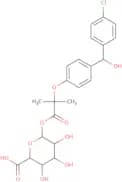


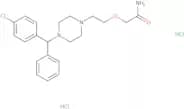
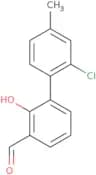

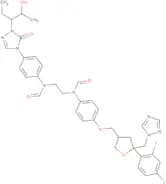
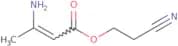
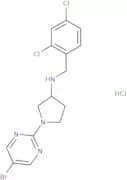
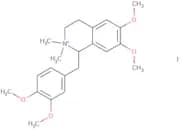
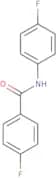
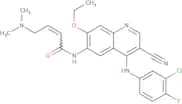
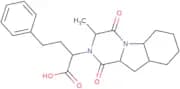
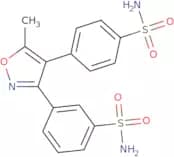
![7-Chloro-3-(piperazin-1-yl)benzol[D]isothiazole](/_next/image/?url=https%3A%2Fstatic.cymitquimica.com%2Fproducts%2F3D%2Fthumb-webp%2FEDC83554.webp&w=3840&q=75)
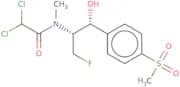
![1-C-4-Chloro-3-[(4-ethoxyphenyl)methyl]phenyl]- D-glucitol](/_next/image/?url=https%3A%2Fstatic.cymitquimica.com%2Fproducts%2F3D%2Fthumb-webp%2FIC181107.webp&w=3840&q=75)
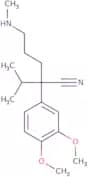
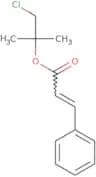
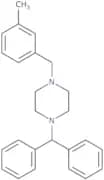
![N-[2-[(4-Chlorophenyl)thio]phenyl]-carbamic acid phenyl ester](/_next/image/?url=https%3A%2Fstatic.cymitquimica.com%2Fproducts%2F3D%2Fthumb-webp%2FULC63674.webp&w=3840&q=75)
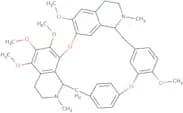
![Ethyl 6-[4-[(5-chloro-1-oxopentyl)amino]phenyl]-4,5,6,7-tetrahydro-1-(4-methoxyphenyl)-7-oxo-1H-py…](/_next/image/?url=https%3A%2Fstatic.cymitquimica.com%2Fproducts%2F3D%2Fthumb-webp%2FWGC82320.webp&w=3840&q=75)
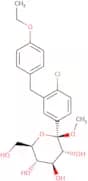


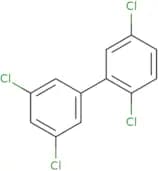
![(2R)-2-(3,4-Dimethoxyphenyl)-5-[2-(3,4-dimethoxyphenyl)ethyl-methylamino]-2-isopropylpentanenitril…](/_next/image/?url=https%3A%2Fstatic.cymitquimica.com%2Fproducts%2F3D%2Fthumb-webp%2FID28684.webp&w=3840&q=75)
![3-Ethyl-2-methyl-6,7,8,9-tetrahydro-4H-pyrido[1,2-a]pyrimidin-4-one](/_next/image/?url=https%3A%2Fstatic.cymitquimica.com%2Fproducts%2F3D%2Fthumb-webp%2FIE23102.webp&w=3840&q=75)
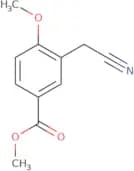
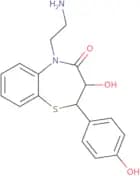
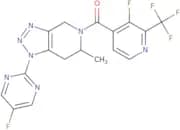
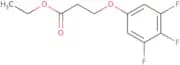

![4-Methyl-3-[[4-(3-pyridinyl)-2-pyrimidinyl]amino]benzamide](/_next/image/?url=https%3A%2Fstatic.cymitquimica.com%2Fproducts%2F3D%2Fthumb-webp%2FIM182951.webp&w=3840&q=75)
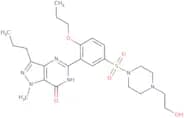
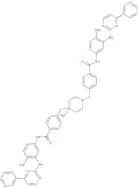
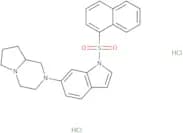
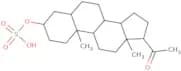

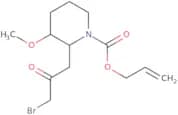
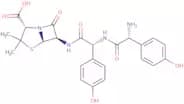
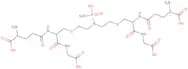
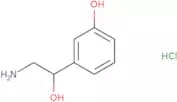
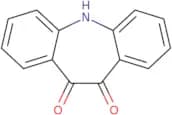
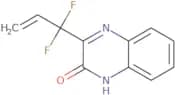
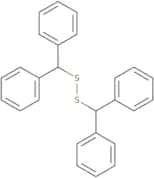
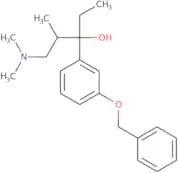


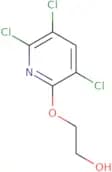
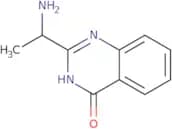

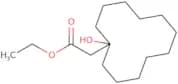
![4'-[(1,4'-Dimethyl-2'-propyl[2,6'-bi-1H-benzimidazol]-1'-yl)methyl][1,1'-biphenyl]-2-carboxamide](/_next/image/?url=https%3A%2Fstatic.cymitquimica.com%2Fproducts%2F3D%2Fthumb-webp%2FID28022.webp&w=3840&q=75)
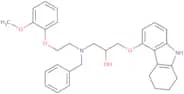
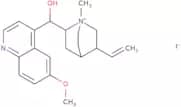
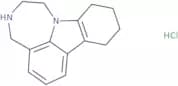
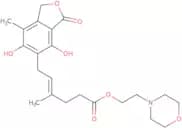
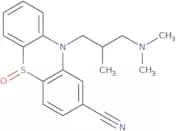
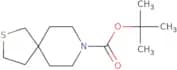

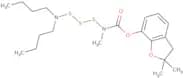
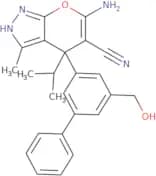
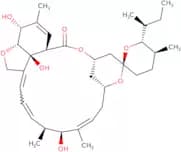

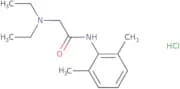
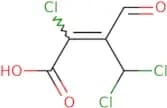
![(3R,5S,6E)-7-[1-ethyl-3-(4-fluorophenyl)-1H-indol-2-yl]-3,5-dihydroxy-6-heptenoic acid sodium salt](/_next/image/?url=https%3A%2Fstatic.cymitquimica.com%2Fproducts%2F3D%2Fthumb-webp%2FIE23517.webp&w=3840&q=75)

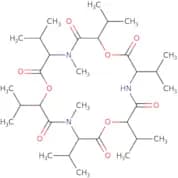
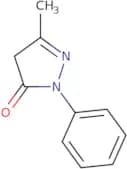
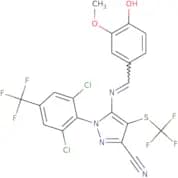
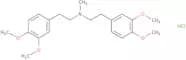
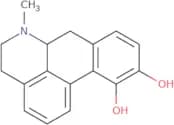
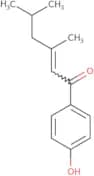
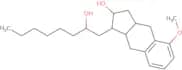
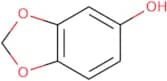
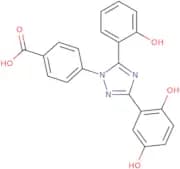

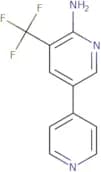

![1-[[3-Methyl-4-(2,2,2-trifluoroethoxy)-2-pyridinyl]methyl]-2-[[[3-methyl-4-(2,2,2-trifluoroethoxy)…](/_next/image/?url=https%3A%2Fstatic.cymitquimica.com%2Fproducts%2F3D%2Fthumb-webp%2FIM25689.webp&w=3840&q=75)

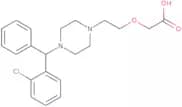
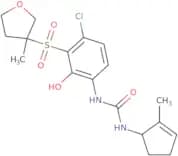
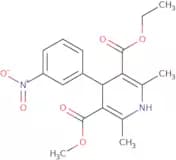
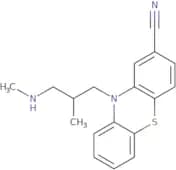
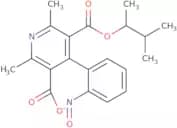
![2-[2-(4-Dibenzo[b,f][1,4]thiazepin-11-yl-1-piperazinyl)ethoxy]ethanol N-oxide](/_next/image/?url=https%3A%2Fstatic.cymitquimica.com%2Fproducts%2F3D%2Fthumb-webp%2FID27365.webp&w=3840&q=75)
![(2E)-2-[(2-Methoxyphenyl)methylene]hydrazinecarbothioamide](/_next/image/?url=https%3A%2Fstatic.cymitquimica.com%2Fproducts%2F3D%2Fthumb-webp%2FXUA16186.webp&w=3840&q=75)
![2-(4-Bromophenyl)-8-methylimidazo[1,2-a]pyridine](/_next/image/?url=https%3A%2Fstatic.cymitquimica.com%2Fproducts%2F3D%2Fthumb-webp%2FAAA88861.webp&w=3840&q=75)
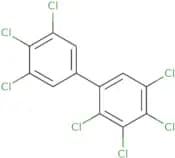
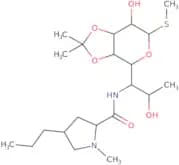
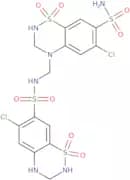
![8-Benzyloxy-5-[(R)-2-bromo-1-(tertbutyldimethylsilyloxy)ethyl]-1H-quinolinone](/_next/image/?url=https%3A%2Fstatic.cymitquimica.com%2Fproducts%2F3D%2Fthumb-webp%2FFWA08474.webp&w=3840&q=75)
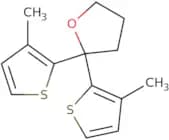
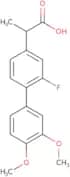
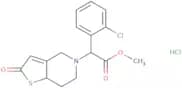
-methanone](/_next/image/?url=https%3A%2Fstatic.cymitquimica.com%2Fproducts%2F3D%2Fthumb-webp%2FIA63847.webp&w=3840&q=75)
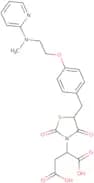
![[(2E)-4-Chloro-2-methylbut-2-ene-1-sulfonyl]benzene](/_next/image/?url=https%3A%2Fstatic.cymitquimica.com%2Fproducts%2F3D%2Fthumb-webp%2FFAA82979.webp&w=3840&q=75)
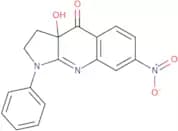
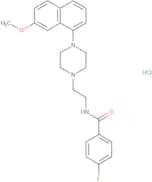
![4-[(2,3,4-Trimethoxyphenyl)methyl]-1-piperazinecarboxylic acid ethyl ester](/_next/image/?url=https%3A%2Fstatic.cymitquimica.com%2Fproducts%2F3D%2Fthumb-webp%2FIT145543.webp&w=3840&q=75)
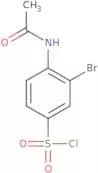
![2,5-Dioxabicyclo[2.2.1]heptane α-D-galactopyranoside](/_next/image/?url=https%3A%2Fstatic.cymitquimica.com%2Fproducts%2F3D%2Fthumb-webp%2FFEA06620.webp&w=3840&q=75)
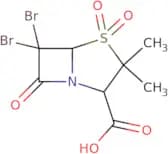
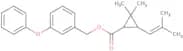
![(4-Chlorophenyl)[4-(1-methylethoxy)phenyl]methanone](/_next/image/?url=https%3A%2Fstatic.cymitquimica.com%2Fproducts%2F3D%2Fthumb-webp%2FIC20310.webp&w=3840&q=75)
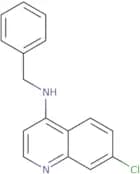
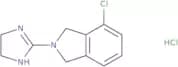
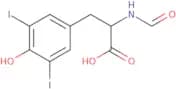
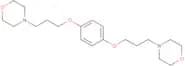
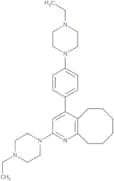
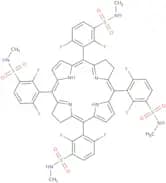
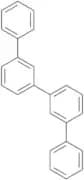
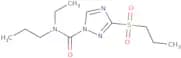
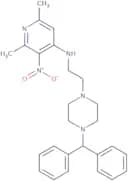
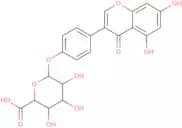
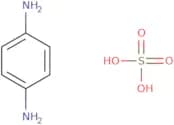
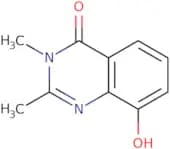

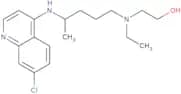
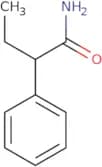
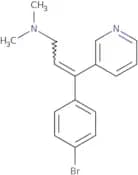
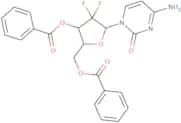
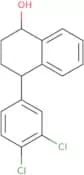
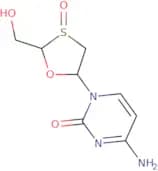

![2-Hydroxy-5-[2-[4-(2-imino-1(2H)-pyridinyl)phenyl]diazenyl]-benzoic acid](/_next/image/?url=https%3A%2Fstatic.cymitquimica.com%2Fproducts%2F3D%2Fthumb-webp%2FIH145665.webp&w=3840&q=75)
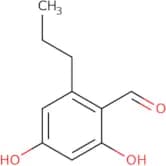
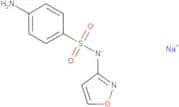
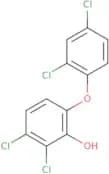

![(2E)-3-[4-(Acetyloxy)-3-methoxyphenyl]-2-propenoyl chloride](/_next/image/?url=https%3A%2Fstatic.cymitquimica.com%2Fproducts%2F3D%2Fthumb-webp%2FFCA88265.webp&w=3840&q=75)
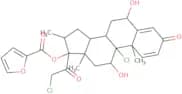
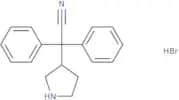
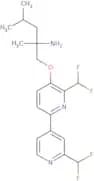
![N,N'-Bis[3-acetyl-4-[3-[(1,1-dimethylethyl)amino]-2-hydroxypropoxy]phenyl]-urea](/_next/image/?url=https%3A%2Fstatic.cymitquimica.com%2Fproducts%2F3D%2Fthumb-webp%2FAFA57940.webp&w=3840&q=75)
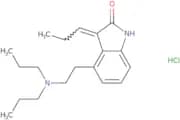
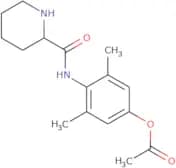
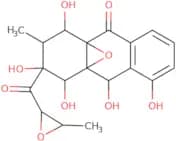
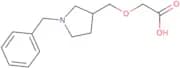
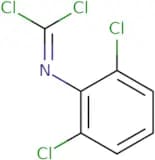

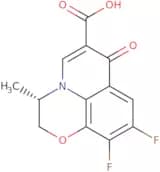
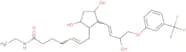
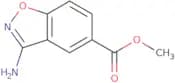
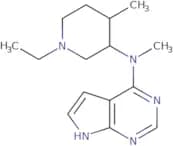
![(RS)-N-[(1-Ethylpyrrolidin-2-yl)methyl]-2-hydroxy-5-sulphamoylbenzamide](/_next/image/?url=https%3A%2Fstatic.cymitquimica.com%2Fproducts%2F3D%2Fthumb-webp%2FIE145489.webp&w=3840&q=75)
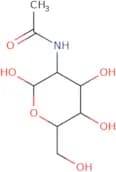
![(5E)-2,2-Dimethyl-7-[(1-naphthalenylmethyl)amino]-5-hepten-3-ynoic acid](/_next/image/?url=https%3A%2Fstatic.cymitquimica.com%2Fproducts%2F3D%2Fthumb-webp%2FID21358.webp&w=3840&q=75)
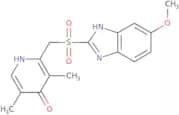

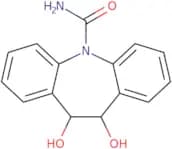
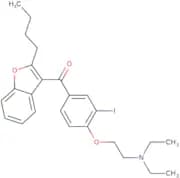

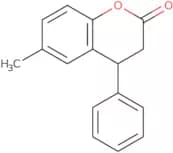
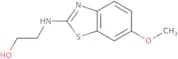
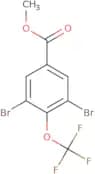
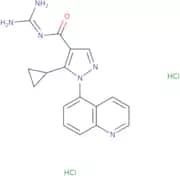
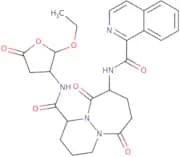
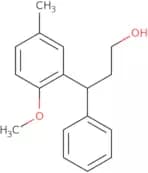
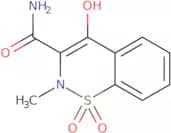
![2-(3,4-Dimethoxyphenyl)-5-[2-(3,4-dimethoxyphenyl)ethylamino]-2-propan-2-ylpentanenitrile hydrochl…](/_next/image/?url=https%3A%2Fstatic.cymitquimica.com%2Fproducts%2F3D%2Fthumb-webp%2FID26420.webp&w=3840&q=75)
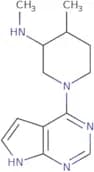

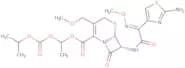
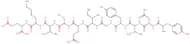
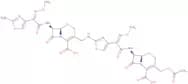
![(5E)-2,2-Dimethyl-7-[methyl(1-naphthalenylmethyl)amino]-5-hepten-3-ynoic acid](/_next/image/?url=https%3A%2Fstatic.cymitquimica.com%2Fproducts%2F3D%2Fthumb-webp%2FID19739.webp&w=3840&q=75)