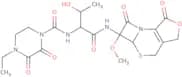
APIs for research and impurities
Active Pharmaceutical Ingredients (APIs) are the substances in drugs responsible for their therapeutic effects. In this section, you will find a wide variety of APIs intended for research use. These compounds are essential for the development, testing, and validation of new pharmaceutical formulations. CymitQuimica offers high-quality APIs to support research in drug discovery and development.
Subcategories of "APIs for research and impurities"
- Aminoacids and derivatives(12,278 products)
- Anthraquinones and derivatives(405 products)
- Benzimidazole and Imidazole Derivatives(10,376 products)
- Benzodiazepine Derivatives(333 products)
- Carbohydrates and glycoconjugates(5,013 products)
- Esters and Derivatives(42,045 products)
- Fatty Acids and Lypidic Derivatives(32,246 products)
- Flavonoids and Polyphenols(17,012 products)
- Free Radicals and Oxidant/Reducing Agents(213 products)
- Ketones and derivatives(2,394 products)
- Natural and semi-synthetic antibiotics(6,363 products)
- Nitriles and Cyano Derivatives(3,045 products)
- Nitrosamines and Derivatives(55 products)
- Nucleosides and Nucleotides(3,427 products)
- Organic Phosphates and Phosphonates(1,201 products)
- Organic Sulphonates and Sulphates(10,406 products)
- Organometallics(4,401 products)
- Others(6,279 products)
- Peptides and Proteins(3,128 products)
- Polymers and Derivatives(99 products)
- Purines and Pyrimidine Derivatives(8,901 products)
- Quinazoline and Quinoline Derivatives(65,630 products)
- Quinones and Derivatives(24,237 products)
- Salts and Derivatives of Active Pharmaceutical Ingredients (API)(79,464 products)
- Steroids and Derivatives(4,964 products)
- Sulfonamides and Derivatives(2,592 products)
- Terpenoids and Derivatives(3,839 products)
- Thiazolidinediones and Thiopyrans(2,733 products)
- β-Adrenergic Compounds(230 products)
Show 21 more subcategories
Found 56790 products of "APIs for research and impurities"
Sort by
Purity (%)
0
100
|
0
|
50
|
90
|
95
|
100
1-[(4-Chlorophenyl)phenylmethyl]-4-(phenylsulfonyl)piperazine
CAS:<p>Please enquire for more information about 1-[(4-Chlorophenyl)phenylmethyl]-4-(phenylsulfonyl)piperazine including the price, delivery time and more detailed product information at the technical inquiry form on this page</p>Formula:C23H23ClN2O2SPurity:Min. 95%Molecular weight:427 g/mol4-(1-Hydroxy-1-methylethyl)-2-propyl-1-[[2'-[2-(triphenylmethyl)-2H-tetrazol-5-yl][1,1'-biphenyl]-4-yl]methyl]-(5-methyl-2-oxo-1,3-d ioxol-4-yl)1H-Imidazole-5-carboxylic acid methyl ester
CAS:<p>Medoxomil is a magnetic resonance imaging contrast agent that belongs to the class of organic compounds called tetrazoles. Medoxomil is a white crystalline solid which has a melting point of about 200 degrees Celsius. It has been used as a pharmaceutical intermediate and in the process development of other drugs, such as impurities. Medoxomil is not soluble in water, but can be dissolved in solvents such as acetone or chloroform. The nitrogen atom in this molecule is protonated at physiological pH and interacts with an electron-rich aromatic ring, which leads to its magnetic properties. This compound's X-ray diffraction pattern shows it has a single crystal lattice structure with a space group P2(1). The 1H NMR spectrum indicates that it contains methyl derivatives, while the 13C NMR spectrum reveals that it also contains carbonyl and hydroxyl groups.</p>Formula:C48H44N6O6Purity:Min. 95%Molecular weight:800.9 g/molValacyclovir Related Compound D
CAS:<p>Valacyclovir Related Compound D is a synthetic metabolite of Valacyclovir. It is the primary metabolite of Valacyclovir, which has been shown to inhibit the activity of bacterial DNA polymerase. Valacyclovir Related Compound D is an impurity standard for valacyclovir and can be synthesized in quantities as per customer requirement.</p>Formula:C15H24N6O4Purity:Min. 95%Molecular weight:352.39 g/mol4-(2-Hydroxy-3-isopropylaminopropoxy)benzoic acid 2-hydroxyethyl ester
CAS:<p>4-(2-Hydroxy-3-isopropylaminopropoxy)benzoic acid 2-hydroxyethyl ester is a synthetic drug product that can be used as an HPLC standard. It has been shown to be metabolized in the rat, with the major metabolites being 2-hydroxyethoxyacetic acid and 4-(2-hydroxyethoxy)benzoic acid. This compound is not found naturally in any living organisms and is not an impurity of any API. The purity of this compound is >98%.</p>Formula:C15H23NO5Purity:Min. 95%Molecular weight:297.35 g/molDv 7028 hydrochloride
CAS:<p>Dv-7028 is a synthetic, natural, and/or semi-synthetic compound that is used in research and development. It can be used as an analytical standard or HPLC standard. Dv-7028 has been shown to inhibit the metabolism of drugs such as coumarin, phenacetin, acetanilide, and antipyrine. It also serves as an impurity standard for the pharmacopoeia. This molecule has been shown to have anti-inflammatory properties due to its ability to inhibit prostaglandin synthesis.</p>Formula:C21H25FN4O3·HClPurity:Min. 95%Molecular weight:400.45 g/mol7-O-(Triethylsilyl) paclitaxel
CAS:<p>7-O-(Triethylsilyl) paclitaxel is a synthetic Taxol analog. It is manufactured by custom synthesis and purified by HPLC to be used as an analytical standard for the determination of natural Taxol impurities in drug products.</p>Formula:C53H65NO14SiPurity:Min. 95%Molecular weight:968.17 g/mol3-[2-[4-(6-Fluoro-1,2-benzisoxazol-3-yl)-1-piperidinyl]ethyl]-7,8-dihydro-2-methyl-4H-pyrido[1,2-a]pyrimidine-4,9(6H)-dione
CAS:<p>3-[2-[4-(6-Fluoro-1,2-benzisoxazol-3-yl)-1-piperidinyl]ethyl]-7,8-dihydro-2-methyl-4H-pyrido[1,2-a]pyrimidine-4,9(6H)-dione is a research and development impurity standard. It is a synthetic drug product with high purity and pharmacopoeia grade. 3-[2-[4-(6-Fluoro-1,2-benzisoxazol-3-yl)-1 piperidinyl]ethyl]-7,8 dihydro 2 methyl 4 H pyrido [ 1 , 2 - a ] pyrimidine 4 9 ( 6 H ) dione has CAS No. 118951665 1 and is an analytical standard for HPLC analysis. 3-[2-[4-(6 Fluoro 1 , 2 benzisox</p>Formula:C23H25FN4O3Purity:Min. 95%Molecular weight:424.47 g/mol[1,1'-Biphenyl]-2'-(2H-tetrazol-5-yl)-4-carboxylic acid, [1,1'-biphenyl]-(2'-(2H-tetrazol-5-yl)-4-yl)methyl ester
CAS:<p>Biphenyl-2'-(2H-tetrazol-5-yl)-4-carboxylic acid, [1,1'-biphenyl]-(2'-(2H-tetrazol-5-yl)-4-yl)methyl ester is a research and development impurity standard. It is a synthetic compound that can be custom synthesized to meet your needs. The product is available in high purity and pharmacopoeia grade. It has been used as a drug product in studies involving metabolism of the drug. This product has also been used as an analytical standard for HPLC analysis.</p>Formula:C28H20N8O2Purity:Min. 95%Molecular weight:500.51 g/molSalmeterol Dimer Impurity (Mixture of Diastereomers)
CAS:<p>Salmeterol dimer impurity is a drug product. It is a custom synthesis with high purity. The metabolite of this compound is salmeterol, which is an active ingredient in the asthma medication Serevent (salmeterol xinafoate). Salmeterol dimer impurity has been shown to be a natural metabolite of salmeterol. Salmeterol dimer impurity has also been shown to have anti-inflammatory properties. This compound can be found as an analytical standard for HPLC and used for research and development purposes.</p>Formula:C50H72N2O7Purity:Min. 95%Molecular weight:812.53395Paliperidone E-oxime
CAS:<p>Paliperidone E-oxime is used as a reference standard to calibrate impurities in drug products, and as an analytical reference standard. Paliperidone E-oxime is also used in the synthesis of other drugs. Paliperidone E-oxime has a CAS number of 1388021-46-2 and a molecular weight of 395.37 g/mol.</p>Formula:C23H28F2N4O3Purity:Min. 95%Molecular weight:446.50 g/molOlodaterol benzyl ether
CAS:<p>Olodaterol is a drug product that has been synthesized using natural and synthetic methods. It is an API impurity that is present in the CAS No. 869478-13-7, which is a custom synthesis of olanzapine. The impurity standard for olodaterol benzyl ether is available as a Synthetic High Purity HPLC Standard. The purity of this product has been tested by HPLC and found to be > 98%. Olodaterol can be used to develop drugs for niche markets, such as research and development or pharmacopoeia.</p>Formula:C28H32N2O5Purity:Min. 95%Molecular weight:476.6 g/molQuinovin
CAS:<p>Quinovin is a Chinese medicinal compound that has been shown to have potent anticancer properties. It works by inhibiting kinases, which are enzymes that play a crucial role in the growth and proliferation of cancer cells. Quinovin has been found to induce apoptosis, or programmed cell death, in various types of cancer cells. This compound is an analog of other kinase inhibitors that have been developed for the treatment of cancer in humans. Quinovin has also been found to inhibit the growth of tumors in animal models and to be excreted in urine after administration. Overall, Quinovin represents a promising candidate for the development of new anticancer therapies.</p>Formula:C36H56O9Purity:Min. 95%Molecular weight:632.8 g/molFexofenadine Impurity F
CAS:<p>Impurity F is a metabolite of Fexofenadine. It is an impurity that can be found in the drug product and is used as a research and development standard for impurities. Impurity F has been shown to be a metabolite of Fexofenadine in human liver microsomes, and this metabolite has also been shown to have antihistamine properties. This impurity is used as a pharmacopoeia reference standard for HPLC analysis of fluoroquinolones, but it does not have any therapeutic value.</p>Formula:C31H37NO4Purity:Min. 95%Molecular weight:487.6 g/molAurantinidin chloride
CAS:<p>Aurantinidin chloride is a molecule that has been shown to inhibit the growth of prostate cancer cells in vitro. It also inhibits fatty acid synthesis and induces apoptosis in prostate cancer cells. Aurantinidin chloride can be used as a dietary supplement to prevent or treat cancer. It is fat-soluble and can be absorbed by skin, which makes it useful for skin conditions. Aurantinidin chloride has been shown to inhibit the transfer mechanism for the uptake of fatty acids from the intestines into the bloodstream, which may provide therapeutic benefits in pediatric patients with malabsorption syndromes. Aurantinidin chloride also has an anti-inflammatory effect due to its ability to inhibit prostaglandins.</p>Formula:C15H11O6Purity:Min. 95%Molecular weight:287.24 g/mol2-[(2-Cyclopentylphenoxy)methyl]-oxirane
CAS:<p>Please enquire for more information about 2-[(2-Cyclopentylphenoxy)methyl]-oxirane including the price, delivery time and more detailed product information at the technical inquiry form on this page</p>Formula:C14H18O2Purity:Min. 95%Molecular weight:218.29 g/molFosfomycin trometamol EP impurity A disodium
CAS:<p>Fosfomycin trometamol EP impurity A disodium is a research and development impurity standard. It is a custom synthesis that is used as a drug product, synthetic, high purity, pharmacopoeia, drug development, metabolite, niche, analytical and natural. Fosfomycin trometamol EP impurity A disodium has been shown to have an HPLC standard and CAS No. 84954-80-3(free base).</p>Purity:Min. 95%Ivacaftor carboxylic acid lactone
CAS:<p>Ivacaftor is a drug product that is used for the treatment of cystic fibrosis. It is an active ingredient of Kalydeco, which is a combination therapy to treat cystic fibrosis. Ivacaftor is the first FDA-approved drug for the treatment of CF in patients with specific mutations. The metabolism of ivacaftor has been studied by analytical methods and it has been shown to have natural impurities. The API impurity and synthetic impurity standards are available for custom synthesis and can be ordered from a specialty manufacturer. Ivacaftor requires high purity and pharmacopoeia-grade standards for research and development as well as niche markets, such as HPLC standard or high purity.</p>Formula:C24H24N2O4Purity:Min. 95%Molecular weight:404.5 g/molN9-Des(4-acetoxy-3-(acetoxymethyl)but-1-yl) N7-[4-acetoxy-3-(acetoxymethyl)but-1-yl] famciclovir
CAS:<p>N9-Des(4-acetoxy-3-(acetoxymethyl)but-1-yl) N7-[4-acetoxy-3-(acetoxymethyl)but-1-yl] famciclovir is an analytical standard that is used for drug development and as an impurity in the production of famciclovir. It has a purity of 99.0% and a melting point of 176°C. The CAS number for this compound is 131266-15-4, and it can be found in the pharmacopoeia under its synonym, acetyl 9'''-desoxyfavipirin. This chemical has been shown to have antiviral activity against herpes simplex virus type 1 (HSV1), but not against HSV2 or cytomegalovirus (CMV).</p>Formula:C14H19N5O4Purity:Min. 95%Molecular weight:321.33 g/molTaiwanin C
CAS:<p>Taiwanin C is an analog of dabigatran, a potent inhibitor of kinases that has been shown to have anticancer properties. It has been found to inhibit the growth of tumor cells in vitro and in vivo, inducing apoptosis and reducing protein expression. Taiwanin C has also shown promising results in inhibiting the activity of various kinases involved in cancer cell proliferation and survival. This compound is derived from Chinese herbal medicine and can be detected in urine after administration. Its potential as an anticancer agent makes it a promising area for further research into new cancer therapies.</p>Formula:C20H12O6Purity:Min. 95%Molecular weight:348.3 g/molFluorometholone δ 9,11
CAS:Controlled Product<p>Fluorometholone delta 9,11 is a drug product that is used as an analytical reference standard for the quantitative determination of impurities in drugs. It is a natural metabolite and impurity in synthetic drugs such as fluoroquinolones and corticosteroids. Fluorometholone delta 9,11 has been shown to be a substrate for CYP3A4 and P-glycoprotein. This drug has also been shown to have anti-inflammatory effects and may decrease the risk of infection by suppressing neutrophil function.</p>Formula:C22H28O3Purity:Min. 95%Molecular weight:340.46 g/mol(+)-Geosmin
CAS:<p>(+)-Geosmin is a protein that has shown promising medicinal properties as an inhibitor of tumor growth and apoptosis inducer in human Chinese hamster ovary cells. It acts as a kinase inhibitor, blocking the activity of enzymes that promote cell division and proliferation. Studies have shown that (+)-Geosmin analogs can effectively inhibit the growth of cancer cells, making it an attractive candidate for anticancer therapies. Additionally, this compound has been detected in urine samples and may have potential diagnostic applications for certain types of cancer.</p>Formula:C12H22OPurity:Min. 95%Molecular weight:182.3 g/mol(+)-α-Benidipine hydrochloride
CAS:<p>(+)-α-Benidipine hydrochloride is a medicinal compound that acts as an inhibitor of kinases, which are proteins involved in various cellular processes. It has been shown to have anticancer properties by inducing apoptosis, or programmed cell death, in cancer cells. (+)-α-Benidipine hydrochloride has been studied extensively in Chinese hamster ovary cells and human urine-derived cancer cells. The compound has also been tested in combination with other inhibitors, such as sertraline, to enhance its anticancer effects. Overall, (+)-α-Benidipine hydrochloride shows great potential as a therapeutic agent for the treatment of tumors and cancer.</p>Formula:C28H32ClN3O6Purity:Min. 95%Molecular weight:542 g/molCiprofloxacin impurity D hydrochloride
CAS:<p>Ciprofloxacin impurity D hydrochloride is a drug product that is an analytical standard. It is also a natural impurity found in Ciprofloxacin. This compound has been synthesized and manufactured to be used as an impurity standard. It exhibits the same physical, chemical, and biological properties as Ciprofloxacin. The CAS number for this substance is 526204-10-4. Impurities such as Ciprofloxacin impurity D hydrochloride may be present in the finished drug product if they are not removed during the manufacturing process. Chemical reactions may also lead to the formation of these substances. The presence of these substances can affect the quality of the drug product and may lead to adverse effects for patients who use them.<br>CAS No.: 526204-10-4<br>Molecular Weight: 258.25<br>Formula: (C8H6ClF2NOS)</p>Formula:C17H18ClN3O3·HClPurity:Min. 95%Molecular weight:384.26 g/mol3,4-Dihydro naratriptan oxalate
CAS:<p>Please enquire for more information about 3,4-Dihydro naratriptan oxalate including the price, delivery time and more detailed product information at the technical inquiry form on this page</p>Formula:C19H25N3O6SPurity:Min. 95%Molecular weight:423.5 g/molRisperidone N-oxide
CAS:<p>Risperidone N-oxide is a prodrug of risperidone. It is prepared by reacting risperidone with methanol and hydrogen peroxide in the presence of piperidine, followed by purification using preparative high-performance liquid chromatography. Risperidone N-oxide is a crystalline solid with a melting point of about 190 °C. Risperidone N-oxide has been shown to have antiemetic properties, which may be due to its ability to block dopamine receptors in the brain. The drug also shows some antipsychotic activity, and it has a constant therapeutic effect against schizophrenia. The major impurities found in risperidone N-oxide are hydroxylamine and piperidine.</p>Formula:C23H27FN4O3Purity:Min. 95%Molecular weight:426.48 g/molDiethatyl
CAS:<p>Diethatyl is an anticancer drug that induces apoptosis in human tumor cells. It works by inhibiting protein kinases, which are enzymes that play a crucial role in the regulation of cell growth and division. Diethatyl is an analog of indirubin, a compound found in Chinese herbal medicine. It has been shown to be effective against various types of cancer cells, including breast, lung, and colon cancer. Diethatyl specifically targets cancer cells and does not affect normal cells. It is a promising new inhibitor in the fight against cancer.</p>Formula:C14H18ClNO3Purity:Min. 95%Molecular weight:283.75 g/molL-741,742 Hydrochloride
CAS:<p>L-741,742 Hydrochloride is an atypical antipsychotic drug that has been shown to inhibit the growth of malignant brain tumors in animal models. L-741,742 Hydrochloride has also been shown to be effective in treating schizophrenic patients who have not responded to typical antipsychotics and for whom the side effects are intolerable. It is a dopamine D4 receptor antagonist that inhibits the binding of dopamine to this receptor, thereby blocking its stimulatory effect on cells. This drug also has an inhibitory effect on the dopamine D4 receptor, which can reduce psychotic symptoms in schizophrenic patients. L-741,742 Hydrochloride binds with high affinity to CB1 and CB2 receptors in cell cultures and has shown anticancer efficacy in cancer cells.</p>Formula:C23H26Cl2N2OPurity:Min. 95%Molecular weight:417.4 g/molMethyldiclazuril
CAS:<p>Methyldiclazuril is a synthetic, non-steroidal, anti-inflammatory drug that belongs to the group of diclofenac analogues. Methyldiclazuril is an impurity standard for the pharmacopoeia. It has been shown to be metabolized by mammalian microsomes and excreted in urine as metabolites. Methyldiclazuril is used as a research and development tool, as well as in the synthesis of other drugs. Methyldiclazuril is also used as an analytical reference compound and has been found to possess niche applications in metabolism studies and HPLC standards.</p>Formula:C18H11Cl3N4O2Purity:Min. 95%Molecular weight:421.7 g/molAmlodipine dimethyl ester
CAS:<p>Amlodipine dimethyl ester is a drug product that has been custom synthesized by our company. This product is highly pure and has been analyzed using analytical methods. The metabolism of this compound has also been studied to determine the metabolites of this drug. Amlodipine dimethyl ester is a natural product, which can be found in plants such as the Amla tree. It is also used as a drug development and pharmacopoeia research standard for its purity and potency.</p>Formula:C19H23ClN2O5Purity:Min. 97 Area-%Color and Shape:Off-White PowderMolecular weight:394.85 g/molRanolazine-d8 dihydrochloride
CAS:<p>Ranolazine-d8 dihydrochloride is a drug product that has been approved for the treatment of angina pectoris. Ranolazine is a drug that belongs to the class of antianginal drugs. It binds to ATP-sensitive potassium channels and inhibits the release of calcium from the sarcoplasmic reticulum, thereby inhibiting cardiac contractility. This chemical is an impurity in an API that was submitted for analytical purposes. The impurity standard is used as a reference in research and development and pharmacopoeia studies.</p>Formula:C24H35Cl2N3O4Purity:Min. 95%Molecular weight:508.50 g/molMetamizole EP impurity E
CAS:<p>Metamizole EP impurity E is a synthetic research and development impurity standard for the drug product. Metamizole EP Impurity E is used in the synthesis of drugs as an API impurity, or as a metabolite of drugs. The chemical purity is typically greater than 98%. Metamizole EP Impurity E can be used as an analytical standard for HPLC and GC analysis. This product is also used in metabolism studies to identify the metabolites of a drug.</p>Formula:C12H15N3O4SPurity:Min. 95%Color and Shape:PowderMolecular weight:297.33 g/mol4-o-Benzyl-3-acetyloxy tyrosol α-acetate
CAS:<p>Please enquire for more information about 4-o-Benzyl-3-acetyloxy tyrosol α-acetate including the price, delivery time and more detailed product information at the technical inquiry form on this page</p>Formula:C19H20O5Purity:Min. 95%Molecular weight:328.4 g/molBenz[A]anthracene-7-methanol
CAS:<p>Benz[A]anthracene-7-methanol is a cytosolic carcinogen that is metabolized by the liver to form benz[a]anthracene-7,8-epoxide. This metabolite binds to DNA and causes mutations in the genes, which leads to cancer. The hydroxyl group of this compound reacts with epidermal growth factor, causing an increase in the number of liver cells that can cause cancer. Benz[A]anthracene-7-methanol also interacts with reactive oxygen species and stimulates the production of growth factors like epidermal growth factor, which promote skin cell growth. It has been shown that benz[A]anthracene-7-methanol promotes tumorigenesis in CD1 mice and induces tumor formation in rat liver microsomes.</p>Formula:C19H14OPurity:Min. 95%Molecular weight:258.3 g/mol(S)-(-)-2-Aminomethyl-1-ethylpyrrolidine
CAS:<p>(S)-(-)-2-Aminomethyl-1-ethylpyrrolidine is a compound that belongs to the class of cyclohexane ring. It has been shown to possess potent anti-infective activity against bacteria and fungi, but not against viruses. It is an inorganic compound that can be synthesized by the chlorination of (S)-(-)-2-aminoethanol. This method is efficient and does not require any organic solvents or catalysts. The binding of inhibitors to the enzyme can be studied by using this molecule as a model system. This molecule also has application as a coating for metal surfaces, which can inhibit corrosion.</p>Formula:C7H16N2Purity:Min. 95%Molecular weight:128.22 g/molFenbufen-d9
CAS:<p>Please enquire for more information about Fenbufen-d9 including the price, delivery time and more detailed product information at the technical inquiry form on this page</p>Formula:C16H14O3Purity:Min. 95%Molecular weight:263.33 g/mol2,6-Bis(2-hydroxy-5-bromobenzyl)-4-bromophenol
CAS:<p>Please enquire for more information about 2,6-Bis(2-hydroxy-5-bromobenzyl)-4-bromophenol including the price, delivery time and more detailed product information at the technical inquiry form on this page</p>Formula:C20H15Br3O3Purity:Min. 95%Molecular weight:543 g/molN-Ethoxycarbonyl norfloxacin
CAS:<p>N-Ethoxycarbonyl norfloxacin is a custom synthesis for research and development. It is an impurity standard used to determine the purity of drug product. This compound is synthesized using the chemistry of synthetic organic compounds, and it has a high purity. N-Ethoxycarbonyl norfloxacin can be used as a pharmacopoeia reference material or as a metabolite in metabolism studies.</p>Formula:C19H22FN3O5Purity:Min. 95%Molecular weight:391.4 g/mol7-Hydroxyhyoscyamine
CAS:<p>7-Hydroxyhyoscyamine is an antibacterial agent that is used in the treatment of bacterial infections. It has been shown to inhibit the growth of a number of bacteria including Staphylococcus aureus, Streptococcus pyogenes, and Escherichia coli. 7-Hydroxyhyoscyamine has been shown to be more potent than 6-hydroxyhyoscyamine (6-OH Hya) for inhibiting protein synthesis in the bacteria. The compound does not have any psychoactive effects, unlike atropine sulfate, which is also an alkaloid found in plants from the Solanaceae family. 7-Hydroxyhyoscyamine can be synthesized by reacting atropine with nitrous acid or hydrochloric acid. This synthetic process leads to n-oxides as impurities, which can be removed by using a reversed phase high performance liquid chromatography (RP HPLC). Validation of this</p>Formula:C17H23NO4Purity:Min. 95%Color and Shape:PowderMolecular weight:305.4 g/molN5-(5-Hydroxy-4,6-dimethyl-2-pyrimidinyl)-L-ornithine hydrochloride hydrate
CAS:<p>N5-(5-Hydroxy-4,6-dimethyl-2-pyrimidinyl)-L-ornithine hydrochloride hydrate is a monoclonal antibody that is specific to lysine residues. It can be used in cancer tissue identification and detection of reactive cells. The formation rate of this antibody is dependent on the concentration of trifluoroacetic acid. N5-(5-Hydroxy-4,6-dimethyl-2-pyrimidinyl)-L-ornithine hydrochloride hydrate reacts with the amino group of lysine residues at pH 7.4 and has a logistic regression coefficient of 0.934 (95% confidence interval: 0.837 - 1.000). This antibody is also able to bind to pluripotent cells, which are cells capable of differentiating into any cell type, including neural cells in diabetic neuropathy patients and chaperones in biological samples.</p>Formula:C11H18N4O3Purity:Min. 95%Molecular weight:254.29 g/molFR900359
CAS:<p>FR900359 is a drug product that is custom synthesized and characterized. It has a purity of 99% and CAS No. 107530-18-7. This product is used in metabolism studies, natural drug development, pharmacopoeia, and research and development. The impurity standard for this product is HPLC standard.</p>Formula:C49H75N7O15Purity:Min. 95%Molecular weight:1,002.20 g/mol3’,4’-Dimethoxy flurbiprofen
CAS:<p>3’,4’-Dimethoxy flurbiprofen is a synthetic drug product with the molecular formula C17H18O3 and CAS No. 1346601-72-6. It is a metabolite of Ibuprofen, which is an active ingredient in many over-the-counter pain relievers. 3’,4’-Dimethoxy flurbiprofen is used in research and development as a standard for impurity testing and quality control. 3’,4’-Dimethoxy flurbiprofen has also been used as a pharmacopoeia to provide standards for HPLC analysis of ibuprofen metabolites.</p>Formula:C17H17FO4Purity:Min. 95%Molecular weight:304.31 g/mol2-Oxo clopidogrel hydrochloride
CAS:<p>2-Oxo clopidogrel hydrochloride is a drug product that belongs to the class of drugs called platelet aggregation inhibitors. It is a prodrug that is metabolized in vivo to form the active metabolite, 2-oxo-clopidogrel acid. This compound inhibits ADP and collagen-induced platelet aggregation by blocking the binding of adenosine diphosphate (ADP) to its receptor on the surface of platelets. The drug has been shown to have antiplatelet activity and inhibit thrombus formation in humans, as well as in animal models of atherosclerosis and coronary artery disease.</p>Formula:C16H17Cl2NO3SPurity:Min. 95%Molecular weight:374.3 g/molS 14506 Hydrochloride
CAS:<p>S 14506 Hydrochloride is a selective 5-HT1A receptor agonist that has been shown to have proapoptotic activity in prostate cancer cells. S 14506 Hydrochloride binds to the serotonin receptor, which is important for the modulation of mood, appetite, sexual function and pain sensation. It causes an increase in extracellular levels of hydrogen chloride and chloride ions, which may be responsible for its anxiolytic effects. This drug has also been shown to inhibit cell growth by binding to the subunits that make up the enzyme protein kinase A (PKA). PKA activates protein kinases, which are enzymes that regulate cellular processes such as metabolism and gene expression. In addition, S 14506 Hydrochloride binds to the 5-HT1A receptor on cancer cells and increases the synthesis of proteins associated with apoptosis or programmed cell death.</p>Formula:C24H27ClFN3O2Purity:Min. 95%Molecular weight:443.9 g/molDoxazosin-d8 hydrochloride
CAS:<p>Doxazosin-d8 hydrochloride is an analytical reference standard for HPLC and LCMS, and a drug development impurity. It is a metabolite of doxazosin that is used as an impurity in the manufacture of doxazosin. Doxazosin-d8 hydrochloride has been shown to be a substrate for CYP3A4, where it undergoes oxidation to form 2-(2-hydroxyphenyl)-N-[(1S)-1-[[(2R)-2-methylpropyl]sulfonyl]-2,3-dihydro-1H-pyrrolo[2,3-b]pyridin-5-yl]-N-(2,6 dimethylphenyl)acetamide (CYP3A4). This metabolite may contribute to the pharmacological activity of doxazosin.</p>Formula:C23H18D8ClN5O5Purity:Min. 95%Molecular weight:495.99 g/mol2-Methoxy-5-methyl-γ-phenylbenzenepropanol
CAS:<p>2-Methoxy-5-methyl-gamma-phenylbenzenepropanol is a synthetic compound that is used as an intermediate in the synthesis of coumarin derivatives. Reaction with sulfonating agents produces sulfones, and reaction with borohydride reagents produces boronates. The synthesis of 2-methoxy-5-methyl-gamma-phenylbenzenepropanol can be accomplished by the reduction of diphenyl ethers with lithium aluminum hydride or borohydride. The reduction can also be carried out using lanthanum oxide and potassium borohydride. The reaction proceeds smoothly at room temperature in nonpolar solvents.<br>2-Methoxy-5-methyl-gamma-phenylbenzenepropanol reacts with chloride to produce the corresponding chlorides, which are useful intermediates for the synthesis of tolterodine tartrate, a drug used to treat urinary inc</p>Formula:C17H20O2Purity:Min. 95%Molecular weight:256.34 g/molFexofenadine Impurity G
CAS:<p>Fexofenadine Impurity G is an impurity that is found in the drug Fexofenadine. This impurity can be identified and quantified using HPLC with a UV detector at 254 nm. Fexofenadine Impurity G has been classified as a natural metabolite of Fexofenadine. It is also considered to be a synthetic impurity because it can be synthesized in the laboratory.</p>Formula:C32H37NO3Purity:Min. 95%Molecular weight:483.6 g/mol2-Hydroxy-5-[2-[4-[[(6-methyl-2-pyridinyl)amino]sulfonyl]phenyl]diazenyl]benzoic acid
CAS:<p>2-Hydroxy-5-[2-[4-[[(6-methyl-2-pyridinyl)amino]sulfonyl]phenyl]diazenyl]benzoic acid is a synthetic drug product that has not been approved for clinical use. 2-Hydroxy-5-[2-[4-[[(6-methyl-2-pyridinyl)amino]sulfonyl]phenyl]- diazenyl]benzoic acid is a metabolite of the drug product, 3-(2,4,6,-trimethoxybenzoyl)-1-(pyridinium methyl) piperidine. This metabolite was isolated and characterized using high performance liquid chromatography (HPLC), gas chromatography (GC), and nuclear magnetic resonance spectroscopy.</p>Formula:C19H16N4O5SPurity:Min. 95%Molecular weight:412.42 g/molHexetidine impurity A
CAS:<p>Hexetidine impurity A is an impurity in the drug product that is not present in the natural extract. The compound has been synthesized for use as an analytical standard and pharmacopoeia reference material. Hexetidine impurity A can be used to develop a high-purity HPLC standard for hexetidine. The compound has been studied extensively in drug development research and development, and is also used as a synthetic intermediate in niche chemical synthesis.</p>Formula:C21H43N3Purity:Min. 95%Molecular weight:337.6 g/mol4'-(Bromomethyl)-[1,1'-biphenyl]-2-carboxamide
CAS:<p>4'-(Bromomethyl)-[1,1'-biphenyl]-2-carboxamide is a custom synthesis drug product. It is used as an analytical standard and has been shown to be metabolized in vitro. The main metabolites are 4'-hydroxymethyl-[1,1'-biphenyl]-2-carboxamide and 4'-carboxy-[1,1'-biphenyl]-2-carboxamide. The drug product is also a natural product and can be found in the human body.</p>Formula:C14H12BrNOPurity:Min. 95%Molecular weight:290.16 g/molPrasugrel hydroxy thiolactone
CAS:<p>Prasugrel hydroxy thiolactone is a drug product, analytical and Metabolism studies. It is an impurity standard for Synthetic, Custom synthesis, Drug development, Research and Development of Impurity standard. Prasugrel hydroxy thiolactone is synthesized by acid-catalyzed condensation of 2-aminothiophenol with acetyl chloride in the presence of zinc chloride. The resulting compound can be purified by recrystallization from ethanol/ether or extraction with diethyl ether.<br>Prasugrel hydroxy thiolactone has been used as a reference material for HPLC standards and pharmacopoeia.</p>Formula:C18H18FNO3SPurity:Min. 95%Molecular weight:347.4 g/mol2'-Deoxy-5,6-didehydro-2',2'-difluoro-6-hydroxyuridine
<p>2'-Deoxy-5,6-didehydro-2',2'-difluoro-6-hydroxyuridine is an analytical standard that is used in research and development of drugs. This compound has been designated as an impurity in a drug product. It has also been used as a reference standard for HPLC analysis. 2'-Deoxy-5,6-didehydro-2',2'-difluoro-6-hydroxyuridine is a metabolite of the drug product. This compound is not found in nature and has been synthesized artificially.</p>Formula:C9H12F2N2O6Purity:Min. 95%Molecular weight:282.2 g/mol3-Hydroxy darifenacin
CAS:Controlled Product<p>3-Hydroxy darifenacin is a synthetic drug that is a prodrug of darifenacin. It has a niche application in the treatment of overactive bladder. This compound has been shown to be metabolized by CYP3A4 and CYP2D6. 3-Hydroxy darifenacin is an impurity standard for the HPLC assay of darifenacin and its metabolites.</p>Formula:C28H30N2O3Purity:Min. 95%Molecular weight:442.5 g/molDidemethyl rizatriptan hydrochloride
CAS:<p>Didemethyl rizatriptan hydrochloride is a potent anticancer agent that belongs to the indirubin analog family. It acts as a selective inhibitor of various kinases, including cyclin-dependent kinase (CDK), glycogen synthase kinase-3β (GSK-3β), and casein kinase 1 (CK1). This drug has been shown to induce apoptosis in various human cancer cell lines, including breast, prostate, and colon cancers. Didemethyl rizatriptan hydrochloride has also demonstrated significant tumor growth inhibition in animal models of cancer. Moreover, this drug can be detected in urine samples of Chinese patients with cancer who have received treatment with this inhibitor. Overall, didemethyl rizatriptan hydrochloride shows great promise as an effective protein kinase inhibitor for the treatment of cancer.</p>Formula:C13H16ClN5Purity:Min. 95%Molecular weight:277.75 g/molPTGR2-IN-1
CAS:Controlled Product<p>Please enquire for more information about PTGR2-IN-1 including the price, delivery time and more detailed product information at the technical inquiry form on this page</p>Formula:C19H22N2O2Purity:Min. 95%Molecular weight:310.4 g/mol(1-(Cyanomethyl)cyclopropyl)methyl methanesulfonate
CAS:<p>(1-(Cyanomethyl)cyclopropyl)methyl methanesulfonate is a potent inhibitor of kinases, which are enzymes that play a critical role in tumor growth and replication. This compound has been shown to inhibit the activity of several cancer cell lines, including those resistant to methotrexate, by inducing apoptosis. It is an analog of astaxanthin, a natural antioxidant found in Chinese urine. This compound has potential as a cancer therapeutic due to its ability to selectively target cancer cells while sparing normal human cells. Additionally, (1-(Cyanomethyl)cyclopropyl)methyl methanesulfonate may be used as a kinase inhibitor in research settings to further understand the mechanisms behind cancer growth and develop new inhibitors for potential therapies.</p>Formula:C7H11NO3SPurity:Min. 95%Molecular weight:189.23 g/molDi-destriazole anastrozole dimer impurity
CAS:<p>Di-destriazole anastrozole dimer impurity is a synthetic impurity that is created during the synthesis of anastrozole. It has been studied as a possible metabolite of the drug, but its role in metabolism is not well understood. Di-destriazole anastrozole dimer impurity is soluble in water and methanol and has a melting point of between 1°C to 2°C. The purity of this compound is typically at least 99% with a specific gravity of 1.043 g/mL.</p>Formula:C26H29N3Purity:Min. 95%Molecular weight:383.53 g/molTivantinib
CAS:<p>Tivantinib is a potent inhibitor of the c-Met receptor tyrosine kinase, which plays a role in tumor growth and metastasis. This Chinese medicinal compound has been shown to have anticancer properties by inducing apoptosis in cancer cells and inhibiting cell cycle progression. Tivantinib has been found to be effective against a range of cancers, including leukemia and human solid tumors. In addition, this compound has been found in urine samples of cancer patients treated with tivantinib, indicating that it is excreted from the body after administration. Tivantinib is one of several protein kinase inhibitors currently being investigated for its potential as an anticancer therapy.</p>Formula:C23H19N3O2Purity:Min. 95%Molecular weight:369.4 g/molOlsalazine o-sulfate sodium salt
CAS:<p>Olsalazine o-sulfate sodium salt is a medicinal compound that has been shown to have potential as an apoptosis-inducing agent for cancer cells. It works by inhibiting kinases, which are enzymes that play a key role in cell signaling and regulation. Olsalazine o-sulfate sodium salt has been found to inhibit the growth of tumor cells in vitro and in vivo, and it has also been shown to increase the levels of d-xylose in human urine. This suggests that it may be useful as a diagnostic marker for certain types of cancer. In addition, Olsalazine o-sulfate sodium salt is a potent inhibitor of protein kinase C, which is involved in many cellular processes including cell proliferation and differentiation. Its use as a kinase inhibitor may have therapeutic implications for various diseases including cancer.</p>Formula:C14H10N2O9SPurity:Min. 95%Molecular weight:382.3 g/molAll-trans-retinal dimer trifluoroacetic acid salt
CAS:<p>All-trans-retinal dimer trifluoroacetic acid salt is an analog of methotrexate, which is commonly used as an anticancer drug. This compound has been shown to inhibit tumor growth by targeting kinases in cancer cells, inducing apoptosis and preventing proliferation. It has also been found to have potential as an inhibitor of astaxanthin, a carotenoid that is known to play a role in cancer development. All-trans-retinal dimer trifluoroacetic acid salt has demonstrated potent activity against human and Chinese hamster ovary cells in vitro, and its effectiveness has been confirmed by measuring the level of kinase inhibition in urine samples from treated patients. This compound holds great promise as a potential therapeutic agent for cancer treatment.</p>Formula:C40H54OPurity:Min. 95%Molecular weight:550.9 g/molFlubendazole alcohol
CAS:<p>Flubendazole alcohol is a drug product that is an impurity standard for the synthesis of flubendazole. It is also used as a metabolite and an analytical reference material in drug development, natural product research and development, and metabolism studies. Flubendazole alcohol is considered to be high purity, with 98% purity by HPLC standards. The CAS number for this product is 82050-12-2.</p>Formula:C16H14FN3O3Purity:Min. 95%Molecular weight:315.3 g/mol2-Ethoxy-1-[[2'-[1-(trityl)-1H-tetrazol-5-yl][1,1'-biphenyl]-4-yl]methyl]-1H-benzimidazole-4-carboxylic acid methyl ester
CAS:<p>2-Ethoxy-1-[2'-[1-(trityl)-1H-tetrazol-5-yl][1,1'-biphenyl]-4-yl]methyl]-1H-benzimidazole-4-carboxylic acid methyl ester is an impurity in the drug product, which is a synthetic drug for research and development. The impurity standard for 2-ethoxy-1-[2'-[1-(trityl)-1H-tetrazol-5-yl][1,1'-biphenyl]-4-yl]methyl]-1H benzimidazole 4 carboxylic acid methyl ester is available in quantities of 10g. The CAS number for the impurity is 150058-29-0. This compound has an API purity of 99.9%. Impurities are not expected to be present at greater than 1% by weight.</p>Formula:C44H36N6O3Purity:Min. 95%Molecular weight:696.8 g/molTolterodine S-enantiomer
CAS:<p>Tolterodine S-enantiomer is a drug product that belongs to the class of prodrugs. It is metabolized in vivo to the active form, tolterodine. Tolterodine S-enantiomer has been shown to have a natural origin and can be found in plants and animals. Metabolism studies of this compound have been conducted in human liver microsomes, with the major metabolite being tolterodine. Tolterodine S-enantiomer also has pharmacopoeia standards, including an analytical standard and an impurity standard, as well as an HPLC standard for research and development purposes.</p>Formula:C22H31NO·C4H6O6Purity:Min. 95%Molecular weight:475.57 g/mol7,8,9,10-Dehydro doxorubicinone
CAS:<p>Please enquire for more information about 7,8,9,10-Dehydro doxorubicinone including the price, delivery time and more detailed product information at the technical inquiry form on this page</p>Formula:C21H14O8Purity:Min. 95%Molecular weight:394.3 g/mol2,4-Dicyano-3-isobutyl-glutaric acid
CAS:<p>2,4-Dicyano-3-isobutyl-glutaric acid is an impurity found in the synthesis of the drug product 2,4-D. It is a white solid that has been shown to have analytical properties. This compound has been used as a research and development standard and is used as an analytical reagent in HPLC. 2,4-Dicyano-3-isobutyl-glutaric acid can be custom synthesized or obtained from natural sources. Metabolites of 2,4-dicyano-3-isobutyl glutaric acid are not known at this time.</p>Formula:C10H12N2O4Purity:Min. 95%Molecular weight:224.21 g/mol3?-Hydroxydesoxyartemether
CAS:<p>3α-Hydroxydesoxyartemether is a synthetic, natural product. It is an impurity of the API 3α-hydroxydesoxyartemisinin. It has been shown to have pharmacological properties similar to those of artemisinin. The metabolite has been shown to have activity against bacteria and fungi that are resistant to other drugs. Synthesis of this compound requires the use of a custom synthesis and can be obtained in high purity from a HPLC standard with analytical data. 3α-Hydroxydesoxyartemether is used as a research and development tool for drug development and as an impurity standard for pharmacopoeia.</p>Formula:C16H26O5Purity:Min. 95%Molecular weight:298.37 g/mol(Αr,βs)-β-(acetylamino)-α-hydroxy-4-(phenylmethoxy)-benzenepropanoic acid ethyl ester
CAS:<p>(Αr,βs)-β-(acetylamino)-α-hydroxy-4-(phenylmethoxy)-benzenepropanoic acid ethyl ester is a drug product that is custom synthesized for research and development purposes. The CAS number for this product is 382596-25-0. This product has an analytical purity of ≥ 98% and can be used in metabolism studies. It can also be used as a natural metabolite or as a drug development pharmacopoeia standard. This product contains impurities at ≤ 1%.</p>Formula:C20H23NO5Purity:Min. 95%Molecular weight:357.4 g/molMethapyrilene dihydrochloride
CAS:<p>Methapyrilene dihydrochloride is an anticancer drug that acts as a kinase inhibitor, preventing the activation of protein kinases that are involved in cancer cell growth and survival. It has been shown to induce apoptosis (cell death) in cancer cells by inhibiting the activity of certain kinases. Methapyrilene dihydrochloride is a potent inhibitor of tumor growth in Chinese hamsters, human tumors, and other animal models. It is also an analog of amphetamine and can be detected in urine tests. This drug has shown promising results as a potential treatment for various types of cancer.</p>Formula:C14H19N3SPurity:Min. 95%Molecular weight:261.39 g/mol(-)-Wine lactone
CAS:<p>(-)-Wine lactone is a medicinal compound with potent anticancer properties. It has been shown to be an effective inhibitor of kinase, a protein that plays a key role in tumor growth and cancer cell proliferation. Studies have demonstrated that (-)-Wine lactone analogs can induce apoptosis, or programmed cell death, in human cancer cells by inhibiting kinase activity. This compound has also been found in Chinese medicinal herbs and urine samples from healthy individuals. Its potential as an anticancer agent makes it an exciting area of research for the development of novel cancer therapies.</p>Formula:C10H14O2Purity:Min. 95%Molecular weight:166.22 g/molRoxithromycin impurity H
CAS:<p>Roxithromycin impurity H is an analytical standard for Roxithromycin. It is a metabolite that has been identified in human urine and bile samples as well as in rat plasma following oral administration of Roxithromycin. It is also a byproduct of the synthesis of Roxithromycin, which can be eliminated through purification steps. This compound has not yet been evaluated in humans or animals, but it may cause adverse effects such as gastrointestinal disturbances, headache, or hepatotoxicity.</p>Formula:C41H76N2O14Purity:Min. 95%Molecular weight:821.05 g/molCandesartan acyl-glucuronide
CAS:<p>Candesartan acyl-glucuronide is a metabolite of candesartan. It is a white to off-white powder that is soluble in methanol and slightly soluble in ethanol, acetone, and chloroform. Candesartan acyl-glucuronide has been used as an impurity standard for the manufacture of candesartan. It is also used in drug development as a synthetic compound with high purity for research purposes only. It is not intended for use as an active pharmaceutical ingredient.</p>Formula:C30H28N6O9Purity:Min. 95%Molecular weight:616.58 g/molOxaliplatin Impurity E
CAS:<p>Oxaliplatin Impurity E is a drug product, which is an impurity that was discovered in the synthesis of oxaliplatin. It is a metabolite and an impurity standard for HPLC. Oxaliplatin Impurity E has been shown to inhibit the growth of cancer cells and may be used as a chemopreventive agent. Research is currently being conducted to determine how this compound interacts with the body's natural processes.</p>Formula:C12H30N6O8Pt2Purity:Min. 95%Color and Shape:White/Off-White SolidMolecular weight:776.57 g/molCaptopril-cysteine disulfide
CAS:<p>Captopril-cysteine disulfide is an inhibitor that has been shown to induce apoptosis in cancer cells. It is a potent anticancer agent and has been found in human urine. This compound is an analog of capsaicin, which is known for its anticancer properties. Captopril-cysteine disulfide inhibits the activity of protein kinases, which are enzymes involved in cell growth and division. It has been shown to be effective against a variety of cancer types, including those of the lung, breast, and prostate. In Chinese hamster ovary cells, this compound inhibited the growth of tumor cells by up to 50%. Captopril-cysteine disulfide may have potential as a therapeutic agent for cancer treatment.</p>Formula:C12H20N2O5S2Purity:Min. 95%Molecular weight:336.4 g/molCefpodoxime proxetil impurity E
CAS:<p>Cefpodoxime proxetil impurity E is an active compound that belongs to the group of mixtures. It has been shown to have a film-forming property and it may contain sugar.</p>Formula:C22H27N5O10S2Purity:Min. 95%Molecular weight:585.61 g/mol(S)-Ibu-phox
CAS:<p>Please enquire for more information about (S)-Ibu-phox including the price, delivery time and more detailed product information at the technical inquiry form on this page</p>Formula:C25H26NOPPurity:Min. 95%Molecular weight:387.5 g/molHydroxymethyl tolperisone
CAS:<p>Hydroxymethyl tolperisone is a medicinal compound that has been identified as a kinase inhibitor with potential anticancer properties. It has shown promising results in inhibiting the growth of leukemia cells and tumor cell lines in human studies. Hydroxymethyl tolperisone works by interfering with protein synthesis, disrupting the cell cycle, and inducing apoptosis in cancer cells. This compound has also been found to be effective against various types of cancer, including breast, lung, and colon cancer. Hydroxymethyl tolperisone is an analog of tolperisone, a muscle relaxant that is excreted primarily through urine. The use of this compound as an anticancer agent is still under investigation, but it holds great promise for the future of cancer treatment.</p>Formula:C16H23NO2Purity:Min. 95%Molecular weight:261.36 g/mol(±)-Mandelic-2,3,4,5,6-d5 acid
CAS:Controlled Product<p>Mandelic acid is a naturally occurring organic compound that is the simplest aromatic carboxylic acid. It is used as an intermediate in chemical synthesis, and as a reagent in analytical chemistry. Mandelic acid can be produced synthetically by the oxidation of benzaldehyde or benzoic acid. Mandelic acid has been shown to inhibit the metabolism of many drugs, including diazepam, phenobarbital and propranolol. It also shows anti-inflammatory effects due to its ability to inhibit prostaglandin synthesis.</p>Formula:C8H3D5O3Purity:Min. 95%Molecular weight:157.18 g/molNitrosoantipyrine
CAS:<p>Nitrosoantipyrine is a diagnostic agent that can be used to detect the presence of antitumour activity by examining the effects of nitrosation on cervical cancer cells. In this assay, nitrosation is induced by incubating cells in the presence of hydrochloric acid and sodium citrate. The reaction products are then examined for their ability to inhibit the growth of typhimurium. Nitrosoantipyrine can be used as an antitumour agent or dietary supplement to reduce risk factors associated with carcinogens. Coumarin derivatives are often used as a precursor for nitrosoantipyrine synthesis because they react readily with nitrous acid at room temperature and form a stable product without any side reactions.</p>Formula:C11H11N3O2Purity:Min. 95%Molecular weight:217.22 g/molKaempferol di-o-methoxymethyl ether
CAS:<p>Kaempferol di-O-methoxymethyl ether is a natural product that has been identified as a metabolite of kaempferol. It is an API impurity in the drug product and can also be found in the synthesis of kaempferol. Kaempferol di-O-methoxymethyl ether is a synthetic compound that can be used for drug development, research and development, and analytical purposes. It is an HPLC standard for pharmacopoeia.</p>Formula:C19H18O8Purity:Min. 95%Molecular weight:374.3 g/molN-(4-Amino-6,7-dimethoxyquinazol-2-yl)-N-methylpropylenediamine formamide hydrochloride
CAS:<p>N-(4-Amino-6,7-dimethoxyquinazol-2-yl)-N-methylpropylenediamine formamide hydrochloride is an impurity in the synthesis of N-(4-amino-6,7-dimethoxyquinazol-2-yl)-N'-methylpropylenediamine formamide hydrochloride. It is a white solid that can be used as an analytical reference standard for HPLC. It has been detected in the urine of people taking this drug and can be used to identify the presence of this drug in urine samples.</p>Formula:C14H17N5O2·HClPurity:Min. 95%Molecular weight:323.78 g/mol2,2-Bis[4-(2-diethylaminoethoxy)phenyl]-1,2-diphenylethanone
CAS:Controlled Product<p>2,2-Bis[4-(2-diethylaminoethoxy)phenyl]-1,2-diphenylethanone (bis-DEA) is a synthetic metabolite that has been shown to inhibit human liver microsomal cytochrome P450 enzymes. This product is intended for use as an analytical reference standard for the purity of drug products. It is also used in pharmacological and metabolic studies.</p>Formula:C38H46N2O3Purity:Min. 95%Molecular weight:578.78 g/mol9-(Sulfooxy)dibenz[b,f][1,4]oxazepin-11(10H)-one
CAS:<p>Please enquire for more information about 9-(Sulfooxy)dibenz[b,f][1,4]oxazepin-11(10H)-one including the price, delivery time and more detailed product information at the technical inquiry form on this page</p>Formula:C13H9NO6SPurity:Min. 95%Molecular weight:307.28 g/molTriclosan o-β-D-glucuronide sodium salt
CAS:<p>Triclosan o-β-D-glucuronide sodium salt is an analog of Triclosan, which is a potent inhibitor of bacterial enoyl-acyl carrier protein reductase. It has been shown to have anticancer properties, inhibiting the growth of cancer cells by inducing apoptosis and inhibiting kinase activity. This compound has been found to be effective against a variety of tumors and cancers, including thyroid cancer. Triclosan o-β-D-glucuronide sodium salt has also been shown to inhibit the activity of human protein kinases, making it a potential candidate for the development of new anticancer drugs. This compound can be detected in urine samples from both humans and Chinese hamsters, indicating its potential for use as a diagnostic tool for cancer detection.</p>Formula:C18H15Cl3O8Purity:Min. 95%Molecular weight:465.7 g/molPioglitazone Pyridine-6-[4-[2-[5-ethyl-6-[4-[2-(5-ethyl-2-pyridinyl)ethoxy]phenyl]
CAS:<p>Pioglitazone Pyridine-6-[4-[2-[5-ethyl-6-[4-[2-(5-ethyl-2-pyridinyl)ethoxy]phenyl]propionamido]-1,3,4-thiadiazol-2(3H)-ylidene]aminocarbonyl]-1,3,4-thiadiazole is a drug that belongs to the group of thiazolidinediones. It is an oral hypoglycemic agent that lowers blood sugar by stimulating insulin release from the pancreas and increasing peripheral tissue sensitivity to insulin. Pioglitazone Pyridine-6-[4-[2-[5-ethyl-6-[4-[2-(5-ethyl-2 pyridinyl)ethoxy]phenyl]propionamido]-1,3,4-thiadiazol 2(3H)-ylidene]aminocarbonyl]-</p>Formula:C34H35N3O4SPurity:Min. 95%Molecular weight:581.73 g/mol2-(4-Nitro-1-oxoisoindolin-2-yl)pentanedioic acid
CAS:<p>Please enquire for more information about 2-(4-Nitro-1-oxoisoindolin-2-yl)pentanedioic acid including the price, delivery time and more detailed product information at the technical inquiry form on this page</p>Formula:C13H12N2O7Purity:Min. 95%Molecular weight:308.24 g/mol1-(4-Phenoxyphenoxy)-2-propanol
CAS:<p>1-(4-Phenoxyphenoxy)-2-propanol is an analog of a Chinese medicinal herb that has shown promising results as an anticancer agent. It works by inhibiting kinase activity, which is essential for cancer cell growth and proliferation. This compound has been found to induce apoptosis, or programmed cell death, in several types of human cancer cells, including leukemia. It is a potent inhibitor of protein kinases, making it a promising candidate for the development of new cancer therapies. In addition, 1-(4-Phenoxyphenoxy)-2-propanol has been detected in urine samples from patients with tumors, indicating its potential as a diagnostic tool for cancer detection and monitoring. Overall, this compound shows great potential as a powerful anticancer agent and warrants further investigation.</p>Formula:C15H16O3Purity:Min. 95%Molecular weight:244.28 g/mol2,4-DDE-d8
CAS:<p>Please enquire for more information about 2,4-DDE-d8 including the price, delivery time and more detailed product information at the technical inquiry form on this page</p>Formula:C14H8Cl4Purity:Min. 95%Molecular weight:326.1 g/mol6-Chloro-5-nitro-2-(propylthio)-4(1H)-pyrimidinone
CAS:<p>6-Chloro-5-nitro-2-(propylthio)-4(1H)-pyrimidinone is a compound that is commonly used as an intermediate in the synthesis of various chemicals. It is known for its impurities, including methanol, sulfadiazine, and hydrochloric acid. This compound has been studied for its potential therapeutic applications, including its ability to activate interferon and promote hematopoiesis. Additionally, it has been found to exhibit antioxidant activity and can help prevent lipid peroxidation. 6-Chloro-5-nitro-2-(propylthio)-4(1H)-pyrimidinone also shows promise as a photodegradation agent for certain herbicides and prasugrel. Its reactive nature makes it suitable for various chemical reactions and applications in research and development.</p>Formula:C7H8ClN3O3SPurity:Min. 95%Molecular weight:249.68 g/molH3Resca-TFP
CAS:<p>Please enquire for more information about H3Resca-TFP including the price, delivery time and more detailed product information at the technical inquiry form on this page</p>Formula:C27H28F4N2O8Purity:Min. 95%Molecular weight:584.5 g/molBazedoxifene 5-β-D-glucuronide
CAS:<p>Bazedoxifene 5-β-D-glucuronide is an analog of bazedoxifene, a selective estrogen receptor modulator used in the treatment of osteoporosis. This compound has shown promising anticancer properties and has been studied extensively in Chinese hamster ovary cells. Bazedoxifene 5-β-D-glucuronide has been found to induce apoptosis in cancer cells and inhibit the activity of kinases involved in tumor growth. It is a potent inhibitor of several human protein kinases, including cyclin-dependent kinase 2 (CDK2) and glycogen synthase kinase 3 beta (GSK3β), which are important targets for medicinal chemists developing kinase inhibitors. This compound is excreted primarily in urine and may have potential as a therapeutic agent for various types of cancer.</p>Formula:C36H42N2O9Purity:Min. 95%Color and Shape:PowderMolecular weight:646.7 g/mol4-(N,N-Dipropylsulfamoyl)benzamide
CAS:<p>Please enquire for more information about 4-(N,N-Dipropylsulfamoyl)benzamide including the price, delivery time and more detailed product information at the technical inquiry form on this page</p>Formula:C13H20N2O3SPurity:Min. 95%Molecular weight:284.38 g/mol2,3,6,7-Tetrachlorobiphenylene
CAS:<p>2,3,6,7-Tetrachlorobiphenylene is a potent inhibitor of kinases that are involved in cancer cell growth and proliferation. It is an analog of tolvaptan, a drug used to treat hyponatremia by increasing urine output. This compound has been shown to induce apoptosis in cancer cells and inhibit tumor growth. Studies have found that 2,3,6,7-Tetrachlorobiphenylene inhibits the activity of human protein kinases and may be effective against various types of cancer. This Chinese compound has promising anticancer properties and could potentially be used as a therapeutic agent for cancer treatment.</p>Formula:C12H4Cl4Purity:Min. 95%Molecular weight:290 g/molrac-N-Desisopropyl-N-ethyl acebutolol
CAS:<p>rac-N-Desisopropyl-N-ethyl acebutolol is a synthetic drug product. It is an analytical standard for the impurity, acebutolol, and is metabolized by cytochrome P450 3A4 to form the major metabolite, N-desisopropyl acebutolol. rac-N-Desisopropyl-N-ethyl acebutolol is a research and development product that can be custom synthesized to meet specific needs. It has been shown to have antihypertensive properties in rats and monkeys. This product is not intended for human use.</p>Formula:C17H26N2O4Purity:Min. 95%Molecular weight:322.4 g/molN-tert-Butyloxycarbonyl hydroxy brimonidine
CAS:<p>Please enquire for more information about N-tert-Butyloxycarbonyl hydroxy brimonidine including the price, delivery time and more detailed product information at the technical inquiry form on this page</p>Formula:C16H20BrN5O3Purity:Min. 95%Molecular weight:410.27 g/mol4-Bromo-2-cyclobutylthiazole
CAS:<p>Please enquire for more information about 4-Bromo-2-cyclobutylthiazole including the price, delivery time and more detailed product information at the technical inquiry form on this page</p>Formula:C7H8BrNSPurity:Min. 95%Molecular weight:218.12 g/mol5-Eicosene
CAS:<p>5-Eicosene is an analog that has been shown to have potent anticancer properties. It acts as an inhibitor of various protein kinases, including cyclin-dependent kinases, which are essential for cancer cell growth and division. Studies have demonstrated that 5-Eicosene induces apoptosis in Chinese hamster ovary cells and human cancer cells, suggesting its potential as an effective anticancer agent. Additionally, this compound inhibits the activity of certain urinary protein kinases, which may be valuable in the diagnosis and treatment of cancer. Overall, 5-Eicosene shows promise as a potent inhibitor with therapeutic potential against various types of cancer.</p>Formula:C20H40Purity:Min. 95%Molecular weight:280.5 g/molEnrofloxacin impurity E
CAS:<p>Enrofloxacin impurity E is a product of the synthesis of enrofloxacin, with high purity and analytical standards. It is synthesized from natural products, and it can be used as an impurity standard for HPLC analysis. Enrofloxacin impurity E also has pharmacopoeia and CAS number 1369495-59-9. This substance is used in drug development and research to study metabolism.</p>Formula:C19H22ClN3O3Purity:Min. 95%Molecular weight:375.85 g/mol1-[2-(3-Chloro-2-hydroxypropoxy)phenyl]-3-phenyl-1-propanone
CAS:<p>1-[2-(3-Chloro-2-hydroxypropoxy)phenyl]-3-phenyl-1-propanone is a synthetic drug product. It is an impurity standard for HPLC, and drug development and research. This compound is also used as an analytical reference. The CAS number for this chemical is 165279-79-8.</p>Formula:C18H19ClO3Purity:Min. 95%Molecular weight:318.79 g/molDC-5163
CAS:<p>DC-5163 is a protein analog that has shown potent anticancer activity in preclinical studies. It inhibits the activity of kinases, which are enzymes involved in cancer cell growth and survival. DC-5163 has been shown to induce apoptosis, or programmed cell death, in various types of cancer cells, including those from human tumors and Chinese hamster ovary cells. This compound also acts as a toxin for cancer cells by interfering with their ability to divide and grow. In addition, DC-5163 has shown promising results as an inhibitor of tumor growth in animal models. Its potential as a therapeutic agent for cancer treatment is currently being investigated.</p>Formula:C18H20ClN3OSPurity:Min. 95%Molecular weight:361.9 g/molS-Nitroso-N-propionyl-D,L-penicillamine
CAS:<p>S-Nitroso-N-propionyl-D,L-penicillamine is a nitric oxide donor that can be used in the treatment of locomotor activity and renal injury. It has been shown to inhibit protein synthesis and growth factor production by light exposure. This drug has also been used to treat infectious diseases such as tuberculosis, as well as autoimmune diseases like lupus and lymphoproliferative disorders such as leukemia. S-Nitroso-N-propionyl-D,L-penicillamine is also used for the prevention of postoperative kidney damage after ischemia reperfusion during surgery. The drug was found to reduce the levels of neutrophils, which are cells that are responsible for inflammation. There have been no reports on its potential carcinogenicity or mutagenicity.</p>Formula:C8H14N2O4SPurity:Min. 95%Molecular weight:234.28 g/molFoxy 5 trifluoroacetic acid
CAS:<p>Foxy 5 trifluoroacetic acid is a nanofiber that can be used to create a cancer-fighting drug. It is made of polymers and has been shown to have the ability to absorb electromagnetic fields from all directions. Foxy 5 trifluoroacetic acid is packaged in a small, easy-to-handle container that releases the drug when the package is positioned against the tumor. This drug can be used for colon cancer and colorectal cancer because it targets only cells with efflux proteins, which are proteins that promote cancer cell metastasis. In addition, Foxy 5 trifluoroacetic acid has been shown to be effective against prostate and breast cancers by targeting specific receptors on these cells.</p>Formula:C26H42N6O12S2Purity:Min. 95%Molecular weight:694.8 g/molProfluthrin
CAS:<p>Profluthrin is a potent analog of the Chinese medicinal herb, Chrysanthemum indicum. It acts as an inhibitor of protein kinases involved in the regulation of cell cycle and apoptosis. Profluthrin has been shown to have anticancer properties by inducing apoptosis in cancer cells and inhibiting tumor growth. This compound also shows potential as a urinary inhibitor for the prevention of urinary tract infections. Its unique chemical structure allows it to act selectively on specific protein kinases, making it a promising candidate for targeted cancer therapy.</p>Formula:C17H18F4O2Purity:Min. 95%Molecular weight:330.32 g/molN-(Aminosulphonyl)-2-[[[2-[(Aminoiminomethyl)amino]-4-thiazolyl]methylsulphinyl]propanimidamide
CAS:<p>N-(Aminosulphonyl)-2-[[[2-[(aminoiminomethyl)amino]-4-thiazolyl]methylsulphinyl]propanimidamide (NTSX) is an analytical standard and a metabolite of the drug product N-(aminosulphonyl)-2-[[[2-[(aminothiazolyl)methyl]sulfinyl]propanimidamide (NTST). The CAS number is 109467-06-3. NTSX is a white to off-white crystalline powder that is soluble in water and has a molecular weight of 296.37. It has been shown to be active against ampicillin resistant strains of Staphylococcus aureus, but not against methicillin resistant strains. NTSX can be synthesized from the drug NTST or obtained as an impurity from the synthesis of NTST.</p>Formula:C8H15N7O3S3·C4H4O4Purity:Min. 95%Molecular weight:469.52 g/mol2''-Desethyl- 2''- vinyl Simvastatin
CAS:<p>2''-Desethyl- 2''- vinyl Simvastatin is a high purity, custom synthesis, impurity standard that is available for sale. The CAS number for this product is 1449248-72-9. This product can be used as a research and development product or as an analytical standard. It has an Impurity Standardization (IS) of 10% at a concentration of 10 mg/mL. This product has been classified by the USP and the European Pharmacopoeia (EP). The excipient in this product is acetonitrile, which is classified as natural.</p>Formula:C25H36O5Purity:Min. 95%Molecular weight:416.55 g/molAE-3763
CAS:<p>AE-3763 is an inhibitor of kinases that has shown promise in the treatment of cancer. It is a small molecule that selectively inhibits the activity of certain kinases, which are enzymes involved in cell signaling pathways. AE-3763 has been found to induce apoptosis (programmed cell death) in cancer cells by blocking the activity of specific kinases. This compound has also been shown to inhibit tumor growth in animal models and to have anticancer effects in human cancer cell lines. AE-3763 can be detected in urine and has been studied extensively for its potential therapeutic use against various types of cancer, including breast, lung, and colon cancers. The compound is derived from d-xylose and was first identified as a potent kinase inhibitor by Chinese researchers.</p>Formula:C23H34F3N5O7Purity:Min. 95%Molecular weight:549.5 g/molDmab-anabaseine dihydrochloride
CAS:<p>Dmab-anabaseine dihydrochloride is an analytical reference standard for HPLC. It has been used as an impurity standard in the production of drugs and drug products. Dmab-anabaseine dihydrochloride is an impurity that can be found in the synthesis of Metabolite. The purity of this compound is 99% with a CAS number of 154149-38-9. Dmab-anabaseine dihydrochloride is natural or synthetic and it does not have any pharmacopoeia listings. Custom synthesis and research and development are some other uses for this product.</p>Formula:C19H23Cl2N3Purity:Min. 95%Molecular weight:364.3 g/mol(+)-Nefopam
CAS:<p>(+)-Nefopam is a medicinal analog that acts as an inhibitor of various kinases, including Chinese hamster ovary cell kinase and tumor-associated kinases. It has been shown to have anticancer effects by inhibiting the growth of cancer cells and inducing apoptosis. (+)-Nefopam is excreted primarily in urine and has been found to bind to proteins in human plasma. This potent inhibitor has promising potential for use as an anticancer drug in the future.</p>Formula:C17H19NOPurity:Min. 95%Molecular weight:253.34 g/molCarbocisteine lactam sodium salt
CAS:<p>Carbocisteine is a drug that belongs to the class of non-steroidal anti-inflammatory drugs. It is used in the treatment of bronchial asthma, bronchitis, and chronic obstructive pulmonary disease. Carbocisteine has been shown to inhibit platelet aggregation and to reduce blood viscosity. Carbocisteine may also be classified as a drug that binds to octadecyl groups. In this way it can be used as an analytical reagent for substances with similar chemical structures.</p>Formula:C5H6NNaO3SPurity:Min. 95%Molecular weight:183.16 g/mol(S)-(E,Z)-1-(4-Chlorobenzylideneamino)-3-chloropropan-2-ol
CAS:<p>Please enquire for more information about (S)-(E,Z)-1-(4-Chlorobenzylideneamino)-3-chloropropan-2-ol including the price, delivery time and more detailed product information at the technical inquiry form on this page</p>Formula:C10H11Cl2NOPurity:Min. 95%Molecular weight:232.1 g/mol[6-(4-Phenylbutoxy)hexyl]benzylamine hydrochloride
CAS:<p>Please enquire for more information about [6-(4-Phenylbutoxy)hexyl]benzylamine hydrochloride including the price, delivery time and more detailed product information at the technical inquiry form on this page</p>Formula:C23H34ClNOPurity:Min. 95%Molecular weight:376 g/molTrans-2-methyl-3-(5'-carboxy-3'-methyl-2'-pentenyl)-1,4-naphthoquinone
CAS:<p>Trans-2-methyl-3-(5'-carboxy-3'-methyl-2'-pentenyl)-1,4-naphthoquinone is a synthetic impurity standard used as a research and development, impurity standard, and custom synthesis. It is also used in the production of drug product and in drug development. Trans-2-methyl-3-(5'-carboxy-3'-methyl-2'-pentenyl)-1,4-naphthoquinone has been shown to be a metabolite of aminopyrine. Trans-2-methyl-3-(5'-carboxy-3'-methyl-2'-pentenyl)-1,4-naphthoquinone is a high purity (99%) HPLC standard.</p>Formula:C18H18O4Purity:90% MinMolecular weight:298.33 g/molSodium 2,6-dihydroxyphenyl sulfate
CAS:<p>Sodium 2,6-dihydroxyphenyl sulfate is a potent anticancer agent that has been shown to inhibit the growth of cancer cells. It is an analog of a kinase inhibitor found in Chinese medicinal plants and has been found in urine samples of cancer patients. Sodium 2,6-dihydroxyphenyl sulfate inhibits protein kinases involved in cancer cell proliferation and survival, leading to apoptosis or programmed cell death. This compound has been studied extensively for its potential as a therapeutic agent against various types of cancer, including leukemia and tumors. As one of the most promising inhibitors available today, Sodium 2,6-dihydroxyphenyl sulfate represents a significant breakthrough in cancer research and treatment.</p>Formula:C6H6O6SPurity:Min. 95%Molecular weight:206.18 g/mol((3R,5S,6E)-Methyl-7-(2-cyclopropyl-4-(4-fluorophenyl)quinolin -3-yl)-3,5-dihydroxyhept-6-enoate
CAS:<p>((3R,5S,6E)-Methyl-7-(2-cyclopropyl-4-(4-fluorophenyl)quinolin -3-yl)-3,5-dihydroxyhept-6-enoate is a metabolite of the drug product. It is a white to off-white crystalline powder that is soluble in methanol and insoluble in water. This compound has been shown to be an impurity standard for HPLC analysis of the drug product. ((3R,5S,6E)-Methyl-7-(2-cyclopropyl-4-(4-fluorophenyl)quinolin -3-yl)-3,5-dihydroxyhept-6-enoate has been used in metabolism studies and pharmacopoeia as a reference substance for the analytical testing of drugs. It can also be synthesized for research purposes.</p>Purity:Min. 95%Nicotinic acid-13C1 )
CAS:<p>Nicotinic acid-13C1 is a nicotinic acid analog that is used to study the metabolism of nicotinic acid in humans. The 13C isotope is incorporated into the molecule, making it easier to detect and quantify using mass spectrometry. Nicotinic acid-13C1 can also be used as a high purity standard for HPLC analysis and as an impurity standard for pharmacopoeia testing. Nicotinic acid-13C1 can also be custom synthesized or obtained from natural sources such as yeast extract or synthetic sources such as 13C labeled acetone.</p>Formula:C513CH5NO2Purity:---Color and Shape:PowderMolecular weight:124.1 g/molBis(o-ethylbenzylamine) catechol dihydrochloride
CAS:<p>Bis(o-ethylbenzylamine) catechol dihydrochloride is a potent inhibitor of protein kinases that play a crucial role in the regulation of the cell cycle. It has been shown to induce apoptosis in various human cancer cell lines, including leukemia and Chinese hamster ovary cells. This compound inhibits the activity of several kinases, including indoleamine 2,3-dioxygenase (IDO), which is involved in tumor immune evasion. Bis(o-ethylbenzylamine) catechol dihydrochloride also acts as an inhibitor of other key proteins involved in the growth and proliferation of cancer cells. Its unique mode of action makes it a promising candidate for the development of novel anticancer therapies.</p>Formula:C24H30Cl2N2O2Purity:Min. 95%Molecular weight:449.4 g/molRegaloside F
CAS:<p>Regaloside F is a potent medicinal compound with anticancer properties. It is an analog of a kinase inhibitor found in Chinese medicinal herbs and has been shown to induce apoptosis (cell death) in cancer cells. Regaloside F inhibits protein kinases involved in cell cycle regulation, which can lead to the suppression of tumor growth. This compound has been isolated from urine and has demonstrated promising results as an anticancer agent in preclinical studies. Regaloside F may be a potential candidate for the development of new cancer therapies.</p>Formula:C19H26O11Purity:Min. 95%Molecular weight:430.4 g/mol6-Chloro-4-(2-chlorophenyl)-2-quinazolinecarboxylic acid
CAS:<p>6-Chloro-4-(2-chlorophenyl)-2-quinazolinecarboxylic acid (CA) is an impurity found in the drug lorazepam. It is a chemical intermediate that is not active as a pharmaceutical agent, but has been studied for use in treating epilepsy and other neurological disorders. CA is an excipient used to manufacture other drugs such as salicylic acid and the surfactant sodium lauryl sulfate. It has been shown to have acidic properties and can be used as a surfactant, which is helpful in chromatographic methods to separate molecules by size. CA also binds to chloride ions, which are necessary for the proper functioning of many cellular processes. CA's molecular weight is 322 daltons and it exhibits no pharmacological activity.</p>Formula:C15H8Cl2N2O2Purity:Min. 95%Color and Shape:White PowderMolecular weight:319.14 g/molPentalenolactone O
CAS:<p>Pentalenolactone O is a natural product, which is used as an analytical standard for the determination of metabolites in drug development and research. It can be synthesized from pentalenolactone A by hydrogenation with Raney nickel catalyst. Pentalenolactone O is also a synthetic compound that has been developed as an impurity standard for HPLC analysis. The purity of this compound is high, and it complies with the requirements of pharmacopoeias such as USP and BP.</p>Formula:C15H18O6Purity:Min. 95%Molecular weight:294.3 g/molClobetasol Propionate - Impurity C
CAS:Controlled Product<p>21-Chloro-9-fluoro-11beta,17-dihydroxy-16alpha-methylpregna-1,4-diene-3,20-dione 17-propionate is an ester of ketoconazole and the propionic acid. It is used as a pharmaceutical formulation and has been shown to be stable in an HPLC method. This compound also has an optical isomer that was validated by a stability test. This product has been shown to have antiinflammatory properties and may be used as a topical treatment for skin disorders such as clobetasol propionate.</p>Formula:C25H32ClFO5Purity:Min. 95%Molecular weight:466.97 g/molα-(4-Chlorophenyl)-2-ethyl-1,3-dioxolane-2-acetonitrile
CAS:<p>α-(4-Chlorophenyl)-2-ethyl-1,3-dioxolane-2-acetonitrile is a metabolite of the drug product α-[4-(chlorophenyl)phenoxy]ethanol. It has been used as an impurity standard for HPLC and as a pharmacopoeia.<br>!--</p>Formula:C13H14ClNO2Purity:Min. 95%Molecular weight:251.71 g/molNMP-ACA (cefepime impurity)
CAS:<p>NMP-ACA is a metabolite of cefepime. It is a synthetic, impurity standard for use in HPLC. It has an analytical purity of >98%. The metabolites of NMP-ACA are not known at this time.</p>Formula:C13H19N3O3SPurity:Min. 95%Molecular weight:297.37 g/molTri-N,O,o-(4-benzyloxy)benzyl ractopamine
CAS:<p>Tri-N,O,o-(4-benzyloxy)benzyl ractopamine is a compound that has been extensively studied for its impurities and molecular docking properties. It has shown to have reactive properties in the presence of methanol and interferon, making it potentially useful in various applications. Additionally, Tri-N,O,o-(4-benzyloxy)benzyl ractopamine has been found to interact with herbicides and preservatives, suggesting its potential as an additive or synergistic agent. Studies have also explored its photodegradation behavior under different conditions, revealing insights into its stability and potential applications in pharmaceuticals and environmental science. Furthermore, Tri-N,O,o-(4-benzyloxy)benzyl ractopamine has demonstrated antioxidant activity, which may be beneficial in promoting hematopoiesis and protecting against oxidative stress. Overall, this compound offers a range of interesting characteristics that warrant further investigation for various scientific and industrial purposes.</p>Formula:C60H59NO6Purity:Min. 95%Molecular weight:890.1 g/molAmoxicillin EP Impurity L
CAS:<p>Amoxicillin EP Impurity L is an impurity standard for amoxicillin. It is a synthetic compound that is used to ensure the quality of amoxicillin drug products. Amoxicillin EP Impurity L has been shown to be metabolized through a number of metabolic transformations, including hydrolysis by esterases or glucuronidases, oxidation by cytochrome P450 enzymes, reduction by glutathione reductase, or conjugation with glucuronic acid. This impurity has also been shown to have anti-inflammatory properties and may be due to its inhibition of prostaglandin synthesis.</p>Formula:C24H29N5O7S2Purity:Min. 95%Molecular weight:563.65 g/molBendamustine isopropyl ester
CAS:<p>Bendamustine isopropyl ester is a synthetic, high purity drug product. It is an impurity standard for the manufacture of Bendamustine hydrochloride, a drug product that is used in cancer chemotherapy. Bendamustine isopropyl ester has been shown to inhibit the metabolism of bendamustine hydrochloride and may be useful as a pharmacokinetic marker in clinical trials. Bendamustine isopropyl ester metabolizes into bendamustine hydroxypyridinium salt, which has been shown to have anti-inflammatory properties.</p>Formula:C19H27Cl2N3O2Purity:Min. 95%Molecular weight:400.30 g/molSalmeterol fluticasone propionate
CAS:Controlled Product<p>Salmeterol fluticasone propionate is a medicinal product that is used to treat respiratory disorders such as asthma and chronic obstructive pulmonary disease (COPD). It contains two active ingredients, salmeterol and fluticasone propionate. Salmeterol works by relaxing the muscles in the airways, while fluticasone propionate reduces inflammation in the lungs. This combination medication has been shown to improve lung function and reduce symptoms of wheezing and shortness of breath.</p>Formula:C50H68F3NO9SPurity:Min. 95%Molecular weight:916.1 g/mol1,2,3,4-Tetrahydro-4,6,7-isoquinolinetriol hydrochloride
CAS:<p>1,2,3,4-Tetrahydro-4,6,7-isoquinolinetriol hydrochloride is a drug product. It is a synthetic compound that is metabolized to form metabolites. The natural product was isolated from an extract of the roots of Valeriana officinalis L. and has been used as a sedative and hypnotic in traditional medicine. 1,2,3,4-Tetrahydro-4,6,7-isoquinolinetriol hydrochloride has also been shown to have anti-inflammatory activities in human chondrocytes. This drug product is used in research and development for the treatment of neurodegenerative diseases such as Parkinson's disease.</p>Formula:C9H12ClNO3Purity:Min. 95%Molecular weight:217.65 g/mol2-[[(4-Chloro-3-methyl-2-pyridinyl)methyl]sulfinyl]-1H-benzimidazole
CAS:<p>2-[[(4-Chloro-3-methyl-2-pyridinyl)methyl]sulfinyl]-1H-benzimidazole (CAS No. 168167-42-8) is a synthetic compound that is used as an analytical reference standard for HPLC. It is also used in the study of drug metabolism, and it has been shown to induce natural oxidation in vitro. 2-[(4-Chloro-3-methylpyridinium)methylsulfinyl]-1Hbenzimidazole is an impurity found in pharmaceutical products that are synthesized from 1-(2,4,6trichlorophenyl)-3-[(4chloromethyl)phenyl]urea.</p>Formula:C14H12ClN3OSPurity:Min. 95 Area-%Color and Shape:Brown PowderMolecular weight:305.78 g/mol2-Methyl-3,4-dimethoxy pyridine hydrochloride
CAS:<p>2-Methyl-3,4-dimethoxy pyridine hydrochloride is an analytical standard that is used as a reference compound in the pharmaceutical industry to identify impurities in drug products. It also has a niche use as an API impurity and HPLC standard. 2-Methyl-3,4-dimethoxy pyridine hydrochloride is used as an intermediate for the synthesis of other drugs, including benzodiazepines and beta blockers. It is also used in research and development for its high purity. This chemical is natural or synthetic in origin but can be custom synthesized to meet specific requirements. 2-Methyl-3,4-dimethoxy pyridine hydrochloride also has CAS number 1210824-88-6.</p>Formula:C8H11NO2HClPurity:Min. 95%Molecular weight:189.64 g/molCetirizine amide dihydrochloride
CAS:<p>Cetirizine amide dihydrochloride is a drug product that has been custom synthesized for research and development. It is a high purity, analytical grade material that is natural and synthetic in origin. Cetirizine amide dihydrochloride's CAS number is 200707-85-3. The impurity standard for this material is HPLC grade. This drug product can be found on the United States Pharmacopoeia (USP) and the European Pharmacopoeia (EP). Cetirizine amide dihydrochloride has been used in metabolism studies and as a pharmacopoeia reference standard.</p>Formula:C21H28Cl3N3O2Purity:Min. 95%Molecular weight:460.82 g/mol5-Oxo pitavastatin
CAS:<p>5-Oxo pitavastatin is a research and development drug product that is synthesized by custom synthesis. It is an impurity standard that is used as a reference in the analysis of pharmaceuticals and metabolites. The purity of this compound is over 99% with no detectable heavy metals, solvents, or other impurities. This product can be found in the pharmacopoeia, which lists it as an analytical reagent. 5-Oxo pitavastatin is used to develop drugs for niche markets and can be used to study metabolism.</p>Formula:C25H22FNO4Purity:Min. 95%Color and Shape:PowderMolecular weight:419.45 g/molPreterramide C
CAS:<p>Preterramide C is a drug that belongs to the class of drugs known as aminopyridines. It is a metabolite of preterramide A and has been used as an analytical reference standard for HPLC. This product is available in the form of a pure white crystalline powder with a purity greater than 98%. It has been shown to be an impurity in drug products and can be used as an impurity standard, as well as being synthesized by natural or synthetic means.</p>Formula:C24H23N3O7Purity:Min. 95%Molecular weight:465.50 g/molExo-tropine-3-thiol hydrochloride
CAS:<p>Please enquire for more information about Exo-tropine-3-thiol hydrochloride including the price, delivery time and more detailed product information at the technical inquiry form on this page</p>Formula:C8H16ClNSPurity:Min. 95%Molecular weight:193.74 g/molN-Desmethyl sorafenib
CAS:<p>N-desmethyl sorafenib is an analytical standard for the HPLC assay of sorafenib. It is a metabolite of sorafenib, which is a drug used in the treatment of cancer. It has been shown to inhibit protein synthesis and cell growth in vitro and in vivo. N-desmethyl sorafenib has been shown to inhibit the activity of methionine adenosyltransferase, leading to inhibition of DNA synthesis. The chemical properties are similar to those of other drugs that have been approved by the US Food and Drug Administration.</p>Formula:C20H14ClF3N4O3Purity:Min. 95%Molecular weight:450.80 g/molPethoxamid
CAS:<p>Pethoxamid is a kinase inhibitor that has been used in traditional Chinese medicine for its medicinal properties. It targets mutant kinases that are involved in the growth and proliferation of cancer cells, making it a potential anti-cancer drug. Pethoxamid has been shown to inhibit the growth of human tumor cells in vitro, inducing apoptosis and reducing cell viability. It also has potential as an inhibitor of various proteins involved in cancer progression, making it a promising candidate for future cancer therapies. Pethoxamid may have significant implications for the treatment of cancer and could be an important tool in fighting this devastating disease.</p>Formula:C16H22ClNO2Purity:Min. 95%Molecular weight:295.8 g/molEthyl 6-[4-[(5-chloro-1-oxopentyl)amino]phenyl]-4,5,6,7-tetrahydro-1-(4-methoxyphenyl)-7-oxo-1H-pyrazolo[3,4-c]pyridine-3-carboxylat e
CAS:<p>Ethyl 6-[4-[(5-chloro-1-oxopentyl)amino]phenyl]-4,5,6,7-tetrahydro-1-(4-methoxyphenyl)-7-oxo-1H-pyrazolo[3,4-c]pyridine-3-carboxylate is a chemical compound with various applications. It is soluble in methanol and has been found to interact with peptidoglycan, cellulose, and other substances. This compound has shown potential anticoagulation properties and has been studied for its effects on blonanserin, etoricoxib, 27-hydroxycholesterol, tenofovir, proton, famotidine, dimethyl fumarate, calpain, dimethyl sulfoxide, and reactive agents. Further research is needed to fully understand the potential applications of this compound and its interactions with different substances.</p>Formula:C27H29ClN4O5Purity:Min. 95%Molecular weight:525 g/molOxybutynin EP impurity A
CAS:<p>Oxybutynin EP impurity A is a metabolite of oxybutynin, an antispasmodic drug. It has been shown to have immunomodulatory effects in a rat model of adjuvant arthritis. Oxybutynin EP impurity A is the major metabolite of oxybutynin and has been shown to be pharmacologically active in humans.</p>Purity:Min. 95%11,12-EET
CAS:<p>11,12-EET is an analog of the human protein that has been found to have potential medicinal benefits in the treatment of cancer. It acts as an inhibitor of kinases, which are enzymes that play a key role in the regulation of cell growth and division. 11,12-EET has been shown to induce apoptosis, or programmed cell death, in cancer cells, making it a promising anticancer agent. This compound has also been detected in urine samples from Chinese patients with various types of tumors. Ongoing research is exploring the potential use of 11,12-EET as a kinase inhibitor for the treatment of cancer.</p>Formula:C20H32O3Purity:Min. 95%Molecular weight:320.5 g/mol7-Hydroxy-3-oxo-cholest-4-en-26-oic acid
CAS:Controlled Product<p>7-Hydroxy-3-oxo-cholest-4-en-26-oic acid is a potent inhibitor of protein kinase activity and has been shown to induce apoptosis in cancer cells. This analog is derived from Chinese medicinal plants and has been found in human urine. It has demonstrated anticancer activity by inhibiting cell cycle progression and inducing apoptosis in tumor cells. Additionally, 7-Hydroxy-3-oxo-cholest-4-en-26-oic acid has been identified as a potential therapeutic target for cancer treatment due to its ability to inhibit the growth of cancer cells. Its unique characteristics make it an effective inhibitor for proteins involved in cancer development and progression.</p>Formula:C27H42O4Purity:Min. 95%Molecular weight:430.6 g/mol6,7-Dimethoxy-2-[4-[(tetrahydro-2-furanyl)carbonyl]-1-piperazinyl]-4(3H)-quinazolinone
CAS:<p>6,7-Dimethoxy-2-[4-[(tetrahydro-2-furanyl)carbonyl]-1-piperazinyl]-4(3H)-quinazolinone is a drug product. It is an analytical standard for the impurity of CAS No. 1177261-73-2. This compound has been synthesized by custom synthesis and its purity is high. The compound has been used in research and development of drugs, pharmacopoeia, HPLC standards, and other related fields.</p>Formula:C19H24N4O5Purity:Min. 95%Molecular weight:388.42 g/mol5-(4-Fluorobenzyl)-2,4-thiazolidinedione
CAS:<p>Pioglitazone is a thiazolidinedione drug that is used to treat type 2 diabetes. It is an anti-diabetic drug that works by increasing the sensitivity of cells to insulin, thereby lowering blood sugar levels. Pioglitazone has been found to have impurities in bulk batches that are detectable by HPLC. This impurity is a pyridine derivative and can be removed by recrystallization or chromatography.</p>Formula:C10H8FNO2SPurity:Min. 95%Molecular weight:225.24 g/molDespropylrotigotine
CAS:<p>Despropylrotigotine is a dopamine agonist that is used to treat Parkinson's disease. It is structurally related to rotigotine, which is an active metabolite of the drug. Despropylrotigotine has a long half-life and high potency, making it suitable for once-daily dosing. It has been shown to be well tolerated and effective in clinical trials for the treatment of Parkinson's disease. The pharmacokinetic profile of this drug is similar to that of other drugs in the same class, with despropylrotigotine being able to cross the blood-brain barrier and bind to dopamine receptors in the brain, thereby increasing dopamine levels in Parkinson's patients.</p>Formula:C16H19NOSPurity:Min. 95%Molecular weight:273.4 g/mol2-Amino-5,6-dichloro-3(4H)-quinazoline acetic acid hydrobromide
CAS:<p>2-Amino-5,6-dichloro-3(4H)-quinazoline acetic acid hydrobromide is a drug product that is Custom synthesized. It has a high purity and analytical quality. Metabolism studies have been conducted on this compound. Natural and synthetic sources are available for this compound. It is found in the Drug Development section of the pharmacopoeia. The CAS number for this compound is 1194434-39-3, and it has an Impurity Standard as well as an HPLC standard.</p>Formula:C10H10BrCl2N3O2Purity:Min. 95%Molecular weight:355.02 g/mol[4-L-Glutamic Acid]-desmopressin
<p>4-L-Glutamic Acid]-desmopressin is an analytical standard that is used to calibrate HPLC systems. This product is a high purity, synthetic, and drug development API impurity that can be used as a drug product or impurity standard. It is also available as an HPLC standard, niche, and custom synthesis. 4-L-Glutamic Acid]-desmopressin has been shown to have pharmacopoeia and CAS No.</p>Purity:Min. 95%Trans-carboxy glimepiride
CAS:<p>Trans-carboxy glimepiride is a drug with the chemical name of (2S,4R)-2-[(1E)-2-[[(1E)-1-(carboxy)butyl]oxy]ethyl]glycine. It is an impurity found in the drug product Glimepiride. The impurity standard for trans-carboxy glimepiride is prepared by dissolving 1 g of the substance in water and diluting to 10 mL with water. It is used as an HPLC standard and has been shown to be a metabolite of Glimepiride.</p>Formula:C24H32N4O7SPurity:Min. 95%Molecular weight:520.60 g/molAlverine EP Impurity C
CAS:<p>Alverine EP Impurity C is a by-product of the synthesis of alverine, which is an ammonium salt. The process involves the use of high yield, high purity triflic acid, and organic solvents. The reaction system is typically carried out in a solvent such as toluene or dichloromethane. The organic solvent is then removed by filtration and the desired product can be obtained by crystallization or recrystallization. Alverine EP Impurity C has been shown to have insecticidal properties when applied externally, due to its interaction with insect stereoisomers. It also has anticancer activity and may be used in cancer therapy treatments that involve decompressing tumours and increasing blood supply to the area. Alverine EP Impurity C also has a citric acid binding property that makes it insoluble in water.</p>Formula:C11H17NPurity:Min. 95%Molecular weight:163.26 g/mol2-[3-[4-(3-Chloro-4-ethylphenyl)-1-piperazinyl]propyl]-1,2,4-triazolo[4,3-a]pyridin-3(2H)-one
CAS:<p>2-[3-[4-(3-Chloro-4-ethylphenyl)-1-piperazinyl]propyl]-1,2,4-triazolo[4,3-a]pyridin-3(2H)-one is a research and development impurity standard. Impurities are the substances that are not intentionally added to the drug product but can be generated from the synthesis process or from the raw materials. This substance has been used as a synthetic intermediate in the production of other drugs and as an analytical reference for HPLC analysis. It is used to help develop new drugs by providing data about metabolites and possible toxic effects on humans.</p>Purity:Min. 95%Isoxadifen
CAS:<p>Isoxadifen is a medicinal compound that has been shown to have potent anticancer properties. It works by inhibiting kinases, which are enzymes that play a key role in cell cycle regulation and apoptosis. Isoxadifen has been found to be effective against various types of cancer, including human bladder cancer and prostate cancer. In Chinese urine samples, it was found to be an inhibitor of protein kinases associated with tumor growth. This compound also induces apoptosis in cancer cells, leading to their death. Isoxadifen is a promising candidate for the development of new anticancer drugs due to its potent inhibitory effects on tumor growth and its ability to induce cell death in cancer cells.</p>Formula:C16H13NO3Purity:Min. 95%Molecular weight:267.28 g/molDesisopropyl disopyramide oxalate
CAS:<p>Desisopropyl disopyramide oxalate is a racemic mixture of the enantiomers, (+)-desisopropyl disopyramide and (-)-desisopropyl disopyramide. It is an anticholinergic drug that can be used to treat chronic depression. Desisopropyl disopyramide binds to two different sites on the enzyme p-450 and inhibits the metabolism of drugs such as benzodiazepines and tricyclic antidepressants. Desisopropyl disopyramide has been shown to have an inhibitory effect on activated muscarinic receptors in animal models, but not in humans. This drug also has anti-cholinergic effects and is used for the treatment of pediatric patients with spasticity.</p>Formula:C20H25N3O5Purity:Min. 95%Molecular weight:387.4 g/molDocetaxel impurity D
CAS:<p>Docetaxel Impurity D is an impurity found in the formulation of Docetaxel, a drug used to treat cancer. The impurity is a 10-deacetylated form of docetaxel that has been shown to have chiral properties. Docetaxel Impurity D can be separated from the active ingredient through chromatographic techniques and quantified by high-performance liquid chromatography. It has been found to be present in all batches of docetaxel tested, but at different concentrations.</p>Formula:C43H51NO14Purity:Min. 95%Molecular weight:805.86 g/mol4,4-(1,3,3-Trimethyl-1-propene-1,3-diyl)bisphenol
CAS:<p>4,4-(1,3,3-Trimethyl-1-propene-1,3-diyl)bisphenol is a synthetic compound that is used in the development of pharmaceutical drugs. It is used as an analytical standard for HPLC and is available as a new drug product. 4,4-(1,3,3-Trimethyl-1-propene-1,3-diyl)bisphenol has been shown to be metabolized by CYP 450 enzymes and to be an impurity in API production. 4,4-(1,3,3-Trimethyl-1-propene-1,3-diyl)bisphenol is also found in natural products such as plant leaves and bark.</p>Formula:C18H20O2Purity:Min. 95%Molecular weight:268.30 g/molN-Boc-N-desethyl acetildenafil
CAS:<p>N-Boc-N-desethyl acetildenafil is a synthetic drug product that is used as an analytical standard in metabolite studies. It is also used as an impurity standard for the synthesis of Acetildenafil, which is a drug used to treat erectile dysfunction. N-Boc-N-desethyl acetildenafil has a purity of 99% and can be synthesized in quantities ranging from 1 gram to kilograms. This product's CAS number is 1246820-46-1.br><br>br><br>N-Boc-N-desethyl acetildenafil has not been evaluated by the FDA and is not intended for human or veterinary use.</p>Formula:C28H38N6O5Purity:Min. 95%Molecular weight:538.6 g/molL-Isoleucine orlistat
CAS:<p>L-Isoleucine orlistat is a drug product that is an analytical standard and a natural product. It is used in research and development for the study of drug metabolism, and as an impurity standard for synthetic L-isoleucine. L-Isoleucine orlistat has CAS number 1072902-75-0 and Impurity Standard Number (ISN) 910.<br>L-Isoleucine orlistat is not a registered active pharmaceutical ingredient (API). It can be custom synthesized to meet the requirements of a particular application, such as high purity, pharmacopoeia grade, or USP HPLC grade.</p>Formula:C29H53NO5Purity:Min. 95%Molecular weight:495.7 g/mol2-(Propylamino)-propiotoluidid-hydrochlorid
CAS:<p>2-(Propylamino)-propiotoluidid-hydrochlorid is a drug product that is used as an analytical standard for the determination of impurities in pharmaceuticals. It is a synthetic, natural, and research and development metabolite with niche applications. This product has been shown to be pharmacologically active in metabolism studies on animals. CAS No. 35891-99-7</p>Formula:C13H21ClN2OPurity:Min. 95%Molecular weight:256.77 g/mol(2S,4R)-Fosinopril sodium salt
CAS:<p>(2S,4R)-Fosinopril sodium salt is a prodrug that is converted to the active form fosinopril in the body. It is used to treat high blood pressure and heart failure. Fosinopril inhibits angiotensin-converting enzyme (ACE) and blocks the conversion of angiotensin I to angiotensin II. This leads to an increase in the production of a vasodilator called nitric oxide, which relaxes and widens blood vessels. Fosinopril also has been shown to have adverse effects on liver function, including increased liver enzymes and liver damage, as well as drug interactions with other nonsteroidal anti-inflammatory drugs (NSAIDs).</p>Formula:C30H45NNaO7PPurity:Min. 95%Molecular weight:585.64 g/molRoflumilast Impurity B
CAS:<p>Roflumilast Impurity B is an oxidative reagent that can be used for the preparation of a variety of organic compounds. It is a white solid that is soluble in organic solvents. Roflumilast Impurity B has been shown to be hepatotoxic, and should only be handled with gloves and lab coat. This material should not come in contact with skin or eyes. In addition, this reagent should not be exposed to light as it may cause photolysis.</p>Formula:C13H8Cl2F2N2O3Purity:Min. 95%Molecular weight:349.12 g/molN-Methyl formoterol fumarate
CAS:<p>N-Methyl formoterol fumarate is a drug product for the treatment of asthma and chronic obstructive pulmonary disease. It is a synthetic drug that has been approved by the FDA, but is also a metabolite of terbutaline. Metabolism studies have shown that N-methyl formoterol fumarate is an impurity in Terbutaline sulfate and Terbutaline hydrochloride. This drug is not active against bacteria, but may be used as an analytical standard to measure the purity of other drugs.</p>Formula:C44H56N4O12Purity:Min. 95%Molecular weight:832.94 g/molSteptonigrin
CAS:<p>Streptonigrin is an anticancer drug that is derived from the bacterium Streptomyces flocculus. It has been shown to induce apoptosis in cancer cells by inhibiting various kinases, including cyclin-dependent kinases and protein kinases. Streptonigrin has been found to be effective against a variety of tumors, including those of Chinese hamster ovary cells and human urine-derived cancer cells. This inhibitor analog also has a potent inhibitory effect on tumor growth in vivo.</p>Formula:C25H22N4O8Purity:Min. 95%Molecular weight:506.5 g/molSb 206553 hydrochloride
CAS:<p>Taxol is a natural product that can be found in the bark of the Pacific yew tree. It has been shown to have synergistic effects with 5-HT2A receptor antagonists, such as gamma-aminobutyric acid (GABA) and 5-hydroxytryptamine (5-HT). Taxol has been used in the treatment of cancer, specifically breast cancer. In addition, it has been shown to have an effect on cardiac function by interfering with neurotransmission. This drug also blocks 5-HT2C receptors and is a human protein.</p>Formula:C17H17ClN4OPurity:Min. 95%Molecular weight:328.8 g/molrac-Ibuprofen amide
CAS:<p>Ibuprofen amide is a nonsteroidal anti-inflammatory drug that belongs to the class of amides. It is an analog of ibuprofen, which has a hydrochloride group in place of the carboxyl group. Ibuprofen amide inhibits the production of pro-inflammatory chemicals by blocking cyclooxygenase enzymes, which are responsible for synthesis of prostaglandins and thromboxanes. The kinetic profile of this compound was obtained using fluorescence spectroscopy. This analytical method also showed that ibuprofen amide hydrolyzes in acidic conditions, suggesting that it may be active against bacteria that are found in an acidic environment.</p>Formula:C13H19NOPurity:Min. 98 Area-%Molecular weight:205.3 g/molDiltiazem EP Impurity H
CAS:<p>Diltiazem EP Impurity H is a metabolite of diltiazem that is used as an impurity standard for the drug product. Diltiazem EP Impurity H has a purity level of 99% and is soluble in water. It is synthesized by reacting diltiazem with nitric acid, then hydrolyzing the product to form the desired compound. Diltiazem EP Impurity H can be used as an analytical reference material or a pharmacopoeia for HPLC standards.<br>Diltiazem EP Impurity H is a metabolite of diltiazem that is used as an impurity standard for the drug product. Diltiazem EP Impurity H has a purity level of 99% and is soluble in water. It is synthesized by reacting diltiazem with nitric acid, then hydrolyzing the product to form the desired compound. Diltiazem EP Impurity H can be used as an analytical reference material</p>Formula:C17H18N2O3SPurity:Min. 95%Molecular weight:330.4 g/mol2-(Naphthalen-2-ylmethyl)-4,5-dihydro-1H-imidazole
CAS:<p>2-(Naphthalen-2-ylmethyl)-4,5-dihydro-1H-imidazole is a medicinal compound that has shown promising results in cancer research. It works as an inhibitor of cyclin-dependent kinases, which are essential for cancer cell proliferation. This compound induces apoptosis in cancer cells by inhibiting the activity of certain proteins involved in tumor growth. Studies have shown that 2-(Naphthalen-2-ylmethyl)-4,5-dihydro-1H-imidazole analogs have potent anticancer activity and can inhibit the growth of human cancer cells. This compound has also been found to be present in urine samples from Chinese patients with cancer. Further research on this compound may lead to the development of new and effective treatments for various types of cancers.</p>Formula:C14H14N2Purity:Min. 95%Molecular weight:210.27 g/mol3-(Acetyloxy)octanedioic acid
CAS:<p>Please enquire for more information about 3-(Acetyloxy)octanedioic acid including the price, delivery time and more detailed product information at the technical inquiry form on this page</p>Formula:C10H16O6Purity:Min. 95%Molecular weight:232.23 g/molDes-acetyl apremilast
CAS:<p>Apremilast is a drug product that belongs to the class of drugs called phosphodiesterase 4 inhibitors. It acts by inhibiting the enzyme phosphodiesterase 4 (PDE4) and therefore blocks the degradation of specific signaling molecules, such as cyclic adenosine monophosphate (cAMP). Apremilast has been shown to have anti-inflammatory properties in preclinical studies and is being developed for the treatment of inflammatory diseases, including rheumatoid arthritis. Apremilast is not active against gram-positive bacteria or some other types of bacteria. Apremilast has been shown to have a low potential for drug interactions with other drugs metabolized by cytochrome P450 enzymes.</p>Formula:C20H22N2O6SPurity:Min. 95%Molecular weight:418.50 g/mol3-((3R,4S)-3,4-Dimethylpiperidin-4-yl)phenol
CAS:<p>3-((3R,4S)-3,4-Dimethylpiperidin-4-yl)phenol is a potent inhibitor of cancer cell growth and tumor development. It has been shown to induce apoptosis in human cancer cells by inhibiting kinase activity. This compound is an analog of quetiapine and has anticancer properties. 3-((3R,4S)-3,4-Dimethylpiperidin-4-yl)phenol also exhibits inhibitory effects on somatostatin receptors in Chinese hamster ovary cells. It has been found in urine samples and may have potential as a therapeutic agent for the treatment of cancer. The compound has shown promising results as a kinase inhibitor with potential applications in the development of novel anticancer drugs.</p>Formula:C13H19NOPurity:Min. 95%Molecular weight:205.3 g/molTetracosanoic-d47 acid
CAS:Controlled Product<p>Tetracosanoic acid is a drug product that is used in the development of drugs and as an analytical standard. Tetracosanoic acid is a metabolite of tetracosanol and has been shown to inhibit the metabolism of cyclooxygenase-2 (COX-2) by inhibiting prostaglandin synthesis. Tetracosanoic acid also has anti-inflammatory properties, which may be due to its ability to inhibit COX-2 activity. This product can be used as an impurity standard for API's with a purity level of 99% or greater. Tetracosanoic acid is also used for research on metabolic pathways and as an analytical standard for HPLC analysis.</p>Formula:C24HD47O2Purity:Min. 95%Molecular weight:415.93 g/mol4-(5-((2-Chloroethyl)ao)-1-methyl-1H-benzo[D]imidazol-2-yl butanoic acid
CAS:<p>4-(5-((2-Chloroethyl)ao)-1-methyl-1H-benzo[D]imidazol-2-yl butanoic acid is an analog of a potent anticancer drug that targets kinases involved in cancer cell growth and survival. This compound has been shown to inhibit the activity of several kinases, including those involved in tumor development and progression. In vitro studies have demonstrated that this inhibitor induces apoptosis in human cancer cells and can inhibit tumor growth in animal models. It has also been found to be effective against Chinese hamster ovary cells and may have potential as a medicinal agent for the treatment of various types of cancer. Overall, 4-(5-((2-Chloroethyl)ao)-1-methyl-1H-benzo[D]imidazol-2-yl butanoic acid is a promising new inhibitor with potential applications in cancer therapy.</p>Formula:C14H18ClN3O2Purity:Min. 95%Molecular weight:295.76 g/molAmlodipine besilate impurity D oxalate salt
CAS:<p>Amlodipine besilate impurity D oxalate salt is a pharmaceutical ingredient that is an impurity in Amlodipine besilate and is used as a diluent. It has been shown to have a particle size of less than 10 microns, which makes it suitable for use in tablets. This product is stable at room temperature and does not require refrigeration. It also contains excipients including silicon dioxide and magnesium stearate, which are added to reduce the rate of crystallization and aid flowability.</p>Formula:C22H25ClN2O9Purity:Min. 95%Molecular weight:496.89 g/mol2,3,4',5-Tetrachlorobiphenyl
CAS:Controlled Product<p>2,3,4',5-Tetrachlorobiphenyl is a chemical compound that has been shown to have anticancer properties. Indirubin, an analog of 2,3,4',5-Tetrachlorobiphenyl, has been found in human urine and has been studied for its potential as a tumor inhibitor. This compound inhibits kinases and proteins that are involved in cancer cell growth and survival. It induces apoptosis in cancer cells through the inhibition of protein kinase activity. Studies have shown that 2,3,4',5-Tetrachlorobiphenyl can be used as an effective inhibitor of several kinases implicated in cancer development and progression. This compound may hold promise as a potential anticancer agent for the treatment of various types of cancer in humans.</p>Formula:C12H6Cl4Purity:Min. 95%Molecular weight:292 g/molHPK1-IN-7
CAS:<p>HPK1-IN-7 is a growth factor derived from chamomile extract. It is widely used in the industrial sector for various applications. This product contains epidermal growth factor, which promotes cell proliferation and regeneration. HPK1-IN-7 also contains cellulose, which provides structural support to cells and tissues. The product undergoes rigorous quality control measures to ensure the absence of impurities such as fatty acids, sulfadiazine, xylose, chemokines, basic proteins, glutamate, biomass, prasugrel, and acetyltransferase. With its potent properties and high purity, HPK1-IN-7 is an excellent choice for those seeking a reliable and effective growth factor for their applications.</p>Formula:C24H22N6O4Purity:Min. 95%Molecular weight:458.5 g/molN-Hydroxymethyl rizatriptan fumarate
CAS:<p>Please enquire for more information about N-Hydroxymethyl rizatriptan fumarate including the price, delivery time and more detailed product information at the technical inquiry form on this page</p>Formula:C20H25N5O5Purity:Min. 95%Molecular weight:415.4 g/mol3-Hydroxy citalopram oxalate
CAS:<p>3-Hydroxy citalopram oxalate (3HCO) is a drug product that is used as an analytical standard and impurity standard. It is synthesized in the laboratory by reacting 3,4-dihydroxyphenylacetic acid with citalopram, followed by esterification with oxalic acid. The purity of the final product is typically >98%.</p>Formula:C22H23FN2O6Purity:Min. 95%Molecular weight:430.4 g/molrac-Clopidogrel carboxylic acid
CAS:<p>Clopidogrel is a drug that belongs to the group of antiplatelet agents. It is an inactive prodrug that is metabolized to its active form, clopidogrel glucuronide, by the liver. Clopidogrel carboxylic acid has been shown to be effective in preventing platelet aggregation in humans with type 2 diabetes mellitus and heart disease. This drug does not have any known interaction with other drugs or foods. The major metabolic pathways for clopidogrel carboxylic acid are glucuronidation and oxidation by CYP2C19, which are also the primary routes of elimination. Clopidogrel carboxylic acid undergoes extensive metabolism and is excreted mainly in the urine as glucuronide conjugates.</p>Formula:C15H14ClNO2SPurity:Min. 95%Molecular weight:307.8 g/molDoxorubicin Imp B HBr salt
CAS:<p>Doxorubicin Imp B HBr salt is a drug product that is custom synthesized for research and development. It's high purity, analytical, and natural are well suited for pharmacopoeia, drug development, and niche. Doxorubicin Imp B HBr salt has been shown to be metabolized through a number of metabolic transformations, including hydrolysis by esterases or glucuronidases, oxidation by cytochrome P450 enzymes, reduction by glutathione reductase, or conjugation with glucuronic acid. The CAS No. 148218-14-8 is an impurity standard that can be used in HPLC analysis to determine the purity of Doxorubicin Imp B HBr salt.</p>Formula:C29H34BrNO11BrHPurity:Min. 95%Molecular weight:733.4 g/mol4-[2-[[(6R,7R)-7-Amino-2-carboxy-8-oxo-5-thia-1-azabicyclo[4.2.0]oct-2-en-3-yl]thio]-4-thiazolyl]-1-methyl-pyridinium Chloride Monoh ydrochloride
CAS:<p>4-[2-[[(6R,7R)-7-Amino-2-carboxy-8-oxo-5-thia-1-azabicyclo[4.2.0]oct-2-en-3-yl]thio]-4-thiazolyl]-1-methylpyridinium Chloride Monohydrochloride is a drug product under development for the treatment of bacterial infections. 4-[2-[(6R,7R)-7Amino--2carboxy8oxo5thia1azabicyclo[4.2.0]oct2en3yl]thio]-4thiazolyl]-1methylpyridinium Chloride Monohydrochloride is an impurity in the API Methicillin (CAS No. 40082764). Impurities are not necessarily undesirable and may have substantial therapeutic value or provide a desired</p>Formula:C16H15N4O3S3·Cl·HClPurity:Min. 95%Molecular weight:479.43 g/molML604440
CAS:<p>ML604440 is a potent inhibitor of cyclin-dependent kinases (CDKs) and has shown anti-cancer activity in various human cancer cell lines. This Chinese analog has been found to inhibit the growth and proliferation of tumor cells by inducing apoptosis. ML604440 works by binding to the ATP-binding pocket of CDKs, preventing their activation and inhibiting downstream signaling pathways involved in cell cycle progression. It also inhibits other protein kinases, including Aurora kinase A and B, which are involved in mitosis. ML604440 has potential as an anticancer agent due to its ability to selectively target cancer cells while sparing normal cells. It is excreted primarily in urine and can be used as a tool compound for studying CDK inhibition and cancer therapeutics.</p>Formula:C17H24BF3N2O4Purity:Min. 95%Molecular weight:388.2 g/molN-9H-Fluoren-2-yl-N-hydroxy-acetamide
CAS:<p>N-9H-Fluoren-2-yl-N-hydroxyacetamide is a prodrug that is hydrolyzed in vivo to form 2-(2,6-dichloro-4-(p-nitrophenoxy)phenoxy)-N,N-dimethylethylene diamine (N,9H-diiodofluorene). N,9H-diiodofluorene is an active metabolite that inhibits the activity of the enzyme glutamate dehydrogenase. This inhibition leads to accumulation of ammonia and cell death. N,9H Diiodofluorene has been shown to inhibit the growth of typhimurium in vitro.</p>Formula:C15H13NO2Purity:Min. 95%Molecular weight:239.27 g/molTriacetyl aloe-emodin (impurity A)
CAS:<p>Triacetyl aloe-emodin (impurity A) is an impurity found in the Triacetyl Aloe-Emodin HPLC standard, which is a drug product. It is not approved for use as a drug and should be used only for research and development purposes. The impurity can be custom synthesized or purchased from a specialty chemical supplier. Impurities are not typically found in the final drug product but can occur during synthesis or purification of the API. This impurity is not present in any pharmacopoeia and has no known biological activity. The CAS number of this impurity is 25395-11-3.</p>Formula:C21H16O8Purity:Min. 95%Molecular weight:396.35 g/molDespropoxy ethoxy udenafil
CAS:<p>Despropoxy ethoxy udenafil is a synthetic drug product with high purity. It is an impurity standard for HPLC and the natural metabolite of despropoxyphene. Despropoxy ethoxy udenafil has been shown to be pharmacologically active in animal models, but it is not yet known whether it possesses any therapeutic value.</p>Formula:C24H34N6O4SPurity:Min. 95%Molecular weight:502.60 g/molDi-p-tolyl-phosphate-d14
CAS:<p>Di-p-tolyl-phosphate is a toxic chemical that belongs to the methyl ester class. It can be found in polymers, plasticizers, and paints. Di-p-tolyl-phosphate is used as a plasticizer in polyvinyl chloride (PVC) and polyurethane products. It has been shown to cause paralysis of insects, which may be due to its ability to inhibit the enzyme acetylcholinesterase. Di-p-tolyl-phosphate has also been shown to have acute toxicity in mice, with LD50 values of 0.5 g/kg for males and 0.6 g/kg for females. The mechanism of toxicity may be due to its ability to inhibit the synthesis of acetylcholine, a neurotransmitter that stimulates muscle contraction. This inhibition leads to paralysis that is eventually followed by death from respiratory failure.</p>Formula:C14H15O4PPurity:Min. 95%Molecular weight:278.24 g/mol5-O-Desethyl amlodipine
CAS:<p>5-O-Desethyl amlodipine is a metabolite of amlodipine. It has been used as an analytical reference standard for the determination of amlodipine and its metabolites in human plasma and urine. 5-O-Desethyl amlodipine has been reported to be excreted in human breast milk at a concentration that is about 20% of that found in maternal plasma. The drug product is manufactured by HPLC and is classified as a high purity pharmaceutical drug, which means it is free from extraneous substances such as other drugs, proteins, or bacteria.</p>Formula:C18H21ClN2O5Purity:Min. 95%Molecular weight:380.82 g/mol2-[(Tetrahydropyran-2-yl)oxy]ethyl p-toluenesulfonate
CAS:<p>2-[(Tetrahydropyran-2-yl)oxy]ethyl p-toluenesulfonate is a drug product. The compound is an impurity in the API, which is a metabolite of the synthetic chemical 2-[(Tetrahydropyran-2-yl)oxy]ethyl p-toluenesulfonate (CAS No. 65338-95-6). This impurity has been identified by HPLC analysis and was found to have natural origin. It has been detected in various batches of the API, although at different concentrations. It may also be present as an analytical or impurity standard for HPLC analysis.</p>Formula:C14H22O6SPurity:Min. 95%Molecular weight:318.39 g/molCis-1,2-dihydroperillic acid
CAS:<p>Cis-1,2-dihydroperillic acid is an endogenous metabolite of perillyl alcohol. It is formed in the liver from perillyl alcohol and is excreted in the urine. Cis-1,2-dihydroperillic acid has been shown to inhibit cell growth and induce cancer in animals and humans. Its mechanism of action may be due to its ability to inhibit the production of a growth factor called growth factor β (GFβ). This hormone stimulates the proliferation of mammary carcinomas and may also be involved in carcinogenesis. Cis-1,2-dihydroperillic acid is present in plasma at low concentrations, which have been measured using a human bioassay.</p>Formula:C10H16O2Purity:Min. 95%Molecular weight:168.23 g/molAmbrisentan acyl β-D-glucuronide
CAS:<p>Ambrisentan is a drug product that is used in the treatment of pulmonary hypertension. Ambrisentan is metabolized to ambrisentan acyl β-D-glucuronide, a natural metabolite that has been synthesized as an analytical standard. It also shows antihypertensive activity and is currently under development for use in the treatment of heart failure.</p>Formula:C28H30N2O10Purity:Min. 95%Molecular weight:554.5 g/mol3,4-Difluoro-2-(trifluoromethyl)-benzenamine
CAS:<p>Please enquire for more information about 3,4-Difluoro-2-(trifluoromethyl)-benzenamine including the price, delivery time and more detailed product information at the technical inquiry form on this page</p>Formula:C7H4F5NPurity:Min. 95%Molecular weight:197.1 g/molPrizidilol
CAS:<p>Prizidilol is a medicinal inhibitor that has shown promising results as an anticancer agent. It works by inhibiting protein kinases, which are enzymes involved in cell cycle regulation and apoptosis. Prizidilol has been found to be effective against cancer cells in both Chinese hamster and human urine tumor models. This inhibitor has also been shown to have potential as an analog for other inhibitors used in cancer research. Its ability to induce apoptosis in cancer cells makes it a promising candidate for future cancer therapies.</p>Formula:C17H25N5O2Purity:Min. 95%Molecular weight:331.4 g/mol2-Des(5-methyl-1,3,4-oxadiazole-2-carboxamide) 2-(2-amino-2-oxoacetic acid) raltegravir
CAS:<p>Raltegravir is a drug that inhibits HIV-1 protease. It is an analytical standard for HPLC, and can be used in the development of drugs, including as an impurity standard. Raltegravir has shown promising results in clinical trials, but it is not available commercially. The chemical compound 2-des(5-methyl-1,3,4-oxadiazole-2-carboxamide) 2-(2-amino-2-oxoacetic acid) raltegravir has CAS No. 1064706-98-4 and is a natural product.</p>Formula:C18H19FN4O6Purity:Min. 95%Molecular weight:406.40 g/molAmino albendazole sulfone
CAS:<p>Amino albendazole sulfone is an anthelmintic drug that is used to treat worm infestations in animals. It is the active metabolite of fenbendazole sulfone and has a terminal half-life of 12 hours in humans. Amino albendazole sulfone can be prepared by chromatographic methods, such as liquid chromatography or gas chromatography, and it can be analyzed with a fluorescence detector. This drug has been shown to have a concentration–time curve following administration to rats and results in an increase in the number of worms eliminated from the body.</p>Formula:C10H13N3O2SPurity:Min. 95%Molecular weight:239.3 g/molRemdesivir related compound 7
CAS:<p>Remdesivir related compound 7 is a drug product that is being synthesized for use in research and development. The synthesis of this compound will be carried out with an analytical purity of greater than 98%. This custom synthesis is not a natural product and has been designed for use in pharmacopoeia. Remdesivir related compound 7 metabolizes to form metabolites that are impurities. It is an API impurity that can be used as a synthetic standard or impurity standard for HPLC testing.</p>Formula:C15H17N5O4Purity:Min. 95%Molecular weight:331.33 g/molGriseofulvic acid
CAS:<p>Griseofulvic acid is a molecule that encompasses an acidic chromatographic and plasma samples, urine metabolite, monocarboxylic acid, water molecule, pharmaceutical preparations, molecule, cancer and hyperproliferative. Griseofulvic acid is used for the treatment of autoimmune diseases and cancers. In addition to its use as an anticancer drug, griseofulvic acid has been shown to have immunosuppressive effects in cell cultures. The mechanism of action of griseofulvic acid in this regard may be due to its ability to disrupt DNA synthesis by binding to the purine bases in RNA and DNA molecules.</p>Formula:C16H15ClO6Purity:Min. 95%Molecular weight:338.74 g/molNascopine
CAS:<p>Nascopine is an analog of nifedipine that acts as a potent inhibitor of protein kinases. It has been shown to induce apoptosis in human cancer cells and inhibit the growth of tumors in Chinese hamsters. Nascopine is an anticancer drug that works by blocking the activity of kinases, which play a crucial role in cancer cell proliferation and survival. This drug has been found to be effective against a wide range of cancers, including breast, prostate, and lung cancer. In addition, Nascopine has been found in urine samples from cancer patients undergoing treatment with this drug. Its unique mechanism of action makes it a promising candidate for further development as an anticancer therapy.</p>Formula:C22H23NO7Purity:Min. 95%Molecular weight:413.4 g/molN-Acetyl-L-cystine
CAS:<p>N-Acetyl-L-cystine is a water soluble amino acid that has been approved for treatment of cystic fibrosis in adults and children older than six years. It is available as an aerosol, nebulized solution or oral capsule. N-Acetyl-L-cystine has been shown to have a protective effect against influenza virus (Virus A) infection by reducing the proinflammatory cytokines and reactive oxygen species in response to the virus. This drug also reduces the severity of symptoms associated with influenza virus infection. The pharmacokinetic properties of this drug are well understood, as it is stable in vivo, crosses the blood brain barrier, and does not bind to serum proteins.</p>Formula:C8H14N2O5S2Purity:Min. 95%Molecular weight:282.3 g/molSacubitril methyl ester
CAS:<p>Sacubitril methyl ester is a drug product that belongs to the group of angiotensin receptor blockers. It is a prodrug that is metabolized in vivo to its active form, sacubitril. Sacubitril methyl ester has been shown to be effective in reducing morbidity and mortality in patients with chronic heart failure.</p>Formula:C23H27NO5Purity:Min. 95%Color and Shape:PowderMolecular weight:397.47 g/mol(+)-Papaveroxinoline acetate
CAS:<p>Please enquire for more information about (+)-Papaveroxinoline acetate including the price, delivery time and more detailed product information at the technical inquiry form on this page</p>Formula:C26H31NO9Purity:Min. 95%Molecular weight:501.5 g/molRiboflavin 4',5'-diphosphate
CAS:<p>Riboflavin 4',5'-diphosphate is a yellow crystalline powder that is soluble in water and has a molecular weight of 238.1. It is used as an analytical standard, Research and Development (R&D) and Drug development (DD) impurity in HPLC, as well as an impurity standard for pharmacopoeia. Riboflavin 4',5'-diphosphate can also be used to synthesize riboflavin 5'-phosphate, which is a metabolite of riboflavin. Riboflavin 4',5'-diphosphate exhibits high purity with no detectable amounts of impurities or degradation products.</p>Formula:C17H22N4O12P2Purity:Min. 95%Molecular weight:536.3 g/molMeropenem-d6
CAS:<p>Meropenem-d6 is an inhibitor that targets hepcidin, a protein involved in iron metabolism. It also inhibits kinase activity in human cells, which can play a role in tumor growth and apoptosis. Meropenem-d6 has been studied as a potential anticancer agent, showing promise in inhibiting the growth of cancer cells in Chinese hamsters. In addition to its anticancer properties, Meropenem-d6 has also been used as an inhibitor of ranitidine metabolism and excretion in urine. Overall, Meropenem-d6 holds potential for both cancer research and pharmaceutical development.</p>Formula:C17H19D6N3O5SPurity:90%MinColor and Shape:PowderMolecular weight:389.5 g/molDexamethasone EP Impurity K
CAS:Controlled Product<p>Dexamethasone EP Impurity K is an analytical standard for impurities in the drug product Dexamethasone EP. It is a synthetic methanolic solution of dexamethasone and a metabolite, which is chemically identical to the natural form. The purity of this impurity standard is 99.9%. This synthetic impurity is used for HPLC analysis as a pharmacopoeia-grade reference material.</p>Formula:C22H26O4Purity:Min. 95%Molecular weight:354.44 g/mol5-(Aminosulfonyl)-2-methoxy-benzoic acid methyl ester
CAS:<p>5-(Aminosulfonyl)-2-methoxy-benzoic acid methyl ester is a synthetic compound that is used for pharmaceutical preparations. It is typically prepared by the reaction of ethylene and chloroacetic acid in the presence of an organic solvent. The reaction time can be adjusted to produce the desired amount of 5-(aminosulfonyl)-2-methoxy-benzoic acid methyl ester. This synthetic compound has been shown to have a high yield, with minimal contaminating impurities. It has also been shown to be effective in both pharmaceutical dosage and calibration.</p>Formula:C9H11NO5SPurity:Min. 95%Molecular weight:245.25 g/mol5α-Androstan-3α,11β-diol-17-one 3-glucosiduronate
CAS:<p>5Alpha-Androstan-3alpha,11beta-diol-17-one 3-glucosiduronate is a metabolite of testosterone. It is used as an analytical reference for the determination of testosterone in biological matrices. 5Alpha-Androstan-3alpha,11beta-diol-17-one 3-glucosiduronate is also a component of the United States Pharmacopeia (USP) reference standard for testosterone. This product has been synthesized by our R&D department and can be custom manufactured to your specifications.</p>Formula:C25H37NaO9Purity:Min. 95%Molecular weight:504.50 g/mol2-Methoxy-5-methyL-N,N-bis(1-methyLethyL)-γ-phenyLbenzenepropanamine fumarate
CAS:<p>2-Methoxy-5-methyL-N,N-bis(1-methyLethyl)-gamma-phenyLbenzenepropanamine fumarate (DMXBPC) is an analgesic that has been shown to be a potent inhibitor of the cytosolic phospholipase A2 and is also cytotoxic. DMXBPC has significant cholinergic activity and can inhibit the synthesis of prostaglandins in the prostate gland. DMXBPC binds to the pyridine ring of DOPA and inhibits its conversion to dopamine. The enantiomers of DMXBPC have different effects on inhibition of phospholipase A2, with the (+) form being more potent than the (-) form. This is due to the fact that (+)DMXBPC binds more tightly to the enzyme than (-)DMXBPC does.</p>Formula:C23H33NOPurity:Min. 95%Molecular weight:339.51 g/mol1-[2-(2,3-Dihydroxypropoxy)phenyl]-3-phenyl-1-propanone
CAS:<p>1-[2-(2,3-Dihydroxypropoxy)phenyl]-3-phenyl-1-propanone is a metabolite that is formed from the drug product. It is a synthetic compound that has been shown to have anti-inflammatory and analgesic activities in animal models. 1-[2-(2,3-Dihydroxypropoxy)phenyl]-3-phenyll -1-propanone has been shown to be effective against carrageenan, Freund's adjuvant, and Complete Freund's Adjuvant induced arthritis in rats. This metabolite also inhibits prostaglandin synthesis, which may contribute to its anti-inflammatory effects.</p>Formula:C18H20O4Purity:Min. 95%Molecular weight:300.35 g/molDesphenol 1-hydroxyethyl cefoperazone furolactone
CAS:<p>Please enquire for more information about Desphenol 1-hydroxyethyl cefoperazone furolactone including the price, delivery time and more detailed product information at the technical inquiry form on this page</p>Formula:C20H25N5O9SPurity:Min. 95%Molecular weight:511.5 g/mol
![1-[(4-Chlorophenyl)phenylmethyl]-4-(phenylsulfonyl)piperazine](/_next/image/?url=https%3A%2Fstatic.cymitquimica.com%2Fproducts%2F3D%2Fthumb-webp%2FRFC05252.webp&w=3840&q=75)

![4-(1-Hydroxy-1-methylethyl)-2-propyl-1-[[2'-[2-(triphenylmethyl)-2H-tetrazol-5-yl][1,1'-biphenyl]-…](/_next/image/?url=https%3A%2Fstatic.cymitquimica.com%2Fproducts%2F3D%2Fthumb-webp%2FIH139102.webp&w=3840&q=75)
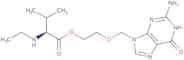
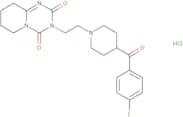
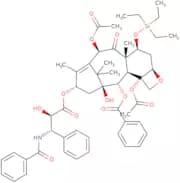
![3-[2-[4-(6-Fluoro-1,2-benzisoxazol-3-yl)-1-piperidinyl]ethyl]-7,8-dihydro-2-methyl-4H-pyrido[1,2-a…](/_next/image/?url=https%3A%2Fstatic.cymitquimica.com%2Fproducts%2F3D%2Fthumb-webp%2FIF24786.webp&w=3840&q=75)
![[1,1'-Biphenyl]-2'-(2H-tetrazol-5-yl)-4-carboxylic acid, [1,1'-biphenyl]-(2'-(2H-tetrazol-5-yl)-4-…](/_next/image/?url=https%3A%2Fstatic.cymitquimica.com%2Fproducts%2F3D%2Fthumb-webp%2FIB18639.webp&w=3840&q=75)

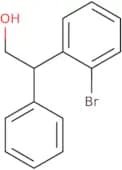
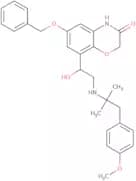
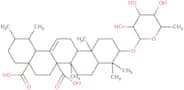
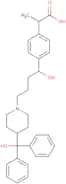
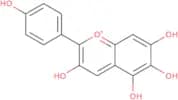
![2-[(2-Cyclopentylphenoxy)methyl]-oxirane](/_next/image/?url=https%3A%2Fstatic.cymitquimica.com%2Fproducts%2F3D%2Fthumb-webp%2FDBA16340.webp&w=3840&q=75)
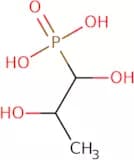
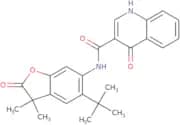
![N9-Des(4-acetoxy-3-(acetoxymethyl)but-1-yl) N7-[4-acetoxy-3-(acetoxymethyl)but-1-yl] famciclovir](/_next/image/?url=https%3A%2Fstatic.cymitquimica.com%2Fproducts%2F3D%2Fthumb-webp%2FGFA26615.webp&w=3840&q=75)
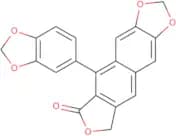
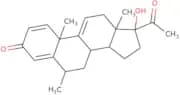
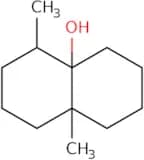
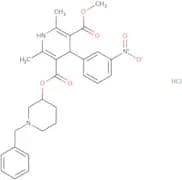
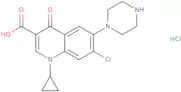
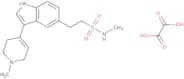
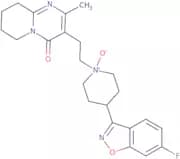
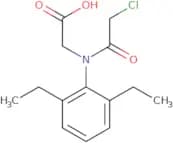
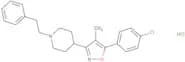

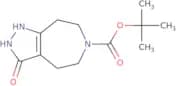

![Benz[A]anthracene-7-methanol](/_next/image/?url=https%3A%2Fstatic.cymitquimica.com%2Fproducts%2F3D%2Fthumb-webp%2FRAA11013.webp&w=3840&q=75)
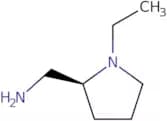
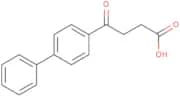
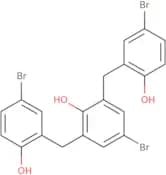
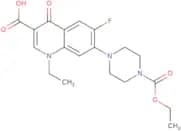
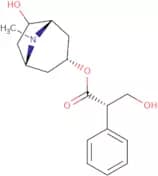
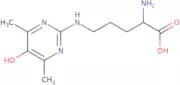
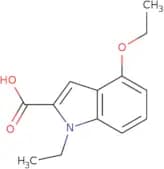
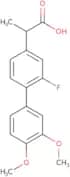
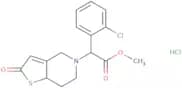
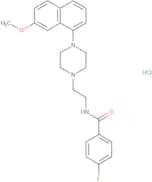
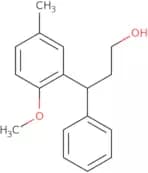
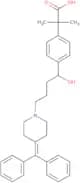
![2-Hydroxy-5-[2-[4-[[(6-methyl-2-pyridinyl)amino]sulfonyl]phenyl]diazenyl]benzoic acid](/_next/image/?url=https%3A%2Fstatic.cymitquimica.com%2Fproducts%2F3D%2Fthumb-webp%2FIH145662.webp&w=3840&q=75)
![4'-(Bromomethyl)-[1,1'-biphenyl]-2-carboxamide](/_next/image/?url=https%3A%2Fstatic.cymitquimica.com%2Fproducts%2F3D%2Fthumb-webp%2FIB19246.webp&w=3840&q=75)
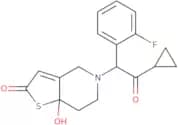

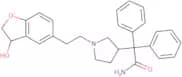
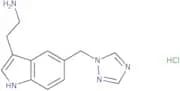
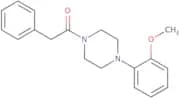
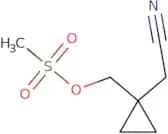
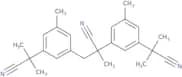
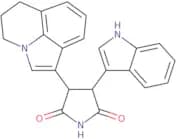
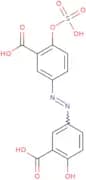
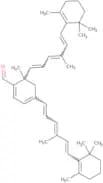
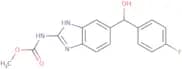
![2-Ethoxy-1-[[2'-[1-(trityl)-1H-tetrazol-5-yl][1,1'-biphenyl]-4-yl]methyl]-1H-benzimidazole-4-carbo…](/_next/image/?url=https%3A%2Fstatic.cymitquimica.com%2Fproducts%2F3D%2Fthumb-webp%2FIE22869.webp&w=3840&q=75)
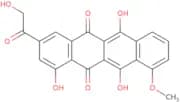
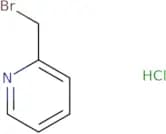

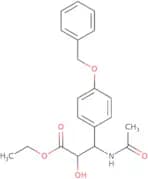
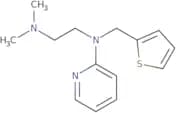
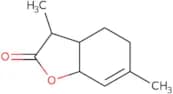
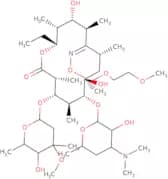
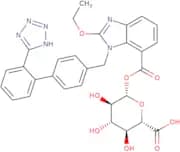
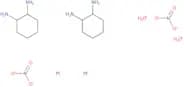
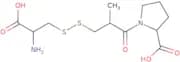
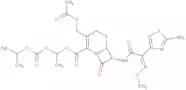
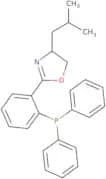
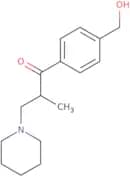
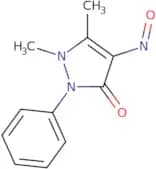
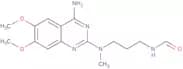
![2,2-Bis[4-(2-diethylaminoethoxy)phenyl]-1,2-diphenylethanone](/_next/image/?url=https%3A%2Fstatic.cymitquimica.com%2Fproducts%2F3D%2Fthumb-webp%2FOB166693.webp&w=3840&q=75)
![9-(Sulfooxy)dibenz[b,f][1,4]oxazepin-11(10H)-one](/_next/image/?url=https%3A%2Fstatic.cymitquimica.com%2Fproducts%2F3D%2Fthumb-webp%2FNDA37318.webp&w=3840&q=75)
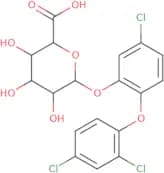
![Pioglitazone Pyridine-6-[4-[2-[5-ethyl-6-[4-[2-(5-ethyl-2-pyridinyl)ethoxy]phenyl]](/_next/image/?url=https%3A%2Fstatic.cymitquimica.com%2Fproducts%2F3D%2Fthumb-webp%2FIP165311.webp&w=3840&q=75)
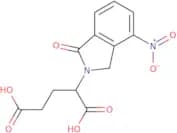
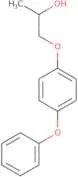


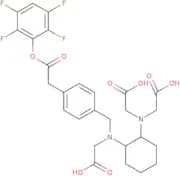
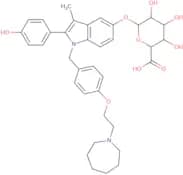


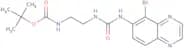


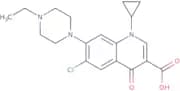
![1-[2-(3-Chloro-2-hydroxypropoxy)phenyl]-3-phenyl-1-propanone](/_next/image/?url=https%3A%2Fstatic.cymitquimica.com%2Fproducts%2F3D%2Fthumb-webp%2FIC21067.webp&w=3840&q=75)
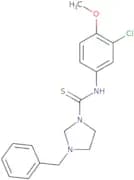
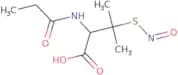
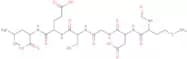
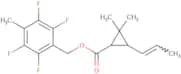
![N-(Aminosulphonyl)-2-[[[2-[(Aminoiminomethyl)amino]-4-thiazolyl]methylsulphinyl]propanimidamide](/_next/image/?url=https%3A%2Fstatic.cymitquimica.com%2Fproducts%2F3D%2Fthumb-webp%2FIA58086.webp&w=3840&q=75)
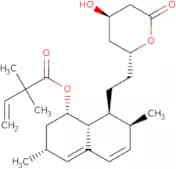
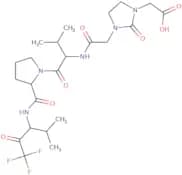
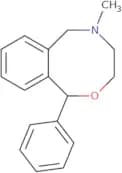
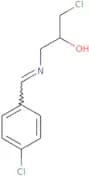
![[6-(4-Phenylbutoxy)hexyl]benzylamine hydrochloride](/_next/image/?url=https%3A%2Fstatic.cymitquimica.com%2Fproducts%2F3D%2Fthumb-webp%2FNGA92318.webp&w=3840&q=75)
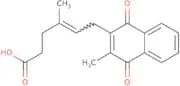
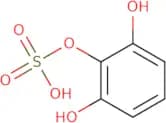
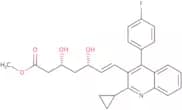
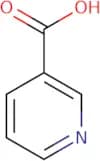
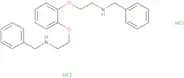
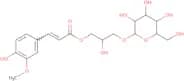
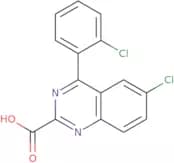
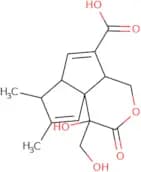
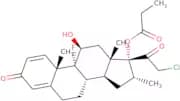
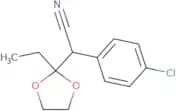



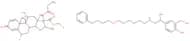

![2-[[(4-Chloro-3-methyl-2-pyridinyl)methyl]sulfinyl]-1H-benzimidazole](/_next/image/?url=https%3A%2Fstatic.cymitquimica.com%2Fproducts%2F3D%2Fthumb-webp%2FIC21226.webp&w=3840&q=75)

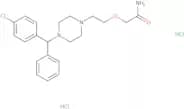

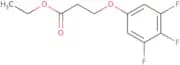
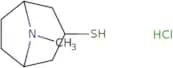
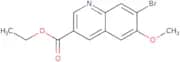
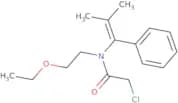
![Ethyl 6-[4-[(5-chloro-1-oxopentyl)amino]phenyl]-4,5,6,7-tetrahydro-1-(4-methoxyphenyl)-7-oxo-1H-py…](/_next/image/?url=https%3A%2Fstatic.cymitquimica.com%2Fproducts%2F3D%2Fthumb-webp%2FWGC82320.webp&w=3840&q=75)
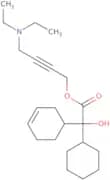

![6,7-Dimethoxy-2-[4-[(tetrahydro-2-furanyl)carbonyl]-1-piperazinyl]-4(3H)-quinazolinone](/_next/image/?url=https%3A%2Fstatic.cymitquimica.com%2Fproducts%2F3D%2Fthumb-webp%2FID63842.webp&w=3840&q=75)

![[4-L-Glutamic Acid]-desmopressin](/_next/image/?url=https%3A%2Fstatic.cymitquimica.com%2Fproducts%2F3D%2Fthumb-webp%2FIG173261.webp&w=3840&q=75)
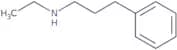
![2-[3-[4-(3-Chloro-4-ethylphenyl)-1-piperazinyl]propyl]-1,2,4-triazolo[4,3-a]pyridin-3(2H)-one](/_next/image/?url=https%3A%2Fstatic.cymitquimica.com%2Fproducts%2F3D%2Fthumb-webp%2FIC171026.webp&w=3840&q=75)
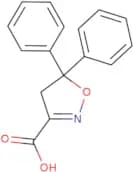
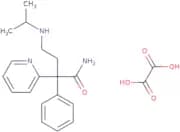
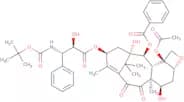
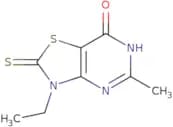
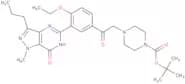
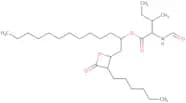
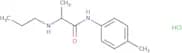
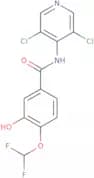
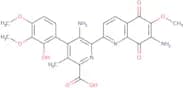
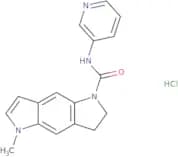
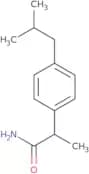
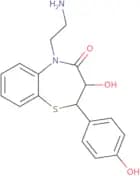
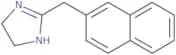
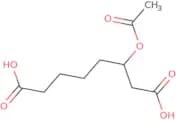
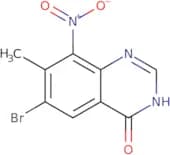
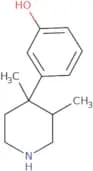
![4-(5-((2-Chloroethyl)ao)-1-methyl-1H-benzo[D]imidazol-2-yl butanoic acid](/_next/image/?url=https%3A%2Fstatic.cymitquimica.com%2Fproducts%2F3D%2Fthumb-webp%2FUYB70986.webp&w=3840&q=75)
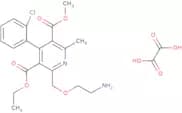
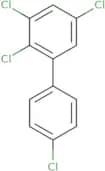
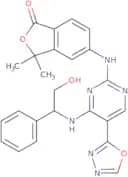

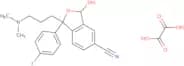
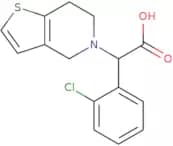
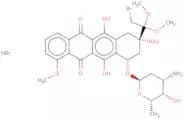
![4-[2-[[(6R,7R)-7-Amino-2-carboxy-8-oxo-5-thia-1-azabicyclo[4.2.0]oct-2-en-3-yl]thio]-4-thiazolyl]-…](/_next/image/?url=https%3A%2Fstatic.cymitquimica.com%2Fproducts%2F3D%2Fthumb-webp%2FIA172859.webp&w=3840&q=75)
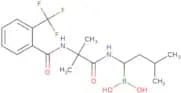
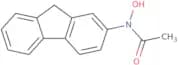
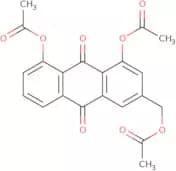
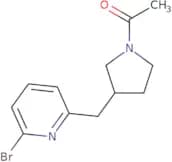
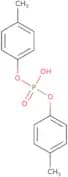
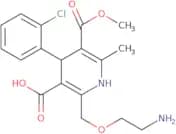
![2-[(Tetrahydropyran-2-yl)oxy]ethyl p-toluenesulfonate](/_next/image/?url=https%3A%2Fstatic.cymitquimica.com%2Fproducts%2F3D%2Fthumb-webp%2FQCA33895.webp&w=3840&q=75)
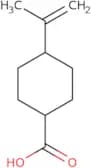
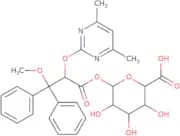
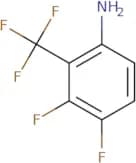
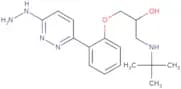
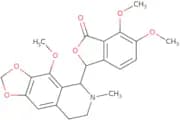
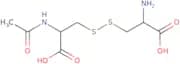
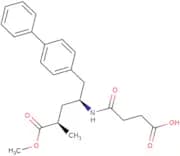

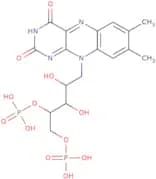
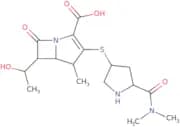
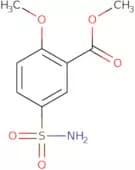
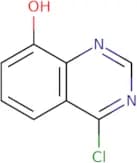
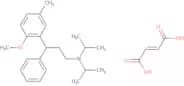
![1-[2-(2,3-Dihydroxypropoxy)phenyl]-3-phenyl-1-propanone](/_next/image/?url=https%3A%2Fstatic.cymitquimica.com%2Fproducts%2F3D%2Fthumb-webp%2FID21068.webp&w=3840&q=75)