


APIs for research and impurities
Active Pharmaceutical Ingredients (APIs) are the substances in drugs responsible for their therapeutic effects. In this section, you will find a wide variety of APIs intended for research use. These compounds are essential for the development, testing, and validation of new pharmaceutical formulations. CymitQuimica offers high-quality APIs to support research in drug discovery and development.
Subcategories of "APIs for research and impurities"
- Aminoacids and derivatives(12,278 products)
- Anthraquinones and derivatives(405 products)
- Benzimidazole and Imidazole Derivatives(10,376 products)
- Benzodiazepine Derivatives(333 products)
- Carbohydrates and glycoconjugates(5,013 products)
- Esters and Derivatives(42,045 products)
- Fatty Acids and Lypidic Derivatives(32,246 products)
- Flavonoids and Polyphenols(17,012 products)
- Free Radicals and Oxidant/Reducing Agents(213 products)
- Ketones and derivatives(2,394 products)
- Natural and semi-synthetic antibiotics(6,363 products)
- Nitriles and Cyano Derivatives(3,045 products)
- Nitrosamines and Derivatives(55 products)
- Nucleosides and Nucleotides(3,427 products)
- Organic Phosphates and Phosphonates(1,201 products)
- Organic Sulphonates and Sulphates(10,406 products)
- Organometallics(4,401 products)
- Others(6,279 products)
- Peptides and Proteins(3,128 products)
- Polymers and Derivatives(99 products)
- Purines and Pyrimidine Derivatives(8,901 products)
- Quinazoline and Quinoline Derivatives(65,630 products)
- Quinones and Derivatives(24,237 products)
- Salts and Derivatives of Active Pharmaceutical Ingredients (API)(79,464 products)
- Steroids and Derivatives(4,964 products)
- Sulfonamides and Derivatives(2,592 products)
- Terpenoids and Derivatives(3,839 products)
- Thiazolidinediones and Thiopyrans(2,733 products)
- β-Adrenergic Compounds(230 products)
Show 21 more subcategories
Found 56790 products of "APIs for research and impurities"
Sort by
Purity (%)
0
100
|
0
|
50
|
90
|
95
|
100
(R)-2-Amino-2-methyl-N-[4-phenyl-1-[[4-[2-[2-(1H-tetrazol-5-yl)ethyl]phenyl]-1-piperidinyl]carbonyl]butyl]propanamide
CAS:<p>(R)-2-Amino-2-methyl-N-[4-phenyl-1-[[4-[2-[2-(1H-tetrazol-5-yl)ethyl]phenyl]-1-piperidinyl]carbonyl]butyl]propanamide is a synthetic drug that has been used in research and development. It is an impurity standard for the manufacture of custom synthesis drug product. This drug is also classified as a Synthetic, High purity, pharmacopoeia, Drug development, Metabolite, niche, analytical or Natural compound. The CAS number for (R)-2-Amino-2-methyl-N-[4-phenyl-1-[(4-[2-[2-(1H tetrazol 5 yl)ethyl]phenyl]-1 piperidinyl)carbonyl] butyl] propanamide is 170842–46–3.</p>Formula:C29H39N7O2Purity:Min. 95%Molecular weight:517.67 g/mol2-[[4-[2-(Cyclopropylmethoxy)ethyl]phenoxy]methyl]oxirane
CAS:<p>2-[4-[2-(Cyclopropylmethoxy)ethyl]phenoxy]methyloxirane is a metabolite of the drug product 2-[[4-[2-(Cyclopropylmethoxy)ethyl]phenoxy]methyl]oxirane. It is an impurity in the drug product, which is a pharmaceutical intermediate that has been shown to have pharmacological properties. The CAS number for this compound is 63659-17-6 and it has been assigned the Chemical Abstracts Service (CAS) number of 63659-17-6. This compound has been characterized using HPLC and GC/MS methods.</p>Formula:C15H20O3Purity:Min. 95%Molecular weight:248.32 g/molProfluazol
CAS:<p>Profluazol is an inhibitor of protein kinases that has shown potential in the treatment of cancer. This Chinese indole derivative has been found to inhibit the proliferation of leukemia cells and induce apoptosis in tumor cell lines. Profluazol specifically targets kinases involved in the regulation of cell cycle progression, such as cyclin-dependent kinase 2 (CDK2) and mitogen-activated protein kinase (MAPK), leading to a decrease in cancer cell growth. In addition, this compound has shown selectivity towards human cancer cells while sparing normal cells, making it a promising anti-cancer agent with minimal side effects.</p>Formula:C13H11Cl2F2N3O4SPurity:Min. 95%Molecular weight:414.2 g/molGriseofulvic acid
CAS:<p>Griseofulvic acid is a molecule that encompasses an acidic chromatographic and plasma samples, urine metabolite, monocarboxylic acid, water molecule, pharmaceutical preparations, molecule, cancer and hyperproliferative. Griseofulvic acid is used for the treatment of autoimmune diseases and cancers. In addition to its use as an anticancer drug, griseofulvic acid has been shown to have immunosuppressive effects in cell cultures. The mechanism of action of griseofulvic acid in this regard may be due to its ability to disrupt DNA synthesis by binding to the purine bases in RNA and DNA molecules.</p>Formula:C16H15ClO6Purity:Min. 95%Molecular weight:338.74 g/mol(S)-3-((S)-5-Oxopyrrolidine-2-carbonyl)thiazolidine-4-carboxylic acid
CAS:<p>(S)-3-((S)-5-Oxopyrrolidine-2-carbonyl)thiazolidine-4-carboxylic acid is a synthetic compound that is used as an impurity standard for HPLC. It is also used in drug development and research and development of pharmaceuticals. This product was made through custom synthesis and is not natural.</p>Formula:C9H12N2O4SPurity:Min. 95%Molecular weight:244.27 g/mol2,6-Dimethyl-4-(3-nitrophenyl)pyridine-3,5-dicarboxylic acid monomethyl ester
CAS:<p>2,6-Dimethyl-4-(3-nitrophenyl)pyridine-3,5-dicarboxylic acid monomethyl ester is a metabolite of the drug 2,6-dimethyl-4-(3-nitrophenyl)pyridine. It has been shown to have an analytical purity greater than 98%. This compound is marketed as an HPLC standard and can be used as an impurity standard in the manufacture of a drug product. The CAS number for this compound is 64603-72-1.</p>Formula:C16H14N2O6Purity:Min. 95%Molecular weight:330.29 g/mol6β-Hydroxy-17β-estradiol 17-valerate
CAS:<p>6Beta-Hydroxy-17beta-estradiol 17-valerate is a drug product that has been synthesized for research and development. It is an impurity standard of 6β-hydroxyestrone, which is a metabolite of 17β-estradiol. 6β-Hydroxy-17β-estradiol 17-valerate is used as a research and development chemical in the field of drug metabolism studies. The compound has been shown to have niche applications in the pharmacopoeia.</p>Formula:C23H32O4Purity:Min. 95%Molecular weight:372.50 g/molMethyl belinostat
CAS:<p>Methyl belinostat is a drug product that is an impurity standard for analytical purposes. It is also used to develop HPLC standards and as a metabolite in metabolism studies. Methyl belinostat is a synthetic, natural, and research and development (R&D) drug product. It has been shown to be effective in niche markets such as the pharmacopoeia. Methyl belinostat has CAS No 1485081-34-2.</p>Formula:C16H16N2O4SPurity:Min. 95%Molecular weight:332.40 g/molCefpodoxime proxetil impurity C
CAS:<p>Cefpodoxime proxetil impurity C is an impurity in cefpodoxime proxetil, a drug that belongs to the group of penicillins. It is a metabolite of cefpodoxime proxetil and is also known as 3-hydroxy-N-desmethyl-cefpodoxime proxetil. It has an analytical purity of 98% with a HPLC standard purity of 99%. This impurity can be synthesized from natural or synthetic materials. It has been shown to have pharmacopoeia, natural, and synthetic origins.</p>Formula:C21H27N5O9S2Purity:Min. 95%Molecular weight:557.6 g/mol3,5-Diiodo-4-hydroxymandelic acid
CAS:<p>Please enquire for more information about 3,5-Diiodo-4-hydroxymandelic acid including the price, delivery time and more detailed product information at the technical inquiry form on this page</p>Formula:C8H6I2O4Purity:Min. 95%Molecular weight:419.94 g/mol4’-(7-Dechloroquinolinyl) piperaquine
CAS:<p>4’-(7-Dechloroquinolinyl) piperaquine is an inhibitor of tumor kinases and has shown potent anticancer activity against various cancer cells. This compound is a derivative of piperaquine, which is commonly used as an antimalarial drug. 4’-(7-Dechloroquinolinyl) piperaquine has been found to induce apoptosis in human cancer cells by inhibiting the activity of protein kinases that are essential for cell growth and division. It has also been shown to have synergistic effects with capsaicin, a natural compound found in chili peppers, in inhibiting the growth of cancer cells. Additionally, this analog has been detected in human urine after administration, indicating its potential use as a therapeutic agent for cancer treatment.</p>Formula:C20H28ClN5Purity:Min. 95%Molecular weight:373.9 g/mol1-Hydroxy-3-nitrodeamino fingolimod
CAS:<p>1-Hydroxy-3-nitrodeamino fingolimod is a drug product that belongs to the class of drugs known as immunosuppressants. It is a synthetic, non-natural compound that belongs to the family of drugs known as sphingosine analogues. The HPLC standard for 1-hydroxy-3-nitrodeamino fingolimod is available and can be used in research and development or analytical studies. This drug has been shown to have niche applications in the treatment of multiple sclerosis, but it is not yet included in any pharmacopoeia.</p>Formula:C19H31NO5Purity:Min. 95%Molecular weight:353.5 g/molN-Desformyl N-acetyl (S,S,R,S)-orlistat (orlistat impurity)
CAS:<p>Please enquire for more information about N-Desformyl N-acetyl (S,S,R,S)-orlistat (orlistat impurity) including the price, delivery time and more detailed product information at the technical inquiry form on this page</p>Formula:C30H55NO5Purity:Min. 95%Molecular weight:509.8 g/mol2-((2-Methyl-1-(propionyloxy)propoxy)(4-phenylbutyl)phosphoryl)acetic acid
CAS:<p>2-((2-Methyl-1-(propionyloxy)propoxy)(4-phenylbutyl)phosphoryl)acetic acid (KZPBA) is a zoonotic antibiotic that has been shown to be active against agalactiae. It is a prodrug, which is metabolized to the active form, KZPBA, in humans and other mammals. The mechanism of action of KZPBA is not yet known; however, it has been hypothesized that its activity may be due to inhibition of DNA gyrase and topoisomerase IV. This drug has also been shown to have an effect on mastitis in dairy cows.</p>Formula:C19H29O6PPurity:Min. 95%Molecular weight:384.4 g/molEnzalutamide Carboxylic Acid
CAS:<p>Enzalutamide Carboxylic Acid is a potent n-oxide derivative of Enzalutamide, which is used in the treatment of metastatic castration-resistant prostate cancer. It works by blocking the androgen receptor, thereby inhibiting the growth and spread of prostate cancer cells. Enzalutamide Carboxylic Acid is a carboxylic acid metabolite of Enzalutamide and abiraterone acetate. It has been shown to be effective in treating patients with castration-resistant prostate cancer who have failed previous treatments. This drug is also used in combination with other medications to treat metastatic castration-resistant prostate cancer. Enzalutamide Carboxylic Acid sulfate has been identified as a potential biomarker for predicting response to therapy in patients with metastatic castration-resistant prostate cancer.</p>Formula:C20H13F4N3O3SPurity:Min. 95%Molecular weight:451.39 g/molBis-[[2-[1-methylamino-2-nitroethenamine]ethyl]thio]methane
CAS:<p>Bis-[[2-[1-methylamino-2-nitroethenamine]ethyl]thio]methane is a drug product that has been synthesized for research and development. This product is an analytical standard and is used in metabolism studies, natural products, drug development, and the preparation of impurity standards. The CAS number for this product is 1331637-48-9. This product is a synthetic compound that has not been approved by the FDA or any other regulatory agency. It can be shipped to US destinations only.</p>Formula:C11H22N6O4S2Purity:Min. 95%Molecular weight:366.46 g/molAbacavir 5’-4-chloro-6-methylpyrimidine-2,5-diamine
CAS:<p>Abacavir is an antiviral drug that is used to treat HIV/AIDS. It is a prodrug that is converted to the active form, 6-amino-9-(1,3-dihydroxypropyl)purine riboside, in the liver. Abacavir is metabolized by cytochrome P450 enzymes and sulfotransferases. The metabolism of abacavir involves two major pathways: (1) formation of a reactive intermediate that can cause DNA damage and (2) oxidative metabolism to form metabolites that are excreted in urine. This drug product has been developed by custom synthesis and has been shown to be pure with high quality standards.</p>Formula:C18H21ClN10OPurity:Min. 95%Molecular weight:428.9 g/molBenzenesulfonamide
CAS:<p>Benzenesulfonamide is a drug product that is used as an analytical standard. It is a synthetic drug that has been shown to be metabolized by the liver, forming metabolites such as hydroxybenzenesulfonamide and sulfamethoxazole. Benzenesulfonamide is not under any pharmacopoeia guidelines or regulations. The CAS number for this drug product is 20778-16-9.</p>Formula:C10H9N3O3SPurity:Min. 95%Molecular weight:251.26 g/molRef: 3D-VAA77816
1gTo inquire25mgTo inquire50mgTo inquire100mgTo inquire250mgTo inquire500mgTo inquireHydroxychloroquine N-oxide
CAS:<p>Hydroxychloroquine N-oxide is a drug product that is an impurity of hydroxychloroquine. It is an analytical standard for the determination of hydroxychloroquine in pharmaceutical preparations and for research and development of new products. Hydroxychloroquine N-oxide is also used as an impurity standard for HPLC with UV detection, LC/MS, and GC/MS. The chemical formula of this compound is C6H7ClN3O4. The molecular weight of this compound is 231.09 g/mol. Hydroxychloroquine N-oxide has CAS No. 1449223-88-4 and natural status. br>br> Hydroxychloroquine N-oxide is primarily used as a synthesis intermediate in the production of drugs, such as antihypertensives, antimalarials, antidepressants, antipsychotics, immunosuppressants and immunomodulators.br>br> The</p>Formula:C18H26ClN3O2Purity:Min. 95%Molecular weight:351.9 g/molN-Desethyl-E-clomiphene hydrochloride
CAS:<p>N-Desethyl-E-clomiphene hydrochloride is a synthetic drug product that has been custom synthesized to meet the needs of our customer. It has been shown to be metabolized in vivo, with metabolites identified and characterized. This drug product is a synthetic, natural, and impurity standard. Metabolites have also been identified and characterized, so this compound may be used as an analytical reference material for HPLC methods.</p>Formula:C24H24ClNO•HClPurity:Min. 95%Molecular weight:414.37 g/mol6β-Phthalimidopenicillanic acid
CAS:<p>6β-Phthalimidopenicillanic acid is an analog of penicillin that acts as an inhibitor of cyclin-dependent kinases (CDKs). It has been shown to have potent anticancer activity and induce apoptosis in tumor cells. This medicinal compound specifically targets CDKs, which are important regulators of the cell cycle and have been implicated in cancer development. 6β-Phthalimidopenicillanic acid has been tested in Chinese hamster ovary cells and human cancer cell lines, where it has demonstrated significant inhibition of CDK activity. This inhibitor also exhibits potential as a protein kinase inhibitor, making it a promising candidate for further development as an anticancer agent.</p>Formula:C16H14N2O5SPurity:Min. 95%Molecular weight:346.4 g/molFluticasone furoate impurity L
<p>Fluticasone Furoate Impurity L is an impurity of Fluticasone Furoate, a drug product. It has been used as a HPLC standard and as a pharmaceutical reference material for the pharmacopoeia. This impurity can also be used in research and development for drug metabolism studies. The purity of Fluticasone Furoate Impurity L is high and it is natural with no synthetic activity.</p>Purity:Min. 95%Fluocortolone Impurity 5
<p>Fluocortolone Impurity 5 is a drug product that is custom synthesized for research and development purposes. It has high purity and analytical standards, as well as metabolite and impurity standards. Fluocortolone Impurity 5 can be used in pharmacopoeia, natural products research, drug development, and other niche applications. Fluocortolone Impurity 5 is a synthetic compound that is not found in nature.</p>Purity:Min. 95%Amifostine disulfide tetrahydrochloride
CAS:<p>Amifostine is a disulfide tetrahydrochloride salt that is used as an antidote to protect the bone marrow during chemotherapy and radiotherapy. Amifostine is also used for the prevention of radiation-induced oral mucositis in patients undergoing head and neck radiotherapy. This drug has been shown to inhibit the effects of radiation on the bone marrow, which may be due to its ability to scavenge radicals. Amifostine also has anti-inflammatory properties, which may be due to its ability to inhibit prostaglandin synthesis.</p>Formula:C10H30Cl4N4S2Purity:Min. 95%Molecular weight:412.3 g/molD-Fuculose
CAS:<p>D-Fuculose is a medicinal compound that has shown anticancer properties in various studies. It is a kinase inhibitor that targets specific kinases involved in cancer cell growth and survival. D-Fuculose has been found to induce apoptosis, or programmed cell death, in tumor cells and inhibit the growth of cancer cells. It has also been shown to have potential as a therapeutic agent for hepatocellular carcinoma (HCC) by reducing the expression of hepcidin, a protein associated with HCC progression. D-Fuculose can be found in Chinese herbal medicine and has been detected in urine samples from healthy individuals, indicating its potential as a natural anticancer agent.</p>Formula:C6H12O5Purity:Min. 95%Molecular weight:164.16 g/mol5-Nitro-2-(pyridin-4-yl)-2,3-dihydro-1H-isoindole-1,3-dione
CAS:<p>Please enquire for more information about 5-Nitro-2-(pyridin-4-yl)-2,3-dihydro-1H-isoindole-1,3-dione including the price, delivery time and more detailed product information at the technical inquiry form on this page</p>Formula:C13H7N3O4Purity:Min. 95%Molecular weight:269.21 g/molNeriifolin
CAS:<p>Neriifolin is a potent anticancer compound that has been isolated from the Chinese plant, Nerium oleander. It belongs to the class of xylan analogs and has been shown to inhibit the growth of cancer cells by inducing apoptosis. Neriifolin targets the cell cycle and inhibits the activity of protein kinases, which are essential for cell division. It has demonstrated significant inhibitory effects on tumor growth in human cancer cell lines, making it a promising candidate for cancer therapy. In addition, Neriifolin has been found to be a potent inhibitor of several key enzymes involved in cancer progression, making it an attractive target for developing new cancer therapies. Its effectiveness as an anticancer agent makes Neriifolin an important tool in the fight against cancer.</p>Formula:C30H46O8Purity:Min. 95%Molecular weight:534.7 g/molSesamol-d2
CAS:Controlled Product<p>Sesamol-d2 is an oral prodrug that belongs to the class of morpholinos. It acts as a mitochondrial DNA ligase inhibitor, preventing the repair of oxidative damage to DNA. Sesamol-d2 has been shown to reduce fungal biomass and inhibit RNA concentration in a reaction solution containing adenine and tenofovir alafenamide hemifumarate. It also inhibits base-excision repair, leading to increased levels of oxidative DNA damage. Furthermore, Sesamol-d2 has been found to have plasma-level effects on various impurities, as demonstrated through molecular docking studies.</p>Formula:C7H6O3Purity:Min. 95%Molecular weight:140.13 g/molAmoxicillin EP Impurity E
CAS:<p>Amoxicillin EP Impurity E is an impurity found in Amoxicillin EP, which is a β-lactam antibiotic. It belongs to the group of β-lactam antibiotics and has antibacterial activity. Amoxicillin EP Impurity E is found by applying validation methods to measure the concentration of this product. The analytical method used for this impurity is a wavelength measurement or a magnetic field measurement. This impurity can be determined using chromatographic or elution methods. The chromatographic methods used are high performance liquid chromatography (HPLC) and gas chromatography (GC). Method development is required for determining the level of this impurity, as well as validation procedures for measuring it with various methods.</p>Formula:C15H21N3O4SPurity:Min. 95%Molecular weight:339.41 g/molTalaromycesone A
CAS:<p>Talaromycesone A is a natural product derived from the fungus Talaromyces erythraeus. It is a metabolite of the antibiotic talaromycin and has been identified as an impurity in the drug product talaromycin sulfate. Talaromycesone A is a metabolite of the antibiotic talaromycin, which is produced by Talaromyces erythraeus, and has been identified as an impurity in the drug product, talaromycin sulfate. The chemical name for this compound is 3-methyl-2-oxo-2H-chromene-6-carboxylic acid (1S,4R)-4-[(3S)-3,4-dimethylphenyl]-cyclohexyl ester.<br>Talaromycesone A was originally isolated from the fungus Talaromyces erythraeus and purified to be used as a reference standard for HPLC analysis</p>Formula:C29H24O11Purity:Min. 95%Molecular weight:548.50 g/molCiprofibrate-o-β-glucuronide
CAS:<p>Ciprofibrate-o-β-glucuronide is the major metabolite of ciprofibrate in humans. It can be detected in urine by a variety of analytical methods, including magnetic resonance spectroscopy, voltammetry, and microscopy. Ciprofibrate-o-β-glucuronide is an enantiomer of ciprofibrate and has been shown to have an enzymatic hydrolysis rate of 0.07% per hour. This hydrolysis process is catalyzed by cytochrome P450 enzymes. Ciprofibrate-o-β-glucuronide is also found in pharmaceutical formulations and excreted from the body with a half life of 4 hours.</p>Formula:C19H22Cl2O9Purity:Min. 95%Molecular weight:465.3 g/mol4-Hydroxy moxonidine
CAS:<p>4-Hydroxy moxonidine (4HM) is a metabolite of moxonidine. It is a synthetic, high purity, pharmacopoeia grade chemical that can be used as an impurity standard for the drug product. Metabolism studies have shown that 4HM is not involved in any major metabolic pathways in humans. The CAS number for 4HM is 352457-34-2.</p>Formula:C9H13N5O2Purity:Min. 95%Molecular weight:223.23 g/molFlumethasone Impurity 10
CAS:Controlled Product<p>Flumethasone Impurity 10 is a synthetic drug product. It is for research and development purposes only and not for use in humans. Flumethasone Impurity 10 is metabolized through a number of metabolic transformations, including hydrolysis by esterases or glucuronidases, oxidation by cytochrome P450 enzymes, reduction by glutathione reductase, or conjugation with glucuronic acid. Flumethasone Impurity 10 can be used as an impurity standard for the determination of flumethasone in biological fluids.</p>Purity:Min. 95%4-HO-DPHP
CAS:<p>4-HO-DPHP is a cyclic analog of a Chinese plant-derived compound that has been shown to have anticancer properties. It functions as an inhibitor of kinases, which are enzymes involved in the regulation of protein activity and cell signaling pathways. In vitro studies have demonstrated that 4-HO-DPHP can induce apoptosis in human cancer cells, making it a potential candidate for cancer treatment. Additionally, this compound has been found in urine samples from cancer patients, suggesting that it may play a role in the body's natural defense against tumor growth. Overall, 4-HO-DPHP shows promise as a novel anticancer agent with potential therapeutic applications.</p>Formula:C12H10O5PPurity:Min. 95%Molecular weight:265.18 g/molDocetaxel impurity D
CAS:<p>Docetaxel Impurity D is an impurity found in the formulation of Docetaxel, a drug used to treat cancer. The impurity is a 10-deacetylated form of docetaxel that has been shown to have chiral properties. Docetaxel Impurity D can be separated from the active ingredient through chromatographic techniques and quantified by high-performance liquid chromatography. It has been found to be present in all batches of docetaxel tested, but at different concentrations.</p>Formula:C43H51NO14Purity:Min. 95%Molecular weight:805.86 g/mol13-Ethyl-18,19-dinor-17a-pregn-4-en-20-yn-17-ol - EP
CAS:Controlled Product<p>13-Ethyl-18,19-dinor-17a-pregn-4-en-20-yn-17-ol - EP is an analytical standard for HPLC with purity of > 99.5%. This product is a metabolite that can be found in the urine, plasma, and blood of pregnant women. It is also used as a drug development and API impurity. 13EPD can be synthesized from natural or synthetic sources.</p>Formula:C21H30OPurity:Min. 95%Molecular weight:298.46 g/molDesisopropyl disopyramide oxalate
CAS:<p>Desisopropyl disopyramide oxalate is a racemic mixture of the enantiomers, (+)-desisopropyl disopyramide and (-)-desisopropyl disopyramide. It is an anticholinergic drug that can be used to treat chronic depression. Desisopropyl disopyramide binds to two different sites on the enzyme p-450 and inhibits the metabolism of drugs such as benzodiazepines and tricyclic antidepressants. Desisopropyl disopyramide has been shown to have an inhibitory effect on activated muscarinic receptors in animal models, but not in humans. This drug also has anti-cholinergic effects and is used for the treatment of pediatric patients with spasticity.</p>Formula:C20H25N3O5Purity:Min. 95%Molecular weight:387.4 g/mol(-)-Neoisomenthol
CAS:<p>(-)-Neoisomenthol is a drug product that is a natural product and is found in peppermint oil. It has been shown to have anti-inflammatory and analgesic properties. (-)-Neoisomenthol has been synthesized chemically, but it can also be found as a metabolite of menthol in the body. The natural form of (-)-neoisomethyl is found in plants such as peppermint or spearmint, whereas the synthetic form is used for medicinal purposes. This compound has shown to be effective against pain and inflammation when applied topically, but not orally.</p>Formula:C10H20OPurity:Min. 95%Molecular weight:156.26 g/molrac-Pregabalin N-acrylamide
CAS:<p>Pregabalin is an anticonvulsant drug that is used to treat epilepsy, neuropathic pain, and generalized anxiety disorder. It binds to the alpha2-delta subunit of voltage-gated calcium channels and regulates neurotransmitter release. Racemic pregabalin N-acrylamide (Rac-Preg) is a racemic mixture of two enantiomers, S(-)Pregabalin and R(+)Pregabalin. It has been shown to be an analytical standard in HPLC analysis by virtue of its purity and stability. Rac-Preg has been demonstrated as a metabolite of racemic pregabalin in humans and rats. Rac-pregabalin N-acrylamide can be synthesized from the corresponding amine using acylation with acrylic acid chloride followed by hydrolysis with sodium methoxide in methanol.</p>Formula:C11H19NO3Purity:Min. 95%Molecular weight:213.27 g/mol(R)-Tiagabine 4-carboxy-o-ethyl hydrochloride
CAS:<p>Tiagabine is an ester hydrochloride that is used to treat the symptoms of Parkinson's disease. Tiagabine inhibits GABA transaminase, which converts GABA into its active form, and thus prevents the breakdown of GABA in the brain. This drug also has inhibitory properties against HIV infection and has been shown to reduce neuronal death in vitro. Tiagabine has shown a positive response in clinical trials with human subjects with Parkinson's disease. Tiagabine can be taken orally or intravenously, but should not be taken with food or grapefruit juice due to increased bioavailability of the drug. This medication does not have any clinically significant pharmacokinetic interactions and does not affect hepatic function.</p>Formula:C22H30ClNO2S2Purity:Min. 95%Molecular weight:440.06 g/molDeschloro aripiprazole
CAS:<p>Deschloro aripiprazole is a drug product that has been analyzed for impurities. It is an API impurity, which is an impurity in the active pharmaceutical ingredient (API) of a drug product. This impurity can be removed during production by adding a chemical reagent such as activated carbon, or it can be removed by purification methods such as HPLC. Deschloro aripiprazole is also used as an analytical standard and as an impurity standard for synthetic compounds. It also has applications in drug development and research and development in niche areas of pharmacology.</p>Formula:C23H28ClN3O2Purity:Min. 95%Molecular weight:413.94 g/molChlorthalidone impurity A
CAS:<p>Chlorthalidone impurity A is an impurity in Chlorthalidone. It was found to be a flow rate marker with an analytical method that has been implemented and calibrated. The calibration curve is linear and the particle size of this compound is between 2-4 microns. This compound can be detected by using a particle size analyzer (PSA) or rp-hplc. In order to analyze this compound, the calibration must be done with ammonium acetate as the mobile phase and acetonitrile as the stationary phase. The wavelength for detection is 220 nm and the runtime is 1 minute. Analytical methods such as chromatographic methods, ultraviolet spectroscopy, nuclear magnetic resonance spectroscopy, and mass spectroscopy may also be used to identify this compound.</p>Formula:C14H10ClNO5SPurity:Min. 95%Molecular weight:339.75 g/molCarbamazepine impurity
CAS:<p>Carbamazepine is a drug that has been used to treat epileptic seizures and trigeminal neuralgia. Impurities in the drug are removed by using chromatographic methods, such as high-performance liquid chromatography (HPLC). The rotarod test is an animal model of motor coordination and balance that can be used to assess the effects of drugs on these functions. Carbamazepine impurities may cause depression and have an epileptic effect on animals. Chronic exposure to carbamazepine can lead to drug reactions and gene polymorphisms, which may alter the metabolism of the drug. Analytical methods for determining carbamazepine impurities include HPLC, gas chromatography mass spectrometry (GC-MS), and thin-layer chromatography (TLC).</p>Formula:C15H14N2OPurity:Min. 95%Molecular weight:238.28 g/mol4-[(Dimethylamino)iminomethyl]benzoic acid
CAS:<p>Please enquire for more information about 4-[(Dimethylamino)iminomethyl]benzoic acid including the price, delivery time and more detailed product information at the technical inquiry form on this page</p>Formula:C10H12N2O2Purity:Min. 95%Molecular weight:192.21 g/molBenzilic acid 1-ethyl-3-pyrrolidinyl ester
CAS:Controlled Product<p>Please enquire for more information about Benzilic acid 1-ethyl-3-pyrrolidinyl ester including the price, delivery time and more detailed product information at the technical inquiry form on this page</p>Formula:C20H23NO3Purity:Min. 95%Molecular weight:325.4 g/mol2-(Dibenzylamino)-3',4'-dihydroxy-acetophenone
CAS:Controlled Product<p>2-(Dibenzylamino)-3',4'-dihydroxy-acetophenone is a drug product that is used as an analytical reference standard for the metabolism studies of acetaminophen. It is also used in the development and production of drugs, including acetaminophen, which are metabolized by the liver. 2-(Dibenzylamino)-3',4'-dihydroxy-acetophenone is a white crystalline solid with a melting point of about 220°C. It has been shown to be a metabolite of acetaminophen and it can be synthesized from 2-aminoacetophenone and benzoic acid.</p>Formula:C22H21NO3Purity:Min. 95%Molecular weight:347.41 g/molSimvastatin impurity K
<p>Simvastatin impurity K is a research and development substance that is used for the synthesis of drug products. This compound is custom synthesized, and its CAS number is 607-33-0. It has been synthesized with high purity, and it meets the pharmacopoeia requirements. Simvastatin impurity K is a metabolite of simvastatin, which is a synthetic drug that has been developed for the treatment of cardiovascular diseases. The compound has been shown to be similar to other metabolites in terms of metabolic studies, but it does not have any niche applications as an analytical standard or natural product.</p>Formula:C25H40O5Purity:Min. 95%Molecular weight:420.58 g/mol9-Hydroxymethyl-10-hydroxy camptothecin
CAS:<p>9-Hydroxymethyl-10-hydroxy camptothecin (9OHC) is a metabolite of camptothecin. It is an impurity with a purity of 99.5% that can be used as a standard for the fluorescence polarization assay of camptothecin in pharmaceutical products, or as a research and development compound for drug development. 9OHC has been shown to have anti-cancer properties, which may be due to its ability to inhibit protein synthesis and DNA replication.</p>Formula:C21H18N2O6Purity:Min. 95%Molecular weight:394.38 g/molBMS-986299
CAS:<p>BMS-986299 is a Chinese compound that acts as an inhibitor of kinases, specifically targeting cyclin-dependent kinases (CDKs). This compound has been shown to inhibit the growth of cancer cells in humans by inducing apoptosis and inhibiting tumor cell proliferation. BMS-986299 is an analog of another anticancer compound and has been found to be highly effective against various types of cancer. This inhibitor has also been shown to have a high degree of selectivity for CDKs and to be well-tolerated in clinical trials. The compound can be detected in urine samples, making it a useful biomarker for monitoring treatment efficacy. Overall, BMS-986299 shows great potential as a promising new treatment option for cancer patients.</p>Formula:C18H19N7OPurity:Min. 95%Molecular weight:349.4 g/molS-Desmethyl-S-(2-hydroxy-2-methylpropyl) rosuvastatin tert-butyl ester
CAS:<p>S-Desmethyl-S-(2-hydroxy-2-methylpropyl) rosuvastatin tert-butyl ester is a drug product that is manufactured through custom synthesis. It has high purity and analytical quality, as well as high efficacy for pharmacopoeia and research and development. This product is also a metabolite of rosuvastatin, which has been found to be effective in the treatment of dyslipidemia. S-Desmethyl-S-(2-hydroxy-2-methylpropyl) rosuvastatin tert-butyl ester can be used as an impurity standard for HPLC analysis.</p>Formula:C29H42FN3O7SPurity:Min. 95%Molecular weight:595.7 g/mol3-Carboxy-4-chloro-benzenediazonium chloride
CAS:<p>Please enquire for more information about 3-Carboxy-4-chloro-benzenediazonium chloride including the price, delivery time and more detailed product information at the technical inquiry form on this page</p>Formula:C7H4Cl2N2O2Purity:Min. 95%Molecular weight:219.02 g/mol2-[(Triphenylmethyl)amino]-4-thiazoleacetyl chloride
CAS:<p>Please enquire for more information about 2-[(Triphenylmethyl)amino]-4-thiazoleacetyl chloride including the price, delivery time and more detailed product information at the technical inquiry form on this page</p>Formula:C24H19ClN2OSPurity:Min. 95%Molecular weight:418.9 g/molRfrp-1(A.A. sequence mphsfanlplrf)
CAS:<p>The Rfrp-1 product is a research and development impurity standard. It is used as a reference standard for HPLC analysis of drug products. This synthetic compound has high purity and is pharmacopoeia grade. The CAS number 311309-25-8 refers to the molecular weight of this compound, which is 1,092.2 daltons. The Rfrp-1 product could be used in metabolism studies or as a natural metabolite that can be found in the body.</p>Formula:C67H101N19O14SPurity:Min. 95%Molecular weight:1,428.7 g/mol3-[Methyl(1-naphthalenylmethyl)amino]-1-phenyl-1-propanone
CAS:<p>3-[Methyl(1-naphthalenylmethyl)amino]-1-phenyl-1-propanone is a versatile compound that has various applications in different industries. It is commonly used as an acetyltransferase inhibitor in the production of chamomile extract. This compound also acts as a cellulose biomass enhancer, promoting the growth and yield of cellulose-based materials. Additionally, it has been found to enhance the solubility of sulfadiazine, making it more effective in pharmaceutical formulations.</p>Formula:C21H21NOPurity:Min. 95%Molecular weight:303.4 g/molTobramycin Impurity 4 dihydrochloride (Mixture of Isomers)
<p>Tobramycin Impurity 4 dihydrochloride (Mixture of Isomers) is an analytical standard that is used in the manufacture of drugs. It is a mixture of two dihydrochloride isomers, which have been separated by high-performance liquid chromatography (HPLC). The impurity's purity is determined by HPLC and it has a retention time of 8.8 minutes. This impurity can be used to create a pharmacopoeia reference standard or as an analyte for the determination of drug product quality.</p>Purity:Min. 95%Aciclovir EP impurity J
CAS:<p>Aciclovir EP impurity J is a drug product that is used as an analytical standard in HPLC. Aciclovir EP impurity J is the natural metabolite of aciclovir, which is an antiviral drug. It is not active against herpesviruses but has been shown to inhibit the growth of human cells infected with cytomegalovirus. Aciclovir EP impurity J has been studied for its effects on drug metabolism and pharmacokinetics. Aciclovir EP impurity J has been shown to be excreted primarily in urine, with some excretion in the feces.</p>Formula:C14H16N10O4Purity:Min. 95%Molecular weight:388.34 g/molMethiotepa
CAS:<p>Methiotepa is a potent anticancer drug that has been used for the treatment of various types of tumors. It is a Chinese hamster ovary (CHO) cell-derived analog of chitin, which inhibits the activity of protein kinase C. Methiotepa induces apoptosis in cancer cells by inhibiting DNA synthesis and repair, leading to cell death. This drug has also been shown to be a potent inhibitor of heparin-induced platelet aggregation in human blood. Methiotepa has been found to be effective against a wide range of cancers, including breast, lung, ovarian, and bladder cancer, among others. Its use as an anticancer agent may be due to its ability to inhibit the activity of various kinases and other enzymes involved in cancer cell proliferation and survival.</p>Formula:C9H18N3PSPurity:Min. 95%Molecular weight:231.3 g/molGenistein 4’-β-D-glucuronide
CAS:<p>Genistein 4’-β-D-glucuronide is an isoflavonoid that is a natural product of soy and red clover, with estrogenic properties. It has been shown to have the ability to bind to estrogen receptors and inhibit the growth of breast cancer cells. Genistein 4’-β-D-glucuronide has been shown to inhibit the production of estrone sulfate in human breast cells, which may be due to its ability to act as an estrogen receptor antagonist. The isoflavonoid genistein also binds to and inhibits the activity of DNA topoisomerase II enzymes in human breast cells.</p>Formula:C21H18O11Purity:Min. 95%Molecular weight:446.4 g/molBIM 23052
CAS:<p>BIM 23052 is an analog kinase inhibitor that has been shown to have potent anticancer activity. It targets specific proteins in cancer cells and induces apoptosis, leading to cell death. BIM 23052 has been tested extensively in human urine and Chinese hamster ovary cells, demonstrating its effectiveness against a wide range of tumor types. This medicinal compound inhibits several kinases involved in cancer progression, making it a promising candidate for the treatment of various cancers. Its unique mechanism of action makes it a valuable addition to the arsenal of anticancer drugs available today.</p>Formula:C61H75N11O10Purity:Min. 95%Molecular weight:1,122.3 g/mol2-Oxo ticlopidine oxalic acid
CAS:<p>2-Oxo ticlopidine oxalic acid is a synthetic compound that has been used as an impurity standard in the synthesis of other compounds. The CAS number for this compound is 89481-79-8. 2-Oxo ticlopidine oxalic acid can be custom synthesized to meet specific requirements. It is typically used as a drug product or pharmacopoeia and can be used for research and development purposes. Metabolism studies have been conducted on 2-oxo ticlopidine oxalic acid, which has shown it to be metabolized through oxidation and conjugation with glutathione, glucuronide, or sulphate. HPLC standards for this compound are available at Sigma Aldrich.</p>Formula:C16H16ClNO5SPurity:Min. 95%Molecular weight:369.8 g/molDespropoxy ethoxy udenafil
CAS:<p>Despropoxy ethoxy udenafil is a synthetic drug product with high purity. It is an impurity standard for HPLC and the natural metabolite of despropoxyphene. Despropoxy ethoxy udenafil has been shown to be pharmacologically active in animal models, but it is not yet known whether it possesses any therapeutic value.</p>Formula:C24H34N6O4SPurity:Min. 95%Molecular weight:502.60 g/molZanapezil
CAS:<p>Zanapezil is a human and Chinese analog of mirtazapine that has been studied for its potential anticancer properties. It is a protein kinase inhibitor that targets multiple kinases involved in cancer cell growth and survival, leading to induction of apoptosis (programmed cell death) in cancer cells. Zanapezil has been shown to be effective against various types of tumors, including lung cancer, breast cancer, and prostate cancer. It can be detected in urine after administration, making it a potential biomarker for monitoring treatment efficacy. With its promising anticancer activity and specificity as a kinase inhibitor, Zanapezil may offer new hope for cancer patients.</p>Formula:C25H32N2OPurity:Min. 95%Molecular weight:376.5 g/mol5-[[4-[2-(5-Ethyl-2-pyridinyl)ethoxy]phenyl]-methylene]-2,4-thiazolidinedione
CAS:<p>5-[[4-[2-(5-Ethyl-2-pyridinyl)ethoxy]phenyl]-methylene]-2,4-thiazolidinedione is a drug product that is used for the research and development of drugs. It has been shown to be metabolized in vivo through oxidative and reductive pathways. 5-[[4-[2-(5-Ethyl-2-pyridinyl)ethoxy]phenyl]-methylene]-2,4-thiazolidinedione has been found to have antimicrobial properties against Mycobacterium tuberculosis. This compound was also shown to inhibit the growth of bacteria by binding to DNA gyrase and topoisomerase IV enzymes, which maintain the integrity of bacterial DNA.</p>Formula:C19H18N2O3SPurity:Min. 95%Molecular weight:354.42 g/molrac Enterodiol-d6
CAS:<p>Racemic Enterodiol-d6 is a high purity synthetic racemic compound that is used as an impurity standard for use in HPLC. The CAS number for Racemic Enterodiol-d6 is 104411-12-3. Racemic Enterodiol-d6 has a melting point of 232°C and a boiling point of 464°C at atmospheric pressure. This product can be customized to meet the needs of your research, development, or drug production needs.</p>Formula:C18H22O4Purity:Min. 95%Molecular weight:308.4 g/molCetirizine impurity C
CAS:<p>Cetirizine impurity C is a potential impurity of cetirizine. It is used in the synthesis of cetirizine and as a drug substance. Cetirizine impurity C may be present in the final product, which may lead to potential risks for patients. This impurity can also be found in medicines that are made from this substance, such as ranitidine, which may have its own profile.</p>Formula:C21H25ClN2O3Purity:Min. 95%Molecular weight:388.89 g/molTametraline
CAS:<p>Tametraline is a medicinal compound that has been used in Chinese traditional medicine to treat tumors. It is an analog of protein kinase inhibitors and has shown potent anticancer activity in preclinical studies. Tametraline is an inhibitor of kinases, which are enzymes involved in the regulation of cell growth and division. It induces apoptosis, or programmed cell death, in cancer cells by inhibiting the activity of these enzymes. Tametraline has also been found to be excreted in urine, indicating that it can be effectively metabolized by the human body. This compound holds great promise as a potential treatment for various types of cancer.</p>Formula:C17H19NPurity:Min. 95%Molecular weight:237.34 g/molNociceptin (1-7)
CAS:<p>Nociceptin (1-7) is a drug product that is a natural, API impurity, and an impurity standard. It is used in research and development for the study of drug metabolism and pharmacopoeia for high purity standards in HPLC analysis. Nociceptin (1-7) is also synthesized as a synthetic compound with the CAS number 178249-42-8.</p>Formula:C31H41N7O9Purity:Min. 95%Molecular weight:655.7 g/molDescarboxy treprostinil
CAS:<p>Descarboxy treprostinil is a synthetic drug product that is used as a research and development impurity standard. It has a purity of 98% or greater, and its CAS number is 101692-01-7. Descarboxy treprostinil is also used in the synthesis of related drugs, such as treprostinil sodium. This compound can be used to study drug metabolism, as well as for analysis purposes.</p>Formula:C22H34O3Purity:Min. 95%Molecular weight:346.5 g/molNicotinic acid-13C1 )
CAS:<p>Nicotinic acid-13C1 is a nicotinic acid analog that is used to study the metabolism of nicotinic acid in humans. The 13C isotope is incorporated into the molecule, making it easier to detect and quantify using mass spectrometry. Nicotinic acid-13C1 can also be used as a high purity standard for HPLC analysis and as an impurity standard for pharmacopoeia testing. Nicotinic acid-13C1 can also be custom synthesized or obtained from natural sources such as yeast extract or synthetic sources such as 13C labeled acetone.</p>Formula:C513CH5NO2Purity:---Color and Shape:PowderMolecular weight:124.1 g/mol3-Des[2-(dimethylamino)ethyl] zolmitriptan acetonitrile
CAS:<p>Please enquire for more information about 3-Des[2-(dimethylamino)ethyl] zolmitriptan acetonitrile including the price, delivery time and more detailed product information at the technical inquiry form on this page</p>Formula:C14H13N3O2Purity:Min. 95%Molecular weight:255.27 g/molElbanizine
CAS:<p>Elbanizine is an anticancer agent that works by inhibiting kinase activity in cancer cells. This inhibitor has been shown to induce apoptosis, which is the programmed cell death of cancer cells. Elbanizine is a potent inhibitor of protein kinases and has been found to be effective against various types of tumors. It is an analog of a Chinese medicinal plant and has been isolated from human urine. Elbanizine has also been found to affect the cell cycle, leading to cell death in cancer cells. This promising anticancer agent shows great potential for the development of new cancer therapies and inhibitors.</p>Formula:C26H31N5O2Purity:Min. 95%Molecular weight:445.6 g/mol(3,5-Dimethyl-2-hexeno)-4-hydroxyphenone
CAS:<p>Please enquire for more information about (3,5-Dimethyl-2-hexeno)-4-hydroxyphenone including the price, delivery time and more detailed product information at the technical inquiry form on this page</p>Formula:C14H18O2Purity:Min. 95%Molecular weight:218.29 g/mol3-[(1E)-2-[4-[[(2-Carboxyethyl)amino]carbonyl]phenyl]diazenyl] balsalazide
CAS:<p>3-[(1E)-2-[4-[[(2-Carboxyethyl)amino]carbonyl]phenyl]diazenyl] balsalazide is a white to off-white solid that is soluble in water and acidic solutions. It has an impurity level of less than 0.5%. The melting point of 3-[(1E)-2-[4-[[(2-Carboxyethyl)amino]carbonyl]phenyl]diazenyl] balsalazide is approximately 195°C. This compound has been shown to have antibiotic activity against a variety of bacteria, including methicillin resistant Staphylococcus aureus (MRSA).</p>Formula:C27H24N6O9Purity:Min. 95%Molecular weight:576.51 g/mol1,4-Bis(trichloromethyl)-2-chlorobenzene
CAS:<p>Please enquire for more information about 1,4-Bis(trichloromethyl)-2-chlorobenzene including the price, delivery time and more detailed product information at the technical inquiry form on this page</p>Formula:C8H3Cl7Purity:Min. 95%Molecular weight:347.3 g/molEthyl 2-(6-amino-2,3-dichlorobenzyl)glycine
CAS:<p>Ethyl 2-(6-amino-2,3-dichlorobenzyl)glycine is a drug product with a CAS number of 70406-92-7. It has an analytical purity of greater than 98% and is supplied as a white powder. This product is metabolized in the human body to form an active metabolite. The chemical name for this drug product is ethyl 2-(6-amino-2,3-dichlorobenzyl)glycine, which can be found in the pharmacopoeia under the name of 6′ amino 2,3′ dichlorobenzyl glycine.</p>Formula:C11H14Cl2N2O2Purity:Min. 95%Molecular weight:277.15 g/molHaloxyfop-d4
CAS:<p>Haloxyfop-d4 is an analog of the herbicide Haloxyfop that has been shown to have anticancer properties. It works by inhibiting kinases, which are enzymes that play a key role in cell division and growth. This inhibition leads to apoptosis, or programmed cell death, in cancer cells. Haloxyfop-d4 has been found to be effective against a variety of human cancer cell lines, including those resistant to other anticancer drugs. In addition, it has been shown to inhibit the growth of tumors in animal models. This drug is metabolized in the liver and excreted in urine. It is not known to interact with other drugs such as rifampicin or protein kinase inhibitors.</p>Formula:C15H11ClF3NO4Purity:Min. 95%Molecular weight:365.72 g/molErgosterone
CAS:Controlled Product<p>Ergosterone is a potent anticancer agent that has been shown to induce apoptosis in various human cancer cell lines. It is a natural compound found in the urine of Chinese medicine practitioners and has been used for its medicinal properties for centuries. Ergosterone works by inhibiting the activity of certain proteins involved in the cell cycle, leading to inhibition of cancer cell growth. This inhibitor has shown promising results as an anticancer agent in preclinical studies and may offer a new avenue for cancer treatment.</p>Formula:C28H42OPurity:Min. 95%Molecular weight:394.6 g/mol2,3-Dihydroxypropyl valproate
CAS:Controlled Product<p>Please enquire for more information about 2,3-Dihydroxypropyl valproate including the price, delivery time and more detailed product information at the technical inquiry form on this page</p>Formula:C11H22O4Purity:Min. 95%Molecular weight:218.29 g/molChlorpromazine N-oxide maleic acid salt
CAS:<p>Please enquire for more information about Chlorpromazine N-oxide maleic acid salt including the price, delivery time and more detailed product information at the technical inquiry form on this page</p>Formula:C21H23ClN2O5SPurity:Min. 95%Molecular weight:450.9 g/molα-[4-(2-dimethylaminoethoxy)phenyl]stilbene
CAS:<p>Alpha-[4-(2-dimethylaminoethoxy)phenyl]stilbene (DS) is a synthetic, analytical standard that is used as an impurity in the manufacture of pharmaceutical products. DS is also sold as a reference material for HPLC and GC/MS analysis.</p>Formula:C24H25NOPurity:Min. 95%Molecular weight:343.50 g/molRotigotine sulfate
CAS:<p>Rotigotine is a drug that belongs to the group of pharmaceutical formulations. It is an unlabeled drug that has been shown to be effective in the treatment of depression. Rotigotine may be administered through a transdermal patch or by iontophoresis, which is a technique used to administer drugs through the skin. The mechanism of action is not known, but it may involve the inhibition of monoamine reuptake and/or alteration of intracellular levels of catecholamines. Rotigotine sulfate has a high affinity for dopamine receptors and increases plasma concentrations of dopamine by inhibiting its reuptake into presynaptic neurons. This leads to increased concentrations of dopamine in synaptic clefts and an increase in postsynaptic receptor binding.</p>Formula:C19H25NO4S2Purity:Min. 95%Molecular weight:395.5 g/molDapsone N-β-D-glucuronide sodium salt
CAS:<p>Dapsone N-β-D-glucuronide sodium salt is a drug product that is Custom synthesized for your research and development needs. It is available for sale as a white to off-white crystalline powder with a purity of 98%. Dapsone N-β-D-glucuronide sodium salt has CAS No. 54749-81-4, analytical, Metabolism studies, Drug development, Natural, Metabolite, pharmacopoeia, niche, Synthetic, Impurity standard and Research and Development. It is an HPLC standard in the form of a white to off-white crystalline powder with a purity of 98%.</p>Formula:C18H19N2NaO8SPurity:Min. 95%Molecular weight:446.41 g/mol1-(5-(4-Fluorophenyl)-1-(pyridin-3-ylsulfonyl)-1H-pyrrol-3-yl)-N-methylmethanamine
CAS:<p>1-(5-(4-Fluorophenyl)-1-(pyridin-3-ylsulfonyl)-1H-pyrrol-3-yl)-N-methylmethanamine (5FPP) is a drug product. It is an impurity standard for HPLC and analytical methods, as well as an API impurity. 5FPP is a synthetic compound that has been studied in metabolism studies. The metabolite of 5FPP is 1-(5-(4-fluorophenyl)-1H-pyrrolo[3,2,1-jk]thiazol-2(3H)-one).</p>Formula:C17H16FN3O2SPurity:Min. 95%Molecular weight:345.4 g/molAnilopam
CAS:<p>Anilopam is an analog that has been identified as a potential anticancer agent. It works by inhibiting protein kinases, which are enzymes that play a crucial role in the growth and proliferation of cancer cells. Anilopam has been shown to inhibit the activity of several tumor-associated kinases, including those involved in cell cycle regulation and apoptosis. This medicinal compound has demonstrated potent antitumor activity in human cancer cell lines and has also shown promising results in preclinical studies. Anilopam is excreted primarily in urine and may have potential as a urinary biomarker for cancer diagnosis or monitoring treatment response. Its ability to inhibit kinase activity makes it a promising therapeutic option for the treatment of various types of cancers.</p>Formula:C20H26N2OPurity:Min. 95%Molecular weight:310.4 g/molDMAC-PDB
CAS:<p>DMAC-PDB is an aromatic cleavable linker commonly used in protein and drug conjugation. It enables controlled release of payloads under specific chemical conditions.</p>Formula:C12H16N2O3S2Purity:Min. 95%Molecular weight:300.4 g/molOxodesmosine
CAS:<p>Oxodesmosine is an analog of a protein found in Chinese urine that has shown promise as an anticancer agent. It works by inhibiting kinases, which are enzymes that play a key role in cancer cell growth and survival. Oxodesmosine has been shown to induce apoptosis, or programmed cell death, in tumor cells both in vitro and in vivo. This compound may be useful as a therapeutic agent for the treatment of various types of cancer in humans. Additionally, Oxodesmosine has been studied for its potential synergistic effects with other kinase inhibitors such as mirtazapine. Overall, Oxodesmosine represents a promising new avenue for the development of novel anticancer therapies.</p>Formula:C23H37N5O7Purity:Min. 95%Molecular weight:495.6 g/mol3-Phenyl-4-(4-chlorosulfonylbenzyl)-5-methylisoxazole
CAS:<p>Please enquire for more information about 3-Phenyl-4-(4-chlorosulfonylbenzyl)-5-methylisoxazole including the price, delivery time and more detailed product information at the technical inquiry form on this page</p>Formula:C17H14ClNO3SPurity:Min. 95%Molecular weight:347.8 g/molLinagliptin Impurity 18
CAS:Controlled Product<p>Please enquire for more information about Linagliptin Impurity 18 including the price, delivery time and more detailed product information at the technical inquiry form on this page</p>Formula:C22H23N7O2Purity:Min. 95%Molecular weight:417.46 g/molSodium 2,6-dihydroxyphenyl sulfate
CAS:<p>Sodium 2,6-dihydroxyphenyl sulfate is a potent anticancer agent that has been shown to inhibit the growth of cancer cells. It is an analog of a kinase inhibitor found in Chinese medicinal plants and has been found in urine samples of cancer patients. Sodium 2,6-dihydroxyphenyl sulfate inhibits protein kinases involved in cancer cell proliferation and survival, leading to apoptosis or programmed cell death. This compound has been studied extensively for its potential as a therapeutic agent against various types of cancer, including leukemia and tumors. As one of the most promising inhibitors available today, Sodium 2,6-dihydroxyphenyl sulfate represents a significant breakthrough in cancer research and treatment.</p>Formula:C6H6O6SPurity:Min. 95%Molecular weight:206.18 g/mol(2R)-3-Hydroxyisovaleroyl carnitine
CAS:<p>(2R)-3-Hydroxyisovaleroyl carnitine is a synthetic drug product that is used as an analytical reagent for the detection of (R)-3-hydroxyisovaleryl carnitine in metabolism studies. It has a CAS number of 99159-87-2 and a molecular weight of 212.29 g/mol. This compound is an impurity standard for HPLC analysis, and it can be custom synthesized to meet your needs. Research and development of this compound has been ongoing since the early 2000s, with niche applications such as developing pharmacopoeia standards for HPLC analyses.</p>Formula:C12H23NO5Purity:Min. 95%Molecular weight:261.31 g/molN-Desalkyl itraconazole
CAS:<p>N-Desalkyl itraconazole is a triazole antifungal drug that belongs to the group of medicines. It is used in the treatment of systemic mycoses, including blastomycosis and histoplasmosis. N-Desalkyl itraconazole has been shown to inhibit the growth of fungi by interfering with their cell membranes and inhibiting their production of ergosterol. Calibration studies have shown that this drug binds to human liver microsomes and plasma proteins, as well as transporters such as P-glycoprotein. These interactions may influence its pharmacokinetics, which can be determined using a bioanalytical method.</p>Formula:C31H30Cl2N8O4Purity:Min. 95%Molecular weight:649.53 g/molErythromycin EP impurity L
CAS:<p>Erythromycin EP impurity L is a metabolite of erythromycin that is found in the urine of patients taking erythromycin. It is a white to light yellow crystalline powder. Erythromycin EP impurity L has been used as an analytical standard for HPLC and GC-MS, and as a pharmacopoeia reference material. Erythromycin EP impurity L is also known to have anti-inflammatory properties.</p>Purity:Min. 95%Desloratadine impurity 10
CAS:<p>This is an impurity standard for desloratadine. The purity of the active ingredient is greater than 99%. It is a synthetic drug that has been developed for the treatment of allergic rhinitis and chronic idiopathic urticaria. It has been shown to be metabolized by CYP2D6, CYP3A4, and CYP3A5. Desloratadine impurity 10 is a metabolite of desloratadine. This compound can be detected by HPLC analysis in urine or plasma.</p>Formula:C19H19BrN2Purity:Min. 95%Molecular weight:355.27 g/mol1,2,3,4,5-Pentabromo-6-(2,3,4-tribromophenoxy)benzene
CAS:Controlled Product<p>1,2,3,4,5-Pentabromo-6-(2,3,4-tribromophenoxy)benzene is a medicinal compound that has been used in Chinese traditional medicine as an anticancer agent. It is an analog of a natural product found in urine that inhibits kinases involved in cancer cell growth and survival. This compound has been shown to induce apoptosis (programmed cell death) in tumor cells and inhibit the activity of proteins involved in cancer development. It acts as a potent inhibitor of kinase inhibitors and has demonstrated efficacy against various types of human cancers. Its unique molecular structure makes it an attractive candidate for further development as a potential therapeutic agent for cancer treatment.</p>Formula:C12H2Br8OPurity:Min. 95%Molecular weight:801.4 g/molQuincarbate
CAS:<p>Quincarbate is a medicinal compound that acts as an inhibitor of kinase enzymes. Kinases play a crucial role in cellular signal transduction and are involved in the regulation of various cellular processes, including cell growth and proliferation. Quincarbate has been shown to inhibit the activity of kinases in human cancer cells, leading to anticancer effects. This compound induces apoptosis, or programmed cell death, in tumor cells and inhibits their growth. Quincarbate is also an analog of a Chinese herbal medicine used for centuries to treat cancer. This potent anticancer agent can be detected in urine after administration and has promising therapeutic potential for cancer treatment.</p>Formula:C17H18ClNO6Purity:Min. 95%Molecular weight:367.8 g/mol(S)-8,14-Dihydroxy efavirenz
CAS:<p>(S)-8,14-Dihydroxy efavirenz is a medicinal analog that has shown potential anticancer activity. It is a kinase inhibitor that targets specific kinases involved in cancer cell growth and survival. (S)-8,14-Dihydroxy efavirenz has been shown to induce apoptosis in human cancer cells and inhibit tumor growth in Chinese hamster ovary cells. This compound also has potential as a urinary biomarker for certain types of cancer. Its protein binding properties make it an effective inhibitor of kinases, which are essential for cellular processes such as DNA replication and protein synthesis. (S)-8,14-Dihydroxy efavirenz has promising potential as an anticancer agent and warrants further investigation.</p>Formula:C14H9ClF3NO4Purity:Min. 95%Molecular weight:347.67 g/mol2-Methoxyethyl-3-aminocrotonate
CAS:<p>2-Methoxyethyl-3-aminocrotonate is an impurity of a drug product. It is an analytical standard that is used to quantify the metabolite in pharmaceutical preparations. 2-Methoxyethyl-3-aminocrotonate is a natural metabolite, which can be found in human urine. This compound has been shown to be a potent inhibitor of both bacterial and mammalian cell topoisomerase II and IV, but not mammalian cell topoisomerase I. It also inhibits protein synthesis by binding to the ribosomal 50S subunit. In addition, it has been shown to inhibit the growth of certain bacteria such as clostridium perfringens and Mycobacterium tuberculosis.</p>Formula:C7H13NO3Purity:Min. 95%Molecular weight:159.18 g/mol2,6-Diethyl-4-thioisonicotinamide
CAS:<p>2,6-Diethyl-4-thioisonicotinamide is a metabolite of 2,6-diethyl-4-(methylsulfonyl)pyrimidine and is used as an analytical standard for HPLC. It is also used in the development and quality control of pharmaceutical drugs. 2,6-Diethyl-4-thioisonicotinamide is a white solid that can be synthesized from the reaction of ethyl thiocyanate with diethyl 4-(methylsulfonyl)pyrimidine. It has been shown to be rapidly metabolized in vivo to form the corresponding sulfoxide or sulfone.</p>Formula:C10H14N2SPurity:Min. 95%Molecular weight:194.30 g/mol[4-L-Glutamic Acid]-desmopressin
<p>4-L-Glutamic Acid]-desmopressin is an analytical standard that is used to calibrate HPLC systems. This product is a high purity, synthetic, and drug development API impurity that can be used as a drug product or impurity standard. It is also available as an HPLC standard, niche, and custom synthesis. 4-L-Glutamic Acid]-desmopressin has been shown to have pharmacopoeia and CAS No.</p>Purity:Min. 95%Serotonin β-D-glucuronide
CAS:Controlled Product<p>Serotonin β-D-glucuronide (5-HIAA) is a major metabolite of serotonin that is excreted in the urine. It can be used as an indicator for the presence of serotonin in tissues and other substances. 5-HIAA is mainly formed by the hydrolysis of serotonin by β-glucosidase, which converts it to 5-hydroxyindoleacetic acid (5-HIAA). This compound is also found in some foods, such as bananas and avocados. Serotonin β-D-glucuronide must undergo conjugation with glucuronic acid before it can be excreted from the body. The physiological effects of this compound are not well understood, but it may have a role in controlling blood sugar levels.</p>Formula:C16H20N2O7Purity:Min. 95%Molecular weight:352.34 g/molDesmethylnortriptyline
CAS:<p>Desmethylnortriptyline is a tricyclic antidepressant drug that has been shown to have anti-inflammatory properties. It inhibits the production of inflammatory cytokines in the intestine, which may be due to its effect on the induction of apoptosis by inhibiting protein synthesis. Desmethylnortriptyline also has a beneficial effect on bowel diseases, such as colitis and ileitis. This drug inhibits the uptake of serotonin in rat brains and can lead to decreased levels of serotonin in the brain and spinal cord, which may be responsible for its clinical response. Desmethylnortriptyline is metabolized by demethylation and deamination. It undergoes oxidative deamination by cytochrome P450 enzymes found in human liver microsomes and isolated heart tissue, generating an inactive product. The drug also undergoes oxidation by uridine diphosphate glucuronosyltransferase 1A1 (UGT1A1) to form an active metabolite.</p>Formula:C18H19NPurity:Min. 95%Molecular weight:249.3 g/molVaniliprole
CAS:<p>Vaniliprole is a vitamin analog that exhibits anticancer properties by inhibiting tumor growth and inducing apoptosis in cancer cells. It acts as a protein kinase inhibitor, which prevents the activation of kinases that play a crucial role in cell division and proliferation. Vaniliprole has been shown to be effective against various types of cancer cells, including those derived from humans and Chinese hamsters. This compound is excreted through urine and has potential as an anticancer agent for future drug development.</p>Formula:C20H10Cl2F6N4O2SPurity:Min. 95%Molecular weight:555.3 g/molLabetalol EP Impurity C
CAS:<p>Labetalol EP Impurity C is a synthetic impurity standard that is used to calibrate HPLC columns and for the quantification of labetalol in drug products. Labetalol EP Impurity C is a metabolite of labetalol and has been shown to have similar pharmacological properties. Labetalol EP Impurity C is synthesized by ester hydrolysis. The purity of this compound exceeds 99%.</p>Formula:C16H18N2O3Purity:Min. 95%Molecular weight:286.33 g/mol1-(3,5-Dihydroxyphenyl)-2-[(1,1-dimethylethyl)amino]-ethanone hydrochloride
CAS:<p>1-(3,5-Dihydroxyphenyl)-2-[(1,1-dimethylethyl)amino]-ethanone hydrochloride (HDPAE) is a drug product for the treatment of metabolic disorders. HDPAE is synthesized in high purity and has been studied for its metabolism and therapeutic effect. The CAS number for this compound is 1246815-70-2. This compound can be found in natural sources such as plants and animals, but it is also synthetically produced. HDPAE has not been evaluated by the FDA or any other regulatory agency and may not be available to consumers.</p>Formula:C12H18ClNO3Purity:Min. 95%Molecular weight:259.73 g/mol(5Z,9Z,13E)-Geranylgeranylacetone
CAS:<p>Please enquire for more information about (5Z,9Z,13E)-Geranylgeranylacetone including the price, delivery time and more detailed product information at the technical inquiry form on this page</p>Formula:C23H38OPurity:Min. 95%Molecular weight:330.5 g/molN,N'-Carbonylbis[L-glutamic acid]
CAS:<p>N,N'-Carbonylbis[L-glutamic acid] is a metal chelate that has been used as a fluorescent marker for diagnostic purposes. It has been shown to bind to prostate-specific antigen (PSA) and radiolabelled with positron emitters. This ligand has also been used in the design of novel diagnostic and therapeutic agents for cancer treatment.</p>Formula:C11H16N2O9Purity:Min. 95%Molecular weight:320.25 g/molLysine-methotrexate
CAS:<p>Lysine-methotrexate is a monoclonal antibody that binds to the DNA template of Leishmania. This protein can be used for the diagnosis of leishmaniasis and other diseases caused by this parasite. The binding of lysine-methotrexate to the DNA template blocks transcription, preventing RNA from being synthesized from DNA. Lysine-methotrexate also has chemotactic activity and cytostatic effects. It may be useful in treating inflammatory diseases and depression, as well as cancer. Lysine-methotrexate is an immunosuppressant and can be used in polyclonal antibodies or monoclonal antibodies to produce an antigen against which the immune system can react.</p>Formula:C21H27N9O3Purity:Min. 95%Molecular weight:453.5 g/molI-Sydnocarb
CAS:<p>Please enquire for more information about I-Sydnocarb including the price, delivery time and more detailed product information at the technical inquiry form on this page</p>Formula:C18H18N4O2Purity:Min. 95%Molecular weight:322.4 g/molEif4A3-in-1
CAS:<p>Please enquire for more information about Eif4A3-in-1 including the price, delivery time and more detailed product information at the technical inquiry form on this page</p>Formula:C29H23BrClN5O2Purity:Min. 95%Molecular weight:588.9 g/molHSL-IN-1
CAS:<p>HSL-IN-1 is an inhibitor analog of nalbuphine that has shown potential as an anticancer agent. It works by inhibiting the activity of certain kinases that are involved in tumor growth and survival. HSL-IN-1 induces apoptosis, or programmed cell death, in cancer cells by disrupting their protein synthesis and causing DNA damage. This compound has been found to be effective against a variety of human cancers, including breast, lung, and colon cancer. HSL-IN-1 is derived from Chinese medicinal urine and is one of several promising inhibitors currently being studied for their potential use as anticancer agents.</p>Formula:C19H13BClF3N2O4Purity:Min. 95%Molecular weight:436.6 g/molS-(9H-Fluoren-9-ylmethyl)-N-[(2-propen-1-yloxy)carbonyl]-L-cysteine
CAS:<p>S-(9H-Fluoren-9-ylmethyl)-N-[(2-propen-1-yloxy)carbonyl]-L-cysteine is a drug product that is used as an analytical standard for HPLC. It can be used as a metabolite, impurity standard, or API impurity. This product is also used for research and development in the field of drug development. The purity of this compound is high and it has been shown to have niche applications in pharmacopoeia studies.</p>Formula:C21H21NO4SPurity:Min. 95%Molecular weight:383.5 g/molN-Acetyl-L-cystine
CAS:<p>N-Acetyl-L-cystine is a water soluble amino acid that has been approved for treatment of cystic fibrosis in adults and children older than six years. It is available as an aerosol, nebulized solution or oral capsule. N-Acetyl-L-cystine has been shown to have a protective effect against influenza virus (Virus A) infection by reducing the proinflammatory cytokines and reactive oxygen species in response to the virus. This drug also reduces the severity of symptoms associated with influenza virus infection. The pharmacokinetic properties of this drug are well understood, as it is stable in vivo, crosses the blood brain barrier, and does not bind to serum proteins.</p>Formula:C8H14N2O5S2Purity:Min. 95%Molecular weight:282.3 g/molMesalamine impurity S
CAS:<p>Mesalamine impurity S is a mesalamine metabolite that has been identified as an impurity in the drug product. Mesalamine impurity S is an analytical standard that is used for HPLC analysis and can be used as a reference material for the pharmacopoeia. Mesalamine impurity S can also be synthesized from natural or synthetic sources.</p>Formula:C14H12N2O5Purity:Min. 95%Color and Shape:Green SolidMolecular weight:288.26 g/molBenz[A]anthracene-7-acetic acid methyl ester
CAS:<p>Please enquire for more information about Benz[A]anthracene-7-acetic acid methyl ester including the price, delivery time and more detailed product information at the technical inquiry form on this page</p>Formula:C21H16O2Purity:Min. 95%Molecular weight:300.3 g/mol(R)-4-Chloro-3-hydroxy butanamide
CAS:<p>The 4-chloro-3-hydroxy butanamide is a white crystalline powder that is soluble in water, ethanol, and chloroform. It has an analytical purity of 99.5% and a research and development purity of 99.0%. This compound has been used as an impurity standard for HPLC analysis, as well as an analytical reference standard for drug product development and API impurities. The chemical formula is C7H10ClNO2 with a molecular weight of 164.24 g/mol. CAS No. 226213-72-5. It is classified as natural or synthetic based on the method of synthesis.</p>Formula:C4H8ClNO2Purity:Min. 95%Molecular weight:137.56 g/molRedaporfin
CAS:<p>Redaporfin is an analog of the protein kinase inhibitor quetiapine, which has shown potential as an anticancer agent. It works by inhibiting kinases that are involved in cancer cell growth and proliferation. Redaporfin has been shown to induce apoptosis in human tumor cells, making it a promising candidate for cancer treatment. This drug has also been found to be effective against Chinese hamster ovary cells when tested in urine samples. Additionally, Redaporfin has been found to have inhibitory effects on other proteins, making it a versatile tool for researchers studying protein interactions and signaling pathways.</p>Formula:C48H38F8N8O8S4Purity:Min. 95%Molecular weight:1,135.1 g/molChrysamide B
CAS:<p>Chrysamide B is an analog that has been shown to have potent anticancer properties. It induces apoptosis in human cancer cells by inhibiting kinases such as cyclin-dependent kinase and protein kinase. Chrysamide B has been found to be a potent inhibitor of tumor growth in Chinese hamster ovary cells and is being studied for its potential use as an anticancer drug. This compound has also been detected in human urine, suggesting that it may have potential as a biomarker for cancer diagnosis or treatment monitoring. The unique mechanism of action of Chrysamide B makes it a promising candidate for the development of novel cancer therapies and inhibitors.</p>Formula:C26H28N4O8Purity:Min. 95%Molecular weight:524.5 g/mol1-[3-(Dimethylamino)propyl]-1-(4-fluorophenyl)-1,3-dihydro-5-isobenzofurancarboxaldehyde oxime
CAS:<p>1-[3-(Dimethylamino)propyl]-1-(4-fluorophenyl)-1,3-dihydro-5-isobenzofurancarboxaldehyde oxime is an impurity in the drug product of 1-[3-(dimethylamino)propyl]-1-(4-fluorophenyl)-1,3-dihydro-5-isobenzofuran. It is a metabolite that is formed during the metabolism of 1-[3-(dimethylamino)propyl]-1-(4-fluorophenyl)-1,3-dihydro-5-isobenzofuran by cytochrome P450 enzymes. The CAS number for this compound is 227954–88–3. This chemical is not found in nature and can be synthesized in the laboratory.</p>Formula:C20H23FN2O2Purity:Min. 95%Molecular weight:342.41 g/molEnniatin B2
CAS:<p>Enniatin B2 is a natural cyclic hexadepsipeptide that has been isolated from Chinese medicinal herbs. It is an analog of enniatin, which is known to be a potent inhibitor of protein kinase C. Enniatin B2 has been shown to induce apoptosis in cancer cells and inhibit tumor growth in human cell lines. It exerts its anticancer effects by disrupting the cell cycle and inhibiting the activity of various protein kinases involved in cell signaling pathways. Enniatin B2 also exhibits inhibitory effects on urease, which makes it a potential therapeutic agent for urinary tract infections caused by urease-producing bacteria. Its unique characteristics make it a promising candidate for further research into its potential as an anticancer and antimicrobial agent.</p>Formula:C32H55N3O9Purity:Min. 95%Molecular weight:625.8 g/mola-[3-[[2-(3,4-Dimethoxyphenyl)ethyl]methylamino]propyl]-3,4-dimethoxy-a-propyl-benzeneacetonitrile
CAS:<p>a-[3-[[2-(3,4-Dimethoxyphenyl)ethyl]methylamino]propyl]-3,4-dimethoxy-a-propyl-benzeneacetonitrile is a drug product that is custom synthesized and has been shown to have high purity. It is also used in analytical studies, metabolism studies, and natural drug development. This compound can also be found as an impurity standard for HPLC or as an API impurity.</p>Formula:C27H38N2O4Purity:Min. 95%Molecular weight:454.6 g/molBaclofen inhouse impurity
CAS:<p>Baclofen inhouse impurity is an analog of baclofen that has been shown to have potent anticancer properties. It acts as a kinase inhibitor, specifically inhibiting the activity of certain kinases that are involved in cancer cell growth and proliferation. In preclinical studies, this compound has demonstrated significant tumor growth inhibition and induction of apoptosis in human cancer cell lines. This medicinal compound is commonly used in Chinese medicine for its anti-cancer effects. Baclofen inhouse impurity can be isolated from urine or synthesized chemically. Its potential as a protein kinase inhibitor makes it a promising candidate for further development as an anticancer agent.</p>Formula:C11H13ClN2O2Purity:Min. 95%Molecular weight:240.68 g/molRS 67506 hydrochloride
CAS:<p>RS 67506 hydrochloride is a biochemical that is used in experimental and descriptor studies. The ketone group has been found to be an important part of the molecular structure. RS 67506 hydrochloride has been shown to have a number of biological properties, including inhibition of the synthesis of neurotransmitters such as dopamine, serotonin and norepinephrine; it also has anti-nervous system activity. This chemical was also found to inhibit the synthesis of prostaglandin E2 in human neutrophils. It is hypothesized that RS 67506 hydrochloride may inhibit phospholipase A2, which would prevent the release of arachidonic acid from phospholipids into the cell membrane and block the production of eicosanoids.</p>Formula:C18H29Cl2N3O4SPurity:Min. 95%Molecular weight:454.4 g/mol2-Amino-5,6-dichloro-3(4H)-quinazoline acetic acid hydrobromide
CAS:<p>2-Amino-5,6-dichloro-3(4H)-quinazoline acetic acid hydrobromide is a drug product that is Custom synthesized. It has a high purity and analytical quality. Metabolism studies have been conducted on this compound. Natural and synthetic sources are available for this compound. It is found in the Drug Development section of the pharmacopoeia. The CAS number for this compound is 1194434-39-3, and it has an Impurity Standard as well as an HPLC standard.</p>Formula:C10H10BrCl2N3O2Purity:Min. 95%Molecular weight:355.02 g/molCarpropamide
CAS:<p>Carpropamide is a medicinal compound that acts as an analog of kinase inhibitors. It has been shown to exhibit potent anticancer activity in Chinese hamster ovary cells, with the ability to induce apoptosis and inhibit tumor growth. Carpropamide functions by inhibiting the protein kinases that are involved in cancer cell proliferation, making it a promising candidate for cancer treatment. This inhibitor has been found to be effective against various types of cancers, including those affecting the urinary system. Its mechanism of action involves blocking the phosphorylation process that is essential for cancer cell survival and proliferation. Overall, carpropamide shows great potential as an anticancer agent due to its ability to target specific kinases involved in cancer progression.</p>Formula:C15H18Cl3NOPurity:Min. 95%Molecular weight:334.7 g/molDescarboxymethyl treprostinil
CAS:<p>Descarboxymethyl treprostinil is a synthetic compound that has been researched for use as a drug product. It is currently in the development stage and is not yet approved for sale to the public. Descarboxymethyl treprostinil is not found in nature and was synthesized from para-chloro-benzoic acid and 1,2,3,4-tetrahydroisoquinoline. This compound is an impurity standard with a purity greater than 98%. Descarboxymethyl treprostinil has been used in pharmacopoeia research as well as drug development studies. It has also been studied for metabolism and analytical properties.</p>Formula:C21H32O3Purity:Min. 95%Molecular weight:332.5 g/molN-[[Cis-4-(1-methylethyl)cyclohexyl]carbonyl]-D-phenylalanine(nateglinide impurity)
CAS:<p>N-[[Cis-4-(1-methylethyl)cyclohexyl]carbonyl]-D-phenylalanine (nateglinide impurity) is a postprandial blood glucose lowering agent that belongs to the class of glp-1 analogues. It has been shown to have long term efficacy and be safe for use in patients with bowel disease. Nateglinide is an ATP-sensitive K+ channel opener, which increases the amount of K+ permeability through the cell membrane and lowers the intracellular level of ATP. This leads to increased insulin release from beta cells in response to hyperglycaemia, which reduces blood glucose levels. Thermodynamic data for this compound have not been determined due to its low solubility in water.</p>Formula:C19H27NO3Purity:Min. 95%Molecular weight:317.4 g/molSulofenur
CAS:<p>Sulofenur is an analog of capsaicin, a compound found in chili peppers, that has been shown to have anticancer properties. It works by inhibiting kinases, enzymes that play a role in cell signaling and regulation. Sulofenur has been found to induce apoptosis, or programmed cell death, in cancer cells. It is a potent inhibitor of protein kinases and has been shown to be effective against a variety of tumors. In addition, Sulofenur has been tested in Chinese hamster ovary cells and human urine samples with promising results. Its potential as an anticancer agent makes it a valuable tool for cancer research and treatment.</p>Formula:C16H15ClN2O3SPurity:Min. 95%Molecular weight:350.8 g/molBlonanserin impurity 1
CAS:<p>Blonanserin impurity 1 is a compound that is closely related to blonanserin, a dopamine antagonist used in the treatment of schizophrenia. This impurity is a steroid derivative that contains a benzoate group and forms hydrogen bonds with other molecules. It has been found to emit positron signals, making it useful in positron emission tomography (PET) imaging studies. Blonanserin impurity 1 has also shown antiviral activity and potential as an androgen receptor modulator. Additionally, it has been studied for its bioavailability and interaction with oxysterols, which are oxidized derivatives of cholesterol. This compound may have applications in the development of new therapeutic agents for various conditions, including viral infections and hormonal disorders.</p>Formula:C29H43N5Purity:Min. 95%Molecular weight:461.7 g/mol(4R)-1-(4-O-b-D-Galactopyranosyl-b-D-glucopyranosyl)-4-(2-methylpropyl)-2-pyrrolidinone
CAS:<p>(4R)-1-(4-O-b-D-Galactopyranosyl-b-D-glucopyranosyl)-4-(2-methylpropyl)-2-pyrrolidinone is a synthetic, impurity standard and research and development compound. (4R)-1-(4-O-b-D-Galactopyranosyl-b-D-glucopyranosyl)-4-(2-methylpropyl)-2pyrrolidinone is used as an analytical reference in the synthesis of other compounds. It is also used in drug development for the treatment of tuberculosis. This product has a high purity level and is pharmacopoeia grade.</p>Formula:C20H35NO11Purity:Min. 95%Molecular weight:465.49 g/molTetrahydro-α-(1-naphthalenylmethyl)-2-furanpropanoic acid
CAS:<p>Tetrahydro-α-(1-naphthalenylmethyl)-2-furanpropanoic acid is a reagent that is used in analytical procedures for the determination of phosphate and potassium. Tetrahydro-α-(1-naphthalenylmethyl)-2-furanpropanoic acid can be used to determine the concentrations of phosphate and potassium in human plasma, serum, or other biological fluids. It reacts with phosphates to form an insoluble salt which can be detected by fluorimetry. Tetrahydro-α-(1-naphthalenylmethyl)-2-furanpropanoic acid can also be used as an analytical standard in high performance liquid chromatography (HPLC) to measure the concentration of phosphate.</p>Formula:C18H20O3Purity:Min. 95%Molecular weight:284.3 g/molWarfarin alcohol, mixture of diastereomers
CAS:<p>Warfarin is a clinically used drug that is an anticoagulant and has been shown to have anticancer activity. Warfarin has been shown to inhibit the synthesis of unsaturated ketones by carbonyl reduction and asymmetric synthesis. It also inhibits the growth of cancer cells in animals and human liver cells. Warfarin reduces the production of coagulation factors II, VII, IX, and X by inhibiting protein synthesis in the liver. The anticoagulant effect of warfarin is due to inhibition of the synthesis of vitamin K-dependent clotting factors II, VII, IX, and X. Warfarin also binds to a cytosolic protein called matrix metalloproteinase-9 (MMP-9) which inhibits its proteolytic activity.</p>Formula:C19H18O4Purity:Min. 95%Molecular weight:310.3 g/mol(1RS)-1-(6-Methoxy-2-naphthyl)ethanol
CAS:<p>(1RS)-1-(6-Methoxy-2-naphthyl)ethanol is a multiphase test drug that exhibits reactive properties. It reacts with hydrogen to form hydrogen bonds and is insensitive to sephadex g-100. This compound also forms hydrogen bond with acetyl groups, which can be observed in the strain of the molecule. (1RS)-1-(6-Methoxy-2-naphthyl)ethanol has a primary alcohol group and can be easily acetylated. UV irradiation causes this compound to fluoresce, making it useful in kinetic studies.</p>Formula:C13H14O2Purity:Min. 95%Molecular weight:202.25 g/molSofosbuvir impurity 3
CAS:<p>Sofosbuvir impurity 3 is a research and development, impurity standard, custom synthesis, drug product, synthetic, high purity, pharmacopoeia, drug development and analytical. Sofosbuvir impurity 3 is a metabolite of sofosbuvir which has been studied in metabolism studies using HPLC. This compound has also been shown to inhibit the growth of some bacteria.</p>Formula:C22H29FN3O9PPurity:Min. 95%Molecular weight:529.45 g/mol1,4-Bis(3-morpholinopropoxy)benzene
CAS:<p>1,4-Bis(3-morpholinopropoxy)benzene is a drug product that is custom synthesized. It is a high purity compound with analytical data available. Metabolism studies are required to determine the natural state of this compound and its metabolites. Drug development and pharmacopoeia may be applicable for this product. It is a niche product with research and development potential. This compound has been synthesized from high purity starting materials and is an impurity standard for HPLC analysis.</p>Formula:C20H32N2O4Purity:Min. 95%Molecular weight:364.48 g/molTrandolaprilat methyl ester
CAS:<p>Trandolaprilat methyl ester is an analytical grade chemical and pharmaceutical intermediate. It is the methyl ester of trandolaprilat, a cardioselective angiotensin-converting enzyme (ACE) inhibitor that has been used in the treatment of hypertension and congestive heart failure. Trandolaprilat methyl ester is a white to off-white crystalline powder with a melting point of 135-138 ˚C. It is soluble in methanol and ethanol, but insoluble in water. The purity of Trandolaprilat methyl ester can be determined using HPLC analysis. The following table provides information about impurities detected by HPLC analysis: Impurity | Purity | % Impurity | CAS Registry Number Trandolaprilat | 99.8% | 0.2% | 118194-41-5 Methyl acetate | 0.2% | 0</p>Formula:C23H32N2O5Purity:Min. 95%Molecular weight:416.51 g/molDefluoro paroxetine hydrochloride
CAS:<p>Please enquire for more information about Defluoro paroxetine hydrochloride including the price, delivery time and more detailed product information at the technical inquiry form on this page</p>Formula:C19H21NO3Purity:Min. 95%Molecular weight:311.4 g/molAcyclovir EP impurity R
CAS:<p>Acyclovir EP impurity R is a by-product of acyclovir, which has been shown to be stable in acidic and alkaline conditions. It is also linear with high reproducibility and low detection limits. Acyclovir EP impurity R can be detected using a validated RP-HPLC method with an acidified mobile phase. The compound is not photolyzed under the conditions of the assay. This impurity has been detected in batches of acyclovir that have been produced on two different production lines for more than 5 years without any changes in quality or yield.</p>Formula:C13H21CIN6O4Purity:Min. 95%Molecular weight:464.26 g/molN-Formyl-3,5-diiodo-L-tyrosine
CAS:<p>Please enquire for more information about N-Formyl-3,5-diiodo-L-tyrosine including the price, delivery time and more detailed product information at the technical inquiry form on this page</p>Formula:C10H9I2NO4Purity:Min. 95%Molecular weight:460.99 g/molEntecavir (1R,3R,4S) diastereomer
CAS:<p>Entecavir (1R,3R,4S) diastereomer is a synthetic compound and is an analytical standard for HPLC. This product is an impurity of the drug Entecavir. The impurity is characterized by a retention time of 17.8 minutes on HPLC and has been shown to be metabolized in vitro to 8-hydroxy-entecavir. The purity of this product is 98% with a CAS number of 1367369-78-5.</p>Formula:C12H15N5O3Purity:Min. 95%Molecular weight:277.28 g/molN-Desmethyl (E)-α-hydroxy tamoxifen
CAS:<p>N-Desmethyl (E)-α-hydroxy tamoxifen is a metabolite of tamoxifen. This drug has been shown to be more reactive than its parent compound, with the potential for enhanced toxicity. N-Desmethyl (E)-α-hydroxy tamoxifen is thought to be responsible for the toxic effects of tamoxifen in women and rats. The metabolites are excreted in the bile, with 50% being reabsorbed from the gastrointestinal tract and then excreted into the urine. In human liver cells, N-desmethyl (E)-α-hydroxy tamoxifen inhibits the growth of cancer cells and induces apoptosis by binding to DNA. It also causes increased production of reactive oxygen species in liver cells, which may contribute to hepatotoxicity.</p>Formula:C25H27NO2Purity:Min. 95%Molecular weight:373.5 g/molN-Trityl candesartan ethyl ester
CAS:<p>N-Trityl candesartan ethyl ester is a drug product that has been custom synthesized for research and development purposes. It is an impurity standard for the synthesis of metoprolol. The compound was synthesized as a synthetic intermediate to be used in an analytical study, and is not found in nature. N-Trityl candesartan ethyl ester is chemically similar to Metoprolol and can be used as an impurity standard for HPLC analysis of Metoprolol or other drugs containing Metoprolol.</p>Formula:C45H38N6O3Purity:Min. 95%Molecular weight:710.80 g/mol2-Oxo-mirabegron N-carbamoylglucuronide
CAS:<p>2-Oxo-mirabegron N-carbamoylglucuronide (2OMGC) is an impurity of mirabegron, a drug used to treat overactive bladder. 2OMGC is a metabolite of mirabegron that is created through the hydrolysis of the carbamate group on the nitrogen atom. This impurity can be detected in HPLC and GC/MS analyses and has been found in the urine of patients taking mirabegron. The detection limit for this impurity is 10 ng/mL. 2OMGC exhibits pharmacological activity similar to that of its parent compound, mirabegron, which is purported to have antispasmodic and anal sphincter relaxant properties.</p>Formula:C28H30N4O10SPurity:Min. 95%Molecular weight:614.60 g/molRS 45041-190 hydrochloride
CAS:<p>RS 45041-190 hydrochloride is a selective antagonist of the imidazoline receptor, which is a type of receptor ligand. RS 45041-190 hydrochloride blocks the binding of dopamine to its receptors in the cerebral cortex and blood pressure regulation. This drug also blocks adrenoceptors and 5-hydroxytryptamine (5-HT) receptors. RS 45041-190 hydrochloride is an equated drug that has been shown to be effective for inflammatory pain caused by nerve injury. It has not been proven to be effective for other types of pain.</p>Formula:C11H13Cl2N3Purity:Min. 95%Molecular weight:258.14 g/mol3,3’-Carbonylbis(oxy)bis(2-phenylpropane-3,1-diyl) dicarbamate
CAS:<p>Please enquire for more information about 3,3’-Carbonylbis(oxy)bis(2-phenylpropane-3,1-diyl) dicarbamate including the price, delivery time and more detailed product information at the technical inquiry form on this page</p>Formula:C21H24N2O7Purity:Min. 95%Molecular weight:416.4 g/molFenofibrate impurity G
CAS:<p>Fenofibrate impurity G is a drug product that is synthesized from natural sources and is not chemically modified. It has the CAS number 217636-48-1. Fenofibrate impurity G is an analytical standard in the field of drug development and pharmacopoeia. It can be used as a metabolite or impurity standard in research and development, HPLC standard, or as a niche product for pharmaceutical companies. Fenofibrate impurity G can be synthesized to create new chemical entities.</p>Formula:C24H27ClO6Purity:Min. 95%Molecular weight:446.92 g/molPBDE 197
CAS:Controlled Product<p>PBDE 197 is a medicinal compound that has shown potential as an anticancer agent. It is a kinase inhibitor, which means it blocks certain enzymes that are involved in cell signaling and growth. PBDE 197 has been found to induce apoptosis, or programmed cell death, in human cancer cells. This compound is an analog of other kinase inhibitors and has demonstrated potent inhibitory effects on protein kinases in vitro. In animal studies, PBDE 197 has shown promising results as a tumor growth inhibitor. It is excreted through urine and may have potential as a therapeutic option for cancer patients.</p>Formula:C12H2Br8OPurity:Min. 95%Molecular weight:801.4 g/mol1-Hydroxy carvedilol
CAS:<p>1-Hydroxycarvedilol is a drug product that is used as a standard in HPLC. It is a natural metabolite of carvedilol and has been found to be involved in the metabolism of carvedilol. The purity of 1-hydroxycarvedilol is >98%. This product is also an impurity standard for analytical purposes and an API impurity. It can also be used in metabolism studies and has CAS No. 146574-41-6.</p>Formula:C24H26N2O5Purity:Min. 95%Molecular weight:422.50 g/molS-Amisulpride
CAS:Controlled Product<p>S-Amisulpride is a benzamide antipsychotic drug that is an atypical antipsychotic. It has been shown to be effective in the treatment of schizophrenia, schizoaffective disorder, and bipolar disorder. Amisulpride was first synthesized by a French company called Laboratoires Servier and it was approved for sale in France in 1988. The drug is available as tablets for oral administration. The clinical effects of amisulpride are due to its ability to block dopamine receptors and serotonin receptors, which are neurotransmitters that play a role in the regulation of mood. Amisulpride also has stereoselective properties as it is active as an antipsychotic only when administered in the S-enantiomer form.</p>Formula:C17H27N3O4SPurity:Min. 95%Molecular weight:369.5 g/molMethyldiclazuril
CAS:<p>Methyldiclazuril is a synthetic, non-steroidal, anti-inflammatory drug that belongs to the group of diclofenac analogues. Methyldiclazuril is an impurity standard for the pharmacopoeia. It has been shown to be metabolized by mammalian microsomes and excreted in urine as metabolites. Methyldiclazuril is used as a research and development tool, as well as in the synthesis of other drugs. Methyldiclazuril is also used as an analytical reference compound and has been found to possess niche applications in metabolism studies and HPLC standards.</p>Formula:C18H11Cl3N4O2Purity:Min. 95%Molecular weight:421.7 g/molEpi lovastatin
CAS:<p>Lovastatin is a cholesterol-lowering drug that acts by inhibiting the enzyme HMG-CoA reductase. It is also used to prevent organ rejection after a liver transplant, and has been shown to have anti-aging effects. Lovastatin has been shown to reduce serum cholesterol levels, which may be due to its ability to inhibit cellular proliferation in rat hepatocytes. This drug has been shown to have an effect on DNA damage and post-translational modification of proteins, as well as on health care foods. Lovastatin is a member of the statins family of drugs, which are all natural products isolated from fungi or bacteria. The active form of lovastatin is made in the laboratory by chemical synthesis, using recombinant DNA technology. The recombinant gene encoding lovastatin was cloned into an expression vector and expressed in Escherichia coli cells (E.M.).</p>Formula:C24H36O5Purity:Min. 95%Molecular weight:404.54 g/mol2,3-Diphospho-D-glyceric acid pentasodium
CAS:<p>Please enquire for more information about 2,3-Diphospho-D-glyceric acid pentasodium including the price, delivery time and more detailed product information at the technical inquiry form on this page</p>Formula:C3H3Na5O10P2Purity:Min. 95%Molecular weight:375.95 g/mol4,4'-Dichlorobibenzyl
CAS:<p>4,4'-Dichlorobibenzyl is an impurity in the synthesis of bibenzyl. It is a metabolite of bibenzyl and has been detected in urine samples. 4,4'-Dichlorobibenzyl has been identified as a target for analytical methods because it is difficult to measure in biological samples due to its low concentration. It can be used as an impurity standard for HPLC analysis and has shown potential as a pharmacopoeia reference material.</p>Formula:C14H12Cl2Purity:Min. 95%Molecular weight:251.1 g/mol(2Z)-1-[5,6-Dihydro-3-(trifluoromethyl)-1,2,4-triazolo[4,3-α]pyrazin-7(8H)-yl]-4-(2,4,5-trifluorophenyl)-2-buten-1-one
CAS:<p>Please enquire for more information about (2Z)-1-[5,6-Dihydro-3-(trifluoromethyl)-1,2,4-triazolo[4,3-α]pyrazin-7(8H)-yl]-4-(2,4,5-trifluorophenyl)-2-buten-1-one including the price, delivery time and more detailed product information at the technical inquiry form on this page</p>Formula:C16H12F6N4OPurity:Min. 95%Molecular weight:390.28 g/molN-(4-Amino-6,7-dimethoxyquinazol-2-yl)-N-methylpropylenediamine hydrochloride
CAS:<p>N-(4-Amino-6,7-dimethoxyquinazol-2-yl)-N-methylpropylenediamine hydrochloride is an impurity that can be found in some commercially available drugs. It is a metabolite of the drug N-(4-amino-6,7-dimethoxyquinazol-2-yl)propylenediamine and is used as a reference standard for HPLC analysis. This compound has been shown to have antiplatelet activities.</p>Formula:C14H22ClN5O2Purity:Min. 95%Molecular weight:327.81 g/molN-Benzyl-7-chloroquinolin-4-amine
CAS:<p>N-Benzyl-7-chloroquinolin-4-amine is a potent inhibitor that has been shown to exhibit anticancer properties. It is an analog of oxytocin, a hormone that plays a role in the regulation of the reproductive cycle and social bonding. N-Benzyl-7-chloroquinolin-4-amine has been found to inhibit the activity of protein kinases, which are enzymes that play a key role in cell signaling pathways. This inhibition leads to decreased cell growth and increased apoptosis in cancer cells. Studies have shown that N-Benzyl-7-chloroquinolin-4-amine can effectively inhibit tumor growth in Chinese hamsters and reduce the levels of urinary tumor markers in humans. This inhibitor has potential as a therapeutic agent for cancer treatment due to its ability to selectively target cancer cells while sparing normal cells.</p>Formula:C16H13ClN2Purity:Min. 95%Molecular weight:268.74 g/molN1-Losartanyl-losartan
CAS:<p>N1-Losartanyl-losartan is a new nonpolar, innovative pharmaceutical agent that fulfills the needs of pharmacological research. It has been shown to be pharmacologically active in vivo and in vitro. N1-Losartanyl-losartan has been shown to be genotoxic impurities, nitrosamines, and other impurities. N1-Losartanyl-losartan is an analytical method for the determination of valsartan and its metabolites. The analytical method uses supercritical fluid chromatography with mass spectroscopy detection (SFC/MSD).</p>Formula:C44H44Cl2N12OPurity:95%NmrMolecular weight:827.81 g/mol8-Hydroxyacyclovir
CAS:<p>8-Hydroxyacyclovir is an analog of acyclovir, a drug used to treat viral infections. It is a potent inhibitor of protein kinase and has been shown to induce apoptosis in cancer cells. This compound has anti-tumor activity and shows promise as an anticancer agent. In Chinese medicine, indirubin, which is structurally similar to 8-hydroxyacyclovir, has been used as an anticancer agent for centuries. 8-Hydroxyacyclovir inhibits the activity of kinases involved in cell division and growth, leading to the death of cancer cells. It has been detected in human urine after administration, making it a potential candidate for use as a therapeutic agent for cancer treatment.</p>Formula:C8H11N5O4Purity:Min. 95%Molecular weight:241.2 g/mol4-Hydroxy omeprazole sulfone
CAS:<p>4-Hydroxy omeprazole sulfone is an analytical reference material which is a white crystalline powder with a melting point of about 190°C. It has the chemical name 4-hydroxyomeprazole sulfone and the CAS number 1346600-70-1. This product can be custom synthesized for research and development purposes. It is also used as an impurity standard for HPLC analysis. The purity of this product ranges from 98% to 99%.</p>Formula:C16H17N3O4SPurity:Min. 95%Molecular weight:347.4 g/molS-Nitroso-N-propionyl-D,L-penicillamine
CAS:<p>S-Nitroso-N-propionyl-D,L-penicillamine is a nitric oxide donor that can be used in the treatment of locomotor activity and renal injury. It has been shown to inhibit protein synthesis and growth factor production by light exposure. This drug has also been used to treat infectious diseases such as tuberculosis, as well as autoimmune diseases like lupus and lymphoproliferative disorders such as leukemia. S-Nitroso-N-propionyl-D,L-penicillamine is also used for the prevention of postoperative kidney damage after ischemia reperfusion during surgery. The drug was found to reduce the levels of neutrophils, which are cells that are responsible for inflammation. There have been no reports on its potential carcinogenicity or mutagenicity.</p>Formula:C8H14N2O4SPurity:Min. 95%Molecular weight:234.28 g/molDes(2-methylbutyryl) pravastatin
CAS:<p>Des(2-methylbutyryl) pravastatin is a synthetic allylic alcohol that is synthesized from the natural product, pravastatin. It has been shown to have carboxylic acid and carboxylic functional groups as well as two hydrogens on the allylic side of the molecule. In addition, des(2-methylbutyryl) pravastatin has two allylic alcohols with two hydrogens on the allylic side of the molecule. The synthesis of this compound is done by reacting 2-methylbutanoic acid with an allyl bromide in a reaction catalyzed by sodium methoxide. This reaction produces a mixture of products that includes des(2-methylbutyryl)pravastatin.</p>Formula:C18H28O6Purity:Min. 95%Molecular weight:340.41 g/molN-(2-Hydroxyethyl)-P,P-bisaziridinyl thiophosphamide
CAS:<p>N-(2-Hydroxyethyl)-P,P-bisaziridinyl thiophosphamide (HEPBTP) is a metabolite of the drug product. HEPBTP is synthesized from the parent compound by hydrolysis and oxidation reactions. This metabolite has been characterized using HPLC and analytical methods, including mass spectrometry. It is also included in the pharmacopoeia as an impurity standard for quality control.</p>Formula:C6H15N3O4PSPurity:Min. 95%Molecular weight:256.24 g/mol2-[(4-Chloro-3-methyl-2-pyridinyl)methylthio]-1H-benzimidazole
CAS:<p>2-[(4-Chloro-3-methyl-2-pyridinyl)methylthio]-1H-benzimidazole is a drug product. It is an impurity standard for the analytical determination of 2-[(4-chloro-3-methylpyridin)-2yl]thiohydantoin in pharmaceuticals and other chemical products. This compound is also used as a research and development (R&D) metabolite and impurity standard for the synthesis of 4-(4,5,6,7-tetrahydrobenzo[b]thiophen-2-yl)pyridine. The CAS number for this compound is 103312-62-5./END></p>Formula:C14H12ClN3SPurity:Min. 95%Molecular weight:289.78 g/mol5-Chloro-1,3-dihydro-1-methyl-3-phenyl-2H-benzimidazol-2-one-d5
CAS:<p>5-Chloro-1,3-dihydro-1-methyl-3-phenyl-2H-benzimidazol-2-one is a synthetic impurity that may be found in drug products. It is used as an analytical standard and is metabolized to 5,5'-dichloroquinoline by hydrolysis of the acetal linkage. The metabolite 5,5'-dichloroquinoline has been shown to have antiplatelet effects in vitro and may contribute to the antithrombotic activity of the parent compound. This substance is not intended for clinical use.</p>Formula:C14H11ClN2OPurity:Min. 95%Molecular weight:258.7 g/molVitamin B6 impurity 3
CAS:<p>Vitamin B6 impurity 3 is a high purity synthetic compound with the CAS number 1385767-86-1. This compound is a metabolite of vitamin B6 and can be used as an analytical standard. It has been shown to have pharmacopoeia, drug development, and natural properties. Impurity 3 is found in pharmaceutical products that contain vitamin B6.</p>Formula:C12H17NO3Purity:Min. 95%Molecular weight:223.27 g/molAjoene
CAS:<p>Ajoene is a natural compound that has been shown to have antimicrobial properties, as well as an ability to inhibit the growth of tumor cells. Ajoene is also a potent inhibitor of dextran sulfate proteoglycan synthesis in vitro and has been shown to produce a hypoglycemic effect in vivo. Ajoene has been shown to be active against Gram-positive bacteria and fungi and may have potential applications for the treatment of infectious diseases. Further research is needed to determine whether ajoene may be used as an antioxidant or neuroprotective agent.</p>Formula:C9H14OS3Purity:Min. 95%Molecular weight:234.4 g/mola,a'-[[[2-(3,4-Dimethoxyphenyl)ethyl]imino]di-3,1-propanediyl]bis[3,4-dimethoxy-α-(1-methylethyl)-benzeneacetonitrile
CAS:<p>2,3,4-Trimethoxybenzaldehyde is an organic compound that is used as a chemical intermediate in the synthesis of pharmaceuticals. It is also used as a reagent in the chemical industry and as a flavoring agent. 2,3,4-Trimethoxybenzaldehyde has been shown to be metabolized by human liver microsomes to yield metabolites that are not well characterized. The impurities found in this drug product are 2-methoxy-5-methylphenol and 2,6-dimethoxyphenol.</p>Formula:C42H57N3O6Purity:Min. 95%Molecular weight:699.92 g/molN-Debenzoyl-N-hexanoylpaclitaxel
CAS:<p>N-Debenzoyl-N-hexanoylpaclitaxel (DHBPTx) is an analog of paclitaxel. It inhibits cell proliferation by binding to the diketone group at the C-10 position of baccatin III, which inhibits the synthesis of taxol and other natural products with a diketone group at this position. DHBPTx is effective against colorectal carcinoma cells in culture, but has not been tested in vivo. This drug has also been shown to be effective against breast cancer cells that express high levels of 10-deacetylase activity. It is metabolized into 10-deacetylbaccatin III, which binds to cellular protein kinase C and causes inhibition of mitosis and apoptosis. In addition, DHBPTx can be conjugated with other drugs such as doxorubicin or vincristine to increase their effectiveness.</p>Formula:C46H57NO14Purity:Min. 95%Molecular weight:847.94 g/molrac-Isodiospyrin
CAS:<p>Isodiospyrin is a synthetic compound that is used in the synthesis of other compounds. It has been shown to inhibit cell growth in a number of different types of cells, including human leukemia cells and colon cancer cells. Isodiospyrin has also been shown to have potent inhibitory activity against the fatty acid synthase enzyme and the redox potentials it generates. This compound was found to be synthesized from two natural compounds, namely the plant families, quinone and dihydrobenzoquinone. The synthesis process involves an aldol cyclization reaction between these two compounds.</p>Formula:C22H14O6Purity:Min. 95%Molecular weight:374.3 g/molN-Boc-4-nitro-L-phenylalanine t-butyl ester
CAS:<p>Please enquire for more information about N-Boc-4-nitro-L-phenylalanine t-butyl ester including the price, delivery time and more detailed product information at the technical inquiry form on this page</p>Formula:C18H26N2O6Purity:Min. 95%Molecular weight:366.4 g/molAdefovir dipivoxil dimer
CAS:<p>Adefovir dipivoxil dimer is a synthetic and natural product that is used as an analytical standard for HPLC, as well as in the development of new drug products. It is also used to identify impurities in API. Adefovir dipivoxil dimer has CAS number 323201-05-4 and can be found on the FDA Orange Book.</p>Formula:C41H64N10O16P2Purity:Min. 95%Molecular weight:1,014.95 g/molα-[2-(Dimethylamino)-1-methylethyl]-α-phenyl-benzeneethanol 1-acetate
CAS:Controlled Product<p>α-[2-(Dimethylamino)-1-methylethyl]-α-phenyl-benzeneethanol 1-acetate is a synthetic product. It is also known as α-[2-(dimethylamino)-1-methyl-ethyl]-α-phenylbenzeneethanol acetate. The CAS number for this compound is 53990-51-5, and it has the molecular formula of C19H27NO3. This drug product can be used in research and development, HPLC standard, analytical, pharmacopoeia, metabolic studies, niche and natural drug development.</p>Formula:C21H27NO2Purity:Min. 95%Molecular weight:325.4 g/mol8-[[(1,1-Dimethylethyl)dimethylsilyl]oxy]-1-octen-4-ol
CAS:<p>Please enquire for more information about 8-[[(1,1-Dimethylethyl)dimethylsilyl]oxy]-1-octen-4-ol including the price, delivery time and more detailed product information at the technical inquiry form on this page</p>Formula:C14H30O2SiPurity:Min. 95%Molecular weight:258.47 g/molTriacetyl aloe-emodin (impurity A)
CAS:<p>Triacetyl aloe-emodin (impurity A) is an impurity found in the Triacetyl Aloe-Emodin HPLC standard, which is a drug product. It is not approved for use as a drug and should be used only for research and development purposes. The impurity can be custom synthesized or purchased from a specialty chemical supplier. Impurities are not typically found in the final drug product but can occur during synthesis or purification of the API. This impurity is not present in any pharmacopoeia and has no known biological activity. The CAS number of this impurity is 25395-11-3.</p>Formula:C21H16O8Purity:Min. 95%Molecular weight:396.35 g/molN-9H-Fluoren-2-yl-N-hydroxy-acetamide
CAS:<p>N-9H-Fluoren-2-yl-N-hydroxyacetamide is a prodrug that is hydrolyzed in vivo to form 2-(2,6-dichloro-4-(p-nitrophenoxy)phenoxy)-N,N-dimethylethylene diamine (N,9H-diiodofluorene). N,9H-diiodofluorene is an active metabolite that inhibits the activity of the enzyme glutamate dehydrogenase. This inhibition leads to accumulation of ammonia and cell death. N,9H Diiodofluorene has been shown to inhibit the growth of typhimurium in vitro.</p>Formula:C15H13NO2Purity:Min. 95%Molecular weight:239.27 g/mol2-O-[4-[[(2-Carboxyethyl)amino]carbonyl]phenyl] balsalazide
CAS:<p>2-O-[4-[[(2-Carboxyethyl)amino]carbonyl]phenyl] balsalazide is a drug product that has been custom synthesized and purified to high purity. It is an analytical standard for metabolism studies. This compound is metabolized through a number of metabolic transformations, including hydrolysis by esterases or glucuronidases, oxidation by cytochrome P450 enzymes, reduction by glutathione reductase, or conjugation with glucuronic acid. 2-O-[4-[[(2-Carboxyethyl)amino]carbonyl]phenyl] balsalazide is also used as a pharmacopoeia impurity standard and as a research and development HPLC standard.</p>Formula:C27H24N4O9Purity:Min. 95%Molecular weight:548.5 g/molN,N'-Dimethyl-2-nitro-1,1-ethendiamine
CAS:<p>N,N'-Dimethyl-2-nitro-1,1-ethendiamine is a protonated form of N,N'-dimethyl-2-nitroetheneamine. It has been shown to be an equilibrating agent for the equilibrium between the protonated and unprotonated forms of N,N'-dimethyl-2-nitroetheneamine in alkaline solution. In this way it can be used to determine the pH of an unknown solution. The equilibrium constant is 10^14 at 25 degrees Celsius. This constant varies with temperature and concentration of N,N'-dimethyl-2-nitroetheneamine. The electronic spectra show that this molecule is an anion.</p>Formula:C4H9N3O2Purity:Min. 95%Molecular weight:131.13 g/molrac-1,2,3,4-Tetrahydro-5-methoxy-N-propyl-2-naphthalenamine
CAS:<p>Rac-1,2,3,4-Tetrahydro-5-methoxy-N-propyl-2-naphthalenamine is an organic compound with the molecular formula C10H14N. Racemic rac-1,2,3,4-tetrahydro-5-methoxy-N propyl 2 naphthalenamine has been used in the synthesis of rotigotine. The enantiomers can be separated by means of an electrophoretic method. Racemic rac 1,2 3 4 tetrahydro 5 methoxy n propyl 2 naphthalenamine has a melting point range of 138 to 141 °C and a boiling point range of 285 to 288 °C at atmospheric pressure. This compound is soluble in organic solvents such as chloroform and ethanol and insoluble in water. It has a density of 1.07 g/cm3 at 20 °C and it is</p>Formula:C14H21NOPurity:Min. 95%Molecular weight:219.32 g/mol3-Hydroxy mepivacaine
CAS:<p>3-Hydroxy mepivacaine is a drug product that is synthesized in the laboratory for research and development purposes. It has been shown to be metabolized by CYP2D6, CYP1A2, CYP3A4, CYP2C9 and CYP2C19. The metabolite of 3-hydroxy mepivacaine is not known at this time. 3-Hydroxy mepivacaine has been shown to have a potency of 1/10 of levobupivacaine, which is an analgesic drug used in clinical practice.</p>Formula:C15H22N2O2Purity:Min. 95%Color and Shape:PowderMolecular weight:262.35 g/molFumarranol
CAS:<p>Fumarranol is a potent inhibitor of kinases that play a crucial role in cancer cell growth and proliferation. It has been shown to inhibit the growth of tumor cells by inducing apoptosis, or programmed cell death. Fumarranol is effective against various types of cancer, including leukemia, and has been tested on human cell lines. This compound works by blocking the activity of kinases that are essential for the progression of the cell cycle, preventing cancer cells from dividing and multiplying. Fumarranol has also been found in urine samples and may have potential as a biomarker for cancer detection. With its ability to target specific proteins involved in cancer development, fumarranol shows promise as a potential treatment option for various types of cancer.</p>Formula:C16H24O4Purity:Min. 95%Molecular weight:280.36 g/molBenz[A]anthracene-7-chloromethane-13C
CAS:<p>Please enquire for more information about Benz[A]anthracene-7-chloromethane-13C including the price, delivery time and more detailed product information at the technical inquiry form on this page</p>Formula:C19H13ClPurity:Min. 95%Molecular weight:277.7 g/mol(3R,4S,5S,6R)-2-(4-Chloro-3-(4-(((S)-tetrahydrofuran-3-yl)oxy)benzyl)phenyl)-6-(hydroxymethyl)-2-methoxytetrahydro-2H-pyran-3,4,5-tr iol
CAS:<p>(3R,4S,5S,6R)-2-(4-Chloro-3-(4-(((S)-tetrahydrofuran-3-yl)oxy)benzyl)phenyl)-6-(hydroxymethyl)-2-methoxytetrahydro-2H-pyran-3,4,5-tr iol is an analytical standard that is used to calibrate HPLC. It has a purity of 98% and a CAS number of 915095-96-4. It is also an impurity in drug product with a purity of 95%. (3R,4S,5S,6R)-2-(4-Chloro-3-(4-(((S)-tetrahydrofuran-3-yl)oxy)benzyl)phenyl)-6-(hydroxymethyl)-2-methoxytetrahydro--</p>Formula:C24H29ClO8Purity:Min. 95%Molecular weight:480.9 g/molN-tert-Butyloxycarbonyl hydroxy brimonidine
CAS:<p>Please enquire for more information about N-tert-Butyloxycarbonyl hydroxy brimonidine including the price, delivery time and more detailed product information at the technical inquiry form on this page</p>Formula:C16H20BrN5O3Purity:Min. 95%Molecular weight:410.27 g/mol6-Chloro-2-(chloromethyl)-4-phenyl-quinazoline
CAS:<p>6-Chloro-2-(chloromethyl)-4-phenyl-quinazoline is a phenyl ring with an oxide group at the 6 position and a chlorodiazepoxide group at the 2 position. It is used in dermatitis, as it inhibits the release of histamines. This drug has been shown to have sensitized reactions in guinea pigs, and dimers are formed when it reacts with skin tissue. 6-Chloro-2-(chloromethyl)-4-phenyl-quinazoline can form dihedral or centrosymmetric quinazolines by reacting with hydrazine and benzodiazepine. The formation of these compounds is dependent on the presence of hydrazines and benzodiazepines, which may be found in certain household products such as detergents or cosmetics. This compound also forms supramolecular assemblies that stack on top of one another like a deck of cards, which may be due to</p>Formula:C15H10Cl2N2OPurity:Min. 95%Molecular weight:305.2 g/molN-Hydroxy-6-(trifluoromethoxy)-2-benzothiazolamine
CAS:<p>N-Hydroxy-6-(trifluoromethoxy)-2-benzothiazolamine (NHTB) is a drug that has been shown to have clinical use as an anticonvulsant. NHTB is a metabolite of diazepam, which is used to treat seizures and anxiety. It binds to the GABA receptor and increases the duration of time that the chloride channel remains open, leading to inhibition of neural activity and in turn seizure control. NHTB has been found to be more potent than diazepam and has also been shown to bind to other receptors, such as dopamine receptors.</p>Formula:C8H5F3N2O2SPurity:Min. 95%Molecular weight:250.2 g/molCPI 0610
CAS:<p>CPI 0610 is a medicinal compound that acts as a potent inhibitor of protein phosphorylation. It has been shown to inhibit the cell cycle and promote apoptosis in Chinese hamster ovary cells. CPI 0610 is an effective inhibitor of kinase activity in cancer cells, leading to decreased tumor growth and increased survival rates. In preclinical studies, CPI 0610 has demonstrated efficacy against a wide range of cancers, including breast, prostate, and lung cancer. This inhibitor has also been shown to be effective in human cancer cell lines, making it a promising candidate for future cancer therapies.</p>Formula:C20H18ClN3O3Purity:Min. 95%Molecular weight:383.8 g/molDeshydroxypentanyl posaconazole
CAS:<p>Deshydroxypentanyl Posaconazole is a synthetic compound with an analytical standard available. It is a niche API that is not currently in use as a drug product. It is also an impurity standard for the HPLC and GC-MS analysis of deshydroxyphenyl fentanyl. Deshydroxypentanyl Posaconazole has been synthesized using the chemical reaction between desoxyphenyl fentanyl and posaconazole, which yields the desired product. The chemical structure of Deshydroxypentanyl Posaconazole can be found in CAS No. 161532-56-5.</p>Formula:C32H32F2N8O3Purity:Min. 95%Molecular weight:614.60 g/mol1-[[4-(3-Methoxypropoxy)-3-methyl-2-pyridinyl]methyl]-2-[[[4-(3-methoxypropoxy)-3-methyl-2-pyridinyl]methyl]sulfonyl]-1H-benzimidazo le
CAS:<p>1-[[4-(3-Methoxypropoxy)-3-methyl-2-pyridinyl]methyl]-2-[(4-(3-methoxypropoxy)-3-methyl-2-pyridinyl)methylsulfonyl]-1H-benzimidazole (MKC1807) is a synthetic drug product. MKC1807 is an analytical standard in the HPLC assay for the determination of Epiandrosterone sulfate and its metabolites. 1-[4-(3-Methoxypropoxy)-3,5,6,7,8 -pentamethylcyclohexyl]methyl 2-[(4-(3 -methoxypropoxy) 3,5,6,7,8 -pentamethylcyclohexyl)methylsulfonyl]-1H benzimidazole has been shown to be a natural metabolite of Epiandrosterone sulfate. This compound</p>Formula:C29H36N4O6SPurity:Min. 95%Molecular weight:568.69 g/molPhyscion-d3
CAS:<p>Please enquire for more information about Physcion-d3 including the price, delivery time and more detailed product information at the technical inquiry form on this page</p>Formula:C16H12O5Purity:Min. 95%Molecular weight:287.28 g/mol(RS)-N-[(1-Ethylpyrrolidin-2-yl)methyl]-2-hydroxy-5-sulphamoylbenzamide
CAS:<p>(RS)-N-[(1-Ethylpyrrolidin-2-yl)methyl]-2-hydroxy-5-sulphamoylbenzamide is a white to off-white crystalline powder. It is soluble in methanol and ethanol, but insoluble in water. It has an assay of >98% (HPLC), and a purity of >99% (HPLC). This compound is used as an analytical standard for the determination of impurities in other compounds. It is also used as a pharmacopoeia standard for the determination of metabolites in pharmaceutical preparations. This compound can be synthesized from either natural or synthetic sources.</p>Formula:C14H21N3O4SPurity:Min. 95%Molecular weight:327.4 g/mol4'-Hydroxy aceclofenac
CAS:<p>Aceclofenac is a nonsteroidal anti-inflammatory drug (NSAID) that inhibits the production of prostaglandins, which are produced by inflammatory cells in response to tissue injury. It is used to treat pain and inflammation. Aceclofenac is absorbed quickly from the gastrointestinal tract and has a high bioavailability. The maximum plasma concentration is reached within 1 hour after oral administration. Aceclofenac has a short half-life of about 2 hours. This drug binds to fatty acids and hepatoprotective substances, such as polymers, pyruvic transaminase, acetate extract, and humans. It also inhibits the transcription of cyclooxygenase-2 (COX-2), which produces prostaglandins that are involved in various aspects of inflammation.</p>Formula:C16H13Cl2NO5Purity:Min. 95%Molecular weight:370.18 g/molChlorhexidine EP Impurity N hydrochloride
CAS:<p>Chlorhexidine is an antimicrobial agent that has been shown to be effective against escherichia and chlorobenzene. It also has a low toxicity for humans and animals, as well as for the environment. Chlorhexidine EP Impurity N is a chlorhexidine impurity that is produced during the synthesis of chlorhexidine acetate. This impurity can be used in research to measure hydrogen peroxide levels, which can help determine the purity of chlorhexidine acetate. Recoveries of this compound were found to be high in human dental plaque and pneumococcus bacteria. Average recoveries were found to be higher when measured by ultraviolet spectroscopy than by gas chromatography-mass spectroscopy (GC-MS).</p>Formula:C15H25ClN8•(HCl)xPurity:Min. 95%Molecular weight:352.87 g/mol4'-Acetyl simvastatin
CAS:<p>4'-Acetyl simvastatin is a synthetic statin that inhibits cholesterol synthesis by competitively inhibiting the enzyme HMG-CoA reductase. The reaction yield of 4'-acetyl simvastatin is high, and it has been shown to be effective at a lower dose than other statins. Impurities are not detected in this drug, and it has a low toxicity profile. Some impurities may be formed during the synthesis process due to reactions with acid catalysts, esterases, or expressed chloride. Other impurities such as hydroxyanisole and amination reaction products can be found in this drug due to its manufacturing process, which includes methyl alcohol and chemoenzymatic reactions.</p>Formula:C27H40O6Purity:Min. 95%Color and Shape:PowderMolecular weight:460.6 g/molDaunorubicinol hydrochloride
CAS:<p>Daunorubicin metabolite</p>Formula:C27H31NO10•HClPurity:Min. 95 Area-%Color and Shape:PowderMolecular weight:566 g/molLovastatin impurity F [ep]
CAS:<p>Please enquire for more information about Lovastatin impurity F [ep] including the price, delivery time and more detailed product information at the technical inquiry form on this page</p>Formula:C24H34O5Purity:Min. 95%Molecular weight:402.5 g/molL-Mevalonic acid lithium salt
CAS:<p>L-Mevalonic acid lithium salt is an analog of mevalonic acid, a key intermediate in the biosynthesis of cholesterol and other important biomolecules. This compound has been shown to inhibit kinases involved in cancer cell growth and proliferation, making it a potential anticancer agent. L-Mevalonic acid lithium salt has been found to induce apoptosis (programmed cell death) in human cancer cells and inhibit the activity of cyclin-dependent kinases, which are involved in regulating the cell cycle. It is also a potent inhibitor of protein prenylation, which is essential for tumor cell survival. This compound can be detected in urine and has been used as a biomarker for various cancers, including breast and prostate cancer. Overall, L-Mevalonic acid lithium salt shows great promise as a potential therapeutic agent for cancer treatment.</p>Formula:C6H11NaO4Purity:Min. 95%Molecular weight:170.14 g/molTolvaptan γ-oxobutanoic acid impurity
CAS:<p>Tolvaptan is a drug that is used for the treatment of hyponatremia. It is classified as an anti-diuretic, which blocks the release of water from the kidneys and can lead to increased levels of sodium in the blood. Tolvaptan has been shown to be metabolized by cytochrome P450 enzymes, forming the gamma-oxobutanoic acid impurity (tolvaptan-goc). This impurity has been found to have similar pharmacological activity to tolvaptan, but with a longer half-life. The gamma-oxobutanoic acid impurity may be detected in urine using HPLC techniques and can be used as an analytical standard or as a reference material for research and development purposes.</p>Formula:C26H23ClN2O5Purity:Min. 95%Molecular weight:478.90 g/molUCB-9260
CAS:<p>UCB-9260 is a potent inhibitor of kinases that has been shown to have anticancer properties. It is a medicinal compound that was originally isolated from Chinese urine and has since been synthesized as an analog for research purposes. UCB-9260 inhibits the activity of protein kinases, which play a key role in cell signaling pathways and are often dysregulated in cancer cells. This inhibition leads to apoptosis, or programmed cell death, in tumor cells. UCB-9260 has been tested on human cancer cell lines and has shown promising results as an anticancer agent. Its specificity for certain kinases makes it a valuable tool for studying the role of these enzymes in cancer development and progression.</p>Formula:C26H25N5OPurity:Min. 95%Molecular weight:423.5 g/mol3'-Deoxy-3'-chlorothymidine
CAS:<p>3'-Deoxy-3'-chlorothymidine is an antiviral compound that is synthesized by the on-line coupling of 2,4-dichlorobenzoyl chloride with 3,4-dideoxycytidine. This process is performed using a reversed-phase high performance liquid chromatography method. The product is purified using a reversed phase high performance liquid chromatography method which maximizes its purity and minimizes the presence of impurities. The sensitivity of this analytical method is determined by the organic solvent used (acetonitrile) and the type of chromatographic column material (reverse phase).</p>Formula:C10H13ClN2O4Purity:Min. 95%Molecular weight:260.67 g/mol2,5-Thiazolylmethyl diacarbonate
CAS:<p>2,5-Thiazolylmethyl diacarbonate is a pure chemical intermediate used in the manufacture of pharmaceuticals. It has been shown to inhibit the growth of bacteria and fungi. This product is an impurity in some drugs and is also used as a reference material for HPLC analysis. 2,5-Thiazolylmethyl diacarbonate is manufactured synthetically or it can be isolated from natural sources such as plants.</p>Formula:C28H30N4O5S2Purity:Min. 95%Molecular weight:566.70 g/mol2-[2-[2-(5-Bromo-2-methoxyphenyl)ethyl]-3-fluorophenyl]-4,5-dihydro-2-1H-imidazole hydrochloride
CAS:<p>2-[2-[2-(5-Bromo-2-methoxyphenyl)ethyl]-3-fluorophenyl]-4,5-dihydro-2-1H-imidazole hydrochloride (NCTC#629) is a synthetic drug product with CAS No. 1706524-94-8. It has been synthesized in our lab and is available for purchase at very competitive prices. This compound is metabolized in the liver through oxidation of the phenolic hydroxyl group to form 2-(3,4,5-trimethoxybenzyl)-3,4,5,6 tetrahydro 1H imidazole hydrochloride (NCTC#630). The chemical name of this product is 2-[2-[2-(5-bromo-2Methoxyphenyl)ethyl]-3fluorophenyl]-4,5 dihydro 2H Im</p>Formula:C18H19BrClFN2OPurity:Min. 95%Molecular weight:413.7 g/mol
![(R)-2-Amino-2-methyl-N-[4-phenyl-1-[[4-[2-[2-(1H-tetrazol-5-yl)ethyl]phenyl]-1-piperidinyl]carbony…](/_next/image/?url=https%3A%2Fstatic.cymitquimica.com%2Fproducts%2F3D%2Fthumb-webp%2FVGA84246.webp&w=3840&q=75)

![2-[[4-[2-(Cyclopropylmethoxy)ethyl]phenoxy]methyl]oxirane](/_next/image/?url=https%3A%2Fstatic.cymitquimica.com%2Fproducts%2F3D%2Fthumb-webp%2FIC20741.webp&w=3840&q=75)
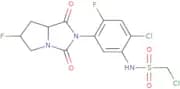
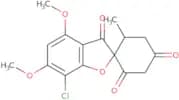
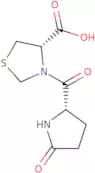
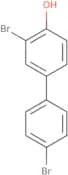
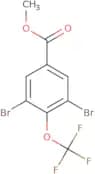
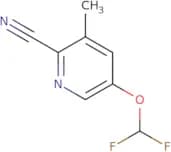
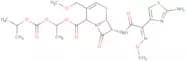
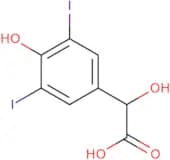
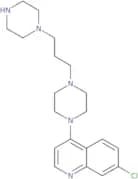
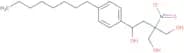
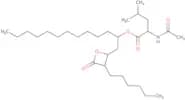
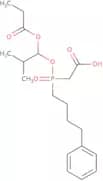
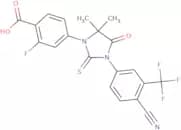
![Bis-[[2-[1-methylamino-2-nitroethenamine]ethyl]thio]methane](/_next/image/?url=https%3A%2Fstatic.cymitquimica.com%2Fproducts%2F3D%2Fthumb-webp%2FIB57853.webp&w=3840&q=75)
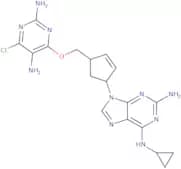
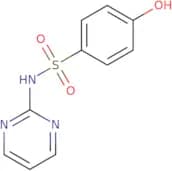
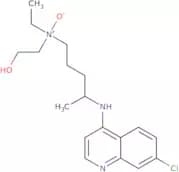
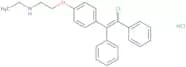
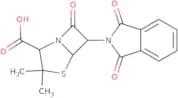

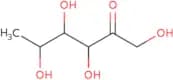
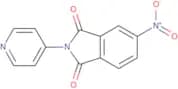
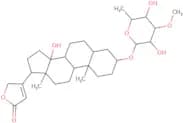
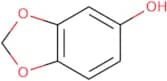
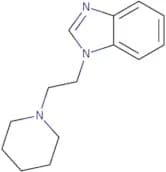
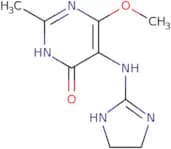
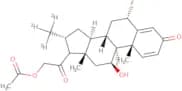
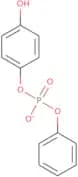
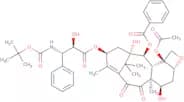
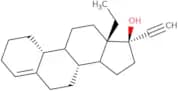
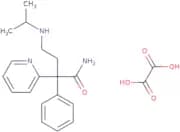
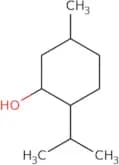
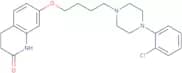
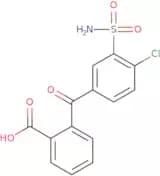

![4-[(Dimethylamino)iminomethyl]benzoic acid](/_next/image/?url=https%3A%2Fstatic.cymitquimica.com%2Fproducts%2F3D%2Fthumb-webp%2FUJA25776.webp&w=3840&q=75)
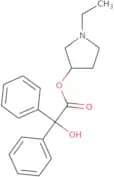
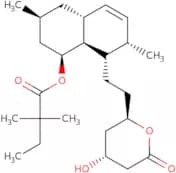
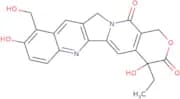
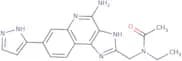
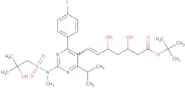
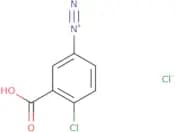
![2-[(Triphenylmethyl)amino]-4-thiazoleacetyl chloride](/_next/image/?url=https%3A%2Fstatic.cymitquimica.com%2Fproducts%2F3D%2Fthumb-webp%2FQEA38502.webp&w=3840&q=75)
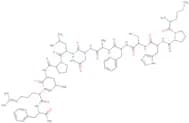
![3-[Methyl(1-naphthalenylmethyl)amino]-1-phenyl-1-propanone](/_next/image/?url=https%3A%2Fstatic.cymitquimica.com%2Fproducts%2F3D%2Fthumb-webp%2FYDA97793.webp&w=3840&q=75)
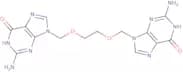
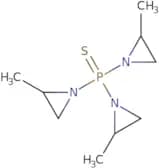
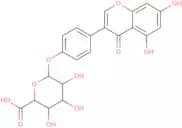
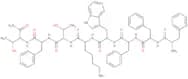
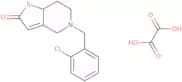
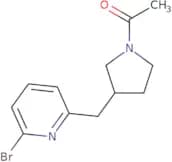
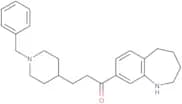
![5-[[4-[2-(5-Ethyl-2-pyridinyl)ethoxy]phenyl]-methylene]-2,4-thiazolidinedione](/_next/image/?url=https%3A%2Fstatic.cymitquimica.com%2Fproducts%2F3D%2Fthumb-webp%2FIE23114.webp&w=3840&q=75)
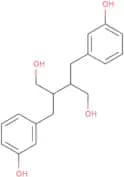
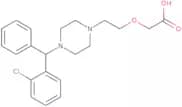
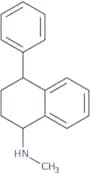
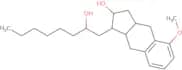
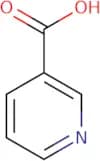
![3-Des[2-(dimethylamino)ethyl] zolmitriptan acetonitrile](/_next/image/?url=https%3A%2Fstatic.cymitquimica.com%2Fproducts%2F3D%2Fthumb-webp%2FRFC05364.webp&w=3840&q=75)
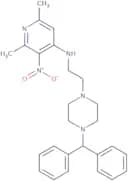
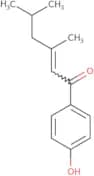
![3-[(1E)-2-[4-[[(2-Carboxyethyl)amino]carbonyl]phenyl]diazenyl] balsalazide](/_next/image/?url=https%3A%2Fstatic.cymitquimica.com%2Fproducts%2F3D%2Fthumb-webp%2FIC19769.webp&w=3840&q=75)
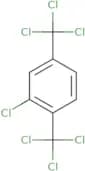
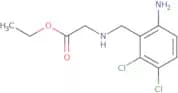
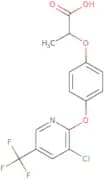
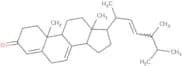
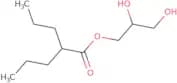
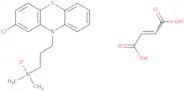
![α-[4-(2-dimethylaminoethoxy)phenyl]stilbene](/_next/image/?url=https%3A%2Fstatic.cymitquimica.com%2Fproducts%2F3D%2Fthumb-webp%2FUAA95751.webp&w=3840&q=75)
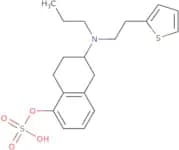
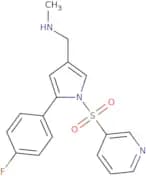
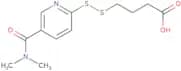
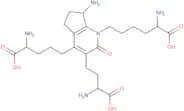
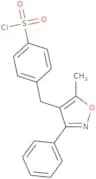
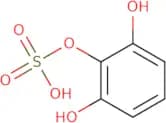
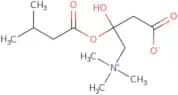
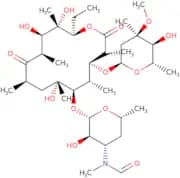
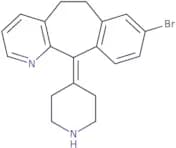
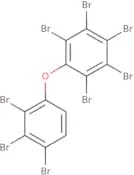
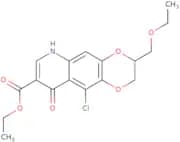
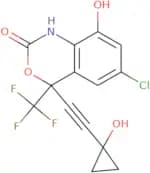
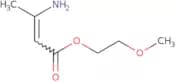
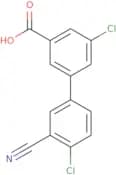
![[4-L-Glutamic Acid]-desmopressin](/_next/image/?url=https%3A%2Fstatic.cymitquimica.com%2Fproducts%2F3D%2Fthumb-webp%2FIG173261.webp&w=3840&q=75)
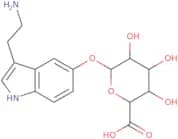
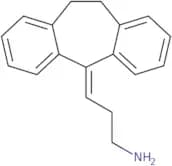
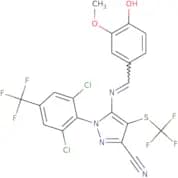

![1-(3,5-Dihydroxyphenyl)-2-[(1,1-dimethylethyl)amino]-ethanone hydrochloride](/_next/image/?url=https%3A%2Fstatic.cymitquimica.com%2Fproducts%2F3D%2Fthumb-webp%2FWZB81570.webp&w=3840&q=75)
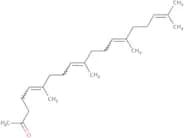
![N,N'-Carbonylbis[L-glutamic acid]](/_next/image/?url=https%3A%2Fstatic.cymitquimica.com%2Fproducts%2F3D%2Fthumb-webp%2FCMA94152.webp&w=3840&q=75)

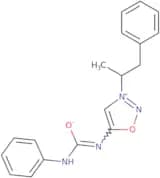
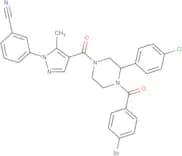
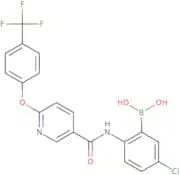
![S-(9H-Fluoren-9-ylmethyl)-N-[(2-propen-1-yloxy)carbonyl]-L-cysteine](/_next/image/?url=https%3A%2Fstatic.cymitquimica.com%2Fproducts%2F3D%2Fthumb-webp%2FHHA20177.webp&w=3840&q=75)
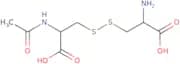

![Benz[A]anthracene-7-acetic acid methyl ester](/_next/image/?url=https%3A%2Fstatic.cymitquimica.com%2Fproducts%2F3D%2Fthumb-webp%2FNCA01840.webp&w=3840&q=75)
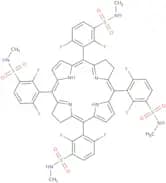
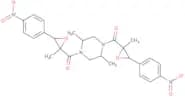
![1-[3-(Dimethylamino)propyl]-1-(4-fluorophenyl)-1,3-dihydro-5-isobenzofurancarboxaldehyde oxime](/_next/image/?url=https%3A%2Fstatic.cymitquimica.com%2Fproducts%2F3D%2Fthumb-webp%2FID182715.webp&w=3840&q=75)
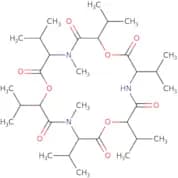
![a-[3-[[2-(3,4-Dimethoxyphenyl)ethyl]methylamino]propyl]-3,4-dimethoxy-a-propyl-benzeneacetonitrile](/_next/image/?url=https%3A%2Fstatic.cymitquimica.com%2Fproducts%2F3D%2Fthumb-webp%2FID145564.webp&w=3840&q=75)
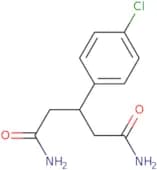


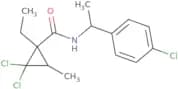
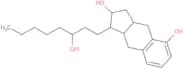
![N-[[Cis-4-(1-methylethyl)cyclohexyl]carbonyl]-D-phenylalanine(nateglinide impurity)](/_next/image/?url=https%3A%2Fstatic.cymitquimica.com%2Fproducts%2F3D%2Fthumb-webp%2FFEA81606.webp&w=3840&q=75)
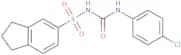
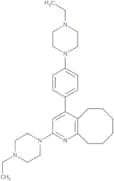

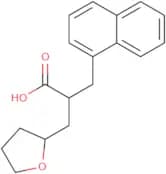
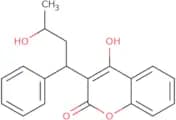
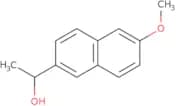
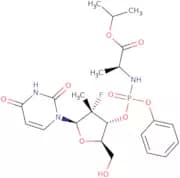
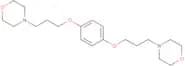
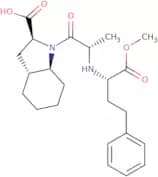
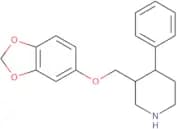
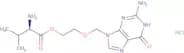
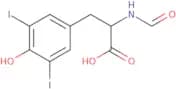
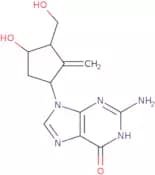
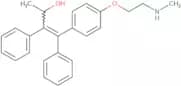
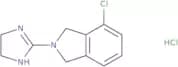
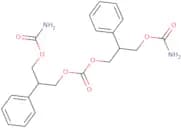
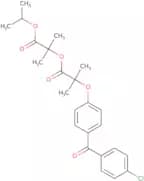
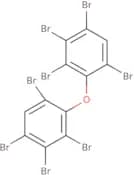
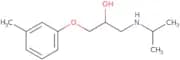
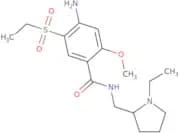
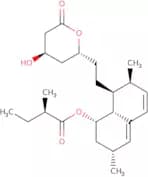
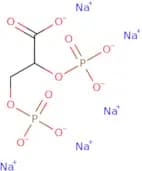
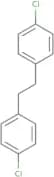
![(2Z)-1-[5,6-Dihydro-3-(trifluoromethyl)-1,2,4-triazolo[4,3-α]pyrazin-7(8H)-yl]-4-(2,4,5-trifluorop…](/_next/image/?url=https%3A%2Fstatic.cymitquimica.com%2Fproducts%2F3D%2Fthumb-webp%2FID183167.webp&w=3840&q=75)

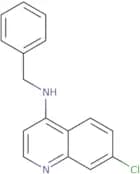
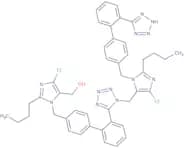
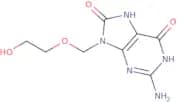
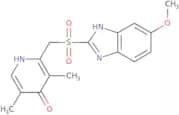
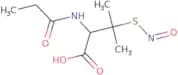
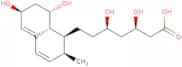
![2-[(4-Chloro-3-methyl-2-pyridinyl)methylthio]-1H-benzimidazole](/_next/image/?url=https%3A%2Fstatic.cymitquimica.com%2Fproducts%2F3D%2Fthumb-webp%2FIC21227.webp&w=3840&q=75)
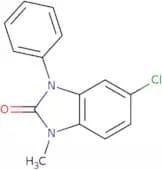


![a,a'-[[[2-(3,4-Dimethoxyphenyl)ethyl]imino]di-3,1-propanediyl]bis[3,4-dimethoxy-α-(1-methylethyl)-…](/_next/image/?url=https%3A%2Fstatic.cymitquimica.com%2Fproducts%2F3D%2Fthumb-webp%2FID145565.webp&w=3840&q=75)
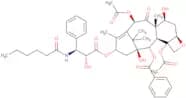
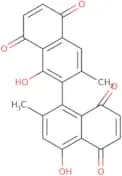
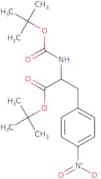
![α-[2-(Dimethylamino)-1-methylethyl]-α-phenyl-benzeneethanol 1-acetate](/_next/image/?url=https%3A%2Fstatic.cymitquimica.com%2Fproducts%2F3D%2Fthumb-webp%2FDCA99051.webp&w=3840&q=75)
![8-[[(1,1-Dimethylethyl)dimethylsilyl]oxy]-1-octen-4-ol](/_next/image/?url=https%3A%2Fstatic.cymitquimica.com%2Fproducts%2F3D%2Fthumb-webp%2FPNA56366.webp&w=3840&q=75)
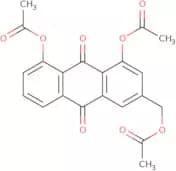
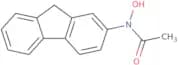
![2-O-[4-[[(2-Carboxyethyl)amino]carbonyl]phenyl] balsalazide](/_next/image/?url=https%3A%2Fstatic.cymitquimica.com%2Fproducts%2F3D%2Fthumb-webp%2FIC167038.webp&w=3840&q=75)
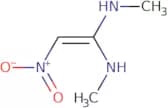
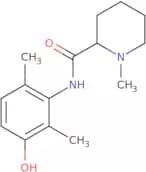
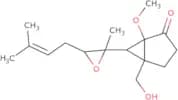
![Benz[A]anthracene-7-chloromethane-13C](/_next/image/?url=https%3A%2Fstatic.cymitquimica.com%2Fproducts%2F3D%2Fthumb-webp%2FRFC05460.webp&w=3840&q=75)
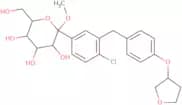
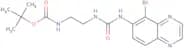

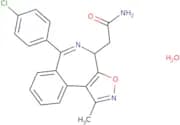
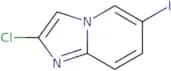
![1-[[4-(3-Methoxypropoxy)-3-methyl-2-pyridinyl]methyl]-2-[[[4-(3-methoxypropoxy)-3-methyl-2-pyridin…](/_next/image/?url=https%3A%2Fstatic.cymitquimica.com%2Fproducts%2F3D%2Fthumb-webp%2FIM25352.webp&w=3840&q=75)
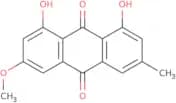
![(RS)-N-[(1-Ethylpyrrolidin-2-yl)methyl]-2-hydroxy-5-sulphamoylbenzamide](/_next/image/?url=https%3A%2Fstatic.cymitquimica.com%2Fproducts%2F3D%2Fthumb-webp%2FIE145489.webp&w=3840&q=75)
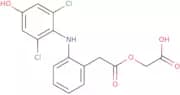
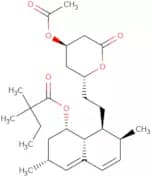
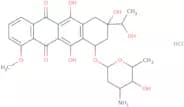
![Lovastatin impurity F [ep]](/_next/image/?url=https%3A%2Fstatic.cymitquimica.com%2Fproducts%2F3D%2Fthumb-webp%2FYRB97304.webp&w=3840&q=75)
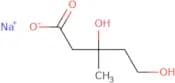
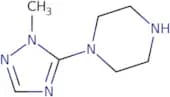
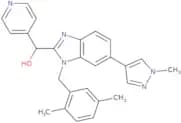
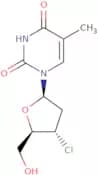
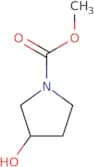
![2-[2-[2-(5-Bromo-2-methoxyphenyl)ethyl]-3-fluorophenyl]-4,5-dihydro-2-1H-imidazole hydrochloride](/_next/image/?url=https%3A%2Fstatic.cymitquimica.com%2Fproducts%2F3D%2Fthumb-webp%2FGTC52494.webp&w=3840&q=75)