APIs for research and impurities
Subcategories of "APIs for research and impurities"
- Aminoacids and derivatives(12,336 products)
- Anthraquinones and derivatives(405 products)
- Benzimidazole and Imidazole Derivatives(10,445 products)
- Benzodiazepine Derivatives(335 products)
- Carbohydrates and glycoconjugates(5,028 products)
- Esters and Derivatives(42,248 products)
- Fatty Acids and Lypidic Derivatives(32,405 products)
- Flavonoids and Polyphenols(17,087 products)
- Free Radicals and Oxidant/Reducing Agents(213 products)
- Ketones and derivatives(2,404 products)
- Natural and semi-synthetic antibiotics(6,391 products)
- Nitriles and Cyano Derivatives(3,068 products)
- Nitrosamines and Derivatives(55 products)
- Nucleosides and Nucleotides(3,468 products)
- Organic Phosphates and Phosphonates(1,202 products)
- Organic Sulphonates and Sulphates(10,437 products)
- Organometallics(4,422 products)
- Others(6,298 products)
- Peptides and Proteins(3,148 products)
- Polymers and Derivatives(100 products)
- Purines and Pyrimidine Derivatives(8,957 products)
- Quinazoline and Quinoline Derivatives(66,029 products)
- Quinones and Derivatives(24,356 products)
- Salts and Derivatives of Active Pharmaceutical Ingredients (API)(79,891 products)
- Steroids and Derivatives(4,978 products)
- Sulfonamides and Derivatives(2,598 products)
- Terpenoids and Derivatives(3,849 products)
- Thiazolidinediones and Thiopyrans(2,753 products)
- β-Adrenergic Compounds(230 products)
Found 57147 products of "APIs for research and impurities"
Suspensolide
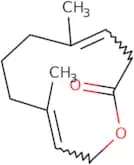
CAS:Suspensolide is a medicinal compound that has been shown to have potent anticancer properties. It is an analog of a protein found in Chinese medicine and acts as a kinase inhibitor, blocking the activity of enzymes involved in cancer cell growth and proliferation. Suspensolide induces apoptosis, or programmed cell death, in human cancer cells and has shown promising results as a potential treatment for various types of tumors. This compound can be detected in urine samples and has the potential to become an important tool in cancer therapy.Formula:C12H18O2Purity:Min. 95%Molecular weight:194.27 g/mol3,3',5,5'-Tetrachlorobiphenyl
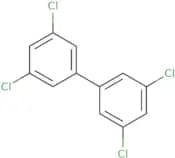
CAS:Controlled Product3,3',5,5'-Tetrachlorobiphenyl is a chemical compound that has been found in human urine and is potentially carcinogenic. Studies have shown that this compound can disrupt the menstrual cycle and may play a role in the development of cancer. However, recent research also suggests that 3,3',5,5'-Tetrachlorobiphenyl may have anticancer properties. In Chinese medicinal practices, it has been used as an inhibitor of protein kinases involved in tumor growth and proliferation. This compound has also been shown to induce apoptosis (programmed cell death) in cancer cells. Further research is needed to fully understand the potential benefits and risks associated with 3,3',5,5'-Tetrachlorobiphenyl.Formula:C12H6Cl4Purity:Min. 95%Molecular weight:292 g/molS-Clopidogrel N-methyl impurity
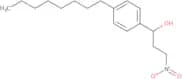
CAS:S-Clopidogrel N-methyl impurity is a Chinese medicinal compound that has been shown to have potent anticancer properties. It works by inhibiting kinases, which are enzymes involved in cell signaling pathways that regulate the growth and division of cancer cells. This compound has been found to induce apoptosis (cell death) in tumor cells, making it a promising candidate for cancer treatment. S-Clopidogrel N-methyl impurity is an analog of clopidogrel, a drug used to prevent blood clots. It can be detected in urine and has potential as a protein kinase inhibitor for the development of novel cancer therapies.Formula:C16H18ClNO2SPurity:Min. 95%Molecular weight:323.8 g/mol3-Nitro-1-(4-octylphenyl)propan-1-ol
CAS:3-Nitro-1-(4-octylphenyl)propan-1-ol is a chemical compound that has been shown to have various characteristics and uses. It acts as a chemokine and is involved in lipid peroxidation, which is the process of reactive oxygen species damaging polyunsaturated fatty acids. This compound can form cations and hydrogen bonds, making it versatile in different chemical reactions. Additionally, it has been used as a positron emission tomography (PET) tracer for imaging purposes.Formula:C17H27NO3Purity:Min. 95%Molecular weight:293.4 g/molGlyoxime
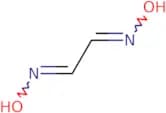
CAS:Glyoxime is an anticancer agent that inhibits the growth of cancer cells by inducing apoptosis, a process of programmed cell death. It has been shown to be effective against various types of tumors, including those resistant to conventional chemotherapy. Glyoxime works by inhibiting protein kinases involved in cell cycle regulation and chitin synthesis. This leads to the disruption of cancer cell growth and proliferation. Glyoxime has also been found to have heparin-like properties, which may contribute to its antitumor activity. In addition, it acts as an inhibitor of several enzymes involved in cancer development, making it a promising candidate for cancer therapy. Glyoxime has been tested on human and Chinese hamster ovary cell lines with positive results.Formula:C2H4N2O2Purity:Min. 95%Molecular weight:88.07 g/molDiazaborine
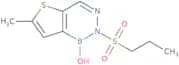
CAS:Diazaborine is an analog of the cyclin-dependent kinase inhibitor and has been shown to have anticancer properties. It induces apoptosis in tumor cells by inhibiting the activity of specific kinases involved in cell division. Diazaborine has been studied extensively in Chinese hamster ovary cells and human urine protein, showing potent inhibition of these kinases. This drug may be useful for the treatment of various types of cancer. Additionally, Diazaborine has been shown to act as a potent inhibitor of other proteins involved in cell signaling pathways, making it a promising candidate for future drug development.Formula:C14H13BN2O3SPurity:Min. 95%Color and Shape:PowderMolecular weight:300.14 g/mol5-Methylhexyl orlistat decyl ester
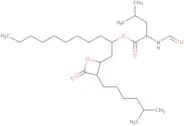
CAS:Please enquire for more information about 5-Methylhexyl orlistat decyl ester including the price, delivery time and more detailed product information at the technical inquiry form on this pageFormula:C28H51NO5Purity:Min. 95%Molecular weight:481.7 g/molAzathioprine impurity B
CAS:Azathioprine impurity B is an analog of the immunosuppressant drug azathioprine. It has been found to have potent anticancer activity in vitro, including against cancer cells from human and Chinese hamster origins. Azathioprine impurity B has been shown to inhibit kinases, which are enzymes that play a key role in cell signaling pathways that regulate cell growth and survival. This inhibition induces apoptosis, or programmed cell death, in cancer cells. Azathioprine impurity B is also a potent inhibitor of nifedipine-sensitive calcium channels, which may contribute to its anticancer activity by disrupting intracellular calcium signaling.Formula:C5H4N4SPurity:Min. 95%Molecular weight:152.18 g/molDesisobutyl-benzylsibutramine Hydrochloride
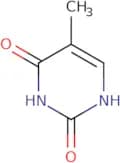
CAS:Desisobutyl-benzylsibutramine hydrochloride is a medicinal compound that has been shown to have anticancer properties. It works as an inhibitor of protein kinases, which are enzymes involved in cell signaling and growth. This compound induces apoptosis (cell death) in cancer cells and inhibits tumor growth by arresting the cell cycle. Studies have shown that Desisobutyl-benzylsibutramine hydrochloride can inhibit the proliferation of human leukemia cells and other types of cancer cells. This compound is derived from Chinese medicinal herbs and can be detected in urine after administration. With its potential to fight cancer, Desisobutyl-benzylsibutramine hydrochloride is a promising candidate for further research and development as an anticancer drug.Formula:C20H24ClNHClPurity:Min. 95%Color and Shape:PowderMolecular weight:350.33 g/molThymine-d4
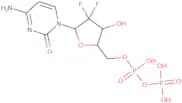
CAS:Thymine-d4 is a medicinal compound that has been found to be an effective inhibitor of cancer cell growth. It is a deuterated analog of thymine, which is a pyrimidine base found in DNA. Thymine-d4 has been shown to induce apoptosis in Chinese hamster ovary (CHO) cells and other cancer cell lines. It is an anticancer agent that works by inhibiting protein kinases, which are enzymes involved in the regulation of cell growth and division. Thymine-d4 has also been detected in human urine, suggesting that it may have potential as a diagnostic marker for certain cancers. This inhibitor has shown promising results in preclinical studies as a potential therapeutic agent for the treatment of tumors.Formula:C5H6N2O2Purity:Min. 95%Molecular weight:130.14 g/molGemcitabine diphosphate triethylamine salt
CAS:Gemcitabine diphosphate triethylamine salt is an inhibitor that has been shown to be effective in the treatment of various forms of cancer. It works by inhibiting the activity of kinases, which are enzymes involved in the regulation of cell growth and division. Gemcitabine diphosphate triethylamine salt is a prodrug that is converted to its active form, gemcitabine, in vivo. This drug has been shown to inhibit the uptake of xylose by cancer cells, leading to decreased protein synthesis and induction of apoptosis. In addition, it has been found to be effective against human and Chinese medicinal tumor cells. Gemcitabine diphosphate triethylamine salt is a promising treatment option for patients with cancer who have not responded well to traditional chemotherapy or radiation therapy.
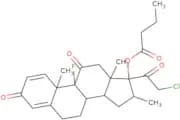
Formula:C9H13F2N3O10P2Purity:Min. 95%Molecular weight:423.16 g/mol16α-Methyl clobetasone butyrate
CAS:Controlled ProductPlease enquire for more information about 16α-Methyl clobetasone butyrate including the price, delivery time and more detailed product information at the technical inquiry form on this page
Formula:C26H32ClFO5Purity:Min. 95%Molecular weight:479 g/mol2-[(1-Hydroxy-1-propyl)butyl]-6-methoxynaphthalene
CAS:2-[(1-Hydroxy-1-propyl)butyl]-6-methoxynaphthalene is a versatile compound that has various applications in different industries. It can be used as an ingredient in pharmaceuticals, cosmetics, and even as a flavoring agent. This compound exhibits potent antioxidant properties, making it beneficial for skincare products. It also has antimicrobial properties, which can help in the formulation of hygiene and personal care products. Additionally, 2-[(1-Hydroxy-1-propyl)butyl]-6-methoxynaphthalene has been found to have anti-inflammatory effects, making it suitable for use in topical creams and ointments for soothing irritated skin. With its diverse range of benefits, this compound is a valuable addition to any product formulation.Formula:C18H24O2Purity:Min. 95%Molecular weight:272.4 g/molCDK4/6-IN-2
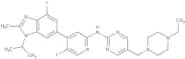
CAS:CDK4/6-IN-2 is an analog of a potent and selective CDK4/6 inhibitor that has shown promising anticancer activity. It works by inhibiting the activity of CDK4 and CDK6 kinases, which are involved in cell cycle progression and cancer cell growth. This inhibitor has been shown to induce apoptosis in human tumor cells, making it a potential candidate for cancer treatment. CDK4/6-IN-2 has been synthesized from urine samples of Chinese medicinal plants and has been extensively studied for its pharmacological properties. It is a highly specific protein kinase inhibitor that shows excellent potency against various types of cancer cells.Formula:C27H32F2N8Purity:Min. 95%Molecular weight:506.6 g/molBinedaline
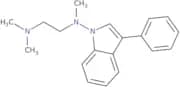
CAS:Binedaline is a potent anticancer drug that targets human kinases, which are proteins involved in cell signaling pathways. It is an analog of a medicinal compound found in Chinese urine and has been shown to induce apoptosis (programmed cell death) in tumor cells. Binedaline works by inhibiting kinases, which play a critical role in the growth and survival of cancer cells. By blocking these kinases, Binedaline prevents the cancer cells from proliferating and induces their death. This drug is a promising candidate for the treatment of various types of cancer and has shown great potential as a kinase inhibitor.Formula:C19H23N3Purity:Min. 95%Molecular weight:293.4 g/molAZD8848
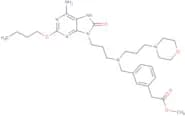
CAS:AZD8848 is a potent inhibitor of the protein kinase that has been shown to have anticancer properties. This analog of capsaicin has been tested in Chinese hamster ovary (CHO) and human cancer cell lines, where it was found to induce apoptosis and inhibit tumor growth. AZD8848 targets specific kinases involved in cancer cell proliferation and survival, making it a promising candidate for cancer treatment. In addition to its anticancer effects, AZD8848 has also been shown to have potential as a urine protein inhibitor, which could be useful in the diagnosis and monitoring of certain types of cancer. Overall, AZD8848 represents an exciting new avenue for the development of novel anticancer therapies.
Formula:C29H43N7O5Purity:Min. 95%Molecular weight:569.7 g/molPamapimod-d4
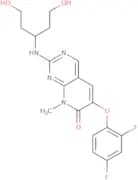
CAS:Please enquire for more information about Pamapimod-d4 including the price, delivery time and more detailed product information at the technical inquiry form on this pageFormula:C19H20F2N4O4Purity:Min. 95%Molecular weight:410.4 g/molN-Methyl omeprazole (Mixture of isomers with the methylated nitrogens of imidazole)
Please enquire for more information about N-Methyl omeprazole (Mixture of isomers with the methylated nitrogens of imidazole) including the price, delivery time and more detailed product information at the technical inquiry form on this pageFormula:C18H21N3O3SPurity:Min. 95%Molecular weight:359.44 g/molcis-Tadalafil
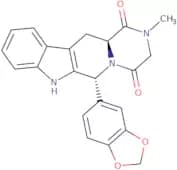
CAS:Cis-Tadalafil is a potent inhibitor of phosphodiesterase 5, which is used to treat erectile dysfunction (ED) and primary pulmonary hypertension (PPH). It works by increasing blood flow to the penis, allowing men with ED to achieve and maintain an erection. Cis-Tadalafil is also used to treat symptoms of prostatic hyperplasia (enlarged prostate) in men. This drug has been shown to be effective in treating PPH by reducing pulmonary arterial pressure and improving exercise capacity. Cis-Tadalafil belongs to the carboline class of drugs and is a phosphodiesterase 5 inhibitor that selectively inhibits cGMP-specific phosphodiesterase type 5 (PDE5). This drug has been shown to be highly effective in treating both ED and PPH with minimal side effects.
Formula:C22H19N3O4Purity:Min. 95%Color and Shape:White/Off-White SolidMolecular weight:389.4 g/mol(S)-4-(2-Methylpropyl)-2-pyrrolidinone
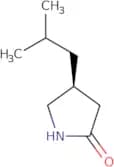
CAS:Controlled Product(S)-4-(2-Methylpropyl)-2-pyrrolidinone is a lactam that has been synthesized in the laboratory. It is an organic solvent that is used in the synthesis of other compounds. The compound has a potential for producing impurities, such as isopropyl and phosphite, during synthesis. (S)-4-(2-Methylpropyl)-2-pyrrolidinone can be synthesized by reacting 2-methylpropionic acid with one equivalent of methylamine. This reaction takes place in an organic solvent and requires kinetic control to avoid side reactions.
Formula:C8H15NOPurity:Min. 95%Color and Shape:PowderMolecular weight:141.21 g/mol




![2-[(1-Hydroxy-1-propyl)butyl]-6-methoxynaphthalene](/_next/image/?url=https%3A%2Fstatic.cymitquimica.com%2Fproducts%2F3D%2Fthumb-webp%2FYWC01482.webp&w=3840&q=75)