Amino Acids (AA)
Amino acids (AAs) are the fundamental building blocks of proteins, playing a crucial role in various biological processes. These organic compounds are essential for protein synthesis, metabolic pathways, and cell signaling. In this category, you will find a comprehensive range of amino acids, including essential, non-essential, and modified forms, which are vital for research in biochemistry, molecular biology, and nutritional sciences. At CymitQuimica, we provide high-quality amino acids to support your research and development needs, ensuring accuracy and reliability in your experimental outcomes.
Subcategories of "Amino Acids (AA)"
- Amino Acid Derivatives(3,955 products)
- Amino Acid and Amino Acid Related Compounds(3,436 products)
- Amino Acids with Oxygen or Sulphur(168 products)
- Boc- Amino Acids(351 products)
- Fmoc Amino Acids(1,710 products)
Found 38216 products of "Amino Acids (AA)"
Sort by
Purity (%)
0
100
|
0
|
50
|
90
|
95
|
100
2-[(Carboxymethyl-methyl-amino)-methyl]-piperidine-1-carboxylic acid tert-butyl ester
CAS:Purity:95.0%Molecular weight:286.372009277343755-(tert-Butoxycarbonyl)octahydrofuro[3,2-c]pyridine-7-carboxylic acid
CAS:Purity:98+%Molecular weight:271.31298828125(R)-3-Amino-4-(3-fluorophenyl)butanoic acid hydrochloride
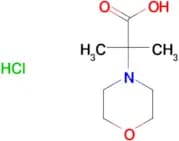
CAS:Purity:95.0%Molecular weight:233.66999816894532-methyl-2-(morpholin-4-yl)propanoic acid hydrochloride
CAS:Color and Shape:SolidMolecular weight:209.66999816894534-{[1,1'-biphenyl]-4-carbonyl}-8-methyl-1-oxa-4,8-diazaspiro[4.5]decane-3-carboxylic acid
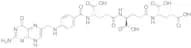
CAS:Purity:95.0%Molecular weight:380.4440002441406Pteroyltri-γ-L-glutamic acid (>85%)
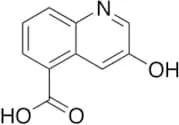
CAS:<p>Applications Pteroyltri-γ-L-glutamic acid is a folate derivative found in various foods such as yeast, spinach, beef liver, beef fillet and peas.<br>References Tamura, T., et al.: Br. J. Haematol., 25, 513 (1973); Ndaw, S., et al.: J. Chromatogr. A, 928, 77 (2001)<br></p>Formula:C29H33N9O12Purity:>85%Color and Shape:Off WhiteMolecular weight:699.6253-Hydroxyquinoline-5-carboxylic Acid
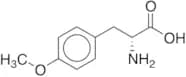
CAS:Controlled ProductFormula:C10H7NO3Color and Shape:NeatMolecular weight:189.167(R)-2-Amino-3-(4-methoxyphenyl)propanoic Acid
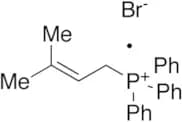
CAS:Controlled ProductFormula:C10H13NO3Color and Shape:NeatMolecular weight:195.215(3-Methyl-2-butenyl)triphenyl-phosphonium Bromide
CAS:Controlled Product<p>Applications (3-Methyl-2-butenyl)triphenyl-phosphonium Bromide (cas# 1530-34-3 ) is a compound useful in organic synthesis.<br></p>Formula:C23H24BrPColor and Shape:NeatMolecular weight:411.31rac 2-Aminothiazoline-4-carboxylic Acid
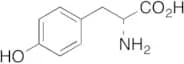
CAS:Controlled Product<p>Stability Hygroscopic<br>Applications Used in the manufacturing of L-tryptophan by enzymic reaction.<br>References Franke, L., et al.: J. Med. Chem., 48, 6997 (2005), Fox, T., et al.: Curr. Top Med. Chem., 6, 1579 (2006),<br></p>Formula:C4H6N2O2SColor and Shape:NeatMolecular weight:146.17D-Tyrosine
CAS:Controlled Product<p>Applications D-Tyrosine, the stereoisomer to L-Tyrosine (T899975), is an amino acid used in various organic syntheses for antibiotics. It is used in the synthesis of (-)-anisomycin, as well as BATSI (boronic acid transition state inhibitors) which act on β-lactamases. It has also been studied as an inhibitor of microbial growth on surfaces, reducing microbial attachment to hydrophillic glass and hydrophobic polypropylene surfaces.<br>References Li, Ji. et al.: Chin. Chem. Lett., 23, 647 (2012); Xu, H. et al.: Water Res., 45, 5796 (2011); Ke, W. et al.: Antimicrob. Agents Chemother., 55, 174 (2011);<br></p>Formula:C9H11NO3Color and Shape:NeatMolecular weight:181.19(E)-2-Cyano-3-(4-(4-(2,2-diphenylvinyl)phenyl)-1,2,3,3a,4,8b-hexahydrocyclopenta[b]indol-7-yl)acrylic acid
CAS:Purity:98+%Color and Shape:SolidMolecular weight:508.621002197266Boc-4-azido-L-phenylalanine
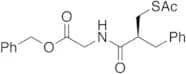
CAS:Controlled Product<p>Applications Boc-4-azido-L-phenylalanine is used in the development of visible fluorogenic dyes for cellular imaging.<br>References Qi, Jianjun., et al.; Bioconjugate Chem., 22, 1758 (2011);<br></p>Formula:C14H18N4O4Color and Shape:NeatMolecular weight:306.32Sinorphan
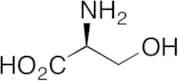
CAS:Controlled Product<p>Applications Sinorphan is an inhibitor of angiotensin-converting enzyme and neutral endopeptidase.<br>References Sulpizio, A.C., et al.: J. Pharmacol. Exp. Therap., 209, 1141 (2004); Takeda, Y., et al.: J. Hyper., 18, 927 (2000); Monteil, T., et al.: Syn. Comm., 31, 211 (2001);<br></p>Formula:C21H23NO4SColor and Shape:NeatMolecular weight:385.48L-Serine
CAS:<p>Applications L-Serine is used in the synthesis of purines and pyrimidines as antibacterial/antifungal agents, as well as acting as a proteinogenic compound.<br>References Olivella, M. et al.: Bioorg. Med. Chem., 20, 6109 (2012);<br></p>Formula:C3H7NO3Color and Shape:White Crystalline PowderMolecular weight:105.09(S)-(+)-2-Methylbutyric Acid
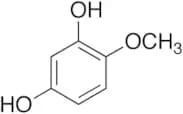
CAS:Controlled Product<p>Stability Hygroscopic<br>Applications (S)-(+)-2-Methylbutyric Acid is a chiral starting reagent used in various synthetic preparations.<br> Not a dangerous good if item is equal to or less than 1g/ml and there is less than 100g/ml in the package<br>References Neves, F., et al.: Beilstein. J. Org. Chem., 7, 1504 (2011); King, A.M., et al.: J. Medn. Chem., 54, 6432 (2011); Ferrarni, A., et al.: Chirality., 26, 9 (2011);<br></p>Formula:C5H10O2Color and Shape:NeatMolecular weight:102.1324-Methoxyresorcinol
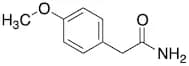
CAS:Controlled Product<p>Applications 4-Methoxyresorcinol (cas# 6100-60-3) is a compound useful in organic synthesis.<br></p>Formula:C7H8O3Color and Shape:NeatMolecular weight:140.144-Methoxyphenylacetamide
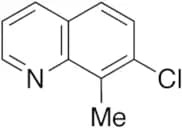
CAS:Controlled Product<p>Applications 4-METHOXYPHENYLACETAMIDE (cas# 6343-93-7) is a useful research chemical.<br></p>Formula:C9H11NO2Color and Shape:NeatMolecular weight:165.1897-Chloro-8-methylquinoline
CAS:Controlled Product<p>Applications 7-Chloro-8-methylquinoline (cas# 78941-93-2) is a compound useful in organic synthesis.<br></p>Formula:C10H8ClNColor and Shape:NeatMolecular weight:177.633-Methyl-2,5-dihydrothiophene-1,1-dioxide
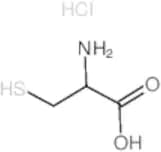
CAS:Controlled Product<p>Applications: 3-Methyl-2,5-dihydrothiophene-1,1-dioxide is a reagent used in Diels-Alder reactions of butadienylpyridinium bromides.<br>References Lee, S., et al.: J. Org. Chem., 62, 7812 (1997);<br></p>Formula:C5H8O2SColor and Shape:Off WhiteMolecular weight:132.181L-Cysteine Hydrochloride
CAS:<p>Applications L-Cysteine Hydrochloride<br></p>Formula:C3H7NO2S·HClColor and Shape:NeatMolecular weight:157.623-(4-Methylphenyl)-3-(trifluoromethyl)diaziridine
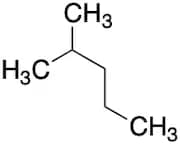
CAS:Controlled Product<p>Applications 3-(4-Methylphenyl)-3-(trifluoromethyl)diaziridine (cas# 87736-82-1) is a compound useful in organic synthesis.<br></p>Formula:C9H9F3N2Color and Shape:NeatMolecular weight:202.182-Methylpentane
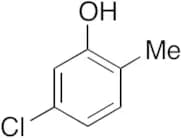
CAS:<p>Applications 2-Methylpentane is used as a raw material/intermediate in organic synthesis, rubber solvent, and vegetable oil extraction solvent.<br>References Choi, D., et al.: Adv. Funct. Mater. 25, 920 (2015)<br></p>Formula:C6H14Color and Shape:ColourlessMolecular weight:86.185-Chloro-2-methylphenol
CAS:Controlled Product<p>Applications 5-Chloro-2-methylphenol can be used in the preparation of dichlorotoluqinones.<br>References James, C., et al.: J. Org. Chem., 16, 328 (1951)<br></p>Formula:C7H7ClOColor and Shape:NeatMolecular weight:142.58Ferrous Bisglycinate
CAS:Controlled Product<p>Stability Hygroscopic<br>Applications Ferrous Bisglycinate is used in the fortification of infant formulations and foods.<br>References Fox, T. et al.: Am. J. Clin. Nutri., 67, 664 (1998); Heath, A. et al.: J. Am. Coll. Nutr., 20, 477 (2001);<br></p>Formula:C2H4NO2·FeColor and Shape:NeatMolecular weight:203.966-Methylheptanoic Acid (>90%)
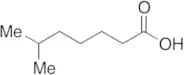
CAS:Controlled Product<p>Applications 6-Methylheptanoic acid is used as a reagent to synthesize analogues of Eponemycin, an antibiotic that also exhibits anti-angiogenic activity by inhibiting proteasome function. 6-Methylheptanoic acid naturally occurs as a component of the scent chemical of the brushtail possum.<br> Not a dangerous good if item is equal to or less than 1g/ml and there is less than 100g/ml in the package<br>References McLean, S., et al.: J. Chem. Ecol., 38, 1318 (2012); Oikawa, T., et al.: Biochem. Biophys. Res. Comm., 181, 1070 (1991); Sin, N., et al.: Bioorg. Med. Chem., 6, 1209 (1998)<br></p>Formula:C8H16O2Purity:>90%Color and Shape:NeatMolecular weight:144.212-Methyl-1-phenyl-1-propene (>85%)
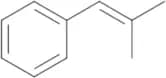
CAS:Controlled Product<p>Applications 2-Methyl-1-phenyl-1-propene can be used in analytical study of analysis and comparison of aroma compounds from traditional Tangshan sorghum liquor and samples of improved fermentation process by GC-MS.<br>References Jiang, X., et al.: Shipin Gongye Keji, 37, 87 (2016)<br></p>Formula:C10H12Purity:>85%Color and Shape:NeatMolecular weight:132.2022'-Deoxy-N-methyl-cytidine
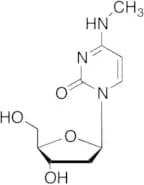
CAS:Controlled Product<p>Applications 2'-Deoxy-N-methyl-cytidine is a nucleotide derivative used as an analytical reagent.<br>References Dupret, D.: Biomed. Health. Res., 23(Human Genome Analysis), 244-255 (1998)<br></p>Formula:C10H15N3O4Color and Shape:NeatMolecular weight:241.2442-Methoxy-1-[4-(oxiranylmethoxy)phenyl]ethanone
CAS:Controlled Product<p>Applications 2-Methoxy-1-[4-(oxiranylmethoxy)phenyl]ethanone (cas# 110458-44-1) is a compound useful in organic synthesis.<br></p>Formula:C12H14O4Color and Shape:Off-White To Light YellowMolecular weight:222.243-Hydroxy-2-methylbutanoic Acid
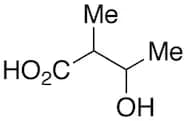
CAS:Controlled Product<p>Applications 3-Hydroxy-2-methylbutanoic Acid (cas# 473-86-9) is a compound useful in organic synthesis.<br></p>Formula:C5H10O3Color and Shape:Colourless To YellowMolecular weight:118.132-(4-Hydroxyphenyl)-3-methyl-1H-indol-5-ol
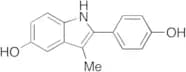
CAS:<p>Applications 2-(4-Hydroxyphenyl)-3-methyl-1H-indol-5-ol is used as a reagent in the synthesis of tethered indoles as functionalizable ligands for estrogen receptor.<br>References Trogden, B.G., et al.: Bioorg. Med. Chem. Lett., 19, 485 (2009)<br></p>Formula:C15H13NO2Color and Shape:NeatMolecular weight:239.27N-Boc-piperazine-d8
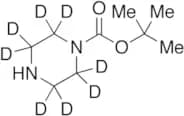
CAS:Controlled Product<p>Applications N-Boc-piperazine-d8 is a useful synthetic intermediate for the preparation of labelled compounds.<br></p>Formula:C92H8H10N2O2Color and Shape:Light YellowMolecular weight:194.30N-Methyl-N-nitroso Urea-d5 (Wetted with water >20%)
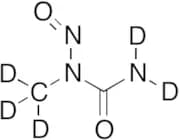
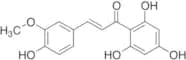
CAS:Controlled Product<p>Applications N-Methyl-N-nitroso Urea-d6 is the labelled form of N-Methyl-N-nitroso Urea (M325815), which is a precursor of Diazomethane. It has a cytotoxicity effect.<br>References Huggins, C., et al.: J. Exp. Med., 131, 321 (1970); Gullino, P.M., et al.: J. Natl. Cancer Inst., 54, 401 (1975)<br></p>Formula:C2D5N3O2Color and Shape:NeatMolecular weight:108.113-Methoxy-2',4',6',4-tetrahydroxychalcone (>80%)
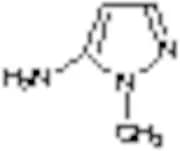
CAS:Controlled Product<p>Applications 3-Methoxy-2',4',6',4-tetrahydroxychalcone piperidine complex (cas# 52218-19-6) is a useful research chemical.<br></p>Formula:C16H14O6Purity:>80%Color and Shape:NeatMolecular weight:302.285-Amino-1-methylpyrazole
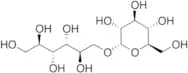
CAS:Controlled ProductFormula:C4H7N3Color and Shape:NeatMolecular weight:97.121-O-α-D-Glucopyranosyl-D-mannitol
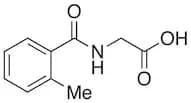
CAS:Controlled Product<p>Applications 1-O-ALPHA-D-GLUCOPYRANOSYL-D-MANNITOL is used in the nutritional and biochemical investigations on disaccharide alcohols.<br>References Grupp, U., et al.: Nutr. Metab., 21, 63 (1977)<br></p>Formula:C12H24O11Color and Shape:NeatMolecular weight:344.312-Methyl Hippuric Acid
CAS:Controlled Product<p>Applications The main metabolite of o-xylene.<br>References Gregus, Z., et al.: Drug Metab. Dispos., 26, 1082 (1998), Gregus, Z., et al.: Xenobiotica, 29, 547 (1999), Gonzalez-Reche, L., et al.: Arch. Toxicol., 77, 80 (2003),<br></p>Formula:C10H11NO3Color and Shape:White To Off-WhiteMolecular weight:193.20R-(+)-α-Methyl-4-nitrobenzylamine
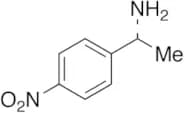
CAS:Controlled ProductFormula:C8H10N2O2Color and Shape:NeatMolecular weight:166.177N-Methyl-p-tyramine
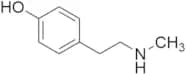
CAS:<p>Applications N-Methyl-p-tyramineúHCl (cas# 370-98-9) is a useful research chemical.<br></p>Formula:C9H13NOColor and Shape:BeigeMolecular weight:151.21N-Methyl-5-tetrazolethiol
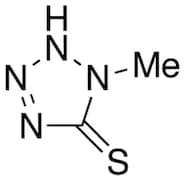
CAS:Controlled Product<p>Impurity Cefoperazone EP Impurity C<br>Applications N-Methyl-5-tetrazolethiol (Cefoperazone EP Impurity C) is an impurity of Cefoperazone.<br>References Kitson, T., et al.: Biochem. J., 175, 83 (1978), Elenbaas, R., et al.: Clin. Pharmacol. Ther., 32, 347(1982),<br></p>Formula:C2H4N4SColor and Shape:NeatMolecular weight:116.14Tris(2-(2-methoxyethoxy)ethyl)amine
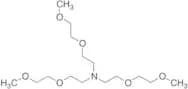
CAS:Controlled Product<p>Applications Tris(2-(2-methoxyethoxy)ethyl)amine (cas# 70384-51-9) is a useful research chemical.<br></p>Formula:C15H33NO6Color and Shape:NeatMolecular weight:323.432,3-Dihydroxy-2-methylbutanoic Acid Sodium Salt
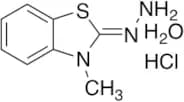
CAS:<p>Applications 2,3-Dihydroxy-2-methylbutanoic Acid Sodium Salt is a useful research chemical.<br></p>Formula:C5H9NaO4Color and Shape:White To Off-WhiteMolecular weight:134.130(2E)-3-Methyl-1,3-benzothiazol-2(3H)-one Hydrazone Hydrochloride (>85%)
CAS:Controlled Product<p>Applications (2E)-3-Methyl-1,3-benzothiazol-2(3H)-one Hydrazone Hydrochloride is used in method for synthesizing Methylbenzothiazolinone Hydrazone Hydrochloride Hydrate.<br>References Chen, W., et al.: Faming Zhuanli Shenqing, (2020);<br></p>Formula:C8H9N3S·HCl·H2OPurity:>85%Color and Shape:NeatMolecular weight:233.7184-Methoxy-3-methylaniline
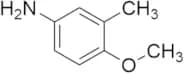
CAS:Controlled Product<p>Applications 4-methoxy-3-methylaniline (cas# 136-90-3) is a useful research chemical.<br></p>Formula:C8H11NOColor and Shape:NeatMolecular weight:137.179N-Methyl-N-nitroso Urea (Wetted with water >20%)
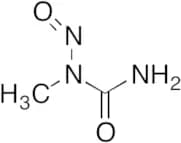
CAS:Controlled Product<p>Stability Temperature Sensitive<br>Applications Precursor of Diazomethane. It has a cytotoxicity effect.This product contains an undetermined amount of water.<br> Not a dangerous good if item is equal to or less than 1g/ml and there is less than 100g/ml in the package<br>References Huggins, C., et al.: J. Exp. Med., 131, 321 (1970), Gullino, P.M., et al.: J. Natl. Cancer Inst., 54, 401 (1975),<br></p>Formula:C2H5N3O2Color and Shape:Off-White To Light BeigeMolecular weight:103.08Methyl 4-Methyl-3-hydroxybenzoate
CAS:Controlled Product<p>Applications Methyl 4-Methyl-3-hydroxybenzoate is used in the preparation of potent antimalarial agents. Also used in the preparation of aromatic inhibtors of anthranilate synthase.<br>References Fattorusso, C. et al.: J. Med. Chem., 51, 1333 (2008); Payne, R. et al.: Org. biomol. Chem., 3, 3629 (2005);<br></p>Formula:C9H10O3Color and Shape:NeatMolecular weight:166.172-Amino-3-methylpyridine
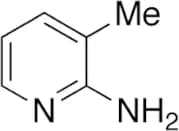
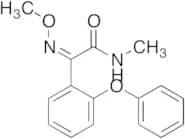
CAS:Controlled Product<p>Applications 2-Amino-3-methylpyridine is used in the synthesis of ketones from aldehydes.<br>References Jun, C. et al.: J. Org. Chem., 62, 1200 (1997); Jun, C. et al.: Angew. Chem. Int. Ed., 37, 145 (1998);<br></p>Formula:C6H8N2Color and Shape:NeatMolecular weight:108.14(Z)-Metominostrobin
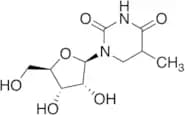
CAS:Controlled Product<p>Stability Moisture Sensitive<br>Applications (Z)-Metominostrobin (cas# 133408-51-2) is a compound useful in organic synthesis.<br></p>Formula:C16H16N2O3Color and Shape:NeatMolecular weight:284.315,6-Dihydro-5-methyluridine
CAS:Controlled Product<p>Applications 5,6-Dihydro-5-methyluridine (cas# 23067-10-9) is a useful research chemical.<br></p>Formula:C10H16N2O6Color and Shape:NeatMolecular weight:260.24Tetrahydro-5-methyl-2-furanol
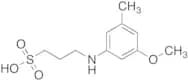
CAS:Controlled Product<p>Applications Tetrahydro-5-methyl-2-furanol is an intermediate in synthesizing 2,3-Dihydro-2-methylfuran (D447355), which is a general reagent used in next generation of biofuels. Dihydrofuranyl derivative.<br>References Simmie, J. et al.: J. Phys Chem., 116, 4528 (2012);<br></p>Formula:C5H10O2Color and Shape:NeatMolecular weight:102.13N-3-(Sulfopropyl)-3-methoxy-5-methylaniline
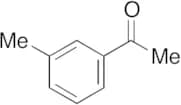
CAS:Controlled Product<p>Applications N-3-(Sulfopropyl)-3-methoxy-5-methylaniline is used as a reagent for the evaluation of basic property and long-term stability of reagents for enzymically assaying triglyceride, cholesterol and uric acid.<br>References Yamaguchi, T., Iryo to Kensa Kiki-Shiyaku., 3, 591-597 (2007).<br></p>Formula:C11H17NO4SColor and Shape:NeatMolecular weight:259.323'-Methylacetophenone
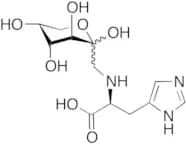
CAS:Controlled Product<p>Applications 3'-Methylacetophenone is a reagent that is used in the preparation of 3-aryl-6-phenylimidazo[2,1-b]thiazoles which has anticancer properties.<br>References Koppireddi, S., et al.: Bioorg. Med. Chem. Lett., 24, 5428 (2014);<br></p>Formula:C9H10OColor and Shape:NeatMolecular weight:134.18Fructose-histidine
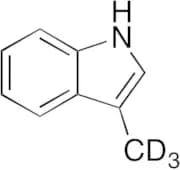
CAS:Controlled Product<p>Applications Fructose-histidine is an amadori compound formed in food.<br>References Wang, J., et al.: J. Mass Spec., 43, 262 (2008); Hashiba, H.: J. Agri. Food Chem., 24, 70 (1976)<br></p>Formula:C12H19N3O7Color and Shape:NeatMolecular weight:317.33-Methyl-d3-indole
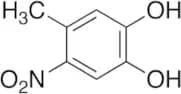
CAS:Controlled Product<p>Applications 3-Methyl-d3-indole has been used to prove that bioactivation of the pulmonary toxin 3-methylindole requires methyl carbon-hydrogen bond breakage in mice. 3-Methyl-d3-indole is the labeled analogue of 3-Methylindole (M313470), A naturally abundant pneumotoxin, found primarily in mammalian feces providing its strong fecal odor.<br> Not a dangerous good if item is equal to or less than 1g/ml and there is less than 100g/ml in the package<br>References Huijzer, J., et. al.: Toxicol. Appl. Pharm., 90, 60 (1987); Nakashima, T., et al.: Biol. Pharm. Bull., 32, 832 (2009); Xu, H., et al.: Chem. Pharm. Bull., 57, 321 (2009); Bodoor, K., et al.: J. Med. Chem., 52, 3753 (2009); Naskar, S., et al.: J. Chem. Res., 3, 174 (2009); Sollner, K., et al.: J. Agric. Food Chem., 57, 4319 (2009)<br></p>Formula:C92H3H6NColor and Shape:NeatMolecular weight:134.194-Methyl-5-nitrocatechol
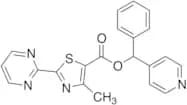
CAS:Controlled Product<p>Applications MNC is on the metabolic pathway for 2,4-Dinitotoluene degradation.<br>References Spangoord, R.J., et al.: App. and Environ. Microbiology, 57, 11, 3200 (1991)<br></p>Formula:C7H7NO4Color and Shape:NeatMolecular weight:169.13phenyl(pyridin-4-yl)methyl 4-methyl-2-(pyrimidin-2-yl)-1,3-thiazole-5-carboxylate
CAS:Controlled Product<p>Applications phenyl(pyridin-4-yl)methyl 4-methyl-2-(pyrimidin-2-yl)-1,3-thiazole-5-carboxylate (cas# 1281055-79-5) is a useful research chemical.<br></p>Formula:C21H16N4O2SColor and Shape:Off-WhiteMolecular weight:388.453-Hydroxy-4-methylaniline
CAS:Controlled Product<p>Applications 3-Hydroxy-4-methylaniline<br></p>Formula:C7H9NOColor and Shape:NeatMolecular weight:123.153-Methyl-1,2,3-butanetricarboxylic Acid Trimethyl Ester
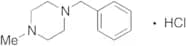
CAS:Controlled Product<p>Applications 3-Methyl-1,2,3-butanetricarboxylic Acid Trimethyl Ester is an intermediate in the synthesis of derivatives of α-pinene, a tracer compound for atmospheric terpene secondary organic aerosol (SOA) particles.<br>References Dette, H.P., et. al.: J. Phys. Chem. A., 118, 7024 (2014)<br></p>Formula:C11H18O6Color and Shape:Off-WhiteMolecular weight:246.2571-Methyl-4-(phenylmethyl)piperazine Hydrochloride
CAS:Controlled Product<p>Applications 1-Methyl-4-(phenylmethyl)piperazine hydrochloride is a useful synthetic intermediate.<br></p>Formula:C12H18N2·ClHColor and Shape:NeatMolecular weight:226.754-Chloro-2-methylaniline
CAS:Controlled Product<p>Stability Air Sensitive<br>Applications 4-Chloro-2-methylaniline<br> Not a dangerous good if item is equal to or less than 1g/ml and there is less than 100g/ml in the package<br></p>Formula:C7H8ClNColor and Shape:Light BrownMolecular weight:141.60(4S)-4-Hydroxy-L-isoleucine
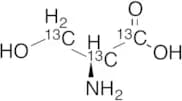
CAS:Controlled Product<p>Applications (4S)-4-Hydroxy-L-isoleucine is 4S isomer of 4-Hydroxyisoleucine, which is used as a treatment for type II diabetes.<br>References Martinez-Force, E., et al.: Biotechnol. Tech., 5, 209 (1991); Sauvaire, Y., et al.: Diabetes, 47, 206 (1998), Narender, T., et al.: Bioorg. Med. Chem. Lett., 2006, 16, 293 (2006);<br></p>Formula:C6H13NO3Color and Shape:NeatMolecular weight:147.17L-Serine-13C3
CAS:Controlled Product<p>Applications L-Serine-13C3 is the isotope labelled analog of L-Serine (S270995); a compound used in the synthesis of purines and pyrimidines as antibacterial/antifungal agents, as well as acting as a proteinogenic compound.<br>References Olivella, M. et al.: Bioorg. Med. Chem., 20, 6109 (2012)<br></p>Formula:C3H7NO3Color and Shape:NeatMolecular weight:108.07Nε,Nε,Nε-Trimethyllysine-d9
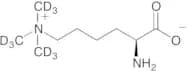
CAS:Controlled Product<p>Stability Very Hygroscopic<br>Applications 6-N-Trimethyl L-Lysine-d9, is the labeled analogue of Nε,Nε,Nε-Trimethyllysine, a metabolite and cofactor on the metabolic pathways.<br>References Rebouche C.J., et. al, J. Nutrition, 116(5), 751-759 (1986); Vaz, F.M et. al, J. Bio. Chem., 276(36), 33512-33517 (2001);<br></p>Formula:C9H11D9N2O2Color and Shape:NeatMolecular weight:197.32L-Homocysteine
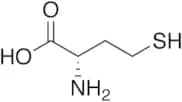
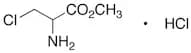
CAS:Controlled Product<p>Stability Air Sensitive<br>Applications L-Homocysteine is the hydrolysis product of adenosine (A280400), a purine nucleoside. Metabolic fate of L-Homocysteine is converted back to L-Methionine( M260440) via tetrahydrofolate.<br>References Liu, X.D., et al.: Org. BIomolec. Chem., 11, 4258 (2013); Chen, C.S., et al.: Nueroendocrinol., 97, 232 (2013);<br></p>Formula:C4H9NO2SColor and Shape:NeatMolecular weight:135.1848D,L-b-Chloroalanine Methyl Ester Hydrochloride
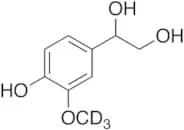
CAS:Controlled Product<p>Applications D,L-β-Chloroalanine Methyl Ester Hydrochloride (cas# 33646-31-0) is a compound useful in organic synthesis.<br></p>Formula:C4H8ClNO2·ClHColor and Shape:NeatMolecular weight:174.03rac 4-Hydroxy-3-methoxyphenylethylene Glycol-d3
CAS:Controlled Product<p>Applications A labelled metabolite of Catecholamines.<br>References Kopin, I.J., et al.: J. Biol. Chem., 236, 2109 (1961), Short, F.W., et al.: J. Med. Pharm. Chem., 5, 642 (1962)<br></p>Formula:C92H3H9O4Color and Shape:NeatMolecular weight:187.21L-Phenylalanine-13C6
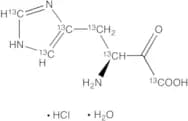
CAS:Controlled Product<p>Applications Labelled analogue of L-Phenylalanine, an essential amino acid. L-Phenylalanine is biologically converted into L-tyrosine, another one of the DNA-encoded amino acids, which in turn is converted to L-DOPA and further converted into dopamine, norepinephrine, and epinephrine. L-Phenylalanine is produced for medical, feed, and nutritional applications such as in the preparation of Aspartame.<br>References Hollunger, G. et al.: Acta Pharmacol. Toxicol., 34, 391 (1974); Bagchi, S.P. et al.: Biochem. Pharmacol., 26, 900 (1977);<br></p>Formula:C313C6H11NO2Color and Shape:White To Off-WhiteMolecular weight:171.15L-Histidine Hydrochloride Hydrate (<5% D) (13C6, 97-99%)
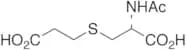
CAS:Controlled ProductFormula:C6H9N3O2•(HCl)•(H2O)Purity:97-99%Color and Shape:NeatMolecular weight:161.1136461802N-Acetyl-S-(2-carboxyethyl)-L-cysteine Bis(dicyclohexylamine) Salt
CAS:<p>Applications A metabolite of S-propylcysteine.<br>References Jones, A.R., et al.: Xenobiotica, 10, 827 (1980), 25) Ramu, K., et al.: Chem. Res. Toxicol., 8, 515 (1995), Krause, R., et al.: Drug Metab. Dispos., 25, 1013 (1997), Powley, M., et al.: Chem. Res. Toxicol., 16, 1448 (2003),<br></p>Formula:C12H23N·C8H13NO5SColor and Shape:NeatMolecular weight:597.89L-Histidinol Dihydrochloride
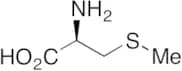
CAS:Controlled ProductFormula:C6H11N3O·2ClHColor and Shape:NeatMolecular weight:214.09S-Methyl-L-cysteine
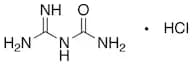
CAS:Controlled Product<p>Applications S-Methyl-L-cysteine is a substrate in the catalytic antioxidant system mediated by methionine sulfoxide reductase A (MSRA). It has been studied as a theurapeutic for neurodegenerative diseases including Parkinson′s.<br>References Wassef, R., et al.: J. Neurosci., 21, 12808 (2007)<br></p>Formula:C4H9NO2SColor and Shape:NeatMolecular weight:135.19Carbamoyl-guanidine Amidino Urea
CAS:Controlled Product<p>Applications Carbamoyl-guanidine Amidino Urea Salt, Hydrochloride salt (cas# 926-72-7) is a compound useful in organic synthesis.<br></p>Formula:C2H6N4O·ClHColor and Shape:NeatMolecular weight:138.56(+)-a-Methyl-b-alanine
CAS:Controlled Product<p>Applications (+)-α-Methyl-β-alanine is a reactant for the chemoenzymatic assembly of cryptophycins as potent anticancer therapeutics.<br>References Magarvey, N.A., et al.: ACS Chem. Biol., 1, 766-779 (2006)<br></p>Formula:C4H9NO2Color and Shape:NeatMolecular weight:103.120D-Aspartic Acid
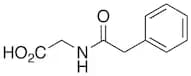
CAS:<p>Applications A non-essential amino acid found in food sources and dietary supplements. Its conjugate base D-aspartate has potential use as a a therapeutic agent in the treatment of schizophrenia-related symptoms.<br>References Errico, F. et al.: J. Neurosci., 28, 10404 (2008); Denu, J.M. et al.: Biochem., 34, 3396 (1995); Chen, P.E. et al.: Mol. Pharmacol., 67, 1470 (2005);<br></p>Formula:C4H7NO4Color and Shape:NeatMolecular weight:133.10N-Phenylacetylglycine
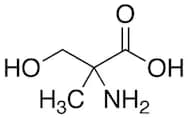
CAS:Controlled Product<p>Applications A metabolite of carboxylic acid.<br>References Bardsley, W., et al.: Biochem. J., 122, 557 (1971), Kim, J., et al.: Biosci. Biotechnol. Biochem., 69, 1331 (2005), Kopka, J., et al.: J. Biotechnol., 124, 312 (2006),<br></p>Formula:C10H11NO3Color and Shape:NeatMolecular weight:193.20α-Methyl-D,L-serine
CAS:Controlled Product<p>Applications A serine derivative. Used in the synthesis of constrained amino acid buildings blocks and their incorporation into biologically active peptidomimetics.<br>References Rew, Y., et al.: J. Med. Chem., 45, 3746 (2002),<br></p>Formula:C4H9NO3Color and Shape:NeatMolecular weight:119.12DL-Homocysteic-3,3,4,4-d4 Acid
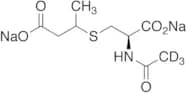
CAS:Controlled ProductFormula:C4D4H5NO5SColor and Shape:Light YellowMolecular weight:187.04525N-Acetyl-S-(3-carboxy-2-propyl)-L-cysteine-d3 Disodium Salt
CAS:Controlled Product<p>Applications A labelled metabolite of Crotonaldehyde.<br>References Gray, J.M., et al.: Xenobiotica, 1, 55 (1971), Chung, F., et al.: Mutat. Res., 424, 71 (1999), Smith, C., et al.: Food Chem. Toxicol., 38, 637 (2000), Pan, J., et al.: Chem. Res. Toxicol., 15, 367 (2002),<br></p>Formula:C9H10D3NNa2O5SColor and Shape:NeatMolecular weight:310.29(±)-3-Amino-iso-butyric-2,3,3-d3 Acid
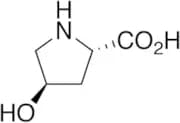
CAS:Controlled Product<p>Applications (±)-3-Amino-iso-butyric-2,3,3-d3 Acid is the labeled version of DL-3-Aminoisobutyric Acid (A603043(P)), which is a useful compound for suppressing atherosclerosis in apolipoprotein E-knockout mouse.<br>References Shimba, Y., et al.: Bio. Pharma. Bull., 43, 1016 (2020)<br></p>Formula:C4D3H6NO2Color and Shape:White To Off-WhiteMolecular weight:106.14trans-4-Hydroxy-L-proline
CAS:Controlled Product<p>Applications A natural constituent of animal structural proteins such as collagen and elastin. Several microorganisms producing proline trans-4- and cis-3-hydroxylase were discovered and these enzymes were applied to the industrial production of trans-4- and cis-3-hydroxy-L-proline.<br>References Langmaier, F. et al.: Int. J. Cosm. Sci., 24, 273 (2002); Lawrence, C., et al.: Biochem. J., 313, 185 (1996); Mori, H., et al.: J. Bacteriol.; 179, 5677 (1997); Clifton, I., et al.: Eur. J. Biochem., 268, 6625 (2001);<br></p>Formula:C5H9NO3Color and Shape:NeatMolecular weight:131.13Acetyl L-Carnitine Hydrochloride
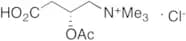
CAS:<p>Applications Acetyl-L-carnitine is a mitochondrial metabolite that helps to transport fatty acids into the mitochondria for energy (1). Acetyl-L-carnitine also upregulate metabotropic glutamate receptor 2 (mGlu2) via NF-κB p65 acetylation (2,3). It exhibits antidepressant and neuroprotective properties.<br>References (1) Stephens, F. B., et al.: J Physiol. 581, 431 (2007) (2) Wang, S. M., et al.: J Psychiatr Res. 53, 30 (2014) (3) Cuccurazzu, B., et al.: Neuropsychopharmacology 38, 2220 (2013)<br></p>Formula:C9H18NO4·ClColor and Shape:NeatMolecular weight:239.70Fmoc-Ser(TBDMS)-OH
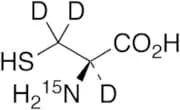
CAS:Controlled Product<p>Applications Fmoc-Ser(TBDMS)-OH (cas# 146346-81-8) is a useful research chemical.<br></p>Formula:C24H31NO5SiColor and Shape:NeatMolecular weight:441.592L-Cysteine-15N,d3
CAS:Controlled ProductFormula:C3D3H415NO2SColor and Shape:NeatMolecular weight:125.17Myristoyl-L-carnitine Hydrochloride
CAS:Controlled Product<p>Applications Myristoyl-L-carnitine Hydrochloride is a long-chain fatty ester of carnitine which is accumulated and released into the circulation, in fatty-acid oxidation defects. Pattern of Lauroyl-L-carnitine can be diagnostic for a number of ß-oxidation defects.<br>References Ventura, F., et al.: Clinica Chimica Acta, 281, 1 (1999); Pourfarzam, M., et al.: Clinical Chem,, 40, 2267 (1994); Schaefer, J., et al.: Pediatric Res., 37, 354 (1995)<br></p>Formula:C21H42ClNO4Color and Shape:NeatMolecular weight:408.02Acetyl-d3 L-Carnitine Hydrochloride
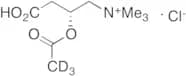
CAS:Controlled Product<p>Applications Acetyl-d3 L-Carnitine Hydrochloride is labelled Acetyl L-Carnitine Hydrochloride (A171990) which is used for transmembrane action potential studies. Acetylcarnitine has antinociceptive activity that may be mediated by enhanced activity of muscarinic cholinergic receptors or mGlu2 glutamate receptors.<br>References Matsui, K., et al.: Japanese J. Pharmcol., 39, 263 (1985); Chlechio, S., et al.: J. Endocrinol. Invest., 27, 171 (2004): Walker, R., et al.: Comparative General Pharmacol., 4, 65 (1973)<br></p>Formula:C92H3H15NO4·ClColor and Shape:NeatMolecular weight:242.72L-Homocystine
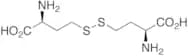
CAS:Controlled Product<p>Applications Increased levels lead to hyperhomocysteinemia; a cardiovascular risk factor in prediction of coronary heart disease as well as being associated with congenital birth defects, pregnancy complications and cancer.<br>References Geisel, J. et al.: Clin. Chem. Lab. Med., 41, 1513 (2003); Geisel, J. et al.: Clin. Chem. Lab. Med., 41, 1513 (2003);<br></p>Formula:C8H16N2O4S2Color and Shape:NeatMolecular weight:268.356-Hydroxy-L-DOPA
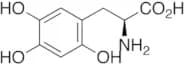
CAS:Controlled Product<p>Impurity Levodopa EP Impurity A; Levodopa USP Related Compound A<br>Stability Hygroscopic<br>Applications 6-Hydroxy-L-DOPA (Levodopa EP Impurity A; Levodopa USP Related Compound A) is the 6-hydroxy derivative of the amino acid L-DOPA (D533751) with neurotoxic properties. Studies show that exogenously administered 6-Hydroxy-L-DOPA is biotransformed by amino acid decarboxylase to the highly potent and catecholamine-selective neurotoxin, 6-Hydroxydopamine. The treatment of 6-Hydroxy-L-DOPA in rats resulted in the stimulation of acetylcholinesterase.<br>References Jaim-Etcheverry, G. et al.: Brain Res., 100, 699 (1975); Kostrzewa, R.M. et al.: Amino Acids, 14, 175 (1998); Berthet, A. et al.: J. Neurosci., 29, 4829 (2009);<br></p>Formula:C9H11NO5Color and Shape:Brown To BlackMolecular weight:213.19DL-Cystine-2,2',3,3,3',3'-d6
CAS:Controlled Product<p>Applications DL-Cystine-2,2',3,3,3',3'-d6 (CAS# 352431-53-9) is a useful isotopically labeled research compound.<br></p>Formula:C6D6H6N2O4S2Color and Shape:NeatMolecular weight:246.34N-Methyl-1-propanamine
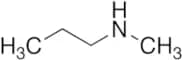
CAS:<p>Applications A naturally occurring nitrostable secondary amine found in tabacco smoke condensate.<br>References Singer, G.M. et al.: J. Agric. Food Chem. 24, 553(1976); Bush, L. P. et al.: Can. J. Plant Sci. 50, 289(1970).<br></p>Formula:C4H11NColor and Shape:ColourlessMolecular weight:73.14D-Tryptophan-d5
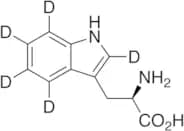
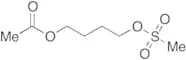
CAS:Controlled Product<p>Applications Labelled analogue of an essential amino acid found in naturally produced peptides. Unlike its stereoisomer, L-tryptophan, it is not used in structural or enzyme proteins.<br>References Karunakaran, S.et al.: Bochem. J., 414, 343 (2008); Pallaghy, P.K. et al.: Biochem., 38, 11553 (1999);<br></p>Formula:C112H5H7N2O2Color and Shape:NeatMolecular weight:209.261-Acetate 4-Methanesulfonate 1,4-Butanediol
CAS:Controlled Product<p>Stability Moisture Sensitive<br>Applications 1-Acetate 4-Methanesulfonate 1,4-Butanediol is used in the facile cleavage of ethers. A Busulfan Impurity<br>References Mazur, Y., et al.: J. Org. Chem., 36, 532 (1971);<br></p>Formula:C7H14O5SColor and Shape:NeatMolecular weight:210.25N-Pyrazinylcarbonyl-L-phenylalanine Methyl Ester
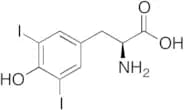
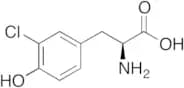
CAS:<p>Applications Used for the synthesis of Bortezomib from L-phenylalanine via dipeptidyl boronic acid ester intermediates.<br>References Zhu, Y., et al.: J. Med. Chem., 52, 4192 (2009),<br></p>Formula:C15H15N3O3Color and Shape:NeatMolecular weight:285.303-Chloro-L-tyrosine
CAS:Controlled Product<p>Stability Hygroscopic<br>Applications 3-Chloro-L-tyrosine was used in the enzymatic synthesis of halogen derivatives of aromatic amino acids labeled with hydrogen isotope. 3-Chloro-L-tyrosine exhibited stronger antioxidant properties in Hb-induced oxidative stress as was evident by higher efficiency of reduction of ferryl species.<br>References Winnicka, E., et al.: J. Chem. Eng., 8, 54 (2014); Lu, N., et al.: Toxicol. In Vitro, 28, 847 (2014);<br></p>Formula:C9H10NO3ClColor and Shape:NeatMolecular weight:215.63Bisphenol B Mono-b-D-glucuronide
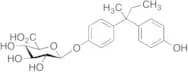
<p>Applications Bisphenol B Mono-β-D-glucuronide is a metabolite of Bisphenol B (B519565), which is the analogue of Bisphenol A (B519495), that is used to make certain plastic an epoxy resins. BPA and its analogs, are also shown to activate human pregnane X receptor (PXR), a nuclear receptor that functions as a master regulator of xenobiotic metabolism.<br>References Krishnan, A.V., et al.: Endocrinology, 132, 2279 (1993); Steinmetz, R., et al.: Trends Endocrinol. Metab., 9, 124 (1998); Petersen, H., et al.: Eur. Food Res. Technol., 216, 355 (2003); Yipeng, S., et al.: Env Hea. Pers., 120, 399 (2012);<br></p>Formula:C22H26O8Color and Shape:White To Off-WhiteMolecular weight:418.44
![2-[(Carboxymethyl-methyl-amino)-methyl]-piperidine-1-carboxylic acid tert-butyl ester](/_next/image/?url=https%3A%2Fstatic.cymitquimica.com%2Fproducts%2F10%2Fthumb-webp%2FF081316.webp&w=3840&q=75)

![5-(tert-Butoxycarbonyl)octahydrofuro[3,2-c]pyridine-7-carboxylic acid](/_next/image/?url=https%3A%2Fstatic.cymitquimica.com%2Fproducts%2F10%2Fthumb-webp%2FF601430.webp&w=3840&q=75)

![4-{[1,1'-biphenyl]-4-carbonyl}-8-methyl-1-oxa-4,8-diazaspiro[4.5]decane-3-carboxylic acid](/_next/image/?url=https%3A%2Fstatic.cymitquimica.com%2Fproducts%2F10%2Fthumb-webp%2FF525635.webp&w=3840&q=75)


![(E)-2-Cyano-3-(4-(4-(2,2-diphenylvinyl)phenyl)-1,2,3,3a,4,8b-hexahydrocyclopenta[b]indol-7-yl)acry…](/_next/image/?url=https%3A%2Fstatic.cymitquimica.com%2Fproducts%2F10%2Fthumb-webp%2FF759999.webp&w=3840&q=75)





![2-Methoxy-1-[4-(oxiranylmethoxy)phenyl]ethanone](/_next/image/?url=https%3A%2Fstatic.cymitquimica.com%2Fproducts%2FTR%2Fthumb-webp%2FM265250.webp&w=3840&q=75)