


Amino Acids (AA)
Amino acids (AAs) are the fundamental building blocks of proteins, playing a crucial role in various biological processes. These organic compounds are essential for protein synthesis, metabolic pathways, and cell signaling. In this category, you will find a comprehensive range of amino acids, including essential, non-essential, and modified forms, which are vital for research in biochemistry, molecular biology, and nutritional sciences. At CymitQuimica, we provide high-quality amino acids to support your research and development needs, ensuring accuracy and reliability in your experimental outcomes.
Subcategories of "Amino Acids (AA)"
- Amino Acid Derivatives(3,955 products)
- Amino Acid and Amino Acid Related Compounds(3,436 products)
- Amino Acids with Oxygen or Sulphur(168 products)
- Boc- Amino Acids(351 products)
- Fmoc Amino Acids(1,710 products)
Found 38216 products of "Amino Acids (AA)"
Sort by
Purity (%)
0
100
|
0
|
50
|
90
|
95
|
100
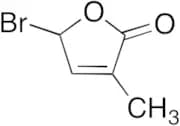
5-Bromo-3-methyl-2(5H)-furanone
CAS:Controlled Product<p>Applications 5-Bromo-3-methyl-2(5H)-furanone is used as a reactant in the synthesis of strigolactone analogs.<br>References Artuso, Emma, et al.: J. of Nat. Products, 78(11), 2624-2633 (2015);Jia, Kun-Peng, et al.: Mol. Plant, 9(9), 1341-1344 (2016)<br></p>Formula:C5H5BrO2Color and Shape:NeatMolecular weight:176.9968-methyl-4-(naphthalene-2-carbonyl)-1-oxa-4,8-diazaspiro[4.5]decane-3-carboxylic acid
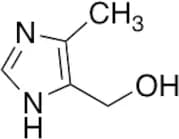
CAS:Purity:95.0%Molecular weight:354.4060058593754-Hydroxymethyl-5-methylimidazole
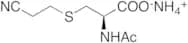
CAS:Controlled Product<p>Applications 4-Hydroxymethyl-5-methylimidazole (cas# 29636-87-1) is a useful research chemical.<br></p>Formula:C5H8N2OColor and Shape:NeatMolecular weight:112.13N-Acetyl-S-(2-cyanoethyl)-L-cysteine Ammonium Salt
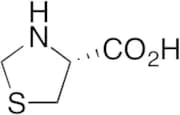
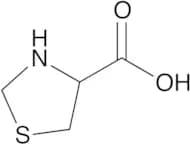
CAS:<p>Stability Hygroscopic<br>Applications N-Acetyl-S-(2-cyanoethyl)-L-cysteine Ammonium Salt is a metabolite of Acrylonitrile (AN) and acrylamide (AM); and are commonly used in the synthesis of plastics and polymers.<br>References van Bladeren, P., et al.: Drug Metab. Dispos., 9, 246 (1981), Guengerich, F., et al.: Chem. Res. Toxicol., 4, 168 (1991),<br></p>Formula:C8H11N2O3S·H4NColor and Shape:SolidMolecular weight:233.29L-Thioproline
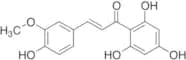
CAS:<p>Applications L-Thioproline is used to create a monolayer on gold electrodes for the determination Copper(II). L-Thioproline has shown to be an effect inhibitor of proline absorption in Saccharomyces chevalieri.<br> Not a dangerous good if item is equal to or less than 1g/ml and there is less than 100g/ml in the package<br>References Cui, X., et. al.: Sci. China Chem., 53, 257 (2010); Magana-Schwenchke, N., Schwencke, J.: BBA-Biomembranes, 173, 313 (1969)<br></p>Formula:C4H7NO2SColor and Shape:NeatMolecular weight:133.173-Methoxy-2',4',6',4-tetrahydroxychalcone (>80%)
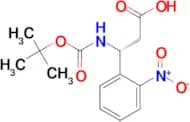
CAS:Controlled Product<p>Applications 3-Methoxy-2',4',6',4-tetrahydroxychalcone piperidine complex (cas# 52218-19-6) is a useful research chemical.<br></p>Formula:C16H14O6Purity:>80%Color and Shape:NeatMolecular weight:302.28(R)-3-((tert-Butoxycarbonyl)amino)-3-(2-nitrophenyl)propanoic acid
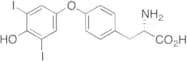
CAS:Purity:95.0%Molecular weight:310.30599975585943’,5’-Diiodo-L-thyronine
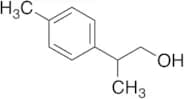
CAS:Controlled Product<p>Applications 3’,5’-Diiodo-L-thyronine is a thyroid hormone that has been shown to increase malic enzyme activity, and the activity of glucose-6-phosphate dehydrogenase in teleost Anabas testudineus. Thus, showing short term effect on lipid metabolism.<br>References Davey, K.G.: Insect Biochem. Mol. Bio., 30, 877 (2000); Shameena, B., et. al.: Endocr. Res., 26, 431 (2000)<br></p>Formula:C15H13I2NO4Color and Shape:NeatMolecular weight:525.082-(4-methylphenyl)propan-1-ol
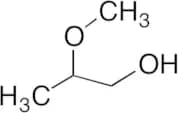
CAS:Controlled Product<p>Applications 2-(4-methylphenyl)propan-1-ol (cas# 4371-50-0) is a useful research chemical.<br></p>Formula:C10H14OColor and Shape:NeatMolecular weight:150.212-Methoxypropanol
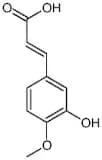
CAS:Controlled Product<p>Applications 2-Methoxypropanol is a susbtance used in the relative parameter sensitivity in prenatal toxicity studies with substances classified as developmental toxicants. Also applied in the studies for the analysis of volatile organic compounds in cigarette packaging materials by SPME-GC/MS.<br> Not a dangerous good if item is equal to or less than 1g/ml and there is less than 100g/ml in the package<br>References Rorije, E., et al.: Reprod. Toxicol., 34, 284 (2012); Hong, W, et al.: Fujian Fenxi Ceshi, 19, 24 (2010)<br></p>Formula:C4H10O2Color and Shape:ColourlessMolecular weight:90.123-Hydroxy-4-methoxycinnamic Acid
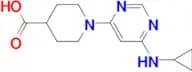
CAS:Controlled Product<p>Applications 3-Hydroxy-4-methoxycinnamic acid, trans-Isoferulic acid<br></p>Formula:C10H10O4Color and Shape:NeatMolecular weight:194.181-(6-Cyclopropylamino-pyrimidin-4-yl)-piperidine-4-carboxylic acid
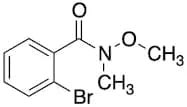
CAS:Purity:95.0%Molecular weight:262.312988281252-Bromo-N-methoxy-N-methylbenzamide
CAS:Controlled Product<p>Applications 2-bromo-N-methoxy-N-methylbenzamide (cas# 899425-05-9) is a useful research chemical.<br></p>Formula:C9H10BrNO2Color and Shape:NeatMolecular weight:244.0854-(2,5-dimethoxyphenyl)-3H,4H,5H,6H,7H-imidazo[4,5-c]pyridine-6-carboxylic acid
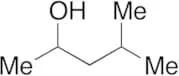
CAS:Purity:95.0%Molecular weight:303.31799316406254-Methyl-2-pentanol
CAS:<p>Applications 4-Methyl-2-pentanol is used in the synthesis of 4-quinolone derivatives as high-affinity ligands for the brain GABAA receptors. Also used in the preparation of antimycotic imadazoles, as antifungals.<br> Not a dangerous good if item is equal to or less than 1g/ml and there is less than 100g/ml in the package<br>References Lager, E. et al.: J. Med. Chem., 49, 2526 (2006); Heeres, J. et al.: J. Med. Chem., 22, 1003 (1979);<br></p>Formula:C6H14OColor and Shape:Clear ColourlessMolecular weight:102.17(2R)-3-Hydroxyisovaleroyl Carnitine
CAS:Controlled Product<p>Stability Very Hygroscopic<br>Applications Hydroxyisovaleroyl Carnitine is used as a diagnostic tool to identify the presence of orofacial clefts. Also used in the screening and diagnostics of inborn errors of metabolism.<br>References Denes, J. et al.: Anal. Chem., 84, 10113 (2012); Budner, M. et al.: Arch. Oral. Biol., 58, 459 (2013);<br></p>Formula:C12H23NO5Color and Shape:NeatMolecular weight:261.31L-2-Aminobutyric Acid-d6
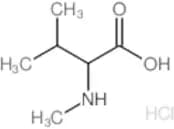
CAS:Controlled Product<p>Applications L-2-Aminobutyric Acid-d6 is the isotope labelled analog of L-2-Aminobutyric Acid (A602930); a receptor antagonist.<br>References Porter, D.J.T., et al.: Biochem. Pharmacol., 50, 1475 (1995)<br></p>Formula:C4D6H3NO2Color and Shape:Off-WhiteMolecular weight:109.16N-Methyl-dl-valine Hydrochloride
CAS:Controlled Product<p>Applications N-Methyl-dl-valine, HCl<br></p>Formula:C6H13NO2Color and Shape:NeatMolecular weight:131.1734-(3,4-dichlorobenzoyl)-8-ethyl-1-oxa-4,8-diazaspiro[4.5]decane-3-carboxylic acid
CAS:Purity:95.0%Molecular weight:387.260009765625Ferrous Bisglycinate
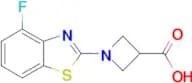
CAS:Controlled Product<p>Stability Hygroscopic<br>Applications Ferrous Bisglycinate is used in the fortification of infant formulations and foods.<br>References Fox, T. et al.: Am. J. Clin. Nutri., 67, 664 (1998); Heath, A. et al.: J. Am. Coll. Nutr., 20, 477 (2001);<br></p>Formula:C2H4NO2·FeColor and Shape:NeatMolecular weight:203.961-(4-fluoro-1,3-benzothiazol-2-yl)azetidine-3-carboxylic acid
CAS:Purity:95.0%Molecular weight:252.259994506835948-ethyl-4-(thiophene-2-carbonyl)-1-oxa-4,8-diazaspiro[4.5]decane-3-carboxylic acid
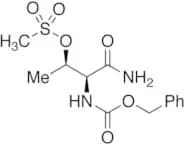
CAS:Purity:95.0%Molecular weight:324.3999938964844N-Benzyloxycarbonyl L-Threonine Amide O-Methanesulfonate
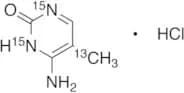
CAS:Controlled Product<p>Applications N-Benzyloxycarbonyl L-Threonine Amide O-Methanesulfonate (cas# 80082-51-5) is a compound useful in organic synthesis.<br></p>Formula:C13H18N2O6SColor and Shape:NeatMolecular weight:330.365-Methyl Cytosine-13C,15N2 Hydrochloride
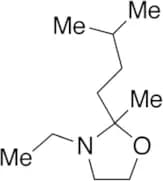
CAS:<p>Applications A labelled derivative of Dibarbituric acid.<br>References Hitchings, G.H., et al.: J. Biol. Chem., 177, 357 (1949),<br></p>Formula:CC4H715N2NO·ClHColor and Shape:NeatMolecular weight:164.573-Ethyl-2-methyl-2-(3-methylbutyl)-oxazolidine
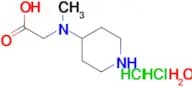
CAS:<p>Applications 3-Ethyl-2-methyl-2-(3-methylbutyl)-oxazolidine is a oxazolidine-based moisture scavenger for use in urethane coatings, sealants and elastomers.<br> Not a dangerous good if item is equal to or less than 1g/ml and there is less than 100g/ml in the package<br></p>Formula:C11H23NOColor and Shape:NeatMolecular weight:185.31N-methyl-N-4-piperidinylglycine dihydrochloride hydrate
CAS:Purity:95.0%Molecular weight:263.16000366210941'-(TERT-BUTOXYCARBONYL)SPIRO[CHROMAN-4,4'-PIPERIDINE]-2-CARBOXYLIC ACID
CAS:Purity:95.0%Molecular weight:347.4110107421875N-[(Benzyloxy)carbonyl]glycylglycine
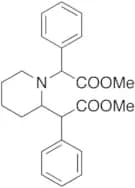
CAS:<p>Applications N-[(Benzyloxy)carbonyl]glycylglycine is a reagent in the synthesis of Glycylglycyl-L-tyrosine (G718500), which is a fungal tyrosinases and their capability to oxidize peptide-bound tyrosine residues is important in a view of applicability of tyrosinases.<br>References Bowness, J., et al.: Biochem. J., 53, 620 (1953), Cuff, M., et al.: J. Mol. Biol., 278, 855 (1998), Kubo, I., et al.: Bioorg. Med. Chem., 12, 5349 (2004),<br></p>Formula:C12H14N2O5Color and Shape:NeatMolecular weight:266.251,2-Bismethylphenidate (Mixture of Diastereomers)
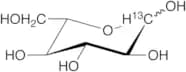
Controlled Product<p>Applications 1,2-Bismethylphenidate is an impurity of methylphenidate (M325880), an CNS stimulant.<br>References Greenblatt, E.N., et al.: J. Pharmacol. Exp. Ther., 131, 115 (1961), Padmanabhan, G.R., Anal. Profiles Drug Subs., 10, 473 (1981), Srinivas, N.R., et al.: Pharm. Res., 10, 14 (1993),<br></p>Formula:C23H27NO4Color and Shape:NeatMolecular weight:381.46L-Glucose-1-13C
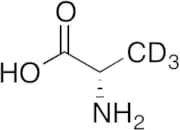
CAS:Controlled Product<p>Applications Labelled L-Glucose is the enantiomer of D-Glucose (G595000), a naturally occurring carbohydrate used in an abundance of cellular processes. L-Glucose is a synthetic sugar used in the formation of L-Glucose Pentaacetate (G596510), a potential therapeutic agent regarding type II diabetes. In addition, L-glucose can be used as a colon cleansing agent for before a colonoscopy procedure.<br>References Malaisse, W. et al.: Int. J. Mol. Med., 2, 383 (1998); Raymer, G. et al.: Gastrointest. Endosc., 58, 30 (2003); Wang, R., et al.: J. Mol. Catal. B. Enz., 56, 131 (2009),<br></p>Formula:CC5H12O6Color and Shape:NeatMolecular weight:181.149L-Alanine-d3
CAS:Controlled Product<p>Applications L-Alanine-d3 is the labeled analogue of L-Alanine (A481500), which is used to make in-vivo measurement of glucose and alanine metabolism in studies of patients with diabetes. L-Alanine is a non-essential amino acid for human development. L-Alanine is one of the 20 amino acids encoded by the genetic code.<br>References Bier, D.M. et al.: Diabetes, 26, 1005 (1977); Capaldo, B. et al.: J. Clin. Endocrinol. Metab., 71, 1220 (1990); Giacca, A. et al.: Diabetes, 47, 1763 (1998)<br></p>Formula:C3D3H4NO2Color and Shape:NeatMolecular weight:92.113-Chloromethyl-5-methylpyridine Hydrochloride
CAS:Controlled Product<p>Applications 3-Chloromethyl-5-methylpyridine is an intermediate in the synthesis of Rupatadine (R701650).<br>References Merlos, M., et al.: Pharmacol. Exp. Therap., 280, 114 (1997), Bell, I., et al.: J. Med. Chem., 41, 2146 (1998),<br></p>Formula:C7H8ClN·ClHColor and Shape:White To BeigeMolecular weight:178.06N-(8-Aminooctyl)-1,8-octanediamine
CAS:Controlled ProductFormula:C16H37N3Color and Shape:NeatMolecular weight:271.485Fmoc-Ser(TBDMS)-OH
CAS:Controlled Product<p>Applications Fmoc-Ser(TBDMS)-OH (cas# 146346-81-8) is a useful research chemical.<br></p>Formula:C24H31NO5SiColor and Shape:NeatMolecular weight:441.592L-Ethionine
CAS:Controlled Product<p>Applications Ethionine-induced inhibition of protein synthesis and lowering of ATP level in the liver.<br>References Rotig, A., et al.: Lancet, 356, 391 (2000), Forsgren, M., et al.: Biochem. J., 382, 519 (2004), Johnson, A., et al.: J. Biol. Chem., 280, 31397 (2005), Horvath, R., et al.: Neurology, 66, 253 (2006), Mollet, M., et al.: J. Clin. Invest., 117, 765 (2007),<br></p>Formula:C6H13NO2SColor and Shape:NeatMolecular weight:163.244-(4-chlorophenyl)-3H,4H,5H,6H,7H-imidazo[4,5-c]pyridine-6-carboxylic acid
CAS:Purity:95.0%Molecular weight:277.70999145507814-(3-methoxybenzoyl)-8-propyl-1-oxa-4,8-diazaspiro[4.5]decane-3-carboxylic acid
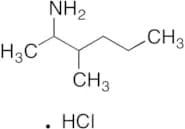
CAS:Purity:95.0%Molecular weight:362.42599487304693-Methyl-2-hexanamine Hydrochloride Salt
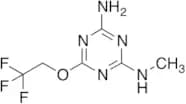
CAS:<p>Applications 3-Methyl-2-hexanamine HCl Salt is more stable and easier to purify compared to the free base.<br></p>Formula:C7H17N·HClColor and Shape:Off-White To BeigeMolecular weight:115.223646N-Methyl-6-(2,2,2-trifluoroethoxy)-1,3,5-triazine-2,4-diamine
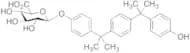
CAS:Controlled Product<p>Applications N-methyl-6-(2,2,2-trifluoroethoxy)-1,3,5-triazine-2,4-diamine (cas# 101988-70-9) is a useful research chemical.<br></p>Formula:C6H8F3N5OColor and Shape:White To Off-WhiteMolecular weight:223.16Bisphenol P Mono-β-D-glucuronide (>90%)
<p>Applications Bisphenol P Mono-β-D-glucuronide is a metabolite of Bisphenol P (B519475), which is a derivative of Bisphenol A (B519495), monomer used for policarbonate and epoxy resins.<br>References Krishnan, A.V., et al.: Endocrinology, 132, 2279 (1993); Steinmetz, R., et al.: Trends Endocrinol. Metab., 9, 124 (1998); Petersen, H., et al.: Eur. Food Res. Technol., 216, 355 (2003);<br></p>Formula:C30H34O8Purity:>90%Color and Shape:NeatMolecular weight:522.5868-methyl-4-(2-methylbenzoyl)-1-oxa-4,8-diazaspiro[4.5]decane-3-carboxylic acid
CAS:Purity:95.0%Molecular weight:318.37298583984375Ethyl 3-(dimethylamino)-2-(2,4,5-trifluoro-3-methoxybenzoyl)acrylate
CAS:Formula:C15H16F3NO4Color and Shape:NeatMolecular weight:331.2874-(2,4-dimethoxyphenyl)-3H,4H,5H,6H,7H-imidazo[4,5-c]pyridine-6-carboxylic acid
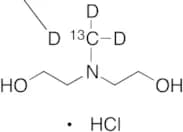
CAS:Purity:95.0%Molecular weight:303.3179931640625N-Methyldiethanolamine-13C,d3 Hydrochloride
CAS:Controlled Product<p>Applications N-Methyldiethanolamine-13C,d3 Hydrochloride is isotopically labelled salt form of N-Methyldiethanolamine (M301625), which is used as a reagent in the synthesis of broad-spectrum antimicrobial polycarbonate hydrogels with fast degradability. It is also used as a reagent in the synthesis of dihydroxy quaternary ammonium salts with long chain alkyl bromides that can exhibit antibacterial and antifungal activity.<br>References Pascual, A., et al.: Biomacromolecules, 16, 1169 (2015); Liu, W., et al.: Chem. Biol. Drug Des., 85, 91 (2015);<br></p>Formula:C4CH10D3NO2·HClColor and Shape:NeatMolecular weight:123.17+(36.46)4-[2-(4-Hydroxyphenyl)-4-methylpentan-2-yl]phenol
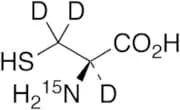
CAS:<p>Applications 4-[2-(4-Hydroxyphenyl)-4-methylpentan-2-yl]phenol could be a useful reagent for making visible-transparent aromatic polymers.<br> Not a dangerous good if item is equal to or less than 1g/ml and there is less than 100g/ml in the package<br>References Agou, T., et al.: Macromolecules (Washington, DC, U. S.), 53, 2942 (2020)<br></p>Formula:C18H22O2Color and Shape:Off-WhiteMolecular weight:270.37L-Cysteine-15N,d3
CAS:Controlled ProductFormula:C3D3H415NO2SColor and Shape:NeatMolecular weight:125.175-(3,4-dihydro-2(1H)-isoquinolinylmethyl)-2-furoic acid
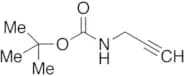
CAS:Purity:95.0%Molecular weight:257.28900146484375N-Boc-propargylamine
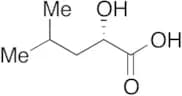
CAS:Controlled Product<p>Applications N-Boc-propargylamine is used in the preparation of triazolobenzylidene-thiazolopyrimidines which act as CDC25 phosphatase inhibitors. Also used in the synthesis of β-glucan polysaccharide analogs.<br>References Duval, R. et al.: J. Comb. Chem., 11, 947 (2009); Tanaka, H. et al.: Tetrahedron Lett., 53, 4104 (2012);<br></p>Formula:C8H13NO2Color and Shape:NeatMolecular weight:155.2L-Leucic Acid
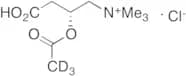
CAS:Controlled Product<p>Applications L-Leucic Acid is a reagent in the synthesis of cryptophycins based macrocyclic depsipeptides which are used as tubulin inhibitors.<br>References Kumar, A., et al.: Eur. J. Med. Chem., 93, 55 (2015)<br></p>Formula:C6H12O3Color and Shape:NeatMolecular weight:132.16Acetyl-d3 L-Carnitine Hydrochloride
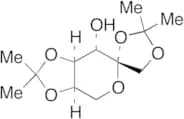
CAS:Controlled Product<p>Applications Acetyl-d3 L-Carnitine Hydrochloride is labelled Acetyl L-Carnitine Hydrochloride (A171990) which is used for transmembrane action potential studies. Acetylcarnitine has antinociceptive activity that may be mediated by enhanced activity of muscarinic cholinergic receptors or mGlu2 glutamate receptors.<br>References Matsui, K., et al.: Japanese J. Pharmcol., 39, 263 (1985); Chlechio, S., et al.: J. Endocrinol. Invest., 27, 171 (2004): Walker, R., et al.: Comparative General Pharmacol., 4, 65 (1973)<br></p>Formula:C92H3H15NO4·ClColor and Shape:NeatMolecular weight:242.721,2:4,5-bis-O-(1-Methylethylidene)-β-D-Fructopyranose
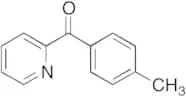
CAS:Controlled Product<p>Applications 1,2:4,5-bis-O-(1-Methylethylidene)-β-D-Fructopyranose is a reagent in the synthesis of antibacterial/antifungal monosaccaride esters. Also used in the synthesis of antihyperlipidemic novel compounds involving glycosyl fructose derivatives.<br>References Shen, Y. et al.: Molecules, 17, 8661 (2012); Tiwari, P. et al.: Bioorg. Med. Chem. Lett., 16, 6028 (2006);<br></p>Formula:C12H20O6Color and Shape:NeatMolecular weight:260.28(4-Methylphenyl)-2-pyridinylmethanone
CAS:Controlled Product<p>Applications (4-Methylphenyl)-2-pyridinylmethanone is a useful reactant in organic synthesis.<br>References Hu, Zhiyuan, et al.: Org. & Biomol. Chem., 16(31), 5653-5660 (2018);Liao, Yang, et al.: J. of Organometallic Chem., 881, 1-12 (2019)<br></p>Formula:C13H11NOColor and Shape:NeatMolecular weight:197.2325L-Homocystine
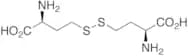
CAS:Controlled Product<p>Applications Increased levels lead to hyperhomocysteinemia; a cardiovascular risk factor in prediction of coronary heart disease as well as being associated with congenital birth defects, pregnancy complications and cancer.<br>References Geisel, J. et al.: Clin. Chem. Lab. Med., 41, 1513 (2003); Geisel, J. et al.: Clin. Chem. Lab. Med., 41, 1513 (2003);<br></p>Formula:C8H16N2O4S2Color and Shape:NeatMolecular weight:268.352,6-Diaminopimelic Acid
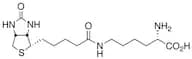
CAS:Controlled Product<p>Applications 2,6-Diaminopimelic Acid is useful in biological studies involving amino acids and amino sugars as molecular indicators of the origins of organic matter in buried tephra soils.<br>References Hobara, S., et al.: Geoderma, 373, 114449 (2020)<br></p>Formula:C7H14N2O4Color and Shape:NeatMolecular weight:190.20Biocytin
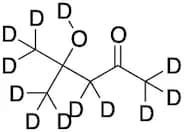
CAS:<p>Applications Useful for the synthesis of Biocytin containing peptides to study the mechanism of reactions catalyzed by biotin - containing enzymes.<br>References Bodanszky, M., and Fagan, D.T.: J. Am. Chem. Soc., 99, 235 (1977)<br></p>Formula:C16H28N4O4SColor and Shape:White To Off-WhiteMolecular weight:372.484-Hydroxy-4-methyl-2-pentanone-d12
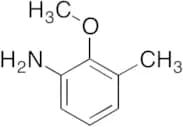
CAS:Controlled Product<p>Applications 4-Hydroxy-4-methyl-2-pentanone-d12 (CAS# 114253-85-9) is a useful isotopically labeled research compound.<br></p>Formula:C6D12O2Color and Shape:NeatMolecular weight:128.232-Methoxy-3-methylaniline
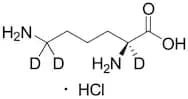
CAS:Controlled Product<p>Applications 2-Methoxy-3-methylaniline is an important building block.<br></p>Formula:C8H11NOColor and Shape:NeatMolecular weight:137.179L-Lysine-2,6,6-d3 HCl
CAS:Controlled Product<p>Applications L-Lysine-2,6,6-d3 HCl is a useful isotopically labeled compound of L-Lysine HydrochlorideDISCONTINUED PLEASE SEE L486915 (L468923)<br></p>Formula:C6D3H11N2O2·HClColor and Shape:NeatMolecular weight:185.6673-Ethyl-6,7,8,9-tetrahydro-9-hydroxy-2-methyl-4H-pyrido[1,2-a]pyrimidin-4-one
CAS:Controlled Product<p>Impurity Paliperidone USP Related Compound A<br>Applications 3-Ethyl-6,7,8,9-tetrahydro-9-hydroxy-2-methyl-4H-pyrido[1,2-a]pyrimidin-4-one (Paliperidone USP Related Compound A) is used in the synthesis of Paliperidone (P141000). Intermediate.<br>References Rein, A., et al.: Curr. Opin. Drug Discovery Dev., 3, 734 (2000),<br></p>Formula:C11H16N2O2Color and Shape:NeatMolecular weight:208.261-Methoxy-4-(1E)-1-propen-1-ylbenzene
CAS:<p>Applications 1-Methoxy-4-(1E)-1-propen-1-ylbenzene is a component of essential oils extracted from natural sources. It is also a possible inhibitor of protein kinase CK2α and CK2α’.<br>References Liang, Zhi-yuan, et al.: Shizhen Guoyi Guoyao, 25(7), 1602-1604 (2014);Benelli, Giovanni, et al.: Indus. Crops and Prod., 124, 236-243 (2018);Baier, Andrea, et al.: Phytochem., 136, 39-45 (2017)<br></p>Formula:C10H12OColor and Shape:NeatMolecular weight:148.202-methyl-1-[4-(trifluoromethyl)phenyl]propan-1-one
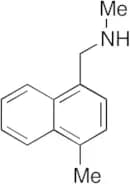
CAS:Controlled Product<p>Applications 2-methyl-1-[4-(trifluoromethyl)phenyl]propan-1-one (cas# 64436-58-4) is a useful research chemical.<br></p>Formula:C11H11OF3Color and Shape:NeatMolecular weight:216.19Methyl(4-methylnaphthalen-1-ylmethyl)amine
CAS:Controlled Product<p>Applications Methyl(4-methylnaphthalen-1-ylmethyl)amine is a reagent in the preparation of heterocyclic compounds as enoyl-acyl carrier protein reductase FabI inhibitors and antibacterial agents.<br>References Stuetz, A., et al.: J. Med. Chem., 29, 112 (1986); Berman, J., et al.: PCT Int. Appl., 2004:515512 (2004)<br></p>Formula:C13H15NColor and Shape:NeatMolecular weight:185.264-(3-chlorophenyl)-3H,4H,5H,6H,7H-imidazo[4,5-c]pyridine-6-carboxylic acid
CAS:Purity:95.0%Molecular weight:277.70999145507815-Methyl-4,5,6,7-tetrahydrothiazolo[5,4-c]pyridine-2-carboxylic Acid Hydrochloride
CAS:Controlled Product<p>Stability Hygroscopic<br>Applications 5-Methyl-4,5,6,7-tetrahydrothiazolo[5,4-c]pyridine-2-carboxylic Acid Hydrochloride is used as a reagent in the synthesis of N-(2-acylaminobenzyl or 2-acylaminoheterocyclylmethyl)thiophene-2-carboxamide derivatives as antithrombotics. It is also used as a reagent in the synthesis of diamide derivatives as FXa inhibitors. 5-Methyl-4,5,6,7-tetrahydrothiazolo[5,4-c]pyridine-2-carboxylic Acid Hydrochloride is an intermediate for Edoxaban (E555520).<br>References Mochizuki, A., et al.: Jpn. Kokai Tokkyo Koho. JP 2010120852 A 20100603. Jun 3, 2010; Mochizuki, A., et al.: PCT Int. Appl. WO 2008123017 A1 20081016. Oct 16, 2008<br></p>Formula:C8H11ClN2O2SColor and Shape:Light BrownMolecular weight:234.7Zinc Glycinate
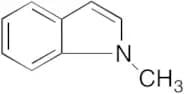
CAS:<p>Applications Zinc Glycinate is used in the preparation of hydroxy acid complexes used in skin antiaging, acne and skin whitening formulations.<br></p>Formula:C4H8N2O4ZnColor and Shape:NeatMolecular weight:213.51-Methylindole
CAS:Controlled Product<p>Applications The selenocyanation and thiocyanation of electron rich arene, 1-Methylindole, achieved using N-iodosuccinimide (NIS) as a catalyst and aqueous tert-Bu hydroperoxide (TBHP) as an oxidant at room temperature.<br>References Muniraj, N., et al.: ChemistrySelect, 1, 1033-1038 (2016)<br></p>Formula:C9H9NColor and Shape:NeatMolecular weight:131.18(4r)-4-{[(tert-butoxy)carbonyl]amino}pentanoic acid
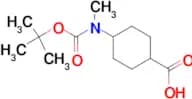
CAS:Purity:95%Molecular weight:217.264999389648444-(TERT-BUTOXYCARBONYL-METHYL-AMINO)-CYCLOHEXANECARBOXYLIC ACID
CAS:Purity:95.0%Molecular weight:257.32998657226566-Hydroxy-L-DOPA
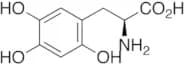
CAS:Controlled Product<p>Impurity Levodopa EP Impurity A; Levodopa USP Related Compound A<br>Stability Hygroscopic<br>Applications 6-Hydroxy-L-DOPA (Levodopa EP Impurity A; Levodopa USP Related Compound A) is the 6-hydroxy derivative of the amino acid L-DOPA (D533751) with neurotoxic properties. Studies show that exogenously administered 6-Hydroxy-L-DOPA is biotransformed by amino acid decarboxylase to the highly potent and catecholamine-selective neurotoxin, 6-Hydroxydopamine. The treatment of 6-Hydroxy-L-DOPA in rats resulted in the stimulation of acetylcholinesterase.<br>References Jaim-Etcheverry, G. et al.: Brain Res., 100, 699 (1975); Kostrzewa, R.M. et al.: Amino Acids, 14, 175 (1998); Berthet, A. et al.: J. Neurosci., 29, 4829 (2009);<br></p>Formula:C9H11NO5Color and Shape:Brown To BlackMolecular weight:213.196-Methylheptanoic Acid (>90%)
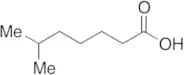
CAS:Controlled Product<p>Applications 6-Methylheptanoic acid is used as a reagent to synthesize analogues of Eponemycin, an antibiotic that also exhibits anti-angiogenic activity by inhibiting proteasome function. 6-Methylheptanoic acid naturally occurs as a component of the scent chemical of the brushtail possum.<br> Not a dangerous good if item is equal to or less than 1g/ml and there is less than 100g/ml in the package<br>References McLean, S., et al.: J. Chem. Ecol., 38, 1318 (2012); Oikawa, T., et al.: Biochem. Biophys. Res. Comm., 181, 1070 (1991); Sin, N., et al.: Bioorg. Med. Chem., 6, 1209 (1998)<br></p>Formula:C8H16O2Purity:>90%Color and Shape:NeatMolecular weight:144.212-Methoxypropene
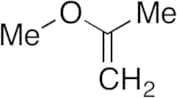
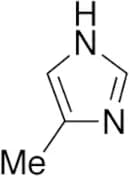
CAS:Controlled Product<p>Applications 2-Methoxypropene is used in the synthesis of Macrolactin A, a 24-member macrolide typically employed as an antibiotic. Also used in the synthesis of phenylalanine derivatives used as α4β1 and α4β7 receptor antagonists in the treatment of allergic asthma.<br>References Marino, K. et al.: J. Am. Chem. Soc., 12, 1664, (2002); Tilley, J. et al.: Bioorg. Med. Chem. Lett., 23, 1036 (2013);<br></p>Formula:C4H8OColor and Shape:NeatMolecular weight:72.114-Methylimidazole
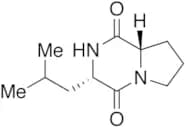
CAS:<p>Applications 4-Methylimidazole is a monomethylated imidazole that can be used as a building block in the preparation of a wide range of biologically active compounds. 4-Methylimidazole is a product which results from the interaction of reducing sugars with ammonia. 4-Methylimidazole showed convulsant activity in animals and is listed as a possible carcinogen.<br> Not a dangerous good if item is equal to or less than 1g/ml and there is less than 100g/ml in the package<br>References Nishie, K. et al.: Toxicol. Appl. Pharmacol., 14, 301 (1969): Cunha, S.C. et al.: J. Food Comp. Anal., 24, 609 (2011); Chan, P.C. et al.: Arch. Toxicol., 82, 55 (2008);<br></p>Formula:C4H6N2Color and Shape:Light YellowMolecular weight:82.10Cyclo(L-prolyl-L-leucyl)
CAS:Controlled Product<p>Applications Sorbicillin analog. A bioactive secondary metabolites from terrestrial Streptomyces species TN262.<br>References Ma, L. et al. : J. Anitibiot. 64, 645 (2011); Elleuch, L. et al.: Appl. Biochem. Biotech. 162, 579 (2010)<br></p>Formula:C11H18N2O2Color and Shape:NeatMolecular weight:210.273-Methyl-2,5-dihydrothiophene-1,1-dioxide
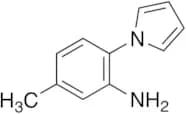
CAS:Controlled Product<p>Applications: 3-Methyl-2,5-dihydrothiophene-1,1-dioxide is a reagent used in Diels-Alder reactions of butadienylpyridinium bromides.<br>References Lee, S., et al.: J. Org. Chem., 62, 7812 (1997);<br></p>Formula:C5H8O2SColor and Shape:Off WhiteMolecular weight:132.1815-Methyl-2-(1H-pyrrol-1-yl)aniline
CAS:Controlled Product<p>Applications 5-methyl-2-(1H-pyrrol-1-yl)aniline (cas# 59194-21-7) is a useful research chemical.<br></p>Formula:C11H12N2Color and Shape:Orange Colour To Dark OrangeMolecular weight:172.2264-(3-chlorobenzoyl)-8-ethyl-1-oxa-4,8-diazaspiro[4.5]decane-3-carboxylic acid
CAS:Purity:95.0%Molecular weight:352.82000732421875DL-Cysteine
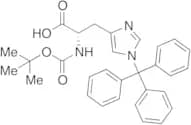
CAS:Controlled Product<p>Stability Hygroscopic<br>Applications Cysteine is a non-essential amino acid that can be synthesized by the human body under normal physiological conditions if a sufficient quantity of methionine is available. Cysteine is commonly used as a precursor in the food and pharmaceutical industries. Cysteine is used as a processing aid for baking, as an additive in cigarettes, as well as in the preparation of meat flavours.<br>References Hui, N. et al.: Meat Sci. Appl., 74 (2001); Kiviharju, K. et al.: J. Biotechnol., 117, 299 (2005); Pecivova, P. et al.: J. Sci. Food Agric., 90, 1681 (2010);<br></p>Formula:C3H7NO2SColor and Shape:NeatMolecular weight:121.16Boc-His(Trt)-OH
CAS:Controlled Product<p>Applications Boc-His(Trt)-OH was used in the study to prepare and study structure-activity relationship of amino acid amides as selective inhibitors for dipeptidyl peptidases.<br>References Senten, K., et al.: J. Med. Chem., 46, 5005 (2003);<br></p>Formula:C30H31N3O4Color and Shape:White To Off-WhiteMolecular weight:497.584-(2H-1,3-benzodioxol-5-yl)-3H,4H,5H,6H,7H-imidazo[4,5-c]pyridine-6-carboxylic acid
CAS:Purity:95.0%Molecular weight:287.27499389648448-Bromo-7-(2-butyn-1-yl)-3,7-dihydro-3-methyl-1-[(4-methyl-2-quinazolinyl)methyl]-1H-purine-2,6-dione
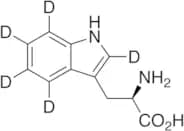
CAS:<p>Applications 8-Bromo-7-(2-butyn-1-yl)-3,7-dihydro-3-methyl-1-[(4-methyl-2-quinazolinyl)methyl]-1H-purine-2,6-dione is an intermediate used to prepare selective inhibitors of dipeptidyl peptidase 4 (DPP4) for potential use in the treatment of type 2 diabetes.<br>References Sutton, J., et al.: Bioorg. Med. Chem. Lett., 22, 1464 (2012); Lai, Z., et al.: Eur. J. Med. Chem., 83, 547 (2014)<br></p>Formula:C20H17BrN6O2Color and Shape:NeatMolecular weight:453.29D-Tryptophan-d5
CAS:Controlled Product<p>Applications Labelled analogue of an essential amino acid found in naturally produced peptides. Unlike its stereoisomer, L-tryptophan, it is not used in structural or enzyme proteins.<br>References Karunakaran, S.et al.: Bochem. J., 414, 343 (2008); Pallaghy, P.K. et al.: Biochem., 38, 11553 (1999);<br></p>Formula:C112H5H7N2O2Color and Shape:NeatMolecular weight:209.26N-Acetyl-L-alanine
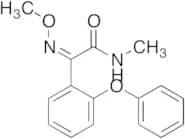
CAS:Controlled Product<p>Applications N-Acetyl-L-alanine is used as a biomarker for prostate cancer.<br>References Jansen, R., et al.: Clin. Biochem., 38, 362 (2005),<br></p>Formula:C5H9NO3Color and Shape:NeatMolecular weight:131.13(Z)-Metominostrobin
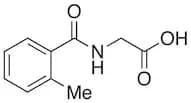
CAS:Controlled Product<p>Stability Moisture Sensitive<br>Applications (Z)-Metominostrobin (cas# 133408-51-2) is a compound useful in organic synthesis.<br></p>Formula:C16H16N2O3Color and Shape:NeatMolecular weight:284.312-Methyl Hippuric Acid
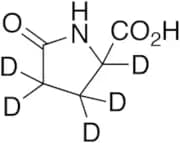
CAS:Controlled Product<p>Applications The main metabolite of o-xylene.<br>References Gregus, Z., et al.: Drug Metab. Dispos., 26, 1082 (1998), Gregus, Z., et al.: Xenobiotica, 29, 547 (1999), Gonzalez-Reche, L., et al.: Arch. Toxicol., 77, 80 (2003),<br></p>Formula:C10H11NO3Color and Shape:White To Off-WhiteMolecular weight:193.205-Oxo-DL-proline-d5
CAS:Controlled Product<p>Applications 5-Oxo-DL-proline-d5 is a labelled cyclized derivative of L-Glutamic Acid (G596960). The pyroglutamate core has potential application for synthesis of novel anti-bacterials.<br>References Mischo A. et al.: ChemBioChem., 13, 1421 (2012); Angelov P. et al.: Org. Biomol. Chem.: 10, 3472 (2012);<br></p>Formula:C52H5H2NO3Color and Shape:NeatMolecular weight:134.144-Desmethoxypropoxyl-4-methoxy S-Deoxo Rabeprazole
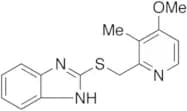
CAS:Controlled Product<p>Impurity Rabeprazole EP Impurity G<br>Applications Used in the preparation of 2-[[(2-pyridyl)methyl]thio]-1H-benzimidazoles derivatives as anti helicobacter pylori agents.<br>References Kuehler, T. et al.: J. Med. Chem., 41, 1777 (1998)<br></p>Formula:C15H15N3OSColor and Shape:WhiteMolecular weight:285.366-Methylquinoline
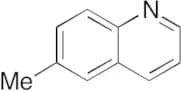
CAS:Controlled Product<p>Applications 6-Methylquinoline, is a building block used for the synthesis of various pharmaceutical compounds, and biologically active compounds. It can be used for the preparation of pyranobenzopyrone compounds, having anti-norovirus activity.<br>References Pokhrel, L., et al.: bioorg. Med. Chem. Lett., 22, 3480 (2012);<br></p>Formula:C10H9NColor and Shape:ColourlessMolecular weight:143.1855,6-Dihydro-4H-benzo[b]thieno[2,3-d]azepine-2-carboxylic acid
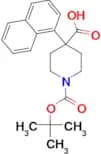
CAS:Purity:95.0%Molecular weight:245.3000030517578Boc-4-(naphthalen-1-yl)-piperidine-4-carboxylic acid
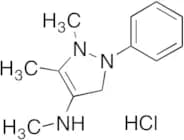
CAS:Purity:99.0%Molecular weight:355.43399047851564-Methylaminoantipyrine Hydrochloride
CAS:Formula:C12H15N3O·ClHColor and Shape:Light Orange Colour To Light BrownMolecular weight:253.734-(3,5-dichlorobenzoyl)-8-ethyl-1-oxa-4,8-diazaspiro[4.5]decane-3-carboxylic acid
CAS:Purity:95.0%Molecular weight:387.260009765625

![8-methyl-4-(naphthalene-2-carbonyl)-1-oxa-4,8-diazaspiro[4.5]decane-3-carboxylic acid](/_next/image/?url=https%3A%2Fstatic.cymitquimica.com%2Fproducts%2F10%2Fthumb-webp%2FF525638.webp&w=3840&q=75)

![4-(2,5-dimethoxyphenyl)-3H,4H,5H,6H,7H-imidazo[4,5-c]pyridine-6-carboxylic acid](/_next/image/?url=https%3A%2Fstatic.cymitquimica.com%2Fproducts%2F10%2Fthumb-webp%2FF522496.webp&w=3840&q=75)


![4-(3,4-dichlorobenzoyl)-8-ethyl-1-oxa-4,8-diazaspiro[4.5]decane-3-carboxylic acid](/_next/image/?url=https%3A%2Fstatic.cymitquimica.com%2Fproducts%2F10%2Fthumb-webp%2FF525681.webp&w=3840&q=75)

![8-ethyl-4-(thiophene-2-carbonyl)-1-oxa-4,8-diazaspiro[4.5]decane-3-carboxylic acid](/_next/image/?url=https%3A%2Fstatic.cymitquimica.com%2Fproducts%2F10%2Fthumb-webp%2FF525675.webp&w=3840&q=75)
![1'-(TERT-BUTOXYCARBONYL)SPIRO[CHROMAN-4,4'-PIPERIDINE]-2-CARBOXYLIC ACID](/_next/image/?url=https%3A%2Fstatic.cymitquimica.com%2Fproducts%2F10%2Fthumb-webp%2FF332493.webp&w=3840&q=75)
![N-[(Benzyloxy)carbonyl]glycylglycine](/_next/image/?url=https%3A%2Fstatic.cymitquimica.com%2Fproducts%2FTR%2Fthumb-webp%2FB287100.webp&w=3840&q=75)




![4-(4-chlorophenyl)-3H,4H,5H,6H,7H-imidazo[4,5-c]pyridine-6-carboxylic acid](/_next/image/?url=https%3A%2Fstatic.cymitquimica.com%2Fproducts%2F10%2Fthumb-webp%2FF522485.webp&w=3840&q=75)
![4-(3-methoxybenzoyl)-8-propyl-1-oxa-4,8-diazaspiro[4.5]decane-3-carboxylic acid](/_next/image/?url=https%3A%2Fstatic.cymitquimica.com%2Fproducts%2F10%2Fthumb-webp%2FF525735.webp&w=3840&q=75)
![8-methyl-4-(2-methylbenzoyl)-1-oxa-4,8-diazaspiro[4.5]decane-3-carboxylic acid](/_next/image/?url=https%3A%2Fstatic.cymitquimica.com%2Fproducts%2F10%2Fthumb-webp%2FF525627.webp&w=3840&q=75)

![4-(2,4-dimethoxyphenyl)-3H,4H,5H,6H,7H-imidazo[4,5-c]pyridine-6-carboxylic acid](/_next/image/?url=https%3A%2Fstatic.cymitquimica.com%2Fproducts%2F10%2Fthumb-webp%2FF522514.webp&w=3840&q=75)
![4-[2-(4-Hydroxyphenyl)-4-methylpentan-2-yl]phenol](/_next/image/?url=https%3A%2Fstatic.cymitquimica.com%2Fproducts%2FTR%2Fthumb-webp%2FB434508.webp&w=3840&q=75)


![3-Ethyl-6,7,8,9-tetrahydro-9-hydroxy-2-methyl-4H-pyrido[1,2-a]pyrimidin-4-one](/_next/image/?url=https%3A%2Fstatic.cymitquimica.com%2Fproducts%2FTR%2Fthumb-webp%2FE926295.webp&w=3840&q=75)

![2-methyl-1-[4-(trifluoromethyl)phenyl]propan-1-one](/_next/image/?url=https%3A%2Fstatic.cymitquimica.com%2Fproducts%2FTR%2Fthumb-webp%2FB489000.webp&w=3840&q=75)
![4-(3-chlorophenyl)-3H,4H,5H,6H,7H-imidazo[4,5-c]pyridine-6-carboxylic acid](/_next/image/?url=https%3A%2Fstatic.cymitquimica.com%2Fproducts%2F10%2Fthumb-webp%2FF522490.webp&w=3840&q=75)
![5-Methyl-4,5,6,7-tetrahydrothiazolo[5,4-c]pyridine-2-carboxylic Acid Hydrochloride](/_next/image/?url=https%3A%2Fstatic.cymitquimica.com%2Fproducts%2FTR%2Fthumb-webp%2FM330085.webp&w=3840&q=75)

![(4r)-4-{[(tert-butoxy)carbonyl]amino}pentanoic acid](/_next/image/?url=https%3A%2Fstatic.cymitquimica.com%2Fproducts%2F10%2Fthumb-webp%2FF669814.webp&w=3840&q=75)

![4-(3-chlorobenzoyl)-8-ethyl-1-oxa-4,8-diazaspiro[4.5]decane-3-carboxylic acid](/_next/image/?url=https%3A%2Fstatic.cymitquimica.com%2Fproducts%2F10%2Fthumb-webp%2FF525698.webp&w=3840&q=75)

![4-(2H-1,3-benzodioxol-5-yl)-3H,4H,5H,6H,7H-imidazo[4,5-c]pyridine-6-carboxylic acid](/_next/image/?url=https%3A%2Fstatic.cymitquimica.com%2Fproducts%2F10%2Fthumb-webp%2FF522503.webp&w=3840&q=75)
![8-Bromo-7-(2-butyn-1-yl)-3,7-dihydro-3-methyl-1-[(4-methyl-2-quinazolinyl)methyl]-1H-purine-2,6-di…](/_next/image/?url=https%3A%2Fstatic.cymitquimica.com%2Fproducts%2FTR%2Fthumb-webp%2FB680510.webp&w=3840&q=75)


![5,6-Dihydro-4H-benzo[b]thieno[2,3-d]azepine-2-carboxylic acid](/_next/image/?url=https%3A%2Fstatic.cymitquimica.com%2Fproducts%2F10%2Fthumb-webp%2FF215573.webp&w=3840&q=75)
![4-[(4-PHENYLQUINAZOLIN-2-YL)AMINO]BENZOIC ACID](/_next/image/?url=https%3A%2Fstatic.cymitquimica.com%2Fproducts%2F10%2Fthumb-webp%2FF531237.webp&w=3840&q=75)
![4-(3,5-dichlorobenzoyl)-8-ethyl-1-oxa-4,8-diazaspiro[4.5]decane-3-carboxylic acid](/_next/image/?url=https%3A%2Fstatic.cymitquimica.com%2Fproducts%2F10%2Fthumb-webp%2FF525701.webp&w=3840&q=75)