Amino Acids (AA)
Amino acids (AAs) are the fundamental building blocks of proteins, playing a crucial role in various biological processes. These organic compounds are essential for protein synthesis, metabolic pathways, and cell signaling. In this category, you will find a comprehensive range of amino acids, including essential, non-essential, and modified forms, which are vital for research in biochemistry, molecular biology, and nutritional sciences. At CymitQuimica, we provide high-quality amino acids to support your research and development needs, ensuring accuracy and reliability in your experimental outcomes.
Subcategories of "Amino Acids (AA)"
- Amino Acid Derivatives(3,955 products)
- Amino Acid and Amino Acid Related Compounds(3,466 products)
- Amino Acids with Oxygen or Sulphur(168 products)
- Boc- Amino Acids(351 products)
- Fmoc Amino Acids(1,710 products)
Found 38249 products of "Amino Acids (AA)"
Sort by
Purity (%)
0
100
|
0
|
50
|
90
|
95
|
100
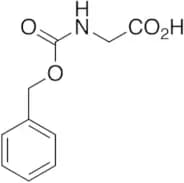
N-Carbobenzoxyglycine
CAS:<p>Applications N-Carbobenzoxyglycine is used in the dipeptide synthesis.<br>References Hans, D., et al.: Med. Chem., 2, 627 (2006), Guzman, F., et al.: J. Biotechnol., 10, 279 (2007), Vlieghe, P., et al.: Drug Discov. Today, 15, 40 (2010),<br></p>Formula:C10H11NO4Color and Shape:NeatMolecular weight:209.2N-Acetyl-S-(2-cyanoethyl)-L-cysteine-d3 Ammonium Salt
CAS:Controlled Product<p>Stability Hygroscopic<br>Applications Isotope labelled N-Acetyl-S-(2-cyanoethyl)-L-cysteine Ammonium Salt is a metabolite of Acrylonitrile (AN) and acrylamide (AM). Are commonly used in the synthesis of plastics and polymers.<br>References van Bladeren, P., et al.: Drug Metab. Dispos., 9, 246 (1981), Guengerich, F., et al.: Chem. Res. Toxicol., 4, 168 (1991),<br></p>Formula:C8D3H8N2O3S·H4NColor and Shape:Off-WhiteMolecular weight:236.3065Ademethionine-d3 1,4-Butanedisulfonate (>85%)
CAS:Controlled Product<p>Applications Ademethionine-d3 1,4-Butanedisulfonate, is a labeled analogue of Ademethionine 1,4-Butanedisulfonate (A280355), used in the synthesis of sulfonio-adenosyl-L-methionine (SAMe) salts.<br></p>Formula:C15H20D3N6O5S(C4H8O6S2)·(C4H10O6S2)Purity:>85%Color and Shape:NeatMolecular weight:402.46 (Free Base)N-Isobutyrylglycine
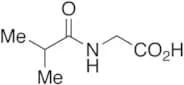
CAS:<p>Applications N-Isobutyrylglycine detection is a useful diagnostic tool in the diagnosis of many organic acidemias and mitochondrial fatty acid β-oxidation defects. N-Isobutyrylglycine detection is also used in the diagnosis of isobutyryl-CoA dehydrogenase deficiency.<br>References Costa, C. G. et al.: J. Pharmac. Biomed. Anal., 21, 1215 (2000); Bonafe, L. et al.: Mol. Gen. Metab., 69, 311 (2000); Sass, J. et al.: J. Inher. Metab. Dis., 27, 741 (2004);<br></p>Formula:C6H11NO3Color and Shape:NeatMolecular weight:145.161-Chloro-2-methylpropene
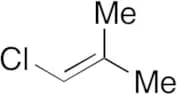
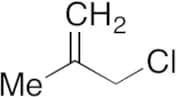
CAS:Controlled Product<p>Stability Volatile<br>Applications 1-Chloro-2-methylpropene is a reagent in the synthesis of pyrrolyl and indolyl diketo acids and esters as nucleotide-competitive non-nucleoside inhibitors of terminal deoxynucleotidyl transferase.<br> Not a dangerous good if item is equal to or less than 1g/ml and there is less than 100g/ml in the package<br>References Costi, R., et al.: J. Med. Chem., 56, 7431 (2013);<br></p>Formula:C4H7ClColor and Shape:NeatMolecular weight:90.55N-Methyl-dl-valine Hydrochloride
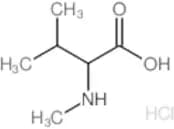
CAS:Controlled Product<p>Applications N-Methyl-dl-valine, HCl<br></p>Formula:C6H13NO2Color and Shape:NeatMolecular weight:131.1734-Methyl-1-octanol
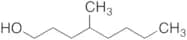
CAS:Controlled Product<p>Applications 4-Methyl-1-octanol is an intermediate in the synthesis of 1,2-Cyclohexanedicarboxylic Acid Mono 4-Methyloctan-1-ol Ester which is a possible metabolite of the di(isononyl)cyclohexane-1,2-dicarboxylate (DINCH) monoester (MINCH).<br>References Koch, H., et al.: Arch. Toxicol., 87, 799 (2013)<br></p>Formula:C9H20OColor and Shape:NeatMolecular weight:144.25N-Boc-L-Allylglycine
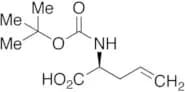
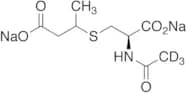
CAS:Controlled Product<p>Applications N-Boc-L-Allylglycine is a boc-protected allylglycine used in the preparation of arginine analogues including the natural amino acid enduracididine.<br>References Saniere, L. et al.: Tetrahedron, 60, 5889 (2004): Leman, L. et al.: ARKIVOC, 6, 126 (2003);<br></p>Formula:C10H17NO4Color and Shape:NeatMolecular weight:215.25N-Acetyl-S-(3-carboxy-2-propyl)-L-cysteine-d3 Disodium Salt
CAS:Controlled Product<p>Applications A labelled metabolite of Crotonaldehyde.<br>References Gray, J.M., et al.: Xenobiotica, 1, 55 (1971), Chung, F., et al.: Mutat. Res., 424, 71 (1999), Smith, C., et al.: Food Chem. Toxicol., 38, 637 (2000), Pan, J., et al.: Chem. Res. Toxicol., 15, 367 (2002),<br></p>Formula:C9H10D3NNa2O5SColor and Shape:NeatMolecular weight:310.29(±)-3-Amino-iso-butyric-2,3,3-d3 Acid
CAS:Controlled Product<p>Applications (±)-3-Amino-iso-butyric-2,3,3-d3 Acid is the labeled version of DL-3-Aminoisobutyric Acid (A603043(P)), which is a useful compound for suppressing atherosclerosis in apolipoprotein E-knockout mouse.<br>References Shimba, Y., et al.: Bio. Pharma. Bull., 43, 1016 (2020)<br></p>Formula:C4D3H6NO2Color and Shape:White To Off-WhiteMolecular weight:106.14DL-Serine-2,3,3-d3
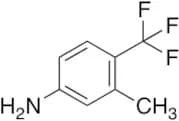
CAS:Controlled Product<p>Applications Labelled DL-Serine is used in the synthesis of novel tryptoline derivatives as IDO (indoleamine 2,3-Deoxygenase) inhibitors, for potential use in Alzheimer’s treatment.<br>References Tanaka, M. et al.: Bioorg. Med. Chem., 21, 1159 (2013);<br></p>Formula:C32H3H4NO3Color and Shape:NeatMolecular weight:108.113-Methyl-4-(trifluoromethyl)aniline
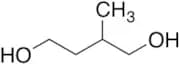
CAS:<p>Applications 3-METHYL-4-(TRIFLUOROMETHYL)ANILINE (cas# 106877-31-0) is a useful research chemical.<br></p>Formula:C8H8NF3Color and Shape:Pale Yellow to Pale Beige OilMolecular weight:175.152-Methyl-1,4-butanediol
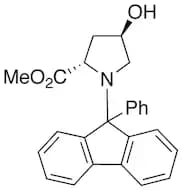
CAS:Controlled Product<p>Stability Unstable in Aqueous Solution<br>Applications 2-METHYL-1,4-BUTANEDIOL (cas# 2938-98-9) is a useful research chemical.<br></p>Formula:C5H12O2Color and Shape:NeatMolecular weight:104.15(4R, 2S)-4-Hydroxy-1-(9-phenyl-9H-fluoren-9-yl)-proline Methyl Ester
CAS:Controlled Product<p>Applications (4R, 2S)-4-Hydroxy-1-(9-phenyl-9H-fluoren-9-yl)-proline Methyl Ester (cas# 179990-59-1) is a compound useful in organic synthesis.<br></p>Formula:C25H23NO3Color and Shape:Light BrownMolecular weight:385.46N-Acetyl-S-(carbamoylethyl)-L-cysteine-d3
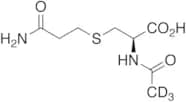
CAS:Controlled Product<p>Stability Hygroscopic<br>Applications Labelled N-Acetyl-S-(carbamoylethyl)-L-cysteine (A171870). N-Acetyl-S-(carbamoylethyl)-L-cysteine is the urinary metabolite of Acrylamide (AA). Acrylamide is formed during the heating of food and is classified as a genotoxic carcinogen.<br>References Besaratinia, A., et al.: Mutat. Res., 80, 31 (2005), Bjellaas, T., et al.: Xenobiotica, 35, 1003 (2005), Bjellaas, T., et al.: Food Chem. Toxicol., 45, 1020 (2007), Bjellaas, T., et al.: Toxicol. Sci., 98, 110 (2007),<br></p>Formula:C8H11D3N2O4SColor and Shape:Off-WhiteMolecular weight:237.295-Chloro-2-methylphenol
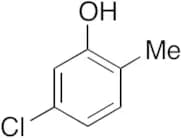
CAS:Controlled Product<p>Applications 5-Chloro-2-methylphenol can be used in the preparation of dichlorotoluqinones.<br>References James, C., et al.: J. Org. Chem., 16, 328 (1951)<br></p>Formula:C7H7ClOColor and Shape:NeatMolecular weight:142.58N-[(Benzyloxy)carbonyl]glycylglycine
CAS:<p>Applications N-[(Benzyloxy)carbonyl]glycylglycine is a reagent in the synthesis of Glycylglycyl-L-tyrosine (G718500), which is a fungal tyrosinases and their capability to oxidize peptide-bound tyrosine residues is important in a view of applicability of tyrosinases.<br>References Bowness, J., et al.: Biochem. J., 53, 620 (1953), Cuff, M., et al.: J. Mol. Biol., 278, 855 (1998), Kubo, I., et al.: Bioorg. Med. Chem., 12, 5349 (2004),<br></p>Formula:C12H14N2O5Color and Shape:NeatMolecular weight:266.251,2-Cyclohexanedicarboxylic Acid Mono 4-Methyloctyl Ester
CAS:<p>Applications 1,2-Cyclohexanedicarboxylic Acid Mono 4-Methyloctan-1-ol Ester is a possible metabolite of the di(isononyl)cyclohexane-1,2-dicarboxylate (DINCH) monoester (MINCH).<br>References Koch, H., et al.: Arch. Toxicol., 87, 799 (2013)<br></p>Formula:C17H30O4Color and Shape:NeatMolecular weight:298.42L-Alanine-d3
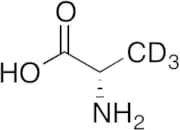
CAS:Controlled Product<p>Applications L-Alanine-d3 is the labeled analogue of L-Alanine (A481500), which is used to make in-vivo measurement of glucose and alanine metabolism in studies of patients with diabetes. L-Alanine is a non-essential amino acid for human development. L-Alanine is one of the 20 amino acids encoded by the genetic code.<br>References Bier, D.M. et al.: Diabetes, 26, 1005 (1977); Capaldo, B. et al.: J. Clin. Endocrinol. Metab., 71, 1220 (1990); Giacca, A. et al.: Diabetes, 47, 1763 (1998)<br></p>Formula:C3D3H4NO2Color and Shape:NeatMolecular weight:92.11D-Homotyrosine Hydrobromide
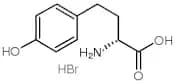
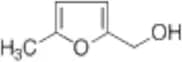
CAS:Controlled Product<p>Applications D-Homotyrosine hydrobromide<br></p>Formula:C10H13NO3·HBrColor and Shape:White To Off-WhiteMolecular weight:276.1275-Methyl-2-furanmethanol
CAS:Controlled Product<p>Stability Hygroscopic<br>Applications 5-Methyl-2-furanmethanol (cas# 3857-25-8) is a compound useful in organic synthesis.<br></p>Formula:C6H8O2Color and Shape:NeatMolecular weight:112.13L-Pipecolic Acid
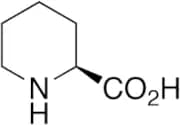
CAS:<p>Applications Pipecolic acid is involved in synaptic transmission in the central nervous system. The l-form occurs in plants.<br>References Nomura Y., et al.: Neurochem. Res., 6, 391 (1981),<br></p>Formula:C6H11NO2Color and Shape:NeatMolecular weight:129.16N-Acetylisoleucine
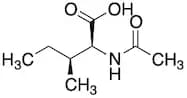
CAS:Controlled Product<p>Applications N-ACETYLISOLEUCINE (cas# 3077-46-1) is a useful research chemical.<br></p>Formula:C8H15NO3Color and Shape:NeatMolecular weight:173.2Ethyl 3-(dimethylamino)-2-(2,4,5-trifluoro-3-methoxybenzoyl)acrylate
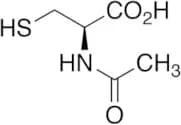
CAS:Formula:C15H16F3NO4Color and Shape:NeatMolecular weight:331.287N-Acetyl-L-cysteine
CAS:Controlled Product<p>Stability Air Sensitive<br>Applications A metabolite of Methyl Isocyanate.<br>References Slatter, J. G., et al.: Chem. Res. Toxicol., 4, 157 (1991),<br></p>Formula:C5H9NO3SColor and Shape:Light YellowMolecular weight:163.19Ethylenediaminetetraacetic Acid-d16
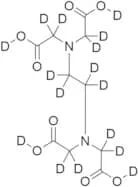
CAS:Controlled Product<p>Applications Ethylenediaminetetraacetic Acid-d16 (CAS# 203805-96-3) is a useful isotopically labeled research compound.<br></p>Formula:C10D16N2O8Color and Shape:White To Off-WhiteMolecular weight:308.34Nε-(1-Carboxymethyl)-L-lysine-d4
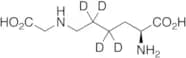
CAS:Controlled Product<p>Stability Hygroscopic<br>Applications CEL and CML are two stable, nonenzymatic chemical modifications of protein lysine residues resulting from glycation and oxidation reactions.<br>References Fu, M.X., et al.: J. Biol. Chem., 271, 9982 (1996), Ahmed M.U., et al.: Biochem.J., 324, 565 (1997), Schleicher, E.D., et al.: J. Clin. Invest., 99, 457 (1997), Shibayama, R., et al.: Diabetes, 48, 1842 (1999),<br></p>Formula:C8H12D4N2O4Color and Shape:NeatMolecular weight:208.25Ferrous Bisglycinate
CAS:Controlled Product<p>Stability Hygroscopic<br>Applications Ferrous Bisglycinate is used in the fortification of infant formulations and foods.<br>References Fox, T. et al.: Am. J. Clin. Nutri., 67, 664 (1998); Heath, A. et al.: J. Am. Coll. Nutr., 20, 477 (2001);<br></p>Formula:C2H4NO2·FeColor and Shape:NeatMolecular weight:203.963,4-Dimethoxy-a-(1-methylethyl)benzeneacetonitrile
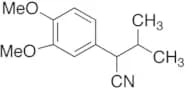
CAS:Controlled Product<p>Impurity Verapamil EP Impurity K<br>Applications (Verapamil EP Impurity K)<br></p>Formula:C13H17NO2Color and Shape:White To Light GreenMolecular weight:219.281-(4-Methyl-3-cyclohexen-1-yl)ethanone
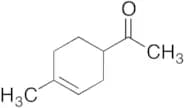
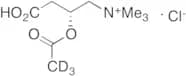
CAS:<p>Applications 1-(4-methyl-3-cyclohexen-1-yl)ethanone is an essential oil found in Cedrus atlantica wood and orange peels.<br>References Uehara, Ayaka, et al.: Phytochemistry, 144, 208-215 (2017); Liu, Bo, et al.: Yancao Keji, (9), 52-56 (2014)<br></p>Formula:C9H14OColor and Shape:NeatMolecular weight:138.207Acetyl-d3 L-Carnitine Hydrochloride
CAS:Controlled Product<p>Applications Acetyl-d3 L-Carnitine Hydrochloride is labelled Acetyl L-Carnitine Hydrochloride (A171990) which is used for transmembrane action potential studies. Acetylcarnitine has antinociceptive activity that may be mediated by enhanced activity of muscarinic cholinergic receptors or mGlu2 glutamate receptors.<br>References Matsui, K., et al.: Japanese J. Pharmcol., 39, 263 (1985); Chlechio, S., et al.: J. Endocrinol. Invest., 27, 171 (2004): Walker, R., et al.: Comparative General Pharmacol., 4, 65 (1973)<br></p>Formula:C92H3H15NO4·ClColor and Shape:NeatMolecular weight:242.72t-Boc-aminooxyacetic Acid
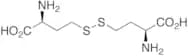
CAS:Controlled Product<p>Applications A Boc-protected bifunctional linking reagent.<br>References Jimenez-Castells, C., et al.: Bioorg. Med. Chem. Lett., 17, 5155 (2007), Carmona, S., et al.: Mol. Pharm., 6, 706 (2009), Nagahori, N., et al.: Biochem., 48, 583 (2009),<br></p>Formula:C7H13NO5Color and Shape:NeatMolecular weight:191.18L-Homocystine
CAS:Controlled Product<p>Applications Increased levels lead to hyperhomocysteinemia; a cardiovascular risk factor in prediction of coronary heart disease as well as being associated with congenital birth defects, pregnancy complications and cancer.<br>References Geisel, J. et al.: Clin. Chem. Lab. Med., 41, 1513 (2003); Geisel, J. et al.: Clin. Chem. Lab. Med., 41, 1513 (2003);<br></p>Formula:C8H16N2O4S2Color and Shape:NeatMolecular weight:268.354-Methoxy-3-nitrobenzonitrile
CAS:Controlled Product<p>Applications 4-Methoxy-3-nitrobenzonitrile<br></p>Formula:C8H6N2O3Color and Shape:NeatMolecular weight:178.15cis-4-Hydroxy-L-proline
CAS:<p>Applications Hydroxyprolines are valuable chiral building blocks for organic synthesis of pharmaceuticals. Several microorganisms producing proline trans-4- and cis-3-hydroxylase were discovered and these enzymes were applied to the industrial production of trans-4- and cis-3-hydroxy-L-proline.<br>References Lawrence, C., et al.: Biochem. J., 313, 185 (1996), Mori, H., et al.: J. Bacteriol., 179, 5677 (1997), Clifton, I., et al.: Eur. J. Biochem., 268, 6625 (2001),<br></p>Formula:C5H9NO3Color and Shape:Off White Crystalline PowderMolecular weight:131.135-Hydroxy-N-methylprotriptyline
CAS:Controlled Product<p>Impurity Cyclobenzaprine USP Related Compound A<br>Applications 5-Hydroxy-N-methylprotriptyline acts as a reducing agent in chemical reactions. Cyclobenzaprine USP Related Compound A.<br>References Gribble, G. et al.: Synthesis., 3, 172 (1977);<br></p>Formula:C20H23NOColor and Shape:NeatMolecular weight:293.402-Methyl-5-nitrobenzenesulfonamide
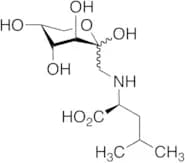
CAS:Controlled Product<p>Applications 2-Methyl-5-nitrobenzenesulfonamide is a chemical reagent in the synthesis of good inhibitors of cancer-related carbonic anhydrase. Also used in the synthesis of novel deacetylase inhibitors used in anti-tumor therapy.<br>References Moeker, J. et al.: J. Med. Chem., 57, 3522 (2014); Han, L. et al.: Bioorg. Med. Chem., 22, 1529 (2014);<br></p>Formula:C7H8N2O4SColor and Shape:Yellowish SolidMolecular weight:216.21Fructose-leucine (mixture of diastereomers)
CAS:Controlled ProductFormula:C12H23NO7Color and Shape:White To BrownMolecular weight:293.31L-Methionine-3,3,4,4-d4
CAS:Controlled Product<p>Applications L-Methionine-3,3,4,4-d4 (CAS# 67866-75-5) is a useful isotopically labeled research compound.<br></p>Formula:C5D4H7NO2SColor and Shape:White To Off-WhiteMolecular weight:153.2363-Ethyl-6,7,8,9-tetrahydro-9-hydroxy-2-methyl-4H-pyrido[1,2-a]pyrimidin-4-one
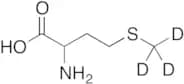
CAS:Controlled Product<p>Impurity Paliperidone USP Related Compound A<br>Applications 3-Ethyl-6,7,8,9-tetrahydro-9-hydroxy-2-methyl-4H-pyrido[1,2-a]pyrimidin-4-one (Paliperidone USP Related Compound A) is used in the synthesis of Paliperidone (P141000). Intermediate.<br>References Rein, A., et al.: Curr. Opin. Drug Discovery Dev., 3, 734 (2000),<br></p>Formula:C11H16N2O2Color and Shape:NeatMolecular weight:208.26Methionine-methyl-d3
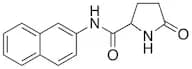
CAS:Controlled Product<p>Applications Methionine-methyl-d3 is the labeled Methionine-methyl, a useful building block.<br></p>Formula:C5D3H8NO2SColor and Shape:NeatMolecular weight:152.23L-Pyroglutamic Acid β-Naphthylamide
CAS:Controlled Product<p>Applications A substrate for pyroglutamate aminopeptidase. Used for colorimetric determination of pyrrolidonyl peptidase activity in bacteria.<br> Not a dangerous good if item is equal to or less than 1g/ml and there is less than 100g/ml in the package<br>References Szewczuk, A., et al.: Eur. J. Biochem., 8, 63 (1969), Szewczuk, A., et al.: Anal. Biochem., 39, 268 (1971)<br></p>Formula:C15H14N2O2Color and Shape:NeatMolecular weight:254.28D-Serine Methyl Ester Hydrochloride
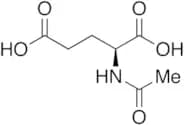
CAS:Controlled Product<p>Applications D-Serine Methyl Ester Hydrochloride (cas# 5874-57-7) is a compound useful in organic synthesis.<br></p>Formula:C4H9NO3·ClHColor and Shape:NeatMolecular weight:155.58N-Acetyl-L-glutamic Acid
CAS:Controlled Product<p>Applications N-Acetyl-L-glutamic Acid is the N-Acetyl analogue of the non-essential amino acid, L-glutamic acid (G596960). N-Acetyl-L-glutamic Acid activates carbamoyl phosphate synthetase in the urea cycle.<br>References Saheki, T. et al.: J. Biochem., 77, 659 (1975); Rivas, J. et al.: Acta Biol. Med. Ger., 36, 1673 (1977); Zollner, H.: Biochim. Biophys. Acta, 676, 170 (1981);<br></p>Formula:C7H11NO5Color and Shape:NeatMolecular weight:189.17L-Tryptophan-d3
CAS:Controlled Product<p>Applications L-Tryptophan-d3 is a deuterium labelled amino acid, which is a protein building block. The unlabelled L-Tryptophan (T947210) is also available.<br>References Goze, C., et al.: Eur. J. Pharmacol., 643, 153 (2010), Bhandare, P., et al.: J. Chem. Pharm. Res., 2, 372 (2010),<br></p>Formula:C11D3H9N2O2Color and Shape:NeatMolecular weight:207.24Isoleucine-d10 (mixture of diastereomers)
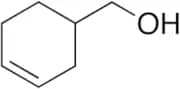
CAS:Controlled Product<p>Applications Isoleucine-d10 (mixture of diastereomers) (CAS# 29909-02-2) is a useful isotopically labeled research compound and can be used in gas liquid chromatography.<br>References VandenHeuvel, W., et.al., J. Chromatogr., 50, 405-412, (1970);<br></p>Formula:C6D10H3NO2Color and Shape:NeatMolecular weight:141.23453-Cyclohexene-1-methanol
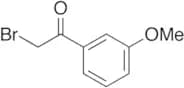
CAS:Controlled ProductFormula:C7H12OColor and Shape:NeatMolecular weight:112.172-Bromo-3'-methoxyacetophenone
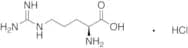
CAS:Controlled Product<p>Applications Derivatizing reagent.<br> Not a dangerous good if item is equal to or less than 1g/ml and there is less than 100g/ml in the package<br>References Webster, S., et al.: Bioorg. Med. Chem. Lett., 20, 3265 (2010), Chezal, J., et al.: Eur. J. Med. Chem., 45, 2044 (2010),<br></p>Formula:C9H9BrO2Color and Shape:NeatMolecular weight:229.07L-Arginine Hydrochloride
CAS:<p>Applications An essential amino acid for human development. Precursor for nitric oxide. Ammonia detoxicant (hepatic failure); diagnostic aid (pituitary function).<br>References Miura, T., et al.: Anal. Biochem., 139, 432 (1984), Jones, et al.: Adv. Enzyme Regul., 9, 19 (1970), Borders, C.L., et al.: Protein. Sci., 3, 541 (1994),<br></p>Formula:C6H14N4O2·ClHColor and Shape:NeatMolecular weight:210.66Bis(4-methylpentyl) Phthalate
CAS:Controlled Product<p>Applications Bis(4-methylpentyl) Phthalate, is a phthalic acid ester (PAEs), widely used in many consumable products with potential carcinogenic properties. It is also the product of the fermentation of Streptomyces regnesis 099.<br></p>Formula:C20H30O4Color and Shape:ColourlessMolecular weight:334.45Potassium 2-hydroxy-4-methoxybenzoate
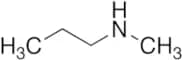
CAS:Controlled Product<p>Applications Potassium 2-hydroxy-4-methoxybenzoate (cas# 152312-71-5) is a useful research chemical.<br></p>Formula:C8H7KO4Color and Shape:NeatMolecular weight:206.24N-Methyl-1-propanamine
CAS:<p>Applications A naturally occurring nitrostable secondary amine found in tabacco smoke condensate.<br>References Singer, G.M. et al.: J. Agric. Food Chem. 24, 553(1976); Bush, L. P. et al.: Can. J. Plant Sci. 50, 289(1970).<br></p>Formula:C4H11NColor and Shape:ColourlessMolecular weight:73.14DL-Cysteine
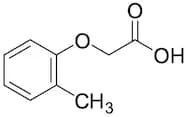
CAS:Controlled Product<p>Stability Hygroscopic<br>Applications Cysteine is a non-essential amino acid that can be synthesized by the human body under normal physiological conditions if a sufficient quantity of methionine is available. Cysteine is commonly used as a precursor in the food and pharmaceutical industries. Cysteine is used as a processing aid for baking, as an additive in cigarettes, as well as in the preparation of meat flavours.<br>References Hui, N. et al.: Meat Sci. Appl., 74 (2001); Kiviharju, K. et al.: J. Biotechnol., 117, 299 (2005); Pecivova, P. et al.: J. Sci. Food Agric., 90, 1681 (2010);<br></p>Formula:C3H7NO2SColor and Shape:NeatMolecular weight:121.16o-Cresolglycolic Acid
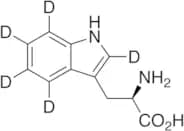
CAS:Controlled Product<p>Applications (2-methylphenoxy)acetic acid (cas# 1878-49-5) is a useful research chemical.<br></p>Formula:C9H10O3Color and Shape:NeatMolecular weight:166.17D-Tryptophan-d5
CAS:Controlled Product<p>Applications Labelled analogue of an essential amino acid found in naturally produced peptides. Unlike its stereoisomer, L-tryptophan, it is not used in structural or enzyme proteins.<br>References Karunakaran, S.et al.: Bochem. J., 414, 343 (2008); Pallaghy, P.K. et al.: Biochem., 38, 11553 (1999);<br></p>Formula:C112H5H7N2O2Color and Shape:NeatMolecular weight:209.26Nα-Acetyl-L-ornithine
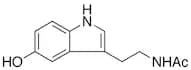
CAS:Controlled ProductFormula:C7H14N2O3Color and Shape:Off-WhiteMolecular weight:174.2N-Acetyl-5-hydroxytryptamine
CAS:<p>Stability Hygroscopic<br>Applications A metabolite of Melatonin (M215000).<br>References Reiter, R.J., et al.: J. Biomed. Sci., 7, 444 (2000), Chen, Z., et al.: Am. J. Physiol, 284, 1618 (2003), Barrenetxe, J., et al.: J. Physiol. Biochem., 60, 61 (2004),<br></p>Formula:C12H14N2O2Color and Shape:White To GreyMolecular weight:218.2518N-Acetyl-S-(propyl-d7)-L-cysteine
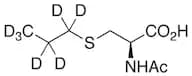
CAS:Controlled ProductFormula:C8D7H8NO3SColor and Shape:Off-WhiteMolecular weight:212.324-Methyl-2-oxovaleric Acid-d7 Sodium Salt
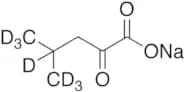
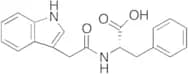
CAS:Controlled Product<p>Applications Labelled 4-Methyl-2-oxovaleric Acid, an α-ketomonocarboxylic acid that triggers insulin release by acting upon receptor sites which differ from those occupied by amino acids. 4-Methyl-2-oxovaleric Acid is an intermediate in the metabolism of Leucine.<br>References Panten, U. et al.: Naun.-Schmied. Arch. Pharmacol., 291, 405 (1975); Vague, P. et al.: Diab. Metab., 1, 185 (1975); Francois, G. et al.: Lancet, 1, 858 (1984);<br></p>Formula:C62H7H2O3·NaColor and Shape:NeatMolecular weight:159.17indole-3-acetyl-L-phenylalanine
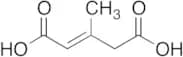
CAS:Controlled Product<p>Applications Indole-3-acetyl-L-phenylalanine is an indole-3-acetyl-amino acid conjugate involved in regulatory mechanisms for the control of auxin activity during physiological and pathophysiological responses.<br>References Ostrowski, M., et al.: J Plant Physiol, 191, 63-72 (2016)<br></p>Formula:C19H18N2O3Color and Shape:NeatMolecular weight:322.3583-Methylglutaconic Acid
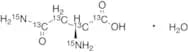
CAS:Controlled Product<p>Stability Hygroscopic<br>Applications 3-Methylglutaconic acid is a glutarate which builds up in the urine in 3-methylglutaconic aciduria. 3-methylglutaconic aciduria is a term used to describe five different disorders that impair the functioning of energy-producing centers within cells (mitochondria)<br>References Walsh, R., et al.: J. Inherit. Metab. Dis., 22, 251 (1999); Gonzalez, I., et al.: Am J Med Genet A., 134, 409 (2005); MacKenzie, J., et al.: Biochim Biophys Acta., 1772, 509 (2007)<br></p>Formula:C6H8O4Color and Shape:NeatMolecular weight:144.13L-Asparagine-13C4, 15N2 Hydrate
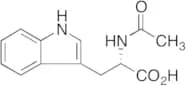
CAS:Controlled ProductFormula:C4H815N2O3H2OColor and Shape:NeatMolecular weight:138.081802N-Acetyl-L-Tryptophan
CAS:Controlled Product<p>Applications N-Acetyl-L-Tryptophan, is a derivative of L-Tryptophan (T947210), that can be used as competitive inhibitor to identify and characterize tryptophanases. It can also be used as an NK1 tachykinin receptor antagonist, that may help to develop a novel therapeutic intervention for the treatment of reperfusion injury in acute ischemic stroke.<br>References Turner, R. J., et al.: Neuroscience, 220, 1 (2012);<br></p>Formula:C13H14N2O3Color and Shape:White To Off-WhiteMolecular weight:246.263-Nitro-L-tyrosine-d3
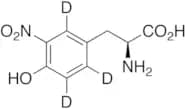
CAS:Controlled Product<p>Applications A labelled marker for peroxynitrite. Oxidant and cytotoxic agent.<br>References Sekiguchi, M., et al.: Brain Res., 978, 228 (2003), van den Tweel, E., et al.: J. Neurobiol., 167, 64 (2005), Shirakura, T., et al.: Biol. Pharm. Bull., 28, 1658 (2005),<br></p>Formula:C9D3H7N2O5Color and Shape:NeatMolecular weight:229.2(±)-2-Methyl-d3-succinic-2,3,3-d3 Acid
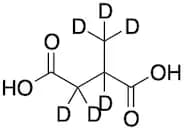
CAS:Controlled Product<p>Applications (±)-2-Methyl-d3-succinic-2,3,3-d3 Acid (CAS# 347840-08-8) is a useful isotopically labeled research compound.<br></p>Formula:C5D6H2O4Color and Shape:NeatMolecular weight:138.153-Chloro-L-tyrosine
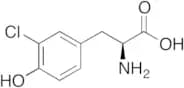
CAS:Controlled Product<p>Stability Hygroscopic<br>Applications 3-Chloro-L-tyrosine was used in the enzymatic synthesis of halogen derivatives of aromatic amino acids labeled with hydrogen isotope. 3-Chloro-L-tyrosine exhibited stronger antioxidant properties in Hb-induced oxidative stress as was evident by higher efficiency of reduction of ferryl species.<br>References Winnicka, E., et al.: J. Chem. Eng., 8, 54 (2014); Lu, N., et al.: Toxicol. In Vitro, 28, 847 (2014);<br></p>Formula:C9H10NO3ClColor and Shape:NeatMolecular weight:215.63Bisphenol B Mono-b-D-glucuronide
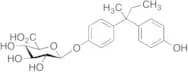
<p>Applications Bisphenol B Mono-β-D-glucuronide is a metabolite of Bisphenol B (B519565), which is the analogue of Bisphenol A (B519495), that is used to make certain plastic an epoxy resins. BPA and its analogs, are also shown to activate human pregnane X receptor (PXR), a nuclear receptor that functions as a master regulator of xenobiotic metabolism.<br>References Krishnan, A.V., et al.: Endocrinology, 132, 2279 (1993); Steinmetz, R., et al.: Trends Endocrinol. Metab., 9, 124 (1998); Petersen, H., et al.: Eur. Food Res. Technol., 216, 355 (2003); Yipeng, S., et al.: Env Hea. Pers., 120, 399 (2012);<br></p>Formula:C22H26O8Color and Shape:White To Off-WhiteMolecular weight:418.445-Aminolevulinic Acid Methyl Ester Hydrochloride
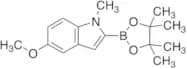
CAS:Controlled Product<p>Applications 5-Aminolevulinic Acid Methyl Ester Hydrochloride, is the methyl ester of Aminolevulinic Acid (ALA) (A611780), which has been shown to have higher lipophilicity, and to be highly efficient at inducing protoporphyrin IX (PpIX) production in cell culture.<br>References Morrow, D. I. J., et al.: J. Pharmac. Sci., 99, 3486 (2010); Peng, Q., et al.: Cancer, 79, 2282 (1997);<br></p>Formula:C6H11NO3·HClColor and Shape:NeatMolecular weight:181.625-Methoxy-1-methylindole-2-boronic Acid Pinacol Ester (>90%)
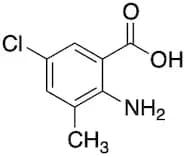
CAS:Controlled Product<p>Applications 5-Methoxy-1-methylindole-2-boronic acid pinacol ester (cas# 1256360-41-4) is a useful research chemical.<br></p>Formula:C16H22BNO3Purity:>90%Color and Shape:NeatMolecular weight:287.1622-Amino-5-chloro-3-methylbenzoic Acid
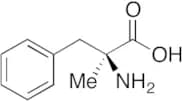
CAS:Controlled Product<p>Applications 2-Amino-5-chloro-3-methylbenzoic Acid is a useful research chemical for the preparation of benzoyl urea containing anthranillic acid groups with insecticidal activity.<br>References Peng, Y., et al.: Nongyao, 48, 326 (2009);<br></p>Formula:C8H8NO2ClColor and Shape:NeatMolecular weight:185.6α-Methyl-L-phenylalanine
CAS:Controlled Product<p>Applications α-Methyl-L-phenylalanine is used to prepare hippuryl-α-methylphenylalanine and hippuryl-α-methylphenyllactic acid as substrates for carboxypeptidase A. It is also used in the synthesis of high affinity tachykinin NK2 receptor antagonists.<br>References Lee, M., et al.: Bioorg. Med. Chem., 8, 815 (2000); Boyle, S., et al.: Bioorg. Med. Chem., 2, 101 (1994)<br></p>Formula:C10H13NO2Color and Shape:NeatMolecular weight:179.223-Chloro-2-methyl-1-propene
CAS:<p>Applications 3-Chloro-2-methyl-1-propene has been used in the synthesis of 2-S-substituted pyrimidines as antimetabolites of nucleic acid precursors for cancer therapy.<br> Not a dangerous good if item is equal to or less than 1g/ml and there is less than 100g/ml in the package<br>References Kaldrikyan, M.A., Melik-Ohanjanyan, R.G.: Hayastani Kimiakan Handes, 67, 321 (2014)<br></p>Formula:C4H7ClColor and Shape:NeatMolecular weight:90.55N3-Ethylthymidine
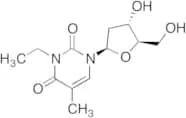
CAS:Controlled Product<p>Applications E677525<br>References Shimizu, T., et al.: Chem. Pharm. Bull., 53, 313 (2005)<br></p>Formula:C12H18N2O5Color and Shape:NeatMolecular weight:270.121574-Methylenepiperidine Hydrochloride
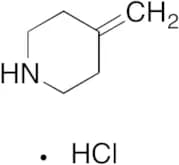
CAS:Controlled Product<p>Applications 4-Methylenepiperidine Hydrochloride is a building block that can be coupled with aryl halides via Suzuki cross-coupling to give benzyl piperidines and related compounds.<br>References Vice, S., et al.: J. Org. Chem., 66, 2487 (2001);<br></p>Formula:C6H11N•(HCl)Color and Shape:NeatMolecular weight:97.163646(R)-1,2,3,4-Tetrahydroisoquinoline-3-carboxylic Acid
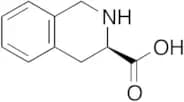
CAS:Controlled Product<p>Applications (R)-1,2,3,4-Tetrahydroisoquinoline-3-carboxylic Acid, is an amino acid building block used in peptide synthesis. With a growing peptide drug market the fast, reliable synthesis of peptides is of great importance.<br></p>Formula:C10H11NO2Color and Shape:NeatMolecular weight:177.20L-Valine-d8
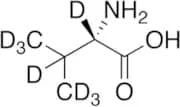
CAS:Controlled Product<p>Applications Labelled analogue of L-Vailne. L-Valine is an essential amino acid and one of 20 proteinogenic amino acids. L-Valine cannot be manufactured by the body and must be acquired through diet or supplementation. L-valine is found in grains, dairy products, mushrooms, meats, peanuts and soy proteins. L-Valine has been used in studies to attenuate arrhythmias and induce hypotensive effects.<br>References Choi, C.W. et al.: Anim. Feed Sci. Technol., 102, 15 (2002); Kolarski, D. et al.: Krmiva, 30, 155 (1988); Oba, M. et al.: J. Dairy Sci., 93, 2044 (2010); Mitrega, K. et al.: Pharmacol. Res., 64, 218 (2011);<br></p>Formula:C52H8H3NO2Color and Shape:NeatMolecular weight:125.20L-Leucine
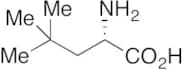
CAS:Controlled Product<p>Applications L-Leucine is an essential amino acid. L-Leucine acts as a nutrient signal to stimulate protein synthesis. It has also activates the mammalian target of rapamycin kinase that regulates cell growth.<br>References Demant, T. et al.: Am. J. Physiol., 270, E1022 (1996); Diraison, F. et al.: Am. J. Physiol., 277, E529 (1999); Suryawan, A. et al.: J. Anim. Sci., 89, 2004 (2011); Peyrollier, K. et al.: Biochem. J., 350, 361 (2000);<br></p>Formula:C6H13NO2Color and Shape:NeatMolecular weight:131.17N-Boc-L-proline
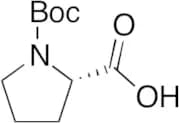
CAS:Controlled Product<p>Applications N-Boc-L-proline is a useful synthetic intermediate. It is used to synthesize Daclatasvir (D101500) which nhibits the HCV protein NS5A. Daclatasvir (D101500) can be used as a drug candidate for the treatment of hepatitis C (HCV).<br>References Gao, M., et al.: Nature, 465(7294), 96 (2010); Bell, T. W., Chem. Med. Chem., 5(10), 1663 (2010);<br></p>Formula:C10H17NO4Color and Shape:NeatMolecular weight:215.252-Methyl Hippuric Acid-d7
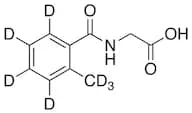
CAS:Controlled Product<p>Applications The main labelled metabolite of o-xylene.<br>References Gregus, Z., et al.: Drug Metab. Dispos., 26, 1082 (1998), Gregus, Z., et al.: Xenobiotica, 29, 547 (1999), Gonzalez-Reche, L., et al.: Arch. Toxicol., 77, 80 (2003),<br></p>Formula:C10D7H4NO3Color and Shape:NeatMolecular weight:200.242-(Diphenylmethoxy)-N-methylethylamine
CAS:Controlled Product<p>Applications 2-(Diphenylmethoxy)-N-methylethylamine is used in the pereparation of H1 and H2 receptor antagonists containing Diphenhydramine (D486900) derivatives. Diphenhydramine is a H1-histamine receptor antagonist. Diphenhydramine (D486900) is categorized as an antihistaminic; sedative, hypnotic.<br>References Wolf, C. et al.: Archiv. de Pharm., 329, 87 (1996); Gruhzit, O.M., et al.: J. Pharmacol. Exp. Ther., 89, 227 (1947), Holcomb, I.J., et al.: Anal. Profiles Drug Subs., 3, 173 (1974), Scavone, J.M., et al.: J. Clin. Pharmacol., 38, 603 (1998),<br></p>Formula:C16H19NOColor and Shape:Light Yellow To YellowMolecular weight:241.331-(2-Methoxyphenethyl)piperazine
CAS:Controlled Product<p>Applications 1-(2-METHOXYPHENETHYL)PIPERAZINE (cas# 6722-54-9) is a useful research chemical.<br></p>Formula:C13H20N2OColor and Shape:NeatMolecular weight:220.322-sec-Butyl-3-methoxypyrazine
CAS:Controlled Product<p>Applications A compound contents in musts and wines from Vitis vinifera variety Cabernet Sauvignon.<br>References Murray, K., et al.: J. Sci. Food Agric., 26, 973 (1975), Maga, J., et al.: Food Rev. Int., 8, 479 (1992), Allen, M., et al.: J. Agric. Food Chem., 43, 769 (1995),<br></p>Formula:C9H14N2OColor and Shape:NeatMolecular weight:166.225-Methoxy-N-methyl-N-(1-methylethyl)-α-oxo-1H-indole-3-acetamide
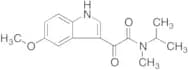
CAS:Controlled Product<p>Applications 5-Methoxy-N-methyl-N-(1-methylethyl)-α-oxo-1H-indole-3-acetamide is an intermediate used in the synthesis of 5-Methoxy-N-methyl-N-isopropyl Tryptamine (M271680), which is a psychedelic tryptamine related to N-methyl-N-isopropyltryptamine. 5-Methoxy MiPT potently inhibits the re-uptake of the monoamines serotonin and norepinephrine but does not affect dopamine re-uptake. 5-Methoxy MiPT has no effect on the release of monoamines from rat brain synaptosomes. This product is intended for forensic and research applications.<br>References Katagi, M., et al.: Jpn. J. Forensic Toxicol., 20, 303 (2002), Meatherall, R., et al.: J. Anal. Toxicol., 27, 313 (2003), Wilson, J., et al.: Forensic Sci. Int., 148, 31 (2005), Kamata, T., et al.: Drug Metab. Dispos., 34, 281 (2006),<br></p>Formula:C15H18N2O3Color and Shape:Beige To Light BrownMolecular weight:274.324-Hydroxy-3-methylpyridine
CAS:Controlled Product<p>Applications 4-Hydroxy-3-methylpyridine, is an building block used in the chemical synthesis of various pharmaceutical and biologically active compounds. It is an intermediate for the synthesis of second generation agonist of the orphan G-protein coupled receptor GPR119, for the treatment of diabetes.<br>References Graeme, S., et al.: Bioorg. Med. Chem. Lett., 22, 1750 (2012);<br></p>Formula:C6H7NOColor and Shape:NeatMolecular weight:109.126(E)-Ethyl 4-Bromo-3-methyl-2-butenoate
CAS:Controlled Product<p>Applications (E)-Ethyl 4-Bromo-3-methyl-2-butenoate (cas# 51318-62-8) is a compound useful in organic synthesis.<br></p>Formula:C7H11BrO2Color and Shape:NeatMolecular weight:207.073-Hydroxy-DL-kynurenine
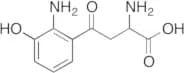
CAS:<p>Stability Hygroscopic<br>Applications 3-Hydroxy-DL-kynurenine is a tryptophan metabolite. Could be associated with symptoms in Parkinson's disease.<br>References Heilman, P. L., et al.: Movement Disorders, 35, 2028 (2020)<br></p>Formula:C10H12N2O4Color and Shape:NeatMolecular weight:224.21L-(+)-2-Phenylglycine
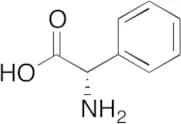
CAS:<p>Applications L-(+)-2-Phenylglycine is a derivative of Glycine (G615990), the smallest of all the amino acids, and is also used to treat schizophrenia, stroke, and benign prostatic hyperplasia. L-(+)-2-Phenylglycine is also used as an N-linked side chain of an SMTP (Stachybotrys microspora tripenyl phenols) congener, which was potent in enhancing plasminogen activation in S. microspora.<br>References Gusev, E., et al.: Cerebrovasc. Dis., 10, 49 (2000); Koide, H., et al.: J. Antibiot., 65, 91 (2012); Rosse, R., et al.: Clin. Neuropharmacol., 12, 416 (1989); Tuszynski, G., et al.: Lab. Invest., 70, 228 (1994)<br></p>Formula:C8H9NO2Color and Shape:Off White Crystalline PowderMolecular weight:151.1626(2R)-2-Hydroxyglutaric Acid Disodium Salt
CAS:<p>Stability Hygroscopic<br>Applications A potential inhibitor of glutamate carboxypeptidase.<br>References Wolcott, T.G., et al.: Biochem. Biophys. Res. Commun., 57, 709 (1974), Knowles, P.F., et al.: Eur. J. Biochem., 114, 139 (1981),<br></p>Formula:C5H6O5·2NaColor and Shape:NeatMolecular weight:192.08D-Cysteine Hydrochloride Monohydrate
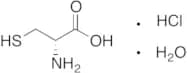
CAS:Controlled Product<p>Applications D-Cysteine Hydrochloride Monohydrate is used as a reactant in the expedient synthesis of electronically modified luciferins for bioluminescence imaging.<br>References McCutcheon, D., et al.: J. Am. Chem. Soc., 134, 7604 (2012);<br></p>Formula:C3H7NO2S·HCl·H2OColor and Shape:NeatMolecular weight:121.16+(36.46)+(18.02)Ethyl 5-Methyl-6-oxo-5,6-dihydro-4H-benzo[f]imidazo[1,5-a][1,4]diazepine-3-carboxylate
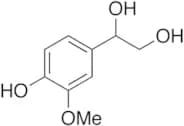
CAS:Controlled Product<p>Impurity Flumazenil EP Impurity E<br>Applications Ethyl 5-Methyl-6-oxo-5,6-dihydro-4H-benzo[f]imidazo[1,5-a][1,4]diazepine-3-carboxylate (Flumazenil EP Impurity E) is used in the biological studies and preparation of imidazobenzodiazepines as probes for diazepaminsensitive receptor pharmacophore.<br>References Zhang, P., et al.: J. Med. Chem., 38, 1679 (1995)<br></p>Formula:C15H15N3O3Color and Shape:NeatMolecular weight:285.30rac 4-Hydroxy-3-methoxyphenylethylene Glycol
CAS:Controlled Product<p>Stability Hygroscopic<br>Applications A metabolite of Catecholamines.<br>References Kopin, I.J., et al.: J. Biol. Chem., 236, 2109 (1961), Short, F.W., et al.: J. Med. Pharm. Chem., 5, 642 (1962)<br></p>Formula:C9H12O4Color and Shape:White To Off-WhiteMolecular weight:184.19δ-Valerolactam-d4
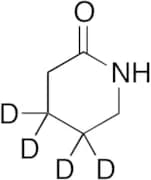
CAS:Controlled Product<p>Applications δ-Valerolactam-d4 is a labeled analog of δ-Valerolactam (V091440), which is a useful synthetic intermediate. It is an intermediate used to synthesize Cenicriviroc (C256550), an experimental drug candidate for the treatment of HIV infection. It is also a starting material for a new route to hexahydrojulolidines, using intramolecular 1,4-cycloaddition.<br>References Potts, K., et al. J. Org. Chem., 58, 5040 (1993); Klibanov, O., et al.: Curr. Opinion Invest. Drugs, 11, 940 (2010);<br></p>Formula:C5H5D4NOColor and Shape:NeatMolecular weight:103.16L-Carnitine-d9
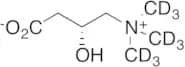
CAS:Controlled Product<p>Applications L-Carnitine-d9 is the isotope labelled analog of L-Carnitine (C184110); an essential cofactor of fatty acid metabolism; required for the transport of fatty acids through the inner mitochondrial membrane. Synthesized primarily in the liver and kidney; highest concentrations found in heart and skeletal muscle. Dietary sources include red meat, dairy products, beans, avocado.<br>References Mitchell, M.E., et al.: Am. J. Clin. Nutr., 31, 293 (1978); Lango, R., et al.: Cardiovasc. Res., 51, 21 (2001); Vaz, F.M., et al.: Biochem. J., et al.: 361, 417 (2002); Karlic, H., et al.: Nutrition, 20, 709 (2004)<br></p>Formula:C7D9H7NO3Color and Shape:NeatMolecular weight:171.26Decanoyl-L-carnitine-d3 Chloride
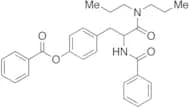
CAS:Controlled Product<p>Stability Hygroscopic<br>Applications Decanoyl-L-carnitine-d3 Chloride is the isotope labelled analog of Decanoyl-L-carnitine Chloride (D212580); a metabolite of L-Carnitine (C184110) which is an essential cofactor of fatty acid metabolism. Also required for the transport of fatty acids through the inner mitochondrial membrane.<br>References Mitchell, M.E., et al.: Am. J. Clin. Nutr., 31, 293 (1978); Lango, R., et al.: Cardiovasc. Res., 51, 21 (2001); Vaz, F.M., et al.: Biochem. J., et al.: 361, 417 (2002); Karlic, H., et al.: Nutrition, 20, 709 (2004)<br></p>Formula:C17D3H31NO4·ClColor and Shape:NeatMolecular weight:354.93N,O-Dibenzoyl-DL-tyrosyl-N’,N’-dipropylamide
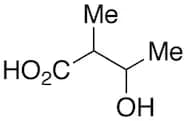
CAS:Controlled Product<p>Applications N,O-Dibenzoyl-DL-tyrosyl-N',N'-dipropylamide is a metabolite of the antispasmodic agent Tiropramide (T446900). Tiropramide impurity B.<br>References Janssen, et al.: J. Pharm. Pharmacol., 9, 381 (1956), Bertaccini, et al.: Br. J. Pharmac., 34, 310 (1968),<br></p>Formula:C29H32N2O4Color and Shape:White To Light RedMolecular weight:472.583-Hydroxy-2-methylbutanoic Acid
CAS:Controlled Product<p>Applications 3-Hydroxy-2-methylbutanoic Acid (cas# 473-86-9) is a compound useful in organic synthesis.<br></p>Formula:C5H10O3Color and Shape:Colourless To YellowMolecular weight:118.134-Methyl-2-(4-(trifluoromethyl)phenyl)thiazole-5-carboxylic Acid
CAS:Controlled Product<p>Applications 4-methyl-2-(4-(trifluoromethyl)phenyl)thiazole-5-carboxylic acid (cas# 144059-86-9) is a useful research chemical.<br></p>Formula:C12H8F3NO2SColor and Shape:NeatMolecular weight:287.26




![N-[(Benzyloxy)carbonyl]glycylglycine](/_next/image/?url=https%3A%2Fstatic.cymitquimica.com%2Fproducts%2FTR%2Fthumb-webp%2FB287100.webp&w=3840&q=75)







![3-Ethyl-6,7,8,9-tetrahydro-9-hydroxy-2-methyl-4H-pyrido[1,2-a]pyrimidin-4-one](/_next/image/?url=https%3A%2Fstatic.cymitquimica.com%2Fproducts%2FTR%2Fthumb-webp%2FE926295.webp&w=3840&q=75)













![Ethyl 5-Methyl-6-oxo-5,6-dihydro-4H-benzo[f]imidazo[1,5-a][1,4]diazepine-3-carboxylate](/_next/image/?url=https%3A%2Fstatic.cymitquimica.com%2Fproducts%2FTR%2Fthumb-webp%2FE923525.webp&w=3840&q=75)