Amino Acids (AA)
Amino acids (AAs) are the fundamental building blocks of proteins, playing a crucial role in various biological processes. These organic compounds are essential for protein synthesis, metabolic pathways, and cell signaling. In this category, you will find a comprehensive range of amino acids, including essential, non-essential, and modified forms, which are vital for research in biochemistry, molecular biology, and nutritional sciences. At CymitQuimica, we provide high-quality amino acids to support your research and development needs, ensuring accuracy and reliability in your experimental outcomes.
Subcategories of "Amino Acids (AA)"
- Amino Acid Derivatives(3,955 products)
- Amino Acid and Amino Acid Related Compounds(3,465 products)
- Amino Acids with Oxygen or Sulphur(168 products)
- Boc- Amino Acids(351 products)
- Fmoc Amino Acids(1,710 products)
Found 38248 products of "Amino Acids (AA)"
Sort by
Purity (%)
0
100
|
0
|
50
|
90
|
95
|
100
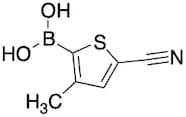
(5-Cyano-3-methylthiophen-2-yl)boronic Acid
CAS:Controlled ProductFormula:C6H6BNO2SColor and Shape:NeatMolecular weight:166.9934-(2-phenylbutanoyl)-8-propyl-1-oxa-4,8-diazaspiro[4.5]decane-3-carboxylic acid
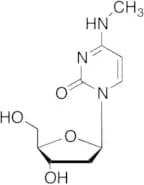
CAS:Purity:95.0%Molecular weight:374.48098754882812'-Deoxy-N-methyl-cytidine
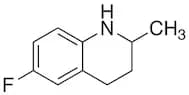
CAS:Controlled Product<p>Applications 2'-Deoxy-N-methyl-cytidine is a nucleotide derivative used as an analytical reagent.<br>References Dupret, D.: Biomed. Health. Res., 23(Human Genome Analysis), 244-255 (1998)<br></p>Formula:C10H15N3O4Color and Shape:NeatMolecular weight:241.2446-Fluoro-1,2,3,4-tetrahydro-2-methylquinoline
CAS:Controlled Product<p>Applications Intermediate in the production of anti-cancer quinoline derivatives and antibacterial agents<br>References Zhao, H., et al.: Bioorg. Med. Chem. Lett., 12, 3105 (2002),<br></p>Formula:C10H12FNColor and Shape:NeatMolecular weight:165.21(2R)-3-Hydroxyisovaleroyl Carnitine
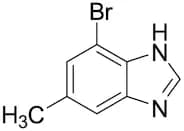
CAS:Controlled Product<p>Stability Very Hygroscopic<br>Applications Hydroxyisovaleroyl Carnitine is used as a diagnostic tool to identify the presence of orofacial clefts. Also used in the screening and diagnostics of inborn errors of metabolism.<br>References Denes, J. et al.: Anal. Chem., 84, 10113 (2012); Budner, M. et al.: Arch. Oral. Biol., 58, 459 (2013);<br></p>Formula:C12H23NO5Color and Shape:NeatMolecular weight:261.314-Bromo-6-methyl-3H-1,3-benzodiazole
CAS:Controlled Product<p>Applications 4-Bromo-6-methyl-3H-1,3-benzodiazole<br></p>Formula:C8H7BrN2Color and Shape:NeatMolecular weight:211.0585-(TERT-BUTOXYCARBONYLAMINO-METHYL)CYCLOHEX-1-ENECARBOXYLIC ACID
CAS:Purity:95.0%Molecular weight:255.31399536132812L-2-Aminobutyric Acid-d6
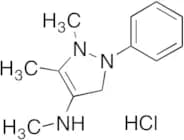
CAS:Controlled Product<p>Applications L-2-Aminobutyric Acid-d6 is the isotope labelled analog of L-2-Aminobutyric Acid (A602930); a receptor antagonist.<br>References Porter, D.J.T., et al.: Biochem. Pharmacol., 50, 1475 (1995)<br></p>Formula:C4D6H3NO2Color and Shape:Off-WhiteMolecular weight:109.164-Methylaminoantipyrine Hydrochloride
CAS:Formula:C12H15N3O·ClHColor and Shape:Light Orange Colour To Light BrownMolecular weight:253.734-Methyl-6-(2,4,4-trimethylpentyl)-2H-pyran-2-one
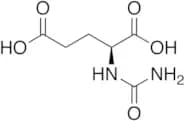
CAS:Controlled Product<p>Impurity Piroctone USP Related Compound B<br>Applications 4-Methyl-6-(2,4,4-trimethylpentyl)-2H-pyran-2-one is used in the synthesis of antibacterials and antimycotics. Related to Piroctone (P509400), an anti-dandruff agent used in shampoo formulations. Piroctone USP Related Compound B<br>References Georgalas, A. et al.: J. Cosm. Sci., 55, S207 (2004); Mayser, P. et al.: J. Cosm. Sci., 54, 263 (2008);<br></p>Formula:C14H22O2Color and Shape:NeatMolecular weight:222.32N-Carbamyl-L-glutamic Acid
CAS:Controlled Product<p>Applications N-Carbamyl-L-glutamic Acid has been shown to have protective effects against ammonia intoxication and is used in the treatment of acute hyperammonemia.<br>References Paik, W.K. et al.: Life Sci., 15, 1189 (1974); O'Connor, J.E. et al.: Eur. J. Pediat., 148, 540 (1989); Lee, J.H. et al.: Biochem. Biophys. Res. Chem., 248, 391 (1998);<br></p>Formula:C6H10N2O5Color and Shape:NeatMolecular weight:190.158-tert-butyl-4-[4-(dimethylamino)benzoyl]-1-oxa-4-azaspiro[4.5]decane-3-carboxylic acid
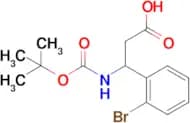
CAS:Purity:95.0%Molecular weight:388.507995605468753-(2-Bromophenyl)-3-((tert-butoxycarbonyl)amino)propanoic acid
CAS:Purity:97%Molecular weight:344.20498657226564-(3-chlorobenzoyl)-8-methyl-1-oxa-4,8-diazaspiro[4.5]decane-3-carboxylic acid
CAS:Purity:95.0%Molecular weight:338.79000854492194-Chloro-7-methyl-7H-pyrrolo[2,3-d]pyrimidine
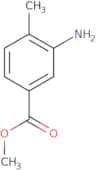
CAS:<p>4-Chloro-7-methyl-7H-pyrrolo[2,3-d]pyrimidine is a versatile building block for the synthesis of complex compounds. It can be used as a reagent in organic synthesis and has been shown to react with a range of functional groups including alcohols, amines, carboxylic acids, sulfonic acid esters and nitriles. 4-Chloro-7-methylpyrrolo[2,3-d]pyrimidine is an intermediate that can be used to synthesize other specialty chemicals such as pharmaceuticals.</p>Formula:C7H6ClN3Purity:Min. 95 Area-%Color and Shape:PowderMolecular weight:167.6 g/mol3-Amino-4-methylbenzoic acid methyl ester
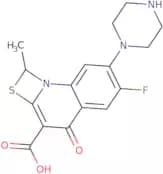
CAS:<p>3-Amino-4-methylbenzoic acid methyl ester (3AMB) is an organic compound that is used as a reagent in the synthesis of amides. It can also be used to synthesize various heterocycles by reacting with aldehydes and ketones. 3AMB has been used as a substrate in assays for amines, yielding high yields. The compound's unsymmetrical structure can be attributed to the presence of different substituents on either side of the central carbon atom. 3AMB has been shown to inhibit metal ion enzymes such as dioxygenases and nitric oxide synthases, which are involved in the metabolism of nitric oxide and oxygen respectively. In addition, 3AMB has been shown to have anti-inflammatory properties and may be a potential candidate for use as an anticoagulant or antiplatelet drug.br>br><br>br>br><br>3AMB is</p>Formula:C9H11NO2Purity:Min. 95%Color and Shape:PowderMolecular weight:165.19 g/molUlifloxacin
CAS:<p>Extensive research has been conducted on the antimicrobial activity of 6-fluoro-1-methyl-4-oxo-7-(1-piperazinyl)-4H-(1,3)thiazeto(3,2a)quinoline-3-carboxylic acid (FPMT). FPMT is a levorotatory compound that is rapidly metabolized by esterases to 6FMT, which is also active against bacteria. FPMT inhibits bacterial growth, but does not inhibit mammalian cell growth. The main mechanism of action for FPMT is probably through its ability to inhibit the synthesis of bacterial DNA and RNA. This drug has been shown to be effective against sinusitis caused by bacterial rhinosinusitis and urinary tract infections caused by Escherichia coli and Pseudomonas aeruginosa. FPMT can be used as an alternative to prulifloxacin for the treatment of these types of infections</p>Formula:C16H16FN3O3SPurity:Min. 98 Area-%Molecular weight:349.38 g/mol5-Chloro-L-tryptophan
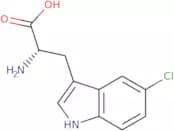
CAS:<p>5-Chloro-L-tryptophan (5CTP) is a chemical compound that belongs to the class of cyclic peptides. It is biosynthesized by plants and other organisms from 4-chloro-L-tryptophan. 5CTP is synthesized from 4CTP by a two step process, involving an oxidative decarboxylation followed by a deamination reaction. The oxidative decarboxylation converts the amino acid into an intermediate, which is then deaminated and converted into 5CTP. This compound has been shown to have potential as a drug against cancer cells, with its mechanism of action being related to its ability to form metal chelates with heavy metals such as copper and mercury. 5CTP has also been used in molecular modeling studies, genetic analyses, and biochemical investigations of substrate binding and enzyme catalysis.</p>Formula:C11H11N2O2ClPurity:Min. 95%Color and Shape:White PowderMolecular weight:238.67 g/mol4-Bromo-3-methylbenzylamine hydrochloride
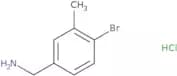
CAS:<p>4-Bromo-3-methylbenzylamine hydrochloride is a synthetic chemical that can be used in the synthesis of various products. This compound is a useful scaffold for the preparation of complex compounds, and it has been used as a reaction component in organic chemistry. It is also a versatile building block that can be used to synthesize fine chemicals with high purity. 4-Bromo-3-methylbenzylamine hydrochloride has been assigned CAS No. 1955514-32-5 by the Chemical Abstracts Service (CAS).</p>Formula:C8H10BrN·HClPurity:Min. 95%Molecular weight:236.54 g/molDL-Glutamic acid
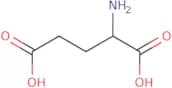
CAS:<p>Glutamic acid is a non-essential amino acid that has been shown to play an important role in the pathogenesis of many diseases. Glutamic acid has been shown to be involved in the production of glutamate, which is a neurotransmitter that can lead to neuronal death. Glutamic acid also plays an important role in the maintenance of mitochondrial membrane potential and energy metabolism. Glutamate is an inhibitory neurotransmitter, and it regulates the release of other neurotransmitters, such as dopamine and serotonin. This amino acid may also be involved in brain functions and neurotrophic factors.</p>Formula:C5H9NO4Purity:Min. 95%Color and Shape:White PowderMolecular weight:147.13 g/molN-Hydroxy-2-(4-methoxyphenoxy)ethanimidamide
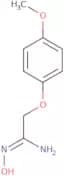
CAS:<p>Please enquire for more information about N-Hydroxy-2-(4-methoxyphenoxy)ethanimidamide including the price, delivery time and more detailed product information at the technical inquiry form on this page</p>Formula:C9H12N2O3Purity:Min. 95%Color and Shape:PowderMolecular weight:196.2 g/mol4'-Methoxy-3',β-dimethyl-β-nitrostyrene
<p>4'-Methoxy-3',beta-dimethyl-beta-nitrostyrene is a fine chemical that belongs to the group of versatile building blocks. It is an intermediate for the synthesis of complex compounds, research chemicals, and speciality chemicals. 4'-Methoxy-3',beta-dimethyl-beta-nitrostyrene is a useful reagent in organic synthesis and can be used as a reaction component or scaffold. It has been shown to have high quality and it can be used as a useful building block.</p>Formula:C11H13NO3Purity:Min. 95%Color and Shape:PowderMolecular weight:207.23 g/mol2-[(4-Amino-2-methyl-5-nitrylbenzyl)amino]ethylalcohol
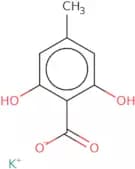
CAS:<p>2-[(4-Amino-2-methyl-5-nitrylbenzyl)amino]ethylalcohol is a reactive, hydrated, colorant that belongs to the group of hydroxy compounds. It has a chromophore and is used in the production of cosmetics. 2-[(4-Amino-2-methyl-5-nitrylbenzyl)amino]ethylalcohol is used for alkalization and in the production of particle pigments. This compound can be found in fatty acid esters, as it has a long hydrocarbon chain, which makes it soluble. It also has fatty acids and an amine group that provides color.</p>Formula:C9H13N3O3Purity:Min. 95%Molecular weight:211.22 g/mol2,6-Dihydroxy-4-methylbenzoic acid potassium
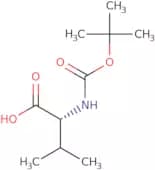
CAS:<p>2,6-Dihydroxy-4-methylbenzoic acid potassium salt (2,6-DMBAK) is a high quality reagent that is used as an intermediate in the synthesis of complex compounds. CAS No. 856177-01-0. It is a white crystalline solid with an mp of about 190 degrees Celsius and a bp of about 315 degrees Celsius. 2,6-DMBAK has been shown to be useful in the synthesis of speciality chemicals and research chemicals. This product can be used as a versatile building block for the preparation of various kinds of chemical compounds, and it also has many applications in organic synthesis because it reacts well with many different types of compounds.</p>Formula:C8H8O4•KPurity:Min. 95%Color and Shape:PowderMolecular weight:207.25 g/molBoc-D-Val-OH
CAS:<p>Boc-D-Val-OH is a synthetic, cyclic peptide that contains a hydrophobic Boc group. It has been shown to inhibit the uptake of calcium by caco-2 cells in vitro. This peptide also inhibits the growth of cancer cells and may be used as an anticancer agent. Boc-D-Val-OH binds to the membrane of caco-2 cells and blocks the uptake of calcium ions, thus inhibiting cellular functions such as protein synthesis. This compound is stable under a variety of conditions and has potent inhibitory activity against cancer cell proliferation.</p>Formula:C10H19NO4Purity:Min. 98 Area-%Color and Shape:PowderMolecular weight:217.26 g/mol4-Chloro-2-methylbenzyl alcohol
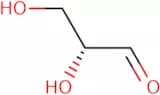
CAS:<p>4-Chloro-2-methylbenzyl alcohol is an organic compound that has a sensor and hydroxyl group. It is used in pest control as an insecticide. 4-Chloro-2-methylbenzyl alcohol has been shown to be effective against ants, cockroaches, and other insects. There are multiple instabilities of this compound, including low oxygen stability when exposed to air, which may lead to the degradation of this chemical. Impurities in 4-chloro-2-methylbenzyl alcohol may also lead to its instability as it reacts with alkali metals at high temperatures. The instability of 4-chloro-2-methylbenzyl alcohol can be reduced by storing it at low temperatures or by adding cryogenic substances such as liquid nitrogen or carbon dioxide gas.</p>Formula:C8H9ClOPurity:Min. 95%Molecular weight:156.61 g/molD-(+)-Glyceraldehyde
CAS:<p>D-Glyceraldehyde is sold by active weight in solution</p>Formula:C3H6O3Purity:85%MinColor and Shape:Colorless Clear Viscous LiquidMolecular weight:90.08 g/molL-Tyrosinol hydrochloride
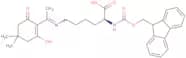
CAS:<p>L-Tyrosinol hydrochloride is a chiral molecule that is the hydrogenated form of L-tyrosine. It is an intermediate in the synthesis of L-dopa, which is used to treat Parkinson's disease. The enzymatic reaction that converts L-tyrosinol hydrochloride to L-dopa requires adenosine 5'-phosphosulfate as cofactor and histidine as a catalyst. The conversion of L-tyrosinol hydrochloride to L-dopa occurs with high yield and has been shown to be stereoselective. This synthetic pathway has been shown to have an activation energy of 53 kcal/mol and a reaction time of 30 minutes at room temperature.</p>Formula:C9H13NO2·HClColor and Shape:White Off-White PowderMolecular weight:203.67 g/molN-α-Fmoc-Nε-1-(4,4-dimethyl-2,6-dioxocyclohex-1-ylidene)ethyl-L-lysine
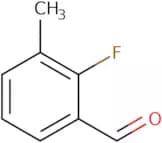
CAS:<p>N-alpha-Fmoc-Nepsilon-1-(4,4-dimethyl-2,6-dioxocyclohex-1-ylidene)ethyl-L-lysine is a synthetic amide with a peptide backbone. It has been shown to have anti tumor activity in vivo and in vitro against a variety of solid tumor xenografts. The compound was conjugated to the integrin receptor ligand RGD, which is expressed on the surface of various types of cancer cells. This modification increased the uptake of N-alpha-Fmoc-Nepsilon-1-(4,4 dimethyl 2,6 dioxocyclohex1 ylidene)ethyl L lysine by leukemia cells and solid tumor xenografts.</p>Formula:C31H36N2O6Purity:Min. 98 Area-%Color and Shape:Slightly Yellow PowderMolecular weight:532.63 g/mol2-Fluoro-3-methylbenzaldehyde
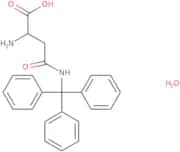
CAS:<p>2-Fluoro-3-methylbenzaldehyde is a chemical that can be used in the synthesis of other chemicals, such as pharmaceuticals. It is a versatile building block that can be used in the synthesis of complex compounds and scaffolds. The compound has been shown to react with amines to form ureas.</p>Formula:C8H7FOPurity:80%Molecular weight:138.14 g/molN-(Triphenylmethyl)-D-asparagine monohydrate
CAS:<p>Please enquire for more information about N-(Triphenylmethyl)-D-asparagine monohydrate including the price, delivery time and more detailed product information at the technical inquiry form on this page</p>Formula:C23H22N2O3•H2OPurity:Min. 95%Molecular weight:392.45 g/mol1,2-O-Dihexadecyl-sn-glycero-3-phosphocholine
CAS:<p>1,2-O-Dihexadecyl-sn-glycero-3-phosphocholine is a phosphoglyceride that is used in structural biology. It has been shown to form an inclusion complex with the antibiotic erythromycin. This complex was found to be stable at physiological pH and temperature, while the antibiotic alone was not. 1,2-O-Dihexadecyl-sn-glycero-3-phosphocholine also can be used as a surfactant with sodium dodecyl sulfate (SDS) to form micelles and vesicles. The micelles can be used as a model system for studying the interaction of amphiphilic molecules in solution. The chemical stability of 1,2-O-Dihexadecyl-sn-glycero-3-phosphocholine makes it suitable for use as a model system for studying fatty acid ester linkages and cyclic lipopept</p>Formula:C40H84NO6PPurity:Min. 95%Color and Shape:SolidMolecular weight:706.07 g/molN-Acetyl-S-methyl-L-cysteine
CAS:<p>N-Acetyl-S-methyl-L-cysteine (NAC) is an acetylated form of L-cysteine that has been shown to prevent oxidative damage and promote protein homeostasis. It is a methylating agent for the synthesis of methionine and glutathione, which are important for the maintenance of cellular function. NAC has been shown to be a matrix effect modifier in liquid chromatography with mass spectrometry (LC-MS/MS) analysis. This chemical can be found in urine samples as a normal metabolite, but it also has health effects such as the prevention of carcinogenic potential in animals. NAC can also be used as an antioxidant, anti-inflammatory, or anticarcinogenic drug.</p>Formula:C6H11NO3SPurity:Min. 95%Color and Shape:PowderMolecular weight:177.22 g/mol1-[(2,6-Difluorophenyl)Methyl]-4-Methyl-2-Propan-2-Ylbenzimidazole
CAS:Controlled Product<p>1-[(2,6-Difluorophenyl)Methyl]-4-Methyl-2-Propan-2-Ylbenzimidazole is a broad spectrum HIV drug that inhibits the HIV transcriptase. It binds to the active site of the enzyme and blocks the binding of nucleotides, preventing RNA synthesis. 1-[(2,6-Difluorophenyl)Methyl]-4-Methyl-2-Propan-2-Ylbenzimidazole has been shown to be effective against HIV in vitro and in vivo. This inhibitor has been shown to inhibit both wild type and mutant forms of HIV transcriptase by binding to the same region of the enzyme. The molecule also shows good activity against other types of viruses, including influenza virus, vesicular stomatitis virus and poliovirus.</p>Formula:C18H18F2N2Purity:Min. 95%Molecular weight:300.35 g/mol5-Methyl-2,3-hexanedione
CAS:<p>5-Methyl-2,3-hexanedione is a chemical compound that has been shown to be effective against avian influenza and the influenza virus. 5-Methyl-2,3-hexanedione inhibits the growth of influenza viruses by binding to the virus particles and preventing them from attaching to cells in the respiratory tract. This chemical also prevents the release of infectious viral particles from infected cells. The rate of encapsulation was determined by measuring the amount of 5-methyl-2,3-hexanedione that was adsorbed onto tylosin particles in a plate test. The encapsulation rate is greater than 80%. 5-Methyl-2,3-hexanedione has also been shown to inhibit tylosin resistance in vitro.</p>Formula:C7H12O2Purity:Min. 95%Color and Shape:Clear LiquidMolecular weight:128.17 g/molIndole-3-acetyl-L-valine
CAS:<p>Indole-3-acetyl-L-valine (IAV) is a naturally occurring amino acid that binds to the surface glycoprotein of wild-type viruses. It inhibits viral replication by inhibiting the production of basic proteins, which are necessary for viral life. IAV also has inhibitory properties against the toll-like receptor, which may be due to its ability to inhibit growth factor signaling. IAV has been shown to decrease the number of opportunistic fungal and bacterial infections in humans, with no adverse effects on human health. This drug has no effect on healthy cells and can be used as an adjuvant for the treatment of HIV and other viral infections.</p>Formula:C15H18N2O3Purity:Min. 95%Color and Shape:PowderMolecular weight:274.32 g/molN-(4-methylthio(3H-2,3,5-triazolyl))-3-phenylprop-2-enamide
CAS:<p>Please enquire for more information about N-(4-methylthio(3H-2,3,5-triazolyl))-3-phenylprop-2-enamide including the price, delivery time and more detailed product information at the technical inquiry form on this page</p>Formula:C12H12N4OSPurity:Min. 95%Color and Shape:PowderMolecular weight:260.32 g/molThiophene-2-glyoxylic acid
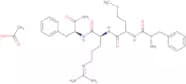
CAS:<p>Thiophene-2-glyoxylic acid is a reactive metabolite of thiophene that is formed from the environmental degradation of this compound. Thiophene-2-glyoxylic acid reacts with halides to form an electrophilic intermediate. This intermediate can react with a variety of nucleophiles, including the drug metabolites, leading to the formation of new compounds. Thiophene-2-glyoxylic acid has been shown to enhance the fluorescence properties of some organic compounds. It also has been shown to inhibit the metabolism of some drugs that are conjugated with acids and can be detected in plasma by mass spectrometry.</p>Formula:C6H4O3SPurity:Min. 95%Color and Shape:PowderMolecular weight:156.16 g/molH-Phe-Met-Arg-Phe-NH2 acetate
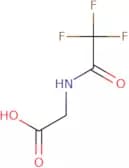
CAS:Controlled Product<p>H-Phe-Met-Arg-Phe-NH2 acetate is a high quality reagent that is useful in the synthesis of complex compounds. It can be used as an intermediate for the production of fine chemicals and speciality chemicals, as well as being a versatile building block in the synthesis of organic compounds. H-Phe-Met-Arg-Phe-NH2 acetate can also be used to make research chemicals or reaction components.</p>Formula:C29H42N8O4S•(C2H4O2)xPurity:Min. 95%Color and Shape:PowderMolecular weight:598.76 g/molN-(Trifluoroacetyl)glycine
CAS:<p>N-(Trifluoroacetyl)glycine is an amide with a trifluoroacetyl group. It is used in the synthesis of hydrophilic compounds and as a linker for other molecules. N-(Trifluoroacetyl)glycine has been shown to be toxic to the kidneys, which may be due to its ability to inhibit the conversion of glycine to urea by the enzyme glycine-N-acyltransferase. This drug also has antiviral activity against HIV infection, particularly when combined with other antiviral drugs such as zidovudine or lamivudine.</p>Formula:C4H4F3NO3Purity:Min. 95%Color and Shape:White Off-White PowderMolecular weight:171.07 g/mol2-Hydroxy-5-methoxybenzyl alcohol
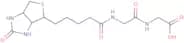
CAS:<p>2-Hydroxy-5-methoxybenzyl alcohol (2HMB) is a methide that is used as an inductor in the synthesis of Taxol. 2HMB has been shown to induce apoptosis in MCF-7 cells and to promote the hydration of oxacycles. It can also be used in cancer research as a kinetic probe for the hydration of oxacycles. 2HMB activates MCF-7 cells and induces apoptosis, which may be due to its nucleophilic properties.</p>Formula:C8H10O3Purity:Min. 95%Molecular weight:154.16 g/molBiotinyl-Gly-Gly-OH
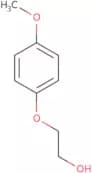
CAS:<p>Please enquire for more information about Biotinyl-Gly-Gly-OH including the price, delivery time and more detailed product information at the technical inquiry form on this page</p>Formula:C14H22N4O5SPurity:Min. 95%Molecular weight:358.41 g/mol2-(4-Methoxyphenoxy)ethanol
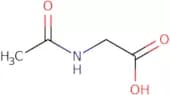
CAS:<p>2-(4-Methoxyphenoxy)ethanol is a carboxylic acid. It has been used as a hydrogen peroxide donor in catalytic reactions, and as an ethylene glycol ether in the production of polyester resins. 2-(4-Methoxyphenoxy)ethanol has been shown to be useful in multilayer coatings with optimal reaction rates, and is a good oxidant for many organic compounds.</p>Formula:C9H12O3Purity:Min. 95%Color and Shape:PowderMolecular weight:168.19 g/molN-Acetylglycine
CAS:<p>N-Acetylglycine is an amide, which is a molecule with both a carboxylate and hydroxyl group. It belongs to the class of antimicrobial agents and has been shown to inhibit the growth of bacteria by inhibiting synthesis of folic acid and other metabolites. N-Acetylglycine also inhibits the formation of terminal residues from amino acids. The analytical method for this compound is based on the reaction between n-acetylglycine and hydrogen chloride in methanol. This produces picolinic acid, which can be detected using ultraviolet spectroscopy at a wavelength of 325 nm.</p>Formula:C4H7NO3Purity:Min. 95%Color and Shape:White PowderMolecular weight:117.1 g/mol[4-(1-Methyl-1-phenylethyl)phenoxy]acetic acid
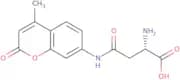
CAS:<p>4-(1-Methyl-1-phenylethyl)phenoxyacetic acid is a versatile building block that is used in the synthesis of a variety of fine chemicals and drugs. 4-(1-Methyl-1-phenylethyl)phenoxyacetic acid is an intermediate in the synthesis of a number of complex compounds, including research chemicals, reagents, and speciality chemicals. This compound can also be used as a reaction component for the synthesis of other chemical compounds or as a scaffold for larger molecules.</p>Formula:C17H18O3Purity:Min. 95%Color and Shape:PowderMolecular weight:270.32 g/molL-Aspartic β-7-amido-4-methylcoumarin
CAS:<p>L-Aspartic acid beta-7-amido-4-methylcoumarin (LAM) is a fluorescent amino acid that can be used to diagnose deficiencies of this amino acid. LAM is an experimental diagnostic chemical and has been tested in rats, rabbits, and humans. It is a fluorescent amino acid that binds to the 7th position on lysine residues in proteins. The binding of the fluorophore to the protein can be detected using fluorescence spectroscopy. The assay measures the intensity of fluorescence at 480 nm and 660 nm which corresponds to excitation at 320 nm and 420 nm respectively. LAM is currently being studied as a potential treatment for cancerous cells and their growth.</p>Formula:C14H14N2O5Purity:Min. 99 Area-%Color and Shape:White PowderMolecular weight:290.27 g/mol[5-Methyl-3-(trifluoromethyl)-1H-pyrazol-1-yl]acetic acid
CAS:<p>[5-Methyl-3-(trifluoromethyl)-1H-pyrazol-1-yl]acetic acid is a reaction component that can be used in organic synthesis as a reagent. This chemical has been shown to have high quality, and is useful for research purposes. It is also a versatile building block and useful intermediate, which can be used in the production of complex compounds. [5-Methyl-3-(trifluoromethyl)-1H-pyrazol-1-yl]acetic acid has CAS number 345637-71-0, and is a fine chemical that is useful for chemistry research.</p>Formula:C7H7F3N2O2Purity:Min. 95%Color and Shape:PowderMolecular weight:208.14 g/molL-Lysine amide dihydrochloride
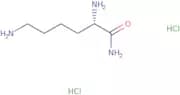
CAS:<p>L-Lysine amide dihydrochloride is a crystalline compound that is used for the treatment of tumours. It has been shown to bind to the enzyme iridoid synthase, which is involved in the formation of imines and aldehydes. L-Lysine amide dihydrochloride also inhibits the production of staining compounds, such as fluorine and heterocycles. The compound may also be used cosmetically as an anti-aging agent because it can inhibit the production of collagenase and elastase, which cause degradation of collagen.</p>Formula:C6H15N3O•HCl2Purity:Min. 95%Color and Shape:Off-White PowderMolecular weight:218.12 g/mol6-Methoxy-1-indanone
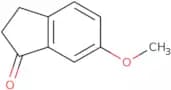
CAS:<p>6-Methoxy-1-indanone is a chemical compound that can be found in the form of two structural isomers. They both have the same pharmacokinetic properties and are potent inhibitors of 5-HT1A receptors. 6-Methoxy-1-indanone also has potent inhibitory activity on the MT2 receptors, which are present in the central nervous system. This compound has been shown to be an active methylene group with neurodegenerative disease and has carbonyl groups.</p>Formula:C10H10O2Purity:Min. 98 Area-%Color and Shape:PowderMolecular weight:162.19 g/mol3'-Fluoro-4'-methoxy-β-methyl-β-nitrostyrene
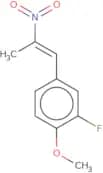
CAS:<p>3'-Fluoro-4'-methoxy-beta-methyl-beta-nitrostyrene is a reactive building block that can be used in the synthesis of many different compounds. It is a fine chemical and a reagent which is useful in organic chemistry. 3'-Fluoro-4'-methoxy-beta-methyl-beta-nitrostyrene is used as a reaction component for the synthesis of many different compounds, including pharmaceuticals, agrochemicals, and other specialty chemicals. It has CAS number 1023717-11-4 and can be used as an intermediate compound or building block for the production of complex compounds.</p>Formula:C10H10FNO3Purity:Min. 95%Color and Shape:PowderMolecular weight:211.19 g/mol3-Oxo-2-phenyl butanamide
CAS:Controlled Product<p>3-Oxo-2-phenyl butanamide is an amphetamine that has been shown to be a potential marker for wastewater. 3-Oxo-2-phenyl butanamide is one of the many intermediates in the synthesis of amphetamine from phenylacetone and can be found in wastewater as an impurity. This compound has also been used as a marker for wastewater treatment malfunctioning. 3-Oxo-2-phenyl butanamide is excreted into the environment through urine, and its presence can be measured in water samples by gas chromatography/mass spectrometry or liquid chromatography/mass spectrometry.</p>Formula:C10H11NO2Purity:Min. 95%Color and Shape:PowderMolecular weight:177.2 g/molN-(2,3-Dimethylphenyl)-N-(methylsulfonyl)glycine
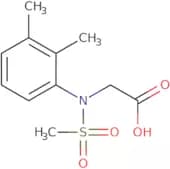
CAS:<p>N-(2,3-Dimethylphenyl)-N-(methylsulfonyl)glycine is a fine chemical that is useful as a versatile building block in the synthesis of complex compounds. It has been utilized as an intermediate in research chemicals and is also a reaction component for speciality chemicals. N-(2,3-Dimethylphenyl)-N-(methylsulfonyl)glycine is a fine chemical with high quality and can be used as a reagent.</p>Formula:C11H15NO4SPurity:Min. 95%Color and Shape:White To Off-White SolidMolecular weight:257.31 g/molGlycine HCl
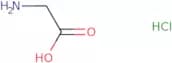
CAS:<p>Buffering agent; pH range 2.2-3.6</p>Formula:C2H5NO2HClColor and Shape:White PowderMolecular weight:111.53 g/mol3,4-Dihydroxy-DL-phenylalanine
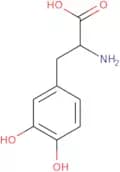
CAS:Controlled Product<p>3,4-Dihydroxy-DL-phenylalanine is a phenolic compound that can be found in plants, animals and humans. It is a precursor of dopamine and has been shown to inhibit bacterial growth and decrease the production of p-hydroxybenzoic acid by inhibiting the enzyme tyrosinase. 3,4-Dihydroxy-DL-phenylalanine has also been shown to have antioxidant properties and may be useful in preventing neuronal death. 3,4-Dihydroxy-DL-phenylalanine has the ability to prevent oxidative stress by scavenging free radicals. The compound also inhibits lipid peroxidation induced by trifluoroacetic acid (TFA).</p>Formula:C9H11NO4Purity:Min. 95%Color and Shape:White PowderMolecular weight:197.19 g/mol4-Amino-3-methoxybenzoic acid methyl ester
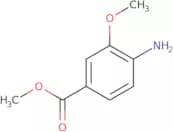
CAS:<p>4-Amino-3-methoxybenzoic acid methyl ester is a reactive molecule that has been used as a radiotracer for positron emission tomography (PET). It is also used in the synthesis of oligodeoxynucleotides and hybridization probes. 4-Amino-3-methoxybenzoic acid methyl ester is not soluble in water, but it can be dissolved in organic solvents such as acetone or methanol. This compound has shown to have anticancer activity and may be useful for treating cancers of the brain, breast, colon, lung, prostate, and stomach.</p>Formula:C9H11NO3Purity:Min. 95%Color and Shape:PowderMolecular weight:181.19 g/mol1-Bromo-3,4-dihydroxy-5-methoxybenzene monohydrate
CAS:<p>1-Bromo-3,4-dihydroxy-5-methoxybenzene monohydrate is a versatile building block for the creation of complex compounds. It is a useful intermediate and can be used as a reagent in organic synthesis. This chemical is also used as an additive in plastics and rubber production. 1-Bromo-3,4-dihydroxy-5-methoxybenzene monohydrate is synthesized from 3,4,5-trimethoxyphenol and bromine. It has been assigned the CAS number 205748-04-5.</p>Formula:C7H7BrO3·H2OPurity:Min. 95%Color and Shape:PowderMolecular weight:237.05 g/molMca-Tyr-Val-Ala-Asp-Ala-Pro-Lys(Dnp)-OH trifluoroacetate
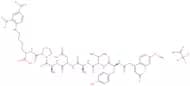
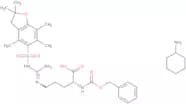
CAS:<p>Please enquire for more information about Mca-Tyr-Val-Ala-Asp-Ala-Pro-Lys(Dnp)-OH trifluoroacetate including the price, delivery time and more detailed product information at the technical inquiry form on this page</p>Formula:C53H64N10O19•(C2HF3O2)xPurity:95%NmrColor and Shape:PowderMolecular weight:1,145.13 g/molZ-D-Arg(pbf)-oh cha
CAS:<p>Z-D-Arg(pbf)-oh cha is a versatile building block that can be used as a reagent, useful scaffold, or high quality research chemical. It has been shown to have a wide range of applications in the field of chemistry, including use as an intermediate in the synthesis of complex compounds. Z-D-Arg(pbf)-oh cha is also useful for the production of speciality chemicals and fine chemicals. This compound is also available with CAS Number 200191-00-0.</p>Formula:C27H36N4O7S·C6H13NPurity:Min. 95%Molecular weight:659.84 g/molL-Norvaline
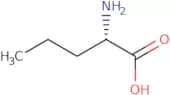
CAS:<p>L-Norvaline is a hydrophobic amino acid that is synthesized in the body from the essential amino acid valine. It is an important intermediate in the biosynthesis of other amino acids, such as L-leucine and L-isoleucine. L-Norvaline has been shown to inhibit bacterial growth and can be used as an antimicrobial agent. It also inhibits the polymerase chain reaction by binding to DNA and RNA, thereby blocking transcription. This drug has been shown to increase energy metabolism, improve renal function, and reduce metabolic disorders in animals. These effects are thought to be due to its ability to bind with carbonyl oxygens on lysine residues of proteins.</p>Formula:C5H11NO2Purity:Min. 95%Color and Shape:PowderMolecular weight:117.15 g/molL-Phenylalaninol
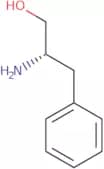
CAS:<p>L-Phenylalaninol is a β-amino acid with the molecular formula C9H11NO2. It is an organic compound that contains both a hydroxy methyl and a fatty acid group. L-Phenylalaninol has been shown to enhance the asymmetric synthesis of cycloleucine, which is an antibiotic with anti-inflammatory properties. The reaction mechanism for this process is not yet fully understood but it is hypothesized that the nitrogen atoms in l-phenylalaninol form intramolecular hydrogen bonds with the hydroxymethyl groups on the nitro group of cycloleucine, stabilizing it and allowing for more efficient reactions.</p>Formula:C9H13NOColor and Shape:White PowderMolecular weight:151.21 g/mol4-Methyl-1-hydrazino-phthalazine HCl
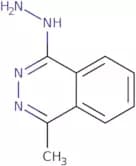
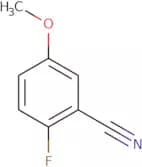
CAS:<p>4-Methyl-1-hydrazino-phthalazine HCl is a fine chemical that is used as a building block for complex compounds. It can be used as a reagent or speciality chemical and also has applications in research. 4-Methyl-1-hydrazino-phthalazine HCl reacts with nitric acid to produce an orange liquid, which can then be reacted with hydrochloric acid to produce the desired product. 4-Methyl-1-hydrazino-phthalazine HCl is also a versatile building block for many reactions and is useful as an intermediate in the synthesis of other chemicals. CAS No. 91520-81-9</p>Formula:C9H10N4·xHClPurity:Min. 95%Color and Shape:SolidMolecular weight:174.2 g/mol2-Fluoro-5-methoxybenzonitrile
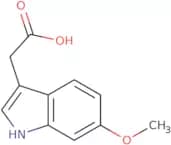
CAS:<p>2-Fluoro-5-methoxybenzonitrile is a metal catalyst that has been shown to be effective in the synthesis of various organic compounds. The use of ultrasound can increase the yields of reactions involving 2-fluoro-5-methoxybenzonitrile. 2-Fluoro-5-methoxybenzonitrile has also been demonstrated as a pharmacological agent with a number of potential applications. It inhibits the activity of phosphodiesterase 4, which may lead to an improved therapeutic profile for conditions such as asthma and erectile dysfunction. 2-Fluoro-5-methoxybenzonitrile is also used in photochemical reactions, where it acts as an inhibitor to prevent the formation of undesired products.</p>Formula:C8H6FNOPurity:Min. 95%Color and Shape:PowderMolecular weight:151.14 g/mol6-Methoxyindole-3-acetic acid
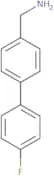
CAS:<p>Please enquire for more information about 6-Methoxyindole-3-acetic acid including the price, delivery time and more detailed product information at the technical inquiry form on this page</p>Formula:C11H11NO3Purity:Min. 95%Color and Shape:PowderMolecular weight:205.21 g/mol4'-Fluoro-biphenyl-4-methanamine
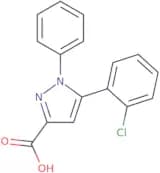
CAS:<p>4'-Fluoro-biphenyl-4-methanamine is a fine chemical that is a versatile building block, useful intermediate, and research chemical. It is used as a reaction component in the production of other chemicals. 4'-Fluoro-biphenyl-4-methanamine can be used as an additive in many commercial products. This compound is an important reagent and can be found in high quality research laboratories. CAS No. 776291-03-3</p>Formula:C13H12FNPurity:Min. 95%Color and Shape:SolidMolecular weight:201.24 g/mol3-Carboxy-5-(2-chlorophenyl)-1-phenylpyrazole
CAS:Controlled Product<p>3-Carboxy-5-(2-chlorophenyl)-1-phenylpyrazole is a white solid that is soluble in organic solvents. It is a useful scaffold that can be used as a starting material for the synthesis of complex compounds. 3-Carboxy-5-(2-chlorophenyl)-1-phenylpyrazole has been shown to be an intermediate in the synthesis of speciality chemicals and fine chemicals, such as pesticides and pharmaceuticals.</p>Formula:C16H11ClN2O2Purity:Min. 95%Molecular weight:298.72 g/mol2-Phenylethylhydrazine
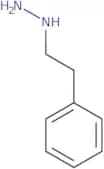
CAS:Controlled Product<p>2-Phenylethylhydrazine (2PEH) is an experimental drug that is reactive. It has been shown to have anti-inflammatory properties in a model system of inflammation in animals. 2PEH also inhibits the enzyme monoamine oxidase, which prevents the breakdown of serotonin, resulting in increased levels of this neurotransmitter. The use of 2PEH as a pharmacological treatment for atherosclerotic lesions may be due to its inhibitory properties on 5HT2 receptors and 2 adrenergic receptors. It has also been shown to induce neuronal death in animal studies.</p>Formula:C8H12N2Purity:Min. 95%Color and Shape:Clear LiquidMolecular weight:136.19 g/mol2'-Methoxypropiophenone
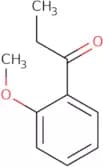
CAS:<p>2'-Methoxypropiophenone is a carbonyl compound that is used as a starting material in the synthesis of other compounds. It can be synthesized by reacting sodium hydroxide with diazirinyl chloride, which reacts with benzyl alcohol to produce the desired product. This chemical has been shown to bind to the DNA of bacteria and show antibacterial activity. 2'-Methoxypropiophenone has also been used to label acetophenone and other carbonyl-containing molecules for their identification.</p>Formula:C10H12O2Purity:Min. 95%Color and Shape:Clear LiquidMolecular weight:164.2 g/mol(3-Benzyloxy-phenyl)hydrazine hydrochloride
CAS:<p>3-Benzyloxy-phenyl)hydrazine hydrochloride is a chemical used in the synthesis of other organic compounds. It is a versatile building block that can be used in the preparation of complex compounds and useful intermediates. 3-Benzyloxy-phenyl)hydrazine hydrochloride is an excellent reagent for reactions involving electron-deficient alkenes, alkynes, and cyclic ethers. This compound also has applications as a pharmaceutical intermediate and as an analytical reference standard for chemical analyses.</p>Formula:C13H14N2O·HClPurity:Min. 95%Color and Shape:PowderMolecular weight:250.72 g/mol(Des-Gly10,D-His2,D-Trp6,Pro-NHEt 9)-LHRH trifluoroacetate
CAS:<p>Please enquire for more information about (Des-Gly10,D-His2,D-Trp6,Pro-NHEt 9)-LHRH trifluoroacetate including the price, delivery time and more detailed product information at the technical inquiry form on this page</p>Formula:C64H83N17O12•(C2HF3O2)xPurity:Min. 95%Molecular weight:1,282.45 g/molH-Pro-Val-OH
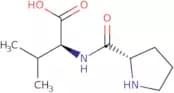
CAS:<p>H-Pro-Val-OH is an amide that is used to treat renal disorders by inhibiting leukocyte elastase. It has been shown to be a potent inhibitor of serine proteases, including chymotrypsin and trypsin. H-Pro-Val-OH binds to the active site on serine proteases and blocks the release of peptides from the enzyme. The binding constant for H-Pro-Val-OH with chymotrypsin was found to be in the range of 3 x 10 M, which is significantly higher than that for other amides. In addition, H-Pro-Val-OH inhibits cytolysis by lysosomal enzymes and protects against liver injury caused by chronic liver disease. This drug also shows low molecular weight and high water solubility, making it effective in treating acute hepatitis.</p>Formula:C10H18N2O3Purity:Min. 95%Color and Shape:PowderMolecular weight:214.26 g/molH-Pro-Pro-OH·HCl
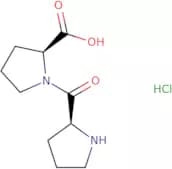
CAS:<p>H-Pro-Pro-OH·HCl is a fine chemical that is commonly used as a building block for organic synthesis. This compound is soluble in water, making it an ideal reactant for use in reactions involving peptides and proteins. H-Pro-Pro-OH·HCl is also useful as an intermediate, research chemical, or speciality chemical. It has been used as a reagent for the preparation of other chemicals and has shown high quality performance in reactions with nucleophiles.</p>Formula:C10H16N2O3·HClPurity:Min. 95%Color and Shape:White PowderMolecular weight:248.71 g/mol2'-Bromo-5'-methoxyacetophenone
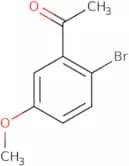
CAS:<p>2'-Bromo-5'-methoxyacetophenone is a perchloric acid catalyst that can be used in the synthesis of ketones, methyl ketones, and other organic compounds. Bromination reactions are catalyzed by hypobromous acid (HOBr), which is generated from bromine and HOCl. The reaction is typically initiated with an acid catalyst such as 2'-bromo-5'-methoxyacetophenone.</p>Formula:C9H9BrO2Purity:Min. 95%Color and Shape:Clear LiquidMolecular weight:229.07 g/mol9-Methyl-2,3,7-trihydroxy-6-fluorone
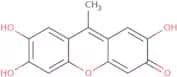
CAS:<p>9-Methyl-2,3,7-trihydroxy-6-fluorone (9MHF) is a natural compound found in honeybee propolis. It has been shown to have anticancer activity against a range of tumour types. 9MHF inhibits the replication of DNA by binding to single-stranded regions in the DNA molecule and preventing the formation of double helices. The optimum concentration for 9MHF is 0.1 μM. At this concentration, it was found that 9MHF had chemoresistance properties and could inhibit replication in staphylococcus cells at concentrations as low as 1 μM. This compound also has antioxidant properties, with redox potentials of -0.09 V and -0.06 V for its oxidized and reduced forms respectively.BR>BR><br>9MHF is an inhibitor that binds to basic dyes such as methylene blue or gentian violet and prevents them from binding to the bacterial cell</p>Formula:C14H10O5Purity:Min. 95%Color and Shape:Yellow PowderMolecular weight:258.23 g/molFmoc-Lys(5-FAM)-OH
CAS:<p>Fmoc-Lys(5-FAM)-OH is an activated ester of lysine that is used in the synthesis of peptides. It is synthesized by coupling a 5-fluoroacrylate group to the lysine side chain with ethylene glycol. The resulting product is then coupled with a second amino acid, and so on, until the desired peptide sequence has been created. Activated esters such as Fmoc-Lys(5-FAM)-OH are often used in solid-phase peptide synthesis because they are soluble and stable, and can be easily removed from the growing protein chain. This product can also be used to functionalize surfaces with mannose residues for use in cell adhesion studies or as nanocarriers for drug delivery. As a monodisperse compound, Fmoc-Lys(5-FAM)-OH yields macrophages that have high levels of mannose receptors on</p>Formula:C42H34N2O10Purity:Min. 95 Area-%Color and Shape:Slightly Yellow Yellow PowderMolecular weight:726.73 g/mol2-Bromo-5-methoxybenzaldehyde
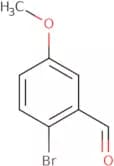
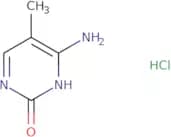
CAS:<p>2-Bromo-5-methoxybenzaldehyde is an organic compound that is used as a synthetic intermediate. It has been shown to be a substrate for the acid transporter SLC26A2, which transports it into cells. This compound has also been found in low levels in human tissues and fluids, where it may play a role in the development of cancer. 2-Bromo-5-methoxybenzaldehyde has been shown to inhibit the growth of cancer cells by uv absorption and terminal alkynes. The anticancer activity of this compound is due to its ability to react with functional groups such as benzyl groups and other alkyl groups.</p>Formula:C8H7BrO2Purity:Min. 95%Color and Shape:PowderMolecular weight:215.04 g/mol5-Methylcytosine hydrochloride salt
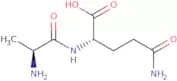
CAS:<p>5-Methylcytosine hydrochloride salt is a metabolite of cytosine that occurs naturally in the body. It is used as an inhibitor of DNA methylation to study the effect of this process on gene expression. 5-Methylcytosine hydrochloride salt has been shown to inhibit the production of growth factors, such as insulin-like growth factor 1, and radiation energy. It also causes oxidative damage to DNA and inhibits the oxidation of urea nitrogen in lettuce. The matrix effect may interfere with the analysis of 5-methylcytosine hydrochloride salt by spectrometry.</p>Formula:C5H7N3O·HClPurity:Min. 95%Color and Shape:PowderMolecular weight:161.59 g/molL-Alanyl-L-glutamine
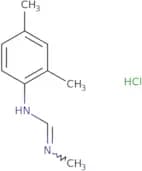
CAS:<p>Stable substitute for glutamine in cell culture media</p>Formula:C8H15N3O4Purity:Min. 98 Area-%Color and Shape:White PowderMolecular weight:217.22 g/molN'-(2,4-Dimethylphenyl)-N-methylformamide hydrochloride
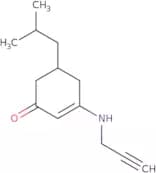
CAS:<p>Bifenthrin is a broad-spectrum, synthetic pyrethroid insecticide that has been used to control pests in the agricultural and residential sectors. It is applied as a spray or dust on plants and animals. Bifenthrin is highly toxic to mammals, with an oral LD50 of less than 10 milligrams per kilogram of body weight in rats and mice. The acute toxicity can be attributed to its ability to inhibit protein synthesis by binding to the cholinesterases, which are found in high concentrations in mammalian tissues.</p>Formula:C10H14N2·HClPurity:Min. 95%Color and Shape:PowderMolecular weight:198.69 g/mol5-(2-methylpropyl)-3-(prop-2-ynylamino)cyclohex-2-en-1-one
CAS:<p>Please enquire for more information about 5-(2-methylpropyl)-3-(prop-2-ynylamino)cyclohex-2-en-1-one including the price, delivery time and more detailed product information at the technical inquiry form on this page</p>Purity:Min. 95%4-Amino-3-methylbenzonitrile
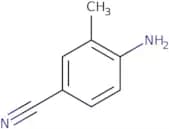
CAS:<p>4-Amino-3-methylbenzonitrile is a proton ionophore that can be used to prevent viral replication. It is a synthetic, aminobenzonitrile derivative that binds to the viral RNA polymerase and prevents the synthesis of new virus particles. 4-Amino-3-methylbenzonitrile has been shown to inhibit the growth of some strains of coxsackievirus, although it is less effective against other strains and viruses. 4-Amino-3-methylbenzonitrile inhibits the synthesis of viral proteins by binding to the viral RNA polymerase. This prevents viral transcription and replication, which leads to cell death.</p>Formula:C8H8N2Color and Shape:PowderMolecular weight:132.16 g/mol2,2'-Dihydroxy-4-methoxybenzophenone
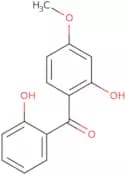
CAS:<p>2,2'-Dihydroxy-4-methoxybenzophenone (DHMB) is a chemical compound used in the manufacturing of sunscreens. It is also used as an antioxidant and antiinflammatory agent in topical preparations. The genotoxic effects of DHMB are well documented, but it is unclear whether these effects are due to UV radiation or other mechanisms. DHMB has been shown to be toxic to cells in vivo and in vitro. There have been reports of skin cancer developing on the ears of rats following chronic exposure to this chemical. DHMB binds to the estrogen receptor, which may be responsible for its genotoxic activity. This chemical has also been shown to inhibit the growth of bacteria such as Pseudomonas aeruginosa and Escherichia coli by binding with fatty acids on the cell membrane surface. DHMB is used for wastewater treatment because it can bind with heavy metals and remove them from water sources.</p>Formula:C14H12O4Purity:Min. 95%Color and Shape:Yellow To Dark Yellow SolidMolecular weight:244.24 g/mol2-Methylresorcinol, technical
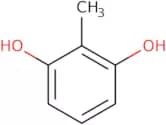
CAS:<p>2-Methylresorcinol, technical is the sodium salt of 2-methylresorcinol. It has been shown to be chemically stable at high temperatures and can be used in magnetic resonance spectroscopy. The nmr spectra of 2-methylresorcinol are different from those of other compounds. It is a molecule with a carbonyl group and one methyl group that reacts with hydrochloric acid to produce a reaction product with a chlorine atom, which reacts with trifluoroacetic acid or trifluoromethanesulfonic acid to produce an activated intermediate that can react with a second molecule to form another reaction product. This mechanism may be useful in the synthesis of anti-tuberculosis drugs.</p>Formula:C7H8O2Purity:Min. 95%Color and Shape:PowderMolecular weight:124.14 g/mol2-Methyl-1,4-phenylene bis(4-(3-(acryloyloxy)propoxy)benzoate)
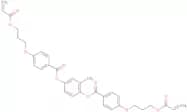
CAS:<p>2-Methyl-1,4-phenylene bis(4-(3-(acryloyloxy)propoxy)benzoate) is a polymerizable liquid crystal monomer that can be used as a polymerization initiator. It is an azobenzene with a chiral carbon atom and the chemical structure of the compound is similar to polyacrylate. This drug is resistant to radiation and can be used for diagnostic purposes. It has been shown to be effective in controlling the growth of resistant cultivars such as "Fusarium oxysporum". The synthesis process includes reacting 2-methyl-1,4-phenylene bis(4-(3-(acryloyloxy)propoxy)benzoate) with a molecular weight of 160 g/mol and benzoic acid in dichloromethane at room temperature under stirring.</p>Formula:C33H32O10Purity:Min. 95%Color and Shape:White Off-White PowderMolecular weight:588.6 g/molGlycyl-glycyl-glycIne
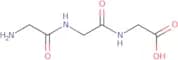
CAS:<p>Glycyl-glycyl-glycine is a compound that has been shown to have thermal expansion properties. It can be used as a thermometer because it changes its volume in response to temperature changes. Glycyl-glycyl-glycine is structurally similar to the amino acid glycine and can form hydrogen bonds with other molecules. The phase transition temperature of Glycyl-glycyl-glycine has been determined by metal chelate titration calorimetry, which is a technique for measuring the heat capacity change of a chemical reaction. This compound was also found to bind fluorescent probes and methyl myristate, which are compounds often used to study enzyme activities. Glycyl-glycyl-glycine has also been shown to react with x-ray diffraction data and vitro assays, both of which are methods used to study molecular structures.</p>Formula:C6H11N3O4Purity:Min. 98 Area-%Color and Shape:PowderMolecular weight:189.17 g/mol2-Phenyl-2-(2-piperidyl)acetamide
CAS:<p>2-Phenyl-2-(2-piperidyl)acetamide is an enantiomeric amide that can be used as a chiral building block for the synthesis of other organic compounds. It is synthesized by reacting phenylacetic acid with piperidine. 2-Phenyl-2-(2-piperidyl)acetamide is a primary amide and has been shown to have analgesic properties.</p>Formula:C13H18N2OPurity:Min. 97 Area-%Color and Shape:PowderMolecular weight:218.29 g/mol3-Fluoro-4-methoxycinnamic acid
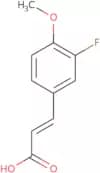
CAS:<p>3-Fluoro-4-methoxycinnamic acid is a template for the synthesis of azido compounds. Azide is a versatile functional group that can be used in many chemical reactions. 3-Fluoro-4-methoxycinnamic acid can be used to synthesize various azido products by reacting with hydrogen gas and an appropriate nucleophile, such as acrylic acid or ammonia. This reaction is called the "hydrogenating" reaction because it involves the addition of hydrogen. The target product can be synthesized by adding an appropriate electrophile, such as sodium azide, to the starting material in a solvent such as methylene chloride.</p>Formula:C10H9FO3Purity:Min. 95%Color and Shape:PowderMolecular weight:196.18 g/mol3-Bromo-4-methoxybenzoic acid methyl ester
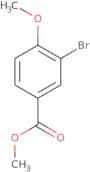
CAS:<p>3-Bromo-4-methoxybenzoic acid methyl ester is an isomer of 4-methoxybenzoic acid. It is a natural product that can be found in dihydroisoquinoline and in the ethyl formate oxidation products. There are two ways to synthesize this compound: by oxidation of diphenyl ethers or by hydrolysis of chloride acetaldehyde. 3-Bromo-4-methoxybenzoic acid methyl ester has been shown to have cellular toxicity against human cells and biphenyl.</p>Formula:C9H9BrO3Purity:Min. 95%Color and Shape:PowderMolecular weight:245.07 g/mol8-Methoxy-2-methylquinolin-5-amine monohydrochloride
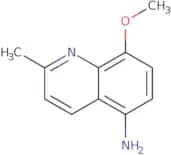
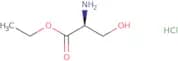
CAS:<p>8-Methoxy-2-methylquinolin-5-amine monohydrochloride is a fine chemical that is used as a versatile building block in the synthesis of complex compounds. 8-Methoxy-2-methylquinolin-5-amine monohydrochloride is an intermediate for the production of research chemicals and pharmaceuticals. It can be used to synthesize speciality chemicals, useful scaffolds, and reagents. It also has a wide range of applications as a reaction component in synthetic organic chemistry. 8-Methoxy-2-methylquinolin-5-amine monohydrochloride has high purity and quality.</p>Formula:C11H12N2O•HClPurity:Min. 95 Area-%Color and Shape:PowderMolecular weight:224.73 g/molL-Serine ethyl ester hydrochloride
CAS:<p>L-Serine ethyl ester hydrochloride is a metabolite of L-serine that has been found to inhibit the growth of cancer cells. It has been shown to inhibit the proliferation of muscle cells and reduce the size of pancreatitis. L-Serine ethyl ester hydrochloride has also been shown to have an inhibitory effect on stenosis in animal models. This drug inhibits microbial growth by inhibiting protein synthesis in bacteria, which may be due to its hydroxyl group. L-Serine ethyl ester hydrochloride also enhances endothelial cell growth and prevents autoimmune diseases in mice.</p>Formula:C5H11O3N•HClPurity:Min. 95%Molecular weight:169.61 g/mol2-tert-Butyl-6-(5-chloro-2H-benzotriazol-2-yl)-4-methylphenol
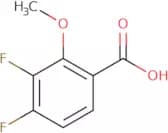
CAS:<p>2-tert-Butyl-6-(5-chloro-2H-benzotriazol-2-yl)-4-methylphenol is the chemical compound with formula C12H7ClO3. It is a white solid that is soluble in water and ethanol, but not in ether or hexane. 2,6-Tertiarybutylphenol has been used as a cell nucleus marker to study locomotion of cells, as well as to analyze other samples including metal ions and water vapor. The method involves the use of a laser ablation technique, which can be used for complex sample analysis. The compound is structurally similar to 2,4,6-trimethylphenol, which has an OH group in place of the CH3 group on the tertiary butyl side chain. This difference makes it more reactive than 2,4,6-trimethylphenol because it has a higher concentration of hydroxyl groups.</p>Formula:C17H18ClN3OPurity:Min. 98 Area-%Color and Shape:Slightly Yellow PowderMolecular weight:315.8 g/mol3,4-Difluoro-2-methoxybenzoic acid
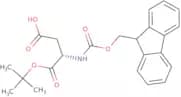
CAS:<p>3,4-Difluoro-2-methoxybenzoic acid is a chemical compound that can be used as a reaction component or reagent. It is also a useful scaffold for organic synthesis of complex compounds and can be used as a building block to produce fine chemicals. 3,4-Difluoro-2-methoxybenzoic acid has the CAS number 875664-52-1 and is listed under the chemical name 3,4-difluoro-2-methoxybenzoic acid.</p>Formula:C8H6F2O3Purity:Min. 95%Color and Shape:PowderMolecular weight:188.13 g/molFmoc-Asp(OH)-OtBu
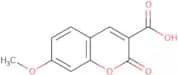
CAS:<p>Fmoc-Asp(OH)-OtBu is a synthetic, non-natural amino acid that has been used in the chemical synthesis of lipoproteins. It was incorporated into recombinant human low-density lipoprotein (LDL) and high-density lipoprotein (HDL) to study the effect of acidic hydrolysis on their composition. Fmoc-Asp(OH)-OtBu is a fluorescent compound that can be detected using spectroscopy. It is also used as an amino acid residue in solid-phase peptide synthesis to synthesize peptides with an aspartyl residue at the N terminus.</p>Formula:C23H25NO6Purity:Min. 95 Area-%Color and Shape:PowderMolecular weight:411.45 g/mol7-Methoxycoumarin-3-carboxylicacid
CAS:<p>7-Methoxycoumarin-3-carboxylic acid (MC) is a potent inhibitor of metalloendopeptidases and cyclic peptide receptors. MC has been shown to inhibit protein synthesis, leading to apoptotic cell death. It has also been reported to have anti-inflammatory properties, which may be due to its inhibition of prostaglandin synthesis. The fluorophore 7-methoxycoumarin is derived from the natural product coumarin and can be used as a fluorescent probe for hydrogen bonding in molecular modeling studies.</p>Formula:C11H8O5Purity:Min. 95%Color and Shape:PowderMolecular weight:220.18 g/molAmyloid β-Protein (40-1) hydrochloride salt
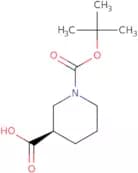
CAS:<p>Hydrochloride salt</p>Formula:C194H295N53O58SPurity:Min. 95%Molecular weight:4,329.81 g/molN-Boc-(R)-Nipecotic acid
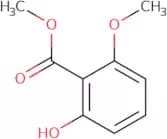
CAS:<p>N-Boc-(R)-Nipecotic acid is a synthetic compound that is used in the treatment of lymphocytic leukemia, chronic lymphocytic leukemia, and other types of cancer. It is a dry powder that can be taken orally or subcutaneously. N-Boc-(R)-Nipecotic acid binds to p53 mutations and inhibits DNA synthesis. This drug has been shown to reduce the size of tumors in mice with subcutaneous tumors and has been found to be effective against leukemia cells in vitro. The development of this drug was rationalized on the basis of fluorescence profiles.</p>Formula:C11H19NO4Purity:Min. 95%Color and Shape:PowderMolecular weight:229.27 g/mol2-Hydroxy-6-methoxybenzoic acid methyl ester
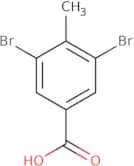
CAS:<p>2-Hydroxy-6-methoxybenzoic acid methyl ester is a biologically active molecule that has been shown to have antibacterial activity. It is structurally similar to the natural compound 2,6-dimethoxyphenol and can be used as a substitute for this compound in bioassays. The antibacterial activity of 2-hydroxy-6-methoxybenzoic acid methyl ester is due to its ability to inhibit enzymes involved in DNA repair and cell division. This compound also inhibits the growth of cancer cells and weevils by interfering with their metabolism.</p>Formula:C9H10O4Purity:Min. 95%Color and Shape:PowderMolecular weight:182.17 g/mol3,5-Dibromo-4-methylbenzoic acid
CAS:<p>3,5-Dibromo-4-methylbenzoic acid is a high quality compound that is a useful intermediate in the synthesis of complex compounds. It has been used as a reagent in various chemical reactions and as a building block for the synthesis of other compounds. This compound may also be used as a speciality chemical or research chemical. 3,5-Dibromo-4-methylbenzoic acid can be used to synthesize many different types of compounds, including those with diverse functional groups.</p>Formula:C8H6Br2O2Purity:Min. 95%Color and Shape:PowderMolecular weight:293.94 g/mol4-Methoxyresorcinol
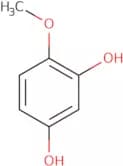
CAS:<p>4-Methoxyresorcinol is a chemical compound that has the molecular formula CHNO. It has a hydroxyl group in the 4-position and a methyl group on the 8-position. The intramolecular hydrogen of this molecule is denatured by heating to about 220°C. This process converts it into resorcinol, which is structurally similar but has different properties. 4-Methoxyresorcinol can be used as a polymerization initiator for polycarboxylic acid or quinoline derivatives, and its analytical methods are used in determining its structure.</p>Formula:C7H8O3Purity:Min. 95%Color and Shape:PowderMolecular weight:140.14 g/molN-Acetyl-L-leucine
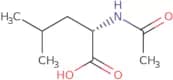
CAS:<p>N-Acetyl-L-leucine is a natural amino acid that has been shown to have therapeutic potential in the treatment of neurodegenerative diseases. N-acetyl-L-leucine binds to DNA duplexes and inhibits the formation of protein aggregates, which are associated with neurodegenerative disorders. N-acetyl-L-leucine also has a high affinity for neuronal receptors, which may be due to its basic nature. In addition, this compound is able to inhibit oxidative stress induced by glutamate and nitric oxide, as well as mitochondrial membrane potential loss. It also protects against neuronal death induced by amide or cytosolic Ca2+.</p>Formula:C8H15NO3Color and Shape:White PowderMolecular weight:173.21 g/mol

![4-(2-phenylbutanoyl)-8-propyl-1-oxa-4,8-diazaspiro[4.5]decane-3-carboxylic acid](/_next/image/?url=https%3A%2Fstatic.cymitquimica.com%2Fproducts%2F10%2Fthumb-webp%2FF525728.webp&w=3840&q=75)





![8-tert-butyl-4-[4-(dimethylamino)benzoyl]-1-oxa-4-azaspiro[4.5]decane-3-carboxylic acid](/_next/image/?url=https%3A%2Fstatic.cymitquimica.com%2Fproducts%2F10%2Fthumb-webp%2FF525783.webp&w=3840&q=75)
![4-(3-chlorobenzoyl)-8-methyl-1-oxa-4,8-diazaspiro[4.5]decane-3-carboxylic acid](/_next/image/?url=https%3A%2Fstatic.cymitquimica.com%2Fproducts%2F10%2Fthumb-webp%2FF525649.webp&w=3840&q=75)
![4-Chloro-7-methyl-7H-pyrrolo[2,3-d]pyrimidine](/_next/image/?url=https%3A%2Fstatic.cymitquimica.com%2Fproducts%2F3D%2Fthumb-webp%2FFC140698.webp&w=3840&q=75)

![2-[(4-Amino-2-methyl-5-nitrylbenzyl)amino]ethylalcohol](/_next/image/?url=https%3A%2Fstatic.cymitquimica.com%2Fproducts%2F3D%2Fthumb-webp%2FFA146928.webp&w=3840&q=75)



![1-[(2,6-Difluorophenyl)Methyl]-4-Methyl-2-Propan-2-Ylbenzimidazole](/_next/image/?url=https%3A%2Fstatic.cymitquimica.com%2Fproducts%2F3D%2Fthumb-webp%2FFD98108.webp&w=3840&q=75)



![[4-(1-Methyl-1-phenylethyl)phenoxy]acetic acid](/_next/image/?url=https%3A%2Fstatic.cymitquimica.com%2Fproducts%2F3D%2Fthumb-webp%2FFM112689.webp&w=3840&q=75)
![[5-Methyl-3-(trifluoromethyl)-1H-pyrazol-1-yl]acetic acid](/_next/image/?url=https%3A%2Fstatic.cymitquimica.com%2Fproducts%2F3D%2Fthumb-webp%2FFM54360.webp&w=3840&q=75)