Amino Acids (AA)
Amino acids (AAs) are the fundamental building blocks of proteins, playing a crucial role in various biological processes. These organic compounds are essential for protein synthesis, metabolic pathways, and cell signaling. In this category, you will find a comprehensive range of amino acids, including essential, non-essential, and modified forms, which are vital for research in biochemistry, molecular biology, and nutritional sciences. At CymitQuimica, we provide high-quality amino acids to support your research and development needs, ensuring accuracy and reliability in your experimental outcomes.
Subcategories of "Amino Acids (AA)"
- Amino Acid Derivatives(3,957 products)
- Amino Acid and Amino Acid Related Compounds(3,472 products)
- Amino Acids with Oxygen or Sulphur(168 products)
- Boc- Amino Acids(351 products)
- Fmoc Amino Acids(1,710 products)
Found 38265 products of "Amino Acids (AA)"
Sort by
Purity (%)
0
100
|
0
|
50
|
90
|
95
|
100
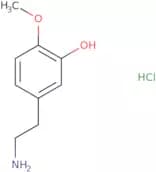
3-Hydroxy-4-methoxyphenethylamine HCl
CAS:Controlled Product<p>3-Hydroxy-4-methoxyphenethylamine HCl is an amine that is found in plants. It has been shown to be a reactive compound with a carbonyl group and an amine group. 3-Hydroxy-4-methoxyphenethylamine HCl can act as a dopamine receptor agonist, causing the release of serotonin from neurons. This chemical also has anti-inflammatory properties and may be used to treat inflammatory diseases such as asthma. 3-Hydroxy-4-methoxyphenethylamine HCl may also have blood pressure lowering effects.</p>Formula:C9H14ClNO2Purity:Min. 95%Color and Shape:White to off-white solid.Molecular weight:203.67 g/mol1,4-Phenylenediacrylic acid diethyl ester
CAS:<p>1,4-Phenylenediacrylic acid diethyl ester (PDAD) is an organic molecule that is used as a template molecule in polymerizations. It can be used to coat surfaces with polymers, which makes them more resistant to corrosion and wear. PDAD interacts with an electron beam in the presence of oxygen, generating excimers and supercritical CO2. These interactions are responsible for the red shift that occurs when PDAD interacts with the electron beam. The absorption spectrum of PDAD has been shown to change depending on its morphology: alpha-type PDAD absorbs at lower wavelengths than beta-type PDAD.</p>Formula:C16H18O4Purity:Min. 95%Color and Shape:PowderMolecular weight:274.31 g/mol(R)-(+)-2-Methoxypropionic acid
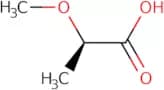
CAS:<p>(R)-(+)-2-Methoxypropionic acid is a derivatization agent that is used to label branched-chain amino acids. It has been shown to react with l-rhamnose, which is found in glycoproteins and polysaccharides.</p>Formula:C4H8O3Purity:Min. 95%Color and Shape:Clear Colourless To Pale Yellow LiquidMolecular weight:104.1 g/mol4-Amino-5-aminomethyl-2-methylpyrimidine dihydrochloride
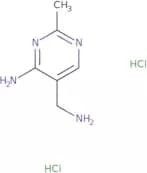
CAS:<p>4-Amino-5-aminomethyl-2-methylpyrimidine dihydrochloride is a vitamin B1 derivative that is biosynthesized by marine algal cells. It is active at high concentrations, and has been shown to have an interaction with the active site residues of hydrogen chloride. This analog has been used in genomic analyses and can be detected by mass spectrometry. It also has the ability to inhibit the growth of phytoplankton, which are microscopic plants living near the surface of water. The concentration of 4-amino-5-aminomethyl-2-methylpyrimidine dihydrochloride in seawater can be determined using a constant scaling factor based on plankton biomass.</p>Formula:C6H10N4•(HCl)2Purity:Min. 95%Color and Shape:Slightly Yellow PowderMolecular weight:211.09 g/molL-Tryptophan-7-amido-4-methylcoumarin
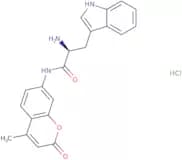
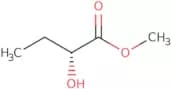
CAS:<p>Please enquire for more information about L-Tryptophan-7-amido-4-methylcoumarin including the price, delivery time and more detailed product information at the technical inquiry form on this page</p>Formula:C21H19N3O3Purity:Min. 95%Color and Shape:PowderMolecular weight:361.39 g/mol(R)-Methyl 2-hydroxybutanoate
CAS:<p>(R)-Methyl 2-hydroxybutanoate is a synthetic chemical that is used in the esterification reaction to produce methyl esters and as an industrial solvent. This chemical can be synthesized by the reaction of (R)-methyl acetoacetate and hydrochloric acid. The technique for this chemical is a two-step process, which includes hydroxylation followed by hydrogenolysis. The yield rate for this chemical is about 98%.</p>Formula:C5H10O3Purity:Min. 95%Color and Shape:Clear LiquidMolecular weight:118.13 g/mol5-Methoxy-3-methylbenzonitrile
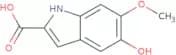
CAS:<p>5-Methoxy-3-methylbenzonitrile is a versatile chemical with a wide range of applications in pharmaceuticals, agrochemicals, and other industries. It is used as a reaction component in the synthesis of drugs such as indomethacin and methotrexate. It is also useful for the production of high-quality research chemicals. 5-Methoxy-3-methylbenzonitrile has been shown to be an efficient building block for the synthesis of complex compounds with diverse structures.</p>Formula:C9H9NOPurity:Min. 95%Color and Shape:PowderMolecular weight:147.17 g/mol5-Hydroxy-6-methoxyindole-carboxylic acid
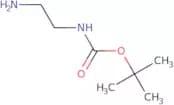
CAS:<p>5-Hydroxy-6-methoxyindole-carboxylic acid (5-HMICA) is a molecule that is found in the pericardium and urine of patients with cancer. 5-HMICA has been shown to suppress tumor growth and activate cell mediated cytotoxicity in vitro. It also induces T helper type 1 (Th1) immune responses, which are associated with the production of cytokines such as interferon gamma and tumor necrosis factor alpha.</p>Formula:C10H9NO4Color and Shape:PowderMolecular weight:207.18 g/molN-Boc-ethylenediamine
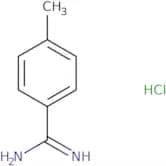
CAS:<p>N-Boc-ethylenediamine is a chemical compound that belongs to the group of peptide hormones. It is historically used as a building block for peptides, such as luteinizing hormone releasing hormone (LHRH), which control reproduction and regulate the release of hormones. N-Boc-ethylenediamine has been shown to inhibit dpp-iv, an enzyme that breaks down proteins needed for cell growth and survival. This inhibition leads to cell death by apoptosis, or programmed cell death. N-Boc-ethylenediamine has also been shown to be an antimicrobial peptide against gram negative bacteria. The synthesis of this compound can be accomplished through several methods, including using diazonium salt or histone proteins. The analytical method involves hydrogen bonding between the amines and trifluoroacetic acid in order to produce the desired product.</p>Formula:C7H16N2O2Purity:Min. 95%Color and Shape:Clear LiquidMolecular weight:160.21 g/mol4-Methylbenzamidine hydrochloride
CAS:<p>4-Methylbenzamidine hydrochloride is a synthetic molecule that has been shown to have anticancer activity. It is an efficient method for the preparation of modified chromenones, which are biomolecules with anticancer activity. 4-Methylbenzamidine hydrochloride can be used as a template molecule to synthesize biologically active molecules, such as etoposide, which is a synthetic anti-cancer drug. The hydroxyl group in 4-methylbenzamidine hydrochloride is nucleophilic and can undergo dehydrogenative reactions with various reagents. 4-Methylbenzamidine hydrochloride has been shown to inhibit the growth of cancer cells in vitro and in vivo. It inhibits the synthesis of DNA, RNA, and proteins by binding to the ribosomal RNA of cancer cells and preventing protein synthesis.</p>Formula:C8H10N2·HClPurity:Min. 95%Color and Shape:PowderMolecular weight:170.64 g/molMethyl 2-hydroxy-3-methoxybenzoate
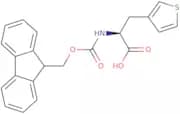
CAS:<p>Methyl 2-hydroxy-3-methoxybenzoate is a tetranuclear synthetic compound that has been reported to have efficient methods for its synthesis. Cryogenic techniques were used in the crystallography and bioassaying of Methyl 2-hydroxy-3-methoxybenzoate. The spectrometric data obtained from this compound are indicative of a hydroxyl group and an isomeric nature. The synthesis of Methyl 2-hydroxy-3-methoxybenzoate occurs through palladium mediated coupling with ethyl 3,4,5,6-tetrahydropyridinecarboxylate. Weevil (Coleoptera) extractable receptors have been shown to bind to this compound.</p>Formula:C9H10O4Purity:Min. 95%Color and Shape:PowderMolecular weight:182.17 g/molFmoc-β-(3-thienyl)-L-alanine
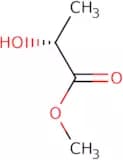
CAS:<p>Please enquire for more information about Fmoc-β-(3-thienyl)-L-alanine including the price, delivery time and more detailed product information at the technical inquiry form on this page</p>Formula:C22H19NO4SPurity:Min. 95%Color and Shape:PowderMolecular weight:393.46 g/molD-Methyl lactate
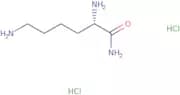
CAS:<p>D-Methyl lactate is a synthetic, broad-spectrum antibacterial agent that is synthesized by the ring-opening of l-glutamic acid methyl esters with methyl glycosides. It has been shown to have a greater effect on gram-positive bacteria than gram-negative bacteria. This drug also has stereoselective activity against Staphylococcus aureus and Escherichia coli, which may be related to its ability to inhibit the synthesis of dl-amino acids. D-Methyl lactate has also been shown to increase bacterial cell growth at low concentrations and inhibit bacterial growth at high concentrations. This may be due to its ability to induce dehydration in cells through the cleavage of fatty acids.</p>Formula:C4H8O3Purity:(¹H-Nmr) Min. 95 Area-%Color and Shape:Colorless Clear LiquidMolecular weight:104.1 g/molL-Lysine amide dihydrochloride
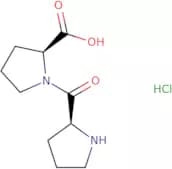
CAS:<p>L-Lysine amide dihydrochloride is a crystalline compound that is used for the treatment of tumours. It has been shown to bind to the enzyme iridoid synthase, which is involved in the formation of imines and aldehydes. L-Lysine amide dihydrochloride also inhibits the production of staining compounds, such as fluorine and heterocycles. The compound may also be used cosmetically as an anti-aging agent because it can inhibit the production of collagenase and elastase, which cause degradation of collagen.</p>Formula:C6H15N3O•HCl2Purity:Min. 95%Color and Shape:Off-White PowderMolecular weight:218.12 g/molH-Pro-Pro-OH·HCl
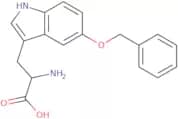
CAS:<p>H-Pro-Pro-OH·HCl is a fine chemical that is commonly used as a building block for organic synthesis. This compound is soluble in water, making it an ideal reactant for use in reactions involving peptides and proteins. H-Pro-Pro-OH·HCl is also useful as an intermediate, research chemical, or speciality chemical. It has been used as a reagent for the preparation of other chemicals and has shown high quality performance in reactions with nucleophiles.</p>Formula:C10H16N2O3·HClPurity:Min. 95%Color and Shape:White PowderMolecular weight:248.71 g/mol5-Benzyloxy-DL-tryptophan
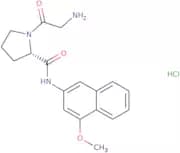
CAS:<p>5-Benzyloxy-DL-tryptophan is a tryptophan metabolite that has been shown to have physiological effects. It is formed by the hydrolysis of l-tryptophan by hydrochloric acid, which leads to an increase in extracellular Ca2+ and the production of reaction products. 5-Benzyloxy-DL-tryptophan is also involved in the biosynthesis of serotonin, which is a neurotransmitter that affects mood and appetite. Clinical oncology studies have shown that 5-benzyloxy-DL-tryptophan can be used as adjuvant therapy to attenuate tumor growth and metastasis. 5-Benzyloxy-DL-tryptophan has been found to bind to the serotonin receptor cells in the intestine, leading to an increase in Ca2+, which promotes intestinal motility. 5BTT also acts as a precursor for serotonin synthesis when combined with amino acids such as L -</p>Formula:C18H18N2O3Color and Shape:PowderMolecular weight:310.35 g/molGly-pro-4-methoxy-β-naphthylamide hydrochloride
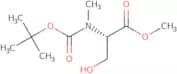
CAS:<p>Gly-pro-4-methoxy-β-naphthylamide hydrochloride is a fine chemical that is useful as a versatile building block and intermediate. It is a research chemical that has been used in the production of other compounds, such as drugs, pesticides, and dyes. This compound is also used to synthesize certain polymers and plastics. Gly-pro-4-methoxy-β-naphthylamide hydrochloride has CAS number 100929-90-6, but it can be found under many other names including 4-(2′,5′dimethylphenyl)-1-(2′hydroxyethyl)piperazine (CAS 105999).</p>Formula:C18H22ClN3O3Purity:Min. 95 Area-%Color and Shape:PowderMolecular weight:363.84 g/molBoc-N-Me-Ser-OMe
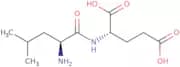
CAS:<p>Boc-N-Me-Ser-OMe is a fine chemical that is used as a building block for the synthesis of a wide range of organic compounds. It is also used as an intermediate in the synthesis of complex compounds and is often used as a reaction component. Boc-N-Me-Ser-OMe has been shown to be useful in the synthesis of pharmaceuticals, agrochemicals, and other chemicals. This compound has been identified by its CAS number: 122902-81-2.</p>Formula:C10H19NO5Purity:Min. 95%Color and Shape:PowderMolecular weight:233.26 g/molH-Leu-Glu-OH
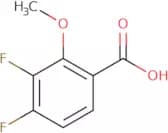
CAS:<p>24-Epibrassinolide is a synthetic molecule that has an optical rotation of +19.4° at 20°C. It is also known as H-Leu-Glu-OH and is a product of the reaction between epibatidine and L-glutamic acid. This molecule has been synthesized to study the role of 24-epibrassinolide in photosynthesis, chlorophyll synthesis, and membrane stability. The phosphate group is attached to the amino group on the n-terminal amino acid. 24-Epibrassinolide has an amino acid composition consisting of leucine, glutamate, glutamine, glycine, proline, serine, cysteine, tyrosine, asparagine, histidine and lysine.<br>24-Epibrassinolide was first isolated from chloroplasts using refluxing water with ammonium chloride as a solvent. This molecule can be found in nature as well.</p>Formula:C11H20N2O5Purity:Min. 95 Area-%Color and Shape:PowderMolecular weight:260.29 g/mol3,4-Difluoro-2-methoxybenzoic acid
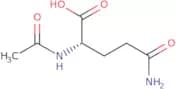
CAS:<p>3,4-Difluoro-2-methoxybenzoic acid is a chemical compound that can be used as a reaction component or reagent. It is also a useful scaffold for organic synthesis of complex compounds and can be used as a building block to produce fine chemicals. 3,4-Difluoro-2-methoxybenzoic acid has the CAS number 875664-52-1 and is listed under the chemical name 3,4-difluoro-2-methoxybenzoic acid.</p>Formula:C8H6F2O3Purity:Min. 95%Color and Shape:PowderMolecular weight:188.13 g/molAcetyl-L-glutamine
CAS:<p>Acetyl-L-glutamine is a naturally occurring amino acid that is synthesized by the body and can be found in various foods. It has been shown to have many beneficial effects, such as the prevention of bowel disease. Acetyl-L-glutamine has also been shown to stimulate the production of neurotrophic factors, which are proteins that promote neuron growth and survival. This amino acid is used in therapy groups for people with neurodegenerative diseases, such as Parkinson's disease and Alzheimer's disease. Acetyl-L-glutamine may be effective against acute brain injury or stroke due to its ability to increase neuronal survival and inhibit neuronal death. The therapeutic effect of acetyl-L-glutamine on neuronal death may be due to its ability to inhibit apoptosis by preventing reactive oxygen species from binding to DNA. Acetyl-L-glutamine also promotes nerve cell growth and protects against damage caused by ischemia–reperf</p>Formula:C7H12N2O4Purity:Min. 95%Color and Shape:PowderMolecular weight:188.18 g/mol2-Amino-5-methylbenzamide
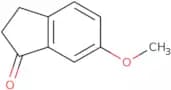
CAS:<p>2-Amino-5-methylbenzamide (2AMB) is a potent inhibitor of the enzyme dihydropyrimidine dehydrogenase and is used in cancer research for its ability to inhibit tumor cell line growth. 2AMB has been shown to inhibit the synthesis of DNA, RNA, and protein in various human cell lines. The mechanism of this inhibition is not well understood, but it may be due to its ability to inhibit the activity of synthetases involved in nucleotide biosynthesis or by inhibiting the reaction system that converts hydration into ATP.</p>Formula:C8H10N2OPurity:Min. 95%Color and Shape:PowderMolecular weight:150.18 g/mol6-Methoxy-1-indanone
CAS:<p>6-Methoxy-1-indanone is a chemical compound that can be found in the form of two structural isomers. They both have the same pharmacokinetic properties and are potent inhibitors of 5-HT1A receptors. 6-Methoxy-1-indanone also has potent inhibitory activity on the MT2 receptors, which are present in the central nervous system. This compound has been shown to be an active methylene group with neurodegenerative disease and has carbonyl groups.</p>Formula:C10H10O2Purity:Min. 98 Area-%Color and Shape:PowderMolecular weight:162.19 g/mol(S)-Fmoc-2-amino-heptanedioic acid-7-tert-butyl ester
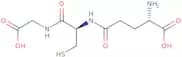
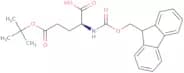
CAS:<p>Please enquire for more information about (S)-Fmoc-2-amino-heptanedioic acid-7-tert-butyl ester including the price, delivery time and more detailed product information at the technical inquiry form on this page</p>Formula:C26H31NO6Purity:Min. 95%Molecular weight:453.53 g/molL-Glutathione, reduced
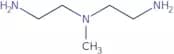
CAS:<p>Glutathione is a tripeptide cysteine-glycine-glutamic acid which exists in cells in the reduced form (this product) or oxidised form. Reduced glutathione (GSH) is an antioxidant protecting cell components from endogenous and exogeneous reactive oxygen and nitrogen species. Reduced glutathione has also been intensely used in the affinity purification of proteins with glutathione S-transferase (GST) tag. In the protein purification process, glutathione is used for the elution of GST-fused recombinant proteins from a glutathione-immobilised resins. In the elution buffers, reduced glutathione is typically used in the 10 â 40 mM concentration range.</p>Formula:C10H17N3O6SPurity:Min. 98 Area-%Color and Shape:White PowderMolecular weight:307.32 g/molN1-(2-Aminoethyl)-N1-methylethane-1,2-diamine
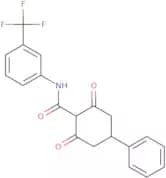
CAS:<p>N1-(2-Aminoethyl)-N1-methylethane-1,2-diamine is a chromatographic cross-linking agent that is used in the preparation of monoclonal antibodies. It contains two amino groups and two ethyleneamine groups. N1-(2-Aminoethyl)-N1-methylethane-1,2-diamine binds to calcium carbonate and forms a chelate ring with the metal ion. The compound has been shown to have diagnostic properties, as it can be detected by nmr spectra and by the use of monoclonal antibody.</p>Formula:C5H15N3Purity:Min. 95%Color and Shape:Clear LiquidMolecular weight:117.19 g/mol(2,6-dioxo-4-phenylcyclohexyl)-N-(3-(trifluoromethyl)phenyl)formamide
CAS:<p>Please enquire for more information about (2,6-dioxo-4-phenylcyclohexyl)-N-(3-(trifluoromethyl)phenyl)formamide including the price, delivery time and more detailed product information at the technical inquiry form on this page</p>Purity:Min. 95%3-Methylbenzaldehyde
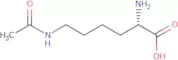
CAS:<p>3-Methylbenzaldehyde is a diphenolase that is found in a Chinese medicinal plant, Acalypha wilkesiana. 3-Methylbenzaldehyde has been shown to have anti-inflammatory properties and can be used as a complementary therapy for inflammatory diseases. The chemical ionization technique was used to measure the production rate of 3-methylbenzaldehyde from the acetate extract of A. wilkesiana. The linear regression analysis showed that there was an increase in the production rate with increased concentration of hydrogen bonding interactions with 3-methylbenzaldehyde. Hydrogen bonding interactions are due to the presence of hydroxyl groups on the benzene ring and methyl group on the side chain. This chemical reaction forms glyoxal, which is then metabolized through p450 isozymes in order to produce 3-methylbenzaldehyde or other metabolites.</p>Formula:C8H8OPurity:Min. 98 Area-%Color and Shape:Colorless Clear LiquidMolecular weight:120.15 g/molN-ε-Acetyl-L-lysine
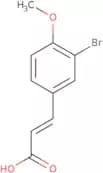
CAS:<p>N-epsilon-acetyl-L-lysine is a diagnostic agent that is used to identify cancer cells. This compound is synthesized by the enzyme polymerase chain reaction (PCR) and is a fluorescent probe that selectively binds to lysine residues in proteins of the cell membrane, including glycoproteins and proteoglycans. The presence of this compound can be detected using spectroscopy. It has been shown that higher levels of N-epsilon-acetyl-L-lysine in urine are associated with an increased body mass index and fatty acid content.</p>Formula:C8H16N2O3Purity:Min. 98 Area-%Color and Shape:White PowderMolecular weight:188.22 g/mol3-Bromo-4-methoxycinnamic acid
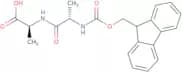
CAS:<p>3-Bromo-4-methoxycinnamic acid is an organic compound that is used as a reagent, a useful scaffold, and a useful intermediate. It has been shown to be an excellent building block for the synthesis of complex compounds. 3-Bromo-4-methoxycinnamic acid can be used in the production of fine chemicals.</p>Formula:C10H9BrO3Purity:Min. 95%Color and Shape:PowderMolecular weight:257.08 g/molFmoc-Ala-Ala-OH
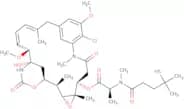
CAS:<p>Fmoc-Ala-Ala-OH is a synthetic amino acid that is used in organic synthesis. It has been used to prepare cyclic peptides with lysine residues for the treatment of inflammatory diseases. Fmoc-Ala-Ala-OH is soluble in acidic environments and can be synthesized at reaction temperatures below 0 ˚C, making it suitable for solid-phase synthesis. In biological studies, Fmoc-Ala-Ala-OH has been shown to have anticancer effects against human cancer cells by causing frameshifting and inhibiting protein synthesis. Fmoc-Ala-Ala-OH also binds to disulfide bonds between cysteine residues in proteins, which may account for its antimicrobial properties.</p>Formula:C21H22N2O5Purity:Min. 95%Color and Shape:solid.Molecular weight:382.41 g/molMaytansinoid DM 4
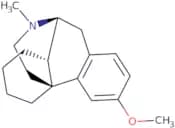
CAS:<p>N2'-Deacetyl-N2'-(4-mercapto-4-methyl-1-oxopentyl)-maytansine (DMAP) is a structural analogue of maytansinoids that has potent antitumor activity against renal cell cancer. DMAP binds to the active site of wild type enzyme, and inhibits its activity. DMAP also inhibits the activities of other enzymes that are involved in the synthesis of proteins and other cellular components. The inhibition of these enzymes by DMAP leads to tumor cell death. This drug was found to be more cytotoxic at higher doses than the parent compound, maytansinol, which indicates that DMAP has a higher affinity for its target enzyme. The cytotoxicity of this drug is not affected by platinum resistance in ovarian cancer cells or by P-glycoprotein (Pgp) inhibitors such as verapamil and cyclosporin A.</p>Formula:C38H54ClN3O10SPurity:Min. 95%Color and Shape:Off-White PowderMolecular weight:780.37 g/molDextromethorphan
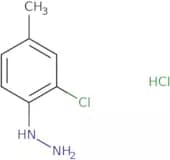
CAS:Controlled Product<p>9-alpha,-14-alpha-3-Methoxy-17-methylmorphinan (914) is a drug that is used in the treatment of bowel disease. It has been shown to inhibit the activity of enzymes such as polymerase chain, which is responsible for DNA replication and repair. 914 also inhibits dextromethorphan, an opioid that is used in cough suppressant medications. The effects of 914 on dextromethorphan are seen in human subjects who have been given the drug intravenously or orally. 914 binds to receptors that are found on cells in the brain and spinal cord, which explains its analgesic properties. This drug can be dangerous when taken with nonsteroidal anti-inflammatory drugs because it can cause kidney damage or failure.</p>Formula:C18H25NOPurity:Min. 95%Color and Shape:PowderMolecular weight:271.4 g/mol(2-Chloro-4-methylphenyl)hydrazine hydrochloride
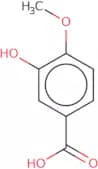
CAS:(2-Chloro-4-methylphenyl)hydrazine hydrochloride is a high quality reagent that is a useful intermediate for the synthesis of complex compounds. It has been used as a building block for the synthesis of speciality chemicals and research chemicals. This compound can be used to produce versatile building blocks and reaction components.Formula:C7H9ClN2·HClPurity:Min. 95%Color and Shape:PowderMolecular weight:193.07 g/mol3-Hydroxy-4-methoxybenzoic acid
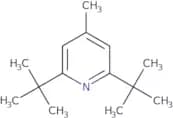
CAS:<p>3-Hydroxy-4-methoxybenzoic acid is a phenolic acid with antiinflammatory activity. It can be found in the leaves of the plant "Anacardium occidentale" or as an intermediate in the synthesis of protocatechuic acid, which is formed by oxidation of 3-hydroxycinnamic acid. 3-Hydroxy-4-methoxybenzoic acid has been shown to inhibit bacterial growth and fungal infection in vitro. The compound also inhibits proinflammatory cytokine production by human monocytes and macrophages, which may be due to its hydroxyl group that can form hydrogen bonds with nucleophilic centers on proteins.<br>3-Hydroxy-4-methoxybenzoic acid can be prepared through extraction from acetate (1g) containing pyridine (2mL) and acetone (2mL). The extract is incubated at 50°C for 20 minutes before being cooled. The</p>Formula:C8H8O4Purity:Min. 95%Color and Shape:PowderMolecular weight:168.15 g/mol2,6-Di-tert-butyl-4-methylpyridine
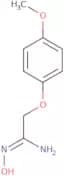
CAS:<p>2,6-Di-tert-butyl-4-methylpyridine (2,6-DBMP) is a thianthrene derivative that has been used in asymmetric synthesis and transfer reactions. 2,6-DBMP is synthesized by reacting the appropriate carbonyl chloride with the corresponding 2,6-di-tert butylpyridine. It can also be prepared by the palladium catalyzed coupling of a benzyl halide and an allyl bromide. The compound's stereoselectivity depends on the reactants' configuration at C2. This property makes it useful for the preparation of chiral molecule such as oligosaccharides and methyl glycosides. 2,6-DBMP has shown to have immunomodulatory activity against mutant strains of human erythrocytes in vitro.</p>Formula:C14H23NPurity:Min. 97%Color and Shape:Solidified MassMolecular weight:205.34 g/molN-Hydroxy-2-(4-methoxyphenoxy)ethanimidamide
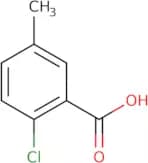
CAS:<p>Please enquire for more information about N-Hydroxy-2-(4-methoxyphenoxy)ethanimidamide including the price, delivery time and more detailed product information at the technical inquiry form on this page</p>Formula:C9H12N2O3Purity:Min. 95%Color and Shape:PowderMolecular weight:196.2 g/mol2-Chloro-5-methylbenzoic acid
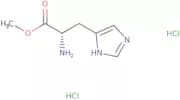
CAS:<p>2-Chloro-5-methylbenzoic acid is a carcinogenic substance that is used in the manufacturing of acridine dyes. It can be found in both solid and liquid forms and has an experimental solubility range of 0.01 to 1.0g/100ml at 25°C. 2-Chloro-5-methylbenzoic acid is soluble in water and has a solute activity coefficient of 1.2, which means it is fairly soluble in water. This chemical also exhibits high reactivity with other compounds that are dissolved in water. The chemical reacts with hydrogen sulfide to produce sulfur dioxide gas, ammonia, and hydrochloric acid, as well as with nitric oxide to produce nitrous oxide, nitrogen dioxide gas, and nitric acid.</p>Formula:C8H7ClO2Purity:Min. 95%Color and Shape:PowderMolecular weight:170.59 g/molL-Histidine methyl ester dihydrochloride
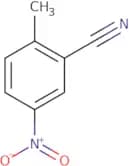
CAS:<p>L-Histidine methyl ester dihydrochloride is a β-amino acid with the chemical formula HNCH2CH(CH3)CO2H. It has the functional group of an isopropyl group and a chloride ion. L-Histidine methyl ester dihydrochloride has been shown to bind to receptors in the central nervous system that are involved in pain perception. As a result, it can be used for the treatment of neuropathic pain, chronic pain, and cancer pain. This drug also inhibits nitric oxide production by binding to iron ions or copper ions. L-Histidine methyl ester dihydrochloride has been shown to have antiinflammatory effects as well as antioxidant properties.</p>Formula:C7H11N3O2•(HCl)2Purity:Min. 95%Color and Shape:PowderMolecular weight:242.1 g/mol3-Cyano-4-methylnitrobenzene
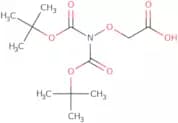
CAS:<p>3-Cyano-4-methylnitrobenzene is a nitro compound that can be prepared by the reaction of nitric acid with aniline. It has been shown to have a strong affinity for oxygen, which may be due to its pyran ring. 3-Cyano-4-methylnitrobenzene has been found to react with acetonitrile in an electrochemical experiment, leading to the formation of nitronium ion and nitrate ion. The mechanism for this reaction is not well understood, but it offers a convenient way of preparing 3-cyano-4-methylnitrobenzene from nitric acid and aniline.</p>Formula:C8H6N2O2Purity:Min. 95%Color and Shape:PowderMolecular weight:162.15 g/molBis-Boc-amino-oxyacetic acid
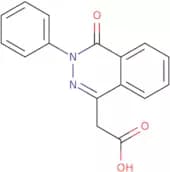
CAS:<p>Bis-Boc-amino-oxyacetic acid is an analog of goserelin acetate. It binds to the androgen receptor in prostate cancer cells, which leads to cytostatic effects. This drug has shown a low potency in human serum and does not bind to human serum proteins.<br>The uptake of Bis-Boc-amino-oxyacetic acid by prostate cancer cells was found to be significantly greater than that of goserelin acetate. The binding affinity of this drug for the androgen receptor is also lower than that of goserelin acetate, making it more selective for prostate cancer cells over other tissues.</p>Formula:C12H21NO7Purity:Min. 95%Color and Shape:White PowderMolecular weight:291.3 g/mol3-Phenyl-4-phthalazinone-1-acetic acid
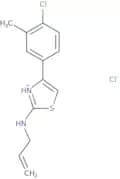
CAS:<p>3-Phenyl-4-phthalazinone-1-acetic acid (3PPAA) is an organic compound that can be used to synthesize gold nanoparticles. Gold nanoparticles are ferroelectric and have a dipole moment. 3PPAA can be modeled using simulations with the panthera program, which is able to predict the effect of various parameters on the morphology of the particles. The shape of the gold nanoparticles can be controlled by changing the concentration of 3PPAA in water and by adding or removing a stabilizing agent such as sodium bicarbonate. 3PPAA has been shown to have a strong interaction with mitochondrial DNA, which could lead to death of cells by interfering with mitochondrial function.</p>Formula:C16H12N2O3Purity:Min. 95%Color and Shape:SolidMolecular weight:280.28 g/mol(4-(4-chloro-3-methylphenyl)(2,5-thiazolyl))prop-2-enylamine, hydrochloride
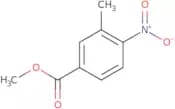
CAS:<p>Please enquire for more information about (4-(4-chloro-3-methylphenyl)(2,5-thiazolyl))prop-2-enylamine, hydrochloride including the price, delivery time and more detailed product information at the technical inquiry form on this page</p>Purity:Min. 95%Methyl 3-methyl-4-nitrobenzoate
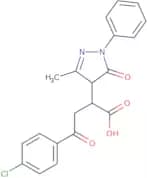
CAS:<p>Methyl 3-methyl-4-nitrobenzoate is a potential antitumor agent that has been shown to have minimal inhibitory concentrations against a variety of human tumor cell lines. It also has potent antifungal activity and can be used for the treatment of opportunistic fungal infections in humans. Methyl 3-methyl-4-nitrobenzoate may be modified by substituting or deleting the aromatic ring, which can lead to improved inhibitory properties. Methyl 3-methyl-4-nitrobenzoate can also be modified by replacing the methyl group on the nitro group with a fluorine atom, which changes its structure and enhances its inhibitory potency.</p>Formula:C9H9NO4Purity:Min. 95%Molecular weight:195.17 g/mol4-(4-Chlorophenyl)-2-(3-methyl-5-oxo-1-phenyl(2-pyrazolin-4-yl))-4-oxobutanoic acid
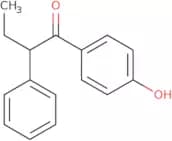
CAS:<p>Please enquire for more information about 4-(4-Chlorophenyl)-2-(3-methyl-5-oxo-1-phenyl(2-pyrazolin-4-yl))-4-oxobutanoic acid including the price, delivery time and more detailed product information at the technical inquiry form on this page</p>Purity:Min. 95%1-(4-Hydroxyphenyl)-2-phenyl-1-butanone
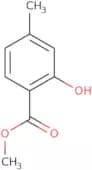
CAS:<p>1-(4-Hydroxyphenyl)-2-phenyl-1-butanone is a versatile building block that is used in the synthesis of many complex compounds. It has been used as a reagent or speciality chemical and can be used to synthesize a wide range of organic compounds. The compound also exhibits high quality and can be used as an intermediate in the synthesis of pharmaceuticals, herbicides, pesticides, and other research chemicals. 1-(4-Hydroxyphenyl)-2-phenyl-1-butanone is also a useful scaffold for the synthesis of natural products such as alkaloids, terpenes, and other research chemicals.</p>Formula:C16H16O2Purity:Min. 95%Color and Shape:Off-White PowderMolecular weight:240.3 g/molMethyl 4-methylsalicylate
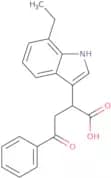
CAS:<p>Methyl 4-methylsalicylate is a colorless liquid that has no odor. It can be synthesized by reacting ethyl bromoacetate with formaldehyde and anhydrous sodium acetate in the presence of hydrochloric acid. This product is used as an intermediate for various organic compounds, such as esters, ethers, amides, and nitriles. Methyl 4-methylsalicylate has been used in the synthesis of pharmaceuticals, perfumes, pesticides, herbicides, and other chemicals. Methyl 4-methylsalicylate is toxic to opportunistic fungal species but does not affect bacteria. The chemical reacts with DNA to form adducts that inhibit linear polymerase chain reactions (PCR). This inhibits DNA replication and transcription of DNA into RNA. The inhibition of protein synthesis by methyl 4-methylsalicylate also results in cell death.</p>Formula:C9H10O3Purity:Min. 95%Color and Shape:PowderMolecular weight:166.17 g/mol2-(7-Ethylindol-3-yl)-4-oxo-4-phenylbutanoic acid
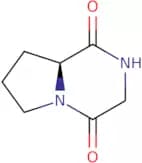
CAS:<p>Please enquire for more information about 2-(7-Ethylindol-3-yl)-4-oxo-4-phenylbutanoic acid including the price, delivery time and more detailed product information at the technical inquiry form on this page</p>Purity:Min. 95%Cyclo(-Gly-Pro)
CAS:<p>Cyclo(-Gly-Pro) is a cyclic peptide that has been shown to be neuroprotective. It acts as an analog of the neurotransmitter glutamate and inhibits the binding of glutamate to its receptors. Cyclo(-Gly-Pro) also blocks the release of serotonin from nerve cells and inhibits the proliferation of nerve cells in culture. Cyclo(-Gly-Pro) has been shown to increase locomotor activity in mice, which may be due to its ability to activate 5-HT2A receptors in the brain.</p>Formula:C7H10N2O2Purity:Min. 95%Color and Shape:PowderMolecular weight:154.17 g/molD-Gluconic acid zinc (II) salt
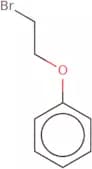
CAS:<p>D-Gluconic acid zinc salt is an inorganic compound that is used to treat deficiencies of D-gluconate. It is a salt of zinc and D-gluconic acid, which is a natural metabolite found in the human body. This compound can be used to maintain healthy levels of D-gluconate in the tissues and help control symptoms related to deficiencies. The efficiency of this method has been demonstrated by an in vitro test on human femur cells. A profile analysis showed that D-gluconic acid zinc salt was able to minimize the severity of symptoms associated with deficiencies caused by gluconate deficiency, such as tissue sensitivity and bone degradation.</p>Formula:C12H22O14ZnPurity:Min. 95%Color and Shape:White PowderMolecular weight:455.68 g/mol2-Phenoxy ethyl bromide
CAS:<p>2-Phenoxy ethyl bromide is a chemical compound that has been shown to have antibacterial properties when tested against bacteria in the laboratory. It is also toxic to humans and other mammals, so care must be taken during its use. 2-Phenoxy ethyl bromide has been shown to inhibit the growth of Streptococcus pneumoniae, Streptococcus pyogenes (Group A), Enterococcus faecalis, and Staphylococcus aureus (Group A) at concentrations of 0.2% by weight in broth medium. 2-Phenoxy ethyl bromide may be effective against other bacteria as well, but further research is needed to confirm this.</p>Formula:C8H9BrOPurity:Min. 95%Color and Shape:White PowderMolecular weight:201.06 g/molH-Glu-Thr-OH
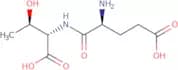
CAS:<p>H-Glu-Thr-OH is a molecule that belongs to the group of aminoglycosides. It is a broad spectrum antibiotic that inhibits bacterial protein synthesis by binding to the 30S ribosomal subunit. H-Glu-Thr-OH has been shown to be effective against various bacteria, including those that are resistant to other antibiotics such as penicillin and erythromycin. This drug has also been shown to be effective against cancer cells in vitro. H-Glu-Thr-OH is a potent inhibitor of inflammatory bowel disease, which may be due to its ability to inhibit the production of proinflammatory cytokines such as tumor necrosis factor alpha (TNFα). The drug also has an insulin sensitizing effect in type 2 diabetes mellitus patients, which may be due to its ability to enhance glucose uptake into skeletal muscle cells and adipocytes.</p>Formula:C9H16N2O6Purity:Min. 98 Area-%Color and Shape:PowderMolecular weight:248.23 g/mol2-Methylanthracene
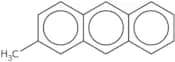
CAS:<p>2-Methylanthracene is a diazonium salt that inhibits the growth of bacteria by binding to DNA, thereby preventing transcription and replication. 2-Methylanthracene has an inhibitory effect at pH 6.0 but no inhibitory effect at pH 8.0 due to its solubility data. The aromatic hydrocarbon is soluble in water and has a solute concentration of 1.5 g/L at pH 6.0 and 5 g/L at pH 8.0. 2-Methylanthracene binds to the DNA of bacteria in cell culture through steric interactions with the hydrophobic aromatic rings, inhibiting bacterial growth and causing cell death by interfering with protein synthesis and DNA replication.</p>Formula:C15H12Purity:Min. 95%Color and Shape:Off-White PowderMolecular weight:192.26 g/mol1-O-Hexadecyl-rac-glycerol
CAS:<p>1-O-Hexadecyl-rac-glycerol (1OHR) is a synthetic compound that has been shown to inhibit the growth of leukemia and other cells in vitro. It inhibits the activity of enzymes involved in carbohydrate chemistry, such as benzalkonium chloride, surface glycoprotein, monoclonal antibody, and enzyme activities. It also causes cytosolic Ca2+ release from intracellular stores and decreases the concentration of intracellular calcium. 1OHR has a minimal toxicity for mammalian cells and does not inhibit protein synthesis.</p>Formula:C19H40O3Purity:Min. 95%Molecular weight:316.52 g/molL-Tryptophan
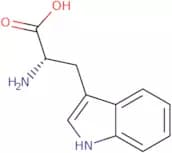
CAS:<p>L-tryptophan is a non-essential amino acid that is used as a building block in the synthesis of proteins. It has been used in research and as a starting material for the production of other chemicals. L-tryptophan has also been shown to have antidepressant effects, although it is not approved by the FDA for this use. L-tryptophan can be found in protein-rich foods such as meat, eggs, and soybeans.</p>Formula:C11H12N2O2Purity:Min. 98.0 Area-%Molecular weight:204.23 g/molRef: 3D-T-8320
1kgTo inquire100gTo inquire250gTo inquire500gTo inquire2500gTo inquire-Unit-kgkgTo inquireFmoc-Glu(OtBu)-OH
CAS:<p>Fmoc-Glu(OtBu)-OH is an amino acid that is used in the synthesis of peptides and proteins. It is a hydrophilic, non-polar amino acid with a hydroxyl group at its carboxy terminus. This substance has been shown to inhibit the growth of cancer cells in vitro and has been used for the development of monoclonal antibodies. Fmoc-Glu(OtBu)-OH has also been shown to have pharmacokinetic properties that are different from other amino acids such as L-lysine, which may be due to its hydrophilic interactions with plasma proteins. This compound is also toxic, as shown by studies on rats where it was found to cause liver damage at high doses. Fmoc-Glu(OtBu)-OH binds to receptors on cells known as polysialic acid receptors, which are involved in cell adhesion and migration. Fmoc-Glu</p>Formula:C24H27NO6Purity:Min. 98 Area-%Color and Shape:PowderMolecular weight:425.47 g/mol1-(3-Chloropropyl)-4-methylpiperazine
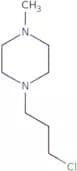
CAS:<p>1-(3-Chloropropyl)-4-methylpiperazine is an analog of chlorpromazine. It has been shown to be a transactivator, which causes the activation of genes in response to a variety of stimuli and plays a role in the pathogenesis of infections. 1-(3-Chloropropyl)-4-methylpiperazine also interacts with chloride ions, causing an increase in intracellular chloride concentrations. This increased concentration leads to an increase in transcription and replication rates. The structures of viral RNA were determined using 1-(3-chloropropyl)-4-methylpiperazine as a fluorescent probe.</p>Formula:C8H17ClN2Purity:Min. 95%Color and Shape:Clear LiquidMolecular weight:176.69 g/mol4-Methoxycinnamic acid
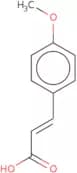
CAS:4-Methoxycinnamic acid is a derivative that is activated by light exposure. It has been shown to have antimicrobial activity against Gram-positive bacteria and yeast, but not Gram-negative bacteria. 4-Methoxycinnamic acid is an analytical reagent that can be used to measure the dry weight of skin cancer cells, as well as to study the genotoxic effects of human liver cells. The chemical has also been shown to be genotoxic in mouse bone marrow cells and human lymphocytes. 4-Methoxycinnamic acid has been found to cause synchronous fluorescence when exposed to UV light, which may be due to its ability to react with molecular oxygen. This reaction produces a linear model with two products: 4-hydroxybenzoic acid and 2,5-dihydroxybenzoic acid.Formula:C10H10O3Purity:Min. 95%Color and Shape:PowderMolecular weight:178.18 g/mol4-Mercapto-4-methyl-pentan-2-one
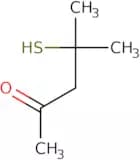
CAS:<p>4-Mercapto-4-methyl-pentan-2-one is a fatty acid that is used as a flavor and fragrance agent. It has shown potential as a biomarker for exposure to volatile organic compounds (VOCs). 4-Mercapto-4-methylpentan2one has been found to inhibit the transcriptional regulation of genes encoding thiols and is an important component of the matrix effect. This compound can be extracted by solid phase microextraction, which will require sample preparation before use. The wild type strain of Escherichia coli was used in this experiment, but it may also be possible to use other bacteria such as Bacillus subtilis or Pseudomonas aeruginosa. Chemical ionization mass spectrometry was used to identify 4-mercapto-4-methylpentan2one in the extract.</p>Formula:C6H12SOPurity:Min. 98 Area-%Molecular weight:132.22 g/molAla-Ala-OH
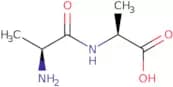
CAS:<p>Ala-Ala-OH is a chemical compound that is structurally similar to the natural amino acid alanine. It has been used as a model system for the study of vancomycin, an antibiotic that binds to the penicillin-binding protein (PBP) in bacterial cell walls and inhibits peptidoglycan synthesis. Ala-Ala-OH binds to the PBP with high affinity and specificity, but does not inhibit peptidoglycan synthesis or kill bacteria. In contrast, Ala-Ala-OH has shown antiviral and anti-inflammatory activities by binding to viral and inflammatory proteins. This compound also has been shown to be chemically stable and can be used as a fluorescent probe in titration calorimetry experiments, which measure heat released during the formation of a chemical reaction.</p>Formula:C6H12N2O3Purity:Min. 95%Color and Shape:PowderMolecular weight:160.17 g/molL-Arginine-tert-butyl ester dihydrochloride
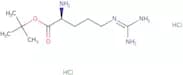
CAS:<p>L-Arginine-tert-butyl ester dihydrochloride is a high quality, reagent, complex compound that is soluble in most organic solvents. It has a CAS No. of 87459-72-1 and can be used as an intermediate for the production of other chemical compounds. L-Arginine-tert-butyl ester dihydrochloride is also a useful scaffold for the synthesis of speciality chemicals or research chemicals and can be used as a versatile building block in the synthesis of many chemical compounds.</p>Formula:C10H22N4O2·2HClPurity:Min. 95%Color and Shape:PowderMolecular weight:303.23 g/mol3-Hydroxy-2-iodo-6-methylpyridine
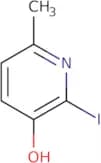
CAS:<p>3-Hydroxy-2-iodo-6-methylpyridine is a catalyst that is used to produce the heterocycle pyridone. It can be used as a precursor for new pharmaceuticals and agrochemicals. 3-Hydroxy-2-iodo-6-methylpyridine has been shown to catalyze the reaction of aromatic amines with ketones or sulfonyl chlorides, leading to the formation of pyridones. These reactions are also catalyzed by other compounds such as 2,4,5,6,-tetramethylpiperidinium hexafluorophosphate (TEMPO).</p>Formula:C6H6INOPurity:Min. 95%Color and Shape:PowderMolecular weight:235.02 g/mol4-Phenoxybenzylamine
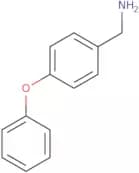
CAS:<p>4-Phenoxybenzylamine is a cardiac stimulant that belongs to the group of l-type calcium channel blockers. It is a highly potent and selective blocker of voltage-gated L-type calcium channels in myocytes, which are cells that make up the muscle tissue of the heart. 4-Phenoxybenzylamine has been shown to be effective against resistant strains and can be used to optimize sodium channels in recombinant cells. This drug also blocks potassium channels, which may lead to an antiseizure effect. 4-Phenoxybenzylamine is hydrophobic and can be given orally.<br>END>></p>Formula:C13H13NOPurity:Min. 95%Color and Shape:Clear LiquidMolecular weight:199.25 g/molD-Tryptophan
CAS:<p>D-Tryptophan is a versatile building block that has many applications in the field of fine chemicals, research chemicals, and speciality chemicals. D-Tryptophan is a useful building block for complex compounds and can be used as a reagent or reaction component. It is also a useful scaffold in organic synthesis.</p>Formula:C11H12N2O2Purity:Min. 98.0 Area-%Molecular weight:204.23 g/molAc-Arg-Gly-Lys-AMC trifluoroacetate salt
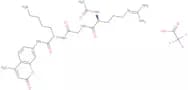
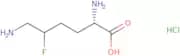
CAS:<p>Ac-Arg-Gly-Lys-AMC trifluoroacetate salt is a fine chemical that is used as a building block in the synthesis of complex compounds. Ac-Arg-Gly-Lys-AMC trifluoroacetate salt has been used as a reagent, speciality chemical and intermediate in research projects. Ac-Arg-Gly-Lys-AMC trifluoroacetate salt can be used to produce useful scaffolds for medicinal chemistry studies.</p>Formula:C26H38N8O6•C2HF3O2Purity:Min. 97 Area-%Color and Shape:PowderMolecular weight:672.65 g/mol5-Fluoro-D,L-lysine hydrochloride
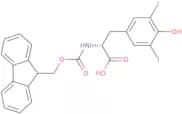
CAS:<p>Please enquire for more information about 5-Fluoro-D,L-lysine hydrochloride including the price, delivery time and more detailed product information at the technical inquiry form on this page</p>Formula:C6H13FN2O2•HClPurity:90%MinColor and Shape:PowderMolecular weight:200.64 g/molFmoc-3,5-diiodo-D-tyrosine
CAS:<p>Please enquire for more information about Fmoc-3,5-diiodo-D-tyrosine including the price, delivery time and more detailed product information at the technical inquiry form on this page</p>Formula:C24H19I2NO5Purity:Min. 95%Color and Shape:PowderMolecular weight:655.22 g/molD-Valine
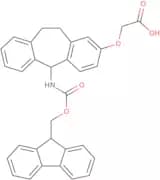
CAS:<p>D-Valine is a non-essential amino acid that is synthesized from 2-oxoglutarate and glutamine. D-Valine has been shown to be an intermediate in microbial metabolism, where it is converted to L-valine by the enzyme d-amino acid oxidase. It has also been shown to have antihypertensive properties in rat models of hypertension. The synthesis of D-valine from glucose can occur through two different pathways: one involves the conversion of L-glutamic acid to L-alanine then to pyruvic acid, which is then converted to L-lactate and then d-malic acid; the other pathway involves the conversion of L-glutamate to citric acid, which can then be converted into succinic acid and eventually d-malic acid. Structural analysis has revealed that D-valine contains a hydrogen bond between its carboxyl group and nitrogen atom in a neighboring molecule. This hydrogen</p>Formula:C5H11NO2Purity:Min. 95%Color and Shape:White PowderMolecular weight:117.15 g/molRamage linker
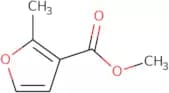
CAS:<p>Ramage Linker,Fmoc-Suberol is a synthetic derivative of the antimicrobial peptide guanylate. It is used as an inhibitor of congestive heart failure. Ramage Linker,Fmoc-Suberol has been shown to be effective in reducing the severity of congestive heart failure by inhibiting the production of brain natriuretic peptides. The chemical structure and sequence have been determined using a combination of structural analysis and degradable linkers that are cleaved in vivo by hydrolysis or enzymatic degradation. Ramage Linker,Fmoc-Suberol has also been shown to reduce blood pressure and inhibit platelet aggregation.</p>Formula:C32H27NO5Purity:Min. 95%Color and Shape:PowderMolecular weight:505.56 g/molMethyl 2-methyl-3-furancarboxylate
CAS:<p>Methyl 2-methyl-3-furancarboxylate is a chiral molecule that has anti-influenza virus activity. It has been shown to inhibit influenza virus replication in vitro and in vivo. Methyl 2-methyl-3-furancarboxylate inhibits the synthesis of viral proteins by inhibiting the polymerase function of the virus’s RNA polymerase. In addition, this compound inhibits the synthesis of new viruses by disrupting the process of transcription and replication. This molecule also exhibits antiviral activity against other RNA viruses such as Sindbis virus, vesicular stomatitis virus, and polio virus. Methyl 2-methyl-3-furancarboxylate is an aerobic molecule with functionalities that include isoxazoles, pyrazoles, and carbocations. This compound has been used as a starting point for synthesizing other anti-influenza compounds due to its strong antiviral properties and its unique functional groups.</p>Formula:C7H8O3Purity:Min. 95%Color and Shape:Clear LiquidMolecular weight:140.14 g/mol2-Methoxyresorcinol
CAS:<p>2-Methoxyresorcinol is a metabolite that is formed by the oxidation of resorcinol. It has two methoxy groups, which are functional groups that are usually found in organic compounds. 2-Methoxyresorcinol has been shown to inhibit the growth of tumour cells in vitro and in vivo. It also inhibits cell growth by decreasing protein synthesis and cell division. This compound is an analytical method for measuring hematocrit levels and can be used as a natural compound for the treatment of chronic kidney disease.</p>Formula:C7H8O3Purity:Min. 95%Color and Shape:PowderMolecular weight:140.14 g/mol5-Methylnicotinaldehyde
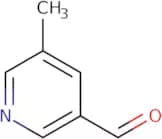
CAS:<p>5-Methylnicotinaldehyde is a chemical compound that belongs to the group of tetrahydropyridines. It is a reagent for producing triphosgene and dimethylformamide. 5-Methylnicotinaldehyde has been shown to inhibit muscarinic acetylcholine receptors, leading to an increase in acetylcholine release from nerve endings. This may be due to its ability to bind with the receptor affinity site at the base of the nicotinic acetylcholine receptor. 5-Methylnicotinaldehyde also has anti-inflammatory properties and can be used as a pesticide.</p>Formula:C7H7NOPurity:Min. 95%Color and Shape:PowderMolecular weight:121.14 g/mol(R)-2-Amino-1-phenylethanol
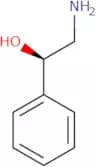
CAS:<p>(R)-2-Amino-1-phenylethanol is a molecule that has antimicrobial activity. It binds to the active site of bacterial enzymes, such as those involved in the synthesis of cell walls, and inhibits the growth of bacteria through competitive inhibition. This molecule also has a dihedral angle that is similar to that of other molecules with antibacterial activity. (R)-2-Amino-1-phenylethanol is an enantiomer, which means it can be synthesized from either (S)- or (R)-1-phenylethanol. The racemic form is more active than any individual enantiomer.</p>Formula:C8H11NOPurity:Min. 95%Color and Shape:PowderMolecular weight:137.18 g/mol5-Acetylamino-6-formylamino-3-methyluracil
CAS:<p>5-Acetylamino-6-formylamino-3-methyluracil is an analysis method that can be used to determine the effectiveness of certain contraceptives. This drug has shown a potential to interact with other drugs, such as caffeine and amphetamines. It is also used to measure the enzyme activities of polymorphic human erythrocytes. 5-Acetylamino-6-formylamino-3-methyluracil is used in the preparation of blood samples for DNA sequencing and polymerase chain reaction (PCR) amplification. The concentration of intracellular calcium ions in humans has been shown to increase when this drug is administered, which leads to hyperproliferative diseases like cancer or HIV infection.</p>Formula:C8H10N4O4Purity:(%) Min. 95%Color and Shape:Slightly Yellow PowderMolecular weight:226.19 g/mol2-Methylbenzophenone
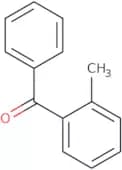
CAS:<p>2-Methylbenzophenone is a derivative of benzophenone that has been synthesized from a symmetrical molecule by the addition of two methyl groups on opposite sides of the benzene ring. The intramolecular hydrogen bonding in 2-methylbenzophenone allows for unsymmetrical molecules to form, which have a directional orientation. This makes 2-methylbenzophenone an excellent candidate for use in asymmetric synthesis. The reaction mechanism for the synthesis of 2-methylbenzophenone involves nucleophilic substitution with sodium carbonate and chlorine atom, followed by removal of the chloride ion with methyl ethyl ether or benzyl chloride. In this stepwise process, the first step is carried out at low temperature and then heated to increase the yield. The final step involves hydrogenation of the carbonyl group to form a keto group. Synthesis methods include condensation reactions, such as with sodium acetate and benzoic acid, or hydroly</p>Formula:C14H12OPurity:Min. 95%Color and Shape:Colorless Clear LiquidMolecular weight:196.24 g/molN-Boc-L-Lysine
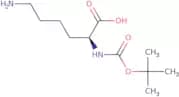
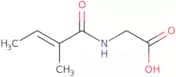
CAS:<p>N-Boc-L-Lysine is a model of the amino acid lysine. This compound has been shown to inhibit the growth of cancer cells in vitro and in vivo. N-Boc-L-Lysine inhibits protein synthesis by blocking the formation of peptide bonds between amino acids, thus stopping the production of proteins vital for cell division. The inhibition of fatty acid synthesis by this compound may be due to its ability to inhibit the activity of fatty acid synthase, which catalyzes the conversion of acetyl coenzyme A into fatty acids. This product can also be synthesized from caproic acid and an ester hydrochloride or from a fatty acid and an ester hydrochloride.</p>Formula:C11H22N2O4Purity:Min. 95%Color and Shape:White Off-White PowderMolecular weight:246.3 g/molTiglyl glycine
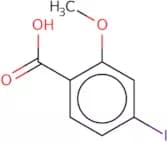
CAS:<p>Tiglyl glycine is a drug that belongs to the class of non-competitive inhibitors of the α1 subunit of mitochondrial polymerase. It has been shown to inhibit the synthesis of malonic acid, which is a metabolic product, and tiglic acid, which is an intermediate in energy metabolism. Tiglyl glycine has been shown to have therapeutic effects against infectious diseases and metabolic disorders such as methyl ethyl malonic aciduria, with symptoms including brain dysfunction, vomiting, and weight loss. Tiglyl glycine inhibits the production of methyl ethylmalonic acid from propionate in patients with this disorder. Tiglyl glycine also has been shown to be effective in reducing body mass index and human serum levels of malonic acid in obese patients.</p>Formula:C7H11NO3Purity:Min. 95%Color and Shape:PowderMolecular weight:157.17 g/mol4-Iodo-2-methoxybenzoic acid
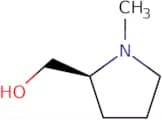
CAS:<p>4-Iodo-2-methoxybenzoic acid is an organic compound that contains a carbonyl group and a copper chelate. It has been shown to be stable in the presence of mercapto, chloroform, and palladium. The chemical structures of 4-iodo-2-methoxybenzoic acid are different from those of other compounds because it contains a chelate ring. Experiments have shown that extracts containing 4-iodo-2-methoxybenzoic acid are more extractable than those without it. This is due to the chelate ring which can act as an ion exchange group, allowing for the extraction of charged ions from the solution.</p>Formula:C8H7IO3Purity:Min. 95%Color and Shape:PowderMolecular weight:278.04 g/mol(1-Methylpyrrolidin-2-yl)methanol
CAS:<p>(1-Methylpyrrolidin-2-yl)methanol (MPPM) is an organic chemical compound that is used as a surfactant. It belongs to the class of gemini surfactants that have a chiral center in the molecule. MPPM interacts with other molecules, forming homochiral complexes. This interaction leads to stereoselectivity in reactions and can be observed by cryo-electron microscopy. The receptor subtype for MPPM has been identified as GPCR, which are proteins that bind to neurotransmitters and hormones. When MPPM binds to GPCR, it inhibits the binding of neurotransmitters and hormones, preventing their activation of downstream signaling pathways.<br>MPPM is also an acrylate and an aldehyde. Acrylates are compounds that react with alcohols or phenols to form polymers or copolymers, while aldehydes react with amines to form imines or</p>Formula:C6H13NOPurity:Min. 95%Color and Shape:Clear LiquidMolecular weight:115.17 g/mol(Des-Gly10,D-Ser4,D-Trp6,Pro-NHEt 9)-LHRH trifluoroacetate salt
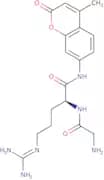
<p>Please enquire for more information about (Des-Gly10,D-Ser4,D-Trp6,Pro-NHEt 9)-LHRH trifluoroacetate salt including the price, delivery time and more detailed product information at the technical inquiry form on this page</p>Formula:C64H83N17O12Purity:Min. 95%Color and Shape:PowderMolecular weight:1,282.45 g/molH-Gly-Arg-AMC hydrochloride salt
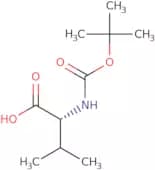
CAS:<p>H-Gly-Arg-AMC hydrochloride salt is a substrate for the enzymes cathepsins B, H, and L. This compound has been used to measure protease activity in cell culture and as a diagnostic substrate for peptidases. The enzyme reaction can be monitored by measuring changes in the fluorescence of the product at 340 nm. The pH optimum for this enzyme is 7.4.</p>Formula:C18H24N6O4•HClPurity:Min. 98 Area-%Color and Shape:PowderMolecular weight:424.88 g/molBoc-D-Val-OH
CAS:<p>Boc-D-Val-OH is a synthetic, cyclic peptide that contains a hydrophobic Boc group. It has been shown to inhibit the uptake of calcium by caco-2 cells in vitro. This peptide also inhibits the growth of cancer cells and may be used as an anticancer agent. Boc-D-Val-OH binds to the membrane of caco-2 cells and blocks the uptake of calcium ions, thus inhibiting cellular functions such as protein synthesis. This compound is stable under a variety of conditions and has potent inhibitory activity against cancer cell proliferation.</p>Formula:C10H19NO4Purity:Min. 98 Area-%Color and Shape:PowderMolecular weight:217.26 g/molFA-Leu-Gly-Pro-Ala-OH
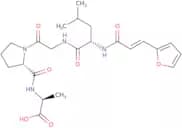
CAS:<p>FA-Leu-Gly-Pro-Ala-OH is a gelatinase inhibitor that inhibits the action of collagenase, an enzyme that breaks down collagen. It has been shown to inhibit the growth of cancer cells in vitro and may be useful as a therapeutic agent against skin cancer. FA-Leu-Gly-Pro-Ala-OH binds to the active site of the enzyme and blocks its catalytic activity by preventing proton transfer during the hydrolysis of peptide bonds. This inhibitor also has proteolytic properties, which are due to its ability to cleave proteins with basic amino acids such as arginine and lysine. The inhibitory effects of FA-Leu-Gly-Pro-Ala-OH on histological analysis were also tested on fibroblast cells with collagenase activity, which showed a significant reduction in enzyme activity after incubation with this inhibitor.</p>Formula:C23H32N4O7Purity:Min. 95%Color and Shape:PowderMolecular weight:476.52 g/molH-Asp(OPp)-OH
<p>Please enquire for more information about H-Asp(OPp)-OH including the price, delivery time and more detailed product information at the technical inquiry form on this page</p>Purity:Min. 95%Fmoc-NH-PEG8-CH2CH2COOH
CAS:<p>Fmoc-NH-PEG8-CH2CH2COOH is a PEG compound with two different functional groups (also known as heterobifunctional). Unlike homobifunctional PEG compounds (same functional group on both ends), this type of compounds are more versatile as have two different anchor points. Fmoc-NH-PEG8-CH2CH2COOH is used as a linker and spacer to add a PEG moiety, via pegylation (a bioconjugation technique) to proteins, peptides, oligonucleotides, small molecules and nanoparticles.</p>Formula:C34H49NO12Purity:Min. 95%Color and Shape:Colorless PowderMolecular weight:663.75 g/mol2-Fluoro-L-phenylalanine
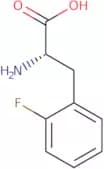
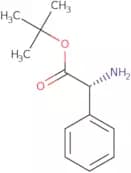
CAS:<p>2-Fluoro-L-phenylalanine is a metallic compound that belongs to the group of polyvinyl acetal inhibitors. It is commonly used in the production of antibodies and as a catalyst for various reactions. This compound has been shown to inhibit the activity of hydrogen fluoride, silver ions, and chloride in different chemical processes. Additionally, 2-Fluoro-L-phenylalanine has been found to interact with human immunoglobulin and phosphatase enzymes, affecting their functionality. Researchers also utilize this compound in experiments involving catalysts and hydrogen atom transfer reactions. If you're looking for high-quality research chemicals, 2-Fluoro-L-phenylalanine is an excellent option.</p>Formula:C9H10FNO2Purity:Min. 95%Color and Shape:SolidMolecular weight:183.18 g/molD-Phenylglycine tert-butyl ester hydrochloride
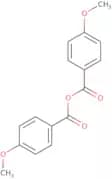
CAS:<p>D-Phenylglycine tert-butyl ester hydrochloride is a fine chemical that has versatile uses in research as a building block, intermediate, or reagent. It can be used to make complex compounds and useful scaffolds for organic chemistry. D-Phenylglycine tert-butyl ester hydrochloride is also a useful reaction component and can be used to make high-quality products.</p>Formula:C12H17NO2·HClPurity:Min. 95%Color and Shape:PowderMolecular weight:243.73 g/mol4-Methoxybenzoic anhydride
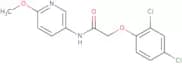
CAS:<p>4-Methoxybenzoic anhydride is a nonsteroidal anti-inflammatory drug (NSAID) that has a hydroxy group, which makes it susceptible to nucleophilic attack. The reaction mechanism of 4-methoxybenzoic anhydride involves hydroxyl group and phosphorus pentachloride. Kinetic data for the reaction was obtained from kinetic studies. The kinetic study found that the rate of the reaction increased with increasing concentration of amines and amides in the reaction mixture. 4-Methoxybenzoic anhydride has been shown to have antiinflammatory activity in various tests on animals, including rats, guinea pigs, and rabbits. The mechanism of this activity may be due to its ability to inhibit prostaglandin synthesis by blocking cyclooxygenase enzyme activity.</p>Formula:C16H14O5Purity:Min. 95%Color and Shape:PowderMolecular weight:286.28 g/mol2-(2,4-dichlorophenoxy)-N-(6-methoxy(3-pyridyl))ethanamide
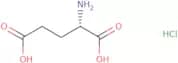
CAS:<p>Please enquire for more information about 2-(2,4-dichlorophenoxy)-N-(6-methoxy(3-pyridyl))ethanamide including the price, delivery time and more detailed product information at the technical inquiry form on this page</p>Purity:Min. 95%L-(+)-Glutamic acid HCl
CAS:<p>L-(+)-Glutamic acid HCl is a monosodium salt that belongs to the group of water-soluble organic acids. It has been used as a food additive and in wastewater treatment, as well as for the production of polymers and pharmaceuticals. Glutamate can be converted to glutamic acid by hydrolysis with sodium hydroxide or other strong bases. Glutamic acid is an important biochemical precursor in the synthesis of proteins, peptides, and nucleic acids. It also functions as a neurotransmitter in the central nervous system. L-(+)-glutamic acid HCl has been shown to induce apoptosis in human HL-60 cells by increasing reactive oxygen species (ROS) levels and activating caspase-3 activity in these cells. The crystalline cellulose used in this study was obtained from cellulose powder (Avicel PH101).</p>Formula:C5H9NO4·HClPurity:Min. 95%Color and Shape:White PowderMolecular weight:183.59 g/mol1,3-Di-Boc-2-(trifluoromethylsulfonyl)guanidine
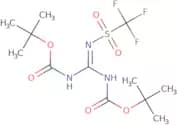
CAS:<p>1,3-Di-Boc-2-(trifluoromethylsulfonyl)guanidine is a growth factor that has been shown to bind to histone proteins and human pathogens. It has physiological effects on prostate cancer cells and fatty acid metabolism. 1,3-Di-Boc-2-(trifluoromethylsulfonyl)guanidine is also antibacterial agent that has potent activity against bacterial cell walls. This drug inhibits the enzyme Clavatadine, leading to the inhibition of protein synthesis in bacteria. The spacing of nitrogen atoms in this molecule is responsible for its potent inhibition of kinase activity. 1,3-Di-Boc-2-(trifluoromethylsulfonyl)guanidine is localized in the cellular cytoplasm and nucleus.</p>Formula:C12H20F3N3O6SPurity:Min. 95%Color and Shape:White PowderMolecular weight:391.37 g/mol2-Amino-4-methylthiophene-3-carboxamide
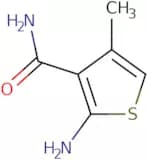
CAS:<p>2-Amino-4-methylthiophene-3-carboxamide is a small molecule that is a potent inhibitor of the JAK2 kinase. This enzyme is associated with human fibrosis and has been shown to be involved in the development of liver fibrosis in rats. 2-Amino-4-methylthiophene-3-carboxamide inhibits the production of cytokines such as IL1α, IL6, and TNFα. It also blocks the activation of transcription factors such as NFκB, which are involved in inflammation. The compound has been shown to be orally active and has demonstrated efficacy in animal studies. Analogues have also been synthesized for this compound that show similar activity.</p>Formula:C6H8N2OSPurity:(%) Min. 85%Color and Shape:PowderMolecular weight:156.21 g/molN-Acetyl-DL-valine
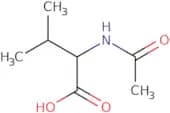
CAS:<p>N-Acetyl-DL-valine is an amide that is used as a model system for studying enzyme reactions. It was found to have copper complex, which is a potent inhibitor of fatty acid synthase and proton receptors. It has been shown to be effective in the treatment of cancer due to its ability to inhibit the growth of tumor cells. In addition, this compound has been shown to be specific for cancer cells as it does not affect healthy cells. N-Acetyl-DL-valine also has the ability to inhibit the activity of enzymes that are involved in fatty acid synthesis, such as acetoacetate decarboxylase and beta-ketoacyl synthase.</p>Formula:C7H13NO3Purity:Min. 95%Color and Shape:PowderMolecular weight:159.18 g/molH-Lys(Boc)-AMC
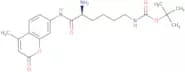
CAS:<p>H-Lys(Boc)-AMC is a useful building block for the synthesis of peptides, nucleic acids, and other complex molecules. It is a fine chemical that can be used as a reagent or speciality chemical in research laboratories. H-Lys(Boc)-AMC is also a versatile building block that can be used to synthesize complex compounds and scaffolds. This compound has been assigned CAS number 222037-62-9.</p>Formula:C21H29N3O5Purity:Min. 95%Color and Shape:PowderMolecular weight:403.47 g/molFmoc-L-cysteine
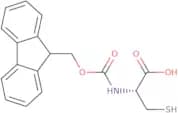
CAS:<p>Fmoc-L-cysteine is a reactive thiol that can be used for the synthesis of peptides and proteins. Fmoc-L-cysteine is synthesized by hydrothiolation of L-cysteine with 3-mercaptopropionic acid, which leads to the formation of a disulfide bond. The reaction product is purified by column chromatography and analyzed by NMR spectroscopy. Fmoc-L-cysteine has been shown to have efficient prenylation activity in vitro and in cell culture experiments. It has also been shown to be an important amino acid for the formation of amyloid protein aggregates, as well as being involved with other helical peptides in plants. X-ray crystal structures have been determined for Fmoc-L-cysteine bound to monoclonal antibodies.</p>Formula:C18H17NO4SPurity:Min. 98 Area-%Color and Shape:PowderMolecular weight:343.4 g/mol4-Hydroxy-3-methoxybenzonitrile
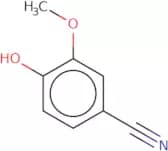
CAS:<p>4-Hydroxy-3-methoxybenzonitrile is a synthetic compound that is used in the synthesis of a variety of other organic compounds. The hydroxyl group on the 3-position of this molecule reacts with nitrogen nucleophiles, such as tetrazole, to form amides. 4-Hydroxy-3-methoxybenzonitrile also has the ability to act as a substrate for tyrosinase and demethylate. This property makes it useful in the synthesis of linear dNMPs and oligodeoxynucleotides.</p>Formula:C8H7NO2Purity:Min. 98%Color and Shape:PowderMolecular weight:149.15 g/molMethyl 3,5-diiodo-4-methoxybenzoate
CAS:<p>Please enquire for more information about Methyl 3,5-diiodo-4-methoxybenzoate including the price, delivery time and more detailed product information at the technical inquiry form on this page</p>Formula:C9H8I2O3Purity:Min. 95%Color and Shape:PowderMolecular weight:417.97 g/molCyclo(-Arg-Gly-Asp-D-Tyr-Lys) trifluoroacetate salt
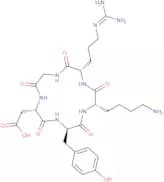
CAS:<p>Cyclo(-Arg-Gly-Asp-D-Tyr-Lys) trifluoroacetate salt is a reagent that is used in organic synthesis as a building block to create complex compounds. It is also useful for research purposes, as it can be used to produce high quality products. Cyclo(-Arg-Gly-Asp-D-Tyr-Lys) trifluoroacetate salt is a chemical with CAS No. 217099-14-4 and has the chemical formula C17H21N3O2F3.</p>Formula:C27H41N9O8Purity:Min. 95%Color and Shape:White SolidMolecular weight:619.67 g/molN-Acetyl-DL-p-fluorophenylalanine
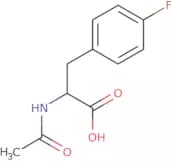
CAS:<p>N-Acetyl-DL-p-fluorophenylalanine is a chemical compound that can be used as a research chemical, or in the synthesis of other compounds. It is a reactive ingredient and can be used as a reagent. N-Acetyl-DL-p-fluorophenylalanine belongs to the class of speciality chemicals and can be used as an intermediate in the synthesis of other compounds. This compound has been found to be useful for the production of fine chemicals and complex compounds.</p>Formula:C11H12FNO3Purity:Min. 95%Color and Shape:PowderMolecular weight:225.22 g/mol1,2-Phenylenediamine
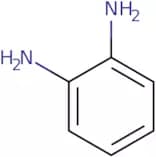
CAS:<p>1,2-Phenylenediamine is an aromatic amine that can be used as a precursor for the synthesis of various heterocyclic compounds. It has been shown to have an acidic character, which is due to its coordination geometry with three of its nitrogen atoms in the form of pyramidal nitrogen atoms. 1,2-Phenylenediamine is also a ligand for toll-like receptor (TLR) 4 and TLR9. It has been shown to activate these receptors by binding and activating downstream signaling pathways such as NF-κB and MAPK. This compound also has the ability to induce apoptosis in HL60 cells through inhibition of protein synthesis and activation of caspases.</p>Formula:C6H8N2Purity:Min. 98 Area-%Color and Shape:White PowderMolecular weight:108.14 g/mol