Amino Acids (AA)
Amino acids (AAs) are the fundamental building blocks of proteins, playing a crucial role in various biological processes. These organic compounds are essential for protein synthesis, metabolic pathways, and cell signaling. In this category, you will find a comprehensive range of amino acids, including essential, non-essential, and modified forms, which are vital for research in biochemistry, molecular biology, and nutritional sciences. At CymitQuimica, we provide high-quality amino acids to support your research and development needs, ensuring accuracy and reliability in your experimental outcomes.
Subcategories of "Amino Acids (AA)"
- Amino Acid Derivatives(3,969 products)
- Amino Acid and Amino Acid Related Compounds(3,474 products)
- Amino Acids with Oxygen or Sulphur(168 products)
- Boc- Amino Acids(351 products)
- Fmoc Amino Acids(1,710 products)
Found 38282 products of "Amino Acids (AA)"
Sort by
Purity (%)
0
100
|
0
|
50
|
90
|
95
|
100
L-Histidine monohydrochloride monohydrate
CAS:<p>L-Histidine monohydrochloride monohydrate is a histidine derivative that is used in the treatment of chronic oral and bowel diseases. L-histidine has been shown to activate phospholipase A2, which releases arachidonic acid from phospholipids. Arachidonic acid then reacts with other molecules to form prostaglandins and leukotrienes. L-histidine also inhibits the release of tumor necrosis factor (TNF) by blocking the activity of lipoxygenase, or it can stimulate the production of prostaglandins and leukotrienes that suppress inflammation in animal models. L-histidine monohydrochloride monohydrate has been shown to have an anti-inflammatory effect in animals with inflammatory bowel disease due to its ability to inhibit the production of prostaglandin E2 (PGE2). This drug has also been shown to be capable of neutralizing acidic ph by forming a salt with</p>Formula:C6H9N3O2·HCl·H2OColor and Shape:White PowderMolecular weight:209.63 g/molBoc-4-hydroxymethyl-L-phenylalanine dicyclohexyl ammonium salt
CAS:Controlled Product<p>Boc-4-Hydroxymethyl-L-Phenylalanine Dicyclohexyl Ammonium Salt is a versatile building block and intermediate for the synthesis of complex compounds. It is a useful reagent for research chemicals, speciality chemicals, and fine chemicals. This compound can be used as a high quality and useful scaffold in the synthesis of various types of pharmaceuticals.</p>Formula:C27H44N2O5Purity:Min. 95%Color and Shape:PowderMolecular weight:476.65 g/mol5-Bromo-DL-tryptophan
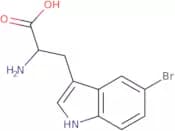
CAS:<p>5-Bromo-DL-tryptophan (5BrT) is a synthetic amino acid that belongs to the class of 1,2-diaminopropionic acids. 5BrT is an intermediate in the biosynthesis of tryptophan. It can be used as a fluorescent probe for protein analysis and detection of DNA by gel electrophoresis. 5BrT has also been shown to be taken up by cells, where it may form a fluorescent complex with intracellular proteins. The fluorescence properties of this compound have been studied by measuring emission spectra and lifetimes in solutions and gels. 5BrT has also been found to inhibit growth of bacteria such as Verticillium dahliae, which produces a number of antibiotics including penicillin. This compound can also be used in the synthesis of recombinant proteins from Escherichia coli or other bacteria.</p>Formula:C11H11BrN2O2Color and Shape:PowderMolecular weight:283.12 g/mol(S)-(+)-Glycidyl nosylate
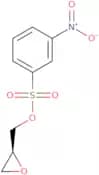
CAS:<p>(S)-(+)-Glycidyl nosylate is a trimerized activated phosphite that is used in the synthesis of amides, epoxides, nitro compounds, and styrene. It reacts with nucleophiles to produce an amide or enolate. This compound can also be used to produce a variety of other products by reacting with activated halogens or alcohols. The reaction between (S)-(+)-glycidyl nosylate and nitrous acid produces a nitro group on the aromatic ring. This compound has been evaluated for its ability to bind to receptors.</p>Formula:C9H9NO6SPurity:Min. 98 Area-%Color and Shape:Off-White Beige Yellow PowderMolecular weight:259.24 g/mol4-Phenoxybenzaldehyde
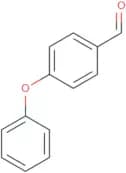
CAS:<p>4-Phenoxybenzaldehyde is a phenolic compound that has potent inhibitory activity against bacteria. It was shown to have the highest antibacterial activity among alkanoic acids, with an MIC of less than 2 µg/mL. 4-Phenoxybenzaldehyde is produced by the condensation of phenol and acetaldehyde in the presence of a solid catalyst and potassium hydroxide. This reaction produces a mixture of products, including 4-phenoxybenzaldehyde, which can be purified by recrystallization or column chromatography. The biosynthetic pathway for 4-phenoxybenzaldehyde in plants has been elucidated and includes two steps: one involving pyrazole ring formation and another involving hydroxyl group formation.</p>Formula:C13H10O2Purity:Min. 95%Molecular weight:198.22 g/mol4-Hydroxy-3-methoxystilbene
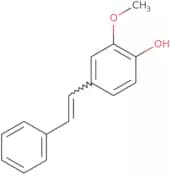
CAS:<p>4-Hydroxy-3-methoxystilbene is a natural phenolic compound found in plants. It is an olefinic peroxide that is unreactive and pressurized under normal conditions. It has been isolated from the leaves of the plant, Stilbocarpa erythrophylla, which grows in the tropical forests of Malaysia. The structure of 4-hydroxy-3-methoxystilbene was determined by chromatographic analysis and hydrogen peroxide plates. Phase chromatography was used to separate 4-hydroxy-3-methoxystilbene from other compounds with similar structures, such as acetylated flavonoids or hydroxylated flavonoids. The melting point of 4-hydroxy-3-methoxystilbene was determined by temperature measurements, and its ultraviolet spectrophotometry was used to detect the presence of a hydroxyl group in its chemical structure.</p>Formula:C15H14O2Purity:Min. 95%Color and Shape:PowderMolecular weight:226.27 g/molCyclo(-L-Ala-L-Glu)
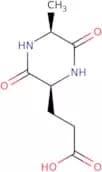
CAS:Cyclo(-L-Ala-L-Glu) is a versatile building block that belongs to the class of complex compounds. It can be used as a reagent, speciality chemical, or useful building block in organic synthesis. Cyclo(-L-Ala-L-Glu) has been shown to participate in a wide range of reactions, including condensation, esterification, and oxidation. Cyclo(-L-Ala-L-Glu) also has interesting properties that make it useful as an intermediate for the synthesis of other compounds. Cyclo(-L-Ala-L-Glu) can be heated with a strong acid such as nitric acid to produce cyclopropane derivatives. The high quality and usefulness of Cyclo(-L-Ala-L-Glu) makes it an excellent scaffold for synthetic chemistry.Formula:C8H12N2O4Purity:Min. 95%Color and Shape:PowderMolecular weight:200.19 g/mol4-Methyl-3-nitrobenzenesulfonyl chloride
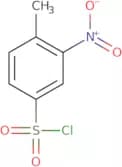
CAS:<p>4-Methyl-3-nitrobenzenesulfonyl chloride (4MNBS) is a fungicide that inhibits the growth of fungi, such as Plasmodiophora brassicae, by inhibiting the enzyme dehydrogenase. 4MNBS has also been shown to inhibit mammalian pyridine nucleotide dehydrogenase and to have low toxicity in mammals. 4MNBS has been found to be an inhibitor of human cytochrome P450 isoforms CYP1A2, CYP2B6, and CYP3A4 with IC50 values ranging from 10 μM to 100 μM. 4MNBS was also shown to be a potent inhibitor of chloroplast dehydrogenases from cruciferous plants with IC50 values between 0.1 μM and 100 nM. This compound has low phytotoxicity and does not accumulate in the leaves of cruciferous plants at a concentration of 500 ppm or higher.</p>Formula:C7H6ClNO4SPurity:Min. 95%Molecular weight:235.65 g/molKresoxim-methyl
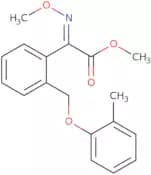
CAS:<p>Kresoxim-methyl is a fungicide that inhibits the growth of fungi by inhibiting the synthesis of ATP. This inhibition is due to the inhibition of mitochondrial enzymes, such as atp synthase. Kresoxim-methyl also has been shown to inhibit the activity of several enzymes in plant mitochondria and chloroplasts, including acetolactate synthase, malate dehydrogenase, isocitrate dehydrogenase, and succinate dehydrogenase. Kresoxim-methyl binds to natural compounds with terminal methyl groups through a hydrogen bond, resulting in the formation of kresoxim-methyl derivatives, which are more stable than their parent compounds. It also has been shown to inhibit mitochondrial cytochrome C oxidase and increase membrane potential in mammalian cells.</p>Formula:C18H19NO4Purity:Min. 95%Color and Shape:PowderMolecular weight:313.35 g/mol4-Methoxycinnamylidene acetaldehyde
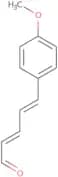
CAS:<p>4-Methoxycinnamylidene acetaldehyde is a versatile building block with a CAS number of 27394-81-6. It is used in the research and production of fine chemicals, pharmaceuticals, and high quality reagents. 4-Methoxycinnamylidene acetaldehyde can be used as a useful scaffold for the synthesis of complex compounds. This building block is also a useful intermediate in organic chemistry reactions.</p>Formula:C12H12O2Purity:Min. 95%Color and Shape:PowderMolecular weight:188.22 g/molFmoc-Trp(Boc)-Ser(Psi(Me,Me)pro)-OH
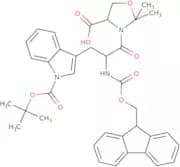
CAS:<p>Fmoc-Trp(Boc)-Ser(Psi(Me,Me)pro)-OH is a versatile building block that can be used in the synthesis of complex compounds. Fmoc-Trp(Boc)-Ser(Psi(Me,Me)pro)-OH is a high quality compound with a CAS No. 908601-15-0. This compound is useful as an intermediate or research chemical and can be used as a useful scaffold for making new compounds.</p>Formula:C37H39N3O8Purity:Min. 95%Color and Shape:PowderMolecular weight:653.72 g/mol(3,4-Dehydro-Pro2·4)-Substance P
CAS:<p>Please enquire for more information about (3,4-Dehydro-Pro2·4)-Substance P including the price, delivery time and more detailed product information at the technical inquiry form on this page</p>Formula:C63H94N18O13SPurity:Min. 95%Molecular weight:1,343.6 g/mol4-((4-(dimethylamino)phenyl)methylene)-3-methyl-1-phenyl-2-pyrazolin-5-one
CAS:<p>Please enquire for more information about 4-((4-(dimethylamino)phenyl)methylene)-3-methyl-1-phenyl-2-pyrazolin-5-one including the price, delivery time and more detailed product information at the technical inquiry form on this page</p>Purity:Min. 95%Poly epsilon L-lysine HCl approx MW 4500Da
CAS:<p>Poly epsilon L-lysine HCl is a water soluble, biodegradable, cationic peptide that can be produced via fermentation by Streptomyces albulus. It shows a wide range of antimicrobial activity against microorganisms such as bacteria, yeasts and molds and is stable at high temperatures and under both acidic and alkaline conditions. This non-toxic poly-L-lysine is commonly used as a supplement or preservative in various food, beverage and cosmetics products. It can also be used for microscopy glass slides coating.</p>Formula:(C6H12N2O•HCl)nPurity:Min. 95.0 Area-%Color and Shape:Off-White Yellow Powder2-Methylbenz[c,d]indole
CAS:<p>2-Methylbenz[c,d]indole is an indole. It exhibits a number of spectroscopic properties including the presence of a strong absorption band at 290 nm and a weak one at 430 nm. 2-Methylbenz[c,d]indole is not active against bacteria.</p>Formula:C12H9NPurity:Min. 95 Area-%Color and Shape:PowderMolecular weight:167.21 g/molBoc-4-iodo-L-phenylalanine
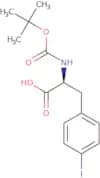
CAS:<p>Boc-4-iodo-L-phenylalanine is a chemical compound belonging to the category of amino acid derivatives. It is widely used in research for various applications, including peptide synthesis and drug discovery.<br>The L-phenylalanine derivative, has a Boc protecting group (tert-butoxycarbonyl) on the amino group and an iodine atom at the 4-position of the phenyl ring. The Boc group protects the amino group from unwanted reactions during peptide synthesis, while the iodine atom serves as a useful group for further modifications.</p>Formula:C14H18IHO4Purity:Min. 95%Color and Shape:PowderMolecular weight:378.2 g/mol[(3-Methylphenyl)amino]acetic acid
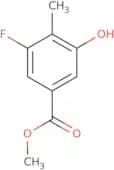
CAS:<p>[(3-Methylphenyl)amino]acetic acid is a high quality chemical that can be used as a reagent, intermediate, or building block in the synthesis of other compounds. It is useful for the synthesis of complex compounds and has been shown to have a wide range of applications. This compound can be used in research chemicals and as an intermediate in the production of fine chemicals. [(3-Methylphenyl)amino]acetic acid is a versatile building block that can be used to synthesize different types of molecules with diverse properties. It also has many potential uses in medicine as it has been shown to inhibit protein kinase C (PKC), which may provide therapeutic benefits for some diseases.</p>Formula:C9H11NO2Purity:Min. 95%Color and Shape:PowderMolecular weight:165.19 g/mol3-Fluoro-5-hydroxy-4-methylbenzoic acid methyl ester
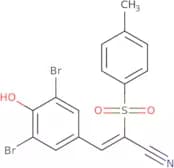
CAS:<p>3-Fluoro-5-hydroxy-4-methylbenzoic acid methyl ester is a high quality, versatile building block. It is used as a reagent and as a speciality chemical in the research laboratory. This compound is also an intermediate for the synthesis of other chemicals. 3-Fluoro-5-hydroxy-4-methylbenzoic acid methyl ester can be used in the synthesis of complex compounds that are useful scaffolds for drug development.</p>Formula:C9H9FO3Color and Shape:PowderMolecular weight:184.16 g/mol3-(3,5-dibromo-4-hydroxyphenyl)-2-((4-methylphenyl)sulfonyl)prop-2-enenitrile
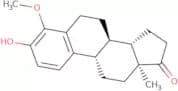
CAS:<p>Please enquire for more information about 3-(3,5-dibromo-4-hydroxyphenyl)-2-((4-methylphenyl)sulfonyl)prop-2-enenitrile including the price, delivery time and more detailed product information at the technical inquiry form on this page</p>Purity:Min. 95%4-Methoxy estrone
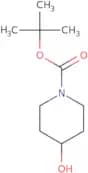
CAS:Controlled Product<p>4-Methoxy estrone is a metabolite of estradiol that has been shown to induce cellular transformation in vitro and tumorigenesis in vivo. It can be found in the urine of women with breast cancer and is also produced during pregnancy. 4-Methoxy estrone has been shown to have a high affinity for catechol-O-methyltransferase (COMT) enzyme, which may contribute to its carcinogenic effects. Studies have also shown that 4-methoxy estrone can be metabolized by hydroxylation at the 4 position to form catechol estrogen metabolites, which are associated with preeclampsia. This compound has been identified as an endocrine disruptor that alters metabolic profiles when administered to animals.</p>Formula:C19H24O3Purity:Min. 95%Color and Shape:PowderMolecular weight:300.39 g/mol1-Boc-4-piperidinol
CAS:<p>1-Boc-4-piperidinol is an inhibitor of serine proteases. It also has potent inhibitory activity against 5-HT2A receptors and inhibits the growth of cancer cells. 1-Boc-4-piperidinol is a molecule that contains a hydroxy group and a serine protease inhibitor. It reacts with hydrochloric acid to form 1-boc piperazine, which is then reacted with hydrogen chloride to form the final product. The pharmacokinetic properties of this drug are not known due to the lack of oral bioavailability in rats. However, it does show slow absorption by inhalation and subcutaneous administration, suggesting that it may be absorbed through these routes as well.</p>Formula:C10H19NO3Purity:Min. 95%Color and Shape:Off-White PowderMolecular weight:201.26 g/molEthyl N-ethyl-N-[(heptadecafluorooctyl)sulphonyl]glycinate
CAS:Controlled Product<p>Ethyl N-Ethyl-N-[(Heptadecafluorooctyl)Sulphonyl]Glycinate is a sulfonate that is used as a surfactant. It is a clear, colorless liquid with a slight odor that is soluble in water and can be used as a chemical intermediate. Ethyl N-Ethyl-N-[(Heptadecafluorooctyl)Sulphonyl]Glycinate is also known as an additive to substances, such as alcohols and other chemicals, or mixtures of substances.</p>Formula:C14H12F17NO4SPurity:Min. 95%Color and Shape:PowderMolecular weight:613.29 g/molZ-O-4-Toluenesulfonyl-L-serine methyl ester
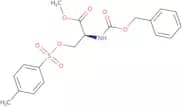
CAS:<p>Z-O-4-Toluenesulfonyl-L-serine methyl ester is a new chemical substance that has been synthesized as a potential pharmaceutical formulation. It has been shown to have protective effects against ischemia reperfusion injury in rats, reducing the damage to muscle and other tissues caused by ischemia reperfusion. The mechanism of action may be due to glyceride release and creatine production, which can maintain perfusion during periods of ischemia. Z-O-4-Toluenesulfonyl-L-serine methyl ester has also been shown to be effective in preventing damage to platelets during induction of ischemia.</p>Formula:C19H21NO7SPurity:Min. 95%Color and Shape:PowderMolecular weight:407.44 g/molFurosine dihydrochloride
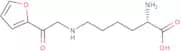
CAS:<p>Reference material for food analysis</p>Formula:C12H18N2O4•2HClPurity:Min. 98 Area-%Color and Shape:PowderMolecular weight:327.20 g/mol2-Nitro-p-phenylenediamine
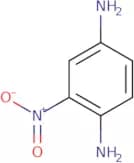
CAS:<p>2-Nitro-p-phenylenediamine is a chemical substance that can be used as a predictive biomarker for allergic reactions. It is an amine with the chemical formula C6H5CH2N2O2. It is soluble in water, ethanol, and ether, but insoluble in acetone and diethylether. 2-Nitro-p-phenylenediamine has been shown to cause cutaneous lesions in animal studies and has been classified as a possible human carcinogen by the International Agency for Research on Cancer (IARC). This compound was not mutagenic to bacteria or yeast strains tested, but it did cause chromosome aberrations in cultured human lymphocytes. The metabolite profile of 2-nitro-p-phenylenediamine has been studied in rats treated with this compound at different doses. When administered orally to rats at a dose of 50 mg/kg body weight per day, 2 nitro p phenylened</p>Formula:C6H7N3O2Purity:Min. 95%Color and Shape:PowderMolecular weight:153.14 g/molN-Methyltryptamine hydrochloride
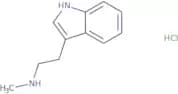
CAS:Controlled Product<p>N-Methyltryptamine hydrochloride is a chemical that has been shown to be an antagonist of the serotonin receptor 5-HT7 in vivo. This drug is also a potent inhibitor of acetylcholinesterase, which may be due to its ability to inhibit the methylation of serotonergic receptors. It has been shown to have clinical efficacy in treating depression, although it is not currently approved by the FDA for this use. N-Methyltryptamine hydrochloride has been shown to have an antidepressant effect in wild-type mice and in mouse models of depression. It inhibits the growth of cancer cells by inducing apoptosis and inhibiting cell proliferation.</p>Formula:C11H15ClN2Purity:Min. 95%Color and Shape:PowderMolecular weight:210.7 g/molH-Gly-pro-pNA.p-tosylate
CAS:<p>H-Gly-pro-pNA.p-tosylate is a monoclonal antibody that recognizes the amino acid sequence of hepatitis C virus (HCV) p7 protein. It can be used for the diagnosis of HCV infection and has been shown to have a high specificity and sensitivity for detection in liver cells. H-Gly-pro-pNA.p-tosylate is not an enzyme, but it does inhibit protease activity in hepatic tissues and cancer tissues. It has also been shown to be active against wild type strains of bacteria and can be used as a diagnostic agent for bacterial strains.</p>Formula:C13H16N4O4•C7H8O3SPurity:Min. 95%Color and Shape:PowderMolecular weight:464.49 g/molL-Arg-Pro-pNA
CAS:<p>L-Arg-Pro-pNA is a peptide hormone that has been shown to increase the proliferation of epidermal cells. It also has been shown to have an energy metabolism function, and is involved in the synthesis of other peptides. L-Arg-Pro-pNA inhibits serine protease activity and exhibits reactive properties, which may be due to its ability to bind with thiol groups on proteins. This protein also binds with epidermal growth factor (EGF) and appears to stimulate the growth of epidermal cells.</p>Formula:C17H25N7O4Purity:Min. 95%Color and Shape:PowderMolecular weight:391.43 g/mol4-Chloro-2-methylaniline
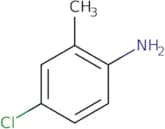
CAS:<p>4-Chloro-2-methylaniline (CMA) is a chemical that belongs to the group of amines and is used as an intermediate in the manufacture of dyes, pesticides and pharmaceuticals. CMA has been shown to be toxic to humans through skin contact, inhalation or ingestion. This substance also disrupts the activity of enzymes such as acetylcholinesterase, which is responsible for breaking down acetylcholine and regulating muscle contractions. Long-term exposure to this chemical may lead to bladder cancer. CMA can also be used as a model for carcinogenic potential studies due to its ability to induce cancer in animals.</p>Formula:C7H8ClNPurity:Min. 95%Molecular weight:141.6 g/mol4-Chloro-4'-methoxychalcone
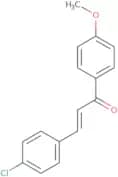
CAS:<p>4-Chloro-4'-methoxychalcone (4MC) is a chalcone with an antibacterial activity. It is synthesized from 4,4'-dimethoxychalcone by substitution of one or two methoxy groups on the aromatic ring with chlorine atoms. 4MC has shown to be active against a number of different bacterial strains, including Staphylococcus aureus and Pseudomonas aeruginosa.<br>The dilution method is used for the determination of the minimal inhibitory concentrations (MICs). This method involves serial dilutions in which bacteria are grown in liquid media containing increasing concentrations of the test compound. The lowest concentration of the test compound that inhibits bacterial growth is determined and recorded as MIC. <br>Plutella xylostella larvae were found to be resistant to 4MC because they lack esterase enzymes that hydrolyze 4MC. Irradiation can be used to produce esters that are more reactive towards</p>Formula:C16H13ClO2Purity:Min. 95%Color and Shape:PowderMolecular weight:272.73 g/mol1-Stearoyl-rac-glycerol
CAS:<p>1-Stearoyl-rac-glycerol is a synthetic lipid molecule that has been shown to inhibit leukemia inhibitory factor (LIF). It also inhibits the activity of benzalkonium chloride, which is used in many household products such as laundry detergents, disinfectants, and fabric softeners. The LIF inhibitor 1-stearoyl-rac-glycerol has been shown to be effective in treating chronic oral toxicity in animal models. This drug also has clinical properties and can be used for the treatment of metabolic disorders such as diabetes mellitus.</p>Formula:C21H42O4Purity:Min. 95%Color and Shape:White PowderMolecular weight:358.56 g/mol(6E)-7,11-Dimethyl-3-methylene-1,6,10-dodecatriene
CAS:(6E)-7,11-Dimethyl-3-methylene-1,6,10-dodecatriene is an inhibitory compound that belongs to the class of terpenes. It has a chromatographic method of identification and a reaction mechanism that involves water vapor. This compound has been shown to have an optimum pH of 4.0 and is soluble in water at concentrations greater than 0.1 mg/mL. (6E)-7,11-Dimethyl-3-methylene-1,6,10-dodecatriene is found in plants such as Solanum tuberosum and Triticum aestivum and has shown efficacy against wild type mice and a mutant strain. It also displays anti-inflammatory activities which may be due to its ability to inhibit the production of isovaleric acid from eclipta prostrata.Formula:C15H24Purity:Min. 95%Color and Shape:Colorless Clear LiquidMolecular weight:204.35 g/molN-(2-Indol-3-ylethyl)-3-phenylprop-2-enamide
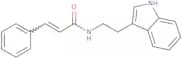
CAS:<p>N-(2-indol-3-ylethyl)-3-phenylprop-2-enamide is a serotonin analog that has been shown to inhibit the production of tryptophan decarboxylase in organisms. This compound has also been shown to be an inhibitor of the biosynthesis of p-coumaric acid, which is involved in the synthesis of lignin, phytoalexins, and other phenolic compounds. N-(2-indol-3-ylethyl)-3-phenylprop-2-enamide may be useful as a fungicide against pyricularia or as an antimicrobial against microbial infections.</p>Formula:C19H18N2OPurity:Min. 95%Color and Shape:PowderMolecular weight:290.36 g/mol4-Methyl-N-[3-(Trifluoromethyl)Phenyl]Benzenesulfonamide
CAS:<p>Please enquire for more information about 4-Methyl-N-[3-(Trifluoromethyl)Phenyl]Benzenesulfonamide including the price, delivery time and more detailed product information at the technical inquiry form on this page</p>Formula:C14H12F3NO2SPurity:Min. 95%Molecular weight:315.31 g/mol3'-Fluoro-2'-hydroxy-β-methyl-β-nitrostyrene
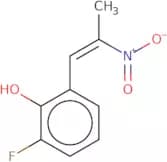
CAS:<p>3'-Fluoro-2'-hydroxy-beta-methyl-beta-nitrostyrene is a fine chemical with a CAS No. 1017060-19-3. It is an intermediate that can be used in the synthesis of complex compounds and research chemicals. This product also has high purity and quality, making it a versatile building block for speciality chemicals. 3'-Fluoro-2'-hydroxy-beta-methyl-beta-nitrostyrene is useful as a reaction component in the synthesis of many other chemical compounds.</p>Formula:C9H8FNO3Purity:Min. 95%Color and Shape:PowderMolecular weight:197.16 g/mol3-Cyclohexyl-1-[4-[2-(7-methoxy -4,4-dimethyl-1,3-dioxo-isoquinolin -2-yl)ethyl]phenyl]sulfonyl-urea
CAS:<p>3-Cyclohexyl-1-[4-[2-(7-methoxy -4,4-dimethyl-1,3-dioxo-isoquinolin -2-yl)ethyl]phenyl]sulfonyl-urea is a drug that inhibits the enzyme DPPIV, which breaks down the incretin hormone glucagon-like peptide (GLP)-1. It may be used to treat diabetes by regulating blood glucose levels. This drug has been shown to reduce postprandial blood glucose levels in patients with type 2 diabetes. 3CYCSU is also capable of reducing body weight and food intake in mice. The mechanism of action of this drug is not fully understood, but it appears to have an effect on the cytosolic calcium ion concentration and may reduce inflammatory responses in cells. 3CYCSU is a promising potential treatment for infectious diseases such as Hepatitis C virus (HCV).</p>Formula:C27H33N3O6SColor and Shape:PowderMolecular weight:527.63 g/molDansyl-Gly-Cys-Val-Leu-Ser-OH
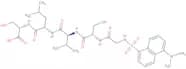
CAS:<p>Dansyl-Gly-Cys-Val-Leu-Ser-OH is an α subunit of the enzyme farnesyl diphosphate synthase. Dansyl-Gly-Cys-Val-Leu-Ser-OH is a substrate for this enzyme, which catalyzes the conversion of prenyl pyrophosphates to farnesyl pyrophosphate. The biological function of this peptide is not well understood, but it may be involved in cholesterol synthesis or cellular signaling. This peptide binds to cell membranes and has been shown to have a fluorescent property. Dansyl-Gly-Cys-Val-Leu-Ser OH can also bind to peptides and proteins, including the protein receptor for the HIV virus (CD4).</p>Formula:C31H46N6O9S2Purity:Min. 95%Color and Shape:PowderMolecular weight:710.86 g/molBoc-Pyr-OH
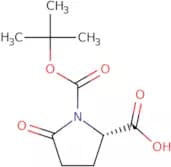
CAS:<p>Boc-Pyr-OH is a synthetic compound with medical applications. It is used as an anti-inflammatory agent and has been shown to be effective in the treatment of mouse tumor cells. Boc-Pyr-OH binds to plasma proteins and can be detected in the blood following administration. The drug has a high affinity for chloride ions, which may be due to its trifluoroacetyl group. The drug has two homologues: Boc-Pyr-Cl and Boc-Pyr-Br.</p>Formula:C10H15NO5Purity:Min. 95%Color and Shape:PowderMolecular weight:229.23 g/molL-Arginine methyl ester dihydrochloride
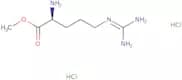
CAS:<p>L-Arginine methyl ester dihydrochloride is a bioactive form of L-arginine, which is an amino acid. L-Arginine methyl ester dihydrochloride has been shown to increase the production of cyclic guanosine monophosphate (cGMP) in mammalian cells. It also causes protein synthesis and cell division in C. neoformans and is a substrate for nitric oxide synthase (NOS). It has been shown to have opioid receptor activity and can act as an alpha-2 adrenergic agonist. L-Arginine methyl ester dihydrochloride can inhibit serine proteases by binding to their active site and preventing them from breaking down proteins such as collagen and elastin.</p>Formula:C7H16N4O2·2HClPurity:Min. 95%Color and Shape:White PowderMolecular weight:261.15 g/molH-Glu(Tyr-OH)-OH
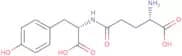
CAS:<p>H-Glu(Tyr-OH)-OH is an amino acid analogue that has been shown to have natriuretic effects. It also has anti-inflammatory and analgesic properties, which are likely due to its ability to inhibit the bacterial enzyme arginase. H-Glu(Tyr-OH)-OH is a part of a class of compounds called oximes, which are used in the treatment of poisoning by organophosphates, pyrethroid insecticides, and carbamates. The compound is synthesized by treating L-glutamic acid with hydrogen peroxide and tyrosine in acidic conditions. H-Glu(Tyr-OH)-OH has also been found to have a protective effect on alcohol induced damage in rats. This may be due to its ability to increase the synthesis of dopamine, which is involved in the regulation of blood pressure and water balance.</p>Formula:C14H18N2O6Purity:Min. 95%Color and Shape:PowderMolecular weight:310.3 g/molFmoc-a-Me-Glu(OtBu)-OH
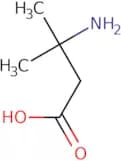
CAS:<p>Fmoc-a-Me-Glu(OtBu)-OH is a versatile chemical that can be used to synthesize complex compounds in the laboratory. It is a useful building block for organic synthesis and can be used as a reagent, speciality chemical, or useful scaffold. It has been shown to be of high quality and is often used as an intermediate for other compounds. Fmoc-a-Me-Glu(OtBu)-OH is also listed by CAS number 1072845-48-7.</p>Formula:C25H29NO6Purity:Min. 97 Area-%Color and Shape:PowderMolecular weight:439.5 g/mol3-Amino-3-methylbutanoic acid
CAS:<p>3-Amino-3-methylbutanoic acid is a carbonaceous compound that can be synthesized from b-alanine and perchloroethylene. It is used in the manufacture of butanoic acid, which is an important industrial chemical. 3-Amino-3-methylbutanoic acid has been shown to exist as four isomers, each with a different molecular weight. The isomers are produced by a synthetic process involving the reaction of b-alanine and perchloroethylene. In an amination reaction, the compounds are heated in the presence of ammonia gas or ammonium chloride to form 3-amino-3-methylbutanoic acid.</p>Formula:C5H11NO2Purity:Min 95%Color and Shape:PowderMolecular weight:117.15 g/mol3-Oxo-2-phenyl butanamide
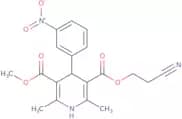
CAS:Controlled Product3-Oxo-2-phenyl butanamide is an amphetamine that has been shown to be a potential marker for wastewater. 3-Oxo-2-phenyl butanamide is one of the many intermediates in the synthesis of amphetamine from phenylacetone and can be found in wastewater as an impurity. This compound has also been used as a marker for wastewater treatment malfunctioning. 3-Oxo-2-phenyl butanamide is excreted into the environment through urine, and its presence can be measured in water samples by gas chromatography/mass spectrometry or liquid chromatography/mass spectrometry.Formula:C10H11NO2Purity:Min. 95%Color and Shape:PowderMolecular weight:177.2 g/mol1,4-Dihydro-2,6-dimethyl-4-(3-nitrophenyl)-3,5-pyridinedicarboxylic acid 3-(2-cyanoethyl) 5-methyl ester
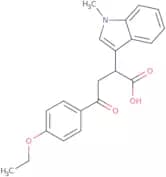
CAS:<p>1,4-Dihydro-2,6-dimethyl-4-(3-nitrophenyl)-3,5-pyridinedicarboxylic acid 3-(2-cyanoethyl) 5-methyl ester is a chemical compound that has the CAS number 75130-24-4. It is a white powder with a melting point of 144°C. This chemical is soluble in acetone, ether and chloroform. It can be used as a building block for organic synthesis due to its versatility and useful scaffold.</p>Formula:C19H19N3O6Purity:Min. 95%Color and Shape:White to yellow solid.Molecular weight:385.37 g/mol4-(4-Ethoxyphenyl)-2-(1-methylindol-3-yl)-4-oxobutanoic acid
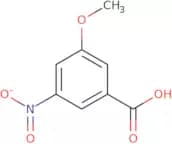
CAS:<p>Please enquire for more information about 4-(4-Ethoxyphenyl)-2-(1-methylindol-3-yl)-4-oxobutanoic acid including the price, delivery time and more detailed product information at the technical inquiry form on this page</p>Purity:Min. 95%3-Methoxy-5-nitrobenzoic acid
CAS:<p>3-Methoxy-5-nitrobenzoic acid is an organic compound that has mesomorphic and switchable properties. It is a chalcone derivative, with homologues such as 3-hydroxybenzoic acid. It is synthesized from the reaction of nitrous acid and 3-methoxybenzoic acid. The synthesis of this compound can be achieved by two different routes: peroxide oxidation or fluorine substitution. Both routes produce the same product, but offer different advantages. The first route involves the addition of hydrogen peroxide to 3-methoxybenzoic acid, which produces a mixture of products containing 3-methoxy-5-nitrobenzoic acid. This route is advantageous in that it can be conducted at room temperature with high yields, but the disadvantage is that this method produces a mixture of products which may contain undesired byproducts. The second route involves the use of sodium hypofluorite and potassium</p>Formula:C8H7NO5Purity:Min. 95%Color and Shape:PowderMolecular weight:197.14 g/molD-Thiaproline
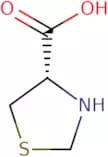
CAS:<p>D-Thiaproline is a pro-inflammatory cytokine that belongs to the group of tnf-α. It has been shown to have depressant activity on mitochondria and can be used as a sample preparation agent. D-Thiaproline has also been shown to inhibit the uptake of various neurotransmitters, such as serotonin and dopamine, in rat brain synaptosomes. This compound also has functional groups, such as hydroxyl, carboxyl, and amino acid groups, which are necessary for reactions with other molecules. D-Thiaproline is an isomer of L-thiaproline and can be differentiated from this form by its protonated amine group at pH 7.0 and by its zwitterionic nature.</p>Formula:C4H7NO2SPurity:Min. 95%Color and Shape:PowderMolecular weight:133.2 g/mol3-Amino-4-methoxybenzoic acid ethyl ester
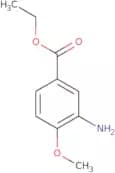
CAS:<p>3-Amino-4-methoxybenzoic acid ethyl ester is a chemical building block that can be used in the synthesis of various organic compounds. It is an important reaction component, and can also be used as a reagent or useful scaffold. 3-Amino-4-methoxybenzoic acid ethyl ester is soluble in organic solvents and has a high quality. This chemical has been shown to be useful for research purposes.</p>Formula:C10H13NO3Purity:Min. 95%Color and Shape:PowderMolecular weight:195.22 g/mol4'-Methoxy-3',beta-dimethyl-beta-nitrostyrene
<p>4'-Methoxy-3',beta-dimethyl-beta-nitrostyrene is a fine chemical that belongs to the group of versatile building blocks. It is an intermediate for the synthesis of complex compounds, research chemicals, and speciality chemicals. 4'-Methoxy-3',beta-dimethyl-beta-nitrostyrene is a useful reagent in organic synthesis and can be used as a reaction component or scaffold. It has been shown to have high quality and it can be used as a useful building block.</p>Formula:C11H13NO3Purity:Min. 95%Color and Shape:PowderMolecular weight:207.23 g/mol3-O-Methyl estrone
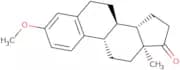
CAS:Controlled Product<p>3-O-Methyl estrone is a trifluoroacetic acid derivative of oestrone that is used in the synthesis of premarin. 3-O-Methyl estrone has chemical reactions that are similar to those of oestrone, but it also has a hydroxyl group on the C3 position. The product research and development of 3-O-methyl estrone led to discovering its structural similarity to estradiol and its potential as an estrogen receptor modulator. This compound showed high affinity for the estrogen receptor alpha (ERα) and ERβ, with binding constants of 1.9 nM and 0.87 nM, respectively. Molecular modeling studies revealed that 3-O-methyl estrone has a higher affinity for ERα than for ERβ. Kinetic data suggests that this compound could be potentially used in hormone replacement therapy or to treat osteoporosis in postmenopausal women.</p>Formula:C19H24O2Purity:Min. 95%Color and Shape:PowderMolecular weight:284.39 g/molCCT 241533
CAS:<p>CCT 241533 is a Chinese herb that has been shown to have anti-cancer properties. It has been demonstrated to inhibit the growth of HL-60 cells and induce apoptosis in these cells. CCT 241533 also inhibits the proliferation of epidermal growth factor (EGF) and induces cell death in response to radiation. This drug also binds to toll-like receptors, which are proteins on the surface of cells that detect pathogens and initiate an immune response. CCT 241533 has been shown to inhibit polymerase chain reactions by competitive inhibition or by binding to DNA, preventing transcription or replication. CCT 241533 may be useful for the treatment of infectious diseases, such as tuberculosis, because it can bind to bacterial 16S ribosomal RNA and inhibit protein synthesis, leading to cell death by inhibiting the production of proteins vital for cell division.<br>CCT 241533 has been shown in animal studies to be effective against cervical cancer due to its ability to bind</p>Formula:C23H27FN4O4Purity:Min. 95%Molecular weight:442.48 g/molN-alpha-Fmoc-Nepsilon-1-(4,4-dimethyl-2,6-dioxocyclohex-1-ylidene)ethyl-L-lysine
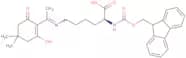
CAS:<p>N-alpha-Fmoc-Nepsilon-1-(4,4-dimethyl-2,6-dioxocyclohex-1-ylidene)ethyl-L-lysine is a synthetic amide with a peptide backbone. It has been shown to have anti tumor activity in vivo and in vitro against a variety of solid tumor xenografts. The compound was conjugated to the integrin receptor ligand RGD, which is expressed on the surface of various types of cancer cells. This modification increased the uptake of N-alpha-Fmoc-Nepsilon-1-(4,4 dimethyl 2,6 dioxocyclohex1 ylidene)ethyl L lysine by leukemia cells and solid tumor xenografts.</p>Formula:C31H36N2O6Purity:Min. 98 Area-%Color and Shape:Slightly Yellow PowderMolecular weight:532.63 g/mol2-Hydroxy-6-methoxybenzoic acid methyl ester
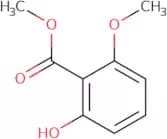
CAS:<p>2-Hydroxy-6-methoxybenzoic acid methyl ester is a biologically active molecule that has been shown to have antibacterial activity. It is structurally similar to the natural compound 2,6-dimethoxyphenol and can be used as a substitute for this compound in bioassays. The antibacterial activity of 2-hydroxy-6-methoxybenzoic acid methyl ester is due to its ability to inhibit enzymes involved in DNA repair and cell division. This compound also inhibits the growth of cancer cells and weevils by interfering with their metabolism.</p>Formula:C9H10O4Purity:Min. 95%Color and Shape:PowderMolecular weight:182.17 g/mol3-(N-Methyl-N-pentylamino)propionic acid hydrochloride
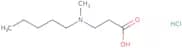
CAS:<p>Trichloroethylene is a chlorinated hydrocarbon that is primarily used as a solvent. The propionic acid is the monosodium salt of 3-(N-Methyl-N-pentylamino)propionic acid hydrochloride, which is an organic compound. The monohydrate and trichloride are two polymorphic forms of this substance. Acetone and unreacted Trichloroethylene are substances that may be formed during the chemical process. The alkaline form of Trichloroethylene may be obtained by refluxing the substance with sodium hydroxide in water or with potassium hydroxide in alcohol. This substance can also exist in a polymorphic form.</p>Formula:C9H20ClNO2Purity:Min. 95%Color and Shape:PowderMolecular weight:209.71 g/mol1,4-Phenylenediacetic acid
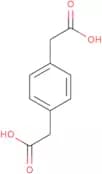
CAS:<p>1,4-Phenylenediacetic acid is an organic compound that has been used as a fungicide. It is an aromatic carboxylic acid that binds to the receptor site of the fungal cell wall and inhibits its growth. The molecule has a special coordination geometry with the hydrogen atom in the carboxylate group positioned close to one of the phenyl rings. This causes intramolecular hydrogen bonding interactions between the carboxylate group and the phenolic hydroxyl groups on adjacent molecules, which stabilizes it. 1,4-Phenylenediacetic acid also exhibits strong hydrogen bonding interactions with other molecules such as malonic acid due to its diphenyl ether group.</p>Formula:C10H10O4Purity:Min. 95%Color and Shape:PowderMolecular weight:194.18 g/mol2-Phenylacrylic acid
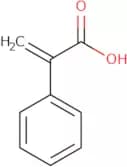
CAS:<p>2-Phenylacrylic acid is a chromatographic method that can be used as a cross-linking agent in the synthesis of polycarboxylic acids. It has been shown to protonate tiglic acid, which is an important component in the formation of polycarboxylic acids. 2-Phenylacrylic acid also has acidic properties and can be used as a conditioning agent for the synthesis of hydroxylated molecules. This compound has been shown to have hepatic steatosis-inducing effects and may also contribute to metabolic disorders such as diabetes mellitus type II. Molecular modeling studies have shown that 2-phenylacrylic acid is able to bind with human liver cells, which may be due to its hydroxyl group.</p>Formula:C9H8O2Purity:Min. 95%Color and Shape:PowderMolecular weight:148.16 g/mol4-Methoxybenzaldehyde
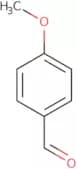
CAS:<p>4-Methoxybenzaldehyde is a surfactant with a Langmuir adsorption isotherm. It can be used in analytical methods for the determination of sodium carbonate at concentrations of 1 mg/mL and higher. The redox potentials of 4-methoxybenzaldehyde are +0.37 and -0.35 volts, which corresponds to group P2. The reaction mechanism for 4-methoxybenzaldehyde is the oxidation of the compound by potassium permanganate (KMnO4) in aqueous solution to form 4-hydroxybenzoic acid (4HB). The fluorescent derivative of 4-methoxybenzaldehyde is magnesium salt, which has been shown to react with ryanodine receptors in skeletal muscle cells, leading to a decrease in calcium release from the sarcoplasmic reticulum. Process optimization may be necessary for this product due to its limited applications in analytical chemistry.</p>Formula:C8H8O2Purity:Min. 95%Color and Shape:Colorless Clear LiquidMolecular weight:136.15 g/mol4-Methyl-5-nonanol
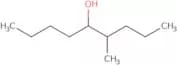
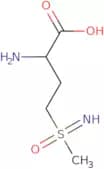
CAS:<p>4-Methyl-5-nonanol is a synthetic pheromone that is used in the analytical methods of weevil traps. The odorant binding proteins on the surface of the weevil are attracted to this chemical, which binds to them through hydrophobic interactions. This trap is stereoselective, as it only attracts male weevils. 4-Methyl-5-nonanol has been shown to have a high specificity and sensitivity as an analytical tool for weevil traps, with no cross reactivity with other insects such as beetles or ants.</p>Formula:C10H22OPurity:Min. 95%Color and Shape:Clear LiquidMolecular weight:158.28 g/molDL-Methionine-DL-sulfoximine
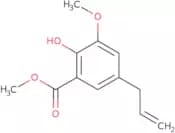
CAS:<p>DL-Methionine sulfoximine is a drug that blocks the synthesis of glutathione, an important antioxidant and detoxifying agent. DL-Methionine sulfoximine may be useful in preventing or treating eye disorders, such as age-related macular degeneration and retinitis pigmentosa. It also has been shown to have beneficial effects in animal models of epilepsy, Alzheimer’s disease, Parkinson's disease, and stroke. DL-Methionine sulfoximine has been shown to have beneficial effects in animal models of epilepsy, Alzheimer’s disease, Parkinson's disease, and stroke. This drug is being studied for its potential use in metabolic disorders such as diabetes and obesity.</p>Formula:C5H12N2O3SPurity:Min. 95%Color and Shape:White PowderMolecular weight:180.23 g/molMethyl 5-allyl-2-hydroxy-3-methoxybenzoate
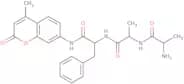
CAS:<p>Methyl 5-allyl-2-hydroxy-3-methoxybenzoate is a chemical compound that belongs to the class of organic compounds known as esters. It is a colorless crystalline solid, which has been found to be useful in the synthesis of other chemical compounds. Methyl 5-allyl-2-hydroxy-3-methoxybenzoate is stable at high temperatures and it was found to be catalytic in reactions involving carbonates. The crystal structure of methyl 5-allyl-2-hydroxy-3-methoxybenzoate has been analyzed using XRD and FTIR spectroscopy. The product yields have been determined by GC analysis and IR spectroscopy.</p>Formula:C12H14O4Purity:Min. 95%Color and Shape:PowderMolecular weight:222.24 g/molH-Ala-Ala-Phe-AMC
CAS:<p>Fluorogenic substrate for protease</p>Formula:C25H28N4O5Purity:Min. 99 Area-%Color and Shape:White PowderMolecular weight:464.51 g/molLL-37 TFA
<p>LL-37 TFA is a reagent, complex compound and useful intermediate for the fine chemical and pharmaceutical industries. It is also an important building block for the synthesis of other chemicals. LL-37 TFA has CAS No. 71428-08-9, which is a speciality chemical that can be used in research as well as in many different reactions. The versatility of this compound makes it a very useful building block for the synthesis of other chemicals.</p>Formula:C205H340N60O53•xC2HF3O2Purity:Min. 95 Area-%Color and Shape:PowderMolecular weight:4,493.25 g/mol2-(Bromomethyl)-1-methylpyrrolidine HBr
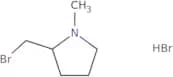
CAS:<p>2-(Bromomethyl)-1-methylpyrrolidine HBr is a high quality, reagent grade compound that belongs to the category of complex compounds. It is an intermediate for the production of fine chemicals and speciality chemicals. 2-(Bromomethyl)-1-methylpyrrolidine HBr has been found to be a useful scaffold for the synthesis of various bioactive molecules, including pharmaceuticals, natural products and agrochemicals. This compound is also a versatile building block that can be used in reactions in order to produce high quality compounds.</p>Formula:C6H12BrN·HBrPurity:Min. 95%Color and Shape:PowderMolecular weight:258.98 g/mol3-Chloro-4-methylbenzyl alcohol - Technical grade
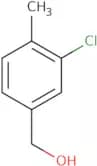
CAS:<p>3-Chloro-4-methylbenzyl alcohol is a building block chemical that is used in the synthesis of a variety of organic compounds. It is a versatile chemical that can be used as a reagent, reaction component, and intermediate. 3-Chloro-4-methylbenzyl alcohol has been found to be useful in the synthesis of complex compounds, such as 4-chloromethoxybenzoic acid and 3-(3,5-dimethoxyphenyl)acetic acid. This chemical can also be used to produce speciality chemicals, such as 3-(2-(2,4-dichlorophenoxy)ethyl)benzonitrile.</p>Formula:C8H9ClOPurity:Min. 95%Color and Shape:Colorless PowderMolecular weight:156.61 g/molNᵉ-Dimethyl-L-lysine hydrochloride
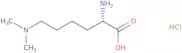
CAS:<p>Ne-Dimethyl-L-lysine hydrochloride is a tryptic cleavage product of L-lysine that can be used as a marker for the presence of lysine residues in proteins. Ne-Dimethyl-L-lysine hydrochloride can be used to identify and quantify modified lysines, such as trimethylated lysines, and damaged lysines. Ne-Dimethyl-L-lysine hydrochloride binds to RNA, which makes it a good marker for rRNA synthesis.</p>Formula:C8H18N2O2·HClPurity:Min. 95%Color and Shape:PowderMolecular weight:210.7 g/molFmoc-Cys(Dpm)-OH
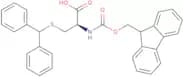
CAS:<p>Fmoc-Cys(Dpm)-OH is a chemical that belongs to the group of reaction components. It is a high quality reagent for research and development and can be used as a building block in the synthesis of other fine chemicals. Fmoc-Cys(Dpm)-OH is also an intermediate for the synthesis of complex compounds such as peptides, proteins, and antibiotics. This compound has a broad range of applications in biomedicine, organic chemistry, and pharmaceuticals.</p>Formula:C31H27NO4SPurity:Min. 95%Color and Shape:White SolidMolecular weight:509.62 g/molN3-Phe-OH·CHA
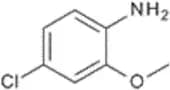
CAS:<p>Please enquire for more information about N3-Phe-OH·CHA including the price, delivery time and more detailed product information at the technical inquiry form on this page</p>Formula:C9H9N3O2•C6H13NPurity:Min. 95%Color and Shape:PowderMolecular weight:290.36 g/mol4-Chloro-2-methoxyaniline
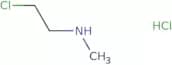
CAS:<p>4-Chloro-2-methoxyaniline is an organic compound with the chemical formula CHClNO. It is a colorless liquid that smells like benzene. 4-Chloro-2-methoxyaniline reacts with diazonium salt to produce a red-orange dye and is used to create other azo compounds. It also reacts with anionic substances and can be used in fibre production. 4-Chloro-2-methoxyaniline has been shown to have fungicidal properties, which may be due to its ability to oxidize the fungal cell membrane.</p>Formula:C7H8ClNOPurity:Min. 98 Area-%Molecular weight:157.6 g/mol2-N-Methylaminoethyl chloride·HCl
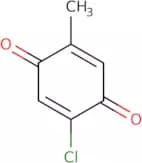
CAS:<p>2-N-Methylaminoethyl chloride·HCl is a nitro compound that has been programmed to inhibit PD-1. It is an inhibitor of this protein, which is involved in the regulation of immune responses. Inhibition of PD-1 can lead to an increase in T cell function and proliferation, as well as the production of cytokines. 2-N-Methylaminoethyl chloride·HCl has been shown to be a potent inhibitor of PD-1 with a Ki value of 2 nM, and it inhibits PD-L1 at concentrations up to 10 μM. This drug also inhibits resorcinol at low concentrations (0.5 μM). It is a synthetic molecule that was generated for screening purposes and does not have any other known biological activity.</p>Formula:C3H8ClN·HClPurity:Min. 95%Color and Shape:PowderMolecular weight:130.02 g/mol2-Chloro-5-methyl-1,4-benzoquinone
CAS:<p>2-Chloro-5-methyl-1,4-benzoquinone is a heterocyclic organic compound with the molecular formula CHClO. It is a crystalline solid that occurs in two forms, the alpha and beta forms. The alpha form consists of an asymmetric unit containing two fused rings, one with five carbon atoms and another with six. The beta form has a similar structure but the ring with six carbon atoms is replaced by a carbon atom substituted for sulfur. 2-Chloro-5-methyl-1,4-benzoquinone can be used as an emulsifying agent or to produce benzoquinone by oxidation of hydroquinone or by electrochemical reduction of methylene blue. This chemical also has been used as an electron acceptor in supramolecular chemistry studies.</p>Formula:C7H5ClO2Purity:Min. 95%Color and Shape:PowderMolecular weight:156.57 g/mol4-Methylthiophenol
CAS:<p>4-Methylthiophenol is a colorless liquid that is soluble in water. It has a molecular weight of 98.12 and an empirical formula of C6H7O2S. 4-Methylthiophenol is used as an analytical reagent, solvent, and chemical intermediate. It exhibits hydrogen bonding interactions with sodium carbonate and trifluoroacetic acid and forms a salt with sodium carbonate. The molecule's stability increases when it interacts with amines and the presence of nucleophiles such as water or alcohols. 4-Methylthiophenol has been shown to be effective at enhancing the fluorescence signal emitted by amines, which makes it useful for laser ablation mass spectrometry (LA-MS). 4-Methylthiophenol can also be used for kinetic energy measurements using FTIR spectroscopy because it will absorb infrared light at 1680 cm−1 from the CO2 laser beam.</p>Formula:C7H8SPurity:Min. 95%Color and Shape:White PowderMolecular weight:124.2 g/molL-a-Phosphatidyl-L-serine
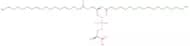
CAS:<p>L-a-Phosphatidyl-L-serine is a chelator that is commonly used in the production of dabigatran etexilate mesylate, a medication used for anticoagulation. It has the ability to bind to hydrocarbons and other reactive species, preventing them from causing harm. L-a-Phosphatidyl-L-serine is also known to interact with potassium ions, which are essential for various biological processes. This compound is often used in research chemicals and has been found to have an inhibitory effect on potassium channels. Additionally, it has been shown to enhance the activity of fluoroquinolones, a class of antibiotics. Overall, L-a-Phosphatidyl-L-serine plays a crucial role as a target molecule in various applications related to anticoagulation and potassium regulation.</p>Formula:C42H82NO10PPurity:Min. 95%Color and Shape:PowderMolecular weight:792.07 g/molH-Gly-Phe-AMC
CAS:<p>H-Gly-Phe-AMC is a synthetic substrate that is used in homogeneous enzyme assays. This product has been shown to have inhibitory properties against proteolytic enzymes such as peptidases, which are enzymes that break down proteins. H-Gly-Phe-AMC is also reactive with collagen and has been shown to be useful in the study of biochemical properties of peptide hormones.</p>Formula:C21H21N3O4Purity:Min. 98 Area-%Color and Shape:PowderMolecular weight:379.41 g/molL-Glutamic acid
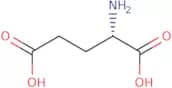
CAS:<p>Amino acid; neurotransmitter; flavor enhancer</p>Formula:C5H9NO4Color and Shape:Off-White Clear LiquidMolecular weight:147.13 g/mol(1R,2R)-Boc-aminocyclohexane carboxylic acid
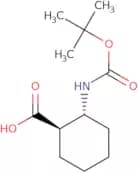
CAS:<p>Please enquire for more information about (1R,2R)-Boc-aminocyclohexane carboxylic acid including the price, delivery time and more detailed product information at the technical inquiry form on this page</p>Formula:C12H21NO4Purity:Min. 95%Color and Shape:PowderMolecular weight:243.3 g/molN-Acetyl-L-aspartyl-L-glutamic acid
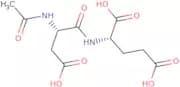
CAS:<p>N-Acetyl-L-aspartyl-L-glutamic acid is an amino acid that is used as a substrate in the biochemical assay for glutamate. It is also used to measure brain functions. NAAG is a low potency agonist of the NMDA receptor, which may contribute to neuronal death. NAAG is used as a model system to study bowel disease and eosinophil cationic protein. It has been shown to be effective in vitro against cancer cells and fungi. The structural analysis of NAAG has revealed that it contains an acidic group on its side chain, which can be detected with a pH indicator such as phenol red or bromocresol purple.</p>Formula:C11H16N2O8Purity:Min. 95 Area-%Color and Shape:White Off-White PowderMolecular weight:304.25 g/mol2-Amino-N-[2-(5-methoxy-1H-indol-3-yl)ethyl]acetamide hydrochloride
CAS:<p>2-Amino-N-[2-(5-methoxy-1H-indol-3-yl)ethyl]acetamide hydrochloride is a magnetic compound that has been shown to be an effective cancer antigen. It is a derivative of the amino acid sequence of α,β-unsaturated fatty acids and can be used as a dietary supplement. 2-Amino-N-[2-(5-methoxy-1H-indol-3-yl)ethyl]acetamide hydrochloride has been shown to bind to fatty acid receptors on the surface of antigen presenting cells (APCs). It also activates the immune system by activating APCs, which leads to the production of cytokines and chemokines. This compound has also been shown to stimulate T cells in culture, leading to activation and proliferation of tumor cells.</p>Formula:C13H17N3O2·HClPurity:Min. 95%Color and Shape:PowderMolecular weight:283.75 g/mol(4-Methoxyphenyl)-(2,4,5-trimethoxybenzylidene)-amine
CAS:<p>4-Methoxyphenyl-(2,4,5-trimethoxybenzylidene)-amine is a chemical compound that is used as a research chemical and a building block for the synthesis of other chemicals. It has been shown to be useful as an intermediate in the synthesis of complex compounds. The product is typically used as a reaction component in organic chemistry. It can also be used as a reagent or as an additive to other chemicals. 4-Methoxyphenyl-(2,4,5-trimethoxybenzylidene)-amine is high quality and has many uses in research and industry.</p>Formula:C16H16BrNO3Purity:Min. 95%Molecular weight:350.21 g/molH-Glu-Val-OH
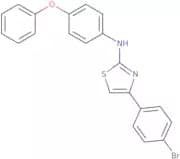
CAS:<p>H-Glu-Val-OH is a coordination complex that contains the metal scandium. It is used as a ligand to form complexes with other metals and organic molecules. This compound is also used in peptide synthesis and has been shown to have a strong interaction with nitrate, serine, and formiate. H-Glu-Val-OH is soluble in solutions such as water or formiate. The tripeptide Ser-Gly-Val can be formed from this compound by hydrolysis of the hydroxo group.</p>Formula:C10H18N2O5Purity:Min. 95 Area-%Color and Shape:PowderMolecular weight:246.26 g/mol(4-(4-bromophenyl)(2,5-thiazolyl))(4-phenoxyphenyl)amine
CAS:<p>Please enquire for more information about (4-(4-bromophenyl)(2,5-thiazolyl))(4-phenoxyphenyl)amine including the price, delivery time and more detailed product information at the technical inquiry form on this page</p>Purity:Min. 95%Fmoc-Leu-OH
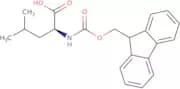
CAS:<p>Fmoc-Leu-OH is a fatty acid that contains a hydroxyl group. It is used in the synthesis of polymer drugs, especially sodium salt polymers. The activity of Fmoc-Leu-OH can be reversed with degarelix acetate, an irreversible inhibitor of ns3 protease. In addition to its use as an antidiabetic agent, Fmoc-Leu-OH has been shown to have immunomodulatory effects and antiinflammatory activity. In tumor treatment, Fmoc-Leu-OH has been shown to inhibit the growth of fat cells without affecting normal cells or causing any toxic side effects.</p>Formula:C21H23NO4Purity:Min. 98 Area-%Color and Shape:White PowderMolecular weight:353.41 g/molTos-Gly-Pro-Lys-pNA acetate
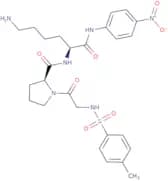
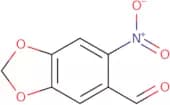
CAS:<p>Tos-Gly-Pro-Lys-pNA acetate is a peptide that has been shown to have inhibitory effects on serine proteases, such as fibrinogen. Tos-Gly-Pro-Lys-pNA acetate binds to the active site of serine proteases, which inhibits their activity and prevents them from cleaving fibrinogen. The rate of reaction is dependent on the concentration of enzyme inhibitors. For example, at low concentrations, the enzyme inhibitor will bind to only one or two sites on the serine protease, while at high concentrations it may bind to many sites. This molecule has been shown to be a potent inhibitor of human immunodeficiency virus (HIV) protease and is currently being studied for its use as a potential antiviral agent.</p>Formula:C26H34N6O7SPurity:Min. 95%Color and Shape:PowderMolecular weight:574.65 g/mol2-Nitro-4,5-methylenedioxybenzaldehyde
CAS:<p>2-Nitro-4,5-methylenedioxybenzaldehyde (2NMB) is a molecule with a molecular weight of 188.24, an empirical formula of C8H8NO2 and a chemical structure consisting of a benzene ring attached to two nitro groups. 2NMB has been shown to bind to the dopamine β-hydroxylase enzyme in human serum and inhibit the production of dopa, which leads to a decrease in dopamine levels. It also inhibits the growth of staphylococcus, cryptococcus neoformans, and typhimurium. 2NMB also has been used as radiotracers for gyrase activity and can be used for asymmetric synthesis due to its piperonal group. The uptake of 2NMB by cells is dependent on its nucleophilic properties.</p>Formula:C8H5NO5Purity:Min. 98%Color and Shape:PowderMolecular weight:195.13 g/molN3-L-Leu-OH·BHA
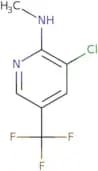
CAS:<p>N3-L-Leu-OH·BHA is a complex compound that has been used as a precursor to other compounds, such as pyrrolidines. It is an intermediate in the synthesis of various pharmaceuticals and research chemicals, such as 4-methylpiperidine. N3-L-Leu-OH·BHA has been shown to be useful in the preparation of various speciality chemicals, including building blocks for polymers and reagents for organic synthesis.</p>Formula:C13H13N·C6H11N3O2Purity:Min. 95%Color and Shape:PowderMolecular weight:340.42 g/mol3-Chloro-N-methyl-5-(trifluoromethyl)-2-pyridinamine
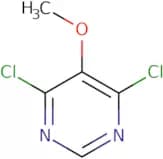
CAS:<p>3-Chloro-N-methyl-5-(trifluoromethyl)-2-pyridinamine is a fine chemical that is used as a versatile building block for the synthesis of other chemical compounds. 3-Chloro-N-methyl-5-(trifluoromethyl)-2-pyridinamine is also useful as an intermediate in research and development, and can be used to produce speciality chemicals. This compound has shown to be a useful reagent and is of high quality.</p>Formula:C7H6ClF3N2Purity:Min. 95%Molecular weight:210.58 g/mol4,6-Dichloro-5-methoxypyrimidine
CAS:<p>4,6-Dichloro-5-methoxypyrimidine is a reactive intermediate in the synthesis of sulfadoxine. It is a chlorinating agent that reacts with alkanes and alkenes to produce halogenated products. 4,6-Dichloro-5-methoxypyrimidine can be used as a reagent to synthesize malonic acid and formamide. This compound has been used as an isotopic label for studies of the efficiency of the reaction between malonic acid and formamide. The chloride ions are used in this study to monitor the reaction rate. 4,6-Dichloro-5-methoxypyrimidine is also an intermediate in the synthesis of sulfanilamide and aminophenol.</p>Formula:C5H4Cl2N2OPurity:Min. 95%Color and Shape:PowderMolecular weight:179 g/mol2-[(2-Carboxyphenyl)amino]-3-methoxybenzoic acid
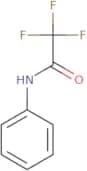
CAS:<p>2-[(2-Carboxyphenyl)amino]-3-methoxybenzoic acid is a fine chemical that is used as a building block, reagent, and speciality chemical in the synthesis of other compounds. This compound is a versatile building block for the synthesis of complex compounds with many applications. 2-[(2-Carboxyphenyl)amino]-3-methoxybenzoic acid is a complex compound that can be used as an intermediate or scaffold in the manufacture of pharmaceuticals, agrochemicals, and other organic syntheses.</p>Formula:C15H13NO5Purity:Min. 95%Molecular weight:287.27 g/mol2,2,2-Trifluoro-n-phenylacetamide
CAS:<p>2,2,2-Trifluoro-n-phenylacetamide is a functionalized trifluoroacetic acid. It is inactive and can be used for diagnostic purposes. 2,2,2-Trifluoro-n-phenylacetamide reacts with amines to form the corresponding deuterium isotope labeled amine. The heterocyclic amines that are formed react with diazonium salt to produce an enolate anion that reacts with chloride to form the corresponding carboxylic acid derivative. The proton of the carboxylic acid leaves as a protonated ammonium ion, which is stable in alkaline solutions. Amides have a negative charge on the nitrogen atom due to its electron withdrawing properties.</p>Formula:C8H6F3NOPurity:Min. 95%Color and Shape:PowderMolecular weight:189.13 g/molFmoc-O-tert-butyl-D-serine
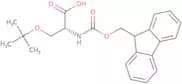
CAS:<p>Fmoc-O-tert-butyl-D-serine is a synthetic, serine protease inhibitor. It has been shown to have antibacterial activity against gram-negative pathogens, such as Proteus vulgaris and Escherichia coli. Fmoc-O-tert-butyl-D-serine inhibits the influenza virus by blocking the cleavage of the M1 protein from the viral RNA strand. The molecule also has a matrix assisted laser desorption/ionization (MALDI) mass spectrometry detection method that can be used for identification of homologous proteins.</p>Formula:C22H25NO5Purity:Min. 95%Color and Shape:PowderMolecular weight:383.44 g/mol6-Fluoro-5-Methyl-2-[(5-Methyl-1H-Imidazol-4-Yl)Methyl]-2,3,4,5-Tetrahydro-1H-Pyrido[4,3-b]Indol-1-One
CAS:Controlled Product<p>6-Fluoro-5-Methyl-2-[(5-Methyl-1H-Imidazol-4-Yl)Methyl]-2,3,4,5-Tetrahydro-1H-Pyrido[4,3-b]Indol-1-One is a drug that belongs to the class of fatty acid esters. It has been shown to be effective in clinical trials for the treatment of symptoms of dry eye syndrome. 6FMETI has a low safety profile and does not cause any adverse effects in humans. The drug can be administered by intravenous injection or oral administration and has a long elimination half life of 36 hours. 6FMETI is metabolized by hydrolysis to its active form, 5FMTI, which is then conjugated with glucuronic acid or methyl glutaryl coenzyme A to form an inactive metabolite. This drug also has good pharmacokinetic properties</p>Formula:C17H17FN4OPurity:Min. 95%Molecular weight:312.34 g/molN-Nitroso-N-methyl-4-aminobutyric acid
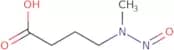
CAS:<p>N-Nitroso-N-methyl-4-aminobutyric acid (NMBA) is a solid with a low melting point which has been identified as a potentially carcinogenic component of both tobacco and tobacco smoke. NMBA is also one of a number of nitrosamine impurities which have been found to be present in angiotensin II receptor blocker (ARB) drugs used to treat high blood pressure.</p>Formula:C5H10N2O3Purity:Min. 98 Area-%Color and Shape:Slightly Yellow PowderMolecular weight:146.14 g/mol5-Methyl-2-nitrophenol
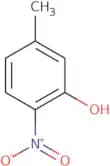
CAS:<p>5-Methyl-2-nitrophenol is a phytotoxic chemical that is used as a synthetic intermediate in organic chemistry. It has been shown to have a high bioconcentration factor and can be found in wastewater. The major use of 5-methyl-2-nitrophenol is the synthesis of 2,4,6-trinitrophenylhydrazine (TNP) which is used as an analytical reagent for the determination of nitrates. The reaction mechanism of 5-methyl-2-nitrophenol involves intramolecular hydrogen transfer from the methylene group to the nitro group and subsequent elimination of HCl. This reaction product can be found by using analytical methods such as gas chromatography, mass spectrometry, or nuclear magnetic resonance spectroscopy. Functional groups on the reactant include phenols and nitro groups with the following endpoints: hydrochloric acid (HCl), kinetic method, and vapor pressure</p>Formula:C7H7NO3Purity:Min. 95%Color and Shape:PowderMolecular weight:153.14 g/mol3-O-Hexadecyl-sn-glycerol
CAS:<p>3-O-Hexadecyl-sn glycerol (3OHG) is a neutral, high molecular weight glycol ether that is used for the preparation of zirconium oxide. 3OHG has been shown to be a substrate for carbohydrate chemistry and as an inhibitor of enzymes, such as hexokinase and phosphoglycerate kinase. 3OHG has minimal toxicity when administered orally to rats and does not cause any hemolysis in human erythrocytes. This compound is also a monoclonal antibody that binds to the surface glycoprotein on the HL-60 cell line and inhibits its growth. 3OHG is not cytotoxic at concentrations up to 10 mM in cultured cells, but it can induce Ca2+ release from the cytosol in HL-60 cells with minimal toxicity. The structure of 3OHG appears closely related to benzalkonium chloride (BAC).</p>Formula:C19H40O3Purity:Min. 95%Molecular weight:316.52 g/mol(R)-2-((4-Aminophenethyl)amino)-1-phenylethanol hydrochloride
CAS:<p>Intermediate in the synthesis of mirabegron</p>Formula:C16H20N2O·HClPurity:Min. 95%Color and Shape:PowderMolecular weight:292.8 g/molMethyl 4-amino-5-chloro-2-methoxybenzoate
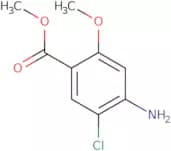
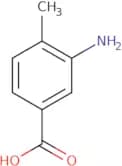
CAS:<p>Methyl 4-amino-5-chloro-2-methoxybenzoate is an organic compound with the chemical formula CH3C6H4(OCH3)2Cl. It is a useful building block, reagent, and speciality chemical. This compound can be used as a versatile building block for the synthesis of complex compounds. Methyl 4-amino-5-chloro-2-methoxybenzoate can also be used as a reaction component or a useful intermediate.</p>Formula:C9H10ClNO3Purity:Min. 95%Color and Shape:PowderMolecular weight:215.63 g/mol3-Amino-4-methylbenzoic acid
CAS:<p>3-Amino-4-methylbenzoic acid is a chemical that is used in the synthesis of pharmaceuticals. It has been shown to have receptor binding activity and is able to inhibit aminotransferase activity. 3-Amino-4-methylbenzoic acid has been shown to be a competitive inhibitor of ptp1b, an enzyme that degrades phosphatidylinositol (3,4,5)-triphosphate. This property may be useful for treating inflammatory diseases such as Crohn's disease and rheumatoid arthritis. 3-Amino-4-methylbenzoic acid binds to the active site of ptp1b with high affinity and forms a coordination complex with two zinc ions. Monomers are also able to bind to ptp1b and inhibit its function.<br>3-Amino-4-methylbenzoic acid has been tested in vitro for its ability to inhibit the growth</p>Purity:Min. 95%Color and Shape:PowderMolecular weight:151.16 g/mol(2S)-({[(4-Methyl-2-oxo-2H-chromen-7-yl)oxy]acetyl}amino)(phenyl)acetic acid
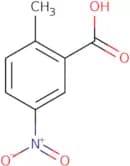
CAS:<p>(2S)-({[(4-Methyl-2-oxo-2H-chromen-7-yl)oxy]acetyl}amino)(phenyl)acetic acid is a kind of fine chemical that belongs to the class of reagents and speciality chemicals. It is a versatile building block which can be used in research, as well as in the production of pharmaceuticals and other fine chemicals. This compound can be used in reactions as a building block or intermediate, as well as a scaffold for complex compounds.</p>Formula:C20H17NO6Purity:Min. 95 Area-%Color and Shape:PowderMolecular weight:367.35 g/mol2-Methyl-5-nitrobenzoic acid
CAS:<p>2-Methyl-5-nitrobenzoic acid is a synthetic compound that has been shown to inhibit the growth of tumor xenografts in mice. This compound has been shown to inhibit the production of prostate-specific antigen and prostate cancer cells, as well as cause apoptosis in prostate cancer cells. 2-Methyl-5-nitrobenzoic acid also inhibits the activity of vitamin D3 and docetaxel, which are both chemotherapeutic agents used to treat prostate cancer. 2-Methyl-5-nitrobenzoic acid is a thermodynamic inhibitor with an IC50 value of 0.1 mM. It is an inhibitor of cellular respiration and mitochondrial function with a Km value of 1 mM. This agent also inhibits tumor perfusion, which may be due to its ability to induce apoptosis in tumor cells.</p>Formula:C8H7NO4Purity:Min. 95%Color and Shape:PowderMolecular weight:181.15 g/mol4-[2-[(3-Ethyl-4-methyl-2-oxo-3-pyrrolin-1-yl)carboxamido]ethyl]benzenesulfonamide
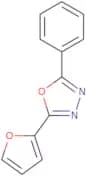
CAS:<p>Metformin is an antidiabetic drug that is used to treat type 2 diabetes. It works by increasing insulin sensitivity and decreasing glucose production in the liver. Metformin does not cause low blood sugar in people with diabetes, but it can lower blood sugar in those without the condition. Metformin is available as metformin hydrochloride and has a molecular weight of 314.5 g/mol. Metformin is excreted primarily through the kidneys, with less than 10% of a dose being excreted unchanged in the urine. Excipients include acetonitrile, which is used as an organic solvent for liquid drug products; impurities may be present due to incomplete synthesis or purification processes; and animal studies are performed to assess safety and efficacy of drugs that may have adverse effects on humans.<br>Metformin has been shown to decrease blood sugar levels in animals through its antidiabetic potential, but there are no studies showing its effect on humans with type</p>Formula:C16H21N3O4SPurity:Min. 95%Color and Shape:White PowderMolecular weight:351.42 g/mol2-Phenyl-5-(2-furyl)-1,3,4-oxadiazole
CAS:<p>2-Phenyl-5-(2-furyl)-1,3,4-oxadiazole is an intramolecular dipolar cycloaddition reaction that forms hydrazones. This compound is used in agrochemical research to form herbicides and pesticides. 2-Phenyl-5-(2-furyl)-1,3,4-oxadiazole is also a basic compound that has shown some biological activity in rat studies. It has been shown to inhibit the growth of cancer cells by inhibiting protein synthesis and cell division.</p>Formula:C12H8N2O2Purity:Min. 95%Color and Shape:PowderMolecular weight:212.2 g/mol




![2-Methylbenz[c,d]indole](/_next/image/?url=https%3A%2Fstatic.cymitquimica.com%2Fproducts%2F3D%2Fthumb-webp%2FFM148927.webp&w=3840&q=75)
![[(3-Methylphenyl)amino]acetic acid](/_next/image/?url=https%3A%2Fstatic.cymitquimica.com%2Fproducts%2F3D%2Fthumb-webp%2FFM115478.webp&w=3840&q=75)
![Ethyl N-ethyl-N-[(heptadecafluorooctyl)sulphonyl]glycinate](/_next/image/?url=https%3A%2Fstatic.cymitquimica.com%2Fproducts%2F3D%2Fthumb-webp%2FFE95451.webp&w=3840&q=75)




![4-Methyl-N-[3-(Trifluoromethyl)Phenyl]Benzenesulfonamide](/_next/image/?url=https%3A%2Fstatic.cymitquimica.com%2Fproducts%2F3D%2Fthumb-webp%2FFM94658.webp&w=3840&q=75)
![3-Cyclohexyl-1-[4-[2-(7-methoxy -4,4-dimethyl-1,3-dioxo-isoquinolin -2-yl)ethyl]phenyl]sulfonyl-ur…](/_next/image/?url=https%3A%2Fstatic.cymitquimica.com%2Fproducts%2F3D%2Fthumb-webp%2FFG40551.webp&w=3840&q=75)




![2-Amino-N-[2-(5-methoxy-1H-indol-3-yl)ethyl]acetamide hydrochloride](/_next/image/?url=https%3A%2Fstatic.cymitquimica.com%2Fproducts%2F3D%2Fthumb-webp%2FFA116384.webp&w=3840&q=75)


![2-[(2-Carboxyphenyl)amino]-3-methoxybenzoic acid](/_next/image/?url=https%3A%2Fstatic.cymitquimica.com%2Fproducts%2F3D%2Fthumb-webp%2FFC19799.webp&w=3840&q=75)
![6-Fluoro-5-Methyl-2-[(5-Methyl-1H-Imidazol-4-Yl)Methyl]-2,3,4,5-Tetrahydro-1H-Pyrido[4,3-b]Indol-1…](/_next/image/?url=https%3A%2Fstatic.cymitquimica.com%2Fproducts%2F3D%2Fthumb-webp%2FFF102588.webp&w=3840&q=75)


![(2S)-({[(4-Methyl-2-oxo-2H-chromen-7-yl)oxy]acetyl}amino)(phenyl)acetic acid](/_next/image/?url=https%3A%2Fstatic.cymitquimica.com%2Fproducts%2F3D%2Fthumb-webp%2FFM124529.webp&w=3840&q=75)
![4-[2-[(3-Ethyl-4-methyl-2-oxo-3-pyrrolin-1-yl)carboxamido]ethyl]benzenesulfonamide](/_next/image/?url=https%3A%2Fstatic.cymitquimica.com%2Fproducts%2F3D%2Fthumb-webp%2FFE23124.webp&w=3840&q=75)