Amino Acids (AA)
Subcategories of "Amino Acids (AA)"
- Amino Acid Derivatives(4,016 products)
- Amino Acid and Amino Acid Related Compounds(3,490 products)
- Amino Acids with Oxygen or Sulphur(168 products)
- Boc- Amino Acids(351 products)
- Fmoc Amino Acids(1,710 products)
Found 38383 products of "Amino Acids (AA)"
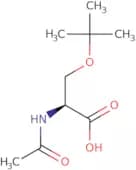
Acetyl-O-tert-butyl-L-serine
CAS:Acetyl-O-tert-butyl-L-serine is a versatile building block that can be used in the synthesis of complex compounds. It has been shown to be an effective reagent and speciality chemical, and is often used as a reaction component or useful scaffold. Acetyl-O-tert-butyl-L-serine can be used in the production of research chemicals, such as acetylated amino acids, and is also useful for the manufacture of fine chemicals.Formula:C9H17NO4Purity:Min. 95%Color and Shape:White to off-white solid.Molecular weight:203.24 g/molN-Methyloctylamine
CAS:N-Methyloctylamine is a low energy, organic extractant that is soluble in water and ethanol. It has been shown to be an effective agent for the extraction of adenine nucleotides from acidic aqueous solutions. The hydroxyl group on the molecule enables oxidation reactions with molecules containing aldehyde groups, such as diphenyl ethers and amines. N-Methyloctylamine has also been shown to be an effective catalyst for transfer reactions between particles, such as nanoparticles.
Formula:C9H21NPurity:Min. 95%Color and Shape:Clear LiquidMolecular weight:143.27 g/molBoc-D-Tyr-OH
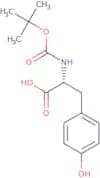
CAS:Boc-D-Tyr-OH is a monomer that is used as a building block for the synthesis of sacubitril. It reacts with chlorides in the presence of a base to form Boc-D-Tyr-Cl, which can be converted to sacubitril by removal of the Boc protecting group. Boc-D-Tyr-OH can also be synthesized by reaction of biphenyl and D-Tyr with trifluoromethanesulfonic acid in the presence of a catalyst. This chemical is fluorescent and can be used as an analytical reagent for chromatographic methods. The synthetic process involves ligation of four molecules of tetrapeptides (which are linked by amide bonds) to biphenyl, followed by Suzuki coupling reaction.Formula:C14H19NO5Purity:Min. 95%Color and Shape:PowderMolecular weight:281.3 g/molN-α-Fmoc-N-ω-(4-toluenesulfonyl)-D-arginine
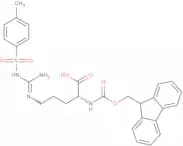
CAS:N-alpha-Fmoc-N-omega-(4-toluenesulfonyl)-D-arginine is a serine protease inhibitor. It binds to the active site of kallikrein, an enzyme that cleaves peptides from the carboxyl terminus of proteins. This prevents the breakdown of these proteins and has been shown to have analgesic effects in animal models. N-alpha-Fmoc-N-omega-(4-toluenesulfonyl)-D-arginine can also be used as a lead compound for the design of other inhibitors with improved pharmacological properties. The derivates of this compound may be synthesized by various strategies, including asymmetric synthesis and phenothiazine chemistry.Formula:C28H30N4O6SPurity:Min. 95%Color and Shape:White/Off-White SolidMolecular weight:550.63 g/mol4-Methoxy-3-nitropyridine
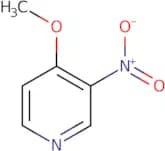
CAS:4-Methoxy-3-nitropyridine (4MNOP) is an organic compound that is a white solid at room temperature. 4MNOP has been shown to interact with alkali metals and can be used in the preparation of emulsifying agents. It also has been found to have pharmacokinetic properties, including a low molecular weight, good solubility in water, and a high degree of absorption. The imidazopyridine ring system is susceptible to reductive amination reactions, which may lead to the formation of amine or surfactant residues.Formula:C6H6N2O3Purity:Min. 95%Color and Shape:PowderMolecular weight:154.13 g/molN-α-Benzoyl-L-arginine methyl ester hydrochloride
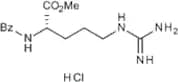
CAS:N-alpha-Benzoyl-L-arginine methyl ester hydrochloride is a useful intermediate in the synthesis of a variety of complex compounds. It is an important reagent for the synthesis of high quality fine chemicals, and can be used as a building block in the construction of new chemical compounds. The CAS number for N-alpha-Benzoyl-L-arginine methyl ester hydrochloride is 1784-04-9. This compound has been shown to be useful in research on speciality chemicals, and it has been utilized as a reaction component for the synthesis of versatile building blocks.Formula:C14H20N4O3•HClPurity:Min. 95%Color and Shape:PowderMolecular weight:328.79 g/mol(R)-(+)-N-Benzyl-1-phenylethylamine
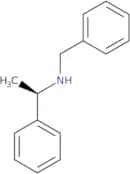
CAS:(R)-(+)-N-Benzyl-1-phenylethylamine is an enantiomer of phenylethylamine. It is a chiral, vinylic amine that can be used to produce catalytic asymmetric Grignard reactions. The synthesis of this compound starts with the addition of benzyl chloride to 1-phenylethylamine. This reaction produces (R)-(+)-N-benzyl-1-phenylethylamine as the major product and its corresponding bisulfate salt as the minor product. This compound has been shown to be an anti HIV drug in a number of studies, which may be due to its ability to inhibit reverse transcriptase and/or prevent viral entry into cells.
Formula:C15H17NPurity:Min. 95%Color and Shape:Colourless To Pale Yellow LiquidMolecular weight:211.3 g/molFmoc-4-amino-L-phe(t-butyl-carbamoyl)-OH
Fmoc-4-amino-L-phe(t-butyl-carbamoyl)-OH is a versatile building block that is used in the synthesis of complex compounds. This compound has been found to be useful as a reagent, speciality chemical, and reaction component for the synthesis of high quality and useful intermediates. Fmoc-4-amino-L-phe(t-butyl carbamoyl)-OH is also a useful scaffold for the production of novel compounds.Formula:C29H31N3O5Purity:Min. 95%Color and Shape:PowderMolecular weight:501.57 g/molN-Boc-D-allylglycine
CAS:N-Boc-D-allylglycine is a peptidomimetic drug that inhibits caspase-3, an enzyme involved in apoptosis. This drug has been shown to inhibit the proteolytic activity of caspase-3 and thereby inhibit the induction of cell death by various stimuli. N-Boc-D-allylglycine is orally bioavailable and is metabolized into two active analogs: N-(2-(N′-(allyloxycarbonyl)-L-alanyl))glycine (NAGL) and N′-(2-(N′-(allyloxycarbonyl)-L-alanyl))glycinamide (NAG). These active analogs are potent inhibitors of caspase-3, with more than 100 times the potency of the parent compound. This compound also has a prodrug form, which can be hydrolyzed by esterases or glucuronidases to release the active formFormula:C10H17NO4Purity:Min. 95%Color and Shape:PowderMolecular weight:215.25 g/mol(3-Phenyl-1,2,4-oxadiazol-5-yl)methanol
CAS:3-Phenyl-1,2,4-oxadiazol-5-yl)methanol is a versatile building block that has been used in the synthesis of complex compounds and research chemicals. It is also a reagent that can be used in the laboratory to synthesize other fine chemicals. 3-Phenyl-1,2,4-oxadiazol-5-yl)methanol is an intermediate that can be used to create high quality and useful building blocks for chemical reactions. This compound has many uses as a scaffold in organic synthesis and it can be used to make valuable products such as pharmaceuticals and pesticides. 3-(3'-phenyl)-1,2,4-oxadiazole 5'-amine is listed on the Chemical Abstracts Service (CAS) database with number 5543-33-9.
Formula:C9H8N2O2Purity:Min. 95%Color and Shape:PowderMolecular weight:176.17 g/mol[1-(3-Methylpyridin-2-yl)ethyl]amine
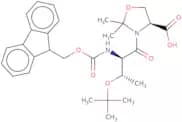
CAS:1-(3-Methylpyridin-2-yl)ethyl]amine is a fine chemical that is a useful building block for research chemicals, reagents and speciality chemicals. It is used as a reaction component and as an intermediate in the synthesis of various complex compounds. 1-(3-Methylpyridin-2-yl)ethyl]amine is also versatile and can be used as a scaffold in organic synthesis.Formula:C8H12N2Purity:Min. 95%Color and Shape:Colorless PowderMolecular weight:136.19 g/molFmoc-D-allo-Thr(tBu)-L-Ser(Psi(Me,Me)pro)-OH
Fmoc-D-allo-Thr(tBu)-L-Ser(Psi(Me,Me)pro)-OH is a reagent that is used as an intermediate in the synthesis of complex compounds. It is also a fine chemical that can be used to prepare speciality chemicals. Fmoc-D-allo-Thr(tBu)-L-Ser(Psi(Me,Me)pro)-OH has CAS No. and can be used as a reaction component in various reactions. This compound is versatile and can be used as a building block for other compounds.Formula:C29H36N2O7Purity:Min. 95%Color and Shape:PowderMolecular weight:524.61 g/molL-Lysine diisocyanate ethyl ester
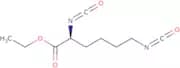
CAS:L-Lysine diisocyanate ethyl ester (LDIEE) is a fluorescence probe that can be used to detect the presence of disulfide bonds. This compound reacts with thiols, such as cysteine, glutathione, and metallothioneins. LDIEE has been shown to bind to human serum proteins and has been used in biological studies for the detection of hydrogen bonding interactions. The biological properties of this compound have not been studied but it is hypothesized that LDIE may have anti-cancer activities due to its ability to react with coumarin derivatives.Formula:C10H14N2O4Purity:Min. 95 Area-%Color and Shape:Clear LiquidMolecular weight:226.23 g/molH-Ile-OEt.HCl
CAS:H-Ile-OEt.HCl is an ester hydrochloride that is a dietary supplement. It is used in short-term exposures and as a dietary supplement, and has been shown to have anti-inflammatory properties. H-Ile-OEt.HCl is an acid with a pH of 2.0 to 3.0, and it has the ability to be absorbed by the body through the stomach and small intestine. This acid can also be converted into HCl in the stomach, which may cause irritation or ulceration.Formula:C6H13N3O2•HClPurity:Min. 95%Color and Shape:PowderMolecular weight:195.65 g/molH-D-Chg-OH·HCl
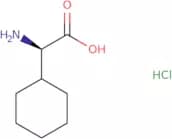
CAS:H-D-Chg-OH·HCl is an organochloride compound that is used as a reagent and building block in the synthesis of organic compounds. It has been used as a useful intermediate in the synthesis of fine chemicals, pharmaceuticals, and pesticides. H-D-Chg-OH·HCl has also been shown to be a useful scaffold for drug discovery, as well as being a versatile building block in organic synthesis. This chemical is often used as a reaction component in research on new drug targets.Formula:C8H15NO2·HClPurity:Min. 95%Color and Shape:PowderMolecular weight:193.67 g/mol7-Methylisatin
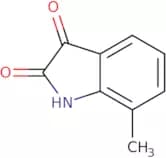
CAS:7-Methylisatin is a natural product that is used in clinical settings as an acridone. It has been shown to have potent antifungal and insecticidal activities. 7-Methylisatin is also a potent antagonist of the nicotinic acetylcholine receptor (nAChR) and binds to the receptor with high affinity. It also inhibits the production of nitric oxide (NO), which is important for maintaining vascular homeostasis and inhibiting pain. 7-Methylisatin has been shown to be an efficient method for plutella xylostella larvae, which can lead to significant reductions in caterpillar populations. This natural product can be synthesized by a number of methods, including ammonolysis, reaction system, or mass spectrometry assays.Formula:C9H7NO2Purity:Min. 95%Molecular weight:161.16 g/mol2-Bromo-4-methylphenol
CAS:2-Bromo-4-methylphenol is an organic compound that has interactive effects with hydrochloric acid, molybdenum, and trifluoromethanesulfonic acid. It is soluble in water vapor, but insoluble in polyvinyl. 2-Bromo-4-methylphenol reacts with sodium hydroxide solution to form a hydroxide solution and sodium carbonate. The reaction product of 2-bromo-4-methylphenol with triterpenoid saponin produces fatty acids. This reaction occurs because the hydroxide ion from the sodium hydroxide solution attacks the ester group of the saponin, forming an alcohol group on one end and a carboxylic acid group on the other end. The benzyl groups are removed by hydrogenation to produce phenol.
Formula:C7H7BrOPurity:Min. 95%Molecular weight:187.03 g/mol3-Methacryloxypropyltrimethoxysilane
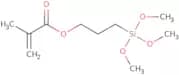
CAS:3-Methacryloxypropyltrimethoxysilane is a silane that has been modified with an acrylic group. It is used as an additive for the production of coatings, adhesives, and sealants. 3-Methacryloxypropyltrimethoxysilane is resistant to hydrochloric acid and other chemicals. It is also stable in water and light exposure. This product has shown to have high adsorption properties, which may be due to its hydroxyl groups. 3-Methacryloxypropyltrimethoxysilane has also been shown to have coupling properties that are advantageous for use with polymers and plastics.Formula:C10H20O5SiPurity:Min. 95%Color and Shape:Colorless Clear LiquidMolecular weight:248.35 g/molN-Boc-glycine N-carboxyanhydride
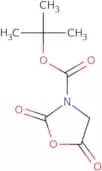
CAS:N-Boc-glycine N-carboxyanhydride is a reagent that is used to prepare the activated ester of pyridine with an alkyl ester. It is soluble in a variety of solvents and has a high reactivity. This product can be used in peptide synthesis, especially for the protection of alpha amino groups during coupling reactions. It has been shown to have good fluorine atom properties, as well as an electronegativity that is higher than that of chlorine or bromine.Formula:C8H11NO5Purity:Min. 98 Area-%Color and Shape:PowderMolecular weight:201.18 g/mol2-Phenylindole-5-sulfonic acid monosodium salt
CAS:2-Phenylindole-5-sulfonic acid monosodium salt is a fine chemical that can be used as a building block for research chemicals, reagents, and speciality chemicals. It is also used as a reaction component for the synthesis of various complex compounds, such as pharmaceuticals and dyes. 2-Phenylindole-5-sulfonic acid monosodium salt is a versatile building block that can be used in the synthesis of useful scaffolds. The CAS number for this compound is 119205-39-9.Formula:C14H10NO3S·NaPurity:Min. 95%Color and Shape:White PowderMolecular weight:295.29 g/molBoc-L-indoline-2-carboxylic acid
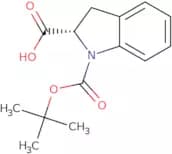
CAS:Boc-L-indoline-2-carboxylic acid is a high quality, versatile building block that can be used as a reagent or intermediate in organic synthesis. It is used as a research chemical and has potential applications in the development of new drugs. Boc-L-indoline-2-carboxylic acid is a complex compound that reacts with nucleophiles to form valuable products. It also has the ability to bind to metal ions such as copper, zinc, and nickel. This product can be used in reactions involving amines, alcohols, amides, phenols, carboxylic acids, sulfonic acids, and other compounds.
Formula:C14H17NO4Purity:Min. 95%Color and Shape:White PowderMolecular weight:263.29 g/molFmoc-D-Aph(Hor)-OH
Fmoc-D-Aph(Hor)-OH is a versatile building block that is used in the synthesis of complex compounds. It can be used as a reaction component to make fine chemicals. Fmoc-D-Aph(Hor)-OH has CAS Number 58955-02-1 and is classified as a speciality chemical. This product has high quality and is useful for research purposes.Formula:C29H26N4O7Purity:Min. 95%Color and Shape:PowderMolecular weight:542.54 g/mol4-Amino-3-phenylbutyric acid hydrochloride
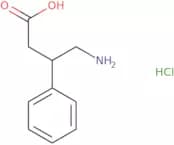
CAS:Controlled Product4-Amino-3-phenylbutyric acid hydrochloride (4APB) is a GABA receptor agonist that belongs to the class of pharmacological agents. It has been shown to be effective in treating pediatric patients with epilepsy, as well as in the treatment of various metabolic disorders. The drug has also been used to treat symptoms caused by benzodiazepine withdrawal. 4APB binds to the benzodiazepine binding site on GABAA receptors and enhances the inhibitory actions of GABA. This causes sedation and muscle relaxation, which can be helpful for patients who have experienced a seizure or are withdrawing from benzodiazepines. 4APB also increases locomotor activity in rats and has been shown to have no effect on cardiac function.Formula:C10H13NO2•HClPurity:Min. 98 Area-%Color and Shape:PowderMolecular weight:215.68 g/molN-(4-Methoxyphenyl)ethane-1,2-diamine
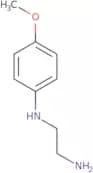
CAS:N-(4-Methoxyphenyl)ethane-1,2-diamine is a synthetic compound that has been shown to inhibit the activity of cathepsins. It can be used in the treatment of diseases caused by these enzymes, such as osteoarthritis and Alzheimer's disease. N-(4-Methoxyphenyl)ethane-1,2-diamine has a pharmacokinetic profile that is favorable for oral administration. The drug is absorbed from the gastrointestinal tract readily and undergoes extensive metabolism in the liver. This process leads to the formation of active metabolites which are excreted in urine or bile. N-(4-Methoxyphenyl)ethane-1,2-diamine also inhibits nitroalkanes with activated aromatic rings, such as 4-nitrobenzaldehyde and 2,4,6-trinitrobenzene.Formula:C9H14N2OPurity:Min. 95%Color and Shape:Slightly Yellow PowderMolecular weight:166.22 g/molFmoc-Asp(OtBu)-Ser(Psi(Me,Me)pro)-OMe
Fmoc-Asp(OtBu)-Ser(Psi(Me,Me)pro)-OMe is a versatile building block that can be used in a variety of chemical reactions. Fmoc-Asp(OtBu)-Ser(Psi(Me,Me)pro)-OMe is a reagent and speciality chemical that is useful as an intermediate or reaction component for the synthesis of complex compounds. Fmoc-Asp(OtBu)-Ser(Psi(Me,Me)pro)-OMe has been used in the synthesis of many fine chemicals and research chemicals. This compound has also been shown to have high quality and is a useful scaffold for drug discovery.Formula:C30H36N2O8Purity:Min. 95%Color and Shape:PowderMolecular weight:552.62 g/mol4,6-Dimethyl-2-methylmercapyrimidine
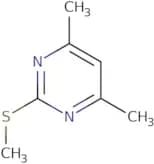
CAS:4,6-Dimethyl-2-methylmercapyrimidine is a synthetic chemical compound with two different structural isomers. The 4,6-dimethyl isomer has shown to be an effective bifunctional inhibitor of cellular peroxide production and sirtuin activity. This compound also stabilizes cellular proteins by preventing the formation of reactive oxygen species, which are generated as a result of oxidative stress. 4,6-Dimethyl-2-methylmercapyrimidine is able to inhibit the enzyme SIRT2 in cells, which plays a key role in regulating cell metabolism. This compound can also inhibit the production of nitric oxide in cells, which mediates inflammatory responses.Formula:C7H10N2SPurity:Min. 95%Color and Shape:Off-White PowderMolecular weight:154.23 g/mol(S)-(+)-2-Phenylglycine methyl ester hydrochloride
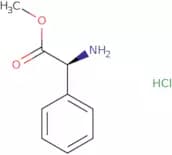
CAS:(S)-(+)-2-Phenylglycine methyl ester hydrochloride is a nitro compound that inhibits the production of nitric oxide (NO) by inhibiting the enzyme nitric oxide synthase. It has shown inhibitory effects on bronchial hyperresponsiveness in animals with bronchial asthma and ischemic reperfusion injury. The compound also inhibits nitrogen-induced allergic reactions and inflammatory diseases. (S)-(+)-2-Phenylglycine methyl ester hydrochloride has been shown to have a protective effect against prostate cancer in animal models, although it was not active against prostate cancer cells in vitro. This may be due to its inability to cross the cell membrane or its inability to effectively penetrate the nucleus, which is where cancerous cells originate. The functional groups present on this molecule include amide, carbonyl, and hydroxyl groups.Formula:C9H12ClNO2Purity:Min. 95%Color and Shape:White To Off-White SolidMolecular weight:201.65 g/molBoc-(2R,3R)-3-amino-2-hydroxy-4-phenylbutyric acid
CAS:Boc-(2R,3R)-3-amino-2-hydroxy-4-phenylbutyric acid is a reagent and speciality chemical that is used as a building block in organic synthesis. It is a versatile intermediate that can be used to synthesize complex compounds with high quality and purity. Boc-(2R,3R)-3-amino-2-hydroxy-4-phenylbutyric acid has been shown to be stable under acidic conditions, making it an excellent choice for use in reactions involving strong acids. This compound can also be used as a scaffold for the synthesis of peptides and proteins.Formula:C15H21NO5Purity:Min. 95%Color and Shape:PowderMolecular weight:295.33 g/mol1-(3-Methylphenyl)-1H-pyrrole-2,5-dione
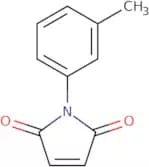
CAS:1-(3-Methylphenyl)-1H-pyrrole-2,5-dione is an anti-aging compound that has been shown to inhibit the replication of herpes viruses. It also inhibits corrosion, in particular by orthophosphoric acid. The monomer itself is useful as a viscosity agent and can be used in the synthesis of polymers such as dibutyl phthalate. 1-(3-Methylphenyl)-1H-pyrrole-2,5-dione has a high yield and can be used for analyzing magnesium oxide.Formula:C11H9NO2Purity:Min. 95%Color and Shape:White PowderMolecular weight:187.19 g/mol6-Methoxy-1-methyl-1H-indole-3-carbaldehyde
CAS:6-Methoxy-1-methyl-1H-indole-3-carbaldehyde is a high quality chemical that is used as a reagent, complex compound, useful intermediate, and speciality chemical. It is a fine chemical that has been shown to be useful as a building block in the synthesis of many other compounds. 6-Methoxy-1-methyl-1H-indole-3-carbaldehyde is also versatile and can be used in reactions involving nucleophilic substitution, reductive amination, and oxidative coupling.Formula:C11H11NO2Purity:Min. 95%Color and Shape:White PowderMolecular weight:189.21 g/mol2,9-Dimethyl-1,10-phenanthroline hemihydrate
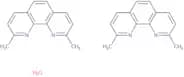
CAS:Chelating agent used to detect aqueous copper ions by electrochemiluminescenceFormula:C14H12N2•(H2O)0Purity:Min. 95%Color and Shape:PowderMolecular weight:217.27 g/molCbz-L-(+)-Phenylglycine
CAS:Cbz-L-(+)-Phenylglycine is an organic compound that belongs to the class of isopropyl compounds. It has a molecular formula of C7H14N2O and a molecular weight of 162.2 g/mol. This molecule has a calculated solubility in water at 25 °C of 0.0005g/L with a log octanol/water partition coefficient (log KOW) of 2.6, and it has been estimated to have an octanol/air partition coefficient (log KOA) of 4.47. Cbz-L-(+)-Phenylglycine is soluble in acetonitrile and methanol, but insoluble in ether or benzene. The vibrational frequency for this molecule is 1097 cm-1 with an estimated molecular electrostatic potential value of -0.57 eV for its ground state and -0.49 eV for its first excited state,Formula:C16H15NO4Purity:Min. 95%Molecular weight:285.29 g/mol1-Phenyl-1H-5-(2'-hydroxy-5'-methylphenyl)pyrazole
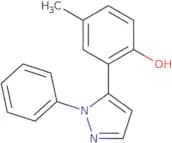
CAS:1-Phenyl-1H-5-(2'-hydroxy-5'-methylphenyl)pyrazole is a chemical compound with the molecular formula C14H10N2O. It is a white crystalline solid that can be used as a building block, intermediate, or reagent in organic synthesis. It is soluble in most solvents, but insoluble in water. 1-Phenyl-1H-5-(2'-hydroxy-5'-methylphenyl)pyrazole has been used as a useful scaffold for high quality compounds and research chemicals. The CAS number for this chemical compound is 90617-39-3.Formula:C16H14N2OPurity:Min. 95%Molecular weight:250.3 g/molBoc-L-1,2,3,4-tetrahydronorharman-3-carboxylic acid
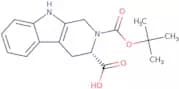
CAS:Boc-L-1,2,3,4-tetrahydronorharman-3-carboxylic acid is a versatile building block that can be used as a reaction component in the synthesis of complex compounds. It can also be used as a starting material in the preparation of high quality research chemicals. Boc-L-1,2,3,4-tetrahydronorharman-3-carboxylic acid has CAS number 66863-43-2 and is a speciality chemical with many uses.Formula:C17H20N2O4Purity:Min. 95%Color and Shape:White PowderMolecular weight:316.35 g/mol1-((Diiodomethyl)sulfonyl)-4-methylbenzene
CAS:1-((Diiodomethyl)sulfonyl)-4-methylbenzene is a preservative that is used in cosmetics and pharmaceuticals. The toxicity of this compound was studied using the cationic surfactant tebuconazole as a probe. 1-((Diiodomethyl)sulfonyl)-4-methylbenzene has been shown to have antimicrobial properties, with biocidal activity against bacteria, fungi, and yeasts. It has been shown to be effective against Staphylococcus aureus, Escherichia coli, Pseudomonas aeruginosa, and Aspergillus niger at concentrations of 0.5%. This compound also showed good antibacterial efficacy in water vapor byproducts.Formula:C8H8I2O2SPurity:Min. 95 Area-%Color and Shape:PowderMolecular weight:422.02 g/mol2-Phenoxyethyl 4-hydroxybenzoate
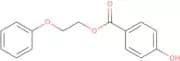
CAS:2-Phenoxyethyl 4-hydroxybenzoate is a polymerized, surfactant with a fatty acid group. It is used in skincare products as an anticancer agent and antimicrobial agent, and has been shown to have viscosity increasing effects. 2-Phenoxyethyl 4-hydroxybenzoate also has the ability to inhibit the growth of t. rubrum and p. aeruginosa in vitro. The mechanism of action is not well understood, but it may be due to its phenolic acid content, which inhibits cell wall synthesis.Formula:C15H14O4Purity:Min. 95%Molecular weight:258.27 g/mol3-(Dimethylsilyloxy)-1,1,5,5-tetramethyl-3-phenyltrisiloxane
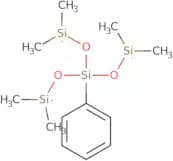
CAS:3-(Dimethylsilyloxy)-1,1,5,5-tetramethyl-3-phenyltrisiloxane is a silicon compound that is an organosilicon. It has three functional groups: polyols, fatty acids and silanes. 3-(Dimethylsilyloxy)-1,1,5,5-tetramethyl-3-phenyltrisiloxane is used as a monomer in the production of polydimethylsiloxane polymers. 3-(Dimethylsilyloxy)-1,1,5,5-tetramethyl-3-phenyltrisiloxane is also used as a waveguide material in optical devices.Formula:C12H26O3Si4Purity:Min. 95%Color and Shape:PowderMolecular weight:330.68 g/molL-2,4,5-Trifluorophenylalanine
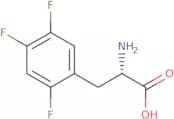
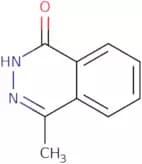
CAS:L-2,4,5-Trifluorophenylalanine is a fluorinated amino acid that can be used as a diagnostic probe for the detection of magnetic resonance imaging. L-2,4,5-Trifluorophenylalanine has been shown to have an orientation sensitive fluorescence emission in the presence of an external magnetic field. This compound can also be used as a ligand for site-specific labeling and has been studied by multidimensional spectroscopic methods. The conformational study of L-2,4,5-Trifluorophenylalanine has revealed that it has a site for binding fluorotryptophan.Formula:C9H8F3NO2Purity:Min. 95%Color and Shape:White Off-White PowderMolecular weight:219.05071Hydroxy-4-methylphthalazine
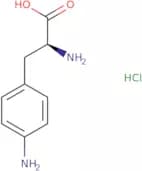
CAS:Hydroxy-4-methylphthalazine is a synthetic molecule that has been shown to inhibit the production of nitric oxide (NO) and other reactive oxygen species. It also inhibits cholinesterase activity, which leads to increased acetylcholine levels. This agent is metabolized by nucleophilic substitutions and may be synthesized from phthalazinone or aminoguanidine. Hydroxy-4-methylphthalazine binds to the redox potentials of molecular targets and can be used as an inhibitor in biological systems.Formula:C9H8N2OPurity:Min. 95%Color and Shape:PowderMolecular weight:160.17 g/molp-Amino-L-phenylalanine hydrochloride
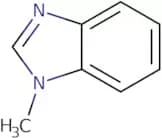
CAS:p-Amino-L-phenylalanine hydrochloride (PABA) is a type of amino acid that is used in the synthesis of melphalan hydrochloride, a drug used to treat cancer. PABA is a white crystalline powder that can be dissolved in water and formic acid. It has been shown to interact with the hydrophilic interaction chromatography column and flow rate sensor in order to improve the chromatographic separation of ammonium formate. PABA has also been found to be chiral and can be converted into its enantiomeric form by means of an organic solvent, such as acetonitrile. The impurities of PABA are mandelic acid and l-phenylalanine. These impurities are separated from PABA by means of HPLC analysis.Formula:C9H13ClN2O2Purity:Min. 95%Color and Shape:White/Off-White SolidMolecular weight:216.66 g/mol1-Methylbenzimidazole
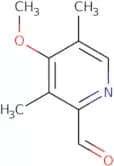
CAS:1-Methylbenzimidazole is an organic molecule with a molecular weight of 97.06 g/mol. It is a chalcogen, and has one nitrogen atom, one carbon atom, and four hydrogen atoms. The molecule has a planar structure with three amine groups and one chloride ion in the form of a trigonal pyramid. 1-Methylbenzimidazole has significant antifungal activity against Trichomonas vaginalis at concentrations of 10 μg/mL or higher, which may be due to its ability to inhibit the growth factor epidermal growth factor (EGF). This drug also shows high cytotoxicity against human cancer cells when used in combination with epidermal growth factor (EGF).Formula:C8H8N2Purity:Min. 95%Color and Shape:White To Beige To Pink To Brown SolidMolecular weight:132.16 g/mol4-Methoxy-3,5-dimethyl-2-pyridinecarboxaldehyde
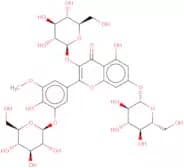
CAS:4-Methoxy-3,5-dimethyl-2-pyridinecarboxaldehyde is a trifunctional molecule that has been shown to suppress the growth of cancer cells in mice. This compound is an inhibitor of acid synthesis and has also been shown to be an antirheumatic drug. 4-Methoxy-3,5-dimethyl-2-pyridinecarboxaldehyde inhibits the activity of three enzymes: synthetase, an enzyme that synthesizes fatty acids; 3-ketoacyl CoA synthase, which synthesizes ketones; and enoyl CoA reductase, which produces fatty acids. The long term efficacy of this molecule has not yet been studied in humans.Formula:C9H11NO2Purity:Min. 95%Color and Shape:Colourless LiquidMolecular weight:165.19 g/molLaricitrin-3,7,5'-tri-O-glucoside
CAS:Laricitrin-3,7,5'-tri-O-glucoside is a fine chemical that can be used as a versatile building block. It is an intermediate in the synthesis of many complex compounds and useful scaffolds. Laricitrin-3,7,5'-tri-O-glucoside has been shown to react with other chemicals in order to form new compounds. This compound also has potential applications in research as a reaction component or speciality chemical. Laricitrin-3,7,5'-tri-O-glucoside has high purity and quality and is available at a reasonable price.
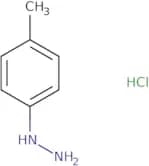
Formula:C34H42O23Purity:Min. 95%Molecular weight:818.68 g/mol4-Methylphenyl hydrazine hydrochloride
CAS:4-Methylphenyl hydrazine hydrochloride is a chemical compound that has been shown to be an effective treatment for lung tumors. It has been shown to inhibit tumorigenesis in animal models by the inhibition of angiogenesis and tumor growth. This drug is administered as a subcutaneous injection and can cause hemorrhaging, inflammation, and necrosis at the injection site. 4-Methylphenyl hydrazine hydrochloride has also been postulated to have anti-tumorigenic properties in animals.
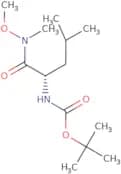
4-Methylphenyl hydrazine hydrochloride inhibits the production of adenomas and adenocarcinomas in rats when given orally or intragastrically, but not when given intravenously.Formula:C7H10N2·HClPurity:Min 98%Molecular weight:158.63 g/molBoc-L-leucine N,O-dimethylhydroxamide
CAS:Boc-L-leucine N,O-dimethylhydroxamide is a chemical compound with CAS number 87694-50-6. It is a white crystalline solid and has a molecular weight of 144.17 g. This product is soluble in water and ethanol, but insoluble in ether. Boc-L-leucine N,O-dimethylhydroxamide can be used as a reaction component or reagent for organic synthesis, including research chemicals and speciality chemicals. It can also be used as an intermediate for the production of complex compounds and fine chemicals.Formula:C13H26N2O4Purity:Min. 95%Color and Shape:White Clear LiquidMolecular weight:274.36 g/molFmoc-D-Asp(OtBu)-Opfp
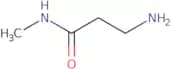
CAS:Fmoc-D-Asp(OtBu)-Opfp is a high quality, complex compound that is used as a building block for the synthesis of various drugs and pharmaceuticals. It has been shown to be an excellent reaction component in the synthesis of various drugs and pharmaceuticals. The versatility of this chemical makes it a useful scaffold for generating complex molecules. It has been shown to be a useful intermediate for the synthesis of peptides, oligonucleotides, and small organic molecules. Fmoc-D-Asp(OtBu)-Opfp can also be used as a reagent in biochemical research. Fmoc-D-Asp(OtBu)-Opfp can be synthesized by reacting 2-(2'-aminoethoxy)propionic acid with N,N'-dimethylformamide dimethyl acetal in the presence of sodium hydride at 0°C. This reaction produces an amide bond between the N terminFormula:C29H24NO6F5Purity:Min. 95%Color and Shape:PowderMolecular weight:577.5 g/molN1-Methyl-beta-alaninamide
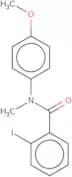
CAS:N1-Methyl-beta-alaninamide (NMA) is an organic compound that is used as a reagent, useful scaffold, or high quality research chemical. NMA belongs to the group of compounds called amino acid amides. It can be used as a building block for complex compounds and fine chemicals. The CAS number for this product is 4874-18-4.Formula:C4H10N2OPurity:Min. 95%Color and Shape:Orange PowderMolecular weight:102.14 g/mol2-Iodo-N-(4-methoxyphenyl)-N-methylbenzamide
CAS:2-Iodo-N-(4-methoxyphenyl)-N-methylbenzamide is a versatile building block that can be used in research and as a reagent. It is a high quality chemical and useful as a building block or intermediate for the synthesis of more complex compounds. This chemical is also a useful scaffold for the synthesis of more complex molecules.Formula:C15H14INO2Purity:Min. 95%Molecular weight:367.18 g/mol2-Methyl-1-hexene
CAS:2-Methyl-1-hexene is a reaction product of ethylene and phosphite. It is used in the manufacture of butyl acrylate and methyl methacrylate. 2-Methyl-1-hexene reacts with oxygen to form a peroxide intermediate, which then reacts with aldehyde groups to form products that are characterized by their mass spectra. The rate of this reaction is dependent on the concentrations of both reactants, as well as on the temperature and acidity of the reaction environment. This process can be carried out in either liquid or gas phase at various temperatures.Formula:C7H14Purity:Min. 95%Color and Shape:Colorless Clear LiquidMolecular weight:98.19 g/mol7-Methyladenine
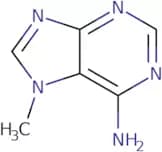
CAS:7-Methyladenine is a nitrogen-containing compound that has been shown to cause an increase in renal blood flow. It is also a synthetic estrogen. 7-Methyladenine is mainly metabolized by methylation, and it can be detected in urine samples. This substance has been shown to have a direct effect on cardiac contractility and blood pressure. 7-Methyladenine also has the ability to stimulate the growth of cells and tissues, as well as being able to inhibit the synthesis of certain proteins.Formula:C6H7N5Purity:Min. 95%Color and Shape:White To Off-White SolidMolecular weight:149.15 g/mol1-(3-Fluoro-4-methoxyphenyl)-2-nitropropene
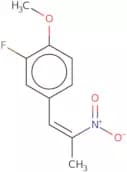
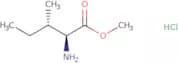
CAS:1-(3-Fluoro-4-methoxyphenyl)-2-nitropropene is a chemical compound with the molecular formula CHNO. It is a high quality reagent that is useful for preparing complex compounds, scaffolds and building blocks for use in research and development. 1-(3-Fluoro-4-methoxyphenyl)-2-nitropropene is a fine chemical that can be used as a versatile building block in reactions.Formula:C10H10FNO3Purity:Min. 95%Molecular weight:211.19 g/molL-Isoleucine methyl ester hydrochloride
CAS:L-Isoleucine methyl ester hydrochloride (LIME) is a chemical pesticide that inhibits the synthesis of prostaglandins. It is used to treat inflammatory bowel disease and cancer, as well as other inflammatory diseases. LIME is metabolized by an enzyme called synthase to produce L-methionine methyl ester hydrochloride, which is a substrate for another enzyme called nitric oxide synthase. Nitrous acid and butyric acid are two metabolites of LIME that have been shown to inhibit the production of beta-amyloid peptides. One study has also shown that LIME can reduce the levels of vitamin D3 in rats with colitis.Formula:C7H16ClNO2Purity:Min. 95%Color and Shape:PowderMolecular weight:181.66 g/mol3-Phenoxytoluene
CAS:3-Phenoxytoluene is a colorless, viscous liquid that is soluble in nonpolar solvents. It is used as a raw material for the production of phenoxyethanol and other compounds. 3-Phenoxytoluene can be synthesized by reacting an alcohol with a chloroformate in the presence of copper chloride. This reaction proceeds through the following steps:Formula:C13H12OPurity:Min. 95%Color and Shape:Clear LiquidMolecular weight:184.23 g/molFmoc-Thr(tBu)-Ser(Psi(Me,Me)pro)-OBzl
Fmoc-Thr(tBu)-Ser(Psi(Me,Me)pro)-OBzl is a high quality, research chemical that is used as an intermediate in the synthesis of complex compounds. It is a useful building block and can be used to make speciality chemicals. This reagent has many uses including being a useful scaffold for organic synthesis and a reaction component in the production of other fine chemicals. Fmoc-Thr(tBu)-Ser(Psi(Me,Me)pro)-OBzl has CAS No. 7791-02-8 and may be found in the following chemical structure:Formula:C36H42N2O7Purity:Min. 95%Color and Shape:PowderMolecular weight:614.73 g/mol2-Fluoro-4-methylbenzoic acid methyl ester
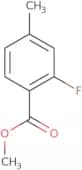
CAS:2-Fluoro-4-methylbenzoic acid methyl ester is a versatile building block useful for the synthesis of a variety of compounds. It is an important intermediate and research chemical that can be used as a reaction component or speciality chemical. 2-Fluoro-4-methylbenzoic acid methyl ester is also a useful building block with high quality and reagent.Formula:C9H9FO2Purity:Min. 95%Color and Shape:Clear LiquidMolecular weight:168.16 g/molFmoc-Arg(Me)2-OH, asymmetrical
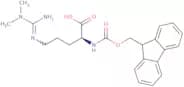
CAS:Fmoc-Arg(Me)2-OH is a high quality, versatile building block that can be used in the synthesis of complex compounds and fine chemicals. It is an intermediate that is useful as a reagent in organic chemistry and as a speciality chemical. Fmoc-Arg(Me)2-OH has been shown to react with other amino acids to form peptides and proteins, or it may be used as a building block for the synthesis of polymers. The compound has been shown to have many uses, including being a reaction component for the synthesis of pharmaceuticals and bioactive molecules.Formula:C23H28N4O4Purity:Min. 95%Color and Shape:PowderMolecular weight:424.49 g/mol(1-Phenylpiperidin-4-yl)methanol
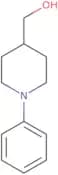
CAS:1-Phenylpiperidin-4-yl)methanol is a versatile building block that is used in the synthesis of many complex compounds. It is also a reagent and intermediate for the production of fine chemicals, speciality chemicals, and research chemicals. 1-Phenylpiperidin-4-yl)methanol has a CAS number of 697306-45-9 and it's molecular formula is C14H21NO.Formula:C12H17NOPurity:Min. 95%Color and Shape:Red PowderMolecular weight:191.27 g/molBoc-Ala-NH2
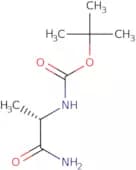
CAS:Boc-Ala-NH2 is a versatile building block that can be used to synthesize complex compounds. Boc-Ala-NH2 is a high quality reagent that has been shown to be useful in the synthesis of speciality chemicals, such as research chemicals and reaction components. It is also a versatile building block that can be used to synthesize complex compounds. Boc-Ala-NH2 is a fine chemical with CAS No. 85642-13-3.Formula:C8H16N2O3Purity:Min. 95%Color and Shape:White PowderMolecular weight:188.22 g/mol4-Methylcyclohexanone
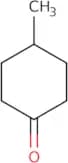
CAS:4-Methylcyclohexanone is a diazonium salt that has been shown to be an intramolecular hydrogen-bonded substrate for the hydroxyl group. It has been used as a precursor for the synthesis of 2,4-diaminobenzoic acid (2,4-DABA) and 3,5-diaminoquinoxaline (3,5-DQNX). 4-Methylcyclohexanone is also used in the production of herbicides and other organic compounds. The reaction mechanism can be explained by considering that 4-methylcyclohexanone is an electron donor with two hydroxyl groups. One of these groups will react with a diazonium salt to provide the α-hydroxyimine intermediate. This intermediate then reacts with another molecule of cyclohexanone to yield the desired product. A typical example of this mechanism is shown below: The acetateFormula:C7H12OPurity:Min. 95%Color and Shape:Clear LiquidMolecular weight:112.17 g/molBoc-L-norleucine dicyclohexylammonium salt
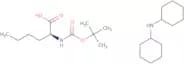
CAS:Controlled ProductBoc-L-norleucine dicyclohexylammonium salt is a cyclic peptide that has been shown to function as an anticoagulant. It is found in the sequence of protein and inhibits the coagulation process by inhibiting platelet aggregation. Boc-L-norleucine dicyclohexylammonium salt also acts as a molecular marker for c1-6 alkyl chains, which are found in viruses, and can be used to identify these molecules. This drug has antiviral activity against herpes simplex virus and inorganic acids such as hydrochloric acid.Formula:C11H21NO4·C12H23NPurity:Min. 95%Color and Shape:SolidMolecular weight:412.61 g/mol2,6-Dihydroxy-4-methylbenzoic acid copper
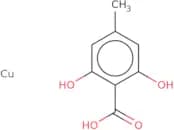
CAS:2,6-Dihydroxy-4-methylbenzoic acid copper salt is an organic compound with a skeleton of two benzene rings. The molecule contains a chloride ion coordinated to the copper atom and a methyl group adjacent to the copper atom. This compound has significant cytotoxicity against human cancer cells. It is also an endophytic fungus found in plants that produces ethyl esters of 2,6-dihydroxy-4-methylbenzoic acid copper salt. The chemical structures of this compound are shown in Figure 1 below: Figure 1 The reaction products are 2,6-dichloroquinone and benzoic acid. The reaction solution is a dark red color due to the presence of free quinone groups. This compound has been synthesized using Friedel-Crafts reactions, which were carried out in chloroform and dichloromethane at temperatures ranging from -78°C to room temperature for up to 12Formula:C16H16O8•CuPurity:Min. 95%Molecular weight:399 g/molN-Cbz-L-Phenylalanine
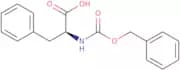
CAS:N-Cbz-L-Phenylalanine is a synthetic amino acid that is used as an inhibitor of protease activity. It binds to the active site of a protease enzyme and prevents it from cleaving its substrate peptide bonds, thereby inhibiting the enzyme’s activity. N-Cbz-L-Phenylalanine has been shown to inhibit trypsin from soybean, pancreatic elastase, and chymotrypsin from hog pancreas. This inhibitor has also been shown to inhibit growth factors and other biochemical properties.Formula:C17H17NO4Purity:Min. 95%Color and Shape:PowderMolecular weight:299.32 g/mol3-(5-Iodo-4-hydroxy-3-methoxy)cinnamic acid
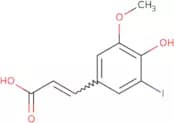
CAS:3-(5-Iodo-4-hydroxy-3-methoxy)cinnamic acid is a chemical compound that can be used as a starting material for synthesis of complex compounds. It is a white solid with a melting point of about 100°C, and it is soluble in water. This product is an excellent reagent for the synthesis of new chemicals, and it has been widely used as a reaction component in organic syntheses. 3-(5-Iodo-4-hydroxy-3-methoxy)cinnamic acid also has antibacterial properties.Formula:C10H9IO4Purity:Min. 95%Molecular weight:320.08 g/mol2-Chloro-7-methoxyquinazoline
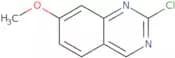
CAS:2-Chloro-7-methoxyquinazoline is a useful chemical that is used in the production of other compounds. It can be used as a building block for the synthesis of various organic compounds, such as pharmaceuticals and pesticides. This compound has been shown to have useful properties, such as high purity and low cost.Formula:C9H7ClN2OPurity:Min. 95%Color and Shape:Yellow PowderMolecular weight:194.62 g/mol4-Benzoyl-D-phenylalanine
CAS:4-Benzoyl-D-phenylalanine is a high quality chemical that is used as an intermediate in the synthesis of other compounds. It is a complex compound that has been shown to be useful in the synthesis of various organic compounds, including pharmaceuticals and agrochemicals. 4-Benzoyl-D-phenylalanine can be used as a reagent and it has been shown to have a wide range of uses, including as a building block for more complex molecules. This chemical is also used in research and development, as it can be used to produce speciality chemicals and research chemicals. 4-Benzoyl-D-phenylalanine can also be used as a versatile building block for reactions that require an aromatic group.Formula:C16H15NO3Purity:Min. 98 Area-%Color and Shape:PowderMolecular weight:269.3 g/mol(R)-(-)-Glycidyl butyrate
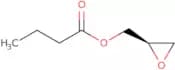
CAS:(R)-(-)-Glycidyl butyrate is a chiral molecule with a single enantiomer. It is an inhibitor of bacterial growth, and has been shown to be selective for Gram-positive bacteria such as staphylococci and subtilis, while being less active against Gram-negative bacteria such as E. coli. The kinetic constants of the enzyme that catalyzes the hydrolysis of (R)-(-)-glycidyl butyrate have been determined by immobilization on ion exchange resins. The stereoselectivity of this reaction was also found to be in favor of (R)-(-)-glycidyl butyrate. This compound also has potent inhibitory activity against iodination reaction catalyzed by Escherichia coli D-amino acid oxidase, which is used in the diagnosis of phenylketonuria. Finally, (R)-(-)-glycidyl butyrate has been shown to inhibit deFormula:C7H12O3Purity:Min. 95%Color and Shape:Clear, colourless to pale yellow liquid.Molecular weight:144.17 g/molD-Glutamic acid di-tert-butyl ester hydrochloride
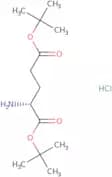
CAS:D-Glutamic acid di-tert-butyl ester hydrochloride is an organic acid that is used as a medicine. It is a covalently conjugated psychotropic drug, which means it contains two molecules of the same type. D-Glutamic acid di-tert-butyl ester hydrochloride has been shown to be effective in the treatment of depression and other mood disorders. This drug has also been shown to inhibit the reuptake of neurotransmitters such as serotonin and norepinephrine, which may account for its efficacy in treating depression. The drug was also found to be effective in the treatment of obsessive compulsive disorder (OCD) by inhibiting serotonin reuptake.Formula:C13H25NO4·HClPurity:Min. 95%Color and Shape:White PowderMolecular weight:295.8 g/mol6-Methoxy-1,2,3,4-tetrahydronaphthalene-2-carboxylic acid
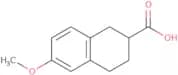
CAS:6-Methoxy-1,2,3,4-tetrahydronaphthalene-2-carboxylic acid (MTN) is a polyphenol that has been shown to be effective against Alzheimer's disease in vitro and in vivo. MTN is able to bind to the polymerase chain reaction (PCR) product of APP and inhibit it from binding to heme oxygenase. MTN also prevents the accumulation of amyloid plaques by inhibiting the formation of beta-amyloid protein. MTN binds to thioflavin T and can be used as a fluorescent probe for immunofluorescence staining. MTN also inhibits the expression levels of APP and PS1 proteins in APP/PS1 transgenic mice by modulating the activity of transcriptional factors such as CREB.Formula:C12H14O3Purity:Min. 95%Color and Shape:PowderMolecular weight:206.24 g/molN-Acetyl-L-tryptophan
CAS:N-Acetyl-L-tryptophan is a neuroprotective agent that binds to the group p2 receptor for neurokinin-1 (NK-1) and inhibits the apoptosis pathway. It is used in the treatment of Parkinson's disease, Alzheimer's disease, and Huntington's disease. N-Acetyl-L-tryptophan has been shown to inhibit inflammatory lesions in rats with experimental autoimmune encephalomyelitis, an animal model of multiple sclerosis. This drug also interacts with toll-like receptor 4 (TLR4), which activates downstream signaling cascades involving NFκB, MAP kinase, and JAK/STAT pathways. The molecular docking analysis revealed that N-acetyl tryptophan binds to specific sites on TLR4 and prevents its activation by preventing binding of LPS.Formula:C13H14N2O3Purity:Min. 95%Color and Shape:PowderMolecular weight:246.26 g/molFmoc-Pro-Pro-Gly-OH
Fmoc-Pro-Pro-Gly-OH is an activating reagent that has been used in the synthesis of peptides with a C-terminal carboxyl group. It is typically used as a chloroformate ester and reacts with amino groups to form amide bonds. The activation of this reagent can be performed either by reaction with isobutyl or by reaction with piperidine. This product may also be used for the synthesis of tripeptides, pentafluorophenyl esters, and mimetic peptides. Fmoc-Pro-Pro-Gly-OH is typically purified by trituration, followed by evaporation in vacuum and then recrystallization from methanol or ethanol.Formula:C27H29N3O6Purity:Min. 95%Color and Shape:PowderMolecular weight:491.54 g/mol4,4'-(1-Methylene)bis-benzonitrile
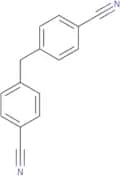
CAS:4,4'-(1-Methylene)bis-benzonitrile is a coordination compound that belongs to the class of heterocyclic compounds. It is predominately used in crystallography and mass spectrometry. 4,4'-(1-Methylene)bis-benzonitrile has anions with tetradentate binding sites. These anions are mononuclear, which means they form one covalent bond with the ligand. This compound is usually synthesized by reacting 4-chlorobenzonitrile with ammonia in the presence of a base such as potassium hydroxide or sodium hydroxide. The electron deficient nature of the ligands in 4,4'-(1-Methylene)bis-benzonitrile leads to its fluorescent properties.Formula:C15H10N2Purity:Min. 95%Color and Shape:White PowderMolecular weight:218.25 g/molNa-FMOC-N(im)-Trityl-L-Histidine (FMOC-His(Trt)-OH) extrapure, 99%
CAS:Formula:C40H33N3O4Purity:min. 99%Color and Shape:White to off-white, PowderMolecular weight:619.71BOC-L-Proline extrapure, 99%
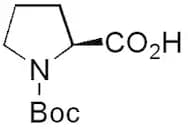
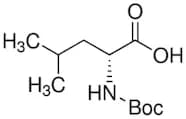
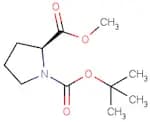
CAS:Formula:C10H17NO4Purity:min. 99%Color and Shape:White, Crystalline powderMolecular weight:215.30BOC-D-Leucine extrapure, 98%
CAS:Formula:C11H21NO4Purity:min. 98%Color and Shape:White, Crystalline powderMolecular weight:231.30N-Acetyl-L-Valine extrapure, 99%
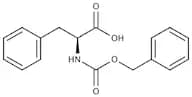
CAS:Formula:C7H13NO3Purity:min. 99%Color and Shape:White, Crystalline powderMolecular weight:159.2Z-L-Phenylalanine extrapure, 99%
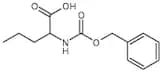
CAS:Formula:C17H17NO4Purity:min. 99 %Color and Shape:White to off - white, Crystalline powderMolecular weight:299.30Z-L-Norvaline extrapure, 99%
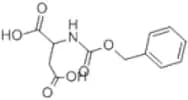
CAS:Formula:C13H17NO4Purity:min.99%Color and Shape:White to off-white, Crystalline powderMolecular weight:251.30Z-DL-Aspartic Acid extrapure, 99%
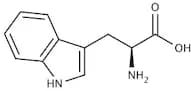
CAS:Formula:C12H13NO6Purity:min. 99 %Color and Shape:White, Crystalline powder, Clear, ColourlessMolecular weight:267.2L-Tryptophan extrapure CHR, 99%
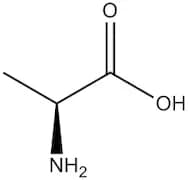
CAS:Formula:C11H12N2O2Purity:min 99%Color and Shape:White to off-white, Crystalline powder, ClearMolecular weight:204.23L-Alanine ExiPlus, Multi-Compendial, 99%
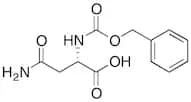
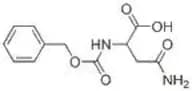
CAS:Formula:C3H7NO2Purity:min. 99%Color and Shape:White, Crystalline powder, Clear, ColourlessMolecular weight:89.09Z-L-Asparagine extrapure, 99%
CAS:Formula:C12H14N2O5Purity:min. 99%Color and Shape:White, Crystalline hygroscopic powderMolecular weight:266.25BOC-L-Cystine extrapure, 99%
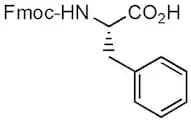
CAS:Formula:C16H28N2O8S2Purity:min. 99%Color and Shape:White, Crystalline powderMolecular weight:440.60FMOC-L-Phenylalanine extrapure, 99%
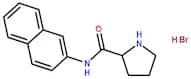
CAS:Formula:C24H21NO4Purity:min. 99%Color and Shape:White, Crystalline powderMolecular weight:387.40L-Proline-ß- Naphthylamide Hydrobromide extrapure, 99%
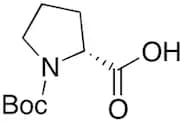
CAS:Formula:C15H16N2O·HBrMolecular weight:321.26BOC-D-Proline extrapure, 99%
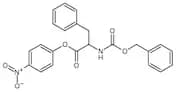
CAS:Formula:C10H17NO4Purity:min. 99%Color and Shape:White, Crystalline compoundMolecular weight:215.30Z-L-Phenylalanine-4-Nitrophenyl Ester extrapure, 98%
CAS:Formula:C23H20N2O6Purity:min. 98 %Color and Shape:White to off-white, Amorphous powder, Clear, Colourless to pale yellowMolecular weight:420.41Z-L-Threonine extrapure, 99%
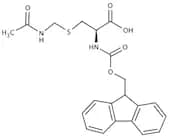
CAS:Formula:C12H15NO5Purity:min. 99 %Color and Shape:White to off- white, Crystalline powderMolecular weight:253.3FMOC-S-Acetamido Methyl-L-Cysteine (Fmoc-Cys(Acm)-OH) extrapure, 98%
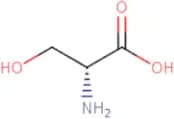
CAS:Formula:C21H22N2O5SPurity:min. 98.0%Color and Shape:White to Slight yellow to Beige, Powder, ClearMolecular weight:414.48D-Serine extrapure, 99%
CAS:Formula:C3H7NO3Purity:min. 99%Color and Shape:White to off-white, Crystalline compound, Clear, ColourlessMolecular weight:105.1L-Prolinamide extrapure, 98%
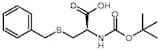
CAS:Formula:C5H10N2OPurity:min. 98.0%Color and Shape:White to yellow, PowderMolecular weight:114.15BOC-L-Benzyl-L-Cysteine extrapure, 98%
CAS:Formula:C15H21NO4SPurity:min. 98%Color and Shape:White, PowderMolecular weight:311.40L-Aspartic Acid extrapure CHR, 99%
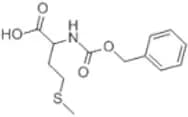
CAS:Formula:C4H7NO4Purity:min. 99%Color and Shape:White, Crystalline powder, Clear, ColourlessMolecular weight:133.10Z-DL-Methionine extrapure, 99%
CAS:Formula:C13H17NO4SPurity:min. 99.0%Color and Shape:White to Off-white, Crystalline powderMolecular weight:283.40Z-DL-Asparagine extrapure, 98%
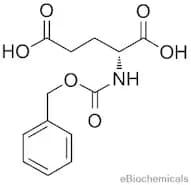
CAS:Formula:C12H14N2O5Purity:min. 98%Color and Shape:White to off - white to pale yellow, PowderMolecular weight:266.25Z-D-Glutamic Acid extrapure, 98%
CAS:Formula:C13H15NO6Purity:min. 98%Color and Shape:White to off-white, Crystalline PowderMolecular weight:281.27Z-L-Proline extrapure, 99%
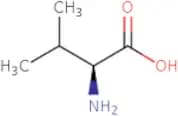
CAS:Formula:C13H15NO4Purity:min. 99%Color and Shape:White, Crystalline powderMolecular weight:249.3L-Valine extrapure CHR, 99%
CAS:Formula:C5H11NO2Purity:min. 99%Color and Shape:White, Crystalline powder, Clear, ColourlessMolecular weight:117.15




![[1-(3-Methylpyridin-2-yl)ethyl]amine](/_next/image/?url=https%3A%2Fstatic.cymitquimica.com%2Fproducts%2F3D%2Fthumb-webp%2FFM121577.webp&w=3840&q=75)