Amino Acids (AA)
Amino acids (AAs) are the fundamental building blocks of proteins, playing a crucial role in various biological processes. These organic compounds are essential for protein synthesis, metabolic pathways, and cell signaling. In this category, you will find a comprehensive range of amino acids, including essential, non-essential, and modified forms, which are vital for research in biochemistry, molecular biology, and nutritional sciences. At CymitQuimica, we provide high-quality amino acids to support your research and development needs, ensuring accuracy and reliability in your experimental outcomes.
Subcategories of "Amino Acids (AA)"
- Amino Acid Derivatives(3,957 products)
- Amino Acid and Amino Acid Related Compounds(3,472 products)
- Amino Acids with Oxygen or Sulphur(168 products)
- Boc- Amino Acids(351 products)
- Fmoc Amino Acids(1,710 products)
Found 38265 products of "Amino Acids (AA)"
Sort by
Purity (%)
0
100
|
0
|
50
|
90
|
95
|
100
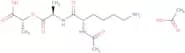
Ac-Lys-D-Ala-D-lactic acid·acetate
CAS:Controlled Product<p>Please enquire for more information about Ac-Lys-D-Ala-D-lactic acid·acetate including the price, delivery time and more detailed product information at the technical inquiry form on this page</p>Formula:C14H25N3O6·C2H4O2Purity:Min. 95%Molecular weight:391.42 g/molAcetyl-Neurotensin (8-13) Ac-Arg-Arg-Pro-Tyr-Ile-Leu-OH
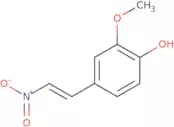
CAS:<p>Acetyl-neurotensin (8-13) Ac-Arg-Arg-Pro-Tyr-Ile-Leu-OH is a competitive antagonist of the NANC neurotransmitter, neuropeptide Y. It is a proteolytic product of neurotensin, an endogenous peptide that has been implicated in a number of physiological and pathological processes. Acetyl-neurotensin (8-13) Ac-Arg-Arg-Pro-Tyr-Ile-Leu-(OH) binds to the membrane receptors on neurons and blocks the binding of neuropeptides such as neurotensin and substance P to these receptors, thereby inhibiting their effects on the central nervous system. This compound is soluble in water and can be used for bladder protection by preventing the accumulation of urine.</p>Formula:C40H66N12O9Purity:Min. 95%Molecular weight:859.03 g/mol1-(4-Hydroxy-3-methoxyphenyl)-2-nitroethene
CAS:<p>1-(4-Hydroxy-3-methoxyphenyl)-2-nitroethene is an experimental molecule that was not previously known to exist. The intramolecular reaction of 1,4-dihydroxynitrobenzene and glyoxylic acid yields the product. It is a phenolic compound with biological activity, which has been shown to inhibit glycosidases and alkaloids.</p>Formula:C9H9NO4Purity:Min. 95%Color and Shape:SolidMolecular weight:195.17 g/mol(Sar 1,Ile4·8)-Angiotensin II trifluoroacetate salt
CAS:<p>Please enquire for more information about (Sar 1,Ile4·8)-Angiotensin II trifluoroacetate salt including the price, delivery time and more detailed product information at the technical inquiry form on this page</p>Formula:C43H75N13O9Purity:Min. 95%Molecular weight:918.14 g/mol7-Methoxy-4-(trifluoromethyl)coumarin
CAS:<p>7-Methoxy-4-(trifluoromethyl)coumarin is a potent and selective aromatase inhibitor. It inhibits the activity of the enzyme, which converts testosterone to estradiol. The inhibition of this enzyme may be beneficial in the treatment of breast cancer. This compound has also been shown to inhibit the activity of P450 enzymes and coumarin derivatives, which are involved in drug metabolism and detoxification.</p>Formula:C11H7F3O3Purity:Min. 95%Molecular weight:244.17 g/molAc-Asp-Tyr(PO3H2)-Val-Pro-Met-Leu-NH2
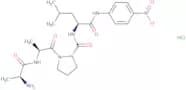
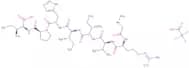
CAS:<p>Please enquire for more information about Ac-Asp-Tyr(PO3H2)-Val-Pro-Met-Leu-NH2 including the price, delivery time and more detailed product information at the technical inquiry form on this page</p>Formula:C36H56N7O13PSPurity:Min. 95%Molecular weight:857.91 g/molAc-Ala-Pro-Ala-pNA
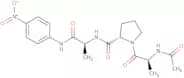
CAS:<p>Ac-Ala-Pro-Ala-pNA is a transition-state analog inhibitor of serine proteases. In the catalytic cleft, Ac-Ala-Pro-Ala-pNA mimics the carbonyl group and minimizes the active site serine. The hydroxyl group in this compound is responsible for its transition state buildup that leads to hydrolytic reactions. Acetal formation can be observed as an intermediate step in this reaction. Acetal formation occurs when a hydroxylic oxygen atom reacts with a terminal alkoxy or thiohydroxylic carbon atom on the reactant molecule. This reaction is catalyzed by enzymes such as alcohol dehydrogenase, acetaldehyde dehydrogenase, and acetyl transferase.</p>Formula:C19H25N5O6Purity:Min. 95%Molecular weight:419.43 g/molH-Cys(NPys)-Arg-Arg-Arg-Arg-Arg-Arg-Arg-Arg-Arg-NH2 trifluoroacetate salt
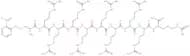
CAS:<p>Please enquire for more information about H-Cys(NPys)-Arg-Arg-Arg-Arg-Arg-Arg-Arg-Arg-Arg-NH2 trifluoroacetate salt including the price, delivery time and more detailed product information at the technical inquiry form on this page</p>Formula:C62H118N40O12S2Purity:Min. 95%Molecular weight:1,679.99 g/molBiotinyl-Pancreatic Polypeptide (human) trifluoroacetate salt
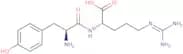
CAS:<p>Please enquire for more information about Biotinyl-Pancreatic Polypeptide (human) trifluoroacetate salt including the price, delivery time and more detailed product information at the technical inquiry form on this page</p>Formula:C195H301N55O56S3Purity:Min. 95%Molecular weight:4,408.01 g/molKyotorphin acetate salt
CAS:<p>Please enquire for more information about Kyotorphin acetate salt including the price, delivery time and more detailed product information at the technical inquiry form on this page</p>Formula:C15H23N5O4Purity:Min. 95%Molecular weight:337.37 g/molCortistatin-29 (human) trifluoroacetate salt
CAS:<p>Please enquire for more information about Cortistatin-29 (human) trifluoroacetate salt including the price, delivery time and more detailed product information at the technical inquiry form on this page</p>Formula:C149H223N47O42S3Purity:Min. 95%Molecular weight:3,440.85 g/molPAR-2 (1-6) (human) trifluoroacetate salt
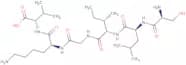
CAS:<p>PAR-2 is a cytosolic protein that is activated by calcium. PAR-2 activation induces the synthesis of prostaglandins and other inflammatory mediators, which stimulate the release of substances from cells such as cytokines and chemokines. PAR-2 also has an important role in cell proliferation, differentiation, apoptosis, and cancer development. PAR-2 activation is induced by proteases such as trypsin or soybean trypsin inhibitor. The trifluoroacetate salt form of PAR-2 (1-6) has been used to inhibit protease activity in colon cancer cells and prostate cancer cells.<br>PAR-2 (1-6) (human) trifluoroacetate salt H-Ser-Leu-Ile-Gly-Lys-Val-OH trifluoroacetate salt is a potent chemical inhibitor of trypsin activity with IC50 values of 0.5 µM for soybean trypsin inhibitor</p>Formula:C28H53N7O8Purity:Min. 95%Molecular weight:615.76 g/molH-β-Ala-Leu-OH
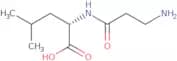
CAS:<p>Please enquire for more information about H-beta-Ala-Leu-OH including the price, delivery time and more detailed product information at the technical inquiry form on this page</p>Formula:C9H18N2O3Purity:Min. 95%Molecular weight:202.25 g/molH-Lys(Abz)-Pro-Pro-pNA
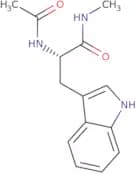
CAS:<p>H-Lys(Abz)-Pro-Pro-pNA is a potent and selective DPP-IV inhibitor that has been shown to be active in humans. This drug binds to the DPP-IV enzyme and prevents it from breaking down the incretin hormone, GLP-1, which is released by the intestine in response to food intake. This leads to increased insulin production and an improved glycemic profile in people with type 2 diabetes. H-Lys(Abz)-Pro-Pro-pNA also inhibits endoproteolysis of dipeptidyl peptidase IV (DPPIV), which reduces its activity against other enzymes such as amyloid beta protein precursor protein (APP) and angiotensin II receptor type 1 (AT1R).</p>Formula:C29H37N7O6Purity:Min. 95%Molecular weight:579.65 g/molAc-Trp-NHMe
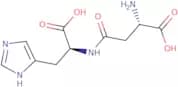
CAS:<p>Ac-Trp-NHMe is a hydrogen bond acceptor, which is a functional group that can form hydrogen bonds with other molecules. It is found in proteins and has been extensively studied by protein data bank. The amide group of Ac-Trp-NHMe forms a hydrogen bond with the carbonyl group of the amino acid tryptophan. The molecule has been used as a model system for studying the fluorescence properties of tryptophan, and to understand vibrational spectra. Ac-Trp-NHMe has also been shown to be an important chemical in plants, where it is involved in the formation of the dry weight of plants and water molecules.</p>Formula:C14H17N3O2Purity:Min. 95%Molecular weight:259.3 g/molH-Asp(His-OH)-OH
CAS:<p>Please enquire for more information about H-Asp(His-OH)-OH including the price, delivery time and more detailed product information at the technical inquiry form on this page</p>Formula:C10H14N4O5Purity:Min. 95%Color and Shape:SolidMolecular weight:270.24 g/molHIV-1 env Protein gp41 (1-23) amide (isolates BRU/JRCSF)
CAS:<p>Please enquire for more information about HIV-1 env Protein gp41 (1-23) amide (isolates BRU/JRCSF) including the price, delivery time and more detailed product information at the technical inquiry form on this page</p>Formula:C95H155N27O26SPurity:Min. 95%Molecular weight:2,123.48 g/molN-(4-Methoxybenzylidene)-4-butylaniline
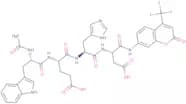
CAS:<p>N-(4-Methoxybenzylidene)-4-butylaniline is an organic compound that belongs to the group of liquid crystals. It has been used in the study of phase transitions and thermal properties. The melting point of N-(4-methoxybenzylidene)-4-butylaniline is between -80 and -90 °C, depending on the solvent. This compound has a low proton affinity, but it can be oxidized to form a radical cation.</p>Formula:C18H21NOPurity:Min. 95%Molecular weight:267.37 g/molAc-Trp-Glu-His-Asp-AFC trifluoroacetate salt
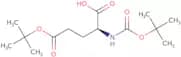
CAS:<p>Please enquire for more information about Ac-Trp-Glu-His-Asp-AFC trifluoroacetate salt including the price, delivery time and more detailed product information at the technical inquiry form on this page</p>Formula:C38H37F3N8O11Purity:Min. 95%Molecular weight:838.74 g/molBoc-glu(OtBu)-OH
CAS:<p>Boc-glu(OtBu)-OH is a synthetic substrate that is used in chemical diversity studies. It has been shown to be an important model system for the study of disaccharide uptake and metabolism. This substrate binds to lectins, which are proteins found on the surface of cells. Boc-glu(OtBu)-OH binds to oligosaccharides and human cervical carcinoma cells, as well as amide groups. Analytical methods have been developed to measure its uptake and metabolism.</p>Formula:C14H25NO6Purity:Min. 98 Area-%Color and Shape:White Off-White PowderMolecular weight:303.35 g/molLeptin tifluoroacetic acid (150-167)
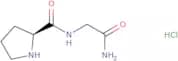
CAS:<p>Leptin tifluoroacetic acid (150-167) is a diagnostic agent that can be used to measure leptin in vivo. Leptin tifluoroacetic acid (150-167) is an agonist for the leptin receptor, which has been shown to have effects on locomotor activity, body weight and body mass index in animals. Leptin tifluoroacetic acid (150-167) has also been shown to have anti-inflammatory properties and may be of use in the treatment of bowel diseases such as inflammatory bowel disease or bowel disease. Leptin tifluoroacetic acid (150-167) binds with high affinity to human fat cells, allowing it to be used as a marker for fat cell differentiation and energy metabolism. The main function of leptin is regulation of food intake and energy expenditure by acting on receptors in the brain, liver, muscle and other tissues.</p>Formula:C87H138N22O28S2•(CF3CO2H)xPurity:Min. 95%Molecular weight:2,004.29 g/molH-Pro-Gly-NH2·HCl
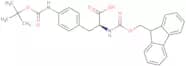
CAS:<p>Please enquire for more information about H-Pro-Gly-NH2·HCl including the price, delivery time and more detailed product information at the technical inquiry form on this page</p>Formula:C7H13N3O2·HClPurity:Min. 95%Molecular weight:207.66 g/molFmoc-4-(Boc-amino)-L-phenylalanine
CAS:<p>Fmoc-4-(Boc-amino)-L-phenylalanine is a useful building block, which is used in the synthesis of complex compounds and research chemicals. It is also a reaction component in the synthesis of compounds. Fmoc-4-(Boc-amino)-L-phenylalanine has CAS No. 174132-31-1 and can be used as a versatile building block to produce high quality reagents.</p>Formula:C29H30N2O6Purity:Min. 98 Area-%Color and Shape:SolidMolecular weight:502.56 g/molH-Lys-Leu-OH·HBr
CAS:<p>Please enquire for more information about H-Lys-Leu-OH·HBr including the price, delivery time and more detailed product information at the technical inquiry form on this page</p>Formula:C12H25N3O3·HBrPurity:Min. 95%Molecular weight:340.26 g/molBifunctional Antiplatelet Agent H(-Lys-Arg)3-Arg-Gly-Asp-Val-OH
CAS:<p>Please enquire for more information about Bifunctional Antiplatelet Agent H(-Lys-Arg)3-Arg-Gly-Asp-Val-OH including the price, delivery time and more detailed product information at the technical inquiry form on this page</p>Formula:C53H103N25O13Purity:Min. 95%Molecular weight:1,298.55 g/mol(Arg8)-Vasopressin (free acid) trifluoroacetate salt
CAS:<p>Please enquire for more information about (Arg8)-Vasopressin (free acid) trifluoroacetate salt including the price, delivery time and more detailed product information at the technical inquiry form on this page</p>Formula:C46H64N14O13S2Purity:Min. 95%Molecular weight:1,085.22 g/molZ-Val-Phe-OMe
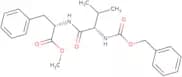
CAS:<p>Z-Val-Phe-OMe is an efficient method for the synthesis of a benzyl ester, which is a precursor to the anti-leishmanial drug Z-Val-Phe. The reaction is carried out in chloroform in the presence of ethyl or benzyl esters and ammonium chloride. This methodology was developed to provide a systematic approach to synthesize this compound. The reaction proceeds through a serine protease catalyzed hydrolysis of the amide bond on the surface of leishmania. Kinetic data shows that Z-Val-Phe-OMe has an IC50 value of 0.87 μM for leishmania and is more active than Z-Val-Phe against L. major, L. mexicana, and L. braziliensis strains.</p>Formula:C23H28N2O5Purity:Min. 95%Molecular weight:412.48 g/molAbz-Amyloid β/A4 Protein Precursor770 (708-715)-Lys(Dnp)-D-Arg-D-Arg-D-Arg amide trifluoroacetate salt
CAS:<p>Please enquire for more information about Abz-Amyloid beta/A4 Protein Precursor770 (708-715)-Lys(Dnp)-D-Arg-D-Arg-D-Arg amide trifluoroacetate salt including the price, delivery time and more detailed product information at the technical inquiry form on this page</p>Formula:C69H114N26O18Purity:Min. 95%Molecular weight:1,595.81 g/mol5-Bromo-2-hydroxy-3-methyl pyrazine
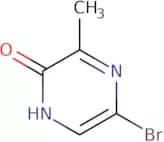
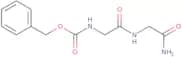
CAS:<p>Please enquire for more information about 5-Bromo-2-hydroxy-3-methyl pyrazine including the price, delivery time and more detailed product information at the technical inquiry form on this page</p>Purity:Min. 95%Z-Gly-Gly-NH2
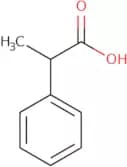
CAS:<p>Z-Gly-Gly-NH2 is a synthetic peptide that has been shown to inhibit the activity of phosphatases, which are enzymes that hydrolyze phosphate groups from phosphorylated substrates. It is a hydrophobic and metal chelator, which makes it suitable for use in chromaffin cells and dorsal root ganglia. Z-Gly-Gly-NH2 has been shown to be specific for inhibition of synaptic phosphatase (PP1). This compound also inhibits the enzyme inhibitor subtilisin, which is found in bacteria such as Streptomyces or Bacillus subtilis. Z-Gly-Gly-NH2 has been shown to have a high affinity for receptors.</p>Formula:C12H15N3O4Purity:Min. 95%Molecular weight:265.27 g/mol2-Phenylpropionic acid
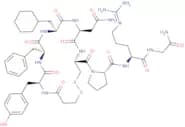
CAS:<p>2-Phenylpropionic acid is a reactive chemical that can be synthesized by an asymmetric process. It has been used in the synthesis of nonsteroidal anti-inflammatory drugs, as it inhibits the activity of cyclooxygenase and lipoxygenase enzymes. This chemical also binds to the hydroxyl group on target proteins, inhibiting their function. 2-Phenylpropionic acid is metabolized by microbial metabolism and can inhibit the activity of drug-metabolizing enzymes such as CYP3A4 and CYP2D6. It may also interact with other drugs that are processed by these enzymes, including warfarin and carbamazepine. 2-Phenylpropionic acid is a competitive inhibitor that binds to the active site of an enzyme and blocks its access to its substrate molecule. The binding of 2-phenylpropionic acid to enzyme's active site prevents the reactant from entering and reacting with the enzyme, thereby preventing a</p>Formula:C9H10O2Purity:Min. 95%Color and Shape:Colorless Clear LiquidMolecular weight:150.17 g/mol(Deamino-Cys1,b-cyclohexyl-Ala4,Arg8)-Vasopressin trifluoroacetate salt
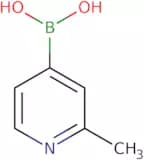
CAS:<p>Desmopressin is a synthetic analogue of vasopressin, which is used to treat disorders associated with insufficient secretion of vasopressin. It has been shown that desmopressin binds to the vasopressin V2 receptor subtype and stimulates the release of arginine-vasopressin in corticotropin-releasing hormone (CRH)-treated rat pituitary cells. This stimulation was mediated by a residue on the Cys1,b-cyclohexyl residue. The binding of desmopressin to this site was demonstrated in vitro using binding experiments on rat brain synaptosomes. Desmopressin has also been shown to stimulate ovulation in rats and humans, and it has been shown to be effective for treating nocturnal enuresis in children.</p>Formula:C50H71N13O11S2Purity:Min. 95%Molecular weight:1,094.31 g/mol2-Methylpyridine-4-boronic acid
CAS:<p>2-Methylpyridine-4-boronic acid is a reactive molecule that has been used in post-column derivatization and vivo studies. It has been shown to be reactive with mass spectrometric analysis, cancer assays, proteomics, and tumorigenic sample preparation. It also has been shown to have a molecular target of the cytochrome P450 reductase (CPR), which is involved in the metabolism of drugs and other xenobiotics. 2-Methylpyridine-4-boronic acid binds to CPR and inhibits its enzymatic activity, thereby affecting the metabolism of xenobiotics.</p>Formula:C6H8BNO2Purity:Min. 95%Color and Shape:White PowderMolecular weight:136.94 g/molCarboxymethyl-Phe-Leu-OH
CAS:<p>Carboxymethyl-Phe-Leu-OH (CMPLE) is a metalloprotease inhibitor that inhibits the activity of proteases, such as serine proteases and cysteine proteases. CMPLE is used to treat infectious diseases caused by bacteria, fungi, or parasites. CMPLE also has been shown to inhibit the formation of inflammatory responses in autoimmune and inflammatory diseases. This drug can be used in combination with benzalkonium chloride or monoclonal antibodies to treat hematopoietic cells. The optimum pH for this drug is 7.5, and it denatures at high temperatures. It also binds to epithelial surface glycoproteins in the gastrointestinal tract and may be useful for treating ulcers caused by Helicobacter pylori infection.</p>Formula:C17H24N2O5Purity:Min. 95%Molecular weight:336.38 g/molH-Arg-Trp-NH2·2 HCl
CAS:<p>Please enquire for more information about H-Arg-Trp-NH2·2 HCl including the price, delivery time and more detailed product information at the technical inquiry form on this page</p>Formula:C17H25N7O2·2HClPurity:Min. 95%Molecular weight:432.35 g/molZ-Tyr-Lys-Arg-pNA·2 TFA
CAS:<p>Z-Tyr-Lys-Arg-pNA·2 TFA is a potent inhibitor of proteases. It has been shown to be an efficient inhibitor of the major yeast protease, proteinase A, and other enzymes that are used for the industrial production of peptides. Z-Tyr-Lys-Arg-pNA·2 TFA is a synthetic peptide with a molecular mass of 5,836 Da and an optimum pH of 7.5. This peptide is synthesized by the chemical reaction between butoxycarbonyl (Boc) Lys(Z)-Tyr(N)-Arg(R)-pNA and 2 equivalents of trifluoroacetic acid (TFA). The synthesis takes place in a homogenous solution in dichloromethane at room temperature in the presence of triethylamine as base. Filtration through a 0.22 μm filter removes any insoluble impurities from the solution.</p>Formula:C35H45N9O8·2C2HF3O2Purity:Min. 95%Molecular weight:947.83 g/molAnthranilyl-HIV Protease Substrate V trifluoroacetate salt
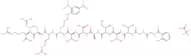
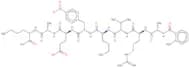
CAS:<p>Please enquire for more information about Anthranilyl-HIV Protease Substrate V trifluoroacetate salt including the price, delivery time and more detailed product information at the technical inquiry form on this page</p>Formula:C50H76N14O13Purity:Min. 95%Molecular weight:1,081.23 g/molBoc-Pro-Gly-OH
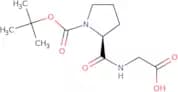
CAS:<p>Boc-Pro-Gly-OH is a synthetic tetrapeptide that is used as a substrate molecule to study collagen hydroxylases. It has been shown to be an excellent substrate for the enzyme collagenase, and its chemical data indicates that it is bound by metal ions. The technique of dichroism was used to confirm the secondary structure of Boc-Pro-Gly-OH. This tetrapeptide has four amino acids, which are proline, glycine, histidine, and hydroxyproline.</p>Formula:C12H20N2O5Purity:Min. 95%Molecular weight:272.3 g/molFmoc-Lys-OH·HCl
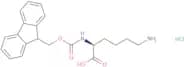
CAS:<p>Fmoc-Lys-OH·HCl is an acidic pyrylium that has been shown to be a potent inhibitor of tumor vasculature. It binds to the human serum albumin and inhibits the binding of ligands to the receptor tyrosine kinases, which are involved in brain tumor proliferation. Fmoc-Lys-OH·HCl has also been shown to inhibit the growth of cancer cells by binding to cell membrane receptors and inhibiting protein synthesis. This compound is also isomeric, meaning it can exist in different forms with different properties.</p>Formula:C21H24N2O4·HClPurity:Min. 95 Area-%Color and Shape:White PowderMolecular weight:404.89 g/molIsovaleryl-Val-Val-Sta-OEt
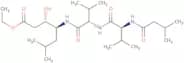
CAS:<p>Isovaleryl-Val-Val-Sta-OEt is a peptide hormone and active inhibitor of the enzyme pepsin. This drug has been shown to have proteolytic activity in vitro, with a pepsin rate constant of 0.0015 min−1. It also inhibits the protease activity of trypsin, chymotrypsin, and elastase at a similar rate. Isovaleryl-Val-Val-Sta-OEt has been shown to be an active inhibitor of polymerase chain reaction (PCR) and reverse transcriptase activities. This drug is not absorbed through skin and can be used as a nonimmunogenic reagent for biochemical studies on water permeability and signal peptide sequences in biological samples.</p>Formula:C25H47N3O6Purity:Min. 95%Molecular weight:485.66 g/molBradykinin (2-9) acetate salt
CAS:<p>Acetate salt</p>Formula:C44H61N11O10Purity:Min. 95%Molecular weight:904.02 g/molFmoc-Pro-Wang resin (200-400 mesh)
<p>Please enquire for more information about Fmoc-Pro-Wang resin (200-400 mesh) including the price, delivery time and more detailed product information at the technical inquiry form on this page</p>Purity:Min. 95%4-[(4-Methylpiperazin-1-yl)methyl]benzoic acid
CAS:<p>4-[(4-Methylpiperazin-1-yl)methyl]benzoic acid is an organic compound. It is a white solid that is insoluble in water but soluble in organic solvents. The molecule has a molecular weight of 224.8 g/mol and contains a carbonyl group and amine functional groups. 4-[(4-Methylpiperazin-1-yl)methyl]benzoic acid can be prepared by the acylation of 4-(aminomethyl)-benzoic acid with imidazole hydrochloride in the presence of sodium carbonate as a base.</p>Formula:C13H18N2O2Purity:Min. 95%Molecular weight:234.29 g/molH-Lys(Mtt)-2-chlorotrityl resin (200-400 mesh)
<p>Please enquire for more information about H-Lys(Mtt)-2-chlorotrityl resin (200-400 mesh) including the price, delivery time and more detailed product information at the technical inquiry form on this page</p>Purity:Min. 95%Acetyl-ACTH (4-24) (human, bovine, rat) trifluoroacetate salt
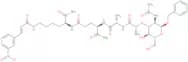
CAS:<p>Please enquire for more information about Acetyl-ACTH (4-24) (human, bovine, rat) trifluoroacetate salt including the price, delivery time and more detailed product information at the technical inquiry form on this page</p>Formula:C123H193N37O26SPurity:Min. 95%Molecular weight:2,638.15 g/molAc-α-benzyl-muramyl-Ala-D-Glu(Lys(trans-(3-nitrocinnamoyl))-NH2)-NH2
CAS:<p>Please enquire for more information about Ac-alpha-benzyl-muramyl-Ala-D-Glu(Lys(trans-(3-nitrocinnamoyl))-NH2)-NH2 including the price, delivery time and more detailed product information at the technical inquiry form on this page</p>Formula:C41H56N8O14Purity:Min. 95%Molecular weight:884.93 g/molFA-Gly-Phe-Leu-OH
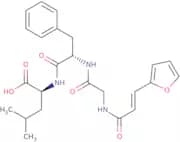
CAS:<p>Please enquire for more information about FA-Gly-Phe-Leu-OH including the price, delivery time and more detailed product information at the technical inquiry form on this page</p>Formula:C24H29N3O6Purity:Min. 95%Molecular weight:455.5 g/mol(Tyr36)-pTH-Related Protein (1-36) (human, mouse, rat)
CAS:<p>Please enquire for more information about (Tyr36)-pTH-Related Protein (1-36) (human, mouse, rat) including the price, delivery time and more detailed product information at the technical inquiry form on this page</p>Formula:C194H303N59O53Purity:Min. 95%Molecular weight:4,309.85 g/molBoc-D-Phe-Pro-Arg-OH
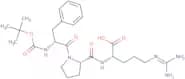
CAS:<p>Boc-D-Phe-Pro-Arg-OH is a receptor binding molecule that belongs to the family of serine proteases. It has been shown to be reactive with multi-walled carbon nanotubes and fatty acids, making it useful for analytical chemistry, processing and amplification. The Boc-D-Phe-Pro-Arg-OH molecule binds to carbohydrate molecules in a way that mimics the action of an enzyme. This binding activates markers and triggers a reaction that produces hydrogen bonds between the target and the substrate. Boc-D-Phe-Pro-Arg-OH has been shown to have high affinity for serine protease receptors.</p>Formula:C25H38N6O6Purity:Min. 95%Molecular weight:518.61 g/molH-Val-Asn-OH
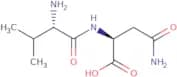
CAS:<p>H-Val-Asn-OH is a polyhydroxyamine that is soluble in water and has a low freezing point. It can be used as a coating material, sectioning medium, or to study the thermal expansion of materials. H-Val-Asn-OH has been shown to have no significant effect on the growth rate of bacteria and spores. H-Val-Asn-OH is made up of nitrogen atoms, ferrite, and strain. The microstructure of H-Val-Asn-OH includes a phase equilibrium with ferrite and strain morphology.</p>Formula:C9H17N3O4Purity:Min. 95%Molecular weight:231.25 g/molAc-Gly-Asp-Tyr-Ser-His-Cys-Ser-Pro-Leu-Arg-Tyr-Tyr-Pro-Trp-Trp-Lys-Cys-Thr-Tyr-Pro-Asp-Pro-Glu-Gly-Gly-Gly-NH2 trifluoroacetate salt (Disulfide bond)
CAS:<p>Please enquire for more information about Ac-Gly-Asp-Tyr-Ser-His-Cys-Ser-Pro-Leu-Arg-Tyr-Tyr-Pro-Trp-Trp-Lys-Cys-Thr-Tyr-Pro-Asp-Pro-Glu-Gly-Gly-Gly-NH2 trifluoroacetate salt (Disulfide bond) including the price, delivery time and more detailed product information at the technical inquiry form on this page</p>Formula:C141H185N35O40S2Purity:Min. 95%Molecular weight:3,074.32 g/molZ-D-Phe-Pro-OH
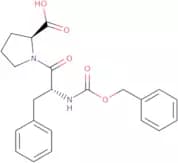
CAS:<p>D-Phe-Pro-OH is a tripeptide that is reversibly inactivated by methanol, chloromethyl ketone, and boronate esters. It can be used as an affinity label for the detection of aldehydes. This compound has been shown to be an inhibitor of protein synthesis and cell growth. It has also been used to synthesize analogs with similar properties, such as Z-D-Phe-Pro-OH.</p>Formula:C22H24N2O5Purity:Min. 95%Molecular weight:396.44 g/molL-Lysine acetate
CAS:Controlled Product<p>L-Lysine acetate is a precursor of L-lysine and is used in the treatment of cancers. It has been shown to promote the growth of pluripotent cells, which can differentiate into any tissue type. L-Lysine acetate promotes cellular transformation by increasing the expression of growth factor-β1 in cells. This compound also enhances cellular physiology, energy metabolism, and protein degradation. L-Lysine acetate inhibits the ubiquitin ligases that are involved in protein degradation, leading to an increase in cell proliferation. The use of L-Lysine acetate has shown promising results for the treatment of infectious diseases such as HIV/AIDS and tuberculosis. L-Lysine acetate blocks the replication of human immunodeficiency virus (HIV) by inhibiting reverse transcriptase activity and blocking its DNA chain elongation process.</p>Formula:C8H18N2O4Purity:Min. 95%Color and Shape:PowderMolecular weight:206.24 g/molH-Ala-Met-OH
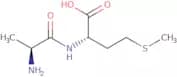
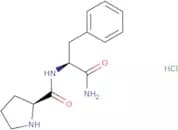
CAS:<p>H-Ala-Met-OH is a hydrophobic amino acid. It is found in the sequence of a number of proteins, including hormones and enzymes. The optimum temperature for this amino acid is around 15 degrees Celsius, which is why it can be found in the cocrystallized dodecyl and racemized divalent forms. H-Ala-Met-OH has been shown to have divalent properties due to its ability to bind with two metal ions at the same time. H-Ala-Met-OH also has an amino acid sequence that can be found in many different proteins and enzymes, such as N-acetyl-L-tyrosine. This amino acid has been used as a target for bioinformatics studies on hormone sequences for the reaction mechanism.</p>Formula:C8H16N2O3SPurity:Min. 95%Molecular weight:220.29 g/molH-Pro-Phe-NH2·HCl
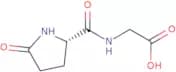
CAS:<p>Please enquire for more information about H-Pro-Phe-NH2·HCl including the price, delivery time and more detailed product information at the technical inquiry form on this page</p>Formula:C14H19N3O2·HClPurity:Min. 95%Molecular weight:297.78 g/molPyr-Gly-OH
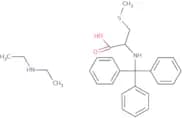
CAS:<p>Pyr-Gly-OH is a metabolite of the amino acid glutamate. It has been shown that this metabolite is formed by a non-enzymatic dehydration of glutamate. This compound has been shown to be effective in treating bowel disease and cancer, as well as stimulating the production of fibrinogen in the blood. Pyr-Gly-OH has also been found to have anti-inflammatory effects and an increased effect on glutamic receptors.</p>Formula:C7H10N2O4Purity:Min. 95%Molecular weight:186.17 g/molTrt-Met-OH·DEA
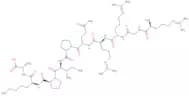
CAS:<p>Please enquire for more information about Trt-Met-OH·DEA including the price, delivery time and more detailed product information at the technical inquiry form on this page</p>Formula:C24H25NO2S·C4H11NPurity:Min. 95%Molecular weight:464.66 g/molHCV Core Protein (59-68)
CAS:<p>Please enquire for more information about HCV Core Protein (59-68) including the price, delivery time and more detailed product information at the technical inquiry form on this page</p>Formula:C50H91N21O12Purity:Min. 95%Molecular weight:1,178.39 g/molG Protein Antagonist Pyr-Gln-D-Trp-Phe-D-Trp-D-Trp-Met-NH2
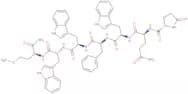
CAS:<p>G protein antagonist Pyr-Gln-D-Trp-Phe-D-Trp-D-Trp-Met-NH2 is a synthetic peptide that inhibits the activity of cyclase enzymes. It has been shown to inhibit skin cancer cells and has been shown to bind intracellular targets, such as protein kinase C, with high affinity. G protein antagonist Pyr-Gln-D-Trp-Phe-D-Trp-D-Trp--Met--NH2 has also been shown to inhibit the guanine nucleotide binding proteins (G proteins), which are necessary for cell signaling. G protein antagonist Pyr--Gln--D--Trp--Phe--D--Trp--D---Trp---Met---NH2 may also be used as an inhibitor of neurokinin 1 receptor activation and whole cell recordings have shown this drug to be potent antagonists of α subunit. G protein antagonist Pyr--Gln--D</p>Formula:C57H64N12O9SPurity:Min. 95%Molecular weight:1,093.26 g/molZ-D-Phe-Phe-Gly-OH
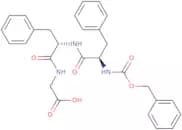
CAS:<p>Z-D-Phe-Phe-Gly-OH is a lysosomal carboxypeptidase that hydrolyzes peptides at the C terminus of proteins. It has a wide substrate specificity and can hydrolyze Z-D-Phe-Phe-Gly, Z-Arg-Lys, and L-Arg. This enzyme has been shown to have ion exchange chromatography activity. The elution profile for this enzyme on a sephadex G-100 column was found to have an optimum pH of 7.5 and elutes at a salt concentration of 0.5M NaCl. Carboxypeptidases are enzymes that cleave at the C terminus of proteins to produce smaller peptides or amino acids. They are involved in digestion, blood clotting, and cell signaling processes.</p>Formula:C28H29N3O6Purity:Min. 95%Color and Shape:White Off-White PowderMolecular weight:503.55 g/mol(Pyr 1)-Opiorphin trifluoroacetate salt
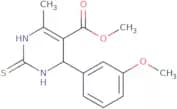
CAS:<p>Please enquire for more information about (Pyr 1)-Opiorphin trifluoroacetate salt including the price, delivery time and more detailed product information at the technical inquiry form on this page</p>Formula:C29H45N11O8Purity:Min. 95%Molecular weight:675.74 g/molMethyl 4-(3-methoxyphenyl)-6-methyl-2-thioxo-1,2,3,4-tetrahydropyrimidine-5-carboxylate
CAS:<p>Please enquire for more information about Methyl 4-(3-methoxyphenyl)-6-methyl-2-thioxo-1,2,3,4-tetrahydropyrimidine-5-carboxylate including the price, delivery time and more detailed product information at the technical inquiry form on this page</p>Formula:C14H16N2O3SPurity:85%MinMolecular weight:292.35 g/molH-Val-Arg-Lys-Arg-Thr-Leu-Arg-Arg-Leu-OH
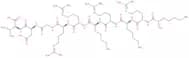
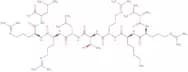
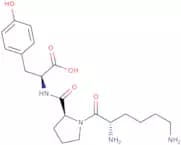
CAS:<p>H-Val-Arg-Lys-Arg-Thr-Leu-Arg-Arg-Leu (HVLAHR) is a synthetic peptide that has been shown to have antiinflammatory properties. The peptide binds to the epidermal growth factor receptor (EGFR) and inhibits the production of proinflammatory cytokines and chemokines, such as IL1α, IL6, IL8, and TNFα. HVLAHR also binds to calmodulin and inhibits protein kinase C (PKC) activity. It has been shown that this peptide has neuroprotective effects in vitro by binding to neurogranin and inhibiting protein phosphorylation. HVLAHR can be used as a model organism in vitro to study protein kinase activity.</p>Formula:C51H100N22O11Purity:Min. 95%Molecular weight:1,197.48 g/molH-Lys-Pro-Tyr-OH acetate salt
CAS:<p>Please enquire for more information about H-Lys-Pro-Tyr-OH acetate salt including the price, delivery time and more detailed product information at the technical inquiry form on this page</p>Formula:C20H30N4O5Purity:Min. 95%Molecular weight:406.48 g/molFmoc-D-Leu-Wang resin (200-400 mesh)
<p>Please enquire for more information about Fmoc-D-Leu-Wang resin (200-400 mesh) including the price, delivery time and more detailed product information at the technical inquiry form on this page</p>Purity:Min. 95%HIV-1 gag Protein p24 (194-210)
CAS:<p>Please enquire for more information about HIV-1 gag Protein p24 (194-210) including the price, delivery time and more detailed product information at the technical inquiry form on this page</p>Formula:C73H126N20O23SPurity:Min. 95%Molecular weight:1,683.97 g/mol(Trp11,D-Phe15·16)-SDF-1 (7-16) (Dimer) (human, cat, mouse) trifluoroacetate salt
<p>Please enquire for more information about (Trp11,D-Phe15·16)-SDF-1 (7-16) (Dimer) (human, cat, mouse) trifluoroacetate salt including the price, delivery time and more detailed product information at the technical inquiry form on this page</p>Formula:C134H180N34O26S2Purity:Min. 95%Molecular weight:2,747.21 g/molRF9 trifluoroacetate salt
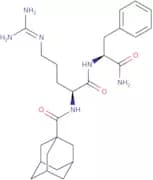
CAS:RF9 is a dipeptide that is structurally similar to the endogenous neuropeptides kisspeptin and arginine-vasopressin. RF9 binds to the GPR54 receptor, which is a G protein-coupled receptor that regulates secretion of luteinizing hormone in the anterior pituitary gland, as well as sexual desire and function. RF9 has been shown to be an antagonist of the GPR54 receptor and has been shown to inhibit the secretion of luteinizing hormone in primates.Formula:C26H38N6O3Purity:Min. 95%Molecular weight:482.62 g/molNeuromedin U-8 (porcine) trifluoroacetate salt
CAS:<p>Neuromedin U-8 (porcine) trifluoroacetate salt H-Tyr-Phe-Leu-Phe-Arg-Pro-Arg-Asn-NH2 trifluoroacetate salt is a molecule that inhibits the action of vasoactive intestinal peptide. It is a peptide hormone that has been shown to be involved in the regulation of bowel function and blood pressure. Neuromedin U-8 (porcine) trifluoroacetate salt H-Tyr-Phe-Leu-Phe-Arg-Pro-Arg-Asn NH2 trifluoroacetate salt has also been shown to inhibit cell proliferation, cancer, and inflammatory bowel disease. Neuromedin U 8 (porcine) trifluoroacetate salt H Tyr Phe Leu Phe Arg Pro Arg Asn NH2 trifluoroacetate salt binds to the receptor for</p>Formula:C54H78N16O10Purity:Min. 95%Molecular weight:1,111.3 g/mol(Des-octanoyl)-Ghrelin (human) acetate salt
CAS:<p>Acetate salt</p>Formula:C141H235N47O41·xC2H4O2Purity:Min. 95%Molecular weight:3,244.67 g/mol6-Chloro-2-methylbenzoic acid
CAS:<p>6-Chloro-2-methylbenzoic acid is a methyl ester that is used in the synthesis of 2-chloro-6-fluorobenzaldehyde. This chemical reacts with hydrogen peroxide to produce chloride and 2,6-dichlorobenzoic acid. The compound can also be synthesized from 2,6-dichlorobenzaldehyde and methoxyethanol. 6CMB has been shown to react with anions such as Cl-, Br-, NO2-, SO3H, and PO3H2 to form organic carboxylates or sulfoxides. It has also been shown to be a byproduct of the reaction between chloral hydrate and potassium permanganate.</p>Formula:C8H7ClO2Purity:90%Color and Shape:PowderMolecular weight:170.59 g/molH-Cys(Trt)-2-chlorotrityl resin (200-400 mesh)
<p>Please enquire for more information about H-Cys(Trt)-2-chlorotrityl resin (200-400 mesh) including the price, delivery time and more detailed product information at the technical inquiry form on this page</p>Purity:Min. 95%Dnp-Pro-Leu-Gly-Cys(Me)-His-Ala-D-Arg-NH2
CAS:<p>Dnp-Pro-Leu-Gly-Cys(Me)-His-Ala-D-Arg-NH2 is a protease that was isolated from the fungus Aspergillus niger. It has been shown to have high efficiency in cleaving peptide bonds, which makes it useful for protein sequencing and analysis. Dnp-Pro-Leu-Gly-Cys(Me)-His-Ala-D-Arg-NH2 can be used as an enzyme in the production of collagenase, a protein that breaks down collagen. This enzyme also has potential applications in the production of analogs for use in chromatography and sequencing techniques. The variable amino acids at positions 2, 3, 5, 6, 7, 9, 10, 11, 12 and 13 are important for activity and substrate specificity. The enzyme's activity is optimal under high pressure conditions and at pH 8.0. Dnp--Pro--Leu--Gly--Cys</p>Formula:C38H57N15O11SPurity:Min. 95%Molecular weight:932.02 g/mol(Ser8)-GLP-1 (7-36) amide (human, bovine, guinea pig, mouse, rat) trifluoroacetate salt
CAS:<p>Please enquire for more information about (Ser8)-GLP-1 (7-36) amide (human, bovine, guinea pig, mouse, rat) trifluoroacetate salt including the price, delivery time and more detailed product information at the technical inquiry form on this page</p>Formula:C149H226N40O46Purity:Min. 95%Molecular weight:3,313.63 g/molAmyloid P Component (27-38) amide trifluoroacetate salt
CAS:<p>Please enquire for more information about Amyloid P Component (27-38) amide trifluoroacetate salt including the price, delivery time and more detailed product information at the technical inquiry form on this page</p>Formula:C68H107N19O17SPurity:Min. 95%Molecular weight:1,494.76 g/molKisspeptin-13 (human) trifluoroacetate salt
CAS:<p>Please enquire for more information about Kisspeptin-13 (human) trifluoroacetate salt including the price, delivery time and more detailed product information at the technical inquiry form on this page</p>Formula:C78H107N21O18Purity:Min. 95%Molecular weight:1,626.81 g/molMCH-Gene-Overprinted-Polypeptide-14 (rat)
CAS:<p>Please enquire for more information about MCH-Gene-Overprinted-Polypeptide-14 (rat) including the price, delivery time and more detailed product information at the technical inquiry form on this page</p>Formula:C80H132N22O18S3Purity:Min. 95%Molecular weight:1,786.24 g/molH-Leu-Trp-Met-Arg-Phe-OH acetate salt
CAS:<p>H-Leu-Trp-Met-Arg-Phe-OH acetate salt is a molecule that transports amino acids across the cell membrane of bacteria, preventing bacterial growth. It is produced by proctolin and functional groups in dental plaque. This compound has been shown to inhibit the growth of bacteria in vitro by binding to hypochlorous acid, which is part of the antimicrobial activity of human neutrophils. H-Leu-Trp-Met-Arg-Phe-OH acetate salt has been used as a tracer for studying amino acid transport in E. coli cells and its uptake into extracellular vesicles. The product can also be used as an antiplaque agent due to its ability to inhibit the acid transport system and uptake of amino acids from the environment.</p>Formula:C37H53N9O6SPurity:Min. 95%Molecular weight:751.94 g/molACTH (7-38) (human)
CAS:<p>ACTH is a hormone that is produced by the anterior lobe of the pituitary gland. It stimulates the release of cortisol from the adrenal cortex. ACTH (7-38) has been shown to have cytosolic Ca2+ channel-blocking and antimicrobial activities, as well as an effect on defensin production in human neutrophils. ACTH (7-38) also has been shown to inhibit cytokine production in rat astrocytes, and to stimulate prostaglandin synthesis in mouse fibroblasts. This peptide also has been shown to have physiological effects on bowel disease and inflammatory bowel disease.</p>Formula:C167H257N47O46Purity:Min. 95%Molecular weight:3,659.12 g/molNeuropeptide Y (13-36) (human, rat) trifluoroacetate salt
CAS:<p>Trifluoroacetate salt</p>Formula:C134H207N41O36SPurity:Min. 95%Molecular weight:3,000.4 g/molIndole-3-acetic-L-alanine
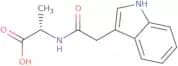
CAS:<p>Indole-3-acetic-L-alanine is a plant hormone that regulates root formation and transport. It is found in all plants, but the concentration varies depending on the plant, tissue type, and growth conditions. It has been shown to regulate root formation in triticum aestivum by inhibiting auxin transport to the roots. Indole-3-acetic acid also inhibits auxin transport to the shoot apex, leading to increased branching in triticum aestivum. This compound is hydrolyzed by root cell enzymes into indole-3-acetate and L-alanine. Genetic mechanisms underlying this phenomenon are not well understood at this time.</p>Formula:C13H14N2O3Purity:Min. 95%Color and Shape:PowderMolecular weight:246.26 g/molH-Gly-Phe-Tyr-OH
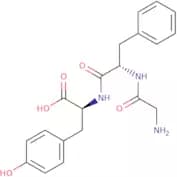
CAS:<p>H-Gly-Phe-Tyr-OH is a water soluble polymer that can be conjugated to drugs. The polymer is composed of methacrylamide and Gly, Phe, and Tyr residues. This polymer is used in the treatment of cancer by conjugating a drug to the polymer to make it water soluble. H-Gly-Phe-Tyr-OH can also be used as a polymeric carrier for docetaxel or gemcitabine.</p>Formula:C20H23N3O5Purity:Min. 95%Molecular weight:385.41 g/molCoagulation Factor XIIIa (190-230)
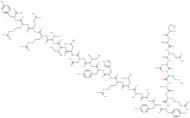
CAS:Controlled Product<p>Please enquire for more information about Coagulation Factor XIIIa (190-230) including the price, delivery time and more detailed product information at the technical inquiry form on this page</p>Formula:C220H322N54O73Purity:Min. 95%Molecular weight:4,891.23 g/mol(D-Trp6,D-Leu7)-LHRH trifluoroacetate salt
CAS:<p>Please enquire for more information about (D-Trp6,D-Leu7)-LHRH trifluoroacetate salt including the price, delivery time and more detailed product information at the technical inquiry form on this page</p>Formula:C64H82N18O13Purity:Min. 95%Molecular weight:1,311.45 g/molN-[3-Fluoro-4-[6-(2-methyl-2H-tetrazol-5-yl)-3-pyridinyl]phenyl]carbamic acid phenylmethyl ester
CAS:<p>Intermediate in the synthesis of tedizolid</p>Formula:C21H17FN6O2Purity:Min. 95%Molecular weight:404.4 g/molAmyloid β-Protein (1-46)
CAS:<p>Please enquire for more information about Amyloid beta-Protein (1-46) including the price, delivery time and more detailed product information at the technical inquiry form on this page</p>Formula:C223H347N59O65SPurity:Min. 95%Molecular weight:4,926.57 g/molUrocortin (human) trifluoroacetate salt
CAS:<p>Trifluoroacetate salt</p>Formula:C204H337N63O64Purity:Min. 95%Molecular weight:4,696.24 g/molNeuromedin U-23 (rat) trifluoroacetate salt
CAS:<p>Neuromedin U-23 (rat) is a peptide that belongs to the family of tachykinins, which are small neuropeptides that act as neurotransmitters in the central nervous system. It is a potent stimulator of intestinal motility and has been shown to have protective effects against oxidative stress in cells. Neuromedin U-23 (rat) shares sequence similarity with human neuromedin N-19 and binds to the same receptors in the brain, suggesting it may have similar physiological effects. This peptide has been shown to inhibit tumor cell growth by inducing apoptosis, but it does not appear to have any effect on healthy cells.</p>Formula:C124H180N34O31Purity:Min. 95%Molecular weight:2,642.97 g/molKisspeptin-54 (27-54) (human) trifluoroacetate salt
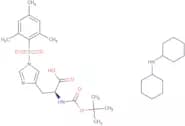
CAS:<p>Please enquire for more information about Kisspeptin-54 (27-54) (human) trifluoroacetate salt including the price, delivery time and more detailed product information at the technical inquiry form on this page</p>Formula:C149H226N42O39Purity:Min. 95%Molecular weight:3,229.65 g/molBoc-His(1-Mts)-OH·DCHA
CAS:Controlled Product<p>Please enquire for more information about Boc-His(1-Mts)-OH·DCHA including the price, delivery time and more detailed product information at the technical inquiry form on this page</p>Formula:C20H27N3O6S·C12H23NPurity:Min. 95%Molecular weight:618.83 g/mol(D-Tyr27·36,D-Thr32)-Neuropeptide Y (27-36) trifluoroacetate salt
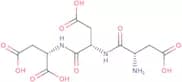
CAS:<p>Please enquire for more information about (D-Tyr27·36,D-Thr32)-Neuropeptide Y (27-36) trifluoroacetate salt including the price, delivery time and more detailed product information at the technical inquiry form on this page</p>Formula:C61H99N19O15Purity:Min. 95%Molecular weight:1,338.56 g/molH-Asp-Asp-Asp-OH
CAS:<p>H-Asp-Asp-Asp-OH is a peptide that has been shown to disrupt the cytosol and cause apoptosis. It can also induce proteolytic maturation and modulate autocatalytic functions. H-Asp-Asp-Asp-OH induces apoptosis by activating caspase 9 and caspase 3, which cleaves poly (ADP ribose) polymerase (PARP). This leads to DNA fragmentation, chromatin condensation, nuclear fragmentation, cell shrinkage, membrane blebbing, and nuclear pyknosis. H-Asp-Asp-Asp-OH binds to the regulatory domain of caspase 9 and prevents it from being activated. The peptide also activates caspase 8 by binding to its regulatory domain, which then activates caspases 3 and 7. H-Asp-Asp-Asp-OH also stimulates the release of granzyme B from cytot</p>Formula:C12H17N3O10Purity:Min. 95%Molecular weight:363.28 g/molHirullin
CAS:<p>Hirullin H-Ser-Asp-Phe-Glu-Glu-Phe-Ser-Leu-Asp-Asp-Ile-Glu-Gln is a peptide with a carboxy terminal and carbonyl group. It has minimal inhibitory concentrations of about 100 nM for most bacteria and is active against the majority of Gram positive bacteria. Hirullin H is composed of amino acid sequences that are similar to the sequences of active substances in other compounds, such as hirulog, an anticoagulant, and heparin, an antithrombotic drug. Hirullin H has been shown to have bifunctional properties by inhibiting thrombin, which is responsible for blood clotting, while also inhibiting platelet activation.</p>Formula:C68H96N14O29Purity:Min. 95%Molecular weight:1,573.57 g/molMca-(Asn670,Leu671)-Amyloid β/A4 Protein Precursor770 (669-674)-Lys(Dnp)
CAS:<p>Please enquire for more information about Mca-(Asn670,Leu671)-Amyloid beta/A4 Protein Precursor770 (669-674)-Lys(Dnp) including the price, delivery time and more detailed product information at the technical inquiry form on this page</p>Formula:C51H67N11O21Purity:Min. 95%Molecular weight:1,170.14 g/molH-Ala-Ala-Pro-Leu-pNA·HCl
CAS:<p>Please enquire for more information about H-Ala-Ala-Pro-Leu-pNA·HCl including the price, delivery time and more detailed product information at the technical inquiry form on this page</p>Formula:C23H34N6O6·HClPurity:Min. 95%Molecular weight:527.01 g/molFurin Inhibitor II trifluoroacetate salt
CAS:<p>Furin inhibitor II is a small molecule that inhibits the activity of furin, which is an enzyme used in the processing of growth factor-β1. Furin inhibitor II binds to human receptors and blocks their binding to the surface glycoprotein on cancer cells. Furin inhibitor II also has physiological activities, such as reducing inflammation, inhibiting viral replication, and inhibiting the growth of bacteria. Furin inhibitor II may be useful for treating cancer or infectious diseases.</p>Formula:C36H75N25O6Purity:Min. 95%Molecular weight:954.15 g/molBiotinyl-Obestatin (rat) trifluoroacetate salt
CAS:<p>Please enquire for more information about Biotinyl-Obestatin (rat) trifluoroacetate salt including the price, delivery time and more detailed product information at the technical inquiry form on this page</p>Formula:C124H188N36O33SPurity:Min. 95%Molecular weight:2,743.11 g/molAc-Phe-Glu-Trp-Thr-Pro-Gly-Trp-Tyr-Gln-L-azetidine-2-carbonyl-Tyr-Ala-Leu-Pro-Leu-NH2
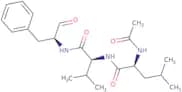
CAS:<p>The peptide Ac-Phe-Glu-Trp-Thr-Pro-Gly-Trp-Tyr-Gln-L-azetidine-2-carbonyl-Tyr-Ala-Leu-Pro-Leu (AFGP) is a small molecule that has been shown to be effective in the prophylaxis and treatment of infectious diseases. AFGP is used as an excipient in intravenous solutions, such as antibiotics, vaccines, and other injectable drugs. It also functions as a diluent for lyophilized products. In addition to its use in the pharmaceutical industry, AFGP is also used as an excipient for vaccine preparations and other injectable drugs. AFGP has been shown to reduce the symptoms of inflammatory diseases, such as asthma and rheumatoid arthritis. This peptide has also been shown to have antiinflammatory and antifibrotic properties.</p>Formula:C96H123N19O22Purity:Min. 95%Molecular weight:1,895.12 g/molAc-Leu-Val-Phe-aldehyde
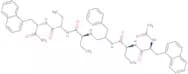
CAS:<p>Ac-Leu-Val-Phe-aldehyde is a synthetic compound that inhibits the catalytic activity of carboxyl enzymes. It binds to the catalytic site of the enzyme via a noncovalent interaction with residues on the polypeptide chain, thereby preventing the formation of an active complex with other cofactors such as metal ions, amino acids, and ATP. Ac-Leu-Val-Phe-aldehyde can be used in analytical chemistry for determination of carboxyl groups in organic compounds or for determining protein content in biological samples. Ac-Leu-Val-Phe-aldehyde has also been shown to bind to antibodies which are specific for carboxyl groups.</p>Formula:C22H33N3O4Purity:Min. 95%Molecular weight:403.52 g/molAc-1-Nal-Abu-Phe-psi(CH2NH) Abu-Abu-1-Nal-NH2
CAS:<p>Please enquire for more information about Ac-1-Nal-Abu-Phe-psi(CH2NH) Abu-Abu-1-Nal-NH2 including the price, delivery time and more detailed product information at the technical inquiry form on this page</p>Formula:C49H59N7O6Purity:Min. 95%Molecular weight:842.04 g/mol










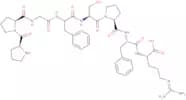

![4-[(4-Methylpiperazin-1-yl)methyl]benzoic acid](/_next/image/?url=https%3A%2Fstatic.cymitquimica.com%2Fproducts%2F3D%2Fthumb-webp%2FFM136767.webp&w=3840&q=75)









![N-[3-Fluoro-4-[6-(2-methyl-2H-tetrazol-5-yl)-3-pyridinyl]phenyl]carbamic acid phenylmethyl ester](/_next/image/?url=https%3A%2Fstatic.cymitquimica.com%2Fproducts%2F3D%2Fthumb-webp%2FFF102200.webp&w=3840&q=75)