Amino Acids (AA)
Amino acids (AAs) are the fundamental building blocks of proteins, playing a crucial role in various biological processes. These organic compounds are essential for protein synthesis, metabolic pathways, and cell signaling. In this category, you will find a comprehensive range of amino acids, including essential, non-essential, and modified forms, which are vital for research in biochemistry, molecular biology, and nutritional sciences. At CymitQuimica, we provide high-quality amino acids to support your research and development needs, ensuring accuracy and reliability in your experimental outcomes.
Subcategories of "Amino Acids (AA)"
- Amino Acid Derivatives(3,955 products)
- Amino Acid and Amino Acid Related Compounds(3,469 products)
- Amino Acids with Oxygen or Sulphur(168 products)
- Boc- Amino Acids(351 products)
- Fmoc Amino Acids(1,710 products)
Found 38260 products of "Amino Acids (AA)"
Sort by
Purity (%)
0
100
|
0
|
50
|
90
|
95
|
100
H-Gly-Gly-Asp-Ala-OH
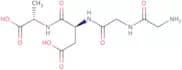
CAS:<p>Please enquire for more information about H-Gly-Gly-Asp-Ala-OH including the price, delivery time and more detailed product information at the technical inquiry form on this page</p>Formula:C11H18N4O7Purity:Min. 95%Molecular weight:318.28 g/molH-Ala-allyl ester·p-tosylate
CAS:<p>H-Ala-allyl ester·p-tosylate is an organic solvent that has been used to synthesize cyclic peptides and amide derivatives. It is a molecule with a chiral center, which means that it can have two different structures that are mirror images of each other. The enantiomer of H-Ala-allyl ester·p-tosylate is the opposite of L-Ala-allyl ester·p-tosylate in terms of its physical properties and biological activity. Modifications on the side chain such as positioning or modifications can be made to the molecule. Disulfide bonds can also be introduced into the side chain to form linkers for polymerization initiators. Synthesis of H-Ala-allyl ester·p-tosylate requires strong conditions such as heating or irradiation with UV light, which makes it difficult for production.</p>Formula:C6H11NO2·C7H8O3SPurity:Min. 95%Molecular weight:301.36 g/molBpoc-Gly-OH·DCHA
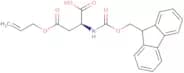
CAS:Controlled Product<p>Please enquire for more information about Bpoc-Gly-OH·DCHA including the price, delivery time and more detailed product information at the technical inquiry form on this page</p>Formula:C18H19NO4·C12H23NPurity:Min. 95%Molecular weight:494.67 g/molFmoc-L-aspartic acid β-allyl ester
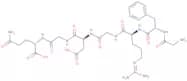
CAS:<p>Fmoc-L-aspartic acid beta-allyl ester is a specific interaction between an amide and an enzyme target. It has been shown to have anti-inflammatory properties by inhibiting the activity of COX-2, which inhibits the production of prostaglandins. Fmoc-L-aspartic acid beta-allyl ester is a cyclic peptide with a lactam ring system that has been synthesized in a stepwise manner on a solid phase. This molecule interacts with cell line A549 and blocks the proliferation of cancer cells. Fmoc-L-aspartic acid beta-allyl ester also contains a disulfide bond that stabilizes its structure.</p>Formula:C22H21NO6Purity:Min. 95%Molecular weight:395.41 g/molH-Gly-Phe-Arg-Gly-Asp-Gly-Gln-OH
CAS:<p>Arg-gly-asp is a synthetic peptide that has been shown to have biological activity in vitro. This peptide is an agonist of the receptor for extracellular matrix proteins, such as fibronectin and vitronectin. It has been shown to reversibly inhibit the binding of fibronectin and vitronectin to immobilized antibody in vitro and also to inhibit endometrial cell proliferation in vivo. Arg-gly-asp was found to be dose-dependent with a maximal effect at 1 microgram/mL.</p>Formula:C30H45N11O11Purity:Min. 95%Molecular weight:735.75 g/mol(Des-octanoyl)-Ghrelin (human) acetate salt
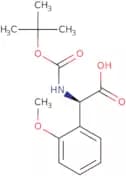
CAS:<p>Acetate salt</p>Formula:C141H235N47O41·xC2H4O2Purity:Min. 95%Molecular weight:3,244.67 g/molBoc-(R)-2-methoxyphenylglycine
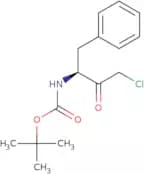
CAS:<p>Please enquire for more information about Boc-(R)-2-methoxyphenylglycine including the price, delivery time and more detailed product information at the technical inquiry form on this page</p>Formula:C14H19NO5Purity:Min. 95%Molecular weight:281.3 g/mol(3S)-3-(tert-Butoxycarbonyl)amino-1-chloro-4-phenyl-2-butanone
CAS:<p>(3S)-3-(tert-Butoxycarbonyl)amino-1-chloro-4-phenyl-2-butanone is an organic compound that belongs to the class of carbonyl reductase. It is used as a catalyst for the transformation of secondary alcohols to ketones or aldehydes, including isopropyl alcohol. The reaction proceeds via an intermediate carboxylic acid. The enzyme has been found in various microorganisms, and can be purified from Bacillus megaterium and Streptomyces lividans. The enzyme’s activity can be inhibited by steric effects, metal ions, or other compounds. (3S)-3-(tert-Butoxycarbonyl)amino-1-chloro-4-phenyl-2-butanone crystallizes in two forms: one with the chiral center at the 3 position and one with it at the 4 position.</p>Purity:Min. 95%Z-Val-Leu-Arg-4MbNA·HCl
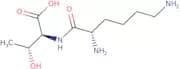
CAS:<p>Please enquire for more information about Z-Val-Leu-Arg-4MbNA·HCl including the price, delivery time and more detailed product information at the technical inquiry form on this page</p>Formula:C36H49N7O6·HClPurity:Min. 95%Molecular weight:712.28 g/molH-Lys-Thr-OH hydrochloride salt
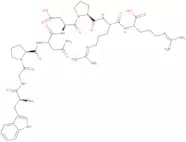
CAS:<p>H-Lys-Thr-OH hydrochloride salt is a synthetic amino acid that has been used in the synthesis of a cyclic peptide. The synthesis was achieved by metathesis reactions, which involved the reaction of an acid chloride with a chiral amine to form an ester. H-Lys-Thr-OH hydrochloride salt has been shown to have high binding constants to its targets and can be used as a selective reagent for the synthesis of virus proteins. It is also able to bind to carboxylate groups, which are common in wild type viruses and gene products. This reagent also has cleavage products, which can be used for efficient method for synthesizing cyclic peptides.</p>Formula:C10H21N3O4Purity:Min. 95%Molecular weight:247.29 g/molHCV Core Protein (107-114)
CAS:<p>Please enquire for more information about HCV Core Protein (107-114) including the price, delivery time and more detailed product information at the technical inquiry form on this page</p>Formula:C43H64N16O12Purity:Min. 95%Molecular weight:997.07 g/molH(-Asn-Pro-Asn-Ala)2-OH
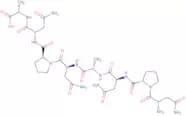
CAS:<p>Please enquire for more information about H(-Asn-Pro-Asn-Ala)2-OH including the price, delivery time and more detailed product information at the technical inquiry form on this page</p>Formula:C32H50N12O13Purity:Min. 95%Molecular weight:810.81 g/molH-Asp-Ala-OH
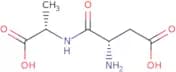
CAS:<p>Adriamycin is an anticancer drug that is a structural analogue of aspartic acid. It can be synthesized in a solid-phase synthesis using a polymeric resin with an acidic functional group, such as H-Asp-Ala-OH. Adriamycin inhibits the production of inflammatory cytokines and prostaglandins, which are involved in the development of inflammatory diseases. Adriamycin has been shown to have anti-inflammatory effects on human serum and to inhibit the production of proteins important for tumor cell proliferation. Adriamycin also has anti-inflammatory properties due to its ability to bind with hydrogen bonds to acidic residues on proteins.<br>END></p>Formula:C7H12N2O5Purity:Min. 98 Area-%Color and Shape:PowderMolecular weight:204.18 g/mol(Tyr0)-Fibrinopeptide A (human)
CAS:<p>Please enquire for more information about (Tyr0)-Fibrinopeptide A (human) including the price, delivery time and more detailed product information at the technical inquiry form on this page</p>Formula:C72H106N20O28Purity:Min. 95%Molecular weight:1,699.73 g/mol(Des-Tyr1)-Leu-Enkephalin
CAS:<p>Des-Tyr1-Leu-Enkephalin H-Gly-Gly-Phe-Leu-OH is a synthetic opioid peptide that acts as a neuroprotective agent and has been shown to enhance the expression of nerve growth factor. It also has immunomodulatory effects by interacting with opioid receptors and regulating the production of inflammatory cytokines. Des-Tyr1-Leu-Enkephalin H-Gly-Gly-Phe-Leu-OH binds to opioid receptors in the central nervous system, thereby triggering a response that leads to pain relief and suppression of cough reflexes. This peptide has been shown to be effective in clinical trials for patients with neuropathic pain or postoperative ileus. It also shows promise as an analgesic for cancer patients with chronic pain, although this use is still experimental.</p>Formula:C19H28N4O5Purity:Min. 95%Molecular weight:392.45 g/mol(N-Me-Phe7)-Neurokinin B trifluoroacetate salt
CAS:<p>Please enquire for more information about (N-Me-Phe7)-Neurokinin B trifluoroacetate salt including the price, delivery time and more detailed product information at the technical inquiry form on this page</p>Formula:C60H81N13O14S2Purity:Min. 95%Molecular weight:1,272.5 g/molH-Lys-Glu-Thr-Tyr-Ser-Lys-OH
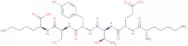
CAS:<p>Please enquire for more information about H-Lys-Glu-Thr-Tyr-Ser-Lys-OH including the price, delivery time and more detailed product information at the technical inquiry form on this page</p>Formula:C33H54N8O12Purity:Min. 95%Molecular weight:754.83 g/molLys-(Des-Arg9)-Bradykinin trifluoroacetate salt
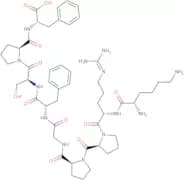
CAS:<p>Lys-(Des-Arg9)-Bradykinin trifluoroacetate salt H-Lys-Arg-Pro-Pro-Gly-Phe-Ser-Pro-Phe-OH trifluoroacetate salt (KBP) is a peptide that increases blood pressure by binding to the b2 receptor. This drug has been shown to be a potent pressor in animals and humans, with a concentration response curve similar to that of epinephrine. KBP binds to the extracellular domain of the b2 receptor, which activates this receptor and promotes the release of growth factors, such as epidermal growth factor (EGF). The high affinity of KBP for the b2 receptor is thought to be due to its ability to sequester EGF.</p>Formula:C50H73N13O11Purity:Min. 95%Molecular weight:1,032.2 g/molFmoc-Tyr(Boc-Nmec)-OH
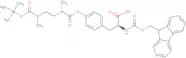
CAS:<p>Fmoc-Tyr(Boc-Nmec)-OH is a hydrophobic amino acid that can be used in the synthesis of peptides. It is soluble in organic solvents and has been shown to have intramolecular cyclization reaction. Fmoc-Tyr(Boc-Nmec)-OH can be coupled with other amino acids using an amide bond, and has been shown to react with cationic groups such as tyrosine residues. This compound is often used in solid-phase peptide synthesis, where the product is cleaved from the resin by the action of aqueous acid or base before being purified. Fmoc-Tyr(Boc-Nmec)-OH can also be used for neutralizing alkaline conditions during peptide synthesis.</p>Formula:C34H39N3O8Purity:Min. 95%Molecular weight:617.69 g/molH-Ala-Ala-Ala-Tyr-Ala-OH
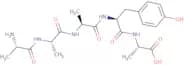
CAS:<p>Please enquire for more information about H-Ala-Ala-Ala-Tyr-Ala-OH including the price, delivery time and more detailed product information at the technical inquiry form on this page</p>Formula:C21H31N5O7Purity:Min. 95%Molecular weight:465.5 g/molH-Lys-Lys-Glu-Asp-Val-Val-Abu-Cys-Ser-Abu-Ser-Tyr-Lys-Lys-NH2
CAS:<p>Please enquire for more information about H-Lys-Lys-Glu-Asp-Val-Val-Abu-Cys-Ser-Abu-Ser-Tyr-Lys-Lys-NH2 including the price, delivery time and more detailed product information at the technical inquiry form on this page</p>Formula:C69H119N19O21SPurity:Min. 95%Molecular weight:1,582.86 g/molH-Arg-Asn-Ile-Ala-Glu-Ile-Ile-Lys-Asp-Ile-OH
CAS:<p>Arg-Asn-Ile-Ala-Glu-Ile-Ile-Lys-Asp is a synthetic peptide that was designed to be unidirectional in its metabolic activity. This peptide has been shown to stimulate nerve growth and promote axonal outgrowth. It can also be used to treat neuropathic pain and other conditions related to the nervous system. The Arg-Asn-Ile-Ala-Glu sequence has been shown to increase nerve growth factor synthesis, which promotes axonal outgrowth. This sequence may also have potential as an antiadhesive or antiinflammatory agent since it may inhibit the interactions of inflammatory cells with the endothelium.</p>Formula:C52H93N15O16Purity:Min. 95%Molecular weight:1,184.39 g/molAcetyl-Hirudin (53-65) (sulfated) Ac-Asp-Gly-Asp-Phe-Glu-Glu-Ile-Pro-Glu-Glu-Tyr(SO3H)-Leu-Gln-OH
CAS:<p>Acetyl-Hirudin 53-65 (sulfated) Ac-Asp-Gly-Asp-Phe-Glu-Glu-Ile-Pro-Glu-Glu-Tyr(SO3H)-Leu-Gln-OH is an anticoagulant drug that is used to prevent blood clots. It has been shown to inhibit thrombin and dextran sulfate, a substance that can cause blood clots. Acetyl Hirudin 53–65 (sulfated) Ac Asp Gly Asp Phe Glu Glu Ile Pro Glu Glu Tyr (SO3H) Leu Gln OH also prevents the formation of new blood clots by inhibiting the expression of certain proteins such as epidermal growth factor, monoclonal antibody, and fibrinogen. The molecular weight of this compound is about 8,000 Daltons.</p>Formula:C72H100N14O32SPurity:Min. 95%Molecular weight:1,705.71 g/molZ-D-Ala-Phe-OH
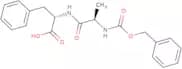
CAS:<p>Please enquire for more information about Z-D-Ala-Phe-OH including the price, delivery time and more detailed product information at the technical inquiry form on this page</p>Formula:C20H22N2O5Purity:Min. 95%Molecular weight:370.4 g/molNeurokinin B trifluoroacetate salt
CAS:<p>Neurokinin B trifluoroacetate salt H-Asp-Met-His-Asp-Phe-Phe-Val-Gly-Leu-Met-NH2 trifluoroacetate salt is a synthetic peptide that is a potent and selective antagonist of the NMDA receptor. Neurokinin B trifluoroacetate salt H-Asp-Met-His-Asp-Phe-Phe-Val-Gly-Leu-Met NH2 trifluoroacetate salt has been shown to be effective in animal models of chronic pain, neuropathic pain, and bone age delay. This synthetic peptide has also been shown to be effective in the treatment of squamous cell carcinoma and acid lesions in human subjects. The molecular weight of this compound is 624.6 g/mol.br><br>Neurokinin B trifluoroacetate salt H Asp Met His Asp P</p>Formula:C55H79N13O14S2Purity:Min. 95%Molecular weight:1,210.43 g/molFmoc-p-nitro-Phe-Wang resin (200-400 mesh)
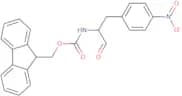
<p>Please enquire for more information about Fmoc-p-nitro-Phe-Wang resin (200-400 mesh) including the price, delivery time and more detailed product information at the technical inquiry form on this page</p>Purity:Min. 95%H-Leu-Leu-Val-Tyr-OH
CAS:<p>Please enquire for more information about H-Leu-Leu-Val-Tyr-OH including the price, delivery time and more detailed product information at the technical inquiry form on this page</p>Formula:C26H42N4O6Purity:Min. 95%Molecular weight:506.64 g/mol(Val438)-Tyrosinase (432-444) (human) acetate salt
CAS:<p>H-SYLQDSVPDSFQD-OH peptide, corresponding to amino acids 432-444 of human Tyrosinase. The peptide is supplied as an acetate salt.</p>Formula:C65H93N15O26Purity:Min. 95%Molecular weight:1,500.52 g/molH-Tyr-Ile-Gly-Ser-Arg-OH trifluoroacetate salt
CAS:<p>The H-Tyr-Ile-Gly-Ser-Arg-OH trifluoroacetate salt is a synthetic peptide that has been shown to promote neuronal growth and axonal regeneration. This compound has been synthesized using a biocompatible polymer, collagen gel, and neurotrophic factors. The peptide is also able to stimulate the synthesis of collagen in mesenchymal cells cultured in tissue culture. The peptide can be used for treatment of subcutaneous tumors and neural injury.</p>Formula:C26H42N8O8Purity:Min. 95%Molecular weight:594.66 g/molFmoc-Ser(tBu)-Thr(Psi(Me ,Me)pro)-OH
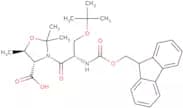
CAS:<p>Please enquire for more information about Fmoc-Ser(tBu)-Thr(Psi(Me ,Me)pro)-OH including the price, delivery time and more detailed product information at the technical inquiry form on this page</p>Formula:C29H36N2O7Purity:Min. 95%Color and Shape:PowderMolecular weight:524.61 g/mol((R)-4-Hydroxy-4-methyl-Orn7)-phalloidin
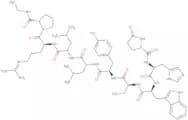
CAS:<p>Please enquire for more information about ((R)-4-Hydroxy-4-methyl-Orn7)-phalloidin including the price, delivery time and more detailed product information at the technical inquiry form on this page</p>Formula:C35H49N9O10SPurity:Min. 95%Color and Shape:PowderMolecular weight:787.88 g/mol(Des-Gly10,D-Tyr5,D-Leu6,Pro-NHEt 9)-LHRH
CAS:<p>Please enquire for more information about (Des-Gly10,D-Tyr5,D-Leu6,Pro-NHEt 9)-LHRH including the price, delivery time and more detailed product information at the technical inquiry form on this page</p>Formula:C59H84N16O12Purity:Min. 95%Molecular weight:1,209.4 g/molUroguanylin Topoisomer A (human) trifluoroacetate salt
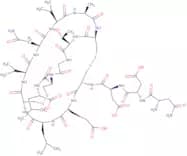
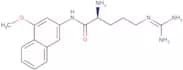
CAS:<p>Trifluoroacetate salt</p>Formula:C64H102N18O26S4Purity:Min. 95%Molecular weight:1,667.86 g/molH-Arg-4MbetaNA hydrochloride salt
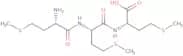
CAS:<p>Please enquire for more information about H-Arg-4MbetaNA hydrochloride salt including the price, delivery time and more detailed product information at the technical inquiry form on this page</p>Formula:C17H23N5O2·xHClPurity:Min. 95%Molecular weight:365.86 g/molH-Met-Met-Met-OH
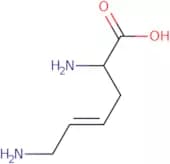
CAS:<p>H-Met-Met-Met-OH is a synthetic, antifungal drug that inhibits the synthesis of fatty acids. It has been shown to inhibit the growth of E coli K-12, which is responsible for the production of toxic substances in the intestine. H-Met-Met-Met-OH inhibits peptidase activity and fatty acid synthesis by competing with other substrates for uptake into the cell. H-Met-Met-Met-OH also inhibits sugar transport, leading to a decrease in glycolysis and energy production. The drug has been used in clinical trials against Candida albicans and Cryptococcus neoformans.</p>Formula:C15H29N3O4S3Purity:Min. 95%Molecular weight:411.61 g/molH-trans-4,5-Dehydro-DL-Lys-OH·2 HCl
CAS:<p>Please enquire for more information about H-trans-4,5-Dehydro-DL-Lys-OH·2 HCl including the price, delivery time and more detailed product information at the technical inquiry form on this page</p>Formula:C6H12N2O2·2HClPurity:Min. 95%Molecular weight:217.09 g/molPolistes Mastoparan
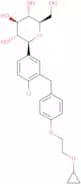
CAS:<p>Polistes mastoparan is a peptide that was extracted from the venom of the European beewolf. It has been shown to have high affinity for tumor cells and can be used as a diagnostic agent. Polistes mastoparan has also been shown to have anti-inflammatory properties and inhibit the formation rate of glycopeptide antibiotics. This peptide can bind to calmodulin, which may be due to its β-amino acid sequence. Polistes mastoparan inhibits the growth of Stenotrophomonas maltophilia in vitro by binding to fatty acids on the cell membrane.</p>Formula:C77H127N21O18Purity:Min. 95%Molecular weight:1,634.96 g/molBexagliflozin
CAS:<p>Bexagliflozin is a drug that is used to treat type II diabetes in adults. It helps to control blood sugar levels by inhibiting the enzyme DPP-IV and increasing insulin release from the pancreas. Bexagliflozin has been shown to be effective in lowering blood sugar levels in patients with chronic kidney disease and cancer, as well as those with a body mass index (BMI) of 30 or higher. This drug is an oral hypoglycaemic agent that can be used for diagnostic purposes. It has also been shown to be clinically effective for the treatment of diabetic nephropathy and diabetic retinopathy. The enantiomers of bexagliflozin can be differentiated according to their pharmacological properties, which may allow for more targeted therapy.</p>Formula:C24H29ClO7Purity:Min. 95%Molecular weight:464.94 g/molMca-(Asn670,Leu671)-Amyloid β/A4 Protein Precursor770 (667-676)-Lys(Dnp)-Arg-Arg amide trifluoroacetate salt
CAS:<p>Please enquire for more information about Mca-(Asn670,Leu671)-Amyloid beta/A4 Protein Precursor770 (667-676)-Lys(Dnp)-Arg-Arg amide trifluoroacetate salt including the price, delivery time and more detailed product information at the technical inquiry form on this page</p>Formula:C86H125N27O29Purity:Min. 95%Molecular weight:2,001.08 g/molNeuromedin N trifluoroacetate salt
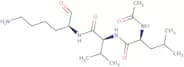
CAS:<p>Neuromedin N trifluoroacetate salt is a neurotrophin that regulates the growth and differentiation of nerve cells. It has been shown to increase locomotor activity in rats and to activate the receptor for neurotrophins. Neuromedin N trifluoroacetate salt also binds to response elements in DNA and can also modulate camp levels, cytosolic calcium, and protein kinase C levels in cells. This molecule has been shown to have antinociceptive properties by inhibiting the pain-causing action of substance P on sensory neurons. It is possible that this drug may be used as a growth factor or as a messenger RNA (mRNA) in fatty acid synthesis.</p>Formula:C38H63N7O8Purity:Min. 95%Molecular weight:745.95 g/molAc-Leu-Val-Lys-aldehyde
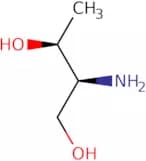
CAS:<p>Please enquire for more information about Ac-Leu-Val-Lys-aldehyde including the price, delivery time and more detailed product information at the technical inquiry form on this page</p>Formula:C19H36N4O4Purity:Min. 95%Molecular weight:384.51 g/molD-Threoninol
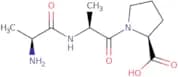
CAS:<p>Please enquire for more information about D-Threoninol including the price, delivery time and more detailed product information at the technical inquiry form on this page</p>Formula:C4H11NO2Purity:Min. 95%Molecular weight:105.14 g/molH-Ala-Ala-Pro-OH
CAS:<p>H-Ala-Ala-Pro-OH is a peptide. It is an inhibitor of chymotrypsin, which is an enzyme that breaks down proteins in the stomach. H-Ala-Ala-Pro-OH inhibits this enzyme by forming a covalent bond with the serine residue of chymotrypsin. The inhibition constant (Ki) for H-Ala-Ala-Pro-OH is 8.6 mM, and it has been shown to be stable at pH 2, 4, and 7.</p>Formula:C11H19N3O4Purity:Min. 95%Molecular weight:257.29 g/molH-D-Phe-Met-Arg-Phe-NH2 trifluoroacetate salt
CAS:<p>Please enquire for more information about H-D-Phe-Met-Arg-Phe-NH2 trifluoroacetate salt including the price, delivery time and more detailed product information at the technical inquiry form on this page</p>Formula:C29H42N8O4SPurity:Min. 95%Molecular weight:598.76 g/molH-Asp(Gly-OH)-OH
CAS:<p>Polymyxin B is a polycationic antibiotic that has been used in the treatment of infectious diseases and as an ophthalmic ointment. It is effective against bacteria, fungi, and parasites. Polymyxin B exhibits antimicrobial activity by binding to microbial membranes and causing lysis. The redox potential of this antibiotic is low, which can make it difficult for it to penetrate into cells. Oral cephalosporins are acidic drugs that are poorly absorbed from the gastrointestinal tract; they are only active in the distal small intestine and colon. Streptococcus faecalis is a bacterium that causes infections in the upper respiratory tract and urinary tract. Polymyxin B may be used as an oral agent to treat these infections because it does not require acidity for activity. This drug also exhibits anti-inflammatory effects through its ability to inhibit gamma-aminobutyric acid (GABA) synthesis in bowel cells, which leads to decreased inflammation.</p>Formula:C6H10N2O5Purity:Min. 95%Molecular weight:190.15 g/molH-Gly-Ala-Hyp-OH
CAS:<p>Please enquire for more information about H-Gly-Ala-Hyp-OH including the price, delivery time and more detailed product information at the technical inquiry form on this page</p>Formula:C10H17N3O5Purity:Min. 95%Molecular weight:259.26 g/molAnti-Inflammatory Peptide 1
CAS:<p>Anti-Inflammatory Peptide 1 is a peptide that has been shown to have anti-inflammatory properties. It is synthesized from H-Met-Gln-Met-Lys-Lys-Val-Leu-Asp-Ser-OH, with the hydroxyl group linked by an ester bond to the N terminal of the peptide. Antiinflammatory peptides can be used as potential biomarkers for inflammatory diseases or as a treatment for these diseases.</p>Formula:C45H82N12O14S2Purity:Min. 95%Molecular weight:1,079.34 g/molH-Ser-Ile-Gly-Ser-Leu-Ala-Lys-OH trifluoroacetate salt
CAS:<p>H-Ser-Ile-Gly-Ser-Leu-Ala-Lys-OH trifluoroacetate salt is a recombinant, fluorescent, hydrazide, labile protein that has been synthesized with a murine amino acid sequence. This protein has been shown to be reactive with the cytokine IL2 and can be used for labeling of cells or proteins in cytometric analysis. The N-terminal end of this protein is acidic, allowing for it to react with periodate or hydroxylamine for tagging purposes.</p>Formula:C29H54N8O10Purity:Min. 95%Molecular weight:674.79 g/molH-Met-Leu-Gly-OH
CAS:<p>H-Met-Leu-Gly-OH is a tetrapeptide that has shown to have neuroprotective effects. It has been shown to be effective in the treatment of catalysis and inflammatory diseases. The peptidase activity of H-Met-Leu-Gly-OH is inhibited by the presence of lysine, arginine, and tryptophan. This inhibitory effect can be reversed by the presence of an acceptor such as histidine or cysteine. H-Met-Leu-Gly-OH also inhibits the production of nitric oxide in microglial cells and lung cells.</p>Formula:C13H25N3O4SPurity:Min. 95%Molecular weight:319.42 g/molEnterostatin (human, mouse, rat) acetate salt
CAS:<p>Enterostatin is a peptide hormone that inhibits the release of insulin, gastric acid and pancreatic juices. Enterostatin has been shown to have a number of biological properties, including an anti-obesity effect in humans. In mice, enterostatin has been shown to decrease food intake, increase energy expenditure and weight loss. Enterostatin also decreases the levels of serum cholesterol and triglycerides in rats. This drug has a number of pharmacological activities including inhibition of platelet aggregation and vasodilation. Enterostatin is related to peptide hormones such as ghrelin, which stimulates appetite, and cholecystokinin (CCK), which reduces appetite. It may be used as an alternative treatment for obesity or metabolic disorders like diabetes mellitus type 2 or hyperlipidaemia.</p>Formula:C21H36N8O6Purity:Min. 95%Molecular weight:496.56 g/molH-Asp(Leu-OH)-OH
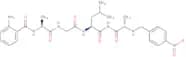
CAS:<p>H-Asp(Leu-OH)-OH is a bioactive molecule that can induce apoptosis in cancer cells. Mechanistically, this compound induces apoptosis by increasing the amount of reactive oxygen species (ROS) and reducing mitochondrial membrane potential in cancer cells. The anti-cancer activity of H-Asp(Leu-OH)-OH has been shown to be dose dependent and it has been observed to cause vacuolization in kidney cells. Chemical compositions show that H-Asp(Leu-OH)-OH is composed of Aspartic acid, Leucine, and Hydroxyl groups.</p>Formula:C10H18N2O5Purity:Min. 95%Molecular weight:246.26 g/molAbz-Ala-Gly-Leu-Ala-p-nitrobenzylamide
CAS:<p>Benzamidine is a benzamidase inhibitor that competitively binds to bacterial enzymes such as metalloendopeptidases and matrix metalloproteinases. It inhibits the degradation of collagen, resulting in a higher concentration of soluble extract. This drug also has an effect on spermatozoa, which may be due to its ability to inhibit bacterial enzymes that are involved with uptake and preload. Benzamidine has been shown to have a pH optimum of 8-9 and is most active at this pH range.</p>Formula:C28H37N7O7Purity:Min. 95%Molecular weight:583.64 g/molZ-Phe-Val-OH
CAS:<p>Z-Phe-Val-OH is an optical isomer of the molecule Z-Val-OH. It can be synthesized from the reactants Isobutyl, Chloroformate, and Hydrophobic. This synthetic product has been shown to have high yields and specificities. The chiral center in this molecule causes it to rotate light in one direction or another, which means that it can be used to create a spectrum of colors. The synthesis of this molecule takes place in a kinetically controlled manner. When mixed with amines, carboxylic acids, and tripeptides, this compound will form a tripeptide bond with two amino acids on either side of the peptide chain.</p>Formula:C22H26N2O5Purity:Min. 95%Molecular weight:398.45 g/mol((R)-4-Hydroxy-4-methyl-Orn (TRITC)7)-Phalloidin
<p>Please enquire for more information about ((R)-4-Hydroxy-4-methyl-Orn (TRITC)7)-Phalloidin including the price, delivery time and more detailed product information at the technical inquiry form on this page</p>Formula:C60H70N12O13S2Purity:Min. 95%Molecular weight:1,231.4 g/molFmoc-Lys(Boc)-Thr(Psi(Me ,Me)pro)-OH
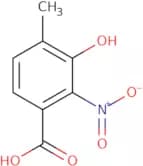
CAS:<p>Please enquire for more information about Fmoc-Lys(Boc)-Thr(Psi(Me ,Me)pro)-OH including the price, delivery time and more detailed product information at the technical inquiry form on this page</p>Formula:C33H43N3O8Purity:Min. 95%Molecular weight:609.71 g/mol3-Hydroxy-4-methyl-2-nitro-benzoic acid
CAS:<p>3-Hydroxy-4-methyl-2-nitrobenzoic acid is an analog of the natural substrate for the enzyme nitroreductase. It can be used in oxidative coupling reactions to generate a covalently bonded product, which is immobilized on sepharose. 3-Hydroxy-4-methyl-2-nitrobenzoic acid has a high affinity for nucleic acids and can be used in biospecific assays. The chromophore of 3-hydroxy-4-methyl-2-nitrobenzoic acid is easily oxidized, leading to its use in nitroreduction reactions in which a nitro group is reduced to an amino group.</p>Purity:Min. 95%H-Gly-Phe-Ser-OH
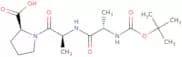
CAS:<p>H-Gly-Phe-Ser-OH is a substrate for thermolysin, an enzyme that catalyzes the hydrolysis of peptides to amino acids. It is modified by glycerol, which influences its affinity and nature. The residue can be either modified or unmodified with a specific chain length. The modifications of the residue are important in determining the specificity of the enzyme. H-Gly-Phe-Ser-OH has a high degree of hydrophobicity, which influences the catalytic reaction. This substrate can be used to determine enzyme specificity because it is not cleaved by enzymes such as trypsin and chymotrypsin.</p>Formula:C14H19N3O5Purity:Min. 95%Molecular weight:309.32 g/molBoc-Ala-Ala-Pro-OH
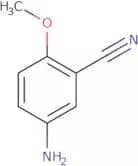
CAS:<p>Boc-Ala-Ala-Pro-OH is a tetrapeptide that is expressed in mammalian cells. It has been shown to have transcription-polymerase chain activity and can be used as a molecular modeling tool for the study of mutant enzymes. Boc-Ala-Ala-Pro-OH is an analog of the natural tetrapeptide Arg-Gly, which has been shown to be activated by proteolytic cleavage and complementarity with other tetrapeptides.</p>Formula:C16H27N3O6Purity:Min. 95%Molecular weight:357.4 g/mol5-Amino-2-methoxybenzonitrile
CAS:<p>Please enquire for more information about 5-Amino-2-methoxybenzonitrile including the price, delivery time and more detailed product information at the technical inquiry form on this page</p>Formula:C8H8N2OPurity:Min. 95%Molecular weight:148.16 g/molPeptide 810
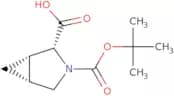
CAS:<p>Peptide 810 is a growth factor that binds to the insulin receptor on the surface of cells. It has been shown to inhibit apoptosis in beta cells by binding to the insulin receptor and inhibiting phosphorylation of the insulin receptor at tyrosine residue 1135, thereby preventing apoptosis. This peptide also binds to other receptors, such as kinase and factor receptors, which are involved in regulating cell proliferation. Peptide 810 is secreted by recombinant proteins, and genetic analyses have shown that it is active against P. aeruginosa. It has also been used as a diagnostic tool for infectious diseases and has been used in assays for kinase receptors and factor receptors. The gene product of this peptide has been expressed in staphylococcus aureus cells, which have been tested as a vaccine against cancer.</p>Formula:C59H91N13O17SPurity:Min. 95%Molecular weight:1,286.5 g/molN-Boc-cis-3,4-methylene D-proline
CAS:<p>Please enquire for more information about N-Boc-cis-3,4-methylene D-proline including the price, delivery time and more detailed product information at the technical inquiry form on this page</p>Formula:C11H17NO4Purity:Min. 95%Molecular weight:227.26 g/molCKS-17 (7-12)
CAS:<p>Please enquire for more information about CKS-17 (7-12) including the price, delivery time and more detailed product information at the technical inquiry form on this page</p>Formula:C37H60N6O9Purity:Min. 95%Molecular weight:732.91 g/molBoc-Gly-Gly-Gly-Lys-OH
CAS:<p>Please enquire for more information about Boc-Gly-Gly-Gly-Lys-OH including the price, delivery time and more detailed product information at the technical inquiry form on this page</p>Formula:C17H31N5O7Purity:Min. 95%Molecular weight:417.46 g/molH-Leu-Trp-Met-Arg-OH
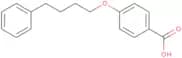
CAS:<p>Histidine is a non-essential amino acid that is found in all living cells. It is a precursor of histamine and can be converted to tryptophan by decarboxylation. Histidine has been found to be essential for growth in some bacteria and yeast, but not in higher plants or animals. The formyl group of histidine can be oxidized to a sulfoxide or reduced to a formyl group. Histidine residues are often found in the protein matrix of proteomic samples, but can also be used as an analyte. The two most common methods for the detection of histidine are matrix-assisted laser desorption/ionization mass spectrometry (MALDI MS) and matrix-assisted laser desorption/ionization time-of-flight mass spectrometry (MALDI TOF MS). These methods allow for the minimization of background interference from other molecules present in the sample, such as tryptophan residues.</p>Formula:C28H44N8O5SPurity:Min. 95%Molecular weight:604.77 g/mol4-(4-Phenylbutoxy)benzoic acid
CAS:<p>4-(4-Phenylbutoxy)benzoic acid is an organic compound that is produced by the reaction of 4-hydroxybenzoic acid with a Grignard reagent. The 4-hydroxybenzoic acid reacts with magnesium to form magnesium chloride and p-hydroxybenzoic acid, which then reacts with a Grignard reagent to form the desired product. This compound has been used in wastewater treatment and as an intermediate in the synthesis of dyes, perfumes, and pharmaceuticals. 4-(4-Phenylbutoxy)benzoic acid has also been used as a starting material for synthesizing other compounds such as chlorobenzene and p-hydroxybenzoic acid.</p>Formula:C17H18O3Purity:Min. 95%Molecular weight:270.32 g/molLIP2 (human) trifluoroacetate salt
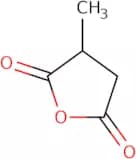
<p>Please enquire for more information about LIP2 (human) trifluoroacetate salt including the price, delivery time and more detailed product information at the technical inquiry form on this page</p>Formula:C184H288N58O58Purity:Min. 95%Molecular weight:4,240.61 g/mol3-Methyldihydrofuran-2,5-dione
CAS:<p>3-Methyldihydrofuran-2,5-dione is a diterpenoid alkaloid found in the plant Dictamnus albus. This compound has been shown to have metal chelating properties and can be used as an asymmetric synthesis intermediate. 3-Methyldihydrofuran-2,5-dione reacts with diazonium salt to form a high resistance molecule that is highly reactive. This chemical reacts with hydroxyl groups, amide groups, or methyl ethyl groups. The structure of this compound consists of nitrogen atoms and anhydride bonds. 3-Methyldihydrofuran-2,5-dione has been shown to exhibit electrochemical impedance spectroscopy (EIS) characteristics similar to those of other molecules that are known to be reactive.</p>Formula:C5H6O3Purity:Min. 95%Molecular weight:114.1 g/molFmoc-Gly-Wang resin (200-400 mesh)
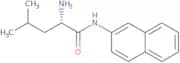
<p>Please enquire for more information about Fmoc-Gly-Wang resin (200-400 mesh) including the price, delivery time and more detailed product information at the technical inquiry form on this page</p>Purity:Min. 95%H-Leu-bNA
CAS:<p>H-Leu-bNA is a gene product that has been activated and is involved in the production of chronic arthritis. H-Leu-bNA is a basic protein that catalyzes the conversion of chloromethyl ketone to iodoacetic acid, which then converts neutral ph substances to acidic ph substances. This enzyme also catalyzes the conversion of amino acids to their corresponding amines and ammonia. H-Leu-bNA may be involved in autoimmune diseases with acidic phs, such as rheumatoid arthritis. It has an optimum pH of 7.4 and will not work at higher or lower pHs. The sequences for this enzyme are found in plants, but it is not found in humans or animals.br><br>H-Leu-bNA can be used as a kinetic tool to measure enzyme activity. Kinetic data for this enzyme show that it has a high affinity for chloromethyl ketone and can be inhibited by certain chemicals,</p>Formula:C16H20N2OPurity:Min. 95%Molecular weight:256.34 g/molHistogranin
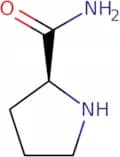
CAS:<p>Histogranin H is a glycoprotein that is secreted by gland cells. Histogranin H has been shown to have pharmacological effects on locomotor activity and pain in animal models. This protein has also been shown to inhibit cancer growth in vitro and in vivo. In addition, it has a protective effect on the central nervous system, which may be due to its ability to increase the expression of brain-derived neurotrophic factor (BDNF). It also inhibits the proliferation of glioma cells, which are cancerous tumors that originate from glial cells in the brain. Histogranin H binds to histone proteins and glutamate receptors, which leads to an antinociceptive effect when injected into rats. The antinociceptive effect of this protein is attenuated by trypsin treatment. Histogranin H has also been shown to have an analgesic effect when injected into rats with chronic pain models.</p>Formula:C78H119N21O21SPurity:Min. 95%Molecular weight:1,718.97 g/molL-Prolinamide
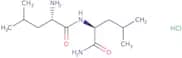
CAS:<p>Intermediate in the synthesis of vildagliptin</p>Formula:C5H10N2OPurity:Min. 95%Color and Shape:PowderMolecular weight:114.15 g/molH-Leu-Leu-NH2·HCl
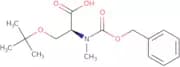
CAS:<p>Please enquire for more information about H-Leu-Leu-NH2·HCl including the price, delivery time and more detailed product information at the technical inquiry form on this page</p>Formula:C12H25N3O2·HClPurity:Min. 95%Molecular weight:279.81 g/molZ-N-Me-Ser(tBu)-OH·DCHA
CAS:<p>Please enquire for more information about Z-N-Me-Ser(tBu)-OH·DCHA including the price, delivery time and more detailed product information at the technical inquiry form on this page</p>Formula:C16H23NO5·C12H23NPurity:Min. 95%Molecular weight:490.68 g/molFmoc-Gly-Phe-OH
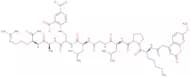
CAS:<p>Fmoc-Gly-Phe-OH is a photolytic residue that has been synthesized by solid-phase techniques. This molecule is an immobilized linker that can be used in photolabile devices to analyze the kinetics of biological processes. Fmoc-Gly-Phe-OH can also be used in supramolecular devices and regenerative medicine to measure the diameter of cells, as well as for regenerative purposes in humans.</p>Formula:C26H24N2O5Purity:Min. 95%Molecular weight:444.48 g/molMca-Lys-Pro-Leu-Gly-Leu-Dap (Dnp)-Ala-Arg-NH2 trifluoroacetate salt
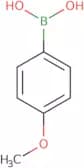
CAS:<p>Please enquire for more information about Mca-Lys-Pro-Leu-Gly-Leu-Dap (Dnp)-Ala-Arg-NH2 trifluoroacetate salt including the price, delivery time and more detailed product information at the technical inquiry form on this page</p>Formula:C55H80N16O16Purity:Min. 95%Molecular weight:1,221.32 g/mol4-Methoxyphenyl boronic acid
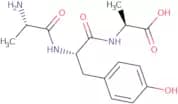
CAS:<p>4-Methoxyphenyl boronic acid is a molecule with a hydroxyl group and a boronic acid. It is synthesized by reacting biphenyl with trifluoroacetic acid in the presence of sodium carbonate and palladium-catalyzed coupling. 4-Methoxyphenyl boronic acid has shown to bind to the receptor for fatty acids, which may be due to its structural similarity to p-hydroxybenzoic acid. The protonated form of this molecule has been shown to react with an electrophilic carbon atom and an electron-deficient alkyl or vinyl halide, resulting in ring formation. This reaction is known as the Suzuki coupling reaction.</p>Formula:C7H9BO3Purity:Min. 95%Color and Shape:PowderMolecular weight:151.96 g/molH-Ala-Tyr-Ala-OH
CAS:<p>H-Ala-Tyr-Ala-OH is a peptidomimetic that has shown promising anti-inflammatory and anticancer properties. It has been found to inhibit the proliferation of human cancer cells and to suppress the growth of human tumor xenografts in mice. It also has shown an ability to cross the blood brain barrier, which may be due to its high lipophilicity. H-Ala-Tyr-Ala-OH inhibits the production of inflammatory cytokines, such as TNFα, IL1β, IL6, and IL8, by inhibiting NFκB activation in immune cells. This inhibition leads to decreased inflammation and fibrosis in various tissues. H-Ala-Tyr-Ala-OH is also active against bacteria and viruses, which may be due to its low molecular weight.</p>Formula:C15H21N3O5Purity:Min. 95%Molecular weight:323.34 g/molActivated Protein C (390-404) (human)
CAS:<p>Please enquire for more information about Activated Protein C (390-404) (human) including the price, delivery time and more detailed product information at the technical inquiry form on this page</p>Formula:C91H130N22O23Purity:Min. 95%Molecular weight:1,900.14 g/molGinseng Tetrapeptide
CAS:<p>Please enquire for more information about Ginseng Tetrapeptide including the price, delivery time and more detailed product information at the technical inquiry form on this page</p>Formula:C18H33N7O7Purity:Min. 95%Molecular weight:459.5 g/molCyclo(leu-leu)
CAS:<p>Cyclo(leu-leu) is a glycosidase inhibitor that has been shown to have an inhibitory effect on the biosynthesis of aminoacylated proteins. Cyclo (leu-leu) is derived from the wild-type strain of a fungus, which is a genus of endophytic fungi. This compound inhibits the synthesis of proteins by binding to glycosylated amino acid residues and preventing their hydrolysis. Cyclo (leu-leu) also has homologous regions with mellein, which is another type of glycosidase inhibitor that binds to the enzyme protein kinase C, inhibiting protein synthesis and leading to cell death.</p>Formula:C12H22N2O2Purity:Min. 95%Molecular weight:226.32 g/molSV40 Nuclear Transport Signal Peptide Analog
CAS:<p>Please enquire for more information about SV40 Nuclear Transport Signal Peptide Analog including the price, delivery time and more detailed product information at the technical inquiry form on this page</p>Formula:C60H104N20O15SPurity:Min. 95%Molecular weight:1,377.66 g/molNeuroendocrine Regulatory Peptide-1 (rat) trifluoroacetate salt
CAS:<p>Please enquire for more information about Neuroendocrine Regulatory Peptide-1 (rat) trifluoroacetate salt including the price, delivery time and more detailed product information at the technical inquiry form on this page</p>Formula:C110H180N32O38Purity:Min. 95%Molecular weight:2,558.8 g/molZ-Gly-Gly-Ala-OH
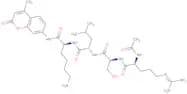
CAS:<p>Please enquire for more information about Z-Gly-Gly-Ala-OH including the price, delivery time and more detailed product information at the technical inquiry form on this page</p>Formula:C15H19N3O6Purity:Min. 95%Molecular weight:337.33 g/molAc-Arg-Ser-Leu-Lys-AMC trifluoroacetate salt
CAS:<p>Please enquire for more information about Ac-Arg-Ser-Leu-Lys-AMC trifluoroacetate salt including the price, delivery time and more detailed product information at the technical inquiry form on this page</p>Formula:C33H51N9O8•C2HF3O2Purity:Min. 95 Area-%Color and Shape:PowderMolecular weight:815.83 g/mol(Ala1)-PAR-4 (1-6) (mouse) trifluoroacetate salt
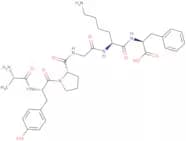
CAS:<p>(Ala1)-PAR-4 (1-6) (mouse) trifluoroacetate salt H-Ala-Tyr-Pro-Gly-Lys-Phe-OH trifluoroacetate salt is a potent inhibitor of protein kinase C, and has been shown to inhibit the growth of prostate cancer cells. It also inhibits phosphorylation of epidermal growth factor receptors, which leads to lower levels of epidermal growth factor in the cell. This drug also has antiplatelet effects and may be used as an antiplatelet agent for patients with vascular disease or diabetes.</p>Formula:C34H47N7O8Purity:Min. 95%Molecular weight:681.78 g/molFmoc-Pro-Pro-Pro-Pro-Pro-OH
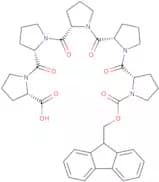
CAS:<p>Please enquire for more information about Fmoc-Pro-Pro-Pro-Pro-Pro-OH including the price, delivery time and more detailed product information at the technical inquiry form on this page</p>Formula:C40H47N5O8Purity:Min. 95%Molecular weight:725.83 g/molH-Gly-Lys-His-OH acetate salt
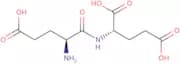
CAS:<p>Please enquire for more information about H-Gly-Lys-His-OH acetate salt including the price, delivery time and more detailed product information at the technical inquiry form on this page</p>Formula:C14H24N6O4Purity:Min. 95%Molecular weight:340.38 g/molH-Glu-Glu-OH
CAS:<p>H-Glu-Glu-OH is an organic acid that has proteolytic and gene product properties. It is a hyperactive compound that can be used as a sample preparation reagent for the detection of glutamic acid in proteins. H-Glu-Glu-OH inhibits protein synthesis by binding to ribosomes, which are responsible for the production of proteins in the cell, and prevents their function. Magnetic resonance spectroscopy has been used to investigate the uptake of H-Glu-Glu-OH into mammalian cells and ovarian follicles.</p>Formula:C10H16N2O7Purity:Min. 95 Area-%Color and Shape:White PowderMolecular weight:276.24 g/molBoc-Ala-PAM resin (200-400 mesh)
<p>Please enquire for more information about Boc-Ala-PAM resin (200-400 mesh) including the price, delivery time and more detailed product information at the technical inquiry form on this page</p>Purity:Min. 95%ACTH (1-39) (mouse, rat) trifluoroacetate salt
CAS:<p>Trifluoroacetate salt</p>Formula:C210H315N57O57SPurity:Min. 95%Molecular weight:4,582.16 g/mol(D-Arg6)-Dynorphin A (1-13)
CAS:<p>Dynorphin A (1-13) H-Tyr-Gly-Gly-Phe-Leu <br>Dynorphin A (1-13) H-Tyr-Gly-Gly-Phe is a synthetic substrate for κ opioid receptors. It also has antinociceptive properties and may be used as a potential analgesic drug. Dynorphin A (1-13) H-Tyr-Gly-Gly <br>Dynorphin A (1-13) H Tyr Gly Gly Phe Leu D Arg Arg Arg Ile Arg Pro Lys Leu Lys OH has been shown to be effective in the treatment of humans and rats with cardiac or physiological function problems. Dynorphin A (1 13) H Tyr Gly Gly Phe Leu D Arg Arg Arg Ile Arg Pro Lys Leu Lys OH increases serum prolactin levels in humans, which may indicate that it stimulates the hypothalamus to</p>Formula:C75H126N24O15Purity:Min. 95%Molecular weight:1,603.96 g/mol(Phe2, Nle 4)-ACTH (1-24) (human, bovine, rat) trifluoroacetate salt
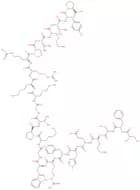
CAS:<p>Please enquire for more information about (Phe2, Nle 4)-ACTH (1-24) (human, bovine, rat) trifluoroacetate salt including the price, delivery time and more detailed product information at the technical inquiry form on this page</p>Formula:C137H212N40O30Purity:Min. 95%Molecular weight:2,899.4 g/molAdrenomedullin (11-50) (rat)
CAS:<p>Please enquire for more information about Adrenomedullin (11-50) (rat) including the price, delivery time and more detailed product information at the technical inquiry form on this page</p>Formula:C194H304N58O59S4Purity:Min. 95%Molecular weight:4,521.11 g/molBoc-Gln-Ala-Arg-AMC·HCl
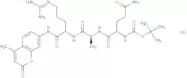
CAS:<p>Please enquire for more information about Boc-Gln-Ala-Arg-AMC·HCl including the price, delivery time and more detailed product information at the technical inquiry form on this page</p>Formula:C29H42N8O8·HClPurity:Min. 95%Molecular weight:667.15 g/mol6-Methoxy-2,3,4,9-tetrahydro-1H-β-carbolin-1-one
CAS:<p>6-Methoxy-2,3,4,9-tetrahydro-1H-beta-carbolin-1-one is a β-carboline alkaloid that is structurally related to harmaline and tetrahydroharmine. It has been shown to have antidepressant activity in animals. 6-Methoxy-2,3,4,9-tetrahydro-1H-beta-carbolin-1-one was analyzed by GC/MS and found to be present in the leaves of plants from the genus Tetraclinis. 6MHBC was also identified as a metabolite of diazepam in rat urine after administration of a single oral dose of 10 mg/kg diazepam. The observed β carboline metabolite was determined to be 6MHBC.</p>Formula:C12H12N2O2Purity:Min. 95%Molecular weight:216.24 g/molAtrial Natriuretic Factor (3-28) (human, bovine, porcine)
CAS:<p>Please enquire for more information about Atrial Natriuretic Factor (3-28) (human, bovine, porcine) including the price, delivery time and more detailed product information at the technical inquiry form on this page</p>Formula:C118H187N43O36S3Purity:Min. 95%Molecular weight:2,880.21 g/molBoc-Glu-OFm
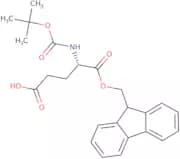
CAS:<p>Please enquire for more information about Boc-Glu-OFm including the price, delivery time and more detailed product information at the technical inquiry form on this page</p>Formula:C24H27NO6Purity:Min. 95%Molecular weight:425.47 g/molSaposin C (15-32) (rat)
CAS:<p>Please enquire for more information about Saposin C (15-32) (rat) including the price, delivery time and more detailed product information at the technical inquiry form on this page</p>Formula:C89H155N21O29Purity:Min. 95%Molecular weight:1,983.31 g/molHeat Shock Protein (hsp) Fragment trifluoroacetate salt
CAS:<p>Please enquire for more information about Heat Shock Protein (hsp) Fragment trifluoroacetate salt including the price, delivery time and more detailed product information at the technical inquiry form on this page</p>Formula:C63H113N22O25PSPurity:Min. 95%Molecular weight:1,641.74 g/molH-Pro-Lys-OH acetate salt
CAS:<p>H-Pro-Lys-OH acetate salt is a synthetic compound that is specific for histidine residues. It catalyzes the hydrolysis of fibrinogen to form fibrin, which can be used in the formation of blood clots. This molecule has been shown to have a number of sequences and acid analysis. H-Pro-Lys-OH acetate salt can be used as an additive in food products. The incubation process should be done at pH 4.5 and the reaction should be stopped by adding tripeptides followed by using ion-exchange chromatography or SDS polyacrylamide gel electrophoresis to analyze the amino acids present in the product.</p>Formula:C11H21N3O3Purity:Min. 95%Molecular weight:243.3 g/mol