Amino Acids (AA)
Amino acids (AAs) are the fundamental building blocks of proteins, playing a crucial role in various biological processes. These organic compounds are essential for protein synthesis, metabolic pathways, and cell signaling. In this category, you will find a comprehensive range of amino acids, including essential, non-essential, and modified forms, which are vital for research in biochemistry, molecular biology, and nutritional sciences. At CymitQuimica, we provide high-quality amino acids to support your research and development needs, ensuring accuracy and reliability in your experimental outcomes.
Subcategories of "Amino Acids (AA)"
- Amino Acid Derivatives(3,955 products)
- Amino Acid and Amino Acid Related Compounds(3,465 products)
- Amino Acids with Oxygen or Sulphur(168 products)
- Boc- Amino Acids(351 products)
- Fmoc Amino Acids(1,710 products)
Found 38248 products of "Amino Acids (AA)"
Sort by
Purity (%)
0
100
|
0
|
50
|
90
|
95
|
100
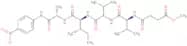
MeOSuc-Val-Val-Ile-Ala-pNA
CAS:<p>Please enquire for more information about MeOSuc-Val-Val-Ile-Ala-pNA including the price, delivery time and more detailed product information at the technical inquiry form on this page</p>Formula:C30H46N6O9Purity:Min. 95%Molecular weight:634.72 g/mol(Nle 13,Glu14)-Motilin (human, porcine) trifluoroacetate salt
CAS:<p>Please enquire for more information about (Nle 13,Glu14)-Motilin (human, porcine) trifluoroacetate salt including the price, delivery time and more detailed product information at the technical inquiry form on this page</p>Formula:C121H189N33O36Purity:Min. 95%Molecular weight:2,682 g/molNeuropeptide Y (3-36) (porcine) trifluoroacetate salt
CAS:<p>Please enquire for more information about Neuropeptide Y (3-36) (porcine) trifluoroacetate salt including the price, delivery time and more detailed product information at the technical inquiry form on this page</p>Formula:C176H271N53O54Purity:Min. 95%Molecular weight:3,993.36 g/mol(D-Tyr5,D-Ser(tBu)6,Azagly10)-LHRH
CAS:<p>Please enquire for more information about (D-Tyr5,D-Ser(tBu)6,Azagly10)-LHRH including the price, delivery time and more detailed product information at the technical inquiry form on this page</p>Formula:C59H84N18O14Purity:Min. 95%Molecular weight:1,269.41 g/molNeuropeptide W-30 (rat) trifluoroacetate salt
CAS:<p>Please enquire for more information about Neuropeptide W-30 (rat) trifluoroacetate salt including the price, delivery time and more detailed product information at the technical inquiry form on this page</p>Formula:C165H249N49O38SPurity:Min. 95%Molecular weight:3,559.12 g/molZ-Gly-Gly-Gly-Gly-Gly-Gly-OH
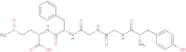
CAS:<p>Please enquire for more information about Z-Gly-Gly-Gly-Gly-Gly-Gly-OH including the price, delivery time and more detailed product information at the technical inquiry form on this page</p>Formula:C20H26N6O9Purity:Min. 95%Molecular weight:494.46 g/mol(Met(O)5)-Enkephalin
CAS:<p>Met-enkephalin is a molecule that is formed from two of the three parts of the endorphin molecule, which are Tyr-Gly-Gly-Phe and Met(O)OH. It is a neurotransmitter that has been shown to inhibit pain in humans and animals. In coelomocytes, met-enkephalin binds to receptors on the cell membrane and inhibits the release of dopamine by binding to dopamine receptors. The sulfoxide group of this molecule can be reduced to form enkephalinase, which is an enzyme that cleaves Met(O)OH from the peptide chain. This process is not known to occur in humans or other mammals. Met-enkephalin has been localized in ganglia cells in animals, but not humans. It has also been found in messenger RNA (mRNA) for translation into protein, but it does not appear to be translated into protein in humans or other mammals.</p>Formula:C27H35N5O8SPurity:Min. 95%Molecular weight:589.66 g/molAcetyl-GRP (20-26) (human, porcine, canine) trifluoroacetate salt
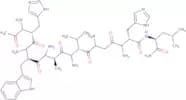
CAS:<p>Acetyl-GRP (20-26) (human, porcine, canine) trifluoroacetate salt Ac-His-Trp-Ala-Val-Gly-His-Leu-NH2 trifluoroacetate salt is a prophylactic and/or therapeutic compound that has been shown to be effective in the treatment of a number of different diseases. This compound has been shown to have neuroprotective and antiinflammatory effects, as well as being an effective treatment for autoimmune disorders. Acetyl-GRP (20-26) (human, porcine, canine) trifluoroacetate salt Ac-His-Trp-Ala-Val-Gly-His-Leu NH2 trifluoroacetate salt also has the potential to be used as a prophylactic or therapeutic agent against cancer, fibrotic disease, and inflammatory disease.</p>Formula:C41H57N13O8Purity:Min. 95%Molecular weight:859.97 g/molZ-Phe-Leu-Ala-OH
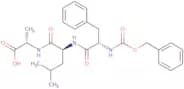
CAS:<p>Z-Phe-Leu-Ala-OH is a homologous protein that has been shown to have proteolytic activity. It has a neutral pH and is stable in the presence of metal ions. This enzyme is structurally similar to subtilisin, with a sequence of residues containing two histidine residues, which are important for stability. The kinetic parameters of this enzyme were determined by analyzing its activity under different conditions and at different temperatures. The mutant Z-Phe-Leu-Ala-OH was found to be more active than the wild type at high temperature, but less active at low temperature, suggesting that the protein could be used as an industrial catalyst in food processing or chemical production.</p>Formula:C26H33N3O6Purity:Min. 95%Molecular weight:483.56 g/molBoc-Leu-Ser-Thr-Arg-AMC trifluoroacetate salt
CAS:<p>Boc-Leu-Ser-Thr-Arg-AMC trifluoroacetate salt is a synthetic substrate that is used in enzyme assays. The hydrolysis of the peptidyl ester bond by the enzyme results in release of AMC and an unstable intermediate, which reacts with AMC to form a stable fluorescent product. This product can be detected using various chromatographic techniques. Boc-Leu-Ser-Thr-Arg-AMC trifluoroacetate salt has been shown to be an effective anticoagulant for blood clotting and it is also used as a second order rate constant in the determination of coagulation factors.</p>Formula:C34H52N8O10Purity:Min. 95%Molecular weight:732.82 g/molH-Arg-Phe-Asp-Ser-OH
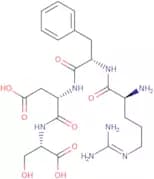
CAS:<p>H-Arg-Phe-Asp-Ser-OH is a sequence of amino acids that is found in the protein collagen. It has been shown to be an inhibitor of human immunodeficiency virus type 1 (HIV1) and human insulin-like growth factor 2 (IGF2). In addition, H-Arg-Phe-Asp-Ser-OH is an important molecule for the production of monoclonal antibodies. H-Arg-Phe-Asp-Ser-OH is expressed in mammalian cells, including human cells, which are used as models to study the molecular interactions with HIV1 and IGF2. Monoclonal antibodies against H-Arg-Phe-Asp have been shown to inhibit the replication of HIV1.</p>Formula:C22H33N7O8Purity:Min. 95%Molecular weight:523.54 g/molFormyl-LHRH (2-10) trifluoroacetate salt
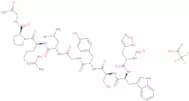
CAS:<p>Please enquire for more information about Formyl-LHRH (2-10) trifluoroacetate salt including the price, delivery time and more detailed product information at the technical inquiry form on this page</p>Formula:C51H70N16O12Purity:Min. 95%Molecular weight:1,099.2 g/molH-Cys(Bzl)-AMC
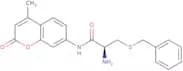
CAS:<p>H-Cys(Bzl)-AMC is a mesocosm study that measures the effects of nutrient additions on coastal ecosystems. Collaboratively, academics and stakeholders work to analyze datasets from these experiments to diagnose the impacts of nutrient inputs on coastal systems. This exploratory initiative will help stakeholders understand the impacts of nutrient inputs on their ecosystems in order to make better decisions about how they manage their natural resources.</p>Formula:C20H20N2O3SPurity:Min. 95%Molecular weight:368.45 g/molMART-1 (27-35) (human) trifluoroacetate salt
CAS:Controlled Product<p>Please enquire for more information about MART-1 (27-35) (human) trifluoroacetate salt including the price, delivery time and more detailed product information at the technical inquiry form on this page</p>Formula:C37H67N9O11Purity:Min. 95%Molecular weight:813.98 g/mol1-O-Octadecyl-sn-glycero-3-phosphocholine
CAS:<p>Edelfosine is a phospholipid analog that has been shown to inhibit insulin-induced glucose uptake in adipocytes. It is a potent inhibitor of the insulin receptor tyrosine kinase and can also act as an allosteric inhibitor of protein kinase C (PKC). Edelfosine inhibits the growth of mammary carcinomas by inhibiting PKC, which leads to a decrease in cell proliferation. This drug also interacts with sulfonic acids, forming hydrogen bonds, which may be the reason for its high-performance liquid chromatography. The molecular weight of edelfosine is 582.3 g/mol.</p>Formula:C26H56NO6PPurity:Min. 95%Molecular weight:509.7 g/molMethyl 2-amino-5-methylbenzoate
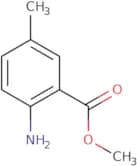
CAS:<p>Methyl 2-amino-5-methylbenzoate is a chemical substance that is a precursor for the synthesis of picolinic acid. It also has an antitumor activity against various cancer cell lines and microcapsules. In addition, methyl 2-amino-5-methylbenzoate can be used as a reagent in the preparation of amines and sample preparation. The chemical reactions of methyl 2-amino-5-methylbenzoate are catalyzed by hydrochloric acid and sulfamoyl chloride. This chemical substance reacts with carbonyl groups to form nitro compounds.</p>Formula:C9H11NO2Purity:Min. 95%Molecular weight:165.19 g/molFmoc-(Dmb)Leu-OH
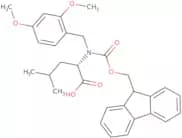
CAS:<p>Please enquire for more information about Fmoc-(Dmb)Leu-OH including the price, delivery time and more detailed product information at the technical inquiry form on this page</p>Formula:C30H33NO6Purity:Min. 95%Molecular weight:503.59 g/molH-Thr-Gly-OH
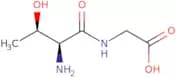
CAS:<p>H-Thr-Gly-OH is a synthetic polymerase chain reaction product. It is a mixture of H-Thr and Gly, which are two amino acids that are involved in the replication of DNA. The sequences of these two amino acids have been determined and found to be phylogenetically related to each other. H-Thr-Gly-OH was synthesized by the ethyl esterification of H-Thr with Gly. This reaction product has been shown to have locomotor activity in Drosophila melanogaster and may also possess some other properties that are unknown at this time.</p>Formula:C6H12N2O4Purity:Min. 95%Molecular weight:176.17 g/molCaloxin 2A1 trifluoroacetate salt
CAS:<p>Please enquire for more information about Caloxin 2A1 trifluoroacetate salt including the price, delivery time and more detailed product information at the technical inquiry form on this page</p>Formula:C64H91N19O22Purity:Min. 95%Molecular weight:1,478.52 g/molH-D-Pra-OH
CAS:<p>H-D-Pra-OH is a chemical substance that inhibits the synthesis of proteins. It binds to the active site of enzymes, thereby blocking the formation of an enzyme-substrate complex and inhibiting enzyme activity. H-D-Pra-OH is an enzyme inhibitor that can be used to study protein synthesis in vitro. It is most effective on renal proximal tubules cells, where it inhibits potassium uptake by competitive inhibition with d-alanine. H-D-Pra-OH also inhibits the uptake of aziridine, which is a reactive substance that can cause cellular damage. The carbonyl group in this substance may react with other substances such as potassium dichromate, forming a chromium compound that can be seen under the microscope.</p>Formula:C5H7NO2Purity:Min. 95%Molecular weight:113.11 g/molZ-Asp(ONp)-OBzl
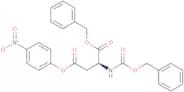
CAS:<p>Z-Asp(ONp)-OBzl is a synthetic compound with minimal side-chain that can be used as a condensation and deprotection reagent in the synthesis of peptides. It functions to selectively cleave the N-terminal amino group from an unprotected peptide. This side chain is not present on natural amino acids and therefore provides selectivity for the N-terminal amino acid. Z-Asp(ONp)-OBzl has been found to be a more controllable and selective alternative to other deprotection reagents such as DBU, DCC, or TFA. The use of this reagent in peptide synthesis has been shown to provide high yields of unblocked chains with minimal side reactions.</p>Formula:C25H22N2O8Purity:Min. 95%Molecular weight:478.45 g/molAc-Val-Glu-His-Asp-AFC trifluoroacetate salt
CAS:<p>Please enquire for more information about Ac-Val-Glu-His-Asp-AFC trifluoroacetate salt including the price, delivery time and more detailed product information at the technical inquiry form on this page</p>Formula:C32H36F3N7O11Purity:Min. 95%Molecular weight:751.66 g/molH-Ala-Leu-Ala-OH
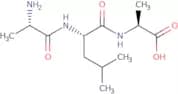
CAS:<p>H-Ala-Leu-Ala-OH is a synthetic peptide that has been shown to be an effective inhibitor of the human aminopeptidase. It is synthesized on a solid phase and then purified from the resin. The H-Ala-Leu-Ala-OH peptide was found to have a ph optimum of 7 and can be used for the treatment of skin infections caused by fungi such as Metarhizium anisopliae, which are resistant to conventional treatments. This peptide inhibits the synthesis of proteins in fungal cells and prevents the growth of the fungus.</p>Formula:C12H23N3O4Purity:Min. 95%Molecular weight:273.33 g/molNeuropeptide VF (56-92) (human) trifluoroacetate salt
<p>Please enquire for more information about Neuropeptide VF (56-92) (human) trifluoroacetate salt including the price, delivery time and more detailed product information at the technical inquiry form on this page</p>Formula:C195H304N52O51S2Purity:Min. 95%Molecular weight:4,256.95 g/molH-Trp-Ser-OH
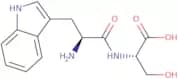
CAS:<p>H-Trp-Ser-OH is a synthetic fatty acid that has been shown to inhibit the growth of tumor cells. It was found to have an effect on insulin sensitivity in mice, suggesting it may have potential for treatment of diabetes. H-Trp-Ser-OH also inhibits the production of IL-6 and TNF-α in cultured human monocytes, which may be due to its ability to induce apoptosis. The effects of this compound on cancer are not yet known.</p>Formula:C14H17N3O4Purity:Min. 95%Molecular weight:291.3 g/molH-Leu-allyl ester·p-tosylate
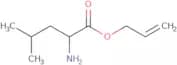
CAS:<p>H-Leu-allyl ester·p-tosylate is an amide with immobilized amino groups. It is an optically active compound that can be cumulated and used for biomolecular chemistry. H-Leu-allyl ester·p-tosylate has been shown to inhibit the growth of fungi by inhibiting the synthesis of tenuazonic acid, a mycotoxin that is found in contaminated grains.</p>Formula:C9H17NO2C7H8O3SPurity:Min. 95%Molecular weight:343.44 g/molMca-Gly-Lys-Pro-Ile-Leu-Phe-Phe-Arg-Leu-Lys(Dnp)-D-Arg-NH2 trifluoroacetate salt
CAS:<p>Please enquire for more information about Mca-Gly-Lys-Pro-Ile-Leu-Phe-Phe-Arg-Leu-Lys(Dnp)-D-Arg-NH2 trifluoroacetate salt including the price, delivery time and more detailed product information at the technical inquiry form on this page</p>Formula:C85H122N22O19Purity:Min. 95%Molecular weight:1,756.02 g/molCRAMP-18 (mouse) trifluoroacetate salt
CAS:<p>Please enquire for more information about CRAMP-18 (mouse) trifluoroacetate salt including the price, delivery time and more detailed product information at the technical inquiry form on this page</p>Formula:C101H171N27O24Purity:Min. 95%Molecular weight:2,147.61 g/molHCV-1 e2 Protein (554-569)
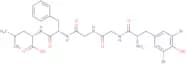
CAS:<p>Please enquire for more information about HCV-1 e2 Protein (554-569) including the price, delivery time and more detailed product information at the technical inquiry form on this page</p>Formula:C74H111N19O21S3Purity:Min. 95%Molecular weight:1,698.99 g/mol(3,5-Dibromo-Tyr1)-Leu-Enkephalin
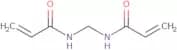
CAS:<p>Please enquire for more information about (3,5-Dibromo-Tyr1)-Leu-Enkephalin including the price, delivery time and more detailed product information at the technical inquiry form on this page</p>Formula:C28H35Br2N5O7Purity:Min. 95%Molecular weight:713.42 g/molN,N'-Methylenediacrylamide
CAS:<p>N,N'-Methylenediacrylamide is a water-soluble compound that has been used as a fluorescent probe for hydrogen bonding. It has been shown to have different phase transition temperatures in different solvents and can be used as an experimental model for studying the effects of temperature on the behavior of water molecules. N,N'-Methylenediacrylamide reacts with hydrochloric acid to form the fatty acid N,N'-methylenebis(3-chloroacrylic acid) under acidic conditions. This reaction is reversible, and the reverse process can be catalyzed by sodium citrate or human serum. When exposed to radiation or surface methodology, it emits light at a wavelength of 350 nm.</p>Formula:C7H10N2O2Purity:Min. 95%Color and Shape:White Clear LiquidMolecular weight:154.17 g/mol(D-Trp12,Tyr34)-pTH (7-34) amide (bovine) trifluoroacetate salt
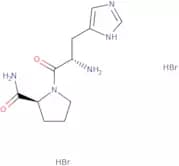
CAS:<p>Please enquire for more information about (D-Trp12,Tyr34)-pTH (7-34) amide (bovine) trifluoroacetate salt including the price, delivery time and more detailed product information at the technical inquiry form on this page</p>Formula:C165H251N49O40S2Purity:Min. 95%Molecular weight:3,625.2 g/molH-His-Pro-NH2·2 HBr
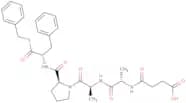
CAS:<p>Please enquire for more information about H-His-Pro-NH2·2 HBr including the price, delivery time and more detailed product information at the technical inquiry form on this page</p>Formula:C11H17N5O2·2HBrPurity:Min. 95%Molecular weight:413.11 g/molSuc-Ala-Ala-Pro-Phe-SBzl
CAS:<p>Suc-Ala-Ala-Pro-Phe-SBzl is a synthetic peptide with a sequence similar to the signal peptide of procarboxypeptidase B2. It has been shown that Suc-Ala-Ala-Pro-Phe-SBzl can be used as a diagnostic tool for pancreatic cancer, because it is found in higher concentrations in the blood of patients with pancreatic cancer. This peptide also has an affinity for metal ions, which allows it to be used as a probe to detect the presence of these ions in solution. Suc-Ala-Ala-Pro-Phe-SBzl binds to human immunoglobulin G (IgG) and can be used in analytical methods that use x ray diffraction data.</p>Formula:C31H38N4O7SPurity:Min. 95%Molecular weight:610.72 g/molMast Cell Degranulating (MCD) Peptide HR-1
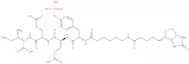
CAS:<p>Please enquire for more information about Mast Cell Degranulating (MCD) Peptide HR-1 including the price, delivery time and more detailed product information at the technical inquiry form on this page</p>Formula:C71H133N19O15Purity:Min. 95%Molecular weight:1,492.93 g/molBiotinyl-ε-aminocaproyl-Tyr(PO3H2)-Glu-Glu-Ile-OH
CAS:<p>Please enquire for more information about Biotinyl-epsilon-aminocaproyl-Tyr(PO3H2)-Glu-Glu-Ile-OH including the price, delivery time and more detailed product information at the technical inquiry form on this page</p>Formula:C41H62N7O16PSPurity:Min. 95%Molecular weight:972.01 g/molSyntide 2 trifluoroacetate salt
CAS:<p>Syntide 2 is a diacylglycerol, which has been found to have a number of biochemical properties. It is an activator of protein kinase C and has been shown to be reactive in vitro assays. Syntide 2 has also been found to activate the light chain kinase in plant physiology. This compound has also been shown to promote neuronal death and may have a role in transcriptional regulation. Syntide 2 is used as a model system for studying the physiological function of α subunit-containing proteins.</p>Formula:C68H122N20O18Purity:Min. 95%Molecular weight:1,507.82 g/mol(Tyr0)-C-Peptide (human)
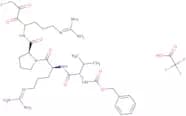
CAS:<p>Please enquire for more information about (Tyr0)-C-Peptide (human) including the price, delivery time and more detailed product information at the technical inquiry form on this page</p>Formula:C138H220N36O50Purity:Min. 95%Molecular weight:3,183.44 g/molZ-Val-Arg-Pro-DL-Arg-fluoromethylketone trifluoroacetate salt
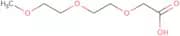
CAS:<p>Please enquire for more information about Z-Val-Arg-Pro-DL-Arg-fluoromethylketone trifluoroacetate salt including the price, delivery time and more detailed product information at the technical inquiry form on this page</p>Formula:C31H49FN10O6Purity:Min. 95%Molecular weight:676.78 g/mol(2-(2-Methoxyethoxy)ethoxy)acetic acid
CAS:<p>2-(2-Methoxyethoxy)ethoxy)acetic acid (MEAA) is a cell stabilizer that can be used in the treatment of cancer, diabetes, and other diseases. MEAA has been shown to inhibit the growth of cells by binding to and stabilizing the cytoskeleton through inhibition of protein synthesis. It also prevents the activation of pro-inflammatory cytokines and reactive oxygen species. MEAA's magnetic resonance spectroscopy properties have been studied in detail and it has been shown to bind well with silver ions. MEAA has also been shown to have high cytotoxicity when combined with laser ablation therapy.</p>Formula:C7H14O5Purity:90%Color and Shape:Clear LiquidMolecular weight:178.18 g/molAc-Asp-Arg-Val-Tyr-Ile-His-Pro-Phe-His-Leu-Leu-Val-Tyr-Ser-OH
CAS:<p>Please enquire for more information about Ac-Asp-Arg-Val-Tyr-Ile-His-Pro-Phe-His-Leu-Leu-Val-Tyr-Ser-OH including the price, delivery time and more detailed product information at the technical inquiry form on this page</p>Formula:C87H125N21O21Purity:Min. 95%Molecular weight:1,801.05 g/molBursin (avian)
CAS:<p>Bursin is a vaccine that is used to prevent the infection of avian influenza in chickens. It has been shown to stimulate antibody production and increase the immune response in chickens. Bursin consists of an amino terminal, carboxy terminal, and a peptide sequence that binds to receptors on the surface of cells. Peptides such as bursin are used for sample preparation or expression plasmids in tissue culture experiments. Bursin also has calcium-binding properties and can be used as a histochemical stain for skin cells. The hydroxyl group on the side chain is important for its function.</p>Formula:C14H25N7O3Purity:Min. 95%Molecular weight:339.39 g/mol(Asp371)-Tyrosinase (369-377) (human) trifluoroacetate salt
CAS:<p>Trifluoroacetate salt</p>Formula:C42H66N10O16S2Purity:Min. 95%Molecular weight:1,031.16 g/mol1-Phenyl-4,5-dihydro-1H-pyrazol-3-amine
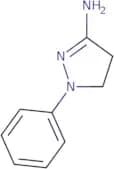
CAS:<p>1-Phenyl-4,5-dihydro-1H-pyrazol-3-amine is an organic compound that is used as a reagent in the synthesis of other compounds. It is a dimeric compound that can be synthesized by electrolysis. It has been shown to have kinetic and potential properties, which are determined by its anilines and pyridines. 1-Phenyl-4,5-dihydro-1H-pyrazol-3-amine can also be synthesized from ethanolamine and copper (II) salts. This technique involves the electrochemical oxidation of copper, followed by reduction with acetonitrile. The resulting 1-(aminomethyl)-4,5 dihydro pyrazole 3 amine can then be used for further reactions.</p>Formula:C9H11N3Purity:Min. 95%Molecular weight:161.2 g/mol(1S, 2R)-1-Phenyl-2-(1-pyrrolidinyl)-1-propanol
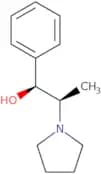
CAS:Controlled Product<p>Please enquire for more information about (1S, 2R)-1-Phenyl-2-(1-pyrrolidinyl)-1-propanol including the price, delivery time and more detailed product information at the technical inquiry form on this page</p>Formula:C13H19NOPurity:Min. 95%Color and Shape:PowderMolecular weight:205.3 g/molH-D-His(1-Me)-OH hydrochloride salt
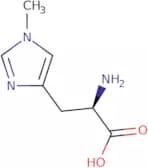
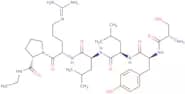
CAS:<p>Please enquire for more information about H-D-His(1-Me)-OH hydrochloride salt including the price, delivery time and more detailed product information at the technical inquiry form on this page</p>Formula:C7H11N3O2Purity:Min. 95%Molecular weight:169.18 g/mol(Des-Gly10,D-Ala6,Pro-NHEt 9)-LHRH (salmon)
CAS:<p>Please enquire for more information about (Des-Gly10,D-Ala6,Pro-NHEt 9)-LHRH (salmon) including the price, delivery time and more detailed product information at the technical inquiry form on this page</p>Formula:C61H76N14O12Purity:Min. 95%Molecular weight:1,197.34 g/molH-D-Leu-Tyr-OH
CAS:<p>H-D-Leu-Tyr-OH is a biochemically reactive compound that can undergo a number of reactions with other substrates. It is an amide that is converted to the tripeptides, H-D-leu-tyr and H-D-Phe-Lys, by hydrolysis in the liver. It is also converted to the condensation products, H-D-leu and H2NCH2COOH, by hydrochloric acid or metal ions. The formation rate of this compound depends on its concentration. The rate of reaction increases with increased substrate concentrations. This compound has an acidic pH and binds to a bidentate ligand, histidine.</p>Formula:C15H22N2O4Purity:Min. 95%Molecular weight:294.35 g/molGalanin (1-13)-Neuropeptide Y (25-36) amide
CAS:<p>Please enquire for more information about Galanin (1-13)-Neuropeptide Y (25-36) amide including the price, delivery time and more detailed product information at the technical inquiry form on this page</p>Formula:C136H209N41O34Purity:Min. 95%Molecular weight:2,962.37 g/molSerpinin (mouse, rat) trifluoroacetate salt
CAS:<p>Please enquire for more information about Serpinin (mouse, rat) trifluoroacetate salt including the price, delivery time and more detailed product information at the technical inquiry form on this page</p>Formula:C123H202N32O46Purity:Min. 95%Molecular weight:2,865.11 g/mol(S,S)-2,2'-Isopropylidenebis(4-phenyl-2-oxazoline)
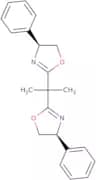
CAS:<p>(S,S)-2,2'-Isopropylidenebis(4-phenyl-2-oxazoline) is an asymmetric ligand that is chiral and has been shown to be useful in the preparation of enantiopure alcohols. The compound has been used as a catalyst to prepare aldehydes and ketones. It also has been used in reactions involving dehydration or alkylation. (S,S)-2,2'-Isopropylidenebis(4-phenyl-2-oxazoline) can be synthesized by reacting molybdenum with an alcohol and adding a base. This reaction produces the desired product with high selectivity, which is due to its chirality.</p>Formula:C21H22N2O2Purity:Min. 95%Color and Shape:Colourless Or White To Yellow Solid Or Liquid (May Vary)Molecular weight:334.41 g/mol(5-Bromo-2-methoxyphenyl)acetic acid
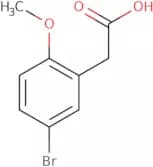
CAS:<p>5-Bromo-2-methoxyphenyl)acetic acid (BMPEA) is a hydroxylated derivative of aspartic acid. It has been shown to induce apoptotic cell death in various cell lines, including human lung cells and rat hippocampal cells. BMPEA is synthesized by the solid-phase method and is characterized by a constant structure. It can be used to treat degenerative diseases and other conditions where apoptosis is desirable, such as Alzheimer's disease, Parkinson's disease, amyotrophic lateral sclerosis, retinitis pigmentosa, and Duchenne muscular dystrophy.</p>Formula:C9H9BrO3Purity:Min. 95%Color and Shape:PowderMolecular weight:245.07 g/molH-Leu-Ser-Ala-Leu-OH
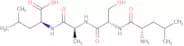
CAS:<p>H-Leu-Ser-Ala-Leu-OH is a chemical compound that has been shown to bind to 5-HT1B receptors. This receptor belongs to the 5HT1 family of serotonin receptors, which are G protein coupled receptors. The 5HT1B receptor has been shown to have a role in locomotor activity and dopamine release. HLSALLOH is also a specific antibody that reacts with the 5HT1B receptor in rats. The location of this receptor is on the dorsal raphe nucleus and other parts of the brainstem. HLSALLOH has a pH optimum of 6.0 and can be used as an immunogen for polyclonal antibodies against 5HT1B receptors.</p>Formula:C18H34N4O6Purity:Min. 95%Molecular weight:402.49 g/molOsteocalcin (7-19) (human)
CAS:<p>Please enquire for more information about Osteocalcin (7-19) (human) including the price, delivery time and more detailed product information at the technical inquiry form on this page</p>Formula:C65H98N16O19Purity:Min. 95%Molecular weight:1,407.57 g/molNeural-Cadherin (76-85) amide (chicken)
CAS:<p>Please enquire for more information about Neural-Cadherin (76-85) amide (chicken) including the price, delivery time and more detailed product information at the technical inquiry form on this page</p>Formula:C44H75N17O13Purity:Min. 95%Molecular weight:1,050.17 g/molSuc-Phe-pNA
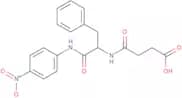
CAS:<p>Suc-Phe-pNA is a synthetic substrate that has been shown to be a proteolytic enzyme. It is used for the study of proteolytic enzymes and in pharmaceutical research because it can inhibit the activity of pancreatic enzymes such as trypsin or chymotrypsin. Suc-Phe-pNA has also been shown to have antiviral properties, which may be due to its ability to inhibit viral proteases. Suc-Phe-pNA is an inhibitor of serine protease, which is an enzyme that catalyzes reactions involving peptide bonds. The pH optimum for Suc-Phe-pNA is 8 and it has been shown to have a low inhibitory effect on trypsin activity at all pH levels.</p>Formula:C19H19N3O6Purity:Min. 95%Molecular weight:385.37 g/molOrphan GPCR SP9155 Agonist P518 (human) trifluoroacetate salt
CAS:<p>Please enquire for more information about Orphan GPCR SP9155 Agonist P518 (human) trifluoroacetate salt including the price, delivery time and more detailed product information at the technical inquiry form on this page</p>Formula:C127H195N37O37Purity:Min. 95%Molecular weight:2,832.13 g/molH-Met-Ile-OH
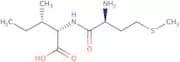
CAS:<p>H-Met-Ile-OH is an atypical antipsychotic drug that has been shown to have the ability to block dopamine receptors. This compound has been shown to be a secretagogue, which means it can stimulate the secretion of other hormones or peptides. H-Met-Ile-OH may also regulate the activity of regulatory subunit proteins and affect the regulation of other genes. It has been shown to have diagnostic utility in the diagnosis of atypical mutations in women. The frequency and spectrum of H-Met-Ile-OH attacks are determined by genotype and nucleotide polymorphisms.</p>Formula:C11H22N2O3SPurity:Min. 95%Molecular weight:262.37 g/molH-Lys(retro-Glu-H)-OH
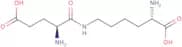
CAS:<p>Please enquire for more information about H-Lys(retro-Glu-H)-OH including the price, delivery time and more detailed product information at the technical inquiry form on this page</p>Formula:C11H21N3O5Purity:Min. 95%Molecular weight:275.3 g/molOsteoblast-Adhesive Peptide
CAS:<p>Please enquire for more information about Osteoblast-Adhesive Peptide including the price, delivery time and more detailed product information at the technical inquiry form on this page</p>Formula:C21H43N11O6Purity:Min. 95%Molecular weight:545.64 g/molH-Gly-Gly-Sar-OH
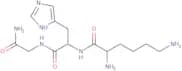
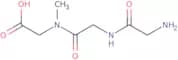
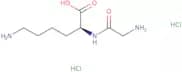
CAS:<p>Gly-Gly-Sar is a synthetic peptide that acts as a substrate for the peptide transporter, which is part of the membrane of cells. It is an amide with a reactive group that can form a ternary complex with two hydroxyl ions and one proton. Gly-Gly-Sar has been shown to be taken up by caco-2 cells in an extravesicular manner and undergoes proteolysis by peptidases. This leads to bond cleavage and formation of free Gly-Gly and Sar. The free Gly and Gly are then transported across the cell membrane into the cell cytoplasm, where they are hydroxylated by enzymes such as glycyl-l-leucine hydroxylase to form glycolic acid and glyoxylic acid, respectively.</p>Formula:C7H13N3O4Purity:Min. 95%Molecular weight:203.2 g/molH-Gly-Lys-OH·HCl
CAS:<p>Please enquire for more information about H-Gly-Lys-OH·HCl including the price, delivery time and more detailed product information at the technical inquiry form on this page</p>Formula:C8H17N3O3·HClPurity:Min. 95%Molecular weight:239.7 g/molFmoc-Ile-Wang resin (100-200 mesh)
<p>Please enquire for more information about Fmoc-Ile-Wang resin (100-200 mesh) including the price, delivery time and more detailed product information at the technical inquiry form on this page</p>Purity:Min. 95%H-Ser-Glu-Gly-OH
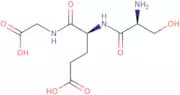
CAS:<p>H-Ser-Glu-Gly-OH is an atypical compound that has shown anti-cancer activity in vitro. It is a member of the family of compounds known as glycine receptor antagonists. H-Ser-Glu-Gly-OH has been shown to inhibit the proliferation of A549 lung cancer cells and to induce cell cycle arrest and apoptosis. The compound also inhibits the activation of signal regulated kinase (ERK) in A549 lung cancer cells, which may be due to its ability to inhibit the production of cytokines such as IL6, IL8, and TNFα. H-Ser-Glu-Gly-OH also has mitogenic and antiproliferative activities for a variety of nonmalignant cell lines including human umbilical vein endothelial cells (HUVEC), human embryonic kidney cells (HEK293), and mouse erythroleukemia cells (MEL).</p>Formula:C10H17N3O7Purity:Min. 95%Molecular weight:291.26 g/molCys-Gly-Lys-Lys-Gly-Amyloid b-Protein (33-40) trifluoroacetate salt
CAS:<p>Please enquire for more information about Cys-Gly-Lys-Lys-Gly-Amyloid b-Protein (33-40) trifluoroacetate salt including the price, delivery time and more detailed product information at the technical inquiry form on this page</p>Formula:C51H93N15O14S2Purity:Min. 95%Molecular weight:1,204.51 g/molC-Reactive Protein (CRP) (201-206)
CAS:<p>C-reactive protein (CRP) is a protein that is synthesized by the liver in response to inflammation. It has a variety of functions, including the regulation of energy metabolism and glycolysis. CRP also has a role in regulating production of neutrophil chemotactic factors, cytokines, and reactive oxygen species. In addition, it binds to zymosan and can be used as an inflammatory marker in medical diagnostics. The amino acid sequence for CRP was first determined in 1971. The primary structure for CRP consists of two alpha helices connected by two beta strands. Its tertiary structure consists of four alpha helices that are connected through loops and turns by three beta sheets with an additional loop connecting one helix to the other strand. CRP contains no disulfide bonds or hydrophobic interactions; instead, it relies on hydrogen bonds to maintain its shape.br>br></p>Formula:C38H57N9O8Purity:Min. 95%Molecular weight:767.92 g/mol(Des-Gly10,D-Pyr 1,D-Ser(tBu)6,Pro-NHEt 9)-LHRH acetate salt
Controlled Product<p>Please enquire for more information about (Des-Gly10,D-Pyr 1,D-Ser(tBu)6,Pro-NHEt 9)-LHRH acetate salt including the price, delivery time and more detailed product information at the technical inquiry form on this page</p>Formula:C60H86N16O13Purity:Min. 95%Molecular weight:1,239.42 g/molH-Gly-Glu-pNA
CAS:<p>H-Gly-Glu-pNA is a reactive atypical synthetic peptide. It is a serine protease inhibitor that has been shown to inhibit the activity of chymotrypsin, trypsin and elastase. H-Gly-Glu-pNA binds to the active site of these enzymes and inactivates them by binding to their catalytic residue. The maximal inhibition of H-Gly-Glu-pNA occurs at neutral pH and its activity can be inhibited by carboxylic acids such as lactic acid, which have a high affinity for the hydroxyl group on the pNA side chain.</p>Formula:C13H16N4O6Purity:Min. 95%Molecular weight:324.29 g/molZ-Gly-Pro-Leu-Gly-Pro-OH
CAS:<p>Z-Gly-Pro-Leu-Gly-Pro-OH is a synthetic peptide that is hydrophobic and has a sequence of amino acids. It can be used as a substrate for proteolytic enzymes. Z-Gly-Pro-Leu-Gly-Pro-OH has been shown to have collagenase activity in human liver and porcine tissues, but not in the presence of chloromethyl ketone. The neutral pH is important for this reaction because it increases the solubility of the substrate. This product is also soluble in water, making it easier to use in experiments.</p>Formula:C28H39N5O8Purity:Min. 95%Molecular weight:573.64 g/mol(Des-Ala3)-GHRP-2
CAS:<p>Please enquire for more information about (Des-Ala3)-GHRP-2 including the price, delivery time and more detailed product information at the technical inquiry form on this page</p>Formula:C42H50N8O5Purity:Min. 95%Molecular weight:746.9 g/molZ-Ala-Ile-OH
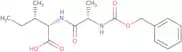
CAS:<p>Z-Ala-Ile-OH is a hydroxamic acid that is used in peptide synthesis. It is a monomer that is hydrophobic and has an affinity for peptidyl acceptors. The synthetic method for Z-Ala-Ile-OH involves the use of aspartic acid and aspartate semialdehyde, which are used to synthesize the hydroxamic acid via an amidation reaction. The nomenclature of Z-Ala-Ile-OH is based on its structure and the order of amino acids found in it. Aspartic acid and asparagine are both amino acids found in Z-Ala-Ile-OH, with the -NH2 group being replaced by -OH in this particular molecule. This substitution results in a more hydrophobic compound than aspartate semialdehyde.</p>Formula:C17H24N2O5Purity:Min. 95%Molecular weight:336.38 g/molH-D-Arg(Pbf)-2-chlorotrityl resin (200-400 mesh)
<p>Please enquire for more information about H-D-Arg(Pbf)-2-chlorotrityl resin (200-400 mesh) including the price, delivery time and more detailed product information at the technical inquiry form on this page</p>Purity:Min. 95%Leu-Enkephalin amide acetate salt
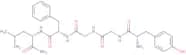
CAS:<p>Leu-Enkephalin amide acetate salt H-Tyr-Gly-Gly-Phe-Leu-NH2 acetate salt is a peptide that is used as an analgesic and antipyretic drug. It is a synthetic form of endogenous enkephalins, which are natural pain relievers. The chemical stability of Leu-Enkephalin amide acetate salt H-Tyr-Gly-Gly-Phe-Leu-NH2 acetate salt makes it an effective drug for chronic use, and it has been shown to have a low side effect profile. This compound also has been shown to block the synthesis of histamine in vivo, but its bioavailability in vivo is not high due to its rapid degradation by proteases.</p>Formula:C28H38N6O6Purity:Min. 95%Color and Shape:PowderMolecular weight:554.64 g/mol4-Fluoromethyl-α-methylbenzyl alcohol
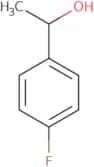
CAS:<p>4-Fluoromethyl-alpha-methylbenzyl alcohol is a nonclassical molecule that has been synthesized. This molecule has been modeled computationally and the results indicate that it exhibits a planar geometry with a diastereomeric ratio of 1:1. The theoretical calculations show that the reaction of 4-fluoromethyl-alpha-methylbenzyl alcohol with water is exothermic, which would result in the formation of an intermediate hydroxide ion. Kinetic studies have shown that this molecule can undergo transfer reactions and dehydrogenation reactions, both of which are possible mechanisms for its reactivity.</p>Formula:C8H9FOPurity:Min. 95%Molecular weight:140.15 g/mol4-Methoxy-3-(trifluoromethyl)benzoic acid
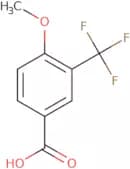
CAS:<p>4-Methoxy-3-(trifluoromethyl)benzoic acid is a useful scaffold that can be used as a building block for the synthesis of complex compounds. It has been shown to react with various reagents and is a versatile building block that can be used in organic synthesis. 4-Methoxy-3-(trifluoromethyl)benzoic acid is a high quality chemical and has been classified as speciality chemicals. This product is also known by the CAS number 213598-09-5.</p>Formula:C9H7F3O3Purity:Min. 98 Area-%Color and Shape:PowderMolecular weight:220.15 g/molZ-Lys(Fmoc)-OH
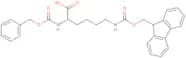
CAS:<p>Please enquire for more information about Z-Lys(Fmoc)-OH including the price, delivery time and more detailed product information at the technical inquiry form on this page</p>Formula:C29H30N2O6Purity:Min. 95%Molecular weight:502.56 g/molH-D-Ala-Gly-Gly-OH
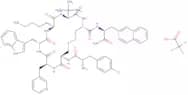
CAS:<p>H-D-Ala-Gly-Gly-OH is a bifunctional amide that can be used as an acceptor or donor. It has been shown to function in polymerase chain reactions, where it binds to the subunits of DNA polymerase and acts as an acceptor. This compound also has carboxypeptidase activity and isomerizes to form D-alanine at a thermodynamic equilibrium. H-D-Ala-Gly-Gly-OH is found in Geobacillus stearothermophilus, which displays cell lysis after being exposed to this compound. The same enzyme activity was found in Ochrobactrum anthropi, but not in other bacteria such as Streptomyces griseus or Bacillus subtilis.</p>Formula:C7H13N3O4Purity:Min. 95%Molecular weight:203.2 g/molH-p-Chloro-Phe-D-Cys-b-(3-pyridyl)-Ala-D-Trp-Lys-tBu-Gly-Cys-2-Nal-NH2 trifluoroacetate salt (Disulfide bond)
CAS:<p>Please enquire for more information about H-p-Chloro-Phe-D-Cys-b-(3-pyridyl)-Ala-D-Trp-Lys-tBu-Gly-Cys-2-Nal-NH2 trifluoroacetate salt (Disulfide bond) including the price, delivery time and more detailed product information at the technical inquiry form on this page</p>Formula:C59H71ClN12O8S2Purity:Min. 95%Molecular weight:1,175.86 g/molFmoc-Met-Wang resin (200-400 mesh)
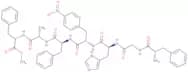
<p>Please enquire for more information about Fmoc-Met-Wang resin (200-400 mesh) including the price, delivery time and more detailed product information at the technical inquiry form on this page</p>Purity:Min. 95%H-Phe-Gly-His-p-nitro-Phe-Phe-Ala-Phe-OMe
CAS:<p>H-Phe-Gly-His-p-nitro-Phe-Phe-Ala-Phe-OMe is a protonated amino acid. It has been shown to have a high affinity for the histidine subsite of human thrombin. This compound has been found to have a kinetic rate of hydrolysis that is competitive with that of aspartic acid, but slower than that of valine. H-Phe-Gly-His-p-nitro-Phe--Phe--Ala--Phe--OMe also functions as an anticoagulant and inhibits clotting by inhibiting the conversion of fibrinogen to fibrin.</p>Formula:C48H54N10O10Purity:Min. 95%Molecular weight:931 g/molH-Leu-NHOH·TFA
CAS:<p>H-Leu-NHOH·TFA is a histidine analogue that is used as a catalyst. It has been shown to be an effective inhibitor of corynebacteria, and can be used in the synthesis of fatty acids, which are important for cell membrane production. H-Leu-NHOH·TFA also binds to the enzyme synthetase and inhibits its activity, which blocks the conversion of ammonia and amino acids into polypeptides. This inhibition prevents bacterial growth. H-Leu-NHOH·TFA is active at acidic pH levels, with a maximum activity at pH 4.0. The optimum temperature for this compound is 50°C, but it will still work at temperatures up to 60°C.</p>Formula:C6H14N2O2·C2HF3O2Purity:Min. 95%Color and Shape:PowderMolecular weight:260.21 g/molSomatostatin-14 (7-14) trifluoroacetate salt
CAS:<p>Please enquire for more information about Somatostatin-14 (7-14) trifluoroacetate salt including the price, delivery time and more detailed product information at the technical inquiry form on this page</p>Formula:C49H66N10O12SPurity:Min. 95%Molecular weight:1,019.17 g/mol(Nle 35)-Amyloid b-Protein (1-42) ammonium salt
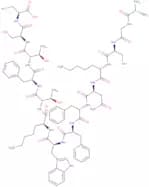
CAS:<p>Please enquire for more information about (Nle 35)-Amyloid b-Protein (1-42) ammonium salt including the price, delivery time and more detailed product information at the technical inquiry form on this page</p>Formula:C204H313N55O60Purity:Min. 95%Molecular weight:4,496 g/molSomatostatin-14 (reduced)
CAS:<p>Somatostatin-14 (reduced) H-Ala-Gly-Cys-Lys-Asn-Phe-Phe-Trp-Lys-Thr-Phe-Thr-Ser-Cys is a synthetic peptide that is an adjuvant for vaccines. It induces a biphasic response by increasing the humoral immune response and decreasing the cellular immune response. Somatostatin has been shown to decrease the severity of symptoms in patients with psychiatric disorders and can be used as a long term treatment for these conditions. Somatostatin also has effects on the pancreas, such as inhibiting insulin release, leading to decreased blood glucose levels. Its disulfide bond in its structure may be important for its activity and stability.</p>Formula:C76H106N18O19S2Purity:Min. 95%Molecular weight:1,639.9 g/molH-Tyr-D-Ala-Gly-OH
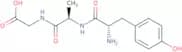
CAS:<p>H-Tyr-D-Ala-Gly-OH is a chemical compound that is used in the field of molecular biology. It is an amino acid which has been modified to contain a terminal amine group, so it can be coupled to other molecules through a covalent bond. H-Tyr-D-Ala-Gly-OH can be used as a diagnostic marker for mouse monoclonal antibodies. The antibody reacts with the H-Tyr-D-Ala-Gly-OH by binding to its peptide receptors, which are located on the cell surface and inside the cells. This receptor activity can be detected using immunohistochemistry or flow cytometry. Immunohistochemical detection of H-Tyr-D-Ala-Gly--OH is useful for diagnosing cancer, such as breast cancer, where it can be found in high levels in metastatic lesions.</p>Formula:C14H19N3O5Purity:Min. 95%Molecular weight:309.32 g/molH-Arg-Ile-OH acetate salt
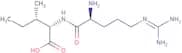
CAS:<p>H-Arg-Ile-OH acetate salt is a regulatory protein that is found in plant cells. It has been shown to be involved in the regulation of cancer, as well as having some anti-inflammatory activities. H-Arg-Ile-OH acetate salt also has been shown to inhibit the production of fatty acids and coagulation factors by inhibiting serine proteases and thromboplastin activity, respectively. H-Arg-Ile-OH acetate salt may have an important role in regulating blood clotting by preventing fibrinogen from converting to fibrin, which leads to clot formation.</p>Formula:C12H25N5O3Purity:Min. 95%Molecular weight:287.36 g/mol(D-Leu6,Pro-NHEt 9)-LHRH (4-9)
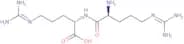
CAS:<p>Please enquire for more information about (D-Leu6,Pro-NHEt 9)-LHRH (4-9) including the price, delivery time and more detailed product information at the technical inquiry form on this page</p>Formula:C37H62N10O8Purity:Min. 95%Molecular weight:774.95 g/molH-Arg-Arg-OH acetate salt
CAS:<p>H-Arg-Arg-OH acetate salt is a protease inhibitor. It has been shown to inhibit the activity of serine proteases, such as trypsin and chymotrypsin, in vitro. H-Arg-Arg-OH acetate salt binds to the active site of the enzyme and prevents substrate binding. The acidity of the environment where this inhibitor is active can be used to control its activity. At acidic pH, H-Arg-Arg-OH acetate salt is more potent than at neutral pH. When it comes into contact with a protein substrate, H-Arg-Arg-OH acetate salt will bind to a hydroxyl group on the protein molecule and prevent it from hydrolyzing its substrate. This process can be reversed by adding an alkaline buffer to increase the pH of the system or by adding an acid buffer to decrease it.br>br> H-Arg-Arg-OH acetate salt is found in cyanob</p>Formula:C12H26N8O3Purity:Min. 95%Molecular weight:330.39 g/molBz-Pro-Phe-Arg-pNA·HCl
CAS:<p>Bz-Pro-Phe-Arg-pNA·HCl is a synthetic peptide that has been shown to be a specific marker for diagnosis of thrombocytopenia. The peptide is cleaved by proteases, including serine proteases and trypsin, and the resulting fragments are assayed in biochemical tests. Bz-Pro-Phe-Arg-pNA·HCl is synthesized by solid phase peptide synthesis with an N-terminal amide bond. This synthetic peptide can be used as a substrate for various serine proteases and trypsin to generate diagnostic fragments. Bz-Pro-Phe-Arg-pNA·HCl also specifically binds to wild type erythrocytes and hemocytes, which are cells that produce blood cells.</p>Formula:C33H38N8O6·HClPurity:Min. 95%Molecular weight:679.17 g/molZ-D-Phe-Val-OH
CAS:<p>N-hydroxysuccinimide is a reactive, nucleophilic compound that is used in the synthesis of peptides and other biologically active molecules. It reacts with carboxylic acids to form esters and with amines to form amides. N-hydroxysuccinimide is also used as an additive in organic reactions, such as carbodiimide coupling or benzoin condensation.</p>Formula:C22H26N2O5Purity:Min. 95%Molecular weight:398.45 g/molH-Gly-Gly-Asp-Ala-OH
CAS:<p>Please enquire for more information about H-Gly-Gly-Asp-Ala-OH including the price, delivery time and more detailed product information at the technical inquiry form on this page</p>Formula:C11H18N4O7Purity:Min. 95%Molecular weight:318.28 g/molH-Ala-allyl ester·p-tosylate
CAS:<p>H-Ala-allyl ester·p-tosylate is an organic solvent that has been used to synthesize cyclic peptides and amide derivatives. It is a molecule with a chiral center, which means that it can have two different structures that are mirror images of each other. The enantiomer of H-Ala-allyl ester·p-tosylate is the opposite of L-Ala-allyl ester·p-tosylate in terms of its physical properties and biological activity. Modifications on the side chain such as positioning or modifications can be made to the molecule. Disulfide bonds can also be introduced into the side chain to form linkers for polymerization initiators. Synthesis of H-Ala-allyl ester·p-tosylate requires strong conditions such as heating or irradiation with UV light, which makes it difficult for production.</p>Formula:C6H11NO2·C7H8O3SPurity:Min. 95%Molecular weight:301.36 g/mol(D-His2,D-Trp6)-LHRH trifluoroacetate salt
CAS:<p>Please enquire for more information about (D-His2,D-Trp6)-LHRH trifluoroacetate salt including the price, delivery time and more detailed product information at the technical inquiry form on this page</p>Formula:C64H82N18O13Purity:Min. 95%Molecular weight:1,311.45 g/molMet-Enkephalin acetate salt
CAS:<p>Please enquire for more information about Met-Enkephalin acetate salt including the price, delivery time and more detailed product information at the technical inquiry form on this page</p>Formula:C27H35N5O7S·xC2H4O2Purity:Min. 95%Molecular weight:573.66 g/molOxyntomodulin (human, mouse, rat) trifluoroacetate salt
CAS:<p>Please enquire for more information about Oxyntomodulin (human, mouse, rat) trifluoroacetate salt including the price, delivery time and more detailed product information at the technical inquiry form on this page</p>Formula:C192H295N61O60SPurity:Min. 95%Molecular weight:4,449.84 g/molGliadorphin-7 trifluoroacetate salt
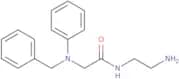
CAS:<p>Gliadorphin is a peptide that occurs in cow's milk. It has been shown to be effective against bacterial translocation, which is the passage of bacteria from the gut into other parts of the body. Gliadorphin also has a safety profile, with no observed adverse effects in animal studies and dietary trials. The biological samples used for this study were casein and urine samples. The antibodies used were polyclonal antibodies and Gliadorphin was tested for its ability to bind to bacterial proteins in vivo. Hydration may be necessary for optimal absorption of gliadorphin, as dehydration can affect immune reaction. Gliadorphin does not have any known side effects or drug interactions, but it should not be used by people with an allergy to casein or those who are allergic to mammalian serine proteases (such as trypsin).</p>Formula:C43H57N9O11Purity:Min. 95%Molecular weight:875.97 g/molN-(2-Amino-ethyl)-2-(benzyl-phenyl-amino)-acetamide
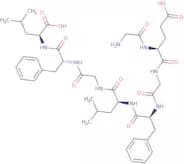
CAS:<p>Please enquire for more information about N-(2-Amino-ethyl)-2-(benzyl-phenyl-amino)-acetamide including the price, delivery time and more detailed product information at the technical inquiry form on this page</p>Formula:C17H21N3OPurity:Min. 95%Color and Shape:White PowderMolecular weight:283.37 g/molH-Gly-Glu-Gly-Phe-Leu-Gly-D-Phe-Leu-OH
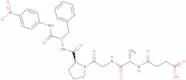
CAS:<p>Please enquire for more information about H-Gly-Glu-Gly-Phe-Leu-Gly-D-Phe-Leu-OH including the price, delivery time and more detailed product information at the technical inquiry form on this page</p>Formula:C41H58N8O11Purity:Min. 95%Molecular weight:838.95 g/molSuc-Ala-Gly-Pro-Phe-pNA
CAS:<p>Suc-Ala-Gly-Pro-Phe-pNA is an amide that has been synthesized for the stabilization of proteins, peptides and nucleic acids. It has shown to be effective in preventing isomerization of casein and phosphatase (casein kinase II) by stabilizing the alpha helix structure. Suc-Ala-Gly-Pro-Phe-pNA also prevents fk506 binding to endoplasmic reticulum protein tyrosine kinases and isomerizes tyrosine to phenylalanine. The tetrapeptide sequence has been shown to be similar to sequences found in cellular proteins. This compound is a synthetic analog of the natural amino acid proline and can be used as a substitute in peptides or nucleotide sequences, due to its ability to stabilize these molecules against proteolysis or hydrolysis.</p>Formula:C29H34N6O9Purity:Min. 95%Molecular weight:610.62 g/molFmoc-Pro-DHPP resin (200-400 mesh)
<p>Please enquire for more information about Fmoc-Pro-DHPP resin (200-400 mesh) including the price, delivery time and more detailed product information at the technical inquiry form on this page</p>Purity:Min. 95%