Amino Acids (AA)
Amino acids (AAs) are the fundamental building blocks of proteins, playing a crucial role in various biological processes. These organic compounds are essential for protein synthesis, metabolic pathways, and cell signaling. In this category, you will find a comprehensive range of amino acids, including essential, non-essential, and modified forms, which are vital for research in biochemistry, molecular biology, and nutritional sciences. At CymitQuimica, we provide high-quality amino acids to support your research and development needs, ensuring accuracy and reliability in your experimental outcomes.
Subcategories of "Amino Acids (AA)"
- Amino Acid Derivatives(3,955 products)
- Amino Acid and Amino Acid Related Compounds(3,465 products)
- Amino Acids with Oxygen or Sulphur(168 products)
- Boc- Amino Acids(351 products)
- Fmoc Amino Acids(1,710 products)
Found 38248 products of "Amino Acids (AA)"
Sort by
Purity (%)
0
100
|
0
|
50
|
90
|
95
|
100
H-Lys(Boc)-2-chlorotrityl resin (200-400 mesh) (Low Substitution)
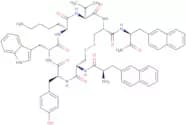
<p>Please enquire for more information about H-Lys(Boc)-2-chlorotrityl resin (200-400 mesh) (Low Substitution) including the price, delivery time and more detailed product information at the technical inquiry form on this page</p>Purity:Min. 95%(D-2-Nal 5,Cys6·11,Tyr7,D-Trp8,Val10, 2-Nal 12)-Somatostatin-14 (5-12) amide trifluoroacetate salt
CAS:<p>Please enquire for more information about (D-2-Nal 5,Cys6·11,Tyr7,D-Trp8,Val10, 2-Nal 12)-Somatostatin-14 (5-12) amide trifluoroacetate salt including the price, delivery time and more detailed product information at the technical inquiry form on this page</p>Formula:C63H73N11O9S2Purity:Min. 95%Molecular weight:1,192.45 g/molBoc-Homoarg (Et)2-OH (symmetrical) hydrochloride salt
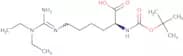
CAS:<p>Please enquire for more information about Boc-Homoarg (Et)2-OH (symmetrical) hydrochloride salt including the price, delivery time and more detailed product information at the technical inquiry form on this page</p>Formula:C16H32N4O4Purity:Min. 95%Molecular weight:344.45 g/molH-Val-Ala-pNA acetate salt
CAS:<p>Please enquire for more information about H-Val-Ala-pNA acetate salt including the price, delivery time and more detailed product information at the technical inquiry form on this page</p>Formula:C14H20N4O4Purity:Min. 95%Molecular weight:308.33 g/molH-Lys-Ser-OH·HCl
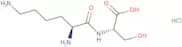
CAS:<p>Please enquire for more information about H-Lys-Ser-OH·HCl including the price, delivery time and more detailed product information at the technical inquiry form on this page</p>Formula:C9H19N3O4·HClPurity:Min. 95%Molecular weight:269.73 g/mol(Sar 1,Gly8)-Angiotensin II
CAS:<p>Please enquire for more information about (Sar 1,Gly8)-Angiotensin II including the price, delivery time and more detailed product information at the technical inquiry form on this page</p>Formula:C42H65N13O10Purity:Min. 95%Molecular weight:912.05 g/molAmyloid β/A4 Protein Precursor770 (740-770) trifluoroacetate salt
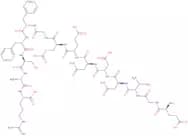
CAS:<p>Please enquire for more information about Amyloid beta/A4 Protein Precursor770 (740-770) trifluoroacetate salt including the price, delivery time and more detailed product information at the technical inquiry form on this page</p>Formula:C162H243N45O52S2Purity:Min. 95%Molecular weight:3,717.07 g/molH-Phe-Gly-Gly-OH
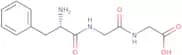
CAS:<p>H-Phe-Gly-Gly-OH is a phosphatase enzyme inhibitor that acts as a competitive inhibitor of serine/threonine phosphatases. It has been shown to inhibit the activity of protein data, which are enzymes that catalyze the hydrolysis of phosphate groups from proteins. This inhibition of protein data leads to an increase in the levels of protein kinase A (PKA) and cyclic AMP (cAMP) in human serum. H-Phe-Gly-Gly-OH also inhibits an enzyme called phospholipase A2, which is responsible for fatty acid metabolism, leading to an accumulation of fatty acids in cells. It has been shown that H-Phe-Gly-Gly-OH has anticancer activity against meningioma and squamous carcinoma cells in humans.</p>Formula:C13H17N3O4Purity:Min. 95%Molecular weight:279.29 g/molH-Thr-Tyr-Ser-OH
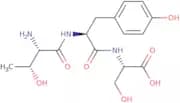
CAS:<p>H-Thr-Tyr-Ser-OH is a fluorescent peptide with conjugates that has been shown to be sequestered in atherosclerotic lesions. The fluorescence of this peptide is increased when bound to lipofuscin, which accumulates in atherosclerotic lesions. Immunohistochemical staining has revealed that H-Thr-Tyr-Ser-OH is a marker for the identification of atheromas and can be used to identify areas of lipid accumulation. H-Thr-Tyr-Ser-OH binds to peroxidases and enzyme linked immunosorbent assay (ELISA) antibodies, making it useful as an indicator for the presence of these enzymes. This peptide also stains positively for markers such as CD11b, CD68, and lysozyme.</p>Formula:C16H23N3O7Purity:Min. 95%Molecular weight:369.37 g/molBzl-Nle-OH
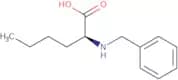
CAS:<p>Please enquire for more information about Bzl-Nle-OH including the price, delivery time and more detailed product information at the technical inquiry form on this page</p>Formula:C13H19NO2Purity:Min. 95%Molecular weight:221.3 g/molFmoc-Cys(Trt)-Wang resin (200-400 mesh)
<p>Please enquire for more information about Fmoc-Cys(Trt)-Wang resin (200-400 mesh) including the price, delivery time and more detailed product information at the technical inquiry form on this page</p>Purity:Min. 95%(Asp371)-Tyrosinase (369-377) (human) trifluoroacetate salt
CAS:<p>Trifluoroacetate salt</p>Formula:C42H66N10O16S2Purity:Min. 95%Molecular weight:1,031.16 g/molNeuromedin U-25 (porcine) trifluoroacetate salt
CAS:<p>Please enquire for more information about Neuromedin U-25 (porcine) trifluoroacetate salt including the price, delivery time and more detailed product information at the technical inquiry form on this page</p>Formula:C144H217N43O37Purity:Min. 95%Molecular weight:3,142.53 g/molFmoc-D-Asn(Trt)-Wang resin (200-400 mesh)
<p>Please enquire for more information about Fmoc-D-Asn(Trt)-Wang resin (200-400 mesh) including the price, delivery time and more detailed product information at the technical inquiry form on this page</p>Purity:Min. 95%2-Phenyl-5-benzimidazolesulfonic acid
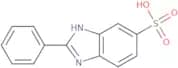
CAS:<p>2-Phenyl-5-benzimidazolesulfonic acid is a chemical compound that has been shown to have stability in vitro. It was used as a skin cancer treatment in the past, but is now mainly used as an analytical reagent. It has been shown to be effective against coumarin derivatives and enzyme activities. 2-Phenyl-5-benzimidazolesulfonic acid can be used as a chelating agent for metals and also binds to zirconium oxide, which is one of the materials used in radiation shielding. The compound can also be used for wastewater treatment and polymerase chain reaction (PCR) analysis. This compound can be synthesized using sodium salts, solid phase microextraction (SPME), and sodium citrate in order to form the benzene ring. The synthesis can then be completed by adding two phenyl groups onto the benzene ring with various reactions such as transfer reactions or radiation. Finally,</p>Formula:C13H10N2O3SPurity:Min. 95%Molecular weight:274.3 g/molZ-Leu-Arg-4MbNA
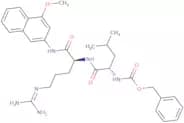
CAS:<p>Please enquire for more information about Z-Leu-Arg-4MbNA including the price, delivery time and more detailed product information at the technical inquiry form on this page</p>Formula:C31H40N6O5Purity:Min. 95%Molecular weight:576.69 g/molCell-permeable Caspase-1 Inhibitor I trifluoroacetate salt
CAS:<p>Please enquire for more information about Cell-permeable Caspase-1 Inhibitor I trifluoroacetate salt including the price, delivery time and more detailed product information at the technical inquiry form on this page</p>Formula:C97H160N20O24Purity:Min. 95%Molecular weight:1,990.43 g/molZ-Ile-Trp-OH
CAS:<p>Please enquire for more information about Z-Ile-Trp-OH including the price, delivery time and more detailed product information at the technical inquiry form on this page</p>Formula:C25H29N3O5Purity:Min. 95%Molecular weight:451.51 g/molApelin-36 (1-16) amide (human) trifluoroacetate salt
CAS:<p>Please enquire for more information about Apelin-36 (1-16) amide (human) trifluoroacetate salt including the price, delivery time and more detailed product information at the technical inquiry form on this page</p>Formula:C74H117N27O20Purity:Min. 95%Molecular weight:1,704.89 g/molNeurotensin (1-8) Pyr-Leu-Tyr-Glu-Asn-Lys-Pro-Arg-OH
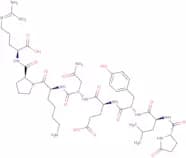
CAS:<p>Neurotensin (NT) is a peptide that has been implicated in the regulation of feeding behavior, cardiovascular function, and pain perception. The neurotensin receptor is a G-protein coupled receptor with seven transmembrane domains. Neurotensin binds to the receptor and activates it by inducing intracellular calcium mobilization and neurotransmitter release. This activation can be dose-dependent, as seen in experiments using rat brain slices incubated with different concentrations of NT. Neurotensin also induces maximal activation at low concentrations, which may be due to its ability to bind to both extracellular and intracellular receptors. NT binds selectively to ventral tegmental area neurons from rats, leading to increased spontaneous firing rates. Cancer cells have been shown to express high levels of neurotensin receptors on their surface membrane, which may contribute to tumorigenesis and metastasis. Neurodegenerative diseases such as Alzheimer’s disease are thought to involve alterations in the expression or</p>Formula:C46H71N13O14Purity:Min. 95%Molecular weight:1,030.14 g/mol(Met(O2)35)-Amyloid b-Protein (1-42)
CAS:<p>Please enquire for more information about (Met(O2)35)-Amyloid b-Protein (1-42) including the price, delivery time and more detailed product information at the technical inquiry form on this page</p>Formula:C203H311N55O62SPurity:Min. 95%Molecular weight:4,546.04 g/molH-Lys-Ala-AMC hydrochloride salt
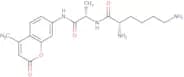
CAS:<p>Please enquire for more information about H-Lys-Ala-AMC hydrochloride salt including the price, delivery time and more detailed product information at the technical inquiry form on this page</p>Formula:C19H26N4O4Purity:Min. 95%Molecular weight:374.43 g/molFmoc-Arg(Pmc)-Wang resin (200-400 mesh)
<p>Please enquire for more information about Fmoc-Arg(Pmc)-Wang resin (200-400 mesh) including the price, delivery time and more detailed product information at the technical inquiry form on this page</p>Purity:Min. 95%Z-Lys(Ac)-NH2
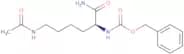
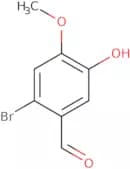
CAS:<p>Please enquire for more information about Z-Lys(Ac)-NH2 including the price, delivery time and more detailed product information at the technical inquiry form on this page</p>Formula:C16H23N3O4Purity:Min. 95%Molecular weight:321.37 g/mol2-Bromo-5-hydroxy-4-methoxybenzaldehyde
CAS:<p>2-Bromo-5-hydroxy-4-methoxybenzaldehyde is a death pathway inhibitor that has been shown to have radiosensitizing effects in vitro. It has also been found to inhibit the expression of matrix metalloproteinase (MMP) in human glioma cells and in a rat model of cerebral ischemia. This compound may be used as a potential chemotherapeutic agent for the treatment of cancer. 2-Bromo-5-hydroxy-4-methoxybenzaldehyde inhibits cell proliferation by inducing apoptosis, or programmed cell death, which may be due to its ability to suppress MMP activity.</p>Formula:C8H7BrO3Purity:Min. 95%Color and Shape:PowderMolecular weight:231.04 g/molH-D-Ile-OBzl·p-tosylate
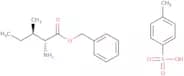
CAS:<p>H-D-Ile-OBzl·p-tosylate is a synthetic compound that has been found to have an excitatory effect on the bitter taste receptor. The leaves of plants are mutant and agglutination tests for this compound show that it is a hexapeptide. H-D-Ile-OBzl·p-tosylate can be synthesized from erythritol and p-toluenesulfonyl chloride. The chemical data for this compound indicates that it has a molecular weight of 442.3 Da and the observed spectra indicate that it is a white solid with no charge.</p>Formula:C13H19NO2·C7H8O3SPurity:Min. 95%Molecular weight:393.5 g/molNe-Z-L-lysine tert-butyl ester hydrochloride
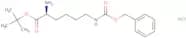
CAS:<p>Ne-Z-L-lysine tert-butyl ester hydrochloride is a multidrug that inhibits the activity of the P-glycoprotein (Pgp) transporter. This drug is an antigen that can be used as a marker for cytostatic drugs, and it can be used in radionuclide localization. Ne-Z-L-lysine tert-butyl ester hydrochloride has been shown to have cytostatic effects on malignant cells, but its cytotoxicity varies depending on the type of cancer cell. Ne-Z-L-lysine tert-butyl ester hydrochloride has also been shown to be degradable and to possess conjugates with antibodies, which makes it useful for treating some types of cancers. Ne-Z-L-lysine tert-butyl ester hydrochloride is not active against resistant cells such as those expressing Pgp or MRP1 proteins.</p>Formula:C18H28N2O4·HClPurity:Min. 95%Color and Shape:White PowderMolecular weight:372.89 g/molPhacolysine sodium salt
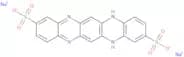
CAS:<p>Phacolysine sodium salt is a drug that activates the choroidal neovascularization receptor. It has been shown to inhibit the growth of tumors by synchronous fluorescence and disulfide bond binding. Phacolysine sodium salt has shown clinical efficacy in the treatment of choroidal neovascularization, with an average success rate of 75%. It has also been shown to be effective in treating other types of cancer, such as prostate cancer. In addition, it has antioxidative properties and can inhibit prostaglandin synthesis. This medicine is sometimes used in combination with ondansetron hydrochloride and benzalkonium chloride for pharmacological treatment.</p>Formula:C18H10N4Na2O6S2Purity:Min. 95%Color and Shape:Red PowderMolecular weight:488.41 g/molH-β-Ala-Phe-OH
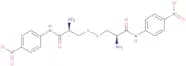
CAS:<p>H-beta-Ala-Phe-OH is a synthetic dipeptide that is positioned at the C terminus of the l-phenylalanine residue. It has two residues, H and beta-Ala, which are connected by a peptide bond between the carboxyl group of beta-Ala and the amino group of phenylalanine. The crystallographic structure of this molecule shows that it adopts a helical conformation with hydrogen bonds between adjacent helices. This water-soluble molecule has been shown to have antihypertensive properties in animal studies.</p>Formula:C12H16N2O3Purity:Min. 95%Color and Shape:PowderMolecular weight:236.27 g/mol(H-Cys-pNA)2 (Disulfide bond)
CAS:<p>H-Cys-pNA is a labile molecule that has been used as a substrate for aminopeptidase activity. It is a competitive inhibitor of aminopeptidase and binds to the active site of the enzyme, preventing it from cleaving peptides from their amino acids. H-Cys-pNA has been shown to inhibit oxytocin release by binding to the oxytocin receptor in rat brain tissue. This molecule also inhibits the growth of dysgerminoma cells in vitro and blocks cell division. H-Cys-pNA is susceptible to proteolytic degradation and may be degraded by polyacrylamide gel electrophoresis, which can be used for its analysis on polyacrylamide gels.</p>Formula:C18H20N6O6S2Purity:Min. 95%Molecular weight:480.52 g/molOsteoblast Activating Peptide (mouse, rat) trifluoroacetate salt
CAS:<p>Please enquire for more information about Osteoblast Activating Peptide (mouse, rat) trifluoroacetate salt including the price, delivery time and more detailed product information at the technical inquiry form on this page</p>Formula:C120H196N38O37Purity:Min. 95%Molecular weight:2,763.07 g/mol(Tyr65,Phe67)-C5a (65-74) (human)
CAS:<p>Please enquire for more information about (Tyr65,Phe67)-C5a (65-74) (human) including the price, delivery time and more detailed product information at the technical inquiry form on this page</p>Formula:C55H85N15O16SPurity:Min. 95%Molecular weight:1,244.42 g/molH-Ala-Pro-Gly-OH
CAS:<p>Glycine is a small, sweet-tasting amino acid that is used in the biosynthesis of proteins. It has three linkages: an amide linkage to proline, and an ester linkage to alanine. The l-glycine molecule exists as two possible tautomers, the enol and keto forms. The enol form predominates at physiological pH; however, at very low pH, the keto form predominates. Glycine also has a cyclic structure and can be classified as a tripeptide.</p>Formula:C10H17N3O4Purity:Min. 95%Molecular weight:243.26 g/molAcetyl-Amylin (8-37) (human)
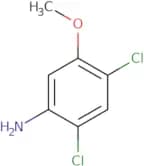
CAS:<p>Please enquire for more information about Acetyl-Amylin (8-37) (human) including the price, delivery time and more detailed product information at the technical inquiry form on this page</p>Formula:C140H218N42O46Purity:Min. 95%Molecular weight:3,225.48 g/mol2,4-Dichloro-5-methoxyaniline
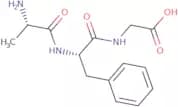
CAS:<p>2,4-Dichloro-5-methoxyaniline (2,4-DMA) is a trifluoroacetic acid derivative that inhibits the growth of cancer cells by interfering with cellular processes such as DNA replication and protein synthesis. It has been shown to have anticancer activity in vitro and in vivo. In addition, 2,4-DMA can inhibit the growth of cancer cells by preventing epidermal growth factor from binding to its receptor on the cell surface. A recent study showed that 2,4-DMA has anti-angiogenic properties and can prevent tumor growth by inhibiting bcr-abl kinase activity. 2,4-DMA also has an acidic property which may be due to its conversion of trifluoroacetic acid into hydrogen fluoride (HF) and hydrogen chloride (HCl).<br>2,4-Dichloro-5-methoxyaniline was approved for use in Japan</p>Formula:C7H7Cl2NOPurity:Min. 95%Color and Shape:White To Pink SolidMolecular weight:192.04 g/molH-Ala-Phe-Gly-OH
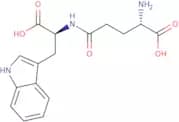
CAS:<p>Please enquire for more information about H-Ala-Phe-Gly-OH including the price, delivery time and more detailed product information at the technical inquiry form on this page</p>Formula:C14H19N3O4Purity:Min. 95%Molecular weight:293.32 g/molH-Glu(Trp-OH)-OH
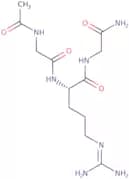
CAS:<p>H-Glu(Trp-OH)-OH is a synthetic immunomodulator that is used in vitro to study the immune system. H-Glu(Trp-OH)-OH has been shown to stimulate the production of antibodies by polyclonal antibodies, which inhibits the growth of bacteria. H-Glu(Trp-OH)-OH has also been shown to have anti-inflammatory properties and can inhibit lung damage caused by radiation. H-Glu(Trp-OH)-OH is not active against tuberculosis or other infectious diseases in animals because it does not cause an increase in phagocytic cells or leukocytes.</p>Formula:C16H19N3O5Purity:Min. 95%Molecular weight:333.34 g/molAc-Gly-Arg-Gly-NH2
CAS:<p>Please enquire for more information about Ac-Gly-Arg-Gly-NH2 including the price, delivery time and more detailed product information at the technical inquiry form on this page</p>Formula:C12H23N7O4Purity:Min. 95%Molecular weight:329.36 g/mol(Sar 9,Met(O2)11)-Substance P
CAS:<p>Substance P is a neuropeptide that is found in the brain and throughout the peripheral nervous system. It has been found to be involved in numerous physiological processes, including pain transmission, vasodilation, and inflammation. Substance P binds to neurokinin-1 receptor (NK-1R) with high affinity. NK-1R has been shown to be localized on cells of the submandibular gland and salivary gland. Techniques such as binding experiments have shown that substance P binds to NK-1R with high affinity and is therefore likely involved in salivation and other functions of these glands.</p>Formula:C64H100N18O15SPurity:Min. 95%Molecular weight:1,393.66 g/molCecropin A
CAS:<p>Cecropin A is an antimicrobial peptide, which is derived from the immune systems of insects, specifically moths. It displays potent antimicrobial properties through its ability to disrupt bacterial cell membranes, leading to cell lysis and death. This peptide primarily targets Gram-negative bacteria but is also effective against some Gram-positive strains. Cecropin A has garnered significant scientific interest due to its potential applications in developing new antimicrobial agents, particularly in the face of increasing antibiotic resistance. By integrating Cecropin A into therapeutic strategies, researchers aim to broaden the spectrum of antimicrobial options available for use in both clinical and agricultural settings, offering a promising avenue for future drug development.</p>Formula:C184H313N53O46Purity:Min. 95%Molecular weight:4,003.78 g/molL-Threonine derivative-1
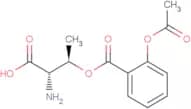
CAS:<p>L-Threonine derivative-1 is acetylsalicylic acid-L-threonine ester with potential analgesic activity.</p>Formula:C13H15NO6Purity:97.03% - 98.91%Color and Shape:SolidMolecular weight:281.26(1S, 2R)-1-Phenyl-2-(1-pyrrolidinyl)-1-propanol
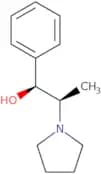
CAS:Controlled Product<p>Please enquire for more information about (1S, 2R)-1-Phenyl-2-(1-pyrrolidinyl)-1-propanol including the price, delivery time and more detailed product information at the technical inquiry form on this page</p>Formula:C13H19NOPurity:Min. 95%Color and Shape:PowderMolecular weight:205.3 g/molH-D-His(1-Me)-OH hydrochloride salt
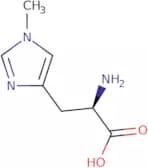
CAS:<p>Please enquire for more information about H-D-His(1-Me)-OH hydrochloride salt including the price, delivery time and more detailed product information at the technical inquiry form on this page</p>Formula:C7H11N3O2Purity:Min. 95%Molecular weight:169.18 g/molMacrophage Inhibitory Peptide
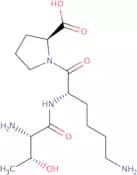
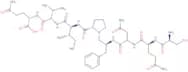
CAS:<p>Macrophage inhibitory peptide H-Thr-Lys-Pro-OH is a human immunoglobulin that has been shown to have antimicrobial activity against a wide range of microbes. It is asymmetric and the side chain at position Thr is protonated, while the corresponding Lys side chain is not. Macrophage inhibitory peptide H-Thr-Lys-Pro-OH binds to the acidic corneal endothelial cells, which are important for maintaining a healthy eye surface. This peptide also activates human macrophages and basic fibroblast cells and inhibits HIV infection in monoclonal antibody mice.</p>Formula:C15H28N4O5Purity:Min. 95%Molecular weight:344.41 g/molH-Ser-Gln-Asn-Phe-psi(CH2NH)Pro-Ile-Val-Gln-OH
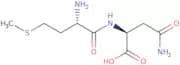
CAS:<p>Please enquire for more information about H-Ser-Gln-Asn-Phe-psi(CH2NH)Pro-Ile-Val-Gln-OH including the price, delivery time and more detailed product information at the technical inquiry form on this page</p>Formula:C42H67N11O12Purity:Min. 95%Molecular weight:918.05 g/molH-Met-Asn-OH
CAS:<p>H-Met-Asn-OH is a peptide that is composed of the amino acids methionine, asparagine, and hydroxyproline. It has been found to be specific for influenza and has been proposed as a potential drug target for this virus. The constant and resonance energies of H-Met-Asn-OH have been determined by NMR spectroscopy. The amino acid composition of H-Met-Asn-OH is typical of many proteins. Structural isomers are molecules that differ only in their spatial arrangement but share the same chemical formula. H-Met-Asn-OH can be considered a structural isomer because it differs by its chirality, which means that it rotates plane polarized light in one direction while its mirror image, L-methionine asparagine hydroxyproline (LMAHP), rotates light in the opposite direction. Gene products are molecules that are responsible for converting information from DNA into proteins via</p>Formula:C9H17N3O4SPurity:Min. 95%Molecular weight:263.32 g/molZ-Val-Ala-Asp-AMC
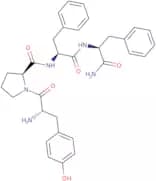
CAS:<p>Z-Val-Ala-Asp-AMC is a photoactive peptide that is activated by light exposure. This drug has cytostatic and cardiotoxic effects, which may be due to its ability to induce autophagy. Z-Val-Ala-Asp-AMC induces cell death in cancer cells through the activation of caspase independent pathways. It also inhibits nitroprusside induced apoptosis in cultured skin cells, suggesting that it may have therapeutic potential for the treatment of cancer.</p>Formula:C30H34N4O9Purity:Min. 95%Molecular weight:594.61 g/molEndomorphin-2 trifluoroacetate salt
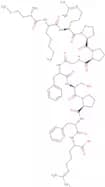
CAS:<p>Endomorphin-2 is a cyclic peptide that is the endogenous ligand for the neurokinin-1 receptor and kappa-opioid receptors. It has been shown to have analgesic, anti-inflammatory, and antidiarrheal properties. Endomorphin-2 also has been shown to inhibit platelet aggregation and vasoconstriction in vivo. The biological activities of endomorphin-2 are similar to those of endomorphin-1, but it differs structurally in that it contains a single intramolecular hydrogen bond between the amide nitrogen of Tyr and Pro. This intramolecular hydrogen bond may be responsible for the high potency of endomorphin-2, as well as its conformational stability.</p>Formula:C32H37N5O5Purity:Min. 95%Molecular weight:571.67 g/molMet-Lys-Bradykinin
CAS:<p>Met-Lys-Bradykinin is a synthetic peptide with the amino acid sequence Met-Lys-Arg-Pro-Gly-Phe-Ser-Pro-Phe-Arg. It has been shown to have cytosolic Ca2+ release activity, protease activity, and vasodilator activities. The peptide also has binding affinity for human immunoglobulin G (IgG) and is able to form complexes with soybean trypsin.</p>Formula:C61H94N18O13SPurity:Min. 95%Molecular weight:1,319.58 g/molH-Phe-Leu-Glu-Glu-Val-OH
CAS:<p>H-Phe-Leu-Glu-Glu-Val-OH is a synthetic amino acid molecule that is used as a substrate for protein synthesis. The solubilized and biochemically active H-Phe-Leu-Glu-Glu-Val-OH can be prepared by the reaction of glutamic acid with phenylalanine, leucine, and glycine. This product is an irreversible enzyme that has been conjugated to a linker to form a reversible linkage. A spectrometer can be used to analyze the chemical structure of this compound. It is soluble in water and has a molecular weight of 310. It contains two carboxyl groups and one amino group that are linked by amide bonds.</p>Formula:C30H45N5O10Purity:Min. 95%Molecular weight:635.71 g/molH-Leu-His-OH
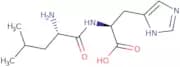
CAS:<p>H-Leu-His-OH is a peptide that has been shown to have ovarian activity. It binds to the epidermal growth factor receptor and inhibits the function of this receptor, thereby inhibiting cellular proliferation. H-Leu-His-OH has also been shown to inhibit follicular growth in mice, which may be due to its ability to inhibit follicle stimulating hormone (FSH) production. This peptide also has a potential use for cancer treatment when administered with estradiol benzoate. In addition, it has been shown that H-Leu-His-OH can be used as an antigen in animals and humans for the development of an anti-idiotypic vaccine against autoimmune diseases such as Graves' disease. H-Leu-His-OH is active at physiological levels and clinical relevance has not yet been determined.</p>Formula:C12H20N4O3Purity:Min. 95%Molecular weight:268.31 g/mol4-(Fmoc-hydrazino)-benzoylaminomethyl resin (200-400 mesh)
<p>Please enquire for more information about 4-(Fmoc-hydrazino)-benzoylaminomethyl resin (200-400 mesh) including the price, delivery time and more detailed product information at the technical inquiry form on this page</p>Purity:Min. 95%H-D-Met(O2)-OH
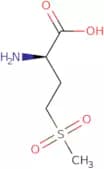
CAS:<p>H-D-Met(O2)-OH is an amino acid that is naturally occurring in the human body. It can be found in dietary sources such as milk, eggs, and meat. This amino acid is a building block for proteins and also has a number of metabolic pathways. H-D-Met(O2)-OH isomerizes to form D-Met(O2)-OH and L-Met(O2)-OH through enzymatic reactions. These isomers have different biological effects, with L-Met(O2)-OH being more potent than D-Met(O2)-OH. The enzyme that catalyzes this reaction is called synthetase. H-D-Met(O2)-OH can be used as a supplement to increase muscle mass or as a treatment for gluconeogenesis disorders such as diabetes mellitus type 2.</p>Formula:C5H11NO4SPurity:Min. 95%Molecular weight:181.21 g/molFmoc-D-Cys(Bzl)-OH
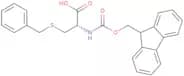
CAS:<p>The compound Fmoc-D-Cys(Bzl)-OH is a chiral homologue of the protonated amino acid D-Cys. The configuration of the proton in this molecule has been determined by proton nmr experiments. This compound is synthesized from the racemic mixture by reductive amination and deprotonation with sodium borohydride. The reagents are an organophosphate and an ester, which react in order to form a new carbon-carbon bond. The postulated enantiomers are screened for their activity against phospholipase A2, which cleaves ester bonds on phospholipids. One enantiomer has been shown to have more potent activity than its counterpart, suggesting that it is the desired product.</p>Formula:C25H23NO4SPurity:Min. 95%Molecular weight:433.52 g/molGly-Amyloid b-Protein (15-25)-Gly-ε-aminocaproyl(-Lys)6
CAS:<p>Please enquire for more information about Gly-Amyloid b-Protein (15-25)-Gly-epsilon-aminocaproyl(-Lys)6 including the price, delivery time and more detailed product information at the technical inquiry form on this page</p>Formula:C105H178N28O26Purity:Min. 95%Molecular weight:2,248.71 g/mol(D-Trp6)-LHRH (free acid) trifluoroacetate salt
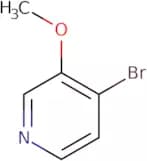
CAS:<p>Please enquire for more information about (D-Trp6)-LHRH (free acid) trifluoroacetate salt including the price, delivery time and more detailed product information at the technical inquiry form on this page</p>Formula:C64H81N17O14Purity:Min. 95%Molecular weight:1,312.43 g/mol4-Bromo-3-methoxypyridine
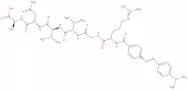
CAS:<p>Please enquire for more information about 4-Bromo-3-methoxypyridine including the price, delivery time and more detailed product information at the technical inquiry form on this page</p>Formula:C6H6BrNOPurity:Min. 95%Molecular weight:188.02 g/molDABCYL-Arg-Gly-Val-Val-Asn-Ala-OH
CAS:<p>Please enquire for more information about DABCYL-Arg-Gly-Val-Val-Asn-Ala-OH including the price, delivery time and more detailed product information at the technical inquiry form on this page</p>Formula:C40H59N13O9Purity:Min. 95%Molecular weight:865.98 g/molOrcokinin
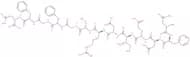
CAS:<p>Orcokinin H-Asn-Phe-Asp-Glu-Ile-Asp-Arg-Ser-Gly-Phe-Gly-Phe is a peptide that was synthesized in the laboratory. It has been shown to have receptor activity and to stimulate locomotor activity in experimental models. Orcokinin H is a member of the family of peptide hormones that are present in mammals. The peptide sequence contains six amino acids, four of which are hydrophobic and two polar, with a single hydroxyl group. These features make this molecule an excellent candidate for use as a model system for studying amyloid protein aggregation and its physiological function.</p>Formula:C67H92N18O23Purity:Min. 95%Molecular weight:1,517.55 g/molH-Glu-Thr-Tyr-Ser-Lys-OH·2 TFA
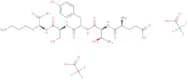
CAS:<p>Please enquire for more information about H-Glu-Thr-Tyr-Ser-Lys-OH·2 TFA including the price, delivery time and more detailed product information at the technical inquiry form on this page</p>Formula:C27H42N6O11·2C2HF3O2Purity:Min. 95%Molecular weight:854.7 g/molHistatin-8
CAS:<p>Please enquire for more information about Histatin-8 including the price, delivery time and more detailed product information at the technical inquiry form on this page</p>Formula:C70H99N25O17Purity:Min. 95%Molecular weight:1,562.69 g/molEndothelin-1 (11-21) trifluoroacetate salt
CAS:<p>Endothelin-1 (11-21) trifluoroacetate salt H-Cys-Val-Tyr-Phe-Cys-His-Leu-Asp-Ile-Ile-Trp is a peptide that is derived from endothelin. It has been shown to have an inhibitory effect on insulin stimulated glucose uptake in Sprague Dawley rats. This peptide has also been shown to bind to the endothelin receptor and act as a nonselective agonist. Endothelin 1 (11–21) trifluoroacetate salt H-Cys Val Tyr Phe Cys His Leu Asp Ile Ile Trp, when incubated with cells, had a maximal response at micron concentrations.</p>Formula:C68H92N14O15S2Purity:Min. 95%Molecular weight:1,409.68 g/molGalanin (1-13)-Neuropeptide Y (25-36) amide
CAS:<p>Please enquire for more information about Galanin (1-13)-Neuropeptide Y (25-36) amide including the price, delivery time and more detailed product information at the technical inquiry form on this page</p>Formula:C136H209N41O34Purity:Min. 95%Molecular weight:2,962.37 g/molBpoc-Gly-OH·DCHA
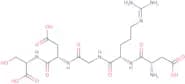
CAS:Controlled Product<p>Please enquire for more information about Bpoc-Gly-OH·DCHA including the price, delivery time and more detailed product information at the technical inquiry form on this page</p>Formula:C18H19NO4·C12H23NPurity:Min. 95%Molecular weight:494.67 g/molH-Asp-Arg-Gly-Asp-Ser-OH
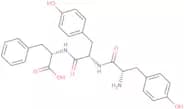
CAS:<p>H-Asp-Arg-Gly-Asp-Ser-OH is an amide with a molecular weight of 456.5 and a purity of 99.2%. This compound has been shown to inhibit tumor cell growth in vitro and in vivo, as well as the metastasis of tumor cells. H-Asp-Arg-Gly-Asp-Ser-OH is also capable of inhibiting tumor cells that are resistant to conventional anti cancer drugs such as 5FU, cisplatin, and doxorubicin.</p>Formula:C19H32N8O11Purity:Min. 95%Molecular weight:548.5 g/molH-Tyr-Tyr-Phe-OH acetate salt
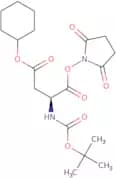
CAS:<p>H-Tyr-Tyr-Phe-OH acetate salt is a reaction product of the matrix-assisted laser desorption ionization (MALDI) technique. It is an analog of tyrosine, with a hydroxyl group substituted for the amino group. The protonation state of this molecule has been determined by the hydration constant and the centroid to be a neutral pH. Using hydrogen bonding, H-Tyr-Tyr-Phe-OH acetate salt binds to the mitochondria in cells, which may lead to a higher rate of reaction.</p>Formula:C27H29N3O6Purity:Min. 95%Molecular weight:491.54 g/molBoc-Asp(OcHex)-OSu
CAS:<p>Please enquire for more information about Boc-Asp(OcHex)-OSu including the price, delivery time and more detailed product information at the technical inquiry form on this page</p>Formula:C19H28N2O8Purity:Min. 95%Molecular weight:412.43 g/molSubstance P (2-11)
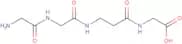
CAS:<p>Substance P (2-11) H-Pro-Lys-Pro-Gln-Gln-Phe-Phe-Gly-Leu-Met-NH2 is a peptide that is the product of proteolytic cleavage of substance P. It binds to the neurokinin receptor and induces degranulation in mast cells and sensory neurons. It has been used as a diagnostic tool for mast cell degranulation. Substance P (2-11) H-Pro-Lys-Pro-Gln-Gln-Phe has also been used to assess lung function in anesthetized animals, circulations in muscle, and changes in perfusion during surgical procedures.</p>Formula:C57H86N14O12SPurity:Min. 95%Molecular weight:1,191.45 g/molH-Gly-Gly-b-Ala-Gly-OH
CAS:<p>Please enquire for more information about H-Gly-Gly-b-Ala-Gly-OH including the price, delivery time and more detailed product information at the technical inquiry form on this page</p>Formula:C9H16N4O5Purity:Min. 95%Molecular weight:260.25 g/molH-Tyr-betaNA
CAS:<p>H-Tyr-betaNA is a synthetic substrate that has been used to study the binding activities of natural and synthetic opioid compounds. H-Tyr-betaNA binds to δ opioid receptors and inhibits the release of neurotransmitters such as acetylcholine, histamine, and serotonin. It also binds to δ-opioid receptors, which are involved in mediating pain responses. This compound has been shown to be an inhibitor of antinociceptive responses in rats, but it is not yet known whether it can cross the blood brain barrier. The pharmacokinetic properties of H-Tyr-betaNA have not been fully elucidated; however, it has been shown to be stable at neutral ph.</p>Formula:C19H18N2O2Purity:Min. 95%Molecular weight:306.36 g/molMAGE-1 Antigen (161-169) (human) acetate salt
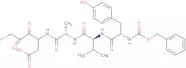
CAS:<p>MAGE-1 is a costimulatory molecule that is expressed on the surface of antigen presenting cells. It has been shown to be a very potent target for monoclonal antibodies. MAGE-1 can be used as an antigen in diagnostic tests, such as ELISA and Western blotting. It can also be used to generate monoclonal antibodies for use as therapeutic agents in cancer therapy and for the treatment of viral infections such as influenza virus. The MAGE-1 antigen has been shown to have high affinity binding with the paratope of Papilloma virus, which may help explain its clinical relevance in these diseases.</p>Formula:C41H57N11O17Purity:Min. 95%Molecular weight:975.96 g/molZ-Tyr-Val-Ala-DL-Asp-fluoromethylketone
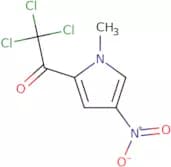
CAS:<p>Please enquire for more information about Z-Tyr-Val-Ala-DL-Asp-fluoromethylketone including the price, delivery time and more detailed product information at the technical inquiry form on this page</p>Formula:C30H37FN4O9Purity:Min. 95%Molecular weight:616.63 g/mol1-Methyl-4-nitro-2-(trichloroacetyl)-1H-pyrrole
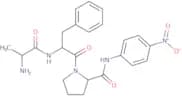
CAS:<p>1-Methyl-4-nitro-2-(trichloroacetyl)-1H-pyrrole is an organic compound that is used in the synthesis of carboxylic acid derivatives. It is a synthetic intermediate, which can be converted to other compounds by intramolecular hydrogen bonding. The efficiency of this method has been shown through a number of experiments. In nature, 1-methyl-4-nitro-2-(trichloroacetyl)-1H-pyrrole may be found as a hydrogen bond donor.</p>Formula:C7H5Cl3N2O3Purity:Min. 95%Molecular weight:271.48 g/molH-Ala-Phe-Pro-pNA
CAS:<p>Please enquire for more information about H-Ala-Phe-Pro-pNA including the price, delivery time and more detailed product information at the technical inquiry form on this page</p>Formula:C23H27N5O5Purity:Min. 95%Molecular weight:453.49 g/molFmoc-Leu-Ser(Psi(Me,Me)pro)-OH
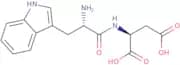
CAS:<p>Please enquire for more information about Fmoc-Leu-Ser(Psi(Me,Me)pro)-OH including the price, delivery time and more detailed product information at the technical inquiry form on this page</p>Formula:C27H32N2O6Purity:Min. 95%Molecular weight:480.55 g/molH-Trp-Asp-OH trifluoroacetic acid
CAS:<p>H-Trp-Asp-OH trifluoroacetic acid is a protein that is localized in the kinase domain of the gene product. It has been shown to activate leishmania and human serum regulatory proteins. H-Trp-Asp-OH trifluoroacetic acid binds to guanine nucleotide binding proteins in the nuclear DNA, which may play a role in mitotic checkpoint control. This protein has also been shown to have basic properties and may be involved in plant metabolism.</p>Formula:C17H18N3O7F3Purity:Min. 95%Molecular weight:319.31 g/molZ-Trp-Val-OH trifluoroacetic acid
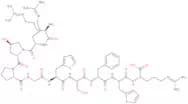
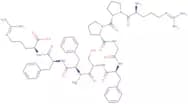
CAS:<p>Please enquire for more information about Z-Trp-Val-OH trifluoroacetic acid including the price, delivery time and more detailed product information at the technical inquiry form on this page</p>Formula:C24H27N3O5•CF3CO2HPurity:Min. 95%Molecular weight:437.49 g/molH-D-Arg-Arg-Pro-Hyp-Gly-β-(2-thienyl)-Ala-Ser-D-Phe-b-(2-thienyl)-Ala-Arg-OH
CAS:<p>Enalaprilat is a prodrug that is converted to the active drug enalapril in vivo. It is a potent angiotensin-converting enzyme (ACE) inhibitor that prevents the conversion of angiotensin I to angiotensin II, which leads to vasodilatation and reduced blood pressure. Enalaprilat has been shown to be effective in lowering blood pressure in patients with cardiac insufficiency or hypertension. It also has been shown to decrease the production of endogenous bradykinin, which acts on its receptor B2, leading to vasodilatation and reduced blood pressure. The most common side effect of enalaprilat therapy is cutaneous reactions such as erythema, rash, or pruritus.</p>Formula:C56H83N19O13S2Purity:Min. 95%Molecular weight:1,294.51 g/molH-Arg-Lys-Gly-Asp-Ile-Lys-Ser-Tyr-pNA
CAS:<p>Please enquire for more information about H-Arg-Lys-Gly-Asp-Ile-Lys-Ser-Tyr-pNA including the price, delivery time and more detailed product information at the technical inquiry form on this page</p>Formula:C48H75N15O14Purity:Min. 95%Molecular weight:1,086.2 g/molH-Gly-Gly-Glu-OH
CAS:<p>H-Gly-Gly-Glu-OH is a hydrolysate of the proteasome peptide. It has reversed-phase and liquid chromatography properties, which make it a useful biochemical tool for the analysis of proteins. The carboxylate group at the end of H-Gly-Gly-Glu-OH can be used as an isopeptide to determine the sequence of peptides that are synthesized by a prokaryotic or eukaryotic cell. H-Gly-Gly-Glu-OH can also be used to cleave ligation products in order to analyse them.</p>Formula:C9H15N3O6Purity:Min. 95%Molecular weight:261.23 g/molN-α-Z-L-ornithine
CAS:<p>N-alpha-Z-L-ornithine (NALO) is an amino acid with the chemical formula CHNO, which is also known as 2-(aminoethoxy)ethanol. It is used to synthesize peptides and proteins. NALO has been shown to be a potent inhibitor of arginine biosynthesis in E. coli and yeast cells, but not in mammalian cells. This inhibition leads to an accumulation of L-ornithine, which is necessary for the synthesis of polyamines that are important for cell growth and replication.</p>Formula:C13H18N2O4Purity:Min. 95%Molecular weight:266.29 g/molFA-Phe-Val-NH2
CAS:<p>Please enquire for more information about FA-Phe-Val-NH2 including the price, delivery time and more detailed product information at the technical inquiry form on this page</p>Formula:C21H25N3O4Purity:Min. 95%Molecular weight:383.44 g/molH-Glu-Ser-Leu-Phe-OH
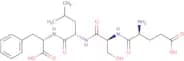
CAS:<p>Please enquire for more information about H-Glu-Ser-Leu-Phe-OH including the price, delivery time and more detailed product information at the technical inquiry form on this page</p>Formula:C23H34N4O8Purity:Min. 95%Molecular weight:494.54 g/molH-Arg-Phe-NH2 hydrochloride salt
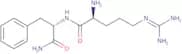
CAS:<p>H-Arg-Phe-NH2 hydrochloride salt (H-RF) is a physiological agent that has been shown to have effects on the response element binding protein. H-RF is a small, water soluble molecule that has been shown to act as an agonist for peptides and cation channels in vitro. The peptides are involved in the regulation of cardiac function and locomotor activity, while the cation channel regulates the opening and closing of potassium channels. The binding of H-RF to these receptors leads to positive changes in energy metabolism, which may be due to its ability to activate ATPase. H-RF also binds strongly to disulfide bonds found in proteins such as peptide hormones and enzymes. These disulfide bonds are important for maintaining protein structure and function.</p>Formula:C15H24N6O2Purity:Min. 95%Molecular weight:320.39 g/molH-Lys-Gly-Gly-OH hydrochloride salt
CAS:<p>Histidine is a non-essential amino acid that has been shown to be involved in the regulation of cell growth and differentiation. It is also involved in the biosynthesis of nucleotides, collagen, and carnitine. Kinetic studies on histidine have been done by acetylation of histidine with acetic anhydride and pyridine. The kinetic method used was based on the reaction between histidine and p-nitrophenyl phosphate. The transfer reactions were performed with a strain containing lysine residues which were then adsorbed onto a surface-enhanced Raman spectroscopy (SERS) substrate. These experiments were performed using techniques such as resonance mass spectrometry (RMS), surface-enhanced Raman spectroscopy (SERS), and protonation selective mass spectrometry (PSMS).</p>Formula:C10H20N4O4Purity:Min. 95%Molecular weight:260.29 g/molRVG-9R trifluoroacetate salt
CAS:<p>Please enquire for more information about RVG-9R trifluoroacetate salt including the price, delivery time and more detailed product information at the technical inquiry form on this page</p>Formula:C201H334N82O55S2Purity:Min. 95%Molecular weight:4,843.45 g/molL-Glutamic acid α-amide
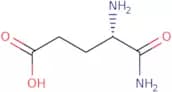
CAS:<p>L-Glutamic acid alpha-amide is an ester hydrochloride that is a tissue culture amide. It is a cyclic peptide analog and a hydroxyl group. L-glutamic acid alpha-amide has been shown to inhibit the inflammatory response in the bowel disease, Crohn's disease, by blocking the toll-like receptor 4 and 5. This drug also inhibits protein synthesis, which may be due to its ability to bind to fatty acids, thereby inhibiting the production of proteins vital for cell division.</p>Formula:C5H10N2O3Purity:Min. 95%Color and Shape:White PowderMolecular weight:146.14 g/molC3a (72-77) (human)
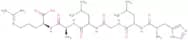
CAS:<p>Please enquire for more information about C3a (72-77) (human) including the price, delivery time and more detailed product information at the technical inquiry form on this page</p>Formula:C29H51N11O7Purity:Min. 95%Molecular weight:665.79 g/mol(Lys4)-Sarafotoxin C acetate salt
CAS:<p>A component of snake venom, this product contains disulfide bonds between Cys1 and Cys15/Cys3 and Cys11. <br>Due to their structural and functional homology to the endothelin peptides, Sarafotoxins can enhance vasoconstriction through stimulating the class A G-protein-coupled, endothelin ETA and ETB receptors. This in turn leads to left ventricular dysfunction and bronchoconstriction.</p>Formula:C105H153N27O36S5Purity:Min. 95%Molecular weight:2,529.83 g/molH-Leu-Ser-Ala-Leu-OH
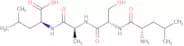
CAS:<p>H-Leu-Ser-Ala-Leu-OH is a chemical compound that has been shown to bind to 5-HT1B receptors. This receptor belongs to the 5HT1 family of serotonin receptors, which are G protein coupled receptors. The 5HT1B receptor has been shown to have a role in locomotor activity and dopamine release. HLSALLOH is also a specific antibody that reacts with the 5HT1B receptor in rats. The location of this receptor is on the dorsal raphe nucleus and other parts of the brainstem. HLSALLOH has a pH optimum of 6.0 and can be used as an immunogen for polyclonal antibodies against 5HT1B receptors.</p>Formula:C18H34N4O6Purity:Min. 95%Molecular weight:402.49 g/molZ-D-Ala-Phe-OH
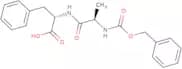
CAS:<p>Please enquire for more information about Z-D-Ala-Phe-OH including the price, delivery time and more detailed product information at the technical inquiry form on this page</p>Formula:C20H22N2O5Purity:Min. 95%Molecular weight:370.4 g/mol(S)-9,10-Difluoro-2,3-dihydro-3-methyl-7-oxo-7H-pyrido[1,2,3-de]-1,4-benzoxazine-6-carboxylic acid ethyl ester
CAS:<p>(S)-9,10-Difluoro-2,3-dihydro-3-methyl-7-oxo-7H-pyrido[1,2,3-de]-1,4-benzoxazine-6-carboxylic acid ethyl ester is an acidic substance that can be produced by the amination of piperazine with chloroacetic acid. The reaction solution is heated to a temperature of about 120°C for about 30 minutes and then cooled to room temperature. The product precipitates as a white solid. This compound has been shown to have antibacterial activity against methicillin resistant Staphylococcus aureus (MRSA) in plates.</p>Formula:C15H13F2NO4Purity:Min. 95%Molecular weight:309.26 g/mol(N-Me-D-Phe7)-Bradykinin
CAS:<p>Please enquire for more information about (N-Me-D-Phe7)-Bradykinin including the price, delivery time and more detailed product information at the technical inquiry form on this page</p>Formula:C55H77N15O11Purity:Min. 95%Molecular weight:1,124.29 g/molPre-S2 (1-26)
CAS:<p>Please enquire for more information about Pre-S2 (1-26) including the price, delivery time and more detailed product information at the technical inquiry form on this page</p>Formula:C131H199N39O37SPurity:Min. 95%Molecular weight:2,944.29 g/molTRAP-6 amide trifluoroacetate salt
CAS:<p>Protease-activated receptor 1 (PAR-1) selective activating peptide, TFA salt. 98%.</p>Formula:C34H57N11O8Purity:Min. 95%Color and Shape:PowderMolecular weight:747.89 g/molOsteocalcin (7-19) (human)
CAS:<p>Please enquire for more information about Osteocalcin (7-19) (human) including the price, delivery time and more detailed product information at the technical inquiry form on this page</p>Formula:C65H98N16O19Purity:Min. 95%Molecular weight:1,407.57 g/moltert-Butyl6-[(1e)-2-[4-(4-fluorophenyl)-6-(1-methylethyl)-2-[methyl(methylsulfonyl)amino]-5-pyrimidinyl]ethenyl]-2,2-dimethyl-1,3-di oxane-4-acetate
CAS:<p>Please enquire for more information about tert-Butyl6-[(1e)-2-[4-(4-fluorophenyl)-6-(1-methylethyl)-2-[methyl(methylsulfonyl)amino]-5-pyrimidinyl]ethenyl]-2,2-dimethyl-1,3-di oxane-4-acetate including the price, delivery time and more detailed product information at the technical inquiry form on this page</p>Formula:C29H40FN3O6SPurity:Min. 95%Molecular weight:577.71 g/mol(Glu1)-Fibrinopeptide B (human)
CAS:<p>Fibrinopeptide B (FPB) is a protein fragment of the blood clotting process. It is a member of the group of fibrinopeptides, which are formed by proteolytic cleavage of the precursor prothrombin. FPB is a low molecular weight peptide with an amino acid sequence that contains tryptophan and arginine residues, which are susceptible to oxidation by radiation. The presence of FPB in plasma can be used as an indicator for exposure to ionizing radiation. Matrix-assisted laser desorption/ionization (MALDI) mass spectrometry has been used to identify and quantify FPB in human plasma samples. This technique has also been applied to monitor the proteomic profile of activated platelets with high sensitivity using matrix molecules such as glycerol, ethylene glycol, and formamide as matrices for MALDI analysis.</p>Formula:C66H95N19O26Purity:Min. 95%Molecular weight:1,570.57 g/mol(Des-Gly10,D-His2,D-Leu6,Pro-NHEt 9)-LHRH
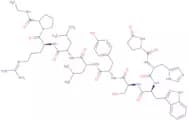
CAS:<p>Please enquire for more information about (Des-Gly10,D-His2,D-Leu6,Pro-NHEt 9)-LHRH including the price, delivery time and more detailed product information at the technical inquiry form on this page</p>Formula:C59H84N16O12Purity:Min. 95%Molecular weight:1,209.4 g/molFmoc-Tyr(Boc-Nmec)-OH
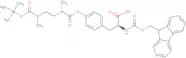
CAS:<p>Fmoc-Tyr(Boc-Nmec)-OH is a hydrophobic amino acid that can be used in the synthesis of peptides. It is soluble in organic solvents and has been shown to have intramolecular cyclization reaction. Fmoc-Tyr(Boc-Nmec)-OH can be coupled with other amino acids using an amide bond, and has been shown to react with cationic groups such as tyrosine residues. This compound is often used in solid-phase peptide synthesis, where the product is cleaved from the resin by the action of aqueous acid or base before being purified. Fmoc-Tyr(Boc-Nmec)-OH can also be used for neutralizing alkaline conditions during peptide synthesis.</p>Formula:C34H39N3O8Purity:Min. 95%Molecular weight:617.69 g/mol


























![(S)-9,10-Difluoro-2,3-dihydro-3-methyl-7-oxo-7H-pyrido[1,2,3-de]-1,4-benzoxazine-6-carboxylic acid…](/_next/image/?url=https%3A%2Fstatic.cymitquimica.com%2Fproducts%2F3D%2Fthumb-webp%2FFD21854.webp&w=3840&q=75)
![tert-Butyl6-[(1e)-2-[4-(4-fluorophenyl)-6-(1-methylethyl)-2-[methyl(methylsulfonyl)amino]-5-pyrimi…](/_next/image/?url=https%3A%2Fstatic.cymitquimica.com%2Fproducts%2F3D%2Fthumb-webp%2FFB148489.webp&w=3840&q=75)