Amino Acids (AA)
Amino acids (AAs) are the fundamental building blocks of proteins, playing a crucial role in various biological processes. These organic compounds are essential for protein synthesis, metabolic pathways, and cell signaling. In this category, you will find a comprehensive range of amino acids, including essential, non-essential, and modified forms, which are vital for research in biochemistry, molecular biology, and nutritional sciences. At CymitQuimica, we provide high-quality amino acids to support your research and development needs, ensuring accuracy and reliability in your experimental outcomes.
Subcategories of "Amino Acids (AA)"
- Amino Acid Derivatives(3,955 products)
- Amino Acid and Amino Acid Related Compounds(3,471 products)
- Amino Acids with Oxygen or Sulphur(168 products)
- Boc- Amino Acids(351 products)
- Fmoc Amino Acids(1,710 products)
Found 38262 products of "Amino Acids (AA)"
Sort by
Purity (%)
0
100
|
0
|
50
|
90
|
95
|
100
4-(Fmoc-hydrazino)-benzoylaminomethyl resin (200-400 mesh)
<p>Please enquire for more information about 4-(Fmoc-hydrazino)-benzoylaminomethyl resin (200-400 mesh) including the price, delivery time and more detailed product information at the technical inquiry form on this page</p>Purity:Min. 95%For-Phe-OMe
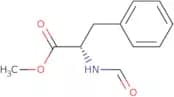
CAS:<p>Please enquire for more information about For-Phe-OMe including the price, delivery time and more detailed product information at the technical inquiry form on this page</p>Formula:C11H13NO3Purity:Min. 95%Molecular weight:207.23 g/molCarboxymethyl-Phe-Leu-OH
CAS:<p>Carboxymethyl-Phe-Leu-OH (CMPLE) is a metalloprotease inhibitor that inhibits the activity of proteases, such as serine proteases and cysteine proteases. CMPLE is used to treat infectious diseases caused by bacteria, fungi, or parasites. CMPLE also has been shown to inhibit the formation of inflammatory responses in autoimmune and inflammatory diseases. This drug can be used in combination with benzalkonium chloride or monoclonal antibodies to treat hematopoietic cells. The optimum pH for this drug is 7.5, and it denatures at high temperatures. It also binds to epithelial surface glycoproteins in the gastrointestinal tract and may be useful for treating ulcers caused by Helicobacter pylori infection.</p>Formula:C17H24N2O5Purity:Min. 95%Molecular weight:336.38 g/molType A Allatostatin III
CAS:<p>Please enquire for more information about Type A Allatostatin III including the price, delivery time and more detailed product information at the technical inquiry form on this page</p>Formula:C42H62N10O12Purity:Min. 95%Molecular weight:899 g/molFmoc-Lys(N3)-OH
CAS:<p>Fmoc-Lys(N3)-OH is a glutamic acid molecule with a specific lysine and histidine residue. It has been shown to be cytotoxic in vitro, specifically targeting cancer cells. Fmoc-Lys(N3)-OH can be conjugated to vancomycin or other molecules that are not normally cell permeable for the treatment of neurodegenerative diseases. The divalent nature of this molecule allows it to cross the blood-brain barrier. Solid phase synthesis is used to produce this compound, which is then purified by chromatography and characterized by mass spectrometry.</p>Formula:C21H22N4O4Purity:Min. 95%Molecular weight:394.42 g/molGlutaryl-Phe-bNA
CAS:<p>Please enquire for more information about Glutaryl-Phe-bNA including the price, delivery time and more detailed product information at the technical inquiry form on this page</p>Formula:C24H24N2O4Purity:Min. 99 Area-%Molecular weight:404.46 g/molCytochrome C (88-104) (domestic pigeon) trifluoroacetate salt
CAS:<p>Please enquire for more information about Cytochrome C (88-104) (domestic pigeon) trifluoroacetate salt including the price, delivery time and more detailed product information at the technical inquiry form on this page</p>Formula:C84H144N24O25Purity:Min. 95%Molecular weight:1,890.19 g/molDynorphin A (1-10) amide
CAS:<p>Dynorphin A (1-10) amide H-Tyr-Gly-Gly-Phe-Leu-Arg-Arg-Ile-Arg-Pro-NH2 is an analog of dynorphin A. It is a peptide that has been shown to be effective in reducing blood pressure and stress levels in animals. Dynorphin A (1-10) amide H-Tyr-Gly-Gly-Phe-Leu-Arg - Arg - Ile - Arg - Pro - NH2 also has analgesic properties and may be useful for the treatment of cardiac diseases.</p>Formula:C57H92N20O11Purity:Min. 95%Molecular weight:1,233.47 g/molDABCYL-TNF-α-EDANS (-4 to +6) (human) trifluoroacetate salt
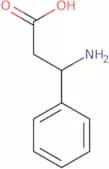
CAS:<p>DABCYL-TNF-alpha-EDANS (-4 to +6) (human) trifluoroacetate salt is a fine chemical that has been shown to be useful in research. It is a versatile building block for the synthesis of complex compounds and can be used as a reaction component for the synthesis of speciality chemicals. The compound is a high quality reagent, which can be used as an intermediate for the synthesis of other chemical compounds.</p>Formula:C70H104N22O18S·C2HF3O2Purity:Min. 95%Color and Shape:Red SolidMolecular weight:1,687.8 g/molDL-3-Amino-3-phenylpropionic acid
CAS:<p>DL-3-Amino-3-phenylpropionic acid is an amino acid that is synthesized by the reaction of malonic acid and ethyl ester. This compound is a competitive inhibitor of the enzyme pyruvate carboxylase and inhibits this enzyme in the conversion of pyruvic acid to acetyl CoA, which plays a key role in metabolism. DL-3-Amino-3-phenylpropionic acid has been shown to inhibit the growth of bacteria such as Escherichia coli, Salmonella typhimurium and Staphylococcus aureus. The inhibition of pyruvate carboxylase by DL-3-Amino-3-phenylpropionic acid prevents the production of acetaldehyde from pyruvate, which is toxic to cells.</p>Formula:C9H11NO2Purity:Min. 95%Molecular weight:165.19 g/molFmoc-β-Ala-Wang resin (200-400 mesh)
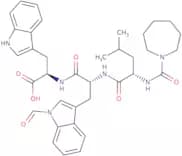
<p>Please enquire for more information about Fmoc-beta-Ala-Wang resin (200-400 mesh) including the price, delivery time and more detailed product information at the technical inquiry form on this page</p>Purity:Min. 95%BQ-610 Azepane-1-carbonyl-Leu-D-Trp(For)-D-Trp-OH
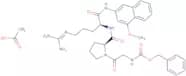
CAS:<p>BQ-610 is a novel peptide that has been shown to reduce the severity of mucosal inflammation in animal models of inflammatory bowel disease. It functions by binding to myofibroblasts, which are cells that produce an extracellular matrix and collagen. BQ-610 also blocks signalling pathways that are responsible for the production of TNF-α, MMP-2, and other molecules involved in the pathogenesis of inflammatory bowel disease. BQ-610 is effective at reducing inflammation in animal models of colitis, but not in human colonic epithelial cells or human colonic tissue.</p>Formula:C36H44N6O6Purity:Min. 95%Molecular weight:656.77 g/molZ-Gly-Pro-Arg-4MbNA acetate salt
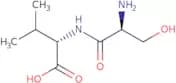
CAS:Controlled Product<p>Please enquire for more information about Z-Gly-Pro-Arg-4MbNA acetate salt including the price, delivery time and more detailed product information at the technical inquiry form on this page</p>Formula:C32H39N7O6·C2H4O2Purity:Min. 95%Molecular weight:677.75 g/molH-Ser-Val-OH
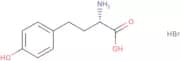
CAS:<p>H-Ser-Val-OH is a peptide that acts as a serotonin reuptake inhibitor. It has been shown to have antiangiogenic properties, which may be due to its ability to bind with the 5HT2A receptor and inhibit angiogenesis. H-Ser-Val-OH has also been shown to inhibit the growth of tumor cells in culture by binding to the peptide binding site on the growth factor receptor. H-Ser-Val-OH can be used for cancer therapy by increasing radiation sensitivity and inhibiting tumor perfusion.</p>Formula:C8H16N2O4Purity:Min. 95%Molecular weight:204.22 g/molHomo-L-tyrosine hydrobromide
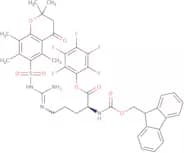
CAS:<p>Homo-L-tyrosine hydrobromide (HLTB) is a prodrug that is converted to L-3,4-dihydroxyphenylalanine (L-dopa) in vivo. It is used as an immunomodulator by stimulating the immune system and reducing inflammation. HLTB has been shown to have anti-inflammatory effects on the production of cytokines and chemokines, which are important for tumor growth and metastasis. HLTB is also known to inhibit tyrosine kinase, which plays a role in the development of some cancers.</p>Formula:C10H14BrNO3Purity:Min. 95%Molecular weight:276.13 g/molFmoc-Arg(Pmc)-OPfp
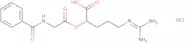
CAS:<p>Fmoc-Arg(Pmc)-OPfp is an amino acid that belongs to the group of l-amino acids. It has a molecular weight of 121.12 g/mol and a pKa of 9.78, and it can be used in the synthesis of oligopeptides. Fmoc-Arg(Pmc)-OPfp is also a positional isomer, which means that it has the same chemical formula but different spatial arrangements within the molecule. The position for this amino acid is on the N-terminal side of an alpha carbon atom, meaning that there are two chiral centers at this position on either side of the molecule. These two chiral centers are opposite each other, so they are called enantiomers. The conformation of this amino acid is L-amino acid because its amine group faces towards the right when looking at it from below. In addition, Fmoc-Arg(Pmc)-OPfp contains one specific mon</p>Formula:C41H41F5N4O7SPurity:Min. 95%Molecular weight:828.85 g/molO-a-Hippuryl-L-argininic acid hydrochloride salt
CAS:<p>Please enquire for more information about O-a-Hippuryl-L-argininic acid hydrochloride salt including the price, delivery time and more detailed product information at the technical inquiry form on this page</p>Formula:C15H20N4O5Purity:Min. 95%Molecular weight:336.34 g/molAtriopeptin III (rat)
CAS:<p>Atriopeptin III is a peptide hormone that belongs to the atrial natriuretic peptide group. It is an analog of atrial natriuretic peptide (ANP), which regulates blood pressure and sodium excretion, and has minimal toxicity. The disulfide bond between Cys-Cys and Cys-Gly on the N terminus of Atriopeptin III is necessary for its activity. The enzyme responsible for this disulfide bond formation is thioredoxin reductase, which is found in the cytoplasm of cells. Atriopeptin III has been shown to inhibit cyclase activity in renal proximal tubular cells, as well as congestive heart failure in rats. It also inhibits fatty acid synthesis by inhibiting carnitine acyltransferase I, leading to increased levels of free fatty acids and diacylglycerols in the blood plasma.</p>Formula:C107H165N35O34S2Purity:Min. 95%Molecular weight:2,549.8 g/molH-Lys(Boc)-2-chlorotrityl resin (200-400 mesh)
<p>Please enquire for more information about H-Lys(Boc)-2-chlorotrityl resin (200-400 mesh) including the price, delivery time and more detailed product information at the technical inquiry form on this page</p>Purity:Min. 95%Acetyl-Amylin (8-37) (mouse, rat)
CAS:<p>Please enquire for more information about Acetyl-Amylin (8-37) (mouse, rat) including the price, delivery time and more detailed product information at the technical inquiry form on this page</p>Formula:C142H229N43O44Purity:Min. 95%Molecular weight:3,242.6 g/molZ-Homoarg (Pbf)-OH
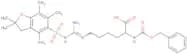
CAS:<p>Please enquire for more information about Z-Homoarg (Pbf)-OH including the price, delivery time and more detailed product information at the technical inquiry form on this page</p>Formula:C28H38N4O7SPurity:Min. 95%Molecular weight:574.69 g/molH-Arg(Pbf)-OtBu·HCl
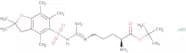
CAS:<p>Please enquire for more information about H-Arg(Pbf)-OtBu·HCl including the price, delivery time and more detailed product information at the technical inquiry form on this page</p>Formula:C23H38N4O5S·HClPurity:Min. 95%Color and Shape:PowderMolecular weight:519.1 g/mol1-Methyl-1H-indazole-7-carbaldehyde
CAS:<p>1-Methyl-1H-indazole-7-carbaldehyde is a 1,3,5-substituted indazole derivative that can be used as a building block for the synthesis of complex compounds. It is an intermediate in the synthesis of various pharmaceuticals and it has been shown to have potential applications in research chemicals. 1-Methyl-1H-indazole-7-carbaldehyde can be used as a versatile building block after conversion to other derivatives. This chemical is also being investigated as a possible treatment for Parkinson's disease and Alzheimer's disease.</p>Formula:C9H8N2OPurity:Min. 95%Color and Shape:Yellow PowderMolecular weight:160.17 g/molb-Alanine methyl ester hydrochloride
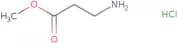
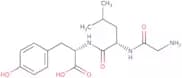
CAS:<p>b-Alanine methyl ester hydrochloride is a fatty acid that is found in animal and plant tissues. It is a bifunctional molecule that can act as an inhibitor of serine proteases and also as an activator of fatty acid uptake by cells. This molecule has the potential to be used for the treatment of heart disease and other conditions caused by activation of serine proteases.</p>Formula:C4H9NO2·HClPurity:Min. 95%Color and Shape:White PowderMolecular weight:139.58 g/molH-Gly-Leu-Tyr-OH
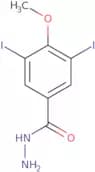
CAS:<p>H-Gly-Leu-Tyr-OH is a tripeptide that is found in some human and animal proteins. The peptide contains glycine, leucine, tyrosine, and hydroxyproline. It binds to copper ions with an inhibition constant of 1.5 x 10^5 M and has a pH optimum of 7.0. In the active form, it inhibits α subunit of bacterial aminopeptidase which is required for protein synthesis in bacteria. The peptide also has been shown to be a model system for the study of enzyme mechanisms and as a chromatographic method for analyzing proteins in food chemistry.</p>Formula:C17H25N3O5Purity:Min. 95%Molecular weight:351.4 g/mol3,5-Diiodo-4-methoxybenzhydrazide
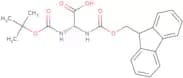
CAS:<p>3,5-Diiodo-4-methoxybenzhydrazide is a high quality chemical that is useful in the preparation of complex compounds. This compound has been shown to be an excellent reagent and useful intermediate for the synthesis of various fine chemicals. It has been used as a precursor for the production of the antiviral drug Tamiflu, among other pharmaceuticals. 3,5-Diiodo-4-methoxybenzhydrazide is also a versatile building block that can be used in research or as a reaction component in organic synthesis.</p>Formula:C8H8I2N2O2Purity:Min. 95%Color and Shape:PowderMolecular weight:417.97 g/molFmoc-α-amino-D-Gly(Boc)-OH
CAS:<p>Please enquire for more information about Fmoc-α-amino-D-Gly(Boc)-OH including the price, delivery time and more detailed product information at the technical inquiry form on this page</p>Formula:C22H24N2O6Purity:Min. 95%Molecular weight:412.44 g/molEthyl 2-(4-hydroxyphenyl)-4-methylthiazole-5-carboxylate
CAS:<p>Ethyl 2-(4-hydroxyphenyl)-4-methylthiazole-5-carboxylate is an anticancer agent that belongs to the class of formamidines. It is synthesized by refluxing ethyl 4-hydroxyphenylacetic acid with hexamethylenetetramine and acetic acid in ethanol. After purification, it is converted to its active form by reacting with hydrochloric acid. Ethyl 2-(4-hydroxyphenyl)-4-methylthiazole-5-carboxylate prevents the growth of cancer cells in culture by preventing DNA synthesis, which prevents RNA and protein synthesis. This agent has also been found to suppress paclitaxel production in cultured human breast cancer cells.</p>Formula:C13H13NO3SPurity:Min. 95%Molecular weight:263.31 g/molZ-Val-Gly-Phe-OH
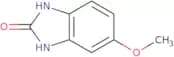
CAS:<p>Please enquire for more information about Z-Val-Gly-Phe-OH including the price, delivery time and more detailed product information at the technical inquiry form on this page</p>Formula:C24H29N3O6Purity:Min. 95%Molecular weight:455.5 g/mol2-Hydroxy-5-methoxybenzimidazole
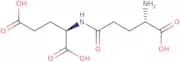
CAS:<p>Please enquire for more information about 2-Hydroxy-5-methoxybenzimidazole including the price, delivery time and more detailed product information at the technical inquiry form on this page</p>Formula:C8H8N2O2Purity:Min. 95%Molecular weight:164.16 g/molH-Glu(D-Glu-OH)-OH
CAS:<p>Please enquire for more information about H-Glu(D-Glu-OH)-OH including the price, delivery time and more detailed product information at the technical inquiry form on this page</p>Formula:C10H16N2O7Purity:Min. 95%Molecular weight:276.24 g/molGastrin I (rat) trifluoroacetate salt
CAS:<p>Trifluoroacetate salt</p>Formula:C94H128N22O31S2Purity:Min. 95%Molecular weight:2,126.28 g/molBiotinyl-Obestatin (human) trifluoroacetate salt
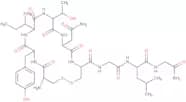
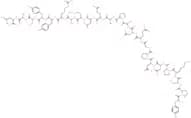
CAS:<p>Please enquire for more information about Biotinyl-Obestatin (human) trifluoroacetate salt including the price, delivery time and more detailed product information at the technical inquiry form on this page</p>Formula:C126H190N34O35SPurity:Min. 95%Molecular weight:2,773.13 g/mol(Thr4,Gly7)-Oxytocin
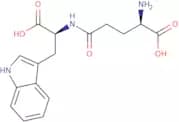
CAS:<p>Oxytocin is a hormone that is released from the pituitary gland. It has been shown to have a variety of biological effects, including stimulation of uterine contractions, breast milk production, and social behaviors such as bonding and sexual behavior. Oxytocin has also been shown to regulate the release of gamma-aminobutyric acid (GABA) in the brain. This effect may be due to oxytocin's ability to stimulate GABA receptors. In addition, oxytocin can inhibit lipolysis by inhibiting the release of fatty acids from adipose tissue. The effect on fatty acid release is due to an inhibition of phosphodiesterase activity. Oxytocin can also cause membrane hyperpolarization by increasing potassium ion flow through channels in the cell membrane. Oxytocin has also been shown to act as a growth factor for certain types of cells, such as smooth muscle cells and osteoblasts.</p>Formula:C39H61N11O12S2Purity:Min. 95%Molecular weight:940.1 g/molH-D-Glu(Trp-OH)-OH
CAS:<p>H-D-Glu(Trp-OH)-OH is a synthetic peptide that has been shown to inhibit the replication of the herpes simplex virus (HSV). It binds to toll-like receptor 3 and 4 on cells, which may inhibit HSV replication. This compound has also been shown to be a potent inhibitor of HIV, as well as hepatitis B and C. H-D-Glu(Trp-OH)-OH has been shown to cause lung damage in mice. The mechanism for this effect is unknown, but it may involve an increase in reactive oxygen species or other cell signaling pathways.</p>Formula:C16H19N3O5Purity:Min. 95%Molecular weight:333.34 g/molSuc-Ala-Phe-Lys-AMC acetate
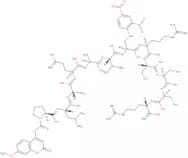
CAS:<p>Suc-Ala-Phe-Lys-AMC acetate salt is a fatty acid that is metabolized by the enzyme plasminogen activator inhibitor 1 (PAI-1) to form AMC. It is used as a marker for PAI-1 activity in plasma, as well as in other extracellular fluids. Suc-Ala-Phe-Lys-AMC acetate salt has been shown to be effective in treating diseases caused by low blood sugar levels, such as diabetes mellitus type 2. Studies have also shown that it can be used to monitor the progress of metabolic disorders such as obesity and type 2 diabetes mellitus.</p>Formula:C32H39N5O8•C2H4O2Purity:Min. 95%Color and Shape:PowderMolecular weight:681.73 g/molDnp-Arg-Pro-Leu-Ala-Leu-Trp-Arg-Ser-OH trifluoroacetate salt
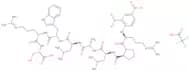
CAS:<p>Dnp-Arg-Pro-Leu-Ala-Leu-Trp-Arg-Ser-OH trifluoroacetate salt is a potent, competitive inhibitor of matrix metalloproteinase (MMP) 3 and MMP9. It binds to the catalytic zinc ion in the active site of these enzymes. Dnp-Arg-Pro-Leu-Ala-Leu-Trp-Arg-Ser-OH trifluoroacetate salt has been shown to inhibit tumor growth and promote neuronal death in vitro. This drug also blocks the release of matrix metalloproteins from cells, which are involved in extracellular processes such as cell migration and cell adhesion.</p>Formula:C52H77N17O14Purity:Min. 95%Molecular weight:1,164.27 g/molLys-Lys-IRS-1 (891-902) (dephosphorylated) (human) trifluoroacetate salt
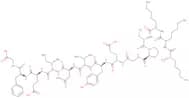
CAS:<p>Please enquire for more information about Lys-Lys-IRS-1 (891-902) (dephosphorylated) (human) trifluoroacetate salt including the price, delivery time and more detailed product information at the technical inquiry form on this page</p>Formula:C73H114N18O22Purity:Min. 95%Molecular weight:1,595.79 g/molFmoc-Phe-Ser(tBu)-OH
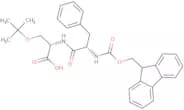
CAS:<p>Fmoc-Phe-Ser(tBu)-OH is a pentafluorophenyl ester of the amino acid phenylalanine. It is used in solid-phase peptide synthesis to link amines and carboxylic acids. Fmoc-Phe-Ser(tBu)-OH is used as an intermediate in the synthesis of peptides with a C-terminal amidated or methyl esters. The coupling reaction is catalyzed by 1-hydroxybenzotriazole (HOBT) and N,N'-dicyclohexylcarbodiimide (DCC). HOBT reacts with the hydroxyl group on the β carbon of the ester to form an acetoxy group, which reacts with the amine on the opposite side of the peptide chain to form a new amide bond. DCC reacts with both reactive groups, forming an iminoester intermediate. This intermediate can be hydroly</p>Formula:C31H34N2O6Purity:Min. 95%Molecular weight:530.61 g/molFmoc-Lys(Boc)-Pro-OH
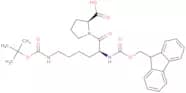
CAS:<p>Fmoc-Lys(Boc)-Pro-OH is a residue that is used in the optimization of peptide synthesis. It is an acid labile protecting group that can be removed by treatment with trichloroacetic acid or hydrogen fluoride. Fmoc-Lys(Boc)-Pro-OH can be used for chemical ligation to other protected amino acids, such as Boc-Lys(Bzl)-OH, to form peptides. The residue has been shown to be useful in systematic optimization of peptide pairings and in the stepwise synthesis of peptides. The residue has also been shown to have a high yield and purity when synthesized by x-ray crystallography.<br>Fmoc-Lys(Boc)-Pro-OH is an amino acid with a molecular weight of 120 Da and consists of two alpha amino acids, L -lysine and L -proline, joined by a peptide bond.</p>Formula:C31H39N3O7Purity:Min. 95%Molecular weight:565.66 g/molH-Gly-Lys-His-OH acetate salt
CAS:<p>Please enquire for more information about H-Gly-Lys-His-OH acetate salt including the price, delivery time and more detailed product information at the technical inquiry form on this page</p>Formula:C14H24N6O4Purity:Min. 95%Molecular weight:340.38 g/mol(Thr6)-Bradykinin
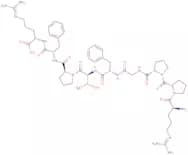
CAS:<p>Bradykinin is a peptide hormone that functions as a neurotransmitter, neuromodulator, and vasodilator. Bradykinin is released from the cell in response to tissue injury or inflammation. Bradykinin binds to the bradykinin receptors B2 and B1 on the surface of cells and stimulates them, which causes pain relief and vasodilation. Bradykinin is synthesized as an inactive pro-peptide (Tyr6) that undergoes proteolytic cleavage by proteases such as thrombin, trypsin, chymotrypsin, and elastase. The amino acid sequence of the active form of bradykinin is Thr6-Bradykinin H-Arg-Pro-Pro-Gly-Phe-Thr-Pro-Phe-Arg-OH.</p>Formula:C51H75N15O11Purity:Min. 95%Molecular weight:1,074.24 g/mol4-[(4-Nitrophenyl)-azo]-phenol
CAS:<p>4-[(4-Nitrophenyl)-azo]-phenol is a molecular compound that has a nitro group, an azo group, and a phenolic hydroxyl group. It's also known as nitrophenyl diazonium salt. 4-[(4-Nitrophenyl)-azo]-phenol is used in the synthesis of other compounds such as dyes and pharmaceuticals. The magnetic resonance spectroscopy and optical microscope techniques were used to study the chemical structure of 4-[(4-Nitrophenyl)-azo]-phenol. The titration method was used to determine the purity of this compound. 4-[(4-Nitrophenyl)-azo]-phenol has been shown to have mesomorphic properties, which are exhibited by its ability to be either solid or liquid at room temperature (25°C). This property may be due to its functional groups that stabilize it in both states.</p>Purity:Min. 95%Glutaryl-Phe-pNA
CAS:<p>Glutaryl-Phe-pNA is commonly used as a substrate to measure the activity of proteases, which are enzymes that cleave peptide bonds. The cleavage of the Glutaryl-Phe-pNA substrate by proteases releases a colored 4-nitroaniline product, which can be detected and quantified spectrophotometrically to measure protease activity.</p>Formula:C20H21N3O6Purity:Min. 95%Molecular weight:399.4 g/molCyclo(-D-Glu-Ala-D-allo-Ile-Leu-D-Trp)
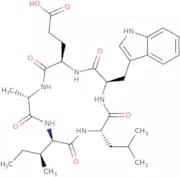
CAS:<p>Please enquire for more information about Cyclo(-D-Glu-Ala-D-allo-Ile-Leu-D-Trp) including the price, delivery time and more detailed product information at the technical inquiry form on this page</p>Formula:C31H44N6O7Purity:Min. 95%Molecular weight:612.72 g/mol(D-Arg2)-Dermorphin (1-4) amide trifluoroacetate salt
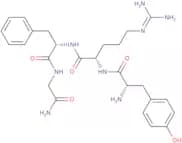
CAS:<p>Please enquire for more information about (D-Arg2)-Dermorphin (1-4) amide trifluoroacetate salt including the price, delivery time and more detailed product information at the technical inquiry form on this page</p>Formula:C26H36N8O5Purity:Min. 95%Molecular weight:540.61 g/molAc-Ala-Ala-Ala-OH
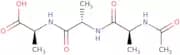
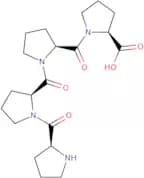
CAS:<p>Ac-Ala-Ala-Ala-OH is a calcium binding protein that is involved in the activation of zymogens. It is an acidic protein that can be found in the zymogen granules of bacteria such as Salmonella typhimurium. Ac-Ala-Ala-Ala-OH has been shown to bind to basic proteins and, when bound, enhances proteolytic activity. Acetylation of Ac-Ala-Ala-Ala-OH at its N terminus by chloromethyl ketone converts it into an acetyllysine derivative with increased stability, which may also result in decreased proteolytic activity.</p>Formula:C11H19N3O5Purity:Min. 95%Molecular weight:273.29 g/molH-Pro-Pro-Pro-Pro-OH
CAS:<p>H-Pro-Pro-Pro-Pro-OH is a proteolytic enzyme that has been shown to have potential applications in drug design. The enzyme is able to cleave proteins, such as albumin, at different sites. It can be used to optimize the design of therapeutic drugs by highlighting the parameters that are important for successful protein cleavage. The enzyme has also been shown to have toxicological properties and interacts with serum albumin. H-Pro-Pro-Pro-Pro-OH is a protease that can be found in human serum.</p>Formula:C20H30N4O5Purity:Min. 95%Molecular weight:406.48 g/molNeuropeptide Y (1-24) amide (human, rat) trifluoroacetate salt
CAS:<p>Please enquire for more information about Neuropeptide Y (1-24) amide (human, rat) trifluoroacetate salt including the price, delivery time and more detailed product information at the technical inquiry form on this page</p>Formula:C116H170N30O40SPurity:Min. 95%Molecular weight:2,656.84 g/molAc-Leu-pNA
CAS:<p>Ac-Leu-pNA is a peptide that is isolated from pyrococcus furiosus. It has the ability to inhibit serine proteases, including trypsin and chymotrypsin, by forming hydrogen bonds with their active site. Ac-Leu-pNA also inhibits the activity of the enzyme proteasome, which breaks down proteins in cells. This inhibition is due to its ability to bind to the ubiquitin-proteasome system (UPS) and block the enzymatic reaction. Ac-Leu-pNA has been shown to have a blood pressure lowering effect in humans.</p>Formula:C14H19N3O4Purity:Min. 95%Molecular weight:293.32 g/mol2-Hydroxy-5-[(4-{[(6-methoxypyridazin-3-yl)amino]sulfonyl}phenyl)diazenyl]benzoic acid
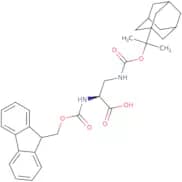
CAS:<p>Used in treatment of nonspecific ulcerative colitis</p>Formula:C18H15N5O6SPurity:Min. 95%Color and Shape:PowderMolecular weight:429.41 g/molFmoc-Dap(Adpoc)-OH
CAS:<p>Please enquire for more information about Fmoc-Dap(Adpoc)-OH including the price, delivery time and more detailed product information at the technical inquiry form on this page</p>Formula:C32H38N2O6Purity:Min. 95%Molecular weight:546.65 g/molMyelin Oligodendrocyte Glycoprotein (35-55) (human) trifluoroacetate salt
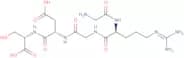
CAS:<p>Please enquire for more information about Myelin Oligodendrocyte Glycoprotein (35-55) (human) trifluoroacetate salt including the price, delivery time and more detailed product information at the technical inquiry form on this page</p>Formula:C120H179N35O28SPurity:Min. 95%Molecular weight:2,591.99 g/molH-Gly-Arg-Gly-Asp-Ser-OH TFA salt
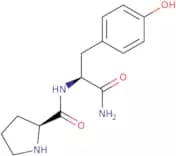
CAS:<p>H-Gly-Arg-Gly-Asp-Ser-OH TFA salt is a synthetic peptide that is designed to bind to the nuclear factor kappa B (NFκB) and inhibit its activation. NFκB is a transcription factor that regulates gene expression in response to various stimuli, including proinflammatory cytokines, oxidants, and electrophilic compounds. H-Gly-Arg-Gly-Asp-Ser-OH TFA salt has been shown to inhibit NFκB activation in a model system. This molecule also inhibits axonal growth and pluripotent cells differentiation, which may be due to its suppression of the signal peptide. The rate constant for this drug has been measured using polymer compositions and biocompatible polymers.</p>Formula:C17H30N8O9(freebase)Purity:Min. 95%Molecular weight:490.47 g/molH-Pro-Tyr-NH2·HCl
CAS:<p>Noopept is a peptide-like nootropic drug that belongs to the group of analogs of proline. It has been shown to have neuroprotective and cognitive enhancing effects in animal studies, as well as an antipsychotic effect. Noopept is a competitive antagonist of the glutamate receptor, and also has affinity for dopamine and serotonin receptors. Noopept is taken orally and penetrates into the brain quickly, where it interacts with different types of neurotransmitter systems. It also shows translational activity in vitro (in cell culture) and in vivo (in animals). This substance can be detected in human blood plasma following oral administration.</p>Formula:C14H19N3O3·HClPurity:Min. 95%Molecular weight:313.78 g/molAmyloid Dan Protein (1-34) trifluoroacetate salt
CAS:<p>Please enquire for more information about Amyloid Dan Protein (1-34) trifluoroacetate salt including the price, delivery time and more detailed product information at the technical inquiry form on this page</p>Formula:C185H268N48O51S2Purity:Min. 95%Molecular weight:4,044.53 g/molHIV Protease Substrate III-B (Native Sequence)
CAS:<p>Please enquire for more information about HIV Protease Substrate III-B (Native Sequence) including the price, delivery time and more detailed product information at the technical inquiry form on this page</p>Formula:C51H90N18O14SPurity:Min. 95%Molecular weight:1,211.44 g/molProlactin-Releasing Peptide (1-31) (human)
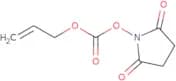
CAS:<p>Please enquire for more information about Prolactin-Releasing Peptide (1-31) (human) including the price, delivery time and more detailed product information at the technical inquiry form on this page</p>Formula:C160H252N56O42SPurity:Min. 95%Molecular weight:3,664.13 g/molAloc-OSu
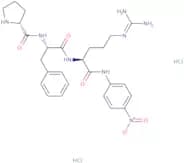
CAS:<p>Aloc-OSu is a glycosylated glycopeptide antibiotic that belongs to the class of degradable antibiotics. The drug binds to the enzyme UDP-N-acetylglucosamine:glycoprotein glucosyltransferase, thereby inhibiting bacterial cell wall synthesis. Aloc-OSu has been shown to be effective against methicillin resistant Staphylococcus aureus (MRSA) and Clostridium perfringens, although is not active against acid-fast bacteria such as Mycobacterium tuberculosis or Mycobacterium avium complex. Aloc-OSu has shown anti-inflammatory properties, which may be due to its inhibition of prostaglandin synthesis.</p>Formula:C8H9NO5Purity:Min. 95%Molecular weight:199.16 g/molH-D-Pro-Phe-Arg-pNA·2 HCl
CAS:<p>Pro-Phe-Arg-pNA·2 HCl is a kallikrein substrate used to assay the activity of activated Hageman factor, that is the plasma protein and a serine protease also known as coagulation factor XII.</p>Formula:C26H34N8O5·2HClPurity:Min. 95%Molecular weight:611.52 g/molPz-Pro-Leu-Gly-Pro-D-Arg-OH trifluoroacetate salt
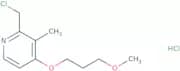
CAS:<p>Pz-Pro-Leu-Gly-Pro-D-Arg-OH trifluoroacetate salt is a synthetic substrate that can be used for the synthesis of cyclic peptides. It has been shown to act as a competitive inhibitor of the serine protease, chymotrypsin, and cytochalasin B. Pz-Pro-Leu-Gly-Pro-D-Arg is a soluble substrate that can be used in tissue culture experiments with caco2 cells. This compound also has high solubility and is stable at pH values between 5 and 12. The optimum pH for this compound is 8.</p>Formula:C38H52N10O8Purity:Min. 95%Molecular weight:776.88 g/mol2-Chloromethyl-4-(3-methoxypropoxy)-3-methylpyridine hydrochloride
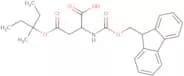
CAS:<p>Please enquire for more information about 2-Chloromethyl-4-(3-methoxypropoxy)-3-methylpyridine hydrochloride including the price, delivery time and more detailed product information at the technical inquiry form on this page</p>Formula:C11H17Cl2NO2Purity:Min. 95%Molecular weight:266.16 g/molFmoc-D-Asp(OMpe)-OH
CAS:<p>Please enquire for more information about Fmoc-D-Asp(OMpe)-OH including the price, delivery time and more detailed product information at the technical inquiry form on this page</p>Formula:C25H29NO6Purity:Min. 95%Molecular weight:439.5 g/molMca-Pro-Leu-Ala-Cys(Mob)-Trp-Ala-Arg-Dap (Dnp)-NH2 trifluoroacetate salt
CAS:<p>Please enquire for more information about Mca-Pro-Leu-Ala-Cys(Mob)-Trp-Ala-Arg-Dap (Dnp)-NH2 trifluoroacetate salt including the price, delivery time and more detailed product information at the technical inquiry form on this page</p>Formula:C66H82N16O17SPurity:Min. 95%Molecular weight:1,403.52 g/molFmoc-D-Trp(Boc)-Wang resin (200-400 mesh)
<p>Please enquire for more information about Fmoc-D-Trp(Boc)-Wang resin (200-400 mesh) including the price, delivery time and more detailed product information at the technical inquiry form on this page</p>Purity:Min. 95%Suc-Ala-Leu-Pro-Phe-OH
CAS:<p>Please enquire for more information about Suc-Ala-Leu-Pro-Phe-OH including the price, delivery time and more detailed product information at the technical inquiry form on this page</p>Formula:C27H38N4O8Purity:Min. 95%Molecular weight:546.61 g/molMca-(endo-1a-Dap (Dnp))-TNF-a (-5 to +6) amide (human) trifluoroacetate salt
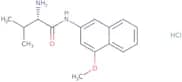
CAS:<p>Please enquire for more information about Mca-(endo-1a-Dap (Dnp))-TNF-a (-5 to +6) amide (human) trifluoroacetate salt including the price, delivery time and more detailed product information at the technical inquiry form on this page</p>Formula:C69H103N23O24Purity:Min. 95%Molecular weight:1,638.7 g/molH-Val-4MbNA·HCl
CAS:<p>Please enquire for more information about H-Val-4MbNA·HCl including the price, delivery time and more detailed product information at the technical inquiry form on this page</p>Formula:C16H20N2O2·HClPurity:Min. 95%Molecular weight:308.8 g/mol1b-(4-Fluorophenyl)hexahydro-',7-dihydroxy-7-(1-methylethyl)-1a-phenyl-7a-[(phenylamino)carbonyl]-3H-oxireno[3,4]pyrrolo[2,1-b][1,3] oxazine-3-butanoic Acid
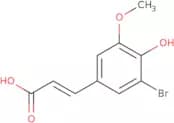
CAS:<p>Please enquire for more information about 1b-(4-Fluorophenyl)hexahydro-',7-dihydroxy-7-(1-methylethyl)-1a-phenyl-7a-[(phenylamino)carbonyl]-3H-oxireno[3,4]pyrrolo[2,1-b][1,3] oxazine-3-butanoic Acid including the price, delivery time and more detailed product information at the technical inquiry form on this page</p>Formula:C33H35FN2O7Purity:Min. 95%Molecular weight:590.64 g/mol3-(3-Bromo-4-hydroxy-5-methoxyphenyl)acrylic acid
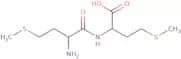
CAS:<p>3-(3-Bromo-4-hydroxy-5-methoxyphenyl)acrylic acid is a polyphenol that can be found in plants and food. It has been shown to have antimicrobial properties against certain bacteria and fungi, such as Staphylococcus aureus, Clostridium perfringens, and Candida albicans. 3-(3-Bromo-4-hydroxy-5-methoxyphenyl)acrylic acid is synthesized by means of the condensation of p-coumaric acid with acrylic acid in the presence of a base catalyst. This compound undergoes biotransformations such as hydroxylation and oxidation to form 3-(3,4′-dihydroxyphenyl)acrylic acid (DHPAA). The compound is also able to react with other phenolic compounds such as cinnamic acid under certain conditions.</p>Formula:C10H9BrO4Purity:Min. 95%Color and Shape:PowderMolecular weight:273.08 g/molH-D-Met-D-Met-OH
CAS:<p>Please enquire for more information about H-D-Met-D-Met-OH including the price, delivery time and more detailed product information at the technical inquiry form on this page</p>Formula:C10H20N2O3S2Purity:Min. 95%Molecular weight:280.41 g/molAc-Ala-α-naphthyl ester
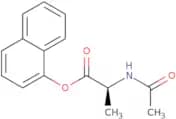
CAS:<p>Ac-Ala-alpha-naphthyl ester is a chemical compound that belongs to the class of aromatic esters. It is used as a research and benchmarking agent in the measurement of skin penetration potential. Ac-Ala-alpha-naphthyl ester has been shown to have good skin penetration properties, with no adverse effects on the skin.</p>Formula:C15H15NO3Purity:Min. 95%Molecular weight:257.28 g/molSV40 Nuclear Transport Signal Peptide Analog
CAS:<p>Please enquire for more information about SV40 Nuclear Transport Signal Peptide Analog including the price, delivery time and more detailed product information at the technical inquiry form on this page</p>Formula:C60H104N20O15SPurity:Min. 95%Molecular weight:1,377.66 g/molNeuroendocrine Regulatory Peptide-1 (rat) trifluoroacetate salt
CAS:<p>Please enquire for more information about Neuroendocrine Regulatory Peptide-1 (rat) trifluoroacetate salt including the price, delivery time and more detailed product information at the technical inquiry form on this page</p>Formula:C110H180N32O38Purity:Min. 95%Molecular weight:2,558.8 g/molH-Gly-Phe-NH2 acetate salt
CAS:<p>Please enquire for more information about H-Gly-Phe-NH2 acetate salt including the price, delivery time and more detailed product information at the technical inquiry form on this page</p>Formula:C11H15N3O2·C2H4O2Purity:Min. 95%Molecular weight:281.31 g/molH-Gly-Arg-Gly-Asp-Ser-Pro-Cys-OH trifluoroacetate salt
CAS:<p>H-Gly-Arg-Gly-Asp-Ser-Pro-Cys-OH trifluoroacetate salt is a peptide that has been shown to inhibit the growth of tumor cells. It has also been shown to have biological properties in a number of experimental models, including in vitro and in vivo studies. H-Gly-Arg-Gly-Asp-Ser-Pro-Cys-OH trifluoroacetate salt inhibits muscle cell proliferation by binding to the extracellular matrix protein collagen type I. This inhibition leads to reduced tissue formation and body growth. This peptide also inhibits the proliferation of cancer cells by blocking the production of growth factor beta 1 (GFβ1).</p>Formula:C25H42N10O11SPurity:Min. 95%Molecular weight:690.73 g/molH-Trp-Val-OH
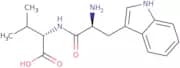
CAS:<p>H-Trp-Val-OH is a human protein that has been shown to be involved in the uptake of glucose into cells. H-Trp-Val-OH is also known as colony stimulating factor 1, which stimulates the growth and differentiation of hematopoietic cells. It has been shown to play a role in weight gain, insulin resistance, and type 2 diabetes. This monoclonal antibody has not been found to have any long term toxicity or genotoxicity in animal studies.</p>Formula:C16H21N3O3Purity:Min. 95%Molecular weight:303.36 g/molBoc-Gly-Phe-Gly-Lys-OH
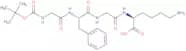
CAS:<p>Boc-Gly-Phe-Gly-Lys-OH is an allergen that belongs to the group of flavonoids. It is a reaction product of cinnamates and methoxycinnamate, which are found in sunscreens. Boc-Gly-Phe-Gly-Lys-OH is used as a model for chemical carcinogens in studies on cancer. Boc-Gly-Phe-Gly-Lys-OH has been shown to be a potent skin cancer and radiation sensitizer. There are no known effects on humans, but it is possible that this compound may react with UV irradiation from sunlight, causing DNA damage and skin cancer.</p>Formula:C24H37N5O7Purity:Min. 95%Molecular weight:507.58 g/mol([15N]Gly)-Glutathione (reduced)
CAS:<p>Please enquire for more information about ([15N]Gly)-Glutathione (reduced) including the price, delivery time and more detailed product information at the technical inquiry form on this page</p>Purity:Min. 95%Bexagliflozin
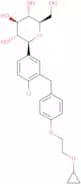
CAS:<p>Bexagliflozin is a drug that is used to treat type II diabetes in adults. It helps to control blood sugar levels by inhibiting the enzyme DPP-IV and increasing insulin release from the pancreas. Bexagliflozin has been shown to be effective in lowering blood sugar levels in patients with chronic kidney disease and cancer, as well as those with a body mass index (BMI) of 30 or higher. This drug is an oral hypoglycaemic agent that can be used for diagnostic purposes. It has also been shown to be clinically effective for the treatment of diabetic nephropathy and diabetic retinopathy. The enantiomers of bexagliflozin can be differentiated according to their pharmacological properties, which may allow for more targeted therapy.</p>Formula:C24H29ClO7Purity:Min. 95%Molecular weight:464.94 g/mol4-Amino-5-methoxy-2-methylbenzenesulfonic acid
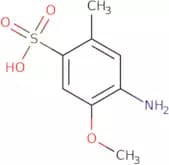
CAS:<p>4-Amino-5-methoxy-2-methylbenzenesulfonic acid is a compound that has been used as an additive to analytical reagents in order to improve their sensitivity. This compound is used as the sodium salt, which is water soluble and has a high degree of reproducibility. 4-Amino-5-methoxy-2-methylbenzenesulfonic acid has also been used for the validation of analytical methods, including calibration and cytotoxicity testing. The validation procedure includes colorants, spectra analysis, impurities, and solvents.</p>Formula:C8H11NO4SPurity:Min. 95%Color and Shape:PowderMolecular weight:217.24 g/molZ-Ala-Asp-OH
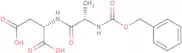
CAS:<p>Methyl ester of z-alanine and aspartic acid. The methyl ester is the reaction product of z-alanine and aspartic acid, which are modified amino acids. The methyl ester is a modification of an amino acid at its carboxyl group. This active site is found in the profile of a number of enzymes, including those that catalyze the hydrolysis of amides or esters. It may also be involved in the catalytic activity of alcohols. Z-Ala-Asp-OH can act as an inhibitor to certain enzymes that break down proteins, such as peptidases and proteases. It has been shown to be resistant to hydrolysis by amide and c-terminal amidases.</p>Formula:C15H18N2O7Purity:Min. 95%Molecular weight:338.31 g/molH-Gly-His-OH·HCl
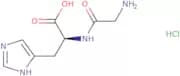
CAS:<p>H-Gly-His-OH·HCl is a methyl ester of histidine. It has an axial orientation, and the optical rotation is +25.4° (c=1 in methanol). H-Gly-His-OH·HCl is synthesized from glutamic acid, glutamate, and imidazole by using a method based on the catalytic properties of copper. H-Gly-His-OH·HCl can be used as a ligand for the enzyme peroxidase, which catalyzes oxidation reactions with hydrogen peroxide or organic peroxides to form water and oxidized products. The efficiency of this reaction increases with increasing concentrations of H-Gly-His-OH·HCl.<br>!--END--></p>Formula:C8H12N4O3·HClPurity:Min. 95%Molecular weight:248.67 g/molScyliorhinin I
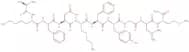
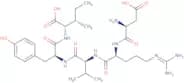
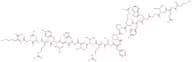
CAS:<p>Scyliorhinin I H-Ala-Lys-Phe-Asp-Lys-Phe-Tyr-Gly-Leu-Met-NH2 is a peptide that has been conjugated to an aminopropyl linker. It has shown cardioprotective effects in vitro, which may be due to its ability to inhibit the activity of angiotensin converting enzyme (ACE). Scyliorhinin I H-Ala-Lys-Phe-Asp-Lys-Phe-Tyr-Gly-Leu-Met NH2 also inhibits the production of ACTH and corticosterone in the dogfish. This peptide is not highly potent, but it does have a biphasic response in submandibular gland cells.</p>Formula:C59H87N13O13SPurity:Min. 95%Molecular weight:1,218.47 g/molH-Thr-Lys-Tyr-OH
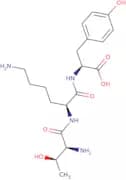
CAS:<p>H-Thr-Lys-Tyr-OH is a synthetic peptide that has been used in the research of antigen, antibody and sequence. The intramolecular bond between the amino acids H-Thr-Lys-Tyr-OH has been shown to be stable up to pH 8.5 and alkaline conditions, making it suitable for use in a variety of different experiments. This peptide has also been used as an immunogen to generate antibodies against specific antigens or as a probe for sequence analysis.</p>Formula:C19H30N4O6Purity:Min. 95%Molecular weight:410.46 g/mol(His32,Leu34)-Neuropeptide Y (32-36)
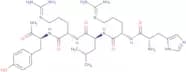
CAS:<p>Please enquire for more information about (His32,Leu34)-Neuropeptide Y (32-36) including the price, delivery time and more detailed product information at the technical inquiry form on this page</p>Formula:C33H54N14O6Purity:Min. 95%Molecular weight:742.87 g/molIL-6 (88-121) (human)
CAS:<p>Please enquire for more information about IL-6 (88-121) (human) including the price, delivery time and more detailed product information at the technical inquiry form on this page</p>Formula:C179H281N45O58SPurity:Min. 95%Molecular weight:4,023.48 g/molAc-Arg-Phe-Met-Trp-Met-Arg-NH2
CAS:<p>Ac-Arg-Phe-Met-Trp-Met-Arg-NH2 is a synthetic peptide that binds to the opioid receptors, which are found in many areas of the body, including the brain and peripheral nervous system. Ac-Arg-Phe-Met-Trp-Met-Arg-NH2 has been shown to bind to the mu receptor with an affinity of ˜1 nM. It has also been shown to have antiinflammatory and anticancer properties. Ac-Arg-Phe-Met-Trp-Met -Arg NH2 has also been found in some cases to be effective against neurodegenerative diseases such as Alzheimer's disease. Ac Arg Phe Met Trp Met Arg NH2 is often used as a diluent for peptides and proteins because it does not cause aggregation.</p>Formula:C44H66N14O7S2Purity:Min. 95%Molecular weight:967.22 g/molBoc-Phe-OBzl
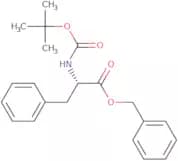
CAS:<p>Please enquire for more information about Boc-Phe-OBzl including the price, delivery time and more detailed product information at the technical inquiry form on this page</p>Formula:C21H25NO4Purity:Min. 95%Molecular weight:355.43 g/molBoc-Pen (NPys)-OH
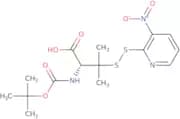
CAS:<p>Please enquire for more information about Boc-Pen (NPys)-OH including the price, delivery time and more detailed product information at the technical inquiry form on this page</p>Formula:C15H21N3O6S2Purity:Min. 95%Molecular weight:403.48 g/mol3-(Boc-amino)pyridine
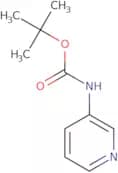
CAS:<p>3-(Boc-amino)pyridine is a glycine derivative with a trigonal, chelate ring. It can be hydrolyzed by acid to form 3-aminopyridine. 3-(Boc-amino)pyridine has been shown to react with trimethyltin chloride to form an intramolecular complex in the presence of alkyllithiums. This reaction proceeds through lithiation and methylation of the carboxyl group of 3-(Boc-amino)pyridine. The interaction between 3-(Boc-amino)pyridine and trimethyltin chloride forms an antiaromatic six membered ring that resembles a benzene molecule.</p>Formula:C10H14N2O2Purity:Min. 95%Molecular weight:194.23 g/molAngiotensin I/II (1-5)
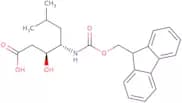
CAS:<p>Please enquire for more information about Angiotensin I/II (1-5) including the price, delivery time and more detailed product information at the technical inquiry form on this page</p>Formula:C30H48N8O9Purity:Min. 95%Molecular weight:664.75 g/molFmoc-(3S,4S)-4-amino-3-hydroxy-6-methylheptanoic acid
CAS:<p>Fmoc-(3S,4S)-4-amino-3-hydroxy-6-methylheptanoic acid is a pharmacokinetic drug that is under investigation for prostate cancer. It has been shown to inhibit the growth of prostate carcinoma cells and reduce the expression of prostate specific antigen (PSA) in vivo. Fmoc-(3S,4S)-4-amino-3-hydroxy-6-methylheptanoic acid has also been used in bioconjugate chemistry to produce a prodrug that can be taken orally. This prodrug is activated by viral proteases in the stomach, leading to an increase in cytotoxicity against HIV virus and other retroviruses. Fmoc-(3S,4S)-4-amino-3-hydroxy-6-methylheptanoic acid has also been shown to inhibit the production of human serum erythropoietin (EPO).</p>Formula:C23H27NO5Purity:Min. 95%Color and Shape:White To Off-White SolidMolecular weight:397.46 g/molPeptide 46
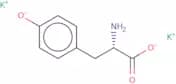
CAS:<p>Peptide 46 is a synthetic peptide that has been shown to be effective in the treatment of cancer. It binds to an antigen-presenting cell, which presents the peptide to a T-cell receptor on a cytotoxic T-cell. The binding of the peptide to this receptor leads to activation of the cytotoxic T-cell, resulting in killing of cells bearing the peptide sequence. This peptide can also be used as an adjuvant for cancer therapy, as it induces regulatory responses in immune cells. Peptide 46 has been shown to have inhibitory effects on intracellular targets and sequences that are involved in regulating gene expression. It can also bind specifically to DNA sequences and linkers that are found in cancer tissues.</p>Formula:C100H174N40O31Purity:Min. 95%Molecular weight:2,432.7 g/molL-Tyrosine dipotassium
CAS:<p>L-Tyrosine dipotassium salt is a high quality, reagent, complex compound, useful intermediate and fine chemical. It is a useful scaffold that can be used in the synthesis of various important natural products. L-Tyrosine dipotassium salt is a versatile building block that has been widely applied in research on the development of new drugs, such as antiviral agents and antibiotics. L-Tyrosine dipotassium salt can act as a reaction component for many organic reactions. It also has applications in many areas such as medicine, food production, and environmental protection.</p>Formula:C9H11NO3•K2Purity:Min. 95%Molecular weight:259.39 g/molH-Trp(Boc)-2-chlorotrityl resin (200-400 mesh) (Low Substitution)
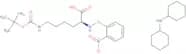
<p>Please enquire for more information about H-Trp(Boc)-2-chlorotrityl resin (200-400 mesh) (Low Substitution) including the price, delivery time and more detailed product information at the technical inquiry form on this page</p>Purity:Min. 95%Nps-Lys(Boc)-OH·DCHA
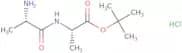
CAS:Controlled Product<p>Please enquire for more information about Nps-Lys(Boc)-OH·DCHA including the price, delivery time and more detailed product information at the technical inquiry form on this page</p>Formula:C17H25N3O6S·C12H23NPurity:Min. 95%Molecular weight:580.78 g/molH-Ala-Ala-OtBu·HCl
CAS:<p>Please enquire for more information about H-Ala-Ala-OtBu·HCl including the price, delivery time and more detailed product information at the technical inquiry form on this page</p>Formula:C10H20N2O3·HClPurity:Min. 95%Molecular weight:252.74 g/molH-Glu-Ala-Gly-Asp-Asp-Ile-Val-Pro-Cys-Ser-Met-Ser-Tyr-Thr-Trp-Thr-Gly-Ala-OH
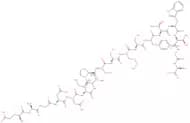
CAS:<p>H-Glu-Ala-Gly-Asp-Asp-Ile-Val-Pro-Cys-Ser-Met-Ser-Tyr-Thr-Trp-Thr-Gly-Ala is a peptide that is synthesized and expressed in the laboratory. It has been shown to have a constant amino acid sequence, which can be used as a control for protein studies. This peptide is unreactive with surrounding environments and does not undergo photochemical reactions. HAGGS has also been shown to be thermostable, yielding high yields of protein from it. The reactive nature of this peptide makes it unsuitable for use in solvents other than water or buffers containing water. HAGGS has been shown to have proteolytic activity against the hepatitis virus, HIV, and influenza virus. This peptide's fluorescence emission maxima is at 270 nm, which allows it to be observed under UV light.</p>Formula:C81H119N19O30S2Purity:Min. 95%Molecular weight:1,903.05 g/molHIV (gp120) Fragment (318-327)
CAS:<p>Please enquire for more information about HIV (gp120) Fragment (318-327) including the price, delivery time and more detailed product information at the technical inquiry form on this page</p>Formula:C48H80N16O12Purity:Min. 95%Molecular weight:1,073.25 g/mol













![4-[(4-Nitrophenyl)-azo]-phenol](/_next/image/?url=https%3A%2Fstatic.cymitquimica.com%2Fproducts%2F3D%2Fthumb-webp%2FFN31052.webp&w=3840&q=75)


![2-Hydroxy-5-[(4-{[(6-methoxypyridazin-3-yl)amino]sulfonyl}phenyl)diazenyl]benzoic acid](/_next/image/?url=https%3A%2Fstatic.cymitquimica.com%2Fproducts%2F3D%2Fthumb-webp%2FFH134950.webp&w=3840&q=75)





![1b-(4-Fluorophenyl)hexahydro-',7-dihydroxy-7-(1-methylethyl)-1a-phenyl-7a-[(phenylamino)carbonyl]-…](/_next/image/?url=https%3A%2Fstatic.cymitquimica.com%2Fproducts%2F3D%2Fthumb-webp%2FFF171220.webp&w=3840&q=75)


![([15N]Gly)-Glutathione (reduced)](/_next/image/?url=https%3A%2Fstatic.cymitquimica.com%2Fproducts%2F3D%2Fthumb-webp%2FFG109306.webp&w=3840&q=75)