Amino Acids (AA)
Amino acids (AAs) are the fundamental building blocks of proteins, playing a crucial role in various biological processes. These organic compounds are essential for protein synthesis, metabolic pathways, and cell signaling. In this category, you will find a comprehensive range of amino acids, including essential, non-essential, and modified forms, which are vital for research in biochemistry, molecular biology, and nutritional sciences. At CymitQuimica, we provide high-quality amino acids to support your research and development needs, ensuring accuracy and reliability in your experimental outcomes.
Subcategories of "Amino Acids (AA)"
- Amino Acid Derivatives(3,955 products)
- Amino Acid and Amino Acid Related Compounds(3,461 products)
- Amino Acids with Oxygen or Sulphur(168 products)
- Boc- Amino Acids(351 products)
- Fmoc Amino Acids(1,710 products)
Found 38244 products of "Amino Acids (AA)"
Sort by
Purity (%)
0
100
|
0
|
50
|
90
|
95
|
100
Galanin (1-19) (human)
CAS:<p>Please enquire for more information about Galanin (1-19) (human) including the price, delivery time and more detailed product information at the technical inquiry form on this page</p>Formula:C89H130N26O25Purity:Min. 95%Molecular weight:1,964.14 g/molBoc-Leu-Ser-Thr-Arg-AMC trifluoroacetate salt
CAS:<p>Boc-Leu-Ser-Thr-Arg-AMC trifluoroacetate salt is a synthetic substrate that is used in enzyme assays. The hydrolysis of the peptidyl ester bond by the enzyme results in release of AMC and an unstable intermediate, which reacts with AMC to form a stable fluorescent product. This product can be detected using various chromatographic techniques. Boc-Leu-Ser-Thr-Arg-AMC trifluoroacetate salt has been shown to be an effective anticoagulant for blood clotting and it is also used as a second order rate constant in the determination of coagulation factors.</p>Formula:C34H52N8O10Purity:Min. 95%Molecular weight:732.82 g/molBuccalin trifluoroacetate salt
CAS:<p>Buccalin is a cholinergic pharmaceutical drug that has been shown to have metabolic, growth factor, and chemotactic activities. It has been used in the treatment of various autoimmune diseases and infectious diseases. The mechanism of action for buccalin is unknown. Buccalin has been shown to have receptor activity in a variety of diagnostic agents such as monoclonal antibodies and fatty acids. It binds to acetylcholine receptors at the neuromuscular junction, leading to activation of muscle fibers by acetylcholine release from nerve endings.</p>Formula:C45H72N12O15SPurity:Min. 95%Molecular weight:1,053.19 g/molIGF-II (33-40)
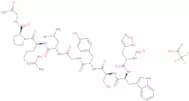
CAS:<p>This is a synthetic IGF-II peptide fragment (33-40) that has been immunized with an antiserum against the human growth hormone. It is used to measure the level of IGF-II in blood or serum. The immunizing antiserum cross-reacts with IgF-I and can also be used as a control for deficiency.</p>Formula:C38H74N20O12Purity:Min. 95%Molecular weight:1,003.12 g/molFormyl-LHRH (2-10) trifluoroacetate salt
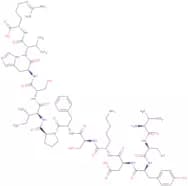
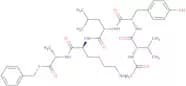
CAS:<p>Please enquire for more information about Formyl-LHRH (2-10) trifluoroacetate salt including the price, delivery time and more detailed product information at the technical inquiry form on this page</p>Formula:C51H70N16O12Purity:Min. 95%Molecular weight:1,099.2 g/molAc-Val-Tyr-Leu-Lys-Ala-SBzl
CAS:<p>Please enquire for more information about Ac-Val-Tyr-Leu-Lys-Ala-SBzl including the price, delivery time and more detailed product information at the technical inquiry form on this page</p>Formula:C38H56N6O7SPurity:Min. 95%Molecular weight:740.95 g/molCholecystokinin-33 (1-21) (porcine)
CAS:<p>Cholecystokinin-33 (1-21) (porcine) H-Lys-Ala-Pro-Ser-Gly-Arg-Val-Ser-Met-Ile-Lys-Asn-Leu-Gln, Ser, Leu, Asp, Pro, His, Arg is a linker that can be used to form peptide conjugates. It can be used as a cell type specific carrier to transport therapeutics across the blood brain barrier. It has also been shown to have therapeutic effects on cells in culture.</p>Formula:C98H169N33O30SPurity:Min. 95%Molecular weight:2,321.66 g/molH-Gly-Leu-Gly-Leu-OH
CAS:<p>Please enquire for more information about H-Gly-Leu-Gly-Leu-OH including the price, delivery time and more detailed product information at the technical inquiry form on this page</p>Formula:C16H30N4O5Purity:Min. 95%Molecular weight:358.43 g/molFmoc-Ile-Thr(Psi(Me ,Me)pro)-OH
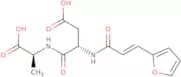
CAS:<p>Please enquire for more information about Fmoc-Ile-Thr(Psi(Me ,Me)pro)-OH including the price, delivery time and more detailed product information at the technical inquiry form on this page</p>Formula:C28H34N2O6Purity:Min. 95%Molecular weight:494.58 g/molFA-Asp-Ala-OH
CAS:<p>FA-Asp-Ala-OH is a catalytic, acidic, and hydrophilic molecule. It has been shown to be an activating residue for carboxypeptidases. This molecule can hydrolyze other amino acids in the presence of water. Mutations to the FA-Asp-Ala-OH have been shown to have a profound effect on the kinetic properties of carboxypeptidases. The FA-Asp-Ala-OH residue is also important because it can increase the activity of carboxypeptidases by as much as 3 times as compared to wild type enzymes.</p>Formula:C14H16N2O7Purity:Min. 95%Molecular weight:324.29 g/molH-D-Ala-bNA·HCl
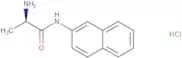
CAS:<p>Please enquire for more information about H-D-Ala-bNA·HCl including the price, delivery time and more detailed product information at the technical inquiry form on this page</p>Formula:C13H14N2O·HClPurity:Min. 95%Molecular weight:250.72 g/molH-Gly-Gly-Arg-anilide acetate salt
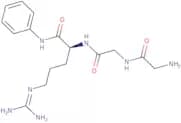
CAS:<p>Please enquire for more information about H-Gly-Gly-Arg-anilide acetate salt including the price, delivery time and more detailed product information at the technical inquiry form on this page</p>Formula:C16H25N7O3Purity:Min. 95%Molecular weight:363.42 g/mol(Phenylac 1,D-Tyr(Et)2,Lys6,Arg8,des-Gly9)-Vasopressin trifluoroacetate salt
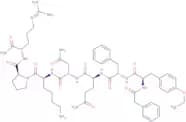
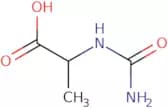
CAS:<p>Please enquire for more information about (Phenylac 1,D-Tyr(Et)2,Lys6,Arg8,des-Gly9)-Vasopressin trifluoroacetate salt including the price, delivery time and more detailed product information at the technical inquiry form on this page</p>Formula:C54H76N14O11Purity:Min. 95%Molecular weight:1,097.27 g/molCarbamoyl-DL-Ala-OH
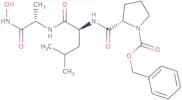
CAS:<p>Carbamoyl-DL-Ala-OH is a synthetic amino acid that is used as a building block in peptide synthesis. It hydrolyzes and alkylates proteins, forming the corresponding amide and acid. A kinetic study of the hydrolysis of carbamoyl-DL-Ala-OH was conducted using a mutant strain of E. coli, which showed that carbamoyl-DL-Ala-OH hydrolyzed at pH 3.5 to 4.5 and did not form an observable amount of acid at this pH range. The prebiotic activity of carbamoyl DL-ala has been studied in rats and humans, who were given 50 mg of this amino acid per day for 3 weeks. Carbamoyl DL-ala was found to be safe and well tolerated by these subjects, with no significant changes in blood pressure observed in either species.<br>br><br>The subunits of carbamoyl DL-</p>Formula:C4H8N2O3Purity:Min. 95%Molecular weight:132.12 g/molZ-Pro-Leu-Ala-NHOH
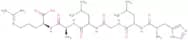
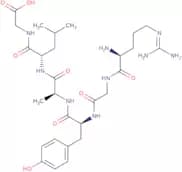
CAS:<p>Z-Pro-Leu-Ala-NHOH is a potent inhibitor of stromal cells. It is a hydroxamic acid molecule that acts as an inhibitor of protein synthesis in the ribosome. Z-Pro-Leu-Ala-NHOH has been shown to have potent inhibitory activity against ethyl palmitate and lipiodol, which are used for therapeutic purposes. The molecule also inhibits viscosity in pharmaceutical preparations and pluripotent stem cells. This compound has shown inhibitory activities against stromal cells, which are responsible for growth, differentiation, and tissue repair. It also prevents the formation of embryoid bodies or pluripotent stem cells by suppressing the expression of proteins needed for early development.</p>Formula:C22H32N4O6Purity:Min. 95%Molecular weight:448.51 g/molH-Arg-Gly-Tyr-Ala-Leu-Gly-OH
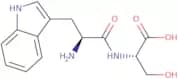
CAS:<p>H-Arg-Gly-Tyr-Ala-Leu-Gly-OH is a synthetic, competitive inhibitor of the aminopeptidase that cleaves the amino acid Arg from peptide chains. This compound has been shown to inhibit kinases in vitro and block viral replication in cell culture. H-Arg-Gly-Tyr-Ala-Leu-Gly-OH is reversibly inhibited by endogenous aminopeptidases, which have been shown to be involved in the regulation of cell proliferation and apoptosis.</p>Formula:C28H45N9O8Purity:Min. 95%Molecular weight:635.71 g/molH-Trp-Ser-OH
CAS:<p>H-Trp-Ser-OH is a synthetic fatty acid that has been shown to inhibit the growth of tumor cells. It was found to have an effect on insulin sensitivity in mice, suggesting it may have potential for treatment of diabetes. H-Trp-Ser-OH also inhibits the production of IL-6 and TNF-α in cultured human monocytes, which may be due to its ability to induce apoptosis. The effects of this compound on cancer are not yet known.</p>Formula:C14H17N3O4Purity:Min. 95%Molecular weight:291.3 g/mol(Des-Gly10,tBu-D-Gly6,Pro-NHEt 9)-LHRH trifluoroacetate
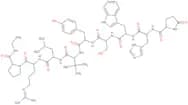
CAS:<p>(Des-Gly10, tBu-D-Gly6,Pro-NHEt 9)-LHRH trifluoroacetate salt Pyr-His-Trp-Ser-Tyr-tBu-D-Gly-Leu-Arg-Pro-NHEt trifluoroacetate salt is a synthetic hormone that is the active form of luteinizing hormone releasing hormone (LHRH), a gonadotropin releasing hormone (GnRH). It has been used in the diagnosis and treatment of prostate cancer. The drug is also used to treat endometriosis and other conditions. It can be administered by injection or as an intranasal spray. The drug inhibits follicular growth and fertility by downregulating estradiol benzoate production.</p>Formula:C59H84N16O12•(C2HF3O2)xPurity:Min. 95%Color and Shape:PowderMolecular weight:1,209.4 g/mol(R)-(+)-2-Methyl-CBS-oxazaborolidine
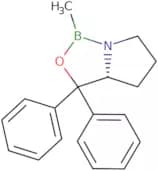
CAS:<p>(R)-(+)-2-Methyl-CBS-oxazaborolidine is a dpp-iv inhibitor that is a β-unsaturated ketone. It has been shown to inhibit the enzyme histone lysine demethylase, which may be involved in the regulation of bone mass. This compound also has a pharmacokinetic profile that is characterized by high oral bioavailability, low plasma protein binding, and rapid metabolism by liver enzymes. The reaction mechanism for this compound is based on the formation of an enolate carbanion. (R)-(+)-2-Methyl-CBS-oxazaborolidine can be synthesized with high stereoselectivity and yields from reactions with simple starting materials. This synthetic route also has a number of advantages over other methods: it does not require any protecting groups, it does not use toxic solvents such as dichloromethane or chloroform, and it can be performed in anhydrous conditions</p>Formula:C18H20BNOPurity:Min. 95%Color and Shape:SolidMolecular weight:277.17 g/molZ-Gly-Leu-Ala-OH
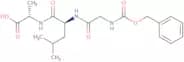
CAS:<p>The peptide Z-Gly-Leu-Ala-OH is a reactive substance that is generated by the cleavage of casein kinase II. The peptide has been shown to have cytotoxic effects on Hodgkin's lymphoma cells, and also induces apoptosis in these cells. This peptide binds to mitochondria and causes mitochondrial damage, as well as generating reactive oxygen species (ROS) in the cell. ROS generation is dependent on oxygen species.</p>Formula:C19H27N3O6Purity:Min. 95%Molecular weight:393.43 g/molZ-Trp-Ala-OH
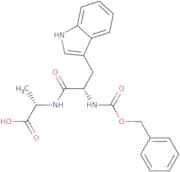
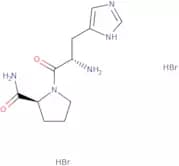
CAS:<p>Z-Trp-Ala-OH is an imidazolide that is used as a potassium supplement. It has the potential to be used in the treatment of epilepsy, but more research is needed to determine its safety and efficacy.</p>Formula:C22H23N3O5Purity:Min. 95%Molecular weight:409.44 g/molH-His-Pro-NH2·2 HBr
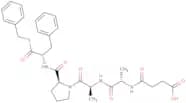
CAS:<p>Please enquire for more information about H-His-Pro-NH2·2 HBr including the price, delivery time and more detailed product information at the technical inquiry form on this page</p>Formula:C11H17N5O2·2HBrPurity:Min. 95%Molecular weight:413.11 g/molSuc-Ala-Ala-Pro-Phe-SBzl
CAS:<p>Suc-Ala-Ala-Pro-Phe-SBzl is a synthetic peptide with a sequence similar to the signal peptide of procarboxypeptidase B2. It has been shown that Suc-Ala-Ala-Pro-Phe-SBzl can be used as a diagnostic tool for pancreatic cancer, because it is found in higher concentrations in the blood of patients with pancreatic cancer. This peptide also has an affinity for metal ions, which allows it to be used as a probe to detect the presence of these ions in solution. Suc-Ala-Ala-Pro-Phe-SBzl binds to human immunoglobulin G (IgG) and can be used in analytical methods that use x ray diffraction data.</p>Formula:C31H38N4O7SPurity:Min. 95%Molecular weight:610.72 g/mol4-{[4-(4-Methyloxyphenyl)-piperazin-1-yl]-phenyl}-2,4-dihydro-[1,2,4]-triazol-3-one
CAS:<p>Please enquire for more information about 4-{[4-(4-Methyloxyphenyl)-piperazin-1-yl]-phenyl}-2,4-dihydro-[1,2,4]-triazol-3-one including the price, delivery time and more detailed product information at the technical inquiry form on this page</p>Formula:C19H21N5O2Purity:Min. 95%Molecular weight:351.4 g/molCGRP (chicken) trifluoroacetate salt
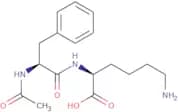
CAS:<p>Trifluoroacetate salt</p>Formula:C165H262N52O50S2Purity:Min. 95%Molecular weight:3,838.3 g/molAc-Phe-Lys-OH
CAS:<p>Ac-Phe-Lys-OH is a synthetic peptide that mimics the lysine side chain of L-lysine. It has been shown to be cytotoxic to cancer cells and cardiac cells, with the formation rate of Ac-Phe-Lys-OH being dependent on the concentration of glycolaldehyde. The reaction yield for Ac-Phe-Lys-OH is also dependent on creatine kinase activity. Acetylation of Ac-Phe-Lys-OH reduces its cytotoxicity and increases its solubility in water.</p>Formula:C17H25N3O4Purity:Min. 95%Molecular weight:335.4 g/mol(Cys26)-Amyloid b-Protein (1-40) trifluoroacetate salt
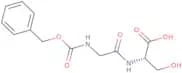
CAS:<p>Please enquire for more information about (Cys26)-Amyloid b-Protein (1-40) trifluoroacetate salt including the price, delivery time and more detailed product information at the technical inquiry form on this page</p>Formula:C194H295N53O57S2Purity:Min. 95%Molecular weight:4,345.87 g/molZ-Gly-Ser-OH
CAS:<p>Z-Gly-Ser-OH is a peptidase that hydrolyzes glycoproteins. It is found in a number of microorganisms and has been isolated from the bacterium, Bacillus subtilis. Z-Gly-Ser-OH hydrolyzes β-galactosidase substrates with the most common acceptor being lactose. This enzyme also has an o-glycosylation activity with a preference for n-substituted glycans. Z-Gly-Ser-OH is able to cleave lactose as well as other sugars, such as maltose, cellobiose, and sucrose.</p>Formula:C13H16N2O6Purity:Min. 95%Molecular weight:296.28 g/molFmoc-Arg(Pmc)-Wang resin (200-400 mesh)
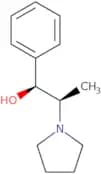
<p>Please enquire for more information about Fmoc-Arg(Pmc)-Wang resin (200-400 mesh) including the price, delivery time and more detailed product information at the technical inquiry form on this page</p>Purity:Min. 95%(1S, 2R)-1-Phenyl-2-(1-pyrrolidinyl)-1-propanol
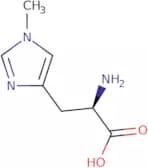
CAS:Controlled Product<p>Please enquire for more information about (1S, 2R)-1-Phenyl-2-(1-pyrrolidinyl)-1-propanol including the price, delivery time and more detailed product information at the technical inquiry form on this page</p>Formula:C13H19NOPurity:Min. 95%Color and Shape:PowderMolecular weight:205.3 g/molH-D-His(1-Me)-OH hydrochloride salt
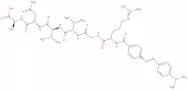
CAS:<p>Please enquire for more information about H-D-His(1-Me)-OH hydrochloride salt including the price, delivery time and more detailed product information at the technical inquiry form on this page</p>Formula:C7H11N3O2Purity:Min. 95%Molecular weight:169.18 g/molDABCYL-Arg-Gly-Val-Val-Asn-Ala-OH
CAS:<p>Please enquire for more information about DABCYL-Arg-Gly-Val-Val-Asn-Ala-OH including the price, delivery time and more detailed product information at the technical inquiry form on this page</p>Formula:C40H59N13O9Purity:Min. 95%Molecular weight:865.98 g/mol(Des-Pyr 1,D-Ser(tBu)6,Azagly10)-LHRH acetate salt
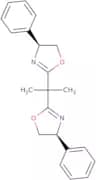
CAS:Controlled Product<p>Please enquire for more information about (Des-Pyr 1,D-Ser(tBu)6,Azagly10)-LHRH acetate salt including the price, delivery time and more detailed product information at the technical inquiry form on this page</p>Formula:C54H79N17O12Purity:Min. 95%Molecular weight:1,158.31 g/mol(S,S)-2,2'-Isopropylidenebis(4-phenyl-2-oxazoline)
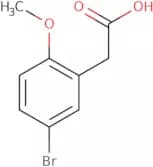
CAS:<p>(S,S)-2,2'-Isopropylidenebis(4-phenyl-2-oxazoline) is an asymmetric ligand that is chiral and has been shown to be useful in the preparation of enantiopure alcohols. The compound has been used as a catalyst to prepare aldehydes and ketones. It also has been used in reactions involving dehydration or alkylation. (S,S)-2,2'-Isopropylidenebis(4-phenyl-2-oxazoline) can be synthesized by reacting molybdenum with an alcohol and adding a base. This reaction produces the desired product with high selectivity, which is due to its chirality.</p>Formula:C21H22N2O2Purity:Min. 95%Color and Shape:Colourless Or White To Yellow Solid Or Liquid (May Vary)Molecular weight:334.41 g/mol(5-Bromo-2-methoxyphenyl)acetic acid
CAS:<p>5-Bromo-2-methoxyphenyl)acetic acid (BMPEA) is a hydroxylated derivative of aspartic acid. It has been shown to induce apoptotic cell death in various cell lines, including human lung cells and rat hippocampal cells. BMPEA is synthesized by the solid-phase method and is characterized by a constant structure. It can be used to treat degenerative diseases and other conditions where apoptosis is desirable, such as Alzheimer's disease, Parkinson's disease, amyotrophic lateral sclerosis, retinitis pigmentosa, and Duchenne muscular dystrophy.</p>Formula:C9H9BrO3Purity:Min. 95%Color and Shape:PowderMolecular weight:245.07 g/molC3a (72-77) (human)
CAS:<p>Please enquire for more information about C3a (72-77) (human) including the price, delivery time and more detailed product information at the technical inquiry form on this page</p>Formula:C29H51N11O7Purity:Min. 95%Molecular weight:665.79 g/molAc-Met-Asp-Lys-Val-Leu-Asn-Arg-Glu-OH
CAS:<p>Please enquire for more information about Ac-Met-Asp-Lys-Val-Leu-Asn-Arg-Glu-OH including the price, delivery time and more detailed product information at the technical inquiry form on this page</p>Formula:C43H75N13O15SPurity:Min. 95%Molecular weight:1,046.2 g/molFmoc-Lys(N-Me-Abz-Boc)-OH
CAS:<p>Please enquire for more information about Fmoc-Lys(N-Me-Abz-Boc)-OH including the price, delivery time and more detailed product information at the technical inquiry form on this page</p>Formula:C34H39N3O7Purity:Min. 95%Molecular weight:601.69 g/mol(Des-Gly2)-Exenatide trifluoroacetate salt
CAS:<p>Please enquire for more information about (Des-Gly2)-Exenatide trifluoroacetate salt including the price, delivery time and more detailed product information at the technical inquiry form on this page</p>Formula:C182H279N49O59SPurity:Min. 95%Molecular weight:4,129.52 g/molZ-Ala-Pro-Tyr-OH
CAS:<p>Please enquire for more information about Z-Ala-Pro-Tyr-OH including the price, delivery time and more detailed product information at the technical inquiry form on this page</p>Formula:C25H29N3O7Purity:Min. 95%Molecular weight:483.51 g/molGAP 26 trifluoroacetate salt
CAS:<p>13-mer connexin mimetic peptide, composed of residue numbers 63-75 of the first extracellular loop of connexin 43 (gap junction blocker), containing the SHVR amino acid motif.</p>Formula:C70H107N19O19SPurity:Min. 95%Molecular weight:1,550.78 g/molCholecystokinin Octapeptide (1-6) (desulfated)
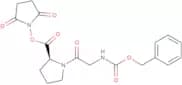
CAS:<p>Please enquire for more information about Cholecystokinin Octapeptide (1-6) (desulfated) including the price, delivery time and more detailed product information at the technical inquiry form on this page</p>Formula:C36H47N7O10S2Purity:Min. 95%Molecular weight:801.93 g/molZ-Gly-Pro-OSu
CAS:<p>Please enquire for more information about Z-Gly-Pro-OSu including the price, delivery time and more detailed product information at the technical inquiry form on this page</p>Formula:C19H21N3O7Purity:Min. 95%Molecular weight:403.39 g/molMyeloblastin (142-150) (human, mouse) trifluoroacetate salt
CAS:<p>Myeloblastin (142-150) (human, mouse) trifluoroacetate salt HVal-Leu-Gln-Glu-Leu-Asn-Val-Thr-Val-OH trifluoroacetate salt is an antigen that belongs to the class of serine proteinases. It is a soluble recombinant human proteinase that has been shown to have a tumor cell lysis activity in vitro and in vivo. Myeloblastin (142-150) (human, mouse) trifluoroacetate salt HVal-Leu-Gln-Glu-Leu-Asn-Val-Thr Val is also a leukocyte antigen and can be used for the development of cancer vaccines.</p>Formula:C45H79N11O15Purity:Min. 95%Molecular weight:1,014.17 g/mol(D-Ala2)-GRF (1-29) amide (human)
CAS:<p>Please enquire for more information about (D-Ala2)-GRF (1-29) amide (human) including the price, delivery time and more detailed product information at the technical inquiry form on this page</p>Formula:C149H246N44O42SPurity:Min. 95%Molecular weight:3,357.88 g/molCrustacean Cardioactive Peptide
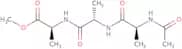
CAS:<p>Crustacean Cardioactive Peptide H-Pro-Phe-Cys-Asn-Ala-Phe-Thr-Gly-Cys-NH2 (Disulfide bond) is a peptide that has been shown to have cardiac and locomotor activity. It also has receptor activity, which is likely due to the presence of an alpha helix in the structure. Crustacean Cardioactive Peptide H-Pro-Phe-Cys-Asn-Ala-Phe-Thr-Gly-Cys (Disulfide bond) has been shown to inhibit voltage dependent calcium channels and stimulate ryanodine receptors. This peptide has been used as a model system for studying heart function, including its effects on cardiac muscle cells, neurons, and biochemical properties.</p>Formula:C42H57N11O11S2Purity:Min. 95%Molecular weight:956.1 g/molAc-Ala-Ala-Ala-OMe
CAS:<p>Ac-Ala-Ala-Ala-OMe is a protease inhibitor. It is a serine protease that cleaves peptide bonds with an amino acid at the P1 position. Ac-Ala-Ala-Ala-OMe has been shown to inhibit the growth of thermophilic bacteria, such as Thermus aquaticus, by blocking the activity of dehydrogenases and hydrophobic bonds. Ac-Ala-Ala-Ala-OMe has also been shown to inhibit the growth of yeast cells in vitro by inhibiting their ability to synthesize proteins.</p>Formula:C12H21N3O5Purity:Min. 95%Molecular weight:287.31 g/mol(Des-Gly10,Des-Ser4,D-Leu6,Pro-NHEt 9)-LHRH trifluoroacetate salt
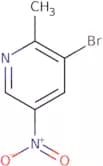
CAS:<p>Please enquire for more information about (Des-Gly10,Des-Ser4,D-Leu6,Pro-NHEt 9)-LHRH trifluoroacetate salt including the price, delivery time and more detailed product information at the technical inquiry form on this page</p>Formula:C56H79N15O10Purity:Min. 95%Molecular weight:1,122.32 g/mol3-Bromo-2-methyl-5-nitropyridine
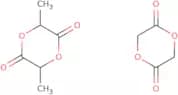
CAS:<p>Please enquire for more information about 3-Bromo-2-methyl-5-nitropyridine including the price, delivery time and more detailed product information at the technical inquiry form on this page</p>Formula:C6H5BrN2O2Purity:Min. 95%Molecular weight:217.02 g/molPoly(D,L-lactide-co-glycolide) - lactide: glycolide (75:25), average MW 50000 to 75000
CAS:<p>Poly (D,L-lactide-co-glycolide) is a synthetic polymer that consists of 75% lactide and 25% glycolide. It has been used in the treatment of incisional hernia, which is a type of hernia that occurs when an organ protrudes through an incision made in the abdominal wall. Poly (D,L-lactide-co-glycolide) has also been used to prevent neuronal death in experimental animals. Histological analysis of the subcutaneous tissue showed significantly less neuronal death with poly (D,L-lactide-co-glycolide). This polymer has also been shown to be effective for women with rectocele and was found to be safe for use in this population. Poly (D,L-lactide-co-glycolide) is a synthetic polymer consisting primarily of 75% lactides and 25% glycolides. This polymer has been used as an</p>Formula:C3H4O2xC2H2O2yPurity:Min. 95%Color and Shape:White PowderMonocyte Chemotactic Protein-1 (65-76) (human) trifluoroacetate salt
CAS:<p>Please enquire for more information about Monocyte Chemotactic Protein-1 (65-76) (human) trifluoroacetate salt including the price, delivery time and more detailed product information at the technical inquiry form on this page</p>Formula:C59H98N18O22Purity:Min. 95%Molecular weight:1,411.52 g/molH-Lys-Ala-Pro-OH hydrochloride salt
<p>Please enquire for more information about H-Lys-Ala-Pro-OH hydrochloride salt including the price, delivery time and more detailed product information at the technical inquiry form on this page</p>Formula:C14H26N4O4Purity:Min. 95%Molecular weight:314.38 g/molThrombospondin-1 (1016-1021) (human, bovine, mouse)
CAS:<p>Please enquire for more information about Thrombospondin-1 (1016-1021) (human, bovine, mouse) including the price, delivery time and more detailed product information at the technical inquiry form on this page</p>Formula:C39H59N9O8SPurity:Min. 95%Molecular weight:814.01 g/molLeucokinin II
CAS:<p>Leucokinin II is a fatty acid. It is a diagnostic agent that can be used to identify bacteria, such as Stenotrophomonas maltophilia, which produce β-amino acids. Leucokinin II can also be used for the diagnosis of cancer and inflammatory diseases. Its analogs are being studied for their potential use in diagnosing infectious diseases. Leucokinin II binds to the receptor and activates it, resulting in the production of biochemical or electrochemical signals that can be detected by a detector.</p>Formula:C39H50N10O12Purity:Min. 95%Molecular weight:850.87 g/molFmoc-Glu(OtBu)-Wang resin (100-200 mesh)
<p>Please enquire for more information about Fmoc-Glu(OtBu)-Wang resin (100-200 mesh) including the price, delivery time and more detailed product information at the technical inquiry form on this page</p>Purity:Min. 95%C-Reactive Protein (CRP) (201-206)
CAS:<p>C-reactive protein (CRP) is a protein that is synthesized by the liver in response to inflammation. It has a variety of functions, including the regulation of energy metabolism and glycolysis. CRP also has a role in regulating production of neutrophil chemotactic factors, cytokines, and reactive oxygen species. In addition, it binds to zymosan and can be used as an inflammatory marker in medical diagnostics. The amino acid sequence for CRP was first determined in 1971. The primary structure for CRP consists of two alpha helices connected by two beta strands. Its tertiary structure consists of four alpha helices that are connected through loops and turns by three beta sheets with an additional loop connecting one helix to the other strand. CRP contains no disulfide bonds or hydrophobic interactions; instead, it relies on hydrogen bonds to maintain its shape.br>br></p>Formula:C38H57N9O8Purity:Min. 95%Molecular weight:767.92 g/mol(Des-Gly10,D-Pyr 1,D-Ser(tBu)6,Pro-NHEt 9)-LHRH acetate salt
Controlled Product<p>Please enquire for more information about (Des-Gly10,D-Pyr 1,D-Ser(tBu)6,Pro-NHEt 9)-LHRH acetate salt including the price, delivery time and more detailed product information at the technical inquiry form on this page</p>Formula:C60H86N16O13Purity:Min. 95%Molecular weight:1,239.42 g/mol4-Amino-N-(4-methylpyrimidin-2-yl)benzenesulfonamide
CAS:<p>4-Amino-N-(4-methylpyrimidin-2-yl)benzenesulfonamide (AMBPS) is a sulfonamide antimicrobial agent that belongs to the group of sulfa drugs. It is a potent inhibitor of tetracycline resistance in bacterial cells, and has been shown to be effective against infectious diseases such as tuberculosis, leprosy and pneumonia. AMBPS has also been used in wastewater treatment and biological studies with high values. This drug binds to sulfamerazine, which inhibits bacterial growth by inhibiting RNA synthesis. The hydrogen bonding interactions between AMBPS and sulfadiazine are thought to be responsible for the effects on congestive heart failure.</p>Formula:C11H12N4O2SPurity:Min. 95%Molecular weight:264.3 g/molCytochrome C (88-104) (domestic pigeon) trifluoroacetate salt
CAS:<p>Please enquire for more information about Cytochrome C (88-104) (domestic pigeon) trifluoroacetate salt including the price, delivery time and more detailed product information at the technical inquiry form on this page</p>Formula:C84H144N24O25Purity:Min. 95%Molecular weight:1,890.19 g/molH-D-Arg(Pbf)-2-chlorotrityl resin (200-400 mesh)
<p>Please enquire for more information about H-D-Arg(Pbf)-2-chlorotrityl resin (200-400 mesh) including the price, delivery time and more detailed product information at the technical inquiry form on this page</p>Purity:Min. 95%Fmoc-Cys(StBu)-Wang resin (200-400 mesh)
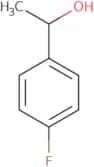
<p>Please enquire for more information about Fmoc-Cys(StBu)-Wang resin (200-400 mesh) including the price, delivery time and more detailed product information at the technical inquiry form on this page</p>Purity:Min. 95%4-Fluoromethyl-α-methylbenzyl alcohol
CAS:<p>4-Fluoromethyl-alpha-methylbenzyl alcohol is a nonclassical molecule that has been synthesized. This molecule has been modeled computationally and the results indicate that it exhibits a planar geometry with a diastereomeric ratio of 1:1. The theoretical calculations show that the reaction of 4-fluoromethyl-alpha-methylbenzyl alcohol with water is exothermic, which would result in the formation of an intermediate hydroxide ion. Kinetic studies have shown that this molecule can undergo transfer reactions and dehydrogenation reactions, both of which are possible mechanisms for its reactivity.</p>Formula:C8H9FOPurity:Min. 95%Molecular weight:140.15 g/molTos-Gly-Pro-OH
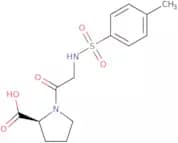
CAS:<p>Tos-Gly-Pro-OH is a fluorescent histone deacetylase (HDAC) inhibitor. It has been validated as a competitive inhibitor of HDACs by using a fluorescence assay to detect the deacetylated form of 7-amino-4-methylcoumarin. Tos-Gly-Pro-OH is used in the treatment of malignant tumors, such as leukemia and lymphoma, by inhibiting HDACs that are responsible for cellular proliferation. In addition, Tos-Gly-Pro-OH may be useful in the treatment of diseases caused by bacterial infection because it inhibits bacterial HDACs that are responsible for protein synthesis and chemotaxis. This drug also inhibits trypsin activity and can be used as an alternative to nonisotopic solvents for peptide synthesis.</p>Formula:C14H18N2O5SPurity:Min. 95%Molecular weight:326.37 g/mol(Tyr0)-Stresscopin (human)
CAS:<p>Please enquire for more information about (Tyr0)-Stresscopin (human) including the price, delivery time and more detailed product information at the technical inquiry form on this page</p>Formula:C204H335N57O55S2Purity:Min. 95%Molecular weight:4,530.33 g/molpTH-Related Protein (1-34) (human, mouse, rat)
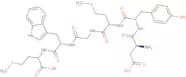
CAS:<p>PTH-Related Protein (1-34) is a potent antagonist of the PTH/PTHrP receptor, which belongs to the family of peptide hormones. It can be used for the treatment of osteoporosis and certain types of cancer. It inhibits bone resorption by binding to the receptor in bone cells and blocking PTH/PTHrP-induced activation of phosphaturic acid phosphatase. This drug also inhibits the production of insulin-like growth factor I (IGF-I) and its receptors, which may lead to an anti-cancer effect. PTH-Related Protein (1-34) has been shown to have a high specificity for the PTH/PTHrP receptor, with moderate affinity for other receptors such as glucagon and somatostatin. The peptide is amphipathic, meaning it has both hydrophilic and hydrophobic regions. This characteristic allows it to penetrate cell membranes more easily than other</p>Formula:C180H287N57O48Purity:Min. 95%Molecular weight:4,017.56 g/molFor-Met-Lys-OH
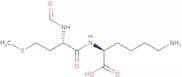
CAS:<p>Please enquire for more information about For-Met-Lys-OH including the price, delivery time and more detailed product information at the technical inquiry form on this page</p>Formula:C12H23N3O4SPurity:Min. 95%Molecular weight:305.39 g/molFmoc-His(Fmoc)-OPfp
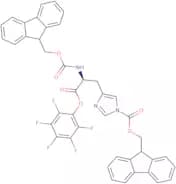
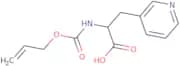
CAS:<p>Please enquire for more information about Fmoc-His(Fmoc)-OPfp including the price, delivery time and more detailed product information at the technical inquiry form on this page</p>Formula:C42H28N3O6F5Purity:Min. 95%Molecular weight:765.68 g/molAloc-β-(3-pyridyl)-DL-Ala-OH
CAS:<p>Please enquire for more information about Aloc-beta-(3-pyridyl)-DL-Ala-OH including the price, delivery time and more detailed product information at the technical inquiry form on this page</p>Formula:C12H14N2O4Purity:Min. 95%Molecular weight:250.25 g/molBoc-Thr-OBzl
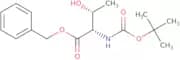
CAS:<p>Please enquire for more information about Boc-Thr-OBzl including the price, delivery time and more detailed product information at the technical inquiry form on this page</p>Formula:C16H23NO5Purity:Min. 95%Molecular weight:309.36 g/molH-Phe-Gly-His-p-nitro-Phe-Phe-Ala-Phe-OMe
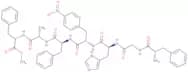
CAS:<p>H-Phe-Gly-His-p-nitro-Phe-Phe-Ala-Phe-OMe is a protonated amino acid. It has been shown to have a high affinity for the histidine subsite of human thrombin. This compound has been found to have a kinetic rate of hydrolysis that is competitive with that of aspartic acid, but slower than that of valine. H-Phe-Gly-His-p-nitro-Phe--Phe--Ala--Phe--OMe also functions as an anticoagulant and inhibits clotting by inhibiting the conversion of fibrinogen to fibrin.</p>Formula:C48H54N10O10Purity:Min. 95%Molecular weight:931 g/molBoc-Met-Enkephalin
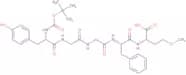
CAS:<p>Boc-Met-Enkephalin is a hexapeptide that is derived from the amino acid Met. It is related to the opioid peptide Met-enkephalin, which has been shown to be involved in pain modulation and emotional responses such as fear and pleasure. Boc-Met-Enkephalin was synthesized by coupling two different fragments through an amide bond. The sequential order of these fragments was determined by high-resolution NMR spectroscopy. The carbonyl groups on the peptides were identified by using heteronuclear 2D correlation experiments. This sequence of carbons was demonstrated with 13C and 15N spectroscopy, in which it was found that there are three molecules of methylene carbon per molecule of Boc-Met-Enkephalin.</p>Formula:C32H43N5O9SPurity:Min. 95%Molecular weight:673.78 g/molCyclo(-Ala-Gln)
CAS:<p>Cyclo(-Ala-Gln) is a cyclic dipeptide that is used in the bioscience industry for analytical purposes. It can be analyzed using liquid chromatography mass spectrometry. Cyclo(-Ala-Gln) is a bioactive molecule that has been shown to inhibit the growth of bacteria, such as Staphylococcus aureus and E. coli. It also has an effect on cancer cells and has been shown to have anti-inflammatory properties.</p>Formula:C8H13N3O3Purity:Min. 95%Molecular weight:199.21 g/molAc-Tyr-Val-Lys-Asp-aldehyde (pseudo acid)
CAS:<p>Ac-Tyr-Val-Lys-Asp-aldehyde is a synthetic compound that can be used to study the apoptotic process. It is an aldehyde and has been found to activate caspases, aspartyl proteases, at high concentrations. This pseudo acid also has a significant activation of n-terminal protein kinase (SB203580) when irradiated with UV light. Ac-Tyr-Val-Lys-Asp-aldehyde can be used as a marker for the apoptotic process because it is synthesized by cells during this process. In addition, it has been shown to produce a red color during staining and can be detected using immunohistochemical techniques.</p>Formula:C26H39N5O8Purity:Min. 95%Molecular weight:549.62 g/mol(Des-Gly10,D-Arg6,Pro-NHEt 9)-LHRH II (chicken)
CAS:<p>Please enquire for more information about (Des-Gly10,D-Arg6,Pro-NHEt 9)-LHRH II (chicken) including the price, delivery time and more detailed product information at the technical inquiry form on this page</p>Formula:C64H79N19O12Purity:Min. 95%Molecular weight:1,306.43 g/mol1-O-Octadecyl-2-O-methyl-rac-glycero-3-phosphocholine
CAS:<p>Edelfosine is a phospholipid that selectively binds to nuclear DNA, leading to apoptosis. It also binds to the G-protein coupled receptors and inhibits the release of Ca2+ from intracellular stores. Edelfosine has been shown to inhibit the growth of Leishmania in vitro as well as in vivo. This drug is being studied for its potential use in inflammatory bowel diseases, such as Crohn's disease and ulcerative colitis.</p>Formula:C27H58NO6PPurity:Min. 95%Molecular weight:523.73 g/mol(4S,5R)-3-Benzoyl-2-(4-methoxyphenyl)-4-phenyl-5-oxazolidinecarboxylic acid
CAS:<p>Please enquire for more information about (4S,5R)-3-Benzoyl-2-(4-methoxyphenyl)-4-phenyl-5-oxazolidinecarboxylic acid including the price, delivery time and more detailed product information at the technical inquiry form on this page</p>Formula:C24H21NO5Purity:Min. 95%Color and Shape:White To Off-White SolidMolecular weight:403.43 g/molH-Thr-Pro-OH·HCl
CAS:<p>Please enquire for more information about H-Thr-Pro-OH·HCl including the price, delivery time and more detailed product information at the technical inquiry form on this page</p>Formula:C9H16N2O4·HClPurity:Min. 95%Molecular weight:252.7 g/molFmoc-Gly-Wang resin (100-200 mesh)
<p>Please enquire for more information about Fmoc-Gly-Wang resin (100-200 mesh) including the price, delivery time and more detailed product information at the technical inquiry form on this page</p>Purity:Min. 95%Bz-Pro-Phe-Arg-pNA·HCl
CAS:<p>Bz-Pro-Phe-Arg-pNA·HCl is a synthetic peptide that has been shown to be a specific marker for diagnosis of thrombocytopenia. The peptide is cleaved by proteases, including serine proteases and trypsin, and the resulting fragments are assayed in biochemical tests. Bz-Pro-Phe-Arg-pNA·HCl is synthesized by solid phase peptide synthesis with an N-terminal amide bond. This synthetic peptide can be used as a substrate for various serine proteases and trypsin to generate diagnostic fragments. Bz-Pro-Phe-Arg-pNA·HCl also specifically binds to wild type erythrocytes and hemocytes, which are cells that produce blood cells.</p>Formula:C33H38N8O6·HClPurity:Min. 95%Molecular weight:679.17 g/molZ-D-Phe-Val-OH
CAS:<p>N-hydroxysuccinimide is a reactive, nucleophilic compound that is used in the synthesis of peptides and other biologically active molecules. It reacts with carboxylic acids to form esters and with amines to form amides. N-hydroxysuccinimide is also used as an additive in organic reactions, such as carbodiimide coupling or benzoin condensation.</p>Formula:C22H26N2O5Purity:Min. 95%Molecular weight:398.45 g/molH-Gly-Gly-Asp-Ala-OH
CAS:<p>Please enquire for more information about H-Gly-Gly-Asp-Ala-OH including the price, delivery time and more detailed product information at the technical inquiry form on this page</p>Formula:C11H18N4O7Purity:Min. 95%Molecular weight:318.28 g/molH-Ala-allyl ester·p-tosylate
CAS:<p>H-Ala-allyl ester·p-tosylate is an organic solvent that has been used to synthesize cyclic peptides and amide derivatives. It is a molecule with a chiral center, which means that it can have two different structures that are mirror images of each other. The enantiomer of H-Ala-allyl ester·p-tosylate is the opposite of L-Ala-allyl ester·p-tosylate in terms of its physical properties and biological activity. Modifications on the side chain such as positioning or modifications can be made to the molecule. Disulfide bonds can also be introduced into the side chain to form linkers for polymerization initiators. Synthesis of H-Ala-allyl ester·p-tosylate requires strong conditions such as heating or irradiation with UV light, which makes it difficult for production.</p>Formula:C6H11NO2·C7H8O3SPurity:Min. 95%Molecular weight:301.36 g/molH-Gly-Arg-Gly-Asp-Ser-Cys-OH trifluoroacetate salt
CAS:<p>H-Gly-Arg-Gly-Asp-Ser-Cys-OH trifluoroacetate salt is a photoelectron that binds to the integrin receptor. It has been shown that H-Gly-Arg-Gly-Asp-Ser-Cys-OH trifluoroacetate salt can inhibit protein synthesis in mesenchymal stromal cells. H Gly Arg Gly Asp Ser Cys OH trifluoroacetate salt can also be used as a reagent to determine the presence of amide bonds and to identify proteins. This compound may have biotechnological applications due to its biochemical properties.</p>Formula:C20H35N9O10SPurity:Min. 95%Molecular weight:593.61 g/molAc-Lys-Ala-bNA
CAS:<p>Please enquire for more information about Ac-Lys-Ala-bNA including the price, delivery time and more detailed product information at the technical inquiry form on this page</p>Formula:C21H28N4O3Purity:Min. 95%Molecular weight:384.47 g/molAbz-Ala-Phe-Arg-Phe-Ser-Gln-EDDnp trifluoroacetate salt
CAS:<p>Please enquire for more information about Abz-Ala-Phe-Arg-Phe-Ser-Gln-EDDnp trifluoroacetate salt including the price, delivery time and more detailed product information at the technical inquiry form on this page</p>Formula:C50H63N15O13Purity:Min. 95%Molecular weight:1,082.13 g/molBicine
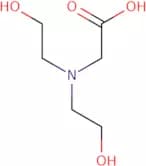
CAS:<p>Bicine, also known as N,N-Bis(2-hydroxyethyl)glycine, is a Bis(2-hydroxyethyl) amine buffer with an optimal pH range of 7.6-9.0 and a pKa of 8.26. This buffering agent forms metal complexes and is used in crystallization and enzymatic studies.</p>Formula:C6H13NO4Purity:Min. 95%Color and Shape:White SolidMolecular weight:163.17 g/molBis(4-methylphenyl) sulfone
CAS:<p>Bis(4-methylphenyl) sulfone is an industrial chemical used in the manufacture of other chemicals. It is a sulfone that contains a hydroxyl group and a methylating agent. The reaction solution must be anhydrous and contain sodium carbonate, chloride, and methylating agent. The product can be synthesized by the Suzuki coupling reaction between an alkyl halide and an aryl boronic acid. This process requires activation energies of about 40-45 kcal/mol to drive the reaction forward. The hydrochloric acid reacts with the hydroxyl group on the sulfone to form a chlorosulfonic acid intermediate, which reacts with methylene chloride to produce bis(4-methylphenyl) sulfone. The carbonyl group on this intermediate is activated by adding methoxy groups, which are then replaced by chlorine atoms in order to form bis(4-chlorophenyl) sulfone.</p>Formula:C14H14O2SPurity:Min. 95%Molecular weight:246.33 g/molH-Met-Cys-Glu-Lys-OH trifluoroacetate salt
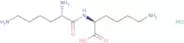
CAS:<p>Please enquire for more information about H-Met-Cys-Glu-Lys-OH trifluoroacetate salt including the price, delivery time and more detailed product information at the technical inquiry form on this page</p>Formula:C19H35N5O7S2Purity:Min. 95%Molecular weight:509.64 g/molH-Lys-Lys-OH hydrochloride salt
CAS:<p>Please enquire for more information about H-Lys-Lys-OH hydrochloride salt including the price, delivery time and more detailed product information at the technical inquiry form on this page</p>Formula:C12H26N4O3·xHClPurity:Min. 95%Molecular weight:274.36 g/molGly-Gly-OMe·HCl
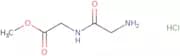
CAS:<p>Gly-Gly-OMe·HCl is a diagnostic agent that can be used to diagnose atherosclerotic lesions. It is conjugated to an organic molecule and then radiolabeled. The conjugate can be detected by cyclopentadienyl, which emits gamma rays when it decays. This conjugate has been shown to selectively accumulate in atherosclerotic lesions of the coronary arteries, where it accumulates with a higher concentration than in the surrounding tissue. This product also has gastroprotective effects on the stomach and liver and can reduce lipid levels in hyperlipidaemic patients.</p>Formula:C5H10N2O3•HClPurity:Min. 95 Area-%Color and Shape:Slightly Rose PowderMolecular weight:182.61 g/molFmoc-D-Tyr(tBu)-Wang resin (200-400 mesh)
<p>Please enquire for more information about Fmoc-D-Tyr(tBu)-Wang resin (200-400 mesh) including the price, delivery time and more detailed product information at the technical inquiry form on this page</p>Purity:Min. 95%(D-Trp8)-Somatostatin-14 trifluoroacetate salt
CAS:<p>Please enquire for more information about (D-Trp8)-Somatostatin-14 trifluoroacetate salt including the price, delivery time and more detailed product information at the technical inquiry form on this page</p>Formula:C76H104N18O19S2Purity:Min. 95%Molecular weight:1,637.88 g/molTRH-AMC acetate salt
CAS:<p>TRH-AMC acetate salt Pyr-His-Pro-AMC acetate salt is a potent and selective histidine kinase inhibitor that modulates the activity of many enzymes. TRH-AMC acetate salt Pyr-His-Pro-AMC acetate salt has a molecular weight of 476.9 g/mol and chemical formula C12H14N2O4S. The compound was synthesized by reacting tris(2,4,6-trimethoxybenzoyl)amine with pyridoxal 5'-phosphate and histidine in acetic acid. The synthesis reaction yielded a white solid that was then recrystallized from methanol to yield the final product. TRH-AMC acetate salt Pyr-His-Pro-AMC acetate salt has been shown to inhibit the enzymatic activity of numerous enzymes at nanomolar concentrations including: protein kinases, phosphatases, ligases</p>Formula:C26H28N6O6Purity:Min. 95%Molecular weight:520.54 g/molZ-Val-Leu-OH
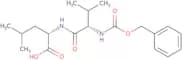
CAS:<p>Z-Val-Leu-OH is a model substrate for plant proteases, aminopeptidases and dipeptidases. It has been used as a standard to study the mechanism of hydrolysis by these enzymes. Z-Val-Leu-OH is hydrolyzed by these enzymes at optimally pH 8.0, with the rate increasing with temperature up to 45°C. The hydrolysis of Z-Val-Leu-OH by germination endosperm proteinase is inhibited by hemoglobin, which leads to increased levels of peptides in the endosperm.</p>Formula:C19H28N2O5Purity:Min. 95%Molecular weight:364.44 g/molMca-Gly-Ala-Lys-Arg-His-Arg-Lys-Val-NH2 trifluoroacetate salt
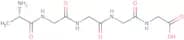
<p>Please enquire for more information about Mca-Gly-Ala-Lys-Arg-His-Arg-Lys-Val-NH2 trifluoroacetate salt including the price, delivery time and more detailed product information at the technical inquiry form on this page</p>Formula:C52H83N19O12Purity:Min. 95%Molecular weight:1,166.34 g/molH-Ala-Gly-Gly-Gly-Gly-OH
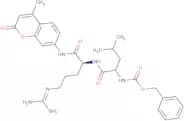
CAS:<p>Please enquire for more information about H-Ala-Gly-Gly-Gly-Gly-OH including the price, delivery time and more detailed product information at the technical inquiry form on this page</p>Formula:C11H19N5O6Purity:Min. 95%Molecular weight:317.3 g/molZ-Leu-Arg-AMC HCl
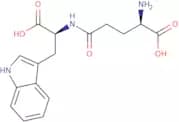
CAS:<p>Please enquire for more information about Z-Leu-Arg-AMC HCl including the price, delivery time and more detailed product information at the technical inquiry form on this page</p>Formula:C30H38N6O6Purity:Min. 95%Molecular weight:578.66 g/molH-D-Glu(Trp-OH)-OH
CAS:<p>H-D-Glu(Trp-OH)-OH is a synthetic peptide that has been shown to inhibit the replication of the herpes simplex virus (HSV). It binds to toll-like receptor 3 and 4 on cells, which may inhibit HSV replication. This compound has also been shown to be a potent inhibitor of HIV, as well as hepatitis B and C. H-D-Glu(Trp-OH)-OH has been shown to cause lung damage in mice. The mechanism for this effect is unknown, but it may involve an increase in reactive oxygen species or other cell signaling pathways.</p>Formula:C16H19N3O5Purity:Min. 95%Molecular weight:333.34 g/molZ-Gly-Gly-Ala-OH
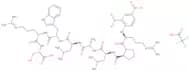
CAS:<p>Please enquire for more information about Z-Gly-Gly-Ala-OH including the price, delivery time and more detailed product information at the technical inquiry form on this page</p>Formula:C15H19N3O6Purity:Min. 95%Molecular weight:337.33 g/molDnp-Arg-Pro-Leu-Ala-Leu-Trp-Arg-Ser-OH trifluoroacetate salt
CAS:<p>Dnp-Arg-Pro-Leu-Ala-Leu-Trp-Arg-Ser-OH trifluoroacetate salt is a potent, competitive inhibitor of matrix metalloproteinase (MMP) 3 and MMP9. It binds to the catalytic zinc ion in the active site of these enzymes. Dnp-Arg-Pro-Leu-Ala-Leu-Trp-Arg-Ser-OH trifluoroacetate salt has been shown to inhibit tumor growth and promote neuronal death in vitro. This drug also blocks the release of matrix metalloproteins from cells, which are involved in extracellular processes such as cell migration and cell adhesion.</p>Formula:C52H77N17O14Purity:Min. 95%Molecular weight:1,164.27 g/mol




![4-{[4-(4-Methyloxyphenyl)-piperazin-1-yl]-phenyl}-2,4-dihydro-[1,2,4]-triazol-3-one](/_next/image/?url=https%3A%2Fstatic.cymitquimica.com%2Fproducts%2F3D%2Fthumb-webp%2FFM25920.webp&w=3840&q=75)