Amino Acids (AA)
Subcategories of "Amino Acids (AA)"
- Amino Acid Derivatives(3,998 products)
- Amino Acid and Amino Acid Related Compounds(3,481 products)
- Amino Acids with Oxygen or Sulphur(168 products)
- Boc- Amino Acids(351 products)
- Fmoc Amino Acids(1,710 products)
Found 38353 products of "Amino Acids (AA)"
1,2-Dimyristoyl-sn-glycerol
CAS:Dimyristoyl-sn-glycerol is a lipid that has a phase transition temperature of 42.6°C and melts at 44.6°C. It is found in the membrane of cells, where it interacts with other lipids to form structures that are essential for cellular function. Dimyristoyl-sn-glycerol has been shown to be an inhibitor of cycloheximide and can bind to the surface glycoprotein on the surface of some gram-negative bacteria, such as Escherichia coli. These interactions may play a role in protein synthesis and growth factor activation.Formula:C31H60O5Purity:Min. 98 Area-%Color and Shape:PowderMolecular weight:512.81 g/mol9-[5-Deoxy-5-[[cis-3-[2-[6-(1,1-dimethylethyl)-1H-benzimidazol-2-yl]ethyl]cyclobutyl](1-methylethyl)amino]-β-D-ribofuranosyl]-9H- purin-6-amine
CAS:Nilotinib is a small molecule that inhibits the tyrosine kinase activity of TK1, TK2, and TK3. It binds to the ATP-binding site of these kinases and prevents the phosphorylation of the cellular substrate. Nilotinib has been shown to inhibit the proliferation of leukemia cells in vitro, as well as to have antiproliferative effects in vivo. Nilotinib can be used for the treatment of chronic myelogenous leukemia (CML) and Philadelphia chromosome-positive acute lymphoblastic leukemia (Ph+ ALL). In addition, it has been shown to have synergistic effects with other drugs such as α1-acid glycoprotein inhibitors or methyltransferase inhibitors. Nilotinib can also be used for cases of hepatic steatosis.Formula:C30H42N8O3Purity:Min. 95%Color and Shape:PowderMolecular weight:562.71 g/mol2-[(2,6-Dibromo-4-methylphenyl)amino]acetohydrazide
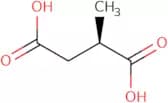
CAS:2-[(2,6-Dibromo-4-methylphenyl)amino]acetohydrazide is a chemical compound that is used as a building block for the synthesis of diverse heterocyclic compounds. 2-[(2,6-Dibromo-4-methylphenyl)amino]acetohydrazide is prepared from 2,6-dibromo-4-methylbenzaldehyde and acetohydrazide in the presence of triethylamine. The compound has been reported to be a useful scaffold for the synthesis of various heterocycles. The following are some examples of its applications: 1. Fine chemical 2. Useful building block 3. Research chemicals 4. Reagent 5. CAS No. 882760-46-5 6. Speciality chemical 7. High quality 8. Complex compound 9. Versatile building blockFormula:C9H11Br2N3OPurity:Min. 95%Color and Shape:White PowderMolecular weight:337.01 g/mol(R)-(+)-Methylsuccinic acid
CAS:(R)-(+)-Methylsuccinic acid is a catalysed, synthetic, asymmetric synthesis of the methylsuccinic acid skeleton. It is a liquid crystal compound that has been shown to be spontaneously racemic and have enantiopure versions of itself. The stereoisomers are an important part of its biological activity. Methylsuccinic acid plays a role in the biosynthesis of butanol, which can be used as a biofuel or for industrial purposes.Formula:C5H8O4Purity:Min. 95%Color and Shape:White PowderMolecular weight:132.11 g/molN-alpha-Benzoyl-L-arginine amide hydrochloride
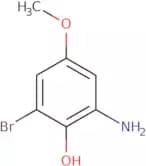
CAS:N-alpha-Benzoyl-L-arginine amide hydrochloride (BA) is a synthetic, noncompetitive inhibitor of phosphodiesterase. It has been shown to inhibit protease activity in vitro and rhizosphere enzyme activities in vivo. BA also inhibits the formation of hippuric acid from benzoic acid, which is a reaction catalyzed by the enzyme phosphatase. The kinetics of this inhibition have been studied using a number of different substrates and enzymes. BA binds to the catalytic site on the enzyme, sterically hindering binding of the substrate and preventing hydrolysis.Formula:C13H19N5O2·HClPurity:Min. 95%Color and Shape:PowderMolecular weight:313.78 g/mol2-Amino-6-bromo-4-methoxyphenol
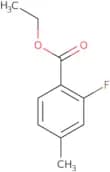
CAS:2-Amino-6-bromo-4-methoxyphenol (2ABMP) is a benzyl compound that can be used as a substitute for 2,4-diaminophenol. It has been shown to have estrogenic activity and may function as an estrogen receptor agonist. 2ABMP has also been shown to inhibit the growth of breast cancer cells in culture. The role of this drug in the treatment of breast cancer is not yet clear, but it may be useful in combination therapy with other drugs.Formula:C7H8BrNO2Purity:Min. 95%Color and Shape:PowderMolecular weight:218.05 g/mol2-Fluoro-4-methylbenzoic acid ethyl ester
CAS:2-Fluoro-4-methylbenzoic acid ethyl ester is a versatile building block that is used in the synthesis of complex compounds with a wide variety of biological and chemical properties. This compound has been used as a reagent for research, as well as in the production of pharmaceuticals and other speciality chemicals. It has also been found to be useful in the synthesis of compounds with high quality. 2-Fluoro-4-methylbenzoic acid ethyl ester can be used as an intermediate in reactions, or as a scaffold for further synthesis. The CAS number for this compound is 500579-61-3.
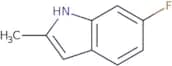
Formula:C10H11FO2Purity:Min. 95%Color and Shape:Colourless LiquidMolecular weight:182.19 g/mol6-Fluoro-2-methylindole
CAS:6-Fluoro-2-methylindole is a member of the group of aromatic ketones. It is an organic compound that can be synthetized from 2,6-dichloroindole and methyl iodide. There are two types of photodimerization reactions for 6-fluoro-2-methylindole: one is an aerobic reaction and the other is an anaerobic reaction. The mechanistic study of 6-fluoro-2-methylindole has been investigated using bond cleavage and transformation reactions. This organic compound reacts with amines to form polycycles with high yields. It also undergoes Diastereomeric Control in chemistry.Formula:C9H8FNPurity:Min. 95%Color and Shape:Brown PowderMolecular weight:149.16 g/molHO-PEG12-OH
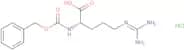
CAS:HO-PEG12-OH is a fine chemical that is used as a scaffold for the synthesis of complex compounds. It can be used as an intermediate or reaction component in the synthesis of speciality chemicals and research chemicals. HO-PEG12-OH is also a versatile building block for the preparation of complex compounds, which could be used to synthesize drugs with high quality. This compound has many uses, including being a reagent for analytical measurements and other research purposes.Formula:C24H50O13Purity:Min. 95%Color and Shape:White PowderMolecular weight:546.65 g/molN-α-Z-L-arginine hydrochloride
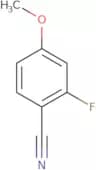
CAS:N-a-Z-L-Arginine HCl is a molecule that is the dihydrochloride salt of L-arginine. It has been shown to increase the permeability of cell membranes by interacting with the phospholipids, thus allowing more water to enter into the cell. N-a-Z-L-Arginine HCl has also been shown to interact with surfactants and positioning agents, which may be important for its function in model membranes. The mechanism by which this molecule works is not well understood, but it has been proposed that it may be due to its bonding properties and interactions with other molecules such as arginine.Formula:C14H20N4O4•HClPurity:Min. 95%Molecular weight:344.79 g/mol2-Fluoro-4-methoxybenzonitrile
CAS:2-Fluoro-4-methoxybenzonitrile is a tetracyclic molecule with two electron deficient rings. It has intramolecular coupling, yielding four stereoisomers that show different biological activities. 2-Fluoro-4-methoxybenzonitrile is an electron deficient compound that can be synthesized by reacting dioxane with amines. It also reacts with alcohols to form ethers. This heteroaromatic compound has electron withdrawing groups that make it less stable than other heteroaromatic compounds and more reactive. 2-Fluoro-4-methoxybenzonitrile can be used in the Buchwald reaction to produce aryl chlorides from alkyl halides and aryl bromides.
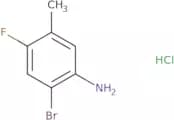
Purity:Min. 95%2-Bromo-4-fluoro-5-methylaniline hydrochloride
CAS:2-Bromo-4-fluoro-5-methylaniline hydrochloride is a versatile building block that can be used in the synthesis of complex compounds. It has two bromine atoms, two chlorine atoms, and one fluorine atom and is classified as a research chemical. This compound is used as a reagent in organic chemistry and as a speciality chemical. 2-Bromo-4-fluoro-5-methylaniline hydrochloride is also an intermediate for the synthesis of other chemicals and has been shown to be useful for the synthesis of new scaffolds.Formula:C7H7BrFN·HClPurity:Min. 95%Color and Shape:PowderMolecular weight:240.5 g/molL-Tryptophan
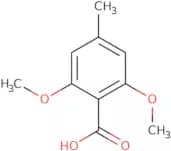
CAS:Tryptophan is a non-essential amino acid that has been shown to have an effect on mood, appetite, and sleep. L-Tryptophan is an essential amino acid. It is involved in the synthesis of serotonin and melatonin. The body breaks down tryptophan into 5-hydroxytryptophan (5HTP) and then into serotonin. Serotonin can be converted into melatonin by the pineal gland. Tryptophan levels are often low in people with depression and anxiety disorders. Tryptophan also has an effect on human gastrointestinal function, as it can stimulate gut motility and secretion of gastric acid and pepsinogen from the stomach lining. Tryptophan may also play a role in the discovery process, as it was found to increase the number of spontaneous oxidations in rat urine samples, which may be indicative of a new chemical reaction or drug discovery process.Formula:C11H12N2O2Purity:Min. 98 Area-%Color and Shape:White PowderMolecular weight:204.23 g/mol2,6-Dimethoxy-4-methylbenzoic acid
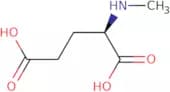
CAS:2,6-Dimethoxy-4-methylbenzoic acid is a carboxylic acid that is used as an intermediate in the production of lithium.Formula:C10H12O4Purity:Min. 95%Color and Shape:PowderMolecular weight:196.2 g/molN-Me-D-Glu-OH
CAS:N-Me-D-Glu is an amino acid that is a substrate for the enzyme glutamate dehydrogenase. It is also a substrate for the enzyme N-acetylglutamate synthase and can be converted to glutamine. This amino acid has been extensively studied in relation to its conformational properties and its ability to form covalent adducts with amines. The type species of this amino acid is Saccharomyces cerevisiae, which contains an active glutamate dehydrogenase.
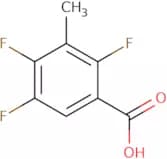
Formula:C6H11NO4Purity:Min. 95%Molecular weight:161.16 g/mol3-Methyl-2,4,5-trifluorobenzoic acid
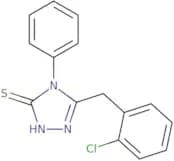
CAS:3-Methyl-2,4,5-trifluorobenzoic acid is a fluoroquinolone antibiotic that inhibits the DNA gyrase and topoisomerase IV. It binds to bacterial 16S ribosomal RNA and inhibits protein synthesis, leading to cell death by inhibiting the production of proteins vital for cell division. 3-Methyl-2,4,5-trifluorobenzoic acid has been shown to be bactericidal in vitro against Gram-negative bacteria such as Escherichia coli and Pseudomonas aeruginosa. This drug also has a target enzyme modification activity with the potential to modify enzymes not usually targeted by fluoroquinolones.Formula:C8H5F3O2Purity:Min. 95%Color and Shape:PowderMolecular weight:190.12 g/mol3-((2-chlorophenyl)methyl)-4-phenyl-1,2,4-triazoline-5-thione
CAS:Please enquire for more information about 3-((2-chlorophenyl)methyl)-4-phenyl-1,2,4-triazoline-5-thione including the price, delivery time and more detailed product information at the technical inquiry form on this pagePurity:Min. 95%Fmoc-S-[2,3-bis(palmitoyloxy)propyl]-L-cysteine
CAS:Fmoc-S-[2,3-bis(palmitoyloxy)propyl]-L-cysteine is a fine chemical that is used as a building block in the synthesis of complex natural products and pharmaceuticals. It has versatile applications in both research and industry. Fmoc-S-[2,3-bis(palmitoyloxy)propyl]-L-cysteine is an intermediate or scaffold for the synthesis of many types of compounds, including antibiotics, anti-cancer agents, hormones, and anti-inflammatory drugs. This compound is soluble in organic solvents such as DMSO and DMF.
Formula:C53H83NO8SPurity:Min. 95 Area-%Color and Shape:White Off-White PowderMolecular weight:894.29 g/molPalmitoyl-glycine
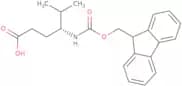
CAS:Palmitoyl-glycine is a fatty acid amide. It is an analog of the naturally occurring amino acid glycine that has been modified by adding a palmitoyl group to the side chain. Palmitoyl-glycine is enzymatically inactivated by bacterial enzymes and cationic surfactants and can be used as a skin cell model system for basic structure and physiological effects. Palmitoyl-glycine has been shown to have skin cell protective effects against oxidative stress, which may be due to its ability to form hydrogen bonds with the acyl chains of lipids.Formula:C18H35NO3Purity:Min. 95%Color and Shape:White PowderMolecular weight:313.48 g/molFmoc-(R)-4-amino-5-methylhexanoic acid
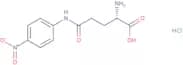
CAS:Fmoc-(R)-4-amino-5-methylhexanoic acid is a versatile building block, useful scaffold, and useful intermediate. It can be used in the synthesis of complex compounds with high quality and purity. Fmoc-(R)-4-amino-5-methylhexanoic acid is also an important reaction component for research chemicals, speciality chemicals, and many other chemical reactions. It can be used as a reagent in organic synthesis.Formula:C22H25NO4Purity:Min. 95%Color and Shape:PowderMolecular weight:367.44 g/molL-Glutamic acid gamma-(p-nitroanilide) hydrochloride
CAS:Please enquire for more information about L-Glutamic acid gamma-(p-nitroanilide) hydrochloride including the price, delivery time and more detailed product information at the technical inquiry form on this page
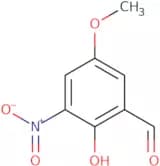
Formula:C11H13N3O5·HClPurity:Min. 95%Color and Shape:SolidMolecular weight:303.7 g/mol2-Hydroxy-5-methoxy-3-nitrobenzaldehyde
CAS:2-Hydroxy-5-methoxy-3-nitrobenzaldehyde is a 6-membered aromatic compound that has been shown to have anti-cancer properties. It has been shown to inhibit the proliferation of cancer cells by inhibiting protein synthesis, as well as inducing apoptosis. This compound also inhibits the growth of colon cancer cells and cervical cancer cells in culture. 2-Hydroxy-5-methoxy-3-nitrobenzaldehyde has an inhibitory effect on the growth of cancer cells and may be used for treatment against tumors.Formula:C8H7NO5Purity:Min. 95%Color and Shape:PowderMolecular weight:197.14 g/mol5-Methoxy-2-[[(4-methoxy-3,5-dimethyl-2-pyridinyl)methyl]thio]-1H-benzimidazole N-oxide
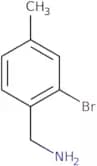
CAS:5-Methoxy-2-[[(4-methoxy-3,5-dimethyl-2-pyridinyl)methyl]thio]-1H-benzimidazole N-oxide is a sulfoxide that belongs to the family of medicines called proton pump inhibitors. It is a stereoselective proton pump inhibitor due to its cyclic nature and has been used as a pharmaceutical preparation for the treatment of gastroesophageal reflux disease. 5-Methoxy-2-[(4-methoxy-3,5-dimethylpyridinium) methylthio]-1H benzimidazole N oxide has been shown to be an enantiomerically pure salt form with magnesium chloride.Formula:C17H19N3O3SPurity:Min. 95%Color and Shape:White to off-white solid.Molecular weight:345.42 g/mol2-Bromo-4-methylbenzylamine hydrochloride
CAS:2-Bromo-4-methylbenzylamine hydrochloride is a fine chemical that is used as a building block for other chemicals or as a reagent in research. It has CAS No. 1293323-97-3 and can be used in reactions where an amine is needed. This product is high quality, versatile, and useful for many different types of reactions.
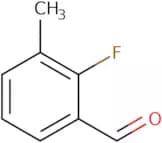
Formula:C8H10BrN·HClPurity:Min. 95%Color and Shape:PowderMolecular weight:236.54 g/mol2-Fluoro-3-methylbenzaldehyde
CAS:2-Fluoro-3-methylbenzaldehyde is a chemical that can be used in the synthesis of other chemicals, such as pharmaceuticals. It is a versatile building block that can be used in the synthesis of complex compounds and scaffolds. The compound has been shown to react with amines to form ureas.Formula:C8H7FOPurity:80%Molecular weight:138.14 g/mol5-Methylisatin
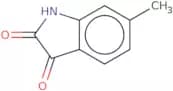
CAS:5-Methylisatin is a reaction rate-limiting substrate in the conversion of pyridoxal 5'-phosphate to pyridoxamine 5'-phosphate. It is oxidized by hydroxyl radicals to form malonic acid and anhydrous acetonitrile. The reaction is catalyzed by an enzyme called tissue nonspecific alkaline phosphatase (TNAP). TNAP activity can be inhibited by test compounds, such as anthranilic acid and homogenates, which are substances that contain enzymes or cells from tissues. Hydroxyl groups on the 5-methylisatin molecule form hydrogen bonds with the nitrogen atoms of TNAP, which causes a conformational change in the enzyme. This change inhibits its ability to react with other substrates, resulting in decreased levels of 5-methylisatin and increased levels of pyridoxal 5'-phosphate. The inhibition can be reversed by adding hydroxide ions or increasingFormula:C9H7NO2Purity:Min. 95%Color and Shape:PowderMolecular weight:161.16 g/mol(11β,16β)-9-Fluoro-11,21-dihydroxy-16-methyl-17-((1-oxopentyl)oxy)-Pregna-1,4-diene-3,20-dione mixt. with 5-chloro-7-iodo-8-qu inolinol
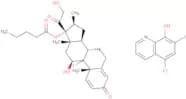
CAS:Controlled ProductClioquinol is a topical corticosteroid that is used to treat skin disorders such as pemphigoid, psoriasis, and eczema. It is also used to treat the inflammation associated with acne. Clioquinol has been shown to be effective in treating bacterial infections of the skin by inhibiting the growth of bacteria. This drug also has anti-inflammatory properties and can be used for the treatment of various inflammatory skin conditions. Clioquinol is not absorbed through the skin and does not affect the blood's ability to clot.
Formula:C36H42ClFINO7Purity:Min. 95%Molecular weight:782.08 g/molBOC-β-alanine
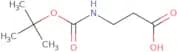
CAS:BOC-β-alanine is a trifluoroacetic acid derivative that is activated with carbodiimides to form the ester hydrochloride. It has been shown to have anticancer activity in vitro and in vivo. BOC-β-alanine inhibits the synthesis of polypeptides by binding to the carboxyl group on the amino acid, thereby preventing protein formation. This compound also has an inhibitory effect on cell proliferation of 3T3-L1 preadipocytes in culture, which may be due to its ability to deplete fibrinogen from cells and inhibit activation of adenyl cyclase.
Formula:C8H15NO4Color and Shape:White PowderMolecular weight:189.21 g/molMethyl 2-hydroxy-5-methoxybenzoate
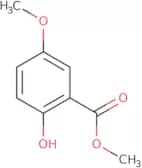
CAS:Methyl 2-hydroxy-5-methoxybenzoate is a carbonyl compound that has the chemical formula CH3OOC(OH)CH2COOH. It has fluorescence properties and can be used to make other compounds by intramolecular hydrogen transfer, photophysical, and preparative methods. Methyl 2-hydroxy-5-methoxybenzoate is used in the production of salicylic acid and its derivatives. This compound is also used as a precursor for other organic compounds. Methyl 2-hydroxy-5-methoxybenzoate can be prepared by the reaction of methanol with methyl chloroacetate in diethyl ether or oxygen gas. The yields are about 80%.Formula:C9H10O4Purity:Min. 90%Color and Shape:Clear LiquidMolecular weight:182.17 g/molUlifloxacin
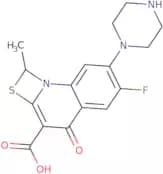
CAS:Extensive research has been conducted on the antimicrobial activity of 6-fluoro-1-methyl-4-oxo-7-(1-piperazinyl)-4H-(1,3)thiazeto(3,2a)quinoline-3-carboxylic acid (FPMT). FPMT is a levorotatory compound that is rapidly metabolized by esterases to 6FMT, which is also active against bacteria. FPMT inhibits bacterial growth, but does not inhibit mammalian cell growth. The main mechanism of action for FPMT is probably through its ability to inhibit the synthesis of bacterial DNA and RNA. This drug has been shown to be effective against sinusitis caused by bacterial rhinosinusitis and urinary tract infections caused by Escherichia coli and Pseudomonas aeruginosa. FPMT can be used as an alternative to prulifloxacin for the treatment of these types of infectionsFormula:C16H16FN3O3SPurity:Min. 98 Area-%Molecular weight:349.38 g/molZ-Val-Ala-Asn-AMC
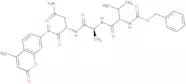
CAS:Z-Val-Ala-Asn-AMC is a reagent that is used in the synthesis of complex compounds. It is a versatile building block, which can be used to make a wide range of compounds. It has been shown that Z-Val-Ala-Asn-AMC is an excellent reaction component for the synthesis of several important bioactive compounds.Formula:C30H35N5O8Purity:Min. 98 Area-%Color and Shape:PowderMolecular weight:593.63 g/mol4-Acetamido-2',4'-dinitro-5'-methyldiphenyl sulphone
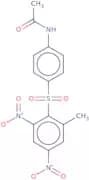
CAS:4-Acetamido-2',4'-dinitro-5'-methyldiphenyl sulphone is a high quality, versatile building block that is used as a reagent and complex intermediate. It can be used in the production of speciality chemicals, research chemicals and fine chemicals. 4-Acetamido-2',4'-dinitro-5'-methyldiphenyl sulphone is also a useful scaffold for the construction of new chemical compounds. This compound has been shown to be a reaction component in organic synthesis reactions.Formula:C15H13N3O7SPurity:Min. 95%Color and Shape:Solid.Molecular weight:379.35 g/mol2-Methylbenzanilide
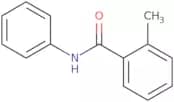
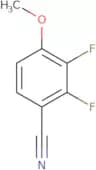
CAS:2-Methylbenzanilide is a nicotinic acetylcholine receptor agonist that is used as a biocide for control of fungi, bacteria and algae. It inhibits the mitochondrial electron transport chain by binding to it and blocking the flow of electrons. 2-Methylbenzanilide has been shown to be effective against wild-type strains of bacteria, but not mutant strains. The effective dose for 2-methylbenzanilide ranges from 0.01 ppm to 1000 ppm, depending on the type of organism and the application method.Formula:C14H13NOPurity:Min. 95%Color and Shape:PowderMolecular weight:211.26 g/mol2,3-Difluoro-4-methoxybenzonitrile
CAS:2,3-Difluoro-4-methoxybenzonitrile is a high quality chemical that can be used as a building block for the synthesis of more complex compounds. The compound has been shown to have useful intermediate properties and is often used in research. It is also a versatile scaffold that has been used to create many different types of chemical compounds. 2,3-Difluoro-4-methoxybenzonitrile can be used in the production of speciality chemicals and reaction components. It is not regulated by the Chemical Weapons Convention or other international treaties, making it an attractive reagent for those who are interested in purchasing this product.Formula:C8H5F2NOPurity:Min. 95%Color and Shape:PowderMolecular weight:169.13 g/mol1-Methyl-3-[3-methyl-4-[4-[(trifluoromethyl)sulfonyl]phenoxy]phenyl]-1,3,5-triazine-2,4,6(1H,3H,5H)-trione
CAS:Ponazuril is a veterinary drug that belongs to the group of chemotherapeutics. It is used in the treatment of endoparasites, such as nematodes and cestodes, which are parasites that live inside the human body. Ponazuril is administered orally or by injection and has been shown to have minimal toxicity in CD-1 mice. Ponazuril binds to DNA polymerase, inhibiting RNA synthesis and protein synthesis. This leads to cell death by apoptosis and necrosis. The drug also inhibits DNA replication in the parasite and blocks parasite growth.Formula:C18H14F3N3O6SPurity:Min. 95%Color and Shape:PowderMolecular weight:457.38 g/mol2-(2,4-Difluorophenoxy)-2-methylpropanoic acid
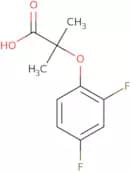
CAS:2-(2,4-Difluorophenoxy)-2-methylpropanoic acid is a versatile building block that can be used in research and development of complex compounds. It has CAS No. 667413-00-5 and is classified as a fine chemical. 2-(2,4-Difluorophenoxy)-2-methylpropanoic acid can be used in the synthesis of useful scaffolds and reaction components. It is also a reagent for use in the synthesis of speciality chemicals. This compound has high quality and is an important intermediate for the production of other compounds.Formula:C10H10F2O3Purity:Min. 95%Color and Shape:PowderMolecular weight:216.18 g/mol1,4-Phenylenediacetic acid
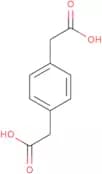
CAS:1,4-Phenylenediacetic acid is an organic compound that has been used as a fungicide. It is an aromatic carboxylic acid that binds to the receptor site of the fungal cell wall and inhibits its growth. The molecule has a special coordination geometry with the hydrogen atom in the carboxylate group positioned close to one of the phenyl rings. This causes intramolecular hydrogen bonding interactions between the carboxylate group and the phenolic hydroxyl groups on adjacent molecules, which stabilizes it. 1,4-Phenylenediacetic acid also exhibits strong hydrogen bonding interactions with other molecules such as malonic acid due to its diphenyl ether group.Formula:C10H10O4Purity:Min. 95%Color and Shape:PowderMolecular weight:194.18 g/mol2-Bromo-6-methyl-4-nitroaniline
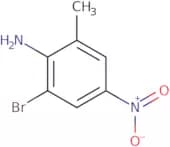
CAS:2-Bromo-6-methyl-4-nitroaniline is a fine chemical that is used in the preparation of other chemicals and as a reagent. It can be used as an intermediate for organic synthesis, such as the conversion of 2-bromoindole to indoxyl, or as a building block for the preparation of more complex compounds. This chemical is also versatile in that it can be used in reactions with different reactants, including amines, carboxylic acids, thiols, and alcohols.Formula:C7H7BrN2O2Purity:Min. 95%Color and Shape:PowderMolecular weight:231.05 g/mol2-Fluoro-6-methoxybenzoic acid
CAS:2-Fluoro-6-methoxybenzoic acid is a monocarboxylic acid that is synthesized from 2,6-dichlorobenzoic acid by a mediated, synthetic sequence. This compound can be used as a substrate for kinetic analyses of the transport of carboxylic acids across cellular membranes. The uptake of 2-fluoro-6-methoxybenzoic acid is expressed in the apical surface membrane of Caco2 cells. Kinetic studies indicate that this compound reacts rapidly with butyllithium to form an enamine intermediate. The enamine intermediate then reacts with either water or methanol to produce a final product, depending on the reaction time.
Formula:C8H7FO3Purity:Min. 95%Color and Shape:PowderMolecular weight:170.14 g/mol3,5-Difluoro-4-methoxybenzoic acid
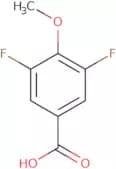
CAS:3,5-Difluoro-4-methoxybenzoic acid is a chemical compound that is used as both a starting material and an intermediate in organic synthesis. It can be obtained from the reaction of 2,4-difluoro-3-methoxybenzoyl chloride with 3,5-dimethoxyaniline. 3,5-Difluoro-4-methoxybenzoic acid has been shown to be useful as a building block in the synthesis of other compounds with potent antibiotic activity such as fluoroquinolones. This compound is also used to synthesize aminomethylcyclohexane and methylaminomethylcyclohexane, which are useful in the manufacture of pesticides.Formula:C8H6F2O3Purity:Min. 95%Color and Shape:PowderMolecular weight:188.13 g/molFmoc-4-methyl-L-phenylalanine
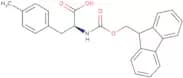
CAS:Fmoc-4-methyl-L-phenylalanine is a versatile building block that can be used as a reagent, speciality chemical, or useful intermediate. It is a high quality compound with many applications in the field of research chemicals and pharmaceuticals. Fmoc-4-methyl-L-phenylalanine can be used as an important reaction component in the synthesis of various complex compounds. The versatility of this compound makes it an excellent scaffold for synthesizing new compounds.
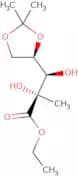
Formula:C25H23NO4Purity:Min. 95%Color and Shape:White PowderMolecular weight:401.45 g/mol(2S,3R)-3-((4R)-2,2-Dimethyldioxolan-4-yl)-2-methyl-2,3-dihydroxypropanoic acid ethyl ester
CAS:(2S,3R)-3-((4R)-2,2-Dimethyldioxolan-4-yl)-2-methyl-2,3-dihydroxypropanoic acid ethyl ester is a high quality reagent that is used as an intermediate for the synthesis of complex compounds. It is also a useful building block for the synthesis of speciality chemicals and research chemicals. The versatility of this compound makes it a useful scaffold and building block for reaction components.Formula:C11H20O6Purity:Min. 95%Color and Shape:PowderMolecular weight:248.27 g/mol2-Methylindole
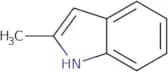
CAS:2-Methylindole is a reactive molecule that can undergo electrophilic substitution at the 2-position. It reacts with a variety of nitrogen nucleophiles, acylating them at the 2-position. These reactions are catalyzed by enzymes such as carbonyl reductase and methyl ketone reductase. The reaction mechanism is not yet fully understood, but it has been proposed that it proceeds through an acylation reaction between two molecules of 2-methylindole to form a linear product. The regiospecificity of this reaction has been demonstrated in vivo using a model system.Formula:C9H9NColor and Shape:PowderMolecular weight:131.17 g/mol4-Methyl-3-nitrobenzamide
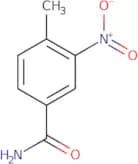
CAS:4-Methyl-3-nitrobenzamide is a nitrile that can be synthesized by the reaction of potassium hydroxide and 3-nitrobenzamide. It has been shown to react with dichloroethane to form 4-methyl-3-nitrobenzoic acid. The optimum temperature for this reaction is 120°C, which leads to a high yield of 4-methyl-3-nitrobenzamide. This product is also available in an isotopic form at high purity.
Formula:C8H8N2O3Purity:Min. 95%Color and Shape:PowderMolecular weight:180.16 g/molL-Allylglycine
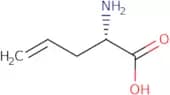
CAS:L-Allylglycine is an antimicrobial agent that inhibits the growth of bacteria by binding to the glutamate receptor. L-Allylglycine has been shown to inhibit the locomotor activity in rats, which may be due to its ability to bind with the serotonergic system and dopamine receptors. L-Allylglycine also binds to Toll-like receptor 4, a protein found on macrophages and microglia in the brain, which may contribute to its neuroprotective effects. It has been shown that L-allylglycine can inhibit a glutamate receptor in mitochondria, which is responsible for the production of ATP. This inhibition prevents DNA replication and cell division, leading to cell death. The asymmetric synthesis of this molecule allows it to have a greater affinity for bacterial cells than mammalian cells.Formula:C5H9NO2Purity:Min. 95%Color and Shape:White PowderMolecular weight:115.13 g/molMC-Val-Cit-PAB-OH
CAS:Val-Cit peptide linker is commonly used in bioconjugation (e.g. ADCs). It is enzymatically cleavable for selective payload release.
Formula:C28H40N6O7Purity:Min. 95%Color and Shape:White PowderMolecular weight:572.65 g/mol3-tert-Butyl-6-methylsalicylic acid
CAS:3-tert-Butyl-6-methylsalicylic acid is a versatile building block that is used in the synthesis of complex compounds. It reacts with amines to form salicylanilides and is also used as a reagent for the synthesis of acetylenes. 3-tert-Butyl-6-methylsalicylic acid can be used as a starting material for the production of pharmaceuticals, pesticides, and dyes. This compound has been shown to be an effective intermediate in the synthesis of new drugs, such as antimalarial agents and analgesics. The high quality of this chemical makes it a useful scaffold for organic synthesis.Formula:C12H16O3Purity:Min. 95%Color and Shape:PowderMolecular weight:208.25 g/mol2-Hydroxy-4'-(2-hydroxyethoxy) -2-methylpropiophenone
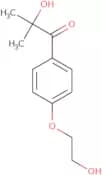
CAS:2-Hydroxy-4'-(2-hydroxyethoxy)-2-methylpropiophenone is a reactive chemical substance that has been shown to have significant cytotoxicity and biological properties. It is used in the treatment of cervical cancer and has been shown to inhibit the growth of cancer cells. This compound is found in a number of commercial products, including sunscreens and hair dyes, but its use may be limited due to its photochemical reactivity. The structure of 2HEPP was determined using nuclear magnetic resonance (NMR) spectroscopy and mass spectrometry. The chemical formula for 2HEPP is C10H14O3. It has a molecular weight of 192.22 g/mol and an empirical formula of C10H14O3. 2HEPP is soluble in methanol, acetone, ether, chloroform, benzene, ethanol, ethyl acetate, diethyl ether, and acetonFormula:C12H16O4Purity:Min. 95%Color and Shape:White PowderMolecular weight:224.25 g/mol2-(7-Ethylindol-3-yl)-4-oxo-4-phenylbutanoic acid
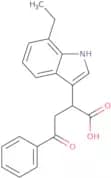
CAS:Please enquire for more information about 2-(7-Ethylindol-3-yl)-4-oxo-4-phenylbutanoic acid including the price, delivery time and more detailed product information at the technical inquiry form on this page
Purity:Min. 95%Z-glycine N-hydroxysuccinimide ester
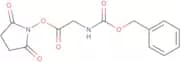
CAS:Z-glycine N-hydroxysuccinimide ester is an efficient method for the synthesis of carbon nanotubes from synthons and linkers. This reaction is catalyzed by photoelectron and occurs in a reaction vessel with the use of a carbon catalyst. The product is then purified by chromogenic substrates. Z-glycine N-hydroxysuccinimide ester has been shown to be a bifunctional reagent that can be used as a biomimetic mineralization agent, which has applications in microscopy.Formula:C14H14N2O6Purity:Min. 95%Color and Shape:PowderMolecular weight:306.27 g/mol


![9-[5-Deoxy-5-[[cis-3-[2-[6-(1,1-dimethylethyl)-1H-benzimidazol-2-yl]ethyl]cyclobutyl](1-methylethy…](/_next/image/?url=https%3A%2Fstatic.cymitquimica.com%2Fproducts%2F3D%2Fthumb-webp%2FFD146242.webp&w=3840&q=75)
![2-[(2,6-Dibromo-4-methylphenyl)amino]acetohydrazide](/_next/image/?url=https%3A%2Fstatic.cymitquimica.com%2Fproducts%2F3D%2Fthumb-webp%2FFD115486.webp&w=3840&q=75)



![Fmoc-S-[2,3-bis(palmitoyloxy)propyl]-L-cysteine](/_next/image/?url=https%3A%2Fstatic.cymitquimica.com%2Fproducts%2F3D%2Fthumb-webp%2FFF47755.webp&w=3840&q=75)

![5-Methoxy-2-[[(4-methoxy-3,5-dimethyl-2-pyridinyl)methyl]thio]-1H-benzimidazole N-oxide](/_next/image/?url=https%3A%2Fstatic.cymitquimica.com%2Fproducts%2F3D%2Fthumb-webp%2FFM63432.webp&w=3840&q=75)
![1-Methyl-3-[3-methyl-4-[4-[(trifluoromethyl)sulfonyl]phenoxy]phenyl]-1,3,5-triazine-2,4,6(1H,3H,5H…](/_next/image/?url=https%3A%2Fstatic.cymitquimica.com%2Fproducts%2F3D%2Fthumb-webp%2FFM27105.webp&w=3840&q=75)