Amino Acids (AA)
Subcategories of "Amino Acids (AA)"
- Amino Acid Derivatives(4,010 products)
- Amino Acid and Amino Acid Related Compounds(3,486 products)
- Amino Acids with Oxygen or Sulphur(168 products)
- Boc- Amino Acids(351 products)
- Fmoc Amino Acids(1,710 products)
Found 38355 products of "Amino Acids (AA)"
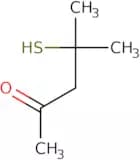
4-Mercapto-4-methyl-pentan-2-one
CAS:4-Mercapto-4-methyl-pentan-2-one is a fatty acid that is used as a flavor and fragrance agent. It has shown potential as a biomarker for exposure to volatile organic compounds (VOCs). 4-Mercapto-4-methylpentan2one has been found to inhibit the transcriptional regulation of genes encoding thiols and is an important component of the matrix effect. This compound can be extracted by solid phase microextraction, which will require sample preparation before use. The wild type strain of Escherichia coli was used in this experiment, but it may also be possible to use other bacteria such as Bacillus subtilis or Pseudomonas aeruginosa. Chemical ionization mass spectrometry was used to identify 4-mercapto-4-methylpentan2one in the extract.Formula:C6H12SOPurity:Min. 98 Area-%Molecular weight:132.22 g/mol2-Methylstyrene
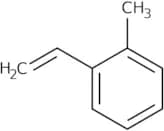
CAS:2-Methylstyrene is a synthetic compound that is used in the manufacture of various industrial chemicals and plastics. It is produced by the catalytic polymerization of styrene with sodium salts, calcium stearate, and sodium carbonate. 2-Methylstyrene can also be synthesized from chloroacetic acid and hydrogen chloride. This chemical has been shown to undergo cationic polymerization when it reacts with an amine or a hydroxyl group. 2-Methylstyrene is soluble in organic solvents such as benzene or chloroform. It has been used as a film-forming polymer in analytical chemistry due to its high volatility and low viscosity.Formula:C9H10Purity:Min. 95%Molecular weight:118.18 g/molTribenuron-methyl
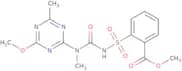
CAS:Tribenuron-methyl is an herbicide that inhibits the activity of acetolactate synthase (ALS) in plants, which is an enzyme involved in the production of the branched-chain amino acid valine. Tribenuron-methyl has been shown to inhibit ALS activity in wheat and some resistant mutants of ALS are still inhibited by this herbicide. The synergic effect between tribenuron-methyl and other herbicides is also important for controlling weeds. Resistant mutants can be reduced using a dispersive solid-phase extraction method, which involves applying a liquid solvent to the soil, extracting water-soluble molecules from the soil, and then concentrating them on a solid phase such as silica gel. This extraction method was used to study the metabolism of herbicides in wheat plants.Formula:C15H17N5O6SPurity:Min. 95%Color and Shape:PowderMolecular weight:395.39 g/mol3-Ethoxy-2-methylbenzoic acid - 90%
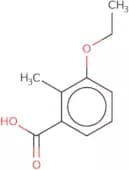
CAS:3-Ethoxy-2-methylbenzoic acid is a white solid that is soluble in organic solvents. It has a molecular weight of 192.3 and an empirical formula of C9H11O3. 3-Ethoxy-2-methylbenzoic acid can be used as a building block for diverse chemical reactions and processes, including the synthesis of pharmaceuticals, pesticides, and other fine chemicals. This compound is also used as a research chemical, reaction component, or speciality chemical in various experiments and projects. 3-Ethoxy-2-methylbenzoic acid provides high quality reagents to scientists for use in research.br>br>Formula:C10H12O3Purity:Min. 95%Color and Shape:PowderMolecular weight:180.2 g/molNeuropeptide W-23 (human)
CAS:Neuropeptide W-23 (human) is an antibody that recognizes the neuropeptide receptor, specifically the Neuropeptide Y receptor 1. The antibody binds to the Npy1 receptor and inhibits its activity. Neuropeptide W-23 (human) can be used as a research tool in cell biology and pharmacology studies.Formula:C119H183N35O28SPurity:Min. 95%Molecular weight:2,584.01 g/mol(S)-(+)-4-Isobutyl-a-methylphenylacetic acid
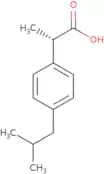
CAS:Ibuprofen is a non-steroidal anti-inflammatory drug (NSAID) that inhibits the production of prostaglandins and has been shown to be effective in the treatment of pain, fever, and inflammation. Ibuprofen binds to and blocks cyclooxygenase enzymes COX-1 and COX-2, which are responsible for the production of prostaglandins. It also inhibits leukocyte migration, which may reduce symptoms associated with infectious diseases. The molecular docking analysis has shown that ibuprofen interacts with crystalline cellulose through hydrogen bonding interactions. Ibuprofen can be used in conjunction with sodium citrate as an anticoagulant during blood sampling procedures to prevent clotting. This medication can cause side effects such as nausea, stomach upset, heartburn, dizziness, headache, or increased risk of bleeding.>Formula:C13H18O2Purity:Min. 95%Color and Shape:White PowderMolecular weight:206.28 g/molEthyl N-ethyl-N-[(heptadecafluorooctyl)sulphonyl]glycinate
CAS:Controlled ProductEthyl N-Ethyl-N-[(Heptadecafluorooctyl)Sulphonyl]Glycinate is a sulfonate that is used as a surfactant. It is a clear, colorless liquid with a slight odor that is soluble in water and can be used as a chemical intermediate. Ethyl N-Ethyl-N-[(Heptadecafluorooctyl)Sulphonyl]Glycinate is also known as an additive to substances, such as alcohols and other chemicals, or mixtures of substances.Formula:C14H12F17NO4SPurity:Min. 95%Color and Shape:PowderMolecular weight:613.29 g/molH-Orn-AMC hydrochloride salt
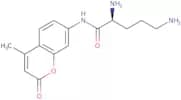
CAS:H-Orn-AMC hydrochloride salt is a white solid with a melting point of about 150°C. It is used as a reactant in the manufacture of pharmaceuticals, research chemicals and other speciality chemicals. H-Orn-AMC hydrochloride salt is also an intermediate for the synthesis of complex compounds, useful as building blocks for chemical synthesis, and can be used as a reagent in analytical chemistry.Formula:C15H20ClN3O3Purity:Min. 98 Area-%Color and Shape:PowderMolecular weight:325.79 g/mol4-Methoxybenzil
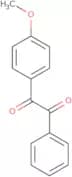
CAS:4-Methoxybenzil is an activated diketone with a processable temperature range. It is a precursor to imidazoles and can be used for the manufacture of 4-methoxybenzaldehyde by reacting with sodium carbonate, in which an aldehyde group is added. The 4-methoxybenzaldehyde can then be reacted with oxone to form 4-methoxybenzil. This compound may also be used as a stabilizer or inhibitor in polyolefin production.Formula:C15H12O3Purity:Min. 95%Color and Shape:PowderMolecular weight:240.25 g/molAla-Ala-OH
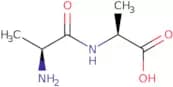
CAS:Ala-Ala-OH is a chemical compound that is structurally similar to the natural amino acid alanine. It has been used as a model system for the study of vancomycin, an antibiotic that binds to the penicillin-binding protein (PBP) in bacterial cell walls and inhibits peptidoglycan synthesis. Ala-Ala-OH binds to the PBP with high affinity and specificity, but does not inhibit peptidoglycan synthesis or kill bacteria. In contrast, Ala-Ala-OH has shown antiviral and anti-inflammatory activities by binding to viral and inflammatory proteins. This compound also has been shown to be chemically stable and can be used as a fluorescent probe in titration calorimetry experiments, which measure heat released during the formation of a chemical reaction.
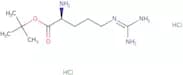
Formula:C6H12N2O3Purity:Min. 95%Color and Shape:PowderMolecular weight:160.17 g/molL-Arginine-tert-butyl ester dihydrochloride
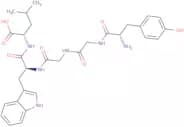
CAS:L-Arginine-tert-butyl ester dihydrochloride is a high quality, reagent, complex compound that is soluble in most organic solvents. It has a CAS No. of 87459-72-1 and can be used as an intermediate for the production of other chemical compounds. L-Arginine-tert-butyl ester dihydrochloride is also a useful scaffold for the synthesis of speciality chemicals or research chemicals and can be used as a versatile building block in the synthesis of many chemical compounds.Formula:C10H22N4O2·2HClPurity:Min. 95%Color and Shape:PowderMolecular weight:303.23 g/molGluten Exorphin B5 H-Tyr-Gly-Gly-Trp-Leu-OH
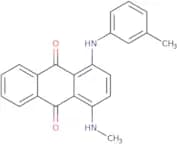
CAS:Gluten Exorphin B5 H-Tyr-Gly-Gly-Trp-Leu-OH is a synthetic opioid peptide that has been shown in animal models to reduce food intake and body weight. This peptide is an analog of the endogenous opioid peptides Met-enkephalin and Leu-enkephalin, which have been implicated in the regulation of food intake and energy expenditure. Gluten exorphin B5 H-Tyr-Gly-Gly-Trp-Leu-OH binds to the μ opioid receptor, which is involved in drug safety. It also binds to the prolactin receptor, which plays a role in drug absorption and distribution.Formula:C30H38N6O7Purity:Min. 95%Color and Shape:White PowderMolecular weight:594.66 g/molSolvent Blue 63
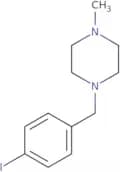
CAS:1-[2,(3)-Methylanilino]-4-(methylamino)anthraquinone is a diazo dye that emits light when irradiated with UV-A or UV-B radiation. It is used as a fluorescent stain in electron microscopy to detect and identify the presence of metals and metal oxides in films. The compound is also used in polyvinyl chloride (PVC) films to increase thermal expansion and viscosity. 1-[2,(3)-Methylanilino]-4-(methylamino)anthraquinone may be used as a substrate film for the production of polyurethane foam for furniture cushions and automotive components. The compound can be acylated with fatty acids such as p-hydroxybenzoic acid to give it desirable properties such as lower viscosity, better adhesion, or improved light emission. This reaction can be catalyzed by heat or radiation.Formula:C22H18N2O2Purity:Min. 95%Color and Shape:PowderMolecular weight:342.39 g/mol1-(4-Iodobenzyl)-4-methylpiperazine
CAS:Controlled Product1-(4-Iodobenzyl)-4-methylpiperazine is a chemical compound that is used as a building block for the synthesis of other organic compounds. It is also a reagent for organic synthesis and can be used to prepare high-quality research chemicals. 1-(4-Iodobenzyl)-4-methylpiperazine has many applications, including use as a versatile building block and a reaction component in the preparation of complex compounds. This chemical compound has CAS No. 102294-97-3 and can be found under the name "1-(4-iodobenzyl)piperazine".Formula:C12H17IN2Purity:Min. 95%Color and Shape:PowderMolecular weight:316.18 g/molN2-Boc-guanine-9-acetic acid
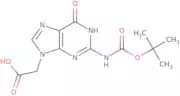
CAS:N2-Boc-guanine-9-acetic acid is a versatile building block that is used as a reagent, speciality chemical and intermediate in the synthesis of complex compounds. It has shown high quality, high purity and usefulness as an intermediate in the synthesis of organic molecules. This compound can be used to generate large quantities of guanine derivatives which are important building blocks for many types of research chemicals. N2-Boc-guanine-9-acetic acid is also useful as a reaction component or scaffold in organic syntheses.Formula:C12H15N5O5Purity:Min. 95 Area-%Color and Shape:White Off-White PowderMolecular weight:309.28 g/molAminocaproic acid
CAS:Please enquire for more information about Aminocaproic acid including the price, delivery time and more detailed product information at the technical inquiry form on this pageFormula:C6H13NO2Purity:Min. 95%Molecular weight:131.17 g/mol3,4,5,6-Tetrafluoro-N-methylphthalimide
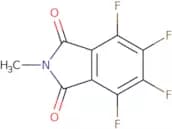
CAS:3,4,5,6-Tetrafluoro-N-methylphthalimide is a metal halide that is used in the preparation of oxetane derivatives. It is synthesized from the reaction of phthalimides with styrene and 3,4,5,6-tetrafluoro-N-methylbenzoic acid. The reaction time can be varied to produce different products. The acylation reaction occurs by heating the mixture at high temperature and pressure. 3,4,5,6-Tetrafluoro-N-methylphthalimide has been shown to react with pyrrole to form 2,4,5-trifluorobenzoic acid chloride.
Formula:C9H3F4NO2Purity:Min. 95%Molecular weight:233.12 g/molN-tert-Butoxycarbonyl D-serine methyl ester
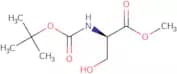
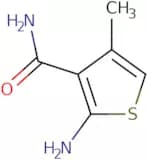
CAS:N-tert-Butoxycarbonyl D-serine methyl ester is a galactose-derived specific glycosylation inhibitor that inhibits the synthesis of glycoconjugates in cells. It prevents the transfer of sugar moieties from activated glycosyl donors to acceptors, which are often proteins. NBDMSEM has been shown to have anti-cancer properties and may be useful in cancer therapy. In addition, NBDMSEM is a potent inhibitor of transglycosylation reactions, which are involved in the synthesis of sideritis and morpholines, two chemical compounds with biological relevance. The reaction yield for this compound is high and it can be used as an alternative to other more toxic inhibitors.Formula:C9H17NO5Purity:Min. 95%Color and Shape:Colorless Clear LiquidMolecular weight:219.24 g/mol2-Amino-4-methylthiophene-3-carboxamide
CAS:2-Amino-4-methylthiophene-3-carboxamide is a small molecule that is a potent inhibitor of the JAK2 kinase. This enzyme is associated with human fibrosis and has been shown to be involved in the development of liver fibrosis in rats. 2-Amino-4-methylthiophene-3-carboxamide inhibits the production of cytokines such as IL1α, IL6, and TNFα. It also blocks the activation of transcription factors such as NFκB, which are involved in inflammation. The compound has been shown to be orally active and has demonstrated efficacy in animal studies. Analogues have also been synthesized for this compound that show similar activity.Formula:C6H8N2OSPurity:(%) Min. 85%Color and Shape:PowderMolecular weight:156.21 g/mol(2-Aminophenyl)-N-((((4-methoxyphenyl)amino)thioxomethyl)amino)formamide
CAS:Please enquire for more information about (2-Aminophenyl)-N-((((4-methoxyphenyl)amino)thioxomethyl)amino)formamide including the price, delivery time and more detailed product information at the technical inquiry form on this pageFormula:C15H16N4O2SPurity:Min. 95%Color and Shape:PowderMolecular weight:316.38 g/molcis-(+/-)-2-[(N-Benzyl-N-methyl)aminomethyl]-1-(3-methoxyphenyl)cyclohexanol hydrochloride
CAS:cis-(+/-)-2-[(N-Benzyl-N-methyl)aminomethyl]-1-(3-methoxyphenyl)cyclohexanol hydrochloride is a versatile building block that can be used in the synthesis of complex compounds. This compound is also a useful reagent, speciality chemical, and reaction component. cis-(+/-)-2-[(N-Benzyl-N-methyl)aminomethyl]-1-(3-methoxyphenyl)cyclohexanol hydrochloride has been shown to be a valuable scaffold for research chemicals with high quality.Formula:C22H30ClNO2Purity:Min. 95 Area-%Color and Shape:PowderMolecular weight:375.93 g/molSodium 2-(4-Methoxyphenoxy)propionate
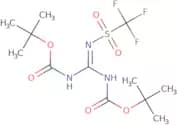
CAS:Sodium 2-(4-methoxyphenoxy)propionate is a chemical compound that inhibits the activity of protein kinase A (PKA). This inhibition is due to the binding of Sodium 2-(4-methoxyphenoxy)propionate to the catalytic site of PKA, which blocks access by ATP. Sodium 2-(4-methoxyphenoxy)propionate has been shown to inhibit the production of inflammatory cytokines in vitro. It also has been shown to be a potent inducer of sweet taste receptors in vivo and in vitro. The inhibition of PKA may be useful for treating bowel diseases such as ulcerative colitis.Formula:C10H12O4•NaPurity:Min. 95%Color and Shape:PowderMolecular weight:219.19 g/mol1,3-Di-Boc-2-(trifluoromethylsulfonyl)guanidine
CAS:1,3-Di-Boc-2-(trifluoromethylsulfonyl)guanidine is a growth factor that has been shown to bind to histone proteins and human pathogens. It has physiological effects on prostate cancer cells and fatty acid metabolism. 1,3-Di-Boc-2-(trifluoromethylsulfonyl)guanidine is also antibacterial agent that has potent activity against bacterial cell walls. This drug inhibits the enzyme Clavatadine, leading to the inhibition of protein synthesis in bacteria. The spacing of nitrogen atoms in this molecule is responsible for its potent inhibition of kinase activity. 1,3-Di-Boc-2-(trifluoromethylsulfonyl)guanidine is localized in the cellular cytoplasm and nucleus.
Formula:C12H20F3N3O6SPurity:Min. 95%Color and Shape:White PowderMolecular weight:391.37 g/mol6-Methoxyindole
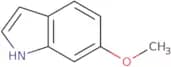
CAS:6-Methoxyindole is an acetate extract of the plant 5-methoxyindole. It has been shown to be a 5-HT1A receptor agonist in animals, and has been shown to have cardiac effects in rats. 6-Methoxyindole is also used as a precursor for the synthesis of diphenylacetylindoles. 6-Methoxyindole is one of the molecules that can be recombined to form a batcho-leimgruber indole (BLI).
Formula:C9H9NOPurity:Min. 99 Area-%Color and Shape:PowderMolecular weight:147.17 g/molSubstance P acetate salt
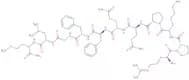
CAS:The Substance P acetate salt is a white or off-white crystalline powder. It is soluble in ethanol and methanol, sparingly soluble in water, and insoluble in ether. The Substance P acetate salt has been widely used as a research chemical and building block for the synthesis of complex compounds. The CAS number for the substance is 137348-11-9.Formula:C63H98N18O13S·C2H4O2Purity:Min. 95 Area-%Color and Shape:PowderMolecular weight:1,407.68 g/mol3’,5’-Di-O-acetyl-2’-azido-2’-deoxy-5-methyluridine
CAS:Please enquire for more information about 3’,5’-Di-O-acetyl-2’-azido-2’-deoxy-5-methyluridine including the price, delivery time and more detailed product information at the technical inquiry form on this pagePurity:Min. 95%N-Boc-ethylenediamine
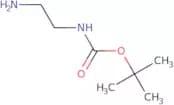
CAS:N-Boc-ethylenediamine is a chemical compound that belongs to the group of peptide hormones. It is historically used as a building block for peptides, such as luteinizing hormone releasing hormone (LHRH), which control reproduction and regulate the release of hormones. N-Boc-ethylenediamine has been shown to inhibit dpp-iv, an enzyme that breaks down proteins needed for cell growth and survival. This inhibition leads to cell death by apoptosis, or programmed cell death. N-Boc-ethylenediamine has also been shown to be an antimicrobial peptide against gram negative bacteria. The synthesis of this compound can be accomplished through several methods, including using diazonium salt or histone proteins. The analytical method involves hydrogen bonding between the amines and trifluoroacetic acid in order to produce the desired product.
Formula:C7H16N2O2Purity:Min. 95%Color and Shape:Clear LiquidMolecular weight:160.21 g/mol3-Hydroxy-4-methoxybenzoic acid
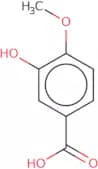
CAS:3-Hydroxy-4-methoxybenzoic acid is a phenolic acid with antiinflammatory activity. It can be found in the leaves of the plant "Anacardium occidentale" or as an intermediate in the synthesis of protocatechuic acid, which is formed by oxidation of 3-hydroxycinnamic acid. 3-Hydroxy-4-methoxybenzoic acid has been shown to inhibit bacterial growth and fungal infection in vitro. The compound also inhibits proinflammatory cytokine production by human monocytes and macrophages, which may be due to its hydroxyl group that can form hydrogen bonds with nucleophilic centers on proteins. 3-Hydroxy-4-methoxybenzoic acid can be prepared through extraction from acetate (1g) containing pyridine (2mL) and acetone (2mL). The extract is incubated at 50°C for 20 minutes before being cooled. TheFormula:C8H8O4Purity:Min. 95%Color and Shape:PowderMolecular weight:168.15 g/mol3-(4-Methoxyphenoxy)-1,2-propanediol
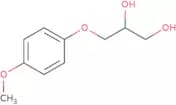
CAS:3-(4-Methoxyphenoxy)-1,2-propanediol is a chiral molecule that can be found in various products. It has been used in the synthesis of a variety of drugs and other organic compounds. 3-(4-Methoxyphenoxy)-1,2-propanediol is an intermediate for the synthesis of natural products such as benzofuran and benzothiophene. This compound is also used as a reagent in the asymmetric dihydroxylation of epoxides. The rate at which this reaction proceeds depends on the kinetic parameters, such as the concentration of reactant and transition state analogues, and on the reaction conditions, such as temperature and pH. The product of this reaction is an epoxide hydrolase inhibitor with a reactive anion that can be used to synthesize pharmaceuticals.
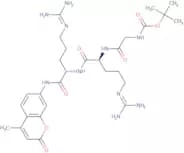
Formula:C10H14O4Purity:Min. 95%Color and Shape:White PowderMolecular weight:198.22 g/molBoc-Gly-Arg-Arg-AMC acetate salt
CAS:Boc-Gly-Arg-Arg-AMC acetate salt is a protease inhibitor that inhibits the activity of serine proteases. This protein is a potent and selective inhibitor of the NS3 protease from hepatitis C virus, which is responsible for the cleavage of polyproteins into mature proteins. Boc-Gly-Arg-Arg-AMC acetate salt has been shown to be effective in transfection experiments and polymerase chain reaction, as well as in inhibiting the activity of soybean trypsin and mammalian tissue proteases.
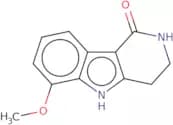
Formula:C29H44N10O7•(C2H4O2)xPurity:Min. 98 Area-%Color and Shape:PowderMolecular weight:644.72 g/mol1-Keto-6-methoxy-1,2,3,4-tetrahydro-β-carboline
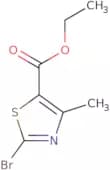
CAS:1-Keto-6-methoxy-1,2,3,4-tetrahydro-beta-carboline is a versatile building block that can be used in the synthesis of various compounds. It is an intermediate that can be used to synthesize other compounds such as 1-methylpiperazine and 1-(2,4-dichlorophenyl)piperazine. It has been shown to have high quality and is useful as a reagent for the synthesis of many different compounds. 1-Keto-6-methoxy-1,2,3,4-tetrahydro-beta carboline is also a useful scaffold for research chemicals and speciality chemicals. CAS No: 128487–09–2Formula:C12H12N2O2Purity:Min. 95%Molecular weight:216.24 g/molEthyl 2-bromo-4-methylthiazole-5-carboxylate
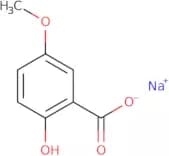
CAS:Ethyl 2-bromo-4-methylthiazole-5-carboxylate is an organic compound that is used as a catalyst in the bromination of organic compounds. The brominating agent (Br) is bonded to the ethyl ester through its Br atom, which has a Lewis acidity greater than that of the methyl ester. This makes it a better electrophile and allows it to react with electron rich groups on other molecules more readily. Ethyl 2-bromo-4-methylthiazole-5-carboxylate can also be used as a brominating agent in the production of ethyl bromide from alcohols and phenols.Formula:C7H8BrNO2SPurity:Min. 95%Molecular weight:250.11 g/mol5-Methoxysalicylic acid sodium
CAS:5-Methoxysalicylic acid sodium (MSAS) is a drug that is used to treat intestinal ulcers. It is also used to reduce the viscosity of blood and as an adjuvant in the treatment of rheumatoid arthritis. The bioavailability of MSAS is increased when it is administered with cefmetazole, which enhances the absorption of this drug in the small intestine. MSAS has a hypoglycemic effect and can be used to treat high blood sugar levels. This drug binds to muscle cells and prevents their contraction, which can lead to relief from muscle pain or spasms. MSAS may also have a pharmacological effect on ligation, which occurs when tissue is cut off from its blood supply.
Formula:C8H7O4·NaPurity:Min. 95%Color and Shape:PowderMolecular weight:190.13 g/mol4-Methyl-3a,4,7,7a-tetrahydro-2-benzofuran-1,3-dione
CAS:Controlled Product4-Methyl-3a,4,7,7a-tetrahydro-2-benzofuran-1,3-dione is a racemic benzofuran analogueFormula:C9H10O3Purity:Min. 95%Color and Shape:Clear LiquidMolecular weight:166.17 g/molN-Glycidyl phthalimide
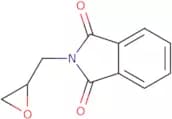
CAS:N-Glycidyl phthalimide is a dithiocarbamic compound that has been shown to inhibit blood coagulation. It is synthesized by the reaction of chloroacetic acid with phthalic anhydride and glycine, which leads to the formation of a homochiral product. N-Glycidyl phthalimide has been shown to be effective in vivo in animal models and has biological relevance, as it can be enzymatically hydrolyzed to form 5-hydroxytetrahydrofolate, which is necessary for DNA synthesis. The rate enhancement of this process may be due to the carbonyl group on the molecule, which interacts with enzymes such as carboxypeptidase A and cathepsin C.Formula:C11H9NO3Purity:Min. 95%Color and Shape:PowderMolecular weight:203.19 g/mol2-Methyl-DL-serine
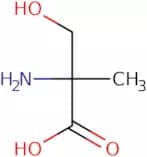
CAS:2-Methyl-DL-serine is a metabolite of the amino acid serine. It is synthesized by the enzyme serine dehydratase, which converts L-serine to 2-methyl-L-serine. This product has been shown to inhibit microbial metabolism and has been proposed as a drug target for glycopeptide antibiotics. 2-Methyl-DL-serine is an inhibitor of glycosyltransferases that have high affinity for D-alanine, such as enolase, phosphoglycerate kinase, and pyruvate kinase. In addition, this product inhibits some enzymes involved in glycogen metabolism by binding to the lysosomal enzyme α-glucosidase. The enzyme genes that encode for these enzymes are expressed in both prokaryotes and eukaryotes. 2Methyl DL serine also inhibits dioxygenases (e.g., cytochrome P450) that utilizeFormula:C4H9NO3Purity:Min. 95%Color and Shape:PowderMolecular weight:119.12 g/mol3-((2-Mercapto-1-methylpropyl)thio)-2-butanol
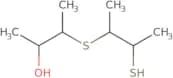
CAS:3-((2-Mercapto-1-methylpropyl)thio)-2-butanol is a high quality synthetic intermediate that can be used as a reagent, a building block for the synthesis of complex compounds, or as an intermediate for the production of speciality chemicals. 3-((2-Mercapto-1-methylpropyl)thio)-2-butanol is soluble in organic solvents and has a high boiling point. It is also useful as a reaction component in the synthesis of fine chemicals and research chemicals. 3-(2 Mercaptoethylthio) 2 butanol has CAS No. 54957-02-7, and may be found under various synonyms such as 1-(3 mercaptoethylthio) butane, 1-(3 mercaptoethylthiobutane), or 1-[3-(mercaptomethyl)propyl] thiobutane.
Formula:C8H18OS2Purity:Min. 95%Color and Shape:Colorless Clear LiquidMolecular weight:194.36 g/mol1-[4-Methyl-6-(trifluoromethyl)pyrimidin-2-yl]piperidine-3-carboxylic acid
CAS:1-[4-Methyl-6-(trifluoromethyl)pyrimidin-2-yl]piperidine-3-carboxylic acid is a reagent that is used as a complex compound, as a useful intermediate, and as a fine chemical. It has been used in the manufacture of pharmaceuticals, agrochemicals, dyes, and pigments. It also has many applications in research such as its use as a building block for organic synthesis or to synthesize other compounds with potential uses in medicine.Formula:C12H14F3N3O2Purity:Min. 95%Color and Shape:PowderMolecular weight:289.25 g/molFmoc-Pro-Gly-OH
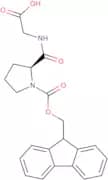
CAS:Fmoc-Pro-Gly-OH is an antimicrobial agent that binds to bacterial cell walls and prevents the bacteria from assembling. It has a conformation that mimics the structure of thioether antibiotics, which are unilamellar and assembled. Fmoc-Pro-Gly-OH inhibits the pyrophosphate binding site, preventing the synthesis of ATP in bacteria. This drug also has affinity for alkene binders, which may be due to its structural similarity to these compounds.
Formula:C22H22N2O5Purity:Min. 95%Color and Shape:PowderMolecular weight:394.42 g/mol2-(3-Methoxyphenoxy)-2-methylpropanoic acid
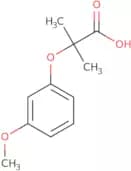
CAS:2-(3-Methoxyphenoxy)-2-methylpropanoic acid is a reagent, useful intermediate and speciality chemical. It is a versatile building block for the synthesis of complex compounds. This product has CAS No. 140239-94-7, which is a fine chemical with high quality. It is an essential reaction component for the preparation of many other valuable chemicals in the laboratory.Formula:C11H14O4Purity:Min. 95%Color and Shape:PowderMolecular weight:210.23 g/mol3-Methyl-2-nitrophenol
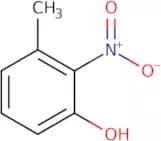
CAS:3-Methyl-2-nitrophenol is a hydroxy group that contains a reactive methylene group. It has been shown to be formed by the reaction of nitric acid with alcohols or amines. The rate of formation is influenced by the steric interactions and intramolecular hydrogen bonds present in the reactants. 3-Methyl-2-nitrophenol can react with other molecules to form various reaction products, such as 2-methylphenol, nitrobenzene, and picric acid. 3-Methyl-2-nitrophenol also has phytotoxic properties, which may be due to its ability to inhibit root growth and chlorophyll production in plants.Formula:C7H7NO3Purity:Min. 95%Molecular weight:153.14 g/molL-a-Glycerophosphorylcholine
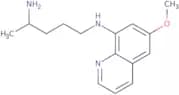
CAS:Precursor of neurotransmitter acetylcholineFormula:C8H20NO6PPurity:(%) Min. 95%Color and Shape:White PowderMolecular weight:257.22 g/molN1-(6-Methoxy-8-quinolinyl)-1,4-pentanediamine
CAS:Impurity found in Primaquine diphosphateFormula:C15H21N3OPurity:Min. 95%Color and Shape:Yellow PowderMolecular weight:259.35 g/mol1,10-Phenanthroline monohydrate
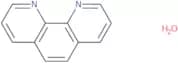
CAS:1,10-Phenanthroline monohydrate is a metal chelate that binds to DNA by hydrogen bonds. It has been shown to have an intramolecular hydrogen and a linear calibration curve with a coefficient of determination (r2) of 0.998. The rate constant for the reaction of 1,10-phenanthroline monohydrate with DNA is 5.00 x 10 M-1 s-1 at 25°C in water and pH 7.4 buffer. The coordination geometry for 1,10-phenanthroline monohydrate is octahedral with the axial ligands occupying the equatorial positions and the equatorial ligands occupying the axial positions. This compound has been shown to be active against HL-60 cells, which causes cancerous transformations in vitro. Fluorescence spectrometry data shows that 1,10-phenanthroline monohydrate can bind to DNA in vitro but not in vivo.Formula:C12H10N2OPurity:Min. 95%Color and Shape:Off-White PowderMolecular weight:198.22 g/molN-Methyl-5-tetrazolethiol
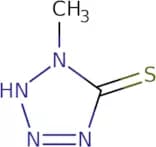
CAS:N-Methyl-5-tetrazolethiol is a vitamin B6 (pyridoxine) analog that inhibits bacterial growth by competitively inhibiting enzymes involved in the synthesis of folate. It has been shown to be toxic for animals and humans at high doses, but the toxicity of this compound has not been studied extensively. N-Methyl-5-tetrazolethiol has been shown to inhibit the activity of enzymes such as methionine synthase, cytochrome C reductase, and nitroreductase in vitro. This drug is used as a treatment for infectious diseases such as malaria and toxoplasmosis. The mechanism of action of N-methyl tetrazolethiol is not known, but it is believed to be related to its ability to inhibit enzyme activity.Formula:C2H4N4SPurity:Min. 95 Area-%Color and Shape:PowderMolecular weight:116.15 g/molN,N'-Dibenzoyl-L-cystine
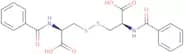
CAS:N,N'-Dibenzoyl-L-cystine is a chiral molecule that was synthesized by the asymmetric synthesis of a racemic mixture of N,N'-dibenzoyl-D-cysteine. The supramolecular structure of this compound is due to the hydrogen bonding interactions between the amines and peroxides. This molecule has been studied for use as a drug in the treatment of cancer and other diseases. It also has potential applications in the field of biotechnology and chemical engineering.
Formula:C20H20N2O6S2Purity:Min. 95%Color and Shape:PowderMolecular weight:448.51 g/mol5-Methoxy-2-methylindole
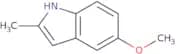
CAS:5-Methoxy-2-methylindole is an organic solvent that has been shown to have a wide range of bioactive properties. It is used in the production of acetylcholine, which is an important neurotransmitter. 5-Methoxy-2-methylindole also reacts with chloride ions, which may be an important factor when considering the life cycles and bioactive substances of this molecule. The reaction yield depends on the pH of the solution. 5-Methoxy-2-methylindole can undergo chlorination reactions to form polychlorinated derivatives, which are used as petrochemicals. This molecule also has retinoid properties and can act as a proton donor or acceptor depending on whether it is protonated or deprotonated.Formula:C10H11NOColor and Shape:PowderMolecular weight:161.2 g/mol6-Methylmercaptopurine
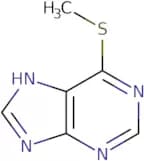
CAS:6-Methylmercaptopurine is an important metabolite of 6-methylmercaptopurine, which is a vital component of the nucleotide synthesis pathway. It is used in analytical methods to determine levels of nucleotides, as well as in biological studies for its effect on autoimmune diseases. 6-Methylmercaptopurine can inhibit replication by inhibiting the methyltransferase enzyme.Formula:C6H6N4SPurity:Min. 95%Color and Shape:Off-White Yellow PowderMolecular weight:166.2 g/molMethyl 4-methoxyacetoacetate
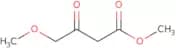
CAS:Methyl 4-methoxyacetoacetate is a synthetic chemical compound that can be used in the synthesis of other substances. It has been shown to react with diacetates and produce hydroxy compounds during the reaction system. The reaction rate is dependent on the temperature and concentration of the reactants, as well as the presence of a catalyst such as hydrochloric acid. Methyl 4-methoxyacetoacetate has also been shown to form crystals when heated at constant temperature, which have been analyzed by X-ray diffraction. These crystals are composed of 2 molecules of methyl 4-methoxyacetoacetate that are held together through hydrogen bonding.Formula:C6H10O4Purity:Min. 95%Color and Shape:Colorless Clear LiquidMolecular weight:146.14 g/molFmoc-(R)-3-amino-4-(4-tert-butyl-phenyl)-butyric acid
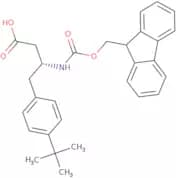
CAS:Fmoc-3-Amino-4-(4-tertbutylphenyl)butyric acid is a versatile building block that can be used in the synthesis of complex compounds. Fmoc-3-Amino-4-(4-tertbutylphenyl)butyric acid is an intermediate for the production of speciality chemicals and reagents. It is also a useful scaffold in chemical reactions, as well as a reaction component. Fmoc-(R)-3-Amino-4-(4-tertbutylphenyl)butyric acid is soluble in ethanol and ether, but insoluble in water.Formula:C29H31NO4Purity:Min. 95%Color and Shape:White To Off-White SolidMolecular weight:457.56 g/mol

![Ethyl N-ethyl-N-[(heptadecafluorooctyl)sulphonyl]glycinate](/_next/image/?url=https%3A%2Fstatic.cymitquimica.com%2Fproducts%2F3D%2Fthumb-webp%2FFE95451.webp&w=3840&q=75)

![cis-(+/-)-2-[(N-Benzyl-N-methyl)aminomethyl]-1-(3-methoxyphenyl)cyclohexanol hydrochloride](/_next/image/?url=https%3A%2Fstatic.cymitquimica.com%2Fproducts%2F3D%2Fthumb-webp%2FFB18402.webp&w=3840&q=75)

![1-[4-Methyl-6-(trifluoromethyl)pyrimidin-2-yl]piperidine-3-carboxylic acid](/_next/image/?url=https%3A%2Fstatic.cymitquimica.com%2Fproducts%2F3D%2Fthumb-webp%2FFM129640.webp&w=3840&q=75)