Amino Acids (AA)
Amino acids (AAs) are the fundamental building blocks of proteins, playing a crucial role in various biological processes. These organic compounds are essential for protein synthesis, metabolic pathways, and cell signaling. In this category, you will find a comprehensive range of amino acids, including essential, non-essential, and modified forms, which are vital for research in biochemistry, molecular biology, and nutritional sciences. At CymitQuimica, we provide high-quality amino acids to support your research and development needs, ensuring accuracy and reliability in your experimental outcomes.
Subcategories of "Amino Acids (AA)"
- Amino Acid Derivatives(3,955 products)
- Amino Acid and Amino Acid Related Compounds(3,465 products)
- Amino Acids with Oxygen or Sulphur(168 products)
- Boc- Amino Acids(351 products)
- Fmoc Amino Acids(1,710 products)
Found 38248 products of "Amino Acids (AA)"
Sort by
Purity (%)
0
100
|
0
|
50
|
90
|
95
|
100
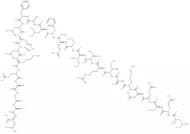
(Leu31,Pro34)-Peptide YY (human) trifluoroacetate salt
CAS:<p>Please enquire for more information about (Leu31,Pro34)-Peptide YY (human) trifluoroacetate salt including the price, delivery time and more detailed product information at the technical inquiry form on this page</p>Formula:C195H296N54O56Purity:Min. 95%Molecular weight:4,292.77 g/molH-Cys-psi(CH2NH)Val-psi(CH2NH)Phe-Met-OH trifluoroacetate salt
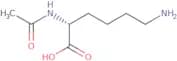
CAS:<p>FTI-277 is a peptidomimetic compound that inhibits HIV-1 protease. FTI-277 is an orally active, potent, and selective inhibitor of HIV-1 protease. The drug has been shown to be effective in the treatment of HIV infection in various clinical trials. FTI-277 inhibited HIV replication in activated cells and disrupted virion production by binding to the target enzyme. FTI-277 also has potential for use as a diagnostic tool for detecting the presence of HIV in body fluids.</p>Formula:C22H38N4O3S2Purity:Min. 95%Molecular weight:470.69 g/molAc-D-Lys-OH
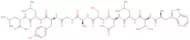
CAS:<p>Nicotinamide is a form of vitamin B3 that has been shown to inhibit the growth of Giardia lamblia trophozoites. Nicotinamide also inhibits the sirtuins and has been shown to inhibit cell cycle control in microorganisms. It inhibits transcriptional activity by competing with nicotinamide adenine dinucleotide for binding sites on DNA and prevents the formation of nicotinamide-adenine dinucleotide complexes, which are needed for DNA synthesis. Nicotinamide also binds to metronidazole, causing it to be inactive as an antimicrobial agent. The mechanism of action of nicotinamide may be due to its ability to bind and inactivate metronidazole, thereby preventing it from functioning as an anti-microbial agent.</p>Formula:C8H16N2O3Purity:Min. 95%Molecular weight:188.22 g/molGalanin (2-11) amide trifluoroacetate salt
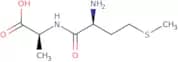
CAS:<p>Galanin (2-11) amide trifluoroacetate salt H-Trp-Thr-Leu-Asn-Ser-Ala-Gly-Tyr-Leu-Leu is a galanin analog and a ligand for the galanin receptor 1. It has affinity for the receptors in the brain, which are involved in cognition, and is used to study Alzheimer's disease. Galanin (2-11) amide trifluoroacetate salt H-Trp-Thr-Leu-Asn-Ser -Ala -Gly -Tyr -Leu -Leu is a member of the family of neuropeptides and neuromodulators that regulate nerve injury and alzheimer's disease.</p>Formula:C54H81N13O14Purity:Min. 95%Molecular weight:1,136.3 g/molH-Met-Ala-OH formiate salt
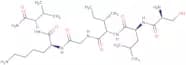
CAS:<p>Please enquire for more information about H-Met-Ala-OH formiate salt including the price, delivery time and more detailed product information at the technical inquiry form on this page</p>Formula:C8H16N2O3SPurity:Min. 95%Molecular weight:220.29 g/molPAR-2 (1-6) amide (human) trifluoroacetate salt
CAS:<p>PAR-2 (1-6) amide (human) trifluoroacetate salt H-Ser-Leu-Ile-Gly-Lys-Val-NH2 trifluoroacetate salt is a protease inhibitor that inhibits the activity of PAR2, a protein receptor. PAR2 is implicated in cancer and inflammation. It has been shown to inhibit growth factor signaling, as well as activate toll-like receptor 4 and other inflammatory pathways. PAR2 inhibition has also been studied in vivo and found to be effective in treating wild type mice with melanoma cells. In vitro studies have shown that PAR2 inhibition by PAR 2 (1-6) amide (human) trifluoroacetate salt H-Ser-Leu-Ile-Gly-Lys-Val NH2 trifluoroacetate salt blocks the production of tumour necrosis factor alpha and interleukin 6.</p>Formula:C28H54N8O7Purity:Min. 95%Molecular weight:614.78 g/molZ-Homocit-OH
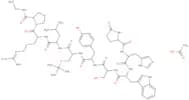
CAS:<p>Please enquire for more information about Z-Homocit-OH including the price, delivery time and more detailed product information at the technical inquiry form on this page</p>Formula:C15H21N3O5Purity:Min. 95%Molecular weight:323.34 g/mol(Des-Gly10,D-Pyr 1,D-Ser(tBu)6,Pro-NHEt 9)-LHRH acetate salt
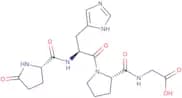
Controlled Product<p>Please enquire for more information about (Des-Gly10,D-Pyr 1,D-Ser(tBu)6,Pro-NHEt 9)-LHRH acetate salt including the price, delivery time and more detailed product information at the technical inquiry form on this page</p>Formula:C60H86N16O13Purity:Min. 95%Molecular weight:1,239.42 g/molTRH-Gly
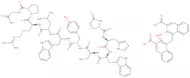
CAS:<p>TRH-Gly Pyr-His-Pro-Gly-OH is a synthetic glucocorticoid that binds to the glucocorticoid receptor. It has been shown to be effective in inhibiting tumor growth and reducing the size of tumors in rats. TRH-Gly Pyr-His-Pro-Gly-OH has also been shown to reduce the release of calcium from intracellular stores, inhibit the biosynthesis of messenger RNA, and inhibit DNA synthesis in human tumor cells. It is used to treat patients with cancer and those with chronic obstructive pulmonary disease (COPD).</p>Formula:C18H24N6O6Purity:Min. 95%Molecular weight:420.42 g/mol(D-Trp6)-LHRH pamoate salt
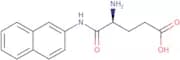
CAS:<p>The hormone LHRH is a decapeptide that stimulates the production of gonadotropins, which stimulate the synthesis and release of sex hormones. LHRH has been used for the treatment of prostate cancer. It can be administered in the form of a long-acting ester formulation, such as the pamoate salt (Pyr-His-Trp-Ser-Tyr-D-Trp-Leu-Arg-Pro-Gly), or as an analog, such as triptorelin acetate. The analogs are more potent than LHRH and have greater efficacy in preventing tumor growth and inducing regression. Analogs may be administered in microcapsules for extended release or orally to provide higher levels of drug at target sites. The ester linkages between amino acids allow for a sustained release of LHRH over time. These esters are hydrolyzed by enzymes present in plasma and tissues, releasing active LHRH into circulation that binds</p>Formula:C64H82N18O13·xC23H16O6Purity:Min. 95%Molecular weight:1,311.45 g/molH-Glu-bNA
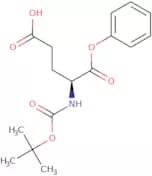
CAS:<p>H-Glu-bNA is a synthetic peptide that has been shown to have aminopeptidase activity. H-Glu-bNA has been used as a marker for the presence of proteolytic bacteria in milk and cheese products. The enzyme hydrolyzes peptides at the carboxyl terminal end of amino acids, releasing them from protein molecules. It is also used to study the action of proteases on casein, which are enzymes that break down the proteins found in milk. The enzyme can be assayed in vitro using lactococci or other bacterial cells. This product is not intended for use as an antibiotic or antimicrobial agent and should not be taken internally.</p>Formula:C15H16N2O3Purity:Min. 95%Molecular weight:272.3 g/molBoc-Glu-phenyl ester
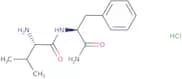
CAS:<p>Boc-Glu-phenyl ester is an inhibitor of bacterial protein synthesis. It was first synthesized as a synthetic substrate for the enzyme staphylococcal protease and has been shown to be active against both human and staphylococcal cells, with activity against strains resistant to other antibiotics. Boc-Glu-phenyl ester inhibits the synthesis of proteins by binding to the catalytic site of the enzyme and preventing formation of peptide bonds. This inhibition leads to cell death due to a lack of critical proteins required for cellular function. Boc-Glu-phenyl ester is also specific for staphylococci, which may be due to its ability to inhibit the production of epidermolytic exotoxins.</p>Formula:C16H21NO6Purity:Min. 95%Molecular weight:323.34 g/molH-Val-Phe-NH2·HCl
CAS:<p>Please enquire for more information about H-Val-Phe-NH2·HCl including the price, delivery time and more detailed product information at the technical inquiry form on this page</p>Formula:C14H21N3O2·HClPurity:Min. 95%Molecular weight:299.8 g/molBrain-Binding Peptide
CAS:<p>Please enquire for more information about Brain-Binding Peptide including the price, delivery time and more detailed product information at the technical inquiry form on this page</p>Formula:C37H64N12O14S2Purity:Min. 95%Molecular weight:965.11 g/molH-Phe-Ala-Arg-Lys-Gly-Ala-Leu-Arg-Gln-OH
CAS:<p>Please enquire for more information about H-Phe-Ala-Arg-Lys-Gly-Ala-Leu-Arg-Gln-OH including the price, delivery time and more detailed product information at the technical inquiry form on this page</p>Formula:C46H79N17O11Purity:Min. 95%Molecular weight:1,046.23 g/molHCV-1 e2 Protein (484-499)
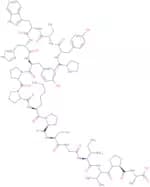
CAS:<p>The HCV-1 e2 protein (484-499) is a peptide that is a fragment of the HCV-1 e2 protein. It has been shown to be neuroprotective in vitro and in vivo, by inhibiting the production of reactive oxygen species and reducing cell death. The HCV-1 e2 protein (484-499) is also able to inhibit inflammatory responses in human pancreatic cells and fibrosis in autoimmune disease models. This peptide could be used as prophylaxis or treatment for neurodegenerative disease, pancreatic cancer, infectious diseases, autoimmune diseases, or fibrotic diseases.</p>Formula:C88H122N20O19S2Purity:Min. 95%Molecular weight:1,828.17 g/mol5-(H-Gly-Pro-Gly-Pro-amido)-9-[di-(3-sulfonylpropyl)amino]-benzo[a]phenoxazonium perchlorate
CAS:<p>Please enquire for more information about 5-(H-Gly-Pro-Gly-Pro-amido)-9-[di-(3-sulfonylpropyl)amino]-benzo[a]phenoxazonium perchlorate including the price, delivery time and more detailed product information at the technical inquiry form on this page</p>Formula:C36H42N7O11S2Purity:Min. 95%Molecular weight:812.89 g/molLeu-Enkephalin amide acetate salt
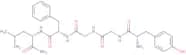
CAS:<p>Leu-Enkephalin amide acetate salt H-Tyr-Gly-Gly-Phe-Leu-NH2 acetate salt is a peptide that is used as an analgesic and antipyretic drug. It is a synthetic form of endogenous enkephalins, which are natural pain relievers. The chemical stability of Leu-Enkephalin amide acetate salt H-Tyr-Gly-Gly-Phe-Leu-NH2 acetate salt makes it an effective drug for chronic use, and it has been shown to have a low side effect profile. This compound also has been shown to block the synthesis of histamine in vivo, but its bioavailability in vivo is not high due to its rapid degradation by proteases.</p>Formula:C28H38N6O6Purity:Min. 95%Color and Shape:PowderMolecular weight:554.64 g/molCys-Gly-Lys-Lys-Gly-Amyloid b-Protein (35-40) trifluoroacetate salt
CAS:<p>Please enquire for more information about Cys-Gly-Lys-Lys-Gly-Amyloid b-Protein (35-40) trifluoroacetate salt including the price, delivery time and more detailed product information at the technical inquiry form on this page</p>Formula:C43H79N13O12S2Purity:Min. 95%Molecular weight:1,034.3 g/molH-Ala-Ala-pNA hydrochloride salt
CAS:<p>Please enquire for more information about H-Ala-Ala-pNA hydrochloride salt including the price, delivery time and more detailed product information at the technical inquiry form on this page</p>Formula:C12H16N4O4Purity:Min. 95%Molecular weight:280.28 g/molpTH (1-38) (human)
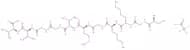
CAS:<p>Please enquire for more information about pTH (1-38) (human) including the price, delivery time and more detailed product information at the technical inquiry form on this page</p>Formula:C197H319N59O55S2Purity:Min. 95%Molecular weight:4,458.14 g/molZ-Ala-Ser-OMe
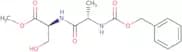
CAS:<p>Z-Ala-Ser-OMe is a peptide that is produced by catalyzed amide bond formation between the carboxylic acid group of Z-Ala and the amino group of Ser. This peptide has been shown to have a molecular weight of 564.2 and a melting point of 139°C. The peptides are coupled by d-amino acid residues to form chains, which are then esterified with acyl groups to yield Z-Ala-Ser-OMe.</p>Formula:C15H20N2O6Purity:Min. 95%Molecular weight:324.33 g/molHIV Protease Substrate VIII
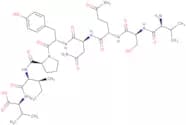
CAS:<p>HIV Protease Substrate VIII is a peptide that belongs to the HIV protease family. It is an active site residue of the HIV protease and has been shown to be essential for catalysis. The substrate binds to the aspartyl-proline termini, which are critical in preventing spontaneous hydrolysis of the amide bond. This peptide has also been used as an active analog to study HIV protease activity and as a model for developing new drugs with improved specificity and stability.</p>Formula:C42H66N10O13Purity:Min. 95%Molecular weight:919.03 g/molNeuronostatin-19 (human, canine, porcine) trifluoroacetate salt
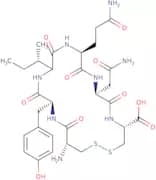
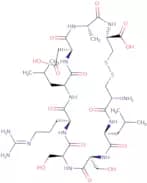
<p>Please enquire for more information about Neuronostatin-19 (human, canine, porcine) trifluoroacetate salt including the price, delivery time and more detailed product information at the technical inquiry form on this page</p>Formula:C90H151N29O25Purity:Min. 95%Molecular weight:2,039.34 g/mol(Ile3)-Pressinoic acid
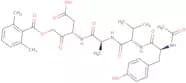
CAS:<p>Ile3-pressinoic acid is an amide that is structurally similar to gamma-aminobutyric acid. It has dose-dependent effects on fatty acid synthesis and redox potential. Ile3-pressinoic acid is a leishmania molecule that can be used as a diagnostic agent for the disease, as well as a potential treatment in cell culture and animal models. It also has been shown to have receptor activity on peptide hormones, including oxytocin receptors.</p>Formula:C30H44N8O10S2Purity:Min. 95%Molecular weight:740.85 g/molAc-Tyr-Val-Ala-Asp-2,6-dimethylbenzoyloxymethylketone
CAS:<p>Ac-Tyr-Val-Ala-Asp-2,6-dimethylbenzoyloxymethylketone is a potent transcriptional regulator that can be used to treat breast cancer. Ac-Tyr-Val-Ala-Asp-2,6-dimethylbenzoyloxymethylketone binds to estrogen receptor and prevents the binding of estrogen to its receptor. This leads to the death of cancer cells by inhibiting the function of bcl family proteins. Acetylation of this compound at C8, C10, and C17 positions increases its potency in vivo. In addition, Acetylated TAVADM can inhibit pancreatic cancer cell growth by activating signal transducer and activator of transcription 3 (STAT3) and inhibiting the activity of bcl family proteins such as BCL2 and BCLXL. Acetylated TAVADM has also been shown to have antiapoptotic</p>Formula:C33H42N4O10Purity:Min. 95%Molecular weight:654.71 g/molGalanin Message Associated Peptide (25-41) amide
CAS:<p>Please enquire for more information about Galanin Message Associated Peptide (25-41) amide including the price, delivery time and more detailed product information at the technical inquiry form on this page</p>Formula:C90H143N21O22SPurity:Min. 95%Molecular weight:1,903.29 g/molZ-Lys(Boc)-Leu-OMe
CAS:<p>Please enquire for more information about Z-Lys(Boc)-Leu-OMe including the price, delivery time and more detailed product information at the technical inquiry form on this page</p>Formula:C26H41N3O7Purity:Min. 95%Molecular weight:507.62 g/mol(Des-Leu9)-Kinetensin
CAS:<p>(Des-Leu9)-Kinetensin H-Ile-Ala-Arg-Arg-His-Pro-Tyr-Phe-OH is an analog of kinetensin, a peptide hormone that stimulates pancreatic exocrine secretions. (Des-Leu9)-Kinetensin H-Ile-Ala-Arg-Arg-His-Pro-Tyr-Phe has been shown to have a specific interaction with the albumin protein, which is the major plasma protein in humans. This peptide can inhibit protein synthesis and may be used as a treatment for chronic renal failure, cystic fibrosis, malignant hypertension, and other conditions. The sequence of this peptide is homologous to the sequence of human kinetensin. Electron microscopic analysis showed that it has a hydrophobic side chain and an amphipathic structure.</p>Formula:C50H74N16O10Purity:Min. 95%Molecular weight:1,059.22 g/molNeurotensin acetate salt Pyr-Leu-Tyr-Glu-Asn-Lys-Pro-Arg-Arg-Pro-Tyr-Ile-Leu-OH acetate salt
CAS:<p>Neurotensin is a peptide hormone that regulates the release of other hormones and neurotransmitters, such as dopamine. It has been shown to be able to regulate appetite and bowel disease in animal models. Neurotensin acetate salt Pyr-Leu-Tyr-Glu-Asn-Lys-Pro-Arg-Arg-Pro-Tyr-Ile-Leu-OH acetate salt is a neurotensin molecule with an acetate group attached to it. This molecule is completely soluble in water and has been shown to have no effect on energy metabolism or polymerase chain reactions.</p>Formula:C78H121N21O20Purity:Min. 95%Molecular weight:1,672.92 g/molGalanin Message Associated Peptide (16-41) amide
CAS:<p>Please enquire for more information about Galanin Message Associated Peptide (16-41) amide including the price, delivery time and more detailed product information at the technical inquiry form on this page</p>Formula:C134H219N35O37SPurity:Min. 95%Molecular weight:2,944.45 g/molAmyloid Precursor Frameshift Mutant C-Terminal Peptide trifluoroacetate salt
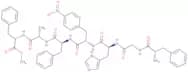
CAS:<p>Please enquire for more information about Amyloid Precursor Frameshift Mutant C-Terminal Peptide trifluoroacetate salt including the price, delivery time and more detailed product information at the technical inquiry form on this page</p>Formula:C44H81N17O16Purity:Min. 95%Molecular weight:1,104.22 g/molH-Phe-Gly-His-p-nitro-Phe-Phe-Ala-Phe-OMe
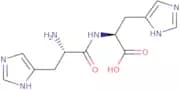
CAS:<p>H-Phe-Gly-His-p-nitro-Phe-Phe-Ala-Phe-OMe is a protonated amino acid. It has been shown to have a high affinity for the histidine subsite of human thrombin. This compound has been found to have a kinetic rate of hydrolysis that is competitive with that of aspartic acid, but slower than that of valine. H-Phe-Gly-His-p-nitro-Phe--Phe--Ala--Phe--OMe also functions as an anticoagulant and inhibits clotting by inhibiting the conversion of fibrinogen to fibrin.</p>Formula:C48H54N10O10Purity:Min. 95%Molecular weight:931 g/molH-His-His-OH trifluoroacetate salt
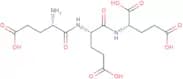
CAS:<p>H-His-His-OH trifluoroacetate salt is a compound that has been extensively studied for its potential use in antimicrobial peptides. It is a small molecule that inhibits the activity of enzymes by binding to a specific region on the enzyme's surface, thereby preventing the progression of an essential chemical reaction. H-His-His-OH trifluoroacetate salt has been shown to inhibit protein synthesis in bacteria and yeast cells, as well as in model systems. The inhibition of protein synthesis may be due to hydrogen bonding between the hydroxyl group on His and the amino groups on His. H-His-His-OH trifluoroacetate salt also has an inhibitory effect on enzymes catalysis and can enhance their activity when used with another substrate.</p>Formula:C12H16N6O3Purity:Min. 95%Molecular weight:292.29 g/molH-Glu-Glu-Glu-OH
CAS:<p>H-Glu-Glu-Glu-OH is an amino acid sequence that has been shown to have low toxicity and a high therapeutic index. It is a carboxyl group containing oligopeptide, which can be used as a treatment agent for various conditions. H-Glu-Glu-Glu-OH has an amino group and acidic side chain at the COOH terminus, which is responsible for its protonated form. This protonated form of H-Glu-Glu-Glu-OH binds to the follicle cells in the ovaries, inhibiting them from releasing eggs. The carboxyl terminus of H-Glu-Glu-Glgol OH is deprotonated, which allows it to bind to the cell membrane surface of cancer cells and inhibit their growth by interfering with protein synthesis.</p>Formula:C15H23N3O10Purity:Min. 95%Molecular weight:405.36 g/molSomatostatin-14 (7-14) trifluoroacetate salt
CAS:<p>Please enquire for more information about Somatostatin-14 (7-14) trifluoroacetate salt including the price, delivery time and more detailed product information at the technical inquiry form on this page</p>Formula:C49H66N10O12SPurity:Min. 95%Molecular weight:1,019.17 g/mol(Nle 35)-Amyloid b-Protein (1-42) ammonium salt
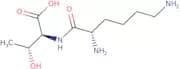
CAS:<p>Please enquire for more information about (Nle 35)-Amyloid b-Protein (1-42) ammonium salt including the price, delivery time and more detailed product information at the technical inquiry form on this page</p>Formula:C204H313N55O60Purity:Min. 95%Molecular weight:4,496 g/molH-Lys-Thr-OH hydrochloride salt
CAS:<p>H-Lys-Thr-OH hydrochloride salt is a synthetic amino acid that has been used in the synthesis of a cyclic peptide. The synthesis was achieved by metathesis reactions, which involved the reaction of an acid chloride with a chiral amine to form an ester. H-Lys-Thr-OH hydrochloride salt has been shown to have high binding constants to its targets and can be used as a selective reagent for the synthesis of virus proteins. It is also able to bind to carboxylate groups, which are common in wild type viruses and gene products. This reagent also has cleavage products, which can be used for efficient method for synthesizing cyclic peptides.</p>Formula:C10H21N3O4Purity:Min. 95%Molecular weight:247.29 g/molγ-L-Glutamyl-α-naphthylamide monohydrate
CAS:<p>Gamma-L-glutamyl-alpha-naphthylamide is an enzyme that catalyzes the conversion of L-glutamic acid to L-glutamate. It is expressed in red blood cells, human liver, and human serum. Gamma-L-glutamyl-alpha-naphthylamide has been shown to have various specificities for different tissues and isoenzymes. This enzyme also has immunoassay procedures that are used to detect it in tissues or cells. These assays use monoclonal antibodies or solubilized gamma-L-glutamyl-alpha-naphthylamide molecules as detection agents.</p>Formula:C15H16N2O3•H2OPurity:Min. 95%Color and Shape:PowderMolecular weight:290.31 g/molBoc-15-amino-4,7,10,13-tetraoxapentadecanoic acid
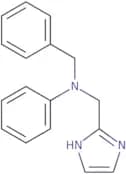
CAS:<p>Boc-15-amino-4,7,10,13-tetraoxapentadecanoic acid is a PEG compound with two different functional groups (also known as heterobifunctional). Unlike homobifunctional PEG compounds (same functional group on both ends), this type of compounds are more versatile as have two different anchor points. Boc-15-amino-4,7,10,13-tetraoxapentadecanoic acid is used as a linker and spacer to add a PEG moiety, via pegylation (a bioconjugation technique) to proteins, peptides, oligonucleotides, small molecules and nanoparticles.</p>Formula:C16H31NO8Purity:Min. 95%Molecular weight:365.42 g/mol2-(N-Phenyl-N-benzyl-aminomethyl)-imidazol
CAS:<p>Please enquire for more information about 2-(N-Phenyl-N-benzyl-aminomethyl)-imidazol including the price, delivery time and more detailed product information at the technical inquiry form on this page</p>Formula:C17H17N3Purity:Min. 95%Molecular weight:263.34 g/molFmoc-Gln(Mtt)-OPfp
CAS:<p>Please enquire for more information about Fmoc-Gln(Mtt)-OPfp including the price, delivery time and more detailed product information at the technical inquiry form on this page</p>Formula:C46H35F5N2O5Purity:Min. 95%Molecular weight:790.77 g/molFmoc-Gly-Wang resin (100-200 mesh)
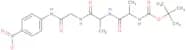
<p>Please enquire for more information about Fmoc-Gly-Wang resin (100-200 mesh) including the price, delivery time and more detailed product information at the technical inquiry form on this page</p>Purity:Min. 95%Boc-Ala-Ala-Gly-pNA
CAS:<p>Boc-Ala-Ala-Gly-pNA is a peptide that has been synthesized using the Fmoc/tBu strategy. It has an acidic pH, and its proteolytic activity can be enhanced by the addition of chromogenic or fluorogenic substrates. Boc-Ala-Ala-Gly-pNA is used as a substrate in fingerprint analysis and can be used to identify bacteria such as Proteus mirabilis, Pseudomonas aeruginosa, and Bacillus cereus. This peptide can also be used to identify strains of Escherichia coli, Enterococci, Staphylococci, Streptococci, and Haemophilus influenzae.</p>Formula:C19H27N5O7Purity:Min. 95%Color and Shape:PowderMolecular weight:437.45 g/molBQ-123 Cyclo(-D-Trp-D-Asp-Pro-D-Val-Leu)
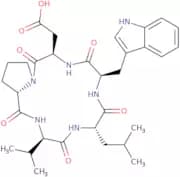
CAS:<p>BQ-123 is a cyclic peptide that has been shown to have a binding affinity for the serotonin receptor. The binding of BQ-123 to the receptor leads to a reduction in intracellular calcium concentration, which may be due to the inhibition of serine protease activity. This agent also inhibits the production of tumour necrosis factor-α (TNF-α) and has an inhibitory effect on cardiac contractility.</p>Formula:C31H42N6O7Purity:Min. 95%Molecular weight:610.7 g/molBoc-D-Cys(NPys)-OH
CAS:<p>Please enquire for more information about Boc-D-Cys(NPys)-OH including the price, delivery time and more detailed product information at the technical inquiry form on this page</p>Formula:C13H17N3O6S2Purity:Min. 95%Molecular weight:375.42 g/molH-Gly-Arg-Gly-Asp-Ser-Cys-OH trifluoroacetate salt
CAS:<p>H-Gly-Arg-Gly-Asp-Ser-Cys-OH trifluoroacetate salt is a photoelectron that binds to the integrin receptor. It has been shown that H-Gly-Arg-Gly-Asp-Ser-Cys-OH trifluoroacetate salt can inhibit protein synthesis in mesenchymal stromal cells. H Gly Arg Gly Asp Ser Cys OH trifluoroacetate salt can also be used as a reagent to determine the presence of amide bonds and to identify proteins. This compound may have biotechnological applications due to its biochemical properties.</p>Formula:C20H35N9O10SPurity:Min. 95%Molecular weight:593.61 g/molAmyloid β/A4 Protein Precursor770 (740-770) trifluoroacetate salt
CAS:<p>Please enquire for more information about Amyloid beta/A4 Protein Precursor770 (740-770) trifluoroacetate salt including the price, delivery time and more detailed product information at the technical inquiry form on this page</p>Formula:C162H243N45O52S2Purity:Min. 95%Molecular weight:3,717.07 g/molH-Ser-Leu-Ser-Leu-Ser-Pro-Gly-OH trifluoroacetate salt
CAS:<p>Please enquire for more information about H-Ser-Leu-Ser-Leu-Ser-Pro-Gly-OH trifluoroacetate salt including the price, delivery time and more detailed product information at the technical inquiry form on this page</p>Formula:C28H49N7O11Purity:Min. 95%Molecular weight:659.73 g/molAc-Lys-Ala-bNA
CAS:<p>Please enquire for more information about Ac-Lys-Ala-bNA including the price, delivery time and more detailed product information at the technical inquiry form on this page</p>Formula:C21H28N4O3Purity:Min. 95%Molecular weight:384.47 g/mol




![5-(H-Gly-Pro-Gly-Pro-amido)-9-[di-(3-sulfonylpropyl)amino]-benzo[a]phenoxazonium perchlorate](/_next/image/?url=https%3A%2Fstatic.cymitquimica.com%2Fproducts%2F3D%2Fthumb-webp%2FFG110995.webp&w=3840&q=75)