Amino Acids (AA)
Subcategories of "Amino Acids (AA)"
- Amino Acid Derivatives(4,017 products)
- Amino Acid and Amino Acid Related Compounds(3,491 products)
- Amino Acids with Oxygen or Sulphur(168 products)
- Boc- Amino Acids(351 products)
- Fmoc Amino Acids(1,710 products)
Found 38385 products of "Amino Acids (AA)"
N3-Orn(Boc) cyclohexylamine
CAS:N3-Orn(Boc) cyclohexylamine is a chemical intermediate that is used in the synthesis of complex compounds. It can be used as a building block or an intermediate in the synthesis of many fine chemicals, such as pharmaceuticals, agrochemicals, and fragrances. N3-Orn(Boc) cyclohexylamine is also used in reactions involving amines and alcohols to produce useful scaffolds. This chemical product has been shown to be safe for human use with no significant adverse side effects at doses up to 100mg/kg body weight.
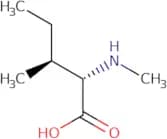
Formula:C10H18N4O4•C6H13NPurity:Min. 95%Color and Shape:PowderMolecular weight:357.4 g/molN-Methyl-L-isoleucine hydrochloride
CAS:N-Methyl-L-isoleucine hydrochloride is a molecule that has been found to have significant cytotoxicity against cancer cells. It has also been shown to inhibit the growth of Molt-4 and MCF-7 cells, both of which are human tumor cell lines. The molecular structure of N-Methyl-L-isoleucine hydrochloride is similar to that of L-isoleucine, but with an additional methyl group. Analysis by gas chromatography/mass spectroscopy revealed no other significant peaks in the nmr spectra. This compound may be a promising lead for developing new drugs for the treatment of cancer.
Formula:C7H15NO2·HClPurity:Min. 95%Color and Shape:PowderMolecular weight:181.66 g/molRef: 3D-FM47457
Discontinued product1-(3-Methylphenyl)ethanol
CAS:1-(3-Methylphenyl)ethanol is an organic compound that has a hydroxyl group, homochiral carbonyl group, and aromatic hydrocarbon. It is a product of the catalysed reaction between a hydroxyl compound and an alkyne molecule. The reaction mechanism begins with the formation of an imine intermediate. This intermediate then undergoes a double displacement to form the desired product and regenerate the catalyst. 1-(3-Methylphenyl)ethanol can be used as a building block for other organic compounds, such as epoxides or esters.
Formula:C9H12OPurity:Min. 95%Color and Shape:Clear LiquidMolecular weight:136.19 g/molRef: 3D-FM66949
Discontinued productDL-Asparagine monohydrate
CAS:DL-Asparagine monohydrate is a white crystalline powder that is soluble in water. It has been used as a building block for the synthesis of various compounds and as a reaction component in chemical research.
Formula:C4H10N2O4Molecular weight:150.14 g/molRef: 3D-A-9020
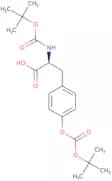
Discontinued productN,O-Bis-Boc-L-tyrosine
CAS:N,O-Bis-Boc-L-tyrosine is a synthetic protease inhibitor that is a diastereomer of the natural substrate tyrosine. It binds to the active site of the enzyme and prevents it from cleaving peptide bonds. N,O-Bis-Boc-L-tyrosine has been shown to inhibit proteolytic activity in vitro and in vivo, specifically targeting proteases such as trypsin, chymotrypsin, elastase, cathepsin G, and thrombin. The analogues show specific interaction with various glycoconjugates and have been used to synthesize tripeptides and peptidomimetics for use as drugs against cancer. Dermorphin is an opioid peptide derived from the N,O-bis Boc L tyrosine analogue that is able to interact with receptors on neurons in the brain.
Formula:C19H27NO7Purity:Min. 95%Color and Shape:SolidMolecular weight:381.42 g/molRef: 3D-FB48398
Discontinued productL-Alanine-β-naphthylamide
CAS:L-alanine-β-naphthylamide is an amino acid that is synthesized by the action of β-Naphtholactamase on l-alanine. It is used as a substrate for enzyme studies and to determine the uptake of substances by cells. L-Alanine-β-naphthylamide has been shown to inhibit the activity of some enzymes, such as aminopeptidases and peptidases. The inhibition may be due to its ability to bind to lysine residues in the active site of these enzymes. This amino acid also inhibits the growth of bacteria at neutral pH and has a bacteriostatic effect at a pH range from 4.5 to 5.5.
Formula:C13H14N2OPurity:Min. 95%Color and Shape:PowderMolecular weight:214.26 g/molRef: 3D-FA66171
Discontinued productD-tert-Leucine methyl ester hydrochloride
CAS:Ab-fubinaca is a synthetic cannabinoid that is a potent agonist of the CB2 receptor and a weak agonist at the CB1 receptor. It has been shown to be an effective analgesic in animal models of pain, similarly to other synthetic cannabinoids. Ab-fubinaca has also been shown to have anti-inflammatory effects in mice by inhibiting the production of cytokines such as tumor necrosis factor alpha (TNF-α) and interleukin 1 beta (IL-1β). Ab-fubinaca is structurally similar to D-tert-leucine methyl ester hydrochloride, which is an amino acid derivative that acts as a pharmacological chaperone.
Formula:C7H16ClNO2Purity:Min 96%Color and Shape:White PowderMolecular weight:181.66 g/molRef: 3D-FD30967
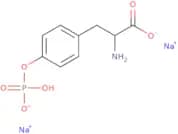
Discontinued productPhospho-L-tyrosine disodium
CAS:Phospho-L-tyrosine disodium is a versatile building block that has many different uses in research. It is used as a reagent for the synthesis of other chemicals, such as vitamins, drugs and pesticides. The compound can be used to make high quality, useful intermediates for chemical reactions or as a reaction component. Phospho-L-tyrosine disodium is a speciality chemical that can be used in the production of many complex compounds. This product also has CAS number 1610350-91-8.
Formula:C9H10NNa2O6PPurity:Min. 95%Color and Shape:White PowderMolecular weight:305.13 g/molRef: 3D-FP180928
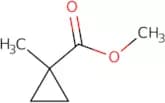
Discontinued productMethyl 1-methylcyclopropane-1-carboxylate
CAS:Please enquire for more information about Methyl 1-methylcyclopropane-1-carboxylate including the price, delivery time and more detailed product information at the technical inquiry form on this page
Formula:C6H10O2Purity:Min. 95%Molecular weight:114.14 g/molRef: 3D-FM75913
Discontinued productN-Amino-D-proline
CAS:N-Amino-D-proline is a hydrogen bond donor that has phytotoxic properties. It is synthesized from the reaction of ethanolamine, sulfoxide, and hydrochloric acid in the presence of lysine residues. N-Amino-D-proline may be used to treat death due to tissue injury or degeneration. The compound can also be used in chromatographic techniques as a hydrogen bond acceptor.
Formula:C5H10N2O2Purity:Min. 95%Color and Shape:PowderMolecular weight:130.15 g/mol1-Palmitoyl-rac-glycerol
CAS:1-Palmitoyl-rac-glycerol is a fatty acid that contains nitrogen atoms. It has hypoglycemic effects and is used to treat metabolic disorders. 1-Palmitoyl-rac-glycerol has been shown to have a protective effect on the liver by decreasing the levels of triglycerides in the blood and preventing lipid peroxidation. It also improves glucose metabolism and insulin sensitivity. 1-Palmitoyl-rac-glycerol is an important component of biological membranes, where it forms a hydrophobic region that helps maintain membrane structure. This compound also has hemolytic activity, which may be due to its ability to bind with phospholipids or cell membranes, leading to changes in their permeability or stability. The stability of 1-palmitoyl-rac glycerol can be tested by adding reagents such as sodium nitrite or potassium permanganate, which will cause a color change from yellow to brown if it reacts
Formula:C19H38O4Purity:Min. 95%Color and Shape:PowderMolecular weight:330.5 g/molRef: 3D-FP26736
Discontinued productD-Valine
CAS:D-Valine is a non-essential amino acid that is synthesized from 2-oxoglutarate and glutamine. D-Valine has been shown to be an intermediate in microbial metabolism, where it is converted to L-valine by the enzyme d-amino acid oxidase. It has also been shown to have antihypertensive properties in rat models of hypertension. The synthesis of D-valine from glucose can occur through two different pathways: one involves the conversion of L-glutamic acid to L-alanine then to pyruvic acid, which is then converted to L-lactate and then d-malic acid; the other pathway involves the conversion of L-glutamate to citric acid, which can then be converted into succinic acid and eventually d-malic acid. Structural analysis has revealed that D-valine contains a hydrogen bond between its carboxyl group and nitrogen atom in a neighboring molecule. This hydrogen
Formula:C5H11NO2Purity:Min. 95%Color and Shape:White PowderMolecular weight:117.15 g/molN-[6-Chloro-5-(2-methoxyphenoxy)-(2,2-bipyrimidine)4-4-yl]-(1,1-dimethylethyl)-benzenesulfonamide
CAS:N-[6-Chloro-5-(2-methoxyphenoxy)-(2,2-bipyrimidine)4-4-yl]-(1,1-dimethylethyl)-benzenesulfonamide is a reagent that can be used as a reaction component in the synthesis of complex compounds. It has high quality and is a versatile building block for the synthesis of speciality chemicals. N-[6-Chloro-5-(2-methoxyphenoxy)-(2,2-bipyrimidine)4-4-yl]-(1,1-dimethylethyl)-benzenesulfonamide is also a useful intermediate in the synthesis of fine chemicals.
Formula:C25H24ClN5O4SPurity:Min. 95%Color and Shape:White PowderMolecular weight:526.01 g/molRef: 3D-FC20113
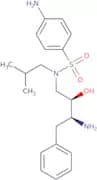
Discontinued product4-Amino-N-((2R,3S)-3-amino-2-hydroxy-4-phenylbutyl)-N-ispobutylbenzenesulfonamide
CAS:4-Amino-N-((2R,3S)-3-amino-2-hydroxy-4-phenylbutyl)-N-isobutylbenzenesulfonamide is an amide that is used to treat HIV infections. It has been shown to have potent anti-viral activity against HIV infected cells in the laboratory and can inhibit the replication of HIV by interfering with the virus's ability to use the reverse transcriptase enzyme. 4ABAB has been shown to bind to the enzyme ribonuclease H (crth2), which is responsible for breaking down viral RNA. This binding prevents crth2 from cleaving viral RNA, thus inhibiting DNA synthesis and preventing cell death. 4ABAB also interferes with a hydrogen bond between ethyl group and the hydroxyl group on crth2, leading to a decrease in activity.
Formula:C20H29N3O3SPurity:Min. 95%Color and Shape:White PowderMolecular weight:391.53 g/molRef: 3D-FA58013
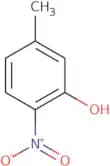
Discontinued product5-Methyl-2-nitrophenol
CAS:5-Methyl-2-nitrophenol is a phytotoxic chemical that is used as a synthetic intermediate in organic chemistry. It has been shown to have a high bioconcentration factor and can be found in wastewater. The major use of 5-methyl-2-nitrophenol is the synthesis of 2,4,6-trinitrophenylhydrazine (TNP) which is used as an analytical reagent for the determination of nitrates. The reaction mechanism of 5-methyl-2-nitrophenol involves intramolecular hydrogen transfer from the methylene group to the nitro group and subsequent elimination of HCl. This reaction product can be found by using analytical methods such as gas chromatography, mass spectrometry, or nuclear magnetic resonance spectroscopy. Functional groups on the reactant include phenols and nitro groups with the following endpoints: hydrochloric acid (HCl), kinetic method, and vapor pressure
Formula:C7H7NO3Purity:Min. 95%Color and Shape:PowderMolecular weight:153.14 g/molRef: 3D-FM70455
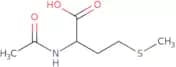
Discontinued productN-Acetyl-DL-methionine
CAS:N-Acetyl-DL-methionine is an amide of the amino acid methionine and acetyl coenzyme A. It has a number of biological properties including being a precursor to protein synthesis, a regulator of fatty acid metabolism, and an inhibitor of glutamate pyruvate transaminase. It can be found in bacterial strains as well as in human serum. N-Acetyl-DL-methionine is synthesized by the reaction of methylamine with acetyl coenzyme A in the presence of ammonia or other nitrogenous bases. The chemical structure of this compound consists of two nitrogen atoms and an acetyl group bonded to a carbon atom that is attached to a methyl group and another carbon atom that forms part of an amide bond with the amino acid methionine. This molecule has been observed using nmr spectroscopic data to form hydrogen bonds with proteins.
Formula:C7H13NO3SPurity:Min. 95%Color and Shape:PowderMolecular weight:191.25 g/molRef: 3D-FA10863
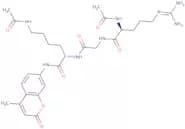
Discontinued productAc-Arg-Gly-Lys(Ac)-AMC trifluoroacetate salt
CAS:Ac-Arg-Gly-Lys(Ac)-AMC is a potent apoptotic agent that induces the apoptosis of cancer cells by binding to the caspase-9, which is an enzyme that initiates the process of apoptosis. Ac-Arg-Gly-Lys(Ac)-AMC has been shown to inhibit the growth of cancer cells in cell culture and also shows potent antitumor activity against MDA-MB-231 breast cancer cells. This drug can be used as a potential therapeutic agent for cancers such as colorectal, prostate, and pancreatic cancer. Ac-Arg-Gly-Lys(Ac)-AMC is also able to induce apoptosis in human leukemia cells and may have a potential role in therapy for acute myelogenous leukemia (AML).
Formula:C28H40N8O7•C2HF3O2Purity:Min. 98 Area-%Color and Shape:PowderMolecular weight:714.69 g/molRef: 3D-FA110598
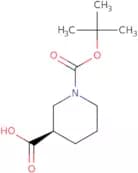
Discontinued productN-Boc-(R)-Nipecotic acid
CAS:N-Boc-(R)-Nipecotic acid is a synthetic compound that is used in the treatment of lymphocytic leukemia, chronic lymphocytic leukemia, and other types of cancer. It is a dry powder that can be taken orally or subcutaneously. N-Boc-(R)-Nipecotic acid binds to p53 mutations and inhibits DNA synthesis. This drug has been shown to reduce the size of tumors in mice with subcutaneous tumors and has been found to be effective against leukemia cells in vitro. The development of this drug was rationalized on the basis of fluorescence profiles.
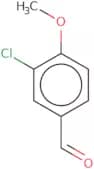
Formula:C11H19NO4Purity:Min. 95%Color and Shape:PowderMolecular weight:229.27 g/mol3-Chloro-4-methoxybenzaldehyde
CAS:3-Chloro-4-methoxybenzaldehyde is a chemical compound that belongs to the class of aromatic compounds. It is synthesized by reacting 3-chlorobenzaldehyde with methoxyacetone in a hydroxylation reaction. The asymmetric synthesis of 3-chloro-4-methoxybenzaldehyde was achieved by using a chiral auxiliary, which is an organic molecule that can be used to control the stereochemistry of other reactions. This product has high cytotoxicity and is able to cause melanogenesis (production of melanin) when applied to rat striatal membranes.
Formula:C8H7ClO2Purity:Min. 95%Color and Shape:PowderMolecular weight:170.59 g/molRef: 3D-FC70306
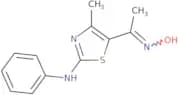
Discontinued product(3-((hydroxyimino)ethyl)-4-methyl(2,5-thiazolyl))phenylamine
CAS:Please enquire for more information about (3-((hydroxyimino)ethyl)-4-methyl(2,5-thiazolyl))phenylamine including the price, delivery time and more detailed product information at the technical inquiry form on this page
Formula:C12H13N3OSPurity:Min. 95%Color and Shape:Clear LiquidMolecular weight:247.32 g/molRef: 3D-FH169665
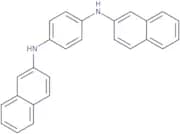
Discontinued productN,N'-Di-2-naphthyl-1,4-phenylenediamine
CAS:N,N'-Di-2-naphthyl-1,4-phenylenediamine is a chemical compound that is used in the production of polyvinyl chloride (PVC). It can be used as an antimicrobial agent to prevent the growth of bacteria and fungi. It is also used as a crosslinking agent in the production of PVC. The reaction solution consists of hydrochloric acid and methyl ethyl chloride. The monochloride is then reacted with 2-naphthol, followed by reaction with benzalkonium chloride. The final product is N,N'-di-(2-naphthyl)-1,4-(phenylene) diamine monochloride.
Formula:C26H20N2Purity:Min. 95 Area-%Color and Shape:PowderMolecular weight:360.45 g/molRef: 3D-FD62297
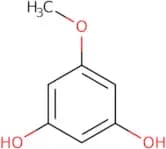
Discontinued product5-Methoxyresorcinol
CAS:5-Methoxyresorcinol is a plant product that has been shown to inhibit protein synthesis. It was found to have a second-order rate constant of 0.079 M-1s-1 at pH 7, which is much lower than the first order rate constant for urea hydrolysis (0.71 M-1s-1). 5-Methoxyresorcinol has also been shown to demethylate methyl glycosides and synthesize cell cultures. This product inhibits the replication of herpes simplex virus by inhibiting the synthesis of viral proteins in infected cells and blocking the maturation of progeny virus particles.
Formula:C7H8O3Purity:Min. 95%Color and Shape:Slightly Yellow PowderMolecular weight:140.14 g/molRef: 3D-FM61771
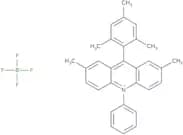
Discontinued product9-Mesityl-2,7-dimethyl-10-phenylacridinium tetrafluoroborate
CAS:9-Mesityl-2,7-dimethyl-10-phenylacridinium tetrafluoroborate is a versatile building block and reagent for organic synthesis. It is a fine chemical that is used in the production of research chemicals and speciality chemicals. 9-Mesityl-2,7-dimethyl-10-phenylacridinium tetrafluoroborate can be used as a reaction component to synthesize complex compounds with various functional groups. It has been reported to have high quality, being both useful and stable. CAS NO: 1621020-00-5Formula:C30H28BF4NColor and Shape:Yellow PowderMolecular weight:489.35 g/molRef: 3D-FM76605
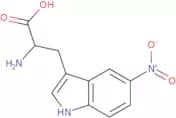
Discontinued product5-Nitro-DL-tryptophan
CAS:5-Nitro-DL-tryptophan is a synthetic amino acid that has been shown to inactivate tryptophan synthase, an enzyme involved in the biosynthesis of tryptophan. It binds to the active site of the enzyme and prevents it from carrying out its function. The affinity for 5-nitro-DL-tryptophan is very high and it has been shown that it is effective in inhibiting the enzyme at concentrations as low as 1 mM. This compound is also homodimeric, which means that it can bind two molecules of tryptophan synthase at once, leading to a quicker inhibition of this enzyme. 5-Nitro-DL-tryptophan also reacts with reactive oxygen species, such as superoxide radicals or hydrogen peroxide, and can be used to study reactions between these compounds and proteins.
5-Nitro-DL-tryptophan can be used to inhibit brain protein kinetics by blockingFormula:C11H11N3O4Purity:Min. 95%Color and Shape:Off-White To Yellow To Orange SolidMolecular weight:249.23 g/molRef: 3D-FN52266
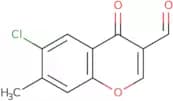
Discontinued product6-Chloro-7-methyl-3-formylchromone
CAS:6-Chloro-7-methyl-3-formylchromone is a magnetic nanoparticle that can be used in the detection of coordination compounds. The coordination compound is first reduced to form the corresponding phosphoryl complex, which is then detected by the change in color and intensity of the magnetic nanoparticles. This reaction is linear over a wide range of concentrations and pH values and does not require additional reagents or solvents. The colorimetric method for this reaction has been shown to be effective for detecting ursolic acid, zirconium, gold nanoparticles, and linear ranges.br>br>
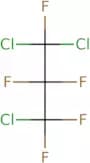
The phosphatase PTP1B enzyme is responsible for regulating glucose levels in cells. It has been shown that 6-chloro-7-methyl-3-formylchromone inhibits PTP1B activity by dephosphorylation at cysteine residues. This inhibition leads to increased glucose uptake and decreased insulin release from pancreatic beta cellsFormula:C11H7ClO3Purity:Min. 95%Color and Shape:PowderMolecular weight:222.62 g/molα-Chloro-ω-(2,2-Dichloro-1,1,2-Trifluoroethyl)-Poly(Difluoromethylene)
CAS:Controlled ProductAlpha-Chloro-Omega-(2,2-Dichloro-1,1,2-Trifluoroethyl)-Poly(Difluoromethylene) is a fluorinated polymer that has been shown to be effective in removing chlorine atoms from the atmosphere. The production of this polymer requires an irradiation process with a magnetic field. Alpha-Chloro-Omega-(2,2-Dichloro-1,1,2-Trifluoroethyl)-Poly(Difluoromethylene) is produced by the reaction of alpha chlorohydrin and trifluoroethylene. This polymer is insoluble in water and is not flammable or explosive. It can be used as a chemical precursor for other fluoropolymers or as an additive for polyurethane. Alpha Chloro Omega - ( 2 , 2 - Dichloro - 1 , 1 , 2 - Trifluoroethyl )
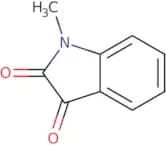
Formula:C3Cl3F5Purity:Min. 95%Molecular weight:237.38 g/mol1-Methyl-1H-indole-2,3-dione
CAS:1-Methyl-1H-indole-2,3-dione is a chemical compound that belongs to the class of indole derivatives. It can be synthesized by reacting 2,3-dihydroxybenzaldehyde with 2,2'-azobis(2-amidinopropane) dihydrochloride and methyl iodide in the presence of copper (II) acetate. This reaction mechanism is similar to that of other reactions involving an intramolecular hydrogen transfer. The binding constants for 1-methyl-1H-indole-2,3-dione are very high and this compound has been shown to inhibit herpes simplex virus replication in vitro. 1MIDD binds to the active site of tryptophan fluorescence and synchronous fluorescence proteins. 1MIDD also binds to copper ions in a coordination geometry that is similar to that found for other compounds containing a carbonyl group.
Formula:C9H7NO2Purity:Min. 95%Color and Shape:PowderMolecular weight:161.16 g/molRef: 3D-FM125542
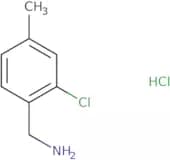
Discontinued product2-Chloro-4-methylbenzylamine hydrochloride
CAS:2-Chloro-4-methylbenzylamine hydrochloride is a fine chemical that is used in the research, development and manufacturing of pharmaceuticals, agrochemicals, polymers and other organic compounds. 2-Chloro-4-methylbenzylamine hydrochloride can be used as an intermediate for the synthesis of a variety of drugs with different structures. It is also useful as a reagent in organic synthesis. The product has been classified by the EU as an SDS (Substances of Very High Concern) due to its potential for use in the production of nerve agents like sarin gas.Formula:C8H10ClN•HClPurity:Min. 95%Molecular weight:192.09 g/molRef: 3D-FC67364
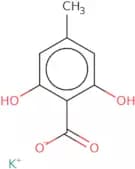
Discontinued product2,6-Dihydroxy-4-methylbenzoic acid potassium
CAS:2,6-Dihydroxy-4-methylbenzoic acid potassium salt (2,6-DMBAK) is a high quality reagent that is used as an intermediate in the synthesis of complex compounds. CAS No. 856177-01-0. It is a white crystalline solid with an mp of about 190 degrees Celsius and a bp of about 315 degrees Celsius. 2,6-DMBAK has been shown to be useful in the synthesis of speciality chemicals and research chemicals. This product can be used as a versatile building block for the preparation of various kinds of chemical compounds, and it also has many applications in organic synthesis because it reacts well with many different types of compounds.
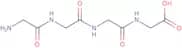
Formula:C8H8O4•KPurity:Min. 95%Color and Shape:PowderMolecular weight:207.25 g/molGly-Gly-Gly-Gly-OH
CAS:Gly-Gly-Gly-Gly-OH is a peptide that is used as an absorption enhancer. It has been shown to absorb ultraviolet light and convert it into visible light, which can increase the effectiveness of photosensitive drugs in the treatment of cancer. Gly-Gly-Gly-Gly-OH has also been shown to have protonation properties and can hydrogen bond with other molecules, including proteins. This molecule is activated by oxidation, which converts it from its amide form to its imine form. This activation process can be catalyzed by an oxidation catalyst such as manganese dioxide or nickel chloride. The imine form reacts with an electron donor such as hydrogen peroxide to produce an aromatic ring compound, which then undergoes intramolecular hydrogen transfer reactions to produce a second aromatic ring compound. These two compounds react with each other and release a water molecule (H2O) and energy in the form of heat or light. The frequency shift
Formula:C8H14N4O5Purity:Min. 95%Color and Shape:PowderMolecular weight:246.22 g/molRef: 3D-FG49308
Discontinued product2,4-Dioxo-4-phenylbutanoic acid
CAS:2,4-Dioxo-4-phenylbutanoic acid is an inhibitor of the influenza virus that binds to its surface proteins and inhibits the replication of the virus. 2,4-Dioxo-4-phenylbutanoic acid is a stable complex that has been shown to be active against HIV. This compound has been shown to inhibit viral life by binding to the subunits of influenza A and B viruses. 2,4-Dioxo-4-phenylbutanoic acid has been synthesized as an active analogue of zanamivir and it is believed that this compound binds to the same site on the influenza A virus as zanamivir. The molecule is also tautomerizable, which means it can exist in two forms: ketone (the more stable form) or enol (less stable).
Formula:C10H8O4Purity:Min. 95%Color and Shape:PowderMolecular weight:192.17 g/molRef: 3D-FD133357
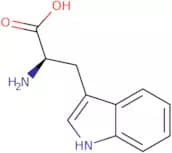
Discontinued productD-Tryptophan
CAS:D-amino acid
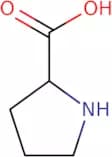
Formula:C11H12N2O2Purity:Min. 95%Color and Shape:PowderMolecular weight:204.23 g/molDL-Proline
CAS:DL-Proline is a biological molecule that has been shown to bind to the DNA binding domains of proteins. This binding can be seen with the crystal structures of DL-proline and protein. The reaction mechanism for DL-proline is as follows:
DL-Proline + Protein → Proline + Protein
The equilibrium constant for this reaction is 1.0 at 298 K. The pKa value for the amide group in DL-proline is 4.8, which means that it will react with water and form an amine group at physiological pH levels. DL-Proline has been shown to have metabolic disorders.Formula:C5H9NO2Purity:Min. 95%Color and Shape:PowderMolecular weight:115.13 g/molRef: 3D-FP15447
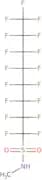
Discontinued product1,1,2,2,3,3,4,4,5,5,6,6,7,7,8,8,8-Heptadecafluoro-N-methyloctane-1-sulfonamide
CAS:Controlled Product1,1,2,2,3,3,4,4,5,5,6,6,7,7,8,8-heptadecafluoro-N-methyloctane-1-sulfonamide is a perfluorinated sulfonate that is used as a surfactant in wastewater treatment and to package food. This compound is not water soluble and requires an organic solvent to dissolve it. It has been shown that the use of 1HFAFMS can reduce the amount of phosphates in packaging materials by up to 50%. 1HFAFMS also has been found to be safe for humans and does not accumulate in the environment. It does not bioaccumulate and is rapidly excreted through urine.
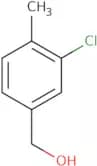
Formula:C9H4F17NO2SPurity:Min. 95%Color and Shape:PowderMolecular weight:513.17 g/mol3-Chloro-4-methylbenzyl alcohol - Technical grade
CAS:3-Chloro-4-methylbenzyl alcohol is a building block chemical that is used in the synthesis of a variety of organic compounds. It is a versatile chemical that can be used as a reagent, reaction component, and intermediate. 3-Chloro-4-methylbenzyl alcohol has been found to be useful in the synthesis of complex compounds, such as 4-chloromethoxybenzoic acid and 3-(3,5-dimethoxyphenyl)acetic acid. This chemical can also be used to produce speciality chemicals, such as 3-(2-(2,4-dichlorophenoxy)ethyl)benzonitrile.
Formula:C8H9ClOPurity:Min. 95%Color and Shape:Colorless PowderMolecular weight:156.61 g/molRef: 3D-FC70227
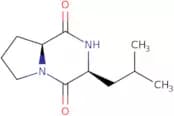
Discontinued productCyclo(L-prolyl-L-leucyl)
CAS:Cyclo(L-prolyl-L-leucyl) is a cyclic lipopeptide that inhibits the transcription of DNA. It binds to the polymerase chain and blocks the transcription process, which prevents the production of RNA. Cyclo(L-prolyl-L-leucyl) has been shown to have an inhibitory effect on human pathogens such as fungi, protozoa, or bacteria. Cyclo(L-prolyl-L-leucyl) also has anti-cancer properties and is used for cancer treatment. Cyclo(L-prolyl-L-leucyl) is extracted from an acetate extract and purified by chromatography. The purified product is then tested in vitro using assays including magnetic resonance spectroscopy.
Formula:C11H18N2O2Purity:Min. 95%Color and Shape:PowderMolecular weight:210.27 g/molRef: 3D-FC20681
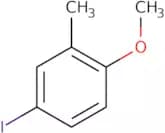
Discontinued product4-Iodo-2-methylanisole
CAS:4-Iodo-2-methylanisole (4IM) is a naphthalene that is regiospecifically eliminated after activation by nitrate in an acidic medium. The hydrochloride salt of 4IM, koenigicine, has been shown to produce estrogen levels in the female rat similar to those produced by 17β-estradiol. The synthesis of 4IM involves the nitration of 2-methylanisole followed by iodine oxidation. This reaction produces a mixture of mono-, di-, and tri-iodonapthalenes. The product obtained from this reaction is purified with column chromatography or recrystallization.
Theory predicts that 4IM will be oxidized to 4-iodo-2,6-dimethylanisole by terpene oxidants such as acetonitrile or ozone.Formula:C8H9IOPurity:Min. 95%Color and Shape:PowderMolecular weight:248.06 g/molRef: 3D-FI64636
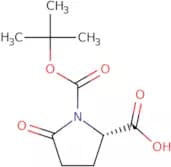
Discontinued productBoc-Pyr-OH
CAS:Boc-Pyr-OH is a synthetic compound with medical applications. It is used as an anti-inflammatory agent and has been shown to be effective in the treatment of mouse tumor cells. Boc-Pyr-OH binds to plasma proteins and can be detected in the blood following administration. The drug has a high affinity for chloride ions, which may be due to its trifluoroacetyl group. The drug has two homologues: Boc-Pyr-Cl and Boc-Pyr-Br.
Formula:C10H15NO5Purity:Min. 95%Color and Shape:PowderMolecular weight:229.23 g/molRef: 3D-FB33212
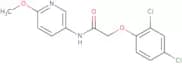
Discontinued product2-(2,4-dichlorophenoxy)-N-(6-methoxy(3-pyridyl))ethanamide
CAS:Please enquire for more information about 2-(2,4-dichlorophenoxy)-N-(6-methoxy(3-pyridyl))ethanamide including the price, delivery time and more detailed product information at the technical inquiry form on this pagePurity:Min. 95%Ref: 3D-FD169769
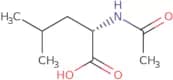
Discontinued productN-Acetyl-L-leucine
CAS:N-Acetyl-L-leucine is a natural amino acid that has been shown to have therapeutic potential in the treatment of neurodegenerative diseases. N-acetyl-L-leucine binds to DNA duplexes and inhibits the formation of protein aggregates, which are associated with neurodegenerative disorders. N-acetyl-L-leucine also has a high affinity for neuronal receptors, which may be due to its basic nature. In addition, this compound is able to inhibit oxidative stress induced by glutamate and nitric oxide, as well as mitochondrial membrane potential loss. It also protects against neuronal death induced by amide or cytosolic Ca2+.
Formula:C8H15NO3Color and Shape:White PowderMolecular weight:173.21 g/molRef: 3D-FA10862
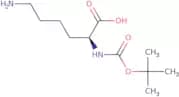
Discontinued productN-Boc-L-Lysine
CAS:N-Boc-L-Lysine is a model of the amino acid lysine. This compound has been shown to inhibit the growth of cancer cells in vitro and in vivo. N-Boc-L-Lysine inhibits protein synthesis by blocking the formation of peptide bonds between amino acids, thus stopping the production of proteins vital for cell division. The inhibition of fatty acid synthesis by this compound may be due to its ability to inhibit the activity of fatty acid synthase, which catalyzes the conversion of acetyl coenzyme A into fatty acids. This product can also be synthesized from caproic acid and an ester hydrochloride or from a fatty acid and an ester hydrochloride.
Formula:C11H22N2O4Purity:Min. 95%Color and Shape:White Off-White PowderMolecular weight:246.3 g/molRef: 3D-FB16295
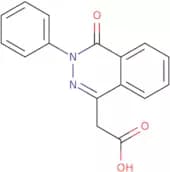
Discontinued product3-Phenyl-4-phthalazinone-1-acetic acid
CAS:3-Phenyl-4-phthalazinone-1-acetic acid (3PPAA) is an organic compound that can be used to synthesize gold nanoparticles. Gold nanoparticles are ferroelectric and have a dipole moment. 3PPAA can be modeled using simulations with the panthera program, which is able to predict the effect of various parameters on the morphology of the particles. The shape of the gold nanoparticles can be controlled by changing the concentration of 3PPAA in water and by adding or removing a stabilizing agent such as sodium bicarbonate. 3PPAA has been shown to have a strong interaction with mitochondrial DNA, which could lead to death of cells by interfering with mitochondrial function.Formula:C16H12N2O3Purity:Min. 95%Color and Shape:SolidMolecular weight:280.28 g/molRef: 3D-FP66707
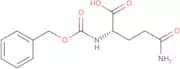
Discontinued productCbz-L-glutamine
CAS:Cbz-L-glutamine is a water soluble compound that is used in the synthesis of pomalidomide. It is synthesized through a stepwise amide formation from methylamine and ethylene diamine. Cbz-L-glutamine has been shown to have an inhibitory effect on cancer cells, which may be due to its ability to break down hydroxamic acids. This chemical reaction causes the release of hydrogen ions, which leads to the disruption of various cellular processes, such as DNA replication and protein synthesis. The uptake of Cbz-L-glutamine by cancer cells has been shown in tissue culture experiments.
Formula:C13H16N2O5Purity:Min. 95%Color and Shape:PowderMolecular weight:280.28 g/molRef: 3D-FC39401
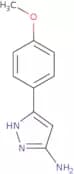
Discontinued product5-Amino-3-(4-methoxyphenyl)pyrazole
CAS:5-Amino-3-(4-methoxyphenyl)pyrazole (5AMPAP) is an anti-cancer agent that is effective against a number of different cancers, including breast, lung, and prostate. It selectively inhibits the growth of cancer cells by targeting enzymes in the mitochondria that are required for ATP production. 5AMPAP binds to the enzyme pyruvate dehydrogenase kinase, which has been shown to be involved in regulating cell proliferation and apoptosis. In addition, it has been demonstrated that this compound has anti-inflammatory properties. The regioselectivity of 5AMPAP was determined by x-ray crystallography and was found to form a pyrazolopyrimidine ring with two nitrogens on opposite sides of the ring. This regioselectivity is necessary for its anti-cancer activity.
Formula:C10H11N3OPurity:Min. 95%Molecular weight:189.21 g/molRef: 3D-FA50829
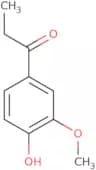
Discontinued product4-Hydroxy-3-methoxypropiophenone
CAS:4-Hydroxy-3-methoxypropiophenone is a contaminating compound that has been found in water vapor and may be generated by the thermal degradation of fatty acids. This chemical is also present in wood and lignin. The ether linkages in this chemical make it resistant to hydrolysis, making it difficult to remove from water or other substances. 4-Hydroxy-3-methoxypropiophenone is produced by the chronic bronchitis and filamentous fungus, but carbon sources are required for its production. It can be used as a starting material for the synthesis of other organic compounds with hydroxyl groups, such as phenols and coumarins.
Formula:C10H12O3Purity:Min. 95%Color and Shape:PowderMolecular weight:180.2 g/molRef: 3D-FH67519
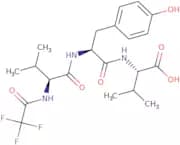
Discontinued productN-(2,2,2-Trifluoroacetyl)-L-valyl-L-tyrosyl-L-valine
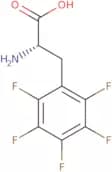
CAS:Trifluoroacetic acid is a synthetic molecule that is used as a precursor for the synthesis of various pharmaceuticals, including the skin-lightening agent N-(2,2,2-trifluoroacetyl)-L-valyl-L-tyrosyl-L-valine. This drug is an inhibitor of tyrosinase and blocks the synthesis of melanin. Trifluoroacetic acid has been shown to inhibit tyrosinase activity in human skin cells by binding to tyrosinase and blocking its catalytic site. The hydrogenation of trifluoroacetic acid yields 2,2,2-trifluoroethanol (TFE), which can be used as a solvent in cosmetic formulations.Formula:C21H28F3N3O6Purity:Min. 98 Area-%Color and Shape:PowderMolecular weight:475.46 g/mol2,3,4,5,6-Pentafluoro-L-phenylalanine
CAS:2,3,4,5,6-Pentafluoro-L-phenylalanine (PFPA) is a substrate molecule that has been shown to inhibit the α1 subunit of the Na+/K+ ATPase in human heart cells. PFPA also inhibits the growth of bacteria in culture and is active against bacterial strains that have developed resistance to other antimicrobial agents. PFPA is also effective against bowel disease caused by H. pylori. PFPA has been shown to inhibit the production of an antimicrobial peptide by hl-60 cells in vitro and has been shown to be effective against a number of infectious diseases including tuberculosis and some autoimmune diseases.
Formula:C9H6F5NO2Purity:Min. 95%Color and Shape:PowderMolecular weight:255.14 g/molRef: 3D-FP99622
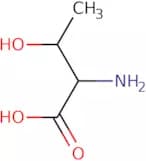
Discontinued productDL-Threonine
CAS:DL-Threonine (or 2-amino-3-hydroxybutanoic acid), is an essential, non-protein amino acid naturally occurring in the human body and it is involved in many biological processes. DL-threonine takes part in the conversion of glycogen into the glucose pathway, supports muscle tissue maintenance and growth, and plays a key role in regulating levels of other amino acids. In addition, DL-threonine helps to provide protection against heat, reduce tiredness and lowers blood pressure. It is an important source of energy for the liver and has been shown to be effective in stimulating liver function, as well as, to have a protective effect against various diseases, including hepatitis and cirrhosis. The liver uses DL-Threonine to produce other amino acids and helping in protein synthesis, such as insulin. The human body can produce DL-threonine from serine by threonine synthase, but not enough to meet the body's needs and thus it must be obtained from food sources or supplements. DL-Threonine can be found in many foods including meat, eggs, soybeans, and dairy products. It can chelate metal cations to improve the absorption of minerals from supplements, which is used in fertilizers for agriculture.
Formula:C4H9NO3Purity:Min 98%Color and Shape:PowderMolecular weight:119.12 g/molRef: 3D-FT08811
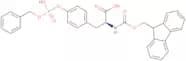
Discontinued productFmoc-O-benzylphospho-L-tyrosine
CAS:Fmoc-O-benzylphospho-L-tyrosine is a synthetic amino acid that can be used as a molecular model for tyrosine kinases. Fmoc-O-benzylphospho-L-tyrosine has been shown to inhibit the activity of tyrosine phosphatases. It also binds to phosphate groups in the presence of calcium ions, which may help to immobilize it and prevent its hydrolysis by phosphatases. The binding constants of Fmoc-O-benzylphospho-L-tyrosine with these phosphate groups are determined using analytical chemistry. Fmoc-O-benzylphospho-L-tyrosine has been found to bind to immobilized cells and be expressed at high levels in mammalian cells.
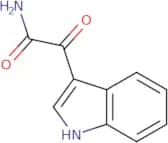
Formula:C31H28NO8PPurity:Min. 97 Area-%Color and Shape:White PowderMolecular weight:573.53 g/molIndole-3-glyoxylamide
CAS:Indole-3-glyoxylamide is a synthetic compound that was originally developed as a potential anti-cancer drug. It has been shown to inhibit glycogen synthase kinase 3 (GSK-3) and thereby reduce the production of proinflammatory cytokines in bowel disease. Indole-3-glyoxylamide also inhibits inflammatory bowel disease by inhibiting secretory phospholipase A2, which prevents the release of arachidonic acid from phospholipids. This synthesis is required for the production of prostaglandins and leukotrienes, which are involved in the inflammatory process. The compound has been shown to have immunomodulatory effects in chronic bronchitis, with an inhibitory effect on neutrophil chemotaxis, macrophage activity, and cytokine production. Indole-3-glyoxylamide has also been shown to be effective against cancer cells in vitro and in vivo animal models. It is metabolized through
Formula:C10H8N2O2Purity:Min. 95%Color and Shape:PowderMolecular weight:188.18 g/molRef: 3D-FI30472
Discontinued product








![N-[6-Chloro-5-(2-methoxyphenoxy)-(2,2-bipyrimidine)4-4-yl]-(1,1-dimethylethyl)-benzenesulfonamide](/_next/image/?url=https%3A%2Fstatic.cymitquimica.com%2Fproducts%2F3D%2Fthumb-webp%2FFC20113.webp&w=3840&q=75)