Amino Acids (AA)
Subcategories of "Amino Acids (AA)"
- Amino Acid Derivatives(4,016 products)
- Amino Acid and Amino Acid Related Compounds(3,490 products)
- Amino Acids with Oxygen or Sulphur(168 products)
- Boc- Amino Acids(351 products)
- Fmoc Amino Acids(1,710 products)
Found 38369 products of "Amino Acids (AA)"
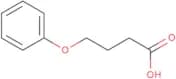
4-Phenoxybutyric acid
CAS:Controlled Product4-Phenoxybutyric acid is a molecule that is produced by filamentous fungi. It has been shown to inhibit the growth of many bacteria, including Staphylococcus aureus, Salmonella typhimurium, and Enterobacter aerogenes. 4-Phenoxybutyric acid binds to the receptor on the surface of the bacterial cell membrane and prevents it from functioning correctly. It also prevents the production of proteins necessary for growth and survival. This inhibition leads to a loss of energy in the cell, which eventually leads to death. The molecule has been shown to be effective in inhibiting bacteria even if they are resistant to antibiotics. 4-Phenoxybutyric acid has been shown to be more efficient than other methods for microbial biotransformation, such as dispersive solid-phase extraction or liquid-liquid extraction.
Formula:C10H12O3Purity:Min. 95%Molecular weight:180.2 g/molIle-Ile-OH
CAS:Ile-Ile-OH is a zwitterion that is the product of an enzyme serine protease. It has been shown to exhibit serine protease activity against corynebacterium, and it can be used for the production of active enzymes such as corynebacterium glutamicum. Ile-Ile-OH is synthesized from serine and hydrochloric acid in a reaction catalyzed by the enzyme serine protease. The rate of this reaction depends on pH and temperature, which causes the conversion of ile-ile to ile-ole at higher temperatures. Ile-Ile-OH exhibits conformational properties that are similar to those found in natural amino acids, which may be due to its zwitterionic nature. This compound also has protonation properties that have been shown to be important for uptake assays in L6 cells.
Formula:C12H24N2O3Purity:Min. 95%Molecular weight:244.33 g/molRef: 3D-FI48745
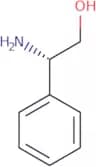
Discontinued productL-Phenylglycinol
CAS:L-phenylglycinol is a chiral compound that is synthesized by the reaction of phenylglycinol with hydroxide solution in the presence of an asymmetric synthesis catalyst. It is used as a precursor to chiral amides and aziridines, which are important for addressing the need for enantiopure compounds. The reaction mechanism involves nucleophilic substitution at the amino function, which can be catalyzed by copper complexes in solution. This reaction can also be monitored using liquid chromatography methods.
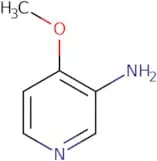
Formula:C8H11NOPurity:Min. 95%Color and Shape:White PowderMolecular weight:137.18 g/mol3-Amino-4-methoxypyridine
CAS:3-Amino-4-methoxypyridine is a molecule that has been shown to have anesthetic activity. It has been shown to inhibit the uptake of glycogen by glioblastoma cells and decrease the rate of glycogen synthesis in these cells. 3-Amino-4-methoxypyridine also inhibits the production of ATP in cardiac muscle cells, which may be due to its ability to inhibit glycogen synthase kinase-3 (GSK3) and glycogen synthase. This drug also inhibits cancer cell growth by inhibiting protein synthesis, as well as inflammatory disease progression by inhibiting NFκB activation and cytokine production. 3-Amino-4-methoxypyridine can be synthesized from aminopyridines such as isonicotinic acid or nicotinic acid, which are oxidized with hydrogen peroxide and sodium nitrite in the presence of a base catalyst.
Formula:C6H8N2OPurity:Min. 95%Molecular weight:124.14 g/molRef: 3D-FA46267
Discontinued product2-Ethyl-6-methylpyridine
CAS:2-Ethyl-6-methylpyridine is an organic compound that has been analyzed in a range of experiments, including the determination of its melting point. The compound has been found to be crystalline in nature, and this property can be used to determine its purity. 2-Ethyl-6-methylpyridine is a colorless liquid with a sweet odor that can be detected at concentrations as low as 0.5 parts per million. It is soluble in organic solvents such as benzene, chloroform, and acetone. This reagent is also known for its ability to catalyze reactions involving ketones and esters. 2-Ethyl-6-methylpyridine may be used as a marker for tobacco smoke, but it is not currently approved by the United States Food and Drug Administration (FDA) for this purpose.
Formula:C8H11NPurity:Min. 95%Molecular weight:121.18 g/molRef: 3D-FE55042
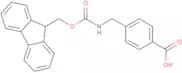
Discontinued productFmoc-(4-aminomethyl) benzoic acid
CAS:Please enquire for more information about Fmoc-(4-aminomethyl) benzoic acid including the price, delivery time and more detailed product information at the technical inquiry form on this page
Formula:C23H19NO4Purity:Min. 95%Molecular weight:373.4 g/molRef: 3D-FF49144
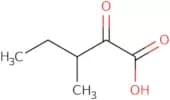
Discontinued product(±)-3-Methyl-2-oxovaleric acid
CAS:(±)-3-Methyl-2-oxovaleric acid is a fatty acid that is found in the mitochondria of liver cells and other tissues. It is an intermediate in the citric acid cycle and can be converted into acetyl-CoA, which is used for energy production. (±)-3-Methyl-2-oxovaleric acid has been shown to cause necrotic cell death when it binds to the mitochondrial membrane potential and causes a loss of ATP production. This results in a lack of energy for the cell, leading to cell death. (±)-3-Methyl-2-oxovaleric acid has also been shown to inhibit protein synthesis by decreasing uptake and increasing creatine kinase activity. This inhibition leads to decreased body formation and tissue culture growth in vitro. In vivo, (±)-3-Methyl-2-oxovaleric acid causes primary sclerosing cholangitis, a disease characterized by inflammation of bile ducts that
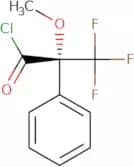
Formula:C6H10O3Purity:Min. 95%Color and Shape:White PowderMolecular weight:130.14 g/molS-(+)-α-Methoxy-α-(trifluoromethyl)phenylacetic acid chloride
CAS:S-(+)-alpha-Methoxy-alpha-(trifluoromethyl)phenylacetic acid chloride is an optical, amide, and epoxidation derivatizing agent that is used to chiralify amines. It is a liquid at room temperature with a molecular weight of 123.87 g/mol. This chemical reacts with alcohols to form esters, which can be identified by their different retention times in chromatography. It also reacts with hydroxyl groups to form ethers and esters, as well as hydroxyls on other molecules such as amino acids, peptides, and proteins. S-(+)-alpha-Methoxy-alpha-(trifluoromethyl)phenylacetic acid chloride has been used for the synthesis of bisoprolol from metoprolol and triethylphosphite.
Formula:C10H8ClF3O2Purity:Min. 95%Molecular weight:252.62 g/molRef: 3D-FM64036
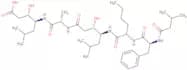
Discontinued productIsovaleryl-Phe-Nle-Sta-Ala-Sta-OH
CAS:Isovaleryl-Phe-Nle-Sta-Ala-Sta-OH (IVAS) is a small molecule that has been shown to be an angiotensin system inhibitor. IVAS blocks the binding site of the angiotensin receptor and prevents the activation of this system. This effect is dose dependent and can be used to treat high blood pressure in humans. IVAS is a long-acting drug and has been shown to be effective in primates as well as humans. The drug is rapidly absorbed from the gastrointestinal tract and eliminated by metabolism, mainly through hydrolysis by esterases or glucuronidases, oxidation by cytochrome P450 enzymes, reduction by glutathione reductase, or conjugation with glucuronic acid. IVAS also specifically binds to markers expressed at high levels in Mycobacterium tuberculosis strains (e.g., ESX-1 secretion system protein) and inhibits cell growth in culture.
Formula:C39H65N5O9Purity:Min. 95%Molecular weight:747.96 g/molRef: 3D-FI49358
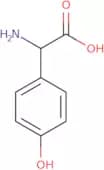
Discontinued productDL-4-Hydroxyphenylglycine
CAS:DL-4-Hydroxyphenylglycine is an active analogue of the natural amino acid L-glycine, which is a precursor in the biosynthesis of sulfamides. DL-4-Hydroxyphenylglycine has been shown to be active as an anti-infective agent against many bacteria and fungi that are resistant to other sulfa drugs. It is synthesized by reacting sodium carbonate and ammonia with the amide of 4-hydroxybenzeneacetic acid. The cyclic peptide is then hydrolyzed to form free DL-4-hydroxyphenylglycine. This drug has also been shown to have a strong inhibitory effect on fatty acid metabolism in liver cells, which may be due to its ability to bind to fatty acids and reduce their uptake by cells.
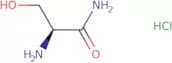
Purity:Min. 95%L-Serine amide hydrochloride
CAS:L-Serine amide hydrochloride is a synthetic, anti-HIV drug that is used as an antiviral agent. It inhibits the viral life cycle by inhibiting the activity of acyclic nucleoside phosphonates, which are vital to viral DNA synthesis. L-Serine amide hydrochloride binds to the cyclopentane ring of guanosine and prevents its interaction with the enzyme ribonucleotide reductase. This binding prevents the conversion of guanosine into GTP, thereby preventing HIV from using this molecule in their life cycle. L-Serine amide hydrochloride is not active against cellular proteins or prostaglandins.
Formula:C3H8N2O2·HClPurity:Min. 95%Molecular weight:140.57 g/molRef: 3D-FS49352
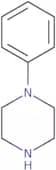
Discontinued product1-Phenylpiperazine
CAS:Controlled Product1-Phenylpiperazine is a piperazine derivative that can bind to the DNA of cervical cancer cells and inhibit their growth. It also has antihypertensive effects. 1-Phenylpiperazine is a white crystalline solid that is soluble in water, ethanol, ether, and chloroform. It binds to the hydrogen chloride ion (HCl) with high affinity and forms an equilibrium mixture with HCl gas. The binding constants of 1-phenylpiperazine to HCl are greater than those for piperazine. This compound has been shown to inhibit tumor cell growth in vitro through its ability to bind to DNA and prevent RNA synthesis. 1-Phenylpiperazine has been shown to have antihypertensive activity in rats by blocking alpha1-adrenergic receptors on vascular smooth muscle cells.br>br>
In addition, this molecule has been shown to have binding properties for amines which may be due to the presenceFormula:C10H14N2Purity:Min. 95%Molecular weight:162.23 g/molRef: 3D-FP10343
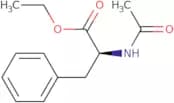
Discontinued productAcetyl-L-phenylalanine ethyl ester
CAS:Acetyl-L-phenylalanine ethyl ester is a substrate analogue that competes with the natural substrate, L-phenylalanine, for binding sites on the enzyme. The acetyl group of acetyl-L-phenylalanine ethyl ester reacts with the amino acid residues of L-phenylalanine to form covalent linkages. This prevents the enzyme from catalyzing reactions involving L-phenylalanine and other substrates. Acetyl-L-phenylalanine ethyl ester binds to cytochalasin B and inhibits its ability to bind to actin filaments, thus inhibiting cell growth. The high salt concentration in this experiment allows for separation of the protein from other cellular components by sephadex g-100 chromatography. Kinetic studies have been done on human serum albumin, which is a protein that can bind acetyl-L-phenylalanine ethl ester with a
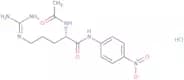
Formula:C13H17NO3Purity:Min. 95%Molecular weight:235.28 g/molAc-Arg-pNA·HCl
CAS:Ac-Arg-pNA·HCl is a substrate that is activated by hydrogen fluoride to form a nitro group. This compound can be used in the synthesis of nitrobenzene and other aromatic compounds. Ac-Arg-pNA·HCl also has enzymic activity, which is catalyzed by an enzyme called benzyloxycarbonyl (Boc).
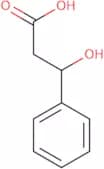
Formula:C14H20N6O4·HClPurity:Min. 95%Color and Shape:PowderMolecular weight:372.81 g/mol3-Hydroxy-3-phenylpropanoic acid
CAS:3-Hydroxy-3-phenylpropanoic acid, or 3HPPA, is an intermediate in the synthesis of salicylic acid. It is also an endogenous metabolite found in urine samples and is a product of the metabolism of glucosinolates by hydrolysis. The hydroxyl group on 3HPPA reacts with a carbonyl group to form a Schiff base, which is then hydrolyzed by hydrochloric acid to form hippuric acid. The biosynthesis of 3HPPA occurs through the oxidation of fatty acids with the addition of a hydroxyl group from water.
Formula:C9H10O3Purity:Min. 95%Color and Shape:PowderMolecular weight:166.17 g/molRef: 3D-FH139536
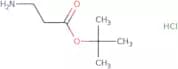
Discontinued productbeta-Alanine tert-butyl ester hydrochloride
CAS:Beta-alanine tert-butyl ester hydrochloride is a hydrogenated beta-amino acid ester that is used as a peptidomimetic. It has been shown to be absorbed by the intestine and it can be used to focus on chloride channels in the intestinal cells. Beta-alanine tert-butyl ester hydrochloride is an organic solvent and can also be used as an excipient for drug formulations. The molecule has a benzyl group and a chloride group, which are both substituted with hydrogen atoms.
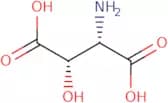
Formula:C7H15NO2·HClPurity:Min. 95%Color and Shape:White PowderMolecular weight:181.66 g/molD,L-Threo-b-hydroxy aspartic acid
CAS:D,L-Threo-b-hydroxy aspartic acid is a stereoselective synthetic amino acid that has been used to study the uptake and hydrolysis of D,L-threo-b-hydroxy aspartic acid by rat brain synaptosomes. It has also been used in the synthesis of an L-alanine analogue with the same stereochemistry at the chiral center. The stereoselective synthesis of this compound is achieved by epimerization reaction using d-alanine as a starting material. Threo bhda has been shown to inhibit glutamate release from neurons and stimulate GABA release in synaptosomes, which may be due to its ability to bind to ion channels. Threo bhda has also been found to inhibit the binding of radioactive thymidine to calf thymus DNA with a high degree of stereoselectivity.
Formula:C4H7NO5Purity:Min. 95%Molecular weight:149.1 g/molRef: 3D-FT28259
Discontinued productZ-NH-PEG3-CH2CH2COOH
Z-NH-PEG3-CH2CH2COOH is a PEG compound with two different functional groups (also known as heterobifunctional). Unlike homobifunctional PEG compounds (same functional group on both ends), this type of compounds are more versatile as have two different anchor points. Z-NH-PEG3-CH2CH2COOH is used as a linker and spacer to add a PEG moiety, via pegylation (a bioconjugation technique) to proteins, peptides, oligonucleotides, small molecules and nanoparticles.
Formula:C17H25NO7Purity:Min. 95%Molecular weight:355.38 g/molRef: 3D-FN73059
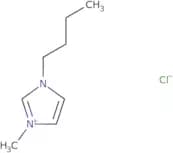
Discontinued product1-Butyl-3-methylimidazolium chloride
CAS:1-Butyl-3-methylimidazolium chloride is an ionic liquid that is made up of a cation, 1-butyl-3-methylimidazolium, and an anion, chloride. It has been shown to be biocompatible with human serum and water vapor. The interaction between the cation and anion creates a solvation shell around the solvent molecules in the ionic liquid. This solvation shell leads to hydrogen bonding interactions with cellulose, which prevents crystalline cellulose from forming. 1-Butyl-3-methylimidazolium chloride has been shown to be effective in wastewater treatment because it removes copper ions from the solution by electrochemical reactions.Formula:C8H15N2·ClPurity:Min. 95%Color and Shape:White Clear LiquidMolecular weight:174.67 g/molRef: 3D-FB10899
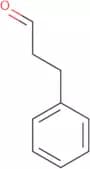
Discontinued product3-Phenylpropanal
CAS:3-Phenylpropanal is a chemical compound that is synthesized from trifluoroacetic acid, activated chitosan polymer, and fatty acids. 3-Phenylpropanal has been shown to have a bioactive phytochemical, which has been identified as allylation. This reaction is catalyzed by the addition of an allylating agent such as propargyl bromide or propargyl chloride. The rate of this reaction is dependent on the concentration of the reactant and kinetic energy (heat). The hydroxyl group on the reactant reacts with hydrogen gas in the presence of a catalyst such as sodium carbonate or zinc oxide to form a hydroxyethyl group. This process can be monitored using kinetic data such as conversion and yield.
Formula:C9H10OPurity:Min. 95%Color and Shape:Colourless To Pale Yellow LiquidMolecular weight:134.18 g/molRef: 3D-FP26997
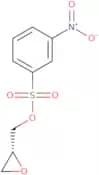
Discontinued product(R)-(-)-Glycidyl nosylate
CAS:(R)-(-)-Glycidyl nosylate is an epoxide that is used in the synthesis of pharmaceuticals. It has shown mutagenic activity and can be used to produce chiral glycidyl compounds. (R)-(-)-Glycidyl nosylate has been evaluated as a potential drug for the treatment of cancer, but was found to have limited pharmacological activity. This compound binds to protein kinases and may inhibit their activity. (R)-(-)-Glycidyl nosylate also possesses aliphatic properties and is an enantiopure molecule. The stereoisomers of glycidyl nosylate are also available, with the most common being (+)glycidylether.
Formula:C9H9NO6SPurity:Min. 95%Color and Shape:White PowderMolecular weight:259.24 g/mol1,2,3,4,5,6-Hexahydro-1,5-methano-pyrido-[1,2-a][1,5]diazocin-8-one
CAS:1,2,3,4,5,6-Hexahydro-1,5-methano-pyrido-[1,2-a][1,5]diazocin-8-one is a cholinergic drug that is used as a research tool in vitro. It has been shown to increase the concentration of acetylcholine in the synapse. It is also known as cytisine and varenicline. 1,2,3,4,5,6-Hexahydro-1,5-methano-pyrido-[1,2-a][1,5]diazocin-8-one binds to nicotinic receptors and stimulates them. This increased activity of nicotinic receptors leads to the release of acetylcholine (ACh), which is an important neurotransmitter in the brain. 1,2,3,4 5 6 hexahydro - 1 5Formula:C11H14N2OPurity:Min. 95%Molecular weight:190.24 g/molN-Methyl-5H-dibenzo[a,d]cycloheptene-5-propylamine hydrochloride
CAS:Controlled ProductN-Methyl-5H-dibenzo[a,d]cycloheptene-5-propylamine hydrochloride (NMBPD) is a drug with anti-inflammatory properties that belongs to the class of tricyclic antidepressants. It has been shown to have synergistic effects with synthetic matrix in vitro. This drug also has receptor activity and can be used to treat infectious diseases such as HIV and tuberculosis. NMBPD is excreted in the urine, which can lead to kidney fibrosis. The drug is metabolized by α1-acid glycoprotein, which may be related to its potential adverse effects on the liver and kidneys. The analytical method for quantification of NMBPD includes gas chromatography with mass spectrometry detection (GC/MS).
Formula:C19H22ClNPurity:Min. 95%Color and Shape:PowderMolecular weight:299.84 g/mol2-Fluoro-5-methoxyaniline
CAS:2-Fluoro-5-methoxyaniline is a high quality reagent that is used as an intermediate in the synthesis of various complex compounds. The CAS number for this chemical is 62257-15-2 and it has been shown to be useful as a building block for the synthesis of fine chemicals, speciality chemicals, and research chemicals with many different uses. It is also a versatile building block that can be used in reactions involving amines, alcohols, thiols, and nitriles. 2-Fluoro-5-methoxyaniline may also be used as a reaction component in organic syntheses.
Formula:C7H8FNOPurity:Min. 95%Color and Shape:PowderMolecular weight:141.14 g/molRef: 3D-FF66275
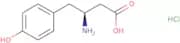
Discontinued productL-b-Homotyrosine hydrochloride
CAS:Please enquire for more information about L-b-Homotyrosine hydrochloride including the price, delivery time and more detailed product information at the technical inquiry form on this page
Formula:C10H13NO3·HClPurity:Min. 95%Molecular weight:231.68 g/molRef: 3D-FH50229
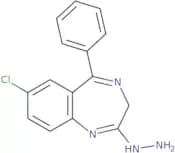
Discontinued product7-Chloro-2-hydrazino-5-phenyl-3H-1,4-benzodiazepine
CAS:Controlled Product7-Chloro-2-hydrazino-5-phenyl-3H-1,4-benzodiazepine is a metabolically stable benzodiazepine that binds to the benzodiazepine receptor. It has been shown to have a higher affinity for this receptor than alprazolam and other related compounds. 7-Chloro-2-hydrazino-5-phenyl-3H-1,4-benzodiazepine has been used as an active ingredient in a number of pesticide products that are used against termites and ants. This compound has also been found to be an effective insecticide against mosquitoes. 7C2HDBZ has been shown to be stable in the environment and is not readily degraded by hydrolysis or pyrolysis.
Formula:C15H13ClN4Purity:Min. 95%Molecular weight:284.74 g/molRef: 3D-FC20018
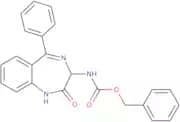
Discontinued productZ-(R,S)-3-amino-2-oxo-5-phenyl-1,4-benzodiazepine
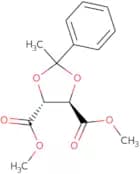
CAS:Controlled ProductPlease enquire for more information about Z-(R,S)-3-amino-2-oxo-5-phenyl-1,4-benzodiazepine including the price, delivery time and more detailed product information at the technical inquiry form on this pageFormula:C23H19N3O3Purity:Min. 95%Molecular weight:385.42 g/molDimethyl (2R,3R)-2,3-O-(1-Phenylethylidene)-L-tartrate
CAS:Please enquire for more information about Dimethyl (2R,3R)-2,3-O-(1-Phenylethylidene)-L-tartrate including the price, delivery time and more detailed product information at the technical inquiry form on this page
Formula:C14H16O6Purity:Min. 95%Molecular weight:280.27 g/molRef: 3D-FD60151
Discontinued productOsteoblast-Adhesive Peptide
CAS:Please enquire for more information about Osteoblast-Adhesive Peptide including the price, delivery time and more detailed product information at the technical inquiry form on this pageFormula:C21H43N11O6Purity:Min. 95%Molecular weight:545.64 g/molRef: 3D-FO109311
Discontinued productPAR-2 (1-6) (mouse, rat) trifluoroacetate salt
CAS:Please enquire for more information about PAR-2 (1-6) (mouse, rat) trifluoroacetate salt including the price, delivery time and more detailed product information at the technical inquiry form on this page
Formula:C29H55N9O8Purity:Min. 95%Molecular weight:657.8 g/molRef: 3D-FP109045
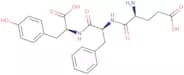
Discontinued productH-Glu-Phe-Tyr-OH
CAS:H-Glu-Phe-Tyr-OH is a peptide transporter that is located on the apical surface of intestinal cells. It is a monovalent cation/H+ symporter that transports H+ and peptides in an electroneutral manner. The uptake rate of this peptide transporter is influenced by the concentration gradient of the substrate, with higher concentrations increasing the uptake rate. It has been shown to transport lidocaine, which suggests it may be used to treat patients who are resistant to other drugs. H-Glu-Phe-Tyr-OH also has a high affinity for peptides, making it possible to use this drug as a means of delivering therapeutic proteins orally.
Formula:C23H27N3O7Purity:Min. 95%Molecular weight:457.48 g/molRef: 3D-FG108922
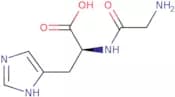
Discontinued productH-Gly-His-OH
CAS:H-Gly-His-OH is a cationic surfactant that can be used as an emulsifying agent, dispersing agent, or wetting agent. It has been shown to form model complexes with hydrogen bond strength and the ability to bind to nitrogen atoms. H-Gly-His-OH has been detected in a detectable concentration of 0.01% in neutral pH and at least 0.1% in acidic pH. The chemical shift of the proton NMR spectra for H-Gly-His-OH are found at 8.5 ppm (δ) and 8.2 ppm (δ). Magnetic resonance spectroscopy performed on ternary mixtures containing H-Gly-His-OH show peaks at δ 2.6 ppm and δ 1.9 ppm from the amide protons of the His residue, which are characteristic for this molecule's chemical structure.
Formula:C8H12N4O3Purity:Min. 95%Molecular weight:212.21 g/molRef: 3D-FG108051
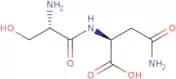
Discontinued productH-Ser-Asn-OH
CAS:H-Ser-Asn-OH is a fatty acid that belongs to the amide group. It has an inhibitory effect on bacterial membranes, which can be seen in the x-ray crystal structures of H-Ser-Asn-OH cocrystallized with lipids from the bacterial membrane. The inhibition of bacterial membranes is due to its ability to bind strongly to the phospholipid head group and reduce the fluidity of the membrane. H-Ser-Asn-OH has also been shown to have a diagnostic effect on tissues and monolayers in vitro.
Formula:C7H13N3O5Purity:Min. 95%Molecular weight:219.2 g/molRef: 3D-FS108169
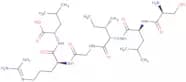
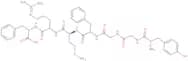
Discontinued productMet-Enkephalin-Arg-Phe
CAS:Met-enkephalin is a 5-hydroxytryptamine (serotonin) agonist. It has been shown to have anesthetic properties and to be active in cardiac, pulmonary, and renal functions. Met-enkephalin has also been found to have a delta-opioid receptor activity. This molecule has been shown to inhibit noradrenaline release from the locus coeruleus, as well as immunohistochemically demonstrating its presence at the atrium of the heart. Met-enkephalin also exhibits hydroxylase activity and has been shown to inhibit dopamine release from the substantia nigra pars compacta and sinoatrial node in rats. This drug can be used for treatment of pain, hypertension, angina pectoris, myocardial infarction, unstable angina, cardiogenic shock, congestive heart failure due to left ventricular dysfunction or ischemia of the coronary artery, acute pulmonary edemaFormula:C42H56N10O9SPurity:Min. 95%Molecular weight:877.02 g/molRef: 3D-FM108789
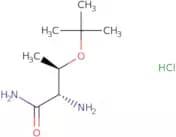
Discontinued productH-Thr(tBu)-NH2·HCl
CAS:Please enquire for more information about H-Thr(tBu)-NH2·HCl including the price, delivery time and more detailed product information at the technical inquiry form on this page
Formula:C8H18N2O2·HClPurity:Min. 95%Molecular weight:210.7 g/molRef: 3D-FT107847
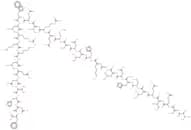
Discontinued productpTH (2-34) (human) acetate salt
CAS:Please enquire for more information about pTH (2-34) (human) acetate salt including the price, delivery time and more detailed product information at the technical inquiry form on this page
Formula:C178H286N54O49S2Purity:Min. 95%Molecular weight:4,030.64 g/molRef: 3D-FP109974
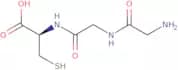
Discontinued productH-Gly-Gly-Cys-OH
CAS:Glycyl-glycine is an inhibitory compound that is a synthetic analog of an endogenous amino acid. The functional theory of glycyl-glycine is based on the carbonyl group, which is in an amide form with a hydroxyl group, and the inhibitory activities are due to its ion-exchange properties. Glycyl-glycine has been shown to have inhibitory effects on the growth of bacteria by binding to DNA in vitro. This binding interferes with transcription and replication. It also binds to specific DNA sequences, which may be due to its helical structure and disulfide bond. In addition, it has been shown that this compound can be metabolized into various metabolic products such as urea and glycine. Glycyl-glycine also inhibits protein synthesis by interfering with ribosomes in bacterial cells.br>br>
Glycyl-glycine binds to proteins in bacteria cells that are involved in transcription and translationFormula:C7H13N3O4SPurity:Min. 95%Molecular weight:235.26 g/molRef: 3D-FG108974
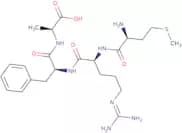
Discontinued productH-Met-Arg-Phe-Ala-OH
CAS:H-Met-Arg-Phe-Ala-OH is a synthetic peptide that has been shown to be an effective inhibitor of protein synthesis in mammalian cells. It binds to the active site of protein translation machinery, thereby inhibiting the production of proteins vital for cell division. H-Met-Arg-Phe-Ala-OH is stable in aqueous solution and resistant to proteolytic degradation. It also has a high detection sensitivity and can be detected by FTIR spectroscopy, which makes it suitable for use in a variety of applications. H-Met-Arg-Phe-Ala-OH can be used as a tool for studying protein synthesis inhibition or as an antiobiotic agent against cancer cells.
Formula:C23H37N7O5SPurity:Min. 95%Molecular weight:523.65 g/molRef: 3D-FM109241
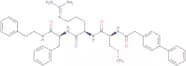
Discontinued product4-Biphenylac-Cys(Me)-D-Arg-Phe-(2-phenylethyl)amide
CAS:4-Biphenylac-Cys(Me)-D-Arg-Phe-(2-phenylethyl)amide is a tetrapeptide that has been shown to have antihypertensive properties. This drug binds to the regulatory proteins of the renin angiotensin system and blocks the production of angiotensin II, which decreases blood pressure. 4-Biphenylac-Cys(Me)-D-Arg-Phe-(2-phenylethyl)amide has also shown to be an effective treatment for skin care products, especially those used for inflammatory skin diseases. 4-Biphenylac-Cys(Me)-D-Arg-Phe-(2-phenylethyl)amide has been shown to be a potent inhibitor of serine proteases and can inhibit cellular proliferation and induce apoptosis in cancer cells.
Formula:C41H49N7O4SPurity:Min. 95%Molecular weight:735.94 g/molRef: 3D-FB111103
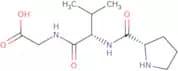
Discontinued productH-Pro-Val-Gly-OH
CAS:Please enquire for more information about H-Pro-Val-Gly-OH including the price, delivery time and more detailed product information at the technical inquiry form on this page
Formula:C12H21N3O4Purity:Min. 95%Molecular weight:271.31 g/molRef: 3D-FP109371
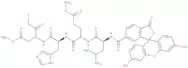
Discontinued productFluorescein-6-carbonyl-Leu-Glu(OMe)-His-DL-Asp(OMe)-fluoromethylketone
CAS:Please enquire for more information about Fluorescein-6-carbonyl-Leu-Glu(OMe)-His-DL-Asp(OMe)-fluoromethylketone including the price, delivery time and more detailed product information at the technical inquiry form on this page
Formula:C45H47FN6O14Purity:Min. 95%Molecular weight:914.89 g/molN-alpha-Boc-Nbeta-1-(4,4-dimethyl-2,6-dioxocyclohex-1-ylidene)ethyl-D-2,3-diaminopropionic acid
CAS:Please enquire for more information about N-alpha-Boc-Nbeta-1-(4,4-dimethyl-2,6-dioxocyclohex-1-ylidene)ethyl-D-2,3-diaminopropionic acid including the price, delivery time and more detailed product information at the technical inquiry form on this page
Formula:C18H28N2O6Purity:Min. 95%Molecular weight:368.42 g/molRef: 3D-FB50441
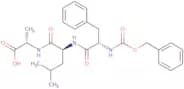
Discontinued productZ-Phe-Leu-Ala-OH
CAS:Z-Phe-Leu-Ala-OH is a homologous protein that has been shown to have proteolytic activity. It has a neutral pH and is stable in the presence of metal ions. This enzyme is structurally similar to subtilisin, with a sequence of residues containing two histidine residues, which are important for stability. The kinetic parameters of this enzyme were determined by analyzing its activity under different conditions and at different temperatures. The mutant Z-Phe-Leu-Ala-OH was found to be more active than the wild type at high temperature, but less active at low temperature, suggesting that the protein could be used as an industrial catalyst in food processing or chemical production.
Formula:C26H33N3O6Purity:Min. 95%Molecular weight:483.56 g/molRef: 3D-FP111552
Discontinued product(Des-Ser3)-ACTH (1-24) (human, bovine, rat) trifluoroacetate salt
Please enquire for more information about (Des-Ser3)-ACTH (1-24) (human, bovine, rat) trifluoroacetate salt including the price, delivery time and more detailed product information at the technical inquiry form on this pageFormula:C133H205N39O29SPurity:Min. 95%Molecular weight:2,846.36 g/molRef: 3D-FD109958
Discontinued product(Des-Pyr 1,Des-Gly10,D-Leu6,Pro-NHEt 9)-LHRH trifluoroacetate salt
CAS:Please enquire for more information about (Des-Pyr 1,Des-Gly10,D-Leu6,Pro-NHEt 9)-LHRH trifluoroacetate salt including the price, delivery time and more detailed product information at the technical inquiry form on this page
Formula:C54H79N15O10Purity:Min. 95%Molecular weight:1,098.3 g/molRef: 3D-FD109743
Discontinued productAcetyl-Amylin (8-37) (human)
CAS:Please enquire for more information about Acetyl-Amylin (8-37) (human) including the price, delivery time and more detailed product information at the technical inquiry form on this pageFormula:C140H218N42O46Purity:Min. 95%Molecular weight:3,225.48 g/molRef: 3D-FA108763
Discontinued productProlactin-Releasing Peptide (1-31) (rat)
CAS:Please enquire for more information about Prolactin-Releasing Peptide (1-31) (rat) including the price, delivery time and more detailed product information at the technical inquiry form on this pageFormula:C156H242N54O43SPurity:Min. 95%Molecular weight:3,593.99 g/molRef: 3D-FP109257
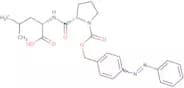
Discontinued productPz-Pro-Leu-OH
CAS:Pz-Pro-Leu-OH is a proteolytic enzyme that cleaves proteins by hydrolysis at the peptide bond. It has been shown to be active against Clostridium and has been used in colorimetric methods for the measurement of this bacterium. Pz-Pro-Leu-OH is produced by subtilisin, which is expressed in Escherichia coli. The amount of this enzyme can be monitored and optimized by cloning. Thermolysin, another protease, also cleaves proteins at the peptide bond and has been used to measure the activity of Pz-Pro-Leu-OH.
Formula:C25H30N4O5Purity:Min. 95%Molecular weight:466.53 g/molRef: 3D-FP108150
Discontinued productCholecystokinin Octapeptide (2-8) (desulfated)
CAS:Please enquire for more information about Cholecystokinin Octapeptide (2-8) (desulfated) including the price, delivery time and more detailed product information at the technical inquiry form on this pageFormula:C45H57N9O10S2Purity:Min. 95%Molecular weight:948.12 g/molRef: 3D-FC108668
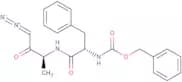
Discontinued productZ-Phe-Ala-diazomethylketone
CAS:Z-Phe-Ala-diazomethylketone is a molecule that belongs to the class of hydrolase inhibitors. It has been shown to have inhibitory properties against trichomonas vaginalis and proteolytic activity against liver cells. Z-Phe-Ala-diazomethylketone also has a kinetic energy of 11.2 kcal/mol, which is higher than most protease inhibitors. This molecule has been shown to be effective as a cell vaccine in wild-type mice and as a protease inhibitor in brain cells. The optimal ph for this molecule is 7.5, which corresponds to its pKa value of 5.1.
Formula:C21H22N4O4Purity:Min. 95%Molecular weight:394.42 g/molRef: 3D-FP111008
Discontinued product



![1,2,3,4,5,6-Hexahydro-1,5-methano-pyrido-[1,2-a][1,5]diazocin-8-one](/_next/image/?url=https%3A%2Fstatic.cymitquimica.com%2Fproducts%2F3D%2Fthumb-webp%2FFD117142.webp&w=3840&q=75)
![N-Methyl-5H-dibenzo[a,d]cycloheptene-5-propylamine hydrochloride](/_next/image/?url=https%3A%2Fstatic.cymitquimica.com%2Fproducts%2F3D%2Fthumb-webp%2FFN76683.webp&w=3840&q=75)