Amino Acids (AA)
Subcategories of "Amino Acids (AA)"
- Amino Acid Derivatives(4,017 products)
- Amino Acid and Amino Acid Related Compounds(3,491 products)
- Amino Acids with Oxygen or Sulphur(168 products)
- Boc- Amino Acids(351 products)
- Fmoc Amino Acids(1,710 products)
Found 38387 products of "Amino Acids (AA)"
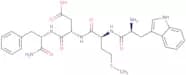
H-Met-2-chlorotrityl resin (200-400 mesh) (Low Substitution)
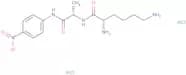
Please enquire for more information about H-Met-2-chlorotrityl resin (200-400 mesh) (Low Substitution) including the price, delivery time and more detailed product information at the technical inquiry form on this pagePurity:Min. 95%H-Lys-Ala-pNA·2 HCl
CAS:Please enquire for more information about H-Lys-Ala-pNA·2 HCl including the price, delivery time and more detailed product information at the technical inquiry form on this pageFormula:C15H23N5O4·2HClPurity:Min. 95%Molecular weight:410.3 g/molγ-L-Glutamyl-α-naphthylamide monohydrate
CAS:Gamma-L-glutamyl-alpha-naphthylamide is an enzyme that catalyzes the conversion of L-glutamic acid to L-glutamate. It is expressed in red blood cells, human liver, and human serum. Gamma-L-glutamyl-alpha-naphthylamide has been shown to have various specificities for different tissues and isoenzymes. This enzyme also has immunoassay procedures that are used to detect it in tissues or cells. These assays use monoclonal antibodies or solubilized gamma-L-glutamyl-alpha-naphthylamide molecules as detection agents.Formula:C15H16N2O3•H2OPurity:Min. 95%Color and Shape:PowderMolecular weight:290.31 g/molFmoc-D-Ser(BSi)-OH
CAS:Please enquire for more information about Fmoc-D-Ser(BSi)-OH including the price, delivery time and more detailed product information at the technical inquiry form on this page
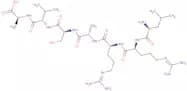
Formula:C24H31NO5SiPurity:Min. 95%Molecular weight:441.59 g/mol(Val6,Ala7)-Kemptide
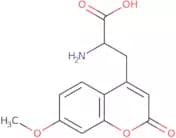
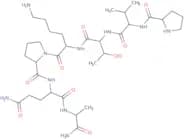
CAS:Please enquire for more information about (Val6,Ala7)-Kemptide including the price, delivery time and more detailed product information at the technical inquiry form on this pageFormula:C32H61N13O9Purity:Min. 95%Molecular weight:771.91 g/molH-beta-(7-Methoxycoumarin-4-yl)-Ala-OH
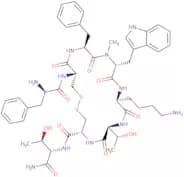
CAS:Please enquire for more information about H-beta-(7-Methoxycoumarin-4-yl)-Ala-OH including the price, delivery time and more detailed product information at the technical inquiry form on this pageFormula:C13H13NO5Purity:Min. 95%Molecular weight:263.25 g/mol(D-Phe5,Cys6·11,N-Me-D-Trp8)-Somatostatin-14 (5-12) amide
CAS:Please enquire for more information about (D-Phe5,Cys6·11,N-Me-D-Trp8)-Somatostatin-14 (5-12) amide including the price, delivery time and more detailed product information at the technical inquiry form on this page
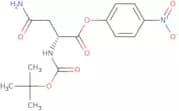
Formula:C50H67N11O10S2Purity:Min. 95%Molecular weight:1,046.27 g/molBoc-D-Asn-ONp
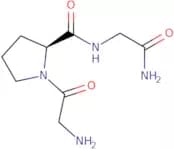
CAS:Please enquire for more information about Boc-D-Asn-ONp including the price, delivery time and more detailed product information at the technical inquiry form on this pageFormula:C15H19N3O7Purity:Min. 95%Molecular weight:353.33 g/molH-Gly-Pro-Gly-NH2·HCl
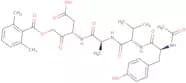
CAS:Please enquire for more information about H-Gly-Pro-Gly-NH2·HCl including the price, delivery time and more detailed product information at the technical inquiry form on this pageFormula:C9H16N4O3·HClPurity:Min. 95%Molecular weight:264.71 g/molAc-Tyr-Val-Ala-Asp-2,6-dimethylbenzoyloxymethylketone
CAS:Ac-Tyr-Val-Ala-Asp-2,6-dimethylbenzoyloxymethylketone is a potent transcriptional regulator that can be used to treat breast cancer. Ac-Tyr-Val-Ala-Asp-2,6-dimethylbenzoyloxymethylketone binds to estrogen receptor and prevents the binding of estrogen to its receptor. This leads to the death of cancer cells by inhibiting the function of bcl family proteins. Acetylation of this compound at C8, C10, and C17 positions increases its potency in vivo. In addition, Acetylated TAVADM can inhibit pancreatic cancer cell growth by activating signal transducer and activator of transcription 3 (STAT3) and inhibiting the activity of bcl family proteins such as BCL2 and BCLXL. Acetylated TAVADM has also been shown to have antiapoptoticFormula:C33H42N4O10Purity:Min. 95%Molecular weight:654.71 g/mol(Des-Thr5)-Glucagon trifluoroacetate salt
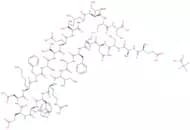
CAS:Please enquire for more information about (Des-Thr5)-Glucagon trifluoroacetate salt including the price, delivery time and more detailed product information at the technical inquiry form on this pageFormula:C149H218N42O47SPurity:Min. 95%Molecular weight:3,381.65 g/mol(Lauroyl-Cys-Tyr-Gly(-Glu-Glu-Asn-Val)6-OH)2 (Disulfide bond)
CAS:Please enquire for more information about (Lauroyl-Cys-Tyr-Gly(-Glu-Glu-Asn-Val)6-OH)2 (Disulfide bond) including the price, delivery time and more detailed product information at the technical inquiry form on this pageFormula:C280H428N66O120S2Purity:Min. 95%Molecular weight:6,702.9 g/molH-Cit-AMC trifluoroacetate salt
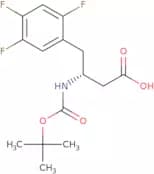
CAS:Please enquire for more information about H-Cit-AMC trifluoroacetate salt including the price, delivery time and more detailed product information at the technical inquiry form on this pageFormula:C16H20N4O4Purity:Min. 95%Molecular weight:332.35 g/molBoc-(R)-3-Amino-4-(2,4,5-trifluorophenyl)butanoic acid
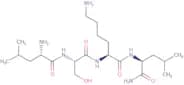
CAS:Intermediate in the synthesis of sitagliptinFormula:C15H18F3NO4Purity:Min. 95%Molecular weight:333.3 g/molH-Leu-Ser-Lys-Leu-NH2 trifluoroacetate salt
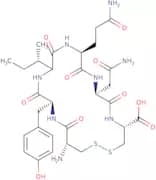
CAS:L-Leu-Ser-Lys-Leu-NH2 is a cyclic peptide with the amino acid sequence H-Leu-Ser-Lys-Leu. It has been shown to have receptor activity and can be used as an experimental model of growth factors. L-Leu-Ser-Lys-Leu was found to stimulate collagen synthesis in a collagen gel, which may be due to its ability to inhibit the release of growth factor β1. L-Leu-Ser Lys Leu also has anti cancer effects by inhibiting the proliferation of malignant brain cells, as well as tubulointerstitial injury and renal cell carcinoma. This compound may also have some use in treating subarachnoid hemorrhage and fetal bovine serum (FBS) for tissue culture.Formula:C21H42N6O5Purity:Min. 95%Molecular weight:458.6 g/mol(Ile3)-Pressinoic acid
CAS:Ile3-pressinoic acid is an amide that is structurally similar to gamma-aminobutyric acid. It has dose-dependent effects on fatty acid synthesis and redox potential. Ile3-pressinoic acid is a leishmania molecule that can be used as a diagnostic agent for the disease, as well as a potential treatment in cell culture and animal models. It also has been shown to have receptor activity on peptide hormones, including oxytocin receptors.Formula:C30H44N8O10S2Purity:Min. 95%Molecular weight:740.85 g/molHIV Protease Substrate VIII
CAS:HIV Protease Substrate VIII is a peptide that belongs to the HIV protease family. It is an active site residue of the HIV protease and has been shown to be essential for catalysis. The substrate binds to the aspartyl-proline termini, which are critical in preventing spontaneous hydrolysis of the amide bond. This peptide has also been used as an active analog to study HIV protease activity and as a model for developing new drugs with improved specificity and stability.Formula:C42H66N10O13Purity:Min. 95%Molecular weight:919.03 g/molD-Tryptophan methyl ester hydrochloride
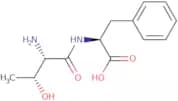
CAS:D-Tryptophan is an amino acid that is naturally produced by the human body and is also found in certain foods such as bananas, oats, and turkey. D-Tryptophan methyl ester hydrochloride is a synthetic form of this amino acid. It has been shown to inhibit cell growth and may have other physiological effects such as regulating mood or sleep patterns. This drug binds to the cavity of enzymes involved in the synthesis of proteins and nucleic acids, which prevents them from carrying out their normal functions. The binding constants for D-tryptophan methyl ester hydrochloride with these enzymes are stronger than those for natural d-tryptophan. The reaction solution was studied using UV absorption spectroscopy and showed that glycol ethers were more effective solvents than piperonal, which allowed for asymmetric synthesis. Molecular docking analysis has shown that D-tryptophan methyl ester hydrochloride binds to the enzyme cavity more tightly thanFormula:C12H14N2O2•HClPurity:Min. 95%Color and Shape:PowderMolecular weight:254.71 g/molH-Thr-Phe-OH
CAS:H-Thr-Phe-OH is a fatty acid which is the substrate for tumor cells. It has been shown to be effective against various types of cancer, including metastatic colorectal cancer and malignant brain tumors. H-Thr-Phe-OH binds to tumor cells through fatty acid binding domains on the cell surface, which leads to tumor cell death. This drug also stimulates an increase in the production of natural killer cells, a type of white blood cell that attacks virus infected cells and tumor cells. The activity index for this drug was measured at 3.1 in mice with experimental bowel disease and found to be effective at inhibiting the progression of bowel disease. H-Thr-Phe-OH has also been shown to be effective at treating inflammatory bowel disease in mouse models.Formula:C13H18N2O4Purity:Min. 95%Color and Shape:PowderMolecular weight:266.29 g/mol4-Bromo-2-methylbut-1-ene
CAS:4-Bromo-2-methylbut-1-ene is an alkylating agent that reacts with DNA, RNA and proteins. It has been shown to be effective in the treatment of bladder cancer. 4-Bromo-2-methylbut-1-ene is used as a trifluoride source for boron trifluoride etherate, which is then reacted with plant tissues. This reaction yields a prenyl group, which can be further processed to yield an alkynyl group. The alkynyl group can be reacted with anhydrous sodium to form a chloride salt. This salt can then react with carbon monoxide to form a carbone molecule, which is the final product of this chemical process.Purity:Min. 95%FA-Lys-Leu-OH
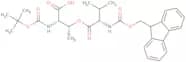
CAS:Please enquire for more information about FA-Lys-Leu-OH including the price, delivery time and more detailed product information at the technical inquiry form on this pageFormula:C19H29N3O5Purity:Min. 95%Molecular weight:379.45 g/molBoc-Thr(Val-Fmoc)-OH
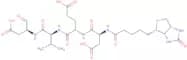
CAS:Please enquire for more information about Boc-Thr(Val-Fmoc)-OH including the price, delivery time and more detailed product information at the technical inquiry form on this pageFormula:C29H36N2O8Purity:Min. 95%Molecular weight:540.6 g/molBiotinyl-Asp-Glu-Val-Asp-aldehyde (pseudo acid)
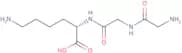
CAS:Biotinyl-Asp-Glu-Val-Asp-aldehyde (pseudo acid) is a biotinylated amino acid, which can be used to study the affinity of caspases and other proteases. Biotin binds to the peptide through an amide bond and the amino group on the biotin molecule reacts with reactive groups on proteins, such as lysine, cysteine, histidine, or arginine. This reaction leads to the formation of a stable link between biotin and the target protein. The biotinylated peptide can then be purified from a sample by using an affinity chromatography column that has been pre-coated with streptavidin. Biotin is not toxic because it does not bind to DNA.Formula:C28H42N6O12SPurity:Min. 95%Molecular weight:686.73 g/molH-Gly-Gly-Lys-OH acetate salt
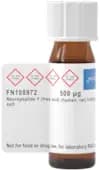
CAS:Please enquire for more information about H-Gly-Gly-Lys-OH acetate salt including the price, delivery time and more detailed product information at the technical inquiry form on this pageFormula:C10H20N4O4Purity:Min. 95%Molecular weight:260.29 g/molNeuronostatin-13 (mouse, rat) trifluoroacetate salt
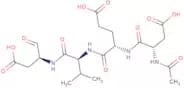
Please enquire for more information about Neuronostatin-13 (mouse, rat) trifluoroacetate salt including the price, delivery time and more detailed product information at the technical inquiry form on this pageFormula:C65H112N20O17Purity:Min. 95%Molecular weight:1,445.71 g/molAc-Asp-Glu-Val-Asp-aldehyde (pseudo acid)
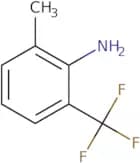
CAS:Ac-Asp-Glu-Val-Asp-aldehyde (pseudo acid) is a pro-apoptotic protein that belongs to the group of pseudo acids. It is able to induce apoptosis. Ac-Asp-Glu-Val-Asp-aldehyde (pseudo acid) can induce neuronal death by activating caspases and apoptosis pathway, which are involved in the process of programmed cell death. This protein also has anti-inflammatory properties, which may be due to its ability to inhibit cyclase activity. Ac-Asp-Glu-Val-Asp (pseudo acid) has been shown to be present at physiological levels in the brain and heart, where it may play an important role in maintaining cell viability.Formula:C20H30N4O11Purity:Min. 95%Molecular weight:502.47 g/mol2-methyl-6-(trifluoromethyl)aniline
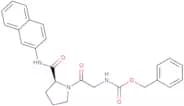
CAS:2-Methyl-6-(trifluoromethyl)aniline is a colorless, oily liquid with a sulfurous odor. It is soluble in water and alcohol. The reaction rate of 2-methyl-6-(trifluoromethyl)aniline with sulfoxides is faster than that of benzyl anilines, but slower than that of anilino derivatives. The addition of hydrophobic groups to the 2-methyl-6-(trifluoromethyl)aniline molecule increases the reaction rate. 2-Methyl-6-(trifluoromethyl)aniline can be used as an anesthetic agent because it is a potent inhibitor of nerve conduction in sciatic nerves. It also has been shown to be effective in desulfurizing propylene, which is important for the production of polypropylene plastics and synthetic rubber. 2-Methyl-6-(trifluFormula:C8H8F3NPurity:Min. 95%Molecular weight:175.15 g/molZ-Gly-Pro-bNA
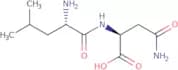
CAS:Z-Gly-Pro-bNA is a peptide that has been synthesized using recombinant DNA technology. It is a carboxyl peptidase inhibitor, which inhibits the enzyme aspartic proteases and metalloendopeptidases. Z-Gly-Pro-bNA has a specific substrate, namely tetrathionate, and it is efficient in hydrolyzing carboxyl groups. This inhibition of the catalytic activity of these enzymes leads to an increase in proline and calcitonin levels. The optimum pH for this reaction is 8.5 to 9.5 and the optimum concentration is 50 to 300 μM.Formula:C25H25N3O4Purity:Min. 95%Molecular weight:431.48 g/molH-Leu-Asn-OH
CAS:H-Leu-Asn-OH is a water-soluble drug that belongs to the group of serotonin reuptake inhibitors. It is a radical prostatectomy drug that has been shown to have disease-modifying effects in patients with benign prostatic hyperplasia. H-Leu-Asn-OH has also been shown to be effective in treating HIV infection and cancer, as well as inhibiting the growth of cancer cells in cell culture. This compound is chemically stable and can be transported across the blood brain barrier. Clinical studies on H-Leu-Asn-OH have found it to be safe for use in humans.Formula:C10H19N3O4Purity:Min. 95%Molecular weight:245.28 g/molNeurotensin (9-13)
CAS:Neurotensin (NT) is a peptide hormone that belongs to the family of amides and is found in the stomach, small intestine, and central nervous system. NT is an agonist of the neurotensin receptor and binds to allosteric binding sites on the receptor. Neurotensin (NT) is modified by proteolysis, which may be due to its acidic residue at position 9. This modification leads to increased affinity for the neurotensin receptor binding site. The pharmacokinetic properties of NT are not well-understood as it has been shown to have both high lipophilicity and low plasma protein binding rates. Neurotensin (NT) receptors have been shown to be G protein coupled receptors with different subtypes, such as NT1, NT2A, NT2B, and NT3.Formula:C32H52N8O7Purity:Min. 95%Molecular weight:660.81 g/molSorbin (147-153) amide (porcine) trifluoroacetate salt
CAS:Please enquire for more information about Sorbin (147-153) amide (porcine) trifluoroacetate salt including the price, delivery time and more detailed product information at the technical inquiry form on this pageFormula:C33H58N10O9Purity:Min. 95%Molecular weight:738.88 g/mol2-O-Benzyl-3-O-allyl-sn-glycerol
CAS:Please enquire for more information about 2-O-Benzyl-3-O-allyl-sn-glycerol including the price, delivery time and more detailed product information at the technical inquiry form on this pageFormula:C13H18O3Purity:Min. 95%Molecular weight:222.28 g/molAmyloid Bri Protein (1-23) trifluoroacetate salt
CAS:Please enquire for more information about Amyloid Bri Protein (1-23) trifluoroacetate salt including the price, delivery time and more detailed product information at the technical inquiry form on this pageFormula:C116H175N31O35S2Purity:Min. 95%Molecular weight:2,627.95 g/mol2-[(1S)-1-Aminopropyl]-5-fluoro-3-phenyl-4(3H)-quinazolinone
CAS:Controlled ProductIntermediate in the synthesis of idelalisib (CAL 101)
Formula:C17H16FN3OPurity:Min. 95%Molecular weight:297.33 g/molH-Leu-Arg-Arg-Arg-Arg-Phe-D-Ala-Phe-Cys(NPys)-NH2
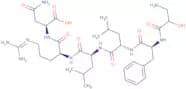
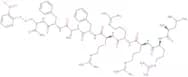
CAS:Please enquire for more information about H-Leu-Arg-Arg-Arg-Arg-Phe-D-Ala-Phe-Cys(NPys)-NH2 including the price, delivery time and more detailed product information at the technical inquiry form on this pageFormula:C59H92N24O11S2Purity:Min. 95%Molecular weight:1,377.65 g/molAngiotensin I-Converting Enzyme (ACE) Inactivator Cyanoac-Phe-Phe-OH
CAS:Cyanoac-Phe-Phe-OH is a hydrolytic enzyme that irreversibly inactivates the ACE enzyme. It acts as an inhibitor of angiotensin-converting enzyme and inhibits the conversion of angiotensin I to angiotensin II, which is involved in blood pressure regulation. Cyanoac-Phe-Phe-OH has been shown to be more potent than captopril, another ACE inhibitor. It also has a longer half life and greater selectivity for ACE over other serine proteases.Formula:C21H21N3O4Purity:Min. 95%Molecular weight:379.41 g/mol(D-Trp6)-LHRH pamoate salt
CAS:The hormone LHRH is a decapeptide that stimulates the production of gonadotropins, which stimulate the synthesis and release of sex hormones. LHRH has been used for the treatment of prostate cancer. It can be administered in the form of a long-acting ester formulation, such as the pamoate salt (Pyr-His-Trp-Ser-Tyr-D-Trp-Leu-Arg-Pro-Gly), or as an analog, such as triptorelin acetate. The analogs are more potent than LHRH and have greater efficacy in preventing tumor growth and inducing regression. Analogs may be administered in microcapsules for extended release or orally to provide higher levels of drug at target sites. The ester linkages between amino acids allow for a sustained release of LHRH over time. These esters are hydrolyzed by enzymes present in plasma and tissues, releasing active LHRH into circulation that bindsFormula:C64H82N18O13·xC23H16O6Purity:Min. 95%Molecular weight:1,311.45 g/molZ-Gly-Gly-Phe-bNA
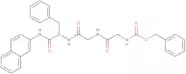
CAS:Please enquire for more information about Z-Gly-Gly-Phe-bNA including the price, delivery time and more detailed product information at the technical inquiry form on this page
Formula:C31H30N4O5Purity:Min. 95%Molecular weight:538.59 g/molNeurotensin (8-13)
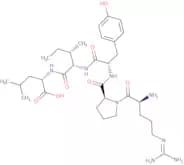
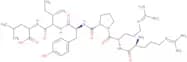
CAS:Neurotensin is a peptide that regulates the activity of the hypothalamus and pituitary gland. Neurotensin is synthesized from prepro-neurotensin, which is cleaved to produce neurotensin (8-13) H-Arg-Arg-Pro-Tyr-Ile-Leu-OH. It is a member of the tachykinins family of neuropeptides, which are characterized by a conserved disulfide bond. Neurotensin has been shown to increase locomotor activity in mice and rats and may be involved in pain perception. Neurotensin also binds to receptors on nerve cells, including the enkephalin receptor, with high affinity. This binding leads to an inhibition of release of neurotransmitters such as dopamine, serotonin, and acetylcholine by neurons.Formula:C38H64N12O8Purity:Min. 95%Molecular weight:816.99 g/molH-Phe-Leu-Arg-Phe-NH2 acetate salt
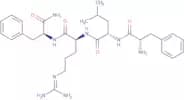
CAS:H-Phe-Leu-Arg-Phe-NH2 acetate salt is a peptide that has been shown to inhibit neuronal activity in the Xenopus oocyte. This inhibition is biphasic and can be reversed by the addition of an excess of glutamate. It has been shown to have an inhibitory effect on the release of neurotransmitters from the isolated heart, ganglia, and subesophageal ganglion. The sequence of H-Phe-Leu-Arg-Phe-NH2 acetate salt has been determined as carboxy terminal. The physiological effects of H-Phe-Leu-Arg-Phe-NH2 acetate salt are related to its receptor binding properties.Formula:C30H44N8O4Purity:Min. 95%Molecular weight:580.72 g/molZ-Phe-Gly-Phe-Gly-OH
CAS:Please enquire for more information about Z-Phe-Gly-Phe-Gly-OH including the price, delivery time and more detailed product information at the technical inquiry form on this pageFormula:C30H32N4O7Purity:Min. 95%Molecular weight:560.6 g/molSuc-Ala-Pro-Ala-AMC
CAS:Suc-Ala-Pro-Ala-AMC is a synthetic peptide that is used as a fluorescent substrate to measure the activity of serine proteases. It is used in plant physiology and has been shown to be effective in the treatment of inflammatory diseases. Suc-Ala-Pro-Ala-AMC is an acidic molecule with a pKa of 3.1. This means it can exist as both a zwitterion, with a positive charge on one end and negative charge on the other, or as an ionized molecule with both ends having a negative charge. The zwitterionic form is more stable than the ionized form at low pH levels and will therefore be present at higher concentrations at lower pH values. Suc-Ala-Pro-Ala-AMC shows proteolytic activity against peptidases such as papain, bromelain, trypsin, and chymotrypsin. It also binds to neutroph
Formula:C25H30N4O8Purity:Min. 95%Molecular weight:514.53 g/molFA-Gly-Leu-NH2
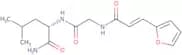
CAS:FA-Gly-Leu-NH2 is an amide that inhibits the activity of metalloproteases by binding to the zinc ion in the active site. It was shown to inhibit protease activity and protein synthesis in armillaria. This compound also showed irreversible inhibition of thermolysin, a serine protease, and protein synthesis in yeast. The biological properties of FA-Gly-Leu-NH2 were studied using a synthetic substrate for thermolysin, which led to the conclusion that this inhibitor has potential as a therapeutic agent for inflammatory diseases.
Formula:C15H21N3O4Purity:Min. 95%Molecular weight:307.35 g/molCyclo(-Gly-Asn-Trp-His-Gly-Thr-Ala-Pro-Asp)-Trp-Val-Tyr-Phe-Ala-His-Leu-Asp-Ile-Ile-Trp-OH
CAS:Please enquire for more information about Cyclo(-Gly-Asn-Trp-His-Gly-Thr-Ala-Pro-Asp)-Trp-Val-Tyr-Phe-Ala-His-Leu-Asp-Ile-Ile-Trp-OH including the price, delivery time and more detailed product information at the technical inquiry form on this pageFormula:C117H150N28O27Purity:Min. 95%Molecular weight:2,380.62 g/mol2,2'-(Perchloro-1,2-phenylene)diacetonitrile
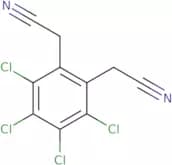
CAS:Please enquire for more information about 2,2'-(Perchloro-1,2-phenylene)diacetonitrile including the price, delivery time and more detailed product information at the technical inquiry form on this page
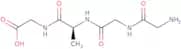
Formula:C10H4Cl4N2Purity:Min. 95%Molecular weight:293.96 g/molH-Gly-Gly-Ala-Gly-OH
CAS:Glycylglycine is a tetrapeptide antibiotic that belongs to the group of antibiotics. It is expressed in E. coli and has been shown to inhibit the growth of other bacteria through binding to metal ions, such as magnesium, which are necessary for their survival. Glycylglycine has also been shown to have a kinetic method with a high rate of inhibition. This compound was synthesized by an electrospray ionization process, and its enantiomeric form was detected using a spectrometer. The molecule has been found to be an overgrowth inhibitor in analytical chemistry studies.Formula:C9H16N4O5Purity:Min. 95%Molecular weight:260.25 g/mol(D-Phe2·6,Pro3)-LHRH trifluoroacetate salt
CAS:Please enquire for more information about (D-Phe2·6,Pro3)-LHRH trifluoroacetate salt including the price, delivery time and more detailed product information at the technical inquiry form on this page
Formula:C59H80N14O13Purity:Min. 95%Molecular weight:1,193.35 g/molOsteostatin (1-5) amide (human, bovine, dog, horse, mouse, rabbit, rat) trifluoroacetate salt
CAS:Please enquire for more information about Osteostatin (1-5) amide (human, bovine, dog, horse, mouse, rabbit, rat) trifluoroacetate salt including the price, delivery time and more detailed product information at the technical inquiry form on this pageFormula:C27H42N10O7Purity:Min. 95%Molecular weight:618.69 g/molBiotinyl-(Leu8,D-Trp22,Tyr25)-Somatostatin-28 trifluoroacetate salt
CAS:Please enquire for more information about Biotinyl-(Leu8,D-Trp22,Tyr25)-Somatostatin-28 trifluoroacetate salt including the price, delivery time and more detailed product information at the technical inquiry form on this pageFormula:C148H223N43O42S3Purity:Min. 95%Molecular weight:3,372.82 g/molMeOSuc-Ala-Ala-Pro-Val-chloromethylketone
CAS:MeOSuc-Ala-Ala-Pro-Val-chloromethylketone is a serine protease inhibitor that has been shown to be effective against influenza virus and HIV. It was found to be active against a number of serine proteases, such as trypsin, chymotrypsin, and elastase. MeOSuc-Ala-Ala-Pro-Val-chloromethylketone also has chemotactic activity in thp1 cells and lung fibroblasts. It is activated by the addition of water and has been shown to inhibit the growth of soybean trypsin. However, it does not have any effect on human trypsin.Formula:C22H35ClN4O7Purity:Min. 95%Molecular weight:502.99 g/molGalanin (2-11) amide trifluoroacetate salt
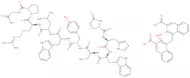
CAS:Galanin (2-11) amide trifluoroacetate salt H-Trp-Thr-Leu-Asn-Ser-Ala-Gly-Tyr-Leu-Leu is a galanin analog and a ligand for the galanin receptor 1. It has affinity for the receptors in the brain, which are involved in cognition, and is used to study Alzheimer's disease. Galanin (2-11) amide trifluoroacetate salt H-Trp-Thr-Leu-Asn-Ser -Ala -Gly -Tyr -Leu -Leu is a member of the family of neuropeptides and neuromodulators that regulate nerve injury and alzheimer's disease.Formula:C54H81N13O14Purity:Min. 95%Molecular weight:1,136.3 g/molH-Pro-Thr-His-Ile-Lys-Trp-Gly-Asp-OH
CAS:H-Pro-Thr-His-Ile-Lys-Trp-Gly-Asp-OH is a potent inhibitor of platelet activation, which is induced by nitroprusside. In vitro studies have shown that this peptide inhibits the expression of growth factors, such as platelet derived growth factor (PDGF), and inhibits PDGF activity. This peptide also has an inhibitory effect on nitroprusside, which may be due to its ability to inhibit PDGF expression. The inhibition of PDGF by this peptide may result in the potentiation of the effects of nitroprusside on blood pressure.Formula:C44H64N12O12Purity:Min. 95%Molecular weight:953.05 g/molH-Asp-AMC
CAS:Please enquire for more information about H-Asp-AMC including the price, delivery time and more detailed product information at the technical inquiry form on this pageFormula:C14H14N2O5Purity:Min. 95%Color and Shape:PowderMolecular weight:290.27 g/molpTH (13-34) (human)
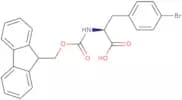
CAS:Please enquire for more information about pTH (13-34) (human) including the price, delivery time and more detailed product information at the technical inquiry form on this pageFormula:C125H199N39O33SPurity:Min. 95%Molecular weight:2,808.23 g/molFMoc-L-4-BroMophenylalanine
CAS:FMoc-L-4-BroMophenylalanine is a cell culture substrate that is used to study the interaction between peptides and hydrogels. It can be used as a fluorescent probe in peptide binding assays as well as for studies of protein folding. This product has been shown to be efficient at inducing gelation with other amino acids, such as aspartic acid, glycine, and arginine. FMoc-L-4-BroMophenylalanine also has potential applications for use in classifying peptides based on their charge and size.Formula:C24H20BrNO4Purity:Min. 95%Molecular weight:466.32 g/molMyristoyl-Lys-Arg-Thr-Leu-Arg-OH
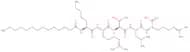
CAS:Myristoyl-Lys-Arg-Thr-Leu-Arg-OH is a synthetic compound that interacts with tyrosine kinase substrate proteins. It inhibits the activation of these proteins and prevents the phosphorylation of tyrosine residues in other substrate proteins. Myristoyl-Lys-Arg-Thr-Leu-Arg-OH has been shown to have potent inhibitory activity against IL2 receptor and adriamycin, which are protein kinases that play important roles in the death pathway.Formula:C42H82N12O8Purity:Min. 95%Molecular weight:883.18 g/molBoc-Val-Leu-Lys-AMC acetate salt
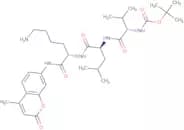
CAS:Boc-Val-Leu-Lys-AMC acetate salt is a protease inhibitor that binds to the active site of trypsin and inhibits its proteolytic activity. It has been shown to protect neuronal cells from death caused by amyloid beta (Aβ) peptide. Boc-Val-Leu-Lys-AMC acetate salt also inhibits the secretion of proinflammatory cytokines and reduces the permeability of mitochondrial membranes in human neutrophils. This drug is stable in acidic environments, with a pH optimum of 2.0, but is sensitive to alkaline conditions with a pH optimum of 8.5. Boc-Val-Leu-Lys-AMC acetate salt has been shown to bind to casein, which may result in high values on sephadex g100 chromatography.Formula:C32H49N5O7•C2H4O2Purity:Min. 98 Area-%Color and Shape:PowderMolecular weight:675.81 g/molFmoc-Lys(Nde)-OH
CAS:Please enquire for more information about Fmoc-Lys(Nde)-OH including the price, delivery time and more detailed product information at the technical inquiry form on this pageFormula:C32H29N3O8Purity:Min. 95%Molecular weight:583.59 g/molFmoc-D-Thr(tBu)-Wang resin (200-400 mesh)
Please enquire for more information about Fmoc-D-Thr(tBu)-Wang resin (200-400 mesh) including the price, delivery time and more detailed product information at the technical inquiry form on this pagePurity:Min. 95%(D-Ala2,N-Me-Phe4,methionin(O)-ol5)-Enkephalin trifluoroacetate salt
CAS:D-Ala2,N-Me-Phe4,methionin(O)-ol5)-Enkephalin trifluoroacetate salt H-Tyr-D-Ala-Gly-N-Me-Phe-methionin(O)-ol trifluoroacetate salt is an analog of the endocannabinoid neurotransmitter, anandamide. It has been shown to be effective in the treatment of autoimmune diseases such as multiple sclerosis and inflammatory bowel disease. D-(3R)-3-[(1S,2R,3R,5R) -3-[2-(2,6 dichlorophenyl)ethenyl] -1H -indole]-1 -butanamine trifluoroacetate salt has been shown to inhibit the replication of a number of viruses including human immunodeficiency virus type 1 (HIV). This drug also inhibits the growth of organisms that are resistant
Formula:C29H41N5O7SPurity:Min. 95%Molecular weight:603.73 g/mol1-{[5-(Cyclopropylcarbonyl)-1-methyl-4,5,6,7-tetrahydro-1H-pyrazolo[4,3-c]pyridin-3-yl]carbonyl}piperidine-4-carboxylic acid
CAS:Please enquire for more information about 1-{[5-(Cyclopropylcarbonyl)-1-methyl-4,5,6,7-tetrahydro-1H-pyrazolo[4,3-c]pyridin-3-yl]carbonyl}piperidine-4-carboxylic acid including the price, delivery time and more detailed product information at the technical inquiry form on this pageFormula:C18H24N4O4Purity:Min. 95%Molecular weight:360.41 g/molDibenzoyl-(-)-p-methoxy-L-tartaric acid
CAS:Dibenzoyl-(-)-p-methoxy-L-tartaric acid is a chiral compound that has been extracted from plants and synthesized. It has a bitter taste and can be used as an enantiomer to treat schistosomiasis, a disease caused by parasitic flatworms. Dibenzoyl-(-)-p-methoxy-L-tartaric acid can be used as an enantiomer to treat schistosomiasis, which is caused by parasitic flatworms. The chemical is an anionic β-cyclodextrin derivative that binds to the parasites in the host's body and prevents them from releasing eggs into the water supply. This chemical also has pharmacological properties, such as antiinflammatory activities.
Formula:C20H18O10Purity:Min. 95%Color and Shape:White PowderMolecular weight:418.35 g/molNeuropeptide Y (free acid) (human, rat) trifluoroacetate salt
CAS:Please enquire for more information about Neuropeptide Y (free acid) (human, rat) trifluoroacetate salt including the price, delivery time and more detailed product information at the technical inquiry form on this pageFormula:C189H284N54O58SPurity:Min. 95%Molecular weight:4,272.67 g/molH-Gly-Cys-OH
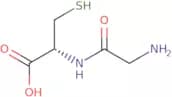
CAS:H-Gly-Cys-OH is an amide that is structurally related to the nonapeptide, Gly-Pro-Cys. H-Gly-Cys-OH has been shown to be an efficient method for preparation of 3-mercaptopropionic acid. The nucleophilic attack of the thiol group on the carbonyl carbon atom in the amide bond leads to cleavage and formation of a disulfide bond. This reaction occurs spontaneously at room temperature with high efficiency and can be used for synthesis of 3-mercaptopropionic acid. H-Gly-Cys-OH has low bioavailability, which may be due to its primary amino group, which is not well absorbed by the intestinal epithelium.
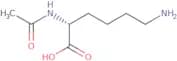
Formula:C5H10N2O3SPurity:Min. 95%Molecular weight:178.21 g/molAc-D-Lys-OH
CAS:Nicotinamide is a form of vitamin B3 that has been shown to inhibit the growth of Giardia lamblia trophozoites. Nicotinamide also inhibits the sirtuins and has been shown to inhibit cell cycle control in microorganisms. It inhibits transcriptional activity by competing with nicotinamide adenine dinucleotide for binding sites on DNA and prevents the formation of nicotinamide-adenine dinucleotide complexes, which are needed for DNA synthesis. Nicotinamide also binds to metronidazole, causing it to be inactive as an antimicrobial agent. The mechanism of action of nicotinamide may be due to its ability to bind and inactivate metronidazole, thereby preventing it from functioning as an anti-microbial agent.Formula:C8H16N2O3Purity:Min. 95%Molecular weight:188.22 g/molp-Methoxybenzylmercaptan
CAS:P-Methoxybenzylmercaptan is an inhibitor of protein synthesis. It binds to the active site of the enzyme ribonuclease A, which is involved in the processing of messenger RNA. P-Methoxybenzylmercaptan also inhibits other enzymes such as alkaline phosphatase and esterases. It has been shown to be effective against HIV infection. This compound can be used for chemical ligation reactions and as a cell culture medium additive, as it protects cells from oxidation and provides a more acidic environment. P-Methoxybenzylmercaptan has been shown to bind to amines and is being investigated for its use in drug development.Formula:C8H10OSPurity:Min. 95%Color and Shape:Clear LiquidMolecular weight:154.23 g/molTyr-Uroguanylin (mouse, rat)
Please enquire for more information about Tyr-Uroguanylin (mouse, rat) including the price, delivery time and more detailed product information at the technical inquiry form on this pageFormula:C69H105N17O27S4Purity:Min. 95%Molecular weight:1,732.93 g/molZ-Lys(Aloc)-OH·DCHA
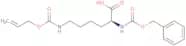
CAS:Please enquire for more information about Z-Lys(Aloc)-OH·DCHA including the price, delivery time and more detailed product information at the technical inquiry form on this page
Formula:C18H24N2O6·C12H23NPurity:Min. 95%Molecular weight:545.71 g/molFluorescein-6-carbonyl-Leu-Glu(OMe)-Thr-DL-Asp(OMe)-fluoromethylketone
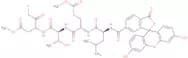
CAS:Please enquire for more information about Fluorescein-6-carbonyl-Leu-Glu(OMe)-Thr-DL-Asp(OMe)-fluoromethylketone including the price, delivery time and more detailed product information at the technical inquiry form on this page
Formula:C43H47FN4O15Purity:Min. 95%Molecular weight:878.85 g/molIDR-1 trifluoroacetate salt
CAS:IDR-1 is a peptide that is derived from the sequence of the human typhimurium protein. IDR-1 has been shown to have anti-inflammatory properties and modulates immune responses in mice. In particular, IDR-1 inhibits neutrophil chemotaxis by inhibiting formyl peptide receptor signaling. This peptide also inhibits bacterial chemokines, which are important for the recruitment of neutrophils. IDR-1 also has been shown to be effective against methicillin-resistant Staphylococcus aureus (MRSA) and pertussis.Formula:C65H118N18O15Purity:Min. 95%Molecular weight:1,391.74 g/molH-D-Phe-Cys-Tyr-D-Trp-Orn-Thr-Pen-Thr-NH2 (Disulfide bond between Cys2 and Pen7)
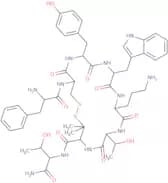
CAS:H-D-Phe-Cys-Tyr-D-Trp-Orn-Thr-Pen-Thr-NH2 is a neuropeptide that was found in the brain of an amphibian and has been shown to have antinociceptive properties. The peptide has been shown to bind to kappa opioid receptors and δ opioid receptors, which are both involved in pain regulation. H-D-Phe-Cys-Tyr-D-Trp-Orn (HDFYDT) has been shown to be effective in vivo, which may be due to its ability to increase striatal dopamine levels and decrease locomotor activity. HDFYDT also increases gamma aminobutyric acid levels in the brain, which may result in reduced anxiety. HDFYDT is synthesized from two amino acids: histidine and glutamine. This peptide is sensitive to proteolytic enzymes and can be degraded into smaller fragments suchFormula:C50H67N11O11S2Purity:Min. 95%Molecular weight:1,062.27 g/molFmoc-N-methyl-O-tert-butyl-L-tyrosine
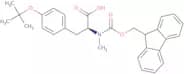
CAS:Fmoc-N-methyl-O-tert-butyl-L-tyrosine is a peptide that mimics the natural substrate serine protease. It has been used to study protein-protein interactions in proteases and their cleavage specificity. This peptide was designed as a peptidomimetic, which is an analog of a protein or peptide. The systematic synthesis of this molecule has been studied extensively and it has been shown that the maximum number of modifications occurs at the N terminus and the minimal number at the C terminus. The residue of this molecule is modified by proteolytic modification, which is a chemical modification that changes the amino acid sequence. Fmoc-N-methyl-O-tert-butyl-L-tyrosine has minimal quantified stability, which means that it can be quantified but not stable for long periods of time.Formula:C29H31NO5Purity:Min. 95%Molecular weight:473.56 g/molTRAP-14 amide trifluoroacetate salt
CAS:Please enquire for more information about TRAP-14 amide trifluoroacetate salt including the price, delivery time and more detailed product information at the technical inquiry form on this pageFormula:C81H119N21O22Purity:Min. 95%Molecular weight:1,738.94 g/molAc-p-amino-Phe-OMe
CAS:Please enquire for more information about Ac-p-amino-Phe-OMe including the price, delivery time and more detailed product information at the technical inquiry form on this page
Formula:C12H16N2O3Purity:Min. 95%Molecular weight:236.27 g/molH-Ile-Ile-Ile-OH acetate salt
CAS:Please enquire for more information about H-Ile-Ile-Ile-OH acetate salt including the price, delivery time and more detailed product information at the technical inquiry form on this page
Formula:C18H35N3O4Purity:Min. 95%Molecular weight:357.49 g/molL-Alanine methyl ester HCl
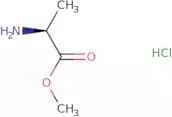
CAS:L-Alanine methyl ester HCl is a compound that is used in wastewater treatment. It has been shown to inhibit the enzyme DPP-IV, which is associated with metabolic disorders. L-Alanine methyl ester HCl also has been shown to have antimicrobial activity against a number of bacteria, including methicillin resistant Staphylococcus aureus (MRSA). L-Alanine methyl ester HCl has been shown to have anti-inflammatory properties and can be used for the treatment of autoimmune diseases. This compound also has a significant effect on biological properties such as phase transition temperature and thermal expansion.Formula:C4H10NO2ClPurity:Min. 95%Color and Shape:White PowderMolecular weight:139.58 g/molAc-Leu-Asp-Gln-Trp-Phe-Gly-NH2
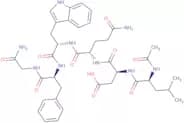
CAS:Ac-Leu-Asp-Gln-Trp-Phe-Gly-NH2 is a peptide that was found to inhibit the activity of vasoactive intestinal peptide (VIP). It binds to VIP with high affinity and competitively inhibits its binding to VIP receptors. Ac-Leu-Asp-Gln-Trp-Phe-Gly-NH2 has an inhibitory effect on the maximal response of VIP in tissues, such as the intestine. This peptide also has an irritant effect on the intestine, which may be due to its competitive inhibition of VIP receptor sites. Ac-Leu-Asp-Gln-Trp-Phe Gly NH2 has been shown to have a concentration response curve for inhibiting the activity of Vip.
Formula:C39H51N9O10Purity:Min. 95%Molecular weight:805.88 g/molGastrin Tetrapeptide
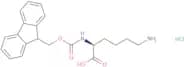
CAS:Gastrin tetrapeptide is a pharmacological treatment for clinical relevance. It has been shown to be an irreversible inhibitor of the histamine H2-receptor. Activated gastrin tetrapeptide has been shown to inhibit the activity of 5-hydroxytryptamine (5-HT) receptors and κ-opioid receptors in vitro, and studies have shown that it decreases glutamate release from nerve cells, which may contribute to its antiemetic properties. Gastrin tetrapeptide has also been shown to have a physiological effect on humans, with decreased 5-HT concentrations and increased gastric pH levels being observed. This peptide is used in the treatment of infectious diseases such as malaria, which causes vomiting and diarrhea.Formula:C29H36N6O6SPurity:Min. 95%Molecular weight:596.7 g/molFmoc-Lys-OH·HCl
CAS:Fmoc-Lys-OH·HCl is an acidic pyrylium that has been shown to be a potent inhibitor of tumor vasculature. It binds to the human serum albumin and inhibits the binding of ligands to the receptor tyrosine kinases, which are involved in brain tumor proliferation. Fmoc-Lys-OH·HCl has also been shown to inhibit the growth of cancer cells by binding to cell membrane receptors and inhibiting protein synthesis. This compound is also isomeric, meaning it can exist in different forms with different properties.Formula:C21H24N2O4·HClPurity:Min. 95 Area-%Color and Shape:White PowderMolecular weight:404.89 g/molH-Leu-Ser-Lys-Leu-OH trifluoroacetate salt
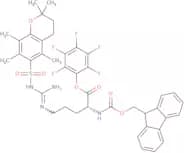
CAS:Please enquire for more information about H-Leu-Ser-Lys-Leu-OH trifluoroacetate salt including the price, delivery time and more detailed product information at the technical inquiry form on this pageFormula:C21H41N5O6Purity:Min. 95%Molecular weight:459.58 g/molFmoc-D-Arg(Pmc)-OPfp
CAS:Please enquire for more information about Fmoc-D-Arg(Pmc)-OPfp including the price, delivery time and more detailed product information at the technical inquiry form on this pageFormula:C41H41F5N4O7SPurity:Min. 95%Molecular weight:828.85 g/mol[5-(5,6-Dimethyl-1,3-benzoxazol-2-yl)-2-methylphenyl]amine
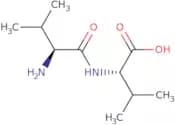
CAS:[5-(5,6-Dimethyl-1,3-benzoxazol-2-yl)-2-methylphenyl]amine is a high quality chemical used in the research and development of new drugs. It is useful as a building block or intermediate for complex compounds, such as pharmaceuticals, agrochemicals, and dyes. It is also used as an intermediate to produce other chemicals with antimicrobial properties. This compound can be used in the production of many different types of products.Formula:C16H16N2OPurity:Min. 95%Color and Shape:Beige PowderMolecular weight:252.31 g/molH-Val-Val-OH
CAS:H-Val-Val-OH is a compound that has been shown to inhibit uptake of proton from the environment. It was found to be an effective inhibitor of both protein and lipid uptake in cell culture studies. These effects may be due to its ability to form hydrogen bonds with water molecules, which are required for transport across the membrane. FTIR spectroscopy data show that H-Val-Val-OH forms intermolecular hydrogen bonding with other molecules. Linear regression analysis of FTIR spectroscopic data on H-Val-Val-OH has revealed the presence of nitrogen atoms, which may play a role in its function as an inhibitor.Formula:C10H20N2O3Purity:Min. 95%Molecular weight:216.28 g/molBAM-12P (7-12)
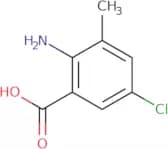
CAS:Please enquire for more information about BAM-12P (7-12) including the price, delivery time and more detailed product information at the technical inquiry form on this pageFormula:C29H52N12O9Purity:Min. 95%Molecular weight:712.8 g/mol2-Amino-5-chloro-3-methylbenzoic acid
CAS:2-Amino-5-chloro-3-methylbenzoic acid (ACMB) is a substructure of the insecticidal compound chlorantraniliprole. It is a solid at room temperature and has a molecular weight of 142.15 g/mol. ACMB can be extracted from n-hexane, chlorantraniliprole, or xylene using gravimetric analysis. The bioactivity of ACMB can be determined by an anthranilic assay, while its solubility data are available in the literature. ACMB has been shown to have insecticidal activity against lepidoptera larvae and cyanuric activity against mosquito larvae.Formula:C8H8ClNO2Purity:Min. 95%Molecular weight:185.61 g/molAc-Asp-D-Gla-Leu-Ile-b-cyclohexyl-Ala-Cys-OH
CAS:Please enquire for more information about Ac-Asp-D-Gla-Leu-Ile-b-cyclohexyl-Ala-Cys-OH including the price, delivery time and more detailed product information at the technical inquiry form on this page
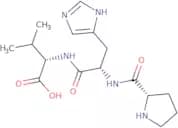
Formula:C36H58N6O14SPurity:Min. 95%Molecular weight:830.94 g/molH-Pro-His-Val-OH
CAS:Please enquire for more information about H-Pro-His-Val-OH including the price, delivery time and more detailed product information at the technical inquiry form on this page
Formula:C16H25N5O4Purity:Min. 95%Molecular weight:351.4 g/molSuc-Val-Pro-Phe-4MbNA
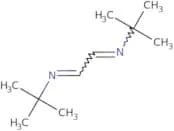
CAS:Please enquire for more information about Suc-Val-Pro-Phe-4MbNA including the price, delivery time and more detailed product information at the technical inquiry form on this pageFormula:C34H40N4O7Purity:Min. 95%Molecular weight:616.7 g/molN,N'-Ethane-1,2-diylidenebis(2-methylpropan-2-amine)
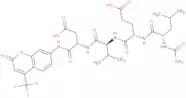
CAS:Please enquire for more information about N,N'-Ethane-1,2-diylidenebis(2-methylpropan-2-amine) including the price, delivery time and more detailed product information at the technical inquiry form on this pageFormula:C10H20N2Purity:Min. 95%Color and Shape:PowderMolecular weight:168.28 g/molAc-Leu-Glu-Val-Asp-AFC
CAS:Please enquire for more information about Ac-Leu-Glu-Val-Asp-AFC including the price, delivery time and more detailed product information at the technical inquiry form on this pageFormula:C32H40F3N5O11Purity:Min. 95%Molecular weight:727.68 g/molH-beta-Cyclohexyl-Ala-OMe·HCl
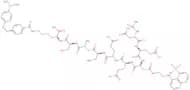
CAS:Please enquire for more information about H-beta-Cyclohexyl-Ala-OMe·HCl including the price, delivery time and more detailed product information at the technical inquiry form on this pageFormula:C10H19NO2·HClPurity:Min. 95%Molecular weight:221.72 g/molAc-Asp-Glu-Asp(EDANS)-Glu-Glu-Abu-L-lactoyl-Ser-Lys(DABCYL)-NH2 ammonium salt
CAS:Please enquire for more information about Ac-Asp-Glu-Asp(EDANS)-Glu-Glu-Abu-L-lactoyl-Ser-Lys(DABCYL)-NH2 ammonium salt including the price, delivery time and more detailed product information at the technical inquiry form on this pageFormula:C68H89N15O25SPurity:Min. 95%Molecular weight:1,548.59 g/mol(DL-Isoser 1)-TRAP-6 trifluoroacetate salt
CAS:Please enquire for more information about (DL-Isoser 1)-TRAP-6 trifluoroacetate salt including the price, delivery time and more detailed product information at the technical inquiry form on this pageFormula:C34H56N10O9Purity:Min. 95%Molecular weight:748.87 g/molH-Arg-Phe-OH acetate salt
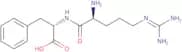
CAS:H-Arg-Phe-OH Acetate Salt is a peptide that has the amino acids H, Arg, Phe and OH. It is a stable complex with amines and is effective in reducing blood pressure. The binding constants are high, which means that it can be used as an antihypertensive agent. A study on the haemodynamic effects of H-Arg-Phe-OH Acetate Salt showed that it could inhibit the release of noradrenaline levels in the body. The reaction mechanism for H-Arg-Phe-OH Acetate Salt is functional groups plus fatty acids; kidney bean is one of its sources.
Formula:C15H23N5O3Purity:Min. 95%Molecular weight:321.38 g/molBoc-His(Tos)-PAM resin (200-400 mesh)
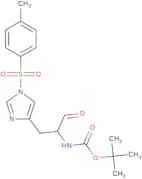
Please enquire for more information about Boc-His(Tos)-PAM resin (200-400 mesh) including the price, delivery time and more detailed product information at the technical inquiry form on this pagePurity:Min. 95%H-beta-(1,2,4-Triazol-1-yl)-DL-Ala-OH
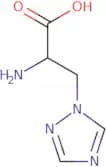
CAS:Please enquire for more information about H-beta-(1,2,4-Triazol-1-yl)-DL-Ala-OH including the price, delivery time and more detailed product information at the technical inquiry form on this page
Formula:C5H8N4O2Purity:Min. 95%Molecular weight:156.14 g/molH-D-Ser(SO3H)-OH
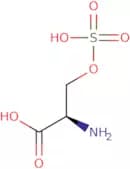
CAS:Please enquire for more information about H-D-Ser(SO3H)-OH including the price, delivery time and more detailed product information at the technical inquiry form on this pageFormula:C3H7NO6SPurity:Min. 95%Molecular weight:185.16 g/molpTH-Related Protein (1-37) (human, mouse, rat) trifluoroacetate salt
CAS:Please enquire for more information about pTH-Related Protein (1-37) (human, mouse, rat) trifluoroacetate salt including the price, delivery time and more detailed product information at the technical inquiry form on this pageFormula:C197H317N63O53Purity:Min. 95%Molecular weight:4,416.02 g/mol...(Ala13)-Apelin-13 (human, bovine, mouse, rat) trifluoroacetate salt
CAS:Apelin-13 is a peptide hormone that is involved in the regulation of cardiovascular, respiratory and gastrointestinal functions. It has been shown to stimulate receptor activity and pain sensitivity in animal models. Apelin-13 has been shown to act as an opioid receptor agonist, meaning that it binds to the opioid receptors and activates them. This activation leads to an increase in the production of growth factors and matrix metalloproteinases, which are proteins that break down collagen and other substances in the body. The increased production of these substances can lead to inflammation and tissue destruction. Apelin-13 also interacts with several other receptors including CB2 (a cannabinoid receptor), GPCR (a G protein-coupled receptor), CRHR1 (a corticotropin releasing hormone receptor 1) and Naloxone (an opioid antagonist).
Formula:C63H107N23O16S·xC2HF3O2Purity:Min. 95%Molecular weight:1,474.74 g/molEndothelial-Monocyte-Activating Polypeptide II-Derived Peptide
CAS:Please enquire for more information about Endothelial-Monocyte-Activating Polypeptide II-Derived Peptide including the price, delivery time and more detailed product information at the technical inquiry form on this pageFormula:C81H142N26O22Purity:Min. 95%Molecular weight:1,832.16 g/mol









![2-[(1S)-1-Aminopropyl]-5-fluoro-3-phenyl-4(3H)-quinazolinone](/_next/image/?url=https%3A%2Fstatic.cymitquimica.com%2Fproducts%2F3D%2Fthumb-webp%2FFA96431.webp&w=3840&q=75)









![1-{[5-(Cyclopropylcarbonyl)-1-methyl-4,5,6,7-tetrahydro-1H-pyrazolo[4,3-c]pyridin-3-yl]carbonyl}pi…](/_next/image/?url=https%3A%2Fstatic.cymitquimica.com%2Fproducts%2F3D%2Fthumb-webp%2FFC119596.webp&w=3840&q=75)





![[5-(5,6-Dimethyl-1,3-benzoxazol-2-yl)-2-methylphenyl]amine](/_next/image/?url=https%3A%2Fstatic.cymitquimica.com%2Fproducts%2F3D%2Fthumb-webp%2FFD134975.webp&w=3840&q=75)