Amino Acids (AA)
Subcategories of "Amino Acids (AA)"
- Amino Acid Derivatives(4,016 products)
- Amino Acid and Amino Acid Related Compounds(3,490 products)
- Amino Acids with Oxygen or Sulphur(168 products)
- Boc- Amino Acids(351 products)
- Fmoc Amino Acids(1,710 products)
Found 38369 products of "Amino Acids (AA)"
L-Arg-Pro-pNA
CAS:L-Arg-Pro-pNA is a peptide hormone that has been shown to increase the proliferation of epidermal cells. It also has been shown to have an energy metabolism function, and is involved in the synthesis of other peptides. L-Arg-Pro-pNA inhibits serine protease activity and exhibits reactive properties, which may be due to its ability to bind with thiol groups on proteins. This protein also binds with epidermal growth factor (EGF) and appears to stimulate the growth of epidermal cells.
Formula:C17H25N7O4Purity:Min. 95%Color and Shape:PowderMolecular weight:391.43 g/molFmoc-D-Val-OH
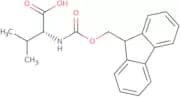
CAS:Fmoc-D-Val-OH is a synthetic acetal that is used as a substrate for protein modification. It has been shown to bind to the active site of enzymes such as butyrylcholinesterase and esterases, which are involved in the metabolism of fatty acids. Fmoc-D-Val-OH also binds to mammalian cells and can be conjugated with other molecules, such as nanoribbons, to improve their solubility in water.
Formula:C20H21NO4Purity:Min. 98 Area-%Color and Shape:PowderMolecular weight:339.39 g/molN-(Ethoxy-Fluorophosphoryl)-N-Methylmethanamine
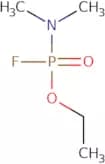
CAS:Controlled ProductEthoxy-Fluorophosphoryl-N-Methylmethanamine is a chemical that belongs to the class of nerve agents. It can be used as an antidote for sarin poisoning. This compound reacts with the enzyme butyrylcholinesterase, which breaks down acetylcholine in the synapses. In this way, it blocks the transmission of nerve impulses and causes muscle paralysis. Ethoxy-Fluorophosphoryl-N-Methylmethanamine acts as an antagonist of acetylcholine receptors in both animals and humans. It also inhibits cholinesterase activity in blood pressure regulation, which leads to increased blood pressure levels. When administered at sublethal doses, this compound induces a long lasting sensitization of the central nervous system to other cholinergic drugs such as atropine or nerve gases such as sarin.Formula:C4H11FNO2PPurity:Min. 95%Molecular weight:155.11 g/mol2,2,2-Trifluoro-n-phenylacetamide
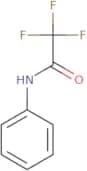
CAS:2,2,2-Trifluoro-n-phenylacetamide is a functionalized trifluoroacetic acid. It is inactive and can be used for diagnostic purposes. 2,2,2-Trifluoro-n-phenylacetamide reacts with amines to form the corresponding deuterium isotope labeled amine. The heterocyclic amines that are formed react with diazonium salt to produce an enolate anion that reacts with chloride to form the corresponding carboxylic acid derivative. The proton of the carboxylic acid leaves as a protonated ammonium ion, which is stable in alkaline solutions. Amides have a negative charge on the nitrogen atom due to its electron withdrawing properties.Formula:C8H6F3NOPurity:Min. 95%Color and Shape:PowderMolecular weight:189.13 g/molH-D-Ala-Leu-Lys-AMC hydrochloride salt
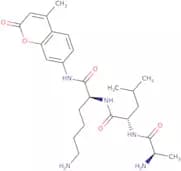
CAS:H-D-Ala-Leu-Lys-AMC hydrochloride salt is a zymogen that is the substrate for tissue plasminogen activator (tPA). It has been shown to inhibit the activity of fibrinogen and thrombin, two proteins involved in coagulation. H-D-Ala-Leu-Lys-AMC hydrochloride salt also inhibits the hydrolysis of fibrin clots by serine proteases and prevents the formation of new clots by inhibiting the activation of annexin. This drug has been shown to be effective in animal models with established atherosclerosis.Formula:C25H37N5O5•HClPurity:Min. 95%Color and Shape:PowderMolecular weight:524.05 g/molN-alpha-Benzoyl-L-arginine amide hydrochloride
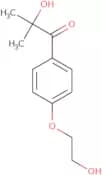
CAS:N-alpha-Benzoyl-L-arginine amide hydrochloride (BA) is a synthetic, noncompetitive inhibitor of phosphodiesterase. It has been shown to inhibit protease activity in vitro and rhizosphere enzyme activities in vivo. BA also inhibits the formation of hippuric acid from benzoic acid, which is a reaction catalyzed by the enzyme phosphatase. The kinetics of this inhibition have been studied using a number of different substrates and enzymes. BA binds to the catalytic site on the enzyme, sterically hindering binding of the substrate and preventing hydrolysis.Formula:C13H19N5O2·HClPurity:Min. 95%Color and Shape:PowderMolecular weight:313.78 g/mol2-Hydroxy-4'-(2-hydroxyethoxy) -2-methylpropiophenone
CAS:2-Hydroxy-4'-(2-hydroxyethoxy)-2-methylpropiophenone is a reactive chemical substance that has been shown to have significant cytotoxicity and biological properties. It is used in the treatment of cervical cancer and has been shown to inhibit the growth of cancer cells. This compound is found in a number of commercial products, including sunscreens and hair dyes, but its use may be limited due to its photochemical reactivity. The structure of 2HEPP was determined using nuclear magnetic resonance (NMR) spectroscopy and mass spectrometry. The chemical formula for 2HEPP is C10H14O3. It has a molecular weight of 192.22 g/mol and an empirical formula of C10H14O3. 2HEPP is soluble in methanol, acetone, ether, chloroform, benzene, ethanol, ethyl acetate, diethyl ether, and acetonFormula:C12H16O4Purity:Min. 95%Color and Shape:White PowderMolecular weight:224.25 g/mol4-Fluoro-2-methoxybenzoic acid
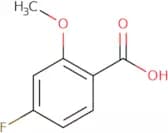
CAS:4-Fluoro-2-methoxybenzoic acid is a versatile building block that is used in the synthesis of many complex compounds. It is a reagent, which means it can be used as an intermediate in the synthesis of other compounds. 4-Fluoro-2-methoxybenzoic acid is also a useful scaffold for the preparation of new chemical entities with specific pharmaceutical properties. The CAS number for this compound is 395-82-4.Formula:C8H7FO3Purity:Min. 95%Color and Shape:PowderMolecular weight:170.14 g/molLL-37 amide trifluoroacetate
CAS:Please enquire for more information about LL-37 amide trifluoroacetate including the price, delivery time and more detailed product information at the technical inquiry form on this pageFormula:C205H341N61O52•(C2HF3O2)xPurity:Min. 95%Color and Shape:PowderMolecular weight:4,492.28 g/molN-Fmoc-S-2-amino-heptanoic acid
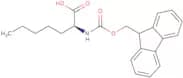
CAS:N-Fmoc-S-2-amino-heptanoic acid is a metabolite of the pentose phosphate pathway that is also found in the glycolytic pathway. It is a cell activator and, as such, can be used to stimulate the production of insulin, dopamine, and other metabolic products. N-Fmoc-S-2-amino-heptanoic acid has been shown to reduce levels of glucose in rat brains with administration through the injection route. This compound has also been shown to inhibit glycolytic enzymes and increase cell toxicity.Formula:C22H25NO4Purity:Min. 95%Color and Shape:White Off-White PowderMolecular weight:367.44 g/molN-Methyltryptamine hydrochloride
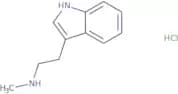
CAS:Controlled ProductN-Methyltryptamine hydrochloride is a chemical that has been shown to be an antagonist of the serotonin receptor 5-HT7 in vivo. This drug is also a potent inhibitor of acetylcholinesterase, which may be due to its ability to inhibit the methylation of serotonergic receptors. It has been shown to have clinical efficacy in treating depression, although it is not currently approved by the FDA for this use. N-Methyltryptamine hydrochloride has been shown to have an antidepressant effect in wild-type mice and in mouse models of depression. It inhibits the growth of cancer cells by inducing apoptosis and inhibiting cell proliferation.Formula:C11H15ClN2Purity:Min. 95%Color and Shape:PowderMolecular weight:210.7 g/mol3-Bromo-2-methoxybenzyl alcohol
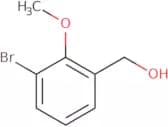
CAS:3-Bromo-2-methoxybenzyl alcohol is a reaction component that is used in the synthesis of a number of chemical compounds. It has been shown to be a useful scaffold, with versatile building blocks and intermediates. 3-Bromo-2-methoxybenzyl alcohol is an intermediate for the synthesis of complex compounds such as antihypertensive drugs, anti-inflammatory agents, and immunosuppressant drugs. This compound also has a variety of uses in research including as a reagent for the determination of enzyme activity and as an analytical reference standard.Formula:C8H9BrO2Purity:Min. 95%Color and Shape:PowderMolecular weight:217.06 g/mol2,6-Dichloro-3-methylaniline
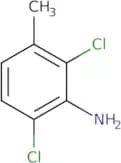
CAS:2,6-Dichloro-3-methylaniline is a wastewater treatment chemical that is used to remove ammonia from wastewater. It is an allosteric modulator that can bind to different sites on the same protein and change its function. 2,6-Dichloro-3-methylaniline has been shown to inhibit the growth of bladder cancer cells in vitro and in vivo by affecting the production of dopamine. This compound may also be effective in treating other cancers such as breast cancer and prostate cancer. 2,6-Dichloro-3-methylaniline has been shown to inhibit population growth in some bacteria by binding to DNA gyrase and topoisomerase IV enzymes.Formula:C7H7Cl2NPurity:Min. 95%Color and Shape:PowderMolecular weight:176.04 g/mol(9-Phenanthryl)methyl methacrylate
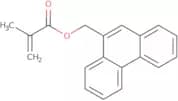
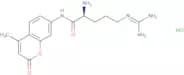
CAS:9-Phenanthryl)methyl methacrylate is a fluorescent pigment that is used as a nanomaterial. It is an acidic material and can be used in coatings to improve the properties of materials. 9-Phenanthryl)methyl methacrylate has been shown to have fluorescence resonance energy transfer (FRET) properties, which may be due to its monolayer structure and chromophore. The diameter of this particle ranges from 10-20 nm, with a water permeability of 20% at pH 7.0 and 0.1% at pH 2.0. This pigment has a high degree of surface roughness, which is due to its morphology and the microenvironment in which it exists.Formula:C19H16O2Purity:Min. 95 Area-%Color and Shape:PowderMolecular weight:276.33 g/molH-Arg-AMC hydrochloride
CAS:H-Arg-AMC hydrochloride is a denaturing agent that is used to prevent the proteolytic degradation of proteins in muscle and other tissues. It has been shown to inhibit the activity of lipase, myofibrillar, and endoplasmic enzymes. H-Arg-AMC hydrochloride also has cancer preventive effects by inhibiting the growth of tumor cells. H-Arg-AMC hydrochloride has been shown to have high values in notochord markers, supplementing cytosolic markers, and endogenous markers.Formula:C16H21N5O3·xHClPurity:Min. 95%Color and Shape:White PowderMolecular weight:331.37 g/mol5-(1-Aza-2-(4-fluorophenyl)vinyl)-4-imino-2-oxo-3-phenyl-1H-1,3-diazine-6-carbonitrile
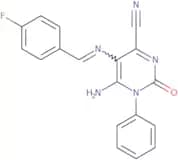
CAS:Please enquire for more information about 5-(1-Aza-2-(4-fluorophenyl)vinyl)-4-imino-2-oxo-3-phenyl-1H-1,3-diazine-6-carbonitrile including the price, delivery time and more detailed product information at the technical inquiry form on this page
Formula:C18H12FN5OPurity:Min. 95%Color and Shape:PowderMolecular weight:333.32 g/mol(R)-N-Boc-2-Hydroxymethylmorpholine
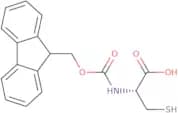
CAS:(R)-N-Boc-2-Hydroxymethylmorpholine is an enantioselective synthesis of a drug. It is used in the reductive amination of aldehydes with ammonia, which has been shown to be operationally enantioselective. (R)-N-Boc-2-Hydroxymethylmorpholine undergoes an intramolecular reaction that results in the formation of an azido group. This asymmetric reaction is catalyzed by palladium, and the product can be used for the reductive amination of aldehydes with ammonia.Formula:C10H19NO4Purity:Min. 95%Color and Shape:White PowderMolecular weight:217.26 g/molFmoc-L-cysteine
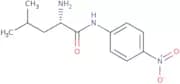
CAS:Fmoc-L-cysteine is a reactive thiol that can be used for the synthesis of peptides and proteins. Fmoc-L-cysteine is synthesized by hydrothiolation of L-cysteine with 3-mercaptopropionic acid, which leads to the formation of a disulfide bond. The reaction product is purified by column chromatography and analyzed by NMR spectroscopy. Fmoc-L-cysteine has been shown to have efficient prenylation activity in vitro and in cell culture experiments. It has also been shown to be an important amino acid for the formation of amyloid protein aggregates, as well as being involved with other helical peptides in plants. X-ray crystal structures have been determined for Fmoc-L-cysteine bound to monoclonal antibodies.Formula:C18H17NO4SPurity:Min. 98 Area-%Color and Shape:PowderMolecular weight:343.4 g/molL-Leucine 4-nitroanilide
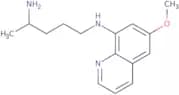
CAS:L-Leucine 4-nitroanilide serves as a substrate for the colorimetric determination of leucine aminopeptidase. The application of L-Leucine-p-nitroanilide includes its utilization as a substrate in studies assessing the intestinal leucine aminopeptidase activity of juvenile rainbow trout (Oncorhynchus mykiss). Additionally, it plays a role in insulin-regulated aminopeptidase inhibition assays and is employed to determine exopeptidase activity.Formula:C12H17N3O3Purity:(Titration) 99 To 101%Color and Shape:PowderMolecular weight:251.28 g/molN1-(6-Methoxy-8-quinolinyl)-1,4-pentanediamine
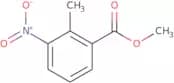
CAS:Impurity found in Primaquine diphosphateFormula:C15H21N3OPurity:Min. 95%Color and Shape:Yellow PowderMolecular weight:259.35 g/molMethyl 2-methyl-3-nitrobenzoate
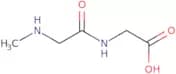
CAS:Methyl 2-methyl-3-nitrobenzoate is a synthetic drug that has potent antitumor activity and inhibits tumor growth in a variety of animal models. It acts by inhibiting protein synthesis and inducing apoptosis, as well as by inhibiting the production of TNF-α. Methyl 2-methyl-3-nitrobenzoate is an alkylating agent that reacts with DNA, RNA, and other cell components to form crosslinks between them. This prevents the cells from dividing or repairing themselves. The inhibition of protein synthesis may be due to methyl 2-methyl-3-nitrobenzoate's ability to react with amide groups on proteins.Formula:C9H9NO4Purity:Min. 95%Color and Shape:PowderMolecular weight:195.17 g/molSar-Gly-OH
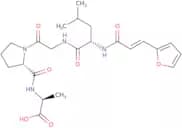
CAS:Sar-Gly-OH is a high quality, reagent chemical that is a useful intermediate in the production of complex compounds. It has CAS No. 38082-72-3 and can be used as a fine chemical, speciality chemical, or research chemical. Sar-Gly-OH is also a versatile building block that can be used in the production of many different types of compounds. It has been shown to be an important reaction component in the synthesis of several types of pharmaceuticals and other organic materials.Formula:C5H10N2O3Purity:Min. 95%Color and Shape:PowderMolecular weight:146.14 g/molFA-Leu-Gly-Pro-Ala-OH
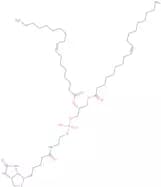
CAS:FA-Leu-Gly-Pro-Ala-OH is a gelatinase inhibitor that inhibits the action of collagenase, an enzyme that breaks down collagen. It has been shown to inhibit the growth of cancer cells in vitro and may be useful as a therapeutic agent against skin cancer. FA-Leu-Gly-Pro-Ala-OH binds to the active site of the enzyme and blocks its catalytic activity by preventing proton transfer during the hydrolysis of peptide bonds. This inhibitor also has proteolytic properties, which are due to its ability to cleave proteins with basic amino acids such as arginine and lysine. The inhibitory effects of FA-Leu-Gly-Pro-Ala-OH on histological analysis were also tested on fibroblast cells with collagenase activity, which showed a significant reduction in enzyme activity after incubation with this inhibitor.Formula:C23H32N4O7Purity:Min. 95%Color and Shape:PowderMolecular weight:476.52 g/mol1,2-Dioleoyl-sn-glycero-3-phosphatidylethanolamino (+)-biotin
CAS:This is a speciality chemical and is not intended for use in food, drug, or cosmetic applications. This fine chemical is a useful building block, which can be used to synthesize complex compounds. It has been shown to have high reactivity with a variety of reagents, making it an excellent research component.Formula:C51H92N3O10PSPurity:Min. 95%Color and Shape:PowderMolecular weight:970.33 g/molL-Methionine-S-methyl sulfonium chloride
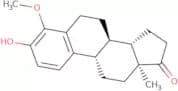
CAS:Methionine-S-methyl sulfonium chloride is a methionine analog that is used as a dietary supplement. It has been shown to inhibit the synthesis of prostaglandins in animals, which may be due to its inhibition of arachidonic acid release. Methionine-S-methyl sulfonium chloride also inhibits UVB-induced erythema and uvb-induced reactions in animals. This drug is metabolized by the enzyme methionine adenosyltransferase, which converts it into S-adenosylmethionine (SAM). SAM is a methyl donor for DNA methylation and other methylation reactions. Methionine-S-methyl sulfonium chloride may have a physiological effect on plants through its effects on their metabolism, especially with respect to their growth rate and nutrient uptake.Formula:C6H14ClNO2SPurity:Min. 95 Area-%Color and Shape:White PowderMolecular weight:199.7 g/mol4-Methoxy estrone
CAS:Controlled Product4-Methoxy estrone is a metabolite of estradiol that has been shown to induce cellular transformation in vitro and tumorigenesis in vivo. It can be found in the urine of women with breast cancer and is also produced during pregnancy. 4-Methoxy estrone has been shown to have a high affinity for catechol-O-methyltransferase (COMT) enzyme, which may contribute to its carcinogenic effects. Studies have also shown that 4-methoxy estrone can be metabolized by hydroxylation at the 4 position to form catechol estrogen metabolites, which are associated with preeclampsia. This compound has been identified as an endocrine disruptor that alters metabolic profiles when administered to animals.Formula:C19H24O3Purity:Min. 95%Color and Shape:PowderMolecular weight:300.39 g/molH-D-allo-Threonine methyl ester hydrochloride
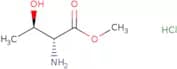
CAS:H-D-allo-Threonine methyl ester hydrochloride is a speciality chemical that is used in research and development. It is an intermediate for the synthesis of other compounds, such as pharmaceuticals, pesticides, and fragrances. H-D-allo-Threonine methyl ester hydrochloride has been shown to be useful in the production of methanol and ethanol. This compound also has high quality and can be used as a reagent for other reactions.
Formula:C5H11NO3•HClPurity:Min. 95%Color and Shape:PowderMolecular weight:169.61 g/mol4'-Methoxy-α-naphthoflavone
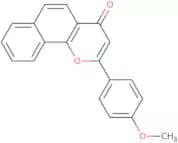
CAS:4'-Methoxy-alpha-naphthoflavone is a flavonoid that has been shown to have inhibitory effects on the metabolism of 3-methylcholanthrene and other xenobiotics. The compound inhibits the oxidation of these compounds by both the cytochrome P450 and NADPH-dependent oxidases. 4'-Methoxy-alpha-naphthoflavone also inhibits the activation of these compounds by hepatic tissues, as well as the metabolism of phenobarbital by rat liver microsomes. The compound may be metabolized in vivo to 4'-hydroxy-alpha-naphthoflavone, which is more potent than 4'-methoxy-alpha-naphthoflavone.Formula:C20H14O3Purity:Min. 95%Molecular weight:302.32 g/molL-a-Glycerophosphorylcholine
CAS:Precursor of neurotransmitter acetylcholineFormula:C8H20NO6PPurity:(%) Min. 95%Color and Shape:White PowderMolecular weight:257.22 g/molBoc-NH-PEG3-CH2CH2COOH
CAS:Boc-NH-PEG3-CH2CH2COOH is a PEG compound with two different functional groups (also known as heterobifunctional). Unlike homobifunctional PEG compounds (same functional group on both ends), this type of compounds are more versatile as have two different anchor points. Boc-NH-PEG3-CH2CH2COOH is used as a linker and spacer to add a PEG moiety, via pegylation (a bioconjugation technique) to proteins, peptides, oligonucleotides, small molecules and nanoparticles.Formula:C14H27NO7Purity:Min. 95%Color and Shape:Colorless PowderMolecular weight:321.37 g/molL-Norleucine
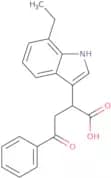
CAS:L-Norleucine is a non-essential amino acid that is structurally similar to leucine. It has been shown to have an inhibitory effect on the growth of resistant mutants in the coli K-12 strain. L-Norleucine binds strongly to amyloid proteins and may be used as a therapeutic agent for Alzheimer's disease. It has also been shown to be effective against congestive heart failure in vitro, which may be due to its ability to modulate monoamine neurotransmitters and increase the availability of nitric oxide. L-Norleucine may also be useful for the treatment of Parkinson's disease because it inhibits protein aggregation at low concentrations.Formula:C6H13NO2Purity:Min. 95%Color and Shape:PowderMolecular weight:131.17 g/mol2-(7-Ethylindol-3-yl)-4-oxo-4-phenylbutanoic acid
CAS:Please enquire for more information about 2-(7-Ethylindol-3-yl)-4-oxo-4-phenylbutanoic acid including the price, delivery time and more detailed product information at the technical inquiry form on this page
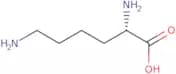
Purity:Min. 95%L-Lysine
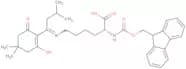
CAS:L-Lysine is an amino acid that is necessary for the production of proteins. It plays a key role in the regulation of transcription and cellular metabolism. L-Lysine is synthesized from lysine, which is derived from ornithine and aspartate. L-Lysine can also be formed by methylation of lysine residues on histones, which leads to changes in gene expression. L-Lysine has been shown to inhibit cancer cells by inhibiting the proliferation of tumor cells, preventing cellular transformation, and inhibiting viral replication. The inhibition of viral replication may be due to the ability of L-lysine to act as a competitive inhibitor against cyclic peptides, such as polyoma virus T antigen (PVT) or SV40 large T antigen (SV40 LT).Formula:C6H14N2O2Purity:Min. 95%Color and Shape:PowderMolecular weight:146.19 g/molFmoc-D-Lys(ivDde)-OH
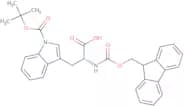
CAS:Fmoc-D-Lys(ivDde)-OH is a synthetic amino acid with the molecular formula C6H14N2O2. It is an agonist of the dopaminergic receptor and has been shown to reverse insulin resistance in animal models. It also has affinity for fatty acid metabolism, nervous system, and glucagon-like peptide receptors. Fmoc-D-Lys(ivDde)-OH is a heterocycloalkyl amino acid that contains a nitrogen atom at position 1 and a fatty acid at position 2. The isopropyl group at position 3 prevents this amino acid from being absorbed orally and must be given intravenously or intramuscularly.Formula:C34H42N2O6Purity:Min. 95%Color and Shape:PowderMolecular weight:574.71 g/molFmoc-D-Trp(Boc)-OH
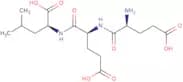
CAS:Fmoc-D-Trp(Boc)-OH is a β-amino acid that has potent antitumor activity. It is a cyclic peptide that has been synthesized by solid-phase chemistry and molecular modelling. Fmoc-D-Trp(Boc)-OH inhibits the histone deacetylase (HDAC) enzyme, which controls gene expression and cell proliferation, and is a potential anticancer drug. This molecule also inhibits the uptake of kynurenine by cancer cells, leading to cell death. Fmoc-D-Trp(Boc)-OH has been shown to inhibit the growth of human breast cancer cells in culture with an IC50 of 10 μM and to induce apoptosis in these cells with an IC50 of 2 μM.Formula:C31H30N2O6Purity:Min. 95%Color and Shape:PowderMolecular weight:526.58 g/molH-Glu-Glu-Leu-OH
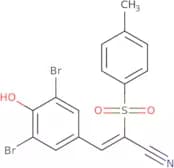
CAS:H-Glu-Glu-Leu-OH is a vitamin that is essential for the production of hydroxyproline, which aids in the formation of collagen. It is also used to treat osteoarthritis and rheumatoid arthritis. H-Glu-Glu-Leu-OH is synthesized from glutamate, glutamic acid, and leucine in the liver and kidney. This reaction proceeds by two steps: first, glutamate carboxylase converts glutamate to α-ketoglutarate; then, aspartate aminotransferase converts α-ketoglutarate to aspartate semialdehyde. Aspartate semialdehyde is converted to H-Glu-Glu-Leu by an enzyme called glutamyl aminopeptidase. The reaction mechanism of this enzyme has been studied experimentally and theoretically using sodium bicarbonate (NaHCO) as a buffer. The sequential natureFormula:C16H27N3O8Purity:Min. 95%Color and Shape:White Off-White PowderMolecular weight:389.40 g/mol3-(3,5-dibromo-4-hydroxyphenyl)-2-((4-methylphenyl)sulfonyl)prop-2-enenitrile
CAS:Please enquire for more information about 3-(3,5-dibromo-4-hydroxyphenyl)-2-((4-methylphenyl)sulfonyl)prop-2-enenitrile including the price, delivery time and more detailed product information at the technical inquiry form on this page
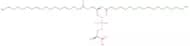
Purity:Min. 95%L-a-Phosphatidyl-L-serine
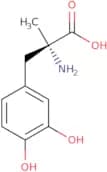
CAS:L-a-Phosphatidyl-L-serine is a chelator that is commonly used in the production of dabigatran etexilate mesylate, a medication used for anticoagulation. It has the ability to bind to hydrocarbons and other reactive species, preventing them from causing harm. L-a-Phosphatidyl-L-serine is also known to interact with potassium ions, which are essential for various biological processes. This compound is often used in research chemicals and has been found to have an inhibitory effect on potassium channels. Additionally, it has been shown to enhance the activity of fluoroquinolones, a class of antibiotics. Overall, L-a-Phosphatidyl-L-serine plays a crucial role as a target molecule in various applications related to anticoagulation and potassium regulation.Formula:C42H82NO10PPurity:Min. 95%Color and Shape:PowderMolecular weight:792.07 g/mol3-(3,4-Dihydroxyphenyl)-2-methyl-L-alanine sesquihydrate
CAS:3-(3,4-Dihydroxyphenyl)-2-methyl-L-alanine sesquihydrate is a biological sample that is an active inhibitor of the enzyme methyldopa. This compound has been shown to reduce blood pressure in rats and humans by blocking the α7 nicotinic acetylcholine receptor. 3-(3,4-Dihydroxyphenyl)-2-methyl-L-alanine sesquihydrate is also a polymer composition that has been shown to be toxic in animal studies. The toxicity of 3-(3,4-dihydroxyphenyl)-2-methyl-L-alanine sesquihydrate can be attributed to its structural similarity to methyldopa or its ability to act as a receptor agonist.Formula:C10H13NO4•(H2O)1Purity:Min. 95%Molecular weight:238.24 g/mol3-Methoxybenzhydrazide
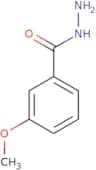
CAS:3-Methoxybenzhydrazide is a molecule that has been studied for its biological properties. It has the ability to inhibit tyrosinase, an enzyme involved in melanin production, and is a potent inhibitor of bacterial growth. 3-Methoxybenzhydrazide also has the property of fluorescence, which can be used to detect its presence in cells. The stability of this molecule has been studied by x-ray crystallography and it is found to have high structural stability. 3-Methoxybenzhydrazide has been shown to be potentially useful for cancer research due to its ability to suppress tumor growth in mice.Formula:C8H10N2O2Purity:Min. 95%Color and Shape:PowderMolecular weight:166.18 g/mol2-Fluoro-4-methoxyphenol
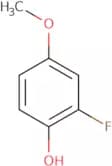
CAS:2-Fluoro-4-methoxyphenol is a white crystalline solid with a melting point of 100°C. It is soluble in water, ethanol and ether and insoluble in chloroform. The compound has been shown to be an intermediate for the synthesis of other organic compounds, such as 2-fluoro-4-(2,2,2-trifluoroethoxy)benzaldehyde, 2-fluoro-4-(3,3,3-trifluoropropoxy)benzaldehyde and 4-(2,2,2-trifluoroethoxy)-3'-nitroacetophenone. 2-Fluoro-4-methoxyphenol can also be used as a building block for speciality chemicals including research chemicals.Formula:C7H7FO2Purity:Min. 95%Color and Shape:Clear LiquidMolecular weight:142.13 g/mol3-((4-Acetylphenyl)amino)-2-phenylinden-1-one
CAS:Please enquire for more information about 3-((4-Acetylphenyl)amino)-2-phenylinden-1-one including the price, delivery time and more detailed product information at the technical inquiry form on this pageFormula:C23H17NO2Purity:Min. 95%Color and Shape:PowderMolecular weight:339.39 g/mol4-Methoxybenzoic acid
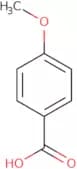
CAS:4-Methoxybenzoic acid is a phenolic compound, which is used in the production of bisphenol A. It can also be found as an intermediate in the synthesis of other compounds, such as protocatechuic acid and pachymic acid. 4-Methoxybenzoic acid can be found naturally in a variety of plants, including cranberries. This compound has been shown to inhibit the growth of bacteria by disrupting their cell walls and inhibiting protein synthesis. 4-Methoxybenzoic acid has also been shown to have anti-inflammatory properties, which may be due to its ability to inhibit prostaglandin synthesis.
Formula:C8H8O3Purity:Min. 95%Color and Shape:White PowderMolecular weight:152.15 g/molFmoc-L-Trp-OH
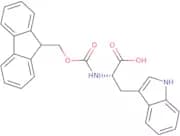
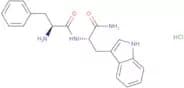
CAS:Fmoc-L-Trp-OH is an amide that contains a low bioavailability and inhibits the transfer of amino acids to ribosomes. It has been shown to inhibit the growth of cancer cells in cell culture and to have antimicrobial activity. Fmoc-L-Trp-OH is synthesized by reacting Naphthalene with glycine, followed by hydrolysis of the ester group under trifluoroacetic acid. The product is then conjugated with a polypeptide. This method of synthesis was developed as a way to produce peptides that are difficult to synthesize using solid-phase chemistry.Formula:C26H22N2O4Purity:Min. 95%Color and Shape:PowderMolecular weight:426.46 g/molH-Phe-Trp-NH2·HCl
CAS:H-Phe-Trp-NH2·HCl is a chemical reagent that is used as a reaction component in organic synthesis. H-Phe-Trp-NH2·HCl is a versatile building block, useful intermediate, and useful scaffold for the synthesis of complex compounds. It has been shown to be a fine chemical with high quality and high purity. CAS No. 38678-69-2.
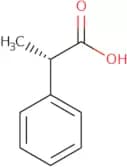
Formula:C20H22N4O2•HClPurity:Min. 95%Color and Shape:SolidMolecular weight:386.88 g/mol(S)-(+)-2-Phenylpropionic acid
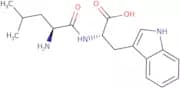
CAS:(S)-(+)-2-Phenylpropionic acid is an organic solvent that is catalyzed by a hydroxy group. It has been shown to be active against bacterial strains in the presence of borohydride reduction and immobilized on polystyrene beads. The enzyme activities were stereoselectively inhibited in the presence of (R)-(-)2-phenylpropionic acid, which is an enantiomer of (S)-(+)2-phenylpropionic acid. This inhibition may be due to the ability of this compound to form a more stable radical coupling with fatty acids such as oleic acid. The reaction temperature can affect the stereoselectivity, with higher temperatures favoring (R)-(-)2-phenylpropionic acid.Formula:C9H10O2Purity:Min. 98 Area-%Color and Shape:Clear LiquidMolecular weight:150.17 g/molH-Leu-Trp-OH
CAS:H-Leu-Trp-OH is a synthetic peptide that is used to lower blood pressure. H-Leu-Trp-OH has been shown to be stereoselective and has antihypertensive activity. It also inhibits the oxidation of amino acids, and its production in the intestine may contribute to lowering blood pressure. This peptide is composed of three amino acids: H-leucine, L-tryptophan, and L-phenylalanine. The diastereomer of this peptide contains two chiral centers at carbons 3 and 4, while the cyclic peptide contains only one chiral center at carbon 3. H-Leu-Trp-OH was synthesized by reacting wheat germ with tripeptides.
Formula:C17H23N3O3Purity:Min. 95%Color and Shape:PowderMolecular weight:317.38 g/mol1-Methyl-4-pyrrolidin-3-ylpiperazine
CAS:1-Methyl-4-pyrrolidin-3-ylpiperazine is a versatile building block that has been used as a reagent, speciality chemical, and intermediate. It is a complex compound that has been shown to be useful in the synthesis of other compounds. 1-Methyl-4-pyrrolidin-3-ylpiperazine is also a precursor to many pharmaceuticals. The National Institute for Occupational Safety and Health (NIOSH) lists this chemical as "reasonably anticipated to be a human carcinogen."
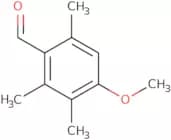
Formula:C9H19N3Purity:Min. 95%Color and Shape:Clear LiquidMolecular weight:169.27 g/mol4-Methoxy-2,3,6-trimethylbenzaldehyde
CAS:4-Methoxy-2,3,6-trimethylbenzaldehyde (MTMB) is a chemical intermediate that can be used as a building block for the synthesis of complex compounds. It has a high quality and is a versatile building block. MTMB is also known to react with other chemical compounds to form an aromatic ring. This compound is used in research and development as well as in fine chemical production.Formula:C11H14O2Purity:Min. 95%Color and Shape:PowderMolecular weight:178.23 g/mol3-Amino-4-methylpentan-2-one hydrochloride
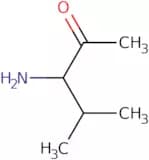
CAS:3-Amino-4-methylpentan-2-one hydrochloride is a versatile building block that is used for the synthesis of high quality research chemicals, useful scaffolds, and speciality chemicals. It is also used as a reagent in organic syntheses. This chemical has a wide range of uses and is a fine chemical that can be used as an intermediate or reaction component. 3-Amino-4-methylpentan-2-one hydrochloride can be reacted with other compounds to form complex molecules that have many different applications.Formula:C6H13NO•HClPurity:Min. 95%Color and Shape:SolidMolecular weight:151.63 g/mol