Amino Acids (AA)
Subcategories of "Amino Acids (AA)"
- Amino Acid Derivatives(4,017 products)
- Amino Acid and Amino Acid Related Compounds(3,492 products)
- Amino Acids with Oxygen or Sulphur(168 products)
- Boc- Amino Acids(351 products)
- Fmoc Amino Acids(1,710 products)
Found 38389 products of "Amino Acids (AA)"
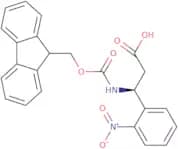
Fmoc-(S)-3-amino-3-(2-nitrophenyl)propionic acid
CAS:Please enquire for more information about Fmoc-(S)-3-amino-3-(2-nitrophenyl)propionic acid including the price, delivery time and more detailed product information at the technical inquiry form on this pageFormula:C24H20N2O6Purity:Min. 95%Color and Shape:White PowderMolecular weight:432.43 g/molN-[3,5-Bis(trifluoroMethyl)phenyl]-N'-[(9R)-6'-Methoxy-9-cinchonanyl]thiourea
CAS:Please enquire for more information about N-[3,5-Bis(trifluoroMethyl)phenyl]-N'-[(9R)-6'-Methoxy-9-cinchonanyl]thiourea including the price, delivery time and more detailed product information at the technical inquiry form on this pageFormula:C29H28F6N4OSPurity:Min. 95%Color and Shape:PowderMolecular weight:594.62 g/mol3-Phenoxybenzaldehyde
CAS:3-Phenoxybenzaldehyde is a chemical compound that is used as an analytical reagent in the surface methodology. It can be synthesized from 3-phenoxybenzoic acid and phenylmagnesium bromide. The synthesis of 3-phenoxybenzaldehyde was accomplished by the hydrogenation of p-nitrophenyl phosphate, which was catalyzed by rat liver microsomes. The resulting product had a molecular formula of C9H8O2 and a molar mass of 156.2 g/mol. 3-Phenoxybenzaldehyde has been shown to inhibit bacterial growth through the inhibition of fatty acid synthesis, as well as inhibiting fatty acid oxidation in recombinant cytochrome P450 enzymes.
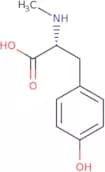
Formula:C13H10O2Purity:Min. 95%Color and Shape:Clear LiquidMolecular weight:198.22 g/molN-Me-D-Tyr-OH·HCl
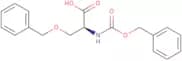
CAS:N-Me-D-Tyr-OH·HCl is an antibiotic that belongs to the group of esters. It has been shown to inhibit the growth of bacteria by binding to the 50S ribosomal subunit. N-Me-D-Tyr-OH·HCl was analyzed using gas chromatography and found to have a retention time of 3.6 minutes. This antibiotic has been used as a substrate for chemical analysis and identification of methyl esters, which are derivatives of carboxylic acids with methyl groups added to the molecule.Formula:C10H13NO3·HClPurity:Min. 95%Color and Shape:PowderMolecular weight:231.68 g/molCbz-Ser(bzl)-OH
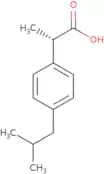
CAS:Cbz-Ser(bzl)-OH is an alcohol that can be used in the synthesis of a variety of compounds. This compound has been shown to have high yields, and can be synthesized from sulfides, phenols, and carboxylic acids. It is neutral and has a carboxylic linkage.Formula:C18H19NO5Purity:Min. 95%Color and Shape:PowderMolecular weight:329.35 g/mol(S)-(+)-4-Isobutyl-a-methylphenylacetic acid
CAS:Ibuprofen is a non-steroidal anti-inflammatory drug (NSAID) that inhibits the production of prostaglandins and has been shown to be effective in the treatment of pain, fever, and inflammation. Ibuprofen binds to and blocks cyclooxygenase enzymes COX-1 and COX-2, which are responsible for the production of prostaglandins. It also inhibits leukocyte migration, which may reduce symptoms associated with infectious diseases. The molecular docking analysis has shown that ibuprofen interacts with crystalline cellulose through hydrogen bonding interactions. Ibuprofen can be used in conjunction with sodium citrate as an anticoagulant during blood sampling procedures to prevent clotting. This medication can cause side effects such as nausea, stomach upset, heartburn, dizziness, headache, or increased risk of bleeding.>Formula:C13H18O2Purity:Min. 95%Color and Shape:White PowderMolecular weight:206.28 g/molH-D-Glu(Gly-OH)-OH
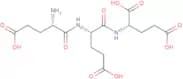
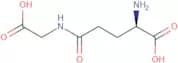
CAS:H-D-Glu(Gly-OH)-OH is a peptide that is used to study the mechanism of glutamate receptors. It has been shown to have an excitatory effect on mouse hippocampal and cerebellar purkinje neurons, with affinity values for membrane channels. It also has been shown to reduce gamma-aminobutyric acid (GABA) levels in the hippocampus and striatum, which may be due to its ability to inhibit glutamic acid decarboxylase. H-D-Glu(Gly-OH)-OH is a potent antagonist of glutamate, binding competitively at the glutamate site on ionotropic receptors. It also inhibits acidic pH and calcium ion concentrations, which are necessary for ionotropic receptor activation.Formula:C7H12N2O5Purity:Min. 98 Area-%Color and Shape:White PowderMolecular weight:204.18 g/mol9-Phenylcarbazole
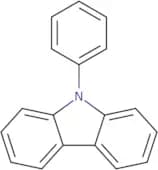
CAS:9-Phenylcarbazole is a chemical compound that belongs to the group of activated carbazoles. It is a hydroxyl containing molecule that has a redox potential and can reversibly oxidize in the presence of oxygen or other electron acceptors, such as ferricyanide ions. 9-Phenylcarbazole is used in analytical chemistry as an indicator for measuring pH levels and also as a reagent for Suzuki coupling reactions. The most common application of 9-phenylcarbazole is in photophysical experiments, where it acts as an efficient photosensitizer. This compound has been shown to be insensitive to light when it is not activated by UV radiation, but its absorption spectrum changes when it becomes activated through irradiation with UV light.Formula:C18H13NPurity:Min. 95%Color and Shape:Yellow PowderMolecular weight:243.3 g/molN-Acetyl-L-alanine
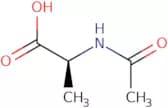
CAS:N-Acetyl-L-alanine is the N-acetylated form of L-alanine and is a nonessential amino acid. It is an amide containing one nitrogen atom and two carbonyl groups. The nitrogen can be found in either the alpha or beta position on the amide. The biological properties of N-acetyl-L-alanine are similar to those of L-alanine, as it is used as a substrate for protein synthesis and has been shown to inhibit p21 and epidermal growth factor. The conformational properties of N-acetyl-L-alanine are different from that of L-alanine due to its changed shape, which may affect its biological activity.
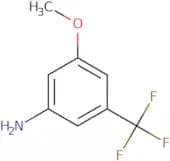
Formula:C5H9NO3Purity:Min. 95%Color and Shape:White PowderMolecular weight:131.13 g/mol3-Methoxy-5-(trifluoromethyl)aniline
CAS:3-Methoxy-5-(trifluoromethyl)aniline is a chemical building block that is used in the preparation of pharmaceuticals, agrochemicals, dyes, and other chemicals. 3-Methoxy-5-(trifluoromethyl)aniline is also a versatile intermediate that can be used to produce heterocyclic compounds. 3-Methoxy-5-(trifluoromethyl)aniline has been found to be high quality and useful for many reactions. It is an important compound for research use because it can be used as a reagent or scaffold for complex compounds.
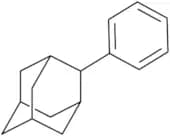
Formula:C8H8F3NOPurity:Min. 95%Color and Shape:PowderMolecular weight:191.15 g/mol2-Phenyladamantane
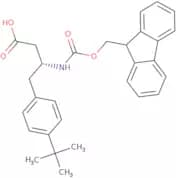
CAS:2-Phenyladamantane is an organic chemical compound. It is a colorless liquid with a sweet aromatic odor. 2-Phenyladamantane has two isomers, one axial and the other equatorial. The axial isomer is more stable than the equatorial isomer because of steric hindrance in the equatorial position. The resonance structures for the axial configuration are shown on the left and those for the equatorial configuration are shown on the right.Formula:C16H20Purity:Min. 98 Area-%Color and Shape:PowderMolecular weight:212.33 g/molFmoc-(R)-3-amino-4-(4-tert-butyl-phenyl)-butyric acid
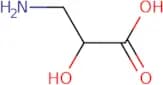
CAS:Fmoc-3-Amino-4-(4-tertbutylphenyl)butyric acid is a versatile building block that can be used in the synthesis of complex compounds. Fmoc-3-Amino-4-(4-tertbutylphenyl)butyric acid is an intermediate for the production of speciality chemicals and reagents. It is also a useful scaffold in chemical reactions, as well as a reaction component. Fmoc-(R)-3-Amino-4-(4-tertbutylphenyl)butyric acid is soluble in ethanol and ether, but insoluble in water.Formula:C29H31NO4Purity:Min. 95%Color and Shape:White To Off-White SolidMolecular weight:457.56 g/molD-Isoserine
CAS:D-Isoserine is a stereoselective synthetic amino acid that can be used as a structural analog of l-serine. D-Isoserine is synthesized from d-threonine and has been shown to inhibit the bacterial enzyme tyrosine kinase, which is important in cell signaling. D-Isoserine is also being investigated as a treatment for inflammatory diseases such as rheumatoid arthritis and Crohn's disease. The marine sponge Aerogenes sp. produces this compound, which is also produced by the microbial species Aerobacter aerogenes and Staphylococcus aureus.Formula:C3H7NO3Purity:Min. 95%Molecular weight:105.09 g/molEthyl 5-Methyl-2-oxo-2,3-dihydro-1H-imidazole-4-carboxylate
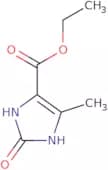
CAS:Please enquire for more information about Ethyl 5-Methyl-2-oxo-2,3-dihydro-1H-imidazole-4-carboxylate including the price, delivery time and more detailed product information at the technical inquiry form on this pagePurity:Min. 90%H-Tyr-AMC
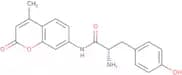
CAS:H-Tyr-AMC is a synthetic substrate that is used in the study of serine proteases. It is reversibly bound to Sephadex G-100 and is hydrolyzed by protease enzymes in an acidic environment, generating an AMC chromatographic peak. This product has been shown to inhibit serine protease activity and, when incubated with the enzyme, reduces the hydrolysis of synthetic substrates. Synthetic H-Tyr-AMC can be used to study the inhibition of serine proteases by various inhibitors and their binding sites on the enzyme.Formula:C19H18N2O4Purity:Min. 99 Area-%Color and Shape:White PowderMolecular weight:338.36 g/molFmoc-L-2,4-dimethylphenylalanine
CAS:Fmoc-L-2,4-dimethylphenylalanine is a versatile building block and reagent that can be used in the synthesis of complex compounds. This compound has been shown to be useful as a speciality chemical and as a reaction component in the synthesis of high quality fine chemicals. Fmoc-L-2,4-dimethylphenylalanine has a CAS number of 1217728-65-8.Formula:C26H25NO4Purity:Min. 98%Molecular weight:415.48 g/molO-Benzyl-L-threonine
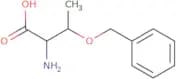
CAS:O-Benzyl-L-threonine is a polymer that can be used to treat inflammatory diseases. It is an ionic polymer that reacts with calcium carbonate and forms nanosized architectures. O-Benzyl-L-threonine has been shown to cause the disassembly of inflammatory cells and induce cell death through necrosis factor. This polymer has been shown to have an optimal reaction when combined with a target cell in the presence of calcium carbonate. The phenolic group on the threonine molecule is responsible for this reaction's success.Formula:C11H15NO3Purity:Min. 95%Color and Shape:White To Off-White SolidMolecular weight:209.24 g/molTyrosinase (206-214) (human) acetate salt
CAS:H-AFLPWHRLF-OH peptide, corresponding to amino acids 206-214 of human Tyrosinase. The peptide is supplied as an acetate salt.Formula:C61H83N15O10Purity:Min. 95%Molecular weight:1,186.41 g/molBoc-L-4-Aminophenylalanine
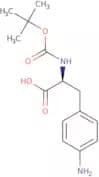
CAS:Boc-L-4-Aminophenylalanine is an amino acid that has been shown to be synthesized by cancer cells in breast cancer cell lines, and can also be conjugated with anticancer drugs. It has been shown to have a high affinity for cancer cells. Boc-L-4-Aminophenylalanine is a substrate for L type amino acid transporters and can be used for the treatment of breast cancer. This compound may also be useful in the treatment of other cancers due to its ability to inhibit the uptake of endogenous amino acids.
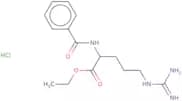
Formula:C14H20N2O4Purity:Min. 97 Area-%Color and Shape:White PowderMolecular weight:280.32 g/molN-alpha-Benzoyl-L-arginine ethyl ester hydrochloride
CAS:Benzoyl-L-arginine ethyl ester hydrochloride is a white or beige crystalline solid with a melting point of 85°C. It is soluble in water and ethanol. It has been used as a reagent, speciality chemical, and reaction component for the synthesis of complex compounds. Benzoyl-L-arginine ethyl ester hydrochloride is used as a building block in the synthesis of an intermediate, which is then used to create scaffold drugs.Formula:C15H23ClN4O3Purity:Min. 98 Area-%Color and Shape:White PowderMolecular weight:342.82 g/mol2-[N-[(3,5-Difluorophenyl)carbamoylamino]-C-methylcarbonimidoyl]pyridine-3-carboxylic acid
CAS:2-[N-[(3,5-Difluorophenyl)carbamoylamino]-C-methylcarbonimidoyl]pyridine-3-carboxylic acid (2FPC) is a potent herbicide that inhibits the fatty acid synthase enzyme and blocks cellular energy production. Fatty acid synthase is an important enzyme in the synthesis of essential fatty acids and this inhibition can lead to a number of health complications. 2FPC also inhibits epidermal growth factor receptor (EGFR) and glucocorticoid receptors, which can lead to autoimmune diseases. The compound has been shown to produce neurotoxic effects in animals and humans, including optical sensor activation and cation channel modulation. 2FPC is used as a herbicide to control weeds such as knapweed. It is also used as an anti-inflammatory agent in the treatment of rheumatoid arthritis.Formula:C15H12F2N4O3Purity:Min. 97 Area-%Color and Shape:PowderMolecular weight:334.28 g/molFmoc-Cit-OH
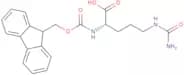
CAS:Fmoc-Cit-OH, or N-Fmoc-L-citrulline, is a protected amino acid derivative commonly used in peptide synthesis. The "Fmoc" portion refers to the fluorenylmethyloxycarbonyl group, a protecting group that shields the amino group of citrulline, preventing unwanted side reactions during peptide chain elongation. Citrulline, the core amino acid in Fmoc-Cit-OH, is a non-proteinogenic amino acid, which is not directly incorporated into proteins during translation. In peptide synthesis, Fmoc-Cit-OH is incorporated into peptide chains using solid-phase peptide synthesis (SPPS). This technique allows for the stepwise assembly of peptides on a solid support, with Fmoc-protected amino acids added sequentially. The Fmoc group is then removed using a mild base, exposing the free amino group for the addition of the next amino acid. Fmoc-Cit-OH is particularly valuable in the synthesis of peptides containing citrulline residues, which are often found in biologically active peptides and proteins. These peptides may have therapeutic potential in various fields, including drug discovery and prodrug synthesis.
Formula:C21H23N3O5Purity:Min. 98 Area-%Color and Shape:White Off-White PowderMolecular weight:397.42 g/mol3-Amino-phenazin-2-ol
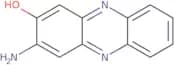
CAS:3-Amino-phenazin-2-ol is a pesticide that has been shown to have genotoxic effects on human lymphocytes in vitro. 3-Amino-phenazin-2-ol inhibits the growth of triticum aestivum, a type of cereal plant, by binding to the aminoacids in the cell wall and disrupting its structure. This leads to cell death and inhibits the synthesis of proteins necessary for cellular growth. The herbicide has also been shown to inhibit the growth of typhimurium at high concentrations and may be used as an herbicide or pesticide. The mechanism by which 3-amino phenazin 2-ol exerts its toxicity is not fully understood, but it may be due to its ability to activate cells that are exposed to low energy levels.
Formula:C12H9N3OPurity:Min. 95%Color and Shape:PowderMolecular weight:211.22 g/molN-Methyl-N-phenyl-β-alanine
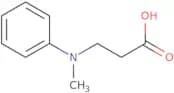
CAS:Please enquire for more information about N-Methyl-N-phenyl-β-alanine including the price, delivery time and more detailed product information at the technical inquiry form on this page
Formula:C10H13NO2Purity:Min. 95%Color and Shape:Clear LiquidMolecular weight:179.22 g/mol7-Methoxy-1-naphthaldehyde
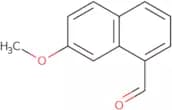
CAS:7-Methoxy-1-naphthaldehyde is an aldehyde that is synthesized from acetaldehyde and 7-methoxy-1-naphthol. It has been shown to inhibit the cytosolic aldehyde dehydrogenase, which converts acetaldehyde to acetate. This reaction is one of the major routes for the metabolism of alcohol in humans. 7-Methoxy-1-naphthaldehyde can be used as a substrate in immunochemical assays, and its synthetic scheme has been published. 7MNA was also found to have cytotoxic effects on human liver cells in vitro.Formula:C12H10O2Purity:Min. 95%Molecular weight:186.21 g/molMethyl 2,6-dihydroxy-4-methylbenzoate
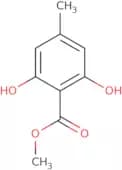
CAS:Methyl 2,6-dihydroxy-4-methylbenzoate is a compound that can be used to treat cancer. It inhibits the growth of cancer cells by binding to DNA and RNA molecules, which prevents transcription and replication. The drug also inhibits the production of usnic acid, an antioxidant that has been shown to have anticancer effects in vitro. Methyl 2,6-dihydroxy-4-methylbenzoate has been tested against a number of cancer cell lines including MDA-MB231 breast cancer cells and MCF7 breast cancer cells. This drug is not toxic to healthy cells at concentrations of up to 250 µM. At higher concentrations, methyl 2,6-dihydroxy-4-methylbenzoate may cause denaturation or cell death of cells due to its ability to attack DNA and RNA molecules.Formula:C9H10O4Purity:Min. 95%Color and Shape:PowderMolecular weight:182.17 g/molCalcitonin (8-32) (salmon I) trifluoroacetate salt
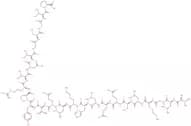
CAS:Please enquire for more information about Calcitonin (8-32) (salmon I) trifluoroacetate salt including the price, delivery time and more detailed product information at the technical inquiry form on this pageFormula:C119H198N36O37·C2HF3O2Purity:Min. 98 Area-%Color and Shape:PowderMolecular weight:2,725.07 g/molD-Alanine isopropyl ester HCl
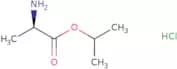
CAS:D-Alanine isopropyl ester HCl is a synthetic compound that has been used as a diagnostic tool for detecting the presence of molybdenum in urine. It has been shown to have a high affinity for the receptor, and acts as an agonist. D-Alanine isopropyl ester HCl has also been shown to induce malignant growth in fibroblast cells.Formula:C6H13NO2·ClHPurity:Min. 95%Color and Shape:White PowderMolecular weight:167.63 g/mol2-Methoxy-1,4-benzoquinone
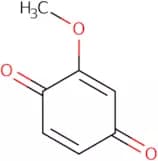
CAS:2-Methoxy-1,4-benzoquinone is a chemical compound that is soluble in organic solvents. It is a redox catalyst that can be used to reduce the hydrogen peroxide (H2O2) concentration in nutrient solutions for plant growth. 2-Methoxy-1,4-benzoquinone has been shown to interact with soybean lipoxygenase and levopimaric acid, which are involved in the biosynthesis of fatty acids. 2-Methoxy-1,4-benzoquinone also interacts with other hydroxyl groups such as those found in fatty acid chains. In this way it can form soluble polymers and alter the redox potential of the cell membrane. The optimum pH for these reactions is around 5.5 and this compound has been shown to have growth factor like effects on cells and tissues.Formula:C7H6O3Purity:Min. 95%Color and Shape:PowderMolecular weight:138.12 g/mol4-Methylphenylsulfonylurea
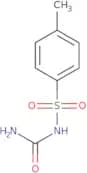
CAS:4-Methylphenylsulfonylurea is a synthetic drug substance with pressor effects. It is used in the manufacture of calcium carbonate, and as an intermediate for industrial chemicals and environmental pollutants. 4-Methylphenylsulfonylurea has been shown to be carcinogenic in vivo in animal bioassays. It also negatively impacts the immune system by inhibiting the production of natural killer cells, lymphocytes, and cytokines. This chemical may cause cancer or affect your immune system.Formula:C8H10N2O3SPurity:Min. 95%Color and Shape:SolidMolecular weight:214.24 g/mol5-Methyl-2-nitrobenzamide
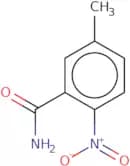
CAS:5-Methyl-2-nitrobenzamide is a compound that has antiproliferative activity and is used as an anticancer drug. This drug inhibits the polymerization of the protein tubulin in cancer cells, thereby inhibiting cell division. It also inhibits the growth of certain tumor cell lines in vitro. 5-Methyl-2-nitrobenzamide was found to inhibit the proliferation of human ovarian carcinoma cells by binding to DNA, preventing transcription and replication of genetic information. In addition, this agent binds to tubulin and prevents its polymerization, leading to inhibition of cell division.Formula:C8H8N2O3Purity:Min. 95%Color and Shape:PowderMolecular weight:180.16 g/molN-[(1-Methyl-1H-indol-3-yl)methyl]cyclohexanamine
CAS:Controlled ProductPlease enquire for more information about N-[(1-Methyl-1H-indol-3-yl)methyl]cyclohexanamine including the price, delivery time and more detailed product information at the technical inquiry form on this pageFormula:C16H22N2Purity:Min. 95%Molecular weight:242.36 g/molPoly-L-lysine hydrobromide - M.W:1000-5000
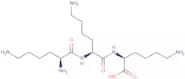
CAS:Poly-L-lysine hydrobromide is a polymer that consists of repeating lysine monomers. It has a molecular weight range of 1000 to 5000 Daltons. Poly-L-lysine hydrobromide is used for intramolecular hydrogen bonding, which increases its resistance to thermal and kinetic energy. Poly-L-lysine hydrobromide is also used in the structural analysis of proteins, because it can be easily purified from human serum by dialysis. This polymer has been shown to be effective against carcinoma cell lines, amide bonds, terminal residues, and ester linkages. There is also evidence that poly-L-lysine hydrobromide may have anticancer properties in vitro and in vivo. Poly-L-lysine hydrobromide has been shown to have antiangiogenic properties due to its ability to block the interaction between tumor cells and endothelial cells. This can lead to tumor regression and decreased metastasisFormula:(C6H12N2O2)n•(HBr)xPurity:Min. 95%Color and Shape:White PowderHO-PEG10-OH
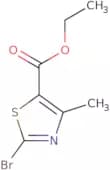
CAS:HO-PEG10-OH is a glycol ether that is used as a surfactant in the formulation of intravenous lipid emulsions. It is also used in chromatographic analysis and is capable of reducing the redox potential of biological samples. HO-PEG10-OH has been shown to have pharmacokinetic properties and to be effective against inflammation. HO-PEG10-OH has been shown to inhibit hepcidin, an important regulator of iron metabolism, which may explain its antiinflammatory activity.Formula:C20H42O11Purity:Min. 95%Color and Shape:Colourless To Pale Yellow Clear LiquidMolecular weight:458.54 g/molEthyl 2-bromo-4-methylthiazole-5-carboxylate
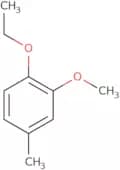
CAS:Ethyl 2-bromo-4-methylthiazole-5-carboxylate is an organic compound that is used as a catalyst in the bromination of organic compounds. The brominating agent (Br) is bonded to the ethyl ester through its Br atom, which has a Lewis acidity greater than that of the methyl ester. This makes it a better electrophile and allows it to react with electron rich groups on other molecules more readily. Ethyl 2-bromo-4-methylthiazole-5-carboxylate can also be used as a brominating agent in the production of ethyl bromide from alcohols and phenols.Formula:C7H8BrNO2SPurity:Min. 95%Molecular weight:250.11 g/mol4-Ethoxy-3-methoxytoluene
CAS:4-Ethoxy-3-methoxytoluene is a fine chemical that has been used as a building block in the synthesis of other chemicals. It is also used as a research chemical and a reagent. 4-Ethoxy-3-methoxytoluene can be used to form various compounds with different functional groups. It can be used as an intermediate for the synthesis of drugs or polymers, or as a reaction component in organic reactions. The CAS number for 4-Ethoxy-3-methoxytoluene is 33963-27-8.
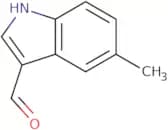
Formula:C10H14O2Purity:Min. 95%Color and Shape:PowderMolecular weight:166.22 g/mol5-Methylindole-3-carboxaldehyde
CAS:5-Methylindole-3-carboxaldehyde (5MI) is a β-unsaturated aldehydes that is used as an analyte in assays for the detection of α,β-unsaturated aldehydes. It has been shown to be effective in degranulation of cells and induces cellular degranulation. 5MI has also been shown to be an analog of other β-unsaturated aldehydes and acts competitively with these compounds.
Formula:C10H9NOPurity:Min. 95%Color and Shape:PowderMolecular weight:159.18 g/molPoly epsilon L-lysine HCl approx MW 4500Da
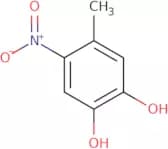
CAS:Poly epsilon L-lysine HCl is a water soluble, biodegradable, cationic peptide that can be produced via fermentation by Streptomyces albulus. It shows a wide range of antimicrobial activity against microorganisms such as bacteria, yeasts and molds and is stable at high temperatures and under both acidic and alkaline conditions. This non-toxic poly-L-lysine is commonly used as a supplement or preservative in various food, beverage and cosmetics products. It can also be used for microscopy glass slides coating.Formula:(C6H12N2O•HCl)nPurity:Min. 95.0 Area-%Color and Shape:Off-White Yellow Powder4-Methyl-5-nitrocatechol
CAS:4-Methyl-5-nitrocatechol is a nitro compound that has been used in the chemical ionization of samples for mass spectrometric analysis. This compound produces distinct x-ray absorption spectra and emission spectra, which can be used to identify its concentration. 4-Methyl-5-nitrocatechol has been shown to react with 3,5-dinitrosalicylic acid in the presence of light to form an inhibitory product that prevents the growth of bacteria. This reaction is more prevalent at elevated temperatures. The mutant strain of Escherichia coli was found to be resistant to this inhibitory effect, while the wild type strain was not. The mutant strain's resistance to this inhibitory compound may be due to a polymerase chain reaction mutation that increases its ability to replicate DNA at high temperatures.
Formula:C7H7NO4Purity:Min. 95%Color and Shape:Yellow PowderMolecular weight:169.13 g/molEthyl N-ethyl-N-[(heptadecafluorooctyl)sulphonyl]glycinate
CAS:Controlled ProductEthyl N-Ethyl-N-[(Heptadecafluorooctyl)Sulphonyl]Glycinate is a sulfonate that is used as a surfactant. It is a clear, colorless liquid with a slight odor that is soluble in water and can be used as a chemical intermediate. Ethyl N-Ethyl-N-[(Heptadecafluorooctyl)Sulphonyl]Glycinate is also known as an additive to substances, such as alcohols and other chemicals, or mixtures of substances.Formula:C14H12F17NO4SPurity:Min. 95%Color and Shape:PowderMolecular weight:613.29 g/molAminocaproic acid
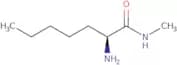
CAS:Please enquire for more information about Aminocaproic acid including the price, delivery time and more detailed product information at the technical inquiry form on this pageFormula:C6H13NO2Purity:Min. 95%Molecular weight:131.17 g/molH-Lys-Thr-OH trifluroacetate
CAS:Please enquire for more information about H-Lys-Thr-OH trifluroacetate including the price, delivery time and more detailed product information at the technical inquiry form on this pageFormula:C10H21N3O4•(C2HF3O2)xPurity:Min. 95%Poly-L-glutamic acid sodium, MW 50,000-100,000
CAS:Poly-L-glutamic acid sodium, MW 50,000-100,000 is a treatment agent that belongs to the group of oligopeptides. It is a low-dose therapeutic agent for the treatment of hair loss and alopecia. The amino acid sequence of this product has been shown to be similar to that of methionine and contains carboxyl groups. Poly-L-glutamic acid sodium, MW 50,000-100,000 is formed by the deprotonation and protonation of amino groups and carboxyl groups in an acidic environment.Formula:(C5H9NO4)x•NaxPurity:Min. 95%Color and Shape:PowderPexiganan acetate
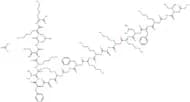
CAS:Controlled ProductPexiganan acetate is the acetate salt form of a polymyxin B derivative that has potent antimicrobial activity against both Gram-positive and Gram-negative bacteria. It has been shown to be effective in the treatment of tissue infections, especially those caused by human pathogens such as Staphylococcus aureus, Pseudomonas aeruginosa, and Escherichia coli. Pexiganan also has significant activity against Mycobacterium tuberculosis and other mycobacteria. The mechanism of action for pexiganan is not fully understood but it may involve the inhibition of bacterial cell wall synthesis, or the disruption of bacterial membranes. Pexiganan was originally isolated from a marine sponge off the coast of Australia in 1961. It had been classified as an antimicrobial peptide (AMP) because of its chemical structure, which includes a polymyxin B moiety. Pexiganan’s AMP classification was later challenged when researchers found that it did
Formula:C122H210N32O22•(C2H4O2)xPurity:Min. 95%Color and Shape:PowderMolecular weight:2,477.18 g/molFA-Leu-Gly-Pro-Ala-OH
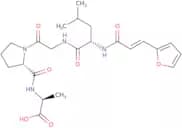
CAS:FA-Leu-Gly-Pro-Ala-OH is a gelatinase inhibitor that inhibits the action of collagenase, an enzyme that breaks down collagen. It has been shown to inhibit the growth of cancer cells in vitro and may be useful as a therapeutic agent against skin cancer. FA-Leu-Gly-Pro-Ala-OH binds to the active site of the enzyme and blocks its catalytic activity by preventing proton transfer during the hydrolysis of peptide bonds. This inhibitor also has proteolytic properties, which are due to its ability to cleave proteins with basic amino acids such as arginine and lysine. The inhibitory effects of FA-Leu-Gly-Pro-Ala-OH on histological analysis were also tested on fibroblast cells with collagenase activity, which showed a significant reduction in enzyme activity after incubation with this inhibitor.Formula:C23H32N4O7Purity:Min. 95%Color and Shape:PowderMolecular weight:476.52 g/molBoc-L-serine
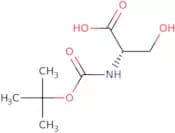
CAS:Boc-L-serine is a cyclic peptide that contains a hydroxyl group and a trifluoroacetate group. It has been shown to have anticancer activity in experimental models, but the mechanism of action is not fully understood. Boc-L-serine inhibits the growth of cancer cells by binding to P2Y receptors and blocking the downstream signaling cascade. This drug also has been shown to be stereospecific with respect to its biological activity, which may be due to hydrogenation of nitrogen atoms on the molecule.Formula:C8H15NO5Purity:Min. 95%Color and Shape:White PowderMolecular weight:205.21 g/mol4,6-Dihydroxy-5-methoxypyrimidine
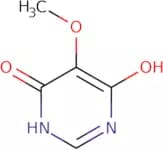
CAS:4,6-Dihydroxy-5-methoxypyrimidine is a white crystalline solid. It is soluble in alkali, acid ethyl, and alcohol. This compound can be used as a solvent for organic substances and has been shown to methylate phosphorus oxychloride. 4,6-Dihydroxy-5-methoxypyrimidine is also used in the synthesis of nucleosides.Formula:C5H6N2O3Purity:Min. 95%Molecular weight:142.11 g/molS-(3-Hydroxypropyl)-L-cysteine
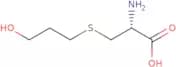
CAS:S-(3-Hydroxypropyl)-L-cysteine is a fatty acid that belongs to the group of fudosteine. It is an endogenous amino acid and has been shown to stimulate the growth of epidermal cells in culture. S-(3-Hydroxypropyl)-L-cysteine has also been shown to have anti-inflammatory effects in rat neutrophils, although it is not yet clear how this occurs. S-(3-Hydroxypropyl)-L-cysteine has not been associated with any toxic effects in animals or humans, but should be used with caution as there are no toxicity studies available.
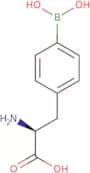
Formula:C6H13NO3SPurity:Min. 95%Molecular weight:179.24 g/mol4-Borono-L-phenylalanine
CAS:4-Borono-L-phenylalanine is a boron-containing compound that has been used to study the biological effects of radiation. 4-Borono-L-phenylalanine is an analytical tool for measuring neutron scattering and other physical properties. It has also been used as a biochemical probe in studies of DNA duplexes. 4-Borono-L-phenylalanine is toxic to cells, inhibiting protein synthesis, and it can induce apoptosis in tumor cells. In experimental models, 4-borono-L phenylalanine can be administered orally or intravenously and has shown acute toxicity in animals at doses of up to 1000 mg/kg body weight.
Formula:C9H12BNO4Purity:Min. 95%Color and Shape:White PowderMolecular weight:209.01 g/molMethyl 3-methyl-2-nitrobenzoate
CAS:Methyl 3-methyl-2-nitrobenzoate is a chiral, catalytic, and magnetic additive. It is used in the production of alkyl chlorides, cinnolines, and cyclic compounds. Methyl 3-methyl-2-nitrobenzoate can be used as a diagnostic for chloride ions or chlorine gas in water. It also has an important application in wastewater treatment by removing organics from wastewater effluent. Methyl 3-methyl-2-nitrobenzoate can be synthesized from allylic oxidation of methyl benzoate with sodium hypochlorite in the presence of copper sulfate catalyst. The reaction proceeds through an addition–elimination mechanism to produce the desired product and copper(II) chloride as a byproduct. The process occurs on a mesoporous material to increase surface area for the reaction to proceed more quickly and efficiently.Formula:C9H9NO4Purity:Min. 95%Molecular weight:195.17 g/mol

![N-[3,5-Bis(trifluoroMethyl)phenyl]-N'-[(9R)-6'-Methoxy-9-cinchonanyl]thiourea](/_next/image/?url=https%3A%2Fstatic.cymitquimica.com%2Fproducts%2F3D%2Fthumb-webp%2FFB100790.webp&w=3840&q=75)



![2-[N-[(3,5-Difluorophenyl)carbamoylamino]-C-methylcarbonimidoyl]pyridine-3-carboxylic acid](/_next/image/?url=https%3A%2Fstatic.cymitquimica.com%2Fproducts%2F3D%2Fthumb-webp%2FFD101726.webp&w=3840&q=75)
![N-[(1-Methyl-1H-indol-3-yl)methyl]cyclohexanamine](/_next/image/?url=https%3A%2Fstatic.cymitquimica.com%2Fproducts%2F3D%2Fthumb-webp%2FFM128410.webp&w=3840&q=75)

![Ethyl N-ethyl-N-[(heptadecafluorooctyl)sulphonyl]glycinate](/_next/image/?url=https%3A%2Fstatic.cymitquimica.com%2Fproducts%2F3D%2Fthumb-webp%2FFE95451.webp&w=3840&q=75)