Amino Acids (AA)
Subcategories of "Amino Acids (AA)"
- Amino Acid Derivatives(4,016 products)
- Amino Acid and Amino Acid Related Compounds(3,490 products)
- Amino Acids with Oxygen or Sulphur(168 products)
- Boc- Amino Acids(351 products)
- Fmoc Amino Acids(1,710 products)
Found 38369 products of "Amino Acids (AA)"
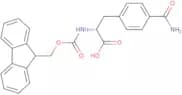
Fmoc-D-4-carbamoylphenylalanine
CAS:Please enquire for more information about Fmoc-D-4-carbamoylphenylalanine including the price, delivery time and more detailed product information at the technical inquiry form on this page
Formula:C25H22N2O5Purity:Min. 95%Color and Shape:PowderMolecular weight:430.45 g/molRef: 3D-FF50647
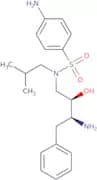
Discontinued product4-Amino-N-((2R,3S)-3-amino-2-hydroxy-4-phenylbutyl)-N-ispobutylbenzenesulfonamide
CAS:4-Amino-N-((2R,3S)-3-amino-2-hydroxy-4-phenylbutyl)-N-isobutylbenzenesulfonamide is an amide that is used to treat HIV infections. It has been shown to have potent anti-viral activity against HIV infected cells in the laboratory and can inhibit the replication of HIV by interfering with the virus's ability to use the reverse transcriptase enzyme. 4ABAB has been shown to bind to the enzyme ribonuclease H (crth2), which is responsible for breaking down viral RNA. This binding prevents crth2 from cleaving viral RNA, thus inhibiting DNA synthesis and preventing cell death. 4ABAB also interferes with a hydrogen bond between ethyl group and the hydroxyl group on crth2, leading to a decrease in activity.
Formula:C20H29N3O3SPurity:Min. 95%Color and Shape:White PowderMolecular weight:391.53 g/molRef: 3D-FA58013
Discontinued productL-Lysyl-L-phenylalanyl-L-lysine trifluoroacetate
CAS:Please enquire for more information about L-Lysyl-L-phenylalanyl-L-lysine trifluoroacetate including the price, delivery time and more detailed product information at the technical inquiry form on this page
Formula:C21H35N5O4•(C2HF3O2)xPurity:Min. 95%Color and Shape:PowderRef: 3D-FL184088
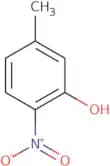
Discontinued product5-Methyl-2-nitrophenol
CAS:5-Methyl-2-nitrophenol is a phytotoxic chemical that is used as a synthetic intermediate in organic chemistry. It has been shown to have a high bioconcentration factor and can be found in wastewater. The major use of 5-methyl-2-nitrophenol is the synthesis of 2,4,6-trinitrophenylhydrazine (TNP) which is used as an analytical reagent for the determination of nitrates. The reaction mechanism of 5-methyl-2-nitrophenol involves intramolecular hydrogen transfer from the methylene group to the nitro group and subsequent elimination of HCl. This reaction product can be found by using analytical methods such as gas chromatography, mass spectrometry, or nuclear magnetic resonance spectroscopy. Functional groups on the reactant include phenols and nitro groups with the following endpoints: hydrochloric acid (HCl), kinetic method, and vapor pressure
Formula:C7H7NO3Purity:Min. 95%Color and Shape:PowderMolecular weight:153.14 g/molRef: 3D-FM70455
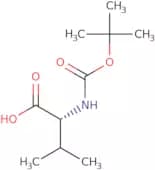
Discontinued productBoc-D-Val-OH
CAS:Boc-D-Val-OH is a synthetic, cyclic peptide that contains a hydrophobic Boc group. It has been shown to inhibit the uptake of calcium by caco-2 cells in vitro. This peptide also inhibits the growth of cancer cells and may be used as an anticancer agent. Boc-D-Val-OH binds to the membrane of caco-2 cells and blocks the uptake of calcium ions, thus inhibiting cellular functions such as protein synthesis. This compound is stable under a variety of conditions and has potent inhibitory activity against cancer cell proliferation.
Formula:C10H19NO4Purity:Min. 98 Area-%Color and Shape:PowderMolecular weight:217.26 g/molRef: 3D-FB37411
Discontinued product1-Palmitoyl-2-oleoyl-rac-glycerol
CAS:1-Palmitoyl-2-oleoyl-rac-glycerol is a fatty acid that is made in the mitochondria and is an intermediate in the production of diacylglycerol. It has been shown to have a linear response with cellular protein levels, and it has been shown to be involved in the genetic mechanisms of cells. 1-Palmitoyl-2-oleoyl-rac-glycerol has been found to have a number of protein targets, including phosphatidylinositide 3 kinase, PKC, and Akt. This molecule also has been used as an analytical method for measuring fatty acids in tissue samples and has been shown to alter enzyme levels, such as those found in prostaglandin synthase 2. 1-Palmitoyl-2-oleoyl-rac-glycerol can be synthesized by laser ablation or chromatographic science methods.
Formula:C37H70O5Purity:Min. 95%Color and Shape:Solidified MassMolecular weight:594.95 g/molRef: 3D-FP159222
Discontinued productL-Alaninamide
CAS:L-Alaninamide is a protonated amino acid that reacts with the bacterial cell membrane and causes it to rupture. L-Alaninamide is synthesized by hydrolysis of the ester bond between butyric acid and serine protease in the presence of immobilized d-alanine. The reaction is carried out at a pH of 5.5, and the release of pressor is observed. This reaction takes place in an aqueous solution containing fatty acids as solvents. The type strain of this amino acid is E. coli.
Formula:C3H8N2OPurity:Min. 95%Color and Shape:PowderMolecular weight:88.11 g/molRef: 3D-FA63428
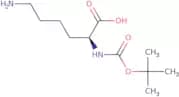
Discontinued productN-Boc-L-Lysine
CAS:N-Boc-L-Lysine is a model of the amino acid lysine. This compound has been shown to inhibit the growth of cancer cells in vitro and in vivo. N-Boc-L-Lysine inhibits protein synthesis by blocking the formation of peptide bonds between amino acids, thus stopping the production of proteins vital for cell division. The inhibition of fatty acid synthesis by this compound may be due to its ability to inhibit the activity of fatty acid synthase, which catalyzes the conversion of acetyl coenzyme A into fatty acids. This product can also be synthesized from caproic acid and an ester hydrochloride or from a fatty acid and an ester hydrochloride.
Formula:C11H22N2O4Purity:Min. 95%Color and Shape:White Off-White PowderMolecular weight:246.3 g/molRef: 3D-FB16295
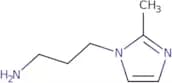
Discontinued product2-Methyl-1H-imidazole-1-propanamine
CAS:2-Methyl-1H-imidazole-1-propanamine is a byproduct of the reaction that produces acrylonitrile. It is a polar compound that has been shown to be an effective viscosity modifier for various types of formulations. 2-Methyl-1H-imidazole-1-propanamine can be used as an additive in pharmaceutical formulations, such as those for thiamine pyrophosphate, and is nonpolluting. The optimum concentration for this product is between 0.5% and 1%.
Formula:C7H13N3Purity:Min. 95 Area-%Color and Shape:Clear LiquidMolecular weight:139.2 g/molRef: 3D-FM03378
Discontinued product2-[4-(4-Chloro-a-phenylbenzyl)-1-piperazinyl]-ethoxyacetic acid hydrochloride
CAS:2-[4-(4-Chloro-a-phenylbenzyl)-1-piperazinyl]-ethoxyacetic acid hydrochloride is a chemical compound that has been used to investigate the possible neuroprotective effects of cetirizine, an antihistamine. This drug was developed as a prodrug of cetirizine, which is converted in vivo to its active form. The main mechanism of action for this drug is inhibition of histamine release from mast cells and basophils by blocking H1 receptors. 2-[4-(4-Chloro-a-phenylbenzyl)-1-piperazinyl]-ethoxyacetic acid hydrochloride has also been shown to have beneficial effects on allergic symptoms and bowel disease in experimental models and clinical properties.Formula:C21H25ClN2O3·HClPurity:Min. 95%Color and Shape:PowderMolecular weight:425.35 g/molRef: 3D-FC33467
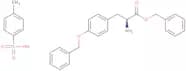
Discontinued productO-Benzyl-L-tyrosine benzyl ester 4-toluenesulfonate
CAS:O-Benzyl-L-tyrosine benzyl ester 4-toluenesulfonate salt is a fine chemical that belongs to the category of useful scaffolds and versatile building blocks. It is a high quality reagent that can be used as a reaction component in the preparation of complex compounds. This compound has shown to be useful in research on various types of drugs, including analgesics, antibiotics, antihistamines, antidepressants, antipsychotics and others.
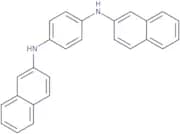
Formula:C23H23NO3•C7H8O3SPurity:Min. 95%Color and Shape:White solid.Molecular weight:533.64 g/molN,N'-Di-2-naphthyl-1,4-phenylenediamine
CAS:N,N'-Di-2-naphthyl-1,4-phenylenediamine is a chemical compound that is used in the production of polyvinyl chloride (PVC). It can be used as an antimicrobial agent to prevent the growth of bacteria and fungi. It is also used as a crosslinking agent in the production of PVC. The reaction solution consists of hydrochloric acid and methyl ethyl chloride. The monochloride is then reacted with 2-naphthol, followed by reaction with benzalkonium chloride. The final product is N,N'-di-(2-naphthyl)-1,4-(phenylene) diamine monochloride.
Formula:C26H20N2Purity:Min. 95 Area-%Color and Shape:PowderMolecular weight:360.45 g/molRef: 3D-FD62297
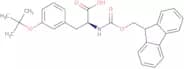
Discontinued productFmoc-L-m-Tyrosine(tBu)-OH
CAS:Fmoc-L-m-Tyrosine is a reagent that is used in organic synthesis. It is a complex compound that can be synthesized from m-tyrosine and t-butyl bromoacetate. Fmoc-L-m-Tyrosine is also a useful intermediate for the preparation of other compounds, such as pharmaceuticals and agrochemicals. It has been shown to be a fine chemical that has a wide range of applications in the field of biotechnology and pharmaceuticals. Fmoc-L-m Tyrosine is also a versatile building block with many possible reactions, making it an excellent candidate for research chemicals, including speciality chemicals. The CAS number for this compound is 204384-71-4 and it's molecular weight is 262.3 g/mol.br>
Formula:C28H29NO5Purity:Min. 97 Area-%Color and Shape:Off-White PowderMolecular weight:459.53 g/molRef: 3D-FF167892
Discontinued productFmoc-S-[2,3-bis(palmitoyloxy)propyl]-L-cysteine
CAS:Fmoc-S-[2,3-bis(palmitoyloxy)propyl]-L-cysteine is a fine chemical that is used as a building block in the synthesis of complex natural products and pharmaceuticals. It has versatile applications in both research and industry. Fmoc-S-[2,3-bis(palmitoyloxy)propyl]-L-cysteine is an intermediate or scaffold for the synthesis of many types of compounds, including antibiotics, anti-cancer agents, hormones, and anti-inflammatory drugs. This compound is soluble in organic solvents such as DMSO and DMF.
Formula:C53H83NO8SPurity:Min. 95 Area-%Color and Shape:White Off-White PowderMolecular weight:894.29 g/molRef: 3D-FF47755
Discontinued productBoc-L-Trp-OH
CAS:Boc-L-Trp-OH is a receptor binding molecule that has been shown to have an inhibitory effect on the receptor. The acidic pH of the molecule and its bifunctional nature allow it to bind to the receptor, which is found in the acidic environment of the stomach. This chemical also has an acidic reactive site that can react with hydrogen fluoride. Boc-L-Trp-OH binds to human protein, specifically amino acid residues such as arginine, lysine, and histidine. It also has a reactive site that can be used in chromatographic binding experiments.
Formula:C16H20N2O4Purity:Min. 98 Area-%Color and Shape:PowderMolecular weight:304.34 g/molRef: 3D-FB37995
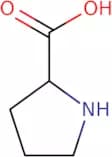
Discontinued productDL-Proline
CAS:DL-Proline is a biological molecule that has been shown to bind to the DNA binding domains of proteins. This binding can be seen with the crystal structures of DL-proline and protein. The reaction mechanism for DL-proline is as follows:
DL-Proline + Protein → Proline + Protein
The equilibrium constant for this reaction is 1.0 at 298 K. The pKa value for the amide group in DL-proline is 4.8, which means that it will react with water and form an amine group at physiological pH levels. DL-Proline has been shown to have metabolic disorders.Formula:C5H9NO2Purity:Min. 95%Color and Shape:PowderMolecular weight:115.13 g/molRef: 3D-FP15447
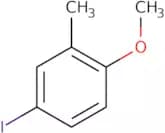
Discontinued product4-Iodo-2-methylanisole
CAS:4-Iodo-2-methylanisole (4IM) is a naphthalene that is regiospecifically eliminated after activation by nitrate in an acidic medium. The hydrochloride salt of 4IM, koenigicine, has been shown to produce estrogen levels in the female rat similar to those produced by 17β-estradiol. The synthesis of 4IM involves the nitration of 2-methylanisole followed by iodine oxidation. This reaction produces a mixture of mono-, di-, and tri-iodonapthalenes. The product obtained from this reaction is purified with column chromatography or recrystallization.
Theory predicts that 4IM will be oxidized to 4-iodo-2,6-dimethylanisole by terpene oxidants such as acetonitrile or ozone.Formula:C8H9IOPurity:Min. 95%Color and Shape:PowderMolecular weight:248.06 g/molRef: 3D-FI64636
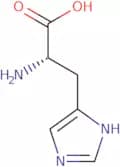
Discontinued productL-Histidine
CAS:L-histidine is a molecule that chelates metal ions and inhibits their function. L-Histidine is used as an analytical reagent for the determination of metal ions in water, a polymerase chain reaction (PCR) inhibitor, and an immunosuppressant. L-histidine is also used to treat bowel disease and cancer by inhibiting the production of certain molecules. L-histidine has been shown to bind to toll-like receptor 4 (TLR4) in intestinal cells, which activates the immune system to produce cytokines such as IL-8. In addition, L-histidine can act as a cofactor for enzymes involved in protein synthesis by protecting them from oxidation. L histidine can also be found in the protein that binds with gold particles, forming colloidal gold
Formula:C6H9N3O2Color and Shape:White PowderMolecular weight:155.15 g/molRef: 3D-FH15651
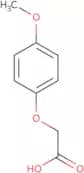
Discontinued product4-Methoxyphenoxyacetic acid
CAS:4-Methoxyphenoxyacetic acid is a chemical compound with molecular formula C10H12O4. It is an alpha-hydroxy acid and is also known as 4-methoxybenzoic acid. 4-Methoxyphenoxyacetic acid has been shown to have reactive properties and can be used as a reagent in organic synthesis. A molecular modeling study of 4-methoxyphenoxyacetic acid has revealed that it could form hydrogen bonding interactions with the hydroxyl group of coumarin derivatives, which may lead to irreversible oxidation reactions. The human serum contains high affinity binding sites for this chemical compound, which is detected by the mefexamide test.
Formula:C9H10O4Purity:Min. 95%Color and Shape:PowderMolecular weight:182.17 g/molRef: 3D-FM71291
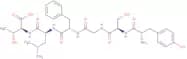
Discontinued product(D-Ser2)-Leu-Enkephalin-Thr
CAS:(D-Ser2)-Leu-Enkephalin-Thr H-Tyr-D-Ser-Gly-Phe-Leu-Thr-OH is a cyclic peptide that has been shown to activate the κ-opioid receptor. The peptide has been used in studies of the intracellular calcium concentration and glomerular filtration rate in kidney cells, as well as the antinociceptive effects of opioid drugs on mice. This drug has also been shown to have effects on cyclic AMP levels and α 1 -adrenergic receptors in neuro2a cells.Formula:C33H46N6O10Purity:Min. 95%Color and Shape:SolidMolecular weight:686.75 g/molRef: 3D-FS108773
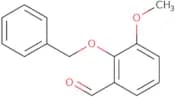
Discontinued product2-Benzyloxy-3-methoxybenzaldehyde
CAS:2-Benzyloxy-3-methoxybenzaldehyde is an enantiopure compound that has been shown to have antiproliferative effects on cancer cells. It was also found to have a strong binding affinity for DNA and protein. The antiproliferative effects of 2-Benzyloxy-3-methoxybenzaldehyde were found to be due to its ability to bind to dna and inhibit the enzyme activity of pyrazine-2-carboxylic acid, leading to a decrease in the production of proteins vital for cell division. 2-Benzyloxy-3-methoxybenzaldehyde has been shown to have anticancer activity against colorectal cancer cells and may serve as a lead compound for future drug development.
Formula:C15H14O3Purity:Min. 95%Molecular weight:242.27 g/molRef: 3D-FB158927
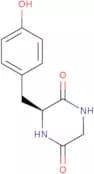
Discontinued productCyclic(glycyl-L-tyrosyl)
CAS:Cyclic(glycyl-L-tyrosyl) is a phenolic compound and the main metabolite of the dietary supplement resveratrol. It has been shown to have interactions with cellular transport, as well as the ability to activate a number of proteins that are involved in cellular transport. Cyclic(glycyl-L-tyrosyl) also interacts with hydroxyl groups on proteins and activates them, which may lead to the uptake of these proteins by cells. This interaction between cyclic(glycyl-L-tyrosyl) and hydroxyl groups on proteins may be due to its conformation and affinity for this residue. Cyclic(glycyl-L-tyrosyl) has been reported to inhibit the binding of glucosamine to NUDIX hydrolase, as well as preventing glucosamine from activating NUDIX hydrolase.
Formula:C11H12N2O3Purity:Min. 98 Area-%Color and Shape:White Off-White PowderMolecular weight:220.22 g/molRef: 3D-FC46820
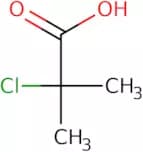
Discontinued product2-Chloro-2-methylpropionic acid
CAS:2-Chloro-2-methylpropionic acid (MCPA) is a chemical compound that belongs to the group of organic compounds called acyl chlorides. It is used in industry for the production of acrylic acid and polyacrylic acid, as well as in the production of herbicides. MCPA is produced by reacting an alkali metal with 2-chloroethanol and thioacetic acid. This reaction can be catalyzed by a variety of compounds, including palladium chloride, nickel chloride, and titanium tetrachloride. The high yield of this reaction makes it suitable for commercial use. MCPA also has been shown to stimulate cell growth through its inhibition of monomers from polymerization into polymers.
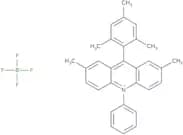
Formula:C4H7ClO2Purity:Min. 95%Color and Shape:PowderMolecular weight:122.55 g/mol9-Mesityl-2,7-dimethyl-10-phenylacridinium tetrafluoroborate
CAS:9-Mesityl-2,7-dimethyl-10-phenylacridinium tetrafluoroborate is a versatile building block and reagent for organic synthesis. It is a fine chemical that is used in the production of research chemicals and speciality chemicals. 9-Mesityl-2,7-dimethyl-10-phenylacridinium tetrafluoroborate can be used as a reaction component to synthesize complex compounds with various functional groups. It has been reported to have high quality, being both useful and stable. CAS NO: 1621020-00-5Formula:C30H28BF4NColor and Shape:Yellow PowderMolecular weight:489.35 g/molRef: 3D-FM76605
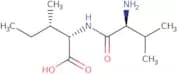
Discontinued productH-Val-Ile-OH
CAS:The H-Val-Ile-OH is an amino acid that is hydrophobic in nature. It has a molecular weight of 120.14 g/mol and a molecular formula of C6H11NO2. The H-Val-Ile-OH is classified as a cyclic amino acid due to the presence of a pyruvic acid ring and it can be found in organisms including humans, bacteria, fungi, and plants. The H-Val-Ile-OH can be found in the active site of proteases as well as subtilisin. This amino acid has been shown to have hydrolytic cleavage properties, which makes it suitable for use as an enzyme substrate for protein sequencing studies.
Formula:C11H22N2O3Purity:Min. 95%Molecular weight:230.3 g/molRef: 3D-FV108227
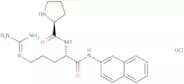
Discontinued productH-Pro-Arg-bNA·HCl
CAS:H-Pro-Arg-bNA·HCl is a reagent, complex compound and useful intermediate with the CAS number 201998-83-6. It is a fine chemical that is used as a useful scaffold or building block for the synthesis of other chemicals. This product can be used in research and as a versatile building block for reactions.
Formula:C21H28N6O2·HClPurity:Min. 95%Color and Shape:PowderMolecular weight:432.95 g/molRef: 3D-FP110680
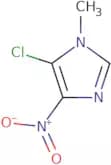
Discontinued product5-Chloro-1-methyl-4-nitroimidazole
CAS:5-Chloro-1-methyl-4-nitroimidazole (5C1MI) is a fatty acid that is synthesized by the reaction of phosphorus pentachloride and an aliphatic hydrocarbon. It has been shown to be effective in treating women with breast cancer. 5C1MI blocks the activity of a protein called HER2, which promotes tumor growth. The drug has been shown to cause an increase in the number of circulating lymphocytes and natural killer cells, as well as an increase in the production of antibodies in mice. These effects are likely caused by 5C1MI's ability to inhibit the proliferation of T cells and B cells. 5C1MI has also been shown to have a high solubility in water and low solubility in lipids, which makes it suitable for administration via intravenous injection.
Formula:C4H4ClN3O2Purity:Min. 95%Color and Shape:PowderMolecular weight:161.55 g/molRef: 3D-FC19985
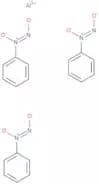
Discontinued productN-Nitroso-N-phenylhydroxylamine aluminium
CAS:N-Nitroso-N-phenylhydroxylamine aluminium (NNPA) is a nitrated organic compound that belongs to the thioxanthone family. It is a colorless, oily liquid that has a strong odor of hydrochloric acid. NNPA is used in the production of polyester resins and coatings, as well as in the manufacture of methacrylate polymers. The reaction system for this compound consists of aluminum chloride and calcium carbonate. This substance can be prepared by reacting trimethylolpropane with methacrylates and magnesium in an organic solvent such as isopropyl alcohol or acetone. NNPA can also be synthesized by reacting zinc powder with ammonium bicarbonate, followed by carbamoylation with an organic amine such as isopropylcarbamate.
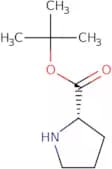
Formula:C18H15AlN6O6Purity:Min. 95%Color and Shape:White PowderMolecular weight:438.33 g/molL-Proline tert-butyl ester
CAS:L-Proline tert-butyl ester is an organic compound that is used in the synthesis of amino acids and pharmaceuticals. It is chiral, and can be synthesized by a stepwise, asymmetric synthesis. The hydrochloric acid treatment of L-lysine with trifluoroacetic acid yields the corresponding L-proline tert-butyl ester. The stereoselectivity of this process depends on the type of catalyst used for demethylation and alkylation reactions.
Formula:C9H17NO2Purity:Min. 95%Color and Shape:PowderMolecular weight:171.24 g/molRef: 3D-FP47582
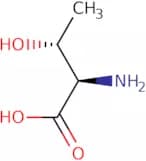
Discontinued productD(-)-allo-Threonine
CAS:D(-)-allo-Threonine is an amino acid with a hydroxyl group. It has been synthesized in an asymmetric synthesis and its biological properties have been studied in the context of monoclonal antibodies. D(-)-allo-Threonine has shown to be an inhibitor of enzymes involved in fatty acid biosynthesis, including 3-hydroxyacyl coenzyme A synthase, acetoacetyl-CoA reductase, and 3-ketoacyl CoA thiolase. This amino acid also inhibits the polymerase chain reaction (PCR) and has been found to be a competitive inhibitor of the enzyme ribonucleotide reductase. D(-)-allo-Threonine is also a constituent of proteins that play a role in plant physiology and structural biology.
Formula:C4H9NO3Purity:Min. 95%Color and Shape:White PowderMolecular weight:119.12 g/molRef: 3D-FA38931
Discontinued product7-[5-(Fluoro-methyl-phosphoryl)oxypentyl]-4-nitro-2,1,3-benzoxadiazole
CAS:Controlled Product7-[5-(Fluoro-methyl-phosphoryl)oxypentyl]-4-nitro-2,1,3-benzoxadiazole is a reactivator of the central nervous system. It is a noncompetitive antagonist at muscarinic receptors and blocks postsynaptic acetylcholine release from cholinergic neurons. It has been shown to have no effect on blood pressure but does cause an increase in locomotor activity in animals. This drug binds to the hippocampal formation and the ventral hippocampus, which are areas of the brain that are involved in memory and spatial navigation. The distribution of this drug postulated to be due to its ability to penetrate micron sized openings in cell membranes.
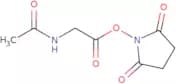
Formula:C12H15FN3O5PPurity:Min. 95%Molecular weight:331.24 g/molAcetyl-glycine N-hydroxysuccinimide ester
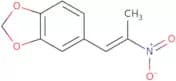
CAS:Acetyl-glycine N-hydroxysuccinimide ester is a reagent that can be used as a building block for the synthesis of peptides and proteins. It is also an intermediate in the synthesis of other chemical compounds, such as pharmaceuticals. This compound has been extensively used in research laboratories for its high quality and versatility.Formula:C8H10N2O5Purity:Min. 95%Color and Shape:PowderMolecular weight:214.18 g/mol1-(3,4-Methylenedioxyphenyl) 2-nitropropene
CAS:1-(3,4-Methylenedioxyphenyl) 2-nitropropene (1-MPNP) is a phosphatase inhibitor that is active against gram-negative bacteria by inhibiting enterotoxins and chlamydia. 1-MPNP inhibits the activity of tyrosine phosphatases, which are enzymes that play a major role in bacterial virulence. 1-MPNP competitively inhibits the activity of tyrosine phosphatases and prevents them from catalyzing the hydrolysis of polyphosphate substrates. This inhibition leads to an accumulation of polyphosphates in the bacterial cell membrane, which disrupts its permeability and leads to cell death.
Formula:C10H9NO4Purity:Min. 97.5 Area-%Color and Shape:Yellow PowderMolecular weight:207.18 g/molRef: 3D-FM67977
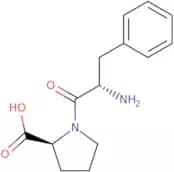
Discontinued productH-Phe-Pro-OH
CAS:H-Phe-Pro-OH is a cyclic peptide that is a structural mimic of the natural amino acid gamma-aminobutyric acid (GABA) and has been shown to be an effective inhibitor of the p450 enzymes responsible for carcinogen activation. The peptide binds to response elements in DNA and RNA, which prevents transcription of genes that are involved in cancer development. H-Phe-Pro-OH also inhibits collagen production and has hemolytic activity due to hydrogen bonding with erythrocytes. This peptide can be used as an antimicrobial agent against Gram negative bacteria, including Pseudomonas aeruginosa, Klebsiella pneumoniae, Escherichia coli, and Salmonella typhimurium. In addition, it has been shown to inhibit the growth of Gram positive bacteria such as Staphylococcus aureus and Clostridium perfringens. The mechanism by which this compound inhibits bacterial growth is
Formula:C14H18N2O3Purity:Min. 95%Color and Shape:PowderMolecular weight:262.3 g/molRef: 3D-FP108146
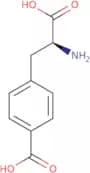
Discontinued product4-Carboxy-L-phenylalanine
CAS:4-Carboxy-L-phenylalanine is a synthetic amino acid that has been shown to inhibit tyrosine kinase activity. It can also be used as a chromogenic substrate for tyrosine kinases, which are enzymes that catalyze the transfer of phosphate groups from ATP to tyrosine residues in proteins. 4-Carboxy-L-phenylalanine has potent inhibitory effects on ligand binding and cell proliferation by blocking the phosphotyrosine signal transduction pathway. 4-Carboxy-L-phenylalanine is an analog of L-phenylalanine, which is an essential amino acid found in many proteins and enzymes.
Formula:C10H11NO4Purity:Min. 95%Color and Shape:White/Off-White SolidMolecular weight:209.2 g/molRef: 3D-FC49024
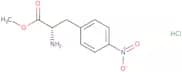
Discontinued product4-Nitro-L-phenylalanine methyl ester hydrochloride
CAS:4-Nitro-L-phenylalanine methyl ester hydrochloride is a 4-nitrophenyl derivative of L-phenylalanine. It is a useful building block, reagent, or scaffold in organic synthesis. This compound finds use as a precursor to other derivatives and it has been used in the preparation of complex compounds. 4-Nitro-L-phenylalanine methyl ester hydrochloride is also used as a reaction component for the synthesis of different organic compounds and as a useful intermediate.
Formula:C10H13N2O4ClPurity:Min. 98 Area-%Color and Shape:White PowderMolecular weight:260.67 g/molRef: 3D-FN45027
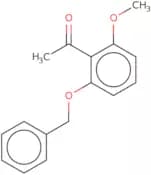
Discontinued product2-Benzyloxy-6-methoxyacetophenone
CAS:2-Benzyloxy-6-methoxyacetophenone is a high quality and versatile chemical that can be used as a reagent or building block in organic synthesis. It is an important intermediate in the synthesis of fine chemicals, pharmaceuticals, and other complex compounds. 2-Benzyloxy-6-methoxyacetophenone has been shown to be useful as a scaffold for the synthesis of novel complex molecules, such as speciality chemicals. The compound also has potential applications in research and development of new drugs.
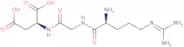
Formula:C16H16O3Purity:Min. 95%Color and Shape:PowderMolecular weight:256.3 g/molArg-Gly-Asp
CAS:Arg-Gly-Asp is a peptide with inhibitory properties against tumor growth. It binds to the integrin receptor and blocks the angiogenic process by inhibiting the expression of vascular endothelial growth factor (VEGF) and transforming growth factor beta (TGF-β). Arg-Gly-Asp also inhibits the proliferation of pluripotent cells, which are cells that can differentiate into any type of cell in the body, and prevents the formation of new blood vessels. This peptide has been shown to have inhibitory properties against leukemia inhibitory factor (LIF), which is a cytokine that regulates cell growth.
Formula:C12H22N6O6Purity:Min. 98 Area-%Color and Shape:PowderMolecular weight:346.34 g/molN-[6-Chloro-5-(2-methoxyphenoxy)-(2,2-bipyrimidine)4-4-yl]-(1,1-dimethylethyl)-benzenesulfonamide
CAS:N-[6-Chloro-5-(2-methoxyphenoxy)-(2,2-bipyrimidine)4-4-yl]-(1,1-dimethylethyl)-benzenesulfonamide is a reagent that can be used as a reaction component in the synthesis of complex compounds. It has high quality and is a versatile building block for the synthesis of speciality chemicals. N-[6-Chloro-5-(2-methoxyphenoxy)-(2,2-bipyrimidine)4-4-yl]-(1,1-dimethylethyl)-benzenesulfonamide is also a useful intermediate in the synthesis of fine chemicals.
Formula:C25H24ClN5O4SPurity:Min. 95%Color and Shape:White PowderMolecular weight:526.01 g/molRef: 3D-FC20113
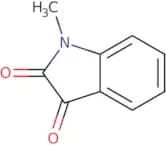
Discontinued product1-Methyl-1H-indole-2,3-dione
CAS:1-Methyl-1H-indole-2,3-dione is a chemical compound that belongs to the class of indole derivatives. It can be synthesized by reacting 2,3-dihydroxybenzaldehyde with 2,2'-azobis(2-amidinopropane) dihydrochloride and methyl iodide in the presence of copper (II) acetate. This reaction mechanism is similar to that of other reactions involving an intramolecular hydrogen transfer. The binding constants for 1-methyl-1H-indole-2,3-dione are very high and this compound has been shown to inhibit herpes simplex virus replication in vitro. 1MIDD binds to the active site of tryptophan fluorescence and synchronous fluorescence proteins. 1MIDD also binds to copper ions in a coordination geometry that is similar to that found for other compounds containing a carbonyl group.
Formula:C9H7NO2Purity:Min. 95%Color and Shape:PowderMolecular weight:161.16 g/molRef: 3D-FM125542
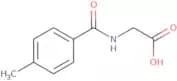
Discontinued product4-Methyl hippuric acid
CAS:4-Methyl hippuric acid is a metabolite of benzoic acid, and is excreted in the urine as an end product of phenylalanine metabolism. The matrix effect is a phenomenon that is observed when chromatographic analysis occurs in the presence of impurities or other substances. It can be minimized by using an optimum concentration of hydrochloric acid to extract the analyte from the sample matrix. 4-Methyl hippuric acid can be detected in urine samples by using a chromatographic method and then quantified by measuring its s-phenylmercapturic acid content. This compound has been used as a marker for determining blood pressure and has also been shown to have antihypertensive effects.
Formula:C10H11NO3Purity:Min. 95%Color and Shape:PowderMolecular weight:193.2 g/molRef: 3D-FM25508
Discontinued product3-Acetylthio-2-methylpropanoic Acid-d5
CAS:Controlled ProductApplications 3-Acetylthio-2-methylpropanoic Acid-d5 (cas# 1189969-31-0) is a compound useful in organic synthesis.
Formula:C6H5D5O3SColor and Shape:NeatMolecular weight:167.24Tetrahydro-5-methyl-2-furanol 2-Benzoate
CAS:Controlled ProductApplications Tetrahydro-5-methyl-2-furanol 2-Benzoate is an intermediate in synthesizing 2,3-Dihydro-2-methylfuran (D447355), which is a general reagent used in next generation of biofuels. Dihydrofuranyl derivative.
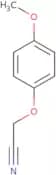
References Simmie, J. et al.: J. Phys Chem., 116, 4528 (2012);Formula:C12H14O3Color and Shape:NeatMolecular weight:206.242-(4-Methoxyphenoxy)acetonitrile
CAS:2-(4-Methoxyphenoxy)acetonitrile is a chemical compound that is used to synthesize acetobromoglucose. It undergoes transformation and condensation reactions with acetobromoglucose to form 4-methoxyaceto bromoglucose.
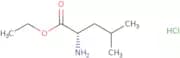
Formula:C9H9NO2Purity:Min. 95%Molecular weight:163.17 g/molL-Leucine ethyl ester hydrochloride
CAS:L-Leucine ethyl ester hydrochloride (L-LEE) is a hydroxylated form of leucine, which is an essential amino acid. LEE has been shown to have anti-inflammatory effects, which may be due to its ability to inhibit the formation of proinflammatory cytokines. It also has been shown to have antioxidant and anti-atherogenic properties, as well as the ability to reduce cholesterol levels in rats. This product has been shown effective in treating bowel disease and metabolic disorders such as hepatic steatosis, fatty liver disease, and metabolic syndrome. LEE also can activate aryl hydrocarbon receptor ligand (AhR), which is involved in the regulation of genes that control inflammation and immune responses.
Formula:C8H17NO2•HClPurity:Min. 95 Area-%Color and Shape:PowderMolecular weight:195.69 g/molRef: 3D-FL37378
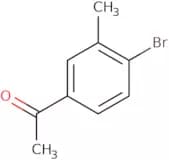
Discontinued product4'-Bromo-3'-methylacetophenone, 75%
CAS:4'-Bromo-3'-methylacetophenone, 75% is a high quality reagent that is a useful intermediate for the synthesis of complex compounds. It has CAS No. 37074-40-1 and can be used as a fine chemical or speciality chemical in research. This product is also a versatile building block that can be used as an intermediate in reactions and as a reaction component.
Formula:C9H9BrOPurity:Min. 95%Molecular weight:213.07 g/molRef: 3D-FB106406
Discontinued product[2-(3-Methyl-1,2,4-oxadiazol-5-yl)ethyl]amine hydrochloride
CAS:2-(3-Methyl-1,2,4-oxadiazol-5-yl)ethyl]amine hydrochloride is a high quality chemical reagent that can be used as a complex intermediate in organic synthesis. It is also a useful scaffold for the synthesis of other complex compounds. 2-(3-Methyl-1,2,4-oxadiazol-5-yl)ethyl]amine hydrochloride is an excellent building block for the synthesis of various fine chemicals and research chemicals. This compound has many uses as a versatile building block in chemical reactions due to its reactivity.
Formula:C5H9N3O·HClPurity:Min. 95%Color and Shape:White PowderMolecular weight:163.61 g/molRef: 3D-FM120047
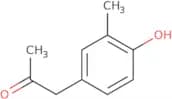
Discontinued product(4-Hydroxy-3-methylphenyl)acetone
CAS:(4-Hydroxy-3-methylphenyl)acetone is a high quality, reagent that has been used in the synthesis of complex compounds. It is also a useful intermediate for the production of fine chemicals, useful scaffolds, and useful building blocks. The compound can be used as a speciality chemical in research and is versatile as a building block for reactions. (4-Hydroxy-3-methylphenyl)acetone has been shown to react with various organic compounds, such as alcohols, amines, and carboxylic acids.
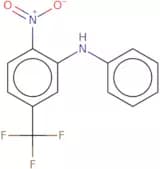
Formula:C10H12O2Purity:Min. 98 Area-%Color and Shape:PowderMolecular weight:164.2 g/molN-Phenyl-2-nitro-4-trifluoromethyl-phenylamine
CAS:N-Phenyl-2-nitro-4-trifluoromethylphenylamine is a versatile building block. It is a fine chemical that is used in research and as a reagent, speciality chemical, or useful scaffold for the synthesis of complex compounds. This compound has CAS No. 5108-04-3 and can be used as an intermediate in reactions. It is also useful in the synthesis of various types of building blocks. N-Phenyl-2-nitro-4-trifluoromethylphenylamine has been shown to be a high quality product that can be used in various ways.Formula:C13H9F3N2O2Purity:Min. 95%Molecular weight:282.22 g/molRef: 3D-FP66187
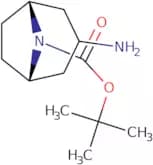
Discontinued productN-Boc-endo-3-aminotropane
CAS:N-Boc-endo-3-aminotropane is a useful building block for the synthesis of a variety of chemical compounds. It is a versatile intermediate for the synthesis of diverse chemical compounds and is also used in research as a reagent. N-Boc-endo-3-aminotropane has been shown to be highly reactive and to undergo many reactions, including nucleophilic substitution and addition reactions. The compound can be reacted with alkyl halides to form amines, or with nitroalkanes to form oximes. N-Boc-endo-3-aminotropane can also react with anhydrides or acid chlorides to form carboxylic acids, or with sulfonyl chlorides to form sulfonamides. This compound also reacts with thiols or alcohols to form thioethers and ethers respectively.
Formula:C12H22N2O2Purity:Min. 95%Color and Shape:White PowderMolecular weight:226.32 g/molRef: 3D-FB71481
Discontinued product




![2-[4-(4-Chloro-a-phenylbenzyl)-1-piperazinyl]-ethoxyacetic acid hydrochloride](/_next/image/?url=https%3A%2Fstatic.cymitquimica.com%2Fproducts%2F3D%2Fthumb-webp%2FFC33467.webp&w=3840&q=75)
![Fmoc-S-[2,3-bis(palmitoyloxy)propyl]-L-cysteine](/_next/image/?url=https%3A%2Fstatic.cymitquimica.com%2Fproducts%2F3D%2Fthumb-webp%2FFF47755.webp&w=3840&q=75)

![7-[5-(Fluoro-methyl-phosphoryl)oxypentyl]-4-nitro-2,1,3-benzoxadiazole](/_next/image/?url=https%3A%2Fstatic.cymitquimica.com%2Fproducts%2F3D%2Fthumb-webp%2FFF98971.webp&w=3840&q=75)
![N-[6-Chloro-5-(2-methoxyphenoxy)-(2,2-bipyrimidine)4-4-yl]-(1,1-dimethylethyl)-benzenesulfonamide](/_next/image/?url=https%3A%2Fstatic.cymitquimica.com%2Fproducts%2F3D%2Fthumb-webp%2FFC20113.webp&w=3840&q=75)


![[2-(3-Methyl-1,2,4-oxadiazol-5-yl)ethyl]amine hydrochloride](/_next/image/?url=https%3A%2Fstatic.cymitquimica.com%2Fproducts%2F3D%2Fthumb-webp%2FFM120047.webp&w=3840&q=75)