Peptides
Peptides are short chains of amino acids linked by peptide bonds, serving as important biological molecules that play key roles in cellular processes. They function as hormones, neurotransmitters, and signaling molecules, and are widely used in therapeutic and diagnostic applications. Peptides are also crucial in research for studying protein interactions, enzyme activities, and cell signaling pathways. At CymitQuimica, we provide a diverse selection of high-quality peptides to support your research and development needs in biotechnology and pharmaceuticals.
Subcategories of "Peptides"
Found 30323 products of "Peptides"
Sort by
Purity (%)
0
100
|
0
|
50
|
90
|
95
|
100
Ac-RGDSPGGC-NH2
<p>Peptide Ac-RGDSPGGC-NH2 is a Research Peptide with significant interest within the field academic and medical research. This peptide is available for purchase at Cymit Quimica in multiple sizes and with a specification of your choice.</p>H-AFLPGMNPPPYSQFLSR-OH
<p>Peptide H-AFLPGMNPPPYSQFLSR-OH is a Research Peptide with significant interest within the field academic and medical research. This peptide is available for purchase at Cymit Quimica in multiple sizes and with a specification of your choice.</p>CMVpp65 - 93
<p>CMVpp65 - 93 is a custom research peptide; min purity 95%, TFA salt. For different specs please use the Peptide Quote Tool</p>H-EANQSTLENFLER-OH
Peptide H-EANQSTLENFLER-OH is a Research Peptide with significant interest within the field academic and medical research. This peptide is available for purchase at Cymit Quimica in multiple sizes and with a specification of your choice.Ac-SGRGKQGGKAR-OH
<p>Peptide Ac-SGRGKQGGKAR-OH is a Research Peptide with significant interest within the field academic and medical research. This peptide is available for purchase at Cymit Quimica in multiple sizes and with a specification of your choice.</p>Neuromedin-U-23
<p>Neuromedin-U-23 is a custom research peptide; min purity 95%, TFA salt. For different specs please use the Peptide Quote Tool</p>H-SQNPVQPIGPQTPK-OH
<p>Peptide H-SQNPVQPIGPQTPK-OH is a Research Peptide with significant interest within the field academic and medical research. This peptide is available for purchase at Cymit Quimica in multiple sizes and with a specification of your choice.</p>H-RRRRRRRRRC-OH
<p>Peptide H-RRRRRRRRRC-OH is a Research Peptide with significant interest within the field academic and medical research. This peptide is available for purchase at Cymit Quimica in multiple sizes and with a specification of your choice.</p>Cancer/testis antigen 1 (92-100)
<p>Peptide Cancer/testis antigen 1 (92-100) is a Research Peptide with significant interest within the field academic and medical research. This peptide is available for purchase at Cymit Quimica in multiple sizes and with a specification of your choice.</p>[Leu3]-Oxytocin
<p>[Leu3]-Oxytocin is a custom research peptide; min purity 95%, TFA salt. For different specs please use the Peptide Quote Tool</p>H-ILIDWLVQV-OH
<p>Peptide H-ILIDWLVQV-OH is a Research Peptide with significant interest within the field academic and medical research. This peptide is available for purchase at Cymit Quimica in multiple sizes and with a specification of your choice.</p>Human Natriuretic peptides A (NPPA)
Human Natriuretic peptides A (NPPA) is a custom research peptide; min purity 95%, TFA salt. For different specs please use the Peptide Quote ToolH-FELLPTPPL-OH
<p>Peptide H-FELLPTPPL-OH is a Research Peptide with significant interest within the field academic and medical research. This peptide is available for purchase at Cymit Quimica in multiple sizes and with a specification of your choice.</p>H-CGKLFGTSGQK-OH
<p>Peptide H-CGKLFGTSGQK-OH is a Research Peptide with significant interest within the field academic and medical research. This peptide is available for purchase at Cymit Quimica in multiple sizes and with a specification of your choice.</p>H-NQEQVSPLERCG-NH2
<p>Peptide H-NQEQVSPLERCG-NH2 is a Research Peptide with significant interest within the field academic and medical research. This peptide is available for purchase at Cymit Quimica in multiple sizes and with a specification of your choice.</p>Beta-Amyloid (17-28)
<p>Peptide Beta-Amyloid (17-28) is a Research Peptide with significant interest within the field academic and medical research. This peptide is available for purchase at Cymit Quimica in multiple sizes and with a specification of your choice.</p>H-EPQTTVIHNPDGNK-OH
<p>Peptide H-EPQTTVIHNPDGNK-OH is a Research Peptide with significant interest within the field academic and medical research. This peptide is available for purchase at Cymit Quimica in multiple sizes and with a specification of your choice.</p>H-VNTEIHFVTK-OH
Peptide H-VNTEIHFVTK-OH is a Research Peptide with significant interest within the field academic and medical research. This peptide is available for purchase at Cymit Quimica in multiple sizes and with a specification of your choice.H-QNTESKSSE-OH
Peptide H-QNTESKSSE-OH is a Research Peptide with significant interest within the field academic and medical research. This peptide is available for purchase at Cymit Quimica in multiple sizes and with a specification of your choice.H-RRRRRRRRR-OH
<p>(Arg)9 is an cell-penetrating peptide made up of 9 arginine residues capable of traversing plasma membranes. It has been shown that Arg9 destabilize and disrupt the phospholipid bilayer allowing flow of ions across the membrane. (Arg)9 peptide plays an important role in efficient cellular uptake. The guanidinium group is a critical structural determinant for tight and rapid interactions with cell membrane. The cationic guanidinium group can form electrostatic interactions with anionic cell membranes components such as phospholipids and sulphated proteoglycans. This interaction can trigger the activation of specific intracellular signalling and cell internalization via various pathways. (Arg)9 peptide is used to deliver a variety of functionally active cargos such as peptides, small interfering RNA, oligonucleotides, plasmid DNA and liposomes into mammalian cells and plant cells with high translocation efficiency. (Arg)9 peptide can also be used to form chemical linkages with the cargo and act as a carrier peptide.</p>H-CMHLLLEAV-OH
<p>H-CMHLLLEAV-OH is a custom research peptide; min purity 95%, TFA salt. For different specs please use the Peptide Quote Tool</p>H-TRSEL-OH
<p>Peptide H-TRSEL-OH is a Research Peptide with significant interest within the field academic and medical research. This peptide is available for purchase at Cymit Quimica in multiple sizes and with a specification of your choice.</p>Cytidine Monophosphate Kinase 1 , human, recombinant
<p>The recombinant human cytidine monophosphate kinase 1 (CMPK) enzyme is a peptide with an N-terminal His tag. The enzyme is activated by ATP and phosphorylates the 3' carbon of cytidine monophosphate to form CMP. CMPK is also inhibited by a number of ligands, including adenosine, AMP, and guanosine. It has been shown that the binding of these ligands to CMPK affects ion channel activity in cells. This recombinant human CMPK enzyme is used in research as a tool for investigating protein interactions and pharmacological responses.<br>CAS Number: 223435-78-6</p>Purity:Min. 95%Haptoglobin Heavy Tryptic Peptide Standard (4 nmol)
This Haptoglobin Heavy Tryptic Peptide Standard has the potential for use in proteomics studies and in the identification and quantitation of proteins. Haptoglobin is involved in the removal of free hemoglobin and also in neutralizing oxidative damage.Peptide sequence: H-VTSIQDWVQK^-OHPurity:Min. 95%Apolipoprotein E N-term Light Tryptic Peptide Standard (4nmol)
An apolipoprotein E N-term light tryptic peptide standard for use in protein identification and quantitation studies. As part of a fat-binding protein family, apolipoprotein E plays a role in the metabolism of fats in the body through interacting with the low density lipoprotein receptor, which is involved in the catabolism of triglyceride rich lipoproteins. Apolipoprotein E is also a major component in cholesterol metabolism and is a carrier of cholesterol in the brain. Additionally when forming a complex with C1q, apolipoprotein E is an inhibitor of the classical complement pathway. The N and C terminal regions of apolipoprotein are connected by a hinge region and the N-terminal region is an anti parallel four helix bundle with non-polar sides positioning themselves inside the protein.Purity:Min. 95%dPEG®12-SATA Acid (S-Acetyl-dPEG®12-Acid)
CAS:dPEG®12-SATA Acid (S-Acetyl-dPEG®12-Acid) is a PEG compound with two different functional groups (also known as heterobifunctional). Unlike homobifunctional PEG compounds (same functional group on both ends), this type of compounds are more versatile as have two different anchor points. dPEG®12-SATA Acid (S-Acetyl-dPEG®12-Acid) is used as a linker and spacer to add a PEG moiety, via pegylation (a bioconjugation technique) to proteins, peptides, oligonucleotides, small molecules and nanoparticles.Formula:C29H56O15SPurity:Min. 95%Molecular weight:676.81 g/molHepatitis B Surface Antigen, adr CHO Recombinant
HBsAg is the surface antigen of the Hepatitis-B-Virus (HBV) S-gene. The capsid of a virus has different surface proteins from the rest of the virus. The antigen is a protein that binds specifically on one of these surface proteins.Purity:>95% By Rp-HplcBoc-Leu-Ser-Thr-Arg-pNA acetate hydrate
CAS:<p>Boc-Leu-Ser-Thr-Arg-pNA acetate hydrate is a substrate for enteropeptidase. It has an acid sequence of Gly-Phe-Lys and an amino acid sequence of Arg-Pro-Gly. Enteropeptidase cleaves the peptide bond between the N and C termini of the peptides with Lys or Arg at the P1 position.</p>Formula:C30H49N9O10•CH3COOH•H2OPurity:Min. 95%Molecular weight:773.83 g/molHaptoglobin Light Tryptic Peptide Standard (4nmol)
<p>This Haptoglobin Light Tryptic Peptide Standard has the potential for use in proteomics studies and in the identification and quantitation of proteins. Haptoglobin is involved in the removal of free hemoglobin and also in neutralizing oxidative damage.</p>Purity:Min. 95%Osteopontin Heavy Tryptic Peptide Standard (4nmol)
For Protein Identification and QuantitationPurity:Min. 95%Borrelia Burgdorferi Basic Membrane Protein A (recombinant)
Borrelia Burgdorferi Basic Membrane Protein A (BBMPA) is a protein that belongs to the Borrelia burgdorferi bacterium. It is a glycoprotein found on the surface of the bacterial cell, which has been shown to be involved in adhesion to host tissue. BBMPA is composed of two identical subunits, each containing five domains. These domains are involved in different functions and range from binding to other proteins and lipids to receptor-binding sites for host cells. This protein has been studied extensively as it is important for pathogenicity and infectivity of Borrelia Burgdorferi.Purity:Min. 95%GLP-1 (Human, Rat, Mouse)-EIA Kit (1ea)
<p>GLP-1 (Human, Rat, Mouse)-EIA Kit is a ready-to-use kit that contains a recombinant human GLP-1 peptide. This kit is designed for the quantitative measurement of GLP-1 in human serum or plasma by ELISA. It uses a polyclonal antibody to detect the protein and has no cross-reactivity with other pancreatic hormones. The assay can be used with rat and mouse samples as well.</p>Purity:Min. 95%α-2-antiplasmin Heavy Tryptic Peptide Standard (4nmol)
An Alpha-2-antiplasmin heavy tryptic peptide standard for protein identification and quantitation studies. Alpha-2-antiplasmin is a serine protease inhibitor of plasmin, an enzyme involved in fibrinolysis.Purity:Min. 95%Fmoc-His(MBom)-OH
CAS:Please enquire for more information about Fmoc-His(MBom)-OH including the price, delivery time and more detailed product information at the technical inquiry form on this pageFormula:C30H29N3O6Purity:Min. 95%Molecular weight:527.57 g/mol(Tyr5·12,Lys7)-Polyphemusin II
CAS:<p>T22 peptide, also known as [Tyr5,12,Lys7]-polyphemusin II peptide, is a short, positively charged peptide, analog of polyphemusin peptide which exerts a strong anti- HIV activity. Polyphemusins are known to inhibit the growth of gram-negative bacteria and some fungi such as Candida Albicans. T22 is a potent antagonist of CXCR4 (IC50 = 5.05 nM), a co-receptor used by HIV to penetrate cells.<br>It has been suggested that T22 exerts its effect against HIV-1 especially by blocking virus-cell fusion and that T22 might interact with HIV envelope protein (such as gp120 ) and T-cell surface protein. T22 antiviral activity has been shown on HIV-infected MT-4 cells with an IC50 of 0.008 µg/mL (2.6 nM). The cytotoxic concentration on HIV virus (CC50) of T22 is 54 µg/mL (17 mM).</p>Formula:C109H164N38O22S4Purity:Min. 95%Molecular weight:2,486.98 g/molHepcidin Murine Competeᵀᴹ ELISA Kit
Hepcidin is a peptide hormone that regulates iron absorption in the intestine. It is secreted by hepatocytes, the primary cells of the liver. Hepcidin-Murine Compete^TM ELISA Kit (1ea) is a competitive enzyme-linked immunosorbent assay (ELISA) kit for measuring hepcidin concentrations in mouse serum. This assay has been validated to measure hepcidin concentrations up to 1000 pg/mL with sensitivity as low as 1 pg/mL. The kit can be used to diagnose iron deficiency anemia and other diseases associated with hepcidin deficiency.Purity:Min. 95%Mesothelin Light Tryptic Peptide Standard (4nmol)
For Protein Identification and QuantitationPurity:Min. 95%Boc-Gly-Arg-Arg-AMC trifluoroacetate
CAS:Boc-Gly-Arg-Arg-AMC trifluoroacetate is a potent inhibitor of kinases, which are enzymes that play a crucial role in various cellular processes. It has been shown to effectively inhibit the activity of both Chinese and human kinases. This inhibitor has also demonstrated its efficacy as an anticancer agent by inducing apoptosis in cancer cells. Boc-Gly-Arg-Arg-AMC trifluoroacetate is a medicinal protein analog that can be used for the development of novel inhibitors with improved potency and selectivity. Its potential therapeutic applications make it a promising candidate for cancer treatment. Additionally, this compound can be detected in urine, making it an excellent biomarker for kinase activity in vivo.Formula:C29H44N10O7•(C2HF3O2)xPurity:Min. 95%Color and Shape:PowderC-Peptide (Mouse)-EIA Kit (1ea)
<p>C-Peptide (Mouse)-EIA Kit is a mouse C-peptide EIA kit. It is designed for the quantitative measurement of C peptide in serum samples from mice. The kit contains an antibody that recognizes mouse C peptide, and a conjugate that binds to the antibody. The kit also contains a biotin-labeled anti-mouse IgG antibody, which reacts with the conjugate to form a complex that is subsequently detected by an enzyme-conjugated streptavidin. The amount of complex formed is proportional to the amount of C peptide present in the sample.</p>Purity:Min. 95%Gly-Pro-AMC
CAS:<p>Gly-Pro-AMC is a peptide that can be used as a research tool to investigate protein interactions. Gly-Pro-AMC is an activator of ion channels and is able to inhibit ligand binding to receptor. It has been used in pharmacology for the study of protein interactions, ion channels, and receptors. Gly-Pro-AMC binds to the cell membrane and blocks the activation of potassium channels. It also inhibits ligand binding to receptors. This compound has been found in high purity with a CAS number of 67341-42-8.</p>Formula:C17H19N3O4Purity:Min. 95%Molecular weight:329.35 g/mol8-Oxoguanine DNA Glycosylase, human, recombinant
8-Oxoguanine DNA glycosylase is a glycosylase enzyme that repairs the 8-oxoG DNA base. It has been purified from human and Escherichia coli cells and recombinantly produced in E. coli. The enzyme has a molecular mass of about 42 kDa and is composed of two polypeptide chains with an apparent molecular weight of 17 kDa each. 8-Oxoguanine DNA glycosylase has been shown to have a broad substrate range, including both oxidized and reduced forms of 8-oxoG, as well as other oxidized purine bases such as 7,8-dihydrothymine (8-hydroxyguanine) and 5,6-dihydrothymine (5,6-dihydroxyguanine). The enzyme catalyzes the removal of the damaged base from the DNA backbone without any concomitant chemical changes in the sugar or phosphate groupsPurity:Min. 95%NHS-dPEG®4 Biotinidase-Resistant Biotin
CAS:NHS-dPEG®4 Biotinidase-Resistant Biotin is a PEG compound with two different functional groups (also known as heterobifunctional). Unlike homobifunctional PEG compounds (same functional group on both ends), this type of compounds are more versatile as have two different anchor points. NHS-dPEG®4 Biotinidase-Resistant Biotin is used as a linker and spacer to add a PEG moiety, via pegylation (a bioconjugation technique) to proteins, peptides, oligonucleotides, small molecules and nanoparticles.Purity:Min. 95%Molecular weight:673.78 g/molTripartite Motif Containing 21 (RO52), human, recombinant
The Tripartite Motif Containing 21 protein (TRIM21) is a human recombinant that is expressed in E. coli. TRIM21 is a glycosylated polypeptide chain, which has been shown to interact with the HIV-1 Vpu protein. TRIM21 binds to the HIV-1 Vpu protein and prevents it from interacting with the CD4 molecule on T cells, thereby inhibiting viral replication. TRIM21 also has been shown to be involved in the regulation of mRNA stability and translation by binding to polyribosomes and preventing ribosomal translocation.Purity:Min. 95%Neurokinin B (Human, Porcine, Bovine, Rat, Mouse)
As a member of the tachykinin neuropeptide family, Neurokinin B is involved in the dilation of blood vessels, the contraction of smooth muscles and the excitation of neurons. This product can be applied as a NK3 receptors selective agonist.Formula:C55H79N13O14S2CH3COOH•4H2OPurity:Min. 95%Molecular weight:1,312.49 g/mol[Asu1,6]-Oxytocin
CAS:Oxytocin is a peptide hormone and neurotransmitter. It is primarily used in the brain to regulate social behavior, such as maternal behaviour, sexual arousal and romantic attachment. Oxytocin is also used for uterine contractions during childbirth and to induce labour. Oxytocin can be administered by injection or as nasal spray. It has a half-life of about two minutes in the blood stream and its effects last up to one hour. Oxytocin is a nonapeptide with the amino acid sequence: Cys-Tyr-Ile-Gln-Asn-Cys-Pro-Arg-Gly-Leu-Met-(OH). The oxytocin receptor (OXTR) belongs to G protein coupled receptors (GPCR), which are known for their roles in cell signaling, oncogenesis, immunity, inflammation, pain sensation and endocrine regulation. The OXTR is expressed throughout the body including the uterus and vagina.Formula:C45H69N11O12Purity:Min. 95%Molecular weight:956.1 g/molAmyloid Beta-Protein (Human, 1-16)
CAS:<p>Amyloid beta-protein (Aβ) is a peptide that is associated with Alzheimer's disease. It is a research tool for understanding the biology of Aβ. The Aβ peptide has been shown to activate a number of receptors and ion channels, including the nicotinic acetylcholine receptor, which may be due to its ability to bind to these proteins with high affinity. Amyloid beta-protein has also been shown to bind antibodies, which may be due to its ability to act as an antigen. Amyloid beta-protein inhibits the function of ion channels and can be used in pharmacological studies as a tool for understanding how this protein interacts with other proteins.</p>Formula:C84H119N27O28Purity:Min. 95%Molecular weight:1,955 g/molAnti Atrial Natriuretic Peptide (ANP) (Rat) Serum
Anti Atrial Natriuretic Peptide (ANP) (Rat) Serum is a research tool for studying the pharmacology of ANP. It is an activator of ion channels and the receptor for ANP, which regulates water balance in the body. It has also been shown to be a ligand for antibody, used in pharmacology to study protein interactions. This serum is used as a research tool in Cell Biology to study the effects of ligands on membrane ion channels and receptors. Anti Atrial Natriuretic Peptide (ANP) (Rat) Serum is purified from rat serum with high purity.Purity:Min. 95%Anti NO Synthase II (77-105) (Rat) Serum
The Anti NO Synthase II (77-105) (Rat) Serum is a research tool that can be used to activate, ligand or receptor. It can also be used to study cell biology as well as protein interactions. The Anti NO Synthase II (77-105) (Rat) Serum can inhibit ion channels and is a high purity antibody. This serum is made of peptides and proteins.Purity:Min. 95%Amino-dPEG®12-t-boc-Hydrazide
CAS:Amino-dPEG®12-t-boc-Hydrazide is a PEG compound with two different functional groups (also known as heterobifunctional). Unlike homobifunctional PEG compounds (same functional group on both ends), this type of compounds are more versatile as have two different anchor points. Amino-dPEG®12-t-boc-Hydrazide is used as a linker and spacer to add a PEG moiety, via pegylation (a bioconjugation technique) to proteins, peptides, oligonucleotides, small molecules and nanoparticles.Formula:C32H65N3O15Purity:Min. 95%Molecular weight:731.87 g/molGRF, Human Antiserum
Rabbit serum against growth hormone-releasing factor (GRF) or GHRH (growth hormone-releasing hormone).Purity:Min. 95%H-WYIWLGFIAGLIAIV-OH
<p>Peptide H-WYIWLGFIAGLIAIV-OH is a Research Peptide with significant interest within the field academic and medical research. This peptide is available for purchase at Cymit Quimica in multiple sizes and with a specification of your choice.</p>Formula:C91H129N17O16Molecular weight:1,735.12 g/molAnti C-Peptide II (Rat) Serum
Anti C-Peptide II (Rat) Serum is a high-purity peptide that can be used as a research tool to study the pharmacology of peptides and their interactions with receptors. It can also be used as an inhibitor in cell biology experiments.Purity:Min. 95%Thymosin β4
Thymosin β4 is a polypeptide hormone that has been studied in a variety of medical conditions. It was first discovered in the thymus gland, but is also found in other tissues, including the intestine and heart. Thymosin β4 is involved in the process of wound healing, regulating the production of collagen and fibrinogen. It also has cardioprotective effects by preventing myocyte apoptosis. There have been studies that show that thymosin β4 may be useful for treating chronic kidney disease, colorectal cancer, and polyps. The effects of this protein are mediated by its ability to regulate cellular proliferation and differentiation.Formula:C212H350N56O78SPurity:Min. 95%Boc-Gly-Arg-Arg-AMC
CAS:<p>Boc-Gly-Arg-Arg-AMC is a research tool that has a high purity and is used in cell biology, antibody production, ion channels, and protein interactions. It is an inhibitor of ion channels, which can be used for pharmacology to study the function of ion channels. Boc-Gly-Arg-Arg-AMC has also been shown to inhibit binding between the ligand and receptor.</p>Formula:C29H44N10O7Purity:Min. 95%Molecular weight:644.72 g/molRNA Binding Motif Protein 3, human, recombinant
<p>RNA Binding Motif Protein 3 (RBMY3) is a high-quality research peptide that is commonly used in scientific studies. It is a recombinant protein derived from Escherichia Coli. RBMY3 plays a crucial role in RNA metabolism and regulation, specifically in the binding and processing of RNA molecules. This protein is highly purified and has been extensively tested for its quality and functionality. Researchers rely on RBMY3 to study various cellular processes, including gene expression, mRNA splicing, and post-transcriptional modifications. With its exceptional purity and reliability, RBMY3 is an essential tool for any laboratory conducting cutting-edge research in the field of RNA biology.</p>Purity:Min. 95%Neurotensin (Human, Bovine, Canine)
Neurotensin is a neuropeptide that is involved in the regulation of a variety of physiological functions, including neurotransmission, cardiovascular function, and appetite. It is composed of 13 amino acids and is primarily produced in the gastrointestinal tract and the central nervous system. Neurotensin acts as a neurotransmitter and neuromodulator in the brain, where it is synthesized by neurons in several regions, including the hypothalamus, amygdala, and nucleus accumbens. In addition to its role in neurotransmission, neurotensin has been shown to be involved in the regulation of food intake and energy metabolism. It is thought to promote satiety and reduce food intake by interacting with the hypothalamus and other brain regions involved in appetite regulation. Neurotensin has also been studied for its potential therapeutic applications as it has been shown to be associated with the pathophysiology of conditions such as Parkinson's disease, pain, schizophrenia, cancer and inflammatory bowel disease.Formula:C78H121N21O20•2CH3COOH•6H2OPurity:Min. 95%Molecular weight:1,901.1 g/molBombesin
CAS:Controlled Product<p>Bombesin is a small peptide that was first isolated from the skin of a frog, Bombina bombina, with homologs later found to be present in mammalian tissues, including the brain and gastrointestinal tract. It is a member of the bombesin-like peptide family, which includes several related peptides such as gastrin-releasing peptide (GRP) and neuromedin B.<br>Bombesin acts as a neuromodulator and regulates various physiological functions, including gastrointestinal motility and stimulation of gastrin release from G cells. It also plays a role in the regulation of cardiovascular function and neurotransmitter release. In addition, bombesin has been shown to stimulate the growth and proliferation of certain types of cancer cells, including prostate and lung cancer cells, through its interaction with bombesin receptors. It may therefore be used as a potential biomarker for certain cancers.<br>This product is available as a 0.5mg vial.</p>Formula:C71H110N24O18SPurity:Min. 95%Molecular weight:1,619.8 g/molDNA Topoisomerase-I , human, recombinant
This enzyme belongs to the family of isomerases, and is a type of glycosylated enzyme. The recombinant DNA topoisomerase-I has been expressed in E. coli cells, purified through chromatography and characterized by mass spectroscopy. It is an enzyme that catalyzes the breakage and rejoining of one DNA strand in order to relieve torsional strain between two strands. In addition to its function as an enzyme, it can be used as a food additive or a technique for molecular biology.Purity:Min. 95%Anti Galanin (Porcine) Serum
<p>Anti Galanin (Porcine) Serum is a research tool that is used to activate, bind, and inhibit the ligand-receptor interactions. It is also used for the study of ion channels and cell biology. Anti Galanin (Porcine) Serum can be used as an antibody or as a peptide in pharmacology studies. The protein interactions are used in life science research, as well as for inhibitor studies.</p>Purity:Min. 95%Bz-Gly-Lys [Hippuryl-Lysine]
CAS:<p>Bz-Gly-Lys is a peptide that is a derivative of lysine residues. This peptide can compete with the natural substrate, L-lysine, for binding to the active site of creatine kinase and inhibit its enzymatic activity. Bz-Gly-Lys has been shown to be effective in inhibiting monoclonal antibody production in human serum. Furthermore, this peptide can also have inhibitory properties on cell culture and may be useful in the treatment of diabetic patients. The optimum pH for Bz-Gly-Lys is neutral, and hydrolysis by proteases is required for it to be active. It has been shown to inhibit polymerase chain reaction (PCR) procedures. In addition, this peptide has been shown to enhance the inhibitory properties of fatty acids on cell culture.</p>Formula:C15H21N3O4Purity:Min. 95%Molecular weight:307.34 g/molIGF1 Mouse
<p>The IGF1 Mouse is a recombinant protein that belongs to the group of cytokines. It is produced by Escherichia coli and secreted into the culture medium. The IGF1 Mouse is used in vitro for the measurement of cytokines and cytokine receptors.</p>Purity:Min. 95%FGF 21 Mouse
<p>FGF21 is a protein that in humans is encoded by the FGF21 gene. It is a member of the fibroblast growth factor (FGF) family and was originally identified as an anti-diabetic hormone that regulates glucose homeostasis. FGF21 also has roles in lipid metabolism and regulation of energy homeostasis, such as through its interactions with PPARs, RXRs, LXRs, and other nuclear receptors. The receptor for FGF21 is FGFR1c and it acts as a high-affinity agonist of this receptor. The ligand for FGFR1c is FGF19.</p>Purity:Min. 95%LH-RH (Human)
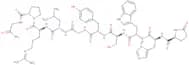
CAS:<p>Luteinizing hormone-releasing hormone (LH-RH), also known as Gonadotropin-Releasing Hormone (GnRH), stimulates the pituitary gland’s production and secretion of luteinizing hormone and follicle-stimulating hormone. LHRH is a decapeptide and is itself secreted by the hypothalamus. It is crucial for human reproduction and is heavily involved in the regulation of ovulation, sexual development and the onset of puberty.<br>When secreted, GNRH binds to the G-protein coupled receptor, gonadotropin-releasing hormone receptor (GNRHR) located on pituitary gonadotrophic cells in the anterior pituitary.<br>Medically, the understanding of GnRH is paramount, due to its involvement in the pathogensis of central hypogonadism. Any obstructions to its function in the reproductive system can result in the development of human pathologically conditions. It is important to note that analogs of GnRH can be used in pharmacology, in the treatment of gynaecological diseases, through blocking the secretion of estrogen secretion from the ovary. Additional GNRH analogs can be used to treat ovarian cancer, hormone-dependent cancers, endometriosis and modality in infertility. Therefore this product is a useful research tool and is available in a 0.5mg vial.</p>Formula:C55H75N17O13•(C2H4O2)2Purity:Min. 95%Molecular weight:1,302.4 g/mol[Thi5,8,D-Phe7]-Bradykinin
CAS:Bradykinin is a peptide that acts as an autacoid, or local hormone. It is a vasodilator, and it stimulates the release of prostaglandins from mast cells in the lungs. Inhibitors of bradykinin include [Thi5,8,D-Phe7]-bradykinin and des-Arg9-bradykinin. Bradykinin has been used as a research tool to study protein interactions, receptor activation, ion channels, and other life science topics.Formula:C50H71N15O11S2Purity:Min. 95%Molecular weight:1,122.3 g/molNeurokinin A (Human, Porcine, Rat, Mouse)
<p>Neurokinin A is a peptide that is derived from the precursor protein, preprotachykinin A, and has been found to be an endogenous ligand for the NK-1 receptor. It is involved in a wide range of physiological processes such as neurotransmission and regulation of blood pressure. Neurokinin A has been shown to inhibit adenylate cyclase activity in guanethidine-sensitive tissues and ionophores-resistant cells. The effects of Neurokinin A are not due to its ability to bind to the NK-1 receptor but rather through other mechanisms. The amino acid sequence of this peptide was first determined by cloning methods in 1984 and it has since been used extensively as a tool for studying the function of this receptor. Neurokinin A also inhibits cell proliferation in glioma cells and has been shown to have an inhibitory effect on Ca2+ concentration during electrical nerve stimulation.</p>Formula:C50H80N14O14S•2CH3COOH•5H2OPurity:Min. 95%Molecular weight:1,343.48 g/molCystatin SN, human, recombinant
Cystatin SN is a cysteine protease inhibitor that is involved in the regulation of protein catabolism and inflammation. Cystatins are natural inhibitors of cystein proteases, which are involved in the degradation of proteins. Cystatin-S can inhibit the activity of various cysteine proteases, including cathepsin B, cathepsin L, and papain. The recombinant human form of Cystatin SN has been shown to inhibit various ion channels such as calcium channels and potassium channels. It also inhibits the activation of other molecules by binding to them. This inhibition may be due to its ability to bind with receptors on cells or its ability to bind with ligands.Purity:Min. 95%APOB MS Calibrator (25nmol)
<p>Apo B-1 is a major component of the lipoprotein particle. The APOB MS Calibrator provides a high quality, stable preparation of Apo B-1 for use as an internal standard for mass spectrometry analysis. The calibrator also contains a tryptic peptide that can be used for identification and quantification of this protein in proteomics experiments.</p>Purity:Min. 95%Fmoc-N-Amido-dPEG®3-Acid
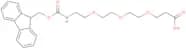
CAS:<p>Fmoc-N-Amido-dPEG®3-Acid is a PEG compound with two different functional groups (also known as heterobifunctional). Unlike homobifunctional PEG compounds (same functional group on both ends), this type of compounds are more versatile as have two different anchor points. Fmoc-N-Amido-dPEG®3-Acid is used as a linker and spacer to add a PEG moiety, via pegylation (a bioconjugation technique) to proteins, peptides, oligonucleotides, small molecules and nanoparticles.</p>Formula:C24H29NO7Purity:Min. 95%Molecular weight:443.49 g/molm-dPEG®24-DSPE
m-dPEG®24-DSPE is a PEG compound with two different functional groups (also known as heterobifunctional). Unlike homobifunctional PEG compounds (same functional group on both ends), this type of compounds are more versatile as have two different anchor points. m-dPEG®24-DSPE is used as a linker and spacer to add a PEG moiety, via pegylation (a bioconjugation technique) to proteins, peptides, oligonucleotides, small molecules and nanoparticles.Formula:C91H180NO33PPurity:Min. 95%Molecular weight:1,847.36 g/molVasoconstriction-Inhibiting Factor, human
Vasoconstriction-Inhibiting Factor, human (VIF) is a peptide that inhibits the activity of ATP-sensitive potassium channels. It has been shown to be an inhibitor of both P2X and P2Y purinergic receptors. VIF is a cell biology research tool that can be used as a high purity reagent for antibody production. The use of this factor in ion channels may lead to the discovery of new drugs for treating cardiovascular diseases.Formula:C163H256N42O67SPurity:Min. 95%Molecular weight:3,908.1 g/molAnti PTH (1-34)-NH₂ (Rat) Serum
<p>Anti PTH (1-34) NH₂ is a peptide that inhibits the activity of parathyroid hormone. It is used to study the effects of parathyroid hormone on calcium homeostasis, and as an inhibitor in receptor binding assays. Anti PTH (1-34) NH₂ is purified from rat serum by affinity chromatography with a column containing immobilized antibodies raised against the peptide, followed by ion-exchange chromatography. The peptide has a molecular weight of 2,633.5 Da and the purity is greater than 98%.</p>Purity:Min. 95%LH-RH Protein
Luteinizing hormone-releasing hormone (LHRH) is a protein that is responsible for triggering the release of luteinizing hormone (LH). LH stimulates the production and release of testosterone, which in turn stimulates sperm production. The LHRH gene encodes a protein precursor that is cleaved by proteases to produce mature LHRH. This precursor, called pro-LHRH, can be added to a protein solution to induce follicular growth in rats. Pro-LHRH has been shown to have an effect on the frequency of spermatogenesis. Proteins containing pro-LHRH can be used for hormonal research and as additives for protein solutions.Purity:Min. 95%[Sar1,Thr8]-Angiotensin II
Angiotensin II is a peptide hormone that is part of the renin-angiotensin system. It is an antagonist to the angiotensin I receptor, which leads to vasoconstriction, increased blood pressure, and increased water and salt retention by the kidneys. Angiotensin II also stimulates the release of aldosterone from the adrenal cortex, which increases sodium retention by the kidneys and decreases potassium excretion. The peptide is biologically active at nanomolar concentrations.Formula:C44H69N13O11•2CH3COOH•4H2OPurity:Min. 95%Molecular weight:1,148.27 g/molGlucagon (Human, Rat, Mouse)-EIA Kit (1ea)
<p>The Glucagon (Human, Rat, Mouse)-EIA Kit is a competitive enzyme immunoassay for the quantitative measurement of human glucagon in urine. The kit provides a competitive binding assay format that is designed to measure the concentration of glucagon in urine samples and provides a quantitative result.</p>Purity:Min. 95%Amino-dPEG®24-Tris(-dPEG®24- Tris (m-dPEG®24)3)3
<p>Amino-dPEG®24-Tris(-dPEG®24- Tris (m-dPEG®24)3)3 is a PEG compound with two different functional groups (also known as heterobifunctional). Unlike homobifunctional PEG compounds (same functional group on both ends), this type of compounds are more versatile as have two different anchor points. Amino-dPEG®24-Tris(-dPEG®24- Tris (m-dPEG®24)3)3 is used as a linker and spacer to add a PEG moiety, via pegylation (a bioconjugation technique) to proteins, peptides, oligonucleotides, small molecules and nanoparticles.</p>Formula:C697H1381N17O340Purity:Min. 95%Molecular weight:15,441.49 g/molβ-Defensin-1 (Mouse)
<p>Beta-Defensin-1 (BD-1) is an antimicrobial peptide that is produced by various cells and tissues in mice, including epithelial cells in the skin, lungs, and intestines. BD-1 is a member of the beta-defensin family, which are small cationic peptides that play a role in innate immunity by protecting against microbial pathogens, including bacteria, fungi, and viruses.<br>In mice, BD-1 is constitutively expressed, meaning that it is produced at a relatively constant level in healthy animals. Its expression can be induced by various stimuli, including bacterial and viral infections, cytokines, and inflammatory mediators.<br>BD-1 is known to have broad-spectrum antimicrobial activity against a variety of pathogens, including Staphylococcus aureus, Pseudomonas aeruginosa, and Candida albicans. It achieves its antimicrobial activity by disrupting the cell membranes of the pathogens, leading to cell lysis and death.<br>In addition to its antimicrobial activity, BD-1 has been found to have other functions in mice, including promoting wound healing, regulating inflammation, and modulating the immune response.</p>Formula:C168H266N52O54S6Purity:Min. 95%Molecular weight:4,070.6 g/molMAL dPEG®6-Acid
CAS:<p>MAL dPEG®6-Acid is a PEG compound with two different functional groups (also known as heterobifunctional). Unlike homobifunctional PEG compounds (same functional group on both ends), this type of compounds are more versatile as have two different anchor points. MAL dPEG®6-Acid is used as a linker and spacer to add a PEG moiety, via pegylation (a bioconjugation technique) to proteins, peptides, oligonucleotides, small molecules and nanoparticles.</p>Formula:C22H36N2O11Purity:Min. 95%Molecular weight:504.53 g/molChorionic Gonadotropin-β(109- 145) (human)
<p>Custom research peptide; min purity 95%.</p>Formula:C50H75N16O21SPurity:Min. 95%Molecular weight:1,268.31 g/molDefensin-1 (human) HNP-1
Custom research peptide; min purity 95%.Formula:C150H222N44O38S6Purity:Min. 95%Molecular weight:3,442.1 g/molα-ANF(1-28), human
CAS:Custom research peptide; min purity 95%.Formula:C127H203N45O39S3Purity:Min. 95%Molecular weight:3,080.46 g/molInfluenza HA (110-120)
<p>Custom research peptide; min purity 95%.</p>Formula:C68H97N15O19Purity:Min. 95%Molecular weight:1,428.62 g/molTRAP-5 amide
<p>Custom research peptide; min purity 95%.</p>Formula:C30H51N9O6Purity:Min. 95%Molecular weight:633.8 g/molSL9, HIV-1 p17 (77-85)
<p>Custom research peptide; min purity 95%.</p>Formula:C44H72N10O15Purity:Min. 95%Molecular weight:981.11 g/molβ-Lipotropin (61-69)
<p>Custom research peptide; min purity 95%.</p>Formula:C45H66N10O15SPurity:Min. 95%Molecular weight:1,019.15 g/molMelanocyte Associated Antigen gp100
<p>Custom research peptide; min purity 95%.</p>Formula:C43H68N12O13Purity:Min. 95%Molecular weight:961.09 g/molHIV-gp120-Fragment (318-327)
Custom research peptide; min purity 95%.Formula:C48H80N16O12Purity:Min. 95%Molecular weight:1,073.27 g/molTyrosinase (206-214) (human)
Custom research peptide; min purity 95%.Formula:C61H83N15O10Purity:Min. 95%Molecular weight:1,186.44 g/molBig Endothelin-2 (Human, 22-37) Antiserum
Big ET-2 (human, 22-37) Antiserum is an antibody that reacts with the Big ET-2 (human, 22-37) peptide. It can be used as a research tool to study the function of Ion channels, Life Science, Receptor, Ligand and Protein interactions. The high purity of this antibody makes it a valuable resource for drug development.Purity:Min. 95%MBP (87-99), human; Myelin Basic Protein (87-99), guinea pig, human
<p>Custom research peptide; min purity 95%.</p>Formula:C74H114N20O17Purity:Min. 95%Molecular weight:1,555.86 g/molPhosphorylated Protein Kinase C Substrate 2
<p>Custom research peptide; min purity 95%.</p>Formula:C34H69N16O11PPurity:Min. 95%Molecular weight:909.02 g/mol[Arg8]-Vasopressin
<p>Custom research peptide; min purity 95%.</p>Formula:C46H67N15O12S2Purity:Min. 95%Molecular weight:1,086.25 g/molβ-Amyloid (1-39)
Custom research peptide; min purity 95%.Formula:C81H128N32O19S2Purity:Min. 95%Molecular weight:1,918.3 g/molEGFR-derived peptide
<p>Custom research peptide; min purity 95%.</p>Formula:C69H114N18O24Purity:Min. 95%Molecular weight:1,579.78 g/molDynorphin A (1-8), porcine
<p>Custom research peptide; min purity 95%.</p>Formula:C46H72N14O10Purity:Min. 95%Molecular weight:981.17 g/molNeuropeptide Y (free acid) (human)
Custom research peptide; min purity 95%.Formula:C189H284N54O58S1Purity:Min. 95%Molecular weight:4,272.8 g/molAngiotensin I, human
CAS:Custom research peptide; min purity 95%.Formula:C62H89N17O14Purity:Min. 95%Molecular weight:1,296.5 g/molHBcAg (HBV) (18-27)
<p>Custom research peptide; min purity 95%.</p>Formula:C580H78N10O15Purity:Min. 95%Molecular weight:1,155.33 g/molLipoprotein Lipase , human, recombinant
Lipoprotein Lipase is a type of enzyme that is involved in the breakdown of fats (lipids) into smaller components like free fatty acids and glycerol. This enzyme is made up of two subunits, an alpha subunit and a beta subunit. The alpha subunit has four domains, while the beta subunit has three domains. Lipoprotein Lipase is found in human plasma and tissue, where it performs its function by attaching to the surface of cells or lipoproteins and releasing free fatty acids. It also binds to cholesterol, which may be due to its ability to form hydrogen bonds with this molecule.Purity:Min. 95%


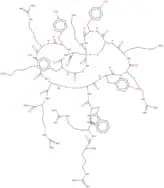
![[Leu3]-Oxytocin](/_next/image/?url=https%3A%2Fstatic.cymitquimica.com%2Fproducts%2F3D%2Fthumb-webp%2FPL16884.webp&w=3840&q=75)











![[Asu1,6]-Oxytocin](/_next/image/?url=https%3A%2Fstatic.cymitquimica.com%2Fproducts%2F3D%2Fthumb-webp%2FPOX-4025-V.webp&w=3840&q=75)






![Bz-Gly-Lys [Hippuryl-Lysine]](/_next/image/?url=https%3A%2Fstatic.cymitquimica.com%2Fproducts%2F3D%2Fthumb-webp%2FSGK-3047.webp&w=3840&q=75)

![[Thi5,8,D-Phe7]-Bradykinin](/_next/image/?url=https%3A%2Fstatic.cymitquimica.com%2Fproducts%2F3D%2Fthumb-webp%2FPBK-4175-V.webp&w=3840&q=75)




![[Sar1,Thr8]-Angiotensin II](/_next/image/?url=https%3A%2Fstatic.cymitquimica.com%2Fproducts%2F3D%2Fthumb-webp%2FPAN-4102.webp&w=3840&q=75)















![[Arg8]-Vasopressin](/_next/image/?url=https%3A%2Fstatic.cymitquimica.com%2Fproducts%2F3D%2Fthumb-webp%2FPA16868.webp&w=3840&q=75)