Peptides
Peptides are short chains of amino acids linked by peptide bonds, serving as important biological molecules that play key roles in cellular processes. They function as hormones, neurotransmitters, and signaling molecules, and are widely used in therapeutic and diagnostic applications. Peptides are also crucial in research for studying protein interactions, enzyme activities, and cell signaling pathways. At CymitQuimica, we provide a diverse selection of high-quality peptides to support your research and development needs in biotechnology and pharmaceuticals.
Subcategories of "Peptides"
Found 30318 products of "Peptides"
Sort by
Purity (%)
0
100
|
0
|
50
|
90
|
95
|
100
Glucagon-like Peptide 1 (Human 7-37)
CAS:<p>GLP-1 is a peptide hormone that is released by the pancreas in response to food intake. This hormone activates receptors on the L cells of the ileum and duodenum, which causes increased production of insulin and decreased production of glucagon. GLP-1 also decreases appetite, slows gastric emptying, and reduces blood glucose levels by increasing the uptake of glucose into muscle cells. GLP-1 has been shown to be effective in reducing body weight, lowering blood pressure and cholesterol levels, improving glycemic control, and preventing diabetes. The GLP-1 receptor is found in ion channels and cell biology as well as pharmacology.</p>Formula:C151H228N40O47Purity:Min. 95%Molecular weight:3,355.7 g/molAdropin (Human, 34-76)
CAS:<p>Adropin is a peptide that binds to the activator domain of phospholipase A2 (PLA2) and inhibits the enzyme. It has been shown to be an inhibitor of PLA2 in human, mouse, and rat cells. Adropin can also inhibit ion channels and cell signaling pathways by binding to cell surface receptors. This research tool may be used for studying protein interactions and pharmacology.</p>Formula:C190H293N55O68S2Purity:Min. 95%Molecular weight:4,499.8 g/molBz-Arg-AMC
CAS:<p>Bz-Arg-AMC is a fluorescent probe that binds to the nicotinic acetylcholine receptor (nAChR) in the presence of calcium ions and emits light when excited by ultraviolet light. It can be used to study the activation of nAChRs, as well as their interactions with other proteins such as peptides. Bz-Arg-AMC has a molecular weight of 551.9 g/mol, with a purity of > 98% and an optical purity of > 99%. This product can be used for research purposes only, not for diagnostic or therapeutic purposes.</p>Formula:C23H25N5O4Purity:Min. 95%Molecular weight:435.48 g/molMet-Met
CAS:<p>Met-Met is a dipeptide that is synthesized from the amino acids methionine and methyltetrahydrofolate. It is used in the synthesis of peptides and biochemicals, as well as in pharmacological treatments for diseases including bacterial infections. Met-Met has significant interactions with dopamine, catechol-o-methyltransferase, and energy metabolism. The enzyme catechol-o-methyltransferase catalyzes the conversion of dopamine to 3,4-dihydroxyphenylacetic acid (DOPAC), which may lead to a decrease in dopamine levels. Met-Met also inhibits the metabolism of catecholamines, leading to an increase in cellular levels of catecholamines such as dopamine and norepinephrine. This inhibition may be responsible for metabolic disorders such as obesity or low body mass index (BMI)</p>Formula:C10H20N2O3S2Purity:Min. 95%Molecular weight:280.41 g/molAzido-dPEG®4-NHS ester
CAS:<p>Azido-dPEG®4-NHS ester is a PEG compound with two different functional groups (also known as heterobifunctional). Unlike homobifunctional PEG compounds (same functional group on both ends), this type of compounds are more versatile as have two different anchor points. Azido-dPEG®4-NHS ester is used as a linker and spacer to add a PEG moiety, via pegylation (a bioconjugation technique) to proteins, peptides, oligonucleotides, small molecules and nanoparticles.</p>Formula:C27H53N3O14Purity:Min. 95%Molecular weight:643.72 g/molBis-dPEG®9-PFP Ester
CAS:<p>Bis-dPEG®9-PFP Ester is a PEG polymer categorised as homobifunctional PEG (X-PEG X). Used as a linker, bis-dPEG®9-PFP Ester is used to attached PEG to proteins, peptides, oligonucleotides, nanoparticles and small molecules via pegylation, a bioconjugation technique.</p>Formula:C34H40F10O13Purity:Min. 95%Molecular weight:846.66 g/molFibronectin Active Fragment (GRGDS)
CAS:<p>Fibronectin is an extracellular matrix protein that plays a critical role in cell adhesion, migration, and differentiation. Fibronectin subunits are composed of repeating units of three types of modules: type I, type II, and type III. The active fragment of fibronectin refers to a small peptide sequence within the type III modules of fibronectin that has been shown to have potent biological activity.<br>The fibronectin active fragment, also known as the cell-binding domain or RGD domain, is a short peptide sequence consisting of the amino acid sequence Arg-Gly-Asp (RGD). This peptide sequence interacts with cell surface receptors known as integrins, which are important for mediating cell adhesion, migration, and signaling.<br>The fibronectin active fragment has been extensively studied as a research tool to investigate the mechanisms of cell adhesion and migration. It has also been used in tissue engineering applications to promote cell attachment and proliferation on synthetic biomaterials. This product is available as a 0.5mg vial.</p>Formula:C17H30N8O9Purity:Min. 95%Molecular weight:490.47 g/mol(3,5-Difluorophenylacetyl)-Ala-Phg-OtBu
CAS:(3,5-Difluorophenylacetyl)-Ala-Phg-OtBu is a peptide that is an inhibitor of Protein interactions. It blocks the binding of the enzyme to its substrate and prevents the conversion of substrate to product. This peptide was used as a research tool for studying protein interactions in cell biology and as an activator for Ligands. This peptide can be used as a reagent for antibody production. The purity of this peptide is high and it has been shown to have no adverse effects in animal research studies.Formula:C23H26N2O4F2Purity:Min. 95%Molecular weight:432.46 g/molAmylin (Rat)
CAS:Controlled Product<p>Amylin is a peptide that belongs to the group of activators. It has been shown to be an inhibitor of ion channels, and has also been demonstrated to activate cell signaling pathways. Amylin can be used as a research tool for studying protein interactions, receptor ligands, and pharmacology. Amylin can be used in antibody production or as a high-purity reagent for life science or cell biology applications.</p>Formula:C167H272N52O53S2Purity:Min. 95%Molecular weight:3,920.4 g/molAdenylate Kinase 4, human, recombinant
Adenylate kinase 4 (AK4) is a protein that in humans is encoded by the AK4 gene. AK4 catalyzes the conversion of adenosine triphosphate (ATP) to adenosine monophosphate (AMP). The enzyme has been shown to play an important role in the regulation of cell proliferation and survival, as well as in the regulation of ion channels, neurotransmitter release, and other biological processes. AK4 is also an activator of G-protein coupled receptors and a ligand for certain nuclear receptors. It can also function as an inhibitory receptor for certain G-protein coupled receptors.Purity:Min. 95%Peptide YY (Human, 3-36)
CAS:<p>Peptide YY (Human, 3-36) is a peptide that is a potent activator of the gut hormone, ghrelin. Peptide YY (Human, 3-36) has been shown to inhibit the activity of ion channels and receptor binding. It is also a ligand for G protein coupled receptors (GPCRs). It has been used as an inhibitor in research for studying protein interactions and receptor signaling pathways.</p>Formula:C180H279N53O54Purity:Min. 95%Molecular weight:4,049.5 g/molSecretin (Porcine)
CAS:<p>Secretin is a peptide that is used as a research tool in the study of ion channels, cell biology, and pharmacology. Secretin is a peptide hormone that is produced in the duodenum and is involved in the regulation of pancreatic bicarbonate, gastric acid and osmoregulation. Secretin binds to secretin receptors which are G-protein coupled receptors and are expressed in pancreatic centroacinar cells. Secretin binds to these receptors and activates adenylate cyclase which converts ATP into cAMP which results in the secretion of bicarbonate from the pancreas. Secretin plays a role in osmoregulation through its effects on the kidney, pitutiary gland and the hypothalamus. This product is available as a 0.5mg vial.</p>Formula:C130H220N44O41Purity:Min. 95%Molecular weight:3,055.4 g/molBis-Maleimide Amine, TFA Salt
CAS:<p>Bis-Maleimide Amine, TFA Salt is a pharmacological research tool that is used to study protein interactions. It is also used as an inhibitor and activator of proteins, specifically ion channels. This product has a CAS number of 62921-76-0, which can be found on the Chemical Abstracts Services website. This product is high purity and is used in life science research. The salt form of this product is used as a ligand for receptor binding studies.</p>Formula:C16H26O7SPurity:Min. 95%Molecular weight:362.44 g/mol[D-Pro2,D-Trp7,9]-Substance P
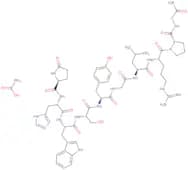
CAS:<p>This product is a Substance P antagonist and is available as a 0.5mg vial. Substance P is a neuropeptide that is involved in the transmission of pain signals and inflammation. It is a member of the tachykinin neuropeptide family and is produced in the central nervous system and acts through its specific receptor neurokinin 1 receptor (NK-1R). NK-1R is present in neurons and on glial cell types. Substance P is involved in: pain perceptions as a neurotransmitter; gut motility; increased inflammation in the lungs, gastrointestinal tract and the skin and neuroinflammation. Interestingly the levels of Substance P are raised in inflammatory bowel diseases and through its involvement in cytokine release, it contributes to asthma pathology. These diverse selection of functions makes substance P a target for therapeutic research.</p>Formula:C74H106N20O13SPurity:Min. 95%Molecular weight:1,515.8 g/molTentaGel® XV RAM
<p>TentaGel® XV RAM is a particle-based reagent for peptide synthesis. It contains the building blocks for peptides and has been designed to be used in conjunction with a TentaGel® XV reactor. This product is designed to increase the yield of peptides via the use of a patented process that eliminates the need for purification and can reduce reaction time by up to 50%.</p>Purity:Min. 95%t-Boc-N-Amido-dPEG®4-Acid
CAS:<p>t-Boc-N-Amido-dPEG®4-Acid is a PEG compound with two different functional groups (also known as heterobifunctional). Unlike homobifunctional PEG compounds (same functional group on both ends), this type of compounds are more versatile as have two different anchor points. t-Boc-N-Amido-dPEG®4-Acid is used as a linker and spacer to add a PEG moiety, via pegylation (a bioconjugation technique) to proteins, peptides, oligonucleotides, small molecules and nanoparticles.</p>Purity:Min. 95%Molecular weight:365.42 g/molCalcitonin (Human)
CAS:<p>Calcitonin is a hormone produced by the C cells (also known as parafollicular cells) in the thyroid gland. Its main function is to regulate the levels of calcium and phosphate in the blood. Calcitonin works by inhibiting the activity of osteoclasts, which are cells that break down bone tissue and release calcium and phosphate into the bloodstream. This leads to a decrease in the amount of calcium and phosphate in the blood.<br>Calcitonin is released in response to high levels of calcium in the blood, and it acts to reduce these levels by increasing the excretion of calcium by the kidneys and inhibiting the absorption of calcium by the intestines. It also promotes the storage of calcium in the bones, which helps to maintain their strength and density.<br>Calcitonin may be used therapeutically to treat conditions such as osteoporosis and hypercalcemia (high levels of calcium in the blood) or even diagnostically as a marker for tumors in medullary thyroid cancer.<br>This product has a disulfide bond between Cys1-Cys7 and is available as a 0.5mg vial.</p>Formula:C151H226N40O45S3Purity:Min. 95%Molecular weight:3,417.8 g/molMAL-dPEG®11-Lipoamide
CAS:<p>MAL-dPEG®11-Lipoamide is a PEG molecule conjugated with a lipid moiety. MAL-dPEG®11-Lipoamide, conjugated to this lipid constituent, is very important especially in drug delivery and vaccine development as it helps improve the stability and circulation time of lipid nanoparticles (LNPs) and liposomes.</p>Formula:C21H37N3O8SPurity:(%) Min. 97%Molecular weight:491.6 g/molAmastatin
CAS:<p>Amastatin is a natural protease inhibitor that has been shown to bind to the active site of serine proteases, such as trypsin and chymotrypsin. It also binds to other peptide substrates, such as angiotensin II, vasopressin and bradykinin. Amastatin is used in research as a tool for the study of protein interactions, receptor-ligand binding and ion channel activity. Amastatin is an activator of the high-affinity state of the beta-adrenergic receptor.</p>Formula:C21H38N4O8Purity:Min. 95%Molecular weight:474.55 g/molAc-Val-Glu-Ile-Asp-H (aldehyde)
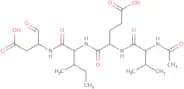
CAS:<p>Ac-Val-Glu-Ile-Asp-H (aldehyde) is a synthetic peptide that is used as an inhibitor to study the effects of protein interactions. Ac-Val-Glu-Ile-Asp-H (aldehyde) binds to the active site of the enzyme, which prevents the enzyme from functioning and can be used as a research tool. Ac-Val-Glu-Ile-Asp-H (aldehyde) has been shown to activate some receptors and ligands, such as ion channels and antibodies.</p>Formula:C22H36N4O9Purity:Min. 95%Molecular weight:500.54 g/molZ-Gly-Phe-NH2
CAS:<p>Z-Gly-Phe-NH2 is a peptide that inhibits protein synthesis by binding to the ribosome. It has been shown to inhibit enzyme preparations containing peptides and proteins, such as hydrogen bond formation, phase transition temperature, uptake, and inhibitory effect. This molecule may be used in biochemical or molecular studies of protein synthesis. The uptake of Z-Gly-Phe-NH2 can be inhibited by ouabain binding. Z-Gly-Phe-NH2 also has a ca2+ response when calcium ionophores are applied to Xenopus oocytes.</p>Formula:C19H20N2O5Purity:Min. 95%Molecular weight:355.39 g/molOrexin-B (Human)
CAS:<p>Orexin B, also known as hypocretin-2, is a neuropeptide that is produced by a small group of neurons in the hypothalamus, a region of the brain that plays a critical role in regulating various physiological functions, including sleep, appetite, and energy balance.<br>Orexin B plays a role in promoting wakefulness and arousal and studies have shown that disruptions in the orexin system are associated with various sleep disorders, including narcolepsy and insomnia. In addition, orexin B has been shown to be involved in the regulation of appetite and energy metabolism, and is being explored as a potential target for the treatment of obesity and other metabolic disorders. Therefore, orexin B is an important neuropeptide and is an active area of research in neuroscience and medicine. This product is available as a 0.1mg vial</p>Formula:C123H212N44O35SPurity:Min. 95%Molecular weight:2,899.3 g/molNHS-dPEG®24-Biotin
CAS:<p>NHS-dPEG®24-Biotin is a PEG compound with two different functional groups (also known as heterobifunctional). Unlike homobifunctional PEG compounds (same functional group on both ends), this type of compounds are more versatile as have two different anchor points. NHS-dPEG®24-Biotin is used as a linker and spacer to add a PEG moiety, via pegylation (a bioconjugation technique) to proteins, peptides, oligonucleotides, small molecules and nanoparticles.</p>Formula:C9H20O4SPurity:Min. 95%Molecular weight:224.32 g/molFibronectin Active Fragment (RGDS)
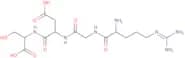
CAS:<p>Fibronectin is an extracellular matrix protein that plays a critical role in cell adhesion, migration, and differentiation. Fibronectin subunits are composed of repeating units of three types of modules: type I, type II, and type III. The active fragment of fibronectin refers to a small peptide sequence within the type III modules of fibronectin that has been shown to have potent biological activity.<br>The fibronectin active fragment, also known as the cell-binding domain or RGD domain, is a short peptide sequence consisting of the amino acid sequence Arg-Gly-Asp (RGD). This peptide sequence interacts with cell surface receptors known as integrins, which are important for mediating cell adhesion, migration, and signaling.<br>The fibronectin active fragment has been extensively studied as a research tool to investigate the mechanisms of cell adhesion and migration. It has also been used in tissue engineering applications to promote cell attachment and proliferation on synthetic biomaterials.</p>Formula:C15H27N7O8CH3COOH•2H2OPurity:Min. 95%Molecular weight:499.48 g/molUrotensin II (Human)
CAS:<p>A potent vasoconstrictor, available in the hydrochloride form with disulfide bonds between Cys5-Cys10 and as a 0.5mg vial.<br>Urotensin II (UT-II) is a peptide that is found in humans and other vertebrates and is involved in biological systems such as the nervous, endocrine, cardiovascular and renal.<br>Like that of urotensin II-related peptide, urotensin II contains the hexapeptide -CYS-TYR-LYS-TRP-PHE-CYS- known as the core and this is crucial to its biological function. Urotensin II can also increase the concentration of intercellular calcium through binding to its G protein coupled receptor: urotensin-II receptor which causes the activation of Protein kinase C followed by the activation of Phospholipase C.<br>UT-II is widely distributed throughout the body, with highest concentrations found in the cardiovascular system, particularly in the heart and blood vessels. UT-II has been shown to have a wide range of physiological effects in humans, including vasoconstriction, modulation of blood pressure, and stimulation of the release of aldosterone and vasopressin. <br>In addition to its physiological effects, UT-II has also been implicated in the pathogenesis of various cardiovascular and metabolic disorders, including hypertension, heart failure, and diabetes. Inhibition of UT-II signaling has been suggested as a potential therapeutic target for these conditions.</p>Formula:C64H85N13O18S2Purity:Min. 95%Molecular weight:1,388.6 g/molm-dPEG®36-Amine
CAS:<p>m-dPEG®36-Amine is a PEG compound with two different functional groups (also known as heterobifunctional). Unlike homobifunctional PEG compounds (same functional group on both ends), this type of compounds are more versatile as have two different anchor points. m-dPEG®36-Amine is used as a linker and spacer to add a PEG moiety, via pegylation (a bioconjugation technique) to proteins, peptides, oligonucleotides, small molecules and nanoparticles.</p>Formula:C73H149NO36Purity:Min. 95%Molecular weight:1,616.95 g/molParathyroid Hormone (Human, 39-68)
CAS:<p>Amino acids 39-68 of the Parathyroid Hormone (PTH) which is a peptide hormone that is secreted from the parathyroid gland in the event of abnormal serum calcium levels and it ultimately regulates calcium and phosphate levels in the body. The PTH exerts its activity through binding to the G-protein coupled receptor type 1 PTH receptor, which activates adenylate cyclase or phospholipase C thus activating pathways involved in the mediation of bone resorption and bone formation. This product is suitable for life science applications and is available as a 0.5mg vial.</p>Formula:C139H234N46O46Purity:Min. 95%Molecular weight:3,285.6 g/molNeuromedin S (Rat)
CAS:<p>Neuromedin S (Rat) is a peptide that is a potent inhibitor of protein interactions. It binds to the extracellular domain of the receptor and blocks its interaction with the ligand. This can be used as a research tool for studying the role of proteins in cell biology, pharmacology, or ion channels. Neuromedin S (Rat) is a high-purity peptide with CAS No. 843782-19-4 that has been shown to inhibit ligand binding to receptors in vitro and in vivo. Neuromedin S (Rat) also inhibits agonist-induced activation of ion channels at micromolar concentrations and blocks voltage-gated sodium currents at nanomolar concentrations. It has been used to study the role of neurexins in transmission at synapses between neurons by blocking their interaction with neuroligins.</p>Formula:C193H307N57O49SPurity:Min. 95%Molecular weight:4,241.9 g/molAdrenomedullin (Human, 22-52)
CAS:<p>This product is an antagonist of adrenomedulin which is a vasodilator peptide hormone and also plays a role in the stimulation of angiogenesis which can be seen as a negative to human health as it helps tumors to extend their blood supply.<br>This product is available as a 0.5mg vial.</p>Formula:C159H252N46O48Purity:Min. 95%Molecular weight:3,576 g/molAzido-dPEG®12-acid
CAS:<p>Azido-dPEG®12-acid is a PEG compound with two different functional groups (also known as heterobifunctional). Unlike homobifunctional PEG compounds (same functional group on both ends), this type of compounds are more versatile as have two different anchor points. Azido-dPEG®12-acid is used as a linker and spacer to add a PEG moiety, via pegylation (a bioconjugation technique) to proteins, peptides, oligonucleotides, small molecules and nanoparticles.</p>Formula:C73H147N3O36Purity:Min. 95%Molecular weight:1,642.95 g/molNHS-dPEG®4-Biotinidase Resistant Biotin
CAS:NHS-dPEG®4-Biotinidase Resistant Biotin is a PEG compound with two different functional groups (also known as heterobifunctional). Unlike homobifunctional PEG compounds (same functional group on both ends), this type of compounds are more versatile as have two different anchor points. NHS-dPEG®4-Biotinidase Resistant Biotin is used as a linker and spacer to add a PEG moiety, via pegylation (a bioconjugation technique) to proteins, peptides, oligonucleotides, small molecules and nanoparticles.Formula:C15H32N2O5Purity:Min. 95%Molecular weight:160.21 g/molm-dPEG®7-Tosylate
CAS:<p>m-dPEG®7-Tosylate is a PEG compound with two different functional groups (also known as heterobifunctional). Unlike homobifunctional PEG compounds (same functional group on both ends), this type of compounds are more versatile as have two different anchor points. m-dPEG®7-Tosylate is used as a linker and spacer to add a PEG moiety, via pegylation (a bioconjugation technique) to proteins, peptides, oligonucleotides, small molecules and nanoparticles.</p>Formula:C27H45NO12Purity:Min. 95%Molecular weight:575.65 g/molBis-dPEG®25-NHS Ester
CAS:<p>Bis-dPEG®25-NHS Ester is a PEG polymer categorised as homobifunctional PEG (X-PEG X). Used as a linker, bis-dPEG®25-NHS Ester is used to attached PEG to proteins, peptides, oligonucleotides, nanoparticles and small molecules via pegylation, a bioconjugation technique.</p>Formula:C62H112N2O33Purity:Min. 95%Molecular weight:1,413.55 g/molBiotin-dPEG®11-Lipoamide
CAS:<p>Biotin-dPEG®11-Lipoamide is a PEG compound with two different functional groups (also known as heterobifunctional). Unlike homobifunctional PEG compounds (same functional group on both ends), this type of compounds are more versatile as have two different anchor points. Biotin-dPEG®11-Lipoamide is used as a linker and spacer to add a PEG moiety, via pegylation (a bioconjugation technique) to proteins, peptides, oligonucleotides, small molecules and nanoparticles.</p>Formula:C42H78N4O14SPurity:Min. 95%Molecular weight:959.28 g/molß-Casomorphin-7 (Bovine)
CAS:<p>β-Casomorphin-7 (Bovine) is an opioid peptide that belongs to the class of casomorphins. It is a fragment of the larger ß-casomorphin molecule, which is derived from the breakdown of proline-rich proteins in cow milk. β-Casomorphin-7 has been shown to have potent bronchial and renal proximal effects in rats, as well as analgesic properties. It also inhibits aminopeptidase activity in lung explants and muscle tissues, which may be due to its ability to act on opioid receptors. β-Casomorphin-7 also has been shown to inhibit growth factor production and increase the production of factor β1 in a rat model of pulmonary fibrosis. This may be due to its ability to inhibit inflammation by acting on inflammatory cells such as macrophages or neutrophils.</p>Formula:C41H55N7O9•4H2OPurity:Min. 95%Molecular weight:861.98 g/molProlactin-Releasing Peptide (Rat)
CAS:<p>Prolactin-Releasing Peptide (Rat) is a cyclic 18-amino acid peptide that is an inhibitor of the prolactin releasing hormone. It has been shown to have a high specificity for the prolactin releasing hormone receptor and has been used as a research tool in cell biology and pharmacology. This peptide can be used to study protein interactions, which may be due to its ability to act as an activator or ligand for receptors. Prolactin-Releasing Peptide (Rat) is also able to inhibit ion channels, such as voltage-gated potassium channels and calcium channels. This peptide can also be used to generate antibodies against the prolactin releasing hormone receptor.</p>Formula:C156H242N54O43SPurity:Min. 95%Molecular weight:3,594 g/molBis-dPEG®7-PFP Ester
CAS:<p>Bis-dPEG®7-PFP Ester is a PEG polymer categorised as homobifunctional PEG (X-PEG X). Used as a linker, bis-dPEG®7-PFP Ester is used to attached PEG to proteins, peptides, oligonucleotides, nanoparticles and small molecules via pegylation, a bioconjugation technique.</p>Formula:C30H32F10O11Purity:Min. 95%Molecular weight:758.55 g/molCRF (Ovine)
CAS:<p>Corticotropin Releasing Factor (CRF) is a peptide hormone involved in the regulation of the neuroendocrine system, the hypothalamic-pituitary-adrenal (HPA) axis. The hypothalamus releases CRF during stress and in turn CRF stimulates the production of stress hormones such as glucocorticoids and adrenocorticotropin (ACTH). A negative feedback loop is created as glucocorticoids then prevents further endocrine activity exhibited by the pituitary gland and hypothalamus. Interestingly in patients with depression, it has been found that the hypothalamic-pituitary adrenal axis is over stimulated thus increased production of CRF occurs resulting in depression symptoms. Furthermore studies have shown the expression of CRF receptors in glial cells and T-cells and elevated levels of CRF and glucocorticoids prevent T-cell proliferation. During stress cytokines can also stimulate the secretion of CRF. However CRF can also regulate these cytokines. CRF has the potential to be used in the research into depression treatments. <br>This product is available as a 0.1mg vial.</p>Formula:C205H339N59O63SPurity:Min. 95%Molecular weight:4,670.3 g/molNojirimycin Bisulfite
CAS:<p>Nojirimycin Bisulfite is a potent inhibitor of protein synthesis. It is a receptor-selective ligand that binds to the extracellular domain of the epidermal growth factor (EGF) receptor, thereby inhibiting receptor signaling. Nojirimycin Bisulfite has also been shown to inhibit ion channels and ligand-gated ion channels. Nojirimycin Bisulfite has been shown to bind to both peptides and antibodies, which makes it a useful research tool for studying protein interactions.</p>Formula:C6H13NO7SPurity:Min. 95%Molecular weight:243.23 g/molMargatoxin
CAS:<p>Margatoxin is a research tool that has been shown to activate the nicotinic acetylcholine receptor. It binds to the ligand-binding site of the receptor and blocks ion channel activity. Margatoxin is a small molecule with high purity that can be used as a tool to study protein interactions and biological functions. This compound is also an inhibitor of peptide binding, which can be used in pharmacology studies.</p>Formula:C178H286N52O50S7Purity:Min. 95%Molecular weight:4,178.9 g/molCoV-2 N (127 a.a.)
<p>A human infecting coronavirus (viral pneumonia) called 2019 novel coronavirus, 2019-nCoV was found in the fish market at the city of Wuhan, Hubei province of China on December 2019. The 2019-nCoV shares an 87% identity to the 2 bat-derived severe acute respiratory syndrome 2018 SARS-CoV-2 located in Zhoushan of eastern China. 2019-nCoV has an analogous receptor-BD-structure to that of 2018 SARS-CoV, even though there is a.a. diversity so thus the 2019-nCoV might bind to ACE2 receptor protein (angiotensin-converting enzyme 2) in humans. While bats are possibly the host of 2019-nCoV, researchers suspect that animal from the ocean sold at the seafood market was an intermediate host. RSCU analysis proposes that the 2019-nCoV is a recombinant within the viral spike glycoprotein between the bat coronavirus and an unknown coronavirus. The E. coli derived recombinant protein contains the Coronavirus 2019 C-terminal region 127 a.a. from the Nucleocapsid protein and fused to GST-6xHis tag at N-terminal and having a M.W. of 39.4 kDa. It has been purified using PNTA Sepharose-Affinity Purification. The CoV-2 Nucleocapsid protein solution is supplied in 50mM Tris-HCl pH 8, 1M Urea, and 50% Glycerol.</p>Purity:Min. 95%Beta-Neo-Endorphin (Porcine)
CAS:<p>Beta-Neo-Endorphin is an opioid peptide which binds with high affinity to μ, δ and κ-receptors and has been found to be involved in the modulation of pain, epidermal nerve fiber regulation and skin homeostasis. It is further demonstrated the ability to in human keratinocytes, stimulate wound healing. Beta-neoendorphin is derived from prodynorphin when it is proteolytically cleaved.<br>This product is available as a 0.5mg vials and is sourced from Porcine.</p>Formula:C54H77N13O12Purity:Min. 95%Molecular weight:1,100.3 g/molGIP (Human)
CAS:<p>GIP is a peptide that is produced by the cells of the small intestine. GIP has been shown to be an inhibitor of insulin secretion and, in turn, may help regulate glucose levels. It also regulates growth hormone release in response to food intake. GIP acts as a ligand for the receptor known as the “gastric inhibitory polypeptide receptor” which is found on pancreatic beta cells and duodenal L-cells. This protein has been shown to activate ion channels and regulate their activity. The GIP receptor is also expressed on certain types of cancer cells, including breast cancer and colorectal cancer. Antibodies have been generated against this protein for use in research tools such as Western blotting or immunohistochemistry.</p>Formula:C226H338N60O66SPurity:Min. 95%Molecular weight:4,983.5 g/molUb4ix
<p>The ability to modify ubiquitin chains would be a useful research tool for understanding ubiquitin signalling in health and disease. The initial step in ubiquitin signalling is attachment of a ubiquitin molecule to a lysine residue, further ubiquitins can then be added to the initial monomer creating a chain. The chain length and location can affect the fate of the protein. The most well studied are lysine 48 (K48) linked ubiquitin chains. K48 polyubiquitin chains are recognised by deubiquitinating enzymes (DUBS) and targeted for proteasomal degradation. Macrocyclic peptides are being explored as ubiquitin ligands to better understand ubiquitin signalling.Ub4ix is a macrocyclic peptide that selectively binds to lysine48-linked ubiquitin dimer (K48-Ub2), with much higher affinity than linear counterparts. Importantly, binding of ub4ix to K48-Ub2 prevents recognition by DUBS thus inhibiting protein targeting for proteosomal degradation. This has been shown to promote apoptosis in cancer cells. Therefore, molecules like ub4ix could be a valuable tool in understanding ubiquitin signalling as well as lead to future disease treatments. Potentially, the ubiquitin system in could be a target for cancer therapy to alter the polyubiquitin recognition by interacting proteins, further work with ubi4x could provide vital steps along this path.</p>Molecular weight:1,766.7 g/molSuc-Ala-Ala-Ala-pNA
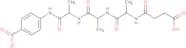
CAS:<p>Suc-Ala-Ala-Ala-pNA is a peptide that binds to the acetylcholine receptor and activates it. This peptide has been shown to have potential as a research tool for studying the pharmacology of acetylcholine receptors in vitro. It has also been used as an inhibitor of neuronal ion channels, such as potassium channels, that are involved in the transmission of nerve impulses. Suc-Ala-Ala-Ala-pNA is not suitable for use in humans because it would be broken down by proteases before it could reach its target, but this peptide has applications in cell biology and neuroscience.</p>Formula:C19H25N5O8Purity:Min. 95%Molecular weight:451.43 g/molMAL-dPEG®4-Acid
CAS:<p>MAL-dPEG®4-Acid is a PEG compound with two different functional groups (also known as heterobifunctional). Unlike homobifunctional PEG compounds (same functional group on both ends), this type of compounds are more versatile as have two different anchor points. MAL-dPEG®4-Acid is used as a linker and spacer to add a PEG moiety, via pegylation (a bioconjugation technique) to proteins, peptides, oligonucleotides, small molecules and nanoparticles.</p>Formula:C18H28N2O9Purity:Min. 95%Molecular weight:315.39 g/molLys-AMC
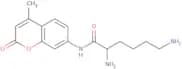
CAS:Lys-AMC is a potent and selective activator of the TRPM2 ion channel. It binds to the extracellular loop of the TRPM2 receptor, which is located in the membrane of cells. Lys-AMC activates TRPM2 by binding to its extracellular loop and opening it, allowing calcium ions to enter the cell. This leads to a change in cellular activity, such as increased production of reactive oxygen species or altered gene expression. Lys-AMC can be used for research purposes or as an inhibitor of TRPM2 channels.br>br> Lys-AMC is a high purity product with a CAS number of 92605-76-0. It has been shown to bind specifically and selectively to TRPM2 receptors without any cross reactivity with other proteins, making it an ideal tool for research purposes. Lys-AMC can be used as an antibody or cell biology reagent that can inhibit TRPM2 channels.br>br>Formula:C16H21N3O3Purity:Min. 95%Molecular weight:303.36 g/molLH-RH (Human)
CAS:Controlled Product<p>Luteinizing hormone-releasing hormone (LH-RH), also known as Gonadotropin-Releasing Hormone (GnRH), stimulates the pituitary gland’s production and secretion of luteinizing hormone and follicle-stimulating hormone. LHRH is a decapeptide and is itself secreted by the hypothalamus. It is crucial for human reproduction and is heavily involved in the regulation of ovulation, sexual development and the onset of puberty.<br>When secreted, GNRH binds to the G-protein coupled receptor, gonadotropin-releasing hormone receptor (GNRHR) located on pituitary gonadotrophic cells in the anterior pituitary.<br>Medically, the understanding of GnRH is paramount, due to its involvement in the pathogensis of central hypogonadism. Any obstructions to its function in the reproductive system can result in the development of human pathologically conditions. It is important to note that analogs of GnRH can be used in pharmacology, in the treatment of gynaecological diseases, through blocking the secretion of estrogen secretion from the ovary. Additional GNRH analogs can be used to treat ovarian cancer, hormone-dependent cancers, endometriosis and modality in infertility. Therefore this product is a useful research tool.</p>Formula:C55H75N17O13•2CH3COOHPurity:Min. 95%Molecular weight:1,302.4 g/molAc-Ile-Glu-Thr-Asp-H (aldehyde)
CAS:<p>Ac-Ile-Glu-Thr-Asp-H (aldehyde) is a peptide fragment of the human calcitonin gene. It is a research tool used in immunology and cell biology. Ac-Ile-Glu-Thr-Asp-H (aldehyde) binds to different types of ion channels, including ligand gated ion channels, voltage gated ion channels, and receptor activated ion channels. Ac-Ile-Glu-Thr-Asp-H (aldehyde) can also bind to membrane receptors such as the muscarinic acetylcholine receptor and the alpha adrenergic receptor. Acetylcholine is a neurotransmitter that activates the muscarinic acetylcholine receptor, which leads to an increase in intracellular levels of cyclic AMP. Alpha adrenergic receptors are located on the surface of blood vessels and activate vasoconstriction by inhibiting adenylyl cyclase activity.</p>Formula:C21H34N4O10Purity:Min. 95%Molecular weight:502.52 g/molAmino-dPEG®36-t-Butyl Ester
CAS:<p>Amino-dPEG®36-t-Butyl Ester is a PEG compound with two different functional groups (also known as heterobifunctional). Unlike homobifunctional PEG compounds (same functional group on both ends), this type of compounds are more versatile as have two different anchor points. Amino-dPEG®36-t-Butyl Ester is used as a linker and spacer to add a PEG moiety, via pegylation (a bioconjugation technique) to proteins, peptides, oligonucleotides, small molecules and nanoparticles.</p>Formula:C79H159NO38Purity:Min. 95%Molecular weight:1,731.09 g/molAc-Arg-OMe • HCl
CAS:<p>Ac-Arg-OMe • HCl is a labile peptide that has been shown to be homologous to the human Arg-Gly-Asp (RGD) sequence. Ac-Arg-OMe • HCl is activated by trypsin and trypsin-like proteases, but inactivated by hemolytic activity and conformation. Ac-Arg-OMe • HCl is an enzyme substrate for peptidases such as trypsin and trypsin like proteases. It has been shown to be a molecule that interacts with various proteins, including hemoglobin.</p>Formula:C9H18N4O3•HCIPurity:Min. 95%Molecular weight:266.72 g/molAc-Phe-OEt
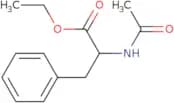
CAS:<p>Ac-Phe-OEt is a covalently conjugated bifunctional peptide that has been synthesized by linking the amino acid phenylalanine to the amino acid ethyl ester of oleic acid. Ac-Phe-OEt exhibits a high affinity for bacterial serine proteases (Km=0.1 μM) and lysine residues (Ki=4 μM). This peptide also binds to immobilized cytochalasin, which prevents the formation of amyloid fibrils. Ac-Phe-OEt can be used in enzyme catalysis as an inhibitor or competitive inhibitor, as well as being immobilized on surfaces. The kinetic data suggests that Ac-Phe-OEt competes with lysine residues for binding to bacterial serine proteases and inhibits their activity.</p>Formula:C13H17NO3Purity:Min. 95%Molecular weight:235.28 g/molBoc-Leu-Gly-Arg-AMC
CAS:<p>Boc-Leu-Gly-Arg-AMC is a peptide that binds to the receptor for N-methyl-D-aspartate (NMDA) and inhibits the ion channel. It has been used as a research tool to study NMDA receptor interactions, as well as in cell biology and pharmacology. Boc-Leu-Gly-Arg-AMC is a high purity, ionic analog of glutamate that binds to the NMDA receptor without activating it, thereby inhibiting ion flow through the channel. This inhibition can be reversed by adding excess glutamate or glycine. The binding of this compound to the NMDA receptor has been shown to block activation of voltage gated calcium channels and reduce neuronal excitation, which may provide an alternative therapeutic strategy for controlling seizures or other neurological disorders.</p>Formula:C29H43N7O7Purity:Min. 95%Molecular weight:601.69 g/molm-dPEG®12-Azide (Azido-m-dPEG®12)
CAS:<p>m-dPEG®12-Azide (Azido-m-dPEG®12) is a PEG compound with two different functional groups (also known as heterobifunctional). Unlike homobifunctional PEG compounds (same functional group on both ends), this type of compounds are more versatile as have two different anchor points. m-dPEG®12-Azide (Azido-m-dPEG®12) is used as a linker and spacer to add a PEG moiety, via pegylation (a bioconjugation technique) to proteins, peptides, oligonucleotides, small molecules and nanoparticles.</p>Purity:Min. 95%Molecular weight:585.69 g/molDCCD (Redistilled for Solid-Phase Synthesis)
CAS:DCCD is a chemical inhibitor of the enzyme pyruvate dehydrogenase kinase that is used to study metabolic pathways. It inhibits the activity of this enzyme by binding reversibly to its active site, thereby blocking its phosphorylation of pyruvate dehydrogenase and thus inhibiting the conversion of pyruvate into acetyl-CoA. DCCD also has been shown to have antidiabetic effects in an experimental model. This drug has been used as a reagent for polymyxin B and other chemical inhibitors in vitro experiments.Formula:C13H22N2Purity:Min. 95%Molecular weight:206.33 g/molCCK-Octapeptide (26-33) (Sulfated Form)
CAS:<p>CCK-Octapeptide (26-33) (Sulfated Form) is a peptide that has been shown to have a variety of biological effects. It has been found to enhance the activity of rifampicin against tuberculosis by increasing the activity of the kinase protein. CCK-Octapeptide (26-33) (Sulfated Form) also has natriuretic peptide-like activity, which means it can regulate blood pressure and fluid balance in the body. In addition, it has been shown to inhibit tumor growth and metastasis in animal models, possibly through its ability to modulate guanosine triphosphate-binding proteins. CCK-Octapeptide (26-33) (Sulfated Form) also exhibits trypsin inhibitory activity and thymidine uptake inhibition. Furthermore, it has been studied as a potential treatment for cancer and as an alternative to vasopressin or nesiritide in certain medical conditions where natriuretic peptides are used ther</p>Formula:C49H62N10O16S3Purity:Min. 95%Molecular weight:1,143.3 g/mol2-NBDG
CAS:<p>2-NBDG is a fluorescent dye that exhibits high affinity for nucleic acid and protein. It has been used as an inhibitor of protein interactions, activator of ligands, and research tool in the study of ion channels. 2-NBDG has also been used as an antibody to identify receptors, and can be used to measure the concentration of proteins, lipids, and carbohydrates. 2-NBDG is listed by CAS No. 186689-07-6.</p>Formula:C12H14N4O8Purity:Min. 95%Molecular weight:342.26 g/molFK-506 (Tacrolimus)
CAS:<p>FK-506 is an immunosuppressant that is produced by fermentation. It is used to prevent the rejection of transplanted organs and to treat a number of autoimmune diseases, including rheumatoid arthritis and multiple sclerosis. FK-506 binds to the IL-2 receptor on T-cells and inhibits their proliferation, thereby preventing activation of other immune cells. FK-506 has been shown to be effective in treating a number of diseases, including myocardial infarcts, coronary heart disease, and oral hypoglycaemic. The optimum concentration for this drug is not known, but it appears that higher concentrations are more beneficial in treating some conditions.</p>Formula:C44H69NO12Purity:Min. 95%Molecular weight:804 g/molObestatin (Rat, Mouse)
CAS:<p>Obestatin is a peptide that was originally isolated from rat and mouse brain. It is a potent inhibitor of Kv1.3 and Kv1.5 potassium channels, with an IC50 of about 1 nM for both channels, but has no effect on other ion channels. Obestatin also inhibits the binding of antibodies to epitopes on the surface of cells, which may be due to its ability to inhibit cell-cell adhesion. The antibody-binding activity of obestatin is also inhibited by peptides corresponding to residues in the N-terminal region of obestatin, but not by peptides corresponding to residues in the C-terminal region. Obestatin has been shown to activate receptor tyrosine kinase (RTK) pathways and induce signaling cascades that lead to the proliferation and differentiation of tumor cells.</p>Formula:C114H174N34O31Purity:Min. 95%Molecular weight:2,516.8 g/molm-dPEG®24-Propionaldehyde
CAS:<p>m-dPEG®24-Propionaldehyde is a PEG compound with two different functional groups (also known as heterobifunctional). Unlike homobifunctional PEG compounds (same functional group on both ends), this type of compounds are more versatile as have two different anchor points. m-dPEG®24-Propionaldehyde is used as a linker and spacer to add a PEG moiety, via pegylation (a bioconjugation technique) to proteins, peptides, oligonucleotides, small molecules and nanoparticles.</p>Formula:C50H100O25Purity:Min. 95%Molecular weight:1,101.31 g/molZ-Arg-Arg-AMC
CAS:<p>Z-Arg-Arg-AMC is an activator of the receptor tyrosine kinase (RTK) system. It binds to the extracellular domain of RTKs, such as epidermal growth factor receptors (EGFR) and fibroblast growth factor receptors (FGFR), and activates these receptors. This compound has been shown to activate EGFR and FGFR at low concentrations and inhibit their activation at high concentrations. Z-Arg-Arg-AMC has also been shown to be a potent inhibitor of protein interactions with a Kd of approximately 1 μM, which makes it a useful research tool for studying protein interactions.</p>Formula:C30H39N9O6Purity:Min. 95%Molecular weight:621.69 g/molDnp-Gln-Gly-Ile-Ala-Gly-Gln-D-Arg
CAS:<p>Dnp-Gln-Gly-Ile-Ala-Gly-Gln-D-Arg is a peptide that has been shown to be an inhibitor of protein interactions. It has been shown to activate the G protein and inhibit the enzyme phospholipase C, which may provide a potential treatment for Alzheimer's Disease. Dnp-Gln-Gly-Ile-Ala-Gly-Gln-D-Arg also has a high purity and is used as a research tool in life science.</p>Formula:C35H54N14O14Purity:Min. 95%Molecular weight:894.89 g/molDnp-Pro-Gln-Gly-Ile-Ala-Gly-Gln-D-Arg
CAS:Dnp-Pro-Gln-Gly-Ile-Ala-Gly-Gln-D-Arg is a synthetic peptide that is used as a research tool, an activator, and an inhibitor. This peptide is not expected to have any adverse effects on the environment or on animal or human health. It can be used in antibody production and has been shown to inhibit the activity of ion channels. Dnp-Pro-Gln-Gly-Ile-Ala-Gly-Gln-D-Arg binds to receptors and ligands, which may be involved in protein interactions.Formula:C40H61N15O15Purity:Min. 95%Molecular weight:992 g/molDynorphin A (Human)
CAS:<p>Dynorphin A is a peptide that belongs to the dynorphin family and has affinity for all three of the opioid receptors. However it has been found that Dynorphin A favors kappa-opioid receptors which are expressed in the brain, peripheral tissues and the spinal cord and are located in areas involved in pain. For example when Dynorphin A binds to kappa-opioid receptors, dopamine is inhibited in areas of the brain prevalent in drug addiction, thus demonstrated Dynorphin A to have antagonistic effects on the brain reward circuit. Dynorphin A could be a useful research tool for studying analgesia, reward and addiction.<br>This product is available as a 0.5mg vial.</p>Formula:C99H155N31O23Purity:Min. 95%Molecular weight:2,147.5 g/molAngiotensin A
CAS:<p>Angiotensin A is a research tool that is used to study the activation of angiotensin receptors. It can be used to identify ligands and receptors and to investigate the pharmacology of peptides. Angiotensin A is soluble (1-2 mg/ml) in water, dimethyl sulfoxide (DMSO), and phosphate buffered saline. It has a CAS number of 51833-76-2.</p>Formula:C49H71N13O10Purity:Min. 95%Molecular weight:1,002.2 g/molBMP 2 Human, HEK
<p>Bone morphogenetic protein-2 is a secreted signaling protein that belongs to the transforming growth factor beta (TGF-β) superfamily. It has been shown to stimulate bone formation, inhibit bone resorption and stimulate cartilage production. BMP 2 is an activator of receptors for type I and II receptors for TGF-β. This peptide has also been shown to activate ion channels and inhibit ligands of receptor tyrosine kinases. BMP 2 binds to cell surface receptors and can be used as a research tool in the study of cell biology, pharmacology, and receptor function.</p>Purity:Min. 95%Fmoc-N-Amido-dPEG®8-TFP Ester
Fmoc-N-Amido-dPEG®8-TFP Ester is a PEG compound with two different functional groups (also known as heterobifunctional). Unlike homobifunctional PEG compounds (same functional group on both ends), this type of compounds are more versatile as have two different anchor points. Fmoc-N-Amido-dPEG®8-TFP Ester is used as a linker and spacer to add a PEG moiety, via pegylation (a bioconjugation technique) to proteins, peptides, oligonucleotides, small molecules and nanoparticles.Formula:C40H49F4NO12Purity:Min. 95%Molecular weight:811.82 g/molZ-Gly-Pro-Leu-Gly-Pro
CAS:<p>Z-Gly-Pro-Leu-Gly-Pro is a synthetic substrate that has been shown to be hydrolyzed by human liver collagenase. It is used as a substrate in enzymatic assays, such as the determination of collagenase activity. The peptide is synthesized from glycine, proline, and glycolic acid. Z-Gly-Pro-Leu-Gly-Pro has an optimal ph of 7.0 and shows signals at 2.8 ppm (HNCH) and 3.5 ppm (HNCO). This peptide also binds to bacterial enzymes such as trypsin and chymotrypsin.</p>Formula:C28H39N5O8Purity:Min. 95%Molecular weight:573.64 g/molHydroxy-dPEG®12-t-Butyl Ester
CAS:<p>Hydroxy-dPEG®12-t-Butyl Ester is a PEG polymer categorised as monofunctional (OH-PEG-X). Used as a linker, hydroxy-dPEG®12-t-Butyl Ester is used to attached PEG to proteins, peptides, oligonucleotides, nanoparticles and small molecules via pegylation, a bioconjugation technique.</p>Formula:C73H148O37Purity:Min. 95%Molecular weight:1,617.93 g/molApamin
CAS:Small Conductance Ca2+-Activated K+ Channel Blocker derived from bee venom (Honeybee, Apis mellifera). This product has disulfide bonds between Cys1-Cys11 and Cys3-Cys15 and is available as a 0.5mg vial.Formula:C79H131N31O24S4Purity:Min. 95%Molecular weight:2,027.3 g/molFRETS-25Gln (1 umol) (1umol)
<p>FRETS-25Gln is a peptide that can be used as a research tool in the fields of pharmacology and protein interactions. FRETS-25Gln binds to ion channels and activates them, which makes it useful for researching ligand-receptor interactions. The peptide has been shown to bind to the receptor P2X7 and activate the receptor, which may be useful for treating various diseases including arthritis and cancer. FRETS-25Gln also binds to the receptor P2Y1 and inhibits its activity, which may be useful for studying how activation of this receptor leads to increased vascular permeability.</p>Purity:Min. 95%Carboxyl-dPEG®4-(m-dPEG®24)3
CAS:<p>Carboxyl-dPEG®4-(m-dPEG®24)3 is a PEG compound with two different functional groups (also known as heterobifunctional). Unlike homobifunctional PEG compounds (same functional group on both ends), this type of compounds are more versatile as have two different anchor points. Carboxyl-dPEG®4-(m-dPEG®24)3 is used as a linker and spacer to add a PEG moiety, via pegylation (a bioconjugation technique) to proteins, peptides, oligonucleotides, small molecules and nanoparticles.</p>Formula:C11H21N3O6Purity:Min. 95%Molecular weight:291.3 g/molAc-Tyr-OEt • H2O
CAS:<p>Ac-Tyr-OEt • H2O is a peptide with biological properties. It is used as a signal peptide, which is a short sequence of amino acids that directs the protein to the endoplasmic reticulum. Ac-Tyr-OEt • H2O has been shown to have colony stimulating factor activity and can be used in the treatment of diseases such as anemia and cancer. The solid state structure of Ac-Tyr-OEt • H2O was determined by X-ray crystallography and found to be a dimer with two molecules bound together through hydrogen bonding. This peptide interacts with enzymes in the proteolytic pathway, inhibiting their ability to function. Ac-Tyr-OEt • H2O also has inhibitory properties against transfer reactions, which are reactions in which one molecule transfers a part of its chemical group or atoms from one molecule to another. Ac-Tyr-OEt •</p>Formula:C13H17NO4•H2OPurity:Min. 95%Molecular weight:269.3 g/molAc-Tyr-Val-Ala-Asp-CH2Cl
CAS:<p>Ac-Tyr-Val-Ala-Asp-CH2Cl is a peptide that interacts with the receptor. It is a high purity, research tool that has been shown to inhibit ion channels and ligand binding. Ac-Tyr-Val-Ala-Asp-CH2Cl is an antibody that can be used in Cell Biology for research tools and cell culture.</p>Formula:C24H33N4O8ClPurity:Min. 95%Molecular weight:540.99 g/molAlpha-Conotoxin GI
CAS:<p>A synthetic cone snail toxin, sourced from the marine snail, Conus geographus and can be applied as a blocker for the nicotinic acetylcholine receptor. This product is available as a 0.5mg vial with disulfide bonds between Cys2-Cys7 and Cys3-Cys13 and in the hydrochloride salt form.</p>Formula:C55H80N20O18S4Purity:Min. 95%Molecular weight:1,437.6 g/molMidkine (Human, 1-59) Antiserum
<p>Midkine is a protein that belongs to the group of proteoglycans. It is expressed in many tissues, and its function is unknown. Midkine has been shown to have ion channel activity, and it may be involved in receptor binding and ligand-receptor interactions. It may also play a role in cell growth and differentiation due to its ability to activate various cells types. The midkine 1-59 peptide, which corresponds to amino acids 1-59 of the midkine protein sequence, can be used as an inhibitor of this protein. This antibody can also be used as a research tool for investigating protein interactions or studying the effects of peptides on proteins.</p>Purity:Min. 95%Angiotensin I (Human)
CAS:<p>Angiotensin I (Human) is a protein that is found in the blood and other tissues. It is a peptide hormone, which acts on the kidneys to increase blood pressure and on the heart to increase cardiac output. This protein has been detected in several biological samples such as plasma, serum, or urine. Angiotensin I (Human) can be used as an enzyme form of angiotensin 1-converting enzyme (ACE). ACE catalyzes the conversion of angiotensin I to its active form, angiotensin II. Angiotensin II has been shown to reduce the production of inflammatory cytokines such as tumor necrosis factor-alpha and interleukins. It also stimulates vascular smooth muscle cells and increases the production of nitric oxide by these cells, leading to vasodilation. The measurement of this enzyme form in a sample may help determine disease activity in patients with bowel disease or squamous cell cancer of the skin.</p>Formula:C62H89N17O14•2CH3COOH•4H2OPurity:Min. 95%Molecular weight:1,488.66 g/mol(Z-Leu-Leu-NHCH2)2CO
CAS:<p>(Z-Leu-Leu-NHCH2)2CO is a research tool that activates the receptor. It is a ligand which binds to the receptor and can be used as an inhibitor of ion channels or as a reagent for protein interactions. The molecular weight is 584.8 g/mol and the chemical formula is C10H16N4O3. (Z-Leu-Leu-NHCH2)2CO has been shown to bind to antibodies, ion channels, and cell biology. This product has high purity and can be used in pharmacology, peptides, and life science research.</p>Formula:C43H64N6O9Purity:Min. 95%Molecular weight:809 g/molBz-DL-Arg-pNA • HCl [DL-BAPA]
CAS:<p>Bz-DL-Arg-pNA • HCl [DL-BAPA] is a trypsin and trypsin-like protease substrate. It is used as a tool in biochemical studies to investigate the degradation of proteins by these enzymes. Bz-DL-Arg-pNA • HCl [DL-BAPA] is also used as an experimental model for diseases that affect enzyme activity, such as rheumatoid arthritis and multiple sclerosis.</p>Formula:C19H22N6O4•HClPurity:Min. 95%Molecular weight:434.88 g/molMAL-dPEG®6-NHS Ester
CAS:<p>MAL-dPEG®6-NHS Ester is a PEG compound with two different functional groups (also known as heterobifunctional). Unlike homobifunctional PEG compounds (same functional group on both ends), this type of compounds are more versatile as have two different anchor points. MAL-dPEG®6-NHS Ester is used as a linker and spacer to add a PEG moiety, via pegylation (a bioconjugation technique) to proteins, peptides, oligonucleotides, small molecules and nanoparticles.</p>Formula:C26H39N3O13Purity:Min. 95%Molecular weight:601.6 g/molS-Acetyl-dPEG®4-OH
CAS:<p>S-Acetyl-dPEG®4-OH is a PEG polymer categorised as monofunctional (OH-PEG-X). Used as a linker, S-Acetyl-dPEG®4-OH is used to attached PEG to proteins, peptides, oligonucleotides, nanoparticles and small molecules via pegylation, a bioconjugation technique.</p>Formula:C10H20O5SPurity:Min. 95%Molecular weight:252.33 g/molBis-dPEG®4-Acid
CAS:<p>Bis-dPEG®4-Acid is a PEG polymer categorised as homobifunctional PEG (X-PEG X). Used as a linker, bis-dPEG®4-Acid is used to attached PEG to proteins, peptides, oligonucleotides, nanoparticles and small molecules via pegylation, a bioconjugation technique.</p>Formula:C10H18O7Purity:Min. 95%Molecular weight:250.25 g/molCyclo(Pro-Thr) (Bulk)
CAS:<p>Cyclo(Thr-Pro) is a flavonol glycoside that has been shown to have neuroprotective activity. Cyclo(Thr-Pro) binds to the mitochondrial membrane potential, which is important in the regulation of the cell's life and death. Cyclo(Thr-Pro) has also been shown to inhibit tumor growth and induce apoptosis in cancer cells. Cyclo(Thr-Pro) has been shown to be reactive with gamma-aminobutyric acid (GABA), an inhibitor of neurotransmitter release from neurons, which may contribute to its anti-inflammatory properties. Cyclo(Thr-Pro) is found in the genus Fusarium, and its natural compounds profile includes caffeine.</p>Formula:C9H14N2O3Purity:Min. 95%Molecular weight:198.22 g/molGly-Gly-Gly
CAS:<p>Gly-Gly-Gly is a fluorescent probe that has been shown to be cytotoxic, with a 1:1 ratio of glycolic acid and glyoxylic acid. Gly-Gly-Gly is an ester hydrochloride that can be used as a fluorescence probe in electrochemical impedance spectroscopy. It has been shown to have biological properties and to be structurally similar to the group P2 polymerase chain reaction (PCR) primer. Gly-Gly-Gly is able to inhibit the polymerase chain reaction by binding to the template DNA strands, inhibiting the formation of the hydrogen bonds required for DNA replication. This inhibition leads to strand breakage, preventing duplication of genetic material.</p>Formula:C6H11N3O4Purity:Min. 95%Molecular weight:189.17 g/molPyr-Phe-Leu-pNA
CAS:<p>Pyr-Phe-Leu-pNA is a proteolytic enzyme that can be used as a pharmaceutical drug. It has been shown to have insecticidal activity against the Anopheles mosquito and other insects, as well as antimicrobial activity against bacteria and fungi. Pyr-Phe-Leu-pNA is activated by tryptophan fluorescence, which is why it is suitable for use in peptide mapping. This enzyme also has an important physiological function in the zymogen activation pathway, which enables it to act as an enzyme substrate. Pyr-Phe-Leu-pNA will also degrade proteins that contain sequences of leishmania protease activity or signal peptide.</p>Formula:C26H31N5O6Purity:Min. 95%Molecular weight:509.55 g/molAmino-dPEG®36-OH
CAS:<p>Amino-dPEG®36-OH is a PEG polymer categorised as monofunctional (OH-PEG-X). Used as a linker, amino-dPEG®36-OH is used to attached PEG to proteins, peptides, oligonucleotides, nanoparticles and small molecules via pegylation, a bioconjugation technique.</p>Formula:C72H147NO36Purity:Min. 95%Molecular weight:1,602.92 g/molDOTA(tBu)3-OH
CAS:<p>DOTA(tBu)3-OH is a Building Block that is used in peptide synthesis. It can be used as a condensation reagent or as a building block for the synthesis of peptides and antibodies. DOTA(tBu)3-OH is also an additive for labelling and building blocks for peptide synthesis. DOTA(tBu)3-OH is stable and not toxic to cells, making it useful in cell culture applications. It has been shown to react with the side chain amino groups of lysine residues on proteins, including antibody molecules.</p>Formula:C28H52N4O8Purity:Min. 95%Molecular weight:572.73 g/molMethyl (Methyl 5-Acetamido-4,7,8,9-Tetra-O-Acetyl-3,5-Dideoxy-2-Thio-D-Glycero-D-Galacto-2-Nonulopyranosid)onate
CAS:Methyl 5-acetamido-4,7,8,9-tetra-O-acetyl-3,5-dideoxy-2-thio-D-glycero-D-galacto-2-nonulopyranoside is a glycosyl compound that is used in the synthesis of peptides and other biochemicals. Methyl 5-(acetamido)-4,7,8,9 tetra O acetyl 3,5 dideoxy 2 thioglycoside has been shown to inhibit bacterial growth by binding to the enzyme beta lactamase. This product is also used as an intermediate for the synthesis of other compounds.Formula:C21H31NO12SPurity:Min. 95%Molecular weight:521.54 g/molDes-Pro2-Bradykinin
CAS:<p>Des-Pro2-Bradykinin is a synthetic peptide that has been shown to be an activator of ion channels, which are proteins that regulate the flow of ions across the cell membrane. Des-Pro2-Bradykinin can also inhibit the binding of ligands (e.g., neurotransmitters) to their receptors and can activate certain G protein coupled receptors. The inhibition of these interactions may have therapeutic potential for a variety of disorders, including pain and inflammation. Des-Pro2-Bradykinin is also an inhibitor of protein interactions with antibodies or ligands and is a pharmacological tool for research in cell biology, pharmacology, and life science.</p>Formula:C45H66N14O10Purity:Min. 95%Molecular weight:963.09 g/molZ-Gly-Leu-NH2
CAS:<p>Z-Gly-Leu-NH2 is a peptide that has been shown to have specificities against the bacteria Staphylococcus. It was obtained by the synthesis of a synthetic peptide with a sequence corresponding to the amino acid sequence of casein, which is a protein found in milk. The peptide contains four amino acids and has been shown to induce cytopathic effect in staphylococci, which are rod-shaped bacteria. This peptide also has high thermostability, which means it can be heated up to 100°C for 10 minutes without changing its activity. Z-Gly-Leu-NH2 is stable at pH 5 and is resistant to proteolytic degradation by subtilisin, making it an ideal candidate for use as a food additive.</p>Formula:C16H23N3O4Purity:Min. 95%Molecular weight:321.37 g/molTyrosyl-Bradykinin
CAS:<p>Tyrosyl-Bradykinin is a peptide that is used as a research tool. It can activate an antibody or receptor and is used in the study of protein interactions. Tyrosyl-Bradykinin has been shown to be an inhibitor of ion channels and can block the activity of ligands and receptors. This peptide has also shown pharmacological properties, such as preventing platelet aggregation and inhibiting the release of histamine from mast cells.</p>Formula:C59H82N16O13Purity:Min. 95%Molecular weight:1,223.4 g/molSuc-Gly-Pro-AMC
CAS:<p>Suc-Gly-Pro-AMC is a research tool that is used to measure the activation of receptors. It binds to the receptor, which changes its conformation and leads to an ion channel opening. The change in ion concentration alters the voltage across the cell membrane, which can be measured. Suc-Gly-Pro-AMC has been shown to inhibit peptide binding to cells that are sensitive to the peptides, such as those with autoimmune diseases.</p>Formula:C21H23N3O7Purity:Min. 95%Molecular weight:429.42 g/molm-dPEG®24-Lipoamide
CAS:<p>m-dPEG®24-Lipoamide is a PEG molecule conjugated with a lipid moiety. m-dPEG®24-Lipoamide, conjugated to this lipid constituent, is very important especially in drug delivery and vaccine development as it helps improve the stability and circulation time of lipid nanoparticles (LNPs) and liposomes.</p>Formula:C35H67NO15S2Purity:Min. 95%Molecular weight:806.03 g/molNma-Gly-Gly-Val-Val-Ile-Ala-Thr-Val-Lys(Dnp)-D-Arg-D-Arg-D-Arg-NH₂
CAS:<p>Nma-Gly-Gly-Val-Val-Ile-Ala-Thr-Val-Lys(Dnp)-D-Arg-D-Arg-D-Arg NH₂ is a peptide that can be used as a research tool to study ion channels. It is an inhibitor of the chloride channel, and it can also inhibit other ion channels. This peptide has been shown to bind to the receptor site of the nicotinic acetylcholine receptor, which is found in muscle and nerve cells. When bound to this receptor, Nma Gly Gly Val Val Ile Ala Thr Val Lys (Dnp) D Arg D Arg D Arg NH2 blocks the passage of ions through the membrane.</p>Formula:C70H116N26O18Purity:Min. 95%Molecular weight:1,609.8 g/molBoc-Leu-Lys-Arg-AMC
CAS:<p>Boc-Leu-Lys-Arg-AMC is an inhibitor of the human erythrocyte receptor for thrombin. It has shown activity in a number of other protein interactions, such as with the human receptor for epidermal growth factor (EGF) and the human receptor for insulin-like growth factor II. Boc-Leu-Lys-Arg-AMC is used as a research tool to study the function of proteins, including ion channels and receptors. This compound is also used as an antibody in immunological studies that examine protein interactions. Boc-Leu-Lys-Arg-AMC can be purchased in high purity and at a reasonable price from our store.</p>Formula:C33H52N8O7Purity:Min. 95%Molecular weight:672.82 g/molCoV-2 S1 (319-529)
<p>CoV-2 S1 (319-529) is a recombinant peptide that was derived from the CoV-2 S1 protein. It is an activator of ion channels and can be used as a research tool in pharmacology and cell biology. This peptide has been shown to bind to the Na+ channel, which is involved in the generation and propagation of nerve impulses, and to modulate its gating properties. It can also inhibit voltage-gated K+ channels, which are involved in the regulation of neuron excitability. CoV-2 S1 (319-529) is purified at > 98% purity and has a CAS number.</p>Purity:Min. 95%Parathyroid Hormone (Human, 13-34)
CAS:<p>Amino acids 13-34 of the Parathyroid Hormone (PTH) which is a peptide hormone that is secreted from the parathyroid gland in the event of abnormal serum calcium levels and it ultimately regulates calcium and phosphate levels in the body. The PTH exerts its activity through binding to the G-protein coupled receptor type 1 PTH receptor, which activates adenylate cyclase or phospholipase C thus activating pathways involved in the mediation of bone resorption and bone formation. This product is suitable for life science applications and is available as a 0.5mg vial.</p>Formula:C125H199N39O33SPurity:Min. 95%Molecular weight:2,808.2 g/molS-Acetyl-dPEG®8-OH
CAS:<p>S-Acetyl-dPEG®8-OH is a PEG polymer categorised as monofunctional (OH-PEG-X). Used as a linker, S-Acetyl-dPEG®8-OH is used to attached PEG to proteins, peptides, oligonucleotides, nanoparticles and small molecules via pegylation, a bioconjugation technique.</p>Formula:C18H36O9SPurity:Min. 95%Molecular weight:428.54 g/molm-dPEG®4-Lipoamide
CAS:<p>m-dPEG®4-Lipoamide is a PEG molecule conjugated with a lipid moiety. m-dPEG®4-Lipoamide, conjugated to this lipid constituent, is very important especially in drug delivery and vaccine development as it helps improve the stability and circulation time of lipid nanoparticles (LNPs) and liposomes.</p>Formula:C41H72N4O18SPurity:Min. 95%Molecular weight:941.09 g/molm-dPEG®36-MAL
CAS:<p>m-dPEG®36-MAL is a PEG compound with two different functional groups (also known as heterobifunctional). Unlike homobifunctional PEG compounds (same functional group on both ends), this type of compounds are more versatile as have two different anchor points. m-dPEG®36-MAL is used as a linker and spacer to add a PEG moiety, via pegylation (a bioconjugation technique) to proteins, peptides, oligonucleotides, small molecules and nanoparticles.</p>Formula:C80H154N2O39Purity:Min. 95%Molecular weight:1,768.07 g/mol


![[D-Pro2,D-Trp7,9]-Substance P](/_next/image/?url=https%3A%2Fstatic.cymitquimica.com%2Fproducts%2F3D%2Fthumb-webp%2FPSP-4113-V.webp&w=3840&q=75)























![Bz-DL-Arg-pNA • HCl [DL-BAPA]](/_next/image/?url=https%3A%2Fstatic.cymitquimica.com%2Fproducts%2F3D%2Fthumb-webp%2FSRN-3013.webp&w=3840&q=75)