Peptides
Peptides are short chains of amino acids linked by peptide bonds, serving as important biological molecules that play key roles in cellular processes. They function as hormones, neurotransmitters, and signaling molecules, and are widely used in therapeutic and diagnostic applications. Peptides are also crucial in research for studying protein interactions, enzyme activities, and cell signaling pathways. At CymitQuimica, we provide a diverse selection of high-quality peptides to support your research and development needs in biotechnology and pharmaceuticals.
Subcategories of "Peptides"
Found 30315 products of "Peptides"
Sort by
Purity (%)
0
100
|
0
|
50
|
90
|
95
|
100
Galanin (13-20) Mouse
<p>Galanin is widely distributed in the central nervous, peripheral, and endocrine systems. Galanin's overarching function is as an inhibitory, hyper-polarizing neuromodulator for classical neurotransmitters like acetylcholine and serotonin. Galanin interacts with 3 receptor subtypes, GalR1-3 G protein-coupled receptors inserted into the plasma membrane. GalR1 is believed to activate a Gβγ pathway to regulate MAPK activation. GalR2 can also activate the MAPK pathway, but unlike GalR1, there is detectable inositol phosphate production. GalR3 is associated with the Galphai/o pathway. Activation of the receptor leads to a cellular influx of K+. Each receptor has been associated with neurological diseases such as GalR3 and epilepsy.Galanin is a key regulator of growth hormone and insulin release and adrenal secretion however the role galanin plays is not clear. Administration of galanin to animal models leads to inhibition of insulin secretion but this is not replicated in humans.N-terminal galanin fragments naturally occur in vivo, but their relevance is unclear. Some N-terminal fragments reduce metabolic and functional disorders in experimental heart damage. Their relative abundance varies, with fragment (13-20) being one of the lowest quantities detected. The physiological relevance of the galanin fragment (13-20) and its affinity to the various Gal receptors has yet to be made clear. Binding assays and displacement assays in rat brain tissue have been performed with similar N-terminal galanin fragments to try and elucidate their function. Using N-terminal fragments such as galanin (13-20) can help clarify the role of full-length galanin in various roles, such as during myocardial ischemia and reperfusion injury. This may highlight new agonists/antagonists for the galanin GalR receptors that can be therapeutic targets.</p>Molecular weight:957.5 g/molBiotin phosphorylated CDK7 (157-169)
<p>Cyclin-dependent kinases (CDKs) are a family of kinases that regulate the cell cycle and gene transcription. Cyclin-dependent kinase 7 (CDK7) forms a trimeric complex with cyclin H and MAT1, which functions as a Cdk-activating kinase (CAK) and promotes cell cycle progression. CDK7 is an essential component of the transcription factor TFIIH, involved in DNA repair. CDK7 is also implicated in mRNA processing, transcription activation, pause induction, and pause release.Cyclin-dependent kinases play key roles in cancer development and metastasis. CDK7 is over expressed in many types of cancer such as breast cancer and renal cell carcinoma (RCC). High CDK7 expression is often seen in more advanced stage tumours, is associated with poor prognosis and is correlated with poor response to endocrine treatment. This peptide contains an N-terminal biotin tag for simple detection and purification.</p>Color and Shape:PowderMolecular weight:1,672.7 g/molAcrAP2a
<p>Venom peptidomes and proteomes have the potential for significant inroads to novel drug discovery. The non-disulphide bridge peptides (NDBPs) have become a particular focus due to their large range of apparent structures as well biological activity while retaining high specificity.Within the peptidome AcrAP2 was identified in the NDBP as having antimicrobial and bactericidal activity. The nascent peptide contains a predicted hydrophobic region, this was altered to lysine residues generating a hydrophilic region, AcrAP1a. This cationic enhancement markedly increases their antibacterial potency against bacteria and yeast. Furthermore, at all concentrations it inhibited proliferation of the cancer cell lines tested. The duality of AcrAP2a on growth modulation in cancer cell lines as well as having potent antimicrobial activity suggests it is a useful analogue for further research in bacteria and eukaryotes.</p>Molecular weight:2,075.67 g/molLRRKtide
<p>LRRKtide (also called moesin) is a peptide substrate for leucine-rich repeat kinase 2 (LRRK2). The sequence of LRRKtide has been derived from the ERM proteins: Ezrin (amino acids 561-573), radixin (amino acids 558-570) and moesin (amino acids 539-553). These proteins influence cytoskeletal dynamics by anchoring the cytoskeleton to the plasma membrane. LRRK2 phosphorylates LRRKtide at its Thr558 site.LRRK2 is a large, ubiquitous protein of unknown function. LRRK2 has GTPase and kinase activity, and is located in multiple areas of the cell where it is found associated with intracellular membranes and vesicular structures. Its multiple cellular locations suggest that LRRK2 may be involved in several cellular pathways. LRRK2 is also found in most organs and mutations in LRRK2 have been identified in Parkinson's disease.This peptides has a non-amidated C-terminal end.</p>Color and Shape:PowderMolecular weight:1,930.1 g/molTeduglutide (GLP2 2G)
CAS:<p>Teduglutide is a GLP-2 analogue, in which the alanine at position 2 has been substituted with glycine making the peptide resistant to degradation by dipeptidyl peptidase-4 (DPP-4)- Teduglutide therefore has a longer half-life than GLP-2 (2-3 hours for teduglutide vs 7 min for GLP-2). Teduglutide has high bioavailability after subcutaneous administration, suggesting that teduglutide has enhanced biological activity, relative to native GLP-2.GLP-2 is a gut hormone produced in the enteroendocrine L cells of gastrointestinal tract by the cleavage of the 160-amino-acid proglucagon molecule. GLP-2 is secreted following the ingestion of food and carries out its activities via the GLP-2 G-protein coupled receptors (GLP-2Rs). GLP-2 has a range of roles within the cell, including: anti-inflammatory effects- promoting the expansion of the intestinal mucosa- stimulating intestinal blood flow- inhibiting gastric acid secretion and gastric emptying- increasing intestinal barrier function and enhancing nutrient and fluid absorption.</p>Formula:C164H252N44O55SColor and Shape:PowderMolecular weight:3,749.8 g/molBCL-6 corepressor Human (BCOR) (498-514) C-terminal Biotin
<p>Fragment 498-514 of the BCL6-interacting co-repressor (BCoR) C-terminally labelled with biotin.</p>Color and Shape:PowderMolecular weight:2,051.37 g/molSARS-CoV-2 Nucleoprotein (341-355)
<p>The coronavirus (CoV) nucleoprotein is the major component of CoV structural proteins. The nucleoprotein has a critical role in virus assembly and RNA transcription. The nucleoprotein is essential in the formation of helical ribonucleoproteins and in regulating viral RNA synthesis. The nucleoprotein can also regulate infected host cellular mechanisms. It is highly expressed during infection and may induce protective immune responses against SARS-CoV and SARS-CoV-2.The nucleoprotein residues DKDPNFKDQVILLNK (341-355) from SARS-CoV-2 have been identified as a T-cell epitope with a predicted HLA restriction. Immune targeting of confirmed epitopes may potentially offer protection against SARS-CoV-2 and help the development of vaccines for long-lasting immunity.</p>Molecular weight:1,786 g/molC-telopeptide
<p>C-terminal telopeptide is produced when type I collagen in the bone is degraded and so released into the blood. Within collagen structure, made up of a triple helix of 3 amino acid chains, C-telopeptide is located at the C-terminus, and at the N-terminus there is an N-telopeptide. Both the N and the C-telopeptides are involved in the formation of collagen enzymatic cross links which are crucial for Collagen properties in the connective tissues of the body such as the bone and skin. Collagen properties allow connective tissues to be strong, stiff and maintain their structural integrity. Furthermore collagen acts as a scaffold for other extracellular matrix proteins.Due to the presence of C-telopeptide in the blood following the degradation of type 1 collagen, C-telopeptide can be used to monitor the progression of bone diseases where the pathogenesis commonly involves bone degradation.</p>Color and Shape:PowderMolecular weight:868.4 g/molSARS-CoV-2 Nucleoprotein (126-140)
<p>The coronavirus (CoV) nucleoprotein is the major component of CoV structural proteins. Also known as the nucleocapsid protein, it is an abundant RNA-binding protein critical for viral genome packaging. These factors make nucleoprotein a good target for developing new antiviral drugs. In addition, the identification of epitopes within the nucleoprotein sequence can help design more effective SARS-CoV-2 vaccines.Models have predicted epitopes exhibiting antigenicity, stability and interactions with MHC class-I and class-II molecules. Nucleoprotein (56-70) is an epitope candidate with various HLA restrictions. This epitope can be used to better vaccine design for more durable CD4+ and CD8+ T cell responses for long-lasting immunity.</p>Molecular weight:1,599.8 g/molNociceptin
<p>Nociceptin is a potent anti-analgesic, effectively counteracting the effect of pain-relievers. A neuropeptide that modulates nociception, it acts by binding the nociceptin receptor (NOP). Nociceptin does not bind to μ, θ´, or K opioid receptors and thus lacks the addictive potential. Administration of nociceptin leads to sensations of pain and is associated with memory, learning, eating, and anxiety.</p>Molecular weight:1,808 g/mol[Nle12] a-factor
<p>[Nle12] alpha-factor is a cyclic analog of the Saccharomyces cerevisiae alpha-factor mating pheromone.</p>Molecular weight:1,663.9 g/molP12
<p>Interactions between ECM proteins and growth factors were only thought to concentrate growth factors and to enhance their multimerisation for signalling. However, recent studies indicate that binding of growth factors to ECM proteins may enhance interactions between multi-domain ECM proteins, such as fibronectin (FN), with cell surface receptors, mostly integrins. The discovery of P12 revealed that a small peptide can mimic the role of FN with PDGF-BB, suggesting that some ECM-growth factor interactions may be less complex. P12 can not only bind to PDGF-BB, but also promote cell survival and improve rat skin burns in a dose dependent manner.P12 may have a clinical potential, especially in the reduction of cell death after tissue damage.</p>Molecular weight:1,324.7 g/molI-A(g7) BDC2.5 mimotope
<p>The MHC class II allele I-Ag7 is the allele associated with diabetes in the non-obese diabetic (NOD) mouse. I-Ag7 is also associated with spontaneous mouse models of arthritis and multiple sclerosis. The peptide mimotope mimics the structure of an epitope and therefore causes an antibody response similar to the one elicited by the epitope.</p>Molecular weight:1,303.6 g/molVGB4
<p>Antagonist peptide of VEGF-A and VEGF-B reproducing two binding regions of VEGF-B (loop 1 and loop3) linked together by a receptor binding region of VEGF-A (loop3). Binds to both VEGFR1 and VEGFR2 and inhibits VEGF-A driven proliferation, migration and tube formation in HUVECs.</p>Molecular weight:2,708.5 g/molSARS-CoV-2 Nucleoprotein (321-335)
<p>The coronavirus (CoV) nucleoprotein is the major component of CoV structural proteins. The nucleoprotein has a critical role in virus assembly and RNA transcription. The nucleoprotein is essential in the formation of helical ribonucleoproteins and in regulating viral RNA synthesis. The nucleoprotein can also regulate infected host cellular mechanisms. It is highly expressed during infection and may induce protective immune responses against SARS-CoV and SARS-CoV-2.The nucleoprotein residues GMEVTPSGTWLTYTG (321-335) from SARS-CoV-2 have been identified as a T-cell epitope with a predicted HLA restriction. Immune targeting of confirmed epitopes may potentially offer protection against SARS-CoV-2 and help the development of vaccines for long-lasting immunity.</p>Molecular weight:1,598.7 g/molJAG-1 (188-204)
<p>JAG-1(188-204). Jagged - 1 is a cell surface ligand for in the Notch pathway. Notch receptors and ligands are present on the extracellular service of cells and require cell-cell contact for engagement. Ligand binding to Notch receptors results in the proteolytic cleavage of membrane-bound Notch receptors, thus allowing the intercellular region to be transported to the nucleus and become a transcriptional activator. The ligand-induced Notch activation is regulated by E3 ubiquitin ligases, Mindbomb1 (Mib-1) and Neuralized.JAG1 is widely expressed throughout mammalian development, across many tissues and developmental stages. Notch signalling plays a critical role in cellular fate determination including muscle cell differentiation, neurogenesis, and the development of the sensory regions of the inner ear- heart- kidney- eye- lung and other tissues.Jag-1 has been implicated in breast- cervical- colorectal- endometrial- gastric- head and neck- ovarian- hepatocellular- lung- pancreatic- prostate, and kidney and adrenocortical cancers, leukemia and lymphoma. Co-overexpression of Notch-1 and Jagged-1 predicts the poorest overall cancer survival. JAG1 mutations have also been associated Alagille syndrome.</p>Molecular weight:2,105.9 g/molSARS-CoV-2 Nucleoprotein (331-345)
<p>SARS-CoV-2 Nucleoprotein (331-345)</p>Molecular weight:1,662.9 g/molα-Gliadin (31 - 43)
This peptide is derived from gliadin wheat protein residues 31-43. It elicits an innate immune response by upregulating expression of interleukin (IL)-15 and cyclooxygenase (COX)-2. This peptide also promotes expression of CD25 on monocytes and macrophages, expression of CD83 on dendritic cells, and p38 MAP kinase activation. Treatment with this peptide allows immunodominant epitopes (57-68 and 62-75) to induce T-cell activation and enterocyte apoptosis.Molecular weight:1,526.8 g/molInterleukin-27 subunit beta (22-30)
<p>Reactivity to human leukocyte antigens (HLAs) is a rising concern in clinical treatments such as organ transplant rejection. Understanding the epitopes and the signalling pathways leading to reactivity could produce better clinical therapies in the future. The peptides presented by the non-classical HLA-G are important for a largely tolerogenic role and are considered part of an immune checkpoint. This, therefore, makes understanding ligand characteristics and HLA-G a target for cancer therapies. Interleukin-27 subunit β (22-30) fragment has been identified as an epitope that human leukocyte antigen HLA-G naturally presents, determined by liquid chromatographic tandem mass spectrometry (LC-MS/MS). This epitope has been used extensively in the literature to help understand the natural ligand presentation of HLA-G.For example, leukocyte immunoglobulin (Ig)-like receptors (LILRs) are key regulators of the immune response and therefore targets for therapeutics. Inhibitory LILRB1 and LILRB2 with HLA-G are pivotal for immunotolerance during pregnancy and autoimmune diseases plus cancer cell immune evasion. Interleukin-27 subunit β (22-30) fragment was used in binding affinity assays to clarify the conformational plasticity of the interaction between the receptor, the HLA antigen, and the various peptides HLA-G can accommodate.</p>Color and Shape:PowderMolecular weight:866.5 g/molAF12198
<p>AF12198 is a selective receptor antagonist to the human cytokine, type 1 interleukin-1 (IL-1) and thus blocks IL-1β signalling. AF12198 can inhibit IL-1-induced IL-8 production by human dermal fibroblasts and IL-1-induced intercellular adhesion molecule-1 (ICAM-1) expression by endothelial cells. AF12198 also blocks IL-1 induction of IL-6 and down regulates IL-6 induction in monkeys. AF12198 does not bind the human type II IL-1 receptor, or the murine type I IL-1 receptor.IL-1 influences a wide range of immune and inflammatory responses. Sustained expression of even low levels of IL-1 can be harmful in chronic inflammatory diseases such as rheumatoid arthritis and inflammatory bowel disease.</p>Molecular weight:1,895.9 g/molC-terminal Sortagging-[Cys(AF488)]
<p>This C-terminal Sortagging peptide acts as a (oligo)glycine nucleophile in the final steps of a sortagging protein labelling reaction. This reaction results in the [Cys(AF488)] fluorescent moiety being attached to the C-terminus of the target protein or peptide.A substrate peptide containing the LPXTG motif is recognised and cleaved by the enzyme Sortase A (SrtA) from Staphylococcus aureus. The catalytic cysteine residue in the active site of SrtA, serves as a nucleophile to cleave the peptide bond between threonine and glycine of the substrate peptide. Cleavage results in the formation of a thioacyl intermediate between the substrate peptide and SrtA. This intermediate is then resolved by the N-terminus of this (oligo)glycine nucleophile peptide, resulting in the creation of a new peptide bond that links the substrate peptide to this peptide and its fluorescent dye. This method of protein labelling is known as sortagging.This peptide contains the AF488 fluorescent dye AF488 is a bright green dye with excitation at 488 nm, it is water soluble and stable from pH 4 to pH 10.</p>Color and Shape:PowderMolecular weight:989.2 g/molEBV BRLF1 (148-156) (HLA-A3)
<p>EBV BRLF1 (148-156) (HLA-A3) is an immunodominant CEF control peptide that is derived from the Epstein-Barr virus (EBV). EBV targets B cells, which can cause lytic infection and the consequent death of these cells. Natural killer (NK) cells, invariant (iNKT) cells, CD4T cells and CD8 T cells are essential to control the action of EBV-infected cells. EBV BRLF1 (148-156) (HLA-A3) is defined as a CEF control peptide due to its antigenic properties. Clinically, this peptide is a suitable epitope for CD8+ T cells and can be used to stimulate the release of IFNg. HLA-A3 refers to the cell HLA type that this peptide acts on.The BRLF1 protein is a transcriptional activator that interacts with the amino and carboxy termini of the CREB-binding protein (CBP). CBP activates the lytic EBV gene SM, meaning the interaction between CBP and BRLF1 is responsible for EBV particles switching from latent to lytic viral replication.</p>Molecular weight:1,142.6 g/molTetanus Toxin (1174-1189)
<p>Tetanus Toxin (1174-1189) is a protein that is derived from the single-chain polypeptide neurotoxin produced by Clostridium tetani. The neurotoxins produced by Clostridium tetani are among the most potent molecules known to humankind. Once in the body, the toxin binds to the basal lamina at the neuromuscular junction. From here, the toxin is transported to inhibitory interneurons in the spinal cord, where it prevents the release of neurotransmitters, which causes spastic paralysis.</p>Molecular weight:1,984 g/molHuman Influenza Hemagglutinin (HA) Tag (YPYDVPDYA)
<p>Haemagglutinin (HA) peptide YPYDVPDYA – HA Tag</p>Molecular weight:1,101.5 g/molXL 13m
<p>Inhibits the epigenetic reader YEATS domain of the Eleven-nineteen leukemia (ENL) protein and perturbs the recruitment of ENL onto chromatin. Induces downregulation of a set of genes that are essential for leukemogenesis and leukaemia maintenance.</p>Molecular weight:509.3 g/molXenin
<p>Leptin and melanocortin are well characterised for their roles in energy balance and the regulation of feeding. However, xenin was subsequently isolated from human gastric mucosa and identified as a gastrointestinal peptide hormone. Evidence shows xenin plasma levels rise after meals while administration of xenin leads to feelings of satiation. Unfortunately, the mechanism of xenin regulation on food uptake is still not fully understood. Work has shown xenin negatively effects food intake by a dose dependent manner, the hypothalamus seems to have a key role in this. Furthermore, the signally pathways activated by xenin is independent of those used by leptin or melanocortins. Further work with xenin could provide vital answers to the inhibitory mechanism of this gastrointestinal hormone. It would provide more data to help tackle the ongoing obesity crisis and rise in the number of diabetic patients.</p>Color and Shape:PowderMolecular weight:2,969.7 g/molNangibotide
<p>Nangibotide, also referred as LR12, is an antagonist of triggering receptor expressed on myeloid cells (TREM)-1, and was derived from residues 94 to 105 of TREM-like transcript-1 (TLT-1).TREM-1 plays a crucial role in the onset of sepsis by amplifying the host immune response. TLT-1- and TLT-1-derived peptides therefore exhibit anti-inflammatory properties by dampening TREM-1 signalling. LR12 blocks TREM-1 by binding to the TREM-1 ligand and provides protective effects during sepsis such as inhibiting hyper-responsiveness, organ damage, and death, without causing deleterious effects. The protective effects of modulating TREM-1 signalling are also evident in other models of inflammation such as: pancreatitis- haemorrhagic shock- inflammatory bowel diseases and inflammatory arthritis.</p>Color and Shape:PowderMolecular weight:1,342.5 g/molYSA amide
<p>YSA binds to the extracellular domain of ephrin type-A receptor 2 (EphA2) with high affinity and selectivity. YSA binding activates EphA2 and its tumour suppressing downstream signalling pathways (including inhibition of the PI3K/Akt and ERK pathways), and promotes receptor internalisation.EphA2 is highly expressed in many types of solid tumour, and the level of EphA2 expression is positively correlated with malignancy and poor prognosis in some cancer types.YSA has been shown to be an effective targeting peptide of chemotherapeutic drugs to EphA2 expressing tumours. YSA-drug conjugates are able to selectively target EphA2 expressing tumours, both activating tumour supressing downstream signalling pathways, and becoming effectively internalised by cancer cells to further increase the potency of the chemotherapeutic drug. YSA-drug conjugates have been shown to be dramatically more effective at inhibiting tumour growth than chemotherapy alone. Selective tumour targeting with YSA could also reduce the systemic toxicity caused by nonselective and highly toxic chemotherapy agents, and thus reduce adverse side effects of chemotherapy.The uncharged C-terminal amide has the potential to increase the biological activity of this peptide.</p>Molecular weight:1,345.6 g/molPD-1 (27-41)
<p>PD-1 (27-41) peptide is derived from the programmed cell death-1 (PD-1) which interacts with its ligand, PD-L1 to regulate immune homeostasis. PD-1 and its ligand PD-L1 are critical in regulating T cell activation, tolerance and immuno-pathology. PD-1 is an immune checkpoint and guards against autoimmunity through two mechanisms. First, it promotes apoptosis of antigen-specific T-cells in lymph nodes. Second, it reduces apoptosis in regulatory T cells.Several types of cancer cells overexpress PD-L1 in order to escape from the PD-1/PD-L1 immuno-surveillance mechanism. Consequently PD-1 inhibitors and PD-L1 inhibitors could be used as a therapeutic in the treatment of cancers.</p>Color and Shape:PowderMolecular weight:1,679.8 g/molHistone H3 (20-36) K27Me3
<p>The Histone H3 (20-36)-K27Me3 is derived from Histone 3 (H3) which is one of the four core histones (H2A, H2B, H3 and H4) fundamental in compacting eukaryotic DNA into the nucleosome. The nucleosome arises when 147 base pairs of DNA wrap around a H3-H4 tetramer and two H2A-H2B dimers, forming the histone octamer core. Both H4 and H3 are highly conserved and perform roles in binding to segments of DNA which enter and leave the nucleosome and in chromatin formation. Similar to the other core histone, H3 has a globular domain and a flexible N-terminal domain, 'histone tail' which can undergo modifications such as acetylation, methylation, phosphorylation and ubiquitination. Due to histones containing a large number of lysine and arginine residues they have a positive net charge which interacts in an electrostatic manner with the negatively charged phosphate groups in DNA. The transcriptional activation or silencing of the chromatin is controlled by ATP-dependent chromatin remodelling factors and histone modifying enzymes which target histone proteins. Both processes function to alter to change the positioning of the nucleosome, allowing the DNA it to be either available to the transcription machinery or inaccessible.The Histone H3 (20-36) lysine 27 has been trimethylated which is usually a marker of repressive chromatin. H3K27 trimethylation also prevents H3 from interacting with SET1-like complexes, thus inhibiting the trimethylation of H3K4.</p>Molecular weight:1,668 g/molSialokinins I
<p>Peptide derived from the Sialokinin neuropeptide which is involved in smooth muscle contraction. It is homologous to mammalian Substance P and was first identified in mosquito Ae. Aegypti.</p>Color and Shape:PowderMolecular weight:1,143.5 g/molAra h 3 (278-284) peanut Allergen
<p>Ara h 3 is one of the major allergens from peanut (Arachis hypogaea) out of approximately 13 potentially important allergens described. The Ara h 3 allergen is recognised by serum IgE from approximately 45% of peanut allergy patients.The peanut (Arachis hypogaea) is a member of the legume (Leguminosae) family, which includes beans and peas. Ara h 3 belongs to the glycinin family of legume storage proteins (S11 plant storage proteins) and is extensively proteolytically processed. This peptide represents a trypic peptide of Ara h 3.</p>Molecular weight:884.14 g/molHLA-A*02:01 Polymerase (417-425)
<p>HLA-A*02 is a class I major histocompatibility complex (MHC) allele which is part of the HLA-A group of human major histocompatibility complex (MHC) leukocyte antigens (HLA). HLA-A is a human MHC class I cell surface receptor and is involved in presenting short polypeptides to the immune system. These polypeptides are typically 7-11 amino acids in length and originate from proteins being expressed by the cell. Cytotoxic T cells in the blood "read" the peptide presented by the complex and should only bind to non-self peptides. If binding occurs, a series of events is initiated culminating in cell death via apoptosis. Hepatitis B virus (HBV) polymerase is a multifunctional enzyme that can use both RNA and DNA as a template for amplification and also has an RNase H function. First the polymerase acts on the HBV pre-genomic RNA (pgRNA) to reverse transcribe it to form the (-) DNA strand. Simultaneously the RNA template is degraded by the polymerases RNase H activity, except for a stretch of RNA at 5' end of the pgRNA which is used to prime the synthesis of the (+) DNA strand. This process results in a new partially double-stranded relaxed circular DNA molecule (rcDNA) within a new capsid.</p>Molecular weight:1,031.6 g/molAD01
<p>AD01 is a derivative of the FK506 binding protein-like (FKBPL), and exerts potent anti-angiogenic activity in vitro and in vivo to control tumour growth. Recent studies have shown that AD-01 inhibits Rac-1 activity, and up-regulates RhoA and the actin binding proteins, profilin and vinculin. In this way, the anti-angiogenic proteins, FKBPL, and AD-01, offer a promising and alternative approach for targeting both CD44 positive tumours and vasculature networks. Recent clinical studies have shown that AD01 and other FKBPL-based peptides may offer an alternative for targeting treatment-resistant breast cancer stem cells.</p>Molecular weight:2,574.3 g/mol[5-FAM]-pVec
<p>Cell-penetrating peptides (CPPs) have the ability to cross cell membrane bilayers without causing lethal membrane damage. CPPs themselves can exert biological activity and can be formed endogenously, or alternatively they can enhance transport of different cargoes across cell membranes. Vascular endothelial-cadherin-derived peptide (pVec) is an amphipathic CPP, these are characterised by both hydrophobic and hydrophilic regions. The charged region interacts with the cell membrane, while the hydrophobic region causes membrane perturbation, enabling translocation. pVec is derived from vascular endothelial cadherin, which is able to cross the blood brain barrier. Peptide is labelled with an N-terminal 5-carboxyfluorescein (5-FAM), a widely used green fluorescent tag.</p>Molecular weight:2,567.01 g/molOVA (251-264)
<p>Ovalbumin (OVA) is the primary protein in egg-white, and is involved in initiating food allergies and asthma. It is a highly immunogenic protein and can be used for peptide conjugation in the development of antibodies.OVA (251-264) is a class I (Kb)-restricted peptide epitope of OVA. The ovalbumin fragment is presented by the class I MHC molecule, H-2Kb.</p>Molecular weight:1,631.9 g/molHistone H3 (1-22) K9Me1-Biotin
<p>Histone H3 (1-22) K9Me1-Biotin is derived from Histone 3 (H3) which is one of the four core histones (H2A, H2B, H3 and H4) fundamental in compacting eukaryotic DNA into the nucleosome. The nucleosome arises when 147 base pairs of DNA wrap around a H3-H4 tetramer and two H2A-H2B dimers, forming the histone octamer core. Both H4 and H3 are highly conserved and perform roles in binding to segments of DNA which enter and leave the nucleosome and in chromatin formation. Similar to the other core histone, H3 has a globular domain and a flexible N-terminal domain, 'histone tail' which can undergo modifications such as acetylation, methylation, phosphorylation and ubiquitination. Due to histones containing a large number of lysine and arginine residues they have a positive net charge which interacts in an electrostatic manner with the negatively charged phosphate groups in DNA. The transcriptional activation or silencing of the chromatin is controlled by ATP-dependent chromatin remodelling factors and histone modifying enzymes which target histone proteins. Both processes function to alter the positioning of the nucleosome, allowing the DNA it to be either available or inaccessible to the transcription machinery.Another modification process histones can undergo is biotinylation where the covalent attachment of a biotin molecule is catalysed by the enzyme Biotinidase. This cleaves biocytin to generate a biotinyl-thiester intermediate. The biotinyl can then be transferred onto the histone lysine ɛ-amino group which in this case it is covalently attached to Histone 3. Overall the biotinylation sites identified in histone 3 are: K4, K9 and K18. The presence of biotinylated histones have been detected in human cells such as lymphocytes and lymphomas.</p>Color and Shape:PowderMolecular weight:2,823.7 g/molSARS-CoV-2 ORF7a-10 (69-86)
<p>ORF7a is an accessory protein that is key to SARS-CoV-2 evading the immune system. ORF7a acts on the secretory pathway to lower surface MHC-I expression by specifically interacting with the MHC-I heavy chain and delaying its export from the endoplasmic reticulum. These factors make the ORF6 protein a viable target for developing new antiviral drugs. In addition, the identification of epitopes within the ORF7a-10 protein sequence can help design more effective SARS-CoV-2 vaccines.Models have predicted epitopes exhibiting antigenicity, stability and interactions with MHC class-I and class-II molecules. ORF7a-10 protein (69-86) is an epitope candidate with various predicted HLA restrictions. This epitope can be used to better vaccine design for more durable CD4+ and CD8+ T cell responses for long-lasting immunity.</p>Molecular weight:2,052.2 g/molM12 muscle-homing peptide
<p>Gene therapy is potentially an ideal treatment for muscle tissue myopathies but targeting remains an issue. The large volume of muscle in the body versus the requirement for tissue-specificity is of particular concern. This heptapeptide has been shown to preferentially bind myofibers and thus can be used to study targeting of peptide/gene- delivery to muscle tissue. Research into gene therapy of Duchenne muscular dystrophy (DMD) and Spinal muscular atrophy (SMA) has been of particular interest with muscle targeting peptides.- This product has been shown to orientate to muscle and heart tissue and when conjugated to a phosphorodiamidate morpholino oligomer (PMO)-increases dystrophin expression by 25%. This product already shows ideal placement to continue cardiac research to overcome some of these issues.</p>Color and Shape:PowderMolecular weight:1,416.8 g/molC7
<p>Selective peptide ligand for FRalpha, demonstrating specific binding to FRalpha expression cells and tumour targeting ability in vivo.</p>Molecular weight:1,374.7 g/molGalanin (1-13)
<p>Galanin is a widely distributed neuropeptide in the central nervous system (CNS), peripheral regions and endocrine system. Galanin has a role in energy homeostasis. Central injections of galanin to the amygdala led to food intake in rats. Galanin also acts in the CNS to inhibit neurotransmitter release, such as acetylcholine. Galanin has been implicated in numerous neurological conditions, including Alzheimer's disease, depression, and epilepsy.Galanin interacts with 3 receptor subtypes, GalR1-3 which are G protein-coupled receptors inserted into the plasma membrane. GalR1 is believed to activate a Gβγ pathway to regulate MAPK activation. GalR2 can also activate the MAPK pathway, but unlike GalR1, there is detectable inositol phosphate production. GalR3 is associated with the Galphai/o pathway. Activation of the receptor leads to a cellular influx of potassium ions.The galanin active N-terminal fragment (1-16) has been identified as a highly potent agonist for the galanin receptors. This has become a basis for galanin-based peptides, which are neuroactive. These are being investigated as a potential source for anticonvulsant neuropeptides as a therapeutic for conditions such as epilepsy. A library of galanin fragments has allowed screening of their properties to be assessed. Galanin fragments have different affinities for GalR receptors. Galanin (1-13) has been shown to act as a high-affinity receptor antagonist in competitive receptor displacement tests using rats. Numerous chimeric peptides have been generated with galanin (1-13) to generate peptides for studying galinergic signalling. Examples of chimeric peptide tools used with galanin (1-13) are the neuropeptide Y fragment (named M32) and a bradykinin fragment (called M35).</p>Color and Shape:PowderMolecular weight:1,346.7 g/molsurvivin (baculoviral IAP repeat-containing protein 5) (21-28)
<p>Survivin is an intracellular tumour-associated antigen that is part of the inhibitor of apoptosis (IAP) family. Survivin expression increases as cells age but becomes over-expressed in cancer cells. Expression is also important during embryonic development and tissue regeneration. With roles in aging, apoptosis, and cancer, there is considerable interest in understanding the function of Survivin. Survivin expression is regulated by TGF-β and increased following intestinal inflammation during the healing process.The high expression of Survivin in cancer cells has led to the search for a vaccine that induces epitope-specific CD8+ T cells. The epitope TFKNWPFL restricted to H-2 Db was identified using prediction algorithms and MHC class I binding assays. The epitope was delivered to mice by intradermal electroporation (EP). The Survivin epitope induced a CD8+ cytotoxic T lymphocyte (CTL) response as shown by IFN-staining- they also showed an activated effector phenotype as CD44 and CD107 were upregulated. The Survivin vaccine was able to confer protection against melanoma in mice and suppress angiogenesis. This Survivin epitope could be a vital step in creating a human vaccine that generates CD8 CTLs with specific functional cytotoxic activity against tumour cells.The sequence provided here aligns to residues 21-28 of the Survivin epitope, the initial residue of the epitope has been omitted as it is not conserved between mice and human sequences.</p>Molecular weight:1,051.5 g/molNeuropeptide S human
<p>Neuropeptide S (NPS) is a neuropeptide found in mammalian brains, primarily in neurons in the lateral parabrachial nucleus, the peri-locus coeruleus and the principle sensory 5 nucleus of the trigeminus. NPS in involved in several neuroendocrine, behavioural and inflammatory responses, including: reducing anxiety in mice- suppressing appetite and inducing wakefulness and hyperactivity. NPS treatment can be used to improve fear extinction in mice and limit fear memory retrieval after fear reduction training, thus making it an interesting target for treatment of post-traumatic stress disorder. NPS exerts its actions by binding to a G-protein coupled receptor, NPSR.</p>Molecular weight:2,186.1 g/molCompstatin
<p>The cyclic tridecapeptide Compstatin, binds to and selectively inhibits the interaction between C3 and convertase, hence preventing the formation of C3a and C3b and activation of the complement system. Compstatin has the ability to form β-turns and hydrophobic clusters which are crucial for its inhibitory properties. When binding between C3 MG4 and MG5 domains, located within the MG-ring of the β-chain, Compstatin undergos a conformational change which is believed to prevent C3 from binding to C3 convertase through steric hindrance. Consequently the complement cascade is inhibited.The complement cascade is an important feature of the immune system. C3b, produced from the interaction of C3 and C3 convertase, binds to pathogens and somatic cells and signals for their removal from the body. However the increased activation of the complement system can result in diseases, associated with Alzheimers, strokes, heart attacks and autoimmune diseases. Therefore Compstatin can be used as a therapeutic agent within medicine.</p>Color and Shape:PowderMolecular weight:1,549.7 g/molANP (9-22)
<p>ANP (9-22) is derived from the atrial natriuretic peptide (ANP) which is a cardiac hormone involved in maintaining cardio-renal homeostasis. This occurs through the activation of the guanylyl cyclase-coupled receptor, resulting in the increased concentration of cyclic guanylate monophosphate. Moreover its function in the processes of anti-proliferation and anti-angiogenesis allow it to take part in the cardiovascular remodelling process.ANP is a member of the natriuretic peptide family and it is encoded by the NPPA gene, located on chromosome 1. Once synthesized from the 151 amino acid pre-prohormone into its biologically active form, ANP is secreted by the atrial cardiomyocytes in the circulating forms: ANP (1-98) and ANP (99-126). This synthesis process involves the signal peptide being removed from the pre-prohormone resulting in proANP (1-126) which is converted into the circulating forms by the type II transmembrane serine protease Corin.</p>Color and Shape:PowderMolecular weight:1,373.7 g/molBiotin-Jak2 substrate
<p>This peptide is phosphorylated by Janus kinase 2 and 3 (JAK2 and JAK3) and is an ideal substrate for use in kinase assays. The JAK family of kinases is essential for the signalling of a host of immune modulators in tumour, stromal, and immune cells where they are highly expressed. JAK family proteins mediate the signalling of the interferon (IFN), IL-6, and IL-2 families of cytokines.JAK kinases are associated with cytokine receptors. Cytokine binding to these receptors results in activation of JAK kinases and receptor phosphorylation. Phosphorylated cytokine receptors recruit STAT proteins, which are then phosphorylated by the activated JAK kinases. Phosphorylated STAT proteins form homo- and hetero-dimers that translocate into the nucleus and function as transcription factors.This peptide contains an N-terminal biotin tag for easy detection and purification.</p>Color and Shape:PowderMolecular weight:1,782.96 g/molOrexin A (monkey)
<p>Orexin A is one of two closely related peptides- the orexins (also known as hypocretins). These small neuropeptides are secreted from orexin-containing neurons, located mainly in the lateral hypothalamus (LH). Orexins function via the binding and activation of two G-protein-coupled receptors (GPCRs)- orexin receptor type 1 (OX1R) and 2 (OX2R).Orexins play several vital roles in a range of physiological activities, including: circadian rhythm, feeding behaviour, energy balance, glucose metabolism, neuroendocrine functions, stress-adaptive responses and reward and addiction. Orexins have also been linked to the pathological processes of neurological diseases such as: narcolepsy- depression- ischemic stroke- drug addiction and Alzheimer's disease.This Orexin A peptide contains two disulphide bridges, one between cysteine 7 and cysteine 13, and the other between cysteine 8 and 15. Orexin-A appears to be the isoform most important for the feeding response.</p>Molecular weight:3,813 g/molLL-17-32
<p>This peptide represents the anti-microbial domain of the LL-37 peptide. LL-37 is a member of the large cationic family of anti-microbial peptides called cathelicidins which have broad-spectrum anti-microbial activity and are expressed in many species. The only cathelicidin found in humans is LL-37- this is produced in epithelial cells, by proteolytic cleavage from the C-terminal of the hCAP-18 protein. LL-37 can be processed into different forms of anti-microbial peptides. As well as its anti-microbial properties LL-37 also has anti-cancer properties and regulates many aspects of the innate immune system, overexpression of LL-37 has been linked to autoimmune diseases such as asthma and psoriasis.</p>Molecular weight:2,044.2 g/mol[5-FAM]-DAG peptide
<p>Cyclic DAG peptide targets connective tissue growth factor (CTGF/CCN2), present in the extracellular matrix, endothelial cells and overexpressed in several brain diseases. CTGF is a matricellular protein that acts as a regulator of several cellular functions, including cell adhesion, migration, mitogenesis, differentiation, and survival. CTGF is up regulated in Alzheimer's disease, Parkinson's disease, brain injury, glioblastoma, and cerebral infarction.DAG peptide has been shown to home to the brain in mouse models of glioblastoma, traumatic brain injury, and Parkinson's disease when exogenously delivered, making it an attractive target for the treatment of glioblastoma and other brain disorders. DAG may be of use as a tool to enhance delivery of therapeutics and imaging agents to sites of brain diseases.Peptide is labelled with an N-terminal 5-carboxyfluorescein (5-FAM), a widely used green fluorescent tag.</p>Molecular weight:1,363.5 g/molJelleine 2
<p>Jelleines are a family of very small (8-9 amino acid residues long) host defence peptides (HDPs) isolated from the royal jelly of honey bees (Apis mellifera). Jelleines do not present any similarity with other HDPs from other honeybees and are produced by the workers and secreted into Royal Jelly (RJ), providing abroad-spectrum protection of the bee hive against microbial infections. The Jelleines are not considered cytolytic or directly involved with inflammatory effects. Jelleine-II may be a product of a tryptic digestion of MRJP-1, which is produced in the hypopharyngeal glands of the worker honeybee and secreted into the RJ- an exoproteinase action either on N-or on C-terminal positions of the tryptic fragment could result in the formation of the Jelleines-I and -IV, respectively. Possess antimicrobial properties against yeast, fungi, gram-positive and gram-negative bacteria.PLEASE NOTE that in several published articles the sequence of Jelleine-2 has been printed as TPFKISLHL-NH2-NH2, due to a mistake in the original reference: Fontana et al., (2004). The correct sequence, is TPFKISIHL-NH2.</p>Molecular weight:1,053.6 g/molC5aR2 agonist
<p>C5a receptor 2 (C5aR2, or C5L2) is a seven transmembrane non-G-protein-signalling receptor which binds the complement activation peptide C5a ligand. The complement cascade is a highly sophisticated network of innate immune proteins that are activated in response to invading pathogens or tissue injury. C5aR2 regulates the release of certain cytokines and is involved in a number of inflammatory conditions. C5aR2 can recruit and form a complex with β-arrestins, which can modulate ERK1/2 signalling in macrophages and neutrophils. C5aR2 has both pro- and anti-inflammatory actions. P32 is a functionally selective C5aR2 ligand which is able to recruit β-arrestin 2 with high efficacy, inhibit C5a-induced ERK1/2 activation and can selectively inhibit LPS-induced IL-6 release from human monocyte-derived macrophages (HMDMs). Functionally selective ligands for C5aR2 such as this are novel tools that can selectively modulate C5a activity and are therefore valuable tools in investigating C5aR2 function.</p>Molecular weight:1,118.5 g/molIntracellular Sigma Peptide
<p>Intracellular Sigma peptide is a membrane-permeable peptide mimetic of protein tyrosine phosphatase sigma (PTPσ) wedge. PTPσ is a neural receptor that binds with very high affinity to chondroitin sulfate proteoglycans (CSPGs). Inhibition of this interaction has been shown to promote regeneration of damaged nerves and improve nerve function in animal models. ISP has a protein transduction domain from HIV's trans-activating regulatory protein (Tat). This domain allows facilitates membrane-penetration.</p>Molecular weight:4,316.2 g/molAcetyl-Histone H4 (1-21) K5Ac, K8Ac, K12Ac, K16Ac-GG-[Lys(5-FAM)]
<p>Histone 4 (H4) is one of the four core histones (H2A, H2B, H3 and H4) which are essential for compacting eukaryotic DNA into the nucleosome. Due to the high lysine and arginine content, histones have a net positive charge and therefore electrostatically interact with negatively charged DNA. The nucleosome arises when 147 base pairs of DNA wrap around a H3-H4 tetramer and two H2A-H2B dimers, forming the histone octamer core. Like other core histones, H4 has a globular domain and a flexible N-terminal domain, the histone tail, which can undergo modifications such as acetylation, methylation, phosphorylation and ubiquitination.Gene transcriptional activation or inactivation is controlled by ATP-dependent chromatin remodelling factors and histone modifying enzymes. Both processes function to alter the positioning of the nucleosome, allowing the DNA within to be either accessible to the transcription machinery or inaccessible. H4 lysine rich tail plays a role in the higher order chromatin folding.The lysines at positions 5, 8, 12 and 16 have been acetylated, which neutralizes the positive charge on the amino acid, loosening the chromatin structure. This alteration to the accessibility of chromatin promotes the initiation of transcription. Acetyl-Histone H4 (1-21) K5Ac, K8Ac, K12Ac, K16Ac-GG-[Lys(5-FAM)]-has a C-terminal GGK linker labelled with 5-Carboxyfluorescein (5-FAM), a widely used green fluorescent tag. Additionally, this peptide has an uncharged C-terminal amide and is protected from N-terminal modifications by a covalently bonded acetyl group.</p>Molecular weight:2,899.5 g/molANP (7-20)
<p>ANP (7-20) is derived from the atrial natriuretic peptide (ANP) which is a cardiac hormone involved in maintaining cardio-renal homeostasis. This occurs through the activation of the guanylyl cyclase-coupled receptor, resulting in the increased concentration of cyclic guanylate monophosphate. Moreover its function in the processes of anti-proliferation and anti-angiogenesis allow it to take part in the cardiovascular remodelling process.ANP is a member of the natriuretic peptide family and it is encoded by the NPPA gene, located on chromosome 1. Once synthesized from the 151 amino acid pre-prohormone into its biologically active form, ANP is secreted by the atrial cardiomyocytes in the circulating forms: ANP (1-98) and ANP (99-126). This synthesis process involves the signal peptide being removed from the pre-prohormone resulting in proANP (1-126) which is converted into the circulating forms by the type II transmembrane serine protease Corin.</p>Color and Shape:PowderMolecular weight:1,453.7 g/molTAT-GSK'364A
<p>TAT-GSK'364A peptide is able to specifically mimic the binding sequence between Midline-1 (MID1) and the protein phosphatase 2A (PP2A) alpha4 complex and therefore can specifically outcompete MID1 from binding to alpha4-PP2Ac. TAT-GSK'364A therefore is useful in studying Alzheimer's disease (AD). AD is characterized by senile plaques, composed of amyloid-β (Aβ) peptides, derived from sequential proteolytic cleavage of the amyloid precursor protein (APP), and neurofibrillary tangles, composed of hyperphosphorylated tau protein.MID1 protein induces the translation of amyloid precursor protein (APP) mRNA via mTOR-eIF signalling and binds to PP2A to form the MID1-PP2A complex. PP2A is the main tau phosphatase and MID1 is a negative regulator of PP2A activity as it acts as an E3 ubiquitin ligase to promote the ubiquitin-dependent degradation of PP2A.GSK'364A contains 29-residue sequence from the alpha4 subunit (AQAKVFGAGYPSLPTMTVSDWYEQHRKYG) with an N-terminal sequence derived from HIV-TAT protein (RKKRRQRRR).</p>Molecular weight:4,607.4 g/molGalanin Mouse, Rat
<p>Galanin (mouse, rat) is 29 amino acids, 1 less than human galanin. Galanin is a widely distributed neuropeptide in the central nervous, peripheral, and endocrine systems. Galanin interacts with 3 receptor subtypes, GalR1-3. These G protein-coupled receptors are inserted into the plasma membrane. Galanin has a role in energy homeostasis. Central injections of galanin to the amygdala lead to food intake in rats.Galanin has been shown to inhibit glutamate release from the hippocampus. Glutamate has an excitatory effect in the mechanisms of epileptic seizures- therefore, galanin is considered a possible anticonvulsant. Galanin receptor agonists with anticonvulsant properties have been developed to help seizures. Galanin has also helped provide evidence of neuronal plasticity and degradation. Galanin has been used extensively for administration to animals in vivo including rats and mice to better understand its role and help treat appetite disorders.</p>Color and Shape:PowderMolecular weight:3,162.6 g/mol[5-FAM]-C7
<p>Selective peptide ligand for FRalpha, demonstrating specific binding to FRalpha expression cells and tumour targeting ability in vivo. It contains 5-carboxyfluorescein (5-FAM), a widely used green fluorescent tag.</p>Molecular weight:1,732.7 g/molMART-1 Fragment
<p>Tumour antigens recognised by cytotoxic T cells (CTLs) are a keen area of research to develop antigen-specific cancer therapies. However, hurdles are weak immunogenicity and high rates of degradation in vivo. In the search for a melanoma vaccine, the human tumour antigen Melan-A/MART-1 (27-35) has been used as a model to design peptides with improved characteristics for use in anti-tumour vaccines. The MART-1 fragment provided here has an alanine substituted at position one from MART-1 (27-35) this is a natural variant of MART-1 found in the population. Melan-A specific CTL assays showed this MART-1 fragment A27L to be a superagonist with higher affinity than the parent peptide. Also, the MART-1 fragment is a more stable complex with HLA-A*0201 than the parent peptide as determined by degradation experiments using a functional cytolytic assay. The superagonist activity of the MART-1 fragment and the stability of the peptide may be a considerable step towards an anti-melanoma vaccine.</p>Molecular weight:855.5 g/molCilengitide (Linear)
<p>Cilengitide is a cyclic arginine-glycine-aspartic acid (RGD) motif containing peptide that selectively inhibits the integrin alphav subunit. Integrins are cell adhesion molecules which mediate cell-cell and cell-matrix interactions and creating a scaffold for tissue organisation. Integrins also act to regulate cell attachment, proliferation, differentiation, apoptosis and motility.Integrin alphav can form heterodimers with integrin subunits subunits β1, β3, β5, β6, or β8. Cilengitide is a highly specific antagonist of alphavβ3 and alphavβ5 integrins. It also and shows anti-angiogenic effects and inhibits growth and promotes apoptosis of tumour cells that express integrins, such as glioblastoma.Cilengitide has gone on to phase II trials for cancers such as glioblastoma, melanoma, prostate, breast, lung and head and neck cancers.</p>Molecular weight:592.3 g/molIDR-1
<p>As an antimicrobial peptide (AMP), IDR-1 acts indirectly on pathogenic bacterial infections. IDR-1 is proposed to function by upregulating monocyte cytokines (interleukins) while also reducing a pro-inflammatory cytokine. IDR-1 has been tested for its ability to aid against the rise of multi-drug resistant bacteria. In mouse models, IDR-1 is protective against Gram-positive and Gram-negative pathogens. Supply of IDR-1 can also attenuate methicillin-resistant staphylococcus aureus (MRSA)-induced pneumonia. The IDR-1 sequence is being studied as a template to hopefully generate more potent synthetic versions.</p>Molecular weight:1,391.74 g/molPeptide5
<p>Connexin43 mimetic peptide which can reduce swelling, astrogliosis, neuroinflammation and neuronal cell death following spinal cord injury ex vivo and in vivo. Reduces mechanical pain hypersensitivity by specifically targeting the NLRP3 inflammasome in the spinal cord. Possesses analgesic effects in mouse neuropathic pain models.</p>Molecular weight:1,394.7 g/molhumanized anti-Tac (HAT) binding peptide
<p>Affinity chromatography and protein purification are more successful with highly selective ligands such as short peptides. Phage libraries have been utilised to identify novel peptides for target proteins. IgG1 monoclonal antibody is traditionally purified using protein A but is not ideal due to cost and methodology. EPIHRSTLTALL was found via phage library screening as the most selective ligand possible IgG1, and also highly stable. It binds to the constant region of IgG1 known as humanized anti-Tac (HAT). HAT is a humanized monoclonal antibody against the low-affinity p55 subunit of the interleukin IL-2 receptor.</p>Molecular weight:1,349.8 g/molACTH (1-24) Human
<p>Amino acids 1-24 of human adrenocorticotropic hormone (ACTH), induces glucocorticoid production by adrenal cells with the same potency as full length ACTH. ACTH, also known as corticotropin, is a tropic hormone produced and secreted by the anterior pituitary gland and member of the melanocortins peptide family. ACTH is cleaved from the precursor proopiomelanocortin (POMC). ACTH is an important component of the hypothalamic-pituitary-adrenal (HPA) axis and is often produced in response to biological stress. ACTH acts to increase the production and release of cortisol via its interaction with the ACTH receptor- ACTHR, also known as melanocortin type 2 receptor (MC2R). Receptor activation increases the intracellular concentration of cAMP via adenylyl cyclase.Abnormal ACTH levels in the body has been linked to primary adrenal insufficiency/Addison's disease, Cushing's disease and secondary adrenal insufficiency.</p>Molecular weight:2,933.44 g/molGalanin (3-13)-Biotin
<p>Galanin is a neuropeptide synthesised and released by the brainstem locus coeruleus (LC). Galanin is expressed in most LC neurons in rodents and humans. Galanin has been shown to inhibit LC activity by hyperpolarising LC neurons, suppressing their spontaneous firing rate, and enhancing alpha2-adrenergic receptor-mediated negative feedback. Galanin is also a potent trophic and neuroprotective factor throughout the nervous system.Galanin is widely distributed in the central nervous, peripheral, and endocrine systems. Galanin's overarching function is as an inhibitory, hyper-polarizing neuromodulator for classical neurotransmitters like acetylcholine and serotonin. Galanin interacts with 3 receptor subtypes, GalR1-3, which are G protein-coupled receptors inserted into the plasma membrane. GalR1 is believed to activate a Gβγ pathway to regulate MAPK activation. GalR2 can also activate the MAPK pathway, but unlike GalR1, there is detectable inositol phosphate production. GalR3 is associated with the Galphai/o pathway. Activation of the receptor leads to a cellular influx of K+. Each receptor has been associated with neurological diseases such as GalR3 and epilepsy.N-terminal fragments are naturally occurring in vivo but their relevance is not clear. Some N-terminal fragments reduce metabolic and functional disorders in experimental heart damage. Using N-terminal fragments such as galanin (3-13) can clarify the function of full-length galanin during myocardial ischemia and reperfusion injury. This may highlight new agonists/antagonists for the galanin GalR receptors that can be putative therapeutic targets.A C-terminal biotin tag for easy detection and purification has been added to the galanin (3-13) fragment. Cymit Quimica Laboratories Ltd is a custom peptide provider. If you desire an alternate tag, please contact us to request a custom synthesis.</p>Color and Shape:PowderMolecular weight:1,372.7 g/molPhosphorylated CHKtide
<p>CHKtide is a synthetic peptide substrate for checkpoint-kinase-1 and 2 (CHK1/CHK2) as well as salt-inducible kinase (SIKs) for use in kinase assays. CHKtide has been derived from CDC25C which is phosphorylated by CHK1/CHK2 in one of the DNA repair pathways. SIKs are serine/threonine kinases that are part of a complex network that regulate sodium homeostasis and blood pressure.The serine residue at position 5 of this peptide has been phosphorylated.</p>Color and Shape:PowderMolecular weight:2,779.4 g/molNeurokinin A (Substance K)
<p>Neurokinin A (NKA) is a member of the classical tachykinins family of peptides which also includes substance P and neurokinin B. These peptides are primarily found in the nervous system where they act as neurotransmitters and neuromodulators. They also play key roles in neuronal inflammation, and high levels of NKA have been linked to poor prognosis of some tumours.The tachykinin peptides are characterised by a common C-terminal sequence, Phe-X-Gly-Leu-Met-NH2, where X represents either an aromatic (Phe, Tyr) or a branched aliphatic (Val, Ile) amino acid.This C-terminal region is thought to be responsible for activating the receptor. The divergent N-terminal region is thought to play a role in determining the receptor subtype selectivity. NKA binds preferentially to the NK2 receptor.</p>Molecular weight:1,132.6 g/molSendai Virus nucleoprotein (324-332)
<p>The identification of T cell epitopes is vital for a range of immunological functions including viral vaccine design. Current influenza vaccines are designed to induce protective humoral immunity by exposure to inactivated influenza leading to an induction of potent CD4+ T cell memory. However, little is known about how these primed CD4+ T cells effect the response to other viruses that share a common T cell epitope.Sendai Virus nucleoprotein (324-332) has been identified as a T cell epitope and used in T cell assays to stimulate a response. Further use of Sendai virus nucleoprotein (324-332) epitope in vitro could help uncover the effect of immune response to heterologous viruses with common epitopes. It may also help understand the impact of using primed CD4+ T cell as vaccines. This could have consequences for future vaccine design to improve specificity and potency of the immune cells.</p>Molecular weight:949.08 g/molMotilin (1-10)
<p>Residues 1-10 of the gastrointestinal hormone motilin, secreted from endocrine cells in the small intestines, mainly from the jejunum and duodenum, in response to the fasting, drinking water or the mechanical stimulus of eating.</p>Molecular weight:1,184.6 g/molRhodopsin Epitope Tag
<p>ID4 is a highly versatile epitope tag. The peptide sequence is highly specific to rhodopsin and related photoreceptor proteins, meaning when used with monoclonal antibodies off-target signals are virtually non-existent. ID4 is also devoid of charged residues therefore reducing nonspecific ionic interactions. Monoclonal antibodies also bind to ID4 with high affinity therefore there is less need for inserting multiple copies of ID4.</p>Molecular weight:902.4 g/molAcetyl-Histone H4 (1-23) K16Ac-GG-[Lys(5-FAM)]
<p>Histone 4 (H4) is one of the four core histones (H2A, H2B, H3 and H4) which are essential for compacting eukaryotic DNA into the nucleosome. Due to the high lysine and arginine content, histones have a net positive charge and therefore electrostatically interact with negatively charged DNA. The nucleosome arises when 147 base pairs of DNA wrap around a H3-H4 tetramer and two H2A-H2B dimers, forming the histone octamer core. Like other core histones, H4 has a globular domain and a flexible N-terminal domain, the histone tail, which can undergo modifications such as acetylation, methylation, phosphorylation and ubiquitination.Gene transcriptional activation or inactivation is controlled by ATP-dependent chromatin remodelling factors and histone modifying enzymes. Both processes function to alter the positioning of the nucleosome, allowing the DNA within to be either accessible to the transcription machinery or inaccessible. H4 lysine rich tail plays a role in the higher order chromatin folding.The lysine at position 16 has been acetylated, which neutralizes the positive charge on the amino acid, loosening the chromatin structure. This alteration to the accessibility of chromatin promotes the initiation of transcription.Acetyl-Histone H4 (1-23) K16Ac-GG-[Lys(5-FAM)] has a C-terminal GGK linker labelled with 5-Carboxyfluorescein (5-FAM), a widely used green fluorescent tag. Additionally, this peptide has an uncharged C-terminal amide and is protected from N-terminal modifications by a covalently bonded acetyl group.</p>Molecular weight:3,042.6 g/molFmoc-ß-Ala-Wang Resin (100-200 mesh) 1% DVB
<p>Fmoc-ß-Ala-Wang Resin (100-200 mesh) 1% DVB is a high purity reagent for peptide synthesis. It is used in the production of cell biology research tools, such as inhibitors and activators of ion channels, ligands for receptor binding, and antibodies. Fmoc-ß-Ala-Wang Resin (100-200 mesh) 1% DVB is a reagent that is used to synthesize peptides. This resin can be used in the production of various types of research tools, including inhibitors and activators of ion channels, ligands for receptor binding, and antibodies.</p>Purity:Min. 95%Fmoc-Arg(Pbf)-Wang Resin (100-200 mesh) 1% DVB
<p>Fmoc-Arg(Pbf)-Wang resin is a building block for the synthesis of peptides. It is a resin that is used for the solid phase synthesis of peptides and oligonucleotides with Fmoc chemistry. This resin is provided in powder form, as well as in various particle sizes from 100 to 200 mesh. The resin has been shown to be stable in the presence of DIC/HOBT coupling reactions and can be used with other resins for automated peptide synthesizers.Substitution: 0.3meq/gSwelling: 4.4ml/g (DCM - 30min)</p>Purity:Min. 95%Retatrutide trifluoroacetate
CAS:Retatrutide is a 39 amino acid single peptide with triple agonist activity at the glucagon receptor (GCGR), glucosedependent insulinotropic polypeptide receptor (GIPR), and glucagon-like peptide-1 receptor (GLP-1R). The backbone is conjugated to a C20 fatty diacid moiety at position 17. Retatrutide has a Glucose-dependent insulinotropic polypeptide (GIP) peptide backbone, which then contains three non-coded amino acids. Aib2 (α-amino isobutyric acid) residues at positions 2 and 20 provide stability against Dipeptidyl Peptidase 4 (DPP4) cleavage and contribute to GIP activity. αMeL13 (α-methyl-L-leucine)at position 20 also contributes to GIP and glucagon activity. Retatrutide can be used for the research of obesity obesity, diabetes, and fatty liver disease. It is a works in three ways: stimulating insulin release, suppressing appetite, and promoting fat breakdown.Formula:C221H342N46O68xC2HF3O2Purity:Min. 95%Color and Shape:PowderMolecular weight:4,731.33 g/molCMV pp65 (Human, 495-503)
<p>CMV pp65 (Human, 495-503) is an immunogenic peptide, which is derived from the Human Cytomegalovirus (HCMV) phosphoprotein pp65. Also known as CEF20 or Cytomegalovirus pp65 (495-503), this peptide is a fragment of a viral protein known to play a significant role in the immune response to CMV infection. The source of this peptide is the viral protein itself, specifically a conserved region within it.The mode of action involves its recognition by cytotoxic T lymphocytes (CTLs), which are crucial for evaluating cellular immune responses in research settings. Researchers use it to monitor and study immune responses to HCMV, particularly in contexts involving immunocompromised individuals such as transplant recipients, where CMV infection poses significant risks.In applications, CMV pp65 (495-503) is primarily utilized in immunological studies, including T-cell assays and vaccine research, to better understand the dynamics of immune responses to CMV. Its role in scientific investigations is central to developing therapeutic strategies and diagnostic tools related to CMV and other related viral infections.</p>Formula:C42H74N10O12SPurity:Min. 95%Molecular weight:943.18 g/molFmoc-Asp(OtBu)-Rink-Amide MBHA Resin
<p>Fmoc-Asp(OtBu)-Rink-Amide MBHA Resin is a building block for peptides. It is an acid labile resin that can be cleaved with TFA to provide amine-protected dipeptides and tripeptides. This product is used as a building block for peptide synthesis.</p>Purity:Min. 95%Abz-Ser-Pro-Tyr(NO2)-OH
<p>Abz-Ser-Pro-Tyr(NO2)-OH is a peptide that has been shown to be an angiotensin I converting enzyme II (ACE) substrate and an inhibitor of ACE. It also inhibits the release of renin from the juxtaglomerular apparatus, which is needed for the production of angiotensin II. This peptide is used in biochemical research and as a standard for measuring enzymatic activity.</p>Formula:C24H27N5O9Purity:Min. 95%Molecular weight:529.51 g/molPurotoxin-1
CAS:<p>Purotoxin-1 is a peptide that belongs to the group of activators. It is an inhibitor of potassium channels which are involved in the regulation of excitability and repolarization of cells. Purotoxin-1 has been shown to block the binding of calcium ions to the N-type voltage-gated calcium channels, leading to decreased intracellular calcium levels and reduced neurotransmitter release. Purotoxin-1 has been shown to inhibit tumor growth in vivo, which may be due to its ability to inhibit protein interactions with cell surface receptors.</p>Formula:C155H248N50O48S8Purity:Min. 95%Molecular weight:3,836.5 g/molβ-Ala-Lys(AMCA)
CAS:<p>β-Ala-Lys(AMCA) is a peptide that can inhibit the interactions of proteins. β-Ala-Lys(AMCA) is an inhibitor of protein interactions and can be used as a research tool to study the interactions between proteins. β-Ala-Lys(AMCA) has been shown to activate certain receptors, such as the receptor for angiotensin II, and can be used to increase or decrease the activity of ligands. This drug also has a high purity level, which makes it suitable for use in life science research.</p>Formula:C21H28N4O6Purity:Min. 95%Molecular weight:432.47 g/molThymosin β10 trifluoroacetate
CAS:<p>Please enquire for more information about Thymosin β10 trifluoroacetate including the price, delivery time and more detailed product information at the technical inquiry form on this page</p>Formula:C211H353N57O76S•(C2HF3O2)xPurity:Min. 95%Color and Shape:PowderH-Trp-Lys-Tyr-Met-Val-Met-NH2
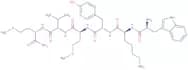
CAS:H-Trp-Lys-Tyr-Met-Val-Met-NH2 is a natural compound that belongs to the group of pharmacological agents. It has been shown to have a therapeutic effect on congestive heart failure, bowel disease and autoimmune diseases. This compound has also been shown to stimulate locomotor activity in mice by increasing dopamine levels in the brain. H-Trp-Lys-Tyr-Met-Val-Met NH2 has been found to inhibit the growth of HL60 cells in culture, which are a type of white blood cell that is involved in immune response. H-Trp-Lys Tyr Met Val Met NH2 also binds to receptors for formyl and sesquiterpenoid lactones, which are chemical compounds that are used as pharmacological agents for cancer therapy and treatment of inflammatory bowel disease.Formula:C41H61N9O7S2Purity:Min. 95%Molecular weight:856.11 g/molH-Pro-Val-OH
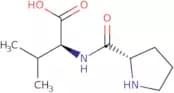
CAS:<p>H-Pro-Val-OH is an amide that is used to treat renal disorders by inhibiting leukocyte elastase. It has been shown to be a potent inhibitor of serine proteases, including chymotrypsin and trypsin. H-Pro-Val-OH binds to the active site on serine proteases and blocks the release of peptides from the enzyme. The binding constant for H-Pro-Val-OH with chymotrypsin was found to be in the range of 3 x 10 M, which is significantly higher than that for other amides. In addition, H-Pro-Val-OH inhibits cytolysis by lysosomal enzymes and protects against liver injury caused by chronic liver disease. This drug also shows low molecular weight and high water solubility, making it effective in treating acute hepatitis.</p>Formula:C10H18N2O3Purity:Min. 95%Color and Shape:PowderMolecular weight:214.26 g/molrec IL-4 (murine)
CAS:<p>Please enquire for more information about rec IL-4 (murine) including the price, delivery time and more detailed product information at the technical inquiry form on this page</p>Purity:Min. 95%H-Cit-AMC·HBr
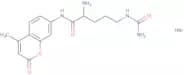
CAS:<p>Please enquire for more information about H-Cit-AMC·HBr including the price, delivery time and more detailed product information at the technical inquiry form on this page</p>Formula:C16H20N4O4·HBrPurity:Min. 95%Color and Shape:SolidMolecular weight:413.27 g/molH3 labeled 6-peptide mixture
<p>H-STQAAIDQINGK^-OHH-STQAAIDQISGK^-OHH-SDAPIGK^-OHH-DEALNNR^-OHH-EFSEVEGR^-OHH-TITNDR^-OHR^ = Arginine (U-13C6,15N4)K^ = Lysine (U-13C6,15N2)Peptide purity: >98%AAA: Concentration – Duplicate100 aliquots/pack total to equal 1nmol/peptide/vial dry aliquots</p>Influenza B native 5-peptide mixture
<p>Influenza B native 5-peptide mixture of:<br>H-SHFANLK-OHH-SYFANLK-OHH-GVLLPQK-OHH-NLNSLSELEVK-OHH-GILLPQK-OHAAA: Concentration - Duplicate<br>100 aliquots/pack total to equal 1nmol/peptide/vial dry aliquots</p>H1 labeled 4-peptide mixture
<p>H-VNSVIEK^-OHH-EQLSSVSSFER^-OHH-TLDYHDSNVK^-OHH-ITFEATGNLVAPR^-OHR^ = Arginine (U-13C6,15N4)K^ = Lysine (U-13C6,15N2)Peptide purity: >98%AAA: Concentration - Duplicate100 aliquots/pack total to equal 1nmol/peptide/vial dry aliquots</p>α-CGRP (mouse, rat)
CAS:Endogenous calcitonin gene-related peptide receptor (CGRP) agonist which is secreted in both peripheral and central neurons. It is a potent vasodilator and can function in the transmission of nociception as well as acting as an appetite suppressant and contributing to gastric acid secretion. It also has a function in temperature homeostasis, increases heart rate, and can play a role in the release of the pituitary hormone.Formula:C162H262N50O52S2Purity:Min. 95%Color and Shape:PowderMolecular weight:3,806.25 g/molFmoc-Tyr(tBu)-Wang Resin (100-200 mesh) 1% DVB
<p>Please enquire for more information about Fmoc-Tyr(tBu)-Wang Resin (100-200 mesh) 1% DVB including the price, delivery time and more detailed product information at the technical inquiry form on this page</p>Purity:Min. 95%BMP 4 Human
<p>BMP 4 Human is a recombinant human protein that is a member of the TGF-β superfamily. It interacts with Ligand, Receptor, and Activator and has been shown to inhibit Ion channels in vitro. BMP 4 Human is a research tool for studying signaling pathways in pharmacology and cell biology.</p>Purity:>95% By Sds-Page And Rp-HplcMyelin Basic Protein (111-129)
<p>The myelin sheath which is located in both the Central Nervous System (CNS) and the Peripheral Nervous System is crucial for neural insulation and the salutatory conduction of nerve impulses. When this myelin sheath is destroyed neurodegeneration and conduction failure occur and theses occurrences can be observed in demyelinating diseases in the CNS such as: acute disseminated encephalomyelitis and multiple sclerosis and within the PNS: Guillain–Barré syndrome and Charcot–Marie–Tooth disease.Myelin Basic Protein (MBP) from which this product is derived is the second most abundant protein in myelin. It has been found to be an intrinsically disordered protein and depending on the environmental conditions it can change its conformation. It also folds into ⍺-helical structures which allow MBP to bind tightly to lipid bilayer surfaces. MBP also interacts with other proteins, namely cytoskeletal proteins and calmodulin and may be involved in signalling pathways.<br>Although more research needs to be carried out, it is thought that MBP significantly contribute to the pathogenesis of multiple sclerosis. As MBP is an autoantigen it can be recognized and cleaved by autoantibodies and is a substrate for the immunoproteasome. Additional research has found that post-translational modifications of MBP such as the removal of arginine are increased and may be involved in the pathogenesis of multiple sclerosis. Therefore this protein derived from MBP can be used to mimic Neurodegenerative disease phenotypes in research and animal models.<br>One-Letter Formula: LSRFSWGAEGQRPGFGYGG</p>Formula:C92H129N27O26Purity:Min. 95%Molecular weight:2,029.22 g/molH-Pro-His-Ser-Arg-Asn-OH
<p>H-Pro-His-Ser-Arg-Asn-OH is a synthetic peptide that binds to the α subunit of the nicotinic acetylcholine receptor. It is an inhibitor of the receptor and blocks the binding of acetylcholine to this receptor. H-Pro-His-Ser-Arg-Asn-OH has been used as a research tool in pharmacology, cell biology, and immunology.</p>Formula:C24H39N11O8Purity:Min. 95%Molecular weight:609.6 g/molPLP (139-151)
CAS:PLP (139-151) is derived from Proteolipid Protein (PLP), an epitope of immunodominant encephalitogenic PLP and is involved in promoting encephalomyelitis.Formula:C72H104N20O17Purity:Min. 95%Color and Shape:PowderMolecular weight:1,520.8 g/molZ-His-Glu-Lys-AMC
CAS:<p>Z-His-Glu-Lys-AMC is an activator of ion channels. It is a ligand that binds to the receptor and stimulates the opening of ion channels in cells. Z-His-Glu-Lys-AMC has been used as a research tool to study protein interactions, pharmacology, and cell biology. It has also been used to study ion channel function and its role in diseases such as epilepsy or schizophrenia.</p>Formula:C35H41N7O9Purity:Min. 95%Molecular weight:703.74 g/mol











![[Nle12] a-factor](/_next/image/?url=https%3A%2Fstatic.cymitquimica.com%2Fproducts%2F3D%2Fthumb-webp%2FCRB1001333.webp&w=3840&q=75)







![[5-FAM]-ERKtide](/_next/image/?url=https%3A%2Fstatic.cymitquimica.com%2Fproducts%2F3D%2Fthumb-webp%2FCRB1100601.webp&w=3840&q=75)



![C-terminal Sortagging-[Cys(AF488)]](/_next/image/?url=https%3A%2Fstatic.cymitquimica.com%2Fproducts%2F3D%2Fthumb-webp%2FCRB1110801.webp&w=3840&q=75)















![[5-FAM]-pVec](/_next/image/?url=https%3A%2Fstatic.cymitquimica.com%2Fproducts%2F3D%2Fthumb-webp%2FCRB1100281.webp&w=3840&q=75)
![S413-PV-[Cys(Npys)]](/_next/image/?url=https%3A%2Fstatic.cymitquimica.com%2Fproducts%2F3D%2Fthumb-webp%2FCRB1000425.webp&w=3840&q=75)














![[5-FAM]-DAG peptide](/_next/image/?url=https%3A%2Fstatic.cymitquimica.com%2Fproducts%2F3D%2Fthumb-webp%2FCRB1100887.webp&w=3840&q=75)




![Acetyl-Histone H4 (1-21) K5Ac, K8Ac, K12Ac, K16Ac-GG-[Lys(5-FAM)]](/_next/image/?url=https%3A%2Fstatic.cymitquimica.com%2Fproducts%2F3D%2Fthumb-webp%2FCRB1101268.webp&w=3840&q=75)



![[5-FAM]-C7](/_next/image/?url=https%3A%2Fstatic.cymitquimica.com%2Fproducts%2F3D%2Fthumb-webp%2FCRB1101183.webp&w=3840&q=75)












![Acetyl-Histone H4 (1-23) K16Ac-GG-[Lys(5-FAM)]](/_next/image/?url=https%3A%2Fstatic.cymitquimica.com%2Fproducts%2F3D%2Fthumb-webp%2FCRB1101267.webp&w=3840&q=75)