Peptides
Peptides are short chains of amino acids linked by peptide bonds, serving as important biological molecules that play key roles in cellular processes. They function as hormones, neurotransmitters, and signaling molecules, and are widely used in therapeutic and diagnostic applications. Peptides are also crucial in research for studying protein interactions, enzyme activities, and cell signaling pathways. At CymitQuimica, we provide a diverse selection of high-quality peptides to support your research and development needs in biotechnology and pharmaceuticals.
Subcategories of "Peptides"
Found 30323 products of "Peptides"
Sort by
Purity (%)
0
100
|
0
|
50
|
90
|
95
|
100
CA-074
CAS:<p>CA-074 is a research tool that can be used to study protein interactions. CA-074 is a small, synthetic peptide and a potent inhibitor of the ion channel TRPC1. It has been shown to inhibit the calcium currents in HEK293 cells expressing TRPC1 channels. CA-074 inhibits the kinase activity of PLCγ2, which leads to reduced phosphoinositide levels and a decrease in cell proliferation. CA-074 also inhibits PKCδ and PKCε, which are members of the protein kinase C family.<br>The inhibition of these enzymes by CA-074 causes an increase in the intracellular concentration of diacylglycerol (DAG) and inositol triphosphate (IP3). These two molecules are involved in G protein signaling pathways that regulate cell proliferation, differentiation, and survival.</p>Formula:C18H29N3O6Purity:Min. 95%Molecular weight:383.44 g/molCFP10 (71-85)
<p>Catalogue peptide; min. 95% purity</p>Formula:C72H120N24O25Molecular weight:1,721.91 g/molEpinecidin-1
<p>Epinecidin-1 is an antimicrobial peptide which can act against Gram-negative and Gram-positive bacteria. Its cytotoxic properties give it potential to be used in cancer therapy.</p>Color and Shape:PowderMolecular weight:2,333 g/molnef protein fragment (Acetyl/amide) [Human immunodeficiency virus 1]
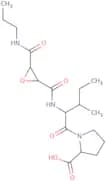
<p>Nef is an accessory protein highly conserved amongst all primate lentiviruses, it is essential for viral replication in vivo- it is expressed by human immunodeficiency virus (HIV) HIV-1 and HIV-2. Nef acts as a downregulator of class I human leukocyte antigens (HLA) expression in HIV-infected cells to help circumvent the immune response, such as Cytotoxic T lymphocytes (CTL) activity. An intact nef gene is critical for high viral loads, linked to development of acquired immunodeficiency syndrome (AIDS). Certain alleles of HLA have been associated with maintaining a seronegative status such as HLA-A*1101.This nef peptide sequence contains the region considered to be a a C-proximal adaptor-protein (AP) interaction site. The presence of various nef motifs such as this are an intense area of investigation to understand if they are a factor in patients who remain clinically asymptomatic. This nef fragment is provided with an N-terminal acetyl group to increase its stability.</p>Molecular weight:1,135.6 g/molSARS-CoV-2 Nucleoprotein (353-370)
<p>The coronavirus (CoV) nucleoprotein is the major component of CoV structural proteins. Also known as the nucleocapsid protein, it is an abundant RNA-binding protein critical for viral genome packaging. These factors make nucleoprotein a good target for developing new antiviral drugs. In addition, the identification of epitopes within the nucleoprotein sequence can help design more effective SARS-CoV-2 vaccines.Models have predicted epitopes exhibiting antigenicity, stability and interactions with MHC class-I and class-II molecules. Nucleoprotein (353-370) is an epitope candidate with various HLA restrictions. This epitope can be used to better vaccine design for more durable CD4+ and CD8+ T cell responses for long-lasting immunity.</p>Molecular weight:2,111.1 g/molsurvivin (baculoviral IAP repeat-containing protein 5) (21-28)
<p>Survivin is an intracellular tumour-associated antigen that is part of the inhibitor of apoptosis (IAP) family. Survivin expression increases as cells age but becomes over-expressed in cancer cells. Expression is also important during embryonic development and tissue regeneration. With roles in aging, apoptosis, and cancer, there is considerable interest in understanding the function of Survivin. Survivin expression is regulated by TGF-β and increased following intestinal inflammation during the healing process.The high expression of Survivin in cancer cells has led to the search for a vaccine that induces epitope-specific CD8+ T cells. The epitope TFKNWPFL restricted to H-2 Db was identified using prediction algorithms and MHC class I binding assays. The epitope was delivered to mice by intradermal electroporation (EP). The Survivin epitope induced a CD8+ cytotoxic T lymphocyte (CTL) response as shown by IFN-staining- they also showed an activated effector phenotype as CD44 and CD107 were upregulated. The Survivin vaccine was able to confer protection against melanoma in mice and suppress angiogenesis. This Survivin epitope could be a vital step in creating a human vaccine that generates CD8 CTLs with specific functional cytotoxic activity against tumour cells.The sequence provided here aligns to residues 21-28 of the Survivin epitope, the initial residue of the epitope has been omitted as it is not conserved between mice and human sequences.</p>Molecular weight:1,051.5 g/molNeuropeptide S human
<p>Neuropeptide S (NPS) is a neuropeptide found in mammalian brains, primarily in neurons in the lateral parabrachial nucleus, the peri-locus coeruleus and the principle sensory 5 nucleus of the trigeminus. NPS in involved in several neuroendocrine, behavioural and inflammatory responses, including: reducing anxiety in mice- suppressing appetite and inducing wakefulness and hyperactivity. NPS treatment can be used to improve fear extinction in mice and limit fear memory retrieval after fear reduction training, thus making it an interesting target for treatment of post-traumatic stress disorder. NPS exerts its actions by binding to a G-protein coupled receptor, NPSR.</p>Molecular weight:2,186.1 g/molCompstatin
<p>The cyclic tridecapeptide Compstatin, binds to and selectively inhibits the interaction between C3 and convertase, hence preventing the formation of C3a and C3b and activation of the complement system. Compstatin has the ability to form β-turns and hydrophobic clusters which are crucial for its inhibitory properties. When binding between C3 MG4 and MG5 domains, located within the MG-ring of the β-chain, Compstatin undergos a conformational change which is believed to prevent C3 from binding to C3 convertase through steric hindrance. Consequently the complement cascade is inhibited.The complement cascade is an important feature of the immune system. C3b, produced from the interaction of C3 and C3 convertase, binds to pathogens and somatic cells and signals for their removal from the body. However the increased activation of the complement system can result in diseases, associated with Alzheimers, strokes, heart attacks and autoimmune diseases. Therefore Compstatin can be used as a therapeutic agent within medicine.</p>Color and Shape:PowderMolecular weight:1,549.7 g/molTAT-AKAP79 (326-336) scrambled amide
<p>The activation of transient receptor potential cation channel subfamily V member 1 (TRPV1) is believed to play a role in hyperalgesia, asthma and hypertension. TRPV1 is important for neuronal pain detection as well as the detection of heat, capsaicin, protons and the neurotransmitter anandamide.- The scaffold protein AKAP79 targets kinases to phosphorylate TRPV1, however it has been shown that inflammatory intermediates prostaglandin-E2 or bradykinin can activate these kinases creating a route for inflammation to cause hyperalgesia.This product is composed of the TRPV1 interacting residues of AKAP79 reordered into a scrambled sequence and conjugated to the cell penetrating TAT domain at the N-terminus. The scrambled peptide was shown in vivo to have no effect on TRPV1 algesia and thus is a vital control for research work. This product is a vital tool for research into suitable TRPV1 antagonists. The scrambled-TAT peptide is available for purchase in both an acid and amide form, this is the C-terminal amide form.</p>Molecular weight:2,877.6 g/molTAT-CN21
<p>TatCN21 is an inhibitor peptide for the calcium/calmodulin-dependent protein kinase II (CaMKII), a ubiquitously-expressed multifunctional serine/threonine protein kinase. TatCN21 blocks both autonomous and stimulated CaMKII activity with high selectivity. CaMKII is highly expressed in brain tissue where it regulates several processes including: neurotransmitter synthesis/release, neuronal plasticity- excitability and calcium homeostasis. Glutamate clearance by astrocytes is an essential part of normal excitatory neurotransmission, and accumulation of glutamate in the central nervous system is associated with many neurodegenerative disorders. CaMKII regulates glutamate homeostasis: CaMKII inhibition results in diminished glutamate uptake, dysregulated calcium homeostasis, release of the gliotransmitter ATP and compromise neuronal survival. Loss of CaMKII signalling may be an important factor in excitotoxicity. Peptide was obtained by linking the 11 amino acid human HIV Tat transporter to a 21 amino acid sequence corresponding to the CN21.</p>Color and Shape:PowderMolecular weight:3,986.4 g/molTAT - GluR23Y
<p>TAT-GluR23Y is a cell penetrating peptide that inhibits phosphorylation of AMPA receptor endocytosis.Recent studies have shown that AMPA receptor endocytosis, which is a cellular mechanism underlying the formation of LTD, plays a critical role in facilitating initial extinction of learned fear. Tat-Glur23Y can block regulated AMPA and thereby prevents long-term depression (LTD) in structures such as the nucleus accumbens and dorsal hippocampus.</p>Molecular weight:2,632.4 g/molPep63
<p>Soluble amyloid-β (Aβ) oligomers are key to Alzheimer's disease (AD) pathology. Aβ oligomers constitute a significant component of senile plaques, and the presence of plaques is used to define AD. Soluble Aβ is the most neurotoxic species- its presence correlates with AD onset and early progression. There is no current treatment to prevent the formation of neurotoxic Aβ oligomers. A proposed strategy to treat AD is the inhibition of Aβ oligomer interacting with the NMDA receptor. Disruption of NMDA receptor function and signalling molecules affect neuronal plasticity and development.Pep63 was identified via peptide array to block the interaction between Aβ oligomers and EphB2. Mouse AD model stereotactic administration of Pep63 into the dorsal hippocampus blocked the interaction between Aβ and EphB2, as shown by co-immunoprecipitation and Western blotting. Reduced Aβ presence was detected following Pep63 treatment seen by ELIZA. Pep63 effectively reverses impaired memory deficits determined by the Morris water maze (MWM) on the AD mouse model.</p>Molecular weight:1,145.7 g/molAzhx-Penetratin
<p>Identification of cell penetrating conjugates has aided numerous areas of scientific development. The Drosophila transcription factor Antennapedia contains a homeodomain that can be internalised by cells to the cytoplasm and to the nucleus in a receptor-independent mechanism. The key residues for internalisation have been sequenced (RQIKIWFQNRRMKWKK), named penetratin, and used in several studies to aid entry of fusion proteins into cells.The full 60 amino acid homeodomain was fused to a T cell epitope of the influenza nucleoprotein and successfully internalised into T cells for presentation. The fragment known as penetratin was fused to a ligand for Grb-2 resulting in inhibition of downstream Grb-2 signalling events.- Penetratin has also been used in vivo to prime cytotoxic T lymphocytes by conjugating short antigenic peptides to the CPP. This penetratin has been synthesised with an N-terminal 6-azidohexanoic acid (Azhx) which can be used for various applications as a linker.</p>Color and Shape:PowderMolecular weight:2,384.4 g/molPACAP38 (Human)
CAS:<p>PACAP38 is a ligand that belongs to the family of peptides. It binds to the PAC1 receptor and activates it. PACAP38 has been shown to inhibit ion channels, such as potassium channels and calcium channels, in neuronal cells. The protein interactions of PACAP38 are not yet fully understood.</p>Formula:C203H331N63O53SPurity:Min. 95%Molecular weight:4,534.3 g/molAnoplin
<p>Antimicrobial and cytolytic peptide isolated from the venom of the spider wasp Anoplius samariensis. Anoplin has potent and board-spectrum antimicrobial activity against both Gram-positive and Gram-negative bacteria, antifungal properties against some plant pathogenic fungi, and no haemolytic activity against human erythrocytes. At 10 amino acids long, anoplin is the smallest naturally occurring antimicrobial and cytolytic peptide, its small size may have advantages for chemical manipulation and medical application.</p>Molecular weight:1,153.5 g/moldfTAT
<p>Cell-penetrating peptides (CPP) conjugated to biomolecular cargo can provide targeted molecular treatments. This could be revolutionary for numerous conditions such as cancer, muscular dystrophy and many more. CPP often use the endosomal system to enter the cell. Still, they vary in their ability to escape the endosome allowing the cargo to reach its intended area within the cell. Most CPP activity escaping the endosome is weak, and the method is unclear.Dimeric fluorescent TAT (dfTAT) is a CPP composed of 2 TAT peptides with an N-terminal fluorophore tetramethylrhodamine. When incubated with cells, it shows a cytosolic localisation. A simple co-incubation method of dfTAT with a cargo results in efficient endosomal leakage and release of the cargo to the cytosol. dfTAT has been shown to efficiently deliver a wide variety of cargos to the cell, including transcription factors, antibodies, and metal-organic framework (MOF) nanoparticles. One of the significant advantages of using dfTAT is that the co-incubation method of delivery allows dfTAT, and the cargo can be added as separate entities. This enables the controlled titration of material into cells through the modulation of cargo concentration independent of dfTAT.</p>Molecular weight:4,074.3 g/molFAM49B (190-198) Mouse
<p>Fragment of Family with sequence similarity 49 member B (FAM49B), a mitochondria-localized protein that regulates mitochondrial fission and cancer progression. Within tumour environments, such as those seen in pancreatic ductal adenocarcinoma, the expression of FAM49B is reduced. The ability of FAM49B to control redox reactions in the mitochondria allows it to suppress cancer cell proliferation.</p>Color and Shape:PowderMolecular weight:1,041.5 g/molSARS-CoV-2 NSP13 (326-340)
<p>The SARS-CoV-2 non-structural protein 13 (NSP13) has been identified as a target for anti-viral therapeutics due to its highly conserved sequence and is essential for viral replication. NSP13 is part of the helicase superfamily 1B. As an NTPase and RNA helicase, NSP13 binds to RNA-dependent RNA polymerase and acts in concert with the replication-transcription complex to stimulate backtracking and further activate NSP13 helicase activity. These factors make NSP13 a good target for developing new antiviral drugs. In addition, the identification of epitopes within the NSP13 sequence can help design more effective SARS-CoV-2 vaccines.Models have predicted epitopes exhibiting antigenicity, stability and interactions with MHC class-I and class-II molecules. NSP13 (326-340) is an epitope candidate with various HLA restrictions. This epitope can be used to better vaccine design for more durable CD4+ and CD8+ T cell responses for long-lasting immunity.</p>Molecular weight:1,694 g/molClick Arg9
<p>Cell penetrating peptides (CPP) are a keen area of molecule design to create the ideal vector for transporting macromolecule cargo into the cell. There is also a crossover of CPP acting as antimicrobial peptides (AMP) due to their ability to permeabilise the lipid membrane. AMPs are now being considered as a tool against the rise of antibiotic-resistant bacteria. CPPs and AMPS tend to be 10 - 30 amino acids long, cationic, and rich in arginine (R) and tryptophan (W). The presence of R and W in the backbone have been used to generate de novo CPP/AMP peptides with improved functions. Of these, nonarginine (R9) was shown to have the highest cellular uptake against other CPPs tested, lowest cytotoxicity and significant antimicrobial activity.R9 is provided here with a N-terminal alkyne attachment. Two of the most regularly encountered functional groups for click chemistry are azides and alkynes, and the azide-alkyne cycloaddition has become the most popular click reaction. The use of click chemistry with alkyne-R9 allows a wide variety of applications and has already been used for conjugation, modification and peptide design.</p>Color and Shape:PowderMolecular weight:1,502 g/molTemporin A
<p>Temporin A is a short, linear, basic and highly hydrophobic anti-microbial peptide (AMP) isolated from the frog, Rana temporaria. Temporin A is particularly active against Gram-positive bacteria including those arranged in biofilms. Temporin A is also active against some Gram-negative bacteria and Leishmania parasites.Temporin A adopts an alpha-helical conformation in a membrane-mimicking environment and is able to perturb the membrane of microbial cells. Temporin A is practically non-haemolytic up to concentrations five-times higher than their minimum inhibitory concentration (MIC) against Gram-positive bacteria.</p>Molecular weight:1,396.76 g/molP2-Hp-1935
<p>P2-Hp-1935 is an antimicrobial peptide isolated from the skin secretions of the Montevideo tree frog (Hypsiboas pulchellus). P2-Hp-1935 displays activity against Gram positive and negative bacteria.</p>Molecular weight:1,935.32 g/molSARS-CoV-2 Nucleoprotein (86-100)
<p>The coronavirus (CoV) nucleoprotein is the major component of CoV structural proteins. Also known as the nucleocapsid protein, it is an abundant RNA-binding protein critical for viral genome packaging. These factors make nucleoprotein a good target for developing new antiviral drugs. In addition, the identification of epitopes within the nucleoprotein sequence can help design more effective SARS-CoV-2 vaccines.Models have predicted epitopes exhibiting antigenicity, stability and interactions with MHC class-I and class-II molecules. Nucleoprotein (86-100) is an epitope candidate with various HLA restrictions. This epitope can be used to better vaccine design for more durable CD4+ and CD8+ T cell responses for long-lasting immunity.</p>Molecular weight:1,824 g/molAllergen Ara h 1 (560-572)
<p>Ara h 1 is one of the major allergenic proteins from peanut (Arachis hypogaea) which contains approximately 13 potential allergenic proteins.Ara h 1 is a member of the 7/8 S globulin (vicilin) family of seed storage proteins belonging to the cupin superfamily and is the most abundant allergen present in the peanut kernel. Ara h 1 plays an important role in the allergy sensitising procedure and can be recognised by 90% of patients with a peanut allergy.This peptide represents a tryptic peptide of Ara h 1.</p>Color and Shape:PowderMolecular weight:1,375.7 g/molBIM 187
<p>Bombesin/GRP receptor agonist derived from the pro-apoptotic protein BIM, which is a member of the BCL-2 family proteins and activates the BAX and BAK proteins to promote apoptosis.The process of apoptosis can be activated by the intrinsic or extrinsic pathways, the former is activated by stress stimuli such as DNA damage and nutrient deficiency, while the latter is induced through activation of the death receptors FAS and TRAIL.The BCL-2 family's transmembrane anchor at the C-terminus allows them to locate at the mitochondrial outer membrane and play a vital role in apoptosis.Within the mitochondria BIM is a member of the BH3 molecules alongside, BIM, PUMA and NOXA which can all be activated by the intrinsic pathway. These in turn can initiate the homo-oligomerisation of BAX and BAK which induce mitochondrial outer membrane permeabilisation (MOMP) and the release of cytochrome c into the cytosol. Here cytochrome c associates with APAF-1 and dATP, ultimately activating effector caspase3/7 and apoptosis.BIM can be activated by CHOP-mediated transcription and phosphatase 2A-mediated dephosphorylation during endoplasmic reticulum stress. However when BIM is phosphorylated it undergoes degradation by the proteasome.</p>Molecular weight:1,068.6 g/molKHLF-[AMC]
<p>Peptide substrate for the kallikrein-related peptidase 7 (KLK7), the most abundant KLK family protease in the stratum corneum (outermost layer of the epidermis). KLK family have been implicated in several key homeostatic processes and in skin diseases that feature impaired desquamation. Increased levels of KLK7, have been identified in the stratum corneum of patients with atopic dermatitis (AD). T-helper type 2 cytokines, including interleukin 4 (IL-4) and-IL-13, can stimulate expression of KLK7, suggesting a direct link between inflammation in AD and KLK7 levels.KLK7 cleaves its substrates after tyrosine or phenylalanine residues. This peptide contains a C-terminal 7-amino-4-methylcoumarin (AMC) fluorescent tag, which is quenched when linked to the peptide via the amide bond. AMC is cleaved from the peptide by KLK7, upon cleavage the AMC fluorescence is activated.</p>Color and Shape:PowderMolecular weight:700.4 g/molOvalbumin (324-338), chicken, quail
<p>Ovalbumin (OVA) is the primary protein in egg-white, and is involved in initiating food allergies and asthma. It is a highly immunogenic protein and can be used for peptide conjugation in the development of antibodies.OVA (324-338) is a class I (Kb)-restricted peptide epitope of OVA. The ovalbumin fragment is presented by the class I MHC molecule, H-2Kb.</p>Molecular weight:1,559.8 g/molFz7-21
<p>Binds to the cysteine rich domain of the Frizzled 7 receptor and inhibits Wnt signalling in cultured cells and stem cell function in intestinal organoids.</p>Color and Shape:PowderMolecular weight:1,794.8 g/molDYKDDDDK FLAG peptide
<p>Highly specific protein tag that can be added to a protein using recombinant DNA technology. FLAG is an artificial antigen to which high affinity monoclonal antibodies have been raised, therefore allowing for highly effective protein purification by affinity chromatography as well as accurate localisation of FLAG tagged proteins within living cells, or Western blots. FLAG peptide can be used to effectively purify complexes with multiple proteins as its mild purification procedure tends not to disrupt such complexes. It can be used to obtain proteins of sufficient purity for x-ray crystallography.</p>Molecular weight:1,012.4 g/molTetanus Toxin (1084-1099)
<p>Tetanus Toxin (1084-1099) is a protein that is derived from the single-chain polypeptide neurotoxin produced by Clostridium tetani. The neurotoxins produced by Clostridium tetani are among the most potent molecules known to humankind. Once in the body, the toxin binds to the basal lamina at the neuromuscular junction. From here, the toxin is transported to inhibitory interneurons in the spinal cord, where it prevents the release of neurotransmitters, which causes spastic paralysis.</p>Molecular weight:1,878.1 g/molCSK substrate
<p>Substrate peptide for C-terminal Src kinase (Csk) for use in kinase assays. Csk is a cytosolic tyrosine kinase that is closely related to the kinase Src and is a well-known negative regulator of Src family kinases. Csk has both tumour suppressor and oncogenic properties and has also been implicated in regulating blood pressure, making Csk a novel therapeutic target for hypertension disorders.</p>Color and Shape:PowderMolecular weight:1,504.8 g/molCecropin-B
CAS:<p>Cecropins are a lytic peptide family, originally isolated from Hyalophora cecropia. Cecropin-B is a cationic helical peptide that can form pores, this is believed to be the reason for its such potent lytic activity. Cecropin-B has been shown to be effective against both Gram-positive and Gram-negative bacteria plus numerous cancer cell lines including multidrug-resistant types. The ability to insert into the cell membrane and lead to pore formation is attributed to the amphipathic groups present creating amphipathic regions. The effectiveness of cecropin-B on cancer cells has led to further use of the peptide as a model for potential new anticancer drugs including cyclic cationic forms.</p>Color and Shape:PowderMolecular weight:3,832.3 g/molApolipoprotein KV domain (67 - 77)
<p>Vascular lipid deposition and altered lipid profiles are typical when unregulated angiogenesis is occurring, it is often seen in vascular disorders such as cancer and atherosclerosis. Apolipoprotein a (ApoA) functions as part of the lipid transporter complex high-density lipoproteins (HDL) to ensure lipid homeostasis and therefore the balance of angiogenesis. Within ApoA the Kringle5 (KV) domain (67 - 77), also known as KV11, has been identified as the region of ApoA that exerts anti-angiogenic effect. KV11 was shown in tumour cells to inhibit angiogenesis and consequently inhibits tumour progression. KV11 targets the angiogenesis c-Src/ERK pathway by blocking the activation signals received from vascular endothelial growth factor (VEGF). KV11 provides a new research potential for an anti-angiogenesis and anti-tumour therapeutic agent.</p>Molecular weight:1,447.66 g/molAc-Thz-Tle-Leu-Gln-MCA
CAS:<p>A prototype fluorogenic substrate targeting the SARS-CoV and SARS-CoV-2 Main Protease (Mpro). The main protease (Mpro), also called endopeptidase C30 or 3C-like proteinase (3CLpro), controls viral replication activities and is a prime therapeutical target. Both substrates and inhibitors of SARS-CoV-2 Mpro are currently of interest to researchers of the coronavirus. This product can be used as a Prototype Fluorescence Substrate for SARS-CoV Mpro/SARS-CoV-2 Mpro Proteases.</p>Formula:C13H17NO3Purity:Min. 95%Molecular weight:235.28 g/molPAMP (Human)
CAS:<p>PAMP (human) is a peptide that binds to the G-protein coupled receptor, M3. It activates the ion channel and induces an influx of calcium ions into cells. This can lead to cell proliferation and differentiation, as well as increased blood flow in the brain. PAMP has been shown to inhibit ligand-induced activation of M3 receptors by competing with the natural ligands for binding sites on these receptors. It has also been shown to have high purity (>95%), and is currently under research for its use in various medical applications such as cancer therapy, pain management, and treatment of respiratory diseases.</p>Formula:C112H178N36O27Purity:Min. 95%Molecular weight:2,460.8 g/molFmoc-ß-Ala-Wang Resin (100-200 mesh) 1% DVB
<p>Fmoc-ß-Ala-Wang Resin (100-200 mesh) 1% DVB is a high purity reagent for peptide synthesis. It is used in the production of cell biology research tools, such as inhibitors and activators of ion channels, ligands for receptor binding, and antibodies. Fmoc-ß-Ala-Wang Resin (100-200 mesh) 1% DVB is a reagent that is used to synthesize peptides. This resin can be used in the production of various types of research tools, including inhibitors and activators of ion channels, ligands for receptor binding, and antibodies.</p>Purity:Min. 95%ß-Endorphin (Equine)
CAS:<p>ß-Endorphin, also known as Equine ß-Endorphin, is a polypeptide hormone that is a member of the endorphin family. It is a peptide consisting of nine amino acids. ß-Endorphin has been found in the pituitary gland and in other tissues in concentrations much higher than those of other endorphins. Beta-endorphin is thought to be involved in pain relief and stress relief.</p>Formula:C154H248N42O44Purity:Min. 95%Molecular weight:3,424.01 g/molBig Endothelin-3 (Human, 1-41 Amide) Acetate
CAS:<p>Big Endothelin-3 (Human, 1-41 Amide) is a precursor molecule of the Endothelin-3 (ET-3) peptide, that belongs to the large family of endothelin peptides which activate the G-protein coupled receptors ETA and ETB. However ET-3 has lower affinity for the ETA receptors compared to Endothelin-1 (ET-1) and Endothelin-2 (ET-2), whereas all three endothelins have similar affinity for ETB receptors. As ETB receptors make up around 90% of the endothelin receptors found in the cerebral cortex in humans, ET-3 can be nicknamed the ‘brain endothelin’. Also through ET-3’s activation of ETB receptors, ET-3 is involved in the development of the enteric nervous system which controls within the gut, blood flow, secretion and intestinal motility. This product has disulfide bonds between Cys1-Cys15 and Cys3-Cys11.</p>Formula:C223H322N56O63S4Purity:Min. 95%Molecular weight:4,923.65 g/molCMVpp65 - 48 (PTKDVALRHVVCAHE)
Custom research peptide; min purity 95%. For different specs please use the Peptide Quote ToolMolecular weight:1,675 g/molGhrelin (Human)
CAS:Ghrelin is a peptide hormone that regulates appetite, energy balance, meal initiation and nutrient sensing. Ghrelin is produced in the stomach, but is also found in the blood, brain, and other tissues.. It influences bodily functions through associating with growth hormone secretagogue receptors (GHS-R) through its unique N-octanoyl group which is linked to its serine 3 residue covalently. It wider functions are in the regulation of insulin resistance, diabetes and obesity. On top of this Ghrelin is also found to be involved with glucose homeostasis, energy homeostasis, cardio-protective effects, bone metabolism and is a potential target for cancer. Therefore it can be used to develop therapies for a whole spectrum of diseases. This molecule is used as a research tool for studying cell biology and pharmacology. This product is available in the salt form: Trifluoroacetate.Formula:C149H249N47O42Purity:Min. 95%Molecular weight:3,370.87 g/molEndothelin-1 (1-31) (Human)
CAS:<p>Endothelin-1 is a peptide that acts as a vasoconstrictor and plays an important role in the regulation of blood pressure. Endothelin-1 is also an endogenous ligand for two G protein-coupled receptors, ETA and ETB. Interesting Endothelin-1 is the most abundant isoform and is expressed in endothelial cells of every blood vessel. It exerts its vasoconstrictor effects through binding to ETA receptors located on the smooth muscle. This product has disulfide bonds between Cys1-Cys15 and Cys3-Cys11 and is available as a 0.1mg vial.</p>Formula:C162H236N38O47S5Purity:Min. 95%Molecular weight:3,628.2 g/mol(Z-Asp-Glu-Val-Asp)2-Rh110
CAS:<p>This is a synthetic peptide that can be used as an enzyme substrate for the study of caspase activity. It is a peptide that has been designed to mimic the sequence of amino acids in the active site of caspase-7 and caspase-3. This peptide is useful for biochemical research, especially in the study of apoptosis.</p>Formula:C56H66N10O23Purity:Min. 95%Molecular weight:1,247.19 g/molH-Phe-2-ClTrt-Resin (100-200 mesh) 1% DVB
<p>H-Phe-2-ClTrt-Resin (100-200 mesh) 1% DVB is a building block that is used in peptide synthesis. It has been shown to react with amines and thiols, as well as alcohols, yielding a resin that can be used for the protection of amino acids during peptide synthesis. This product is supplied as a dry powder containing 1% DVB, 100 to 200 mesh.</p>Purity:Min. 95%ADSA-CFTR
<p>Peptide ADSA-CFTR is a Research Peptide with significant interest within the field academic and medical research. This peptide is available for purchase at Cymit Quimica in multiple sizes and with a specification of your choice.</p>Fmoc-γ-Abu-OH
CAS:<p>Fmoc-γ-Abu-OH is a fatty acid that belongs to the group of neurotrophic factors. It has been shown to have neuroprotective properties in vitro and in vivo, and its mechanism may be related to its inhibition of apoptotic cell death. Fmoc-γ-Abu-OH also has pharmacokinetic properties, which are dependent on the route of administration. This compound is absorbed through the gastrointestinal tract and distributed throughout the body with a half-life of approximately 12 hours. Fmoc-γ-Abu-OH binds to β-catenin and inhibits its degradation by proteasomes, thereby increasing its levels in cells.</p>Formula:C19H19NO4Purity:Min. 95%Molecular weight:325.37 g/molPal-KTTKS-OH
Peptide Pal-KTTKS-OH is a Research Peptide with significant interest within the field academic and medical research. This peptide is available for purchase at Cymit Quimica in multiple sizes and with a specification of your choice.Boc-γ-Abu-OH
CAS:<p>Boc-γ-Abu-OH is a model drug used in peptide synthesis. It is a building block that can be used to form the amino acid γ-Abu. This amino acid has an unusual β-amino group, which is coupled with the Boc group using photorelease chemistry. The resulting compound can be used as a building block for dendrimer or convergent syntheses.<br>Boc-γ-Abu-OH reacts with dimethoxybenzene and dendron to form γ-Abu. The resulting product can be reacted with other molecules, such as diamines and benzyl halides, to produce analogues of γ-Abu. This process allows for the synthesis of new compounds that have not been previously reported in the literature.</p>Formula:C9H17NO4Purity:Min. 95%Molecular weight:203.24 g/molTAPI-0
CAS:<p>A hydroxamate-based inhibitor of collagenase, gelatinase, and TACE. TACE stands for Tumor Necrosis Factor-α Converting Enzyme. It is also known as ADAM17 (A Disintegrin and Metalloproteinase 17)</p>Formula:C24H32N4O5Purity:Min. 95%Molecular weight:456.54 g/mol
![S413-PV-[Cys(Npys)]](/_next/image/?url=https%3A%2Fstatic.cymitquimica.com%2Fproducts%2F3D%2Fthumb-webp%2FCRB1000425.webp&w=3840&q=75)



![nef protein fragment (Acetyl/amide) [Human immunodeficiency virus 1]](/_next/image/?url=https%3A%2Fstatic.cymitquimica.com%2Fproducts%2F3D%2Fthumb-webp%2FCRB1001225.webp&w=3840&q=75)

![KHLF-[AMC]](/_next/image/?url=https%3A%2Fstatic.cymitquimica.com%2Fproducts%2F3D%2Fthumb-webp%2FCRB1101150.webp&w=3840&q=75)