Metabolismo
Los inhibidores del metabolismo son compuestos que interfieren con las vías metabólicas, alterando la producción y utilización de energía dentro de las células. Estos inhibidores se utilizan para estudiar la regulación del metabolismo, el papel de las vías metabólicas en enfermedades como el cáncer y la diabetes, y para desarrollar nuevas estrategias terapéuticas. Los inhibidores del metabolismo pueden dirigirse a diversas enzimas y procesos involucrados en la glucólisis, la oxidación de ácidos grasos y otras funciones metabólicas. En CymitQuimica, ofrecemos una amplia gama de inhibidores del metabolismo de alta calidad para apoyar su investigación en bioquímica, trastornos metabólicos y desarrollo de fármacos.
Subcategorías de "Metabolismo"
- AhR(41 productos)
- Aminopeptidasa(74 productos)
- CETP(20 productos)
- Anhídrido carbónico(185 productos)
- Caseína quinasa(137 productos)
- DHFR(34 productos)
- Descarboxilasa(4 productos)
- Deshidrogenasa(289 productos)
- FAAH(65 productos)
- FXR(59 productos)
- Factor Xa(83 productos)
- Ácido graso sintasa(36 productos)
- Ferroptosis(218 productos)
- GR(3 productos)
- GSNOR(4 productos)
- Glucoquinasa(56 productos)
- HIF / HIF Prolilhidroxilasa(145 productos)
- HMG-CoA reductasa(33 productos)
- Hidroxilasa(34 productos)
- IDO(84 productos)
- LDL(8 productos)
- Lipasa(104 productos)
- Lípido(62 productos)
- Lipoxigenasa(132 productos)
- MAO(87 productos)
- MPO(2 productos)
- NAMPT(38 productos)
- P450(6 productos)
- PAI-1(26 productos)
- PDE(166 productos)
- PED(1 productos)
- PKM(15 productos)
- PPAR(168 productos)
- Fosfolipasa(82 productos)
- ROR(43 productos)
- Receptor de retinoides(28 productos)
- SGK(11 productos)
- Tiorredoxina(12 productos)
- Transferasa(29 productos)
- Transportador(43 productos)
- UGT(4 productos)
- Inhibidores de la xantina oxidasa (XO)(9 productos)
Mostrar 34 subcategorías más
Se han encontrado 9054 productos de "Metabolismo"
Ordenar por
Pureza (%)
0
100
|
0
|
50
|
90
|
95
|
100
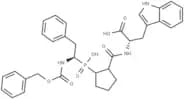
RXPA 380
CAS:RXPA 380: C-terminal ACE inhibitor, Ki=3nM; IC50=2.5nM for C-domain ACE mutants.Fórmula:C33H36N3O7PForma y color:SolidPeso molecular:617.639-SAHSA
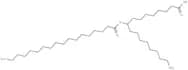
CAS:Branched fatty acid esters of hydroxy fatty acids (FAHFAs) are lipids that are modulated by dietary changes such as fasting and high-fat diets, and they play a role in insulin sensitivity. These compounds generally consist of a fatty acid chain of either 16 or 18 carbons (for example, palmitoleic, palmitic, oleic, or stearic acid) esterified to a similarly long hydroxy fatty acid. One specific FAHFA, 9-SAHSA, features stearic acid esterified at the 9th carbon of hydroxy stearic acid. The concentration of 9-SAHSA is notably increased in the serum of glucose-tolerant AG4OX mice, which specifically express the Glut4 glucose-transporting protein in adipose tissue.Fórmula:C36H70O4Forma y color:SolidPeso molecular:566.9CAY10632
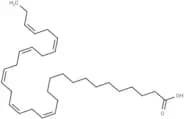
CAS:Very long chain polyunsaturated fatty acids (VLCPUFA), notably present in the retina, sperm, and brain, have yet to be fully understood in terms of their biosynthesis and functional roles within these tissues. Recent research, particularly with the elongation of very long-chain FA-4 protein, indicates a distinct function for VLCPUFAs in retinal development and the progression of macular degeneration. CAY10632, a specific C32:6 VLCPUFA, while largely unexplored in its biological activities, is believed to play a role in maintaining normal function of photoreceptor cells in the retina.Fórmula:C32H52O2Forma y color:SolidPeso molecular:468.766VU0155069 hydrochloride
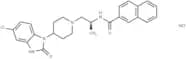
CAS:VU0155069 hydrochloride (CAY10593 hydrochloride) is a potent and selective inhibitor of phospholipase D (PLD), exhibiting IC50 values of 46 nM for PLD1 and 933 nM for PLD2. It effectively inhibits the migration of both human and mouse breast cancer cell lines [1] [2].Fórmula:C26H28Cl2N4O2Forma y color:SolidPeso molecular:499.43Dinophysistoxin 1
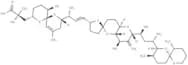
CAS:Dinophysistoxin 1 (DTX 1, 35-methylokadaic acid), a causative agent of diarrhetic shellfish poisoning, exhibits tumor-promoting activity and also acts as a skinFórmula:C45H70O13Forma y color:SolidPeso molecular:819.03Kelatorphan
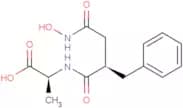
CAS:Kelatorphan is an enkephalin degrading enzyme full inhibitor.Fórmula:C14H18N2O5Pureza:98%Forma y color:SolidPeso molecular:294.31-Oleoyl-2-hydroxy-sn-glycero-3-PG sodium
CAS:1-Oleoyl-2-hydroxy-sn-glycero-3-PG (sodium salt), a lysophospholipid with oleic acid (18:1) at the sn-1 position, finds application in creating micelles, liposomes, and various artificial membranes, notably in lipid-based drug delivery systems.Fórmula:C24H46NaO9PForma y color:SolidPeso molecular:532.587ICMT-IN-33
CAS:ICMT-IN-33 (compound 73) functions as an ICMT inhibitor with an IC50 value of 0.46 μM [1].Fórmula:C20H24ClNOForma y color:SolidPeso molecular:329.86H2-003
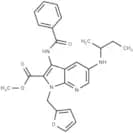
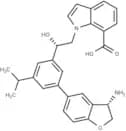
CAS:H2-003 is a selective inhibitor of diacylglycerol acyltransferase 2 (DGAT2).Fórmula:C25H26N4O4Forma y color:SolidPeso molecular:446.5FXIa-IN-7
CAS:FXIa-IN-7 is an orally available, selective and potent inhibitor of factor XIa for the study of thrombophilia.Fórmula:C28H28N2O4Pureza:98.55%Forma y color:SolidPeso molecular:456.53Selenocystine
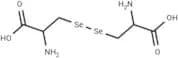
CAS:<p>Selenocystine, a broad-spectrum anticancer agent, effectively induces DNA damage, notably DNA double-strand breaks (DSBs), in HepG2 cells, showcasing</p>Fórmula:C6H12N2O4Se2Pureza:98%Forma y color:SolidPeso molecular:334.09C18 ((±)-2'-hydroxy) Ceramide (d18:1/18:0)
CAS:C18 ((±)-2'-hydroxy) Ceramide (d18:1/18:0) is a lipid molecule that can be used in life science related research. The CAS number of C18 ((±)-2'-hydroxy) Ceramide (d18:1/18:0) is 34249-41-7.Fórmula:C36H71NO4Forma y color:SolidPeso molecular:581.967l-Primaquine
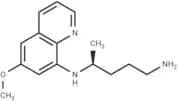
CAS:l-Primaquine is used to treat and prevent malaria and to treat Pneumocystis pneumonia.Fórmula:C15H21N3OForma y color:SolidPeso molecular:259.35G43-C3-TEG
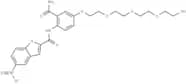
CAS:G43-C3-TEG is a glycosyl-transferase inhibitor that diminishes biofilm formation by inhibiting the synthesis of extracellular polysaccharides (EPS) [1].Fórmula:C24H27N3O9SForma y color:SolidPeso molecular:533.5513-OAHSA
CAS:<p>13-OAHSA, a branched fatty acid ester of hydroxy fatty acids (FAHFAs), results from the esterification of oleic acid to 13-hydroxy stearic acid. It represents a significant component of the FAHFA family, most abundantly expressed in the serum of glucose-tolerant AG4OX mice that exhibit adipose tissue-specific overexpression of the Glut4 glucose transporter. Similar to other FAHFAs which are known to enhance glucose tolerance, stimulate insulin secretion, and exert anti-inflammatory effects, 13-OAHSA may play a pivotal role in managing metabolic syndrome and inflammation.</p>Fórmula:C36H68O4Forma y color:SolidPeso molecular:564.9ICMT-IN-30
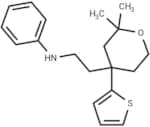
CAS:ICMT-IN-30 (compound 67) is an ICMT inhibitor with an IC50 value of 0.27 μM [1].Fórmula:C19H25NOSForma y color:SolidPeso molecular:315.47Tetramyristoylcardiolipin
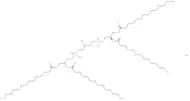
CAS:Tetramyristoylcardiolipin (TMCL), an anionic lipid, plays a crucial role in studying cell membrane function and drug delivery mechanisms [1].Fórmula:C65H132N2O17P2Forma y color:SolidPeso molecular:1275.69Tetrahydro-11-dehydrocorticosterone
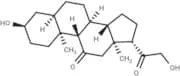
CAS:Tetrahydro-11-dehydrocorticosterone is an inhibitor of 11β-hydroxysteroid dehydrogenase [1].Fórmula:C21H32O4Forma y color:SolidPeso molecular:348.48ICMT-IN-34
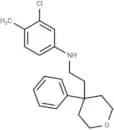
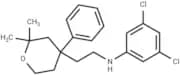
CAS:ICMT-IN-34 (compound 39) serves as an effective inhibitor of ICMT, exhibiting an IC50 value of 0.17 μM [1].Fórmula:C21H25Cl2NOForma y color:SolidPeso molecular:378.34(±)-HIP-A
CAS:<p>(±)-HIP-A is an excitatory amino acid transporter blocker.</p>Fórmula:C6H8N2O4Pureza:98%Forma y color:SolidPeso molecular:172.14