Monosacáridos
Subcategorías de "Monosacáridos"
- Allosas(11 productos)
- Arabinosas(21 productos)
- Eritrosas(11 productos)
- Fructosas(9 productos)
- Fucosas(36 productos)
- Galactosamina(41 productos)
- Galactosa(261 productos)
- Glucosas(365 productos)
- Ácidos glucurónicos(52 productos)
- Glico-sustratos para enzimas(78 productos)
- Gulosas(6 productos)
- Idosas(4 productos)
- Inositoles(15 productos)
- Lyxosas(4 productos)
- Manosas(65 productos)
- O-glicanos(48 productos)
- Psicosas(3 productos)
- Ramnosas(10 productos)
- Ribosas(61 productos)
- Ácidos siálicos(100 productos)
- Sorbosas(4 productos)
- Azúcares(173 productos)
- Tagatosis(4 productos)
- Taloses(8 productos)
- Xilosas(20 productos)
Se han encontrado 6088 productos de "Monosacáridos"
UDP-6-azido-6-deoxy-D-glucose x·triethylammonium salt
CAS:UDP-6-azido-6-deoxy-D-glucose is a chemical building block that is used for saccharide synthesis. The azide group can be reduced to give the amine which has been used to make a fluorescent tag for 5-(hydroxymethyl)cytosine in DNA. UDP-6-azido-6-deoxy-D-glucose has also been used to synthesise siderophore conjugates which can be used to deliver functional reagents across bacterial cell membranes.Fórmula:C15H23N5O16P2·x(C6H15N)Pureza:Min. 85 Area-%Forma y color:Off-White PowderPeso molecular:591.31 g/molD-Glucono-1,5-lactone
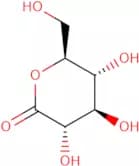
CAS:D-Glucono-1,5-lactone is a chemical compound that is a member of the class of compounds known as diketones. It can be used in chemical biology and polymer chemistry to probe hydrogen bonding interactions, polymer compositions, and redox potentials. D-Glucono-1,5-lactone has been shown to inhibit the growth of cells in culture by inhibiting DNA synthesis. This inhibition is due to its ability to bind with high affinity to nucleic acids and prevent the formation of the enzyme complexes required for transcription and replication. The effects are reversible.
Fórmula:C6H10O6Pureza:Min. 95%Forma y color:PowderPeso molecular:178.14 g/molGinsenoside F1
CAS:Ginsenoside F1 is a natural compound found in ginseng. It is believed to have anti-cancer properties. Ginsenoside F1 has been shown to inhibit the proliferation of HL-60 cells and have an apoptotic effect by regulating mitochondrial membrane potential and activating the apoptotic pathway. The mechanism of action for the anti-cancer activity of Ginsenoside F1 may be due to its ability to inhibit angiogenesis, which is needed for cancer cell proliferation. Ginsenoside F1 also inhibits the growth of skin cancer cells in mice by regulating microvessel density. This compound has been found in foods such as soybeans, rice, peanuts, and kiwifruit.Fórmula:C36H62O9Pureza:Min. 95%Forma y color:PowderPeso molecular:638.87 g/molDL-Glyceraldehyde 3-phosphate - 45-55 mg/mL aqueous solution
CAS:Glyceraldehyde-3-phosphate dehydrogenase (GAPDH) is an enzyme that catalyzes the conversion of glyceraldehyde-3-phosphate to 1,3 bisphosphoglycerate. GAPDH is involved in glycolysis and the pentose phosphate pathway. It has been shown to be an important player in mediating cellular responses to hypoxia, inflammation, and oxidative stress. The glyceraldehyde-3-phosphate dehydrogenase gene has been found to be mutated in a number of cancers including breast cancer and colon cancer. This gene also has a role in inflammatory lesion development as well as energy metabolism. GAPDH also participates in the biochemical reactions that lead to neuronal death during neurodegenerative diseases such as Alzheimer's disease and Parkinson's disease.Fórmula:C3H7O6PForma y color:Colorless Clear LiquidPeso molecular:170.06 g/molD-Glucose 3-sulfate sodium salt
CAS:D-Glucose 3-sulfate sodium salt is a fluorinated, monosaccharide that can be used as a synthetic, oligosaccharide or complex carbohydrate. It is custom synthesized with glycosylation and polysaccharides and has been shown to be useful in click modification. D-Glucose 3-sulfate sodium salt is also methylated and sugar modified. The CAS number for this product is 89830-83-1. It has high purity and can be purchased at any lab supply store.Fórmula:C6H11NaO9SPureza:Min. 98 Area-%Forma y color:PowderPeso molecular:282.2 g/mol1,2,3,4,5-Penta-O-acetyl-β-D-fructose
CAS:1,2,3,4,5-Penta-O-acetyl-β-D-fructose is a synthetic oligosaccharide that is modified with fluorine to produce a variety of products. This product is used in the synthesis of complex carbohydrates and has been shown to have high purity. It is used for methylation reactions and can be found in saccharides and polysaccharides. The CAS number for this compound is 20764-61-8.Fórmula:C16H22O11Pureza:Min. 95%Forma y color:White PowderPeso molecular:390.34 g/molMethyl 2,3-O-isopropylidene-β-D-ribofuranoside
CAS:Methyl 2,3-O-isopropylidene-β-D-ribofuranoside is a heterocycle that is classified as a furanose. It reacts with reactive compounds such as nitro groups to form nitrofurans. This compound also has carcinogenic properties and has been shown to be an animal carcinogen. Methyl 2,3-O-isopropylidene-β-D-ribofuranoside is also capable of forming conformationally constrained derivatives in which the carbonyl group adopts an α,α'-diaxial orientation with the adjacent nitrogen atom and can be used for synthesis of phenalenes.Fórmula:C9H16O5Pureza:Min. 95%Forma y color:Colorless Clear LiquidPeso molecular:204.22 g/molN6-Benzyladenine-7-glucoside
CAS:N6-Benzyladenine-7-glucoside is a benzyladenine derivative that is the major precursor of dihydrozeatin, an important plant growth regulator. N6-Benzyladenine-7-glucoside has been shown to be a potent inhibitor of the uptake of radioactive n6-benzyladenine in tobacco leaves. It also inhibits the uptake of radioactive adenine and guanine in tabacum l. explants and tissues. The compound can inhibit cell division by interfering with hormonal treatments that promote growth and development. The inhibition of cell division may be due to interference with the auxin transport system in plants, which leads to decreased levels of endogenous auxins and growth regulators, such as cytokinins, gibberellins, abscisic acid, and ethylene.
Fórmula:C18H21N5O5Pureza:Min. 95%Forma y color:PowderPeso molecular:387.39 g/mol1,2,3,4-Tetra-O-benzyl-β-D-glucopyranoside
CAS:1,2,3,4-Tetra-O-benzyl-β-D-glucopyranoside is a prodrug that becomes active after acetylation. It is an endogenous compound that has been shown to inhibit the synthesis of myelin and lipid peroxidation in rat brains. This drug has also been found to be effective in the treatment of amyotrophic lateral sclerosis (ALS). 1,2,3,4-Tetra-O-benzyl-β-D-glucopyranoside is unmodified and does not have any side effects on the nervous system. It can be used for the treatment of Parkinson's disease when combined with levodopa.Fórmula:C34H36O6Pureza:Min. 95%Forma y color:White Off-White PowderPeso molecular:540.65 g/mol1,2,4,6-Tetra-O-acetyl-3-azido-3-deoxy-D-galactopyranose
CAS:Building block for galectin-3 inhibitors based on 3â-modified LacNAcFórmula:C14H19N3O9Pureza:Min. 98 Area-%Forma y color:White PowderPeso molecular:373.32 g/mol2-Hydroxydesipramine glucuronide
CAS:2-Hydroxydesipramine glucuronide is a metabolite of desipramine, which is a tricyclic antidepressant that inhibits the uptake of noradrenaline and 5-hydroxytryptamine. 2-Hydroxydesipramine glucuronide is formed by conjugation with glucuronic acid. It has been found in human urine and has been proposed as a biomarker for the clinical monitoring of patients taking desipramine. The pharmacological effects of 2-hydroxydesipramine glucuronide are similar to those of desipramine, but it is less potent and selective than its parent compound. This metabolite also has biliary excretion properties, which may be due to its small molecular size.Fórmula:C24H30N2O7Pureza:Min. 95 Area-%Forma y color:PowderPeso molecular:458.51 g/mol(Z)-3-Hexen-1-yl b-D-glucopyranoside
CAS:The chemical profile of the methyl ester (Z)-3-hexen-1-yl b-D-glucopyranoside has been determined using high performance liquid chromatography. The compound is an anti-fungal agent and its main pharmacological effects are related to radical scavenging activity. It shows possible neuropharmacological activity, but further studies are required to confirm this. The chemical profile of Z)-3-hexen-1-yl b-D-glucopyranoside was found to be different from that of other compounds in the genus. This compound belongs to a group of compounds called aldehydes, which is characterized by methoxy and dimethoxy substitutions on the benzene ring. The compound is used in traditional Chinese medicine for the treatment of scopolin or codonopsis radix, which are two types of chinese medicinal herbs.Fórmula:C12H22O6Pureza:Min. 95%Forma y color:PowderPeso molecular:262.30 g/molHexadecyl-D-xylopyranoside
CAS:Hexadecyl-D-xylopyranoside is a synthetic sugar that has been fluorinated and methylated. It is a complex carbohydrate that belongs to the group of modified sugars. This product has many applications in the synthesis of oligosaccharides and saccharides, as well as in glycosylation reactions. Hexadecyl-D-xylopyranoside can be used in custom syntheses, and has been shown to have high purity with a CAS No. 115211-19-3.Fórmula:C21H42O5Pureza:Min. 95 Area-%Forma y color:White Off-White PowderPeso molecular:374.56 g/molb-D-Thioglucose sodium salt
CAS:Keratin-reducing component in cosmetic applications; used in Glc conjugation
Fórmula:C6H11NaO5SPureza:Min. 95%Forma y color:White PowderPeso molecular:218.2 g/molXylitol
CAS:Xylitol is a sugar alcohol that has been shown to have antimicrobial properties. It is also used as a sweetener in chewing gum and toothpaste. Xylitol inhibits the growth of bacteria by binding to the enzyme adenosine triphosphate (ATP) synthase, which is required for energy metabolism. The binding of xylitol to ATP synthase prevents the formation of ATP and blocks bacterial growth, leading to cell death. Xylitol can be produced from xylose, a sugar found in plants and animals, through biochemical reactions that are catalyzed by enzymes such as xylitol dehydrogenase and xylulokinase. This process is anaerobic and does not require oxygen or organic nutrients. Xylitol has been shown to have physiological effects on wild-type strain bacteria such as Aerobacter aerogenes.Fórmula:C5H12O5Pureza:Min. 95%Forma y color:White PowderPeso molecular:152.15 g/molMethyl 3,5-di-O-(p-chlorobenzoyl)-α-D-ribofuranoside
Methyl 3,5-di-O-(p-chlorobenzoyl)-a-D-ribofuranoside is an organic compound. It is a synthetic product that is used in the synthesis of saccharides and polysaccharides. This chemical can be modified with Click chemistry to create a glycosylate or fluorinated complex carbohydrate. The compound has CAS number 62700-92-3 and can be custom synthesized to meet customer specifications.Pureza:Min. 95%UDP-D-glucuronide trisodium salt
CAS:Substrate for glucuronosyltransferases
Fórmula:C15H19N2Na3O18P2Pureza:Min. 98 Area-%Forma y color:White Off-White PowderPeso molecular:646.24 g/mol3,4,6-Tri-O-benzyl-D-galactal
CAS:3,4,6-Tri-O-benzyl-D-galactal is a hydrogen bond donor and has been shown to have physiological activities. It was found to increase the number of lymphocytes in unimmunized mice. It also inhibits the growth of psoralea virus. The glycosidic bond between 3,4,6-tri-O-benzyl-D-galactal and glucose produces a product with an acetylated hydroxyl group and an aldehyde group. This type of bond is stereoselective and benzofuran derivatives are formed from the reaction. 3,4,6-Tri-O-benzyl-D-galactal has been shown to have anticancer activity against cancer cells in laboratory experiments.Fórmula:C27H28O4Pureza:Min. 95%Forma y color:White PowderPeso molecular:416.51 g/mol3,4-Di-O-acetyl-L-rhamnal
CAS:DNA-binding agentFórmula:C10H14O5Forma y color:Clear LiquidPeso molecular:214.22 g/mol2,3,4-Tri-O-benzyl-D-glucopyranose
CAS:2,3,4-Tri-O-benzyl-D-glucopyranose is a thioglucoside that can be synthesized from D-glucose and benzyl bromide. This compound is a protonated nucleophile with a hydroxyl group that can interact with the sulfur of a thiol or disulfide group. The interaction between 2,3,4-tri-O-benzyl-D-glucopyranose and S. aureus has been shown to be dependent on the concentration of 2,3,4 tri O benzyl glucopyranose. The reaction between this compound and oligosaccharides led to the formation of dioxane ring structures that were hydrophobic.Fórmula:C27H30O6Pureza:Min. 95%Forma y color:PowderPeso molecular:450.52 g/molUDP-2-deoxy-2-fluoro-D-galactose
CAS:UDP-2-deoxy-2-fluoro-D-galactose is a methylated and fluorinated saccharide that is used in click chemistry. It is a synthetic compound that can be custom synthesized to create polysaccharides or oligosaccharides. This product has high purity and can be modified with glycosylation, methylation, and other modifications.Fórmula:C15H23FN2O16P2Pureza:Min. 98 Area-%Forma y color:PowderPeso molecular:568.29 g/mol3,4,6-Tri-O-acetyl-2-O-trifluoromethanesulfonyl-b-D-mannopyranosyl azide
CAS:3,4,6-Tri-O-acetyl-2-O-trifluoromethanesulfonyl-b-D-mannopyranosyl azide is a chemically synthesized compound that can be used for methylation reactions. It is an Oligosaccharide with a molecular weight of 597.5 and contains the following structural features: A saccharide composed of three monosaccharides (D-glucose, D-mannose, and D-galactose), which is bonded by alpha 1,6 linkages. The chemical formula is C12H14F3N3O8. The CAS number is 1159265-99-2.Fórmula:C13H16F3N3O10SPureza:Min. 95%Forma y color:PowderPeso molecular:463.34 g/molMethyl L-fucopyranoside
CAS:Methyl L-fucopyranoside is a saponin glycoside that has been shown to have anti-tumor effects. It acts by binding to the nucleophilic sites on the cancer cells and inhibits their growth. The molecule is chiral, which means that it can exist in two different forms, or enantiomers. The structure of this compound has been determined using vibrational spectroscopy and nuclear magnetic resonance (NMR) spectroscopy. It is also a synthetic product that can be made from an acid catalyst and an oligosaccharide molecule. Methyl L-fucopyranoside has been shown to inhibit glycoconjugates and muscari alkylation, as well as having liquid chromatographic properties.
Fórmula:C7H14O5Pureza:Min. 95%Forma y color:White To Off-White SolidPeso molecular:178.18 g/mol1,3,5-Tri-O-benzoyl-2-O-(1H-imidazole-1-sulfonate) a-L-arabinofuranose
CAS:1,3,5-Tri-O-benzoyl-2-O-(1H-imidazole-1-sulfonate) a-L-arabinofuranose is a methylated and modified arabinofuranose. It is one of the most common monosaccharides in nature. This compound is an important component of polysaccharides such as cellulose and starch. 1,3,5-Tri-O-benzoyl-2-O-(1H-imidazole-1-sulfonate) aL arabinofuranose is used to create saccharide derivatives that are widely used in the pharmaceutical industry.
Pureza:Min. 95%Forma y color:PowderUDP-GalNAc disodium salt
CAS:Substrate for N-acetylgalactosaminyltransferasesFórmula:C17H25N3Na2O17P2Pureza:Area-% Min. 95 Area-%Forma y color:White PowderPeso molecular:651.32 g/mol2,3,4,6-Tetra-O-benzyl-D-mannopyranose
CAS:2,3,4,6-Tetra-O-benzyl-D-mannopyranose is a trisaccharide that consists of two covalently linked glycosyl acceptors and one galacto moiety. This molecule is synthesized by chemoenzymatic synthesis and can be found in the biosynthesis of trehalose. 2,3,4,6-Tetra-O-benzyl-D-mannopyranose is an anomeric form of D-glucopyranose. The anomeric form is determined by the orientation of the hydroxyl group at C1' with respect to the anomeric carbon atom at C2'. This molecule has been isotopically labelled with 13C and 15N for use in studies on carbohydrate metabolism.Fórmula:C34H36O6Pureza:90%Forma y color:Yellow PowderPeso molecular:540.65 g/molL-Arabinaric acid dipotassium salt
CAS:L-Arabinaric acid dipotassium salt is a custom synthesis of an L-arabinaric acid, which is a monosaccharide that is found in the cell wall of bacteria. This compound has been modified to be resistant to fluorination, methylation, and click chemistry. The modification process includes the use of Oligosaccharides, saccharides, and polysaccharides as well as glycosylation and sugar. L-Arabinaric acid dipotassium salt can also be used for the synthesis of complex carbohydrates.
Fórmula:C5H6K2O7Pureza:Min. 98 Area-%Forma y color:PowderPeso molecular:256.29 g/molN-Propanoyl mannosamine
CAS:N-Propanoyl mannosamine is a biochemical that belongs to the group of glycoconjugates. It is an intracellular messenger that modulates the concentration of intracellular calcium and controls the release of gamma-aminobutyric acid (GABA). N-Propanoyl mannosamine has been shown to stimulate axonal growth in cell culture, which is mediated by the polysialic acid receptor. This molecule also has a role in human osteoblast differentiation and bone formation.
N-Propanoyl mannosamine can be synthesized from dopamine and erythrose via a series of reactions involving acidification, oxidation, reduction, and decarboxylation. The synthesis of this molecule requires blood group O as an acceptor.Fórmula:C9H17NO6Pureza:Min. 95%Forma y color:White To Off-White SolidPeso molecular:235.23 g/mol2,3,5-Tri-O-benzyl-β-D-arabinofuranose
CAS:2,3,5-Tri-O-benzyl-b-D-arabinofuranose is a stereoselective analog that inhibits human maltase glucoamylase and acetylation. It is also a potent nucleophile that reacts with the hydroxyl group of dimethyl fumarate to form an acetal linkage. This compound is used in the stereoselective synthesis of oligosaccharides and carbohydrates.Fórmula:C26H28O5Pureza:Min. 99 Area-%Forma y color:White PowderPeso molecular:420.5 g/mol1-O-Methyl-beta-D-galactopyranoside
CAS:Inhibitor of Gal-dependent lectin binding; used in synthesis of galactosesFórmula:C7H14O6Forma y color:White PowderPeso molecular:194.18 g/molN-Acetyl-D-glucosamine-6-phosphate disodium
CAS:Intracellular form of GlcNAc; substrate for GlcNAc-phosphate deacetylaseFórmula:C8H16NO9P•Na2Pureza:Min. 98 Area-%Forma y color:White Off-White PowderPeso molecular:347.17 g/mol3-Deoxy-D-glucosone
CAS:3-Deoxy-D-glucosone is a compound that belongs to the group of monosaccharides and has a basic structure. It can be found in many types of biological samples, including blood. The x-ray diffraction data for 3-deoxy-D-glucosone shows an asymmetric unit of two molecules with a coordination geometry of 2.3. This compound is known to have high protein oxidation rates, which are caused by dna binding activity. 3-Deoxyglucosone has been shown to be involved in the pathogenic mechanism of many types of cancers.Fórmula:C6H10O5Pureza:Min. 95%Forma y color:PowderPeso molecular:162.14 g/mol1,2,3,4,6-Penta-O-benzoyl-D-glucopyranoside
CAS:Penta-O-benzoyl-D-glucopyranoside is a carbohydrate that has been prepared in a preparative scale. It is an organic compound and the structural formula is C12H22O11. The diameter of this molecule is around 1.5 nm, which makes it mesoporous. Penta-O-benzoyl-D-glucopyranoside has been analysed by high performance liquid chromatography (HPLC) and mass spectrometry (MS). The tree ring processability of this product is good and can be processed thermally.Fórmula:C41H32O11Pureza:Min. 95%Peso molecular:700.69 g/mol1,2,3,6-Tetra-O-benzyl-β-D-glucopyranoside
CAS:1,2,3,6-Tetra-O-benzyl-β-D-glucopyranoside is a synthetic compound that is produced by the modification of natural sugars. It was first synthesized by a team of chemists led by Professor Robert Burns Woodward. This molecule has been modified with methyl groups and fluorine atoms to improve its stability and to provide a more convenient method for its analysis. 1,2,3,6-Tetra-O-benzyl-β-D-glucopyranoside can be used in the synthesis of oligosaccharides and polysaccharides.Fórmula:C34H36O6Pureza:Min. 95%Forma y color:PowderPeso molecular:540.65 g/molβ-D-Galactopyranosyl amine
CAS:Inhibitor of β-galactosidase
Fórmula:C6H13NO5Pureza:(¹H-Nmr) Min. 95 Area-%Forma y color:White PowderPeso molecular:179.17 g/molL-Gluconic acid calcium
CAS:L-Gluconic acid calcium salt is a white crystalline powder. It is soluble in water and slightly soluble in alcohol. The structure of this compound has not been fully elucidated, but it is known to be a modification of L-gluconic acid, which is a monosaccharide. This product can be used as a biochemical reagent for the synthesis of oligosaccharides and polysaccharides.
Fórmula:(C6H12O7)2•CaPureza:Min. 95%Forma y color:PowderPeso molecular:432.39 g/mol2,3,4,6-Tetra-O-benzyl-1-deoxynojirimycin hydrochloric acid salt
CAS:2,3,4,6-Tetra-O-benzyl-1-deoxynojirimycin hydrochloric acid salt is a synthetic monosaccharide. It was originally synthesized by the methylation of a native oligosaccharide before being subjected to click chemistry. The resulting product is a complex carbohydrate with an aromatic ring in place of the sugar alcohol moiety. 2,3,4,6-Tetra-O-benzyl-1-deoxynojirimycin hydrochloric acid salt has CAS number 72983-76-7 and is soluble in water. This product is also available as a custom synthesis service and can be modified to meet your needs.Fórmula:C34H38ClNO4Pureza:Min. 95 Area-%Forma y color:PowderPeso molecular:560.12 g/mol1,2,3,5-Tetra-O-acetyl-β-D-ribofuranose
CAS:Important resource for RNA- and DNA-related syntheses including ribosylationFórmula:C13H18O9Pureza:Min. 95%Forma y color:White PowderPeso molecular:318.28 g/molMethyl 3,5-di-O-(2,4-dichlorobenzyl)-a-D-ribofuranoside
CAS:Methyl 3,5-di-O-(2,4-dichlorobenzyl)-a-D-ribofuranoside is a custom synthesis that has been fluorinated and methylated. This compound is a monosaccharide with an aldehyde group at the C3 position. It is synthetically made and can be modified to form oligosaccharides or polysaccharides. The CAS number for this compound is 168427-35-8.Fórmula:C20H20Cl4O5Pureza:Min. 90 Area-%Forma y color:Yellow PowderPeso molecular:482.18 g/molb-Chloralose
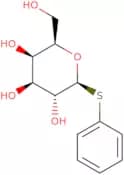
CAS:b-Chloralose is a general anesthetic that is used to induce and maintain anesthesia. It has been shown to decrease the heart rate, respiratory rate, and blood pressure in patients. It also causes a reduction of the glomerular filtration rate and delays the recovery of consciousness. Although b-chloralose has been shown to have negative effects on the cardiovascular system, it can be administered safely in combination with other anesthetics because it does not alter their effects. The use of b-chloralose is limited by its short duration of action and by adverse reactions such as nausea, vomiting, and convulsions.Fórmula:C8H11Cl3O6Pureza:Min. 95%Forma y color:PowderPeso molecular:309.53 g/molPhenyl 2,3,4,6-tetra-O-acetyl-β-D-thioglucopyranoside
CAS:Phenyl 2,3,4,6-tetra-O-acetyl-β-D-thioglucopyranoside (PTATG) is a synthetic sugar that is used as a building block in the synthesis of complex carbohydrates. It can be fluorinated to form phenyl 2,3,4,6-tetrafluoro-β-D-thioglucopyranoside (PTFFTG). PTATG and PTFFTG are potential anticancer drugs.
Fórmula:C20H24O9SPureza:Min. 95%Forma y color:PowderPeso molecular:440.47 g/mol4-Methylphenyl b-D-galactopyranoside
CAS:4-Methylphenyl b-D-galactopyranoside is a custom synthesis, modification, fluorination, methylation and monosaccharide. It is also an oligosaccharide and polysaccharide. The CAS number for this compound is 3150-22-9. 4-Methylphenyl b-D-galactopyranoside has a molecular weight of 534.37 g/mol and a chemical formula of C14H14O6. This compound is used in the production of complex carbohydrates with saccharides.Fórmula:C13H18O6Pureza:Min. 95%Forma y color:PowderPeso molecular:270.28 g/molD-Mannitol
CAS:Mannitol is a sugar alcohol occurring widely in plants and they are exudates, for example, in olive and plane trees (Collins, 2006). It is produced commercially by the catalytic hydrogenation of fructose (Zelin, 2019). Mannitol is used extensively in food and pharmaceutical industries because of its unique functional properties. It is about 50% as sweet as sucrose and has a desirable cooling effect often used to mask bitter tastes. Mannitol is non-cariogenic and has a low caloric content. Mannitol is an osmotic diuretic that is metabolically inert in humans and is used for: the promotion of diuresis before irreversible renal failure becomes established, the promotion of urinary excretion of toxic substances, as an Antiglaucoma agent, and as a renal function diagnostic aid (OâNeil, 2013). Additonally, in 2020, mannitol was approved by the FDA as add-on maintenance therapy for the control of pulmonary symptoms associated with cystic fibrosis in adult patients (McKenna, 2020).Fórmula:C6H14O6Pureza:Min. 95%Forma y color:White PowderPeso molecular:182.17 g/molD-Glucono-1,4-lactone
CAS:D-Glucono-1,4-lactone is a sugar that is produced by the action of glucoamylase on starch or cellulose. It can be used as a source of food for yeast, in the production of polyesters and plastics, and as a precursor to vitamin C. The pH optimum for D-glucono-1,4-lactone production is between 3.5 and 4.5. X-ray crystal structures have shown that the enzyme binds to crystalline cellulose via hydrogen bonding interactions, which are formed by hydroxyl groups on the enzyme and carboxyl groups on crystalline cellulose. These interactions are important for the cleavage of glucose from crystalline cellulose by D-glucono-1,4-lactone. D-glucono-1,4-lactone has been shown to reduce blood glucose levels in rats with metabolic disorders when administered orally at doses
Fórmula:C6H10O6Pureza:Min. 95%Forma y color:White PowderPeso molecular:178.14 g/mol2-Acetamido-3,4,6-tri-O-acetyl-2-deoxy-a-D-glucopyranosyl chloride - Stabilised with 2.5% CaCO3
CAS:2-Acetamido-3,4,6-tri-O-acetyl-2-deoxy-a-D-glucopyranosyl chloride - Stabilised with 2.5% CaCO3 is a crystalline compound that is synthesized from acetobromosugars and has the ability to inhibit virus activity. The compound binds to the reactive sulfhydryl groups on the surface of the virus, inhibiting its infectivity. This compound can be used in biomedical research for the treatment of hepatitis.Fórmula:C14H20ClNO8Pureza:Min. 95%Forma y color:White PowderPeso molecular:365.76 g/molThymidine-5'-diphosphate-D-glucose disodium salt
CAS:Starting point for the biosynthesis of more rare sugars such as deoxysugarsFórmula:C16H24N2O16P2Na2Pureza:Min. 95%Forma y color:White Off-White PowderPeso molecular:608.29 g/molMethyl b-D-thioglucopyranoside
CAS:Methyl b-D-thioglucopyranoside is a mucolytic that is used to treat respiratory disorders such as chronic bronchitis, asthma, and emphysema. It can be used topically or orally, and is typically taken twice a day. Methyl b-D-thioglucopyranoside works by breaking down the mucus coating in the lungs, making it easier to cough up. This drug also has viscosity-lowering properties due to its ability to break down mucus.Fórmula:C7H14O5SPureza:Min. 95%Peso molecular:210.25 g/molMethyl 2-acetamido-2-deoxy-a-D-galactopyranoside
CAS:Methyl 2-acetamido-2-deoxy-a-D-galactopyranoside is a metabolite of the drug 6-fluoro-3-indoxyl-beta-D-galactopyranoside. It has been shown to induce apoptosis in cells, which is mediated by the activation of caspase 3 and cleavage of poly(ADP)ribose polymerase (PARP). Methyl 2-acetamido-2-deoxy-a-D-galactopyranoside also induces transcriptional regulation and decreases the expression of proteins that are involved in cell proliferation. These effects have been seen in clinical pathology, including cancer and infectious diseases. This metabolite binds to mouse monoclonal antibodies, which are used as a diagnostic tool for several types of cancer. The electrochemical impedance spectroscopy technique has demonstrated that methyl 2 acetamido 2 deoxy a D galactopyranoside inhibitsFórmula:C9H17NO6Pureza:Min. 98 Area-%Forma y color:White PowderPeso molecular:235.23 g/mol2-Deoxy-2-fluoro-D-galactose - non-animal origin
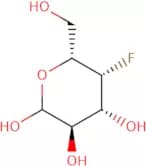
CAS:2-Deoxy-2-fluoro-D-galactose, also called 3-fluoro-6-hydroxymethyl-tetrahydro-pyran-2,4,5-triol, can be added to the medium of primary cultured rat hepatocytes to inhibit N-glycosylation of proteins. Immunoglobulin G (IgG) is the most common antibody found in blood and 2-deoxy-2-fluoro-D-galactose modifies the galactosylation of the N-linked glycan in the IgG-Fc receptor. We also have the same product MD04718.Fórmula:C6H11FO5Pureza:Min. 97 Area-%Forma y color:White Off-White PowderPeso molecular:182.15 g/mol2,3,4,6-Tetra-O-methyl-D-glucose
CAS:methyl ether of glucose with the anomeric position free.
Fórmula:C10H20O6Pureza:Min. 95%Forma y color:PowderPeso molecular:236.26 g/molD-Ribulose, 0.5-1.0 mol/L aqueous solution
CAS:D-Ribulose is a type of sugar that belongs to the carbohydrate family. It is not metabolized by humans and is used as an energy source by certain bacteria. D-Ribulose is a substrate for bacterial xylitol dehydrogenase, which produces the intermediate xylitol. This product can be used in probiotic bacteria or as an antioxidant compound in biological samples such as coli k-12. D-Ribulose also has conformational properties that are different from other sugars, which may be due to its lack of hydroxyl groups on the ring. The reaction mechanism for this product has been identified and involves hydrogen fluoride (HF) and ribitol dehydrogenase to produce ribulose and hydrogen gas.Fórmula:C5H10O5Pureza:Min. 98 Area-%Forma y color:PowderPeso molecular:150.13 g/molOsmaronin
CAS:Leucine-âderived gamma-hydroxynitrile glucoside
Fórmula:C11H17NO6Pureza:Min. 95%Peso molecular:259.26 g/mol2-Chloroethyl-b-D-fructopyranoside
CAS:2-Chloroethyl-b-D-fructopyranoside is a stable reagent that is used to prepare 2,4-dichloroacetophenone (2,4-DAAP), which can be used as a crosslinking agent. This reagent is reactive and should be handled with care. It forms a hemoglobin adduct by reacting with the amino groups of hemoglobin. The reaction can be catalyzed by dialdehydes. Affinities for tissue proteins are created through stepwise reactions involving ring-opening reactions or methemoglobin formation. 2-Chloroethyl-b-D-fructopyranoside can be used to synthesize a polymerized affinity column by using the ring opening reaction in an affinity chromatography process.Fórmula:C8H15ClO6Pureza:Min. 95%Forma y color:PowderPeso molecular:242.65 g/molβ,β-Trehalose
CAS:β,β-Trehalose is a carbohydrate that is synthesized by the expression of a trehalose synthase enzyme from the yeast Saccharomyces cerevisiae. β,β-Trehalose is an acidic sugar with two glucose subunits. It has been shown to have an enzymatic mechanism similar to that of glucose. β,β-Trehalose has been found to increase the solubility and stability of proteins in acidic phs (pHs) by binding to hydroxyl groups on protein surfaces. β,β-Trehalose also binds to alcohols such as ethanol and methanol, which may be due to its ability to form hydrogen bonds between oxygen atoms. This sugar also forms hexamers in solution, which may contribute to its effectiveness as a stabilizer for proteins and other molecules. The optimum ph for β,β-trehalose synthesis is around 5.5-6.0 and it can be used at higher phFórmula:C12H22O11Pureza:Min. 99 Area-%Forma y color:White Off-White PowderPeso molecular:342.3 g/molPeonidin-3-O-arabinoside chloride
CAS:Peonidin-3-O-arabinoside chloride is a flavonol glycoside that is found in the plant peony and inhibits lipid absorption. It has inhibitory properties on fat absorption in vitro. Peonidin-3-O-arabinoside chloride also inhibits the activity of enzymes that break down dietary fats, such as pancreatic lipase, thereby preventing fat absorption. This compound has been shown to lower serum cholesterol levels and reduce blood pressure in vivo human trials. Peonidin-3-O-arabinoside chloride is extracted from the bark of the tree species Paeonia suffruticosa and is used as an ingredient in some weight loss supplements.Fórmula:C21H21O10·ClPureza:Min. 95%Forma y color:White Off-White PowderPeso molecular:468.84 g/mol1-Deoxymannojirimycin HCl
CAS:Potent and specific inhibitor of α-mannosidase I. It is active against the Golgi isoform (GMI) of the enzyme and blocks carbohydrate branch elongation from immature to complex and hybrid N-glycans. Its anti-viral activity against HIV-1 is characterized by the alteration of N-glycan pattern and shift to high-mannose glycans on viral glycoprotein gp120, resulting in decreased infectivity of newly synthesized virions.
Fórmula:C6H13NO4·HClPureza:Min. 98 Area-%Forma y color:White Off-White PowderPeso molecular:199.63 g/molD-Sorbitol
CAS:Sorbitol, also known as glucitol, occurs widely in plants, such as, the fruits of the Sorbus and Crataegus spp. Commercially it is produced by the catalytic hydrogenation of glucose (Collins, 2006). Sorbitol is approved as a sugar substitute with the E number 420 and has âgenerally recognized as safeâ status (GRAS) from the US Food and Drug Administration. It is about 60% as sweet as sucrose and is a mild laxative. Sorbitol has a wide range of other functional properties, including: humectancy, plasticizing ability, non-cariogenicity, and good chemical stability in harsh conditions, such as, alkaline pH and heat. Toothpaste production is the second largest application of sorbitol, accounting for 50,000 tons a year in Western Europe alone. Other important uses of sorbitol as a humectant, include: formulation of cough syrups, multivitamin preparations, emulsions, and suspensions (OâNeil, 2013).
Fórmula:C6H14O6Pureza:Min. 98 Area-%Forma y color:White PowderPeso molecular:182.17 g/molPhenyl 3,4,6-Tri-O-acetyl-2-deoxy-1-thio-2-(2,2,2-trichloroethoxyformamido)-b-D-glucopyranoside
CAS:Phenyl 3,4,6-tri-O-acetyl-2-deoxy-1-thio-2-(2,2,2-trichloroethoxyformamido)-b-D-glucopyranoside is a glycosylation product of the naturally occurring phenyl 2,3,4,6-tetraacetate. It is a white to off white powder that is stable in air and water. Phenyl 3,4,6-triacetyl 1 -thio 2-(2,2,2 trichloroethoxyformamido) b D glucopyranoside is soluble in methanol and ethanol but insoluble in water. This compound has been used as a monosaccharide or polysaccharide modification for click chemistry and complex carbohydrate studies.Fórmula:C21H24Cl3NO9SPureza:Max. 98 Area-%Forma y color:White Off-White PowderPeso molecular:572.84 g/mol2,3-O-Isopropylidene-D-lyxonic acid-1,4-lactone
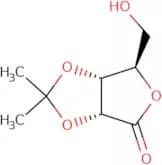
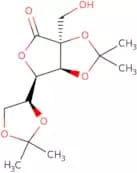
CAS:2,3-O-Isopropylidene-D-lyxonic acid-1,4-lactone (2,3-OIPDL) is a fluorinated polysaccharide that is synthesized from glycosylation of 1,4-lactone with 2,3-O-isopropylidene D-lyxonic acid. This compound has been shown to have high purity and is used in the modification of carbohydrates.Fórmula:C8H12O5Pureza:Min. 98 Area-%Forma y color:White Off-White PowderPeso molecular:188.18 g/moltrans-Zeatin-7-glucoside
CAS:Trans-zeatin-7-glucoside is an abscisic acid (ABA) metabolite that can be found in plant tissue. It is used as a natural product to regulate growth and development. Trans-zeatin-7-glucoside has been shown to inhibit the biosynthesis of gibberellins, which are plant hormones that promote cell elongation. This compound is purified from plant tissues by chromatographic methods, such as reversed phase HPLC or ion exchange chromatography. The sample preparation involves extraction with a solvent such as methanol or chloroform followed by purification on an analytical column. Immunoaffinity chromatography is also used for sample preparation, which involves binding to antibody molecules on the surface of a solid support material. Trans-zeatin-7-glucoside can be detected using analytical methods such as gas chromatography or liquid chromatography coupled with mass spectrometry. Trans-zeatin-7-Fórmula:C16H23N5O6Pureza:Min. 95 Area-%Forma y color:PowderPeso molecular:381.38 g/mol2-C-Methyl- D- xylonic acid g- lactone
2-C-Methyl- D- xylonic acid g- lactone is a monosaccharide that can be used in the synthesis of oligosaccharides and complex carbohydrates. This compound is a fluorinated carbohydrate, which has been modified to include a methyl group at the C2 position. The chemical name for this compound is 2-C-Methyl-D-xylonic acid g-lactone and it has CAS No. 4983-92-1. This compound can be synthesized as a custom order and its purity exceeds 99%. Its synthesis can involve glycosylation or methylation, depending on the desired product.
Pureza:Min. 95%Methyl β-D-ribopyranoside
CAS:Methyl β-D-ribopyranoside is a sugar alcohol that belongs to the group of pentoses. It is a potential precursor for the synthesis of phosphite, which is a reactive anion used in organic chemistry. Methyl β-D-ribopyranoside has been shown to regulate the growth of bacteria and fungi by altering their metabolic pathways. This compound also has shown to be programmed death in certain bacterial strains, although it is not clear how it induces this programmed death. Methyl β-D-ribopyranoside can also affect the rhizosphere and can be used as a substrate for anions and sugar alcohols.
Fórmula:C6H12O5Pureza:Min. 99 Area-%Forma y color:White PowderPeso molecular:164.16 g/molPropofol-4-Hydroxy-4-D-glucuronide
Propofol-4-Hydroxy-4-D-glucuronide is a fluorinated monosaccharide that has been synthesized using the glycosylation, polysaccharide and modification methods. This compound is a custom synthesis that has been modified with methylation and click chemistry. The CAS number for this product is 54910-87-6. This product is a complex carbohydrate with high purity.
Fórmula:C18H26O8Pureza:Min. 95%Peso molecular:370.39 g/molCyanomethyl 2,3,4,6-tetra-O-acetyl-b-D-thioglucopyranoside
CAS:Cyanomethyl 2,3,4,6-tetra-O-acetyl-b-D-thioglucopyranoside is a synthetic glycosylation agent. It is an acetal derivative of b-D-thioglucopyranoside with a terminal methyl group at C2 and a fluorine atom at C6. This product can be used to modify saccharides and sugars in a variety of ways. It has been shown to react with various carbohydrates including polysaccharides and oligosaccharides. Synthetic glycosylations are often used in the synthesis of complex carbohydrates for use in pharmaceuticals or chemical engineering. The CAS number for this product is 61145-33-3.Fórmula:C16H21NO9SPureza:Min. 95%Peso molecular:403.41 g/molD-Ribose-1-phosphate bis(cyclohexylammonium)
CAS:D-Ribose-1-phosphate bis(cyclohexylammonium) salt is a custom synthesis of D-ribose. It is a monosaccharide that has been fluorinated, methylated, and glycosylated. The chemical modification of the sugar allows for it to have properties such as high purity and custom synthesis. This product can be used in a number of applications including complex carbohydrate, glycosylation, Methylation, and click modification.Fórmula:C5H11O8P•(C6H13N)2Pureza:Min. 97 Area-%Forma y color:PowderPeso molecular:428.46 g/mol4-O-Benzyl-L-rhamnal
CAS:4-O-Benzyl-L-rhamnal is a functionalized, asymmetric, glycosylating agent that is used in the synthesis of glycoconjugates. 4-O-Benzyl-L-rhamnal is synthesized by the reaction of benzaldehyde with an aldehyde group on the sugar molecule. The product is then reacted with an alcohol to form a glycosidic bond. This process can be repeated until the desired number of sugar molecules are added. It can also be used to synthesize disaccharides and polysaccharides by convergent or nucleophile reactivity. 4-O-Benzyl-L-rhamnal utilizes a chiral auxiliary to produce its product, which can be used for synthesis purposes or as a starting material for other reactions.Fórmula:C13H16O3Pureza:Min. 95%Forma y color:PowderPeso molecular:220.27 g/molEsculin - Anhydrous
CAS:Esculin is a natural product obtained from the plant Aesculus hippocastanum. Esculin has been shown to have anti-inflammatory properties in experimental models. It also has been shown to inhibit the activity of both human and animal renin, suppressing kidney fibrosis. Esculin was found to be more effective than indomethacin in preventing the progression of renal disease induced by the model system of chronic kidney disease. Esculin also has antioxidant properties and can reduce oxidative stress caused by free radicals, which may contribute to its anti-inflammatory effects. Esculin is a coumarin derivative that can be used as a chromatographic stationary phase for separation and identification of various chemical compounds.Fórmula:C15H16O9Pureza:Min. 98 Area-%Forma y color:PowderPeso molecular:340.28 g/molN1-β-D-Arabinopyranosylamino-guanidine hydrochloride
CAS:N1-b-D-arabinopyranosylamino-guanidine HCl is a modified carbohydrate. It is a synthetic monosaccharide that is custom synthesized by methylation and glycosylation. This product has high purity and can be used for modification of saccharides or oligosaccharides to create new carbohydrates with desired properties.Fórmula:C6H14N4O4•HClPureza:Min. 95%Forma y color:White to light beige solid.Peso molecular:242.66 g/molBenzyl 4,6-O-benzylidine-β-D-galactopyranoside
CAS:Benzyl 4,6-O-benzylidine-b-D-galactopyranoside is a benzoylated sugar. It is prepared by reacting benzoyl chloride with benzene and then with the sugar in an equimolar ratio. The reaction proceeds via a nucleophilic substitution at the 2' position of the sugar followed by an elimination of water. Benzyl 4,6-O-benzylidine-b-D-galactopyranoside reacts with dibutyltin to form a benzoylated tin compound that can be used as a catalyst for organic synthesis.Fórmula:C20H22O6Pureza:Min. 95%Forma y color:White To Off-White SolidPeso molecular:358.39 g/molMethyl 2,3,4-tri-O-acetyl-b-D-glucopyranuronosyl azide
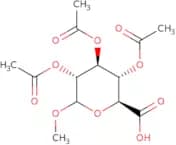
CAS:Methyl 2,3,4-tri-O-acetyl-b-D-glucopyranuronosyl azide is a fluorinated carbohydrate. It is a monosaccharide and an oligosaccharide that is synthesized from a synthetic glycosylation reaction. This product can be used in the production of polysaccharides or as a click modification to modify the sugar moiety of other molecules. Methyl 2,3,4-tri-O-acetyl-b-D-glucopyranuronosyl azide has CAS No. 67776-38-9 and is available in high purity.Fórmula:C13H17N3O9Pureza:(%) Min. 98%Forma y color:White PowderPeso molecular:359.29 g/mol1,2,3,5,6-Penta-O-benzoyl-D-galactofuranose
CAS:1,2,3,5,6-Penta-O-benzoyl-D-galactofuranose is a sugar that is custom synthesized and can be modified with fluorination. This product has a CAS number of 138811-45-7 and is high purity. It can be used in glycosylation, oligosaccharide synthesis, methylation, monosaccharide synthesis and polysaccharide synthesis. It is an important building block for the modification of complex carbohydrates.Fórmula:C41H32O11Pureza:Min. 95%Forma y color:White PowderPeso molecular:700.69 g/mol4-Methoxyphenyl 3-O-benzyl-a-D-mannopyranoside
CAS:4-Methoxyphenyl 3-O-benzyl-a-D-mannopyranoside is a synthetic carbohydrate that has been modified with a click reaction. It is an Oligosaccharide, which is a type of Carbohydrate, and has a saccharide sequence. This product is used in the synthesis of complex carbohydrates. The product has high purity and custom synthesis capabilities.Fórmula:C20H24O7Pureza:Min. 95%Peso molecular:376.4 g/molMethyl 2,3,5-tri-O-benzoyl-α-D-arabinofuranoside
CAS:Methyl 2,3,5-tri-O-benzoyl-α-D-arabinofuranoside is an antiperspirant that prevents the formation of sweat. It is a mixture of two active ingredients: methyl 2,3,5-tri-O-benzoyl-α-D-arabinofuranoside and zinc oxide. The former inhibits the formation of sweat by binding to the protein in eccrine glands and preventing it from absorbing chloride ions. Zinc oxide reduces body odor by binding to sulfur compounds that are secreted by bacteria on skin surfaces. Methyl 2,3,5-triO-benzoyl arabinofuranoside and zinc oxide are used as a combination for their complementary effects.Fórmula:C27H24O8Pureza:Min. 95%Forma y color:PowderPeso molecular:476.47 g/mol2-Acetamido-2,4-dideoxy-4-fluoro-D-glucopyranose
CAS:2-Acetamido-2,4-dideoxy-4-fluoro-D-glucopyranose (2ADFG) is a glycosaminoglycan that inhibits the biosynthesis of glycosaminoglycans by binding to the enzyme UDP-N-acetylglucosamine 2-epimerase. It is used in cellular control experiments to determine if cells are hepatocytes or not. This compound binds to glycosaminoglycans and prevents them from being synthesized, which leads to cell death. The binding of 2ADFG also results in a decrease in cellular protein synthesis and an increase in cellular lysosomal activity.Fórmula:C8H14FNO5Pureza:Min. 95%Peso molecular:223.2 g/mol1,3,5-Tri-O-benzoyl-2-O-(1H-imidazole-1-sulfonate)-a-D-ribofuranose
CAS:1,3,5-Tri-O-benzoyl-2-O-(1H-imidazole-1-sulfonate)-a-D-ribofuranose (TBIR) is a fatty acid that is synthesized by the condensation of 1,3,5-triacetylbenzene with 2,4,6,-trichlorobenzoyl chloride in the presence of triethylamine and sodium methoxide. TBIR has been shown to be suitable for fabricating polyesters and polyamides. TBIR also has the ability to modify membranes. This modification occurs when TBIR reacts with phospholipids in the membrane bilayer by inserting itself into the membrane bilayer. The mesoporous nature of TBIR allows for diffusional transport through its pores as well as an increased surface area for reactions. It also has a large diameter and branched chains that make it suitable forFórmula:C29H24N2O10SPureza:Min. 95%Forma y color:White PowderPeso molecular:592.57 g/mol1,6-Anhydro-2,3,4-tri-O-benzyl-b-D-glucopyranose
CAS:1,6-Anhydro-2,3,4-tri-O-benzyl-b-D-glucopyranose is a polymer that can be synthesized by copolymerizing the monomer with other reagents. The acetal linkage between the two glucose units allows for a cyclic structure, and this compound is soluble in water and methanol. 1,6-Anhydro-2,3,4-tri-O-benzyl-b-D-glucopyranose has been used to synthesize a variety of polymers such as polyacetals and polyesters.Fórmula:C27H28O5Pureza:Min. 95%Forma y color:White PowderPeso molecular:432.51 g/mol2,3,4,6-Tetra-O-acetyl-α-D-glucopyranosyl chloride
CAS:2,3,4,6-Tetra-O-acetyl-a-D-glucopyranosyl chloride (TAOC) is a nuclear magnetic resonance (NMR) probe that has been used to study the structure of nuclei. It is synthesised by reacting acetyl chloride with sucrose in a reaction catalyzed by sodium hydroxide. The compound can be detected in quadrupole and resonance spectroscopy due to its high sensitivity to nuclear magnetic resonance. This NMR probe is typically used to study the structures of nuclei or for the analysis of polysaccharides.
Fórmula:C14H19ClO9Pureza:Min. 95%Forma y color:PowderPeso molecular:366.8 g/molMethyl α-L-rhamnopyranoside
CAS:Methyl α-L-rhamnopyranoside is a conjugate molecule made via a Fisher glycosylation with MeOH. It has been shown to have pesticidal activities and can be used in the production of pesticides or glycoconjugates. Methyl α-L-rhamnopyranoside is of interest as a vaccine adjuvant, due to its ability to activate the immune system. This compound also has anti-inflammatory properties, which may be due to its inhibition of prostaglandin synthesis.
Fórmula:C7H14O5Pureza:Min. 95 Area-%Forma y color:White PowderPeso molecular:178.18 g/mol2,3,4,6-Tetra-O-benzyl-D-glucopyranose
CAS:2,3,4,6-Tetra-O-benzyl-D-glucopyranose is a selectively protected intermediate, where the anomeric 1-O-hydroxyl group is free. This hemiacetal has been used successfully as an intermediate for glucosylation couplings, where it was converted into 2,3,4,6-tetra-O-benzyl-D-glucopyranose trichloroacetimidate using trichloroacetonitrile in the presence of a base such as potassium carbonate and DBU. Importantly, this imidate donor with no neighbouring participating groups is commonly used for the selective formation of α-glucosides. 2,3,4,6-tetra-O-benzyl-D-glucopyranose can also be oxidized to the lactone, or reduced to give the open chain form. Additionally, 2,3,4,6-tetra-O-benzyl-D-glucopyranose can be used for the preparation of glucono-1,5-lactone hydrazine, which was used, in-turn, to form a glucosylidene-spirocyclopropane.
Fórmula:C34H36O6Pureza:Min. 98.0 Area-%Peso molecular:540.66 g/molRef: 3D-T-1900
1kgA consultar50gA consultar250gA consultar500gA consultar2500gA consultar-Unit-ggA consultar2,3,4,6-Tetra-O-benzoyl-α-D-glucopyranosyl bromide
CAS:2,3,4,6-Tetra-O-benzoyl-α-D-glucopyranosyl bromide is a derivative of vitamin A. It has been used as a carbonate for the synthesis of retinol, tetrabenzoate and other related compounds. The compound is soluble in water and has shown growth promoting activity in studies with Salmonella typhimurium. 2,3,4,6-Tetra-O-benzoyl-α-D-glucopyranosyl bromide is metabolized to retinol by hydrolysis or oxidation. It can also be converted into tetrabenzoate by oxidation followed by reduction of the 4′ position hydroxyl group.Fórmula:C34H27BrO9Pureza:Min. 95%Forma y color:PowderPeso molecular:659.48 g/molPhenyl 2,3,4,6-tetra-O-acetyl-a-D-thiomannopyranoside
CAS:Phenyl 2,3,4,6-tetra-O-acetyl-a-D-thiomannopyranoside is an analog of a sugar molecule. This compound can be synthesized by the metathesis reaction between phenyl 2,3,4,6-tetra-O-acetyl-α-(2′→3′)-D-thiomannopyranoside and bis(trimethylsilyl) sulfate in the presence of polyphosphoric acid and potassium sulfate. The yield of this synthesis is high and can be increased with the addition of potassium sulfonate as a cofactor.Fórmula:C20H24O9SPureza:Min. 98%Forma y color:PowderPeso molecular:440.46 g/molMethyl 3,4,6-tri-O-acetyl-2-deoxy-2-phthalimido-β-D-glucopyranoside
CAS:Methyl 3,4,6-tri-O-acetyl-2-deoxy-2-phthalimido-b-D-glucopyranoside is a high purity natural carbohydrate. It is an oligosaccharide that can be custom synthesized to meet your requirements. Methyl 3,4,6-tri-O-acetyl-2-deoxy-2-phthalimido b D glucopyranoside has many modifications including click and fluorination. Its CAS number is 76101 13 8. This product can be used for modification, glycosylation and fluorination in the synthesis of complex carbohydrates. !-- --> !-- -->Fórmula:C21H23NO10Pureza:Min. 95%Forma y color:White to off-white solid.Peso molecular:449.41 g/molMethyl 2,3,4,6-tetra-O-benzyl-D-galactopyranoside
CAS:Methyl 2,3,4,6-tetra-O-benzyl-D-galactopyranoside is a trisaccharide that binds to the fluorescent chromophore. It has been shown to have strong binding activity and can be used for the labeling of carbohydrates. Methyl 2,3,4,6-tetra-O-benzyl-D-galactopyranoside is also used in assays to detect toxins or as a fluorescent label for polymers. This compound can be synthesized by reacting methyl 4,6-dibenzyloxybenzoate with glucose in methanol.
Fórmula:C35H38O6Pureza:Min. 95%Forma y color:PowderPeso molecular:554.67 g/molRaspberry ketone glucoside
CAS:Raspberry ketone glucoside is a hydrogenated, isopropyl palmitate fatty acid. It is a dietary supplement that has been shown to inhibit the activity of matrix metalloproteinases, which are enzymes that break down collagen in the skin and lead to wrinkles. Raspberry ketone glucoside also inhibits tyrosinase, an enzyme involved in the production of melanin. As a result, raspberry ketone glucoside has been shown to reduce pigmentation and inhibit UV-induced skin damage. Raspberry ketone glucoside may have an inhibitory effect on fatty acids by inhibiting the synthesis of fatty acids and reducing the number of fat cells in adipose tissue. This compound is also used as a crystallization aid for cellulose and as an organic solvent for food composition.Fórmula:C16H22O7Pureza:Min. 95%Forma y color:White PowderPeso molecular:326.34 g/mol1,5-Anhydro-2,3,4-tri-O-benzoyl-6-deoxy-D-arabino-hex-1-enitol
CAS:1,5-Anhydro-2,3,4-tri-O-benzoyl-6-deoxy-D-arabino-hex-1-enitol is a high purity sugar with a click modification. It is a synthetic monosaccharide that is an important building block for complex carbohydrates. This compound can be modified through methylation, glycosylation, and custom synthesis to produce desired compounds. The 1,5 Anhydro 2,3,4 tri O benzoyl 6 deoxy D arabino hex 1 enitol has shown activity against the fluoroquinolone resistant bacteria Staphylococcus aureus and Mycobacterium tuberculosis. It has also been shown to inhibit the growth of cancer cells in vitro and in vivo.Fórmula:C27H22O7Pureza:Min. 95%Forma y color:PowderPeso molecular:458.46 g/molRaloxifene 6-D-glucuronide
CAS:Raloxifene 6-D-glucuronide is a synthetic compound that consists of the sugar raloxifene and the sugar glucuronic acid. It is a complex carbohydrate with a molecular weight of 569. Raloxifene 6-D-glucuronide is soluble in water and insoluble in most organic solvents. The compound has been modified by fluorination, which increases its stability in water, and by click modification. This compound has been shown to inhibit the activity of bacterial enzymes that are responsible for the synthesis of saccharides, such as oligosaccharides and polysaccharides.Fórmula:C34H35NO10SPureza:Min. 95%Forma y color:SolidPeso molecular:649.71 g/molD-Lyxonic acid potassium
CAS:D-Lyxonic acid potassium salt is a pentitol that is a stereospecific, aldonic, and nature D-glycosylamine. It can be synthesized by reacting phenylhydrazine with glycolic acid chloride in the presence of catalytic amounts of sodium hydroxide. The yield is about 98%. This compound has been shown to have anti-inflammatory properties when it reacts with hydrogen chloride to form D-lyxonic acid chloride. It also has been shown to inhibit the growth of bacteria and fungi by binding to the cell wall and inhibiting protein synthesis.
Fórmula:C5H9KO6Pureza:Min. 95%Forma y color:PowderPeso molecular:204.22 g/molD-Galacturonic acid monohydrate
CAS:D-Galacturonic acid (GalA) is a hexuronic acid with the CH2OH at C5 of galactose replaced by a carboxyl group (Collins, 2006). D-galacturonic acid is abundant in pectic polysaccharides which are characterized by a high α-1,4 linked galacturonic acid content and include pectic acid (polygalacturonic acid), rhamnogalacturonan I (Oomen, 2002), rhamnogalacturonan (RG) II (Vidal, 2000), xylogalacturonan, and homogalacturonan. These polymers play roles in strengthening cell walls, cell adhesion and are established as part of signaling cascades that detect cell wall degradation upon pathogen attack.Fórmula:C6H10O7·H2OPureza:(Titration) Min. 97%Forma y color:White Off-White PowderPeso molecular:212.15 g/molN-Acetyl-2-O-methyl-α-D-neuraminic acid
CAS:N-acetylneuraminic acid derivative and a useful tool for the study of sialic acid binding to its ligands. It was previously used for such purpose in studies on the influenza binding to hemagglutinin. This compound was also used for investigation of Clostridium botulinum toxin binding to various sugars.Fórmula:C12H21NO9Pureza:Min. 95%Forma y color:White PowderPeso molecular:323.3 g/molD-Xylose-5-phosphate disodium
CAS:D-Xylose-5-phosphate disodium salt is a Custom synthesis that has been fluorinated, methylated, and modified with a click reaction. D-Xylose-5-phosphate disodium salt is also an oligosaccharide and polysaccharide. The CAS No. for this compound is 1083083-57-1.Fórmula:C5H11O8P•Na2Pureza:(%) Min. 80%Forma y color:White/Off-White SolidPeso molecular:276.09 g/mol4-Methoxyphenyl 2-deoxy-3-benzyl-4,6-O-(4-methoxybenzylidene)-2-phthalimido-β-D-glucopyranoside
4-Methoxyphenyl 2-deoxy-3-benzyl-4,6-O-(4-methoxybenzylidene)-2-phthalimido-b-D-glucopyranoside is a custom synthesis that has been modified with fluorination and carbamoylation. This product is an oligosaccharide that belongs to the group of polysaccharides. It is a complex carbohydrate that has been synthesized from monosaccharides and sugar. 4MPBGP is soluble in water and has high purity levels. *The following content was automatically generated by eCommerce software:Fórmula:C36H33NO9Pureza:Min. 95%Peso molecular:623.65 g/molVoglibose
CAS:Voglibose is a competitive inhibitor of α-glucosidase used for the control of blood sugar levels in patients with type 2 diabetes mellitus. The compound binds reversibly to intestinal carbohydrate-active digestive enzymes with α-glucosidase activity, inhibits breakdown of complex sugars and consequently delays the absorption of glucose into blood.Fórmula:C10H21NO7Forma y color:White PowderPeso molecular:267.28 g/molL-Xylonic acid-1,4-lactone
CAS:L-Xylonic acid-1,4-lactone is an enzyme that functions as a glycolytic enzyme. It catalyzes the conversion of D-xylose to L-xylonic acid and L-xylonic acid-1,4-lactone. This enzyme is expressed in leukemia HL60 cells and is activated by acidic conditions. L-Xylonic acid-1,4-lactone has been shown to be catabolized by the enzyme xylanase. The kinetic properties of this reaction have been studied using mass spectrometric techniques and biochemical methods. The rate of the reaction was found to be dependent on the presence of divalent cations (Mg2+ or Ca2+) or monovalent ions (Na+ or K+). L-Xylonic acid 1,4 lactone also catabolizes glucose with a similar rate constant.
Fórmula:C5H8O5Pureza:Min. 95 Area-%Forma y color:White PowderPeso molecular:148.11 g/mol3,4-Di-O-acetyl-L-arabinal
CAS:3,4-Di-O-acetyl-L-arabinal is a synthetic compound that belongs to the class of monofluorides. It has been synthesized from l-arabinose by a stereoselective process, with triflic acid as the catalyst and propargylation as the key step. The synthetic pathway starts from an acid hydrolysis of L-arabinose to yield 3,4-di-O-acetyl-L-arabinonic acid. This acid is then converted to 3,4 diacetyl L arabinonic acid with acetic anhydride and acetic acid in the presence of triethylamine. The final product is then obtained by reacting this intermediate with 1 equivalent of sodium fluoride in tetrahydrofuran (THF) using catalytic reduction with sodium borohydride at 0 °C. The major advantage of this synthetic process is that it provides two stereoisomers: (
Fórmula:C9H12O5Pureza:Min. 95%Forma y color:Yellow Clear LiquidPeso molecular:200.19 g/molSimvastatin acyl-b-D-glucuronide
CAS:Simvastatin acyl-b-D-glucuronide is a synthetic compound that is not naturally occurring. It has a molecular weight of 571.67 and the CAS number 463962-56-3. The chemical formula for this compound is C30H44O8 and its structural formula is shown below. The purity of this product is >99% and it has been modified with fluorination to improve solubility in water.Fórmula:C31H48O12Pureza:Min. 95%Peso molecular:612.71 g/molPhenylethyl-beta-D-glucopyranoside
CAS:Phenylethyl-beta-D-glucopyranoside is a phenolic compound that is found in plants such as Echinacea. Phenylethyl-beta-D-glucopyranoside has been shown to inhibit tumor cell proliferation by increasing the levels of enzyme catalysis and enzyme activity, and decreasing the levels of protocatechuic acid. This compound also inhibits fatty acid synthesis, which may be due to its ability to inhibit the production of 4-hydroxycinnamic acid via inhibition of the enzyme acyl coenzyme A:cholesterol acyltransferase. The cyanobacterial strain Synechococcus elongatus PCC 7942 was found to produce phenylethyl glucoside, an iridoid glucoside with high cytotoxic activity against human tumor cells.Fórmula:C14H20O6Pureza:Min. 95%Forma y color:PowderPeso molecular:284.31 g/molTelmisartan acyl-b-D-glucuronide
CAS:Telmisartan acyl-b-D-glucuronide is a drug metabolite that is formed by the conjugation of telmisartan with glucuronic acid. Telmisartan acyl-b-D-glucuronide is activated in vivo and reversibly inhibits the enzyme creatine kinase, which is involved in the metabolism of creatine to creatinine. The effective dose for this compound has been shown to be 10 mg/kg (orally) in humans. Telmisartan acyl-b-D-glucuronide has been shown to be an at1 receptor antagonist and may have some antihypertensive effects via modulation of ion channels. This drug also appears to have some proliferative effects on cells that are inhibited by radiation.Fórmula:C39H38N4O8Pureza:Min. 95%Forma y color:Off-White PowderPeso molecular:690.74 g/molD-Glucosamine-2-N-sulfate sodium
CAS:D-Glucosamine-2-N-sulfate sodium is a synthetic, high purity carbohydrate with a custom synthesis. It is an oligosaccharide that is also a sugar and a saccharide. The methylation of D-glucosamine 2-N-sulfate sodium can be achieved by glycosylation or click modification. Click modification is the addition of a carbon atom to the molecule through the reaction with an electrophile, such as N-hydroxysuccinimide ester. This modification can be used to introduce fluorine atoms into the molecules, which can improve their solubility and stability. The product has shown anti-inflammatory activities in animal models, which may be due to its ability to inhibit prostaglandin synthesis.Fórmula:C6H12NNaO8SPureza:Min. 95 Area-%Forma y color:White Off-White PowderPeso molecular:281.22 g/mol2,3:4,5-Di-O-isopropylidene-D-xylitol
CAS:2,3:4,5-Di-O-isopropylidene-D-xylitol is an acceptor for the Stannic Chloride Reaction. It is a lacto-n-biose derivative of D-xylitol that has been shown to have antibiotic activity against Streptococcus section A and B. The temporary protection of the hydroxyl group in 2,3:4,5diOisopropylidene-Dxylitol with methyl glycosides provides a convenient method for glycosylations. The chloride ion can be replaced by hexaacetate to yield 1amino1deoxyDxylitol hydrochloride, which is a benzyl derivative. This reaction allows for research into the transfer of 2,3:4,5diOisopropylideneDxylitol.Fórmula:C11H20O5Pureza:Min. 95%Forma y color:Solidified MassPeso molecular:232.27 g/molD-Glucose - monohydrate
CAS:D-Glucose - monohydrate is a glucose molecule that is found in the blood stream. It is the preferred source of energy for the brain and has been shown to enhance brain function. Glucose is also used to maintain the water balance of cells and tissues, as well as to prevent or treat hypoglycemia. This molecule can be found in many foods, such as honey, corn syrup, molasses, fruits and fruit juices. D-Glucose - monohydrate has antibacterial efficacy against a number of bacteria including staphylococcus aureus, Escherichia coli, Pseudomonas aeruginosa and Bacillus subtilis. It can also inhibit squamous cell carcinoma growth in vivo by preventing the proliferation of cancer cells. D-Glucose - monohydrate is structurally similar to adenosine diphosphate (ADP), which binds to dinucleotide phosphate (DP) enzymes that are involved in energy metabolismFórmula:C6H12O6·H2OPureza:(%) Min. 95%Forma y color:White PowderPeso molecular:198.17 g/molD-Sorbitol hexaacetate
CAS:Sorbitol hexaacetate is a low-energy compound that has a hydroxyl group and a phenolic acid. It is used as an intermediate in the production of detergents, surfactants, and other industrial chemicals. In addition to this, sorbitol hexaacetate can be used as a radiation shield and an effective dose for radiation therapy. Sorbitol hexaacetate is also used as an ingredient in lipolytic enzymes. It has been shown to inhibit the activity of lipolytic enzymes by forming hydrogen bonds with the enzyme active site. Magnetic resonance spectroscopy studies have revealed that sorbitol hexaacetate has a cavity that can be filled with water molecules, which may explain its ability to act as an optical polarizer.Fórmula:C18H26O12Pureza:Min. 97 Area-%Forma y color:White PowderPeso molecular:434.39 g/mol3,5-Di-O-benzoyl-2-deoxy-2,2-difluoro-D-ribonic acid-1,4-lactone
CAS:3,5-Di-O-benzoyl-2-deoxy-2,2-difluoro-D-ribonic acid-1,4-lactone (3DBR) is a nucleoside that has been shown to have antiaging properties. It has been found to be an effective scavenger of peroxyl radicals and reactive oxygen species (ROS). 3DBR also inhibits the formation of aluminum oxide and styrene by catalyzing the salt formation reaction. This compound also has anti-tumour activity and can be used as a chemotherapeutic agent for the treatment of cancer. It is heat resistant and can be combined with gemcitabine hydrochloride in chemotherapy.Fórmula:C19H14F2O6Pureza:Min. 95%Forma y color:White PowderPeso molecular:376.31 g/molN-Dodecyldeoxynojirimycin
CAS:Dodecyldeoxynojirimycin is a polyketide natural product that has been shown to be a potent inhibitor of the synthesis of mannose-containing glycoproteins, including glucans and chitooligosaccharides. It binds to the active site of glucan synthetase and prevents the formation of glucose residues, which blocks glucan biosynthesis. Dodecyldeoxynojirimycin has also been shown to have anti-inflammatory properties.
Fórmula:C18H37NO4Pureza:Min. 95 Area-%Forma y color:White PowderPeso molecular:331.49 g/molL-Ribose
CAS:Constituent of RNA; important resource for RNA- and DNA-related syntheses
Fórmula:C5H10O5Pureza:Min. 98 Area-%Forma y color:White PowderPeso molecular:150.13 g/molD-Mannose
CAS:Mannose (Man) is the C2 epimer of glucose with one hydroxyl group axial which by Hudsons rules makes it slightly less stable than glucose (Hudson, 1948). However, mannose is very common in plants and animals, and occurs in many polysaccharides, such as, galactomannans (e.g. Guar, Locust Bean Gum), mananns (e.g. Ivory Nut Mannan), Spruce Galactoglucomannan, Gum Ghatti (Whistler, 1993) and bakerâs yeast (Saccharomyces cerevisiae) (Manners, 1973). Mannose is one of the key mammalian monosaccharides (Glucose, Galactose, Mannose, Fucose, N-Acetyl Glucosamine, N-Acetyl galactosamine and Sialic acid) and occurs in N-linked glycans where it is a core oligosaccharide (Gabius, 2009).Fórmula:C6H12O6Pureza:Min. 98 Area-%Forma y color:White PowderPeso molecular:180.16 g/mol1,3,5-Tri-O-benzoyl-2-deoxy-2-fluoro-a-D-arabinofuranose
CAS:Resource for the synthesis of Clofarabine and other bioactive arabinosidesFórmula:C26H21FO7Pureza:Min. 98 Area-%Forma y color:White Off-White PowderPeso molecular:464.44 g/molMethyl-2,3,4-tri-O-benzoyl-6-bromo-6-deoxy-alpha-D-glucopyranoside
CAS:Methyl-2,3,4-tri-O-benzoyl-6-bromo-6-deoxy-alpha-D-glucopyranoside is a sugar that belongs to the group of monosaccharides. It is a custom synthesis product that can be synthesized and modified according to customer's requirements. Methylation, fluorination and saccharide modification are possible and highly pure methylated products can be produced with high purity.Fórmula:C28H25BrO8Pureza:Min. 95%Peso molecular:569.4 g/mol2-(3,4-Dihydroxyphenyl)ethyl b-D-glucopyranoside
CAS:2-(3,4-Dihydroxyphenyl)ethyl b-D-glucopyranoside (2,3,4-DHPEB) is a naturally occurring phenolic acid. It has been shown to have antidepressant activity in mice and rats. 2,3,4-DHPEB inhibits the growth of Streptococcus faecalis by inhibiting fatty acid biosynthesis. This compound also has anti-inflammatory properties that may be due to its ability to inhibit prostaglandin synthesis. 2,3,4-DHPEB is a ligand for PPAR receptors and activates their transcriptional activity in cells. It has been shown to have chemopreventive effects against colon cancer cell lines and is able to induce apoptosis in tumor cells.Fórmula:C14H20O8Pureza:Min. 95%Forma y color:PowderPeso molecular:316.3 g/mol1,3,5-Tri-O-benzoyl-2-O-methyl-D-ribofuranose
CAS:1,3,5-Tri-O-benzoyl-2-O-methyl-D-ribofuranose is a modified sugar with three benzoyl groups. It has a molecular weight of 498.18 g/mol and the chemical formula C32H32F6N8O8. The compound is synthesized by the condensation of 2,3,4,5-tetraacetylpyridine with 2,3,4,5-tetraacetylthiophene in the presence of potassium fluoride and sodium hydroxide in aqueous methanol at room temperature. This product is used to study glycosylation reactions and to modify oligosaccharides for research purposes. 1,3,5-Tri-O-benzoyl-2-O-methyl--D--ribofuranose is soluble in water and ethanol but insoluble in ether or chloroform.This product hasFórmula:C27H24O8Pureza:Min. 85 Area-%Forma y color:White PowderPeso molecular:476.47 g/molMethyl α-L-acosamine
CAS:Methyl a-L-acosamine is a glycosylation agent that can be used to modify complex carbohydrates. It can also be used in the methylation of saccharides, polysaccharides, and sugars. Methyl a-L-acosamine is made by reacting acetic anhydride with L-a-D-galactopyranosyl chloride. The CAS number for this product is 54623-23-3. This product can be custom synthesized to meet your specifications and has high purity.Fórmula:C7H15NO3Pureza:Min. 95%Forma y color:White To Off-White SolidPeso molecular:161.2 g/molEthyl 2-acetamido-2-deoxy-β-D-glucopyranoside
CAS:Ethyl 2-acetamido-2-deoxy-β-D-glucopyranoside is an anomeric sugar that contains a substituent at C4. It is used in the synthesis of oxazolidinones and thiazolidinones.Fórmula:C10H19NO6Pureza:Min. 98 Area-%Forma y color:PowderPeso molecular:249.26 g/mol2,3-O-Isopropylidene-L-ribofuranose
CAS:2,3-O-Isopropylidene-L-ribofuranose is a chiral building block for the synthesis of α-amino acids. This compound can be obtained from l-arabinose and l-rhamnose by kinetic resolution reactions with reagents such as (R)-1,2,3,4,5,6-hexahydrobenzo[b]thiophene or (S)-1,2,3,4,5,6-hexahydrobenzo[b]thiophene. The product is an enantiospecifically pure mixture of 2,3-O-isopropylidene L-ribofuranose and its antipode. The use of acid catalysts such as sulfuric acid or hydrochloric acid will yield a higher yield of the desired product.Fórmula:C8H14O5Pureza:Min. 95 Area-%Forma y color:PowderPeso molecular:190.19 g/molMethyl 2,3,4-tri-O-benzyl-α-D-glucuronide benzyl ester
CAS:Methyl 2,3,4-tri-O-benzyl-α-D-glucuronide benzyl ester is a Carbohydrate. It is soluble in water and insoluble in alcohol. The molecular weight of Methyl 2,3,4-tri-O-benzyl-α-D-glucuronide benzyl ester is 584.1 g/mol. The CAS Registry Number for Methyl 2,3,4-tri-O-benzyl-α-D-glucuronide benzyl ester is 14279733.Fórmula:C35H36O7Pureza:Min. 95%Forma y color:Colorless Clear LiquidPeso molecular:568.66 g/mol1-Bromo-2,3,4-tri-O-acetyl-a-D-glucuronide methyl ester
CAS:1-Bromo-2,3,4-tri-O-acetyl-a-D-glucuronide methyl ester is a protected D-glucoronic acid with an alpha bromide at the anomeric position ready to undergo glycosylation reactions with suitable glycoside acceptors. Pharmaceutically active compounds have been used as acceptors to form β-linked D-glucuronide prodrugs which can be used to modify pharmacokinetics, improve solubility and lower the toxicity of the drug.Fórmula:C13H17BrO9Pureza:Min. 80%Peso molecular:397.17 g/mol2-Acetamido-2-deoxy-b-D-thioglucopyranose
CAS:2-Acetamido-2-deoxy-b-D-thioglucopyranose is a sugar with the chemical formula C6H14O7. It has been synthesized by Click chemistry to have an acetamido group on one of the carbon atoms and a 2,3,5-triiodo substituent on the other. The methylene protons at the 3 and 5 positions of the glycosidic linkage are fluorinated to give this modified sugar. It is also glycosylated with glucose to form a complex carbohydrate. 2-Acetamido-2-deoxy-b-D-thioglucopyranose has CAS number 781581-10-0 and a molecular weight of 318.19 g/mol.Fórmula:C8H15NO5SPureza:Min. 95%Forma y color:PowderPeso molecular:237.27 g/molSorbitan monostearate
CAS:Sorbitan monostearate is a lipid-soluble compound that is used as a surfactant and emulsifier in food products. It has been found to be nontoxic when administered at concentrations up to 5000 mg/kg of body weight for 28 days. Sorbitan monostearate has been shown to be nontoxic in vitro, but the long-term toxicity of this compound has not been established. Sorbitan monostearate also exhibits hydrogen bonding interactions with calcium pantothenate, sodium salts, and coumarin derivatives. The model system used was an artificial membrane composed of chitosan quaternary ammonium and monolaurate. This study found that sorbitan monostearate is able to permeabilize the membrane at an optimum concentration.Fórmula:C24H46O6Forma y color:White PowderPeso molecular:430.62 g/molMethyl 2,3,5-tri-O-benzoyl-b-D-arabinofuranoside
CAS:Methyl 2,3,5-tri-O-benzoyl-b-D-arabinofuranoside is a custom synthesis of an Oligosaccharide with a molecular formula of C12H22O11. It has CAS No. 1093344-99-0 and Methylation, Glycosylation, Carbohydrate, Click modification, saccharide, sugar. This product is a high purity product that is Fluorination and Synthetic.Fórmula:C27H24O8Pureza:Min. 95%Forma y color:White to off-white solid.Peso molecular:476.47 g/molPropyl 2-acetamido-2-deoxy-β-D-glucopyranoside
CAS:Propyl 2-acetamido-2-deoxy-b-D-glucopyranoside is a synthetic monosaccharide that has been fluorinated and methylated. It is a custom synthesis and can be modified to suit your needs. This compound has been glycosylated and click modified. The purity of this product is high and it's molecular weight is 798 Da.Fórmula:C11H21NO6Pureza:Min. 95%Forma y color:White to off-white solid.Peso molecular:263.3 g/molEthyl 2-acetamido-3,4,6-tri-O-acetyl-2-deoxy-b-D-thioglucopyranoside
CAS:Ethyl 2-acetamido-3,4,6-tri-O-acetyl-2-deoxy-b-D-thioglucopyranoside is a modified carbohydrate that has been synthesized by the click modification of an acetylated triose. This chemical was synthesized by reacting ethyl 2-(2'-deoxy-(1->4)-beta--D--glucopyranoside) with trimethylsilylacetamide and copper(I) chloride in dry tetrahydrofuran. This product has high purity and is used as a research tool for glycobiology.
Fórmula:C16H25NO8SPureza:Min. 95%Forma y color:White PowderPeso molecular:391.44 g/molChloramphenicol glucuronide
CAS:Chloramphenicol glucuronide is an active metabolite of chloramphenicol. It can be detected in human serum and urine, as well as rat liver microsomes. Chloramphenicol glucuronide binds to the cytosolic protein, cytochrome b5 reductase, which inhibits protein synthesis and cell growth. This compound has been shown to be effective for treating infectious diseases such as typhoid fever, pelvic inflammatory disease, and pneumonia. The chloramphenicol glucuronide group also includes a number of other metabolites that are formed from chloramphenicol by conjugation with glucuronic acid.Fórmula:C17H20Cl2N2O11Pureza:Min. 95 Area-%Forma y color:PowderPeso molecular:499.26 g/molPhenyl 4,6-O-benzylidene-β-D-glucopyranoside
CAS:Phenyl 4,6-O-benzylidene-b-D-glucopyranoside is a white crystalline powder that belongs to the group of glycoconjugates. It has been made by the modification of glycosides and saccharides. This product can be used as a fluorination agent in organic synthesis, or as a click modification in carbohydrate chemistry. Phenyl 4,6-O-benzylidene-b-D-glucopyranoside can also be used for glycosylation reactions and methylation reactions.Fórmula:C19H20O6Pureza:Min. 95%Forma y color:White to off-white solid.Peso molecular:344.36 g/mol2,3,4,6-Tetra-O-benzyl-a-D-glucopyranosyl fluoride
CAS:2,3,4,6-Tetra-O-benzyl-a-D-glucopyranosyl fluoride is a modification of a carbohydrate. It is a complex carbohydrate that has the CAS No. 89025-46-7 and is custom synthesized. The product contains an oligosaccharide and high purity that are synthetic and monosaccharides that are methylated, glycosylated, and polysaccharides that are sugars with fluorination. The product also contains saccharides with glycosylation and polysaccharide sugar units.Fórmula:C34H35FO5Pureza:Min. 95%Forma y color:White To Off-White SolidPeso molecular:542.64 g/molN-Acetyl-D-galactosamine-4-O-sulphate sodium
CAS:N-Acetyl-D-galactosamine-4-O-sulphate sodium salt is a carbohydrate, modification. It is a synthetic, custom synthesis, high purity, monosaccharide, glycosylation and methylation product. The CAS number of this product is 660839-03-2.Fórmula:C8H15NO9S•NaPureza:Min. 95%Forma y color:PowderPeso molecular:324.26 g/mol2,3,4,6-Tetra-O-acetyl-α-D-mannopyranosyl-Fmoc serine
CAS:2,3,4,6-Tetra-O-acetyl-a-D-mannopyranosyl-Fmoc serine is a sugar that is synthesized from the natural amino acid serine. It is a modified sugar that has been fluorinated and acetylated on the 4th carbon position. The Fmoc protecting group was removed through a click modification to yield 2,3,4,6-Tetra-O-acetyl-a-D-mannopyranosyl serine. This glycoconjugate can be used for glycosylation or methylation of proteins or peptides. This sugar has been shown to have antihypertensive effects in animal models and has been used as an adjuvant therapy in cancer treatment.Fórmula:C32H35NO14Pureza:Min. 95%Forma y color:PowderPeso molecular:657.63 g/molRaloxifene 4'-D-glucuronide
CAS:Raloxifene 4'-D-glucuronide is a drug that is a prodrug of raloxifene, and it can be used to treat osteoporosis. The compound is metabolized by glucuronidation in the liver, and it has been found to have bioequivalence with the parent drug. Raloxifene 4'-D-glucuronide is marketed under the trade name Evista.Fórmula:C34H35NO10SPureza:Min. 95%Forma y color:PowderPeso molecular:649.71 g/mol1,2,3,4,6-Penta-O-acetyl-a-D-mannopyranose
CAS:1,2,3,4,6-Penta-O-acetyl-α-D-mannopyranose is an acetylated sugar which is used as an intermediate in the mannosylation of glycoproteins or glycoconjugates. It can be used in the production of mannosylated glycoconjugate vaccines or lipid nanoparticles (LNPs) which have been investigated for improving antigen up-take mediated, via the mannose receptor (MR) of human antigen presenting cells (APCs). 1,2,3,4,6-Penta-O-acetyl-a-D-mannopyranose, also known as α-D-Mannose pentaacetate, has also been used in the study of isolated rat pancreatic islets where it stimulates insulin release.
Fórmula:C16H22O11Pureza:Min. 98 Area-%Forma y color:White Off-White PowderPeso molecular:390.34 g/mol1,2,3,5-Tetra-O-benzoyl-a-D-xylofuranose
CAS:1,2,3,5-Tetra-O-benzoyl-a-D-xylofuranose is a glycosylated oligosaccharide with a tetra-O-benzoyl group at the nonreducing end. It can be synthesized by reacting benzaldehyde with 1,2,3,5-tetraacetyl xylose in the presence of sodium methoxide and acetic acid. The product can be fluorinated or methylated to produce other derivatives. This product is soluble in water and methanol and has a CAS number of 5432-87-1. It is available as a custom synthesis from catalog number SYN0000011. !-- -->!-- -->!-- -->!-- --> !-- -->!-- -->!-- -->!-- --> !-- -->!-- -->!--Fórmula:C33H26O9Pureza:Min. 95%Forma y color:White PowderPeso molecular:566.55 g/molD-Glucosamine sulfate sodium chloride
CAS:D-Glucosamine sulfate is a sugar that belongs to the group of polysaccharides. It is a natural compound that is found in the human body and is important for the synthesis of glycosaminoglycans, which are found in cartilage and synovial fluid. D-Glucosamine sulfate can also be used as a raw material for the production of methylated compounds or saccharides. This product can be custom synthesized in different forms (D-glucosamine sulfate sodium chloride, D-glucosamine sulfate potassium salt, D-glucosamine sulfate calcium salt) and with different purity levels depending on your requirements.Fórmula:C6H13NO5xNaClxH2SO4Pureza:Min. 98 Area-%Forma y color:White PowderPeso molecular:179.17 g/mol1,3,4,6-Tetra-O-acetyl-2-azido-2-deoxy-a-D-galactopyranose
CAS:1,3,4,6-Tetra-O-acetyl-2-azido-2-deoxy-a-D-galactopyranose is an azide sugar that is resistant to the activity of sulfide and can be used as a probe for sulfide in the distal colon. It has been shown that this sugar binds to recombinant human erythrocyte enzymes and inhibits their activities. The hydrolysis of this sugar by pancreatic enzymes has been shown to be dependent on the conformational state of the enzyme. This sugar also inhibits salivary amylase and intestinal sucrase activities.Fórmula:C14H19N3O9Pureza:Min. 95%Forma y color:White PowderPeso molecular:373.32 g/molMucic acid
CAS:Mucic acid is a metal chelate that stimulates the metabolism of carbohydrates, fats and proteins. It also plays a role in the production of energy in the body. Mucic acid has been shown to have a protective effect against infectious diseases, as it activates toll-like receptor 2 (TLR2) and TLR4, which are molecules involved in innate immunity. Mucic acid has been shown to protect against influenza virus infection by increasing the expression of interferon-gamma (IFN-γ) and IL-12, which are cytokines that inhibit viral replication. Mucic acid can be used as a fluorescence probe for detection of polymorphonuclear leucocytes in blood samples.Fórmula:C6H10O8Pureza:Min. 95%Forma y color:White PowderPeso molecular:210.14 g/mol2-Methyl-(1,2-dideoxy-a-D-glucopyrano)-[2,1-d]-2-oxazoline
CAS:2-Methyl-(1,2-dideoxy-a-D-glucopyrano)-[2,1-d]-2-oxazoline is a high purity, custom synthesis carbohydrate. It has been fluorinated and methylated to increase its stability and resistance to proteases. This compound is used in the synthesis of oligosaccharides and polysaccharides. It can be glycosylated or click modified with thiol groups.Fórmula:C8H13NO5Pureza:Min. 95%Forma y color:PowderPeso molecular:203.19 g/mol2-Amino-1,6-anhydro-2-deoxy-β-D-glucopyranose
CAS:Please enquire for more information about 2-Amino-1,6-anhydro-2-deoxy-β-D-glucopyranose including the price, delivery time and more detailed product information at the technical inquiry form on this pageFórmula:C6H11NO4Pureza:Min. 95%Peso molecular:161.16 g/moltrans-β-D-Glucopyranosyl methylacetoacetate
CAS:Trans-beta-D-glucopyranosyl methylacetoacetate is a carbohydrate that belongs to the group of modified sugars. It is a synthetic compound and can be custom synthesized for your specific needs. This product has a high purity and can be used in research or as a starting material for the synthesis of other compounds. Trans-beta-D-glucopyranosyl methylacetoacetate is an oligosaccharide that can be fluorinated, methylated, glycosylated, or click modified. This product is also available in various grades, such as standard and high purity.Fórmula:C11H18O8Pureza:Min. 95%Forma y color:PowderPeso molecular:278.26 g/mol2,5-Di-O-acetyl-3-deoxy-D-threo-pentono-1,4-lactone
CAS:2,5-Di-O-acetyl-3-deoxy-D-threo-pentono-1,4-lactone is a monosaccharide with the molecular formula C5H8O4. It is a carbohydrate that can be found in natural products such as honey and sugar cane. 2,5-Di-O-acetyl-3,6,-dideoxyhexose can be custom synthesized to order. Carbohydrates are polymers of glycosidic bonds between monosaccharides. Glycosylation refers to the attachment of a sugar molecule (glycosyl donor) to another molecule (glycosyl acceptor). This process is often catalyzed by enzymes called glycosyltransferases. The modification of carbohydrates can be achieved through glycosylation, which results in the formation of an oligosaccharide or a complex carbohydrate. 2,5 Di-O acetyl 3,6 -Fórmula:C9H12O6Pureza:Min. 95%Peso molecular:216.19 g/mol2,3,4,6-Tetra-O-benzoyl-1-deoxy-D-arabino-hex-1-enopyranose
CAS:2,3,4,6-Tetra-O-benzoyl-1-deoxy-D-arabino-hex-1-enopyranose is a glycosyl compound that has been synthesized by the elimination of trifluoride and alcohols. It is used as a starting material for the synthesis of other compounds. This compound can react with halides to form etherate or ester derivatives. 2,3,4,6-Tetra-O-benzoyl-1-deoxy-D-arabino hexane can also be reacted with boron trifluoride or boron trifluoride etherate to form eliminations.Fórmula:C34H26O9Pureza:Min. 95%Peso molecular:578.57 g/mol2,3,4,6-Tetra-O-benzoyl-D-galactopyranose
CAS:2,3,4,6-Tetra-O-benzoyl-D-galactopyranose is a glycoside. It is synthesized by the glycosylation of galactose with benzoic acid chloride in the presence of sodium carbonate. This compound is a natural product that can be found in plants and animals. 2,3,4,6-Tetra-O-benzoyl-D-galactopyranose has been shown to inhibit topoisomerase I and II activity in mammalian cells and induce the uptake of galactose into human adenocarcinoma cells. The yields of this compound are low and it has not been studied extensively due to its limited availability.Fórmula:C34H28O10Pureza:Min. 95%Forma y color:White PowderPeso molecular:596.58 g/mol2,3,4-Tri-O-acetyl-6-deoxy-6,6-difluoro-a-D-mannopyranosyl-1-bis[2-(acetylthio)ethyl]phosphate
CAS:Fucosylation inhibitorFórmula:C20H29F2O13PS2Peso molecular:610.54 g/mol2,3-O-Isopropylidene-D-ribonic acid-1,4-lactone
CAS:2,3-O-Isopropylidene-D-ribonic acid-1,4-lactone is an organic compound that belongs to the class of lactones. It is a chiral molecule with two asymmetric carbons and four stereogenic atoms. This compound can be used for the synthesis of optically active compounds. It is also a precursor for the synthesis of morpholines and phosphonates. 2,3-O-Isopropylidene-D-ribonic acid-1,4-lactone can be synthesized by reacting an enolate with an aldehyde in the presence of a base and acid catalyst. The acid catalyst causes elimination of water from the enolate to produce the desired product.Fórmula:C8H12O5Pureza:Min. 97 Area-%Forma y color:White PowderPeso molecular:188.18 g/molN1-α-L-Arabinopyranosylamino-guanidine hydrochloride
CAS:N1-a-L-Arabinopyranosylamino-guanidine HCl is a carbohydrate that belongs to the class of oligosaccharides. It is a synthetic compound, which is custom synthesized for use in research. This product has been shown to be high purity and is methylated, glycosylated, and click modified. The CAS number 109853-78-3 refers to the chemical name of this product. The molecular weight of N1-a-L-Arabinopyranosylamino-guanidine HCl is 597.14 g/mol with an empirical formula C8H23N2O6.Fórmula:C6H14N4O4•HClPureza:Min. 95%Forma y color:White to off-white solid.Peso molecular:242.66 g/molD-Threitol
CAS:D-Threitol is a carbohydrate that has been shown to have anti-microbial activity against a number of microbes, including E. coli, Klebsiella pneumoniae, Bacillus subtilis, and Staphylococcus aureus. It may also be useful in the treatment of microbial infections in the respiratory tract. D-Threitol is an analogue of threitol with an acyl chain at the 4 position instead of the 5 position. The allyl carbonate moiety can be cleaved by acid to form an acid complex, which is more stable than D-threitol. D-Threitol binds to antibody response sites on cells, thereby preventing cells from responding to pathogens or other foreign bodies by initiating appropriate immune responses. This binding also prevents bacteria from attaching themselves to cell walls.Fórmula:C4H10O4Pureza:Min. 98 Area-%Forma y color:PowderPeso molecular:122.12 g/mol2,3,4,6-Tetra-O-benzoyl-b-D-glucopyranosyl cyanide
CAS:2,3,4,6-Tetra-O-benzoyl-b-D-glucopyranosyl cyanide is a quaternary ammonium salt that is found in the cenozoic sequence of samples. It has been suggested that this compound may be a new source of radiocarbon.Fórmula:C35H27NO9Pureza:Min. 95%Forma y color:PowderPeso molecular:605.59 g/molMethyl 3,5-di-O-benzyl-β-D-ribofuranoside
CAS:Methyl 3,5-di-O-benzyl-b-D-ribofuranoside is a synthetic glycoconjugate. The methyl group at the 3 position of the ribose is substituted with a fluorine atom. This modification results in increased resistance to nucleases and enhanced cell penetration. Methyl 3,5-di-O-benzyl-b-D-ribofuranoside can be used for the synthesis of complex carbohydrates that are not accessible by other methods.Fórmula:C20H24O5Pureza:Min. 95%Forma y color:Yellow PowderPeso molecular:344.4 g/molTriclosan-beta-D-glucopyranoside
Triclosan-beta-D-glucopyranoside is a synthetic sugar that can be used as a building block for the preparation of complex carbohydrates. Triclosan-beta-D-glucopyranoside is not known to have any commercial applications.Fórmula:C18H17Cl3O7Pureza:Min. 95%Forma y color:PowderPeso molecular:451.68 g/mol3,4,6-Tri-O-acetyl-2-azido-2-deoxy-b-D-galactopyranosyl trichloroacetimidate
CAS:Glycosyl-donor for syntheses of N-acetylgalactosamine-glycoconjugatesFórmula:C14H17Cl3N4O8Pureza:(%) Min. 80%Forma y color:White PowderPeso molecular:475.67 g/mol2,3,4,6-Tetra-O-acetyl-β-D-thioglucopyranose
CAS:Inhibits the Maillard reaction between glucose and glycineFórmula:C14H20O9SPureza:Min. 95%Forma y color:PowderPeso molecular:364.37 g/molTrichloroethyl b-D-glucuronide potassium salt
CAS:Trichloroethyl b-D-glucuronide potassium salt (TCEBG) is a chloral compound that is metabolized to trichloroacetic acid. It has been shown to be carcinogenic in rats, but not in mice. Trichloroethyl b-D-glucuronide potassium salt has been used as an experimental agent for the synthesis of monoclonal antibodies. TCEBG binds to rat liver microsomes and CD1 mouse liver microsomes, which may be due to its high lipophilicity. TCEBG also disrupts cell membranes and induces cell death by inhibiting protein synthesis at the ribosome level.Fórmula:C8H10Cl3KO7Pureza:Min. 98 Area-%Forma y color:PowderPeso molecular:363.62 g/mol1-D-4-O-Methyl-myo-inositol
CAS:1-D-4-O-Methyl-myo-inositol is a compound that belongs to the group of biological compounds. It has been shown to have hypoglycemic effects in a model system and to inhibit 3t3-l1 preadipocyte differentiation. This compound also inhibits the activity of enzymes involved in metabolic pathways, and has an effect on lipid metabolism in kidney beans. 1-D-4-O-Methyl-myo-inositol has been shown to have antiobesity properties as well as antihyperglycemic activities.
Fórmula:C7H14O6Pureza:Min. 95%Forma y color:White Off-White PowderPeso molecular:194.18 g/mol2,3,4,6-Tetra-O-pivaloyl-b-D-galactopyranosyl isothiocyanate
CAS:2,3,4,6-Tetra-O-pivaloyl-b-D-galactopyranosyl isothiocyanate is a custom synthesis that has complex carbohydrate as its main component. It is a modified saccharide with chemical modifications such as methylation, glycosylation, and fluorination. It also contains one or more sugars. The CAS number for this product is 147948-52-5. This product has high purity and can be synthesized according to customer specifications.Fórmula:C27H43NO9SPureza:Min. 95%Forma y color:White PowderPeso molecular:557.7 g/molMethyl 6-amino-6-deoxy-a-D-glucopyranoside
CAS:Methyl 6-amino-6-deoxy-a-D-glucopyranoside is a saccharide with a molecular weight of 362.4 g/mol. This carbohydrate is fluorinated and modified with an amine group on the C1 position, which makes it a complex carbohydrate. It can be custom synthesized to order and has high purity. CAS No. 5155-47-5Fórmula:C7H15NO5Pureza:Min. 98 Area-%Forma y color:Clear LiquidPeso molecular:193.2 g/molPhenyl b-D-galactopyranoside
CAS:Phenyl b-D-galactopyranoside is a glycoside of galactose. It is used as an antigen and cross-linking agent in the preparation of monoclonal antibodies to human serum proteins. Phenyl b-D-galactopyranoside has been shown to be a potent inhibitor of protein synthesis in cells from primary tumors, and it has been found to decrease the rate of tumor growth in mice. This compound also inhibits the growth of certain bacteria, including methicillin-resistant Staphylococcus aureus (MRSA), Mycobacterium tuberculosis, and Mycobacterium avium complex. The mechanism by which phenyl b-D-galactopyranoside inhibits bacterial growth is not well understood.Fórmula:C12H16O6Pureza:Min. 98 Area-%Forma y color:PowderPeso molecular:256.25 g/molN-Glycolylneuraminic acid
CAS:Regulates N-glycolylneuraminic acid biosynthesis in murine liverFórmula:C11H19NO10Pureza:Min. 95 Area-%Forma y color:White Off-White PowderPeso molecular:325.27 g/molFagomine
CAS:Fagomine is a hypoglycemic agent with antimicrobial properties. It is an alpha-mannosidase inhibitor, which prevents the release of glucose from glycogen by inhibiting an enzyme in the glycosylation pathway. The molecular docking analysis shows that fagomine binds to the active site of mitochondrial membrane potential complex I and inhibits its catalytic activity. Fagomine also has a risk of causing metabolic disorders, such as hyperglycemia, hyperinsulinemia, and hyperlipidemia. Studies have shown that fagomine can be used to treat hyperglycemia in both type 1 and type 2 diabetes mellitus patients.Fórmula:C6H13NO3Pureza:Min. 98 Area-%Forma y color:Off-White PowderPeso molecular:147.17 g/mol4-Methylphenyl b-D-thioglucopyranoside
CAS:4-Methylphenyl b-D-thioglucopyranoside is a carbohydrate that has been modified by fluorination, methylation, glycosylation, and click modification. It is an oligosaccharide sugar with CAS No. 1152-39-2 and is custom synthesized for high purity. This compound is synthesized from saccharides or from the combination of monosaccharides using glycosylation and click chemistry. 4-Methylphenyl b-D-thioglucopyranoside can be used as a synthetic intermediate in the synthesis of other compounds.Fórmula:C13H18O5SPureza:Min. 95%Forma y color:White PowderPeso molecular:286.35 g/molD-Glucosamine-2-N,3-O-disulphate disodium salt
CAS:D-Glucosamine-2-N,3-O-disulphate disodium salt is a carbohydrate that is a modification of the saccharide D-glucosamine. It can be synthesized by modification and fluorination of the saccharide. The complex carbohydrate is a methylated glycosylated oligosaccharide that is custom synthesized and has high purity. This product contains no detectable impurities, such as other sugars or amino acids. This carbohydrate also undergoes methylation and glycosylation to provide stability to the molecule in the presence of water or heat.Fórmula:C6H11NO11S2Na2Pureza:Min. 95%Forma y color:White PowderPeso molecular:383.25 g/molL-Ribose-5-phosphate disodium salt hydrate
L-Ribose-5-phosphate disodium salt hydrate is a carbohydrate that has been modified by the addition of fluorine. L-Ribose-5-phosphate disodium salt hydrate can be used in the synthesis of complex carbohydrates, oligosaccharides, and sugars. It is also used in the synthesis of glycoconjugates and glycoproteins. L-Ribose-5-phosphate disodium salt hydrate is available for custom synthesis to meet specific requirements. The purity level is high, with less than 0.1% impurities. The methylation, glycosylation, and click modification are all possible modifications for this product.
Fórmula:C5H9Na2O8PPureza:Min. 95%Forma y color:PowderPeso molecular:274.07 g/mol4-Deoxy-4-fluoro-D-galactose
CAS:4-Deoxy-4-fluoro-D-galactose (FUDG) is a modification of the sugar galactose. It is an inhibitor of glucosyltransferases, and it is used in the synthesis of oligosaccharides. FUDG has been shown to be a substrate for recombinant proteins that bind to 2-deoxy-2-fluoro-d-mannose, which are involved in the regulation of blood group expression. The binding affinity and specificity of FUDG for these proteins was examined using electrophysiology techniques. These results may help to rationalize how FUDG binds to these proteins and its potential as a glucose sensor.Fórmula:C6H11FO5Pureza:Min. 95 Area-%Forma y color:PowderPeso molecular:182.15 g/molPhenyl 4,6-O-benzylidene-a-D-thiomannopyranoside
CAS:Phenyl 4,6-O-benzylidene-a-D-thiomannopyranoside is a custom synthesis that is modified with fluorination, methylation and click modification. It is a monosaccharide that is used in the preparation of polysaccharides and glycosylations. Phenyl 4,6-O-benzylidene-a-D-thiomannopyranoside also has saccharide and carbohydrate properties.Fórmula:C19H20O5SPureza:Min. 95%Forma y color:White PowderPeso molecular:360.43 g/molL-Fructose
CAS:L-Fructose is a non-reducing sugar that is found in many plants, including honey and fruits. It plays an important role in energy metabolism, as it can be converted to L-glyceraldehyde 3-phosphate by the enzyme aldolase. L-Fructose has also been used in the synthesis of oligosaccharides and other carbohydrates. The analytical method for determining L-fructose involves hydrolysis with acid followed by measurement of the released hydrogen peroxide. The cell culture technique can be used to measure the growth of bacteria that contain fructose as their sole carbon source.Fórmula:C6H12O6Pureza:90%Forma y color:White PowderPeso molecular:180.16 g/molD-Mannose - F (from birch)
CAS:Abundant and critical component of natural glycans and glycoproteinsFórmula:C6H12O6Pureza:Min. 98 Area-%Forma y color:White PowderPeso molecular:180.16 g/mol1,2,4,6-Tetra-O-acetyl-3-deoxy-D-galactose
1,2,4,6-Tetra-O-acetyl-3-deoxy-D-galactose (1,2,4,6TDA) is a custom synthesis that is a complex carbohydrate. It has been modified with methylation and glycosylation. 1,2,4,6TDA is an oligosaccharide with a molecular weight of 498.06 Da and a CAS number of 90193-74-8. This product is high purity and can be fluorinated. This product can also be synthesized using the click modification reaction.Fórmula:C14H20O9Pureza:Min. 95%Peso molecular:332.3 g/molBenzocaine N-b-D-glucoside
CAS:Benzocaine N-b-D-glucoside is an adjuvant that is used in pharmaceutical products. It has been shown to increase the stability of drugs and prolong their effects. Benzocaine N-b-D-glucoside also enhances the absorption, distribution, and elimination of drugs. This adjuvant has a number of functionalities including being a carbonyl scavenger and having mottling effects on drug particles. Benzocaine N-b-D-glucoside is often used as a pharmaceutical product adjuvant to stabilize formulations and extend the shelf life of medications.Fórmula:C15H21NO7Pureza:Min. 95%Forma y color:PowderPeso molecular:327.33 g/molN-Acetyl-glucosaminyl thiazoline
CAS:Inhibitor of O-GlcNAcase
Fórmula:C8H13NO4SPureza:Min. 97 Area-%Forma y color:White PowderPeso molecular:219.26 g/mol3,4,6-Tri-O-acetyl-D-glucal
CAS:3,4,6-Tri-O-acetyl-D-glucal, also called 1,5-anhydro-2-deoxy-D-arabino-hex-1-enitol triacetate, is the acetate protected cyclic enol-ether (glycal) of D-glucose. 3,4,6-Tri-O-acetyl-D-glucal is a building block useful in the synthesis of a range of carbohydrates with the glucal double bond allowing other functional groups to be introduced. As an alkene, a glycal can undergo electrophilic addition across the double bond to introduce halogens and epoxides or be used to generate deoxy monosaccharides. 3,4,6-Tri-O-acetyl-D-glucal can undergo a Ferrier rearrangement with an alcohol and Lewis acid to give a 2,3-unsaturated product.
Fórmula:C12H16O7Pureza:Min. 98 Area-%Forma y color:White Off-White PowderPeso molecular:272.25 g/mol2,3,4-Tri-O-acetyl-D-glucuronide methyl ester
CAS:Intermediate for the anomeric modification of GlcU, including glucuronylationFórmula:C13H18O10Pureza:Min. 95%Forma y color:White PowderPeso molecular:334.28 g/molBenzyl 2-acetamido-4,6-O-benzylidene-2-deoxy-α-D-glucopyranoside
CAS:Please enquire for more information about Benzyl 2-acetamido-4,6-O-benzylidene-2-deoxy-α-D-glucopyranoside including the price, delivery time and more detailed product information at the technical inquiry form on this pageFórmula:C22H25NO6Pureza:Min. 98 Area-%Forma y color:White PowderPeso molecular:399.44 g/mol1,2,3,4-Tetra-O-acetyl-6-O-triphenylmethyl-b-D-glucopyranose
CAS:1,2,3,4-Tetra-O-acetyl-6-O-triphenylmethyl-b-D-glucopyranose (TATPG) is a carbohydrate that belongs to the family of saccharides. It is a synthetic sugar with a modified glycosidic linkage between the hexoses 1 and 2. The preparation of TATPG is through the modification of sugar with fluorination and glycosylation. TATPG has been used in Click chemistry to attach polymers and proteins to oligosaccharides or monosaccharides. This modification can be achieved through methylation or substitution reactions with other chemical groups such as acetate, phosphates, and thiols. This molecule has also been used in the synthesis of complex carbohydrates by modifying the glucose unit with glucose oxidase, which leads to the formation of D-arabinitol 1,5-.Fórmula:C33H34O10Pureza:Min. 95%Forma y color:PowderPeso molecular:590.62 g/molPropargyl a-D-mannopyranoside
CAS:Propargyl a-D-mannopyranoside is a custom synthesis chemical. It is an intermediate in the synthesis of oligosaccharides and polysaccharides. It is also used as an inhibitor of methylation reactions, which are important in DNA replication. The chemical has been modified with fluorine groups at its 3' position to provide high purity. This modification also allows the synthesis of complex carbohydrates that contain multiple saccharide units. Propargyl a-D-mannopyranoside is synthesized by reacting mannose with propargyl bromide under basic conditions, followed by hydrolysis of the ester group to give propargyl a-D-mannopyranoside.Fórmula:C9H14O6Pureza:One SpotForma y color:PowderPeso molecular:218.2 g/molb-D-Allopyranose
CAS:b-D-Allopyranose is a monosaccharide that has been modified with fluorine. It is used as a substrate for the production of oligosaccharides and polysaccharides, which are important biomolecules in cell walls and membranes. b-D-Allopyranose can be customized to suit your needs with Click chemistry, Methylation, or other modifications. We offer high purity b-D-Allopyranose at competitive prices.
Fórmula:C6H12O6Pureza:Min. 97 Area-%Forma y color:PowderPeso molecular:180.16 g/molThiamet G
CAS:Inhibits β-N-acetylglucosaminidase, also known as O-GlcNAcase (OGA), which cleaves the O-linked glycans from glycoproteins. Interferes with O-GlcNAc cycling and leads to the accumulation of O-GlcNAcylated proteins. Thiamet G elicits neuroprotective effects by modulating microglia/macrophages and inhibiting hyperphosphorylation of the microtubule-associated protein tau in models of stroke and Alzheimer’s disease. Thiamet G also has implications on diabetes and cardiovascular pathologies.Fórmula:C9H16N2O4SPureza:Min. 95%Forma y color:PowderPeso molecular:248.3 g/mol2,3,4,6-Tetra-O-acetyl-a-D-mannopyranosyl bromide - stabilised with 2% CaCO3
CAS:Donor for Koenigs-Knorr type mannosylation and other anomeric substitutions
Fórmula:C14H19BrO9Pureza:Min. 95%Forma y color:Yellow PowderPeso molecular:411.2 g/mol4-O-Acetyl-3,6-di-O-benzyl-2-deoxy-2-phthalimido-b-D-glucopyranosyl trichloroacetimidate
CAS:4-O-Acetyl-3,6-di-O-benzyl-2-deoxy-2-phthalimido-b-D-glucopyranosyl trichloroacetimidate is a methylated saccharide that can be obtained through the Click modification of an oligosaccharide. It is a custom synthesis that has been modified with fluorination. This product is available in high purity and has been glycosylated. It is also a synthetic carbohydrate with a complex structure.Fórmula:C32H29Cl3N2O8Pureza:Min. 95%Peso molecular:675.94 g/mol3,4-Di-O-acetyl-D-arabinal
CAS:3,4-Di-O-acetyl-D-arabinal is a spiroketal monofluoride that is known to be an efficient method for the synthesis of β-unsaturated aldehydes. It can be prepared by the hydration of enantiopure allyl chloroformate followed by reductive elimination with triflic acid and acidic hydrolysis. 3,4-Di-O-acetyl-D-arabinal has been used in the synthesis of biologically active molecules such as polyketides, peptides and natural products.
Fórmula:C9H12O5Pureza:Min. 97 Area-%Forma y color:Colorless Clear LiquidPeso molecular:200.19 g/mol9-O-Acetyl-N-acetyl-neuraminic acid
CAS:9-O-Acetyl-N-acetyl-neuraminic acid is a sialic acid produced by the human body. It can be found in human serum and has been shown to have inhibitory properties against viruses, such as hepatitis B and C viruses. 9-O-Acetyl-N-acetylneuraminic acid binds to the α1-acid glycoprotein in the blood, which can reduce its ability to bind to other molecules. This leads to a lower concentration of 9-O-acetylneuraminic acid in the blood. This molecule also has chemical biology properties that are being studied for their effects on biological processes such as histological analysis, receptor molecule binding, polymerase chain reaction (PCR), and mucin gene transcription. 9-O-Acetylneuraminic acid also has antihistamine activities that may be due to its ability to block histamine receptors or inhibit histamine release.Fórmula:C13H21NO10Pureza:Min. 75 Area-%Forma y color:White Off-White PowderPeso molecular:351.31 g/mol6-O-Methyl-D-galactopyranose
CAS:6-O-Methyl-D-galactopyranose is a monosaccharide that is an important component of the glycosidic linkage in the plant galactomannans. 6-O-Methyl-D-galactopyranose has been shown to be a good substrate for immobilized lectin, which can be used in ionization techniques as well as to characterize glycoproteins and glycopeptides. 6-O-Methyl-D-galactopyranose has also been used in the identification of blood groups and amino acid analysis.
Fórmula:C7H14O6Pureza:Min. 97 Area-%Forma y color:White Off-White PowderPeso molecular:194.18 g/mol2C-Hydroxymethyl-2,3:5,6-di-O-isopropylidene-L-gulono-1,4-lactone
CAS:2C-Hydroxymethyl-2,3:5,6-di-O-isopropylidene-L-gulono-1,4-lactone is a synthetic compound with the molecular formula C8H11O7. It is a sugar derivative that is used as an intermediate in the synthesis of saccharides and oligosaccharides. 2C-Hydroxymethyl-2,3:5,6-di-O-isopropylidene-L-gulono-1,4 -lactone has been shown to be a good candidate for Click chemistry modification.Fórmula:C13H20O7Pureza:Min. 95%Peso molecular:288.29 g/mol1,3,4,6-Tetra-O-acetyl-2-deoxy-2-trichloroacetamido-b-D-glucopyranose
CAS:1,3,4,6-Tetra-O-acetyl-2-deoxy-2-trichloroacetamido-b-D-glucopyranose is a synthetic polysaccharide. It is a monosaccharide that has been custom synthesized and modified with methylation and fluorination. The chemical structure of this product is an oligosaccharide composed of six glucose units linked by acetal bonds. 1,3,4,6-Tetra-O-acetyl-2-deoxy-2-trichloroacetamido b D glucopyranose is available for sale as a research chemical in the US and Canada.
1,3,4,6 Tetra O Acetyl 2 Deoxy 2 Trichloroacetamido b D Glucopyranose (1)Fórmula:C16H20Cl3NO10Pureza:Min. 95%Forma y color:White To Off-White SolidPeso molecular:492.69 g/molThermopsoside
CAS:Thermopsoside is an organic acid that has been isolated from the plant species Vitex agnus-castus. Thermopsoside has shown antibacterial activity against a variety of bacteria and fungi, including Escherichia coli, Staphylococcus aureus, and Candida albicans. It is thought to act by inhibiting the synthesis of fatty acids and vitexin in the bacterial cell membrane or by binding to the bacterial ribosome. Thermopsoside also shows anti-inflammatory effects on skin cells and is used in some cosmetic products as an ingredient in skin-conditioning lotions. Thermopside inhibits prostaglandin production by blocking cyclooxygenase (COX) enzymes.Fórmula:C22H22O11Pureza:Min. 98 Area-%Forma y color:PowderPeso molecular:462.4 g/mol1,2,4,6-Tetra-O-acetyl-3-O-benzyl-D-glucopyranose
CAS:This is a Custom Synthesis of a 1,2,4,6-Tetra-O-acetyl-3-O-benzyl-D-glucopyranose. The desired product is an Oligosaccharide with a complex carbohydrate structure. It has been Fluorinated and Methylated in order to create the desired product. Modification and Click Modification have also been performed on this molecule.Fórmula:C21H26O10Pureza:Min. 95%Forma y color:PowderPeso molecular:438.43 g/molD-Mannojirimycin hydrogensulfite
D-Mannojirimycin hydrogensulfite, an iminosugar analogue of Mannose, is a potent inhibitor of alpha-mannosidase.Fórmula:C6H13NO7SPureza:Min. 95%Forma y color:PowderPeso molecular:243.24 g/mol1,2-Dideoxy-D-ribofuranose
CAS:Precursor for the preparation of abasic nucleoside analoguesFórmula:C5H10O3Pureza:Min. 98 Area-%Forma y color:Clear LiquidPeso molecular:118.13 g/molMethyl 3,4:5,6-di-O-isopropylidene-D-gluconate
CAS:Methyl 3,4:5,6-di-O-isopropylidene-D-gluconate is a modification of the oligosaccharide, carbohydrate. It is a complex carbohydrate that has been custom synthesized and is available in high purity. This product can be used as a monosaccharide or as a methylated glycosylated saccharide. Methyl 3,4:5,6-di-O-isopropylidene-D-gluconate can be found under CAS No. 114743-85-0 and has the molecular formula C12H22O11.Fórmula:C13H22O7Pureza:Min. 98 Area-%Forma y color:Colorless PowderPeso molecular:290.31 g/mol6-O-Trityl-D-mannopyranose
CAS:6-O-Trityl-D-mannopyranose is a modified sugar that has been synthesized for use as a glycosylation agent. It is an O-glycoside of mannose and is usually used in the synthesis of complex carbohydrates. 6-O-Trityl-D-mannopyranose can be fluorinated, methylated, or click modified to produce desired derivatives. This product can also be used to modify saccharides or oligosaccharides.Fórmula:C25H26O6Pureza:Min. 95%Forma y color:PowderPeso molecular:422.47 g/mol1-O-Methyl-beta-D-xylopyranoside
CAS:1-O-Methyl-beta-D-xylopyranoside is a matrix component that is used as an artificial sweetener. This product has been shown to have the ability to protect cells against radiation and toxic chemicals. 1-O-Methyl-beta-D-xylopyranoside also inhibits the growth of coliform bacteria by inhibiting their energy metabolism and may be used for wastewater treatment. It has been shown to be effective in analytical methods to identify the presence of human feces in water samples.
Fórmula:C6H12O5Pureza:Min. 98 Area-%Forma y color:White PowderPeso molecular:164.16 g/molPhenyl β-D-thiogalactopyranoside
CAS:Phenyl β-D-thiogalactopyranoside is a selective inhibitor of galectin-3, which mediates the growth and metastasis of cancer cells. Phenyl β-D-thiogalactopyranoside has been shown to inhibit the binding of galectin-3 to its receptor on cancer cells, thereby blocking the activation of signaling pathways that promote cell proliferation and survival. The crystalline form can be used as a reagent for the determination of glucose in aqueous solutions.Fórmula:C12H16O5SPureza:Min. 95%Forma y color:White Off-White PowderPeso molecular:272.32 g/mol2,3-O-Isopropylidene-D-glyceraldehyde - 50% solution in DCM
CAS:2,3-O-Isopropylidene-D-glyceraldehyde is an acetal protected glyceraldehyde building block for use in organic chemistry. The aldehyde group of 2,3-O-Isopropylidene-D-glyceraldehyde is left unprotected which allows for a range of reactions to be performed. These include aldol condensations, olefinations, Grignard reactions and imine formation, including reductive amination.Fórmula:C6H10O3Pureza:Min. 95%Forma y color:Colorless Clear LiquidPeso molecular:130.14 g/mol2-Deoxy-L-ribose-anilide
CAS:2-Deoxy-L-ribose-anilide is a chemical compound that has been patented for its use in the detection of magnetic fields. The patent claims that this compound can be used as an intermediate in the preparation of other compounds. 2DRA has different transition temperatures, depending on whether it is in the solid or liquid state. When 2DRA is heated, it changes from a colorless liquid to a yellow crystal at around 100°C and then becomes a white solid at around 150°C. The magnetic properties of 2DRA arise from its ability to form strong bonds with other molecules, which are broken by external magnetic fields.Fórmula:C11H15NO3Pureza:Min. 98 Area-%Forma y color:PowderPeso molecular:209.12 g/molBenzyl β-L-arabinopyranoside
CAS:Benzyl β-L-arabinopyranoside is a Glycosylation, complex carbohydrate, Methylation, Click modification, Polysaccharide, Fluorination, CAS No. 7473-38-3 that can be synthesized in the lab and is available for custom synthesis. It is used in the synthesis of saccharides and other glycosylated natural products.Fórmula:C12H16O5Pureza:(%) Min. 98%Forma y color:White Off-White PowderPeso molecular:240.25 g/molL-Glucono-1,5-lactone
CAS:L-Glucono-1,5-lactone is a crystalline compound that is used in structural biology and as a growth factor. It has been shown to inhibit the transfer of phosphate from ATP to protein substrates, binding to receptor sites and inhibiting the activity of enzymes such as protein kinase C. L-Glucono-1,5-lactone has also been shown to bind to an aluminum ion with a constant of 0.5 M. This binding inhibits the enzymatic activity of phosphatases that hydrolyze phosphate esters which are important for cellular metabolism.Fórmula:C6H10O6Pureza:Min. 85 Area-%Forma y color:White Off-White PowderPeso molecular:178.14 g/mol3-O-Allyl-1,2-O-isopropylidene-α-D-galactofuranose
CAS:3-O-Allyl-1,2-O-isopropylidene-α-D-galactofuranose is a synthetic glycoside that can be custom synthesized. It is a fluorinated monosaccharide that reacts with an allyl group to form an allyl glycoside. This modification increases the solubility of the molecule and can make it soluble in organic solvents. 3-O-Allyl-1,2-O-isopropylidene α D galactofuranose is used to modify saccharides or complex carbohydrates for use in research.Fórmula:C12H20O6Pureza:Min. 95%Forma y color:Clear LiquidPeso molecular:260.28 g/molGalactosyl diglyceride - 10 mg/ml solution in chloroform/methanol
CAS:The galactosyl diglyceride (GalDG) is a lipid molecule that is found naturally in plants. The chemical formula for GalDG is C22H44O8 and it has a molecular weight of 464.36 g/mol. This lipid molecule is composed of two fatty acid chains, one glycerol molecule and one galactose molecule. It can be synthesized with the help of a transition metal catalyst and an oxidizing agent such as hydrogen peroxide or sodium hypochlorite. When heated to a temperature of about 200-250 degrees Celsius, the transformation process takes place which results in the conversion of the lamellar phase to the crystalline phase. The diffraction method was used to determine its crystal structure and it was found that this lipid molecule has a lamellar phase at room temperature but transforms into a crystalline phase when heated to 250 degrees Celsius. The diffraction pattern obtained from x-ray diffraction analysis indicated that thisFórmula:C45H86O10Pureza:Min. 95%Forma y color:Colourless to yellow liquid.Peso molecular:787.16 g/molMethyl 2,4-di-O-methyl-β-D-glucopyranoside
CAS:Methyl 2,4-di-O-methyl-b-D-glucopyranoside is a selectively protected glucose glycosideFórmula:C9H18O6Pureza:Min. 95%Peso molecular:222.24 g/molL-Altrose
CAS:L-Altrose is a carbohydrate that is used as a nutrient and sweetener. It is a dextrose monomer with an L-arabinose side chain. L-Altrose has been shown to be a stereoselective carbon source that can be used in the synthesis of various biologically active compounds, such as antibiotics. L-Altrose has also been shown to stimulate growth of yeast cells in the absence of oxygen by providing an extracellular carbon source. This compound can be hydrolyzed by ring-opening or benzoylation reactions to yield dextrose.
Fórmula:C6H12O6Pureza:Min. 99 Area-%Forma y color:White PowderPeso molecular:180.16 g/mol1,2,3,4,6-Penta-O-trimethylsilyl-a-D-galactopyranose
CAS:1,2,3,4,6-Penta-O-trimethylsilyl-a-D-galactopyranose is a modification of the sugar galactose. It is a complex carbohydrate and an oligosaccharide that has been custom synthesized. The molecular weight of 1,2,3,4,6-Penta-O-trimethylsilyl-a-D-galactopyranose is 592.77 g/mol. The purity of this compound is >99%. This compound has been fluorinated and saccharide methylated.Fórmula:C21H52O6Si5Pureza:Min. 95%Peso molecular:541.07 g/molPhenyl b-D-thioglucuronide
CAS:Phenyl b-D-thioglucuronide is a synthetic molecule that has been used in studies of the carotid, abdominal and symmetric techniques. It can be used to study water absorption and squamous cell growth. Phenyl b-D-thioglucuronide has been used as a crosslinking agent for optical imaging techniques, such as fluorescence microscopy and confocal microscopy. The basic protein form of phenyl b-D-thioglucuronide is found in the human brain and spinal cord. There have been reports that phenyl b-D-thioglucuronide causes death and teratomas in mice when injected into the sigmoid colon or teratoma. Phenyl b-D-thioglucuronide also causes neuroinflammation, which may be due to its ability to induce matrix metalloproteinase production.Fórmula:C12H14O6SPureza:(%) Min. 95%Peso molecular:286.3 g/molL-Glucose
CAS:L-glucose is a monosaccharide that is an important source of energy for the human body. The glucose molecule consists of 6 carbon atoms, 12 hydrogen atoms and 6 oxygen atoms. Glucose enters cells with the help of insulin and ATP-sensitive potassium channels. It has been shown that L-glucose can inhibit viral replication in vitro, such as HIV and herpes simplex virus type 1 (HSV-1). L-Glucose may be used to treat squamous carcinoma by reducing the redox potential in cancer cells. L-Glucose inhibits the growth of c. glabrata by inhibiting transcription activators and enzymes involved in glycolysis. L-Glucose also has hypoglycemic effects on humans by reducing cortisol concentrations in human serum.Fórmula:C6H12O6Pureza:Min. 98 Area-%Forma y color:White Clear LiquidPeso molecular:180.16 g/molSalicylic acid 2-O-β-D-glucoside
CAS:Predominant glycosylated metabolite of Salicylic AcidFórmula:C13H16O8Pureza:Min. 95%Forma y color:PowderPeso molecular:300.26 g/mol2,3,5-Tri-O-benzyl-D-ribofuranose
CAS:2,3,5-Tri-O-benzyl-D-ribofuranose is a carbohydrate that can be synthesized through an efficient method. It is a glycoside with an oxotitanium (oxo) group. The synthesis of this compound requires magnesium as the activating agent and o-glycosylation. The glycoconjugates of this compound are found in organisms such as fungi, yeast, and bacteria. In addition to its carbohydrate function, 2,3,5-Tri-O-benzyl-D-ribofuranose has been shown to have antimicrobial properties. This sugar has also been shown to have antiviral properties due to its ability to inhibit the enzyme ribonucleotide reductase (RNR).Fórmula:C26H28O5Pureza:Min. 95%Forma y color:White PowderPeso molecular:420.5 g/molD-Xylose
CAS:Xylose (Xyl) is an aldopentose also known as wood sugar (Collins, 2006). The main sources of xylose are hemicelluloses found in hardwood and perennial plants, such as, grasses, cereals, and herbs (Petzold-Welcke, 2014) and some algae. Xylose is used in the production of xylitol, a low calory sugar substitute. Xylose is used in glycosaminoglycan (GAG) biosynthesis, which is initiated by peptide O-xylosyltransferases, which transfer xylose onto selected serine residues in the core proteins. The first enzyme in the pathway, peptide O-xylosyltransferase, catalyzes the transfer of xylose from uridine diphosphate (UDP)-α-D-xylose onto serine and thus determines the site(s) of GAG attachment on the core protein (Briggs, 2018).Fórmula:C5H10O5Pureza:Min. 99.0 Area-%Peso molecular:150.13 g/mol2,3,5-Tri-O-benzoyl-a-D-arabinofuranosyl bromide
CAS:2,3,5-Tri-O-benzoyl-a-D-arabinofuranosyl bromide is a glycosylation reagent that can be used in the synthesis of polysaccharides and oligosaccharides. It is also used to modify sugars with methyl and fluorination reagents. 2,3,5-Tri-O-benzoyl-a-D-arabinofuranosyl bromide has CAS number 434868 9.Fórmula:C26H21BrO7Pureza:Min. 95%Forma y color:PowderPeso molecular:525.34 g/mol4'-Hydroxypropanolol D-glucuronide D5
Producto controlado4'-Hydroxypropanolol D-glucuronide D5 is a custom synthesis.
Fórmula:C22H24NO9D5Pureza:Min. 95%Peso molecular:456.51 g/mol


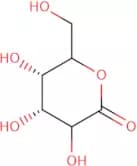
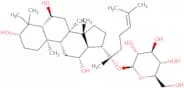
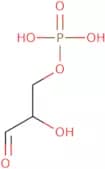

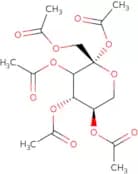
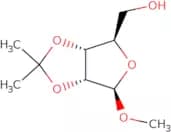
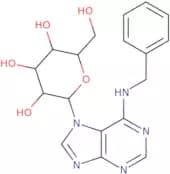
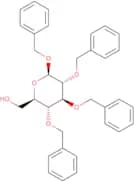
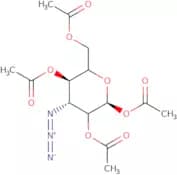

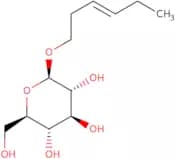

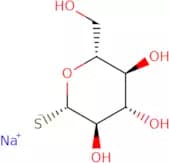


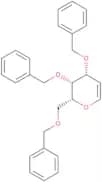
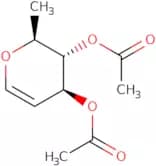
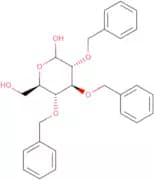
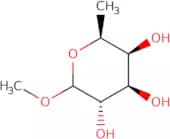
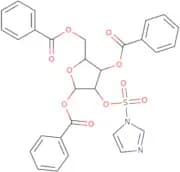
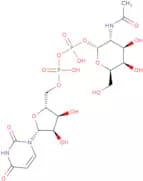
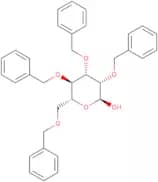

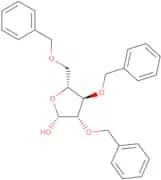
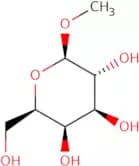

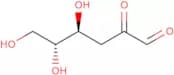

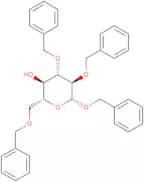
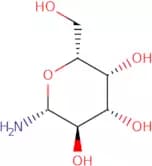

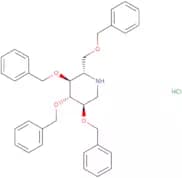
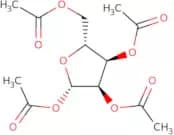
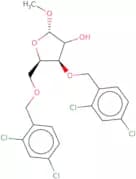
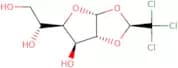

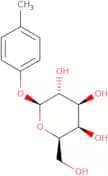
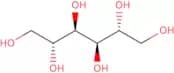

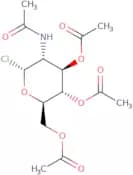
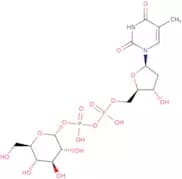
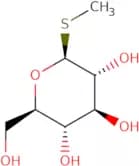

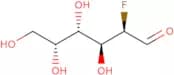
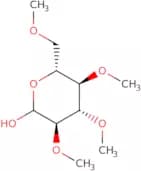
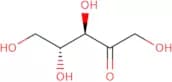
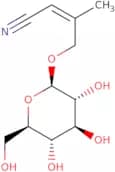
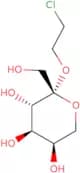


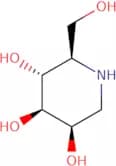
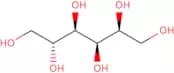

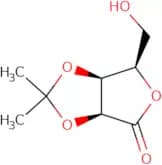
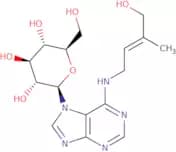
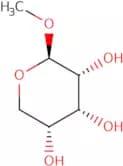
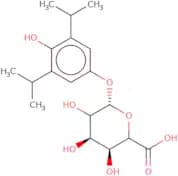
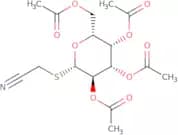

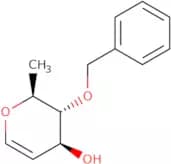
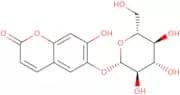
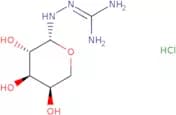
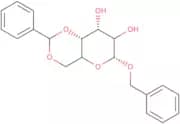
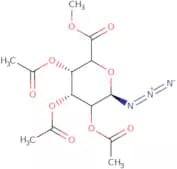
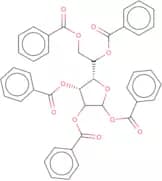

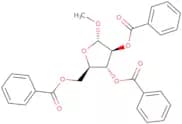
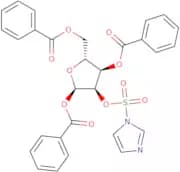
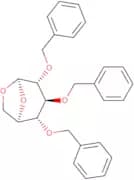
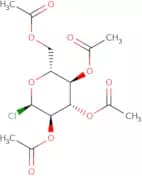
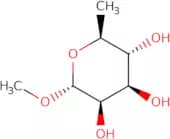

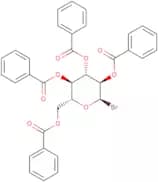


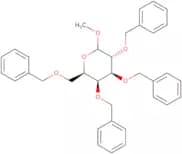
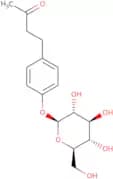

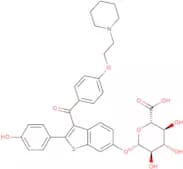
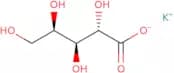

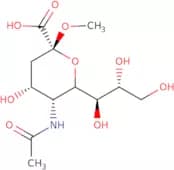
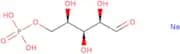
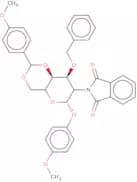
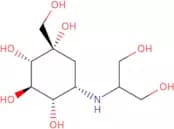

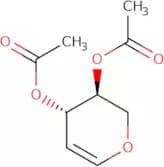

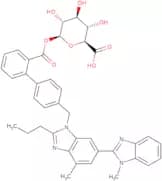
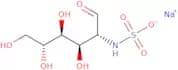
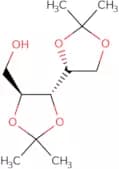
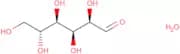
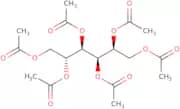
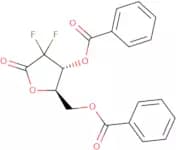
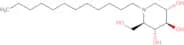
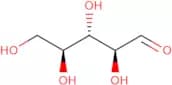
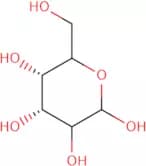

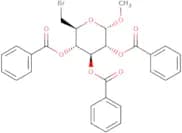
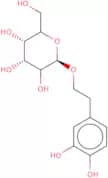

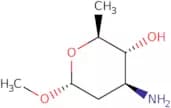
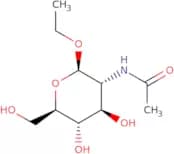
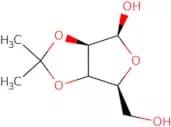
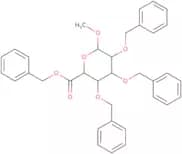
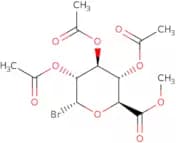
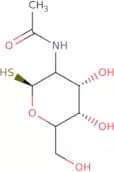

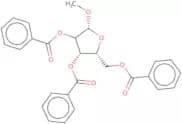
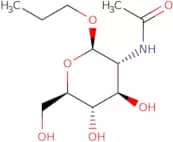
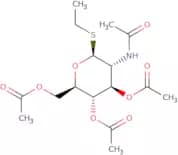
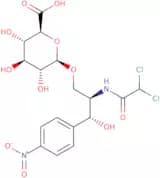

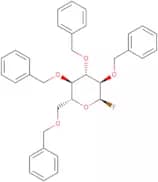
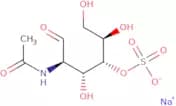
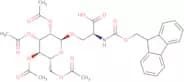
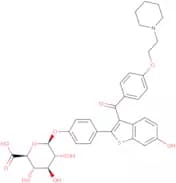
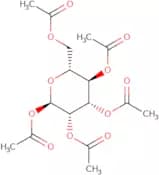
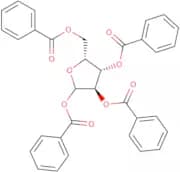

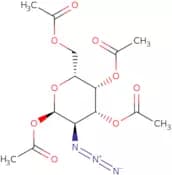
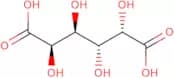
![2-Methyl-(1,2-dideoxy-a-D-glucopyrano)-[2,1-d]-2-oxazoline](/_next/image/?url=https%3A%2Fstatic.cymitquimica.com%2Fproducts%2F3D%2Fthumb-webp%2FMM10955.webp&w=3840&q=75)
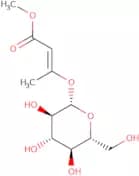
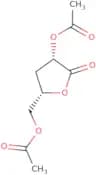


![2,3,4-Tri-O-acetyl-6-deoxy-6,6-difluoro-a-D-mannopyranosyl-1-bis[2-(acetylthio)ethyl]phosphate](/_next/image/?url=https%3A%2Fstatic.cymitquimica.com%2Fproducts%2F3D%2Fthumb-webp%2FMT96598.webp&w=3840&q=75)