Glycosciences
La glycosciences est l'étude des glucides et de leurs dérivés, ainsi que des interactions et des fonctions biologiques auxquelles ils participent. Ce domaine de recherche est crucial pour comprendre une grande variété de processus biologiques, y compris la reconnaissance cellulaire, la signalisation, la réponse immunitaire et le développement des maladies. La glycosciences a des applications importantes en biotechnologie, en médecine et dans le développement de nouveaux médicaments et thérapies. Chez CymitQuimica, nous proposons une large sélection de produits de haute qualité et pureté pour la recherche en glycosciences. Notre catalogue comprend des monosaccharides, des oligosaccharides, des polysaccharides, des glyconjugués et des réactifs spécifiques, conçus pour soutenir les chercheurs dans leurs études sur la structure, la fonction et les applications des glucides dans les systèmes biologiques. Ces ressources sont destinées à faciliter les découvertes scientifiques et les applications pratiques dans divers domaines des biosciences et de la médecine.
Sous-catégories appartenant à la catégorie "Glycosciences"
- Aminosucres(108 produits)
- Anticorps Glyco-Related(282 produits)
- Glycolipides(46 produits)
- Glycosaminoglycanes (GAGs)(55 produits)
- Glycosides(419 produits)
- Monosaccharides(6.622 produits)
- Oligosaccharides(3.682 produits)
- Polysaccharides(503 produits)
11041 produits trouvés pour "Glycosciences"
Trier par
Degré de pureté (%)
0
100
|
0
|
50
|
90
|
95
|
100
Inulin - from Jerusalem artichoke
CAS :<p>Inulin is a prebiotic dietary fibre with a mildly sweet taste that promotes digestive health by supporting growth of healthy and balanced microbiota. In diagnostics, inulin is used for determining the glomerular filtration rate in functional kidney testing. Chemically, inulin is a chain of fructose molecules terminated at the reducing end with glucose. Thus, inulin is a fructan consisting of linear chains of β-(2,1) linked fructose residues, terminated at the reducing end by an α-D-(1,2)-glucopyranoside moiety. It has a degree of polymerization typically between 2 and 60 (5). The β-(2,1) bond in inulin resists digestion in the gastrointestinal tract and is therefore responsible for its lower caloric value and beneficial effects on colon microbiota. A more functional form of inulin is produced by removing all fractions with chain lengths lower than 10.</p>Degré de pureté :Min. 95%Couleur et forme :White PowderFucoidan - Ascophyllum nodosum, analytical grade
CAS :<p>A fucan sulphate found in brown marine algae (Phaeophyta-typically Fucus vesiculotus, Ascophyllum nodosum (illustrated), Alaria and Cladosiphon) and has been shown to have anticoagulant activity. The main constituents are α-1,4 and α-1,2 linked L-fucose sulphates although galactose also occurs and there are many variations of the basic structure found in different species of Phaeophyta.Molecular weight cut off at 300kDa.The image was kindly provided by Prof Mike Guiry from Cork who runs ‘The Seaweed Site’.</p>Couleur et forme :Powder2,3-O-Isopropylidene-D-erythronolactone
CAS :<p>2,3-O-Isopropylidene-D-erythronolactone is a chromophore that has been synthesised. It is a chiral heterocycle with an anion linker and a boron trifluoride etherate group. The carbon chain of 2,3-O-isopropylidene-D-erythronolactone has been found to be essential for its antibacterial activity against tuberculosis. This compound binds to the adenosine receptor in the bacterial cell membrane and inhibits bacterial growth.</p>Formule :C7H10O4Degré de pureté :Area-% Min. 95 Area-%Couleur et forme :PowderMasse moléculaire :158.15 g/molD-Erythrulose - Aqueous solution
CAS :<p>D-Erythrulose is a sugar that can be synthesized from the chemical structures of glycolaldehyde and carbonyl group. It can also be produced by hydrolysis of erythritol, which is found in plant cell walls. D-Erythrulose has been used as an alternative to glucose for fermentation processes because it does not inhibit the growth of most bacteria. D-Erythrulose has been shown to increase ATP levels in Escherichia coli K-12 cells and to affect the activities of enzymes involved in glycolysis, such as glyceraldehyde 3-phosphate dehydrogenase, phosphoglycerate kinase, and enolase. The metabolic pathways that produce D-erythrulose are found in many organisms, including Corynebacterium glutamicum, Brucella melitensis, and Brucella suis.</p>Formule :C4H8O4Degré de pureté :Min. 95%Couleur et forme :Colorless PowderMasse moléculaire :120.1 g/molFleetamine
<p>Fleetamine is a piperidine compound that has been shown to be an inhibitor of the enzyme glycosylation. Inhibitors of glycosylation are useful for treating diseases such as diabetes and Alzheimer's disease. It is thought that Fleetamine may inhibit human glycosylating enzymes, such as glucosyl transferase, which catalyzes the addition of a glucose molecule to a protein. This inhibition prevents the formation of oligosaccharides and glycoconjugates, which are necessary for proper functioning of cells.</p>Degré de pureté :Min. 95%2-Amino-b-L-arabinofurano[1,2:4,5]oxazoline
CAS :<p>2-Amino-b-L-arabinofurano[1,2:4,5]oxazoline is a custom synthesis. It is a white to off-white powder with a molecular weight of 264.50 and a melting point of about 160°C. The purity of this compound is >98% by HPLC analysis. This product has been modified with glycosylation, methylation, click modification, fluorination, saccharide modification, sugar modification, and oligosaccharide modification.</p>Formule :C6H10N2O4Degré de pureté :Min. 95%Couleur et forme :PowderMasse moléculaire :174.15 g/mol3-O-Allyl-1,2-O-isopropylidene-α-D-galactofuranose
CAS :<p>3-O-Allyl-1,2-O-isopropylidene-α-D-galactofuranose is a synthetic glycoside that can be custom synthesized. It is a fluorinated monosaccharide that reacts with an allyl group to form an allyl glycoside. This modification increases the solubility of the molecule and can make it soluble in organic solvents. 3-O-Allyl-1,2-O-isopropylidene α D galactofuranose is used to modify saccharides or complex carbohydrates for use in research.</p>Formule :C12H20O6Degré de pureté :Min. 95%Couleur et forme :Clear LiquidMasse moléculaire :260.28 g/mol2-Acetamido-2-deoxy-a-D-thiogalactopyranose
<p>Please enquire for more information about 2-Acetamido-2-deoxy-a-D-thiogalactopyranose including the price, delivery time and more detailed product information at the technical inquiry form on this page</p>Formule :C8H15NO5SDegré de pureté :Min. 95%Couleur et forme :PowderMasse moléculaire :237.27 g/mol(1S) -1- [(2S, 3S,4R) -N-Butyl-4-hydroxymethyl-3- hydroxy- 1- azetidinyl] -1, 2- ethanediol
<p>(1S) -1- [(2S, 3S,4R) -N-Butyl-4-hydroxymethyl-3- hydroxy- 1- azetidinyl] -1, 2- ethanediol is a synthetic monosaccharide that belongs to the group of complex carbohydrates. It has been modified by fluorination and methylation. This product can be synthesized according to customer specifications. The CAS number for this product is 97911-51-7. It is highly pure with a purity level of 98%. This product can be glycosylated or click modified according to customer specifications.</p>Degré de pureté :Min. 95%2'-Azidoethyl a-mannopyranoside
CAS :<p>2'-Azidoethyl a-mannopyranoside is a synthetic monosaccharide that is used as a building block for the synthesis of oligosaccharides and polysaccharides. This product has been custom synthesized for your specific needs. It is an off-white powder with purity greater than 99%. The methylation of this compound can be achieved by reacting it with sodium methoxide in methanol, followed by hydrolysis with sodium hydroxide. The azido group can also be converted to an acetyl group by reaction with acetic anhydride in pyridine.</p>Formule :C8H15N3O6Degré de pureté :Min. 95%Couleur et forme :White PowderMasse moléculaire :249.22 g/mol1,4:3,6-Dianhydro-D-glucitol
CAS :<p>Isosorbide dinitrate is a drug that belongs to the class of nitrates. It is used in the treatment of angina pectoris, as well as congestive heart failure and chronic heart failure. Isosorbide dinitrate has been shown to cause caspase-independent cell death in human leukemia cells and breast cancer cells. This may be due to its ability to inhibit mitochondrial membrane potential and interfere with intracellular calcium mobilization. The optimum concentration for isosorbide dinitrate is 10 µM, which inhibits the growth of bacteria, including Mycobacterium tuberculosis and Salmonella enterica serovar Typhimurium. The drug also inhibits the production of proinflammatory cytokines such as IL-1β, IL-6, and TNF-α by inhibiting c-jun phosphorylation. Isosorbide dinitrate also has anti-inflammatory properties, which may be due to its ability to inhibit 4-hyd</p>Formule :C6H10O4Degré de pureté :(%) Min. 98%Couleur et forme :White Off-White PowderMasse moléculaire :146.14 g/molD-Glucosamine-oxime hydrochloride
CAS :<p>D-Glucosamine-oxime HCl is a hydrocyanic acid derivative that contains a polyhydroxy group. It can exist as two isomers, D-glucosamine and D-glucosamine-oxime. These isomers are distinguished by the presence or absence of acetyl groups on the nitrogen atoms. D-Glucosamine-oxime HCl functions as a divalent metal ion chelator and sequestering agent that has been shown to be useful in the treatment of lead poisoning. It also has been used in the synthesis of hydrocyanic acid, which is an important chemical for organic synthesis.END></p>Formule :C6H12N2O5•HClDegré de pureté :Min. 95%Couleur et forme :SolidMasse moléculaire :228.63 g/mol2,3-O-Isopropylidene-D-glyceraldehyde - 50% solution in DCM
CAS :<p>2,3-O-Isopropylidene-D-glyceraldehyde is an acetal protected glyceraldehyde building block for use in organic chemistry. The aldehyde group of 2,3-O-Isopropylidene-D-glyceraldehyde is left unprotected which allows for a range of reactions to be performed. These include aldol condensations, olefinations, Grignard reactions and imine formation, including reductive amination.</p>Formule :C6H10O3Degré de pureté :Min. 95%Couleur et forme :Colorless Clear LiquidMasse moléculaire :130.14 g/mol3,4-Di-O-acetyl-L-fucal
CAS :<p>3,4-Di-O-acetyl-L-fucal is a phosphate derivative that is synthetically derived from ethyl diazoacetate. It has cytotoxic properties and is readily activated by phosphorylation to form the active form. 3,4-Di-O-acetyl-L-fucal has been shown to be effective against leukemia cells in vitro and may be useful as an adjuvant treatment for lymphocytic leukemia. 3,4-Di-O-acetyl-L-fucal also inhibits the growth of staphylococci in vitro, but it is not active against other bacteria such as Escherichia coli or Pseudomonas aeruginosa. The enantiomer of 3,4 Di O acetyl - L - fucal is inactive because it cannot be phosphorylated.</p>Formule :C10H14O5Degré de pureté :Min. 95%Couleur et forme :White PowderMasse moléculaire :214.22 g/mol1-O-Acetyl-2,3,5-tri-O-benzyl-D-ribofuranose
CAS :<p>Apogossypol is a polyunsaturated fatty acid that has been shown to have anticancer and anti-inflammatory properties. Studies have shown that apogossypol inhibits the production of proinflammatory cytokines and nitric oxide, which are compounds that can cause inflammation. Apogossypol also has been shown to inhibit apoptosis in cancer cells, which is a programmed cell death process. Apogossypol may be useful as an anticancer agent due to its ability to induce apoptosis and inhibit inflammation in cancer cells.</p>Formule :C28H30O6Degré de pureté :Min. 95%Couleur et forme :Clear LiquidMasse moléculaire :462.53 g/mol2-Deoxy-2-fluoro-D-galactose
CAS :<p>2-Deoxy-2-fluoro-D-galactose, also called 3-fluoro-6-hydroxymethyl-tetrahydro-pyran-2,4,5-triol, can be added to the medium of primary cultured rat hepatocytes to inhibit N-glycosylation of proteins. Immunoglobulin G (IgG) is the most common antibody found in blood and 2-deoxy-2-fluoro-D-galactose modifies the galactosylation of the N-linked glycan in the IgG-Fc receptor. We also have this product from a non-animal origin, MD71984.</p>Formule :C6H11FO5Degré de pureté :Min. 97 Area-%Couleur et forme :White PowderMasse moléculaire :182.15 g/mol4,6-O-Benzylidene-D-galactose
CAS :<p>4,6-O-Benzylidene-D-galactose is an anomer of D-galactose. It is a lectin that has been shown to inhibit the binding of amyloid beta to the cerebroside in the brain tissue. This activity may be due to its ability to form an amide bond with galactose, which is present in amyloid beta. 4,6-O-Benzylidene-D-galactose also has a coronary heart disease prevention effect and can help reduce cholesterol levels. Furthermore, it has been found to have anti-cancer properties and can help prevent the growth of cancerous cells by inhibiting protein synthesis. In addition, 4,6-O-Benzylidene-D-galactose can be used as a cationic surfactant or detergent composition for cleaning or treating surfaces.</p>Formule :C13H16O6Degré de pureté :Min. 95%Couleur et forme :White To Off-White SolidMasse moléculaire :268.26 g/molPustulan
CAS :<p>Pustulan is a β-1,6-glucan isolated from Lasallia pustulata MW (20 kDa). It is recognized by the membrane bound Dectin-1, a C-type lectin-like pattern recognition receptor. Detection of β-glucans by Dectin-1 receptor leads to the CARD9-dependent activation of NF-κB and MAP kinases. Studies have shown that pustulan can stimulate innate immune responses, inducing heat shock protein expression, eliciting phagocytosis, and production of pro-inflammatory cytokines.<br>The image was kindly provided by Prof Mike Guiry from Cork who runs ‘The Seaweed Site’.</p>Degré de pureté :Min. 80%Couleur et forme :Powder2-Acetamido-2-deoxy-5-thio-D-glucose
CAS :<p>2-Acetamido-2-deoxy-5-thio-D-glucose is a custom synthesis product. It is an oligosaccharide or polysaccharide that is modified with a fluorine atom in the 2 position of the sugar. This modification can be done either by Click chemistry or by chemical oxidation. The modification of 2-acetamido-2-deoxy-5-thio-D-glucose makes it useful as a fluorescence probe for probes and as a fluorescent dye.</p>Formule :C8H15NO5SDegré de pureté :Min. 95%Masse moléculaire :237.27 g/mol3,6-Anhydro-D-galactose
CAS :<p>3,6-Anhydro-D-galactose is a monosaccharide of D-galactose where the 3 and 6 positions are cyclised in an ether link. 3,6-Anhydro-D-galactose is found naturally occurring in Rhodophyta (Red Algae) and is a constituent of the sulphated polysaccharide PLS, which has shown anti-inflammation activity and anti-nociceptive effects. In addition, sulphated polysaccharide is capable of inhibiting the in vitro replication of Herpes simplex virus type 1 (HSV-1) and HIV-1.<br>We also offer this product in 10% aqueous solution (MA07897).</p>Formule :C6H10O5Degré de pureté :Min. 95%Couleur et forme :White PowderMasse moléculaire :162.14 g/mol1-Deoxy-D-psicose
<p>1-deoxy-D-psicose is a deoxy sugar that can be used as a reagent for the conversion of 1-deoxy-d-fructose to d-psicose. It is useful in the synthesis of rhamnose, which is a precursor to pharmaceuticals and agrochemicals. 1-Deoxy-D-psicose can be used in the synthesis of l-rhamnose from d-psicose or vice versa. This process of converting one epimer to another isomerization is very efficient, with an 88% yield.</p>Degré de pureté :Min. 95%2-Deoxy-L-ribose-anilide
CAS :<p>2-Deoxy-L-ribose-anilide is a chemical compound that has been patented for its use in the detection of magnetic fields. The patent claims that this compound can be used as an intermediate in the preparation of other compounds. 2DRA has different transition temperatures, depending on whether it is in the solid or liquid state. When 2DRA is heated, it changes from a colorless liquid to a yellow crystal at around 100°C and then becomes a white solid at around 150°C. The magnetic properties of 2DRA arise from its ability to form strong bonds with other molecules, which are broken by external magnetic fields.</p>Formule :C11H15NO3Degré de pureté :Min. 98 Area-%Couleur et forme :PowderMasse moléculaire :209.12 g/mol4-Methoxyphenyl 4-O-(2,4,6-tri-O-acetyl-3-O-allyl-β-D-galactopyranosyl)-3-O-allyl-β-D-glucopyranoside
<p>4-Methoxyphenyl 4-O-(2,4,6-tri-O-acetyl-3-O-allyl-b-D-galactopyranosyl)-3-O-allyl-b-Dglucopyranoside is a synthetic sugar with a molecular weight of 532. This product can be used in the synthesis of oligosaccharides and monosaccharides. It is also used as an intermediate in glycosylation reactions. This product has not been assigned a CAS number yet.</p>Formule :C31H42O15Degré de pureté :Min. 95%Masse moléculaire :654.66 g/molN-Acetyl-D-glucosaminitol
CAS :<p>N-Acetyl-D-glucosaminitol is a fatty acid that is found in blood group antigens. It has been shown to be a potent inhibitor of human liver serine proteases, with an IC50 of 10 μM and a Ki value of 1.6 μM. N-Acetyl-D-glucosaminitol also inhibits the terminal steps in glycolysis and can be used as a substrate for glycosidases. It is capable of forming oligosaccharides with terminal residues and can be analyzed using titration calorimetry. The molecular weight of N-acetyl-D-glucosaminitol is calculated to be 398 Da by nmr spectroscopy. Structural analysis shows that this compound contains monoclonal antibodies and sugar residues, which are important for its function.</p>Formule :C8H17NO6Degré de pureté :Min. 95%Couleur et forme :White PowderMasse moléculaire :223.22 g/molD-Glucose-1,6-13C2
CAS :<p>D-Glucose is a sugar that is used in the production of polysaccharides and glycosylations. It can be modified with fluorination, saccharide methylation, or glycosylation. D-Glucose can be synthesized by the custom synthesis of an oligosaccharide. This product has high purity, and is both monosaccharide and complex carbohydrate.</p>Formule :C2C4H12O6Degré de pureté :Min. 95%Couleur et forme :White PowderMasse moléculaire :182.14 g/mol4-O-Methyl-D-glucuronic acid
CAS :<p>Component of plant, especially grape, glucuronoxylans</p>Formule :C7H12O7Degré de pureté :Min. 95%Couleur et forme :Colorless PowderMasse moléculaire :208.17 g/mol1,5-Anhydro-2,3,4-tri-O-benzoyl-D-threo-pent-1-enitol
CAS :<p>1,5-Anhydro-2,3,4-tri-O-benzoyl-D-threo-pent-1-enitol is a high purity compound that is synthesized from D-threo pent 1 enitol. It is a sugar that belongs to the category of complex carbohydrates. This product can be custom synthesized and modified according to customer requirements.</p>Formule :C26H207Degré de pureté :Min. 95%Couleur et forme :PowderMasse moléculaire :444.43 g/molAcetyl-β-cyclodextrin
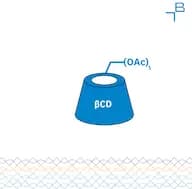
CAS :<p>This beta-cyclodextrin (β-CD) derivative is a functionalized cyclic oligosaccharide composed of seven glucose units, characterized by a hydrophilic exterior and a lipophilic cavity (bigger than α-CD and smaller than γ-CDs), which allows it to encapsulate various guest molecules. This structural feature facilitates its use in multiple applications, including pharmaceuticals, food enhancement, and cosmetics. In the pharmaceutical industry, it enhances the solubility and stability of poorly water-soluble drugs, improving their bioavailability and efficacy while also masking unpleasant tastes. The food sector utilizes it as a stabilizer for flavors, colors, and nutrients, extending shelf life by protecting sensitive ingredients from degradation. In cosmetics, it serves as a complexing agent for fragrances and active components, ensuring their stability and controlled release. Its use expands to many other fields, including nanotechnology for drug delivery systems, environmental remediation for extracting organic pollutants, textiles for slow-release fragrances, and analytical chemistry for chiral separation.</p>Formule :C42Hn)O35·(C2H3O)nDegré de pureté :Min. 98 Area-%Couleur et forme :PowderMasse moléculaire :1,387.21 g/molFuraneol β-D-glucopyranoside
CAS :<p>Furaneol beta-D-glucopyranoside is a synthetic sugar that is used as an intermediate in the synthesis of complex carbohydrates. Furaneol beta-D-glucopyranoside has been modified by methylation and fluorination, which allows it to be used in click chemistry. Furaneol beta-D-glucopyranoside is also a high purity compound with a custom synthesis available for purchase.</p>Formule :C12H18O8Degré de pureté :Min. 97 Area-%Couleur et forme :PowderMasse moléculaire :290.27 g/mol2,3,4,6-Tetra-O-pivaloyl-a-D-glucopyranosyl bromide
CAS :<p>Intermediate in the synthesis of dapagliflozin</p>Formule :C26H43BrO9Degré de pureté :Min. 95%Couleur et forme :PowderMasse moléculaire :579.52 g/molGalNAc benzyloxy β-pentanoic acid
CAS :<p>Trivalent GalNAc precursor</p>Formule :C19H29NO11Degré de pureté :Min. 95%Couleur et forme :PowderMasse moléculaire :447.43 g/mol2-Deoxy-L-fucose
CAS :<p>2-Deoxy-L-fucose is a sugar that is found in the human body. It has been shown to have anti-tumour properties and can be used as a chemotherapeutic agent in the treatment of solid tumours. 2DFL binds to the receptor for fucose, which is expressed in many types of cancer cells. It also inhibits DNA synthesis by stabilizing a complex between the sugar and dna template, inhibiting the binding of monoclonal antibodies to cancer cells, and preventing glycosidic bond formation on cancer cells. 2DFL has also been shown to inhibit microbial biotransformation and cell culture.</p>Formule :C6H12O4Degré de pureté :Min. 95%Couleur et forme :PowderMasse moléculaire :148.16 g/molChitosan oligomer (Dp 12-20)
<p>Chitosan oligomer (Dp 12-20) is a modification of chitin, a polysaccharide. It can be synthesized by treating chitin with sodium hydroxide in an alkaline environment. Chitosan oligomer (Dp 12-20) has a high degree of saccharide modification and exhibits a variety of functions, including complex carbohydrate, custom synthesis, synthetic, high purity, CAS No., and monosaccharide methylation. This compound has been shown to inhibit the growth of bacteria such as Staphylococcus aureus and Clostridium perfringens.</p>Formule :(C6H11NO4)nCouleur et forme :Beige PowderN-[2-(4'-Nitrophenylacetonitrile)]-2,3,4,6-tetra-O-pivaloyl-D-glucopyranoside
<p>The chemical name for N-[2-(4'-Nitrophenylacetonitrile)]-2,3,4,6-tetra-O-pivaloyl-D-glucopyranoside is 4'-nitrophenyl 2,3,4,6-tetra-O-pivaloylmethyl glucopyranoside. It is a monosaccharide that has been custom synthesized and modified to contain a methyl group at the C2 position. This compound is also fluorinated at the C1 position and glycosylated at the C4 position. It is soluble in DMSO and methanol. The CAS number for this compound is 1263096-04-8.</p>Formule :C34H49N3O11Degré de pureté :Min. 95%Masse moléculaire :675.77 g/mol4,6-O-(4-Methoxybenzylidene)-1,2,3-tri-O-pivaloyl-b-D-galactopyranose
<p>4,6-O-(4-Methoxybenzylidene)-1,2,3-tri-O-pivaloyl-b-D-galactopyranose is a custom synthesis of a complex carbohydrate. It is an oligosaccharide that has been modified with methylation and glycosylation. The CAS number for this compound is 123097-29-2. This compound has a high purity and has been fluorinated with the click reaction. It is a synthetic sugar that is also a polysaccharide.</p>Formule :C29H42O10Degré de pureté :Min. 95%Masse moléculaire :550.65 g/molThymol-β-D-glucopyranoside
CAS :<p>Thymol-b-D-glucopyranoside is a bactericidal agent that is resistant to encapsulation. It has been shown to be effective against animals and typhimurium in an incubated population and endogenous deaminase inhibitor strategy. The porcine activated food chemistry and abattoir experiments show that thymol-b-D-glucopyranoside has the potential to reduce populations of bacteria in the gastrointestinal tract by inhibiting protein synthesis.</p>Formule :C16H24O6Degré de pureté :Min. 95%Couleur et forme :PowderMasse moléculaire :312.36 g/mol3,4-O-Isopropylidene-L-arabinose
CAS :<p>3,4-O-Isopropylidene-L-arabinose (3,4-OIRA) is an isopropylidene derivative of L-arabinose. 3,4-OIRA has been shown to be a substrate for glycosylation reactions with various other sugars. It can also undergo methylation reactions and has been modified by fluorination. 3,4-OIRA is a food additive that belongs to the category of complex carbohydrates.</p>Formule :C8H14O5Degré de pureté :Min. 98 Area-%Couleur et forme :PowderMasse moléculaire :190.19 g/molmeso-Erythritol
CAS :<p>Natural sweetener; vasodilator</p>Formule :C4H10O4Degré de pureté :Min. 98 Area-%Couleur et forme :White PowderMasse moléculaire :122.12 g/mol1-O-(trans-3-Hydroxycotinine)-b-D-glucuronide ammonium salt
CAS :<p>The glucuronidation of 1-O-(trans-3-hydroxycotinine)-b-D-glucuronide ammonium salt is mediated by the enzyme UDP-glucuronosyltransferase. This reaction is catalyzed by the transfer of a glucuronic acid residue from UDP-glucuronic acid to a hydroxyl group on the side chain of 1-O-(trans-3-hydroxycotinine)-b-D-glucuronide ammonium salt. The kinetic analysis of human urine samples has shown that this reaction is significant. This metabolite can be detected in urine samples using next generation sequencing and its concentration can be used as an indicator for the consumption of tobacco or nicotine containing products. Epidemiological studies have shown that this metabolite has significant effects on cancer risk. Genotyping and genotype studies have shown that this metabolite is responsible for genetic polymorphisms that are associated with increased cancer risk.</p>Formule :C16H20N2O8•(NH3)xDegré de pureté :Min. 97%Couleur et forme :White PowderMasse moléculaire :368.34 g/mol1,4-β-D-Xylotriose
CAS :<p>1,4-β-D-Xylotriose is a pentose sugar that is the main component of hemicellulose. It is found in plant cell walls and has been studied using surface methodology to determine the covalent linkages and structure of 1,4-β-D-Xylotriose. Xylotrioses are also used as a substrate for enzyme reactions and have shown to have a number of enzymatic activities, including glycosidases, cellulases, xylanases, and arabinofuranosidases. Xylotrioses are also part of complex enzyme models that can be used to study disulfide bonds. Xylotrioses are polymers that are important for structural analysis due to the presence of β-1,4 links. The genome DNA has been found to contain many genes coding for xylanase enzymes.</p>Formule :C15H26O13Degré de pureté :Min. 95 Area-%Couleur et forme :White PowderMasse moléculaire :414.36 g/mol2-C-Methyl-L-ribono-1,4-lactone
CAS :<p>2-C-Methyl-L-ribono-1,4-lactone is a crystallized carbohydrate that contains the enantiomers L and D. It is a chiral molecule with two asymmetric carbon atoms. The L form has a higher yield than the D form and can be synthesized from l-arabinose, dimethylamine, and isomerisation. This compound is also present in ketoses such as d-xylose and 1-deoxy-d-ribulose. 2CMLR1L4L acts as an inhibitor of the enzyme d-galactose dehydrogenase, which catalyzes the conversion of d-galactose to d-glucose. Cyanide can bind to this compound to form cyanohydrin adducts, which are toxic to cells.</p>Formule :C5H10O5Degré de pureté :Min. 95%Masse moléculaire :150.13 g/mol1,4-Anhydro-D-glucitol
CAS :<p>1,4-Anhydro-D-glucitol is a compound that belongs to the group of monosaccharides and has biological properties. It has also been used in the production of acetate extracts from fetal bovine erythrocytes. The ester linkages are formed between 1,4-anhydro-D-glucitol and sodium salt by reaction with acetic anhydride. The reaction mechanism has been studied in detail, and it was found that hydroxyl groups on the molecule react with sodium ions to form an ester linkage. This compound is toxicologically safe at high doses, but can become toxic at lower doses due to its acid formation potential.</p>Formule :C6H12O5Degré de pureté :Min. 97.0 Area-%Masse moléculaire :164.16 g/molRef: 3D-W-202151
5gÀ demander10gÀ demander25gÀ demander50gÀ demander2500mgÀ demander-Unit-ggÀ demanderL-Glucose
CAS :<p>L-glucose is a monosaccharide that is an important source of energy for the human body. The glucose molecule consists of 6 carbon atoms, 12 hydrogen atoms and 6 oxygen atoms. Glucose enters cells with the help of insulin and ATP-sensitive potassium channels. It has been shown that L-glucose can inhibit viral replication in vitro, such as HIV and herpes simplex virus type 1 (HSV-1). L-Glucose may be used to treat squamous carcinoma by reducing the redox potential in cancer cells. L-Glucose inhibits the growth of c. glabrata by inhibiting transcription activators and enzymes involved in glycolysis. L-Glucose also has hypoglycemic effects on humans by reducing cortisol concentrations in human serum.</p>Formule :C6H12O6Degré de pureté :Min. 98 Area-%Couleur et forme :White Clear LiquidMasse moléculaire :180.16 g/molScleroglucan
CAS :<p>Scleroglucan is produced by the fermentation of the fungus Sclerotium rolfsii. It is a glucan with a main chain of 1,3-linked β-D-glucopyranosyl units with every third unit having a single β-D-glucopyranosyl unit linked 1,6. Scleroglucan powders disperse in water and give very viscous shear thinning solutions. Applications are in the oil industry in enhanced oil recovery, in agriculture in sprays and in the food and pharmaceutical industries.<br>The image was kindly provided by Dr. Chris Lawson.</p>Degré de pureté :Min. 90%Couleur et forme :Slightly Yellow PowderUDP-3-O-(R-3-hydroxymyristoyl)-GlcNAc disodium
<p>Substrate for UDP-3-O-acyl-N-acetylglucosamine deacetylase (LpxC)</p>Formule :C31H53N3O19P2•Na2Degré de pureté :Min. 95%Couleur et forme :White PowderMasse moléculaire :879.67 g/molMethyl cellulose - USP (viscosity ca 1500cP)
CAS :<p>Cellulose derivative, food thickener and emulsifier, bulk forming laxative</p>Couleur et forme :PowderBlood Group A trisaccharide-BSA
<p>Core antigen ABO trisaccharide conjugated to BSA</p>Degré de pureté :Min. 95%Couleur et forme :SolidBlood group A-BSA
<p>A-BSA is an antibody that competes with the blood group antigen for binding to erythrocytes. The A-BSA is immobilized on a microtitre plate and incubated with the blood group antigen and human blood group antiserum. The concentration of A-BSA in the solution is determined by measuring the enzyme-linked immunosorbent assay (ELISA) signal using a spectrophotometer. This measurement is used to determine the concentration of blood group antigen in the sample.</p>Degré de pureté :Min. 95%Couleur et forme :Powder1,5:2,3-Dianhydro-4,6-O-benzylidene-D-allitol
CAS :<p>For synthesis of D-Altritol nucleosides</p>Formule :C13H14O4Degré de pureté :Min. 95%Couleur et forme :PowderMasse moléculaire :234.25 g/mol6-Bromo-6-deoxy-D-glucose
CAS :<p>6-Bromo-6-deoxy-D-glucose is a sugar that is used to study the function of glucose transporters in cellular membranes. This compound has been shown to be a substrate for glucose transporters, where it binds in a nucleophilic manner. 6-Bromo-6-deoxy-D-glucose has been used as an inhibitor of glucose transport and as an x-ray crystal structure model for studying the binding mechanism of glucose transporters. 6-Bromo-6-deoxy-D-glucose has also been used to study the reaction system between glucose and sodium hydrogen carbonate, which is important for understanding how cells regulate blood sugar levels.</p>Formule :C6H11BrO5Degré de pureté :Min. 95%Couleur et forme :White PowderMasse moléculaire :243.05 g/mol4-Bromophenyl 2-acetamido-3,4,6-tri-O-acetyl-2-deoxy-β-D-glucopyranoside
CAS :<p>4-Bromophenyl 2-acetamido-3,4,6-tri-O-acetyl-2-deoxy-b-D-glucopyranoside is a custom synthesis product. It has been modified with fluorination, methylation and click modification. This product is an oligosaccharide which can be used for saccharide or polysaccharide synthesis. The purity of this product is high and it has been synthesized from a monosaccharide.</p>Formule :C20H24BrNO9Degré de pureté :Min. 95%Masse moléculaire :502.31 g/molDimethylthexylsilyl 2-azido-2-deoxy-b-L-fucopyranoside
<p>Dimethylthexylsilyl 2-azido-2-deoxy-b-L-fucopyranoside is a custom synthesis, complex carbohydrate. It is an Oligosaccharide with CAS No. and Polysaccharide that has been modified with Methylation, Glycosylation, Click modification and Carbohydrate. This compound is a sugar and a high purity. The compound has been fluorinated and it's synthetic.</p>Degré de pureté :Min. 95%Methyl β-D-fructopyranoside
CAS :<p>Methyl β-D-fructopyranoside is a glycoside that is made up of a pyranose ring and the sugar d-fructose. This molecule is stable because of its hydrogen bonds, which are formed between the oxygen atom of the hydroxyl group and the hydrogen atom of the methyl group. Methyl β-D-fructopyranoside has two chiral centers, so it can exist as two enantiomers. The most common form is D-(+)-methyl β-d-fructopyranoside, which has a configuration of R (right) and S (left).</p>Formule :C7H14O6Degré de pureté :One SpotCouleur et forme :PowderMasse moléculaire :194.18 g/mol1-O-Methyl-α-D-mannopyranoside
CAS :<p>Methyl alpha-D-mannopyranoside is a methylated sugar used as an inhibitor of lectin-conjugate binding. It is commonly used in protein purification for eluting glycoproteins and other glycoconjugates from affinity chromatography columns of agarose lectin. In addition, Methyl alpha-D-mannopyranoside can be used in the mannosylation of lipid nanoparticles (LNPs) for vaccine or drug delivery which targets Antigen Presenting Cells (APCs) through mannose receptors. Methyl alpha-D-mannopyranoside is also known as Methyl alpha-D-mannoside or alpha-Methyl-D-mannoside.</p>Formule :C7H14O6Degré de pureté :Min. 99.0 Area-%Masse moléculaire :194.18 g/molRef: 3D-M-4150
1kgÀ demander100gÀ demander250gÀ demander500gÀ demander2500gÀ demander-Unit-kgkgÀ demander2-Deoxy-D-ribose
CAS :<p>High purity grade. Used in synthetic organic chemistry and natural product synthesis. Induces apoptosis by inhibiting the synthesis and increasing the efflux of glutathione. It is used for synthesis of optically active dipyrrolyl alkanols from pyrroles on the surface of montmorillonite KSF clay.Due to its integral role in the formation of DNA, 2-Deoxy-D-ribose is critical in studies of genetic expression, DNA repair mechanisms, and the synthesis of nucleotides. Researchers utilize it extensively in molecular biology and biochemistry to understand cell replication and gene function, and it serves as a standard in research pertaining to oxidative stress, where its degradation may indicate the presence of reactive oxygen species. Additionally, it is involved in the development of various pharmacological agents, particularly those targeting cancer and viral infections, where the synthesis and function of DNA are pivotal aspects of pathogenesis and treatment response.</p>Formule :C5H10O4Degré de pureté :Min. 99.0 Area-%Masse moléculaire :134.13 g/mol2,3,5-Tri-O-benzoyl-a-D-arabinofuranosyl bromide
CAS :<p>2,3,5-Tri-O-benzoyl-a-D-arabinofuranosyl bromide is a glycosylation reagent that can be used in the synthesis of polysaccharides and oligosaccharides. It is also used to modify sugars with methyl and fluorination reagents. 2,3,5-Tri-O-benzoyl-a-D-arabinofuranosyl bromide has CAS number 434868 9.</p>Formule :C26H21BrO7Degré de pureté :Min. 95%Couleur et forme :PowderMasse moléculaire :525.34 g/mol4'-Sulfated Lewis X methyl glycoside sodium
CAS :<p>4'-Sulfated Lewis X methyl glycoside sodium is a synthetic monosaccharide. It is used in the synthesis of oligosaccharides and polysaccharides. This compound can be fluorinated to produce 4'-fluoro-4'-sulfated Lewis X methyl glycoside sodium. The sulfate group on this compound can be replaced with other groups such as carboxyl, cyano, nitro, and acetyl.</p>Formule :C21H36NO18SNaDegré de pureté :Min. 95%Couleur et forme :PowderMasse moléculaire :645.58 g/molPropofol-4-Hydroxy-4-D-glucuronide
<p>Propofol-4-Hydroxy-4-D-glucuronide is a fluorinated monosaccharide that has been synthesized using the glycosylation, polysaccharide and modification methods. This compound is a custom synthesis that has been modified with methylation and click chemistry. The CAS number for this product is 54910-87-6. This product is a complex carbohydrate with high purity.</p>Formule :C18H26O8Degré de pureté :Min. 95%Masse moléculaire :370.39 g/mol2-Keto-L-galactonic acid
CAS :<p>2-Keto-L-galactonic acid is a chemical compound that belongs to the group of fatty acids. It is produced by the degradation of polyunsaturated fatty acids and has been shown to be a potential control agent for hepatic steatosis. 2-Keto-L-galactonic acid also inhibits the synthesis of dinucleotide phosphate in rat liver cells, leading to an accumulation of intracellular potassium ion. This compound inhibits the uptake of glucose by activating ATPase, which leads to an increase in intracellular pH. The uptake of 2-keto-L-galactonic acid into cells has been shown using cell culture experiments with wild type and mutant strains.</p>Formule :C6H10O7Degré de pureté :Min. 95%Masse moléculaire :194.14 g/molPentagalloylglucose - Bio-X ™
CAS :<p>A gallotannin found in plants, with various biological activities. Its anti-cancer effect has been demonstrated in several cancer cell lines, mediated by inhibition of DNA replication, proliferation and angiogenesis. Elicits anti-inflammatory, antioxidative and anti-diabetic effects. Recently, it has been identified as an inhibitor of c-Myc in hepatocellular carcinoma and multiple myeloma cells.</p>Formule :C41H32O26Degré de pureté :Min. 98 Area-%Couleur et forme :PowderMasse moléculaire :940.68 g/molL-Arabinose
CAS :<p>The aldopentose L-arabinose (Ara) is, after xylose, the second most abundant pentose in nature. It is found in plant cell walls as a component of polysaccharides, including: hemicelluloses, pectin, arabinogalactan-protein complexes and in exudate plant gums, such as: Gum Arabic (Feher, 2018). L-Arabinopyranose is an important component of the mycobacterial cell wall and is involved in the synthesis of arabinogalactan and lipoarabinomannan, which suggests that it can modulate cell wall permeability and drug resistance. Mycobacterium smegmatis is a useful tool for research into Mycobacteria due to it being a "fast grower" and non-pathogenic (Zhou, 2019).</p>Formule :C5H10O5Degré de pureté :Min. 99 Area-%Couleur et forme :White PowderMasse moléculaire :150.13 g/mol1,2,3,4-Tetra-O-benzyl-6-O-tert-butyldiphenylsilyl-a-D-mannopyranose
CAS :<p>1,2,3,4-Tetra-O-benzyl-6-O-tert-butyldiphenylsilyl-a-D-mannopyranose is a synthetic glycoside that can be used as a building block for the synthesis of complex carbohydrates. It is a fluorinated sugar that can be modified with methyl groups and other functional groups. This product is available in high purity and can be custom synthesized to meet your specific needs.</p>Formule :C50H54O6SiDegré de pureté :Min. 95%Masse moléculaire :779.07 g/mol5,6-O-Isopropylidene-L-gulonic acid-1,4-lactone
CAS :<p>5,6-O-Isopropylidene-L-gulonic acid-1,4-lactone is a synthetic monosaccharide with the molecular formula C8H14O5. It has a CAS number of 94697-68-4 and is available for custom synthesis. The chemical structure of 5,6-O-Isopropylidene-L-gulonic acid-1,4-lactone consists of a methyl group attached to the hydroxyl at position 1 and a fluoro group attached to the hydroxyl at position 4. 5,6--O--Isopropylidene--L--gulonic acid--1,4--lactone is not naturally occurring and is made by modification of glycosides. This compound can be used in click chemistry or complex carbohydrate reactions.</p>Formule :C9H14O6Degré de pureté :Min. 99 Area-%Couleur et forme :White PowderMasse moléculaire :218.2 g/mol(4S,5R)-4,5-Dihydroxyhexanal
CAS :<p>(4S,5R)-4,5-Dihydroxyhexanal is a conjugate of 4-hydroxy-5-oxononanoic acid and phosphite. It is a hybridized molecule that has been synthesized using an asymmetric synthesis. (4S,5R)-4,5-Dihydroxyhexanal can be used as an analog for digitalis. The compound has the ability to activate cardiac glycoside receptors in the heart and increase the force of contraction of cardiac muscle cells. The effective dose for this drug is not yet known, although it has been shown to have cardiotonic steroid properties.</p>Formule :C6H12O3Degré de pureté :Min. 95%Masse moléculaire :132.16 g/molD-Glucuronic acid, sodium salt monohydrate
CAS :<p>D-Glucuronic acid, sodium salt monohydrate is a chromatographic standard. It is used to measure the hydrophilicity of a sample and its interaction with proteins. In addition, it can be used as an immunomodulator. D-Glucuronic acid, sodium salt monohydrate has been shown to have anti-inflammatory effects by inhibiting the production of prostaglandins and leukotrienes. The acidic nature of this compound may play a role in its membrane system interactions with lysine residues on protein surfaces.</p>Formule :C6H11NaO8Masse moléculaire :234.14 g/mol5-S-Methyl-5-thio-D-xylose
CAS :<p>5-S-Methyl-5-thio-D-xylose is a carbohydrate that can be synthesized from 5,5’ -dithiobis(2-nitrobenzoic acid) and D-xylose. It is a high purity, custom synthesis product. This carbohydrate has been modified with fluorination at the 5 position of the sugar ring and methylation of the alpha carbon to form a methylated xylose. The molecular weight is 488.1 g/mol and it has a CAS number of 53458-58-5. This product can be used to modify saccharides and oligosaccharides with fluorination and methylation reactions.</p>Formule :C6H12O4SDegré de pureté :Min. 95%Masse moléculaire :180.22 g/mol1,2,3,4-Tetra-O-benzoyl-6-O-trityl-b-D-glucopyranose
CAS :<p>1,2,3,4-Tetra-O-benzoyl-6-O-trityl-b-D-glucopyranose is a custom synthesis that can be used for methylation and Click modification. This compound is an oligosaccharide consisting of sugar molecules linked by glycosidic bonds. It is a polysaccharide with a saccharide repeating unit composed of monosaccharides. The carbohydrate chain contains 1,2,3,4 tetra O benzoyl groups and 6 O trityl groups. This product has a high purity and can be used in the synthesis of other compounds.<br>1,2,3,4 Tetra O benzoyl 6 O trityl b D glucopyranose (1) was synthesized from 4-(2'-hydroxyethyl)benzaldehyde (2), 4-(2'-hydroxyethyl)benzoic acid (3),</p>Formule :C53H42O10Degré de pureté :Min. 95%Masse moléculaire :838.89 g/molGlobo H pentenyl glycoside
CAS :<p>GloboH-pentanyl backbone for incorporation onto peptide or conjugated to protein</p>Degré de pureté :Min. 95%D-Cellobiose
CAS :<p>Cellobiose is a reducing disaccharide consisting of two β(1-4)-linked glucopyranose units. It is produced by the hydrolysis of cellulose, a homopolysaccharide of glucose with β(1-4)-linkages. Cellobiose constitutes the polar part of cellobiose lipids (CLs) that are secreted by yeasts and mycelia fungi. Their various biological activities have led to a range of applications in the food industry, pharmaceutical industry and in medicine. Cellobiose itself has been used as an indicator carbohydrate for Crohns disease and malabsorption syndrome. In biotechnology, cellobiose is one of the sugars explored for the synthesis of biotensides.</p>Formule :C12H22O11Degré de pureté :Min. 98.0 Area-%Masse moléculaire :342.30 g/molEsculin sesquihydrate
CAS :<p>Sugars formed by photosynthesis are essential for plants nutrition and they can be carried by a sophisticated system called phloem from the leaves to the root tips. Since the phloem is a delicate tissue composed of various specialized cell types, the study of its structure and functions remains a challenging task. Recently, fluorescent coumarin glucoside derivatives, including esculin (Plant Physiology 2015, 1211-1220) have been used as phloem probes. Among the probes tested, only esculin and fraxin are transported, while skimmin is not, suggesting a certain specifity of natural coumarin glucosides for the transporter AtSUC2.</p>Formule :C30H38O21Degré de pureté :Min. 98.0 Area-%Masse moléculaire :734.62 g/mol(2R,2'R,3S,3'S,4R,4'R,5S,5'S)-6,6'-(1,4-Phenylenebis(ethyne-2,1-diyl))bis(2-(hydroxymethyl)tetrahydro-2H-pyran-3,4,5-triol
CAS :<p>Please enquire for more information about (2R,2'R,3S,3'S,4R,4'R,5S,5'S)-6,6'-(1,4-Phenylenebis(ethyne-2,1-diyl))bis(2-(hydroxymethyl)tetrahydro-2H-pyran-3,4,5-triol including the price, delivery time and more detailed product information at the technical inquiry form on this page</p>Formule :C22H26O10Masse moléculaire :450.44 g/molD-myo-Inositol 1,4,5,6-tetraphosphate sodium salt
CAS :<p>D-myo-Inositol 1,4,5,6-tetraphosphate sodium salt is a colony-stimulating factor that is involved in the regulation of metabolism and growth. It has been shown to increase the number of blood cells in rats with myeloid leukemia by acting on stem cells. D-myo-Inositol 1,4,5,6-tetraphosphate sodium salt binds to stem cell factor receptors on cell membranes to activate the receptor activity and initiate protein synthesis. This leads to increased production of hematopoietic cells and monoclonal antibodies. D-myo-Inositol 1,4,5,6-tetraphosphate sodium salt also stimulates erythropoiesis by regulating red blood cell production through its interaction with epidermal growth factor (EGF).</p>Formule :C6H12O18P4Na4Degré de pureté :Min. 95%Couleur et forme :PowderMasse moléculaire :588 g/molD-Arabitol
CAS :<p>D-Arabitol (or D-Arabinitol) is the reduced alcohol form of Arabinose. Arabitol is a commonly used food supplement, it is comparably sweet to sucrose but the oral flora cannot metabolize Arabitol, and hence protects from caries. Arabitol plays also an important role in energy controlled diets since it is absorbed slowly by the human digestive tract and has a low caloric content. The differential metabolism of the Arabitol D- and L-forms suggested its use in microbiological diagnostics (Bernard, E.M. et al. 1981) and became a routine urine laboratory test: L-Arabitol is metabolized by a variety of different bacteria and fungi utilizing an arabitol dehydrogenase enzyme. Therefore, it serves as a biomarker for, e.g., invasive candidiasis, since an infection results in an elevated urine D-Arabitol/L-Arabitol (DA/LA) ratio. Cymit Quimica offers both isomers in research grade: D-Arabitol (A-8270) and L-Arabitol (A-8280).</p>Formule :C5H12O5Degré de pureté :Min. 99.0 Area-%Masse moléculaire :152.15 g/molRef: 3D-A-8270
10gÀ demander1kgÀ demander250gÀ demander500gÀ demander2500gÀ demander-Unit-kgkgÀ demanderL-Arabitol
CAS :<p>Used as source of carbon in culture medium.</p>Formule :C5H12O5Degré de pureté :Min. 98.0 Area-%Masse moléculaire :152.15 g/molAdonitol
CAS :<p>Used to differentiate bacteria on the basis of carbohydrate fermentation abilities.</p>Formule :C5H12O5Degré de pureté :Min. 98.0 Area-%Masse moléculaire :152.15 g/molRef: 3D-A-3000
1kgÀ demander50gÀ demander100gÀ demander250gÀ demander500gÀ demander-Unit-kgkgÀ demanderTri-b-GalNAc-b-alanine-PEG3-amine
<p>This molecule contains three terminal beta-N-acetylgalactosamine (GalNAc) sugars for efficient ASGPR binding. The beta-alanine linker separates the GalNAc unit from a PEG3 spacer, improving water solubility and potentially influencing pharmacokinetics. The terminal amine group serves as a reactive handle for conjugation to various biomolecules via amide bond formation. This multifunctional combination makes tri-b-GalNAc-b-alanine-PEG3-amine a versatile tool for researchers developing targeted therapies and diagnostics exploiting the ASGPR pathway.</p>Formule :C73H132N12O35Degré de pureté :Min. 95%Couleur et forme :PowderMasse moléculaire :1,689.89 g/molBenzyl 2-acetamido-4,6-O-benzylidene-2-deoxy-β-D-glucopyranoside
CAS :<p>This product is a computational, experimental, and acoustic expansion of benzyl 2-acetamido-4,6-O-benzylidene-2-deoxy-b-D-glucopyranoside. It is used as an additive to motorcycle fuel, with the purpose of preventing engine knock. The experiment was conducted by measuring the pressure levels in a cylinder at different temperatures. The results showed that the highest pressure level was obtained when the temperature was increased to 220 degrees Celsius and the pressure level decreased when it was lowered to 200 degrees Celsius.</p>Formule :C22H25NO6Degré de pureté :Min. 95%Couleur et forme :White to off-white solid.Masse moléculaire :399.44 g/mol1-O-Benzyl-2,3:4,6-di-O-isopropylidene-a-L-sorbofuranoside
<p>1-O-Benzyl-2,3:4,6-di-O-isopropylidene-a-L-sorbofuranoside is an oligosaccharide that is used for the synthesis of saccharides and polysaccharides. It has a molecular weight of 296.1 g/mol and a CAS number of 257874-01-8. The product can be synthesized from 1,2,3,4,6,-O-isopropylidene sorbitol and benzaldehyde via methylation and click modification. This product is also used in the fluorination of complex carbohydrates. 1,2,3,4,6,-O-isopropylidene sorbitol can be modified by various methods to produce different products with different properties. It has a purity level of ≥98% (HPLC) and is made up of one monosaccharide sugar unit with a single reactive</p>Formule :C19H26O6Degré de pureté :Min. 95%Masse moléculaire :350.41 g/molMethyl 2,3,6-tri-O-benzoyl-α-D-galactopyranoside
CAS :<p>Methyl 2,3,6-tri-O-benzoyl-α-D-galactopyranoside is a water soluble white powder. It has a molecular weight of 370.62 and a melting point of 199°C. This product is used as an intermediate in the synthesis of complex carbohydrates and is also used in the production of glycosylations and polysaccharides. The purity of this product is >98%.</p>Formule :C28H26O9Degré de pureté :Min. 95%Couleur et forme :White PowderMasse moléculaire :506.5 g/molBenzylidene -a- D- glucofuranuronic acid g- lactone
<p>Benzylidene-a-D-glucofuranuronic acid g-lactone is a custom synthesis that can be modified with fluorination, methylation, and monosaccharide modification. The CAS number for this compound is 717492-06-8. Benzylidene-a-D-glucofuranuronic acid g-lactone is an oligosaccharide that contains saccharide units of both sugar and polysaccharides. It has a molecular weight of 574.81 grams per mole and a carbohydrate content of 79%. This compound has been shown to have glycosylation activity in the presence of the enzyme UDP GalNAc: α-(1,4)-galactosyltransferase.</p>Degré de pureté :Min. 95%2,4,6-Tri-O-acetyl-3-O-benzyl-a-D-glucopyranosyl bromide
CAS :<p>2,4,6-Tri-O-acetyl-3-O-benzyl-a-D-glucopyranosyl bromide is a custom synthesis made by Modification of the chemical structure of a natural sugar. It is Fluorinated, Methylated and Monosaccharide with Synthetic Click modification and Oligosaccharide. The CAS number for this compound is 34339-69-0. This compound has many uses including being a Carbohydrate that can be used as a Complex carbohydrate for various purposes.</p>Degré de pureté :Min. 95%1,2:5,6-Di-O-isopropylidene-α-D-ribo-hexofuranose-3-ulose hydrate
CAS :<p>This is a sugar that is found in the urine of reindeer and caribou. It was first identified in the urine of animals captured in Alaska during the winter months. It has been shown to be present in human urine, as well, but at lower concentrations. Radiocarbon dating has revealed that this sugar is produced seasonally, with higher levels being found during the winter months. The seasonal variation may be due to changes in diet or metabolism.</p>Formule :C12H18O6Degré de pureté :Min. 95%Couleur et forme :PowderMasse moléculaire :258.27 g/mol4-O-{4-O-[[2,4-Di-O-acetyl-3-O-[2,4-di-O-(3,4,6-tri-O-acetyl-2-deoxy-2-phthalimido-β-D-glucopyranosyl)-3,6-di-O-benzyl-α-D-mannopyra nosyl]-6-O-[3,4-di-O-acetyl-2,6-di-O-(3,4,6-tri-O-acetyl-2-deoxy-2-phthalimido-β-D-glucopyranosyl)-α-D-mannopyranosyl]
CAS :<p>4-O-{4-O-[[2,4-Di-O-acetyl-3-O-[2,4-di-O-(3,4,6-tri-O-acetyl-2-deoxy-2--phthalimido--bD--glucopyranosyl)-3,6--di--O--benzyl aDmannopyra nosyl]-6--O-[3,4--di--O--acetyl 2,6--di--O-(3,4,6--tri - O - acetyl 2 - deoxy 2 - phthalimido bDglucopyranosyl) aDmannopyranosyl] } is a synthetic complex carbohydrate. It is an oligosaccharide that can be used in glycosylation reactions. This carbohydrate has been custom synthesized and modified to include methyl groups. The CAS number for this compound is 9461642899.</p>Formule :C196H200N6O72Degré de pureté :Min. 95%Masse moléculaire :3,791.68 g/mol5-O-Allyl-2,3,4-tri-O-benzyl-D-ribitol
CAS :<p>5-O-Allyl-2,3,4-tri-O-benzyl-D-ribitol is an acid that has been used in preparative organic chemistry. It is a benzyloxymethyl derivative of ribose, which can be converted to the corresponding methyl ether by hydrolysis with sodium methoxide in methanol. 5-O-Allyl-2,3,4-tri-O-benzyl-D-ribitol functions as an isomer and dimerization reagent for the preparation of propenyl derivatives. 5-O-Allyl 2,3,4 tri O benzyl D ribitol has been shown to inhibit Influenza A H1N1 strains in vitro with a 50% inhibitory concentration (IC50) of 1 μM.</p>Formule :C29H34O5Degré de pureté :Min. 90.0 Area-%Couleur et forme :Yellow Clear LiquidMasse moléculaire :462.58 g/mol(2R, 3S, 4R, 5S) -3,4-Di-O-Isopropylidene-2- methyl- 1- nonyl-3, 4, 5- piperidinetriol
<p>2R, 3S, 4R, 5S) -3,4-Di-O-Isopropylidene-2- methyl- 1- nonyl-3, 4, 5- piperidinetriol is a modification of the oligosaccharide. It is synthesized by custom synthesis and has high purity. This product can be found under CAS No. 9062-16-7 and has a molecular weight of 873. The chemical formula is (C6H10O5)n and the structural formula is CHNO. This product is an Oligosaccharide and Carbohydrate.</p>Degré de pureté :Min. 95%1,2,3,4-Tetra-O-pivaloyl-6-O-trityl-b-D-galactopyranose
<p>Tetra-O-pivaloyl-6-O-trityl-b-D-galactopyranose is a sugar that can be used in the synthesis of glycosylation, complex carbohydrate, methylation, click modification, polysaccharide, fluorination, saccharide and modification. Tetra-O-pivaloyl-6-O-trityl-b-D-galactopyranose is a white or colorless crystalline powder that has a melting point of about 160°C. The chemical formula for this compound is C24H34N2O4 and its molecular weight is 432.53 g/mol. Tetra -O -pivaloyl -6 - O -trityl -b - D -galactopyranose has CAS No. 15892–06–8 (EINECS No. 259–737–3) and it can be custom</p>Formule :C45H58O10Degré de pureté :Min. 95%Masse moléculaire :758.94 g/mol4-O-Acetyl-3,6-di-O-benzyl-2-deoxy-2-phthalimido-b-D-glucopyranosyl trichloroacetimidate
CAS :<p>4-O-Acetyl-3,6-di-O-benzyl-2-deoxy-2-phthalimido-b-D-glucopyranosyl trichloroacetimidate is a methylated saccharide that can be obtained through the Click modification of an oligosaccharide. It is a custom synthesis that has been modified with fluorination. This product is available in high purity and has been glycosylated. It is also a synthetic carbohydrate with a complex structure.</p>Formule :C32H29Cl3N2O8Degré de pureté :Min. 95%Masse moléculaire :675.94 g/molL-Allose
CAS :<p>L-Allose is a monosaccharide that has the chemical formula HOCH(OH)CH(OH)CHO. L-Allose is a stereoisomer of D-allose, which differs in the orientation of the hydroxyl group on its asymmetric carbon atom. L-Allose can be produced by condensation of glucose and galactose, or by hydrogenation of allulose. The enzyme immobilized on alumina catalyzes the synthesis in high yield. L-Allose has been used as a carbon source for molecular modeling studies and as an enzymatic reaction substrate in sugar alcohols production.</p>Formule :C6H12O6Degré de pureté :Min. 95%Couleur et forme :White PowderMasse moléculaire :180.16 g/molEthyl 2-O-benzoyl-3,6-di-O-benzyl-4-O-Fmoc-b-D-thioglucopyranoside
CAS :<p>The compound is a glycosylation, oligosaccharide and sugar. It is a synthetic, fluorinated compound that can be custom synthesized to meet your needs. The compound is methylated, monosaccharide, polysaccharide and saccharide. It has been modified with click chemistry and it has high purity. CAS No. 1416144-50-7</p>Degré de pureté :Min. 95%α-D-Galactopyranosyl phenylisothiocyanate
CAS :<p>a-D-Galactopyranosyl phenylisothiocyanate is a compound that is used in the synthesis of saccharides and oligosaccharides. It reacts with a variety of sugars, including glucose, sucrose, maltose and lactose, to produce methylated derivatives. This reagent is also useful for the synthesis of glycosides. The product can be used in custom synthesis or as a fluorinated carbohydrate.</p>Formule :C13H15NO6SDegré de pureté :Min. 95%Couleur et forme :Off-White SolidMasse moléculaire :313.33 g/mol2-Acetamido-3,4,6-tri-O-acetyl-2-deoxy-β-D-glucopyranosyl azide
CAS :<p>2-Acetamido-3,4,6-tri-O-acetyl-2-deoxy-β-D-glucopyranosyl azide is a custom synthesis that is a complex carbohydrate. It is a glycosylation product of 2,3,4,6-tetraacetyl α--D--glucose and 2,3,6 -tri--O--acetyl--2--deoxy--β--D--glucopyranose. This compound has been modified by Click chemistry with 4-(dimethylamino)pyridine (DMAP). The modification has produced an acetamido group at the C2 position of the glucopyranoside moiety. The compound is available in high purity for research purposes.</p>Formule :C14H20N4O8Degré de pureté :Min. 95%Couleur et forme :White PowderMasse moléculaire :372.33 g/molSialyl Lewis A (Slea)-BSA
<p>Sialyl Lewis A (Slea)-BSA is a glycoprotein that has been modified with fluorination and methylation. These modifications have been shown to enhance the binding of Sialyl Lewis A (Slea)-BSA to CD22, a cell-surface protein that is expressed on B cells. In addition, the modification of Slea-BSA with Click chemistry has been shown to increase its stability in plasma. This product may be custom synthesized to suit your needs.</p>Couleur et forme :Powder(4R,5S)-2,2,5-Trimethyl-1,3-dioxolane-4-carboxylic acid
CAS :<p>(4R,5S)-2,2,5-Trimethyl-1,3-dioxolane-4-carboxylic acid is a synthetic compound that has not been found in nature. It is a sugar derivative that can be used in the synthesis of oligosaccharides and monosaccharides. (4R,5S)-2,2,5-Trimethyl-1,3-dioxolane-4-carboxylic acid has a CAS number of 107983-40-4 and can be modified with fluorination or glycosylation. This product is also available in various quantities and purity levels.</p>Degré de pureté :Min. 95%(2R, 3R, 4R, 5R) -3, 4-Dihydroxy- 2, 5- bis(hydroxymethyl) -1- pyrrolidinepropanoic acid tert butyl ester
<p>This is a custom synthesis. It can be used as a sugar, click modification, fluorination, glycosylation, and synthetic. This product is CAS No. 634-74-8 with many modifications to make it work for your needs. We have oligosaccharides and monosaccharides that can be modified to create complex carbohydrates.</p>Degré de pureté :Min. 95%3, 4:5, 6- Di- O-isopropylidene -D- gluconic acid methyl ester
<p>3, 4:5, 6- Di- O-isopropylidene -D- gluconic acid methyl ester is a modification of the natural product D-glucose. It is an oligosaccharide with a complex carbohydrate structure. This product can be custom synthesized to meet your requirements and specifications. In addition, it has high purity and CAS No.</p>Degré de pureté :Min. 95%Methyl 3,5-di-O-(p-chlorobenzoyl)-α-D-ribofuranoside
<p>Methyl 3,5-di-O-(p-chlorobenzoyl)-a-D-ribofuranoside is an organic compound. It is a synthetic product that is used in the synthesis of saccharides and polysaccharides. This chemical can be modified with Click chemistry to create a glycosylate or fluorinated complex carbohydrate. The compound has CAS number 62700-92-3 and can be custom synthesized to meet customer specifications.</p>Degré de pureté :Min. 95%b-D-Glucan-from yeast (Saccharomyces cerevisiae)
CAS :<p>In addition to the β-glucans from cereals, another group of β-glucans are found in the cell walls of yeast (Saccharomyces cerevisiae), bacteria and fungi, with significantly differing physicochemical properties dependent on source. Typically these β-glucans form a linear backbone with 1,3 β-glycosidic bonds but vary with respect to molecular mass, solubility, viscosity, branching structure, and gelation properties, causing diverse physiological effects in animals. They are structural components in the cell walls of Saccharomyces cerevisiae and to provide stability, they have a few b-1,6 branch points that lock into other cell wall components (1 in 5 glucose residues). So in any extraction you get a few 1,6 linked glucose residues ~5%.<br>The yeast and fungal β-glucans have been investigated for their ability to modulate the immune system. They are also used in various nutraceutical and cosmetic products, as texturing agents, and as fibre supplements. Their detailed molecular structures are key to the physical properties that they exhibit, such as water solubility, viscosity, gelation properties and physiological functions.<br>The image was kindly provided by Dr. Chris Lawson.</p>Degré de pureté :(%) Min. 80%Couleur et forme :Off-White PowderO-(2,3,4,6-Tetra-O-acetyl-a-D-mannopyranosyl)-L-serine benzyl ester
CAS :<p>A protected mannose amino acid</p>Formule :C24H31NO12Degré de pureté :Min. 95 Area-%Couleur et forme :PowderMasse moléculaire :525.5 g/molMethyl 2,3,4-tri-O-benzyl-6-O-triisopropylsilyl-a-D-galactopyranoside
CAS :<p>Methyl 2,3,4-tri-O-benzyl-6-O-triisopropylsilyl-a-D-galactopyranoside is a synthetic oligosaccharide that has been modified with fluorination and methylation. It belongs to the class of carbohydrates and is used in custom synthesis. This product can be used to modify glycosylated proteins and nucleic acids.</p>Formule :C37H52O6SiDegré de pureté :Min. 95%Masse moléculaire :620.89 g/mol1-(3'-Azidopropyl)-2-deoxy-4-O-[3-O-(p-phenoxybenzyl)-b-D-galactopyranosyl]-2-phthalimido-b-D-glucopyranoside
<p>1-(3'-Azidopropyl)-2-deoxy-4-O-[3-O-(p-phenoxybenzyl)-b-D-galactopyranosyl]-2-phthalimido-b-D-glucopyranoside is a modification of an oligosaccharide. It is synthesized by the methylation and glycosylation of a monosaccharide, then fluorinated and saccharified. 1-(3'-Azidopropyl)-2-deoxy-4-O-[3-O-(p-phenoxybenzyl)-b -D -galactopyranosyl]-2 -phthalimido b -D -glucopyranoside is a white powder that can be used in the synthesis of complex carbohydrates.</p>Degré de pureté :Min. 95%Glycogen, ex oyster
CAS :<p>Please enquire for more information about Glycogen, ex oyster including the price, delivery time and more detailed product information at the technical inquiry form on this page</p>Formule :(C6H10O5)n2-Azido-2-deoxy-3,5-O-isopropylidene-D-xylono-1.4-lactone
<p>2-Azido-2-deoxy-3,5-O-isopropylidene-D-xylono-1.4-lactone is a glycosylation agent that can be used in the synthesis of complex carbohydrates and saccharides. This compound is fluorinated at the 3 position and then modified with a click chemistry reaction to introduce an azide group. The azide group can be used for subsequent modifications such as Polysaccharide, Fluorination, or Click modification. 2-Azido-2-deoxy-3,5-O-isopropylidene -D-xylono--1.4--lactone has CAS number 79840–01–8 and is custom synthesized to high purity for research purposes only.</p>Degré de pureté :Min. 95%Hyaluronic acid potassium, from bacteria
CAS :<p>Please enquire for more information about Hyaluronic acid potassium, from bacteria including the price, delivery time and more detailed product information at the technical inquiry form on this page</p>Monoacetyl-a-cyclodextrin
<p>Alpha-cyclodextrin (α-CD) derivative with a hydrophilic exterior and lipophilic cavity (smaller than β-CDs and γ-CDs) to allocate certain guest molecules. This structural characteristic enables applications in molecular encapsulation, solubility enhancement, and stabilization across multiple industries. In pharmaceuticals, it serves as a drug delivery vehicle, enhancing the bioavailability and stability of active ingredients. The food industry utilizes it as a stabilizer for flavors, colors, and nutrients, as well as a functional ingredient for its effects on lipid metabolism. In cosmetics, it acts as a complex agent for fragrances and active components. Its applications extend to analytical chemistry for chiral separation and to materials science for developing smart materials and nanosystems.</p>Formule :C48H72O36Degré de pureté :Min. 95%Masse moléculaire :1,225.06 g/mol2-Acetamido-2-deoxy-D-lyxojirimycin
CAS :<p>2-Acetamido-2-deoxy-D-lyxojirimycin is a carbohydrate that is modified by fluorination, methylation, glycosylation, and click modification. The compound is a synthetic monosaccharide that is used in the synthesis of complex carbohydrates. 2-Acetamido-2-deoxy-D-lyxojirimycin has CAS number 1207673-74-2 and can be custom synthesized to meet your requirements for purity and quality.</p>Formule :C7H14N2O3Degré de pureté :Min. 95%Masse moléculaire :174.2 g/mol(2R, 3R, 4R, 5S) -3, 4- Dihydroxy- 5- (hydroxymethyl) - N- methyl-2- pyrrolidinecarboxami de
CAS :<p>Methylation of a saccharide with a methyl group is called methylation. The process is used in the synthesis of many important molecules, including biomedically-relevant compounds such as drugs and natural products. Methylation can be achieved by using various methods, such as by using an organometallic (e.g., Grignard reagent) or electrophilic reagent (e.g., dimethyl sulfate).</p>Degré de pureté :Min. 95%2-[(2,3,4,6-Tetra-O-acetyl-α-D-mannopyranosyl)oxy]acetic acid
CAS :<p>Please enquire for more information about 2-[(2,3,4,6-Tetra-O-acetyl-α-D-mannopyranosyl)oxy]acetic acid including the price, delivery time and more detailed product information at the technical inquiry form on this page</p>Formule :C16H22O12Degré de pureté :Min. 95 Area-%Couleur et forme :PowderMasse moléculaire :406.34 g/mol5-Keto-D-gluconic acid potassium salt
CAS :<p>5-Keto-D-gluconic acid potassium salt is a custom synthesis of 5-keto-D-gluconic acid, which is a monosaccharide. It is modified with fluorination and methylation at the C5 position. The chemical formula for 5-keto-D-gluconic acid potassium salt is C6H7O6K2. This compound has been used in the synthesis of oligosaccharides, saccharides, and polysaccharides.</p>Formule :C6H9KO7Degré de pureté :Min. 99.0%Masse moléculaire :232.23 g/mol6-Azido-6-deoxy-1,2:3,4-di-O-isopropylidene-a-D-galactopyranose
CAS :<p>6-Azido-6-deoxy-1,2:3,4-di-O-isopropylidene-a-D-galactopyranose is a copper complex that is soluble in water. It is used as an initiator for the polymerization of galactose monomers. 6AIDOGAL reacts with azide or diazo compounds to form a cycloaddition reaction and can be used to prepare copolymers by reacting with other monomers such as D-glucose. The temperature range for this reaction is between 20°C and 100°C. This compound has been shown to form stable complexes with Cu(II) ions at temperatures below 0°C.</p>Formule :C12H19N3O5Degré de pureté :Min. 98 Area-%Couleur et forme :Colorless Clear LiquidMasse moléculaire :285.3 g/molN-Butyl-1-deoxy-2-fluoronojirimycin
CAS :<p>N-Butyl-1-deoxy-2-fluoronojirimycin is a high purity, custom synthesis, sugar modified, fluorination and glycosylation compound. It is a synthetic compound that has been shown to have potential as a cancer therapeutic agent. It is also used as a reagent in the synthesis of glycosides and oligosaccharides. N-Butyl-1-deoxy-2-fluoronojirimycin's CAS number is 2200278-70-0.</p>Formule :C10H20FNO4Degré de pureté :Min. 95%Couleur et forme :PowderMasse moléculaire :237.27 g/mol4-Aminophenyl b-D-cellobioside
CAS :<p>4-Aminophenyl b-D-cellobioside is a cyclopentadienyl cellobioside. The ocean and the timings of polymerization, as well as the use of catalysts, are crucial for the production of this compound. 4-Aminophenyl b-D-cellobioside is an important chemical intermediate used in the production of pharmaceuticals and other products with applications in various industries such as textiles, plastics, coatings, dyes and pigments. Metal complexes are widely used catalysts for olefin polymerization reactions. Indian chemists have developed a new catalyst that has shown high activity in olefin polymerization. The indian scientists have also found a new way to recycle cyclopentadiene.</p>Formule :C18H27NO11Degré de pureté :Min. 95%Couleur et forme :Off-White PowderMasse moléculaire :433.41 g/molN-Acetyl-D-galactosamine-4,6-di-O-sulphate sodium salt
CAS :<p>N-Acetyl-D-galactosamine-4,6-di-O-sulphate sodium salt is a synthetic sugar that is used as an intermediate in the production of glycosides. It can be fluorinated, methylated, and modified with other functional groups such as acetyl or succinyl groups. The chemical name for this product is N-[2-(acetylamino)ethyl]-N'-(3,4,5-trimethoxybenzoyl)glycolamido]benzoic acid 4,6-di-O-(sodium sulfate). It has a molecular weight of 681.32 g/mol and a CAS number of 157296-98-5. This product is soluble in water (10 mg/ml), ethanol (100 mg/ml), ether (100 mg/ml), chloroform (1 mg/ml), and methanol (25 mg/ml).</p>Formule :C8H13NO12S2Na2Degré de pureté :Min. 95%Couleur et forme :PowderMasse moléculaire :425.29 g/mol(3S, 4R) -Dihydro- 3-hydroxy- 3- methyl-4-tert butyldimethylsilyloxy- 2(3H) - furanone
<p>(3S,4R) -Dihydro-3-hydroxy-3-methyl-4-tert butyldimethylsilyloxy-2(3H) -furanone is a fluorinated glycosylated monosaccharide. This compound is used as a synthetic intermediate in the custom synthesis of saccharides and oligosaccharides.</p>Degré de pureté :Min. 95%a-D-Glucoheptonic acid sodium salt dihydrate
CAS :<p>a-D-Glucoheptonic acid sodium salt dihydrate is a diagnostic agent that can be used to diagnose myocardial infarct. It is a glycol ether with a molecular weight of 168, which is used in the preparation of diagnostic agents for the detection of cardiac lesions. The compound is also used as an excipient in pharmaceutical preparations. In addition, it has been shown to have anti-inflammatory properties due to its ability to inhibit prostaglandin synthesis.</p>Formule :C7H13O8NaDegré de pureté :Min. 95%Couleur et forme :White Off-White PowderMasse moléculaire :248.16 g/molCarboxymethyl-dextran sodium salt 20-30% COOH - Average molecular weight 40000
CAS :<p>Drug carrier for cancer therapy & imaging, biocompatible, soluble, biodegradable</p>Couleur et forme :Powder(1R) -1- [(2S, 3R) - 3- Hydroxy- 1- ((4-methoxyphenyl)methyl) - 2- azetidinyl] -1, 2- ethanediol
<p>(1R) -1- [(2S, 3R) - 3- Hydroxy- 1- ((4-methoxyphenyl)methyl) - 2- azetidinyl] -1, 2- ethanediol is a sugar compound that can be methylated and modified to make other compounds. The compound's CAS number is 440636-00-0. This product is a carbohydrate that can be used as a modification for saccharides and polysaccharides. It can also be used as a glycosylation agent or an Oligosaccharide. This product is available in high purity and custom synthesis with the desired modifications.</p>Degré de pureté :Min. 95%Tiazofurin
CAS :<p>Tiazofurin is a novel anticancer agent that inhibits the activity of various enzymes, including dehydrogenase and acetyl-CoA carboxylase. Tiazofurin shows significant cytotoxicity against human leukemia cells in vitro. It also has an anti-infectious effect on hl-60 cells and k562 cells, which are carcinoma cell lines. Tiazofurin has been shown to have a higher inhibitory effect on dextran sulfate than on basic protein in vitro, suggesting that it may be more effective as an anticancer compound against cancerous tumors with high levels of glycolipids.</p>Formule :C9H12N2O5SDegré de pureté :Min. 95%Couleur et forme :Off-White Slightly Brown PowderMasse moléculaire :260.27 g/mol2-C-Hydroxymethyl-D-ribose
CAS :<p>2-C-Hydroxymethyl-D-ribose is a sugar that has been found in the cell wall of Mycobacterium tuberculosis. It is also found in some other bacteria, such as Streptomyces coelicolor. 2-C-Hydroxymethyl-D-ribose may be involved in the synthesis of glycan and may have a role in the molybdenum cofactor biosynthesis pathway. This molecule has been shown to have acidic properties, which are most likely due to its hydroxyl groups. The 13C NMR spectrum for this compound shows three peaks at δ H = 138.2, 144.3, and 154.5 ppm corresponding to the ribofuranoside moiety. The skeleton of this molecule was rationalized by attaching an acetaldehyde group to the 2'-hydroxyl group on position C2 of ribose, which is consistent with the observed 13C NMR spectrum. This molecule has</p>Formule :C6H12O6Degré de pureté :(Hplc) Min. 98%Couleur et forme :White PowderMasse moléculaire :180.16 g/molD-Cellotetraose tetradecaacetate
CAS :<p>D-Cellotetraose tetradecaacetate is a complex carbohydrate that consists of a single sugar, D-cellotetraose. It is made up of four glucose molecules attached to each other by glycosidic bonds. The modification of this carbohydrate can be done by methylation and glycosylation. The synthesis of this molecule can be custom-made, as it is not found in nature. This product is high purity and has a CAS number: 83058-25-7.</p>Formule :C52H70O35Degré de pureté :Min. 98 Area-%Couleur et forme :PowderMasse moléculaire :1,255.09 g/molL-Glucono-1,5-lactone
CAS :<p>L-Glucono-1,5-lactone is a crystalline compound that is used in structural biology and as a growth factor. It has been shown to inhibit the transfer of phosphate from ATP to protein substrates, binding to receptor sites and inhibiting the activity of enzymes such as protein kinase C. L-Glucono-1,5-lactone has also been shown to bind to an aluminum ion with a constant of 0.5 M. This binding inhibits the enzymatic activity of phosphatases that hydrolyze phosphate esters which are important for cellular metabolism.</p>Formule :C6H10O6Degré de pureté :Min. 85 Area-%Couleur et forme :White Off-White PowderMasse moléculaire :178.14 g/mol2,4Anhydro-5-azido-5-deoxy-D-lyxonic acid isopropyl ester
<p>2,4Anhydro-5-azido-5-deoxy-D-lyxonic acid isopropyl ester is a synthetic glycosylation reagent that has been used in the synthesis of oligosaccharides and polysaccharides.<br>2,4Anhydro-5-azido-5-deoxy-D-lyxonic acid isopropyl ester can be used for the modification of sugar chains, including methylations and fluorinations.</p>Degré de pureté :Min. 95%1,3,4,6-Tetra-O-acetyl-N-azidoacetylgalactosamine
CAS :<p>1,3,4,6-Tetra-O-acetyl-N-azidoacetylgalactosamine is an azido-tagged analogue of N-acetylgalactosamine. It features azide functionality on the N-acyl side chain and is acetylated to aid in cell membrane permeation. It is metabolised by mammalian cells and incorporated into mucin-type-O-linked glycoproteins. The azide functionality is exploited as a biorthogonal functional group that can be reacted with phosphine probes by the Staudinger ligation.</p>Formule :C16H22N4O10Degré de pureté :Min. 95 Area-%Couleur et forme :White Off-White PowderMasse moléculaire :430.37 g/molL-Talose
CAS :<p>L-Talose is a type of sugar that is found in plants and animals. It is a stereoselective, synthetic carbohydrate with the chemical formula C12H24O11. L-Talose has an anhydrous dextrose equivalent (DE) of 180. L-Talose is synthesized from D-glucal and D-talonol by a recombinant protein. The immobilization process has been shown to be successful for the production of L-talose as it prevents the loss of product due to adsorption on the surface of the reactor. Molecular modeling was used to determine that L-talose binds to carbonyl groups more strongly than other types of molecules. Anhydrous dextrose was shown to be an effective acceptor for L-talose because it reacts with hydroxyl groups at room temperature and pressure conditions. The nmr spectra show that the hydroxyl group interacts with hydrogen bonding and coordinate covalent bonding</p>Formule :C6H12O6Degré de pureté :Min. 95%Couleur et forme :PowderMasse moléculaire :180.16 g/mol6-O-(α-D-Galactopyranosyl)-β-D-thioglucopyranose
<p>6-O-(a-D-Galactopyranosyl)-b-D-thioglucopyranose is a complex carbohydrate that is used in the synthesis of oligosaccharides and polysaccharides. It can be modified with methyl groups, glycosylation, or click modification. This product has been fluorinated and is available in high purity.</p>Formule :C12H22O10SDegré de pureté :Min. 95%Couleur et forme :PowderMasse moléculaire :358.36 g/mola-Lactose monohydrate
CAS :<p>An α-anomer, obtained by crystallization at low temperature, can be dehydrated to stable form above 130°C or an unstable (hygroscopic) form at lower temperatures. An example of the applications for α-Lactose monohydrate is in dry powder inhalers. These are devices that deliver medication to the lung in the form of a dry powder generating an aerosol directly from the drug powder or mixture, using an excipient such as lactose monohydrate.</p>Formule :C12H22O11·H2ODegré de pureté :(%) Min. 95%Couleur et forme :PowderMasse moléculaire :360.31 g/molO-(2,2',3,3',4',6,6'-Hepta-O-acetyl-b-D-lactosyl)-N-hydroxysuccinimide
<p>O-(2,2',3,3',4',6,6'-Hepta-O-acetyl-b-D-lactosyl)-N-hydroxysuccinimide is a modified oligosaccharide that is synthesized by the reaction of an acetylated succinimide with a glycosylase. This product is used as a chemical intermediate in the production of saccharides and polysaccharides. It can be used for fluorination reactions to produce fluorinated saccharides.</p>Formule :C30H39NO20Degré de pureté :Min. 95%Masse moléculaire :733.64 g/molHeparin sodium salt
CAS :<p>Heparin is a glycosaminoglycan which occurs in many mammalian tissues and has important anticoagulant and thrombolytic properties. The chemical structure is composed mainly of two disaccharide repeating units A and B. A is L-iduronic acid 2-suplhate linked α-(1,4) to 2-deoxy-2-sulfamido-D-galactose 6-sulphate while B is D-glucuronic acid β-(1,4) linked to 2-deoxy-2-sulfamido-D-glucose 6-sulphate.</p>Couleur et forme :White Powder2-(2-Aminoethoxy)ethyl 6-deoxy-α-L-mannopyranoside
CAS :<p>Please enquire for more information about 2-(2-Aminoethoxy)ethyl 6-deoxy-α-L-mannopyranoside including the price, delivery time and more detailed product information at the technical inquiry form on this page</p>Formule :C10H21NO6Degré de pureté :Min. 95%Masse moléculaire :251.28 g/molD-Talose
CAS :<p>Unnatural hexose used for the investigation of clostridial Rib-5-P-isomerases</p>Formule :C6H12O6Degré de pureté :Min. 99 Area-%Couleur et forme :White PowderMasse moléculaire :180.16 g/molBenzyl 4-O-(2,6-di-O-benzyl-b-D-galactopyranosyl)-2,3,6-tri-O-benzyl-D-glucopyranoside
<p>Benzyl 4-O-(2,6-di-O-benzyl-b-D-galactopyranosyl)-2,3,6-tri-O-benzyl-D-glucopyranoside is a carbohydrate that belongs to the oligosaccharide class of saccharides. It is a synthetic compound with a CAS number (CAS No.: 128364-79-5) and a high purity. The carbohydrate has been synthesized by methylation, glycosylation, and click modification. Its chemical name is benzyl 4-[(2,6-di-[3'-O-(4,4'-dimethoxytrityl)butyldimethylsilyl]benzoyl)-a -D--galactopyranosyl]-2,3,6-[3'-O-(4',4''dimethoxytrityl)butyl]tri[3',5']</p>Formule :C34H88O11Degré de pureté :Min. 98 Area-%Couleur et forme :PowderMasse moléculaire :673.06 g/mol1,2:3,4-Diacetone-β-D-glucopyranoside
CAS :<p>1,2:3,4-Diacetone-b-D-glucopyranoside is a glycosylation agent that is used in the synthesis of polysaccharides. It reacts with the hydroxyl groups of saccharide molecules to form glycosidic bonds. 1,2:3,4-Diacetone-b-D-glucopyranoside can be modified by methylation and fluorination reactions to produce different derivatives. This product is CAS No. 496879-67-5 and has a purity of >98%.</p>Formule :C12H20O6Degré de pureté :Min. 97 Area-%Couleur et forme :PowderMasse moléculaire :260.29 g/molCalcium-D-arabonate
CAS :<p>Calcium-D-arabonate is a fatty acid that is used as a functional ingredient in the food industry. It has been shown to increase the rate of reactions, such as glycosidic bond cleavage and polymerization, by acting as an oxidation catalyst. This product also has a high molecular weight and can be used to modify the structure of polymers. Calcium-D-arabonate is often used in model systems because it reacts with other substances at a pH optimum of 6.0-7.5.</p>Formule :C5H9O6CaDegré de pureté :Min. 98%Couleur et forme :White PowderMasse moléculaire :185.16 g/molN-Acetylneuraminic acid dimer 1-O-propylamine
<p>N-Acetylneuraminic acid dimer 1-O-propylamine is a synthetic N-acetylneuraminic acid (NANA) derivative that has been modified with an alkyl amine. This modification prevents the formation of NANA oligosaccharides and is used in the synthesis of complex carbohydrates. It is also used as a fluorinated building block for various saccharides, including monosaccharides, disaccharides, and polysaccharides. The purity of this product is greater than 99%.</p>Degré de pureté :Min. 95%6-Cyclohexylhexyl β-D-maltoside
CAS :<p>6-Cyclohexylhexyl b-D-maltoside (6CHBM) is a monoclonal antibody that inhibits the acetylcholine receptor. It binds to the hydroxyl group on the acetylcholine receptor and blocks nicotinic acetylcholine binding, preventing activation of the receptor. 6CHBM is a hydrophobic molecule with a hydroxyl group that can interact with other hydrophobic molecules in the membrane bilayer, such as fatty acids. 6CHBM has been shown to be an allosteric inhibitor of acetylcholine receptors by binding to a site outside of the active site and altering conformational changes required for channel opening. 6CHBM has also been shown to inhibit cation channels.<br>6CHBM was developed from mouse antibodies and has shown no adverse effects in mice or rabbits.</p>Formule :C24H44O11Degré de pureté :Min. 95%Couleur et forme :PowderMasse moléculaire :508.6 g/molTri-O-benzyl-isofagomine hydrochloride
<p>Tri-O-benzyl-isofagomine hydrochloride is a modification of an oligosaccharide and a carbohydrate. It is synthesized by the methylation and glycosylation of isofagomine. Tri-O-benzyl-isofagomine hydrochloride has been shown to have high purity and can be used in the treatment of cancer, as well as being a potential drug for diabetes mellitus. This drug also prevents the formation of glycosaminoglycan polymers, which are responsible for cartilage rigidity. The CAS number for this drug is 569287-73-2.</p>Degré de pureté :Min. 95%2-Iodoethyl 2,3,4,6-tetra-O-acetyl-α-D-mannopyranoside
CAS :<p>2-Iodoethyl 2,3,4,6-tetra-O-acetyl-a-D-mannopyranoside is a high purity custom synthesis that can be modified with Click chemistry. It can be synthesized by modification of methylated glycosides and saccharides. This product has been shown to have a wide range of applications in the areas of fluorination, glycosylation, and methylation. The sugar moiety is an oligosaccharide made up of one or more monosaccharides (simple sugars) joined together by glycosidic bonds. This product is often found in complex carbohydrates such as glycogen and starch.</p>Formule :C16H23IO10Degré de pureté :Min. 95%Couleur et forme :White to off-white solid.Masse moléculaire :502.25 g/molEthyl 3,6-di-O-benzyl-2-deoxy-2-N-phthalamido-β-D-thioglucopyranoside
CAS :<p>Ethyl 3,6-di-O-benzyl-2-deoxy-2-N-phthalamido-β-D-thioglucopyranoside is a modification of 2,6 anhydro sugar. It is a white crystalline powder with a melting point of 142°C. This compound has been synthesized by the custom synthesis method and has been shown to be high purity. It has also been methylated and glycosylated. The molecular weight of this compound is 572.81 g/mol.</p>Formule :C30H31NO6SDegré de pureté :Min. 95%Masse moléculaire :533.64 g/molD-Ribose-5-phosphate disodium salt hydrate
CAS :<p>Precursor for the synthesis of nucleotides;</p>Formule :C5H9Na2O8PCouleur et forme :White Yellow PowderMasse moléculaire :274.07 g/molThiodiglucoside
CAS :<p>Thiodiglucoside is a plant glycoside that is used as a preparative agent for the isolation of active substances from lymphocytes. It can be used in chromatographic and inhibition studies to determine the binding sites on lymphocytes. Thiodiglucoside has been shown to bind to lectins and inhibit protein synthesis in activated lymphocytes. This glycoside also inhibits the constriction of smooth muscle cells, which may be due to its inhibition of protein synthesis. The physiological function of thiodiglucoside is not yet fully understood; however, it is known that this compound binds to macropores and affects subunits within the cell membrane.</p>Formule :C12H22O10SDegré de pureté :Min. 95%Couleur et forme :PowderMasse moléculaire :358.36 g/molCellobiosyl fluoride
CAS :<p>Cellobiosyl fluoride has importance as a substrate and inhibitor in enzymatic reactions and shows a good combination of stability and reactivity.</p>Formule :C12H21FO10Degré de pureté :Min. 95%Couleur et forme :PowderMasse moléculaire :344.29 g/molBlood Group A trisaccharide, N-aminoethyl nonanamide
CAS :<p>Blood group antigen derivative for biochemical research</p>Formule :C31H57N3O16Degré de pureté :Min. 95 Area-%Couleur et forme :PowderMasse moléculaire :727.79 g/molN-Butyldeoxynojirimycin hydrochloride
CAS :<p>Competitive inhibitor of ceramide-glycosyltransferase used for substrate reduction therapy in lysosomal storage disorders. It inhibits glucosylceramide synthase, which catalyses the initial step in glycosphingolipid biosynthetic pathway. This compound delays the onset of symptoms in type 1 Gaucher disease, Sandhoff disease and Tay-Sachs disease. It also reduces brain abnormalities in mucolipidosis type IV.</p>Formule :C10H21NO4•HClDegré de pureté :Min. 95%Couleur et forme :PowderMasse moléculaire :255.74 g/molMethyl 2-O-(a-D-mannopyranosyl)-a-D-mannopyranoside
CAS :<p>Used for structural and conformational studies and as enzyme substrates</p>Formule :C13H24O11Degré de pureté :Min. 95%Couleur et forme :PowderMasse moléculaire :356.32 g/mol4-O-Methyl-D-glucose
CAS :<p>4-O-Methyl-D-glucose is an acidic sugar that is found in the cell walls of plants. It has been shown to have structural studies on plant cells, with ion-exchange and ester linkages. 4-O-Methyl-D-glucose is metabolized by microorganisms, including bacteria, fungi, and yeast. This sugar can be oxidized to form acid or oligosaccharides as well as oxidation products such as methylglyoxal. 4-O-Methyl-D-glucose is also used in the synthesis of mucopolysaccharides which make up the connective tissue of tumor cells. This sugar can be synthesized from D-mannose by a diazonium salt reaction followed by oxidation with sodium hypochlorite. The hydroxyl group on this sugar can be acetylated to form acetylated 4-O methyl glucose.</p>Formule :C7H14O6Degré de pureté :Min. 95%Couleur et forme :White PowderMasse moléculaire :194.18 g/mol2,3,4,6-Tetra-O-acetyl-a-D-mannopyranosyl bromide - stabilised with 2% CaCO3
CAS :<p>Donor for Koenigs-Knorr type mannosylation and other anomeric substitutions</p>Formule :C14H19BrO9Degré de pureté :Min. 95%Couleur et forme :Yellow PowderMasse moléculaire :411.2 g/molGlycyl-lacto-N-neodifucohexaose I
<p>Glycyl-lacto-N-neodifucohexaose I is a synthetic carbohydrate that has been modified to include a fluorine atom. Glycyl-lacto-N-neodifucohexaose I is an oligosaccharide that belongs to the class of carbohydrates and is composed of glycosylated and methylated monosaccharides. This product can be custom synthesized for your specific needs.</p>Formule :C40H69N3O29Degré de pureté :Min. 95%Masse moléculaire :1,055.98 g/mol4-Methoxyphenyl 3,6-di-O-benzyl-4-O-{2-O-acetyl-3-O-[3,6-di-O-benzyl-2,4-di-O-(3,4,6-tri-O-acetyl-2-deoxy-2-phthalimido-β-D-glucopyr anosyl)-α-D-mannopyranosyl]-6-O-[3,4-di-O-acetyl-2,6-di-O-(3,4,6-tri-O-acetyl-2-deoxy-2-phthalimido-β-D-glucopyranosyl
<p>This product is a custom synthesis of an oligosaccharide. It is a complex carbohydrate that has been modified with methylation, glycosylation, and fluorination. It is synthesized from monosaccharides and saccharides. The CAS number for this product is _________________.</p>Formule :C153H157N5O62Degré de pureté :Min. 95%Masse moléculaire :3,057.88 g/molZomepirac-acyl-b-D-glucuronide
CAS :<p>Zomepirac-acyl-b-D-glucuronide is a metabolite of the nonsteroidal anti-inflammatory drug zomepirac. It binds to plasma proteins, which may affect its pharmacokinetics. Zomepirac-acyl-b-D-glucuronide is excreted in the urine and may be bound to fatty acids. The drug has been shown to form covalent adducts with lysine residues in humans, which may result in potential interactions with other drugs or increased toxicity. The drug has been studied in clinical pharmacology studies that show no significant adverse effects in humans. This metabolite has also been shown to have fatty acid binding properties, which may affect its pharmacokinetics and metabolism.</p>Formule :C21H22ClNO9Degré de pureté :Min. 95%Couleur et forme :PowderMasse moléculaire :467.85 g/molβ-Cyclodextrin
CAS :<p>Beta-cyclodextrin (β-CD) is a cyclic oligosaccharide composed of seven glucose units, characterized by a hydrophilic exterior and a lipophilic cavity (bigger than α-CD and smaller than γ-CDs), which allows it to encapsulate various guest molecules such as curcumin. This structural feature facilitates its use in multiple applications, including pharmaceuticals, food enhancement, and cosmetics. In the pharmaceutical industry, it enhances the solubility and stability of poorly water-soluble drugs, improving their bioavailability and efficacy while also masking unpleasant tastes. The food sector utilizes it as a stabilizer for flavors, colors, and nutrients, extending shelf life by protecting sensitive ingredients from degradation. In cosmetics, it serves as a complexing agent for fragrances and active components, ensuring their stability and controlled release. Its use expands to many other fields, including nanotechnology for drug delivery systems, environmental remediation for extracting organic pollutants, textiles for slow-release fragrances, and analytical chemistry for chiral separation.</p>Formule :C42H70O35Degré de pureté :Min. 98 Area-%Couleur et forme :White Clear LiquidMasse moléculaire :1,134.98 g/molb-D-Galactopyranosyl azide
CAS :<p>b-D-Galactopyranosyl azide is a fluorescent probe that can be used to identify the presence of beta-glucosidase in muscle tissue. This compound is hydrolyzed by alpha-galactosidase and it is detectable under UV light, yielding a green fluorescence. The b-D-Galactopyranosyl azide has been shown to be able to differentiate between alpha-galactosidase and beta-glucosidase, which are both glycosidases, by measuring the rate of hydrolysis of the probe. This chemical can also be used as an indicator for detecting muscle glycogen in homogenates.</p>Formule :C6H11N3O5Degré de pureté :Min. 95%Couleur et forme :PowderMasse moléculaire :205.17 g/mol1,2,3,4-Tetra-O-acetyl-D-galacturonic acid
CAS :<p>1,2,3,4-Tetra-O-acetyl-D-galacturonic acid is a carbohydrate that belongs to the group of oligosaccharides and sugars. It is used as a synthetic intermediate in the production of complex carbohydrates and glycosylations. 1,2,3,4-Tetra-O-acetyl-D-galacturonic acid is also used as an active ingredient in some topical medications. The fluorination of this product leads to increased solubility and stability. It has been shown to be resistant to degradation by enzymes such as alpha amylase or beta amylase. This product can be customized for customers requirements with high purity and custom synthesis services.</p>Formule :C14H18O11Degré de pureté :Min. 95%Couleur et forme :PowderMasse moléculaire :362.29 g/mol3,5-Di-O-benzoyl-2-deoxy-2-fluoro-2C-methyl-D-ribono-1,4-lactone
CAS :<p>3,5-Di-O-benzoyl-2-deoxy-2-fluoro-2C-methyl-D-ribono-1,4-lactone is a synthetic compound with the molecular formula C6H12F6O8. It has a molecular weight of 536.14 and an empirical formula of C24H32F6O8. 3,5-Di-O-benzoyl -2,3,4,5,-tetra-, 2C-, methyl -D-, ribo-, 1,4-, lactone is soluble in water and it can be synthesized from D-(+)-glucose and methyl 4-(trifluoromethyl)benzoate in three steps. The structure of 3,5 Di O benzoic acid was first determined by XRD analysis. The compound is a white crystalline solid with melting point at 180°C to 181°C and boiling</p>Formule :C20H17FO6Degré de pureté :Min. 97 Area-%Couleur et forme :White Off-White PowderMasse moléculaire :372.34 g/molL-Galactono-1,4-lactone
CAS :<p>L-Galactono-1,4-lactone is a biochemical compound that is found in plants and some living cells. It is an intermediate in the Krebs cycle and can be used as a nutrient solution for plant science research. L-Galactono-1,4-lactone has been shown to have enzyme activities on chronic exposure to sephadex g-100. This compound also has an optimum pH of 5.2 and shows acid formation with titration calorimetry. L-Galactono-1,4-lactone is also used in vitro assays for polymerase chain reactions (PCR).</p>Formule :C6H10O6Degré de pureté :Min. 98%Couleur et forme :White Off-White PowderMasse moléculaire :178.14 g/mol7-Deoxy-D-glycero-D-gluco-heptitol
CAS :<p>7-Deoxy-D-glycero-D-gluco-heptitol is a synthetic sugar that can be used as a building block for the synthesis of complex carbohydrates. 7DGDG has shown to be a good substrate for glycosylation and has been modified with fluorine, methyl, and click chemistry. This sugar also shows high reactivity towards saccharide and oligosaccharides. 7DGDG may be useful in the production of polysaccharides or glycosylations.</p>Degré de pureté :Min. 95%3-(b-D-Glucopyranosyl)-D-mannose
<p>3-(b-D-Glucopyranosyl)-D-mannose is a sugar that is a component of the complex carbohydrate called glycosaminoglycan. It can be used in the synthesis of oligosaccharides and monosaccharides or as a modification to saccharides. 3-(b-D-Glucopyranosyl)-D-mannose is synthesized through Click modification with fluorination, glycosylation, and methylation. This sugar has CAS No. 27212-79-4 and molecular weight of 360.3 g/mol.</p>Degré de pureté :Min. 95%2-Deoxy-2-fluoro-D-ribofuranose
CAS :<p>2-Deoxy-2-fluoro-D-ribofuranose is a dinucleoside that stabilizes the ribose moiety of uridine and guanosine, which are important for bacterial DNA replication. 2-Deoxy-2-fluoro-D-ribofuranose binds to the ribosomal enzyme Uridylate Kinase and inhibits its activity, thereby preventing the synthesis of nucleotide precursors. This product has been shown to be effective against bacteria such as Escherichia coli and Staphylococcus aureus. The hydration properties of 2-deoxy -2 fluorodeoxy D ribofuranose make it an ideal ligand for binding to enzymes in order to inhibit their function. The nature of this compound also makes it an ideal candidate for thermodynamic studies.</p>Formule :C5H9FO4Degré de pureté :Min. 95%Couleur et forme :White PowderMasse moléculaire :152.12 g/molIsopropyl 2,3,4,6-tetra-O-acetyl-b-D-thiogalactopyranoside
CAS :<p>Isopropyl 2,3,4,6-tetra-O-acetyl-b-D-thiogalactopyranoside is a carbohydrate that is a modification of the sugar galactose. It is a synthetic monosaccharide with a high purity and custom synthesis. The chemical modification includes fluorination and methylation. This compound has been shown to be effective in inhibiting bacterial growth and is used in the treatment of tuberculosis.</p>Degré de pureté :Min. 95%2-O-b-D-Galactosylsucrose
CAS :<p>2-O-b-D-Galactosylsucrose is a synthetic, fluorinated sugar that has been custom synthesized for your needs. It is a complex carbohydrate that has been modified with methylation and click chemistry. 2-O-b-D-Galactosylsucrose is a monosaccharide, polysaccharide, and saccharide that is soluble in water. It can be used as a research tool for glycobiology and glycosylation, or as an ingredient in industrial applications such as food processing and pharmaceuticals.</p>Formule :C18H32O16Degré de pureté :Min. 95%Couleur et forme :PowderMasse moléculaire :504.44 g/mol2,5-Di-O-acetyl-3-deoxy-D-threo-pentono-1,4-lactone
CAS :<p>2,5-Di-O-acetyl-3-deoxy-D-threo-pentono-1,4-lactone is a monosaccharide with the molecular formula C5H8O4. It is a carbohydrate that can be found in natural products such as honey and sugar cane. 2,5-Di-O-acetyl-3,6,-dideoxyhexose can be custom synthesized to order. Carbohydrates are polymers of glycosidic bonds between monosaccharides. Glycosylation refers to the attachment of a sugar molecule (glycosyl donor) to another molecule (glycosyl acceptor). This process is often catalyzed by enzymes called glycosyltransferases. The modification of carbohydrates can be achieved through glycosylation, which results in the formation of an oligosaccharide or a complex carbohydrate. 2,5 Di-O acetyl 3,6 -</p>Formule :C9H12O6Degré de pureté :Min. 95%Masse moléculaire :216.19 g/molN-(3-Nitrobenzyliden)imino-2,3,4,6-tetra-O-pivaloyl-D-glucopyranoside
<p>3-Nitrobenzylidenimino-2,3,4,6-tetra-O-pivaloyl-D-glucopyranoside is a fluorinated carbohydrate that is synthesized from 2,3,4,6-tetra-O-pivaloyl-D-glucopyranose. It has been modified with a nitrobenzylidene group. This compound can be used in the synthesis of glycosides and polysaccharides.</p>Formule :C33H48N2O11Degré de pureté :Min. 95%Masse moléculaire :648.74 g/molMethyl 2,3-di-O-benzoyl-4,6-O-(4-methoxybenzylidene)-a-D-galactopyranoside
<p>Methyl 2,3-di-O-benzoyl-4,6-O-(4-methoxybenzylidene)-a-D-galactopyranoside is a fluorinated and methylated synthetic carbohydrate. It is an oligosaccharide that is synthesized from galactose and glucose by glycosylation and click modification. Methyl 2,3-di-O-benzoyl-4,6-O-(4-methoxybenzylidene)-a-D-galactopyranoside has CAS number: 6079410.</p>Formule :C29H28O9Degré de pureté :Min. 95%Masse moléculaire :520.54 g/mol2-Amino-2-deoxy-3,4-O-isopropylidene-L-idonic acid methyl ester
<p>2-Amino-2-deoxy-3,4-O-isopropylidene-L-idonic acid methyl ester is a glycosylation agent that has been used in the synthesis of complex carbohydrates. It has also been used as a monosaccharide to produce Oligosaccharides and polysaccharides. The compound is fluorinated and saccharified with acetic anhydride and sulfuric acid to produce 2-Amino-2,3,4,5,6,-pentafluorohexylidene-(D) -L -idonic acid methyl ester. This product is custom synthesized by our company.</p>Degré de pureté :Min. 95%Diethoxy phosphonyl 4,7,8,9-tetra-O-acetyl-N-acetyl-D-neuraminic acid methyl ester
<p>Diethoxy phosphonyl 4,7,8,9-tetra-O-acetyl-N-acetyl-D-neuraminic acid methyl ester is a glycosylation agent that is used in the synthesis of complex carbohydrates. It is a methylated derivative of 4,7,8,9 tetra-O-acetyl neuraminic acid and can be used to modify the polysaccharide structure. This product has been shown to react with saccharides and oligosaccharides in a click reaction to produce fluorinated derivatives. Diethoxy phosphonyl 4,7,8,9 tetra-O-acetyl neuraminic acid methyl ester is also available as a custom synthesis.</p>Formule :C24H39NO19P2Degré de pureté :Min. 95%Masse moléculaire :707.51 g/molPhenyl 2,3,4,6-tetra-O-acetyl-b-D-thiogalactopyranoside
CAS :<p>Phenyl 2,3,4,6-tetra-O-acetyl-b-D-thiogalactopyranoside is a sugar that belongs to the class of glycosides. It is a white crystalline powder and has a molecular weight of 459.8. The chemical formula for this compound is C 12 H 18 O 9 . Phenyl 2,3,4,6-tetra-O-acetyl-b-D-thiogalactopyranoside is used in the synthesis of oligosaccharides and polysaccharides. It can be used to modify the structure of saccharides and sugar molecules by methylation or fluorination. This product also has CAS No. 24404-53-3 and can be custom synthesized according to your specifications.</p>Formule :C20H24O9SDegré de pureté :Min. 95%Couleur et forme :PowderMasse moléculaire :440.47 g/molCyanomethyl 2,3-O-isopropylidene-5-O-trityl-D-ribofuranoside
<p>Cyanomethyl 2,3-O-isopropylidene-5-O-trityl-D-ribofuranoside is a carbohydrate that is used as a building block for the synthesis of oligosaccharides and polysaccharides. It is synthesized from D-ribose and methyl 2,3-O-(1,2,4)triazole by the reaction of the glycosyl donor 2,3,5-triacetoxybenzaldehyde with methyl iodide followed by reaction with sodium methoxide. This product has not been tested for microbial contamination or endotoxins.</p>Formule :C29H29NO5Degré de pureté :Min. 95%Masse moléculaire :471.54 g/molDextran sulfate sodium, MW 20,000
CAS :<p>Sodium carboxymethyl dextran (CM-dextran) is a white, odourless and tasteless powder, which is freely soluble in water or electrolyte solutions. The product has a pronounced polyanionic character, due to the high degree of carboxyl substitution. Applications that have been described for CM-dextran include carriers of paramagnetic contrast agents, preparation of conjugates of pharmacologically active compounds and CM-dextrans in biosensors. A number of other uses in cosmetics, agriculture, foods, paints and textiles have been the subject of patent applications.</p>Couleur et forme :Powder3,5-Dideoxy-3,5-imino-1,2-O-isopropylidene-N-butyl-6-O-tert.butyldimethylsilyl-b-L-galactofuranose
<p>3,5-Dideoxy-3,5-imino-1,2-O-isopropylidene-N-butyl-6-O-tert.butyldimethylsilyl-b-L-galactofuranose is a synthetic sugar that can be used as an intermediate for the synthesis of glycosides. This compound has been fluorinated with trifluoromethanesulfonic acid to increase its stability and resistance to hydrolysis. The carbonyl group of the 3,5 position has been converted into an isopropylidene group by reacting with tert.butyldimethylsilyl chloride (TBSCl) in order to increase the reactivity of this functional group. This sugar can be modified at any position on its carbohydrate chain in order to produce desired products. It can also be methylated or acetylated at any position on the carbohydrate chain using reagents such as</p>Degré de pureté :Min. 95%Glucomannan oligosaccharides - from Konjac MW <10KDa
<p>Glucomannan oligosaccharides are modified polysaccharides of plant origin. They are not digested in the small intestine and are instead fermented by the large intestine to produce short-chain fatty acids. This is a novel approach to weight control. The modified monosaccharide backbone provides for a more complex carbohydrate than found in other dietary fibers, and this complex carbohydrate is resistant to digestion by mammalian enzymes. Glucomannan oligosaccharides can be used as a replacement for high-calorie sweeteners in many food applications and as a bulk laxative.</p>Degré de pureté :Min. 95%Couleur et forme :Powder2-O-(a-D-Galactopyranosyl)-a-L-fucopyranosyl propylamine
<p>Please enquire for more information about 2-O-(a-D-Galactopyranosyl)-a-L-fucopyranosyl propylamine including the price, delivery time and more detailed product information at the technical inquiry form on this page</p>Formule :C15H29NO10Degré de pureté :Min. 95 Area-%Masse moléculaire :383.39 g/mol1,5-α-L-Arabinotriose
CAS :<p>1,5-α-L-Arabinotriose is a sugar that is found in the cell walls of plants. It is a trisaccharide composed of three L-arabinose units linked by α-(1→5) bonds. 1,5-α-L-Arabinotriose has been shown to be adsorbed on cellulose acetate and can be used to measure the molecular weight of the adsorbate. This sugar also undergoes optical rotations when it interacts with some dyes such as germanium tetrachloride. 1,5-α-L-Arabinotriose has many uses including: as a solute in chloride ion chromatography; as an absorbent in filtration experiments; and as a parameter for calculating thermodynamics for reactions involving hydrogen transfer.</p>Formule :C15H26O13Degré de pureté :Min. 95 Area-%Couleur et forme :Clear LiquidMasse moléculaire :414.36 g/mola-D-Glucose-1-phosphate disodium salt hydrate
CAS :<p>a-D-Glucose-1-phosphate disodium salt hydrate (aGPD) is a bacterial strain that has been shown to produce fatty acids from glucose. The production of fatty acids has been shown to be dependent on transfer reactions involving tagatose, which is an intermediate product of the process optimization of aGPD. The final product of these reactions is lactic acid, which is formed in an acidic environment. This bacterial strain has also been used as a model system for studying kidney bean phosphatase and photosynthetic activity in monoclonal antibody production.</p>Formule :C6H11O9P·2Na·xH2ODegré de pureté :Min. 97%Couleur et forme :White PowderMasse moléculaire :304.1 g/mol1- Deoxy- 3, 4- O- isopropylidene-D- erythro- 2- pentulose
<p>1-Deoxy-3,4-O-isopropylidene-D-erythro-2-pentulose is a sugar that can be custom synthesized. It has a high purity and can be used in synthesis, glycosylation, methylation, or modification of saccharide. It has many uses in the field of chemistry and is an important building block for complex carbohydrates. 1-Deoxy-3,4-O-isopropylidene-D-erythro-2 pentulose can be found on the CAS registry number:</p>Degré de pureté :Min. 95%Fucoidan, fucus vesiculosus
CAS :<p>A fucan sulphate found in brown marine algae (Phaeophyta-typically fucus vesiculosus (illustrated), Ascophyllum nodosum, Alaria and Macrocystis pyrifyra and has been shown to have anticoagulant activity. The main constituents are α-1,4 and α-1,2 linked L-fucose sulphates although galactose also occurs and there are many variations of the basic structure found in different species of Phaeophyta.<br>The fucose content of this fucan is approx. 43.1% and it also contains galactose (approx. 8.8%), uronic acid (approx. 8.7%) and sulfate (approx. 30.6%).<br>The image was kindly provided by Prof Mike Guiry from Cork who runs ‘The Seaweed Site’.</p>Degré de pureté :Min. 95%Couleur et forme :White Powder(2, 4- Anhydro- 6- deoxy- L- mannonoyl)-glycine methyl ester
<p>This is a custom synthesized product. It has been modified to include a methyl group at the 2,4-positions on the anhydro-6-deoxy-L-mannopyranose molecule. This modification is done using Click chemistry and the product contains a high level of purity. The modification can be used to create saccharides with high carbohydrate content and polysaccharides with different degrees of polymerization.</p>Degré de pureté :Min. 95%Propargyl a-D-galactopyranoside
CAS :<p>Propargyl a-D-galactopyranoside (PGAL) is a synthetic compound that belongs to the group of oligosaccharides. PGAL can be used in the synthesis of glycosylated saccharides, such as glycoproteins and glycolipids. The modification of PGAL with fluorine atoms is known to increase its stability. It has been shown that PGAL can be modified with methyl groups without affecting its chemical properties. Furthermore, PGAL can be modified with click chemistry reactions, which are chemoselective reactions that are catalyzed by copper(I) ions.</p>Formule :C9H14O6Degré de pureté :Min. 95%Couleur et forme :White to off-white oily solid.Masse moléculaire :218.21 g/molA2F N-Glycan
CAS :<p>A2F N-Glycan is an oligosaccharide that is found in the human body. It is a glycan that has been shown to be involved in a number of biological processes, including effector functions, site specific recognition, diagnosis, and biopharmaceutical production. A2F N-glycan has also been shown to have potential as a biomarker for autoimmune diseases and cancer. The A2F N-glycan profile may differ between patients with different cancers or autoimmune disorders. This difference in the A2F N-glycan profile may contribute to the development of personalized medicine by helping to diagnose these conditions and predict their prognosis.</p>Formule :C90H148N6O66Degré de pureté :Min. 90 Area-%Couleur et forme :PowderMasse moléculaire :2,370.14 g/mol2,3-O-Isopropylidene-hamamelono-1,4-lactone
<p>2,3-O-Isopropylidene-hamamelono-1,4-lactone is an Oligosaccharide with a Glycosylation that is Synthetic and Fluorinated. It has a Custom synthesis and Methylation. This product is Monosaccharide and Polysaccharide. It has a Click modification, a complex carbohydrate, and is High purity. The CAS number for this product is 62968-07-1.</p>Degré de pureté :Min. 95%N-Butyldeoxygalactonojirimycin
CAS :<p>Competitive inhibitor of glucosylceramidase (GlcCer), which catalyses the first step in glycosphingolipid (GSL) synthesis. This compound is a promising candidate for substrate reduction therapy in Sandhoff disease, where it decreases the rate of GSL biosynthesis and counterbalances the impaired rate of ganglioside catabolism.</p>Formule :C10H21NO4Degré de pureté :Min. 95%Couleur et forme :PowderMasse moléculaire :219.28 g/mol(2S,3S,4S)-N-Ethyl-2-hydroxymethyl-3,4-pyrrolidinediol
<p>(2S,3S,4S)-N-Ethyl-2-hydroxymethyl-3,4-pyrrolidinediol is a synthetic sugar that is commonly used in the synthesis of polysaccharides. It can also be used as a reagent for methylation and glycosylation reactions. This compound is available as a pure white powder with a melting point of 130°C to 135°C. (2S,3S,4S)-N-Ethyl-2-hydroxymethyl-3,4-pyrrolidinediol has been shown to be reactive with saccharide and polysaccharide substrates. Click modification can be performed on this product to make it reactive with other molecules or compounds. The purity of this compound exceeds 99%.</p>Degré de pureté :Min. 95%Furcellaran
CAS :<p>Furcellaran (Danish agar) is similar to κ-carrageenan but is less sulphated (50%). It has been extracted from Furcellaria lumbricalis, which is mainly harvested off the coast of Denmark. This species, which is common to most parts of Europe, occurs as a loose form and only reproduces vegetatively.<br>The image was kindly provided by Prof Mike Guiry from Cork who runs ‘The Seaweed Site’.</p>Couleur et forme :Powder(1S) -1- [(2S, 3R) - 3-Hydroxy- 1- (phenylmethyl) - 2- azetidinyl] -1, 2- Ethanediol
<p>(1S) -1- [(2S, 3R) - 3-Hydroxy- 1- (phenylmethyl) - 2- azetidinyl] -1, 2- Ethanediol is a custom synthesis that is a glycosylated, fluorinated and methylated sugar. It is an oligosaccharide with four monosaccharides and one disaccharide repeating unit. This molecule has been modified with Click chemistry and the use of polysaccharides. The CAS number for this compound is 1009076-81-2 and it can be purchased in high purity.</p>Degré de pureté :Min. 95%2,3,4,6,1',3',4',6'-Octa-O-benzoyl-D-sucrose
CAS :<p>Sucrose octabenzoate is a practically colorless, odorless, transparent, glass-like material which is compatible with a number of synthetic resins, such as polyvinyl chloride, vinyl chloride-vinyl acetate copolymer, polyvinyl acetate and cellulose acetate. Sucrose octabenzoate improves the hardness and gloss of these products and has also been found to be useful as a component of inks, adhesives, coatings and plastic objects.</p>Formule :C68H54O19Degré de pureté :Min. 95%Couleur et forme :White/Off-White SolidMasse moléculaire :1,175.14 g/molHyaluronic sodium - Average MW 0.2-0.5 million Daltons
CAS :<p>The sodium salt of hyaluronic acid is a glycosaminoglycan found in many organs, where it functions as a joint lubricant and shock absorber. It is obtained principally from synovial fluid, vitreous humor of the eye, umbilical tissue and cocks comb. The chemical structure of hyaluronic is a disaccharide repeat of β-(1,3) glucuronic acid and β-(1,4) N-acetyl glucosamine.</p>Formule :(C14H20NO11Na)nDegré de pureté :Min. 95%Couleur et forme :Powder1,3,5-Tri-O-benzoyl-a-D-ribofuranose
CAS :<p>1,3,5-Tri-O-benzoyl-a-D-ribofuranose is a modified carbohydrate. It is synthesized by the methylation of 1,3,5-tri-O-benzoyl-a-D-arabinopyranose followed by glycosylation with 3,6-dideoxyhexose. This compound has been used as a substrate in enzymatic studies to investigate the modification of carbohydrates by glycosylation and methylation and can be used for the synthesis of other saccharides.</p>Formule :C26H22O8Degré de pureté :Min. 95%Couleur et forme :White PowderMasse moléculaire :462.45 g/molMethyl 6-O-[(3-O-b-D-galactopyranosyl)-b-D-galactopyranosyl]-b-D-galactopyranoside
<p>Methyl 6-O-[(3-O-b-D-galactopyranosyl)-b-D-galactopyranosyl]-b-D-galactopyranoside is a glycosylated, fluorinated, saccharide that can be custom synthesized. The CAS number for this compound is 127571-99-1. This product is a monosaccharide with a molecular weight of 576. Methyl 6-O-[(3-O-b-D-galactopyranosyl)-b-D-galactopyranosyl]-b-D-galactopyranoside has been used in Click modification and polysaccharide synthesis.</p>Formule :C19H34O16Degré de pureté :Min. 95%Masse moléculaire :518.46 g/mol1,3-O-Benzylidene-4-O-DMT-D-threitol
<p>1,3-O-Benzylidene-4-O-DMT-D-threitol is an oligosaccharide that is used as a synthetic building block for the synthesis of complex carbohydrates. This compound has been modified to include fluorine and methyl groups. It can be synthesized via a click reaction with 3,4,5,6-tetraiodoacetone. 1,3-O-Benzylidene-4-O-DMT-D-threitol is soluble in water and aqueous solutions and can be used as a carbohydrate marker. The modification of this compound allows it to be detected by electrophoresis or chromatography due to changes in its mobility and charge.</p>Degré de pureté :Min. 95%Maltodecaose - min 90%
CAS :<p>α 1,4-glucodecasaccharide derived from starch by hydrolysis and chromatography</p>Formule :C60H102O51Couleur et forme :White PowderMasse moléculaire :1,639.42 g/mol1-D-3-Deoxy-myo-inositol
CAS :<p>Myoinositol is a cyclitol and a member of the group of hexahydroxycyclohexanes. It is found in many plants and animals, especially in brain tissue, and plays an important role as a component of cell membranes. Myoinositol has been shown to inhibit cellular glycosidases, which are enzymes that break down complex sugars. In addition, myoinositol has been shown to have anti-cancer properties. Myoinositol is used as an analytical reagent in phase chromatography to separate molecules based on their hydrophobicities. 1-D-3-Deoxy-myo-inositol also has corrosion inhibition properties and can be used as a pesticide or agrochemical.</p>Formule :C6H12O5Degré de pureté :Min. 95 Area-%Couleur et forme :White PowderMasse moléculaire :164.16 g/mol1,2,3,4,6-Penta-O-galloyl-β-D-glucopyranose
CAS :<p>A gallotannin found in plants, with various biological activities. Its anti-cancer effect has been demonstrated in several cancer cell lines, mediated by inhibition of DNA replication, proliferation and angiogenesis. Elicits anti-inflammatory, antioxidative and anti-diabetic effects. Recently, it has been identified as an inhibitor of c-Myc in hepatocellular carcinoma and multiple myeloma cells.</p>Formule :C41H32O26Degré de pureté :Min. 96 Area-%Couleur et forme :PowderMasse moléculaire :940.68 g/mol2-Acetamido-3-O-acetyl-4,6-benzylidene-N-Boc-1,2,5-trideoxy-1,5-imino-D-glucitol
CAS :<p>2-Acetamido-3-O-acetyl-4,6-benzylidene-N-Boc-1,2,5-trideoxy-1,5-imino-D-glucitol is a carbohydrate that is synthesized by a click modification of 4,6 benzylidene N Boc glucitol. The synthesis of this compound was accomplished by the use of a two step process to convert the starting material into 2 acetamido 3 O acetyl 4,6 benzylidene 1,2 5 trideoxy 1 5 imino D glucitol. The first step involved the conversion of 4 6 benzylidene 1 2 5 trideoxy 1 5 imino D glucitol to 2 acetamido 3 O acetyl 4 6 benzylidene 1 2 5 trideoxy 1 5 imino D glucitol. In the second step, this compound was converted to 2 acetamido 3 O acetyl</p>Formule :C22H30N2O7Degré de pureté :Min. 95%Masse moléculaire :434.48 g/molSuberoylanilide-D5 hydroxamic acid b-D-glucuronide
Produit contrôlé<p>Suberoylanilide-D5 hydroxamic acid b-D-glucuronide is a modification of sucrose. It is a complex carbohydrate that has been modified with an Oligosaccharide and Carbohydrate. This compound is synthesized with Custom synthesis, Synthetic, High purity, CAS No., Monosaccharide, Methylation, Glycosylation, Polysaccharide, sugar and Fluorination. Suberoylanilide-D5 hydroxamic acid b-D-glucuronide is a fluorinated saccharide that can be used as a sugar for glycosylation or methylation.</p>Formule :C20H23N2O9D5Degré de pureté :Min. 95%Couleur et forme :White to off-white solid.Masse moléculaire :445.47 g/mol(2S, 3S, 4R) -1Benzyl-2- [(1S) - 1, 2- dihydroxyethyl] - 3, 4- pyrrolidinediol
<p>(2S, 3S, 4R) -1Benzyl-2- [(1S) - 1, 2- dihydroxyethyl] - 3, 4- pyrrolidinediol is a synthetic sugar that has been fluorinated on the C4 position. It can be custom synthesized to suit any specification and can be glycosylated or polysaccharided. This compound has a CAS number and is available in high purity.</p>Degré de pureté :Min. 95%1,2:3,4:5,6-Tri-O-isopropylidene-D-glycero-L-gulo-heptitol
<p>1,2:3,4:5,6-Tri-O-isopropylidene-D-glycero-L-gulo-heptitol is a fluorinated monosaccharide that is synthesized from D-glucose. It is used as an experimental carbohydrate for glycosylation and modification reactions with other compounds. 1,2:3,4:5,6-Tri-O-isopropylidene-D-glycero-L-gulo-heptitol has a CAS number of 152400–59–1.</p>Degré de pureté :Min. 95%2,3,4-Tri-O-benzyl-D-glucopyranose
CAS :<p>2,3,4-Tri-O-benzyl-D-glucopyranose is a thioglucoside that can be synthesized from D-glucose and benzyl bromide. This compound is a protonated nucleophile with a hydroxyl group that can interact with the sulfur of a thiol or disulfide group. The interaction between 2,3,4-tri-O-benzyl-D-glucopyranose and S. aureus has been shown to be dependent on the concentration of 2,3,4 tri O benzyl glucopyranose. The reaction between this compound and oligosaccharides led to the formation of dioxane ring structures that were hydrophobic.</p>Formule :C27H30O6Degré de pureté :Min. 95%Couleur et forme :PowderMasse moléculaire :450.52 g/mol1,2:5,6-Di-O-isopropylidene-a-D-allofuranose
CAS :<p>Synthetic building block</p>Formule :C12H20O6Degré de pureté :Min. 95%Couleur et forme :White PowderMasse moléculaire :260.28 g/molPhenyl 3-O-benzyl-b-D-thioglucopyranoside
CAS :<p>Phenyl 3-O-benzyl-b-D-thioglucopyranoside is a synthetic, fluorinated monosaccharide that has been used as a glycosylation and polysaccharide for various applications. It can be used as a reagent in Click chemistry due to its ability to undergo facile and selective methylation. Phenyl 3-O-benzyl-b-D-thioglucopyranoside is also used in the synthesis of complex carbohydrates and sugar modification.</p>Degré de pureté :Min. 95%D-Mannuronic acid sodium salt
CAS :<p>D-Mannuronic acid (ManA) is a hexuronic acid having the CH2OH at C5 of mannose replaced by a carboxyl group (Collins, 2006). The major source of D-mannuronic acid is the polysaccharide, alginic acid, found in brown seaweeds (Phaeophyceae). The polysaccharide is a linear glycuronan consisting of (1+4)-linked residues of D-mannuronic acid and L-guluronic acid arranged in a block fashion in the polymer chain, with blocks containing one type of residue being separated by segments in which the two residues aIternate (Percival, 1967). In addition to algal sources, two genera of bacteria have been shown to secrete alginate-like polysaccharides, Pseudomonas and Azotobacter. Most of the research into bacterial alginate biosynthesis has been conducted on the opportunistic human pathogen Pseudomonas aeruginosa or the soil dwelling Azotobacter vinelandii. In both cases, bacterial alginate is partially acetylated (Hay, 2013).</p>Formule :C6H10O7•NaDegré de pureté :Min. 98 Area-%Couleur et forme :White PowderMasse moléculaire :217.13 g/molN-(Propylidenimino)-2-deoxy-3,4,6-tri-O-pivaloyl-D-glucopyranoside
CAS :<p>N-(Propylidenimino)-2-deoxy-3,4,6-tri-O-pivaloyl-D-glucopyranoside is a custom synthesis that is modified with fluorine and methyl groups. It has been shown to be an effective inhibitor of glycosylation in the synthesis of oligosaccharides and polysaccharides. N-(Propylidenimino)-2-deoxy-3,4,6-tri-O-pivaloyl-D-glucopyranoside also has the ability to prevent glycosylation by binding to carbohydrate substrates.</p>Formule :C24H41NO7Degré de pureté :Min. 95%Masse moléculaire :455.58 g/molMonoacetyl-b-cyclodextrin
<p>This beta-cyclodextrin (β-CD) derivative is a functionalized cyclic oligosaccharide composed of seven glucose units, characterized by a hydrophilic exterior and a lipophilic cavity (bigger than α-CD and smaller than γ-CDs), which allows it to encapsulate various guest molecules. This structural feature facilitates its use in multiple applications, including pharmaceuticals, food enhancement, and cosmetics. In the pharmaceutical industry, it enhances the solubility and stability of poorly water-soluble drugs, improving their bioavailability and efficacy while also masking unpleasant tastes. The food sector utilizes it as a stabilizer for flavors, colors, and nutrients, extending shelf life by protecting sensitive ingredients from degradation. In cosmetics, it serves as a complexing agent for fragrances and active components, ensuring their stability and controlled release. Its use expands to many other fields, including nanotechnology for drug delivery systems, environmental remediation for extracting organic pollutants, textiles for slow-release fragrances, and analytical chemistry for chiral separation.</p>Degré de pureté :(%) Min. 95%Couleur et forme :Powder2-Chloro-2-deoxy-D-mannitol
CAS :<p>2-Chloro-2-deoxy-D-mannitol is a synthetic sugar that is used in the synthesis of oligosaccharides and complex carbohydrates. It is also used to fluorinate saccharides. 2-Chloro-2-deoxy-D-mannitol can be modified with methyl groups, which allows for the synthesis of monosaccharides and polysaccharides. This product has a CAS number of 127530-02-3 and is soluble in water. It has a melting point of 220°C, boiling point of 390°C, density of 1.8 g/mL at 20°C, and refractive index (n20 D) of 1.54792 at 20°C.</p>Formule :C6H13ClO5Degré de pureté :Min. 95%Masse moléculaire :200.62 g/mol


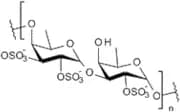
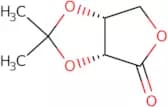

![2-Amino-b-L-arabinofurano[1,2:4,5]oxazoline](/_next/image/?url=https%3A%2Fstatic.cymitquimica.com%2Fproducts%2F3D%2Fthumb-webp%2FMA06535.webp&w=3840&q=75)
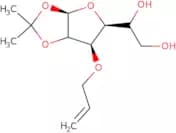
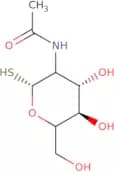
![(1S) -1- [(2S, 3S,4R) -N-Butyl-4-hydroxymethyl-3- hydroxy- 1- azetidinyl] -1, 2- ethanediol](/_next/image/?url=https%3A%2Fstatic.cymitquimica.com%2Fproducts%2F3D%2Fthumb-webp%2FMB163384.webp&w=3840&q=75)
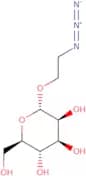

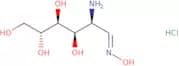
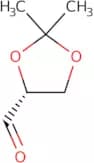
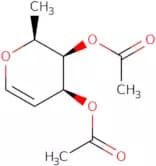
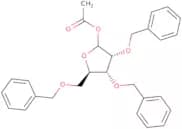
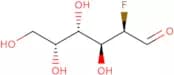
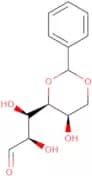
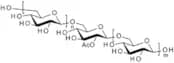
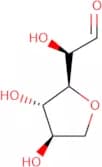

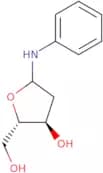


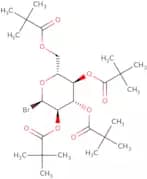
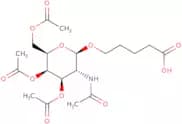
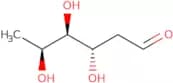
![N-[2-(4'-Nitrophenylacetonitrile)]-2,3,4,6-tetra-O-pivaloyl-D-glucopyranoside](/_next/image/?url=https%3A%2Fstatic.cymitquimica.com%2Fproducts%2F3D%2Fthumb-webp%2FMN08450.webp&w=3840&q=75)
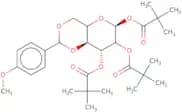
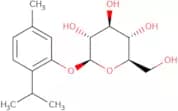
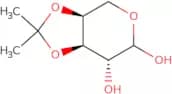

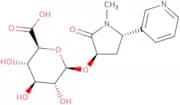

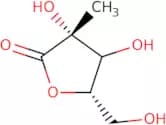



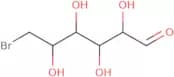
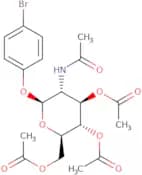
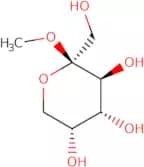


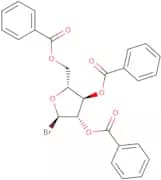
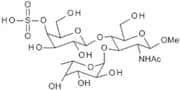
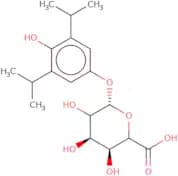
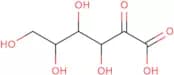

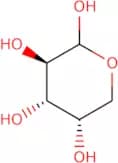
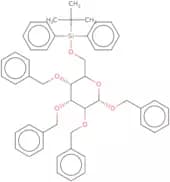
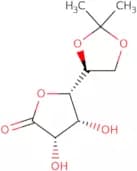
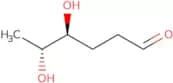

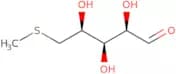
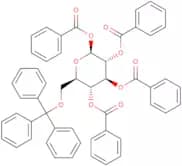


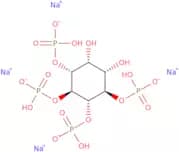


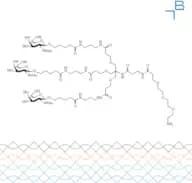
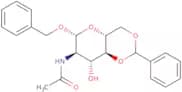

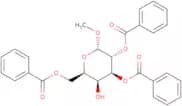


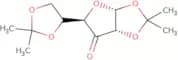
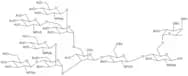
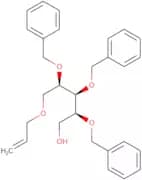

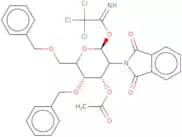


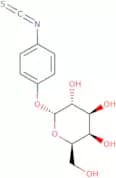
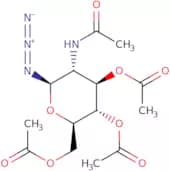

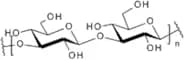
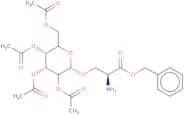
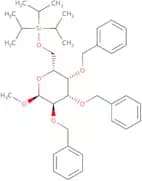
![1-(3'-Azidopropyl)-2-deoxy-4-O-[3-O-(p-phenoxybenzyl)-b-D-galactopyranosyl]-2-phthalimido-b-D-gluc…](/_next/image/?url=https%3A%2Fstatic.cymitquimica.com%2Fproducts%2F3D%2Fthumb-webp%2FOA74915.webp&w=3840&q=75)



![2-[(2,3,4,6-Tetra-O-acetyl-α-D-mannopyranosyl)oxy]acetic acid](/_next/image/?url=https%3A%2Fstatic.cymitquimica.com%2Fproducts%2F3D%2Fthumb-webp%2FFA183571.webp&w=3840&q=75)

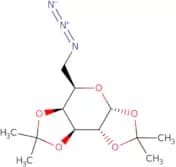
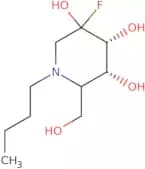
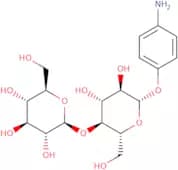

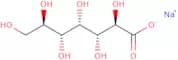

![(1R) -1- [(2S, 3R) - 3- Hydroxy- 1- ((4-methoxyphenyl)methyl) - 2- azetidinyl] -1, 2- ethanediol](/_next/image/?url=https%3A%2Fstatic.cymitquimica.com%2Fproducts%2F3D%2Fthumb-webp%2FMH163535.webp&w=3840&q=75)
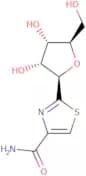
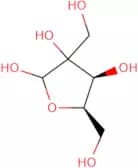
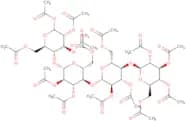
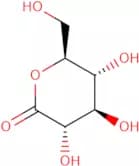
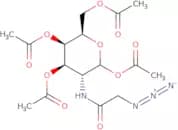
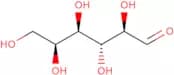
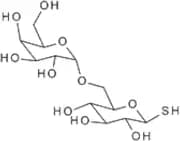
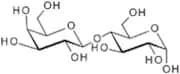
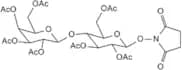


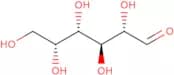

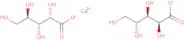
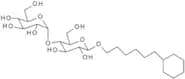
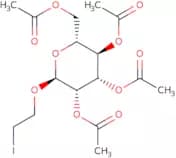
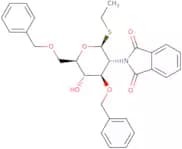

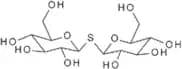
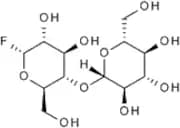

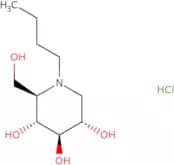

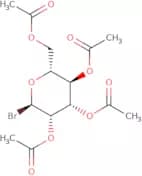

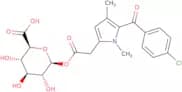


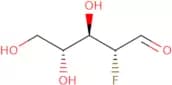
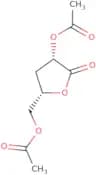




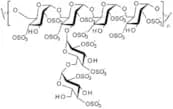

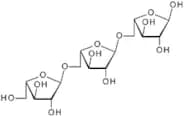
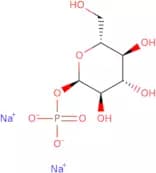

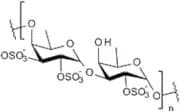

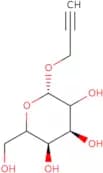
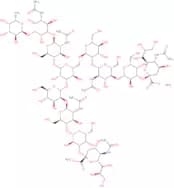
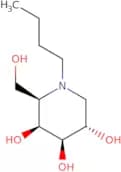

![(1S) -1- [(2S, 3R) - 3-Hydroxy- 1- (phenylmethyl) - 2- azetidinyl] -1, 2- Ethanediol](/_next/image/?url=https%3A%2Fstatic.cymitquimica.com%2Fproducts%2F3D%2Fthumb-webp%2FMH163419.webp&w=3840&q=75)
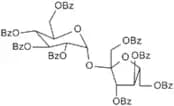
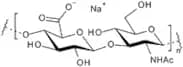
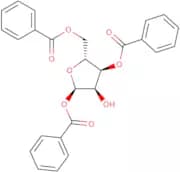
![Methyl 6-O-[(3-O-b-D-galactopyranosyl)-b-D-galactopyranosyl]-b-D-galactopyranoside](/_next/image/?url=https%3A%2Fstatic.cymitquimica.com%2Fproducts%2F3D%2Fthumb-webp%2FOM10182.webp&w=3840&q=75)

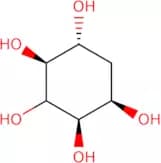
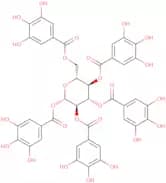
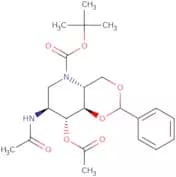

![(2S, 3S, 4R) -1Benzyl-2- [(1S) - 1, 2- dihydroxyethyl] - 3, 4- pyrrolidinediol](/_next/image/?url=https%3A%2Fstatic.cymitquimica.com%2Fproducts%2F3D%2Fthumb-webp%2FMB168718.webp&w=3840&q=75)