Glicoscienza
La glicosienza è lo studio dei carboidrati e dei loro derivati, nonché delle interazioni e delle funzioni biologiche a cui partecipano. Questo campo di ricerca è cruciale per comprendere una vasta gamma di processi biologici, tra cui il riconoscimento cellulare, la segnalazione, la risposta immunitaria e lo sviluppo delle malattie. La glicosienza ha importanti applicazioni nella biotecnologia, nella medicina e nello sviluppo di nuovi farmaci e terapie. Presso CymitQuimica, offriamo un'ampia selezione di prodotti di alta qualità e purezza per la ricerca in glicosienza. Il nostro catalogo comprende monosaccaridi, oligosaccaridi, polisaccaridi, glicoconiugati e reagenti specifici, progettati per supportare i ricercatori nei loro studi sulla struttura, funzione e applicazioni dei carboidrati nei sistemi biologici. Queste risorse sono destinate a facilitare scoperte scientifiche e applicazioni pratiche in vari ambiti delle bioscienze e della medicina.
Sottocategorie di "Glicoscienza"
- Amminozucchero(108 prodotti)
- Glico-anticorpi(282 prodotti)
- Glicolipidi(46 prodotti)
- Glicosaminoglicani (GAGs)(55 prodotti)
- Glicosidi(419 prodotti)
- Monosaccaridi(6.624 prodotti)
- Oligosaccaridi(3.682 prodotti)
- Polisaccaridi(503 prodotti)
Trovati 11046 prodotti di "Glicoscienza"
Ordinare per
Purezza (%)
0
100
|
0
|
50
|
90
|
95
|
100
Isosaccharinic acid-1,4-lactone
CAS:Isosaccharinic acid-1,4-lactone is an organic compound that is found in human urine. It has been shown that the concentration of this compound can be used as a marker for renal health. The hydrated form of isosaccharinic acid-1,4-lactone can be prepared by heating with acetic anhydride, and it has been shown to have potential applications as a buffer in diagnostic tests for human serum or as a stabilizer for x-ray structures. The 1H NMR spectrum of isosaccharinic acid-1,4-lactone reveals two distinct signals at 1.6 and 2.0 ppm, which are assigned to the two isomers of this compound. The second order rate constant was measured to be 0.025 s−1 at pH 7 and 22 °C using acetate extract from human urine. This technique was also applied to measure rates constant for other organic acids such as formic acidFormula:C6H10O5Purezza:Min. 98 Area-%Colore e forma:White PowderPeso molecolare:162.14 g/mol8-Methoxycarbonyloctyl 2-acetamido-2-deoxy-4-(a-L-fucopyranosyl)-3-O-(b-D-galactopyranosyl)-b-D-glucopyranoside
CAS:8-Methoxycarbonyloctyl 2-acetamido-2-deoxy-4-(a-L-fucopyranosyl)-3-O-(b-D-galactopyranosyl)-b-D-glucopyranoside is a custom synthetic compound that was created using click chemistry. It is an oligosaccharide, polysaccharide, saccharide, and carbohydrate. It is fluorinated and has been modified with methyl groups.Purezza:Min. 95%2-Acetamido-2-deoxy-4-O-(b-D-galactopyranosyl)-6-sulfo-b-D-glucopyranose
CAS:<p>2-Acetamido-2-deoxy-4-O-(b-D-galactopyranosyl)-6-sulfo-b-D-glucopyranose is a glycosaminoglycan that can be used as an immunomodulator. It has been shown to inhibit the production of tumor necrosis factor alpha (TNFα) in experimental cancer tissues and to stimulate the activity of lymphocytes, which may be due to its ability to regulate camp levels. 2A2D4OSBG also has regulatory effects on monoclonal antibodies and inhibits the immune reaction caused by autoimmune diseases.</p>Formula:C14H25NO14SPurezza:Min. 95%Colore e forma:White PowderPeso molecolare:463.41 g/mola-Cyclodextrin
CAS:<p>α-Cyclodextrin is a cyclic oligosaccharide with 6 D-glucose residues which are α-1,4-linked. α-cyclodextrin is used in the food industry to encapsulate flavours and fragrances. α-cyclodextrin is also an effective inhibitor of the upstream inflammatory response induced by cholesterol crystals. Cholesterol crystal-induced complement activation is a critical step in the development of atherosclerosis, thus inhibition of complement with α-cyclodextrin has the potential to be used in the treatment of atherosclerosis.</p>Formula:C36H60O30Purezza:Min. 98 Area-%Colore e forma:White Off-White PowderPeso molecolare:972.84 g/molSucrose octasulfate sodium salt
CAS:<p>This compound is generally known as sucralfates and are medications primarily taken to treat active duodenal ulcers. They are also used for the treatment of gastroesophageal reflux disease (GERD) and stress ulcers. Sucralfate is a sucrose sulfate-aluminium complex that binds to the ulcer, creating a physical barrier that protects the gastrointestinal tract from stomach acid and prevents the degradation of mucus. It also promotes bicarbonate production and acts like an acid buffer with cytoprotective properties.</p>Formula:C12H14Na8O35S8Purezza:Min. 98 Area-%Colore e forma:White PowderPeso molecolare:1,158.66 g/mol7-Deoxy-1,2:3,4:5,6-tri-O-isopropylidene-L-glycero-L-gulo-heptitol
<p>7-Deoxy-1,2:3,4:5,6-tri-O-isopropylidene-L-glycero-L-guloheptitol is a synthetic oligosaccharide. It is a complex carbohydrate that has been synthesized from glucose and galactose. The sugar's CAS number is 81271-78-9. This product can be custom synthesized to customer specifications and it is available in high purity and high quality. 7-Deoxy-1,2:3,4:5,6 -tri -O -isopropylidene -L -glycero -L -guloheptitol has been fluorinated with chlorine gas to produce the desired product. It has also undergone methylation and glycosylation reactions.</p>Purezza:Min. 95%(3S, 5S) -1-Benzyl-3, 4, 5- piperidinetriol
(3S, 5S) -1-Benzyl-3, 4, 5- piperidinetriol is a custom synthesis that belongs to the group of methylated and fluorinated triols. It is a high purity compound with a monosaccharide sugar. This product can be used as an intermediate for the synthesis of complex carbohydrate compounds such as oligosaccharides and polysaccharides.Purezza:Min. 95%2,4-Di- C- methyl- 3, 4- O- isopropylidene -L- arabinonic acid γ-lactone
<p>2,4-Di-C-methyl-3,4-O-isopropylidene-L-arabinonic acid gamma-lactone is a modification of an oligosaccharide. It has been synthesized to be used in the synthesis of complex carbohydrates. This product is custom synthesized and can be ordered with a high purity grade. The CAS number for this product is 123373-94-7 and the molecular weight is 498.5 g/mol. This product's chemical formula is C13H14O11 and it has a melting point of 185 °C to 191 °C. This product has a monosaccharide, methylation, glycosylation, polysaccharide, sugar, fluorination, saccharide structure that makes it an Oligosaccharide Carbohydrate Complex Carbohydrate Synthetic Custom synthesis High purity Glycosylation Polysaccharide Sugar Fluorination Saccharide.</p>Purezza:Min. 95%2-Azido-2-deoxy-3,4-O-isopropylidene-L-gulonic acid methyl ester
<p>2-Azido-2-deoxy-3,4-O-isopropylidene-L-gulonic acid methyl ester is a custom synthesis that is a complex carbohydrate. It has CAS No., and can be modified with saccharide, methylation, glycosylation, and click modification. The product is of high purity and can be synthesized with fluorination or other modifications.</p>Purezza:Min. 95%2,3,4-Trichloro-2,3,4-trideoxy-D-fructose
<p>2,3,4-Trichloro-2,3,4-trideoxy-D-fructose is a custom synthesis that is a complex carbohydrate. It has been modified with glycosylation and methylation to produce the desired product. This compound has shown potential for use as a therapeutic agent in cancer treatment.</p>Formula:C6H9Cl3O3Purezza:Min. 95%Peso molecolare:235.5 g/mol4-Aminophenyl 1,3-a-1,6-a-D-mannotriose
<p>4-Aminophenyl 1,3-a-1,6-a-D-mannotriose is a custom synthesis of the complex carbohydrate Oligosaccharide. It belongs to the group of saccharides and has a CAS number. This product is modified with methylation and glycosylation and is made up of a series of monosaccharides linked by alpha (1,4) or beta (1,2) glycosidic bonds. 4-Aminophenyl 1,3-a-1,6-a-D-mannotriose may be fluorinated during its synthesis using an electrophilic substitution reaction. This product is synthetic and has high purity.</p>Purezza:Min. 95%D-Glucosamine-3-O-sulphate
CAS:<p>D-Glucosamine-3-O-sulphate is a naturally occurring sugar found in the human body. It is a structural component of a number of important molecules, such as glycoproteins, heparin, and glycosaminoglycans. D-Glucosamine-3-O-sulphate has been shown to inhibit the growth of mouse tumor cells by activating effector proteins that induce apoptosis and inhibit axonal growth. It also promotes oligodendrocyte differentiation, which may be due to its ability to increase heparin levels and reduce hepcidin expression.</p>Formula:C6H13NO8SPurezza:Min. 95%Colore e forma:White PowderPeso molecolare:259.23 g/mol6-Deoxy-L-talose
CAS:<p>6-Deoxy-L-talose is a sugar that is found in the cell walls of bacteria. It is a component of glycan, which are long chains of sugar molecules linked together. Glycans are important for the structural integrity and function of bacterial cell walls. 6-Deoxy-L-talose is a monosaccharide that has been detected in the type strain of Bacillus subtilis and in wild-type strains of Pseudomonas aeruginosa. This sugar can be chemically analyzed using gas chromatography and mass spectrometry to determine its structure and chemical composition. 6-Deoxy-L-talose can be used to detect specific monoclonal antibodies against it, which could be useful for detecting bacterial infections or determining how antibiotics affect bacteria.</p>Formula:C6H12O5Purezza:Min. 98 Area-%Colore e forma:White PowderPeso molecolare:164.16 g/mol3'-Sialyl Lewis A-sp-biotin
CAS:3'-Sialyl Lewis A-sp-biotin is a biotinylated oligosaccharideFormula:C50H84N6O26SPurezza:Min. 95%Colore e forma:White PowderPeso molecolare:1,217.29 g/molRaloxifene 6-D-glucuronide
CAS:<p>Raloxifene 6-D-glucuronide is a synthetic compound that consists of the sugar raloxifene and the sugar glucuronic acid. It is a complex carbohydrate with a molecular weight of 569. Raloxifene 6-D-glucuronide is soluble in water and insoluble in most organic solvents. The compound has been modified by fluorination, which increases its stability in water, and by click modification. This compound has been shown to inhibit the activity of bacterial enzymes that are responsible for the synthesis of saccharides, such as oligosaccharides and polysaccharides.</p>Formula:C34H35NO10SPurezza:Min. 95%Colore e forma:SolidPeso molecolare:649.71 g/mol2,3,4-Tri-O-acetyl-a-D-glucuronide methyl ester trichloroacetimidate
CAS:<p>2,3,4-Tri-O-acetyl-a-D-glucuronide methyl ester trichloroacetimidate (TOG) is a synthetic glycosylation reagent that has been used for the synthesis of complex carbohydrates. It is an O-glycosidase inhibitor and is used in the preparation of saccharides with a high degree of substitution. TOG can be used to modify saccharides, oligosaccharides, and polysaccharides.</p>Formula:C15H18Cl3NO10Purezza:Min. 98 Area-%Colore e forma:White PowderPeso molecolare:478.66 g/molα-D-Galacturonic acid 1-phosphate
<p>a-D-Galacturonic acid 1-phosphate is a component of the polygalacturonate skeleton. It is an intermediate in the biosynthesis of d-galacturonic acid and galacturonic acid. This compound is also involved in cellular growth, as it is a precursor for uronic acids. The enzyme catalyzing the conversion of a-D-galacturonic acid 1-phosphate to uronic acid has been purified from Phaseolus vulgaris. It has been shown that this enzyme can be inhibited by phosphatase inhibitors such as pyridoxal phosphate, and that it can be activated by nucleotide analogs such as adenosine 5'-diphosphate (ADP) or cytidine 5'-triphosphate (CTP).</p>Formula:C6H11O10PPurezza:Min. 95%Colore e forma:PowderPeso molecolare:274.12 g/mol5-Azido-6-benzylamino-N-fluorenylmethoxycarbonyl-5,6-dideoxy-1,2-O-isopropylidene-L-idofuranose
5-Azido-6-benzylamino-N-fluorenylmethoxycarbonyl-5,6-dideoxy-1,2-O-isopropylidene-L-idofuranose is a custom synthesis that is used in the methylation of saccharides. It is also used for Click and azide modifications as well as fluorination. 5ABAFM is soluble in methanol and DMSO and has a CAS number of 2591402.Purezza:Min. 95%Methyl 2,3,4-tri-O-benzoyl-6-O-tert-butyldimethylsilyl-a-D-galactopyranoside
<p>Methyl 2,3,4-tri-O-benzoyl-6-O-tert-butyldimethylsilyl-a-D-galactopyranoside is an oligosaccharide that is used as a synthetic intermediate for the synthesis of other glycosylated compounds. This compound is fluorinated at the C2 position to provide a reactive site for further modification. Methyl 2,3,4-tri-O-benzoyl-6-O-(tert butyldimethylsilyl)-a D galactopyranoside can be modified with click chemistry to introduce new functional groups such as hydroxyl and amine groups. The methyl group on this compound can also be removed using methanolysis to produce methyl 2,3,4 tri - O benzoyl - 6 - O tert butyldimethylsilyl - a D galactopyranoside.</p>Formula:C34H40O9SiPurezza:Min. 95%Peso molecolare:620.78 g/mol5'-O-(2-Azido-2-deoxy-D-mannopyranosyl)-uridine
CAS:<p>5'-O-(2-Azido-2-deoxy-D-mannopyranosyl)-uridine is a complex carbohydrate that is used in the synthesis of oligosaccharides, polysaccharides, and other glycosylated molecules. This compound can be modified with methylation, click modification, fluorination, or saccharide moieties. It is a synthetic molecule that has CAS 635293-07-1 and has been custom synthesized to achieve high purity.</p>Formula:C15H21N5O10Purezza:Min. 95%Peso molecolare:431.35 g/molN-Acetylglucosamine-BSA (14 atom spacer)
<p>N-Acetylglucosamine-BSA is a modified form of N-acetylglucosamine that is used as a carrier protein in the production of monoclonal antibodies. It binds to sugar residues and enhances antibody response. N-Acetylglucosamine-BSA binds to receptor molecules on liver cells and facilitates uptake into these cells, which then process it into glucose. This molecule has been shown to increase hematopoietic cell proliferation in vitro and stimulate the release of spermatozoa from the testes in vivo. Lectins can be used to detect this molecule by binding to its carbohydrate binding sites.</p>Purezza:Min. 95%Colore e forma:White Powder3-Aminopropyl 4,6-O-benzylidene-3-O-pivaloyl-b-D-galactopyranoside
CAS:<p>3-Aminopropyl 4,6-O-benzylidene-3-O-pivaloyl-b-D-galactopyranoside is a glycosylated and fluorinated saccharide that is used as a building block for the synthesis of complex carbohydrates. It can be modified to produce glycans with desired properties, such as improved solubility or stability in high temperatures. This product is available in custom synthesis and high purity.</p>Formula:C21H31NO7Purezza:Min. 95%Peso molecolare:409.47 g/molBenzyl 2-acetamido-4-O-[2-acetamido-4-O-(2,4-di-O-acetyl-3,6-di-O-benzyl-b-D-glucopyranosyl)-3,6-di-O-(2-O-acetyl-3,4,6-tri-O-benzyl -a-D-mannopyranosyl)-2-deoxy-b-D-glucopyranosyl]-3,6-di-O-benzyl-2-deoxy-5-thio-b-D-glucopyranoside
<p>This compound is a custom synthesis for Modification, Fluorination, Methylation, Monosaccharide, Synthetic, Click modification, Oligosaccharide and saccharide. It has CAS No. and Polysaccharide as Carbohydrate. The molecular weight of this compound is</p>Formula:C119H132N2O29SPurezza:Min. 95%Peso molecolare:2,086.38 g/mol1,1,1,1-Kestohexose
CAS:<p>Non-reducing sucrose analog containing glucose and fructose</p>Formula:C36H62O31Purezza:Min. 90%Colore e forma:White PowderPeso molecolare:990.86 g/molHyaluronic acid sodium salt - Low molecular weight 10,000 - 50,000
CAS:<p>Gycosaminoglycan in many organs; joint lubricant and shock absorber</p>Formula:(C14H20NO11Na)nPurezza:Min. 95.0%Colore e forma:Powder3,4:5,6-Di-O-isopropylidene-D-idonic acid methyl ester
3,4:5,6-Di-O-isopropylidene-D-idonic acid methyl ester is a modified sugar. It is a complex carbohydrate which is synthesized from D-glyceraldehyde and D-ribose. This product can be used in the production of glycosylated proteins or as an intermediate for custom synthesis. 3,4:5,6-Di-O-isopropylidene-D-idonic acid methyl ester has high purity and can be ordered with custom synthesis. 3,4:5,6-Di-O-isopropylidene-D-idonic acid methyl ester is soluble in water and alcohols. It can be used as a reagent for click chemistry modification.Purezza:Min. 95%1,2,3,4-Tetra-O-acetyl-D-mannopyranose
CAS:<p>1,2,3,4-Tetra-O-acetyl-D-mannopyranose is a modified monosaccharide that is synthesized by the Click reaction. This compound has been shown to be useful in the synthesis of oligosaccharides and polysaccharides. It can also be used for protein modification or the fluorination of saccharides. It is also a high purity product that can be used as an intermediate for custom synthesis.</p>Formula:C14H20O10Purezza:Min. 95%Peso molecolare:348.3 g/mol4-O-(b-D-Galactopyranosyl)-b-D-thioglucopyranose
<p>4-O-(b-D-Galactopyranosyl)-b-D-thioglucopyranose is a custom synthesis carbohydrate. It is an oligosaccharide that consists of a monosaccharide with a b-D-galactopyranosyl group and a b-D-thioglucopyranose group. 4-O-(b-D-Galactopyranosyl)-b-D-thioglucopyranose is a polysaccharide and belongs to the class of carbohydrates, which are saccharides or sugars. Carbohydrates are important in cell walls and are modified by methylation, glycosylation, and click modification. Carbohydrates can be classified as simple or complex carbohydrates. Simple carbohydrates contain one molecule with one type of sugar unit bonded together, while complex carbohydrates have more than one type of sugar unit bonded together.</p>Formula:C12H22O10SPurezza:Min. 95%Colore e forma:PowderPeso molecolare:358.36 g/molChitosan - Molecular weight 190,000-310,000
CAS:<p>Chitosan is the deacetylated form of chitin. The polysaccharide is deacetylated in order to render it soluble, which is then possible at pH values of less than 7 (normally in dilute acid). This then allows the material to be used in a number of industrial applications as a binder and film former.</p>Colore e forma:Off-White PowderHeparin derived dp18 saccharide ammonium salt
<p>Heparin derived dp18 saccharide ammonium salt is a complex carbohydrate that has been modified with methylation, custom synthesis, click modification, and fluorination. It is used as an anticoagulant to prevent the formation of blood clots. Modification of the sugar chain on the heparin molecule can be achieved through either monosaccharide or polysaccharide substitution. The monosaccharides most commonly found in heparin are glucosamine and N-acetylglucosamine. The polysaccharides that can be found in heparin include chondroitin sulfate, dermatan sulfate, keratan sulfate, and heparan sulfate.<br>Heparin derived dp18 saccharide ammonium salt is a high purity product that has been modified to have a higher degree of efficacy for use in clinical applications. This product is available for purchase at a cost-effective price point.</p>Purezza:Min. 95%Colore e forma:PowderPeso molecolare:~ 5200 (average)Isoprimeverose
CAS:<p>Isoprimeverose is a covalently linked polysaccharide with a molecular weight of about 5,000. It has been shown to have an optimum pH at around 7.5 and is soluble in water. Isoprimeverose was found to be highly immunogenic in rats and mice, producing high levels of polyclonal antibodies against the protein target. The carbohydrate moiety of isoprimeverose contains galacturonic acid, which may play a role in its uptake by mammalian cells. The hydroxyl group on the sugar molecule may also play a role in this process. Isoprimeverose can be used as an artificial sweetener because it does not contain any sugars or carbohydrates that can cause tooth decay or other dental problems.</p>Formula:C11H20O10Purezza:Min. 95%Colore e forma:White PowderPeso molecolare:312.27 g/molN-Benzyl-3,5-dideoxy-3,5-imino-1,2-O-isopropylidene-a-D-gluco(b-L-ido)furanose
<p>N-Benzyl-3,5-dideoxy-3,5-imino-1,2-O-isopropylidene-a-D-gluco(b-L-ido)furanose is a methylated saccharide that is used in the synthesis of complex carbohydrates. This synthetic compound is classified as a sugar and can be modified with a variety of chemical reactions. The carbonyl group on the C6 position can be fluorinated to produce N-(2,4,6'-trifluoroacetyl)-benzyl--3,5-dideoxy--3,5--imino--1,2--O--isopropylidene--a-(D)--gluco(b)--L--ido)furanose. This compound has CAS Number 58424–52–0 and is available for custom synthesis.</p>Purezza:Min. 95%3'-Sialyl-N-acetyllactosamine-β-ethylamine
<p>Please enquire for more information about 3'-Sialyl-N-acetyllactosamine-β-ethylamine including the price, delivery time and more detailed product information at the technical inquiry form on this page</p>Formula:C27H47N3O19Purezza:Min. 95%Peso molecolare:717.67 g/mol6-Azido-6-deoxy-D-galactose
CAS:<p>6-Azido-6-deoxy-D-galactose is a mutagenic compound that is used as a carbon source in the synthesis of other compounds. It has been shown to have mutagenicity in TA100 cells and to be active against Staudinger's naphthol. The compound is synthesised by chemoenzymatic methods, which involve the use of alcohols and an acetyl group. 6-Azido-6-deoxy-D-galactose can be used as a mutagenic agent for the production of mutants with desired properties.</p>Formula:C6H11N3O5Purezza:Min. 95%Colore e forma:White PowderPeso molecolare:205.17 g/molMaltotriose - Ultrapure
CAS:<p>linear a-(1,4) trisaccharide produced from starch by acid or enzyme hydrolysis</p>Formula:C18H32O16Purezza:Min. 95.0 Area-%Colore e forma:PowderPeso molecolare:504.44 g/molLactobionic acid
CAS:<p>Lactobionic acid is produced by oxidation of lactose. It is widely used in the food and in pharmaceutical field, due to its excellent biocompatibility, biodegradability, nontoxicity, chelating, amphiphilic and antioxidant properties. Lactobionic acid is produced as a white solid powder, freely soluble in water and slightly soluble in anhydrous ethanol and methanol.</p>Formula:C12H22O12Colore e forma:White PowderPeso molecolare:358.3 g/molD-Sorbitol hexaacetate
CAS:<p>Sorbitol hexaacetate is a low-energy compound that has a hydroxyl group and a phenolic acid. It is used as an intermediate in the production of detergents, surfactants, and other industrial chemicals. In addition to this, sorbitol hexaacetate can be used as a radiation shield and an effective dose for radiation therapy. Sorbitol hexaacetate is also used as an ingredient in lipolytic enzymes. It has been shown to inhibit the activity of lipolytic enzymes by forming hydrogen bonds with the enzyme active site. Magnetic resonance spectroscopy studies have revealed that sorbitol hexaacetate has a cavity that can be filled with water molecules, which may explain its ability to act as an optical polarizer.</p>Formula:C18H26O12Purezza:Min. 97 Area-%Colore e forma:White PowderPeso molecolare:434.39 g/mol3-O-Benzyl-4,6-O-benzylidene-a-D-glucopyranose
<p>3-O-Benzyl-4,6-O-benzylidene-a-D-glucopyranose is a custom synthesis of a complex carbohydrate. This product has CAS No. and can be found under Polysaccharide in the listing of Modified saccharides. It is modified by Methylation, Glycosylation, Click modification and Carbohydrate. The product is synthesized using Fluorination and Synthetic methods. It is high purity, with a purity level of 99%.</p>Purezza:Min. 95%Isomaltotetraose
CAS:<p>Produced from high maltose syrup by treatment with transglucosidase</p>Formula:C24H42O21Purezza:Min. 95%Colore e forma:White PowderPeso molecolare:666.58 g/molHesperetin 7,3'-O-b-D-glucuronide
<p>Hesperetin 7,3'-O-b-D-glucuronide is a custom synthesis that can be synthesized with a variety of modifications including the addition of fluorine atoms. It is an oligosaccharide or polysaccharide consisting of saccharides. Hesperetin 7,3'-O-b-D-glucuronide is a white crystalline powder that has high purity and low impurities. It is an effective topical treatment for acne vulgaris and other skin conditions.</p>Formula:C28H30O18Purezza:Min. 95%Peso molecolare:654.53 g/mol2, 3:5,6-Bis-O-(1-ethylpropylidene)-D-glycero-L-talo-heptonic acid γ-lactone
<p>2,3:5,6-Bis-O-(1-ethylpropylidene)-D-glycero-L-taloheptonic acid gamma-lactone (TAL) is a glycosylated saccharide that is synthesized by the click reaction of a terminal alkyne group with an azide group. TAL has been shown to have anti-inflammatory effects on mice. This compound also exhibits potent inhibition of bacterial growth and can be used as an alternative to penicillin.</p>Purezza:Min. 95%5-Fluoropyrimidin-2-One β-Ribofuranoside
CAS:<p>5-Fluoropyrimidin-2-One beta-Ribofuranoside is a subunit of the enzyme cytidine deaminase. It interacts with a substrate binding site, which is located at the active site of cytidine deaminase. This molecule has been shown to stabilize the enzyme and increase its rate of reaction with the substrate. 5-Fluoropyrimidin-2-One beta-Ribofuranoside can also bind with a water molecule, which may be important for enzymatic activity.<br>5-Fluoropyrimidin-2-One beta-Ribofuranoside is homologous to other molecules that are involved in DNA synthesis, such as adenosine monophosphate (AMP), ribose, and uracil.</p>Formula:C9H11FN2O5Purezza:Min. 95%Peso molecolare:246.19 g/molTopiramate
CAS:Prodotto controllato<p>An anticonvulsant drug</p>Formula:C12H21NO8SPurezza:Min. 95%Colore e forma:PowderPeso molecolare:339.37 g/molGalactosyl-Tn-antigen
<p>Galactosyl-Tn-antigen is an antigen that is found in the urine of patients with bladder cancer. It is a glycoprotein that has been shown to be present in the urine of patients with bladder cancer and not in the urine of healthy individuals. Galactosyl-Tn-antigen was detected using a monoclonal antibody against an epitope on the Tn antigen and can be used for diagnosis of bladder cancer. The level of galactosyl-Tn-antigen in the serum varies with age and glomerular filtration rate, suggesting that it may be involved in renal function. Galactosyl-Tn-antigen has also been shown to have a role in cell adhesion and skin reactions, as well as autoimmune diseases such as cancer.</p>Formula:C17H30N2O13Purezza:Min. 95%Colore e forma:PowderPeso molecolare:470.43 g/mol3-Aminopropyl α-D-mannopyranoside
CAS:Mannose with an aliphatic 3 carbon amine linker.Formula:C9H19NO6Purezza:Min. 95%Colore e forma:PowderPeso molecolare:237.25 g/molLactitol anhydrous
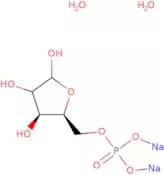
CAS:<p>Lactitol is a polyol that is used as a sweetener and has the potential to cause diarrhea. It belongs to the group of sugar alcohols, which are not completely digested by humans. Lactitol is produced from lactose, which is derived from milk. The main clinical relevance of lactitol is its high intestinal permeability, low caloric value, and ability to lower blood glucose levels in diabetics. Lactitol undergoes microbial metabolism through the action of certain bacteria in the colon and can be found in products such as probiotics and food supplements. It has been shown to have beneficial effects on chronic viral hepatitis and may be used for treatment of bacterial translocation. Lactitol also inhibits pge2 production in mice with colitis, leading to decreased inflammatory responses in their small intestines and colon. This inhibition may also lead to suppression of tumor growth or promotion of apoptosis in colorectal cancer cells by inhibiting protein synthesis and cell division.br></p>Formula:C12H24O11Purezza:Min. 95%Colore e forma:PowderPeso molecolare:344.31 g/molD-Ribose-1-phosphate bis(cyclohexylammonium)
CAS:<p>D-Ribose-1-phosphate bis(cyclohexylammonium) salt is a custom synthesis of D-ribose. It is a monosaccharide that has been fluorinated, methylated, and glycosylated. The chemical modification of the sugar allows for it to have properties such as high purity and custom synthesis. This product can be used in a number of applications including complex carbohydrate, glycosylation, Methylation, and click modification.</p>Formula:C5H11O8P•(C6H13N)2Purezza:Min. 97 Area-%Colore e forma:PowderPeso molecolare:428.46 g/molMan-5 Glycan, 2-AB labelled
<p>Man-5 Glycan, 2-AB labelled is a synthetic oligosaccharide that contains a mannose and a galactose moiety. It has been synthesized by click chemistry with the use of 2-aminobenzaldehyde and glycosylation with methylated and fluorinated mannose. This compound is used as a standard for the detection of carbohydrate binding proteins.</p>Purezza:Min. 95%Thiodigalactoside - Bio-X ™
CAS:This product is part of our Bio-X ™ Range. These products are aimed at life science researchers who need high quality ready-to-use products for assay development, screening or other R&D work. With a solubility datasheet and convenient vials, all of our Bio-X ™ products are in stock across our global warehouses for rapid delivery and ease of use.Formula:C12H22O10SPurezza:Min. 95%Colore e forma:PowderPeso molecolare:358.36 g/molDapagliflozin propanediol monohydrate - Bio-X ™
CAS:Dapagliflozin is a sodium-glucose cotransporter subtype 2 (SGLT2) inhibitor that can be used in the treatment of diabetes mellitus type 2. It inhibits glucose reabsorption in the proximal tubule of the nephron and results in glycosuria, which helps to improve glycaemic control. Also, Dapagliflozin is used to lower the risk of sustained eGFR decline, end-stage renal disease, cardiovascular death, and hospitalization for heart failure in patients with chronic kidney disease who are at risk of progression.Formula:C21H25ClO6•C3H8O2•H2OPurezza:Min. 95%Colore e forma:PowderPeso molecolare:502.98 g/molNA2 Glycan, 2-AB labelled
<p>N-Acetylneuraminic acid (NA2) is a glycan that is found in the human body, and is important for brain function. NA2 Glycan, 2-AB labelled, is a high purity custom synthesis sugar with Click modification and fluorination. The glycans are made of monosaccharides or saccharides linked together by glycosidic bonds. Carbohydrates are classified according to their number of sugar units: simple carbohydrates contain one or two sugar units; complex carbohydrates have three or more. This product is an oligosaccharide that contains nine sugar units: three monosaccharides and six saccharides. It can be used as a substrate for methylation, glycosylation, and modification reactions.</p>Formula:C69H112N6O46Purezza:Min. 95%Peso molecolare:1,761.64 g/molLactobionic acid ethyl ester
<p>Lactobionic acid ethyl ester is a custom synthesis of an oligosaccharide that is modified by fluorination, methylation, and click modification. Lactobionic acid ethyl ester is synthesized from the sugar D-glucose and the monosaccharide D-galactose. This product can be used as a substitute for sucrose in food products as it has similar taste, texture and sweetness. It also has many other applications such as being used in the manufacture of polysaccharides and complex carbohydrates.</p>Purezza:Min. 95%2,3:4,5-Di-O-isopropylidene-D-talitol (altritol)
<p>2,3:4,5-Di-O-isopropylidene-D-talitol (altritol) is a complex carbohydrate that can be used as a monosaccharide. It is a glycosylation product of D-talitol and it has been shown to have Methylation, Click modification and Polysaccharide modification. 2,3:4,5-Di-O-isopropylidene-D-talitol (altritol) is fluorinated at the C2 position and is soluble in water. It has CAS number 51617-94-7 and can be synthesized with high purity.</p>Purezza:Min. 95%1-O -Acetyl-2,5-di-O-benzoyl-3-fluoro-3-deoxy-b-D-ribofuranoside
CAS:<p>1-O -Acetyl-2,5-di-O-benzoyl-3-fluoro-3-deoxy-b-D-ribofuranoside is a synthetic sugar that belongs to the class of saccharides. It is a modification of fluorinated sugar that has been modified with acetylation and benzoylation. This compound can be used as an intermediate in the synthesis of oligosaccharides and glycosylations.</p>Purezza:Min. 95%A1 Glycan, 2-AB labelled
<p>A1 Glycan, 2-AB labelled is a custom synthesis of a complex carbohydrate. The carbohydrate is an oligosaccharide that has been modified with methylation and glycosylation. The carbohydrate has a CAS number and is a polysaccharide. It is modified with saccharide, methylation, and glycosylation. The carbohydrate has undergone click modification and fluorination and it is synthetic.</p>Purezza:Min. 95%Fucoidan, laminaria digitata
CAS:<p>A fucan sulphate found in brown marine algae (Phaeophyta-typically Fucus serratus, Ascophyllum nodosum, Laminaria digitata (illustrated) and Macrocystis pyrifyra) and has been shown to have anticoagulant activity. The main constituents are α-1,4 and α-1,2 linked L-fucose sulphates although galactose also occurs and there are many variations of the basic structure found in different species of Phaeophyta.<br>The image was kindly provided by Prof Mike Guiry from Cork who runs ‘The Seaweed Site’.</p>Colore e forma:Powder3-Epialexine
CAS:<p>3-Epialexine is a novel small molecule that inhibits sucrase, the enzyme responsible for cleaving glucose from sucrose. 3-Epialexine binds to the active site of this enzyme, preventing d-glucose from binding and being broken down. This leads to an accumulation of d-glucose in the intestinal lumen and could be used as a lead compound for the development of drugs to treat diabetes. The diversity of microorganisms can be screened for sucrase activity by using 3-epialexine as a lead compound.</p>Purezza:Min. 95%Blood Group A pentasaccharide type I
<p>A antigen pentasaccharide Type I, possible use in antiviral development</p>Formula:C34H58N2O25Purezza:Min. 85%Colore e forma:PowderPeso molecolare:894.82 g/mol6-Deoxy-6-fluoro-D-lactosylamine
<p>6-Deoxy-6-fluoro-D-lactosylamine (6DFDLA) is a Custom synthesis, Modification, Fluorination, Methylation, Monosaccharide, Synthetic, Click modification, Oligosaccharide, saccharide. It is a polysaccharide that contains a glycosyl linkage between two or more monosaccharides. The carbons of 6DFDLA are derived from glucose and galactose. 6DFDLA is a carbohydrate that can be classified as either simple or complex carbohydrates.</p>Purezza:Min. 95%3, 5- O-Isopropylidene - D- lyxonic acid γ-lactone
3,5-O-Isopropylidene-D-lyxonic acid gamma-lactone is a sugar that belongs to the group of carbohydrates. It is synthesized by the chemical modification of D-lyxonic acid and has been shown to inhibit the growth of bacteria. 3,5-O-Isopropylidene - D-lyxonic acid gamma-lactone inhibits bacterial growth by binding to the enzyme beta - galactosidase, which is involved in glycosylation and glycosyltransferase activity. This compound also inhibits protein synthesis in bacteria and has been shown to have antiinflammatory properties. 3,5-O-Isopropylidene - D-lyxonic acid gamma-lactone may be used as an alternative sweetener or food additive.Purezza:Min. 95%2,6-di-O-n-pentyl-3-O-trifluroacetyl-γ-cyclodextrin
<p>This gamma-cyclodextrin (γ-CD) derivative is a modified cyclic oligosaccharide composed of eight glucose units, featuring a larger cavity size than α- and β-cyclodextrins. This structural characteristic allows γ-CDs to form inclusion complexes with a wider range of guest molecules, making it particularly versatile in various industries. In the food sector, it is used as a carrier and stabilizer for flavors, fat-soluble vitamins, and polyunsaturated fatty acids, protecting volatile compounds from evaporation. In pharmaceuticals, it enhances the solubility and bioavailability of poorly water-soluble drugs and, thanks to its larger ring size, allows for the encapsulation of larger molecules or even entire drug molecules. γ-CDs and derivatives are also used for environmental remediation and, in analytical chemistry, for the extraction and concentration of target substances.</p>Formula:C144H232F24O48Purezza:Min. 95%Peso molecolare:3,187.32 g/mol5-Deoxy-L-ribose phenylhydrazone
CAS:<p>Intermediate in the synthesis of L-Primapterin</p>Formula:C11H16N2O3Purezza:Min. 95%Peso molecolare:224.26 g/mol6-Monomesyl-γ-cyclodextrin
<p>This gamma-cyclodextrin (γ-CD) derivative is a modified cyclic oligosaccharide composed of eight glucose units, featuring a larger cavity size than α- and β-cyclodextrins. This structural characteristic allows γ-CDs to form inclusion complexes with a wider range of guest molecules, making it particularly versatile in various industries. In the food sector, it is used as a carrier and stabilizer for flavors, fat-soluble vitamins, and polyunsaturated fatty acids, protecting volatile compounds from evaporation. In pharmaceuticals, it enhances the solubility and bioavailability of poorly water-soluble drugs and, thanks to its larger ring size, allows for the encapsulation of larger molecules or even entire drug molecules. γ-CDs and derivatives are also used for environmental remediation and, in analytical chemistry, for the extraction and concentration of target substances.</p>Formula:C49H82SO42Purezza:Min. 95%Peso molecolare:1,375.22 g/mol4-Deoxy-4-fluoro-D-glucose
CAS:<p>4-Deoxy-4-fluoro-D-glucose is a biochemical compound that is used to bind to the carbon source in target tissues. It has a fluorine atom and two hydroxy groups, which are responsible for its biological properties. 4-Deoxy-4-fluoro-D-glucose binds to the 6 phosphate in bacterial enzymes and inhibits their activity, leading to cell death. It also binds to the hydroxyl group of proteins and alters their function. 4-Deoxy-4-fluoro-D-glucose is an inhibitor of bacterial enzymes, but has no effect on eukaryotic cells due to its inability to bind with these types of enzymes.</p>Formula:C6H11FO5Purezza:Min. 95%Colore e forma:PowderPeso molecolare:182.15 g/molSucrose-6-phosphate sodium
CAS:<p>Sucrose-6-phosphate sodium is a transcriptional regulator that belongs to the group of sugar phosphate ions. Sucrose-6-phosphate sodium regulates the transcription of genes involved in the synthesis of polysaccharides, such as sucrose and starch. This compound plays an important role in the metabolism of plants and has been shown to regulate hydrogen bond formation, photosynthetic activity, glycosidic bond formation, polymerase chain reactions, and regulatory sequences. The optimum pH for this compound is 7.0, with enzyme activities between pH 6.0 and 8.5. Sucrose-6-phosphate sodium also has been shown to regulate root formation and phosphorus pentoxide production in corynebacterium glutamicum.</p>Formula:C12H23O14P•Na2Purezza:Min. 95%Colore e forma:PowderPeso molecolare:468.26 g/molMycothione
<p>Please enquire for more information about Mycothione including the price, delivery time and more detailed product information at the technical inquiry form on this page</p>Formula:C34H58N4O24S2Purezza:Min. 95%Peso molecolare:970.97 g/mol4-Isothiocyanatophenyl-α-D-mannopyranoside
CAS:4-Isothiocyanatophenyl-alpha-D-mannopyranoside is a synthetic glycosylated sugar that has been modified with fluorination and methylation. It is a custom synthesis that can be modified to customer specifications. This product is available in high purity and at competitive prices.Formula:C13H15NO6SPurezza:Min. 98.0 Area-%Peso molecolare:313.33 g/molRef: 3D-W-204140
1gPrezzo su richiesta50mgPrezzo su richiesta100mgPrezzo su richiesta250mgPrezzo su richiesta500mgPrezzo su richiesta-Unit-ggPrezzo su richiestaPhenylethyl-beta-D-glucopyranoside
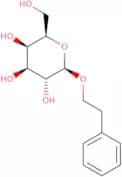
CAS:<p>Phenylethyl-beta-D-glucopyranoside is a phenolic compound that is found in plants such as Echinacea. Phenylethyl-beta-D-glucopyranoside has been shown to inhibit tumor cell proliferation by increasing the levels of enzyme catalysis and enzyme activity, and decreasing the levels of protocatechuic acid. This compound also inhibits fatty acid synthesis, which may be due to its ability to inhibit the production of 4-hydroxycinnamic acid via inhibition of the enzyme acyl coenzyme A:cholesterol acyltransferase. The cyanobacterial strain Synechococcus elongatus PCC 7942 was found to produce phenylethyl glucoside, an iridoid glucoside with high cytotoxic activity against human tumor cells.</p>Formula:C14H20O6Purezza:Min. 95%Colore e forma:PowderPeso molecolare:284.31 g/molLacto-N-fucopentaose I
CAS:<p>Milk oligosaccharide; expressed on human induced pluripotent cells</p>Formula:C32H55NO25Purezza:Min. 95%Colore e forma:White PowderPeso molecolare:853.77 g/molN-Acetylneuraminic acid dimer disodium salt
CAS:<p>Intermediate in synthesis of ganglioside GD2</p>Formula:C22H34N2O17·2NaPurezza:Min. 95 Area-%Colore e forma:White PowderPeso molecolare:644.49 g/mol2,3:4,5-Di-O-isopropylidene-D-arabinose
CAS:<p>Synthetic building block</p>Formula:C11H18O5Purezza:Min. 95%Colore e forma:Colorless PowderPeso molecolare:230.26 g/molD-Mannono-1,5-lactone
CAS:<p>D-Mannono-1,5-lactone is a custom synthesis. It is fluorinated to give 1,5-difluoro-D-mannono-1,4,6-lactone. The methylation of the C2 hydroxyl group and the C3 keto group gives 1,5-difluoro-D-mannono-1,4,6-(methylenedioxy)lactone. Click modification of this product with azide or acetylene gives 1,5-[(azido)-(acetylenyl)] D-mannono lactone or 1,5-[(acetylene)-(azido)] D manno lactone respectively. Monosaccharides can be synthesized from these products by glycosylation with a sugar donor. Polysaccharides can be synthesized from these products by glycosylation with a sugar donor and subsequent glycosidic linkage via an olig</p>Formula:C6H10O6Purezza:Min. 95 Area-%Colore e forma:PowderPeso molecolare:178.14 g/molD-Glucosamine-2-N-sulfate sodium
CAS:D-Glucosamine-2-N-sulfate sodium is a synthetic, high purity carbohydrate with a custom synthesis. It is an oligosaccharide that is also a sugar and a saccharide. The methylation of D-glucosamine 2-N-sulfate sodium can be achieved by glycosylation or click modification. Click modification is the addition of a carbon atom to the molecule through the reaction with an electrophile, such as N-hydroxysuccinimide ester. This modification can be used to introduce fluorine atoms into the molecules, which can improve their solubility and stability. The product has shown anti-inflammatory activities in animal models, which may be due to its ability to inhibit prostaglandin synthesis.Formula:C6H12NNaO8SPurezza:Min. 95 Area-%Colore e forma:White Off-White PowderPeso molecolare:281.22 g/molUDP-2-deoxy-2-fluoro-D-glucose sodium salt
CAS:UDP-2-deoxy-2-fluoro-D-glucose sodium salt (UDPFG) is a fluorinated analog of the sugar donor, UDP-glucose. It is an acceptor for the enzyme, glycosylation protein glucosyltransferase, which catalyzes the transfer of glucose to proteins. This compound has been shown to be an activating sugar donor in vitro and in vivo. In addition, it was found that UDFG can bind to the active site of glucosyltransferase in a hydrogen bond interaction that may be important for catalysis.Formula:C15H21FN2O16P2·2NaPurezza:Min. 95%Colore e forma:PowderPeso molecolare:568.29 g/mol2,3:4,5-Di-O-isopropylidene-D-xylitol
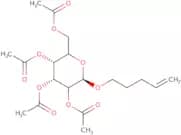
CAS:<p>2,3:4,5-Di-O-isopropylidene-D-xylitol is an acceptor for the Stannic Chloride Reaction. It is a lacto-n-biose derivative of D-xylitol that has been shown to have antibiotic activity against Streptococcus section A and B. The temporary protection of the hydroxyl group in 2,3:4,5diOisopropylidene-Dxylitol with methyl glycosides provides a convenient method for glycosylations. The chloride ion can be replaced by hexaacetate to yield 1amino1deoxyDxylitol hydrochloride, which is a benzyl derivative. This reaction allows for research into the transfer of 2,3:4,5diOisopropylideneDxylitol.</p>Formula:C11H20O5Purezza:Min. 95%Colore e forma:Solidified MassPeso molecolare:232.27 g/mol2-Azidoethyl 2,3,4,6-tetra-O-acetyl-b-D-galactopyranoside
CAS:<p>Epidermal growth factor is a polypeptide that regulates the proliferation and differentiation of cells. It has been shown to have anabolic effects on muscle, connective tissue and bone. Epidermal growth factor binds to the epidermal growth factor receptor (EGFR), which is found in the cell membrane. The binding of the ligand to this receptor induces a conformational change in the receptor, which activates downstream signalling pathways, leading to its biological effects. Epidermal growth factor has been shown to stimulate protein synthesis in skeletal muscle cells by increasing levels of messenger ribonucleic acid (mRNA) encoding for insulin-like growth factor I (IGF-I). This stimulation is mediated by an increase in cAMP concentrations induced by EGFR activation.br>br></p>Formula:C16H23N3O10Purezza:Min. 95%Colore e forma:White PowderPeso molecolare:417.37 g/mol2,3,4,6-Tetra-O-acetyl-b-D-glucopyranosyl isothiocyanate
CAS:2,3,4,6-Tetra-O-acetyl-b-D-glucopyranosyl isothiocyanate (TGIT) is a compound that mimics the melanoma antigen. It has been used to identify human pathogens in biological samples and has shown to have an antibody response. TGIT has also been used as a fluorescent probe for nucleic acids in analytical methods and polymerase chain reaction. This chemical can be used as a fluorescence detector in titration calorimetry. TGIT is not acutely toxic, but can cause cell lysis when combined with trifluoroacetic acid.Formula:C15H19NO9SPurezza:Min. 95%Colore e forma:White PowderPeso molecolare:389.38 g/mol1,4,6-Tri-O-galloylglucose
CAS:<p>1,4,6-Tri-O-galloylglucose is a synthetic carbohydrate that has been modified using glycosylation, methylation, and click modification. It is a complex carbohydrate with a high purity of 99.5%, and can be used in many applications including the synthesis of oligosaccharides. 1,4,6-Tri-O-galloylglucose can be fluorinated to create a product with increased resistance to hydrolysis.</p>Formula:C27H24O18Purezza:Min. 95%Peso molecolare:636.47 g/mol6-Chloro-6-deoxy-D-allose
<p>6-Chloro-6-deoxy-D-allose is a synthetic sugar that has been fluorinated to produce the 6-chloro-6-deoxy sugar. The product is soluble in water and ethanol, and has a CAS number of 56982-08-3. It can be custom synthesized for customers with high purity and methylated at any position on the sugar chain. This product can be glycosylated or click modified, depending on customer needs.</p>Formula:C6H11ClO5Purezza:Min. 95%Peso molecolare:198.6 g/molVarenicline N-glucoside
CAS:<p>Varenicline N-glucoside is a modification of varenicline, which is an antagonist of the nicotinic acetylcholine receptor. This compound has been synthesized using custom synthesis and glycosylation to obtain high purity. It has been methylated and fluorinated in order to remove any impurities. Varenicline N-glucoside is a carbohydrate with a molecular weight of 581.5 g/mol, consisting of one monosaccharide and one disaccharide. It also contains a complex carbohydrate with an oligosaccharide chain that is composed of glycosylation and saccharide units. The CAS number for this compound is 873302-31-9.</p>Formula:C19H23N3O5Purezza:Min. 95%Colore e forma:PowderPeso molecolare:373.4 g/molMethyl 2,3,4,6-tetra-O-benzyl-D-galactopyranoside
CAS:<p>Methyl 2,3,4,6-tetra-O-benzyl-D-galactopyranoside is a trisaccharide that binds to the fluorescent chromophore. It has been shown to have strong binding activity and can be used for the labeling of carbohydrates. Methyl 2,3,4,6-tetra-O-benzyl-D-galactopyranoside is also used in assays to detect toxins or as a fluorescent label for polymers. This compound can be synthesized by reacting methyl 4,6-dibenzyloxybenzoate with glucose in methanol.</p>Formula:C35H38O6Purezza:Min. 95%Colore e forma:PowderPeso molecolare:554.67 g/molSuccinyl-gamma-cyclodextrin
<p>This gamma-cyclodextrin (γ-CD) derivative (Suc-γ-CD) is a modified cyclic oligosaccharide composed of eight glucose units, featuring a larger cavity size than α- and β-cyclodextrins. This structural characteristic allows γ-CDs to form inclusion complexes with a wider range of guest molecules, making it particularly versatile in various industries. In the food sector, it is used as a carrier and stabilizer for flavors, fat-soluble vitamins, and polyunsaturated fatty acids, protecting volatile compounds from evaporation. In pharmaceuticals, it enhances the solubility and bioavailability of poorly water-soluble drugs and, thanks to its larger ring size, allows for the encapsulation of larger molecules or even entire drug molecules. γ-CDs and derivatives are also used for environmental remediation and, in analytical chemistry, for the extraction and concentration of target substances.</p>Formula:C48H80nO40•(C4H5O3)nPurezza:Min. 95%Colore e forma:PowderPeso molecolare:1,297.2 g/molLaminaran - from Eisenia bicyclis
CAS:<p>Laminaran is a polysaccharide that co-occurs with fucoidan and alginate in brown seaweeds such as Laminaria digitata, Laminaria cloustoni, Eisenia bicyclis and Thallus laminariae. It is a β-1,3-linked glucan which it is claimed stimulates the immune system in mammals and fish.<br>The image was kindly provided by Prof Mike Guiry from Cork who runs ‘The Seaweed Site’.</p>Colore e forma:White Off-White PowderPhenyl 2-O-benzoyl-3-O-benzyl-4-O-levulinoyl-b-D-thioglucuronide methyl ester
<p>Phenyl 2-O-benzoyl-3-O-benzyl-4-O-levulinoyl-b-D-thioglucuronide methyl ester is a high purity, custom synthesis, sugar that has been click modified with fluorination. It can be used in glycosylation and synthetic modification. The CAS number for this compound is 123456. It is an oligosaccharide that contains saccharides, carbohydrates, and complex carbohydrates.</p>Purezza:Min. 95%D-Ribose, 99.0%+
CAS:D-Ribose is a pentose sugar that is the ribose sugar of D-arabinose. It is an inhibitor of bacterial growth and has been shown to inhibit binding of adenine nucleotides to their receptors in the human erythrocyte membrane. Ribose plays a vital role in energy metabolism, as it is a component of ATP and NADH. It also participates in the synthesis of DNA and RNA. Ribose can be found in many foods, such as pears, apples, potatoes, and rice. D-ribose has been shown to have significant cytotoxicity against cancer cells that are dependent on glycolysis for their energy needs. D-Ribose may also be used as a polymerase chain reaction (PCR) substrate to determine the presence of infectious diseases such as HIV or hepatitis C virus in human serum samples.Formula:C5H10O5Purezza:Min. 99.0 Area-%Peso molecolare:150.13 g/molRef: 3D-R-5495
1kgPrezzo su richiesta100gPrezzo su richiesta250gPrezzo su richiesta500gPrezzo su richiesta2500gPrezzo su richiesta-Unit-kgkgPrezzo su richiestaBlood group B hexasaccharide type II
<p>Core antigen fragment in ABO blood group system</p>Formula:C38H65NO30Purezza:Min. 90%Colore e forma:PowderPeso molecolare:1,015.93 g/mol2,6-Di-O-tert-butyldimethylsilyl)-b-cyclodextrin
CAS:<p>This beta-cyclodextrin (β-CD) derivative is a functionalized cyclic oligosaccharide composed of seven glucose units, characterized by a hydrophilic exterior and a lipophilic cavity (bigger than α-CD and smaller than γ-CDs), which allows it to encapsulate various guest molecules. This structural feature facilitates its use in multiple applications, including pharmaceuticals, food enhancement, and cosmetics. In the pharmaceutical industry, it enhances the solubility and stability of poorly water-soluble drugs, improving their bioavailability and efficacy while also masking unpleasant tastes. The food sector utilizes it as a stabilizer for flavors, colors, and nutrients, extending shelf life by protecting sensitive ingredients from degradation. In cosmetics, it serves as a complexing agent for fragrances and active components, ensuring their stability and controlled release. Its use expands to many other fields, including nanotechnology for drug delivery systems, environmental remediation for extracting organic pollutants, textiles for slow-release fragrances, and analytical chemistry for chiral separation.</p>Formula:C126H266O35Si14Purezza:Min. 95%Peso molecolare:2,734.64 g/mol3, 4- O- [(R) -Benzylidene] -2-O-trifluormethansulfonyl-D- ribonic acid d- lactone
<p>3, 4- O- [(R) -Benzylidene] -2-O-trifluormethansulfonyl-D- ribonic acid d- lactone is a sugar derivative that is used as a reagent in organic synthesis. It has been used as a building block for the preparation of acetonitrile derivatives, which are useful for the synthesis of heterocycles. 3, 4- O- [(R) -Benzylidene] -2-O-trifluormethansulfonyl-D- ribonic acid d- lactone has also been shown to be an active site for catalyzing the reaction between nitroglycerin and trinitrate with dioxane as solvent. This compound can also be used to synthesize the antihypertensive drug hydroxypropanolamine by reacting with hydroxylamine and acetone in acidic conditions.</p>Purezza:Min. 95%β-L-Fucopyranosylamine
CAS:<p>B-L-Fucopyranosylamine is a Custom synthesis, Modification, Fluorination, Methylation, Monosaccharide, Synthetic, Click modification, Oligosaccharide, saccharide, Glycosylation. It has CAS No. 103419-79-0 and Carbohydrate.</p>Formula:C6H13NO4Purezza:Min. 95%Colore e forma:White PowderPeso molecolare:163.17 g/mol2,3,6,2',3',4',6'-Hepta-O-acetyl-a-D-lactosyl bromide
CAS:<p>2,3,6,2',3',4',6'-Hepta-O-acetyl-a-D-lactosyl bromide is a chemical substance that absorbs infrared radiation and reflects light. It is used as an infrared reflector in India to improve the efficiency of solar panels.</p>Formula:C26H35BrO17Colore e forma:White Off-White PowderPeso molecolare:699.45 g/mol2,3-Di-O-benzyl-4-deoxy-L-fucose
CAS:<p>2,3-Di-O-benzyl-4-deoxy--L-fucose is a methylated derivative of the fucose monosaccharide. It is synthesized through a click reaction that involves the use of an azide group on the sugar and an alkyne group on a thiol reagent. The synthesis utilizes one step, yielding 2,3-Di-O-benzyl-4-deoxy--L-fucose in high purity with low residual starting material. The product has been modified for glycosylation and can be used in oligosaccharides or polysaccharides.</p>Formula:C20H24O4Purezza:Min. 95%Colore e forma:Clear Colourless LiquidPeso molecolare:328.4 g/mol2-Deoxy-α-D-ribose-1-phosphate bis(cyclohexylammonium)
CAS:<p>2-Deoxy-a-D-ribose-1-phosphate bis(cyclohexylammonium) salt is a modification of the 2-deoxy-a-D-ribose 1 phosphate. It is an oligosaccharide that synthesized by custom synthesis and is high purity. It has CAS No. 102783-28-8, which is a polysaccharide that is a sugar and has methylation and glycosylation. This product can be used in pharmaceuticals, diagnostic agents, or other applications where it is necessary to modify the carbohydrate chain or add glycosylations and methylations.</p>Formula:C5H11O7P•(C6H13N)2Purezza:(%) Min. 97%Colore e forma:White PowderPeso molecolare:412.46 g/molChitohexaose 6HCl
CAS:<p>Nematode glycan mediating activation of macrophages</p>Formula:C36H68N6O25·6HClPurezza:Min. 95 Area-%Colore e forma:White PowderPeso molecolare:1,203.73 g/mol2-Acetamido-2-deoxy-6-O-(b-D-galactopyranosyl)-D-galactopyranose
CAS:<p>2-Acetamido-2-deoxy-6-O-(b-D-galactopyranosyl)-D-galactopyranose is a model organism that is used in the study of virus replication. It is a substrate for viral glycosylation and has been shown to be involved in mammalian cell growth. 2-Acetamido-2-deoxy-6-O-(b-D-galactopyranosyl)-D-galactopyranose is an iron oxide and it can be used as a contrast agent for magnetic resonance imaging (MRI) or computed tomography (CT). The gene product has not yet been identified, but it has been shown to be involved in fatty acid metabolism and cancer. This molecule also plays a role in the life cycle of some infectious diseases, such as influenza A virus.</p>Formula:C14H25NO11Purezza:Min. 95%Colore e forma:White PowderPeso molecolare:383.35 g/molscyllo-Inositol
CAS:<p>Scyllo-inositol is a sugar alcohol that is an effective inhibitor of inositol monophosphatase and phosphatidylinositol-4,5-bisphosphate 3-kinase. It has been shown to inhibit the activity of these enzymes in a model system, which may be due to its structural similarity to inositol. Scyllo-inositol has also been shown to have physiological effects on cell lysis and metabolic disorders. The inhibitory properties of scyllo-inositol have been evaluated using microdialysis probes and x-ray crystal structures.</p>Formula:C6H12O6Purezza:Min. 98 Area-%Colore e forma:White Off-White PowderPeso molecolare:180.16 g/mol1,2,3,4-Tetra-O-acetyl-6-S-acetyl-6-deoxy-6-thio-b-D-glucopyranose
<p>1,2,3,4-Tetra-O-acetyl-6-S-acetyl-6-deoxy-6-thio-b-D-glucopyranose is a synthetic compound that is used as a building block for the synthesis of other compounds. It is an acetylated oligosaccharide that can be modified with fluorine atoms to form 1,2,3,4-tetra-[F]fluoro-[F]deoxy-[F]thio-[F]hexose. This product has high purity and can be used in glycosylation reactions.</p>Formula:C16H22O10SPurezza:Min. 95%Peso molecolare:406.41 g/molPoly-D-galacturonic acid methyl ester
CAS:<p>Poly-D-galacturonic acid methyl ester (PDGME) is a natural compound that has been shown to possess anti-inflammatory and anti-diabetic properties. PDGME has been shown to increase the expression of pro-apoptotic proteins in mouse macrophages, as well as inhibit the activity of toll-like receptor 4, which may be due to its ability to induce caspase-independent cell death. PDGME also inhibits the growth of Clostridium difficile and other bacteria by inhibiting their enzyme activities. PDGME is water soluble and can be used as a reagent for biochemical studies.</p>Purezza:Min. 98 Area-%Colore e forma:White Off-White Powder5'-Hydroxypropranolol-b-D-glucuronoside
<p>5'-Hydroxypropranolol-b-D-glucuronoside is a synthetic glycosylate of 5'-hydroxypropranolol. It can be modified with fluorine, methyl or click chemistry. The chemical name is O-(2,3,4,5-tetrafluorobenzoyl)glycine and the CAS number is 878183-10-6. This compound has a molecular weight of 471.8 g/mol and an empirical formula of C14H9F5NO5. It can be used in the synthesis of oligosaccharides and polysaccharides.</p>Formula:C22H29NO9Purezza:Min. 95%Peso molecolare:451.47 g/molDiethyl stilbestrol β-D-glucuronide
CAS:<p>Diethylstilbestrol (DES) is an endogenous substance that has been shown to be a potent estrogen. It is metabolized in the body to form stilbestrol glucuronide, which is excreted in the urine. Radiolabeling studies have shown that DES has a chemical structure similar to estradiol, although its pharmacologic effects are not as potent. Diethylstilbestrol glucuronide can be used for the diagnosis of cancer and other diseases by using nuclear medicine techniques such as positron emission tomography (PET) and single-photon emission computed tomography (SPECT). Studies have also demonstrated that DES can induce erythropoietic protoporphyria in animals.</p>Formula:C24H28O8Purezza:Min. 95%Colore e forma:White to off-white powder.Peso molecolare:444.47 g/mol1,1,1,1,1-Kestoheptaose
CAS:<p>Kestoheptaose is a long-chain inulin with a molecular weight of 1,000 Da. It is found in the plant family Asteraceae and is the only natural polysaccharide with seven glucose units. Kestoheptaose has been shown to be involved in the regulation of muscle glycogen levels and can be used as a supplement for athletes or those who are active. The biochemical functions of Kestoheptaose have been validated using an oral ethanol extract, which was shown to increase muscle glycogen levels by up to 132%. This extract also decreased malondialdehyde concentrations by up to 41% and increased urea nitrogen levels by up to 89%.</p>Formula:C42H72O36Purezza:Min. 75 Area-%Colore e forma:White PowderPeso molecolare:1,153 g/mol3,4-Di-O-acetyl-D-arabinal
CAS:<p>3,4-Di-O-acetyl-D-arabinal is a spiroketal monofluoride that is known to be an efficient method for the synthesis of β-unsaturated aldehydes. It can be prepared by the hydration of enantiopure allyl chloroformate followed by reductive elimination with triflic acid and acidic hydrolysis. 3,4-Di-O-acetyl-D-arabinal has been used in the synthesis of biologically active molecules such as polyketides, peptides and natural products.</p>Formula:C9H12O5Purezza:Min. 97 Area-%Colore e forma:Colorless Clear LiquidPeso molecolare:200.19 g/mol6-Azido-6-deoxy-D-fructose
CAS:<p>6-Azido-6-deoxy-D-fructose is a piperidine that condenses with glyceraldehyde in the presence of aldolase and produces D-glyceraldehyde. This reaction is stereospecifically catalyzed by aldolase, which converts the product to D-glyceraldehyde 3-phosphate. 6Azido-6deoxy-D-fructose has been shown to exhibit polyhydroxylated properties.</p>Formula:C6H11N3O5Purezza:Min. 95%Colore e forma:Clear LiquidPeso molecolare:205.17 g/mol3-Acetamido-1-benzylazetidine-2R,4S-diyl bis(methylene) diacetate
CAS:<p>This product is a custom synthesis. The chemical formula for this product is C8H11N2O4. This product has the molecular weight of 272.24 g/mol and the molecular formula is C8H11N2O4. This product is synthesized from 3-acetamido-1-benzylazetidine-2R,4S-diyl bis(methylene) diacetate monohydrate. It can be fluorinated, glycosylated, methylated, modified and oligosaccharide or monosaccharide saccharides. This product can be used in various fields such as pharmaceuticals, agrochemicals, food additives, cosmetics and so on.</p>Formula:C18H24N2O5Purezza:Min. 95%Peso molecolare:348.39 g/molEthyl β-D-thioglucopyranoside
CAS:<p>Ethyl β-D-thioglucopyranoside is a custom synthesis that has been modified with fluorination and methylation, which has made it a monosaccharide. This product is synthetic and can be used for click modification. It is also an oligosaccharide, saccharide, and polysaccharide. Ethyl β-D-thioglucopyranoside is a sugar that belongs to the complex carbohydrate group. It is highly pure and has no impurities.</p>Formula:C8H16O5SPurezza:Min. 95%Colore e forma:White PowderPeso molecolare:224.28 g/molHyaluronate fluorescein - MW - 800kDa
<p>Hyaluronic acid, a polysaccharide with alternating β (1,3) glucuronide and β (1,4) glucosamine residues labelled with 5-amino-fluorescein gives a yellow fibrous product, which is soluble in both water and electrolytes. Fluorescein-labelled hyaluronic acid can be used as a probe to follow the fate of hyaluronan in vitro and greatly enhances the visualisation of the permeation of substrates through skin and other tissues. Other applications of fluorescein-labelled hyaluronic acid have been reported in cancer research.</p>Purezza:(%) Min. 95%Colore e forma:Yellow Orange PowderMethyl-2,3,4-tri-O-benzoyl-6-bromo-6-deoxy-α-D-glucopyranoside
CAS:Methyl-2,3,4-tri-O-benzoyl-6-bromo-6-deoxy-alpha-D-glucopyranoside is a sugar that belongs to the group of monosaccharides. It is a custom synthesis product that can be synthesized and modified according to customer's requirements. Methylation, fluorination and saccharide modification are possible and highly pure methylated products can be produced with high purity.Formula:C28H25BrO8Purezza:Min. 95%Peso molecolare:569.4 g/mol2-Azido- 2- deoxy- 2- C- methyl- 3, 4- O- isopropylidene - D- ribono-1,5- lactone
<p>2-Azido-2-deoxy-2-C-methyl-3,4-O-isopropylideneD-ribono1,5-lactone is a monosaccharide that can be used in the synthesis of oligosaccharides and polysaccharides. It is also used for modification of saccharides by fluorination, methylation, and click chemistry. 2A2DMRL has been shown to have a CAS number of 53869-09-6.</p>Purezza:Min. 95%4-Acetamidophenyl β-D-glucuronide methyl ester
CAS:The function of 4-Acetamidophenyl b-D-glucuronide methyl ester is expressed in the interaction with recombinant human proteins. The protein interacts with cell membrane and extracellular domain. It also interacts with cancer tissue, cancer, and tumor growth. 4-Acetamidophenyl b-D-glucuronide methyl ester is a membrane protein that interacts with extracellular proteins. It is expressed in metastasis and mcf-7.Formula:C15H19NO8Purezza:Min. 95%Peso molecolare:341.31 g/molD-Galactose-4-O-sulphate sodium
CAS:<p>D-Galactose-4-O-sulphate sodium salt is a white crystalline powder. It is soluble in water and ethanol, but insoluble in ether. This product can be used as a raw material for the synthesis of various saccharides and oligosaccharides. D-Galactose-4-O-sulphate sodium salt has an average purity of 99%. It is custom synthesized to meet customer requirements.</p>Formula:C6H12O9S•NaPurezza:(%) Min. 95%Colore e forma:PowderPeso molecolare:283.21 g/molMethyl 3,6-di-O-benzyl-2-deoxy-a-D-glucopyranoside
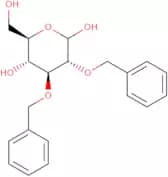
<p>Methyl 3,6-di-O-benzyl-2-deoxy-a-D-glucopyranoside is a sugar derived from the natural carbohydrate sucrose. It is custom synthesized and glycosylated with an oligosaccharide. Methyl 3,6-di-O-benzyl-2-deoxy-a-D-glucopyranoside can be used in the synthesis of polysaccharides and other carbohydrates. This product has been modified using click chemistry to attach a methyl group at the C3 position of the glucose moiety. This modification is useful for glycosylation reactions that require a specific location on the sugar for attachment of an amino acid or peptide. Methyl 3,6-, di-, O-, benzyl--2, deoxy--A--D--glucopyranoside has CAS number 51139–03–5 and is available in high purity.</p>Formula:C21H26O5Purezza:Min. 95%Peso molecolare:358.43 g/mol2-Deoxy-L-ribose
CAS:<p>Suppresses tumor angiogenesis; pro-apoptotic</p>Formula:C5H10O4Purezza:Min. 98 Area-%Colore e forma:White PowderPeso molecolare:134.13 g/molD-Sedoheptulose 7-phosphate lithium
CAS:<p>D-Sedoheptulose 7-phosphate lithium (DSDP) is a substance that is used in the synthesis of ribulose. It provides the carbonyl group for the synthesis of acetyl-CoA and plays an important role in energy metabolism. DSDP has been shown to be effective against streptococcus faecalis, which may be due to its ability to inhibit protein synthesis by binding to ribulose phosphates, thereby preventing the production of ATP. DSDP also inhibits cellular transformation, which may be due to its ability to bind with DNA and block RNA synthesis. In vitro studies have shown that DSDP can inhibit both Streptococcus faecalis and Escherichia coli at concentrations below 10 mM. These effects are likely mediated by enzymatic activities that are involved in bacterial cell physiology.</p>Formula:C7H15O10P•(Li)xPurezza:Min. 95%Colore e forma:PowderPeso molecolare:290.16 g/mol1,5-Anhydro-D-glucitol
CAS:<p>Short-term marker of glycemic control</p>Formula:C6H12O5Purezza:Min. 95%Colore e forma:White Off-White PowderPeso molecolare:164.16 g/mol1,2,3,4-Tetra-O-pivaloyl-6-O-(tert-butyldiphenylsilyl)-a-D-mannopyranose
1,2,3,4-Tetra-O-pivaloyl-6-O-(tert-butyldiphenylsilyl)-a-D-mannopyranose is a glycosylated sugar that can be methylated and fluorinated. It has high purity and is custom synthesized for the synthesis of oligosaccharides. This sugar has CAS number 29091-01-9 and is used in the synthesis of polysaccharides.Formula:C42H62O10SiPurezza:Min. 95%Peso molecolare:755.02 g/mol3,4-O-Isopropylidene-2-C-methyl-D-arabinopyranose
<p>3,4-O-Isopropylidene-2-C-methyl-D-arabinopyranose is a glycosylation reagent that is synthesized by the fluorination of D-arabinose. It is an oligosaccharide sugar with a high purity and can be used for synthesis of complex carbohydrates.</p>Purezza:Min. 95%3-O-(2-Acetamido-2-deoxy-a-D-galactopyranosyl)-D-galactopyranose
CAS:<p>3-O-(2-Acetamido-2-deoxy-a-D-galactopyranosyl)-D-galactopyranose is an endothelial cell growth factor that is generated by the enzymatic activity of galactosyltransferase. It binds to lectin, glycan, and monoclonal antibodies. This molecule has been shown to have biological properties that are related to cancer and immunology. 3-O-(2-Acetamido-2-deoxy-a-D-galactopyranosyl)-D-galactopyranose may be used as a glycolipid marker in blood group typing and in the detection of cervical cancer cells.</p>Formula:C14H25NO11Purezza:Min. 95%Colore e forma:White PowderPeso molecolare:383.33 g/mol1-Deoxy-3,4-O-isopropylidene-L-tagatose
1-Deoxy-3,4-O-isopropylidene-L-tagatose is a synthetic sugar that is modified by the addition of a fluorine atom at the 1 position. This modification prevents the enzyme glycosidase from cleaving this sugar and releasing glucose. 1DILT can be used to produce glycans with different structures, including complex carbohydrates. The CAS number for this product is 7062-93-5.Purezza:Min. 95%Laminaritriose hendecaacetate
Fully acetylated laminaritrioseFormula:C40H54O27Purezza:Min. 95%Peso molecolare:966.84 g/molMethyl 2,3,4-tri-O-acetyl-6-O-tert-butyldimethylsilyl-a-D-galactopyranoside
CAS:Methyl 2,3,4-tri-O-acetyl-6-O-tert-butyldimethylsilyl-a-D-galactopyranoside is a synthetic glycosylated peptide that contains a 6FAM reactive group for labeling. It is a high purity product with no impurities and can be used for the fluorination of saccharides. It has a CAS number of 594841-23-3 and can be custom synthesized to meet your needs. This product is typically used as an intermediate in the synthesis of polysaccharides and oligosaccharides.Formula:C19H34O9SiPurezza:Min. 95%Peso molecolare:434.56 g/molMethyl-β-D-thiogalactopyranoside
CAS:<p>Methyl-beta-D-thiogalactopyranoside is a monosaccharide that is a member of the galactose family. It can be found in some foods, such as dairy products or soybean milk. Methyl-beta-D-thiogalactopyranoside has been shown to promote lactose transport in cells. This compound is also used as a diagnostic marker for certain types of cancers and can be used to study sugar transport in cells. Methyl-beta-D-thiogalactopyranoside has been shown to inhibit the enzyme activity of phosphatases and may be used for research purposes as a control for other experiments.</p>Formula:C7H14O5SPurezza:Min. 98.0 Area-%Peso molecolare:210.25 g/molRef: 3D-M-4440
5gPrezzo su richiesta10gPrezzo su richiesta25gPrezzo su richiesta50gPrezzo su richiesta2500mgPrezzo su richiesta-Unit-ggPrezzo su richiesta2,5-Anhydro-D-mannofuranose
CAS:2,5-Anhydro-D-mannofuranose is a biologically active compound that belongs to the group of inorganic acids. It has been shown to be an inhibitor of heparin-induced thrombocytopenia. 2,5-Anhydro-D-mannofuranose inhibits platelet aggregation and prolongs bleeding time in rats by blocking glycosidic bond formation. This compound is also found as a constituent of oligosaccharides and nitrous oxide. Structural analysis has revealed that this molecule contains reactive groups and is acidic in nature. The analytical method for this compound is α1-acid glycoprotein. Monoclonal antibodies against fatty acid have been used for its detection in human serum.Formula:C6H10O5Purezza:Min. 85 Area-%Colore e forma:PowderPeso molecolare:162.14 g/molDabigatran 4-Acyl Glucuronide
<p>Dabigatran 4-Acyl Glucuronide is a synthetic, fluorinated glycosylation of Dabigatran etexilate. It is modified by methylation at the 2 and 3 positions to increase its stability and half-life. This compound also has a high purity with less than 0.5% of impurities and can be custom synthesized to meet specific requirements.</p>Purezza:Min. 95%2-Acetamido-2,4-dideoxy-4-fluoro-D-glucopyranose
CAS:2-Acetamido-2,4-dideoxy-4-fluoro-D-glucopyranose (2ADFG) is a glycosaminoglycan that inhibits the biosynthesis of glycosaminoglycans by binding to the enzyme UDP-N-acetylglucosamine 2-epimerase. It is used in cellular control experiments to determine if cells are hepatocytes or not. This compound binds to glycosaminoglycans and prevents them from being synthesized, which leads to cell death. The binding of 2ADFG also results in a decrease in cellular protein synthesis and an increase in cellular lysosomal activity.Formula:C8H14FNO5Purezza:Min. 95%Peso molecolare:223.2 g/molHeparin disaccharide III-A disodium salt
CAS:<p>Heparin disaccharide III-A is a synthetic heparin that is modified with the addition of a sugar molecule. Heparin disaccharide III-A disodium salt (HDS) is a high purity, custom synthesized product and has been fluorinated to improve its stability. HDS has been shown to be an effective inhibitor of glycosylation in bacteria cells, leading to decreased production of bacterial enzymes and proteins. It also inhibits protein synthesis by preventing the methylation of ribosomes and reducing the number of saccharides available for glycosylation. The HDS molecule is composed of two sugars: N-acetylglucosamine and D-glucuronic acid. This compound also has anti-inflammatory properties due to its ability to inhibit prostaglandin synthesis.</p>Formula:C14H19NO14SNa2Purezza:Min. 95%Colore e forma:White PowderPeso molecolare:503.34 g/mol1-Kestose
CAS:<p>1-Kestose is a trisaccharide composed of fructose and sucrose molecules (Collins, 2006) and occurs in sugar cane, honey, and maple syrup, where it is formed by enzymatic action. As the main group of fructooligosaccharides, kestoses share similar physiological effects with other fructooligosaccharides. Kestoses have shown potential in promoting the growth of probiotics including Faecalibacterium prausnitzii and Bifidobacterium to a higher degree than other fructooligosaccharides. Thus, the production of kestoses using food-grade microorganisms may be beneficial to their application in the food industry (Ni, 2021).</p>Formula:C18H32O16Purezza:Min. 98 Area-%Colore e forma:White Yellow PowderPeso molecolare:504.44 g/molMethyl 2,3,4-tri-O-benzyl-6-O-tert-butyldimethylsilyl-a-D-glucopyranoside
CAS:<p>Methyl 2,3,4-tri-O-benzyl-6-O-tert-butyldimethylsilyl-a-D-glucopyranoside is a glycosylation product of the glucopyranoside. It is a highly pure compound that is custom synthesized to suit the specific needs of customers. The synthesis includes fluorination, methylation and monosaccharide modification. This product has been shown to be useful in click chemistry and protein glycosylation studies.</p>Formula:C34H46O6SiPurezza:Min. 95%Peso molecolare:578.83 g/molPeonidin-3-O-galactoside chloride
CAS:Peonidin-3-O-galactoside chloride is a natural product that can be found in many plants, such as the genus Peonia, and is also commonly found in wine. It has been shown to inhibit pancreatic lipase in vitro and may have potential as a dietary supplement. The surface methodology used to study the interaction of protocatechuic acid with caco-2 cells was efficient and showed the ability of this compound to interact with fatty acids. This interaction could be related to its health effects, which have been studied using cell culture methods. The dietary intake of protocatechuic acid has been shown to reduce blood pressure in rats, but it is unclear if this effect would occur in humans because of the lack of a suitable animal model for human studies.Formula:C22H23O11·ClPurezza:Min. 95%Colore e forma:PowderPeso molecolare:498.86 g/molD-Altrose
CAS:<p>D-Altrose is an alpha-hydroxy acid that is synthesized from D-arabinose and trifluoroacetic acid. It has been shown to be a substrate for the synthesis of oligosaccharides, which are important in carbohydrate chemistry. This molecule can also be used as a reagent in the preparation of carbohydrates with a specific configuration at C2. One use of this product is in generating analytical methods that can distinguish between D-altrose and D-arabinose by monitoring the ratio of hydrogen fluoride to carbonyl group signals. D-Altrose may also be used in asymmetric synthesis, where it is a useful chiral building block for the construction of galacturonic acid derivatives.</p>Formula:C6H12O6Purezza:Min. 98 Area-%Colore e forma:White PowderPeso molecolare:180.16 g/molα-D-Fucose
CAS:<p>Fucose is a 6-carbon sugar that is an essential component of the human diet. It is found in many vegetables and fruits, but it can also be produced by the body from glucose. Fucose is involved in a number of important biochemical processes, including calcium metabolism and the synthesis of galactose, l-glutamic acid, and other carbohydrates. Fucose has been shown to inhibit leukemia cells through programmed cell death and may also have a role in regulating cell proliferation.</p>Formula:C6H12O5Purezza:Min. 98.0 Area-%Peso molecolare:164.16 g/molRef: 3D-F-8000
1gPrezzo su richiesta5gPrezzo su richiesta10gPrezzo su richiesta25gPrezzo su richiesta50gPrezzo su richiesta-Unit-ggPrezzo su richiesta6-Azido-6-deoxy-b-cyclodextrin
CAS:<p>This beta-cyclodextrin (β-CD) derivative is a functionalized cyclic oligosaccharide composed of seven glucose units, characterized by a hydrophilic exterior and a lipophilic cavity (bigger than α-CD and smaller than γ-CDs), which allows it to encapsulate various guest molecules. This structural feature facilitates its use in multiple applications, including pharmaceuticals, food enhancement, and cosmetics. In the pharmaceutical industry, it enhances the solubility and stability of poorly water-soluble drugs, improving their bioavailability and efficacy while also masking unpleasant tastes. The food sector utilizes it as a stabilizer for flavors, colors, and nutrients, extending shelf life by protecting sensitive ingredients from degradation. In cosmetics, it serves as a complexing agent for fragrances and active components, ensuring their stability and controlled release. Its use expands to many other fields, including nanotechnology for drug delivery systems, environmental remediation for extracting organic pollutants, textiles for slow-release fragrances, and analytical chemistry for chiral separation.</p>Formula:C42H69N3O34Purezza:Min. 98 Area-%Colore e forma:PowderPeso molecolare:1,160 g/molHyaluronic acid from Bacteria
CAS:<p>Hyaluronic acid is a polysaccharide composed of repeating units of the disaccharide N-acetylglucosamine and D-glucuronic acid. It is found in many connective tissues, including the skin, where it binds water and maintains elasticity. This product is custom synthesized by modifying the structure to include fluorine atoms, methyl groups, and monosaccharides. It is synthesized from synthetic building blocks that are modified with click chemistry to form oligosaccharides. The saccharide units are then glycosylated with sugar molecules, creating a complex carbohydrate with an average molecular weight between 50,000 and 100,000 Daltons.</p>Purezza:(%) Min. 90%D-Gluco-2,4-O-Isopropylidene-2,3,4,5-tetrahydroxy-1,6-dicarboxylic acid 3,6-lactone methyl ester
<p>D-Gluco-2,4-O-Isopropylidene-2,3,4,5-tetrahydroxy-1,6-dicarboxylic acid 3,6-lactone methyl ester is a custom synthesis of D-glucose with a methyl group at the 2 position. The compound has been fluorinated to increase its hydrophobicity and is used as an intermediate in the synthesis of oligosaccharides and polysaccharides. It has also been used in the modification of saccharides such as glycosides. This product is offered in high purity and can be modified according to customer specifications.</p>Purezza:Min. 95%N-Acetyl-de-O-sulfated heparin sodium salt
CAS:<p>N-Acetyl-de-O-sulphated heparin is a glycosaminoglycan, which occurs in many mammalian tissues and has important anticoagulant and thrombolytic properties. The chemical structure is composed mainly of two disaccharide repeating units A and B. A is L-iduronic acid 2-suplhate linked α-(1,4) to 2-deoxy-2-sulfamido-D-galactose 6-sulphate, while B is D-glucuronic acid β-(1,4) linked to 2-deoxy-2-sulfamido-D-glucose 6-sulphate.</p>Purezza:Min. 95%Colore e forma:PowderAmidated Pectin
CAS:<p>Pectins are derived from citrus fruits such as lemons and limes. Amidated pectin is a modified form of pectin in which some of the galacturonic acid residues are converted with ammonia to amides. These pectins are more tolerant to varying calcium concentrations that occur in use and behave like low-ester pectins, need less of and are more tolerant to excess calcium. In addition, these gels are thermoreversible.</p>Formula:C5H10O5Purezza:Min. 95%Colore e forma:PowderPeso molecolare:150.13 g/mol2-Acetamido-2-deoxy-4-O-(b-D-galactopyranosyl)-6-sulfo-D-glucopyranose sodium salt
CAS:<p>2-Acetamido-2-deoxy-4-O-(b-D-galactopyranosyl)-6-sulfo-D-glucopyranose sodium salt is a synthetic compound that is used in glycosylation reactions. It can be used for the production of oligosaccharides and complex carbohydrates, as well as for the modification of natural products. 2 Acetamido -2 deoxy -4 O-(b-D galactopyranosyl) -6 sulfo D glucopyranose sodium salt has a purity of 98% and was synthesized by fluorination. The CAS number is 145447 78 5.</p>Formula:C14H24NO14S·NaPurezza:90%Colore e forma:White PowderPeso molecolare:485.39 g/molD-Xylonic acid ammonium
CAS:<p>D-Xylonic acid ammonium salt is a synthetic glycosylation agent that is used in the synthesis of oligosaccharides, polysaccharides, and monosaccharides. D-Xylonic acid ammonium salt is also used to modify glycoproteins and proteoglycans for use in the treatment of various diseases. D-Xylonic acid ammonium salt can be synthesized by the fluorination of D-xylose followed by methylation. This agent can be modified through click chemistry or complex carbohydrate modification. It has a high purity and is readily available for purchase.</p>Formula:C5H10O6•H3NPurezza:Min. 95%Peso molecolare:183.16 g/molMethyl 5-acetamido-2,5-(tert.butoxycarbonyl)imino-2,5,6-trideoxy-b-D-mannofuranoside
<p>Methyl 5-acetamido-2,5-(tert.butoxycarbonyl)imino-2,5,6-trideoxy-b-D-mannofuranoside is a synthetically modified sugar that has been modified with both fluorination and glycosylation. This compound is used to synthesize oligosaccharides and monosaccharides through a click modification reaction.</p>Purezza:Min. 95%5-O-Tert.butyldimethylsilyl - 2- C- methyl- 2, 3- O- isopropylidene - D- ribonic acid γ-lactone
5-O-Tert.butyldimethylsilyl - 2- C- methyl- 2, 3- O- isopropylidene - D- ribonic acid gamma-lactone is a fluorinated glycoside that can be used in the synthesis of complex carbohydrates. The compound has been shown to inhibit bacterial growth by inhibiting protein synthesis and cell division. It binds to bacteria 16S ribosomal RNA and inhibits protein synthesis, leading to cell death by inhibiting the production of proteins vital for cell division. 5-O-Tert.butyldimethylsilyl - 2- C- methyl- 2, 3- O- isopropylidene - D- ribonic acid gamma lactone also has antiinflammatory properties, which may be due to its inhibition of prostaglandin synthesis.Purezza:Min. 95%D-Mannitol 1-phosphate lithium salt
CAS:<p>D-Mannitol 1-phosphate lithium salt (DMPL) is a bacterial growth-inhibiting agent that inhibits the ribitol dehydrogenase enzyme that converts mannitol to ribitol. The wild-type strain of bacteria is more sensitive to DMPL than the mutant strains, which lack this enzyme. This compound has been shown to be active against Aerobacter aerogenes, and it can be used as an antimicrobial agent in plant physiology, where it prevents cell lysis. DMPL is also effective against wild-type strains of E. coli K-12 and has a broad range of pH optima with a maximum at pH 6.0 to 7.0. The reaction mechanism for this drug is not well understood, but it may involve inhibition of the polymerase chain reaction or other enzyme activities.</p>Formula:C6H15O9P·xLiPurezza:Min. 95 Area-%Colore e forma:White Off-White PowderPeso molecolare:262.15 g/mol1,2,3,6-Tetra-O-benzyl-β-D-glucopyranoside
CAS:1,2,3,6-Tetra-O-benzyl-β-D-glucopyranoside is a synthetic compound that is produced by the modification of natural sugars. It was first synthesized by a team of chemists led by Professor Robert Burns Woodward. This molecule has been modified with methyl groups and fluorine atoms to improve its stability and to provide a more convenient method for its analysis. 1,2,3,6-Tetra-O-benzyl-β-D-glucopyranoside can be used in the synthesis of oligosaccharides and polysaccharides.Formula:C34H36O6Purezza:Min. 95%Colore e forma:PowderPeso molecolare:540.65 g/molGalNAcb(1-3)Gala(1-3)Galb(1-4)Glc-b-pNP
<p>GalNAcb(1-3)Gala(1-3)Galb(1-4)Glc-b-pNP is a synthetic glycoconjugate that is a glycosylated complex carbohydrate. It has been modified by Click chemistry and fluorination, and contains the monosaccharides galactose, galactosamine, glucose, and glucuronic acid. GalNAcb(1-3)Gala(1-3)Galb(1-4)Glc-b-pNP is used as a substrate for enzyme assays to study the activity of glycosyltransferases such as galactosyltransferase. This product can be used for research purposes in immunology, molecular biology, biochemistry and other fields.</p>Formula:C32H48N20O23Purezza:Min. 95%Peso molecolare:1,080.84 g/mol1,2:3,4-Di-O-isopropylidene-α-D-fucopyranose
CAS:<p>1,2:3,4-Di-O-isopropylidene-a-D-fucopyranose is a tailored drug that was developed to have the same chemical structure as endogenous natural fucopyranosides. It has been shown to be a potent inhibitor of bacterial growth in vitro. The drug has been shown to have anti-inflammatory effects in vivo and may be useful for the treatment of autoimmune diseases. 1,2:3,4-Di-O-isopropylidene-a-D-fucopyranose has been observed to inhibit the production of inflammatory cytokines such as IL1β and TNFα by macrophages at concentrations of 10 μM or less. It has also been shown to inhibit NFκB activation by inhibiting IκB kinase activity.</p>Formula:C12H20O5Purezza:Min. 95%Colore e forma:Clear colourless to yellow oil.Peso molecolare:244.28 g/molmeso-Erythritol
CAS:Used in culture medium to differentiate bacteria on the basis of carbohydrate fermentation abilities.Formula:C4H10O4Purezza:Min. 98.0 Area-%Peso molecolare:122.12 g/molMethyl 4,6-O-isopropylidene-a-D-glucopyranoside
<p>Methyl 4,6-O-isopropylidene-a-D-glucopyranoside is a glycosylation reagent that is used in the synthesis of oligosaccharides and polysaccharides. It is used as an intermediate for the production of active pharmaceutical ingredients and in the production of modified sugars. Methyl 4,6-O-isopropylidene-a-D-glucopyranoside can be custom synthesized to meet specific requirements such as purity, fluorination, and complex carbohydrate. This product is available with high purity and has been shown to be stable under a wide range of conditions.<br>Methyl 4,6-O-isopropylidene-a-D-glucopyranoside is not compatible with strong acids or bases.</p>Formula:C10H18O6Purezza:Min. 95%Peso molecolare:234.25 g/molGlobo-H BSA conjugate
<p>Useful for study of immune response in cancer vaccine development</p>Colore e forma:PowderPeso molecolare:1539.562-Acetamido-1,3-di-O-acetyl-2-deoxy-D-glucopyranose
CAS:2-Acetamido-1,3-di-O-acetyl-2-deoxy-D-glucopyranose is a synthetic sugar that is used in the synthesis of complex carbohydrates. It has been shown to be an effective fluorinating agent for glycosylations and can be methylated or click modified. 2-Acetamido-1,3-di-O-acetyl-2-deoxy-D-glucopyranose has high purity and can be custom synthesized to order.Formula:C12H19NO8Purezza:Min. 95%Colore e forma:White PowderPeso molecolare:305.28 g/mol2-Azido-2-deoxy-3,5-di-O-tert-butyldiphenylsilyl-D-ribono-1,4-lactone
<p>2-Azido-2-deoxy-3,5-di-O-tert-butyldiphenylsilyl-D-ribono-1,4-lactone is a high purity custom synthesis sugar with a click modification. The chemical formula for this compound is C20H28N4O14 and its molecular weight is 524.329 g/mol. 2A2D3BTSL has been fluorinated, glycosylated, and methylated. It is an oligosaccharide with 6 monosaccharides and a complex carbohydrate that has a saccharide in the center of it.</p>Purezza:Min. 95%Benzyl 6-O-acetyl-3-O-benzyl-4-O-{4-O-[2,4-di-O-acetyl-3-O-(3-O-benzyl-2,4,6-tri-O-(3,4,6-tri-O-benzyl-2-deoxy-2-phthalimido-b-D-glu copyranosyl)-a-D-mannopyranosyl)-6-O-(3-O-benzyl-2,4,6-tri-O-(3,4,6-tri-O-acetyl-2-deoxy-2-phthalimido-b-D-glucopyrano
<p>Benzyl 6-O-acetyl-3-O-benzyl-4-O-[2,4-di-O-(3,4,6-tri-O-(3,4,6-tri-O-(3,4,6-tri-O-(3,4,6,-triacetyl)-2deoxyglucopyranoside)-2phthalimido]-bDgluco pyranoside (BBAG) is a complex carbohydrate that is synthesized from benzyl 6 O acetate and 3 O benzyl 4 O (2 2 4 di O acetyl 3 O ( 3 0 benzyl 2 4 6 tri O acetyl 2 deoxyglucopyranoside)-2phthalimido b D glucopyranose). It has a CAS number of 10560138. BBAG is a glycosidic compound that can be modified at methyl or sugar positions. It has a high purity</p>Formula:C244H238N8O78SPurezza:Min. 95%Peso molecolare:4,562.57 g/mol1-O-Acetyl-3,5-di-O-benzoyl-2-deoxy-2-fluoro-b-D-ribofuranoside
CAS:<p>1-O-Acetyl-3,5-di-O-benzoyl-2-deoxy-2-fluoro-betaDribofuranoside is a synthetic sugar that is used as a building block for the synthesis of oligosaccharides and glycosylations. It can be modified by click chemistry with other molecules to produce glycosides. This compound has CAS number 149623-91-6 and is also known as methyl 1, 3, 5 di O benzoyl beta D ribofuranoside.</p>Purezza:Min. 95%2-O-Benzyl-2,4-di-C-methyl-3,4-O-isopropylidene-L-arabinonic acid γ-lactone
2-O-Benzyl-2,4-di-C-methyl-3,4-O-isopropylidene-L-arabinonic acid gamma-lactone is a custom synthesis of a complex carbohydrate. It has CAS No. and can be modified by methylation and glycosylation. This product is high purity, fluorinated, and synthetic.Purezza:Min. 95%2,5:3,4-Dianhydro-D-altritol
CAS:2,5:3,4-Dianhydro-D-altritol is a hydrogenated form of the sugar D-altritol. It can be prepared by hydrogenolysis of D-mannitol or D-sorbitol with palladium on charcoal at 200°C. The 2,5:3,4-dianhydro form can be converted to the 3,4-dianhydro form by hydrolysis with sodium hydroxide. Hydrogenation of the 3,4 form produces 2,5:3,4-dianhydro-D-altritol. This compound has been used in high energy density fuels and as a trackable marker for hydrogenolysis experiments. 2,5:3,4-Dianhydro-D-altritol is soluble in alcohols and extracted with ether in organic solvents such as acetone or chloroform. It oxidizes readily to the corresponding dPurezza:Min. 95%2,4-Di- C- methyl- 3, 4- O- isopropylidene-L- arabinonic acid γ-lactone
<p>2,4-Di-C-methyl-3,4-O-isopropylidene-L-arabinonic acid gamma-lactone is a high purity synthetic chemical that has been custom synthesized for research purposes. It has a molecular weight of 556.0 and its CAS number is 133552-02-2. This chemical is used in the synthesis of saccharides and carbohydrates, including oligosaccharides and monosaccharides. 2,4 Di C methyl 3,4 O isopropylidene L arabinonic acid gamma lactone can be fluorinated or glycosylated to create new compounds with different properties. It can also be methylated to create a variety of derivatives. This chemical reacts with sugars in order to produce glycosylations that are useful in drug development. Click modification refers to the addition of a sugar molecule to an amino acid side chain followed by a rearrangement of the sugar ring</p>Purezza:Min. 95%Ethyl 3-O-benzyl-4,6-O-benzylidene-D-thiomannopyranoside
CAS:<p>Ethyl 3-O-benzyl-4,6-O-benzylidene-D-thiomannopyranoside is a custom synthetic glycosylated compound that is used in the synthesis of oligosaccharides and polysaccharides. This product has a high purity and is modified with fluorine to increase its stability. The CAS number for this product is 173935-67-6.</p>Formula:C22H26O5SPurezza:Min. 95%Colore e forma:PowderPeso molecolare:402.5 g/molMethyl 3,6-di-O-(a-D-mannopyranosyl)-b-D-mannopyranoside
Methyl 3,6-di-O-(a-D-mannopyranosyl)-b-D-mannopyranoside is a glycosylation product of the sugar, mannose. It can be used in the synthesis of oligosaccharides and polysaccharides with modifications such as fluorination and methylation. Methyl 3,6-di-O-(a-D-mannopyranosyl)-b-D-mannopyranoside is also known by its CAS number, which is 57424-92-5.Formula:C19H34O16Purezza:Min. 95%Peso molecolare:518.46 g/molMetrizamide
CAS:<p>Radiopaque contrast agent; diagnostic aid for myelography</p>Formula:C18H22I3N3O8Purezza:(%) Min. 95%Colore e forma:White PowderPeso molecolare:789.1 g/molN-[2-(4'-Methoxyphenylacetonitrile)]-2,3,4,6-tetra-O-pivaloyl-D-glucopyranoside
<p>N-[2-(4'-Methoxyphenylacetonitrile)]-2,3,4,6-tetra-O-pivaloyl-D-glucopyranoside is a custom synthesis of a carbohydrate. It is a synthetic saccharide that is modified by fluorination and methylation. This compound has high purity and can be custom synthesized to order.</p>Formula:C35H52N2O10Purezza:Min. 95%Peso molecolare:660.79 g/mol3-O-(α-D-Galactopyranosyl)-D-galactopyranose
CAS:A carbohydrate, commonly known as alpha gal, found in most mammalian cell membranes. It is not found in primates, including humans, whose immune systems recognize it as a foreign body and produce xenoreactive immunoglobulin M antibodies, leading to organ rejection after transplantation. Anti-α gal immunoglobulin G antibodies are some of the most common in humans. Regular stimulation from gut flora, typically initiated within the first six months of life, leads to an exceptionally high titre of around 1% of all circulating IgG. Recent studies are showing increasing evidence that this allergy may be induced by the bite of the lone star tick (Amblyomma americanum) in North America and the castor bean tick (Ixodes ricincus) in Sweden.Formula:C12H22O11Purezza:Min. 95 Area-%Colore e forma:PowderPeso molecolare:342.3 g/mol3'-Sulfated Lewis A sodium salt
CAS:3'-Sulfated Lewis A sodium salt is a synthetic oligosaccharide that is used as an antigen for the diagnosis of pancreatic cancer. It is conjugated to a monoclonal antibody and binds to the Lewis A epitope on the surface of cells. 3'-Sulfated Lewis A sodium salt has been shown to be useful in bladder cancer, where it can be used as a marker for tumorigenicity. It has also been shown to stimulate selectins and increase sugar residues on cell surfaces, which may lead to increased tumor growth.Formula:C20H34NO18SNaPurezza:Min. 95%Colore e forma:White PowderPeso molecolare:631.55 g/molα-D-Glucose-1,6-diphosphate tetrapotassium hydrate
CAS:Inhibitor of hexokinase; activator of phosphofructokinase-1Formula:C6H14O12P2•4K•(H2O)nPurezza:Min. 95%Colore e forma:PowderPeso molecolare:496.51 g/molPhenyl 4-deoxy-4-fluoro-α-D-glucopyranoside
<p>Phenyl 4-deoxy-4-fluoro-a-D-glucopyranoside is a custom synthesis that can be modified with fluorination, methylation, monosaccharide and oligosaccharide. It has CAS No. and is a polysaccharide. Phenyl 4-deoxy-4-fluoro-a-D-glucopyranoside is a sugar that is glycosylated and complexed with carbohydrates.</p>Formula:C12H15FO5Purezza:Min. 95%Colore e forma:White to off-white solid.Peso molecolare:258.24 g/mol2-Azidoethyl b-D-fructopyranoside
CAS:<p>2-Azidoethyl b-D-fructopyranoside is a custom synthesis of glycogen, which is a complex carbohydrate. This product can be fluorinated or methylated at the 2’ position of the sugar moiety. It also has been modified with Click chemistry and polysaccharides. The CAS number for this product is 99042-58-7 and it has a purity of >99%.</p>Formula:C8H15N3O6Purezza:Min. 95%Colore e forma:PowderPeso molecolare:249.3 g/mol2,3-O-Isopropylidene -D- ribonic acid γ-lactone
<p>2,3-O-Isopropylidene -D- ribonic acid gamma-lactone is a Custom synthesis, Modification, Fluorination, Methylation, Monosaccharide, Synthetic, Click modification, Oligosaccharide, saccharide, CAS No., Polysaccharide. It has the following properties: CAS No., Polysaccharide.<br>2,3-O-Isopropylidene -D- ribonic acid gamma-lactone is a Custom synthesis.</p>Purezza:Min. 95%Calcium D-saccharate tetrahydrate
CAS:<p>Calcium D-saccharate is the calcium salt of saccharic acid, also known as glucaric acid. Calcium D-saccharate has been evaluated for chemopreventive activity in a rat tracheal epithelial cell following exposure to the carcinogen benzo[a]pyrene. Addition of calcium D-saccharate to sugarcane juice during liming enhanced clarification as high molecular weight components were removed by filtration.</p>Formula:C6H8O8·Ca·(H2O)4Colore e forma:PowderPeso molecolare:320.26 g/molMethyl 3-deoxy-3-fluoro-b-D-allopyranoside
<p>Methyl 3-deoxy-3-fluoro-b-D-allopyranoside is a modification of the carbohydrate. This product is an oligosaccharide, which is a complex carbohydrate consisting of two or more sugar molecules. Methyl 3-deoxy-3-fluoro-b-D allopyranoside has high purity and is synthetically produced. It can be used in the synthesis of glycosylated polysaccharides. This product can be modified with fluorination to generate saccharides that are not found in nature. Methyl 3-deoxy-3-fluoro b -D allopyranoside has CAS No.</p>Formula:C7H13FO5Purezza:Min. 95%Peso molecolare:196.18 g/molk-Carradecaitolpentasulfate pentasodium salt
<p>k-carrageenan derived decasaccharide alcohol pentasulfate+(3-6 anhydrogalactose)</p>Formula:C60H89O61S5Na5Purezza:Min. 95%Peso molecolare:2,061.59 g/mol2,3,4,6-Tetra-O-benzoyl-β-D-glucopyranosyl fluoride
CAS:<p>Synthetic carbohydrate building block</p>Formula:C34H27FO9Purezza:Min. 95%Colore e forma:PowderPeso molecolare:598.59 g/molChondroitin disaccharide δdi-6S
CAS:Produced from various chondroitin sulfates by the action of chondroitinases ABC, AC-1 and C.Formula:C14H19NNa2O14SPurezza:Min. 98 Area-%Colore e forma:PowderPeso molecolare:503.34 g/mol(2S, 3R, 4R, 5R, 6R) -6- (Hydroxymethyl) -2-phenyl-3, 4, 5- piperidinetriol
<p>(2S, 3R, 4R, 5R, 6R) -6- (Hydroxymethyl) -2-phenyl-3, 4, 5- piperidinetriol is a synthetic glycosylate monosaccharide that has been modified with fluorine and methyl groups. This compound is used as a building block in the synthesis of complex carbohydrates. It is also an important intermediate for the synthesis of oligosaccharides and saccharides.</p>Purezza:Min. 95%(1R) -1- [(2S, 3R,4S) -4-(Acetylamino)methyl-N-methyl-3- hydroxy- 1- azetidinyl] -1, 2- ethanediol
<p>(1R) -1- [(2S, 3R,4S) -4-(Acetylamino)methyl-N-methyl-3- hydroxy- 1- azetidinyl] -1, 2- ethanediol is a fluorinated monosaccharide that is synthetically designed to be an analog of glucose. It is a custom synthesis and can be glycosylated, polysaccharide modified, or methylated. This product has CAS number 184497-92-7 and purity of ≥98%.</p>Purezza:Min. 95%D-Mannoheptulose
CAS:<p>Inhibitor of glucokinases and hexokinases</p>Formula:C7H14O7Purezza:Min. 98.0 Area-%Colore e forma:White PowderPeso molecolare:210.18 g/mol3,4,6-Tri-O-benzyl-1-deoxy-D-sorbofuranose
3,4,6-Tri-O-benzyl-1-deoxy-D-sorbofuranose is a custom synthesis of a monosaccharide that can be modified to include other sugars. It is an example of a complex carbohydrate, which are carbohydrates composed of multiple saccharides. Carbohydrates are vital for all living organisms as they provide the basic fuel for cellular respiration and serve as structural components of cells and tissues. 3,4,6-Tri-O-benzyl-1-deoxy-D-sorbofuranose is used in the synthesis of polysaccharides and glycosylations. This compound has been fluorinated to create an important chemical intermediate for synthesizing saccharides with a high purity.Purezza:Min. 95%GD2-Oligosaccharide
<p>GD2 oligosaccharide is the core trisaccharide structure of the ganglioside GD2 (sodium salt) (GalNAcβ1,4Galβ1,4Glc) with its two sialic acids linked α2,3/α2,8 to the central galactose residue (Ledeen, 2009). GD2 ganglioside is expressed at a low concentration in the central nervous system, nerves, skin melanocytes and stem cells in healthy adults. On the other hand, GD2 ganglioside is overexpressed in a number of tumors, including: neuroblastoma, melanoma, small cell lung carcinoma and brain tumors. Recently, GD2 ganglioside has been found in low concentrations on breast cancer stem cells (CSC) that possess: self-renewal properties (division without disrupting the undifferentiated state) and tumor-initiating capabilities. It has been suggested that GD2 ganglioside may be developed as an effective target antigen for CSC immunotherapy (Fleurence, 2017).</p>Formula:C42H67N3O32Na2Purezza:Min. 95%Colore e forma:White PowderPeso molecolare:1,171.96 g/molD-Xylo-Pentodialdose-5-hydrate
D-Xylo-Pentodialdose-5-hydrate is a custom synthesis that is used for the preparation of oligosaccharides and polysaccharides. It is an active form that is synthesized by the fluorination of D-xylose. The monomeric sugar penta-D-xylo-D-galactopyranoside has a molecular weight of 259.28 g/mol and a purity of >99%. This compound has been modified in order to increase its activity.Purezza:Min. 95%1,1-Di-C-allyl-2-O-benzyl-3,4-di-O-isopropylidene-2,4-di-C-methyl-L-arabinopyranose
<p>1,1-Di-C-allyl-2-O-benzyl-3,4-di-O-isopropylidene-2,4-di-C-methyl arabinopyranose is a methylated saccharide that has been synthesized by Click chemistry. It is a custom synthesis with high purity and high yield. 1,1 Di C allyl 2 O benzyl 3 4 di O isopropylidene 2 4 di C methyl arabinopyranose can be used as an artificial sweetener or as a sugar substitute in food products. This product can be modified to suit the needs of the customer.</p>Purezza:Min. 95%2-Amino-2-deoxy-D-talose
CAS:<p>2-Amino-2-deoxy-D-talose (2ADDT) is an intermediate in the synthesis of 2,3:4,5-di-O-acetylideneamino-2,3:4,5-di-O-methylideneamino D -talose. It is obtained by the hydrolysis of 2,3:4,5-di-O-acetylideneamino D -talose with hydrochloric acid and methanol. The product is a white solid that can be purified by recrystallization from water or ethanol.<br>2ADDT can be converted to 2,3:4,5-di - O - acetylideneamino D - talose by treatment with sodium methoxide in methanolic solution. 2ADDT also reacts with nitromethane in methanolic solution to produce d - lyxose and 1 deoxy 1 nitro</p>Purezza:Min. 95%[UL-¹³C₁₂]Sucrose
CAS:<p>Sucrose is a sugar that is used as a food additive. It is the disaccharide of glucose and fructose, which are two monosaccharides. Sucrose can be synthesized by the glycosylation of glucose and fructose in an α-1,2 linkage. Sucrose can also be synthesized by the fluorination of sucrose followed by methylation with methylamine. The synthesis of sucrose starts with the reaction of acrylonitrile with formaldehyde to produce acrylonitrile trimer, which is then reacted with methanol to produce methyl 3-hydroxybutyrate. This product undergoes a series of reactions to form sucrose.</p>Formula:C12H22O11Purezza:Min. 98 Area-%Colore e forma:PowderPeso molecolare:354.21 g/mol7-Deoxy-L-glycero-D-gluco-heptitol
<p>7-Deoxy-L-glycero-D-gluco-heptitol is a custom synthesis of an oligosaccharide that has been fluorinated and modified. This product is made up of seven sugar molecules, including three monosaccharides and four disaccharides. It is a complex carbohydrate with a high purity level. The modification process includes methylation, click modification, and fluorination.</p>Purezza:Min. 95%4-Hydroxy-L-isoleucine
CAS:<p>Insulinotropic; anti-diabetic</p>Formula:C6H13NO3Purezza:Min. 98 Area-%Colore e forma:White PowderPeso molecolare:147.17 g/molPhenylethyl β-D-galactopyranoside
CAS:<p>Phenylethyl b-D-galactopyranoside is a galactose compound that can be hydrolyzed by esterases in the presence of water. It is toxic to organisms, such as E. coli and S. typhimurium, at high concentrations and can be used for the treatment of infections caused by these bacteria. Phenylethyl b-D-galactopyranoside has been shown to have a permeability effect on cells, which may be due to its ability to inhibit the production of ATP in the cell membrane by blocking specific enzymes that are responsible for ATP synthesis.</p>Formula:C14H20O6Purezza:Min. 95%Colore e forma:PowderPeso molecolare:284.31 g/mol1,1,1-Kestopentaose
CAS:<p>Non-reducing sucrose analog containing glucose and fructose; prebiotic fibre</p>Formula:C30H52O26Purezza:Min. 95 Area-%Colore e forma:White PowderPeso molecolare:828.72 g/mol2-Azidomethyl-2-deoxy-5,6-O-isopropylidene-L-gulono-1.4-lactone
<p>2-Azidomethyl-2-deoxy-5,6-O-isopropylidene-L-gulono-1.4-lactone is a custom synthesis of a monosaccharide. This compound has been modified with fluorination, methylation, and click chemistry to create a glycosylated sugar. The CAS number for this compound is 628379-06-8. This synthetic carbohydrate can be used in the modification or synthesis of other carbohydrates.</p>Purezza:Min. 95%D-Fructose-1,6-diphosphate magnesium
CAS:<p>D-Fructose-1,6-diphosphate magnesium (DFP) is a water soluble compound that inhibits hexokinases and aldolases. It has been shown to inhibit the activity of these enzymes in experimental models. DFP inhibits the synthesis of glyceraldehyde 3-phosphate and dihydroxyacetone phosphate, which are required for glycolysis, leading to cytosolic calcium ion concentrations increasing. This product also has an effect on energy metabolism by inhibiting mitochondrial oxidative phosphorylation and glutamate dehydrogenase activity. DFP also induces apoptosis in neuronal cells through activation of IL2 receptor and picolinic acid.</p>Formula:C6H12O12P2•MgPurezza:Min. 95%Colore e forma:PowderPeso molecolare:362.4 g/molLacto-N-biose
CAS:<p>Neutral disaccharide naturally present in human breast milk and possible bifidus factor, acceptor for the Helicobacter pylori enzyme α1,2-fucosyltransferase and disaccharide involved in the expression of Lewis blood group antigens.</p>Formula:C14H25NO11Purezza:Min. 90%Colore e forma:White PowderPeso molecolare:383.35 g/molGM1-Pentasaccharide
CAS:<p>GM1 pentasaccharide (sodium salt) has a core tetrasaccharide structure (Galβ1,3GalNAcβ1,4Galβ1,4Glc) with a single sialic acid residue linked α2,3 to the inner galactose residue (Ledeen, 2009). GM1 pentasaccahride is the carbohydrate moiety of GM1 ganglioside. GM1 ganglioside interacts and modulates tyrosine kinases, such a,s neural tropomyosin receptor kinase A (TrkA), by inducing the release of neurotrophins from fibroblast cells and the epidermal growth factor receptor (EGFR) (Higuero, 2009). GM1 ganglioside is also found in epithelial membranes; it is a key element for bacterial toxicity and viral infection as it acts as a receptor for the B-subunits of heat-labile toxin, cholera toxin, rotavirus, and simian virus 40. GM1 ganglioside also has the ability to bind amyloid-β proteins and is involved in Alzheimerâs pathogenesis (Chiricozzi, 2020).</p>Formula:C37H62N2O29Purezza:Min. 95%Colore e forma:PowderPeso molecolare:998.88 g/mol4-Aminobutyl 1,3-a-1,6-a-D-mannotriose
<p>4-Aminobutyl 1,3-a-1,6-a-D-mannotriose is a custom synthesis that belongs to the category of oligosaccharides and polysaccharides. It is an aminotriose with a methyl group at the C4 position. The fluorinated glucose moiety and the 4-aminobutylic acid residue are in an alpha configuration. This oligosaccharide has been modified by click chemistry and features high purity. The modification was carried out by condensing the sugar with a boronic acid and then reacting this with an azide group. The resulting product is then reacted with a maleimide to create a conjugate that can be used in bioconjugation reactions.</p>Purezza:Min. 95%Dodecyl a-D-thiomannopyranoside
Dodecyl a-D-thiomannopyranoside is a glycosylation reagent that has been used in the synthesis of complex carbohydrates, polysaccharides, and oligosaccharides. It is a methylated thioglycoside that can be used for click modification. Dodecyl a-D-thiomannopyranoside is an excellent fluorinating agent for saccharides and sugars, which can be accomplished using sodium hypofluorite. Dodecyl a-D-thiomannopyranoside is also an excellent monosaccharide synthesizer and custom synthesiser. This compound has CAS number 95734-05-1 and can be ordered at very high purity from various chemical suppliers.Formula:C18H36O5SPurezza:Min. 95%Peso molecolare:364.54 g/mol3,6-Anhydro-D-glucose
CAS:3,6-Anhydro-D-glucose is a compound that is produced by the dehydration of D-glucose. It has been synthesized in an acidic hydrolysis reaction involving mercaptoacetic acid and sodium carbonate. The synthesis of 3,6-Anhydro-D-glucose involves the use of chloride as a reactive agent and metal ion catalysis. This compound can be used to create isomers with other sugars. It also has supramolecular chemistry properties due to its ability to form complexes with other molecules.Formula:C6H10O5Purezza:Min. 97 Area-%Colore e forma:White Off-White PowderPeso molecolare:162.14 g/mol4-Penten-1-yl 2,3,4,6-tetra-O-acetyl-b-D-glucopyranoside
CAS:<p>4-Penten-1-yl 2,3,4,6-tetra-O-acetyl-b-D-glucopyranoside is a carbohydrate that is synthesized by the modification of an existing molecule. It is a custom synthesis and can be modified with click chemistry to create new compounds. This compound has a high purity and is soluble in water. It can be used for saccharide or polysaccharide synthesis as well as glycosylation reactions. This product's CAS number is 50256-33-2 and it has been assigned the chemical name Methylation, saccharide, Polysaccharide, Click modification, CAS No. 50256-33-2, Modification, Oligosaccharide, Custom synthesis, Glycosylation, High purity, Carbohydrate, sugar, Synthetic, Fluorination.</p>Formula:C19H28O10Purezza:Min. 95%Peso molecolare:416.42 g/mol7-Deoxy-1,2-O-isopropylidene-L-glycero-a-D-gluco-heptofuranose
<p>7-Deoxy-1,2-O-isopropylidene-L-glycero-a-D-glucoheptofuranose is a custom synthesis that is used in the modification of polysaccharides. It is fluorinated and methylated to make it more stable to hydrolysis. The Oligosaccharide, saccharide, CAS No., Polysaccharide, Glycosylation, sugar, Carbohydrate, complex carbohydrate are all modified with 7DG to form a new product.</p>Purezza:Min. 95%L-Ribose-5-phosphate disodium salt hydrate
<p>L-Ribose-5-phosphate disodium salt hydrate is a carbohydrate that has been modified by the addition of fluorine. L-Ribose-5-phosphate disodium salt hydrate can be used in the synthesis of complex carbohydrates, oligosaccharides, and sugars. It is also used in the synthesis of glycoconjugates and glycoproteins. L-Ribose-5-phosphate disodium salt hydrate is available for custom synthesis to meet specific requirements. The purity level is high, with less than 0.1% impurities. The methylation, glycosylation, and click modification are all possible modifications for this product.</p>Formula:C5H9Na2O8PPurezza:Min. 95%Colore e forma:PowderPeso molecolare:274.07 g/mol2,3-Di-O-benzyl-D-glucopyranose
CAS:<p>Taxol is a natural product that is isolated from the bark of the Pacific Yew tree. It has been found to have antitumor activity against human and murine sarcoma, as well as human cancer cell lines. Taxol has been shown to inhibit the growth of cancer cells by binding to the β-subunit of tubulin, preventing polymerization into microtubules and therefore affecting mitosis. Taxol also inhibits glucose uptake and utilization by cancer cells, which may in part account for its anti-tumor activity. Taxol also contains galloyl groups that are responsible for its antifungal activity.</p>Formula:C20H24O6Purezza:Min. 95%Colore e forma:Off-White PowderPeso molecolare:360.4 g/molAllyl a-D-glucopyranoside
CAS:<p>Allyl a-D-glucopyranoside is a trisaccharide with the chemical formula CHO. It is an important monomer in the synthesis of polymers that are used in, for example, textiles, construction materials, and plastics. Allyl a-D-glucopyranoside has been found to have optical properties that are similar to those of natural rubber. When irradiated with UV light, it undergoes photoinduced polymerization and has been shown to be hydrophilic. The hydrophilicity can be increased by adding alkali metal ions or metal cations such as polyphosphates or calcium ions. Allyl a-D-glucopyranoside also has immunoregulatory activities and can stimulate lymphocyte proliferation, antibody production, and macrophage activity.</p>Formula:C9H16O6Colore e forma:White PowderPeso molecolare:220.22 g/mol2-Acetyl-4-tetrahydroxybutyl imidazole
CAS:<p>Inhibitor of sphingosine-1-phosphate lyase; immunosuppressant</p>Formula:C9H14N2O5Purezza:Min. 95%Colore e forma:White PowderPeso molecolare:230.22 g/molLewis A trisaccharide methyl glycoside
CAS:Lewis A trisaccharide methyl glycoside is a sugar that is synthesized by the chemical modification of an oligosaccharide. The methyl glycoside is then fluorinated and reacted with a complex carbohydrate to produce Lewis A trisaccharide methyl glycoside. It has CAS No. 186315-40-2, which identifies it as a synthetic compound. This product has high purity, and can be custom synthesized to meet your needs. It is also available in both a glycosylated and non-glycosylated form.Formula:C21H37NO15Purezza:Min. 95%Colore e forma:PowderPeso molecolare:543.52 g/molNGA4 Glycan, 2-AB labelled
<p>NGA4 Glycan, 2-AB labelled is a synthetic oligosaccharide that has been modified with Click chemistry. This modification has been shown to be useful for the detection of methylation. The NGA4 Glycan, 2-AB labelled has a purity of >99% and is available in quantities of 1 mg or more.</p>Purezza:Min. 95%Methyl 2,3-di-O-acetyl-4,6-O-(4-methoxybenzylidene)-a-D-glucopyranoside
CAS:<p>Methyl 2,3-di-O-acetyl-4,6-O-(4-methoxybenzylidene)-a-D-glucopyranoside is a synthetic saccharide that has been modified with methylation and fluorination. It is an oligosaccharide derived from glucose that can be obtained through the custom synthesis of a polysaccharide. This product has CAS No. 52526-77-9 and is available in high purity. It can be used for the modification of monosaccharides or other carbohydrates.</p>Formula:C19H24O9Purezza:Min. 95%Peso molecolare:396.4 g/mol3,4,6-Trideoxy-3-(dimethylamino-b-D-xylo-hexopyranose)
CAS:<p>3,4,6-Trideoxy-3-(dimethylamino-b-D-xylo-hexopyranose) is a carbohydrate that belongs to the group of saccharides. It is a sugar that has been modified with fluorine groups. Fluorination increases the hydrophilicity of the sugar and makes it more soluble in water. 3,4,6-Trideoxy-3-(dimethylamino-b-D-xylo-hexopyranose) has been custom synthesized and can be ordered as a high purity material. The synthesis process includes methylation and glycosylation steps. 3,4,6-Trideoxy-3-(dimethylamino-b-D-xylo -hexopyranose) is used as a click modification for proteins.</p>Formula:C8H17NO3Purezza:Min. 95%Peso molecolare:175.23 g/mol1,2-Di-O-acetyl-3,5-di-O-benzoyl-3-b-C-methyl-D-ribofuranose
CAS:<p>1,2-Di-O-acetyl-3,5-di-O-benzoyl-3-b-C-methyl-D-ribofuranose is a fluorinated monosaccharide that is synthesized by the glycosylation of 2,6 anhydrofructose with benzaldehyde and acetone. It has a CAS number of 22672-43-1. This product can be used in the modification of polysaccharides or as a synthetic glycoside. It can also be used for click chemistry modification of sugars or as a high purity custom synthesis.</p>Purezza:Min. 95%Konjac glucomannan
CAS:<p>Konjac glucomannan is an acetylated (1,4)-β-D-glucomannan obtained from the tubers of Amorphophallus konjac or Konnyaku root. It is widely used in foods, pharmaceuticals paints and explosives. It has been shown that ternary mixtures of konjac glucomannan, xanthan gum and sodium alginate can form a non-covalently linked complex which exhibits enhanced rheological properties of value in, for example, functional foods.</p>Purezza:Min. 75%Colore e forma:White Powder
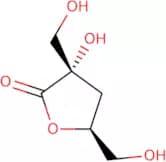

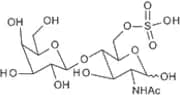

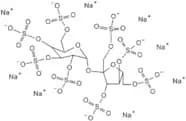

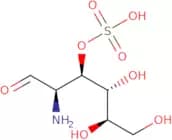
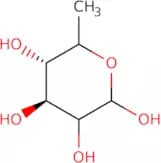
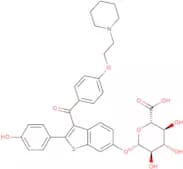
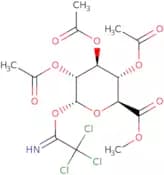


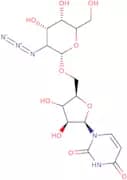
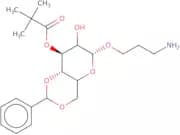
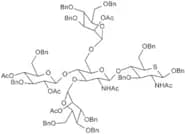


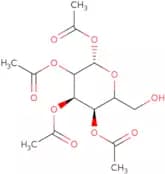
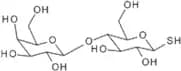

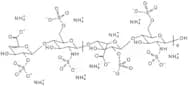

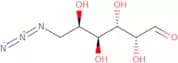
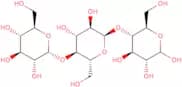
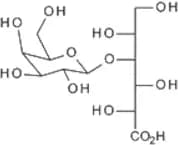
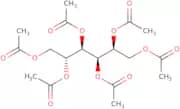


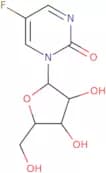
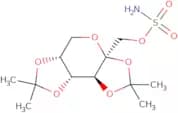

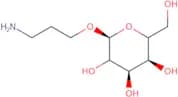
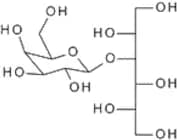

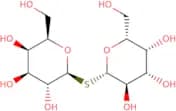
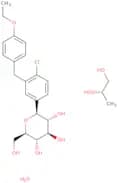
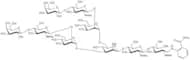
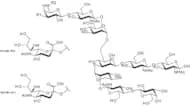

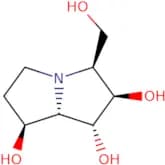
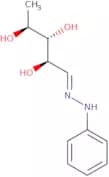
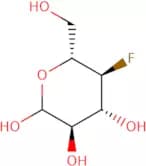



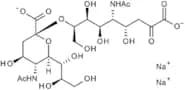
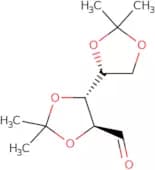
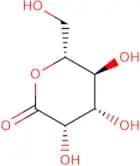
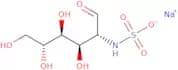
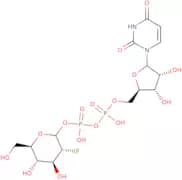
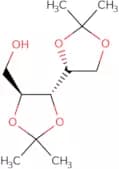

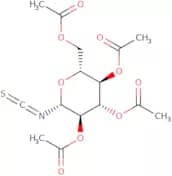
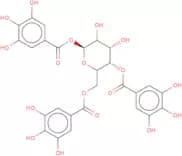
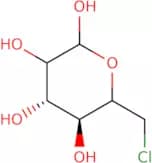

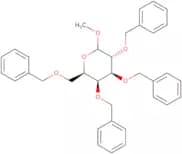
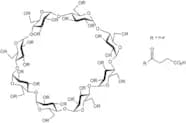
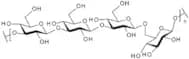


![3, 4- O- [(R) -Benzylidene] -2-O-trifluormethansulfonyl-D- ribonic acid d- lactone](/_next/image/?url=https%3A%2Fstatic.cymitquimica.com%2Fproducts%2F3D%2Fthumb-webp%2FMB163971.webp&w=3840&q=75)
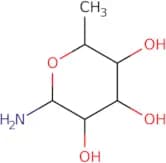
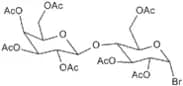
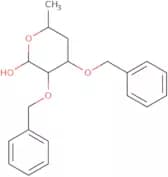
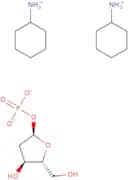

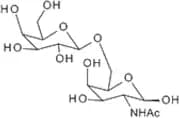
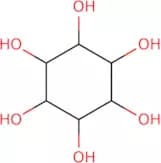
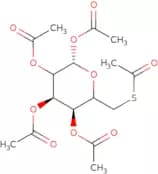
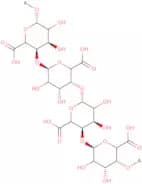
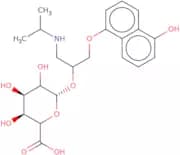
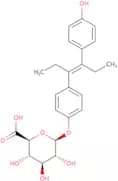


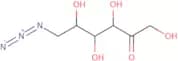
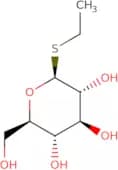

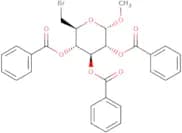

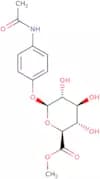

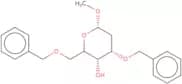
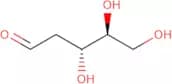
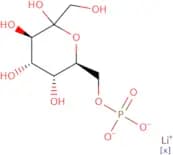
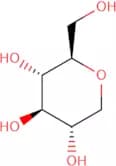
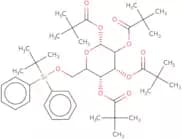


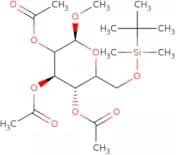

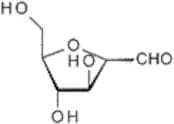


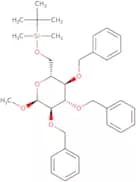
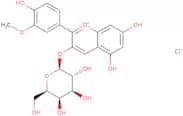

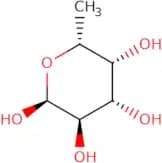
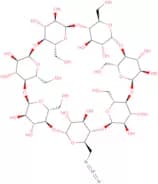
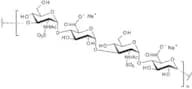

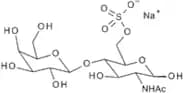
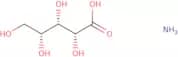

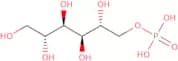
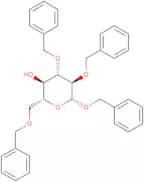


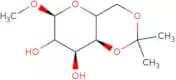
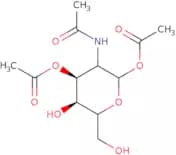
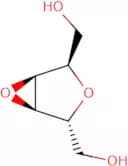

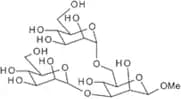
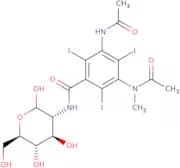
![N-[2-(4'-Methoxyphenylacetonitrile)]-2,3,4,6-tetra-O-pivaloyl-D-glucopyranoside](/_next/image/?url=https%3A%2Fstatic.cymitquimica.com%2Fproducts%2F3D%2Fthumb-webp%2FMM08496.webp&w=3840&q=75)
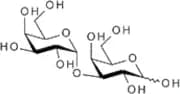
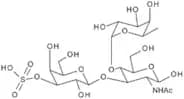
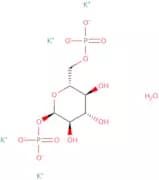
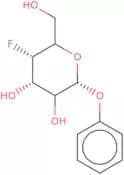
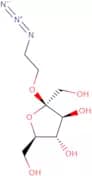
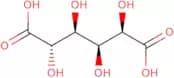

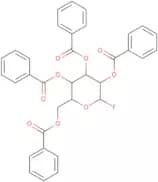
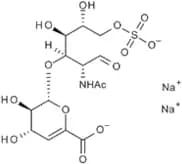
![(1R) -1- [(2S, 3R,4S) -4-(Acetylamino)methyl-N-methyl-3- hydroxy- 1- azetidinyl] -1, 2- ethanediol](/_next/image/?url=https%3A%2Fstatic.cymitquimica.com%2Fproducts%2F3D%2Fthumb-webp%2FMA163404.webp&w=3840&q=75)
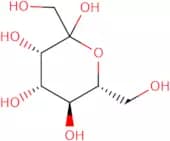


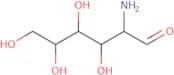
![[UL-¹³C₁₂]Sucrose](/_next/image/?url=https%3A%2Fstatic.cymitquimica.com%2Fproducts%2F3D%2Fthumb-webp%2FOS29120.webp&w=3840&q=75)