Apoptose
Subcategorias de "Apoptose"
- ASK(9 produtos)
- BCL(1 produtos)
- Caspase(154 produtos)
- FOXO1(2 produtos)
- IAP(67 produtos)
- Mdm2(12 produtos)
- PD-1/PD-L1(127 produtos)
- PDK(9 produtos)
- PERK(23 produtos)
- Serina/treonina quinase(17 produtos)
- Survivina(14 produtos)
- TNF(90 produtos)
- c-RET(61 produtos)
- p53(63 produtos)
Foram encontrados 6170 produtos de "Apoptose"
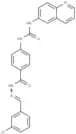
Anticancer agent 14
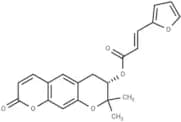
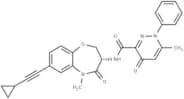
Anticancer agent 14: a potent breast cancer inhibitor; induces cell death, disrupts mito. membrane potential (IC50: 0.20-0.65 μM).Fórmula:C29H34N2O3Cor e Forma:SolidPeso molecular:458.59SLCB050
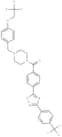
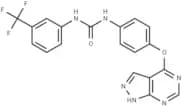
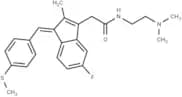
CAS:SLCB050 is a compound with anticancer activity that inhibits the interaction between DX2 and p14/ARF. It decreases the viability of human lung cancer cells, particularly small cell lung cancer cells, in a p14/ARF-dependent manner, and induces cell apoptosis (apoptosis) and senescence.Fórmula:C21H18O6Cor e Forma:SolidPeso molecular:366.36HP590
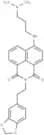
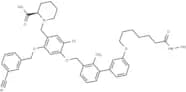
CAS:HP590: potent oral STAT3 inhibitor, IC50=27.8 nM, blocks ATP, IC50=24.7 nM, hinders gastric cancer growth, triggers cell death.Fórmula:C29H24F6N4O3Cor e Forma:SolidPeso molecular:590.52MGD-22
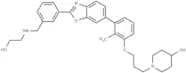
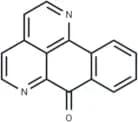
CAS:MGD-22 is a molecular glue and orally active degrader of IKZF1/2/3, with DC50 values of 8.33 nM, 9.91 nM, and 5.74 nM, respectively. It exhibits strong anti-proliferative activity against various hematological cancer cells and induces cell apoptosis (apoptosis). MGD-22 demonstrates significant anti-tumor efficacy in mice with NCI-H929 or WSU-DLCL-2 xenografts. This compound is useful for researching blood cancers, including multiple myeloma (MM), acute myeloid leukemia (AML), and diffuse large B-cell lymphoma (DLBCL).Fórmula:C33H35N7O3Cor e Forma:SolidPeso molecular:577.68NA-17
CAS:NA-17 is a naphthalimide compound with antitumor activity and exhibits lower toxicity to normal cells such as HL-7702 and WI-38. It demonstrates p53-dependent inhibition selectivity in various NSCLC cells, inducing the accumulation of active p53 in the mitochondria and nuclei of these cells. NA-17 causes cell cycle arrest in the G1 phase and promotes apoptosis and cell death.
Fórmula:C26H27N3O4Cor e Forma:SolidPeso molecular:445.51Antitumor agent-100
CAS:Antitumor Agent-100 (compound A6) is a molecular gel and apoptosis inducer targeting PDE3A-SLFN12 with an IC50 of 0.3 μM, demonstrating potent antitumor activity. This orally available agent binds to the PDE3A enzyme pocket, recruiting and stabilizing SLFN12 which disrupts protein translation and induces apoptosis [1].Fórmula:C17H14ClN3OCor e Forma:SolidPeso molecular:311.77p53 Activator 8
CAS:p53 Activator 8 (compound 5), a potent p53 activator, exhibits significant anti-proliferative effects on MCF7 breast cancer cell lines, demonstrating an IC 50 value of 0.5 μM [1] [2].Fórmula:C15H17NO2SCor e Forma:SolidPeso molecular:275.37PD-1/PD-L1-IN-53
CAS:PD-1/PD-L1-IN-53 (compound B3) serves as an inhibitor targeting both the PD-1/PD-L1 and VISTA signaling pathways. It is utilized in cancer research.Fórmula:C31H37N3O4Cor e Forma:SolidPeso molecular:515.64TNF-α-IN-2
CAS:TNF-α-IN-2 is orally active TNFα inhibitor that distorts the TNFα trimer, causing abnormal signal transduction when it binds to TNFR1, rheumatoid arthritis.Fórmula:C25H21ClF2N6OPureza:99.92%Cor e Forma:SolidPeso molecular:494.92Etalocib sodium
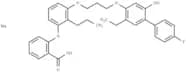
CAS:Etalocib (LY293111) sodium is an orally active leukotriene B4 (LTB4) receptor antagonist with a Ki value of 25 nM for inhibiting [3H]LTB4 binding. It exhibits an IC50 of 20 nM against LTB4-induced calcium mobilization. Additionally, Etalocib sodium can induce apoptosis.Fórmula:C33H32FNaO6Cor e Forma:SolidPeso molecular:566.59Soquelitinib
CAS:Soquelitinib (CPI-818) is a selective ITK inhibitor, inhibits tumor growth,T-cell, up-regulatCXCR3, IFNγ, TNFα, and CD107a expression in normal CD8 cells.Fórmula:C25H30N4O4S2Pureza:99.54%Cor e Forma:SolidPeso molecular:514.66Ref: TM-T87429
1mg170,00€5mg411,00€1mL*10mM (DMSO)465,00€10mg677,00€25mg1.349,00€50mg2.023,00€100mg2.745,00€200mg3.695,00€Murizatoclax
CAS:AMG 397 is an oral MCL1 inhibitor .Fórmula:C42H57ClN4O5SPureza:98%Cor e Forma:SolidPeso molecular:765.44Lepidozin G
Lepidozin G blocks cancer growth (IC50=4.2-5.7μM) and triggers apoptosis in PC-3 cells via mitochondria.Fórmula:C30H48O4Cor e Forma:SolidPeso molecular:472.7VEGFR-IN-3
CAS:VEGFR-IN-3 inhibits cancer cell growth (OVCAR-4, MDA-MB-468) with IC50s: 0.29, 0.35μM. Used in cancer research.Fórmula:C27H28N2O6Cor e Forma:SolidPeso molecular:476.52SphK1-IN-2
SphK1-IN-2: SphK1 inhibitor, IC50: 19.81 nM; less effective on SphK2. Induces apoptosis, hinders cancer cell growth.Fórmula:C27H30BrNO4SCor e Forma:SolidPeso molecular:544.5JH-XVII-10
JH-XVII-10: potent, oral DYRK1A/B inhibitor (IC50: 3/5 nM), shows antitumor activity in HNSCC.Fórmula:C21H16F4N8OCor e Forma:SolidPeso molecular:472.4ZLWT-37
ZLWT-37: Oral CDK inhibitor, CDK9 IC50=0.002 µM, CDK2 IC50=0.054 µM; halts HCT116 cells at G2/M, induces apoptosis.Fórmula:C26H30ClN5OCor e Forma:SolidPeso molecular:464HER2-IN-10
HER2-IN-10 is a psoralen derivative that induces apoptosis. HER2-IN-10 shows anti-breast cancer activity and light-activated cytotoxicity [1].Fórmula:C15H13NO5Cor e Forma:SolidPeso molecular:287.27Tubulin polymerization-IN-4
CAS:Tubulin polymerization-IN-4: inhibits tubulin (IC50=4.6 μM), blocks G2/M phase, induces apoptosis, hinders cell cloning/migration, damages vasculature.Fórmula:C21H21ClN2O4Cor e Forma:SolidPeso molecular:400.86Tandutinib sulfate
CAS:Tandutinib (MLN518) sulfate is an effective and selective inhibitor of FLT3, with an IC50 value of 0.22 μM. It also inhibits c-Kit and PDGFR, displaying IC50 values of 0.17 μM and 0.20 μM respectively. This compound can be utilized in the treatment of acute myeloid leukemia and has the capability to cross the blood-brain barrier.Fórmula:C31H44N6O8SCor e Forma:SolidPeso molecular:660.78GLUT-1-IN-4
CAS:GLUT-1-IN-4 (Compound 13) is an inhibitor of the GLUT-1 glucose transporter that depends on the p53 protein. It suppresses the proliferation of various cancer cells at submicromolar IC50 levels. Additionally, GLUT-1-IN-4 can halt the cell cycle, induce oxidative stress, and promote apoptosis (cell death).Fórmula:C15H10N2O3Cor e Forma:SolidPeso molecular:266.251ERK1/2 inhibitor 11
ERK1/2 inhibitor 11 (compound L6) is a dual inhibitor of ERK1/2 that promotes the accumulation of DSBs and the degradation of ERK1/2 expression. This compound decreases BCL-2 levels and induces DNA damage by inhibiting PARP and ERK1/2. Additionally, ERK1/2 inhibitor 11 activates caspase 3 to induce apoptosis.Fórmula:C15H19N5O2SCor e Forma:SolidPeso molecular:333.41PARP10/15-IN-3
Compound 8a, a dual PARP10 & PARP15 inhibitor, has IC50s: PARP10 at 0.14μM & PARP15 at 0.40μM; it's cell-permeable & anti-apoptotic.Fórmula:C12H12N2O3Cor e Forma:SolidPeso molecular:232.24Tubulin inhibitor 14
Tubulin inhibitor 14 blocks NQO2 and microtubule formation, disrupts blood vessels, and may target tumors; IC50 of 1.0 μM.Fórmula:C15H9F2NOCor e Forma:SolidPeso molecular:257.23Bim-IN-1
Bim-IN-1 is a potent inhibitor of Bim expression with low toxicity, Bim-IN-1 reduces Bim expression levels with little inhibition of protein kinase A.Fórmula:C19H20Cl2FNO2SCor e Forma:SolidPeso molecular:416.34MLS-0053105
CAS:MLS-0053105, a chloromaleimide, functions as a selective inhibitor of BFL-1, exhibiting an IC50 of 0.4 µM against Bfl-1/F-Bid. Its inhibitory potency is over tenfold lower for Bcl-W, Bcl-2, and Bcl-XL, and it shows no activity against Bcl-B and Mcl-1.Fórmula:C15H14Cl3N3O2Cor e Forma:SolidPeso molecular:374.65MA242
CAS:MA242 is a nuclear factor of activated T cells 1 (NFAT1) for Pancreatic Cancer Therapy and dual inhibitor of murine double minute 2 (MDM2).Fórmula:C26H21ClF3N3O5SPureza:98%Cor e Forma:SolidPeso molecular:579.98Spicamycin
CAS:Spicamycin can be used as a potent inducer of differentiation of human myeloid leukemia cells (HL-60) and murine myeloid leukemia cells (M1).Fórmula:C30H51N7O7Cor e Forma:SolidPeso molecular:621.77Topo II/HDAC-IN-1
CAS:Topo II/HDAC-IN-1 (7d) demonstrates potent dual inhibitory effects on Topo II and HDAC, while Topo II/HDAC-IN-1 (8d) effectively induces apoptosis [1].Fórmula:C15H16N4O3SCor e Forma:SolidPeso molecular:332.38Topo I-IN-1
Topo I-IN-1 (14d) is a powerful Topo I inhibitor with antitumor effects and DNA intercalation, inducing apoptosis.Fórmula:C20H14BrN3O2Cor e Forma:SolidPeso molecular:408.25ER covalent antagonist-1
CAS:ER covalent antagonist-1 (Compound 39D) acts as an antagonist of the estrogen receptor α (ERα). This compound inhibits the proliferation of ERα-positive MCF-7 cells with an IC50 of 0.98 μM, induces cell cycle arrest at the G0/G1 phase, and triggers apoptosis. Additionally, ER covalent antagonist-1 demonstrates antitumor activity in mouse models.Fórmula:C33H32N2O5SCor e Forma:SolidPeso molecular:568.683Necrosis inhibitor 3
CAS:Necrosis Inhibitor 3 (compound B3) effectively inhibits necrosis, demonstrating an IC50 of 0.29 nM in HT29 cells [1].Fórmula:C25H26N4O4SCor e Forma:SolidPeso molecular:478.56GQN-B37-E
CAS:GQN-B37-E is an effective selective binder and inhibitor of MCL-1. It binds to the BH3-binding domain of MCL-1. GQN-B37-E demonstrates binding affinity for MCL-1 within the sub-micromolar range (Ki= 0.6 μM), yet shows negligible binding to BCL-2 or BCL-XL.Fórmula:C29H23ClN4O4Cor e Forma:SolidPeso molecular:526.97HDAC/PSMD14-IN-1
CAS:HDAC/PSMD14-IN-1 is a derivative of gambogic acid. It serves as an orally active dual inhibitor targeting PSMD14 and HDAC1, with IC50 values of 238.7 nM and 141.2 nM, respectively. The compound exhibits significant cytotoxicity against ESCC cell lines (IC50: 30-250 nM) and effectively reverses epithelial-mesenchymal transition (EMT). Additionally, HDAC/PSMD14-IN-1 can induce apoptosis. In KYSE30 cell xenograft models in mice, it displays antitumor activity. HDAC/PSMD14-IN-1 is useful for researching esophageal cancer treatment.Fórmula:C20H24N4O3S2Cor e Forma:SolidPeso molecular:432.56CIL-102
CAS:CIL-102 is an apoptosis inducer that functions as an MMP-2/MMP-9 inhibitor, effectively reducing both the protein expression and mRNA levels of MMP-2/MMP-9. CIL-102 also demonstrates anticancer activity.Fórmula:C19H14N2O2Cor e Forma:SolidPeso molecular:302.327Pim-1 kinase inhibitor 10
CAS:Pim-1 Kinase Inhibitor 10 (compound 13a) acts as both a competitive and non-competitive inhibitor of PIM-1/2 kinase, promoting cell apoptosis and displaying anticancer properties. Additionally, this compound triggers the activation of caspase 3/7 [1].Fórmula:C21H13N3O3Cor e Forma:SolidPeso molecular:355.35TAI-95
CAS:TAI-95 is an inhibitor of highly expressed cancer protein 1 (Hec1).Fórmula:C24H23N5O3S2Cor e Forma:SolidPeso molecular:493.60RIPK1-IN-28
CAS:RIPK1-IN-28 (compound 13) is an orally active inhibitor of RIPK1. It exhibits inhibitory effects on human I2.1 and Hepa1-6 cells, with IC50 values of 0.4 and 1.2 nM, respectively.
Fórmula:C27H24N4O4Cor e Forma:SolidPeso molecular:468.504Tubulin/NRP1-IN-1
CAS:Tubulin/NRP1-IN-1 (compound TN-2) serves as a dual inhibitor targeting both Tubulin and NRP1, exhibiting IC50 values of 0.71 μM and 0.85 μM, respectively. This compound notably reduces the viability of prostate tumor cell lines and triggers apoptosis [1].Fórmula:C28H37N5O8Cor e Forma:SolidPeso molecular:571.62Thalidomide-NH-amido-PEG2-C2-NH2 hydrochloride
CAS:Thalidomide-NH-amido-PEG2-C2-NH2 hydrochloride is a synthetic E3 ligase ligand-linker conjugate, comprised of a cereblon ligand based on Thalidomide and a linker, utilized in the synthesis of PROTACs.
Fórmula:C21H28ClN5O7Peso molecular:497.93Thalidomide-O-PEG4-amine TFA
CAS:Thalidomide-O-PEG4-amine TFA is a synthetic E3 ligase ligand-linker conjugate, composed of a cereblon ligand derived from Thalidomide and a single linker.Fórmula:C25H32F3N3O11Peso molecular:607.53Glyphosate isopropylammonium
CAS:Glyphosate isopropylammonium is a broad-spectrum, non-selective systemic biocide derived from the amino acid glycine. It inhibits the enzyme activity of 5-enolpyruvylshikimate-3-phosphate synthase (EPSPS) in the shikimate pathway, blocking the synthesis of aromatic amino acids tyrosine, phenylalanine, and tryptophan. Additionally, Glyphosate isopropylammonium induces oxidative stress, neuroinflammation, and mitochondrial dysfunction, leading to neuronal death through autophagy, necrosis, or apoptosis, resulting in behavioral and motor disturbances.Fórmula:C6H17N2O5PPeso molecular:228.18UCN-01
CAS:inhibitor of Akt, protein kinase C, PDK1 and cyclin-dependent kinasesFórmula:C28H26N4O4Pureza:98%Cor e Forma:SolidPeso molecular:482.53YLL545
CAS:YLL545 is an inhibitor of Vascular Endothelial Growth Factor Receptor 2 (VEGFR2). It inhibits VEGF-induced phosphorylation of VEGFR2 and the activation of downstream signaling mediators (such as phosphorylated STAT3 and phosphorylated ERK1/2) in human umbilical vein endothelial cells (HUVEC). Additionally, YLL545 suppresses HUVEC proliferation, migration, invasion, and angiogenesis. It also induces apoptosis and inhibits tumor growth in a mouse model of breast cancer.Fórmula:C19H13F3N6O2Cor e Forma:SolidPeso molecular:414.34Aplysin
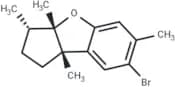
CAS:Aplysin suppresses breast cancer cells and protects liver cells by blocking PI3K/AKT/FOXO3a and preventing oxidative damage.Fórmula:C15H19BrOCor e Forma:SolidPeso molecular:295.21Minnelide free acid
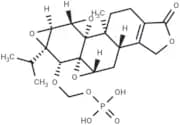
CAS:Minnelide treats pancreatic cancer, hinders androgen-related prostate growth, shrinks tumors, and improves survival.Fórmula:C21H27O10PCor e Forma:SolidPeso molecular:470.41Neuroprotective agent 11
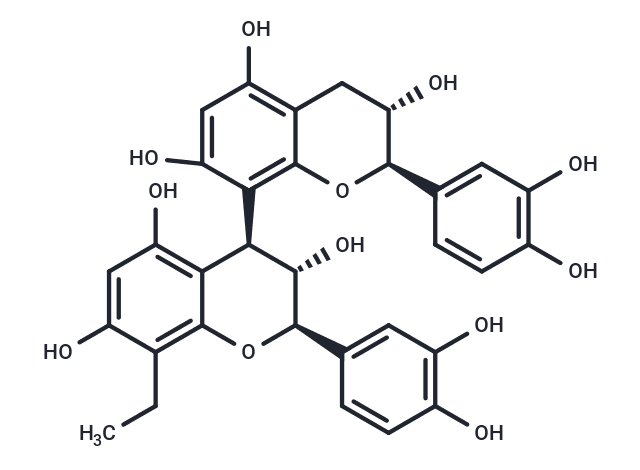
CAS:Neuroprotective agent 11 (Compound 1a) is an orally active polyphenolic compound that offers significant protection against cerebral ischemia. Its primary activities include inhibiting neuronal inflammation and apoptosis, reducing cerebral infarct size, and improving behavioral symptoms in mice with cerebral ischemia. The mechanism involves downregulating inflammatory factors (iNOS, COX-2) and apoptotic proteins (cleaved-Caspase3, p53). Neuroprotective agent 11 is applicable for research in ischemia-related brain diseases, such as ischemic stroke.Fórmula:C32H30O12Cor e Forma:SolidPeso molecular:606.57STAT3-IN-9
STAT3-IN-9 hinders STAT3 at Tyr705, doesn't affect STAT1 Tyr701, induces apoptosis, and arrests cells in G2/M phase.Fórmula:C22H21N3O4Cor e Forma:SolidPeso molecular:391.42LL-Z 1640-4
CAS:A signal-specific JNK/p38 pathway and TAK 1 inhibitorFórmula:C19H24O7Pureza:98%Cor e Forma:SolidPeso molecular:364.39Ferroptosis-IN-6
CAS:Ferroptosis-IN-6 is an efficient ferroptosis inhibitor, protecting cells from cell death induced by ferroptosis inducers, and inhibiting STY-BODIPY oxidation.Fórmula:C15H17NOPureza:99.84%Cor e Forma:SolidPeso molecular:227.3Ref: TM-T86417
1mg57,00€5mg120,00€1mL*10mM (DMSO)133,00€10mg187,00€25mg376,00€50mg605,00€100mg938,00€MI-888 TFA
CAS:MI-888 (TFA) is an orally active inhibitor of the MDM2-p53 interaction with a Ki of 0.44 nM. It can induce rapid, complete, and durable tumor regression in xenograft mouse models.Fórmula:C30H33Cl2F4N3O5Cor e Forma:SolidPeso molecular:662.5SSB-2548
CAS:SSB-2548 is a CXCR-4 inhibitor that suppresses the proliferation and migration of acute myeloid leukemia cells and induces apoptosis (apoptosis). It is well absorbed in the gastrointestinal tract and can be used for leukemia research.Fórmula:C18H17N5O2Cor e Forma:SolidPeso molecular:335.36TZEP7
CAS:TZEP7 functions as an EGFR kinase inhibitor in cancer cells. It exhibits cytotoxicity and induces apoptosis within these cells. TZEP7 downregulates the anti-apoptotic protein Bcl-2, upregulates the pro-apoptotic protein Bax, and increases caspase levels. This compound holds potential for research in anticancer drug development.Fórmula:C27H19ClFNSCor e Forma:SolidPeso molecular:443.963TrxR/EGFR-IN-1
CAS:TrxR/EGFR-IN-1 (Compound L1Au2) is a TrxR/EGFR inhibitor with activity against both gefitinib-sensitive and -resistant lung cancer, effectively suppressing tumor proliferation and promoting apoptosis. It enhances GPX4 degradation through autophagosome-lysosome and proteasome pathways, leading to ferroptosis. Additionally, it induces endoplasmic reticulum stress and triggers immunogenic cell death, making it applicable for studies on gefitinib-resistant lung cancer.Fórmula:C24H24AuClFN6O2PCor e Forma:SolidPeso molecular:710.878Nur77 agonist-1
CAS:Nur77 agonist-1 (Compound 8f) is an orally active Nur77 agonist. It induces ferroptosis by upregulating Nur77 protein expression, increasing reactive oxygen species (ROS) and lipid peroxidation levels, while decreasing GPX4 protein expression. Nur77 agonist-1 binds with affinity to the ligand binding domain of Nur77, with a KD of 13.80 μM. It demonstrates significant antiproliferative activity against various breast cancer cells (IC50: 2.15-3.26 μM) and exhibits low cytotoxicity towards normal cells. This compound is useful for breast cancer research.Fórmula:C24H18ClN5O2Cor e Forma:SolidPeso molecular:443.885Autophagy inducer 7
CAS:Autophagyinducer 7 (Compound SSA) serves as an inducer of autophagy (Autophagy) and apoptosis (Apoptosis). It stimulates autophagy by inhibiting Akt/mTOR signaling and the expression of downstream proteins. Additionally, Autophagyinducer 7 suppresses DNA synthesis and causes G0-G1 cell cycle arrest, ultimately inhibiting the growth of tumor cells.Fórmula:C24H27FN2OSCor e Forma:SolidPeso molecular:410.547PD-L1/HDAC-IN-1
CAS:PD-L1/HDAC-IN-1 (Compound 14) is an inhibitor of PD-L1 and HDAC, effectively blocking PD-1/PD-L1 interaction as well as HDAC2 and HDAC3 with IC50 values of 88.10, 27.98, and 14.47 nM, respectively. It exhibits mild cytotoxicity in MCF-7 cells (IC50=19.34 μM) and enhances the expression of PD-L1 and CXCL10, promoting antitumor immune responses by recruiting T cell infiltration into the tumor microenvironment (TME).Fórmula:C42H46ClN3O7Cor e Forma:SolidPeso molecular:740.284Rezatapopt
CAS:Rezatapopt (PC14586) is a p53 reactivator with antitumor activity for the study of locally advanced or metastatic solid tumors.Fórmula:C28H31F4N5O2Pureza:98.12%Cor e Forma:SolidPeso molecular:545.57Sampangine
CAS:Sampangine, an alkaloid, induces apoptosis by causing cell cycle arrest at the G0/G1 phase and inhibits the biosynthesis of heme.Fórmula:C15H8N2OCor e Forma:SolidPeso molecular:232.24MP-010
CAS:MP-010 is an FKBP12 ligand that regulates cytosolic calcium by stabilizing RyR channel activity. It facilitates functional improvement in SOD1G93A mice with amyotrophic lateral sclerosis (ALS), evidenced by enhanced motor coordination, increased integrity of neuromuscular junctions, and significantly higher spinal motor neuron survival rates. MP-010 is applicable for research in the field of neurological disorders.Fórmula:C14H20N4O2SCor e Forma:SolidPeso molecular:308.399Hdm2 E3 ligase inhibitor 1
CAS:Hdm2 E3ligaseinhibitor 1 (Compound 1) is a reversible inhibitor of Hdm2-mediated p53 protein ubiquitination, with an IC50 of 12.7 μM. It binds to Hdm2, blocking the transfer of ubiquitin catalyzed by Hdm2 from pre-linked Ub-Ubc4 to p53, thereby inhibiting p53 ubiquitination, stabilizing p53 protein in tumor cells, and exerting antitumor activity.Fórmula:C10H8F6N2O3SPeso molecular:350.24ST-899
CAS:ST-899 is an innovative platelet-activating factor (PAF) receptor antagonist. It significantly reduces the mortality rate in mice experiencing shock induced by endotoxins (LPS). The compound markedly inhibits the LPS-induced increase in serum tumor necrosis factor (TNF) levels while leaving interleukin-6 (IL-6) unaffected. The mechanism by which ST-899 operates involves disrupting the positive feedback loop between PAF and TNF, thereby mitigating inflammatory responses. ST-899 is applicable for studies related to inflammatory diseases such as septic shock.Fórmula:C22H29BrClNO6Cor e Forma:SolidPeso molecular:518.83Casuarinin
CAS:Casuarinin, an ellagitannin found in pomegranates and certain Casuarina/Stachyurus plants, is a carbonic anhydrase inhibitor and astringent.Fórmula:C41H28O26Cor e Forma:SolidPeso molecular:936.65EGFR-IN-44
EGFR-IN-44: potent EGFR kinase inhibitor, orally active, IC50 4.11 nM, 33.57% bioavailability, induces apoptosis, for lung cancer study.Fórmula:C27H29ClN6O2SCor e Forma:SolidPeso molecular:537.08β-Carotene-13C10
CAS:β-Carotene-13C10 (Provitamin A-13C10) is a form of β-Carotene labeled with 13C. It is a carotenoid compound and serves as a natural precursor to vitamin A. This compound acts as a regulator of reactive oxygen species (ROS), exhibiting both antioxidant and anti-inflammatory properties. Depending on its intrinsic characteristics and the redox potential of the biological environment, β-Carotene can function either as an antioxidant or a pro-oxidant. It also possesses anticancer activity, inducing apoptosis in breast cancer cells.Fórmula:C40H56Cor e Forma:SolidPeso molecular:546.799DL-Buthionine-(S,R)-sulfoximine hydrochloride
DL-Buthionine-(S,R)-sulfoximine hydrochloride (Buthionine sulfoximine hydrochloride) is a potent and specific glutamylcysteine synthetase biosynthesis inhibitorFórmula:C8H19ClN2O3SCor e Forma:SolidPeso molecular:258.77RIPK1-IN-19
CAS:RIPK1-IN-19 is a selective and potent RIPK1 inhibitor that protects against cell necrosis in the tnf α-induced SIRS model and IMQ-induced psoriasis model.Fórmula:C28H25FN6O2Pureza:98.81%Cor e Forma:SolidPeso molecular:496.54sEH-IN-21
CAS:sEH-IN-21 is an orally active inhibitor of sEH, exhibiting IC50 values of 0.1 nM for both hsEH and msEH. It significantly suppresses the NF-κB signaling pathway. sEH-IN-21 demonstrates potent anti-inflammatory activity by reducing IL-6 and TNF-α release and maintaining intestinal barrier integrity. It is applicable in research on inflammatory bowel disease (IBD).Fórmula:C30H40N4O5SCor e Forma:SolidPeso molecular:568.73SF-9-2
CAS:SF-9-2 is a PD-L1/PD-1 binding inhibitor with an IC50 of 24.9 nM. It suppresses epithelial-mesenchymal transition, migration, invasion, and proliferation of SK-N-SH cells, while also inducing apoptosis and causing cell cycle arrest. SF-9-2 blocks PD-L1-induced growth of SK-N-SH cells via the MAPK signaling pathway. It restores GSK-3β activity and enhances PD-L1 degradation through the ubiquitin-proteasome pathway. In the SK-N-SH NOG mouse model, SF-9-2 inhibits tumor growth without notable toxicity. Additionally, SF-9-2 acts as an immune checkpoint inhibitor, blocking PD-L1 to restore T cell function and is applicable to neuroblastoma research.Fórmula:C30H27F2N3O3Cor e Forma:SolidPeso molecular:515.55Antitumor agent-54
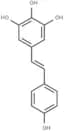
Compound C11 inhibits 14-3-3η protein (KD: 35 μM), targets liver cancer cells, blocks G1-S phase, and induces apoptosis.Fórmula:C29H32N2O3Cor e Forma:SolidPeso molecular:456.584-Hydroxyresveratrol
CAS:4-Hydroxyresveratrol (3,4,5,4'-Tetrahydroxystibene) is a resveratrol analog that variably induces the expression of pro-apoptotic genes such as p53 and Bax. It triggers apoptosis in SV40 virus-transformed WI38 cells (WI38VA), but not in WI38 cells. Additionally, 4-Hydroxyresveratrol significantly increases the expression of p53, GADD45, and Bax genes in WI38VA cells, while suppressing the expression of the bcl-2 gene.Fórmula:C14H12O4Cor e Forma:SolidPeso molecular:244.243Urease-IN-20
CAS:Urease-IN-20 (compound XBP2) is an inhibitor of Helicobacter pylori (H. pylori), with an IC50 of 0.14 μM for H. pylori inhibition. It effectively decreases apoptosis in GES-1 cells infected with H. pylori and reduces levels of ROS and γH2AX. Urease-IN-20 also demonstrates significant gastric mucosal protective effects, making it suitable for H. pylori research.Fórmula:C14H8FNO2SeCor e Forma:SolidPeso molecular:320.18MLKL-IN-6
MLKL-IN-6 (compound P28) is a mixed lineage kinase inhibitor that specifically targets the Mixed Lineage Kinase domain-like (MLKL) protein.
Fórmula:C20H18N4O5Pureza:98%Cor e Forma:SolidPeso molecular:394.38PARP1-IN-12
PARP1-IN-12: potent PARP1 inhibitor, IC50 2.99 nM, triggers cell apoptosis, G2/M arrest, induces DSBs in BRCA-deficient cells.Fórmula:C43H56FN5O5Cor e Forma:SolidPeso molecular:741.93HDAC-IN-34
HDAC-IN-34 inhibits HDAC1 (IC50: 0.022 μM) & HDAC6 (IC50: 0.45 μM), binds DNA causing damage, and halts HCT-116 cell growth (IC50: 1.41 μM).Fórmula:C24H26N6O3Cor e Forma:SolidPeso molecular:446.5Topo I/COX-2-IN-2
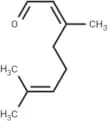
Compound W10 is a dual inhibitor of Topo I (IC50: 0.90μM) and COX-2 (IC50: 2.31μM), inducing cancer cell apoptosis via mitochondria.Fórmula:C24H25ClN4OCor e Forma:SolidPeso molecular:420.93Neral
CAS:Neral, a monoterpenoid compound, exhibits anti-inflammatory and anticancer activities. It inhibits TNF-α and IL-6, along with inflammatory mediators such as pro-IL-1β, iNOS, COX-2, and NLRP-3.Fórmula:C10H16OCor e Forma:SolidPeso molecular:152.23eIF4A-IN-1
CAS:eIF4A-IN-1 is an eIF4A inhibitor used in tumor research.Fórmula:C31H33N3O5Cor e Forma:SolidPeso molecular:527.61FLT3-IN-32
CAS:FLT3-IN-32 is a potent FLT3 inhibitor with high selectivity, effectively suppressing FLT3 activating mutations and inducing apoptosis. It demonstrates good tolerance in non-tumor-bearing mice. In NOD/SCID mice loaded with MV4-11 cells, FLT3-IN-32 exhibits outstanding antitumor efficacy, significantly extending mouse survival. FLT3-IN-32 is applicable for acute myeloid leukemia research.Fórmula:C28H29N5O5Cor e Forma:SolidPeso molecular:515.56LRRK2-IN-17
CAS:LRRK2-IN-17 is an orally active LRRK2 inhibitor with IC50 values of 3.5 nM for WT and 3.3 nM for G2019S, and it also inhibits RET kinase with an IC50 of 59 nM. LRRK2-IN-17 is utilized in research related to cancer and Parkinson's disease (PD).Fórmula:C18H18N8Cor e Forma:SolidPeso molecular:346.39Samuraciclib hydrochloride hydrate
Samuraciclib (CT7001) is a potent oral CDK7 inhibitor (IC50: 41 nM) with anti-breast cancer properties.Fórmula:C22H35ClN6O3Cor e Forma:SolidPeso molecular:521.7Dicycloplatin
CAS:Dicycloplatin is an inducer of DNA damage. It activates doubly phosphorylated checkpoint kinase 2 (CHK2), breast cancer 1 (BRCA1), and triply phosphorylated p53 to induce DNA damage. Dicycloplatin can cause cell cycle arrest, inhibit proliferation, and trigger apoptosis in prostate cancer PC3 cells and lung cancer NCI/H446 cells. It is applicable for research in the field of cancer.Fórmula:C12H20N2O8PtPeso molecular:515.38NSD2-IN-1
CAS:NSD2-IN-1: potent, selective NSD2-PWWP1 inhibitor, IC50 0.11 μM, induces gene expression changes, apoptosis, cell cycle arrest.Fórmula:C29H31N5Cor e Forma:SolidPeso molecular:449.59PD-L1-IN-7
CAS:PD-L1-IN-7 (compound CB31) serves as a PD-L1 inhibitor, effectuating PD-L1 internalization and retention within cells. It restrains the PD-1/PD-L1 interaction (IC 50: 0.2 nM), alters glycosylation patterns, and facilitates PD-L1 degradation. Additionally, PD-L1-IN-7 enhances T cell infiltration, boosts T cell function, and augments the capacity to destroy tumor cells.Fórmula:C46H50N6O7Cor e Forma:SolidPeso molecular:798.93MRK003
CAS:MRK003, a γ-secretase inhibitor, induces apoptosis, halts cell growth in myeloma/NHL, and affects notch signaling and PI3K/Akt pathway.Fórmula:C25H31F6N3O2SCor e Forma:SolidPeso molecular:551.59IMB5046
CAS:IMB5046 is a microtubule inhibitor that induces apoptosis (cell death) by obstructing the G2/M phase of the cell cycle. It possesses antitumor properties.Fórmula:C19H20N2O5SCor e Forma:SolidPeso molecular:388.438DDO-8958
CAS:DDO-8958 is an orally active and selective BET BD1 inhibitor, exhibiting a KD of 5.6 nM for BRD4 BD1. It shows low nanomolar inhibitory activity across all BET BD1 bromodomains except for BRDT BD1. DDO-8958 inhibits tumor cell proliferation and migration, induces apoptosis and cell cycle arrest, and demonstrates antitumor activity.Fórmula:C22H22FN5O2Cor e Forma:SolidPeso molecular:407.441GIC-20
CAS:GIC-20, a dual inducer of apoptosis and ferroptosis, exhibits antitumor efficacy against fibrosarcoma [1].Fórmula:C38H37ClN4O5SCor e Forma:SolidPeso molecular:697.24ZIF-8
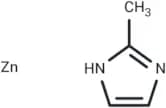
CAS:ZIF-8 is an anticancer agent that can inherently trigger pyroptosis through a caspase-1/gasdermin D (GSDMD)-dependent pathway.Fórmula:C4H6N2ZnCor e Forma:SolidPeso molecular:147.513Antiproliferative agent-63
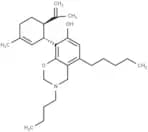
CAS:Antiproliferative agent-63 (compound 4d) is a cyclic analog of cannabidiol that acts as an anticancer agent. It demonstrates favorable activity against breast and colorectal cancer. Moreover, this compound can arrest the cell cycle in the G1 phase and induce apoptosis through the mitochondrial pathway in breast cancer cell lines.Fórmula:C27H41NO2Cor e Forma:SolidPeso molecular:411.62TLBC
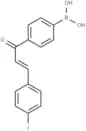
CAS:TLBC, a borane-chalcone derivative, exhibits dose-dependent inhibitory effects across various glioma cell lines with IC50 values ranging from 5.5 to 25.5 μM. TLBC induces apoptosis independently of alterations in the tumor suppressor factor p53.Fórmula:C15H12BIO3Cor e Forma:SolidPeso molecular:377.97Caspase-3 activator 4
CAS:Caspase-3 Activator 4 (compound 4o) is an effective caspase-3 activator that can cross the blood-brain barrier. This compound exhibits antiproliferative activity and can induce cell apoptosis (apoptosis). Additionally, Caspase-3 Activator 4 enhances the gene expression of TNF-α and reduces the expression of cleaved caspase-3/caspases 3.Fórmula:C31H27N5O3Cor e Forma:SolidPeso molecular:517.58Ferroptosis-IN-15
CAS:Ferroptosis-IN-15 (compound 12) serves as an effective inhibitor of ferroptosis, exhibiting EC50 values of 0.76 μM and 0.67 μM in A375 cells and 786-O cells, respectively. It acts as a potential iron chelator and radical-scavenging antioxidant.Fórmula:C17H14O5Cor e Forma:SolidPeso molecular:298.29Minnelide
CAS:Minnelide is a prodrug of triptolide,and shows potent antitumor activity in a number of tumor types.Fórmula:C21H25Na2O10PPureza:98.49% - 99.59%Cor e Forma:SolidPeso molecular:514.37Erythromycin B
CAS:Erythromycin B exhibits antimalarial activity by effectively inhibiting the asexual growth of Plasmodium falciparum.Fórmula:C37H67NO12Cor e Forma:SolidPeso molecular:717.93NCI-006
CAS:NCI-006, an LDH inhibitor, slows tumor growth and enhances pyruvate's role in mitochondrial metabolism.Fórmula:C31H24F2N4O4S3Cor e Forma:SolidPeso molecular:650.74Ferrostatin-1 diyne
CAS:Ferrostatin-1 diyne (Fer-1 diyne) (compound 2) serves as an inhibitor of ferroptosis, accumulating in cellular lysosomes, mitochondria, and the endoplasmic reticulum. It notably inhibits ferroptosis independently of lysosomal and mitochondrial activity.Fórmula:C18H22N2O2Cor e Forma:SolidPeso molecular:298.38CRI9
CRI9 effectively inhibits the c-MET/PI3K/Akt/mTOR axis, suppressing the proliferation of hepatocellular carcinoma (HCC) cells. This compound exhibits potent cytotoxicity against HCC cells and induces apoptosis.Fórmula:C26H18N6O4Cor e Forma:SolidPeso molecular:478.463′-Hydroxyflavanone
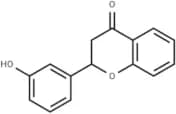
CAS:3′-Hydroxyflavanone is a cyclized flavonoid with anti-tumor properties that induces apoptosis in HeLa cells.Fórmula:C15H12O3Cor e Forma:SolidPeso molecular:240.25EGFR-IN-134
EGFR-IN-134 (compound 3f) is a triazolo[3,4-a]quinoline derivative and functions as a potent EGFR inhibitor with an IC50 of 0.023 µM. It induces apoptosis and necrosis in cells, and causes cell cycle arrest in the G2/M and pre-G1 phases. EGFR-IN-134 modulates the expression of apoptosis-regulating proteins by downregulating anti-apoptotic protein Bcl2 and upregulating pro-apoptotic proteins p53, Bax, and caspases 3, 8, and 9, demonstrating significant antiproliferative and anticancer activities.Fórmula:C36H30N6O5Cor e Forma:SolidPeso molecular:626.66