Antibióticos
Os antibióticos são compostos projetados para destruir ou inibir o crescimento de vários microrganismos, desempenhando um papel crucial no tratamento de infecções e na prevenção da disseminação de doenças. Esta categoria oferece uma ampla variedade de ingredientes ativos especificamente para pesquisa no campo bioquímico. Esses compostos são ferramentas essenciais no estudo dos mecanismos bacterianos, padrões de resistência e no desenvolvimento de novos agentes terapêuticos. Os pesquisadores podem explorar uma grande variedade de antibióticos para entender seus efeitos, otimizar seu uso e desenvolver novos tratamentos para combater ameaças microbianas emergentes. A disponibilidade de um espectro tão amplo de antibióticos apoia a pesquisa avançada e a inovação em microbiologia e ciências farmacêuticas.
Subcategorias de "Antibióticos"
- Antibióticos macrolídeos(26 produtos)
- Antibióticos Esteróides(31 produtos)
- Antibióticos de tetraciclina(20 produtos)
- Antibióticos β-Lactâmicos(11 produtos)
Foram encontrados 4082 produtos de "Antibióticos"
Ordenar por
Pureza (%)
0
100
|
0
|
50
|
90
|
95
|
100
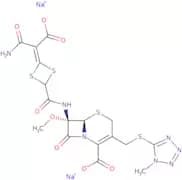
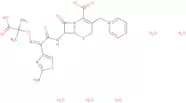
Ceftriaxone sodium hydrate - Bio-X ™
CAS:<p>Ceftriaxone is a broad-spectrum cephalosporin antibiotic that is used for the treatment of bacterial infections in different locations such as the skin, soft tissue and respiratory tract. This drug works by inhibiting mucopeptide synthesis in the bacterial cell wall. As a result, bacteria will produce defective cell walls leading to cell death.</p>Fórmula:C18H16N8Na2O7S3·5H2OPureza:Min. 95%Cor e Forma:PowderPeso molecular:661.6 g/molTosufloxacin toluenesulfonate hydrate
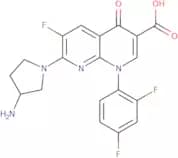
CAS:<p>Tosufloxacin toluenesulfonate hydrate is a fluoroquinolone antibiotic with action on bacterial DNA gyrase and topoisomerase IV and is used for treating bacterial infections, particularly respiratory infections.</p>Fórmula:C19H15F3N4O3·C7H8O3S·H2OPureza:Min. 95%Cor e Forma:PowderPeso molecular:594.56 g/molDoxycycline calcium
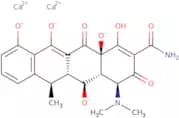
CAS:<p>Antibiotic; anti-protozoal; anti-helmintic; protein synthesis inhibitor</p>Fórmula:C22H24N2O8·2CaPureza:Min. 95%Peso molecular:524.59 g/molCefepime dihydrochloride monohydrate
CAS:<p>Cefepime dihydrochloride monohydrate is a fourth-generation cephalosporin antibiotic with action on bacterial cell wall synthesis and is used for treating severe bacterial infections, including pneumonia and urinary tract infections.</p>Fórmula:C19H25N6O5S2Cl•HCl•H2OPureza:Min. 95%Cor e Forma:PowderPeso molecular:571.5 g/molValidamycin A
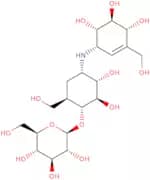
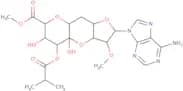
CAS:<p>Validamycin A is an antibiotic and fungicide with action as a trehalase inhibitor, disrupting carbohydrate metabolism in fungi and is used for controlling fungal diseases like sheath blight in rice and damping-off in cucumbers.</p>Fórmula:C20H35NO13Pureza:Min. 92 Area-%Cor e Forma:White PowderPeso molecular:497.49 g/molStreptomycin sulfate
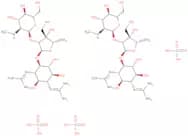
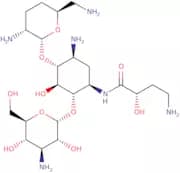
CAS:<p>Inhibitor of protein synthesis; aminoglycoside</p>Fórmula:(C21H39N7O12)2•(H2SO4)3Pureza:Min. 720 Iu/MgCor e Forma:White Off-White PowderPeso molecular:1,457.39 g/molMitomycin C
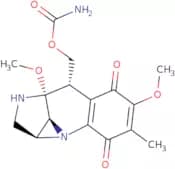
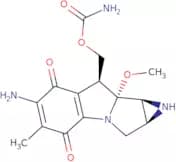
CAS:<p>Chemoterapeutic agent; DNA crosslinker</p>Fórmula:C15H18N4O5Pureza:Min. 98 Area-%Cor e Forma:PowderPeso molecular:334.33 g/molOmadacycline tosylate
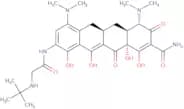
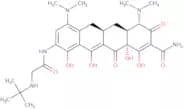
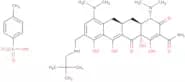
CAS:<p>Omadacycline tosylate is a aminomethylcycline antibiotic with action on bacterial protein synthesis inhibition and is used for treating community-acquired bacterial pneumonia and skin infections.</p>Fórmula:C36H48N4O10SPureza:Min. 95%Cor e Forma:PowderPeso molecular:728.85 g/molOlaquindox
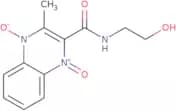
CAS:<p>Olaquindox is a quinoxaline derivative antibiotic with action on bacterial growth suppression in the gut and is used for promoting growth and controlling bacterial infections in livestock.</p>Fórmula:C12H13N3O4Pureza:Min. 95%Cor e Forma:PowderPeso molecular:263.25 g/molAzithromycin N-oxide
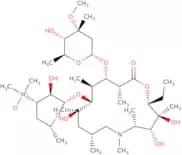
CAS:<p>Azithromycin N-oxide is a macrolide antibiotic derivative and is used for research purposes. Its mode of action is similar to azithromycin.</p>Fórmula:C38H72N2O13Pureza:Min. 95%Cor e Forma:White PowderPeso molecular:764.98 g/molKanamycin sulfate, Antibiotic for Culture Media Use Only
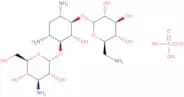
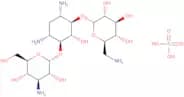
CAS:<p>Kanamycin sulfate is a water-soluble antibiotic. Genes encoding kanamycin resistance are commonly used as selection markers in molecular biology .It acts during the translation mechanism in prokaryotic ribosomes to avoid bacterial cell growth.</p>Fórmula:C18H38N4O15SPeso molecular:582.58 g/molRef: 3D-K-0250
25gA consultar50gA consultar100gA consultar250gA consultar500gA consultar-Unit-kgkgA consultarNystatin
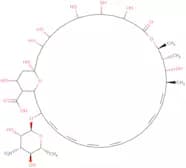
CAS:<p>Nystatin is an antifungal compound, which is produced by the bacterium *Streptomyces noursei*. It functions by binding to ergosterol, a crucial component of fungal cell membranes, creating pores that lead to increased membrane permeability. This disruption results in the leakage of essential cellular components, ultimately causing cell death.</p>Fórmula:C47H75NO17Pureza:Min. 85 Area-%Cor e Forma:PowderPeso molecular:926.09 g/molRanimycin
CAS:<p>Ranimycin is an antibiotic, which is derived from a natural microbial source. It exhibits bactericidal activity by inhibiting bacterial protein synthesis, thereby preventing bacterial cell growth and proliferation. This disruption of protein synthesis is achieved through binding to the bacterial ribosome, effectively halting the process of translating mRNA into vital bacterial proteins, which are essential for their survival and replication.</p>Fórmula:C12H18O6Pureza:Min. 95%Peso molecular:258.27 g/molSulbactam
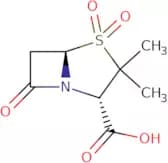
CAS:<p>A semi-synthetic beta-lactamase inhibitor</p>Fórmula:C8H11NO5SPureza:Min. 95%Cor e Forma:White Off-White PowderPeso molecular:233.24 g/molFlorfenicol - Bio-X ™
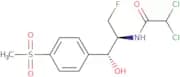
CAS:<p>Florfenicol is a broad-spectrum antibiotic used for the treatment of various bacteria infections. This drug is used in veterinary medicine and to treat animals with those infections. This drug works by inhibiting bacteria synthesis. It is a fluorinated synthetic analog of thiamphenicol.</p>Fórmula:C12H14Cl2FNO4SPureza:Min. 98 Area-%Cor e Forma:PowderPeso molecular:358.21 g/molRufloxacin HCl
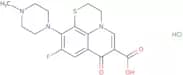
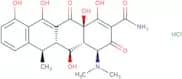
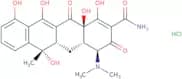
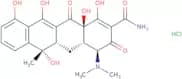
CAS:<p>Fluoroquinolone; gyrase inhibitor</p>Fórmula:C17H18FN3O3S·HClPureza:Min. 95%Cor e Forma:PowderPeso molecular:399.87 g/molDoxycycline hydrochloride
CAS:<p>Antibiotic; anti-protozoal; anti-helmintic; protein synthesis inhibitor</p>Fórmula:C22H24N2O8•HClPureza:Min. 95%Peso molecular:480.9 g/molNeomycin trisulfate, Antibiotic for Culture Media Use Only
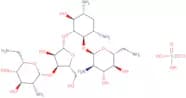
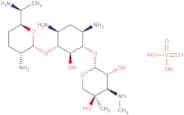
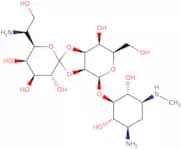
CAS:<p>Neomycin, one of the many oligosaccharide containing antibiotics, is an aminoglycoside antibiotic found in Streptomyces fradiae (Collins, 2006) with wide spectrum, active against Gram-negative Gram-positive bacteria. Neomycin is commony used as a selection marker in cloning, and is therefore used in growth media to select colonies with the neomycin resistance cassette integrated into their genome. Neomycin is a mixture of neomycin B (Framycetin) and its epimer Neomycin C, the latter component accounting for some 5â15% of the mixture.</p>Fórmula:C23H52N6O25S3Peso molecular:908.88 g/molMycophenolate sodium
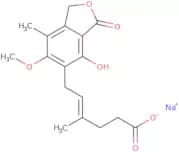
CAS:<p>Inhibitor of inosine monophosphate dehydrogenase; immunosuppressant</p>Fórmula:C17H20O6·NaPureza:Min. 95%Peso molecular:343.33 g/molNeomycin trisulfate hydrate
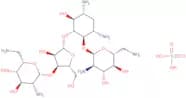
CAS:<p>Neomycin, one of the many oligosaccharide containing antibiotics, is an aminoglycoside antibiotic found in Streptomyces fradiae (Collins, 2006) with wide spectrum, active against Gram-negative Gram-positive bacteria. Neomycin is commony used as a selection marker in cloning, and is therefore used in growth media to select colonies with the neomycin resistance cassette integrated into their genome. Neomycin is a mixture of neomycin B (Framycetin) and its epimer Neomycin C, the latter component accounting for some 515% of the mixture.</p>Fórmula:C23H46N6O13·3H2SO4Pureza:Min. 600 Ug/MgCor e Forma:White Slightly Yellow PowderPeso molecular:908.88 g/molImipenem monohydrate
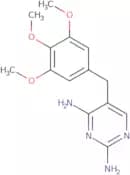
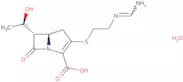
CAS:<p>Inhibitor of cell-wall synthesis; carbapenem class</p>Fórmula:C12H19N3O5SPureza:(Hplc) 98.0 To 101.0%Cor e Forma:Brown White Yellow PowderPeso molecular:317.36 g/mol5-(3,4,5-Trimethoxybenzyl)pyrimidine-2,4-diamine 2-hydroxypropanoate
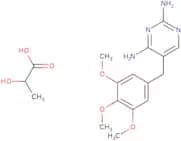
CAS:<p>5-(3,4,5-Trimethoxybenzyl)pyrimidine-2,4-diamine 2-hydroxypropanoate is an antibacterial compound with a broad spectrum of activity against Gram-positive and Gram-negative bacteria. It is active against strains resistant to other antibiotics, such as, tetracycline and penicillin. 5-(3,4,5-Trimethoxybenzyl)pyrimidine-2,4-diamine 2-hydroxypropanoate has been shown to be effective in vitro against Campylobacter jejuni - the most common cause of bacterial gastroenteritis in humans. The compound also inhibits the growth cycle of Campylobacter jejuni by arresting the cells at the G1 phase. The molecule has been shown to inhibit DNA synthesis in E. coli and S. typhimurium with IC50 values of 1 ÎŒM and 0.8 ÎŒM respectively. This molecule has been tested for its surface active properties and it can be used as an additive in personal care products for improved wetting and spreading on surfaces. The compound is also researched for its antifungal efficacy against Candida albicans by inhibiting the growth cycle of the fungus.</p>Fórmula:C17H24N4O6Pureza:Min. 98 Area-%Peso molecular:380.40 g/molSafracin B
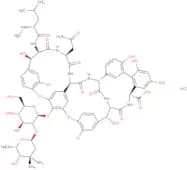
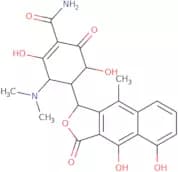
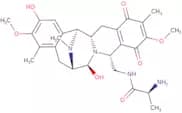
CAS:<p>Exhibits antitumour activity against L1210 and P388 leukemias and B16 melanoma</p>Fórmula:C28H36N4O7Pureza:Min. 95%Peso molecular:540.61 g/molTelavancin HCl
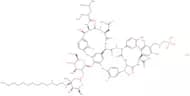
CAS:<p>Telavancin HCl is a lipoglycopeptide antibiotic with action on bacterial cell wall synthesis and membrane integrity and is used for treating complicated skin infections and hospital-acquired pneumonia caused by gram-positive bacteria.</p>Fórmula:C80H106Cl2N11O27P·HClPureza:(%) Min. 92%Cor e Forma:White PowderPeso molecular:1,792.1 g/molPolymyxin B sulfate
CAS:<p>Membrane-disrupting agent</p>Fórmula:C56H98N16O13·H2SO4Pureza:Min 6000 Iu/MgCor e Forma:White PowderPeso molecular:1,301.56 g/molOrmetoprim - Bio-X ™
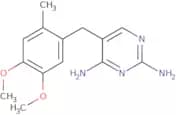
CAS:<p>Ormetoprim is an antibacterial drug used in veterinary medicine to treat several bacterial infections in animals. This drug is a dihydrofolate reductase inhibitor and disrupts DNA and RNA synthesis in bacteria.</p>Fórmula:C14H18N4O2Pureza:Min. 95%Cor e Forma:PowderPeso molecular:274.32 g/molGentamicin C1a
CAS:<p>Gentamicin C1a is an aminoglycoside antibiotic, which is a secondary metabolite derived from the bacterium Micromonospora. This antibiotic functions through a mode of action that involves binding to the 30S subunit of bacterial ribosomes. This binding disrupts protein synthesis by causing misreading of the mRNA, ultimately leading to inhibition of bacterial growth and cellular death.</p>Fórmula:C19H39N5O7Pureza:Min. 98 Area-%Cor e Forma:PowderPeso molecular:449.54 g/molCefotaxime
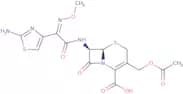
CAS:<p>Cefotaxime is a third-generation cephalosporin antibiotic with action on bacterial cell wall synthesis and is used for treating severe bacterial infections like meningitis and sepsis.</p>Fórmula:C16H17N5O7S2Pureza:(%) Min. 90%Cor e Forma:White PowderPeso molecular:455.47 g/molDanofloxacin mesylate
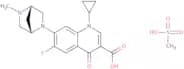
CAS:<p>Danofloxacin mesylate is a mesylate salt form of danofloxacin with similar action and applications as danofloxacin.</p>Fórmula:C20H24FN3O6SPureza:Min. 95%Cor e Forma:Off-White PowderPeso molecular:453.49 g/molLincomycin
CAS:<p>Inhibitor of protein synthesis; lincosamide</p>Fórmula:C18H34N2O6SPureza:Min. 97 Area-%Cor e Forma:White Off-White PowderPeso molecular:406.54 g/molHerbicidin E
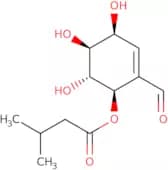
CAS:<p>Herbicidin E is a potent herbicidal compound, derived from blue-green algae, with a biochemical mode of action focused on inhibiting photosynthetic electron transport. It effectively disrupts the photosynthetic process by binding to specific sites within the chloroplasts of target plants, impairing their ability to convert light energy into chemical energy. This leads to a depletion of essential energy reserves, resulting in the controlled demise of the plant.</p>Fórmula:C22H29N5O10Pureza:Min. 95%Peso molecular:523.49 g/molNifurquinazol
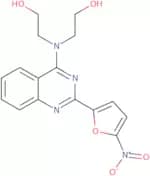
CAS:<p>Nifurquinazol is an antimicrobial agent, which is a synthetic compound derived from the nitrofuran class of antibiotics. Its mode of action involves inhibition of bacterial enzymes critical for DNA and protein synthesis, thereby interfering with microbial cell replication and survival.</p>Fórmula:C16H16N4O5Pureza:Min. 95%Peso molecular:344.32 g/mol3’(6’)-Dehydroclindamycin phosphate (mixture of E/Z isomers)
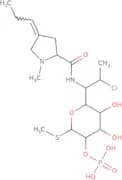
CAS:<p>3’(6’)-Dehydroclindamycin phosphate is a semi-synthetic compound and a impurity of clindamycin. This in turn is prepared from lincomycin. It has antibacterial and antiviral properties</p>Fórmula:C18H32ClN2O8PSPureza:Min. 90 Area-%Cor e Forma:PowderPeso molecular:502.95 g/mol4-Epichlortetracycline hydrochloride
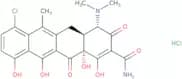
CAS:<p>Protein synthesis inhibitor; tetracycline class</p>Fórmula:C22H24Cl2N2O8Pureza:Min. 80%Cor e Forma:Slightly Yellow PowderPeso molecular:515.34 g/molMupirocin
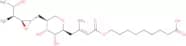
CAS:<p>Inhibitor of isoleucyl-tRNA synthetase; inhibitor of protein synthesis</p>Fórmula:C26H44O9Pureza:Min. 92 Area-%Cor e Forma:White PowderPeso molecular:500.62 g/molNalidixic acid sodium salt
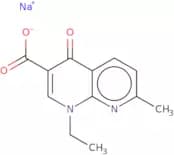
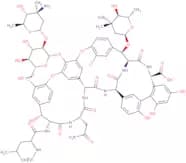
CAS:<p>Nalidixic acid sodium salt is a sodium salt form of nalidixic acid with similar action and applications as nalidixic acid.</p>Fórmula:C12H11N2NaO3Pureza:(%) Min. 98%Cor e Forma:White PowderPeso molecular:254.22 g/molVancomycin hydrochloride
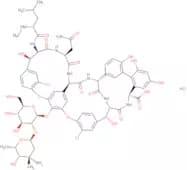
CAS:<p>Inhibitor of cell wall biogenesis; glycopeptide antibiotic</p>Fórmula:C66H76Cl3N9O24Pureza:Min. 88 Area-%Cor e Forma:PowderPeso molecular:1,485.71 g/molNourseothricin sulfate
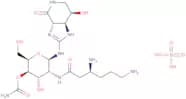
CAS:<p>Aminoglycoside antibiotic; inhibits protein synthesis by inducing miscoding</p>Fórmula:C19H34O8N8•H2SO4Pureza:Min. 85%Cor e Forma:White PowderPeso molecular:600 g/molLincomycin 2-phosphate
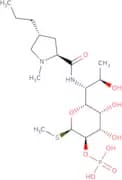
CAS:<p>Lincomycin 2-Phosphate is a lincosamide antibiotic derivative with a mode of action that inhibits bacterial protein synthesis by binding to the 50S ribosomal subunit. It is used for treating bacterial infections.</p>Fórmula:C18H35N2O9PSPureza:Min. 90 Area-%Cor e Forma:PowderPeso molecular:486.52 g/mol26-Hydroxyfusidic acid
<p>26-Hydroxyfusidic acid is a steroid antibiotic, which is derived from the Fusidium coccineum fungus. It exhibits its antibacterial effects by inhibiting bacterial protein synthesis. Specifically, it targets the bacterial elongation factor G (EF-G), a critical component in the translocation step during protein elongation, ultimately stalling bacterial growth.</p>Fórmula:C31H48O7Pureza:Min. 95%Peso molecular:532.71 g/molCiprofloxacin HCl monohydrate
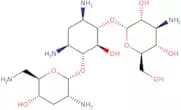
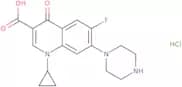
CAS:<p>A fluoroquinolone antibiotic which inhibits nucleic acid synthesis by targeting the DNA gyrase and topoisomerase IV. This second-generation fluoroquinolone has a broad spectrum of action and is more effective against Gram-negative bacteria.</p>Fórmula:C17H18FN3O3·H2O·HClPureza:(Hplc) 98.0 To 102.0%Cor e Forma:White PowderPeso molecular:385.82 g/molNosiheptide
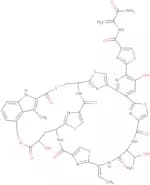
CAS:<p>A thiopeptide antibiotic produced by the bacterium Streptomyces actuosus. In addition, nosiheptide inhibits bacterial protein biosynthesis by acting during the elongation of the protein.</p>Fórmula:C51H43N13O12S6Pureza:Min. 95%Cor e Forma:PowderPeso molecular:1,222.36 g/molGentamicin C2a sulfate
CAS:<p>Gentamicin C2a sulfate is one epimeric form of the aminoglycoside antibiotic gentamicin (a.k.a. gentamycin). Gentamicin interferes with the correct protein production in bacterial cells, by binding to the 16s rRNA at the 30s ribosomal subunit. Gentamicin is a natural mixture of four congeners, one of which is gentamicin C2a. Gentamicin is active against clinically relevant aerobic gram-negative bacteria. Gentamicin C2a has been shown to be biodegradable in the environment, to some extent.</p>Fórmula:C20H41N5O7·xH2SO4Pureza:Min. 95%Spectinomycin dihydrochloride pentahydrate
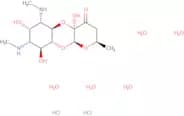
CAS:<p>Inhibitor of protein synthesis; aminocyclitol class</p>Fórmula:C14H24N2O7•(HCl)2•(H2O)5Pureza:Min 93%Cor e Forma:PowderPeso molecular:495.35 g/molErtapenem sodium
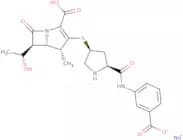
CAS:<p>Ertapenem sodium is a carbapenem antibiotic with action on bacterial cell wall synthesis and is used for treating severe bacterial infections like intra-abdominal infections and pneumonia.</p>Fórmula:C22H24N3NaO7SPureza:Min. 85 Area-%Cor e Forma:PowderPeso molecular:497.5 g/molChloroeremomycin
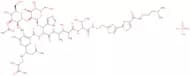
CAS:<p>Fementation intermediate of Oritavancin</p>Fórmula:C73H88Cl2N10O26Pureza:Min. 95%Cor e Forma:White PowderPeso molecular:1,592.44 g/molBleomycin sulfate - mixture of Bleomycin A2, B2
CAS:<p>Inducer of DNA strand breaks; glycopeptide antibiotic, anti-neoplastic</p>Fórmula:C55H84N17O21S3·xH2SO4Pureza:Min. 77 Area-%Cor e Forma:PowderPeso molecular:1,415.56 g/molAvibactam sodium
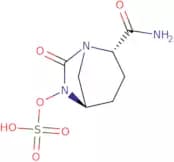
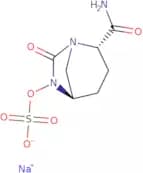
CAS:<p>Avibactam sodium is a β-lactamase inhibitor and is used for the treatment of complicated intra-abdominal and urinary tract infections in combination with ceftazidime. Its mode of action is similar to avibactam free acid</p>Fórmula:C7H10N3O6S·NaPureza:Min. 97 Area-%Cor e Forma:White PowderPeso molecular:287.23 g/molDifloxacin
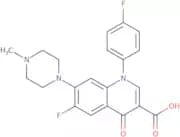
CAS:<p>Difloxacin is a fluoroquinolone antibiotic, which is a synthetic compound derived from chemical synthesis methods. Its source involves complex organic chemistry that modifies the quinolone backbone to enhance its antibacterial properties. Difloxacin functions by inhibiting bacterial DNA gyrase and topoisomerase IV, which are critical enzymes involved in DNA replication, transcription, and repair. This inhibition leads to the prevention of cellular division and ultimately results in bacterial cell death.</p>Fórmula:C21H19F2N3O3Pureza:Min. 95%Peso molecular:399.39 g/molArbekacin
CAS:<p>Inhibitor of DNA replication; aminoglycoside class</p>Fórmula:C22H44N6O10Pureza:Min. 95%Peso molecular:552.62 g/molCefatrizine propylene glycol
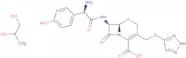
CAS:<p>Cefatrizine propylene glycol is a cephalosporin antibiotic with action against gram-positive and gram-negative bacteria and is used for treating respiratory and skin infections.</p>Fórmula:C21H26N6O7S2Pureza:Min. 95%Cor e Forma:PowderPeso molecular:538.6 g/molTosufloxacin toluenesulfonate hydrate - Bio-X ™
CAS:<p>Tosufloxacin is a fluoroquinolone antibiotic that inhibits DNA gyrase and topoisomerase IV, which are enzymes that maintain the integrity of bacterial DNA. It binds to bacterial 16S ribosomal RNA and inhibits protein synthesis, leading to cell death by inhibiting the production of proteins vital for cell division. Tosufloxacin has been shown to be effective against a variety of bacterial infections.</p>Fórmula:C19H15F3N4O3·C7H8O3S·H2OPureza:Min. 95%Cor e Forma:PowderPeso molecular:594.56 g/molNetropsin dihydrochloride
CAS:<p>Netropsin dihydrochloride is a pyrrole-amidine antibiotic with action on AT-rich sequences of DNA to inhibit replication and is used for research on DNA-binding properties and antiviral activity.</p>Fórmula:C18H28N10O3Cl2Pureza:Min. 98 Area-%Cor e Forma:PowderPeso molecular:503.39 g/molGriselimycin
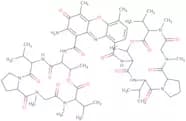
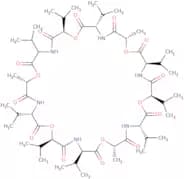
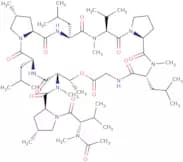
CAS:<p>Griselimycin is an antibiotic, which is derived from the bacterial genus *Streptomyces*. This compound exhibits its mode of action by targeting bacterial protein synthesis, specifically binding to the DNA polymerase sliding clamp, thereby inhibiting replication and cell division in a range of bacterial pathogens. Griselimycin has been the focus of renewed scientific interest due to its potent activity against Mycobacterium tuberculosis, including multi-drug-resistant strains. The compound’s unique mode of action makes it a promising candidate for further development in the treatment of tuberculosis and potentially other bacterial infections that have developed resistance to more commonly used antibiotics. Advances in understanding its biosynthesis have facilitated semi-synthetic modifications, potentially enhancing its pharmacokinetic properties and antimicrobial spectrum. The applications of Griselimycin extend to research contexts where understanding resistance mechanisms and novel antibiotic development are critical. Continued exploration of this compound may contribute significantly to addressing the global challenge of antibiotic resistance.</p>Fórmula:C57H96N10O12Pureza:Min. 95%Peso molecular:1112.720922,4-Diacetylphloroglucinol
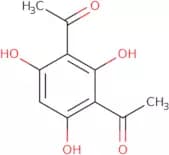
CAS:<p>2,4-Diacetylphloroglucinol is a natural phenol produced by certain bacteria, used for its biocontrol properties against plant pathogens.</p>Fórmula:C10H10O5Pureza:Min. 95%Cor e Forma:Beige PowderPeso molecular:210.18 g/molEnrofloxacin lactate
CAS:<p>Enrofloxacin lactate is a synthetic antimicrobial agent, which is derived from the fluoroquinolone class of antibiotics. It is sourced through chemical synthesis, wherein the base compound, enrofloxacin, is combined with lactate to enhance its pharmacokinetic properties, particularly solubility and bioavailability. Its mode of action is the inhibition of bacterial DNA gyrase and topoisomerase IV, enzymes crucial for DNA replication, transcription, and repair in susceptible bacteria. This interference ultimately leads to bacterial cell death, making enrofloxacin lactate a bactericidal agent.</p>Pureza:Min. 95%Mithramycin A
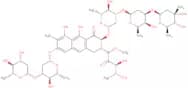
CAS:<p>Antineoplastic antibiotic; RNA synthesis inhibitor</p>Fórmula:C52H76O24Pureza:Min. 95%Cor e Forma:Yellow PowderPeso molecular:1,085.15 g/molCeftibuten dihydrate
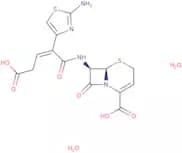
CAS:<p>Ceftibuten dihydrate is a third-generation cephalosporin antibiotic with action on bacterial cell wall synthesis and is used for treating respiratory tract infections, otitis media, and urinary tract infections.</p>Fórmula:C15H14N4O6S2•(H2O)2Pureza:Min. 95%Cor e Forma:PowderPeso molecular:446.46 g/molAvermectin B1a (>85%)
CAS:<p>Avermectin B1a (>85%) is a macrolide anthelmintic and is used for the treatment of parasitic infections. It enhances the effects of glutamate at the glutamate-gated chloride channels, causing paralysis and death of the parasite</p>Fórmula:C48H72O14Pureza:>85% B1ACor e Forma:White PowderPeso molecular:873.08 g/molIsochlortetracycline
CAS:<p>Isochlortetracycline is a tetracycline antibiotic with a mode of action that inhibits bacterial protein synthesis by binding to the 30S ribosomal subunit. It is used for treating bacterial infections in both humans and animals.</p>Fórmula:C22H23ClN2O8Pureza:Min. 95%Cor e Forma:Off-White PowderPeso molecular:478.88 g/molOrbifloxacin
CAS:<p>Orbifloxacin is a fluoroquinolone antibiotic with action on bacterial DNA gyrase and topoisomerase IV and is used for treating bacterial infections in veterinary medicine.</p>Fórmula:C19H20F3N3O3Pureza:Min. 95%Cor e Forma:PowderPeso molecular:395.38 g/molVancomycin hydrochloride, Antibiotic for Culture Media Use Only
CAS:<p>Vancomycin hydrochloride is an antibiotic that is used against Gram-positive bacteria, including Staphylococcus aureus. It has been shown to inhibit the growth of bacteria by binding the D-alanyl-D-alanine moiety of the peptidoglycan cell wall precursor, inhibiting the peptidoglycan synthesis and disrupting its cross linking. It also inhibits particle formation when it reacts with human plasma, which can lead to hemolysis and hemagglutination. The absorption spectrum for vancomycin hydrochloride shows maxima at 230, 260, 290, and 320 nm, which are characteristic for this compound. Vancomycin has been used in several studies for treatment of methicillin-resistant Staphylococcus aureus infections.</p>Fórmula:C66H76Cl3N9O24Peso molecular:1,485.71 g/molRef: 3D-Q-201920
25gA consultar50gA consultar100gA consultar250gA consultar500gA consultar-Unit-ggA consultarPiromidic acid
CAS:<p>Quinolone antibiotic; antimalarial</p>Fórmula:C14H16N4O3Pureza:Min. 95%Cor e Forma:Off-White PowderPeso molecular:288.3 g/molBoromycin
CAS:<p>Boromycin is a macrolide antibiotic, which is derived from the fermentation of certain strains of Streptomyces bacteria. It operates as an ionophore with the ability to transport ions across lipid membranes, effectively disrupting ionic gradients. This mechanism of action compromises essential cellular processes in target organisms, thereby exerting its antimicrobial effects.</p>Fórmula:C45H74BNO15Pureza:Min. 95%Peso molecular:879.88 g/molCefpodoxime acid
CAS:<p>Cefpodoxime acid is a third-generation cephalosporin antibiotic with action on bacterial cell wall synthesis and is used for treating respiratory tract infections, skin infections, and urinary tract infections.</p>Fórmula:C15H17N5O6S2Pureza:Min. 95 Area-%Cor e Forma:Off-White PowderPeso molecular:427.46 g/molIsepamicin sulphate
CAS:<p>Isepamicin Sulphate is an aminoglycoside antibiotic with a mode of action that inhibits bacterial protein synthesis by binding to the 30S ribosomal subunit. It is used for treating infections caused by gram-negative bacteria.</p>Fórmula:C22H43N5O12•H2SO4Pureza:Min. 95%Cor e Forma:White PowderPeso molecular:667.68 g/molDaptomycin
CAS:<p>Daptomycin is a cyclic lipopeptide that disrupts cell membrane potential and causes leakage from the cell. The antibacterial effects are limited to gram-positive bacteria since daptomycin cant reach the outer membrane of gram-negative species. It is often used for infections cause by vancomycin-resistant enterococci and staphylococci.</p>Fórmula:C72H101N17O26Pureza:Min. 93 Area-%Cor e Forma:Brown White PowderPeso molecular:1,620.67 g/molKanamycin
CAS:<p>Kanamycin is a broad spectrum antibiotic active against both gram-positive and gram-negative bacteria. It is used to treat severe infections including sepsis and tuberculosis. It is another selection agent commonly used to screen bacteria, such as, E. coli, but also suitable for yeast specie,s such as, P. pastoris and plastid transformation of tobacco.</p>Fórmula:C18H36N4O11Pureza:Min. 95%Cor e Forma:PowderPeso molecular:484.5 g/molSitafloxacin sesquihydrate
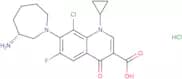
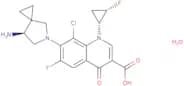
CAS:<p>Sitafloxacin sesquihydrate is a fourth-generation fluoroquinolone antibiotic with action on bacterial DNA gyrase and topoisomerase IV and is used for treating respiratory, urinary, and gastrointestinal infections.</p>Fórmula:C19H18ClF2N3O3•(H2O)1Pureza:Min. 98 Area-%Cor e Forma:PowderPeso molecular:436.84 g/molCephalothin sodium
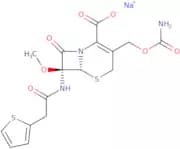
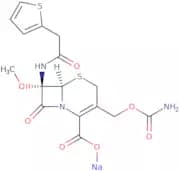
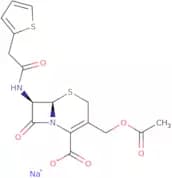
CAS:<p>Cephalothin sodium is a first-generation cephalosporin antibiotic with action on bacterial cell wall synthesis and is used for treating bacterial infections such as respiratory tract infections and skin infections.</p>Fórmula:C16H15N2NaO6S2Pureza:Min. 97 Area-%Cor e Forma:White Yellow PowderPeso molecular:418.42 g/molTetracycline hydrochloride
CAS:<p>Antibiotic of tetracycline class; protein synthesis inhibitor</p>Fórmula:C22H25ClN2O8Cor e Forma:Yellow PowderPeso molecular:480.9 g/mol25-Desacetylrifampin
CAS:<p>25-Desacetylrifampin is the main metabolite of rifampicin, used in the treatment of tuberculosis. 25-Desacetylrifampin has partial actvity.</p>Fórmula:C41H56N4O11Pureza:Min. 94 Area-%Cor e Forma:PowderPeso molecular:780.9 g/molHygromycin B - min 90%
CAS:<p>Inhibitor of protein synthesis; aminoglycoside</p>Fórmula:C20H37N3O13Pureza:Min. 90 Area-%Cor e Forma:PowderPeso molecular:527.52 g/molMeropenem trihydrate, Antibiotic for Culture Media Use Only
CAS:<p>Meropenem trihydrate has broad spectrum activity against Gram-positive and Gram-negative bacteria, as well as, some mycoplasma species. It inhibits cell wall synthesis by binding to bacterial penicillin-binding proteins (PBP), which impairs cell wall integrity, induces the formation of reactive oxygen species, and inhibits macromolecular synthesis in bacteria. It can be used to prevent bacterial growth after being exposed to meropenem through fluorescence imaging of human blood plasma. Meropenem trihydrate research studies showed a reduction of the allergen levels in patients with respiratory allergies or asthma, specifically dust mites, cockroaches, animal dander, pollen grains, etc. by inhibit allergen-induced sensitization of mast cells.</p>Fórmula:C17H31N3O8SPureza:Min. 98.0 Area-%Peso molecular:437.51 g/molRef: 3D-M-2780
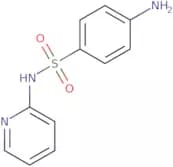
10gA consultar25gA consultar50gA consultar100gA consultar250gA consultar-Unit-ggA consultarSulfapyridine
CAS:<p>A sulfanilide anti-bacterial agent used to treat various skin diseases</p>Fórmula:C11H11N3O2SPureza:Min. 98.0 Area-%Cor e Forma:PowderPeso molecular:249.29 g/molNitrofurantoin
CAS:<p>Nitrofurantoin is an antimicrobial agent, which is a synthetic chemical compound with bactericidal activity. Its source is synthetic, originating from the nitrofuran class of compounds. Nitrofurantoin's mode of action involves the inhibition of essential bacterial enzymes. It is reduced by bacterial flavoproteins to active intermediates, which subsequently alter or disrupt ribosomal proteins, DNA, and other vital macromolecules within bacterial cells, thereby inhibiting key metabolic processes.</p>Fórmula:C8H6N4O5Pureza:Min. 98 Area-%Cor e Forma:Yellow PowderPeso molecular:238.16 g/molGatifloxacin
CAS:<p>Gatifloxacin is an antibiotic, which is a synthetic fluoroquinolone with broad-spectrum antibacterial activity. Its source lies in its chemical synthesis, designed to inhibit bacterial enzymes necessary for DNA replication. The mode of action involves the inhibition of bacterial DNA gyrase and topoisomerase IV, which are critical enzymes for bacterial DNA replication, transcription, and repair. This dual inhibitory mechanism disrupts bacterial cell division and growth, leading to the eventual eradication of susceptible bacterial strains.</p>Fórmula:C19H22FN3O4Pureza:Min. 95%Cor e Forma:White PowderPeso molecular:375.39 g/molTetracycline hydrochloride - USP
CAS:<p>Tetracycline hydrochloride - USP is a broad-spectrum antibiotic, which is a synthetic derivative of chlortetracycline produced from the bacterium *Streptomyces aureofaciens*. It functions by inhibiting protein synthesis in bacteria, specifically binding to the 30S ribosomal subunit. This action prevents the attachment of aminoacyl-tRNA to the mRNA-ribosome complex, thereby halting bacterial growth and replication.</p>Fórmula:C22H25ClN2O8Cor e Forma:Yellow PowderPeso molecular:480.9 g/molBalofloxacin
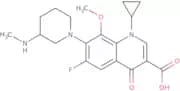
CAS:<p>Balofloxacin is a fluoroquinolone antibiotic and is used for the treatment of bacterial infections. It inhibits DNA gyrase and topoisomerase IV, preventing DNA replication and transcription.</p>Fórmula:C20H24FN3O4·2H2OPureza:Min. 95%Cor e Forma:PowderPeso molecular:425.45 g/molRifabutin
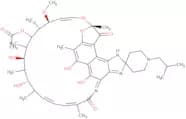
CAS:<p>Inhibitor of bacterial DNA-dependent RNA polymerase</p>Fórmula:C46H62N4O11Pureza:Min. 97.5 Area-%Cor e Forma:PowderPeso molecular:847 g/molLevofloxacin hemihydrate
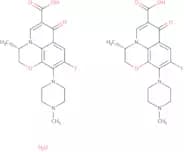
CAS:<p>Levofloxacin Hemihydrate is a fluoroquinolone antibiotic with a mode of action that inhibits bacterial DNA gyrase and topoisomerase IV. It is used for treating bacterial infections, similar to its anhydrous form.</p>Fórmula:C18H20FN3O4H2OPureza:Min. 98 Area-%Cor e Forma:PowderPeso molecular:370.38 g/molAmoxicillin trihydrate
CAS:<p>Amoxicillin trihydrate is an aminopenicillin antibiotic and is used for the treatment of bacterial infections such as respiratory infections and dental abscesses. Its mode of action is similar to amoxicillin, inhibiting bacterial cell wall synthesis</p>Fórmula:C16H19N3O5S·3H2OPureza:Min. 98 Area-%Cor e Forma:White PowderPeso molecular:419.45 g/molRifamycin O
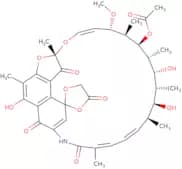
CAS:<p>Rifamycin O is a rifamycin antibiotic with action on bacterial RNA polymerase to inhibit transcription and is used for treating tuberculosis and travelers' diarrhea.</p>Fórmula:C39H47NO14Pureza:Min. 95%Cor e Forma:Slightly Yellow Yellow PowderPeso molecular:753.79 g/molCefuroxime sodium
CAS:<p>Cefuroxime sodium is a sodium salt form of cefuroxime with similar action and applications as cefuroxime.</p>Fórmula:C16H15N4NaO8SPureza:Min. 86 Area-%Cor e Forma:White PowderPeso molecular:446.37 g/molSisomicin
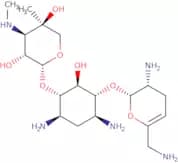
CAS:<p>Sisomicin is an aminoglycoside antibiotic with action on bacterial protein synthesis inhibition and is used for treating severe bacterial infections resistant to other aminoglycosides.</p>Fórmula:C19H37N5O7Pureza:Min. 95%Cor e Forma:PowderPeso molecular:447.53 g/molDanofloxacin
CAS:<p>Danofloxacin is a fluoroquinolone antibiotic with action on bacterial DNA gyrase inhibition and is used for treating respiratory and enteric infections in veterinary medicine.</p>Fórmula:C19H20FN3O3Pureza:Min. 95%Cor e Forma:PowderPeso molecular:357.38 g/mol3-Desacetylcefotaxime potassium
CAS:<p>3-Desacetylcefotaxime potassium is an antimicrobial agent that belongs to the group of beta-lactam antibiotics.It si an active metabolite of cefotaxime and effective against various bacterial infections</p>Fórmula:C14H14N5O6S2KPureza:(%) Min. 95%Cor e Forma:White PowderPeso molecular:451.52 g/mol(S)-6,7-Dihydro-2-nitro-6-[[4-(trifluoromethoxy)phenyl]methoxy]-5H-imidazo[2,1-b][1,3]oxazine
CAS:<p>(S)-6,7-Dihydro-2-nitro-6-[[4-(trifluoromethoxy)phenyl]methoxy]-5H-imidazo[2,1-b][1,3]oxazine ia slo known as PA-824. An anti-tuberculosis drug that affects both replicating and non-replicating Mycobacterium tuberculosis via cell wall inhibition and respiratory poisoning..</p>Fórmula:C14H12F3N3O5Pureza:Min. 98 Area-%Cor e Forma:Off-White Slightly Yellow PowderPeso molecular:359.26 g/molTilmicosin phosphate
CAS:Produto Controlado<p>Tilmicosin phosphate is a phosphate salt form of tilmicosin with similar action and applications as tilmicosin.</p>Fórmula:C46H80N2O13·H3PO4Pureza:Min. 95%Cor e Forma:White PowderPeso molecular:967.13 g/molCeftolozane sulfate
CAS:<p>Ceftolozane sulfate is a cephalosporin antibiotic with action against multidrug-resistant gram-negative bacteria and is used for treating complicated urinary tract infections and intra-abdominal infections.</p>Fórmula:C23H31N12O8S2•HO4SPureza:Min. 95%Cor e Forma:PowderPeso molecular:764.77 g/molTobramycin - high purity
CAS:<p>Inhibitor of protein synthesis; aminoglycoside</p>Fórmula:C18H37N5O9Pureza:Min. 900 Ug/MgCor e Forma:PowderPeso molecular:467.51 g/molCefoxitin sodium
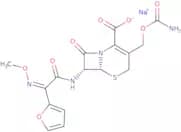
CAS:<p>Inhibitor of cell-wall synthesis; cephalosporin class</p>Fórmula:C16H16N3NaO7S2Pureza:Min. 90 Area-%Cor e Forma:White PowderPeso molecular:449.44 g/molNovobiocin sodium salt, Antibiotic for Culture Media Use Only
CAS:<p>Novobiocin sodium salt inhibits bacterial growth by binding to the 50S subunit of the bacterial ribosome, blocking the peptidyl transferase activity required for protein synthesis. The drug binds to DNA sequences containing glucuronic acid, which are essential for peptide bond formation. Novobiocin sodium can be found in pharmaceuticals due to its antimicrobial activity and membrane stability, which makes it suitable for pressuring ionization techniques. It also exhibits less resistance than other antibiotics like triclosan or nalidixic acid because it does not typically bind to the membranes of cells.</p>Fórmula:C31H35N2NaO11Pureza:Min. 90.0 Area-%Peso molecular:634.61 g/molRef: 3D-N-9100
5gA consultar10gA consultar25gA consultar50gA consultar100gA consultar-Unit-ggA consultarC-390
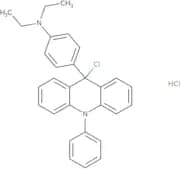
CAS:<p>Antibiotic; used in selective media for P. aeruginosa</p>Fórmula:C29H27ClN2·HClPureza:Min. 98 Area-%Cor e Forma:PowderPeso molecular:475.45 g/molPrulifloxacin
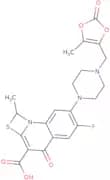
CAS:<p>Prulifloxacin is a fluoroquinolone antibiotic with action on bacterial DNA gyrase and topoisomerase IV and is used for treating urinary tract infections and respiratory infections.</p>Fórmula:C21H20FN3O6SPureza:Min. 95%Cor e Forma:PowderPeso molecular:461.46 g/molCefotetan disodium
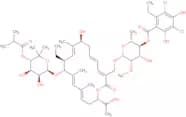
CAS:<p>Inhibitor of cell wall synthesis; cephalosporin class</p>Fórmula:C17H15N7Na2O8S4Pureza:Min. 85 Area-%Cor e Forma:PowderPeso molecular:619.59 g/molFidaxomicin
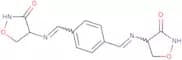
CAS:<p>Fidaxomicin is a macrocyclic antibiotic with action on bacterial RNA polymerase and is used for treating Clostridium difficile infections.</p>Fórmula:C52H74Cl2O18Pureza:Min. 98 Area-%Cor e Forma:White PowderPeso molecular:1,058.04 g/molTerizidone
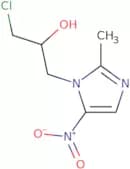
CAS:<p>Bacteriostatic; for treating multi-drug-resistant tuberculosis</p>Fórmula:C14H14N4O4Pureza:Min. 95%Cor e Forma:White PowderPeso molecular:302.29 g/molOrnidazole
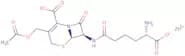
CAS:<p>Ornidazole is a nitroimidazole antibiotic with action on DNA synthesis disruption in anaerobic bacteria and protozoa and is used for treating infections like amoebiasis, giardiasis, and trichomoniasis.</p>Fórmula:C7H10ClN3O3Pureza:Min. 98 Area-%Cor e Forma:White Slightly Yellow PowderPeso molecular:219.63 g/molCephalosporin C zinc
CAS:<p>Cephalosporin C zinc is a zinc salt form of cephalosporin C with action on bacterial cell wall synthesis and is used for studying bacterial resistance and cell wall synthesis.</p>Fórmula:C16H19N3O8SZnPureza:Min. 95%Cor e Forma:White PowderPeso molecular:478.78 g/molSulbactam sodium
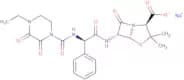
CAS:<p>Sulbactam sodium is a beta-lactamase inhibitor with action on bacterial beta-lactamase enzymes and is used for enhancing the efficacy of beta-lactam antibiotics.</p>Fórmula:C8H10NNaO5SCor e Forma:White Off-White PowderPeso molecular:255.22 g/molPiperacillin sodium
CAS:<p>Piperacillin sodium is a broad-spectrum beta-lactam antibiotic with action on bacterial cell wall synthesis and is used for treating severe infections caused by gram-negative bacteria, including Pseudomonas aeruginosa.</p>Fórmula:C23H27N5O7S•NaPureza:Min. 95%Cor e Forma:PowderPeso molecular:540.55 g/molPristinamycin
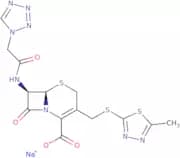
CAS:<p>Pristinamycin is a streptogramin antibiotic with action on bacterial protein synthesis by binding to the 50S ribosomal subunit and is used for treating staphylococcal and streptococcal infections, including MRSA.</p>Fórmula:C73H89N11O17Pureza:Min. 95%Cor e Forma:PowderPeso molecular:1,392.55 g/molCefazolin sodium
CAS:<p>Cefazolin sodium is a first-generation cephalosporin antibiotic with action on bacterial cell wall synthesis and is used for treating bacterial infections and surgical prophylaxis.</p>Fórmula:C14H13N8NaO4S3Pureza:Min. 95%Cor e Forma:PowderPeso molecular:476.49 g/molNonactin
CAS:<p>Nonactin is a macrotetrolide antibiotic with action as an ionophore for potassium and ammonium ions and is used for research on ion transport and bacterial inhibition.</p>Fórmula:C40H64O12Pureza:Min. 95%Cor e Forma:PowderPeso molecular:736.93 g/molBicozamycin
CAS:<p>Bicozamycin is an antibiotic and is used for the treatment of bacterial infections. It inhibits bacterial RNA polymerase.</p>Fórmula:C12H18N2O7Pureza:(Hplc-Ms) Min. 90 Area-%Cor e Forma:PowderPeso molecular:302.28 g/molVancomycin HCl - pharma grade
CAS:<p>Vancomycin is a tricyclic glycopeptide antibiotic that has bactericidal effects against staphylococci, streptococci, and other gram-positive bacteria. It is often used as an alternative treatment for severe staphylococcal and streptococcal infections, including endocarditis, and infections with MRSA (methicillin-resistant Staphylococcus aureus), penicillin-resistant pneumococci or in cases of allergy to penicillins and cephalosporins.</p>Fórmula:C66H75Cl2N9O24·HClCor e Forma:PowderPeso molecular:1,485.71 g/molTilmicosin
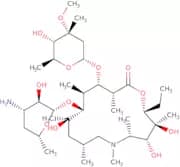
CAS:<p>Tilmicosin is a macrolide antibiotic with action on bacterial protein synthesis inhibition and is used for treating respiratory infections in cattle and sheep.</p>Fórmula:C46H80N2O13Pureza:Min. 85 Area-%Cor e Forma:White PowderPeso molecular:869.13 g/molHerbicidin B
CAS:<p>Herbicidin B is a natural herbicidal compound, which is a secondary metabolite produced through the fermentation of certain Streptomyces species. This compound functions as a potent inhibitor of plant growth by interfering with essential physiological processes within the plant cells. The mode of action of Herbicidin B primarily involves disruption of metabolic pathways that are critical for the development and survival of plants, leading to effective control of undesired vegetation.</p>Fórmula:C18H23N5O9Pureza:Min. 95%Peso molecular:453.4 g/molRibostamycin sulphate
CAS:<p>Ribostamycin sulphate is an aminoglycoside antibiotic with action on bacterial protein synthesis by binding to the 30S ribosomal subunit and is used for treating bacterial infections like sepsis and pneumonia.</p>Fórmula:C17H34N4O10·xH2O4SPureza:Min. 95%Cor e Forma:PowderPeso molecular:454.47 g/molAmrubicin maleate
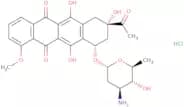
CAS:<p>Amrubicin maleate is an anthracycline antibiotic and is used for the treatment of small cell lung cancer. It inhibits topoisomerase II, leading to DNA breaks and cell death</p>Fórmula:C25H25NO9·C4H4O4Pureza:(%) Min. 80%Cor e Forma:PowderPeso molecular:599.54 g/molLinezolid
CAS:<p>Antibiotic; inhibits bacterial mRNA translation; inhibits monoamine oxidase</p>Fórmula:C16H20FN3O4Pureza:Min. 98 Area-%Cor e Forma:White PowderPeso molecular:337.35 g/molParomomycin sulfate
CAS:<p>Paromomycin sulfate is an aminoglycoside antibiotic with action on bacterial protein synthesis inhibition and is used for treating intestinal infections and leishmaniasis.</p>Fórmula:C23H45N5O14·xH2SO4Pureza:≥675Μg/Mg(On Dried Basis)Cor e Forma:Yellow PowderPeso molecular:615.63 g/molCefoxitin sodium salt, Antibiotic for Culture Media Use Only
CAS:<p>Cefoxitin sodium salt is a cephamycin-type antibiotic, which is a semi-synthetic derivative of cephalosporin. As a beta-lactam antibiotic, it is derived from the fermentation of *Streptomyces lactamdurans* and chemically modified to enhance stability against certain bacterial beta-lactamases. Its primary mode of action involves inhibiting bacterial cell wall synthesis by binding to penicillin-binding proteins, disrupting the transpeptidation or cross-linking of peptidoglycan layers. This action effectively prevents the bacteria from maintaining cell wall integrity, leading to cell lysis.</p>Fórmula:C16H16N3NaO7S2Pureza:Min. 98.0 Area-%Peso molecular:449.43 g/molChlorotetracycline monohydrochloride, Antibiotic for Culture Media Use Only
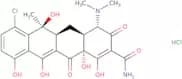
CAS:<p>Chlorotetracycline monohydrochloride is an antibiotic compound specifically designed for culture media use. It is derived from a naturally occurring tetracycline produced by the bacterium *Streptomyces aureofaciens*. As a broad-spectrum antibiotic, chlorotetracycline functions by inhibiting protein synthesis in susceptible bacteria. It binds to the 30S subunit of the bacterial ribosome, blocking the attachment of aminoacyl-tRNA to the ribosomal acceptor site, which effectively halts translational elongation.</p>Fórmula:C22H24Cl2N2O8Pureza:(Chlortetracycline Hcl) Min. 89.5%Cor e Forma:Yellow PowderPeso molecular:515.34 g/molFosfomycin sodium
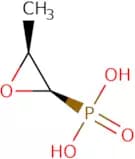
CAS:<p>Broad-spectrum antibiotic; bacterial cell wall biogenesis inhibitor</p>Fórmula:C3H7O4P·xNaPureza:Min. 95%Cor e Forma:White Off-White PowderPeso molecular:138.06 g/molAvibactam free acid
CAS:<p>Avibactam free acid is a β-lactamase inhibitor and is used for the treatment of bacterial infections in combination with β-lactam antibiotics. It inactivates β-lactamases by a covalent and reversible mechanism</p>Fórmula:C7H11N3O6SPureza:Min. 95 Area-%Cor e Forma:PowderPeso molecular:265.24 g/molCefpodoxime proxetil
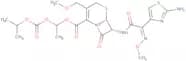
CAS:<p>Cefpodoxime proxetil is a prodrug of cefpodoxime with action on bacterial cell wall synthesis and is used for treating bacterial infections such as pneumonia, bronchitis, and gonorrhea.</p>Fórmula:C21H27N5O9S2Pureza:Min. 95%Cor e Forma:White PowderPeso molecular:557.6 g/molTorezolid
CAS:<p>Torezolid (Tedizolid) is an oxazolidinone antibiotic with action on bacterial protein synthesis by binding to the 50S ribosomal subunit and is used for treating acute bacterial skin and skin structure infections.</p>Fórmula:C17H15FN6O3Pureza:Min. 95.0 Area-%Cor e Forma:PowderPeso molecular:370.34 g/molCiprofloxacin dihydrochloride
CAS:<p>A fluoroquinolone antibiotic which inhibits nucleic acid synthesis by targeting the DNA gyrase and topoisomerase IV. This second-generation fluoroquinolone has a broad spectrum of action and is more effective against Gram-negative bacteria.</p>Fórmula:C17H20Cl2FN3O3Pureza:Min. 95%Peso molecular:404.26 g/molErythromycin stearate
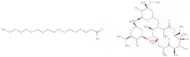
CAS:<p>Erythromycin stearate is a macrolide antibiotic with action on bacterial protein synthesis inhibition and is used for treating respiratory tract infections, skin infections, and sexually transmitted infections.</p>Fórmula:C55H103NO15Pureza:79 To 102%Cor e Forma:PowderPeso molecular:1,018.4 g/mol4'-Epidaunorubicin hydrochloride
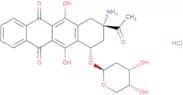
CAS:<p>4'-Epidaunorubicin hydrochloride is an anthracycline antibiotic derivative, which is synthesized from modifications of natural products. It functions as a topoisomerase II inhibitor, which intercalates into DNA strands and disrupts replication and transcription, thereby inhibiting cancer cell proliferation. This compound is primarily utilized in the field of oncology for its potent anti-tumor activities. By forming stable complexes with DNA and topoisomerase II, 4'-Epidaunorubicin hydrochloride induces breaks in the DNA strands, leading to apoptosis of cancer cells. It is often used in treatment protocols for various malignancies, including leukemia and solid tumors. While highly effective, its administration is carefully managed to mitigate potential cardiotoxicity, a common attribute of anthracycline drugs. Research continues to explore its full potential and optimize delivery methods to enhance its therapeutic index.</p>Fórmula:C27H30ClNO10Pureza:Min. 95%Peso molecular:563.98 g/molEnoxacin
CAS:<p>Enoxacin is a fluoroquinolone antibiotic with action on bacterial DNA gyrase and topoisomerase IV and is used for treating urinary tract infections and gonorrhea.</p>Fórmula:C15H17FN4O3Pureza:Min. 95%Peso molecular:320.32 g/molRetapamulin
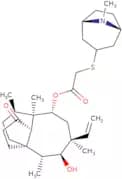
CAS:<p>Antibiotic; binds bacterial ribosomes to inhibit protein synthesis</p>Fórmula:C30H47NO4SPureza:Min. 95%Cor e Forma:PowderPeso molecular:517.76 g/molEthambutol
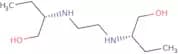
CAS:<p>Ethambutol is an antimicrobial compound, specifically an antitubercular agent, which is a synthetic derivative of ethylenediamine. It is classified as a bacteriostatic agent that primarily targets Mycobacterium tuberculosis. The mode of action of Ethambutol involves the inhibition of arabinosyl transferases, enzymes essential for the polymerization of arabinogalactan, a critical component of the mycobacterial cell wall. By disrupting cell wall biosynthesis, Ethambutol effectively hampers the growth and proliferation of the bacteria.</p>Fórmula:C10H24N2O2Pureza:Min. 95%Peso molecular:204.31 g/molSpiramycin base
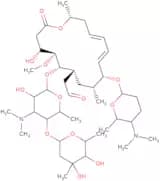
CAS:<p>A broad-spectrum antibiotic of macrolide class, which inhibits 50S ribosomal subunit and inhibits protein synthesis. Spiramycin is also effective against Gram-positive and gram-negative bacteria as well as protozoal parasite Toxoplasma gondii.</p>Fórmula:C43H74N2O14Pureza:Min. 95%Cor e Forma:White PowderPeso molecular:843.05 g/molNetilmicin sulfate
CAS:<p>Netilmicin sulfate is an aminoglycoside antibiotic with action on bacterial protein synthesis by binding to the 30S ribosomal subunit and is used for treating severe bacterial infections.</p>Fórmula:C42H92N10O34S5Pureza:Min. 595 Ug/MgCor e Forma:PowderPeso molecular:1,441.56 g/molBleomycin A5 hydrochloride, copper complex
CAS:<p>Bleomycin A5 inhibits DNA replication and repair. It also cleaves RNA in vitro and in vivo, and exhibits anticancer activity. It is used for various types of cancer such as squamous cell cancers, melanoma, sarcoma, testicular and ovarian cancer, Hodgkin's and non-Hodgkin's lymphoma.</p>Fórmula:C57H89CuN19O21S2•(HCl)3Pureza:Min. 95%Cor e Forma:White PowderPeso molecular:1,613.49 g/molDifloxacin HCl - Bio-X ™
CAS:<p>Difloxacin is a bactericidal, broad-spectrum, fluroquinolone antibiotic which is active against both Gram-positive and Gram-negative bacteria. By interfering with the bacterial enzyme DNA gyrase, which is necessary for the upkeep and synthesis of bacterial DNA, it causes an antibacterial impact. It is used for the treatment of many bacterial infections including skin infections.</p>Fórmula:C21H19F2N3O3•HClPureza:Min. 95%Cor e Forma:PowderPeso molecular:435.85 g/molCefaclor
CAS:<p>Inhibitor of bacterial cell wall biogenesis; cephalosporin</p>Fórmula:C15H14ClN3O4SPureza:Min. 95 Area-%Cor e Forma:White PowderPeso molecular:367.81 g/molMezlocillin sodium
CAS:<p>Mezlocillin sodium is a sodium salt form of mezlocillin with similar action and applications as mezlocillin.</p>Fórmula:C22H26N6O9S2•NaPureza:Min. 95%Cor e Forma:PowderPeso molecular:605.6 g/molTigecycline
CAS:<p>Inhibitor of protein synthesis; glycylcycline class</p>Fórmula:C29H39N5O8Pureza:Min. 98 Area-%Cor e Forma:Orange PowderPeso molecular:585.65 g/molAnhydro chlortetracycline HCl
CAS:<p>Anhydro chlortetracycline HCl is an antibiotic and is used for the treatment of bacterial infections. It binds to the 30S ribosomal subunit, inhibiting protein synthesis</p>Fórmula:C22H21ClN2O7·HClPureza:Min. 95%Cor e Forma:Orange SolidPeso molecular:497.32 g/molAzithromycin
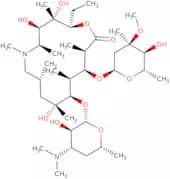
CAS:<p>A broad-spectrum antibiotic of macrolide class which targets 50S ribosome subunit and inhibits protein synthesis. Azithromycin is a semi-synthetic acid-stable derivative of erythromycin. In vitro, azithromycin is more efficient than erythromycin in some Gram-negative organisms such as Haemophilus influenzae, Haemophilus parainfluenzae, Moraxella catarrhalis, Neisseria gonorrhoeae and Borrelia burgdorferi.</p>Fórmula:C38H72N2O12Pureza:945.0 To 1030.0 U/MgCor e Forma:White PowderPeso molecular:748.98 g/molTrimethoprim
CAS:<p>Trimethoprim is a diaminopyrimidine antibiotic with action on bacterial folate synthesis inhibition and is used for treating urinary tract infections and respiratory infections.</p>Fórmula:C14H18N4O3Pureza:Min. 95%Cor e Forma:PowderPeso molecular:290.32 g/molOfloxacin
CAS:<p>Ofloxacin is a fluoroquinolone antibiotic with action on bacterial DNA gyrase and topoisomerase IV and is used for treating bacterial infections like pneumonia, urinary tract infections, and skin infections.</p>Fórmula:C18H20FN3O4Pureza:Min 98%Cor e Forma:PowderPeso molecular:361.37 g/molTelithromycin
CAS:<p>Ketolide; binds bacterial ribosomes and inhibits translation</p>Fórmula:C43H65N5O10Pureza:Min. 95%Cor e Forma:White PowderPeso molecular:812 g/molMetronidazole
CAS:<p>Metronidazole is a nitroimidazole antibiotic with action on anaerobic bacteria and protozoa by disrupting DNA synthesis and is used for treating infections like bacterial vaginosis, trichomoniasis, and certain parasitic infections.</p>Fórmula:C6H9N3O3Pureza:Min. 95%Cor e Forma:PowderPeso molecular:171.15 g/mol9-Deoxo-9a-aza-9a-homo erythromycin A
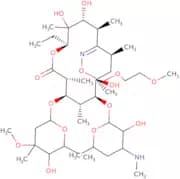
CAS:<p>9-Deoxo-9a-aza-9a-homo erythromycin A is a semi-synthetic macrolide antibiotic, which is derived from the naturally occurring antibiotic erythromycin. This compound is structurally modified to enhance its pharmacokinetic properties and antibacterial spectrum. By altering the erythromycin molecule, 9-Deoxo-9a-aza-9a-homo erythromycin A introduces a nitrogen atom into the lactone ring, thereby modifying its interaction with bacterial ribosomes.</p>Fórmula:C37H70N2O12Pureza:(%) Min. 90%Cor e Forma:White PowderPeso molecular:734.96 g/molAmpicillin sodium
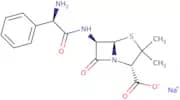
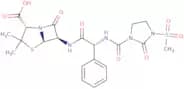
CAS:<p>Ampicillin sodium is a broad-spectrum antibiotic, which is a semisynthetic derivative of penicillin. It is sourced from the natural fermentation products of Penicillium fungi, followed by chemical modification. Ampicillin functions by inhibiting bacterial cell wall synthesis. This is achieved through the irreversible binding to penicillin-binding proteins (PBPs), which play a crucial role in constructing the peptidoglycan layer of bacterial cell walls. This interruption of cell wall synthesis leads to cell lysis and ultimately the death of the bacteria.</p>Fórmula:C16H18N3O4S·NaPureza:Min. 95%Cor e Forma:White PowderPeso molecular:371.4 g/molAztreonam
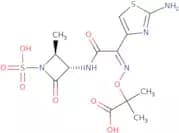
CAS:<p>A β-lactam antibiotic of monobactam subclass, which targets peptidoglycan synthesis in bacterial cell wall. Aztreonam is effective against Gram-negative aerobic bacteria and is more resistant to β-lactamases than other β-lactam antibiotics.</p>Fórmula:C13H17N5O8S2Pureza:Min. 97 Area-%Cor e Forma:White Off-White PowderPeso molecular:435.43 g/molKanamycin B
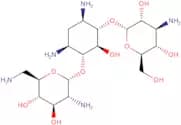
CAS:<p>Kanamycin B is a broad spectrum antibiotic active against both gram-positive and gram-negative bacteria, often used to treat eye infections. Compared to Kanamycin A, it exhibits stronger interaction with the acidic phospholipids.</p>Fórmula:C18H37N5O10Pureza:Min. 95%Cor e Forma:PowderPeso molecular:483.51 g/molColistin sodium methanesulfonate
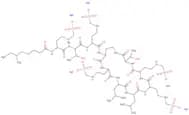
CAS:<p>Colistin sodium methanesulfonate is an antibiotic, which is a derivative of polymyxin E sourced from the bacterium Paenibacillus polymyxa. Its mode of action involves disrupting the bacterial cell membrane by interacting with lipopolysaccharides and phospholipids, leading to cell death.</p>Fórmula:C58H115N16Na5O28S5Pureza:ReportedCor e Forma:PowderPeso molecular:1,759.9 g/molSarafloxacin hydrochloride
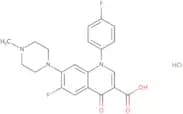
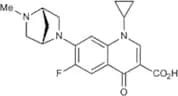
CAS:<p>Sarafloxacin hydrochloride is a fluoroquinolone antibiotic with action on bacterial DNA gyrase and topoisomerase IV and is used for treating bacterial infections in veterinary medicine.</p>Fórmula:C20H18ClF2N3O3Pureza:Min. 95%Cor e Forma:Off-White PowderPeso molecular:421.82 g/molLeucomycin A3
CAS:<p>Leucomycin A3 is a macrolide antibiotic with a mode of action that inhibits bacterial protein synthesis by binding to the 50S ribosomal subunit. It is used for treating bacterial infections and has shown potential antiviral activity.</p>Fórmula:C42H69NO15Pureza:Min. 95%Cor e Forma:White PowderPeso molecular:828 g/molCefuroxime axetil
CAS:<p>Cefuroxime axetil is a prodrug of cefuroxime with action on bacterial cell wall synthesis and is used for treating bacterial infections like sinusitis, bronchitis, and gonorrhea.</p>Fórmula:C20H22N4O10SPureza:Min. 98 Area-%Cor e Forma:PowderPeso molecular:510.48 g/molPhleomycin HCl
CAS:<p>Phleomycin HCl is an antibiotic compound derived from *Streptomyces verticillus*, which is known for its robust DNA-cleaving activity. As an antibiotic, it functions primarily by inducing breaks in DNA strands, thereby inhibiting DNA replication and transcription processes. This mechanism of action is particularly effective in targeting rapidly dividing cells, making Phleomycin a valuable tool in molecular biology.</p>Fórmula:C55H85O21N20S2Cu•HClCor e Forma:Blue PowderPeso molecular:1,525 g/molDalbavancin
CAS:<p>Dalbavancin is a lipoglycopeptide antibiotic with action against gram-positive bacteria, including MRSA and is used for treating acute bacterial skin and skin structure infections.</p>Fórmula:C88H100Cl2N10O28Pureza:Min. 95%Cor e Forma:PowderPeso molecular:1,816.69 g/molCyclosporin A
CAS:<p>Binds cyclophilin D and inhibits calcineurin; immunosuppressant</p>Fórmula:C62H111N11O12Pureza:Min. 98.5 Area-%Cor e Forma:White PowderPeso molecular:1,202.61 g/molAmphotericin B
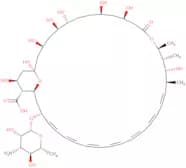
CAS:<p>Amphotericin B is a macrocycle antibiotic first isolated from Streptomyces nodosus. Its antifungal activity is exerted by interacting with the fungal membrane, mainly ergosterol, and inducing pore formation. The increase in membrane permeability causes loss of ions and cell death. The C-2 hydroxyl residue of the mycosamine carbohydrate moiety in the structure seems to have a major role in binding to ergosterol. It is used in cell culture to prevent growth of microbial contaminants, such as yeast and fungi. It is recommended by the WHO and CDC as an antifungal component for VTM at a concentration of 250ug/ml.</p>Fórmula:C47H73NO17Cor e Forma:Yellow PowderPeso molecular:924.08 g/molNalidixic acid
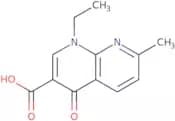
CAS:<p>Nalidixic acid is a quinolone antibiotic with action on bacterial DNA gyrase to inhibit DNA replication and is used for treating urinary tract infections caused by gram-negative bacteria.</p>Fórmula:C12H12N2O3Cor e Forma:White Slightly Brown PowderPeso molecular:232.24 g/molTigecycline Impurity 8
<p>Tigecycline Impurity 8 is a chemical impurity associated with Tigecycline, which is a glycylcycline antibiotic. This impurity is typically synthesized or isolated as a part of pharmaceutical development and quality control processes. Its source is inherently linked to the chemical synthesis of Tigecycline, where it may arise as a byproduct or degradation product.</p>Fórmula:C29H37N5O8Pureza:Min. 95%Peso molecular:583.65 g/molTeicoplanin
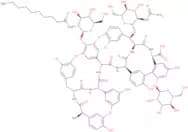
CAS:<p>Teicoplanin is related to vancomycin and has similar effects against gram-positive bacteria and anaerobes, and usually requires less frequent administration than vancomycin, but it is less efficient against S. haemolyticus. Due its size and polarity, teicoplanin cant pass through the membrane of gram-negative bacteria thus it is not active against them. It is used to treat severe infections such as septicemia, endocarditis, bone and joint infections.</p>Fórmula:C89H99Cl2N9O29Pureza:Min. 900 Ug/MgCor e Forma:White PowderPeso molecular:1827.59257Tebuconazole
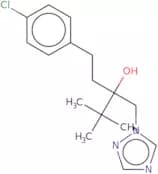
CAS:<p>Tebuconazole is a triazole fungicide with action on fungal cell membranes by inhibiting ergosterol biosynthesis and is used for controlling fungal diseases in crops like cereals and vegetables.</p>Fórmula:C16H22ClN3OPureza:Min. 97 Area-%Cor e Forma:White PowderPeso molecular:307.82 g/molDihydrostreptomycin sesquisulfate, EP
CAS:<p>Dihydrostreptomycin sesquisulfate, EP is an aminoglycoside antibiotic, structurally derived from Streptomyces griseus. This compound originates from microbial biosynthesis, a method which harnesses the natural antibiotic-producing capabilities of microbial cultures. The mode of action of dihydrostreptomycin sesquisulfate involves binding to the 30S subunit of bacterial ribosomes, which interrupts the process of protein synthesis, ultimately leading to bacterial cell death.</p>Fórmula:C21H41N7O12•(H2SO4)1Pureza:(Hplc) 94.0 To 102.0%Cor e Forma:PowderPeso molecular:1,461.42 g/molDactinomycin
CAS:<p>Actinomycin D is an antibiotic commonly used in chemotherapy for cancer treatment, such as sarcomas, and pediatric solid tumors, Wilms tumor, testicular cancer, and choriocarcinoma; it is generally not very useful in antibiotic therapy. It acts as a transcription inhibitor, binding to DNA duplexes at the transcription initiation complex and preventing RNA polymerase elongation.</p>Fórmula:C62H86N12O16Pureza:Min. 95%Cor e Forma:Red PowderPeso molecular:1,255.42 g/molDaunorubicin HCl - Bio-X ™
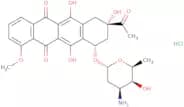
CAS:<p>Daunorubicin is an anthracycline antibiotic and antineoplastic agent that is used in the treatment of a variety of cancers such as nonlymphocytic leukemia and acute lymphocytic leukemia. The drug binds to DNA and inhibits transcription by intercalating between DNA base pairs and affecting the activity of the topoisomerase II enzyme and thus the gene expression. This results in apoptosis, mitochondrial injury, and finally cell death.</p>Fórmula:C27H29NO10•HClPureza:Min. 95%Cor e Forma:PowderPeso molecular:563.98 g/molValinomycin
CAS:<p>Valinomycin is an ionophore antibiotic with action on potassium ion transport across cell membranes and is used for research on ion transport and as an antimicrobial agent.</p>Fórmula:C54H90N6O18Pureza:Min. 90 Area-%Cor e Forma:White PowderPeso molecular:1,111.32 g/molEnduracidin hydrochloride
CAS:<p>Enduracidin hydrochloride is an antimicrobial compound, which is a lipopeptide antibiotic derived from the genus Streptomyces, specifically Streptomyces fungicidicus or Streptomyces roseosporus. The compound exerts its antimicrobial activity by inhibiting the synthesis of bacterial cell walls, primarily targeting the lipid II cycle, a critical precursor in the peptidoglycan synthesis pathway. This inhibition disrupts the construction of peptidoglycan layers, ultimately leading to bacterial cell lysis and death.</p>Fórmula:C107H138Cl2N26O31HClPureza:Min. 95%Peso molecular:2,391.76 g/molMezlocillin
CAS:<p>Mezlocillin is a ureidopenicillin antibiotic with action on bacterial cell wall synthesis and is used for treating gram-negative and anaerobic bacterial infections.</p>Fórmula:C21H25N5O8S2Pureza:Min. 95%Peso molecular:539.58 g/molN-Demethyl roxithromycin
CAS:<p>N-Demethyl roxithromycin is a metabolite of roxithromycin with action on bacterial protein synthesis inhibition and is used for research on macrolide antibiotics.</p>Fórmula:C40H74N2O15Pureza:Min. 95%Cor e Forma:PowderPeso molecular:823.02 g/molClindamycin hydrochloride
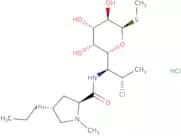
CAS:<p>Inhibitor of protein synthesis; lincosamide class</p>Fórmula:C18H34Cl2N2O5SCor e Forma:White PowderPeso molecular:461.44 g/molDihydrostreptomycin B
CAS:<p>Dihydrostreptomycin B is an aminoglycoside antibiotic, which is derived from the bacterium Streptomyces griseus. This antibiotic operates by binding to the 30S subunit of the bacterial ribosome, leading to the inhibition of protein synthesis. The binding disrupts the decoding site, causing misreading of mRNA and ultimately resulting in bactericidal activity.</p>Fórmula:C27H51N7O17Pureza:Min. 95%Peso molecular:745.33414Geneticin sulfate
CAS:<p>Geneticin is very efficient against gram-negative bacteria, however it is not applied for treating infections due to high renal toxicity. Geneticin and its resistance genes found application in the selection of transgenic cell lines including yeasts such as P. pastoris and S. serevisiae, other eukaryotic cell lines such as CHO or HEK293, but also plant cells and bacterial cells.</p>Fórmula:C20H40N4O10·2H2SO4Pureza:Min. 98 Area-%Cor e Forma:White PowderPeso molecular:692.71 g/molGrepafloxacin hydrochloride
CAS:<p>Broad-spectrum fluoroquinolone antibacterial agent</p>Fórmula:C19H22FN3O3•(HCl)xPureza:Min. 95%Peso molecular:395.86 g/molCefazaflur
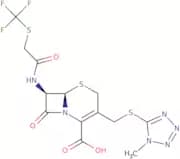
CAS:<p>Cefazaflur is a semisynthetic cephalosporin antibiotic, which is derived from the mold Acremonium (formerly known as Cephalosporium). Its mode of action involves inhibiting bacterial cell wall synthesis by targeting penicillin-binding proteins (PBPs). This interference prevents the cross-linking of peptidoglycan chains, which is essential for bacterial cell wall structural integrity, ultimately leading to cell lysis and death.</p>Fórmula:C13H13F3N6O4S3Pureza:Min. 95%Peso molecular:470.47 g/molTigecycline hydrochloride
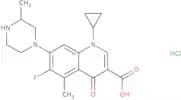
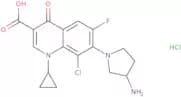
CAS:<p>Inhibitor of protein synthesis; glycylcycline class</p>Fórmula:C29H39N5O8·HClPureza:Min. 95%Peso molecular:622.11 g/molBesifloxacin hydrochloride
CAS:<p>Antibiotic of fluoroquinolone class; DNA replication inhibitor</p>Fórmula:C19H22Cl2FN3O3Pureza:Min. 98 Area-%Cor e Forma:PowderPeso molecular:430.3 g/molb-Apo-oxytetracycline
CAS:<p>b-Apo-oxytetracycline is a tetracycline antibiotic and is used for the treatment of bacterial infections. It binds to the 30S ribosomal subunit, inhibiting protein synthesis.</p>Fórmula:C22H22N2O8Pureza:Min. 95%Cor e Forma:Brown Yellow PowderPeso molecular:442.42 g/molAmrubicin hydrochloride
CAS:<p>Amrubicin hydrochloride is an anthracycline chemotherapeutic agent, which is a synthetic anthracycline derivative derived from reductive amination. It functions primarily by intercalating into DNA and inhibiting topoisomerase II, an enzyme crucial to DNA replication. This mode of action disrupts DNA synthesis, leading to apoptosis in rapidly proliferating cancer cells.</p>Fórmula:C25H25NO9•HClPureza:Min. 95%Peso molecular:519.93 g/molIsomitomycin A
CAS:<p>Isomitomycin A is a naturally occurring microbial metabolite, which is isolated from certain strains of actinomycetes. It exhibits a unique mode of action by interfering with viral replication processes, effectively inhibiting the proliferation of various viral pathogens. The alkaloidal structure of Isomitomycin A allows it to integrate into nucleic acid processing pathways, eventually disrupting the function and synthesis of viral genomes.</p>Fórmula:C16H19N3O6Pureza:Min. 95%Peso molecular:349.34 g/molCeftazidime pentahydrate
CAS:<p>A broad-spectrum antibiotic of cephalosporin class, which inhibits bacterial cell wall synthesis by targeting the penicillin-binding protein, involved in peptidoglycan synthesis. This third-generation cephalosporin is very active against Pseudomonas species and can also be used to treat bacterial meningitis as it penetrates in the cerebrospinal fluid.</p>Fórmula:C22H32N6O12S2Pureza:Min. 98 Area-%Cor e Forma:White PowderPeso molecular:636.65 g/molCefiderocol
CAS:<p>Cefiderocol is a siderophore cephalosporin antibiotic with action on bacterial cell wall synthesis, particularly targeting multidrug-resistant gram-negative bacteria and is used for treating complicated urinary tract infections and hospital-acquired pneumonia.</p>Fórmula:C30H34CLN7O10S2Pureza:Min. 95%Cor e Forma:PowderPeso molecular:752.2 g/molCeftazidime
CAS:<p>Ceftazidime is a third-generation cephalosporin antibiotic with action on bacterial cell wall synthesis and is used for treating severe bacterial infections like pneumonia, meningitis, and sepsis.</p>Fórmula:C22H22N6O7S2Pureza:Min. 95.0 Area-%Cor e Forma:PowderPeso molecular:546.58 g/molTulathromycin B - 5% (mixture with Tulathromycin A)
CAS:<p>Inhibitor of protein synthesis; macrolide class</p>Fórmula:C41H79N3O12Pureza:Min. 95%Cor e Forma:Off-White PowderPeso molecular:806.08 g/molClinafloxacin HCl
CAS:<p>Inhibits bacterial regulatory enzyme DNA gyrase</p>Fórmula:C17H17ClFN3O3·HClPureza:Min. 95 Area-%Cor e Forma:SolidPeso molecular:402.25 g/molBacitracin
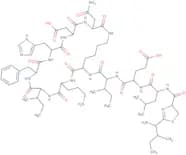
CAS:<p>Bacitracin is a polypeptide antibiotic and is used for the treatment of bacterial infections, particularly skin infections. It interferes with bacterial cell wall synthesis by inhibiting the dephosphorylation of bactoprenol.</p>Fórmula:C66H103N17O16SCor e Forma:White PowderPeso molecular:1,422.7 g/molDifloxacin HCl
CAS:<p>Difloxacin HCl is a fluoroquinolone antibiotic with action on bacterial DNA gyrase inhibition and is used for treating bacterial infections in veterinary medicine.</p>Fórmula:C21H20ClF2N3O3Pureza:Min. 95 Area-%Cor e Forma:White PowderPeso molecular:435.85 g/molVulgamycin
CAS:<p>Vulgamycin is a novel antibiotic, which is derived from a specific strain of soil bacteria belonging to the genus *Streptomyces*. This microorganism is known for its prolific secondary metabolite production, enabling the development of unique compounds with therapeutic potential. Vulgamycin operates by inhibiting bacterial cell wall synthesis, a mechanism of action that targets key enzymatic pathways, resulting in effective bactericidal activity against a wide range of Gram-positive bacteria.</p>Fórmula:C22H20O10Pureza:Min. 95%Peso molecular:444.4 g/molGrepafloxacin
CAS:<p>Grepafloxacin is a synthetic fluoroquinolone antibiotic, which is derived from the chemical modification of natural quinolones. It acts by inhibiting bacterial DNA gyrase and topoisomerase IV. This inhibition disrupts DNA replication and transcription in bacteria, leading to cell death. The high affinity of grepafloxacin for these bacterial enzymes over human analogs makes it an effective antibacterial agent, specifically targeting the bacterial replication machinery.</p>Fórmula:C19H22FN3O3Pureza:Min. 95%Peso molecular:359.39 g/molCefixime trihydrate
CAS:<p>Cefixime trihydrate is a third-generation cephalosporin antibiotic with action on bacterial cell wall synthesis and is used for treating infections like gonorrhea, urinary tract infections, and respiratory infections.</p>Fórmula:C16H15N5O7S2Pureza:Min. 95 Area-%Cor e Forma:Off-White Yellow PowderPeso molecular:453.45 g/molNeomycin EP impurity C (Neomycin C) trifluoroacetate
CAS:<p>Neomycin EP impurity C (Neomycin C) trifluoroacetate is a reference standard, which is a meticulously characterized chemical impurity often used in pharmaceutical analysis. This compound is derived from the fermentation of *Streptomyces fradiae*, which produces a complex mixture of aminoglycoside antibiotics, including Neomycin B and Neomycin C.</p>Fórmula:C23H46N6O13•(C2HF3O2)xPureza:Min. 95%Pefloxacin
CAS:<p>Pefloxacin is a mesylate prodrug that is converted to pefloxacin in the body. The optimum concentration for pefloxacin is 2 µg/mL, and it has been shown to be active against gram-positive bacteria such as Streptococcus pneumoniae, group A beta-hemolytic streptococci, and Enterococcus faecalis. Pefloxacin has also been shown to inhibit the growth of human leukemia cells (HL-60) and drug interactions have been documented with this drug. Pefloxacin is not active against Mycobacterium tuberculosis or Mycobacterium avium complex.</p>Fórmula:C17H20FN3O3Pureza:Min. 95%Cor e Forma:Slightly Yellow PowderPeso molecular:333.36 g/molAnthracycline
CAS:<p>Anthracycline is a class of chemotherapy drugs, which are anthraquinone antibiotics derived from the bacterial genus Streptomyces. They exert their therapeutic effects primarily through intercalation into DNA, disrupting the function of enzymes such as topoisomerase II, thus preventing the transcription and replication processes in rapidly dividing cancer cells. Furthermore, they generate free radicals, leading to oxidative stress and subsequent cell damage. These mechanisms collectively result in apoptosis of malignant cells. Anthracyclines are utilized extensively in oncology for the treatment of various malignancies, including leukemias, lymphomas, breast cancer, and sarcomas. The efficacy of anthracyclines in inhibiting tumor growth must be balanced against their cardiotoxic potential, which is a significant consideration in their clinical use. This dual nature makes them both pivotal and challenging in chemotherapy regimens, necessitating careful management and monitoring throughout treatment.</p>Fórmula:C30H35NO11Pureza:Min. 95%Peso molecular:585.60 g/molClofazimine
CAS:Produto Controlado<p>Clofazimine is a phenazine dye antibiotic with action on bacterial DNA interference and is used for treating leprosy and erythema nodosum leprosum.</p>Fórmula:C27H22Cl2N4Pureza:Min. 95%Cor e Forma:PowderPeso molecular:473.4 g/molTulathromycin A
CAS:<p>Inhibitor of protein synthesis; macrolide class</p>Fórmula:C41H79N3O12Pureza:Min. 95%Cor e Forma:White PowderPeso molecular:806.08 g/molAlloaureothin
CAS:<p>Alloaureothin is an antibacterial compound, which is a secondary metabolite derived from the bacterial genus *Streptomyces*. This compound functions through a distinct mode of action, primarily targeting bacterial cell components and inhibiting essential growth processes. Alloaureothin disrupts cell wall synthesis and cellular metabolism, leading to effective bacteriostatic or bactericidal outcomes depending on the concentration and specific bacterial species.</p>Pureza:Min. 95%Penicillin G potassium
CAS:<p>Penicillin G potassium is a natural penicillin antibiotic with action on bacterial cell wall synthesis and is used for treating severe bacterial infections like meningitis, syphilis, and endocarditis.</p>Fórmula:C16H17KN2O4SPureza:Min. 95 Area-%Cor e Forma:PowderPeso molecular:372.48 g/molTobramycin A
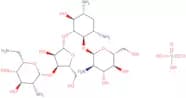
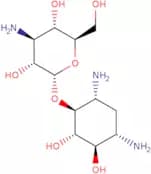
CAS:<p>Inhibitor of protein synthesis; aminoglycoside</p>Fórmula:C12H25N3O7Pureza:Min. 95%Cor e Forma:White PowderPeso molecular:323.34 g/molKanamycin sulfate
CAS:<p>Inhibitor of protein synthesis; aminoglycoside</p>Fórmula:C18H38N4O15SCor e Forma:White PowderPeso molecular:582.58 g/molHerbicidin H
CAS:<p>Herbicidin H is a naturally occurring microbial herbicide, which is derived from specific strains of soil-borne bacteria. This compound is primarily isolated from Streptomyces species, known for their prolific production of various bioactive secondary metabolites. The mode of action of Herbicidin H involves the disruption of essential cellular processes within plant cells, particularly affecting nucleic acid synthesis. This disruption leads to impaired growth and eventual plant death, making it a potent agent against a range of undesirable plant species.</p>Fórmula:C22H27N5O11Pureza:Min. 95%Peso molecular:537.48 g/mol3'-N,N-Di(desmethyl) azithromycin
CAS:<p>A derivative of azithromycin, used as an antibiotic</p>Fórmula:C36H68N2O12Pureza:Min. 95%Cor e Forma:Off-white solid.Peso molecular:720.93 g/mol9’-deoxy-8’,8’-dihydroxyherbicidin
CAS:<p>9’-Deoxy-8’,8’-dihydroxyherbicidin is a specialized compound, classified as an antibacterial agent and secondary metabolite, which is naturally derived from microbial sources, specifically certain strains of actinomycetes. These microorganisms are prolific producers of bioactive secondary metabolites, including antibiotics and herbicidins, which exhibit diverse biological activities.</p>Fórmula:C18H23N5O9Pureza:Min. 95%Peso molecular:453.4 g/molAureothricin
CAS:<p>Aureothricin is a dithiolopyrrolone antibiotic and is used for its antimicrobial properties. It inhibits transcription in bacteria, leading to growth inhibition</p>Fórmula:C9H10N2O2S2Pureza:Min. 95%Cor e Forma:Yellow PowderPeso molecular:242.32 g/molBedaquiline fumarate
CAS:<p>Bedaquiline fumarate is the salt form of bedaquiline, a diarylquinoline molecule with an ATP synthetase inhibitory activity. Bedaquiline fumarate is an FDA-approved drug for the oral treatment of multidrug-resistant tuberculosis. Bedaquiline fumarate acts by inhibiting the activity of the ATP synthetase in the pathogenic bacterium Mycobacterium tuberculosis, even in the case of multiple antibiotic resistant strains.</p>Fórmula:C32H31BrN2O2•C4H4O4Pureza:Min. 97 Area-%Cor e Forma:White Off-White PowderPeso molecular:671.58 g/molBesifloxacin HCl - Bio-X ™
CAS:<p>This product is part of our Bio-X ™ Range. These products are aimed at life science researchers who need high quality ready-to-use products for assay development, screening or other R&D work. With a solubility datasheet and convenient vials, all of our Bio-X ™ products are in stock across our global warehouses for rapid delivery and ease of use.</p>Fórmula:C19H21ClFN3O3•HClPureza:Min. 95%Cor e Forma:PowderPeso molecular:430.3 g/molCycloheximide
CAS:<p>Cycloheximide is produced by the bacteria Streptomyces griseus. In eukaryotic organisms, it acts as an inhibitor of protein biosynthesis, interfering with protein elongation by binding to the E-site of ribosomes, after two elongation cycles. It has many in vitro applications, with the most popular being to determine a proteins half-life. It is used as an antifungal in VTM. It does not appear to inhibit cell culture or viral replication at a concentration of 10ug/ml.</p>Fórmula:C15H23NO4Pureza:Min. 90%Cor e Forma:White PowderPeso molecular:281.35 g/molCeftaroline fosamil acetate hydrate
CAS:<p>Ceftaroline fosamil acetate hydrate is a fifth-generation cephalosporin antibiotic with action against gram-positive bacteria, including MRSA and is used for treating bacterial skin infections and community-acquired pneumonia.</p>Fórmula:C22H22N8O8PS4•C2H3O2•H2OPureza:Min. 90 Area-%Cor e Forma:PowderPeso molecular:762.76 g/molApramycin sulfate
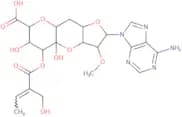
CAS:<p>Apramycin sulfate is a semisynthetic antibiotic that inhibits the growth of Gram-negative bacteria. It is a sulfonamide and has been used in clinical isolates to treat bacterial infections. Apramycin sulfate inhibits the biosynthesis of folic acid, which is important for DNA synthesis and cell division. It also inhibits the production of RNA by binding to ribosomes and inhibiting protein synthesis. Apramycin has been shown to have anticancer properties as well, with studies showing that it can inhibit tumor growth in vitro and in vivo.</p>Fórmula:C21H41N5O11·H2SO4Pureza:Min. 550 Usp U/MgCor e Forma:Brown Slightly Yellow Yellow PowderPeso molecular:637.66 g/molFlavomycin - 8% premix
CAS:<p>Flavomycin - 8% premix is an antibacterial feed additive with action on bacterial cell wall synthesis and is used for promoting growth and improving feed efficiency in livestock and poultry.</p>Fórmula:C69H107N4O35PPureza:7 To 9%Cor e Forma:PowderPeso molecular:1,583.57 g/mol


















![(S)-6,7-Dihydro-2-nitro-6-[[4-(trifluoromethoxy)phenyl]methoxy]-5H-imidazo[2,1-b][1,3]oxazine](/_next/image/?url=https%3A%2Fstatic.cymitquimica.com%2Fproducts%2F3D%2Fthumb-webp%2FFP26721.webp&w=3840&q=75)