Ácidos graxos
Subcategorias de "Ácidos graxos"
- Acilgliceróis/Glicerídeos(42 produtos)
- Eicosanóides(6 produtos)
- Ésteres de Ácidos graxos(949 produtos)
- Ácidos graxos Halogenados(32 produtos)
Foram encontrados 2461 produtos de "Ácidos graxos"
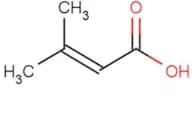
3-Methylbut-2-enoic acid
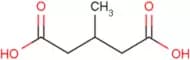
CAS:3-Methylbut-2-enoic acid (Senecioic acid) appears in the urine of patients with 3-Methylcrotonic aciduria.Fórmula:C5H8O2Pureza:99.86%Cor e Forma:SolidPeso molecular:100.123-Methylglutaric acid
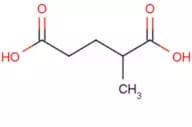
CAS:Methylglutaric acid, a leucine byproduct, is linked to two metabolic disorders, detected in patient urine.Fórmula:C6H10O4Pureza:98.64%Cor e Forma:SolidPeso molecular:146.14Nonanoic acid
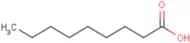
CAS:Nonanoic acid, a 9-C fatty acid, occurs in pelargonium oil; its esters add flavor; it's an oily, rancid-smelling liquid, insoluble in water.Fórmula:C9H18O2Pureza:97.01%Cor e Forma:Colorless Oily Liquid At Ordinary Temp; Crystallizes When Cooled Liquid Liquid OthersolidPeso molecular:158.24Undecanoic acid
CAS:Undecanoic acid (Hendecanoic acid) is a monocarboxylic acid with antimycotic property. Undecanoic acid inhibits the production of keratinase, lipase.Fórmula:C11H22O2Pureza:99.81%Cor e Forma:Colourless To Light Yellow Liquid Or SolidPeso molecular:186.291-Hydroxyoctadecane
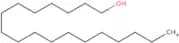
CAS:1-Hydroxyoctadecane (OctadecanolOctadecanol) is a fatty alcohol present in human and is normally incorporated into plasmalogen lipids.Fórmula:C18H38OPureza:99.91%Cor e Forma:Less Solid Paraffin LikePeso molecular:270.49Tridecanedioic acid
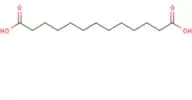
CAS:Tridecanedioic acid (Brassilic acid) is an unusual odd-numbered dicarboxylic acid that appears in the urines of children with neonatal adrenoleukodystrophy.Fórmula:C13H24O4Pureza:99.78%Cor e Forma:White FlakePeso molecular:244.332-Hydroxy-2-methylbutanoic acid
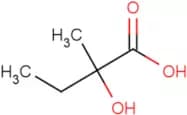
CAS:2-Hydroxy-2-methylbutyric acid is an unusual metabolite found in the urine of patients with 2-hydroxyglutaric aciduria and maple syrup urine disease.Fórmula:C5H10O3Pureza:99.83%Cor e Forma:SolidPeso molecular:118.13Heptadecanoic acid
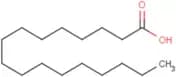
CAS:Heptadecanoic acid: a fatty acid mainly from dairy and meat, with 0.61% in milk fat and 0.83% in ruminant meat, marks dairy intake in humans.Fórmula:C17H34O2Pureza:99.78% - 99.87%Cor e Forma:Liquid OthersolidPeso molecular:270.45Palmitoleic acid
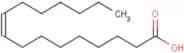
CAS:Palmitoleic acid ((Z)-Hexadec-9-enoic acid) is found to be associated with isovaleric acidemia, which is an inborn error of metabolism.Fórmula:C16H30O2Pureza:99.77%Cor e Forma:Liquid OthersolidPeso molecular:254.41Citraconic acid
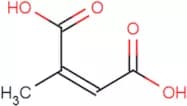
CAS:Citraconic acid (2-Methylmaleic Acid) is a dicarboxylic acid consisting of maleic acid having a methyl substituent at the 2-position.Fórmula:C5H6O4Pureza:99.18%Cor e Forma:SolidPeso molecular:130.1Elaidic acid
CAS:Elaidic acid is a monounsaturated trans-fat and 9-trans isomer of oleic acid, found in hydrogenated oils, affecting human platelet activity.Fórmula:C18H34O2Pureza:99.71% - 99.76%Cor e Forma:Colorless Or Nearly Colorless Liq (Above 5-7 Deg C) SolidPeso molecular:282.46γ-Linolenic acid
CAS:gamma-Linolenic acid (gamolenic acid), is an unsaturated fatty acid synthesized from linoleic acid (LA) by the enzyme delta-6-desaturase.Fórmula:C18H30O2Pureza:95% - 98.5%Cor e Forma:SolidPeso molecular:278.43Ethylmalonic acid
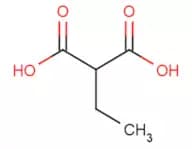
CAS:Ethylmalonic acid, found in blood, CSF, urine, and various tissues, is linked to metabolic disorders and anorexia, but is non-carcinogenic.Fórmula:C5H8O4Pureza:99.88%Cor e Forma:LiquidPeso molecular:132.11Decanoic Acid
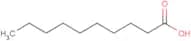
CAS:Decanoic Acid (Caprynic acid) acts as a non-competitive AMPA receptor antagonist.Fórmula:C10H20O2Pureza:98.59%Cor e Forma:Crystalline Solid SolidPeso molecular:172.262-Methylpentanedioic acid
CAS:2-Methylpentanedioic acid, a succinic acid metabolite, occurs naturally in human urine.Fórmula:C6H10O4Pureza:98% - 99.13%Cor e Forma:White Solid CrystallinePeso molecular:146.14Itaconic acid
CAS:Itaconic acid, a soluble, weak acid found in biofluids and eukaryotic cells, is present in foods like cowpea and butternut squash.Fórmula:C5H6O4Pureza:97.15%Cor e Forma:White Solid CrystallinePeso molecular:130.1Erucic acid
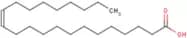
CAS:Increased levels of erucic acid (22:1n9) have been found in the red blood cell membranes of autistic subjects with developmental regression (PMID: 16581239 ).Fórmula:C22H42O2Pureza:99.64%Cor e Forma:Needles From Alcohol Liquid OthersolidPeso molecular:338.57(±)-Methyl Jasmonate
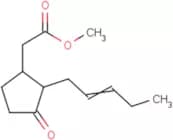
CAS:Methyl 2-(3-oxo-2-(pent-2-en-1-yl)cyclopentyl)acetate ((±)-Jasmonic Acid methyl ester)induces the synthesis of proteinase inhibitors in plant leaves.Fórmula:C13H20O3Pureza:98.95% - 99.39%Cor e Forma:Colorless Liquid Clear To Pale Yellow LiquidPeso molecular:224.32-Deoxy-D-glucose
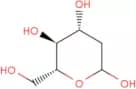
CAS:2-Deoxy-D-glucose (2-DG) is an analog of glucose, an inhibitor of glycolysis.Fórmula:C6H12O5Pureza:98% - ≥98%Cor e Forma:White PowderPeso molecular:164.16Suberic acid
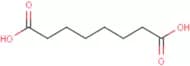
CAS:Suberic acid in urine indicates fatty acid oxidation issues, often linked to MCAD or carnitine deficiencies.Fórmula:C8H14O4Pureza:99.80%Cor e Forma:White CrystalsPeso molecular:174.192-Methylsuccinic acid
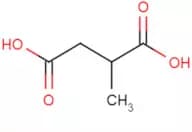
CAS:2-Methylsuccinic acid, a human metabolite, marks ethylmalonic encephalopathy with specific symptoms and genetic traits.Fórmula:C5H8O4Pureza:98.59% - 99.31%Cor e Forma:Physical Description White Or Yellowish Crystals Or Beige Powder (Ntp 1992)Peso molecular:132.11Heneicosanoic acid
CAS:HEA (C21:0), a fatty acid in human milk and red blood cells, lubricates joint cartilage.Fórmula:C21H42O2Pureza:97.87% - 99.52%Cor e Forma:SolidPeso molecular:326.56Nervonic acid
CAS:Nervonic acid, enriched in sphingomyelin, may boost brain function and combat demyelination; it's linked to lower obesity risks and altered levels in ALD.Fórmula:C24H46O2Pureza:98% - 99.94%Cor e Forma:Clear To Yellowish Crystalline PowderPeso molecular:366.62Docosanoic acid
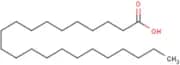
CAS:Docosanoic acid (Behenic Acid) is a long-chain saturated fatty acid. It has been found in peanut and M. oleifera seed oils.Fórmula:C22H44O2Pureza:98%Cor e Forma:Waxy Solid Liquid Othersolid PelletslargecrystalsPeso molecular:340.583-Methyladipic acid
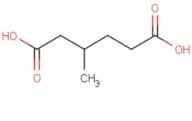
CAS:3-Methyladipic acid: a final metabolite in phytanic acid degradation, excreted in urine, especially in ARD patients who lack alternate pathways.Fórmula:C7H12O4Pureza:99.87%Cor e Forma:SolidPeso molecular:160.17Arachidic acid
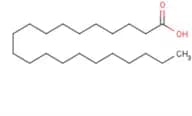
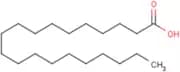
CAS:Arachidic acid (Icosanoic Acid) is a saturated fatty acid found naturally in fish and vegetable oils. It can be formed by the hydrogenation of arachidonic acid.
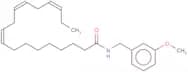
Fórmula:C20H40O2Pureza:99.86%Cor e Forma:Drypowder Othersolid Liquid OthersolidPeso molecular:312.53N-(3-Methoxybenzyl)-(9Z,12Z,15Z)-octadecatrienamide
CAS:Macamide Impurity 14 promotes bone growth by activating Wnt/β-catenin, aiding osteoporosis study.Fórmula:C26H39NO2Pureza:98.66% - 99.45%Cor e Forma:SolidPeso molecular:397.59trans-trans-Muconic acid
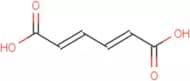
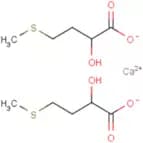
CAS:trans-trans-Muconic acid is a urinary metabolite of benzene.Fórmula:C6H6O4Pureza:99.86%Cor e Forma:White Crystalline PowderPeso molecular:142.11Calcium 2-hydroxy-4-(methylthio)butanoate
CAS:Calcium 2-hydroxy-4-(methylthio)butanoate (Calcium 2-hydroxy-4-(calcium hydroxymethionine)) is a nutrition enhancer.
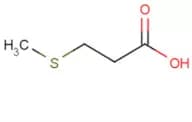
Fórmula:C10H18CaO6S2Pureza:98.38%Cor e Forma:SolidPeso molecular:338.453-(Methylthio)propionic acid
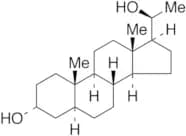
CAS:3-(Methylthio)propionic acid forms from D-methionine metabolism. Streptomyces lincolnensis produces it proportionally to methionine levels.Fórmula:C4H8O2SPureza:99.63%Cor e Forma:SolidPeso molecular:120.175a-Pregnane-3a,20a-diol
CAS:Produto ControladoApplications Progesterone metabolite.
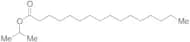
References Beall, et al.: Biochem. J., 31, 35 (1937), Okuda, A., et al.: J. Biol. Chem., 259, 7519 (1984), Russell, D., et al.: Biochemistry, 31, 4737 (1992), Kondo, K., et al.: Eur. J. Biochem., 219, 357 (1994), Westerbacka, J., et al.: J. Clin. Endocrinol. Metab., 88, 4924 (2003),Fórmula:C21H36O2Cor e Forma:NeatPeso molecular:320.51Isopropyl Palmitate
CAS:Applications Isopropyl Palmitate has been used in the preparation of a pseudolatex-membrane for ketoprofen transdermal drug delivery systems.
References Suksaeree, J., et. al.: Ind. Eng. Chem. Res., 52, 15847 (2013)Fórmula:C19H38O2Cor e Forma:ColourlessPeso molecular:298.5a-Cortol
CAS:Produto ControladoStability Hygroscopic
Applications α-Cortol, is a derivative of Cortisone (C696500), a Glucocorticoid, and an anti-inflammatory agent.
References Honda, A., et al.: J. Biol. Chem., 268, 7759 (1993), Narko, K., et al.: J. Clin. Endocrinol. Metab., 86, 1765 (2001), Michael, A., et al.: Reproduction, 126, 425 (2003),Fórmula:C21H36O5Cor e Forma:NeatPeso molecular:368.51N-Succinimidyl Palmitate
CAS:Produto ControladoStability Moisture Sensitive; Store in Freezer, Hygroscopic
Applications N-hydroxysuccinimide ester of palmitic acid. Esters of N-hydroxysuccinimide have been used for the preparation of N-acylamino acids, aminoacyl-tRNA, coenzyme A, thioglycolic acid, ceramides, etc.
References Lapidot, Y., et al.: J. Lipid Res., 8, 142 (1967); Lapidot, Y., et al.: Biochim. Biophys. Acta, 145, 292 (1967); Al-Arif, A., et al.: J. Lipid Res., 10, 344 (1969); Ong, D.E., and Brady, R.N., J. Lipid Res., 13, 819 (1972)Fórmula:C20H35NO4Cor e Forma:NeatPeso molecular:353.5Hexadecanal
CAS:Produto ControladoStability Air and Moisture sensitive
Applications It is used in the production of lipid and fatty acids.
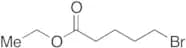
References Cerniglia, C., et al.: J. Bacteriol., 118, 844 (1974), Leahy, J., et al.: Microbiolog. Rev., 54, 305 (1990),Fórmula:C16H32OCor e Forma:NeatPeso molecular:240.425-Bromopentanoic Acid Ethyl Ester
CAS:Produto ControladoApplications 5-Bromopentanoic Acid Ethyl Ester was used in the preparation of S(γ-Carboxypropyl)-DL-homocysteine and S(δ-Carboxybutyl)-DL-homocysteine. It was also used in the preparation of ethyl 5-azidovalerate.
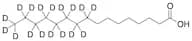
References Awad, W.: J. Biol. Chem., 258, 12790 (1983); Li, Z., et al.: Tetrahedron Lett., 45, 3143 (2004)Fórmula:C7H13BrO2Cor e Forma:NeatPeso molecular:209.08Hexadecanoic-9,9,10,10,11,11,12,12,13,13,14,14,15,15,16,16,16-d17 Acid
CAS:Produto ControladoApplications Hexadecanoic-9,9,10,10,11,11,12,12,13,13,14,14,15,15,16,16,16-d17 Acid (CAS# 81462-28-4) is a useful isotopically labeled research compound.
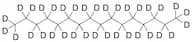
Fórmula:C16H15D17O2Cor e Forma:White To Off-WhitePeso molecular:273.53n-Hexadecane-d34
CAS:Produto ControladoApplications n-Hexadecane-d34 is the labeled compound of Hexadecane(H293630). Hexadecane has been used to prepare emulsions in water. It is also used as a substrate for the bacterial production of biosurfactants.
References Rang, M., et al.: J. Colloid Interface Sci., 209, 179 (1999); Hills, B., et al.: Magn. Reson. Imaging, 18, 319 (2000); Noordman, W., et al.: Appl. Environ. Microbiol., 68, 4502 (2002)Fórmula:C162H34Cor e Forma:ColourlessPeso molecular:260.65N-Hexadecanol-D31
CAS:Produto ControladoApplications N-Hexadecanol (2,2,3,3...16,16,16-D31, 98%) (cas# 203633-15-2) is a useful research chemical.
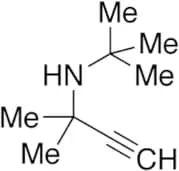
Fórmula:C16D31H3OCor e Forma:NeatPeso molecular:273.63N-tert-Butyl-1,1-dimethylpropargylamine
CAS:Produto ControladoApplications Used for cyclizations of propynyl compounds: a synthesis of 2,4-imidazolidinediones (hydantoins).
References Xie, J., et al.: Bioorg. Med. Chem., 15, 458 (2007),Fórmula:C9H17NCor e Forma:NeatPeso molecular:139.24Ethylene Glycol Monostearate
CAS:Produto ControladoFórmula:C20H40O3Cor e Forma:Off-WhitePeso molecular:328.53Oxalic Acid Ethyl Ester
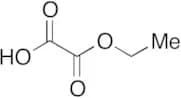
CAS:Produto ControladoApplications Oxalic Acid Ethyl Ester is a useful synthetic intermediate. It is used to synthesize 2-substituted 3-aryl-4(3H)-quinazolinones with anticonvulsant activities. It is also used to prepare nonbenzamidine tetrazole derivatives as factor Xa inhibitors.
References Wolfe, J., et al.: J. Med. Chem., 33, 161 (1009); Quan, M., et al.: bioorg. Med. Chem. Lett., 13, 369 (2003)Fórmula:C4H6O4Cor e Forma:NeatPeso molecular:118.09(9Z)-9-Octadecen-1-ol, 85%
CAS:Applications (9Z)-9-Octadecen-1-ol, is an unsaturated fatty alcohol, that can be used a nonionic surfactant, emulsifier, emollient and thickener in skin creams, lotions and many other cosmetic products.
References Linh D.D, et al.: Int. J. Gre. Eng., 8, 748 (2011);Fórmula:C18H36OPureza:85%Cor e Forma:Colourless LiquidPeso molecular:268.48(9Z,12Z,15Z)-Octadeca-9,12,15-trien-1-ol (>90%)
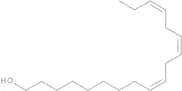
CAS:Stability Light Sensitive
Applications (9Z,12Z,15Z)-octadeca-9,12,15-trien-1-ol is an essential oil component of Osmanthus fragrans.
References Hu, C., et al.: Huaxue Shiji, 32, 231 (2010); Tian, G., et al.: Anhui Nongye Kexue, 36, 7214 (2008)Fórmula:C18H32OPureza:>90%Cor e Forma:ColourlessPeso molecular:264.4511-Hydroxylauric Acid
CAS:Applications 11-Hydroxylauric Acid is used as a substrate to determine the functional expression and characterization of cytochrome P450 52A21.
References Kuehnel, K., et al.: Adv. Synthesis. Cata., 349, 1451 (2007); Kim, D.H., et al.: Arch. Biochem. Biophy., 464, 213 (2007);Fórmula:C12H24O3Cor e Forma:NeatPeso molecular:216.32Perhydrofarnesyl Acetone
CAS:Produto ControladoApplications Perhydrofarnesyl Acetone is used as a flavor and fragrance agent, it is often used in jasmine compositions.
References Toda, H. et al.: Dev. Food Sci., 17, 181 (1988); Maggi, F. et al.: Food Chem., 113, 216 (2009); Maggi, F. et al.: Chem. Biodiv., 8, 2057 (2011);Fórmula:C18H36OCor e Forma:ColourlessPeso molecular:268.48rac cis-9,10-Epoxystearic Acid
CAS:Produto ControladoApplications An epoxy fatty acid found in Pneumocystis carinii lipids.
References Gibson, G., et al.: Xenobiotica, 19, 1123 (1989), Pellegrini, L., et al.: Plant Physiol., 103, 509 (1993), Scheller, U., et al.: J. Biol. Chem., 273, 32528 (1998), Tijet, N., et al.: Biochem. J., 332, 583 (1998),Fórmula:C18H34O3Cor e Forma:NeatPeso molecular:298.46Hexadecanamide
CAS:Produto ControladoApplications Hexadecanamide (cas# 629-54-9) is a useful research chemical.
Fórmula:C16H33NOCor e Forma:NeatPeso molecular:255.45Palmitoyl-16,16,16-d3-L-carnitine Hydrochloride
CAS:Produto ControladoApplications Palmitoyl-16,16,16-d3-L-carnitine Hydrochloride is the isotope labelled analog of Palmitoyl-L-carnitine Hydrochloride (P155050); a long-chain fatty ester of carnitine which is accumulated and released into the circulation in fatty-acid oxidation defects.
References Ventura, F., et al.: Clinica Chimica Acta, 281, 1 (1999); Pourfarzam, M., et al.: Clinical Chem,, 40, 2267 (1994); Schaefer, J., et al.: Pediatric Res., 37, 354 (1995)Fórmula:C23H43D3NO4•ClCor e Forma:NeatPeso molecular:439.09Cetyl Stearate
CAS:Produto ControladoApplications Cetyl Stearate is a wax ester of stearic acid. Wax esters are esters between long chained fatty alcohols and fatty acids. Wax esters have significance in pharmaceutical and cosmetics applications and occur naturally in plants and animals. Stearate esters are used most frequently in the formulation of eye makeup, skin makeup, lipstick and skin care products.
References Wheatley, V., et al.: Biochem. J., 58, 167 (1954); Shichijo, S., et al.: Biochem. Med., 22, 256 (1979); Robosky, L., et al.: J. Lipid Res., 49, 686 (2008);Fórmula:C34H68O2Cor e Forma:NeatPeso molecular:508.9