Ácidos Cinâmicos
Foram encontrados 660 produtos de "Ácidos Cinâmicos"
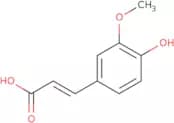
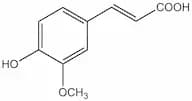
Trans-ferulic acid
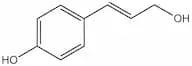
CAS:Carboxylic acid with additional oxygen functionsFórmula:C10H10O4Pureza:≥ 95.0 % (HPLC)Cor e Forma:PowderPeso molecular:194.19P-coumaroyl alcohol
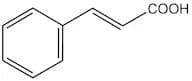
CAS:Phenol alcoholFórmula:C9H10O2Pureza:≥ 98.0 % (HPLC)Cor e Forma:PowderPeso molecular:150.18Trans-cinnamic acid
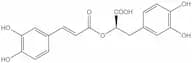
CAS:Aromatic monobasic carboxylic acidFórmula:C9H8O2Pureza:≥ 98.0 % (HPLC)Cor e Forma:PowderPeso molecular:148.16Rosmarinic acid
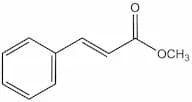
CAS:Carboxylic acid with phenol functionFórmula:C18H16O8Pureza:≥ 95.0 % (HPLC)Cor e Forma:PowderPeso molecular:360.32Methyl trans-cinnamate
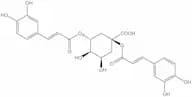
CAS:Aromatic monobasic carboxylic acidFórmula:C10H10O2Pureza:≥ 98.0 % (HPLC)Cor e Forma:PowderPeso molecular:162.191,5-dicaffeoylquinic acid
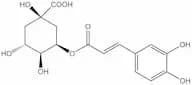
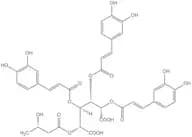
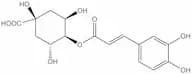
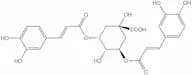
CAS:Carboxylic acid with additional oxygen functionsFórmula:C25H24O12Pureza:≥ 98.0 % (HPLC)Cor e Forma:PowderPeso molecular:516.46Neochlorogenic acid
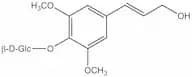
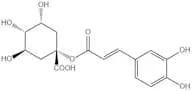
CAS:Carboxylic acid with additional oxygen functionsFórmula:C16H18O9Pureza:≥ 95.0 % (HPLC)Cor e Forma:PowderPeso molecular:354.31Eleutheroside b
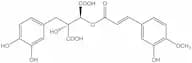
CAS:Natural glycosideFórmula:C17H24O9Pureza:≥ 95.0 % (HPLC)Cor e Forma:PowderPeso molecular:372.37Cimicifugic acid b
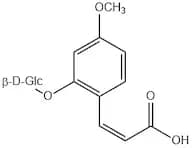
CAS:Carboxylic acid with additional oxygen functionsFórmula:C21H20O11Pureza:≥ 98.0 % (HPLC)Cor e Forma:PowderPeso molecular:448.38Cis-2-hydroxy 4-methoxycinnamic acid 2-glucoside
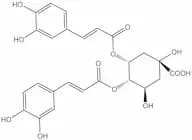
CAS:Natural glycosideFórmula:C16H20O9Pureza:≥ 90.0 % (HPLC)Cor e Forma:PowderPeso molecular:356.323,4-dicaffeoylquinic acid
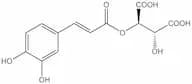
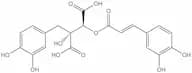
CAS:Carboxylic acid with additional oxygen functionsFórmula:C25H24O12Pureza:≥ 95.0 % (HPLC)Cor e Forma:PowderPeso molecular:516.46Caftaric acid
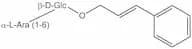
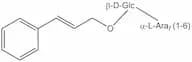
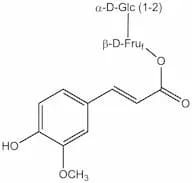
CAS:Carboxylic acid with additional oxygen functionsFórmula:C13H12O9Pureza:≥ 95.0 % (HPLC)Cor e Forma:PowderPeso molecular:312.23Rosavin
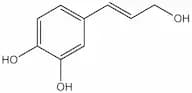
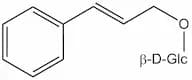
CAS:Natural glycosideFórmula:C20H28O10Pureza:≥ 95.0 % (HPLC)Cor e Forma:PowderPeso molecular:428.44Caffeoyl alcohol
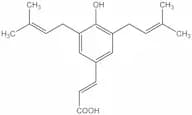
CAS:Phenol alcoholFórmula:C9H10O3Pureza:≥ 95.0 % (HPLC)Cor e Forma:PowderPeso molecular:166.18Artepillin c
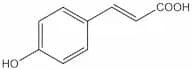
CAS:Carboxylic acid with phenol functionFórmula:C19H24O3Pureza:≥ 90.0 % (HPLC)Cor e Forma:PowderPeso molecular:300.39Trans-p-coumaric acid
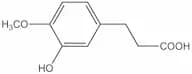
CAS:Carboxylic acid with phenol functionFórmula:C9H8O3Pureza:≥ 95.0 % (HPLC)Cor e Forma:PowderPeso molecular:164.16Dihydroisoferulic acid
CAS:Carboxylic acid with additional oxygen functionsFórmula:C10H12O4Pureza:≥ 95.0 % (HPLC)Cor e Forma:PowderPeso molecular:196.2Leontopodic acid a
CAS:Carboxylic acid with additional oxygen functionsFórmula:C37H34O19Pureza:≥ 90.0 % (HPLC)Cor e Forma:PowderPeso molecular:782.65Rosin
CAS:Natural glycosideFórmula:C15H20O6Pureza:≥ 98.0 % (HPLC)Cor e Forma:PowderPeso molecular:296.32Angoroside c
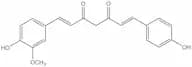
CAS:Natural glycosideFórmula:C36H48O19Pureza:≥ 95.0 % (HPLC)Cor e Forma:PowderPeso molecular:784.75Demethoxycurcumin
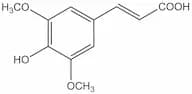
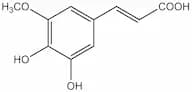
CAS:Ketone phenolFórmula:C20H18O5Pureza:≥ 90.0 % (HPLC)Cor e Forma:PowderPeso molecular:338.36Trans-sinapic acid
CAS:Carboxylic acid with additional oxygen functionsFórmula:C11H12O5Pureza:≥ 95.0 % (HPLC)Cor e Forma:PowderPeso molecular:224.21Cynarin
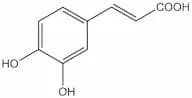
CAS:Carboxylic acid with additional oxygen functionsFórmula:C25H24O12Pureza:≥ 98.0 % (HPLC)Cor e Forma:PowderPeso molecular:516.46Trans-caffeic acid
CAS:Carboxylic acid with phenol functionFórmula:C9H8O4Pureza:≥ 98.0 % (HPLC)Cor e Forma:PowderPeso molecular:180.16Trans-5-hydroxyferulic acid
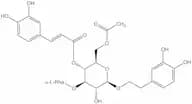
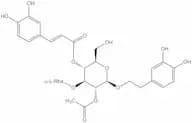
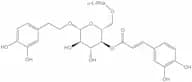
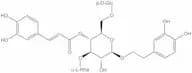
CAS:Carboxylic acid with additional oxygen functionsFórmula:C10H10O5Pureza:≥ 90.0 % (HPLC)Cor e Forma:PowderPeso molecular:210.186-acetylacteoside
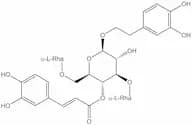
CAS:Natural glycosideFórmula:C31H38O16Pureza:≥ 98.0 % (HPLC)Cor e Forma:PowderPeso molecular:666.63Poliumoside
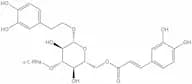
CAS:Natural glycosideFórmula:C35H46O19Pureza:≥ 95.0 % (HPLC)Cor e Forma:PowderPeso molecular:770.74Isoverbascoside
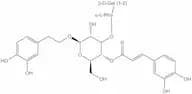
CAS:Natural glycosideFórmula:C29H36O15Pureza:≥ 90.0 % (HPLC)Cor e Forma:PowderPeso molecular:624.6Plantamajoside
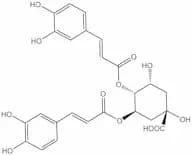
CAS:Natural glycosideFórmula:C29H36O16Pureza:≥ 95.0 % (HPLC)Cor e Forma:PowderPeso molecular:640.64,5-dicaffeoylquinic acid
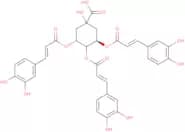
CAS:Carboxylic acid with additional oxygen functionsFórmula:C25H24O12Pureza:≥ 95.0 % (HPLC)Cor e Forma:PowderPeso molecular:516.463',6-disinapoylsucrose
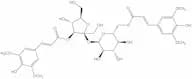
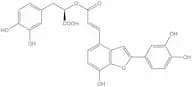
CAS:Natural glycosideFórmula:C34H42O19Pureza:≥ 98.0 % (HPLC)Cor e Forma:PowderPeso molecular:754.69Lithospermic acid
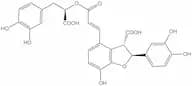
CAS:Oxygen-heterocyclic compoundFórmula:C27H22O12Pureza:≥ 90.0 % (HPLC)Cor e Forma:PowderPeso molecular:538.47Caffeoylmalic acid
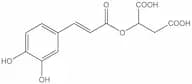
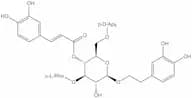
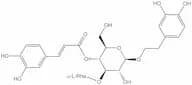
CAS:Carboxylic acid with phenol functionFórmula:C13H12O8Pureza:≥ 95.0 % (HPLC)Cor e Forma:PowderPeso molecular:296.232'-acetylacteoside
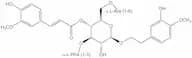
CAS:Natural glycosideFórmula:C31H38O16Pureza:≥ 95.0 % (HPLC)Cor e Forma:PowderPeso molecular:666.63Forsythoside b
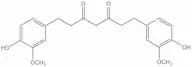
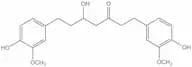
CAS:Natural glycosideFórmula:C34H44O19Pureza:≥ 95.0 % (HPLC)Cor e Forma:PowderPeso molecular:756.71Tetrahydrocurcumin
CAS:Ketone phenolFórmula:C21H24O6Pureza:≥ 95.0 % (HPLC)Cor e Forma:PowderPeso molecular:372.42Bisdemethoxycurcumin
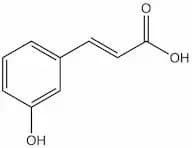
CAS:Ketone phenolFórmula:C19H16O4Pureza:≥ 95.0 % (HPLC)Cor e Forma:PowderPeso molecular:308.33Trans-m-coumaric acid
CAS:Carboxylic acid with phenol functionFórmula:C9H8O3Pureza:≥ 98.0 % (HPLC)Cor e Forma:PowderPeso molecular:164.16Forsythoside a
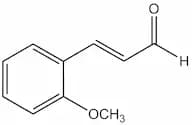
CAS:Natural glycosideFórmula:C29H36O15Pureza:≥ 90.0 % (HPLC)Cor e Forma:PowderPeso molecular:624.62-methoxycinnamaldehyde
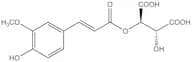
CAS:Aldehyde etherFórmula:C10H10O2Pureza:≥ 98.0 % (HPLC)Cor e Forma:CrystalsPeso molecular:162.19Trans-fertaric acid
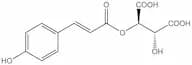
CAS:Carboxylic acid with additional oxygen functionsFórmula:C14H14O9Pureza:≥ 90.0 % (HPLC)Cor e Forma:PowderPeso molecular:326.26Trans-coutaric acid
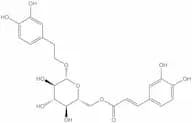
CAS:Carboxylic acid with additional oxygen functionsFórmula:C13H12O8Pureza:≥ 90.0 % (HPLC)Cor e Forma:PowderPeso molecular:296.23Calceolarioside b
CAS:Natural glycosideFórmula:C23H26O11Pureza:≥ 95.0 % (HPLC)Cor e Forma:PowderPeso molecular:478.45Cimicifugic acid f
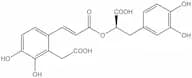
CAS:Carboxylic acid with additional oxygen functionsFórmula:C21H20O10Pureza:≥ 90.0 % (HPLC)Cor e Forma:PowderPeso molecular:432.38Salvianolic acid c
CAS:Oxygen-heterocyclic compoundFórmula:C26H20O10Pureza:≥ 98.0 % (HPLC)Cor e Forma:PowderPeso molecular:492.43Salvianolic acid d
CAS:Carboxylic acid with phenol functionFórmula:C20H18O10Pureza:≥ 90.0 % (HPLC)Cor e Forma:PowderPeso molecular:418.361-caffeoylquinic acid
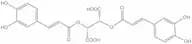
CAS:Carboxylic acid with phenol functionFórmula:C16H18O9Pureza:≥ 95.0 % (HPLC)Cor e Forma:PowderPeso molecular:354.31Chicoric acid
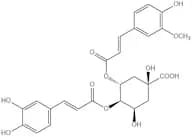
CAS:Tartaric acid esterFórmula:C22H18O12Pureza:≥ 95.0 % (HPLC)Cor e Forma:PowderPeso molecular:474.383-feruloyl-4-caffeoylquinic acid
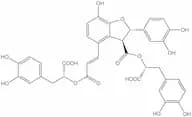
CAS:Carboxylic acid with additional oxygen functionsFórmula:C26H26O12Pureza:≥ 90.0 % (HPLC)Cor e Forma:PowderPeso molecular:530.48Salvianolic acid b
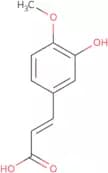
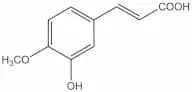
CAS:Oxygen-heterocyclic compoundFórmula:C36H30O16Pureza:≥ 90.0 % (HPLC)Cor e Forma:PowderPeso molecular:718.63Trans-isoferulic acid
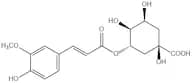
CAS:Carboxylic acid with additional oxygen functionsFórmula:C10H10O4Pureza:≥ 95.0 % (HPLC)Cor e Forma:PowderPeso molecular:194.193-feruloylquinic acid
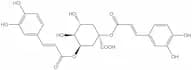
CAS:Carboxylic acid with additional oxygen functionsFórmula:C17H20O9Pureza:≥ 90.0 % (HPLC)Cor e Forma:PowderPeso molecular:368.34Chlorogenic acid
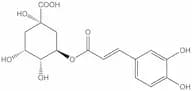
CAS:Carboxylic acid with additional oxygen functionsFórmula:C16H18O9Pureza:≥ 95.0 % (HPLC)Cor e Forma:PowderPeso molecular:354.31Fukinolic acid
CAS:Carboxylic acid with additional oxygen functionsFórmula:C20H18O11Pureza:≥ 90.0 % (HPLC)Cor e Forma:PowderPeso molecular:434.35Cryptochlorogenic acid
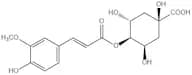
CAS:Carboxylic acid with additional oxygen functionsFórmula:C16H18O9Pureza:≥ 98.0 % (HPLC)Cor e Forma:PowderPeso molecular:354.314-feruloylquinic acid
CAS:Carboxylic acid with additional oxygen functionsFórmula:C17H20O9Pureza:≥ 90.0 % (HPLC)Cor e Forma:PowderPeso molecular:368.34Rosarin
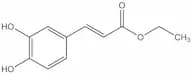
CAS:Natural glycosideFórmula:C20H28O10Pureza:≥ 98.0 % (HPLC)Cor e Forma:PowderPeso molecular:428.44Ethyl trans-caffeate
CAS:Carboxylic acid with phenol functionFórmula:C11H12O4Pureza:≥ 90.0 % (HPLC)Cor e Forma:PowderPeso molecular:208.213,5-dicaffeoylquinic acid
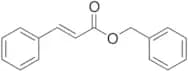
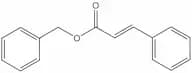
CAS:Carboxylic acid with additional oxygen functionsFórmula:C25H24O12Pureza:≥ 95.0 % (HPLC)Cor e Forma:PowderPeso molecular:516.46Benzyl cinnamate
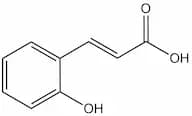
CAS:Aromatic monobasic carboxylic acidFórmula:C16H14O2Pureza:≥ 98.0 % (HPLC)Cor e Forma:SolidPeso molecular:238.29Trans-o-coumaric acid
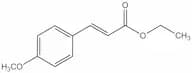
CAS:Carboxylic acid with phenol functionFórmula:C9H8O3Pureza:≥ 98.0 % (HPLC)Cor e Forma:PowderPeso molecular:164.16Trans-p-methoxycinnamic acid ethyl ester
CAS:Carboxylic acid with additional oxygen functionsFórmula:C12H14O3Pureza:≥ 95.0 % (HPLC)Cor e Forma:PowderPeso molecular:206.24Echinacoside
CAS:Natural glycosideFórmula:C35H46O20Pureza:≥ 95.0 % (HPLC)Cor e Forma:PowderPeso molecular:786.74Verbascoside
CAS:Natural glycosideFórmula:C29H36O15Pureza:≥ 90.0 % (HPLC)Cor e Forma:PowderPeso molecular:624.6Hexahydrocurcumin
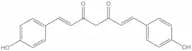
CAS:Ketone phenolFórmula:C21H26O6Pureza:≥ 90.0 % (HPLC)Cor e Forma:PowderPeso molecular:374.43Curcumin
CAS:Ketone phenolFórmula:C21H20O6Pureza:≥ 98.0 % (HPLC)Cor e Forma:PowderPeso molecular:368.39Ref: 10-F674063
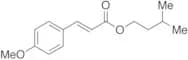
1gA consultar2.5gA consultar5gA consultar10gA consultar50mgA consultar100mgA consultar250mgA consultar500mgA consultarIsoamyl 4-Methoxycinnamate
CAS:Produto ControladoApplications Isoamyl 4-Methoxycinnamate is used in the highly protective sunscreen composition against the UVA/UVB.
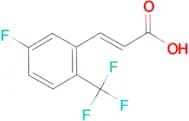
References Cuderman, P., et al: Anal. Bioanal. Chem., 387, 1343 (2007), Zhao, X., et al.: Environ. Sci. Technol., 42, 1201 (2008), Dubrovski, P., et al.: Text Res. J., 79, 351 (2009),Fórmula:C15H20O3Cor e Forma:NeatPeso molecular:248.325-Fluoro-2-(trifluoromethyl)cinnamic acid
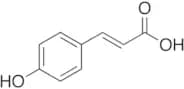
CAS:Fórmula:C10H6F4O2Cor e Forma:SolidPeso molecular:234.15trans-p-Coumaric Acid
CAS:Applications trans-p-Coumaric Acid is the E-isomer of p-Coumaric Acid (C755365), a hydroxy derivative of Cinnamic Acid with antioxidant properties. p-Coumaric acid is a is a major component of lignocellulose. Studies suggest that p-Coumaric Acid may reduce the risk of cancer by reducing the formation of carcinogenic nitrosamines.
References Kikugawa, K. et al.: J. Agric. Food Chem., 1, 780 (1983); Ferguson, L.R. et al.: Mol. Nutrit. Food Res., 585 (2005); Chung, F.L. et al.: IARC Sci. Pub., 57, 797 (1984);Fórmula:C9H8O3Cor e Forma:BeigePeso molecular:164.16Benzyl Cinnamate
CAS:Applications BENZYL CINNAMATE (cas# 103-41-3) is a useful research chemical.
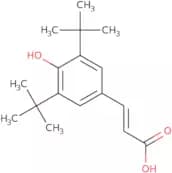
Fórmula:C16H14O2Cor e Forma:WhitePeso molecular:238.283,5-Di-tert-butyl-4-hydroxycinnamic acid
CAS:3,5-Di-tert-butyl-4-hydroxycinnamic acid is a chemical compound that belongs to the group of antihistaminic drugs. It is used as an antiallergic drug and has shown to be effective in treating hay fever and asthma. 3,5-Di-tert-butyl-4-hydroxycinnamic acid has been shown to be metabolised by rat plasma into dimethylformamide, tetrahydrofuran, reactive amides, chlorides and volatile compounds. These metabolites are then excreted via the kidneys or liver. The synthesis of 3,5-Di-tert-butyl-4-hydroxycinnamic acid can be done through a two step process that starts with the reaction of pivalaldehyde with hydrochloric acid followed by hydrogenation with rhodium on charcoal catalyst.Fórmula:C17H24O3Pureza:Min. 95%Cor e Forma:PowderPeso molecular:276.37 g/mol2-Nitro-4-(trifluoromethyl)cinnamic acid
CAS:2-Nitro-4-(trifluoromethyl)cinnamic acid is a versatile building block that can be used in the synthesis of complex compounds. It is a useful reagent, speciality chemical, and reaction component. 2-Nitro-4-(trifluoromethyl)cinnamic acid has been shown to be an intermediate for the synthesis of other compounds such as anti-tuberculosis drugs, antibiotics, and pharmaceuticals. This compound also has high quality and can be used as a scaffold for the synthesis of other compounds.Fórmula:C10H6F3NO4Pureza:Min. 95%Peso molecular:261.15 g/molIsopentyl 4-methoxycinnamate
CAS:Isopentyl 4-methoxycinnamate is a fluorescent molecule that is used to measure otoacoustic emissions in neonates. The viscosity of isopentyl 4-methoxycinnamate can be measured by using an analytical method for determining the melting point. Isopentyl 4-methoxycinnamate has been shown to inhibit the growth of bacteria such as Staphylococcus aureus, which is resistant to ciprofloxacin. Isopentyl 4-methoxycinnamate has also been shown to have potent inhibition activity against Escherichia coli and Pseudomonas aeruginosa, but not against Enterobacter cloacae. The fluorescence intensity of isopentyl 4-methoxycinnamate can be enhanced by adding glycerin or sodium citrate to the solution. It can also be prepared as a particle by adding sodium chloride or potassium chlorideFórmula:C15H20O3Pureza:Min. 95%Cor e Forma:PowderPeso molecular:248.32 g/molCaffeic acid
CAS:Caffeic acid is naturally produced by the metabolism of plants and fungi. Caffeic acid has an antioxidant activity that can be higher than tocopherol in oil-in-water emulsions. Caffeic acid has proven antimicrobial activity against Staphylococcus aureus. In mice, caffeic acid inhibits the enzyme 5-lipoxygenase thus inhibititing the biosynthesis of the inflammatory mediators leukotrienes.Fórmula:C9H8O4Pureza:Min. 98.0 Area-%Peso molecular:180.16 g/molRef: 3D-C-1500
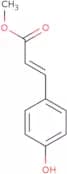
-Unit-ggA consultar1kgA consultar25gA consultar250gA consultar500gA consultar2500gA consultarMethyl 4-hydroxycinnamate
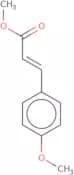
CAS:Methyl 4-hydroxycinnamate is a protocatechuic acid that can be produced by the reaction of hydrochloric acid and b16 mouse melanoma. This chemical has been shown to have an anti-inflammatory effect in rats with inflammatory bowel disease. Methyl 4-hydroxycinnamate is also a natural compound found in plants, such as celery, cinnamon, and apples. The mechanism of this chemical's action is unknown but it has been shown to inhibit the activity of rat liver microsomes. It is theorized that methyl 4-hydroxycinnamate may inhibit the production of proinflammatory substances by altering the membrane composition or activity of enzymes.br>br> br>br> Methyl 4-hydoxycinnamate may be synthesized from anhydrous sodium acetate and an acid complex in a model system using reaction solution. The product is then purified using column chromatography before being reacted with methylamine and sulfurFórmula:C10H10O3Pureza:Min. 95%Cor e Forma:PowderPeso molecular:178.18 g/mol4-Methoxycinnamic acid methyl ester
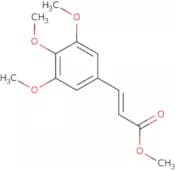
CAS:4-Methoxycinnamic acid methyl ester is an organic compound that has potential use as a reaction modifier. The C8-C9 alkene, which is a common structural motif in fatty acids and cinnamic acid derivatives, can be efficiently produced through the use of this chemical. This organic acid is also used to modify the reactivity of other molecules by changing their steric or electronic properties. It has been shown to increase the diameter of filamentous fungi and to have a significant effect on the selectivity for reactions involving alkene substrates.Fórmula:C11H12O3Pureza:Min. 95%Cor e Forma:PowderPeso molecular:192.21 g/molMethyl 3,4,5-trimethoxycinnamate
CAS:Methyl 3,4,5-trimethoxycinnamate (MTMC) is a compound that has been used as the active ingredient in traditional Chinese medicine for the treatment of cardiac disease. It has been shown to have an inhibitory effect on ventricular myocytes and to induce apoptosis in rat heart cells. MTMC also inhibits neutrophil recruitment and reduces the expression of pro-apoptotic proteins. It has also been shown to be effective in treating congestive heart failure by blocking cardiac hypertrophy and myocardial apoptosis. Methyl 3,4,5-trimethoxycinnamate has not been tested on humans or animals for safety or efficacy in treating depression.Fórmula:C13H16O5Pureza:Min. 95%Cor e Forma:White PowderPeso molecular:252.26 g/molCaffeic acid
CAS:Caffeic acid is naturally produced by the metabolism of plants and fungi. Caffeic acid has an antioxidant activity that can be higher than tocopherol in oil-in-water emulsions. Caffeic acid has proven antimicrobial activity against Staphylococcus aureus. In mice, caffeic acid inhibits the enzyme 5-lipoxygenase thus inhibititing the biosynthesis of the inflammatory mediators leukotrienes.
Fórmula:C9H8O4Pureza:Min. 98 Area-%Cor e Forma:PowderPeso molecular:180.16 g/moltrans-Ferulic acid
CAS:Hydroxycinnamic acid; inhibitor of 5-LO and 12-LO enzymesFórmula:C10H10O4Pureza:Min. 99.0 Area-%Cor e Forma:White PowderPeso molecular:194.18 g/mol2-Chloro-4-fluorocinnamic acid
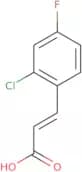
CAS:2-Chloro-4-fluorocinnamic acid is an organic compound that is a useful building block, reagent, and speciality chemical. It is a versatile intermediate for the production of other organic compounds. 2-Chloro-4-fluorocinnamic acid can be used as a reaction component or a scaffold in the synthesis of complex compounds. The synthesis of this product is also possible by coupling it with an appropriate amine, such as 4-(diethylamino)benzaldehyde.Fórmula:C9H6ClFO2Pureza:Min. 95%Cor e Forma:PowderPeso molecular:200.59 g/mol4-Formylcinnamic acid
CAS:4-Formylcinnamic acid is a molecule that is produced by the condensation of benzaldehyde and formic acid. The nmr spectra of 4-formylcinnamic acid show that it has a structure with two aromatic rings. It has been shown to activate Toll-like receptor 4 (TLR4) in human liver cells. The radiation induced photochemical properties of this molecule have been studied using x-ray diffraction data and the hydrochloric acid decoupling technique. This molecule has also been shown to suppress tumor xenografts in mice and primary cells in vitro, which may be due to its ability to inhibit cellular proliferation and induce cell death by apoptosis.Fórmula:C10H8O3Pureza:Min. 97 Area-%Cor e Forma:White PowderPeso molecular:176.17 g/molFerulic acid
CAS:Ferulic acid is a plant polyphenol that has been shown to induce apoptosis in human leukemia cells and inhibit the production of tumor necrosis factor-α (TNF-α), thereby improving glucose tolerance. Ferulic acid inhibits the mitochondrial membrane potential by binding to the Mcl-1 protein and inducing its degradation, leading to anion radical scavenging. This compound also has significant cytotoxicity in a model system and has been shown to have hypoglycemic effects in animal studies. Ferulic acid also induces cell cycle arrest by inhibiting the expression of cyclin D1, which is involved in regulating the G1 phase of the cell cycle.
Fórmula:C10H10O4Pureza:Min. 95%Cor e Forma:PowderPeso molecular:194.18 g/mol3-Methoxycinnamic acid methyl ester
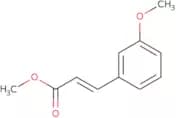
CAS:3-Methoxycinnamic acid methyl ester is a high quality, versatile building block for the synthesis of complex compounds. It is an intermediate in the synthesis of reagents and fine chemicals. 3-Methoxycinnamic acid methyl ester has been used in research as a scaffold to create new chemical entities. This compound has been used as a reaction component in multistep syntheses and as a precursor to speciality chemicals.
Fórmula:C11H12O3Pureza:Min. 95%Cor e Forma:Colorless PowderPeso molecular:192.21 g/mol3,4-Dimethoxycinnamic acid
CAS:3,4-Dimethoxycinnamic acid is a bioactive phenolic compound that has antioxidant and anti-inflammatory properties. It is also known to reduce oxidative injury in the human serum. 3,4-Dimethoxycinnamic acid is found in chlorogenic acids, which are bioactive phenolic compounds found in plants. These phenolic compounds have been shown to be effective against autoimmune diseases and carcinoma cell lines. 3,4-Dimethoxycinnamic acid has also been shown to inhibit the growth of cancer cells by interfering with their ability to synthesize DNA and RNA. This compound binds to DNA gyrase, inhibiting its activity and preventing it from unwinding the double helix during replication. The crystal structures of 3,4-dimethoxycinnamic acid have been determined using x-ray crystallography and subcritical water extraction.Fórmula:C11H12O4Pureza:Min. 95%Cor e Forma:PowderPeso molecular:208.21 g/mol2,3-Methylenedioxycinnamic acid
CAS:2,3-Methylenedioxycinnamic acid is a synthetic, isomeric compound. It has been postulated that this compound could be a topoisomerase poison and that it mediates the alkenylation of protoberberine alkaloids. The physicochemical properties of 2,3-methylenedioxycinnamic acid have not been determined.Fórmula:C10H8O4Pureza:Min. 95%Cor e Forma:PowderPeso molecular:192.17 g/mol3,4,5-Tricaffeoylquinic acid
CAS:3,4,5-Tricaffeoylquinic acid is a caffeoylquinic acid derivative that exerts an inhibitory effect on the Toll-like receptor. It also has anti-inflammatory properties. 3,4,5-Tricaffeoylquinic acid has been shown to exhibit strong antiviral and antibacterial activity against infectious diseases such as influenza and tuberculosis. The compound has also been used as a natural dye for food products and cosmetics. 3,4,5-Tricaffeoylquinic acid is used in vitro assays for the identification of compounds with potential antioxidant activity. This compound is also used as a matrix effect to determine the bioavailability of other drugs in vitro and may be useful in analytical methods for determining benzalkonium chloride levels.
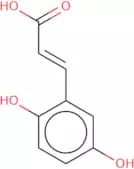
Fórmula:C34H30O15Pureza:Min. 95%Cor e Forma:PowderPeso molecular:678.59 g/mol2,5-Dihydroxycinnamic acid
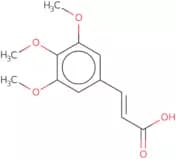
CAS:2,5-Dihydroxycinnamic acid is an intermediate in the metabolism of 4-hydroxycinnamic acid and is a precursor for the formation of methylthioadenosine. It has been shown to stimulate the growth of human epidermal cells and increase colony-stimulating factor production. 2,5-Dihydroxycinnamic acid also has been found to have cytotoxic effects on HL-60 cells, as well as inhibitory effects on human serum. The detection sensitivity for this compound is 0.1 mg/L, which can be achieved using liquid chromatography with UV detection. 2,5-Dihydroxycinnamic acid can be prepared by hydrolysis of dimethylthiourea with alkaline or acidic conditions at room temperature or 37 degrees Celsius. This compound has pharmacokinetic properties that are similar to those of 4-hydroxycinnamic acid and is believed to act similarly by inhibiting proteinFórmula:C9H8O4Pureza:Min. 95%Cor e Forma:Off-White PowderPeso molecular:180.16 g/mol3,4,5-Trimethoxycinnamic acid
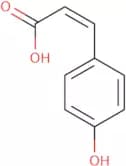
CAS:3,4,5-Trimethoxycinnamic acid (TMC) is a hydroxycinnamic acid that is an intermediate in the synthesis of protocatechuic acid. TMC has been found to have an inhibitory effect on the matrix metalloproteinase activity in the cerebellar granule cells and may be useful for treating allergic reactions. It also has anti-inflammatory properties and can be used as a replacement for sodium carbonate in certain industrial processes. TMC also has been shown to have GABA-ergic effects, increasing locomotor activity and reducing anxiety. TMC can also be used as a Chinese herb for the treatment of ganoderma lucidum.Fórmula:C12H14O5Pureza:Min. 98 Area-%Cor e Forma:PowderPeso molecular:238.24 g/molcis-4-Hydroxycinnamic acid
CAS:Cis-4-Hydroxycinnamic acid is a phenolic acid that is found in plants and is a natural compound. It has been shown to be an inhibitor of cell proliferation. Cis-4-Hydoxycinnamic acid inhibits the synthesis of DNA and RNA, which may inhibit the growth of bacteria and fungi. This compound can be extracted from plant materials by acetate extract or preparative high-performance liquid chromatography (HPLC). Cis-4-Hydoxycinnamic acid also has anti-inflammatory properties, which may be due to its inhibition of prostaglandin synthesis.
Fórmula:C9H8O3Pureza:Min. 95%Cor e Forma:PowderPeso molecular:164.16 g/mol4-Acetamidocinnamic acid
CAS:4-Acetamidocinnamic acid is a useful building block for many different organic synthesis reactions. It can be used as a reagent, research chemical or specialty chemical, and is often used as a reaction component or intermediate in the synthesis of complex compounds. 4-Acetamidocinnamic acid is also a versatile building block with many applications in organic synthesis. It has been shown to be useful as a scaffold in synthesizing peptides and other bioactive molecules.
Fórmula:C11H11NO3Pureza:Min. 95%Cor e Forma:PowderPeso molecular:205.21 g/mol






![(2e)-3-[4-(heptyloxy)-3-methoxyphenyl]prop-2-enoic acid](/_next/image/?url=https%3A%2Fstatic.cymitquimica.com%2Fproducts%2F10%2Fthumb-webp%2FF674063.webp&w=3840&q=75)