Carboidratos e Glicoconjugados
Os carboidratos são compostos orgânicos formados por carbono, hidrogénio e oxigénio, cuja estrutura básica é composta por monossacarídeos. Estes podem ligar-se para formar dissacarídeos, oligossacarídeos ou polissacarídeos, dependendo do número de unidades monoméricas. Os carboidratos desempenham um papel fundamental no armazenamento de energia, na estrutura celular e na comunicação celular. Os seus derivados são utilizados em produtos farmacêuticos, como adoçantes e excipientes.
Na CymitQuimica, oferecemos uma ampla variedade de carboidratos e seus derivados para investigação e aplicações industriais.
Foram encontrados 5010 produtos de "Carboidratos e Glicoconjugados"
Ordenar por
Pureza (%)
0
100
|
0
|
50
|
90
|
95
|
100
GM1b-Oligosaccharide
<p>GM1b pentasaccharide (sodium salt) has a core tetrasaccharide structure (Galβ1,3GalNAcβ1,4Galβ1,4Glc) with a single sialic acid residue linked α2,3 to the terminal galactose residue (Ledeen, 2009). GM1b oligosaccaharide is the carbohydrate moiety in GM1b ganglioside, which is a minor component of human brain monosialoganglioside fraction. GM1b ganglioside and especially anti-GM1b IgG antibodies are associated with axonal Guillain-Barré syndrome, which develops followingâ¯C. jejuniâ¯infection (Yuki, 1999).</p>Fórmula:C37H61N2O29NaPureza:Min. 90 Area-%Cor e Forma:PowderPeso molecular:1,020.87 g/molLewis Y tetrasaccharide-BSA
<p>Lewis Y tetrasaccharide-BSA is a synthetic oligosaccharide that contains Lewis Y, a sugar that is naturally found in human blood. It is used in glycoprotein research and can be modified with fluorination, methylation, or click chemistry to suit the needs of the researcher. This product has high purity and can be custom synthesized to meet specific requirements.</p>Cor e Forma:PowderMethyl b-D-cellobioside
CAS:<p>Methyl β-D-cellobioside is the β-configured glycosylation product of cellobiose and methanol. It is a cellobiose mimetic without the reactive (reducing) properties of the cellobiose aldehyde/hemiacetal. As a highly water soluble, non-reducing mimetic of cellobiose (the repeating disaccharide of cellulose), methyl β-D-cellobioside has been applied as inhibitor of binding events involving cellulose-binding domains (CBD) in proteins, for instance as part of the eluent in the related affinity chromatography. It is also a substrate for various β-glucosidases and glycosyltransferases, and the scaffold is a useful starting material for the chemical synthesis of inhibitors of the latter types of enzymes.</p>Fórmula:C13H24O11Pureza:Min. 95%Cor e Forma:PowderPeso molecular:356.32 g/molMethyl 2-O-(a-D-mannopyranosyl)-b-D-mannopyranoside
<p>Methyl 2-O-(a-D-mannopyranosyl)-b-D-mannopyranoside is a glycosylation product of mannose and glucose. It is an intermediate in the synthesis of the complex carbohydrate, methylated mannan. This compound is also an intermediate in the synthesis of saccharides with a fluorinated sugar moiety. Methyl 2-O-(a-D-mannopyranosyl)-b-D-mannopyranoside can be custom synthesized to meet your needs.</p>Fórmula:C13H24O11Pureza:Min. 95%Peso molecular:356.32 g/molSialyllacto-N-fucopentaose I
<p>Sialyllacto-N-fucopentaose I is a high purity, custom synthesis, fluorinated carbohydrate that has been modified by methylation and click chemistry. This oligosaccharide is composed of a saccharide with a molecular weight of 908.5 g/mol and an enantiomeric purity of 99%. Sialyllacto-N-fucopentaose I is an Oligosaccharide with a CAS number of 61497-04-8. It is used in the synthesis of polysaccharides or as a monosaccharide or sugar substitute to produce high purity products.</p>Fórmula:C43H72N2O33Pureza:Min. 95%Peso molecular:1,145.03 g/mol[UL-¹³C₁₂]Sucrose
CAS:<p>Sucrose is a sugar that is used as a food additive. It is the disaccharide of glucose and fructose, which are two monosaccharides. Sucrose can be synthesized by the glycosylation of glucose and fructose in an α-1,2 linkage. Sucrose can also be synthesized by the fluorination of sucrose followed by methylation with methylamine. The synthesis of sucrose starts with the reaction of acrylonitrile with formaldehyde to produce acrylonitrile trimer, which is then reacted with methanol to produce methyl 3-hydroxybutyrate. This product undergoes a series of reactions to form sucrose.</p>Fórmula:C12H22O11Pureza:Min. 98 Area-%Cor e Forma:PowderPeso molecular:354.21 g/mola1-3[a1-6]a1-6[a1-3]Mannopentaose
CAS:<p>Found in glycoproteins including ovalbumin and human immunoglobulin M</p>Fórmula:C30H52O26Pureza:Min. 95 Area-%Cor e Forma:White PowderPeso molecular:828.72 g/mol1,4-b-Galactotetraose
CAS:<p>1,4-b-Galactotetraose is a galactose containing tetrasaccharide</p>Fórmula:C24H42O21Pureza:Min. 95%Cor e Forma:PowderPeso molecular:666.58 g/molN-Acetylneuraminyl-(a2-3)-D-galactopyranosyl-(b1-3)-[N-acetylneuraminyl-(a2-6)]-D-N-acetylgalactosaminyl serine-biotin
<p>N-Acetylneuraminyl-(a2-3)-D-galactopyranosyl-(b1-3)-[N-acetylneuraminyl-(a2-6)]-D-N-acetylgalactosaminyl serine (NAGPS) is a synthetic saccharide that has been modified with biotin. It has an acetylated sugar at the terminal position of the glycan and is synthesized by a click chemistry reaction. NAGPS is an oligosaccharide that consists of a disaccharide and two monosaccharides. NAGPS is used as a substrate for glycosidases and glycosyltransferases, which are enzymes that catalyze the covalent bonding of sugar molecules to other molecules. The high purity of this product enables its use in applications such as protein immobilization, enzyme inhibition, and DNA sequencing.</p>Pureza:Min. 95%3'-(N-Glycolyl-a-neuraminosyl)lactose
CAS:<p>3'-(N-Glycolyl-a-neuraminosyl)lactose is a carbohydrate that is synthesized from lactose, which is a disaccharide composed of glucose and galactose. It is synthesized by the modification of the terminal hydroxyl group on the galactose moiety with glycolyl chloride. 3'-(N-Glycolyl-a-neuraminosyl)lactose has been shown to inhibit the growth of bacteria and fungi. It also has the potential to be used as an anti-cancer drug candidate due to its ability to inhibit protein synthesis in cells. This carbohydrate can also be modified by methylation, glycosylation, or click chemistry.</p>Fórmula:C23H39NO20Pureza:Min. 95%Peso molecular:649.55 g/mol3-(a-D-Rhamnopyranosyl)-D-glucose
<p>3-(a-D-Rhamnopyranosyl)-D-glucose is a glycosylation product that is synthesized by the methylation of glucose. It is a complex carbohydrate with a high purity, CAS number and custom synthesis. 3-(a-D-Rhamnopyranosyl)-D-glucose has been modified by fluorination and click chemistry to produce a versatile reagent for glycosylation reactions.</p>Pureza:Min. 95%Blood group A type 4 linear trisaccharide-NGL
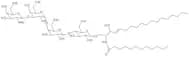
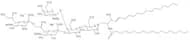
<p>Useful oligosaccharide-lipid conjugate for raising antibodies.</p>Pureza:Min. 95%1,1,1-Kestopentaose
CAS:<p>Non-reducing sucrose analog containing glucose and fructose; prebiotic fibre</p>Fórmula:C30H52O26Pureza:Min. 95 Area-%Cor e Forma:White PowderPeso molecular:828.72 g/molGangliotetraose
CAS:<p>Gangliotetraose (Galβ1,3GalNAcβ1,4Galβ1,4Glc) is the core tetrasaccharide found in many gangliosides, such as, GM1 (Ledeen, 2009). Gangliosides containing gangliotetraose are abundant in mammalian brains, where they can cover 10%â20% of the total ganglioside mixture. They are found in epithelial membranes and are key elements for bacterial toxicity and viral infection, for example, it is the intestinal receptor for cholera toxin, the B-subunits of heat-labile toxin, rotavirus, and simian virus 40. They can function as neurotrophic and neuroprotective compounds, and have been used therapeutically for diabetic and peripheral neuropathies. They bind amyloid-β proteins and are involved in Alzheimerâs pathogenesis (Chiricozzi, 2020).</p>Fórmula:C26H45NO21Pureza:Min. 95%Cor e Forma:PowderPeso molecular:707.64 g/mol2-Acetamido-2-deoxy-4-O-(β-D-mannopyranosyl)-D-glucopyranose
CAS:<p>2-Acetamido-2-deoxy-4-O-(b-D-mannopyranosyl)-D-glucopyranose (MDP) is a complex carbohydrate that has been modified by methylation, glycosylation, and carbocation. MDP is a saccharide that can be used in the synthesis of polysaccharides or as an intermediate for other chemical syntheses. It is also possible to modify MDP with fluorination, which may be useful in the synthesis of new types of pharmaceuticals.</p>Fórmula:C14H25NO11Pureza:Min. 95 Area-%Cor e Forma:PowderPeso molecular:383.35 g/molMethyl 6-O-(a-D-mannopyranosyl)-b-D-mannopyranoside
CAS:<p>Methyl 6-O-(a-D-mannopyranosyl)-b-D-mannopyranoside is a carbohydrate that has been modified with fluorination. It is synthesized by the methylation of glucose and mannose residues, followed by glycosylation. Methyl 6-O-(a-D-mannopyranosyl)-b-D-mannopyranoside is a custom synthesis and can be ordered in high purity.</p>Fórmula:C13H24O11Pureza:Min. 95%Cor e Forma:White To Off-White SolidPeso molecular:356.32 g/mol2-Methyl-(4-O-β-D-glucopyranosyl)-1,2-dideoxy-α-D-glucopyrano)-[2,1-d]-2-oxazoline
CAS:<p>2-Methyl-(4-O-b-D-glucopyranosyl)-1,2-dideoxy-a-D-glucopyrano)-[2,1-d]-2-oxazoline is a custom synthesis of a carbohydrate. It can be modified by fluorination, methylation, and monosaccharide modification. It has been synthesized from a saccharide with a molecular weight of 803. This molecule has the CAS number 91433-96-7.</p>Fórmula:C14H23NO10Pureza:Min. 95%Cor e Forma:PowderPeso molecular:365.33 g/molHepta-O-acetylrutinose
CAS:<p>Hepta-O-acetylrutinose is a synthetic monosaccharide that is fluorinated. It can be used in the synthesis of oligosaccharides, polysaccharides, and glycosylations. Hepta-O-acetylrutinose has been shown to be useful in click chemistry and other modifications due to its reactive groups. The CAS number for this compound is 29202-64-0.</p>Fórmula:C26H36O17Pureza:(%) Min. 95%Cor e Forma:White PowderPeso molecular:620.57 g/molBlood group A pentasaccharide type II
CAS:<p>A antigen pentasaccharide Type I I, possible use in antiviral development</p>Fórmula:C34H58N2O25Pureza:Min. 90 Area-%Cor e Forma:PowderPeso molecular:894.82 g/molDisialyl-TF
CAS:<p>Disialyl-TF is a monoclonal antibody that binds to the CD33 antigen on the surface of all types of cancer cells, including breast cancer cells. Disialyl-TF has been shown to reduce the growth and spread of prostate cancer cells in mice, reducing tumor size and weight. Disialyl-TF is also active against infectious diseases such as HIV, which may be due to its ability to inhibit the expression of glycan receptors. The mechanism by which it works is not yet known. Disialyl-TF has been shown to bind with high affinity to erythrocytes bearing A or B blood group antigens, making it an excellent diagnostic tool for detecting these antigens in patients with acute myeloid leukemia or other cancers.</p>Fórmula:C36H59N3O27Pureza:Min. 95%Peso molecular:965.86 g/molBlood Group H type I trisaccharide
CAS:<p>Core antigen fragment in ABO blood group system</p>Fórmula:C20H35NO15Pureza:Min. 90%Cor e Forma:PowderPeso molecular:529.49 g/molBenzyl 4-O-(2,6-di-O-benzyl-b-D-galactopyranosyl)-2,3,6-tri-O-benzyl-D-glucopyranoside
<p>Benzyl 4-O-(2,6-di-O-benzyl-b-D-galactopyranosyl)-2,3,6-tri-O-benzyl-D-glucopyranoside is a carbohydrate that belongs to the oligosaccharide class of saccharides. It is a synthetic compound with a CAS number (CAS No.: 128364-79-5) and a high purity. The carbohydrate has been synthesized by methylation, glycosylation, and click modification. Its chemical name is benzyl 4-[(2,6-di-[3'-O-(4,4'-dimethoxytrityl)butyldimethylsilyl]benzoyl)-a -D--galactopyranosyl]-2,3,6-[3'-O-(4',4''dimethoxytrityl)butyl]tri[3',5']</p>Fórmula:C34H88O11Pureza:Min. 98 Area-%Cor e Forma:PowderPeso molecular:673.06 g/mol4-Methoxyphenyl 3-O-(2,3,4,6-Tetra-O-acetyl-b-D-galactopyranosyl)-2-azido-4,6-O-benzylidene-2-deoxy-b-D-galactopyranoside
<p>4-Methoxyphenyl 3-O-(2,3,4,6-Tetra-O-acetyl-b-D-galactopyranosyl)-2-azido-4,6-O-benzylidene-2-deoxy-b -D -galactopyranoside is a sugar that can be methylated or modified with other saccharides. It has CAS No. 91485 and can be synthesized by Click chemistry. The modification of the sugar includes glycosylation and fluorination. This compound is a complex carbohydrate that is used in synthetic chemistry.</p>Pureza:Min. 95%Cellobiosyl fluoride
CAS:<p>Cellobiosyl fluoride has importance as a substrate and inhibitor in enzymatic reactions and shows a good combination of stability and reactivity.</p>Fórmula:C12H21FO10Pureza:Min. 95%Cor e Forma:PowderPeso molecular:344.29 g/molKojibiose
CAS:<p>A rare sugar, prebiotic fibre and inhibitor of α-glucosidases. It inhibits animal-, plant- and microorganism-derived α-glucosidases I. In rodent models for diabetes, it ameliorates arachidic acid-induced liver injury and reduces hepatic inflammatory markers.</p>Fórmula:C12H22O11Pureza:Min. 99 Area-%Cor e Forma:White PowderPeso molecular:342.3 g/molMethyl a-maltohexaoside
<p>This product is a custom-synthesized, high purity sugar. The sugar is glycosylated and has undergone click chemistry modification and fluorination. It has been synthesized from monosaccharides and oligosaccharides, which are saccharide carbohydrates. The sugar is an example of a complex carbohydrate.</p>Pureza:Min. 95%Methyl 4-O-(a-D-mannopyranosyl)-b-D-mannopyranoside
<p>Methyl 4-O-(a-D-mannopyranosyl)-b-D-mannopyranoside is a synthetic glycosylated oligosaccharide, which is a polysaccharide composed of various monosaccharides. Methyl 4-O-(a-D-mannopyranosyl)-b-D-mannopyranoside is a mannosylated derivative of the sugar, methyl 4-O-(a -D-mannopyranosyl) b -D -mannopyranoside. This sugar can be used as an intermediate in the synthesis of other sugars and carbohydrates. It has also been used to synthesize glycoproteins for use in immunology research.</p>Fórmula:C13H24O11Pureza:Min. 95%Peso molecular:356.32 g/mol4-Methoxyphenyl 4-O-(3,6-di-O-benzyl-2-deoxy-4-O-levulinoyl-2-phthalimido-β-D-glucopyranosyl)-3-O-benzyl-6-O-(2,3,4-tri-O-benzyl-α-L -fucopyranosyl)-2-deoxy-2-phthalimido-β-D-glucopyranoside
<p>The compound 4-Methoxyphenyl 4-O-(3,6-di-O-benzyl-2-deoxy-4-O-levulinoyl)-2,3,4,6-tetra‑O‑benzyl‑a‑L -fucopyranosyl)-2,3,4,6‑tetra‑O‑benzyl‑a‑L -fucopyranoside is a glycoside of the monosaccharide 2,3,4,6 tetra O benzyl a L fucopyranose. It is prepared by the reaction of methyl 4 methoxyphenol with 2 deoxy 4 levulinoyl 2 phthalimido b D glucopyranoside in the presence of an acid catalyst. The compound has been shown to have anti inflammatory and anti allergic effects.</p>Fórmula:C88H86N2O20Pureza:Min. 95%Peso molecular:1,491.63 g/mol6-o-a-D-Glucosyl-maltose
CAS:<p>Minor trisaccharide component of honey</p>Fórmula:C18H32O16Pureza:Min. 95%Cor e Forma:White Off-White PowderPeso molecular:504.44 g/mol4-Methoxyphenyl 2-acetamido-4-O-(2,3,4,6-tri-O-acetyl-b-D-glucopyranosyl)-3,6-di-O-benzyl-2-deoxy-b-D-glucopyranoside
<p>4-Methoxyphenyl 2-acetamido-4-O-(2,3,4,6-tri-O-acetyl-b-D-glucopyranosyl)-3,6-di-O-benzyl-2,3′:6′,4′:5″,6′″:5″′:3″″:4″″′:5″″′:6′″′-[1]benzothiadiazole (MTBT) is a synthetic monosaccharide sugar that is modified to have a 1,2,3,4,5 and 6 benzothiadiazole group. MTBT is a complex carbohydrate that is synthesized through methylation of the sugar followed by a click modification. It has been used in the synthesis of oligosaccharides and polysaccharides.</p>Fórmula:C43H51NO16Pureza:Min. 95%Peso molecular:837.86 g/molLewis X trisaccharide
CAS:<p>Milk oligosaccharide; antigen; expressed on gastric mucosa and cancer cells</p>Fórmula:C20H35NO15Pureza:Min. 90 Area-%Cor e Forma:PowderPeso molecular:529.49 g/mol1,4-β-D-Mannopentaose
CAS:<p>Isolated from ivory-nut mannan hydrolysates</p>Fórmula:C30O26H52Pureza:Min. 95%Cor e Forma:PowderPeso molecular:828.72 g/molChitosan
CAS:<p>Chitosan is the deacetylated form of chitin. The polysaccharide is deacetylated in order to render it soluble, which is then possible at pH values of less than 7 (normally in dilute acid). This then allows the material to be used in a number of industrial applications as a binder and film former.Molecular weight range 350 - 3500 Da.</p>Cor e Forma:PowderBlood group A hexasaccharide type II
CAS:<p>A antigen hexasaccharide Type II, possible use in antiviral development</p>Fórmula:C40H68N2O30Pureza:Min. 90 Area-%Cor e Forma:White PowderPeso molecular:1,056.96 g/molStachyose hydrate - 98%
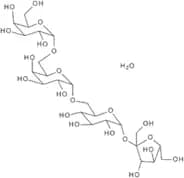
CAS:<p>Non-reducing storage and transport sugar in woody plants; used as a sweetener</p>Fórmula:C24H42O21·xH2OPureza:Min. 98 Area-%Cor e Forma:White Off-White PowderPeso molecular:666.58 g/mol3a,4b,3a-Galactotetraose
CAS:<p>The acetolysis of carrageenan produces a polymer homologous series of oligosaccharides, [Gal α1,3 Gal, Gal β1,4 Gal], [Gal α1,3 Gal β1,4 Gal, Gal β14, Gal α1,3 Gal], [Gal α1,3 Gal β1,4 Gal α1,3 Gal, Gal β1,4Gal α1,3Gal β1,4Gal] etc. (Lawson, 1968). This is significant as it provides an entry to the α-gal series or Galili antigens due to the fact that the disaccharide Galα1,3 Gal can be isolated in quantity. The distribution of the full α-gal epitope (Galα1-3Galβ1-4GlcNAc-R) is unique in mammals, being abundantly expressed on glycoconjugates of non-primate mammals, prosimians and New World monkeys. In contrast, the α-gal epitope is not expressed on glycoconjugates of Old World monkeys, apes and humans; instead, they produce the natural anti-Gal antibody that specifically binds the α-epitope. Anti-Gal mediates the rejection of pig xenograft organs in humans and monkeys by binding α-gal epitopes on the pig cells, inducing complement mediated destruction and antibody dependent cell mediated destruction. This barrier to xenotransplantation has been eliminated by producing α1,3 glycosyltransferase to knockout pigs. Since anti-Gal is ubiquitous in humans, the α-gal epitope has clinical potential in the production of vaccines expressing α-epitopes that can be targeted to antigen presenting cells (APC), thereby increasing the immunogenicity of viral and other microbial vaccines (Macher, 2008).</p>Fórmula:C24H42O21Pureza:Min. 95 Area-%Cor e Forma:White Off-White PowderPeso molecular:666.58 g/mol6'-a-Sialyl-N-acetyllactosamine sodium salt
CAS:<p>Sialylated trisaccharide found in human urine</p>Fórmula:C25H41N2NaO19Pureza:Min. 95%Cor e Forma:PowderPeso molecular:696.6 g/mol3-O-(a-D-Galactopyranosyl)-D-glucopyranose
CAS:<p>3-O-(a-D-Galactopyranosyl)-D-glucopyranose is a custom synthesis that can be fluorinated, methylated, and modified with click chemistry. 3-O-(a-D-Galactopyranosyl)-D-glucopyranose is a sugar that can be used in the synthesis of oligosaccharide or polysaccharide. It also has saccharide binding properties. 3-O-(a-D-Galactopyranosyl)-D-glucopyranose is soluble in water and does not react with strong acids such as HCl.</p>Fórmula:C12H22O11Pureza:Min. 95%Cor e Forma:PowderPeso molecular:342.3 g/molLaminaritetraose
CAS:<p>Ex algal/bacterial polysaccharides-value in b1-3 glucanase assays & diagnostics</p>Fórmula:C24H42O21Pureza:Min. 95 Area-%Cor e Forma:White PowderPeso molecular:666.6 g/molTetra-guluronic acid sodium
CAS:<p>Tetra-guluronic acid sodium salt (1,4-linked α-L-sodium guluronotetraose) is one of a number of oligosaccharides obtained from alginate, a polysaccharide from brown seaweeds. It contains blocks of: repeating mannuronic acid sequences (M-M-M-M etc), repeating guluronic acid sequences (G-G-G-G etc), and alternating M-G-M-G sequences. This oligosaccharide can be released by acid hydrolysis and a number of biological activities have been discussed in a recent review.</p>Fórmula:C24H30O25Na4Pureza:Min. 98 Area-%Cor e Forma:White PowderPeso molecular:810.44 g/molVinyl a-D-lactose
<p>Vinyl a-D-lactose is a custom synthesis, fluorinated, modified monosaccharide that can be used to modify proteins and polysaccharides. It has been shown to react with proteins through the click chemistry reaction and methylation. Vinyl a-D-lactose can be used for glycosylation of saccharides and complex carbohydrates in order to synthesize oligosaccharides.</p>Pureza:Min. 95%4-Methoxyphenyl 2,3,6-tri-O-acetyl-4-O-[2,4,6-tri-O-acetyl-3-O-(3,4,6-tri-O-acetyl-2-deoxy-2-phthalimido-β-D-glucopyranosyl)-β-D-gal actopyranosyl]-β-D-glucopyranoside
<p>4-Methoxyphenyl 2,3,6-tri-O-acetyl-4-O-[2,4,6-tri-O-acetyl-3-O-(3,4,6-tri-O-acetyl-2-deoxy-2-phthalimido)-bDgalactopyranosyl]-bDglucopyranoside is a modification of an oligosaccharide that has been synthesized by the Oligosaccharide Synthesis and Custom Synthesis Department at Acetech. This product is a complex carbohydrate with a high purity and CAS No. The carbohydrate chain is composed of a monosaccharide methylated at the 4 position and glycosylated with two polysaccharides (sugar) at the 1 and 3 positions. The saccharides are esterified with acetate moieties at the 2 positions. It contains fluorine atoms in the form of flu</p>Fórmula:C51H59NO27Pureza:Min. 95%Peso molecular:1,118 g/mola-Cyclodextrin
CAS:<p>α-Cyclodextrin is a cyclic oligosaccharide with 6 D-glucose residues which are α-1,4-linked. α-cyclodextrin is used in the food industry to encapsulate flavors and fragrances (Kfoury, 2016). α-cyclodextrin is also an effective inhibitor of the upstream inflammatory response induced by cholesterol crystals. Cholesterol crystal-induced complement activation is a critical step in the development of atherosclerosis, thus inhibition of complement with α-cyclodextrin has the potential to be used in the treatment of atherosclerosis (Pilely, 2019).</p>Fórmula:C36H60O30Pureza:Min. 90.0 Area-%Peso molecular:972.84 g/molLactosyl fluoride
CAS:<p>Lactosyl fluoride is a kinetic inhibitor of glycosidase enzymes. It has been shown to be an effective inhibitor of the enzyme β-galactosidase in both the presence and absence of calcium. Lactosyl fluoride has also been shown to inhibit other glycosidases, including α-galactosidase and α-mannosidase. The lactose derivative is activated by hydrogen fluoride, which allows it to react with the enzyme and block its activity. This product can be used as a chemical biology tool for studying glycoconjugates or as a medicine for treating diseases caused by the accumulation of oligosaccharides, such as Gaucher's disease or Tay-Sachs disease.</p>Fórmula:C12H21FO10Pureza:Min. 95%Cor e Forma:White PowderPeso molecular:344.29 g/molGlobo-H BSA conjugate
<p>Useful for study of immune response in cancer vaccine development</p>Cor e Forma:PowderPeso molecular:1539.56Maltodecaose, min 98%
CAS:<p>α 1,4-glucodecasaccharide derived from starch by hydrolysis and chromatography</p>Fórmula:C60H102O51Pureza:Min. 98 Area-%Cor e Forma:White PowderPeso molecular:1,639.42 g/molHeparin disaccharide II-S trisodium salt
CAS:<p>Heparin breakdown product</p>Fórmula:C12H16NNa3O16S2Pureza:Min. 95 Area-%Cor e Forma:White Off-White PowderPeso molecular:563.35 g/mol6-O-Sulfated Lewis A
<p>6-O-sulfated Lewis A is a high purity oligosaccharide with a custom synthesis and click modification. This product has been shown to be useful in glycosylation, methylation, and saccharide modification. It is a versatile carbohydrate that can be used in the synthesis of complex carbohydrates. 6-O-Sulfated Lewis A has CAS number 70520-34-5 and an Oligo/Mono Saccharide content of >95%.</p>Fórmula:C20H35NO18SPureza:Min. 95%Cor e Forma:PowderPeso molecular:609.55 g/molLinear B-2 trisaccharide
CAS:<p>Linear B-2 trisaccharide is a human serum glycoprotein that belongs to the group of glycoconjugates. It has been shown to have clinical relevance in the detection of cancer and infectious diseases, as well as for use in the treatment of cancer. Linear B-2 trisaccharide can be used in combination with monoclonal antibodies for diagnosis and treatment of cancer. This molecule is also an inhibitor of both influenza virus hemagglutinin and HIV gp120, which may be due to its ability to react with specific carbohydrate structures on these proteins. Linear B-2 trisaccharide is biocompatible and can be used in the development of biodegradable polymers. The linearity of this molecule makes it more stable than other related molecules, such as glycopeptides.</p>Fórmula:C20H35NO16Pureza:Min. 95%Cor e Forma:PowderPeso molecular:545.49 g/molMonosialyl, monofucosyllacto-N-neohexaose
<p>Monosialyl, monofucosyllacto-N-neohexaose is a synthetic oligosaccharide. It has a molecular weight of 1205. The compound has been modified with a click modification and fluorination, and has been shown to be stable in the presence of acid, base, and heat. The compound is also high purity and can be synthesized on request. Monosialyl, monofucosyllacto-N-neohexaose is an example of a complex carbohydrate that contains both a sugar and polysaccharide component. The sugar component is composed of one monosaccharide: sialic acid. The polysaccharide component consists of six disaccharides: two lactose molecules linked with one glucose molecule each. Monosialyl, monofucosyllacto-N-neohexaose is used as an artificial sweetener in food products such as cookies or cakes</p>Fórmula:C57H95N3O43Pureza:Min. 95%Cor e Forma:PowderPeso molecular:1,510.36 g/molD-Galactopyranosyl-(b1-3)-[N-acetylneuraminyl-(a2-6)]-D-N-acetylgalactosaminyl serine
<p>D-Galactopyranosyl-(b1-3)-[N-acetylneuraminyl-(a2-6)]-D-N-acetylgalactosaminyl serine is a synthetic, fluorinated glycoside that has been modified with methylation and saccharide modifications. It is used in click chemistry to modify proteins and other biomolecules. This compound is available as a custom synthesis, and can be modified with various saccharides or oligosaccharides. D-Galactopyranosyl-(b1-3)-[N-acetylneuraminyl-(a2-6)]-D-N-acetylgalactosaminyl serine is an important carbohydrate in glycosylation reactions as it contains the sugar backbone needed for N-, O-, and S-glycosidic linkages. The CAS number for this compound is 514063-.</p>Fórmula:C28H47N3O21Pureza:Min. 95%Cor e Forma:PowderPeso molecular:761.68 g/mol2-(2,3,6-Tri-O-acetyl-4-O-[(2,3,4,6-tetra-O-acetyl-a-D-glucopyranosyl)]-b-D-glucopyranosyl) thiopseudourea
<p>2-(2,3,6-Tri-O-acetyl-4-O-[(2,3,4,6-tetra-O-acetyl-a-D-glucopyranosyl)]-b-D-glucopyranosyl) thiopseudourea is a glycosylated oligosaccharide that has been modified using methylation and click chemistry. This compound has been used in the synthesis of various complex carbohydrates. The CAS number for this compound is 905835-79-8 and it can be custom synthesized to meet your needs.</p>Fórmula:C27H38N2O17SPureza:Min. 95%Peso molecular:694.66 g/molLactose - anhydrous
CAS:<p>Anhydrous lactose is an excipient, filler, diluent, and bulking agent in a wide variety of pharmaceutical tablets, capsules, powders and other preparations. It also has applications as a nutrient and multi-functional ingredient in infant formulae, geriatric, dietetic and health foods and may be used as an ingredient in culture media.</p>Fórmula:C12H22O11Pureza:Min. 98 Area-%Cor e Forma:PowderPeso molecular:342.3 g/molDisialyllactose sodium
CAS:<p>Disialylated tetrasaccharide naturally present in human breast milk that has been identified as one of the binding sites of the C fragment of the clostridial tetanus toxin.</p>Fórmula:C34H54N2O27Na2Pureza:Min. 90 Area-%Cor e Forma:White PowderPeso molecular:968.77 g/molLewis X-PAA-biotin
<p>PAA is poly[N-(2-hydroxyethyl)acrylamide], flexible polymer chain serves as an additional spacer. Mr approx. 30 kDa (according to gel-filtration, proteins as Mr markers). Carbohydrate content is 20% mol.</p>Pureza:Min. 95%Cor e Forma:White PowderPeso molecular:586.6 g/molLaminaritriose
CAS:<p>Ex algal/bacterial polysaccharides-value in b1-3 glucanase assays & diagnostics</p>Fórmula:C18H32O16Pureza:Min. 97 Area-%Cor e Forma:White PowderPeso molecular:504.44 g/mol4-O-(α-D-Mannopyranosyl)-D-mannose
CAS:<p>Isolated from partial acetolysate of ivory-nut (Phytelephas macrocarpa) mannan</p>Fórmula:C12H22O11Pureza:Min. 95 Area-%Cor e Forma:PowderPeso molecular:342.3 g/molGD3-Ganglioside ammonium
CAS:<p>GD3 ganglioside (shown as sodium salt) has a core disaccharide structure (Gal-1,4-Glc) with two sialic acids linked to the non-reducing galactose residue, and ceramide linked to position 1 on the reducing terminal glucose residue (Ledeen, 2009). GD3 ganglioside is a minor ganglioside in most normal tissues but plays a crucial role in the development of the brain; its presence is significantly reduced in adults. However, expression of GD3 ganglioside is increased in pathological conditions, such as, cancers and neurodegenerative disorders (Malisan, 2002). GD3 ganglioside was the first cancer-associated ganglioside discovered, that promotes adhesion and invasion of cancers. GD3 ganglioside and GD2 ganglioside are highly expressed in a various malignant cancers and have become potential targets for next-generation cancer therapy (Liu, 2018).</p>Fórmula:C70H125N3O29·xNH4Pureza:Min. 95%Cor e Forma:PowderCyclohexylmethyl-4-O-(a-D-glucopyranosyl)-b-D-glucopyranoside
CAS:<p>Detergent used for the solubilization of membrane proteins. Important for the solubilization is the detergent-to-protein ratio. At low ratios (1:10) the membranes are lysed and large complexes of are formed containing protein, detergent, and membrane lipids. With progressively larger ratios smaller complexes are obtained. Finally, at ratios of 10:1 to 20:1 individual detergent-protein complexes are formed free of membrane lipids. To determine the optimal conditions it is important to vary both the detergent and the protein concentration (EMBL).</p>Fórmula:C19H34O11Pureza:Min. 95%Cor e Forma:PowderPeso molecular:438.47 g/mol3'-Sialylgalacto-N-biose sodium salt
CAS:<p>3'-Sialylgalacto-N-biose sodium salt is a high purity synthetic glycosaminoglycan with a single sugar residue. This product has been custom synthesized for research purposes and may be used as a control in experiments. The chemical name of this product is 3'-sialylgalacto-N-biose sodium salt, and it has CAS number 1370359-76-4. It is important to note that this product is not available for sale at this time.</p>Fórmula:C25H41N2O19NaPureza:Min. 95 Area-%Cor e Forma:White Off-White PowderPeso molecular:696.58 g/molLaminaribiose
CAS:<p>Disaccharide; substrate for glucanases and laminaribiose phosphorylase</p>Fórmula:C12H22O11Pureza:Min. 95%Cor e Forma:PowderPeso molecular:342.3 g/molHuman milk neutral tetrasaccharides
<p>Mainly a mixture of Lacto-N-tetraose, Lacto-N-neo-tetraose, Lactodifucotetraose</p>Pureza:Min. 95%Cor e Forma:PowderChondroitin sulphate octasaccharide ammonium salt
<p>Chondroitin sulphate octasaccharide ammonium salt is a synthetic, fluorinated glycosaminoglycan. It is a synthetic, fluorinated glycosaminoglycan that has been synthesized from chondroitin sulfate and 2-amino-2-deoxy-D-glucose. Chondroitin sulphate octasaccharide ammonium salt has the CAS number 93860-92-7. It can be modified to make it more complex, such as methylation or click modification to give it different properties. This product is offered in high purity with a custom synthesis service available on request.</p>Pureza:Min. 95%4-O-(β-D-Galactopyranosyl)-D-galactopyranose
CAS:<p>Used as enzyme substrates, analytical standards and for in vitro diagnostics</p>Fórmula:C12H22O11Pureza:Min. 95%Cor e Forma:White Off-White PowderPeso molecular:342.29 g/molLacto-N-fucopentaose I
CAS:<p>Milk oligosaccharide; expressed on human induced pluripotent cells</p>Fórmula:C32H55NO25Pureza:Min. 95%Cor e Forma:White PowderPeso molecular:853.77 g/molHuman milk neutral di- to -tetrasaccharides
<p>This mixture contains some of the lower oligosaccharides found in human milk. There are small amounts of lactose but the bulk of the mixture are tri- and tetrasaccharides. 3-Fucosyllactose, 3'-Sialyllactose, 6'-Sialyllactose, Lacto-N-tetraose, Sialyllacto-N-tetraose b, Sialyllacto-N-tetraose b and Blood Group A tetrasaccharide type V are the major components that have been found in the mixture by chromatography but there may be other minor components not mentioned here.</p>Pureza:Min. 95%6'-Fucosyllactose
CAS:<p>6'-Fucosyllactose is a fucosylated form of lactose, which is a complex carbohydrate. It is a custom synthesis and has been synthesized in high purity. 6'-Fucosyllactose has CAS No. 80756-86-1 and can be found as an oligosaccharide or polysaccharide. 6'-Fucosyllactose is a monosaccharide that has been methylated and glycosylated to increase its stability. The saccharides are modified with fluorination to make it more soluble in water and to improve its solubility in organic solvents.</p>Fórmula:C18H32O15Pureza:Min. 95%Cor e Forma:PowderPeso molecular:488.44 g/molMethyl 4-O-(a-D-galactopyranosyl)-a-D-galactopyranoside
CAS:<p>Methyl 4-O-(a-D-galactopyranosyl)-a-D-galactopyranoside (M4G) is a disaccharide that is a residue of the plant indigo dye. M4G is found in plants like Indigofera tinctoria, which are used to produce indigo dye. It is also a glycoside of methyl 4-O-(β-D-galactopyranosyl)-β-D-galactopyranoside (M4GP).</p>Fórmula:C13H24O11Pureza:Min. 98%Cor e Forma:White PowderPeso molecular:356.32 g/mol4-Methoxyphenyl 4-O-[3-O-(2,3,4,6-O-acetyl-α-D-mannopyranosyl)-4,6-O-benzylidene-2-O-levulinoyl-β-D-glucopyranosyl]-3,6-di-O-benzyl- 2-deoxy-2-phthalimido-β-D-glucopyranoside
<p>This product is a synthetic, high purity, and custom-synthesized molecule that belongs to the group of saccharide polymers. It is synthesized by methylation of 4-methoxyphenyl 4-O-[3-O-(2,3,4,6-O-acetyl-a-D-mannopyranosyl)-4,6-O-benzylidene-2-O-levulinoyl]-b-Dglucopyranoside and Click modification. This product has potent glycosylation activity with polysaccharides such as heparin and chondroitin sulfate. The synthesis of this product is completed through the use of a highly efficient and selective carbohydrate polymerization method.</p>Fórmula:C67H71NO24Pureza:Min. 95%Peso molecular:1,274.27 g/mol4'-Galactosyllactose
CAS:<p>Galactosyllactose attenuated NF-κB inflammatory signaling in human intestinal epithelial cells and in human immature intestine. Thus, galactosyllactoses are strong anti-inflammatory agents in human colostrum and early milk, contributing to innate immune modulation. The potential clinical utility of galactosyllactose warrants investigation.</p>Fórmula:C18H32O16Pureza:Min. 90%Cor e Forma:White PowderPeso molecular:504.44 g/molIsomaltoheptaose
CAS:<p>Produced from high maltose syrup by treatment with transglucosidase</p>Fórmula:C42H72O36Pureza:Min. 90 Area-%Cor e Forma:White PowderPeso molecular:1,153 g/mol1,3:1,4-b-Glucotetraose (B)
CAS:<p>1,3:1,4-b-Glucotetraose (B) is a high purity, custom synthesis sugar. It can be modified with a click modification, fluorination, glycosylation, or methylation. This compound has CAS No. 58484-02-9 and is a Modification of the carbohydrate saccharide group. 1,3:1,4-b-Glucotetraose (B) is an Oligosaccharide that consists of Monosaccharides and Carbohydrates. It is a complex carbohydrate that can be used as a medicine for diabetes mellitus type 2.</p>Fórmula:C24H42O21Pureza:Min. 95%Cor e Forma:White PowderPeso molecular:666.58 g/molMethyl 2-acetamido-2-deoxy-3-O-(b-D-galactopyranosyl)-a-D-galactopyranoside
CAS:<p>Methyl 2-acetamido-2-deoxy-3-O-(b-D-galactopyranosyl)-a-D-galactopyranoside is a lectin that binds to the terminal galactose of b-D-galactopyranosides. It has been shown to be a potent inhibitor of cellular death and is able to bind to the surface of cells, preventing their destruction by the immune system or other natural factors. The binding site for MGA is found on cell membranes, and it can also act as an antiinflammatory agent. MGA has also been shown to inhibit interactions between proteins, which may lead to changes in protein synthesis and regulation. Lectins are proteins that bind to specific carbohydrates on the surfaces of cells. They are part of a group called glycoproteins and are often used as probes in techniques such as lectin histochemistry and immunohistochemistry.</p>Fórmula:C15H27NO11Pureza:Min. 98 Area-%Cor e Forma:White PowderPeso molecular:397.38 g/molGlycyl-asialo, galactosylated fucosylated biantennary
<p>Glycyl-asialo, galactosylated fucosylated biantennary is a synthetic glycosylated oligosaccharide that is fluorinated at the 6-position. It has been shown to have high purity and good chemical stability. The carbohydrate is made from a complex of saccharides, which are linked together by glycosidic bonds. This product is available for custom synthesis with methylation and monosaccharide modifications. CAS No.: 128868-20-2</p>Fórmula:C70H118N6O50Pureza:Min. 95%Peso molecular:1,843.7 g/molLS-tetrasaccharide a sodium
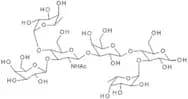
CAS:<p>Sialylated tetrasaccharide found in human milk.Possible health benefits for the neonate, by supporting resistance to pathogens, gut maturation, immune function, and cognitive development.</p>Fórmula:C37H61N2O29•NaHPureza:Min. 95 Area-%Cor e Forma:PowderPeso molecular:1,020.87 g/mol2'-Fucosyllactose - min 90%
CAS:<p>Substrate for fucosidase; used in infant formula; improves health in infants</p>Fórmula:C18H32O15Pureza:Min. 90%Cor e Forma:White PowderPeso molecular:488.44 g/molN-Acetylneuraminic acid dimer disodium salt
CAS:<p>Intermediate in synthesis of ganglioside GD2</p>Fórmula:C22H34N2O17·2NaPureza:Min. 95 Area-%Cor e Forma:White PowderPeso molecular:644.49 g/molGalacturonan DP10-DP15 sodium salt
<p>Mixed DP 10-15 Na galacturonans (α-1,4 10-15 Na galacturonans) are derived from pectin or pectic acid, by enzymatic or partial acid hydrolysis. They are used in galacturonic acid metabolism research as a substrate to identify, differentiate, and characterize endo- and exopolygalacturonase(s) and gluconase(s). In recent studies, it has been shown that long oligogalacturonides (degree of polymerization (DP) from 10â15) help to induce plant defense signaling resulting in enhanced defenses to necrotrophic pathogens.</p>Cor e Forma:PowderChondroitin disaccharide di-4S disodium
CAS:<p>Chondroitin disaccharide Δdi-4S disodium salt (α-ΔUA-[1→3]-GalNAc-4S) comprises a sulfated N-acetylgalactosamine (GalNAc) and a dehydro glucuronic acid (GlcA) unit by the [1→3] linkage . It can used as a substrate for the identification and characterization of enzymes such as Clostridium perfringens unsaturated glucuronyl hydrolase.</p>Fórmula:C14H19NO14SNa2Pureza:Min. 95 Area-%Cor e Forma:PowderPeso molecular:503.34 g/molSialyl Lewis A (Slea)-BSA
<p>Sialyl Lewis A (Slea)-BSA is a glycoprotein that has been modified with fluorination and methylation. These modifications have been shown to enhance the binding of Sialyl Lewis A (Slea)-BSA to CD22, a cell-surface protein that is expressed on B cells. In addition, the modification of Slea-BSA with Click chemistry has been shown to increase its stability in plasma. This product may be custom synthesized to suit your needs.</p>Cor e Forma:PowderSucrose dodecanoate
CAS:<p>Sucrose dodecanoate is a sugar ester that has been shown to be a 5-HT agonist. It is used as an absorption enhancer for the treatment of choroidal neovascularization. Sucrose dodecanoate was also found to have trypsin-like protease activity and cyclic peptide properties. This drug has been shown to increase insulin sensitivity and growth factor levels in animal models, which may be due to its effects on serine proteases. Sucrose dodecanoate is available as a pharmaceutical dosage form containing fatty acid esters at a concentration of 10%. It has a viscosity of approximately 100 cP, which is expected to provide good bioavailability.</p>Fórmula:C12H24O2•(C12H22O11)xCor e Forma:Clear LiquidPeso molecular:342.3 g/molParomamine 3HCl
CAS:<p>Paromamine is a chemical compound that inhibits protein synthesis by enzymatic inactivation. It has been shown to have a broad spectrum of antibacterial activity against Gram-positive and Gram-negative bacteria. Paromamine also has the ability to inhibit bacterial growth at high salt concentrations, making it an attractive candidate for development as an oral antibiotic drug. Paromamine is synthesized from natural products, such as salicylaldehyde or phenylhydrazine, which are readily available and inexpensive. The reaction mechanism for the formation of paromamine starts with dehydration of the hydroxyl group on the hydrazine to form a carbonyl group. This carbonyl group reacts with sephadex g-100 to form a cyanohydrin. The cyanohydrin reacts with ammonia to form an amide bond between the two nitrogen atoms in the molecule, which forms paromamine.</p>Fórmula:C12H25N3O7·3HClPureza:Min. 95%Peso molecular:323.34 g/molMan-8D1D2 N-Glycan
<p>Man-8D1D2 N-glycan is a synthetic glycan that is used as a monosaccharide or polysaccharide. This product is produced through the modification of the natural Man-8D1D2 glycan by the addition of fluorine atoms and methyl groups to the sugar, making it a useful reagent for chemical synthesis. The purity of this product is high and its CAS number is 56612-59-6.</p>Pureza:Min. 95%4-Methoxyphenyl 4-O-[2-O-acetyl-3,4-di-O-(2,3,4,6-tetra-O-acetyl-α-D-mannopyranosyl)-6-O-tert-butyldimethylsilyl-β-D-mannopyranosyl] -3,6-di-O-benzyl-2-deoxy-2-phthalimido-β-D-glucopyranoside
<p>This is a modification of the monosaccharide, methylation, glycosylation and polysaccharide. This product has been custom synthesized and is available in high purity with CAS No. The molecular weight of this compound is 476.19 g/mol. The chemical formula is C28H39NO8.</p>Fórmula:C77H95NO32SiPureza:Min. 95%Peso molecular:1,574.65 g/mol4'-Sulfated Lewis X methyl glycoside sodium
CAS:<p>4'-Sulfated Lewis X methyl glycoside sodium is a synthetic monosaccharide. It is used in the synthesis of oligosaccharides and polysaccharides. This compound can be fluorinated to produce 4'-fluoro-4'-sulfated Lewis X methyl glycoside sodium. The sulfate group on this compound can be replaced with other groups such as carboxyl, cyano, nitro, and acetyl.</p>Fórmula:C21H36NO18SNaPureza:Min. 95%Cor e Forma:PowderPeso molecular:645.58 g/molIsomaltopentaose
CAS:<p>Produced from high maltose syrup by treatment with transglucosidase</p>Fórmula:C30H52O26Pureza:Min. 95%Cor e Forma:White PowderPeso molecular:828.7 g/mol1,3:1,4 b-Glucotetraose (C)
CAS:<p>Glucotetraose (C) is a custom-synthesized carbohydrate that is modified with fluorine, methylation, and click modification. It is a monosaccharide with an Oligosaccharide chain of saccharides. This product has a purity of 99.5%.</p>Fórmula:C24H42O21Pureza:Min. 95 Area-%Cor e Forma:White PowderPeso molecular:666.58 g/molTrehalose-6-phosphate dipotassium salt
CAS:<p>Trehalose-6-phosphate dipotassium salt is a natural sugar that is found in plants, animals, and fungi. It functions as a carbohydrate reserve and protects cells against osmotic stress. Trehalose-6-phosphate dipotassium salt can be synthesized by the enzyme trehalase from the sugar trehalose and 6-phosphate. It has been shown to protect cells from weevil infestation, which may be due to its ability to produce abiotic or biotic stress. Trehalose-6-phosphate dipotassium salt can be purified using hydrophilic interaction chromatography on an on-line system.</p>Fórmula:C12H21O14PK2Pureza:Min. 95%Cor e Forma:White PowderPeso molecular:498.46 g/molAgaropentaose
CAS:<p>Agarose is a polysaccharide found in red algae, typically Gelidium and Gracilaria. It is a strictly alternating polysaccharide of α-1,3 linked D-galactose and β-1,4 linked L-3,6 anhydrogalactose with occasional sulfation at position 6 of the anhydrogalactose residue. Agaro-oligosaccharides result from cleavage at galactose residues and neoagaro-oligosaccharides from cleavage at 3,6-anhydro residues. Reports have suggested that agaropentaose has neuroprotective properties.</p>Fórmula:C30H48O24Pureza:Min. 97 Area-%Cor e Forma:White PowderPeso molecular:792.69 g/molChitosan oligosaccharide HCl
CAS:<p>Chitosan oligosaccharide HCl is a water-soluble, biocompatible polymer with an average molecular weight of 2,000. It has been shown to have hypoglycemic effects in vivo and inhibitory properties against inflammatory bowel disease. Chitosan oligosaccharide HCl also exhibits an ability to enhance the activity of monoclonal antibodies directed against human tumor cells. This effect may be due to the ability of chitosan oligosaccharide HCl to bind to antigens on the surface of tumor cells and facilitate antibody binding.</p>Fórmula:(C12H24N2O9)nCor e Forma:Off-White Powder4,6-Di-O-(3,4,6-tri-O-acetyl-2-deoxy-2-phthalimido β-D-glucopyranosyl)-3-6-di-O-benzyl-α-D-mannopyranose
<p>This is a custom synthesis of a complex carbohydrate. The CAS number is not available and the polysaccharide has been modified. It has been glycosylated, methylated, and fluorinated. It is high purity and the sugar sequence is a custom synthesis.</p>Fórmula:C60H62N2O24Pureza:Min. 95%Peso molecular:1,195.13 g/mol4-O-[(2-Azidoethoxyimino)-6-deoxy-β-D-galactopyranosyl]-2-deoxy-α-D-glucopyranose-2,1-oxazoline
CAS:<p>Please enquire for more information about 4-O-[(2-Azidoethoxyimino)-6-deoxy-β-D-galactopyranosyl]-2-deoxy-α-D-glucopyranose-2,1-oxazoline including the price, delivery time and more detailed product information at the technical inquiry form on this page</p>Fórmula:C16H25N5O10Pureza:Min. 95%Peso molecular:447.4 g/molLactosylsphingosine
CAS:<p>Intermediate degradation product of lyso-GM3</p>Fórmula:C30H57NO12Pureza:Min. 95%Cor e Forma:PowderPeso molecular:623.77 g/molN2F N-Glycan
CAS:<p>N2F N-Glycan is a custom synthesis, modification and fluorination product that contains a methylated monosaccharide and a saccharide. The saccharide is glycosylated with a complex carbohydrate, which is composed of many sugar molecules. This product can be used for the modification of proteins, peptides and nucleic acids. It can also be used to synthesize oligosaccharides or polysaccharides.</p>Fórmula:C22H38N2O15Pureza:Min. 95 Area-%Cor e Forma:White PowderPeso molecular:570.54 g/mol1,6:2,3-Dianhydro-4-O-(2,3-di-O-benzyl-b-D-glucopyranosyl)-b-D-mannopyranose
<p>This compound is a sugar molecule that is used in the synthesis of complex carbohydrates. It can be custom synthesized to have a desired purity and monomer content. It is also an intermediate for the synthesis of other saccharides. This compound is fluorinated at the 6-position and glycosylated at the 2-position, which makes it water soluble. The CAS number for this compound is 58427-42-6.</p>Fórmula:C26H30O9Pureza:Min. 95%Peso molecular:486.51 g/molBiotin impurity C
CAS:<p>Biotin impurity C is a metabolite that is found in drugs that contain biotin. It is an impurity standard for HPLC analysis, which can be used to identify and quantify the amount of biotin in a drug product. Biotin impurity C is also used as an analytical standard. This compound has been shown to have pharmacological properties, such as anti-inflammatory effects and immunomodulatory effects.</p>Fórmula:C9H14N2O2SPureza:Min. 95%Peso molecular:214.28 g/molD-Cellotriose undecaacetate
CAS:<p>D-Cellotriose undecaacetate is a glycosylation product of cellobiose and erythritol. It is a methylated polysaccharide, which is an oligosaccharide that contains a single sugar unit. This compound can be custom synthesized and has high purity. D-Cellotriose undecaacetate is used in the synthesis of polysaccharides in the food industry and for medical purposes as a drug delivery system.</p>Fórmula:C40H54O27Pureza:Min. 95%Cor e Forma:White To Off-White SolidPeso molecular:966.84 g/mol2,3,6,2',3',4',6'-Hepta-O-acetyl-a-D-cellobiosyl bromide
CAS:<p>2,3,6,2',3',4',6'-Hepta-O-acetyl-a-D-cellobiosyl bromide is a naturally occurring trisubstituted steroidal glycoside. It is insoluble in water and activated by chloride ions. 2,3,6,2',3',4',6'-Hepta-O-acetyl-a-D-cellobiosyl bromide has been shown to have antiviral properties in mammalian tissue cultures. This compound also has potential use as an ingredient in skin care products due to its ability to inhibit the production of fatty acids that are essential for the replication of viruses.<br>2,3,6,2',3',4',6'-Hepta-O-acetyl-a-D-cellobiosyl bromide can be found in microalgae and food composition as a nutrient.</p>Fórmula:C26H35BrO17Pureza:Min. 95%Cor e Forma:White PowderPeso molecular:699.45 g/molChitobiose-6'-phosphate
<p>Chitobiose-6'-phosphate is a carbohydrate that is used in the synthesis of oligosaccharides. It can be modified to produce different types of saccharides, such as methylation, saccharide click modification, and modification. Chitobiose-6'-phosphate is available in high purity and offers a custom synthesis service for specific requirements.</p>Pureza:Min. 95%Di-N-acetyl-D-lactosamine
<p>Di-N-acetyl-D-lactosamine (DNL) is a sugar that is found in the mammalian tissues and can be used as a lectin to specifically bind to glycoproteins. It has been shown to have specificities for enteritis, and can be used to detect or analyze the sequences of oligosaccharides. DNL has been immobilized on silica gel, which was then reacted with lectins, such as concanavalin A, wheat germ agglutinin, and soybean agglutinin. This process allows for the detection of high-mannose-type oligosaccharides.</p>Fórmula:C28H48N2O21Pureza:Min. 95%Cor e Forma:PowderPeso molecular:748.68 g/molIsomaltooligosaccharide, average mw 550-700Da, 90%
<p>Mixture of isomaltoses, commercially available in food products such as protein/fiber bars, shakes, and other dietary supplements. Claimed as "prebiotic soluble fiber,” and/or as a “lowâcalorie, low glycemic sweetener".</p>Pureza:Min. 95%Cor e Forma:PowderBlood group B hexasaccharide type II
<p>Core antigen fragment in ABO blood group system</p>Fórmula:C38H65NO30Pureza:Min. 90%Cor e Forma:PowderPeso molecular:1,015.93 g/molChitosan oligomer (Dp 12-20)
<p>Chitosan oligomer (Dp 12-20) is a modification of chitin, a polysaccharide. It can be synthesized by treating chitin with sodium hydroxide in an alkaline environment. Chitosan oligomer (Dp 12-20) has a high degree of saccharide modification and exhibits a variety of functions, including complex carbohydrate, custom synthesis, synthetic, high purity, CAS No., and monosaccharide methylation. This compound has been shown to inhibit the growth of bacteria such as Staphylococcus aureus and Clostridium perfringens.</p>Fórmula:(C6H11NO4)nCor e Forma:Beige Powder1-Azido-1-deoxy-β-D-lactopyranoside
CAS:<p>Synthetic building block for oligosaccharide synthesis</p>Fórmula:C12H21N3O10Pureza:(%) Min. 95%Cor e Forma:PowderPeso molecular:367.31 g/mol4-Methoxyphenyl 4-O-(3,6-di-O-benzyl-2-deoxy-4-O-levulinoyl-2-phthalimido-b-D-glucopyranosyl)-3-O-benzyl-2-deoxy-6-O-(4-methoxybenzy l)-2-phthalimido-b-D-glucopyranoside
<p>4-Methoxyphenyl 4-O-(3,6-di-O-benzyl-2-deoxy-4-O-levulinoyl-2-phthalimido-b-D-glucopyranosyl)-3-O-(4 methoxybenzyl)-2 deoxy 6 - O-(4 methoxybenzyl) - 2 phthalimido b D glucopyranoside is a complex carbohydrate that can be custom synthesized. It has been fluorinated. The modification of methyl groups on the saccharide moiety and its glycosylation make it a highly purified carbohydrate. This product has CAS No. 71181, Click modification, and Modification.</p>Fórmula:C69H66N2O17Pureza:Min. 95%Peso molecular:1,195.27 g/mol2,3,6,2',3',4',6'-Hepta-O-acetyl-a-D-maltosyl bromide
CAS:<p>2,3,6,2',3',4',6'-Hepta-O-acetyl-a-D-maltosyl bromide is a fatty acid that is isolated from the fungus Penicillium notatum. It has been shown to have anti-cancer properties by inhibiting cell proliferation and inducing cancer cell death by apoptosis. The mechanism of action has been shown to be due to its ability to inhibit the phospholipid membrane synthesis and disrupt the interaction between lipids and proteins in the membrane. This compound also inhibits the growth of cancer cells by binding with the hydroxyl group on the surface of cancer cells. 2,3,6,2',3',4',6'-Hepta-O-acetyl-a-D-maltosyl bromide has been shown to inhibit muscle cell proliferation in vitro and in vivo. This drug can be used as an alternative for treatment for cancer or other diseases that are caused by muscle</p>Fórmula:C26H35BrO17Pureza:Min. 95 Area-%Cor e Forma:White PowderPeso molecular:699.45 g/mol4-Methoxyphenyl 4-O-{3-O-[2,4-di-O-(3,4 ,6-tri-O-acetyl-2-deoxy-2-phthalimido-β-D-glucopyranosyl)-3 ,6-di-O-benzyl-β-D-mannopyranosyl]-4 ,6-O-benzylidene-2-O-levulinoyl-β-D-glucopyranosyl}-3 ,6-di-O-benzyl-2-deoxy-2-phthalimido-β-D-glucopyranoside
<p>4-Methoxyphenyl 4-O-{3-O-[2,4-di-O-(3,4,6-tri-O-acetyl-2-deoxy-2-phthalimido -bDglucopyranosyl)-3,6-di-ObenzylbDmannopyranosyl] -4,6-- Obenzylidene--2-- Olevulinoyl-- bDglucopyranosyl} -3,6-- diOBenzyl 2-- deoxy 2-- phthalimido bDglucopyranoside is an oligosaccharide with a sugar backbone. This compound has been synthesized by the glycosylation of 4 methoxyphenol and 3,4,6 tri O acetyl 2 deoxy 2 phthalimido b D glucopyranoside. The glycosidic bond was formed between C 1</p>Fórmula:C113H113N3O38Pureza:Min. 95%Peso molecular:2,121.1 g/molβ-D-Maltose octaacetate
CAS:<p>Starch breakdown product; sweetening agent; fermentable intermediate in brewing</p>Fórmula:C28H38O19Pureza:Min. 99 Area-%Peso molecular:678.60 g/molNeoagarohexaose
CAS:<p>Agarose is a polysaccharide found in red algae, typically Gelidium and Gracilaria. It is a strictly alternating polysaccharide of α-1,3 linked D-galactose and β-1,4 linked L-3,6 anhydrogalactose with occasional sulfation at position 6 of the anhydrogalactose residue. Agaro-oligosaccharides result from cleavage at galactose residues and neoagaro-oligosaccharides from cleavage at 3,6-anhydro residues. Neoagarohexaose is reported to have potential for novel cosmeceuticals.</p>Fórmula:C36H56O28Pureza:Min. 98 Area-%Cor e Forma:White PowderPeso molecular:936.81 g/molTrifucosyl (1-2,1-2,1-3)-iso-lacto-N-octaose
CAS:<p>Trifucosyl (1-2,1-2,1-3)-iso-lacto-N-octaose is a custom synthesis that is a complex carbohydrate. It is an oligosaccharide that contains three monosaccharides linked by alpha glycosidic bonds. This compound has been modified using methylation and glycosylation reactions. Trifucosyl (1-2,1-2,1-3)-iso-lacto-N-octaose has been fluorinated at the C6 position of the sugar ring to increase its solubility in water and enhance its stability in acid conditions. The product is a high purity synthetic compound.</p>Fórmula:C72H121N3O53Pureza:Min. 95%Cor e Forma:White PowderPeso molecular:1,876.72 g/mol4-Methoxyphenyl 4-O-(3,6-di-O-benzyl-2-deoxy-2-phthalimido-β-D-glucopyranosyl)-3-O-benzyl-6-O-(2,3,4-tri-O-benzyl-α-L-fucopyranosyl) -2-deoxy-2-phthalimido-β-D-glucopyranoside
<p>4-Methoxyphenyl 4-O-(3,6-di-O-benzyl-2-deoxy-2-phthalimido-b-D-glucopyranosyl)-3-O-benzyl-6-O-(2,3,4,triO -benzyl--aLfucopyranosyl) -2 deoxy 2 phthalimido b D glucopyranoside is a complex carbohydrate with a molecular weight of 1807. It has been synthesized by the methylation of 4 methoxyphenol and 3 benzaldehyde followed by the click modification of a glycoside. The CAS No. is 123624–72–0. This product has been made in order to be used as an intermediate for the synthesis of oligosaccharides and polysaccharides. The purity level is high and the modification is customized according to customer requirements. This product contains sacchar</p>Fórmula:C83H80N2O18Pureza:Min. 95%Peso molecular:1,393.53 g/molO-(2,2',3,3',4',6,6'-Hepta-O-acetyl-b-D-lactosyl)-N-hydroxysuccinimide
<p>O-(2,2',3,3',4',6,6'-Hepta-O-acetyl-b-D-lactosyl)-N-hydroxysuccinimide is a modified oligosaccharide that is synthesized by the reaction of an acetylated succinimide with a glycosylase. This product is used as a chemical intermediate in the production of saccharides and polysaccharides. It can be used for fluorination reactions to produce fluorinated saccharides.</p>Fórmula:C30H39NO20Pureza:Min. 95%Peso molecular:733.64 g/molSucrose distearate - 30% monostearate
CAS:<p>The ‘tallowate’ esters are probably the best known derivatives of sucrose and many attempts have been made to commercialise them in order to exploit their excellent surfactant functionalities. The most functional products are the mono- and diesters of the tallow acids (stearic, palmitic, oleic) with hydrophile-lipophile balance (HLB) values that lend themselves to surfactant applications in foods and cosmetics. They also have other uses, for example in coating fruits with a semipermeable membrane that acts as a preservative. Manufacturing economics have prevented these products from mass production and they remain in niche applications.</p>Fórmula:C48H90O13Pureza:Min. 95%Cor e Forma:PowderPeso molecular:875.24 g/molN-[2-Acetamido-2-deoxy-6-O-(a-L-fucopyranosyl)-D-glucopyranosyl]-L-asparagine
CAS:<p>N-[2-Acetamido-2-deoxy-6-O-(a-L-fucopyranosyl)-D-glucopyranosyl]-L-asparagine is a custom synthesis methylated oligosaccharide with a molecular weight of 732.13 Da. It has been fluorinated, modified and saccharide methylated. N-[2-Acetamido-2-deoxy-6-O-(a-L-fucopyranosyl)-D-glucopyranosyl]-L asparagine is soluble in water and has a purity of >98%. The chemical name for this compound is 2-[(5Z,6E)-5,6,7,8,9,10,11,12,13,14,15,16] -octadecahydro--[1H] -indeno[1',3':4',5]pyrrol</p>Fórmula:C18H31N3O12Pureza:Min. 95%Peso molecular:481.45 g/molβ-Gentiobiose octaacetate
CAS:<p>Beta-gentiobiose octaacetate is a macrocyclic structure that is glycosidated with an antigen. It has a neutralizing effect on the biological properties of the antigen. Beta-gentiobiose octaacetate has shown antitumour activity in animals, which may be due to its ability to inhibit tumor cell proliferation. Beta-gentiobiose octaacetate also has high fluidity and can be used as an oligosaccharide antigen in biological research. The molecule has a constant molecular weight of 400 Da and is conjugated with proton, which makes it useful for electron microscopy.</p>Fórmula:C28H38O19Pureza:Min. 95%Cor e Forma:White PowderPeso molecular:678.59 g/molb-D-(2-Acetamido-2-deoxy-D-glucopyranosyl)-2-acetamido-2-deoxy-b-D-thioglucopyranoside
<p>b-D-(2-Acetamido-2-deoxy-D-glucopyranosyl)-2-acetamido-2-deoxy-b-D-thioglucopyranoside is an oligosaccharide that belongs to the carbohydrate class. It is a fluorinated monosaccharide with a high purity and custom synthesis. This compound is methylated and glycosylated, making it a complex carbohydrate with click modification.</p>Fórmula:C16H28N2O10SPureza:Min. 95%Cor e Forma:Off-white to light brown crystals.Peso molecular:440.47 g/mol4-Aminophenyl 6-O-(a-D-mannopyranosyl)-a-D-mannopyranoside
<p>4-Aminophenyl 6-O-(a-D-mannopyranosyl)-a-D-mannopyranoside is a custom synthesized carbohydrate that belongs to the group of oligosaccharides. It is a saccharide with a mannose, glucose, and mannose backbone structure. This compound has been modified by methylation at the C4 position, glycosylation at the C3 position, and fluorination at the C6 position. The 4-aminophenyl 6-O-(a-D-mannopyranosyl)-a-D-mannopyranoside is available in high purity and can be used for research purposes.</p>Pureza:Min. 95%Sucrose octasulfate triethylammonium salt
CAS:<p>This compound is generally known as sucralfate and is a medication for the treatment of active duodenal ulcers. It is also used for the treatment of gastroesophageal reflux disease (GERD) and stress ulcers. Sucralfate is a sucrose sulfate-aluminium complex that binds to the ulcer, creating a physical barrier that protects the gastrointestinal tract from stomach acid and prevents the degradation of mucus. It also promotes bicarbonate production and acts like an acid buffer with cytoprotective properties.</p>Fórmula:C12H22O35S8•(C6H15N)xPureza:Min. 95%Cor e Forma:White Off-White PowderPeso molecular:982.81 g/molAllyl a-D-lactose
CAS:<p>A functionalized carbohydrate that serves as a valuable precursor for the synthesis of complex glycoconjugates, oligosaccharides, and glycopolymers through reactions like glycosylation and click chemistry</p>Fórmula:C15H26O11Peso molecular:382.36 g/molZymosan A (from Saccharomyces cerevisiae)
CAS:<p>Zymosan is prepared from the cell walls of baker's yeast (Saccharomyces cerevisiae) and consists of polysaccharide chains of various molecular weights, containing approximately 73% polysaccharide, 15% protein, 7% lipid and other inorganic components. When injected into animals, it induces inflammation and has been used for many years in inflammation and immunology research. The conditions activated include components of the complement system, prostaglandins and leukotrienes, platelet aggregation factor, and lysosomal enzymes. Zymosan preparations are often insoluble but can be made soluble for separation on DE cellulose or Sepharose to produce more active fractions.</p>Carboxymethyl cellulose sodium - Viscosity 700-1500 mPa·s
CAS:<p>Food additive; soil suspension polymer in detergents; thickening agent</p>Pureza:Min. 95%4-Methoxyphenyl 3,4-di-O-benzyl-2,6-di-O-(3,4,6-tri-O-acetyl-2-deoxy-2-phthalimido-β-D-glucopyranosyl)-α-D-mannopyranoside
<p>4-Methoxyphenyl 3,4-di-O-benzyl-2,6-di-O-(3,4,6-tri-O-acetyl-2-deoxy-2-phthalimido-b-D-glucopyranosyl)-a-D -mannopyranoside is a synthetic glycoside that can be custom synthesized to order. It is considered to be of high purity with a CAS number 58314−10−1. This product has been fluorinated and glycosylated and is synthetically produced. 4MPBP has the following modifications: methylation, modification, and glycosylation. 4MPBP is an oligosaccharide that is composed of saccharides and a complex carbohydrate.</p>Fórmula:C67H68N2O25Pureza:Min. 95%Peso molecular:1,301.26 g/mol3-O-(b-D-Galactopyranosyl)-D-mannopyranose
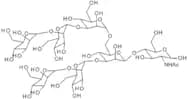
<p>3-O-(b-D-Galactopyranosyl)-D-mannopyranose is a synthetic sugar that is modified with fluorine at the C-3 position. It is a member of the carbohydrate family and has been shown to be useful for glycosylation or click chemistry. 3-O-(b-D-Galactopyranosyl)-D-mannopyranose can be custom synthesized to meet your needs. This product also features high purity and methylation, which makes it an excellent candidate for synthesis projects. This product can be used in research applications, such as complex carbohydrate modification, glycosylation, or click chemistry.</p>Fórmula:C12H22O11Pureza:Min. 95%Peso molecular:342.3 g/mol2-Acetamido-4-O-{2-acetamido-4-O-[[3-O-[2,4-di-O-(2-acetamido-2-deoxy-b-D-glucopyranosyl)-a-D-mannopyranosyl]-6-O-[2,6-di-O-(2-aceta mido-2-deoxy-b-D-glucopyranosyl)-b-D-mannopyranosyl]-b-D-mannopyranosyl]]-2-deoxy-b-D-glucopyranosyl}-6-O-(a-L-fucopyr
<p>2-Acetamido-4-O-{2-acetamido-4-O-[3-O-[2,4-di-O-(2-acetamido-2,6-dideoxyb -D-glucopyranosyl)-a,D -mannopyranosyl]-6-O-[2,6 -di(2 -acetamido)-b -D -glucopyranosyl]-b D mannopyranosyl]] b D mannopyranosyl} 2,6 dideoxy b D glucopyranosyl} 6 O-(a L fucopyranosyl)}</p>Fórmula:C72H120N6O49SPureza:Min. 95%Peso molecular:1,885.8 g/molGalacturonan DP7/DP8 sodium
<p>Mixed DP 7/8 Na galacturonans (α-1,4 galacturonoheptoses and octaoses), are derived from pectin or pectic acid, by enzymatic or partial acid hydrolysis. They are used in galacturonic acid metabolism research as a substrate to identify, differentiate, and characterized endo- and exopolygalacturonase(s), and gluconase(s). The addition of very short fragments of homogalacturonan oligosaccharides, restores development in dark-grown, de-etiolated seedling mutants, suggesting that they are unable to generate de-methylesterified pectin fragments. A model of spatiotemporally separated photoreceptive and signal-responsive cell types has been proposed, that contains overlapping subsets of the regulatory network of light-dependent seedling development.</p>Pureza:Min. 95%Cor e Forma:PowderBlood group A type 3/4 linear trisaccharide
<p>GalNAca1-3Galb1-3GalNAc</p>Fórmula:C22H38N2O16Pureza:Min. 95%Peso molecular:586.54 g/mol2,3,6-Tri-O-acetyl-4-O-(2,3,6-tri-O-acetyl-4-O-[(2,3,4,6-tetra-O-acetyl-b-D-galactopyranosyl)]-b-D-glucopyranosyl)-a-D-glucopyranosy l bromide
<p>2,3,6-Tri-O-acetyl-4-O-(2,3,6-tri-O-acetyl-4-O-[(2,3,4,6-tetra-O-acetyl bDgalactopyranosyl)]bDglucopyranosyl)-aDglucopyranosyldimethyl bromide is a synthetic sugar that is used as a building block for the synthesis of glycosides. This monosaccharide has been modified using click chemistry to obtain a methylated form that can be used in the synthesis of oligosaccharides and polysaccharides. It is also used to produce an acetal derivative that can be used in the synthesis of glycosidic linkages.</p>Fórmula:C38H51BrO25Pureza:Min. 95%Peso molecular:987.7 g/molN,N',N'',N''',N'''',N'''''-Hexaacetylchitohexaose
CAS:<p>Hexaacetylchitohexaose is a hexamer of N-acetylgucosamine subunits which are linked by β-(1,4)-glucosidic bonds. N-acetylgucosamine is the monomeric unit of the natural polymer chitin which is degraded by chitinases, in mammals, to form smaller fragments that can induce an immune response. Like chitin and some of its derivatives, hexaacetylchitohexaose is a substrate of lysozymes. Hexaacetylchitohexaose has been shown to significantly inhibit tumour growth in mice by the activation of innate and adaptive immune cells.</p>Fórmula:C48H80N6O31Pureza:Min. 90 Area-%Cor e Forma:White PowderPeso molecular:1,237.2 g/mol4-O-(2,3,4,6-Tetra-O-acetyl-b-D-glucopyranosyl)-1,2,3,6-tetra-O-acetyl-b-D-thioglucopyranose
CAS:<p>4-O-(2,3,4,6-Tetra-O-acetyl-b-D-glucopyranosyl)-1,2,3,6-tetra-O-acetyl-b-D-thioglucopyranose is a glycosylated saccharide that belongs to the group of complex carbohydrates. The glycosylation of 4-O-(2,3,4,6,-Tetra-O-acetyl b -D -glucopyranosyl)-1,2,3,6,-tetra -O -acetyl b -D -thioglucopyranose is achieved by the enzymatic reaction of an acetate donor and an acceptor molecule in the presence of glucose 1 phosphate (G1P) and UDP sugar pyrophosphorylase. It has been modified by methylation with dimethyl sulphate in the presence of</p>Fórmula:C28H38O18SPureza:Min. 95%Peso molecular:694.66 g/molCellulase inhibitor PG 7145185
<p>Inhibitor that targets cellulase enzymes engaged in the degradation of cellulose.</p>Fórmula:C13H21O11F3Pureza:Min. 95%Cor e Forma:White/Off-White SolidPeso molecular:410.29 g/molN-Acetylneuraminic acid dimer 1-O-propylamine
<p>N-Acetylneuraminic acid dimer 1-O-propylamine is a synthetic N-acetylneuraminic acid (NANA) derivative that has been modified with an alkyl amine. This modification prevents the formation of NANA oligosaccharides and is used in the synthesis of complex carbohydrates. It is also used as a fluorinated building block for various saccharides, including monosaccharides, disaccharides, and polysaccharides. The purity of this product is greater than 99%.</p>Pureza:Min. 95%Fucosyl-GM1 ganglioside
CAS:<p>Monosialylated glycosphingolipid with an α1,2-fucosylated galactose at the nonreducing end. The moluecule is minimally expressed in healthy tissues but has high prevalence in some tumours such as small cell lung cancer (SCLC). Fucosyl-GM1 ganglioside is a potential tumour marker for SCLC and a potential antigen target for immunotherapy.</p>Fórmula:C79H141N3O35Pureza:Min. 98 Area-%Cor e Forma:White Off-White PowderPeso molecular:1691.93456Galactinol hydrate
CAS:<p>Galactinol is a diterpene that belongs to the group of phytochemicals. It is synthesized in plants and bacteria from raffinose, an oligosaccharide that is present in high concentrations in beans. Galactinol has been shown to be involved in plant physiology, with its optimum concentration at a pH of 5-7. Galactinol reacts with ascorbic acid to form galactono-1,4-lactone in a reaction mechanism similar to the one for the synthesis of raffinose. It also regulates transcriptional activity by binding to DNA and altering its conformation. This compound has been used as an experimental model for biochemical studies on polymerase chain reactions (PCR).</p>Fórmula:C12H22O11•H2OxPureza:Min. 98 Area-%Cor e Forma:PowderPeso molecular:342.3 g/molTrehalose-6-phosphate disodium salt
<p>Trehalose-6-phosphate disodium salt is a complex carbohydrate that can be modified to create a variety of products. Trehalose-6-phosphate disodium salt is made by the methylation of sugar, which creates an alpha-D-glucopyranosyl unit. This product can be used in the synthesis of oligosaccharides and polysaccharides, as well as other carbohydrates. Trehalose-6-phosphate disodium salt is also fluorinated to produce trehalose 6 phosphate fluoride, which has properties similar to those of trehalose 6 phosphate.</p>Fórmula:C12H21O14PNa2Pureza:Min. 95%Cor e Forma:White PowderPeso molecular:466.24 g/molHeparin disaccharide III-S trisodium salt
CAS:<p>Heparin disaccharide III-S trisodium salt is a synthetic and custom-synthesized drug with high purity. It is a complex carbohydrate with a molecular weight of 597.1 g/mol, an Oligosaccharide with a molecular weight of 1,008.3 g/mol, and a Glycosylation with a molecular weight of 1,069.4 g/mol. Heparin disaccharide III-S trisodium salt has been modified by the addition of fluorine atoms to create an active form that is highly reactive to electrophilic groups on proteins or nucleic acids. It can be used for Click modification or methylation reactions to modify proteins or DNA molecules in order to study protein-protein interactions or protein conformational changes in response to external stimuli.</p>Fórmula:C12H16NO16S2·3NaPureza:Min. 95 Area-%Cor e Forma:White Yellow PowderPeso molecular:563.35 g/mol3-O-(α-D-Galactopyranosyl)-D-galactopyranose
CAS:<p>A carbohydrate, commonly known as alpha gal, found in most mammalian cell membranes. It is not found in primates, including humans, whose immune systems recognize it as a foreign body and produce xenoreactive immunoglobulin M antibodies, leading to organ rejection after transplantation. Anti-α gal immunoglobulin G antibodies are some of the most common in humans. Regular stimulation from gut flora, typically initiated within the first six months of life, leads to an exceptionally high titre of around 1% of all circulating IgG. Recent studies are showing increasing evidence that this allergy may be induced by the bite of the lone star tick (Amblyomma americanum) in North America and the castor bean tick (Ixodes ricincus) in Sweden.</p>Fórmula:C12H22O11Pureza:Min. 95 Area-%Cor e Forma:PowderPeso molecular:342.3 g/molA3 Glycan, 2-AB labelled
<p>A3 Glycan, 2-AB labelled is a complex carbohydrate. It is synthesized by the methylation and glycosylation of the A3 sugar, which is a monosaccharide. The A3 Glycan, 2-AB labelled has a CAS No. of 711-81-2 and is a synthetic oligosaccharide with high purity. Its chemical formula is C6H8O5N2O2 and its molecular weight is 192.19 g/mol. The A3 Glycan, 2-AB labelled has an MW of 192.19 g/mol and an MW of 643 Da (1). It also contains one saccharide unit that consists of two bonded monosaccharides: fructose and glucose. A3 Glycan, 2-AB labelled CAS No.: 711-81-2 Molecular Formula: C6H8O5N2O2 Mole</p>Pureza:Min. 95%k-Carraoctaitol tetrasulfate tetrasodium salt
<p>k-carrageenan derived octasaccharide alcohol tetrasulfate+(3-6 anhydrogalactose)</p>Fórmula:C48H72O49S4Na4Pureza:Min. 95%Peso molecular:1,653.28 g/molTrifucosyl-p-lacto-N-hexaose
CAS:<p>Trifucosyl-p-lacto-N-hexaose is a complex carbohydrate that has been modified by methylation and glycosylation. It is a synthesized sugar that may be used as a pharmaceutical agent or as an additive in food products. Trifucosyl-p-lacto-N-hexaose has been modified using Click chemistry and fluorination, which have been shown to increase the purity of this compound. This product has a high degree of purity, as it is synthesized from pure materials.</p>Fórmula:C58H98N2O43Pureza:Min. 90 Area-%Cor e Forma:SolidPeso molecular:1,511.39 g/mol4-O-{[(6-Azidoethoxy)ethoxy]ethyl}-β-D-glycopyranosyl-2-deoxy-α-D glucopyranose-2,1-oxazoline
CAS:<p>Please enquire for more information about 4-O-{[(6-Azidoethoxy)ethoxy]ethyl}-β-D-glycopyranosyl-2-deoxy-α-D glucopyranose-2,1-oxazoline including the price, delivery time and more detailed product information at the technical inquiry form on this page</p>Fórmula:C20H34N4O12Pureza:Min. 95%Peso molecular:522.5 g/mol1,6-Anhydro-b-D-cellobiose
CAS:<p>Produced by the fast pyrolysis of cellulose</p>Fórmula:C12H20O10Pureza:Min. 95 Area-%Cor e Forma:White PowderPeso molecular:324.28 g/mol4-Aminophenyl 2-O-(a-D-mannopyranosyl)-a-D-mannopyranoside
<p>4-Aminophenyl 2-O-(a-D-mannopyranosyl)-a-D-mannopyranoside is a fluorinated mannoside that is modified with methyl and glycosyl groups. It is used as a fluorescent probe for the detection of saccharides in organic solvents. The molecular weight of this compound is 687.</p>Pureza:Min. 95%Benzyl 2-acetamido-4-O-[2-acetamido-4-O-(2,4-di-O-acetyl-3,6-di-O-benzyl-b-D-glucopyranosyl)-3,6-di-O-(2-O-acetyl-3,4,6-tri-O-benzyl -a-D-mannopyranosyl)-2-deoxy-b-D-glucopyranosyl]-3,6-di-O-benzyl-2-deoxy-5-thio-b-D-glucopyranoside
<p>This compound is a custom synthesis for Modification, Fluorination, Methylation, Monosaccharide, Synthetic, Click modification, Oligosaccharide and saccharide. It has CAS No. and Polysaccharide as Carbohydrate. The molecular weight of this compound is</p>Fórmula:C119H132N2O29SPureza:Min. 95%Peso molecular:2,086.38 g/mol3-O-(b-D-Galactopyranosyl)-D-arabinose
CAS:<p>3-O-(b-D-Galactopyranosyl)-D-arabinose is a disaccharide sugar that is found in mammalian tissue and many other biological systems. It binds to fatty acids, which are important for the structure of cell membranes. 3-O-(b-D-Galactopyranosyl)-D-arabinose is also an important component of oligosaccharides and glycolipids. The binding constants for this sugar have been determined by both titration calorimetry and microcalorimetry. 3-O-(b-D-Galactopyranosyl)-D arabinose has been used as an antiviral agent against Leishmania spp., which is a parasitic protozoa that causes leishmaniasis, the third most common human parasitic disease. This compound has also been shown to inhibit the growth of microalgae, such as Chlorella sorokiniana.</p>Fórmula:C11H20O10Pureza:Min. 95%Cor e Forma:PowderPeso molecular:312.27 g/mol4-Methoxyphenyl 4-O-(3,6-di-O-benzyl-2-deoxy-4-O-levulinoyl-2-phthalimido-b-D-glucopyranosyl)-3-O-benzyl-2-deoxy-2-phthalimido-b-D-g lucopyranoside
<p>4-Methoxyphenyl 4-O-(3,6-di-O-benzyl-2-deoxy-4-O-levulinoyl-2-phthalimido-b-D-[1]glucopyranosyl)-3,6,6'-triphosphate (4MP) is a fluorinated monosaccharide that can be synthesized from 4,4'-dimethoxybenzophenone and 2,3,4,5',6'-pentachlorobenzene. This synthetic compound is used to prepare modified polysaccharides. 4MP has been shown to methylate glycoproteins and modify oligosaccharides. It has also been shown to inhibit the growth of Mycobacterium tuberculosis by inhibiting the synthesis of cell wall lipids.</p>Fórmula:C61H58N2O16Pureza:Min. 95%Peso molecular:1,075.12 g/mol1-Kestose
CAS:<p>1-Kestose is a trisaccharide composed of fructose and sucrose molecules (Collins, 2006) and occurs in sugar cane, honey, and maple syrup, where it is formed by enzymatic action. As the main group of fructooligosaccharides, kestoses share similar physiological effects with other fructooligosaccharides. Kestoses have shown potential in promoting the growth of probiotics including Faecalibacterium prausnitzii and Bifidobacterium to a higher degree than other fructooligosaccharides. Thus, the production of kestoses using food-grade microorganisms may be beneficial to their application in the food industry (Ni, 2021).</p>Fórmula:C18H32O16Pureza:Min. 98 Area-%Cor e Forma:White Yellow PowderPeso molecular:504.44 g/molBenzyl 6-O-acetyl-3-O-benzyl-4-O-{4-O-[2,4-di-O-acetyl-3-O-(3-O-benzyl-2,4,6-tri-O-(3,4,6-tri-O-benzyl-2-deoxy-2-phthalimido-b-D-glu copyranosyl)-a-D-mannopyranosyl)-6-O-(3-O-benzyl-2,4,6-tri-O-(3,4,6-tri-O-acetyl-2-deoxy-2-phthalimido-b-D-glucopyrano
<p>Benzyl 6-O-acetyl-3-O-benzyl-4-O-[2,4-di-O-(3,4,6-tri-O-(3,4,6-tri-O-(3,4,6-tri-O-(3,4,6,-triacetyl)-2deoxyglucopyranoside)-2phthalimido]-bDgluco pyranoside (BBAG) is a complex carbohydrate that is synthesized from benzyl 6 O acetate and 3 O benzyl 4 O (2 2 4 di O acetyl 3 O ( 3 0 benzyl 2 4 6 tri O acetyl 2 deoxyglucopyranoside)-2phthalimido b D glucopyranose). It has a CAS number of 10560138. BBAG is a glycosidic compound that can be modified at methyl or sugar positions. It has a high purity</p>Fórmula:C244H238N8O78SPureza:Min. 95%Peso molecular:4,562.57 g/molCarboxymethyl-dextran sodium salt 10-20% COOH - Average molecular weight 40000
CAS:<p>Drug carrier for cancer therapy & imaging, biocompatible, soluble, biodegradable</p>Cor e Forma:White PowderCarboxymethyl cellulose sodium - Viscosity 100 - 300 mPa·s
CAS:<p>Food additive; soil suspension polymer in detergents; thickening agent</p>Pureza:Min. 95%Cor e Forma:Powder3a,4b-Galactotriose-BSA
<p>3a,4b-Galactotriose-BSA is a custom synthesis of a complex carbohydrate that has been modified by fluorination and methylation. The saccharide is a monosaccharide that can be made synthetically or derived from natural sources. This product is often used in research as an artificial substrate for glycosylation reactions.</p>Pureza:Min. 95%Sucralfate
CAS:<p>Sucralfate is a drug that is used to treat and prevent injury-related inflammation by forming a protective barrier on the lining of the stomach and duodenum. Sucralfate has been shown to be effective in the treatment of infectious diseases, such as viral or bacterial infections, and also for radiation enteritis and ulcerative colitis. Sucralfate may interfere with the absorption of other drugs, such as acyclic nucleoside phosphonates, which are used to treat HIV/AIDS. This drug has also been shown to have anti-inflammatory properties through inhibition of prostaglandin synthesis. Sucralfate has been shown to have anti-inflammatory properties through inhibition of prostaglandin synthesis.</p>Fórmula:C12H54Al16O75S8Cor e Forma:White Off-White PowderPeso molecular:2,086.74 g/molHybrid Glycan, 2-AB labelled
<p>Hybrid Glycan, 2-AB labelled is a custom synthesis of a high purity glycosylation product. This synthetic oligosaccharide includes saccharides that are labelled with 2-AB. The modification is Click chemistry and provides a method for attaching the label to the sugar molecule. This product is not found in nature or existing in cells or organisms. It is used as a research tool in immunology, cell biology, and structural biology applications.</p>Pureza:Min. 95%Heparin derived dp18 saccharide ammonium salt
<p>Heparin derived dp18 saccharide ammonium salt is a complex carbohydrate that has been modified with methylation, custom synthesis, click modification, and fluorination. It is used as an anticoagulant to prevent the formation of blood clots. Modification of the sugar chain on the heparin molecule can be achieved through either monosaccharide or polysaccharide substitution. The monosaccharides most commonly found in heparin are glucosamine and N-acetylglucosamine. The polysaccharides that can be found in heparin include chondroitin sulfate, dermatan sulfate, keratan sulfate, and heparan sulfate.<br>Heparin derived dp18 saccharide ammonium salt is a high purity product that has been modified to have a higher degree of efficacy for use in clinical applications. This product is available for purchase at a cost-effective price point.</p>Pureza:Min. 95%Cor e Forma:PowderPeso molecular:~ 5200 (average)LS-tetrasaccharide a
CAS:<p>Sialylated tetrasaccharide found in human milk. Possible health benefits for the neonate, by supporting resistance to pathogens, gut maturation, immune function, and cognitive development.</p>Fórmula:C37H62N2O29Pureza:Min. 95%Cor e Forma:PowderPeso molecular:998.88 g/molGentiobiose
CAS:<p>Used to differentiate microorganisms based on their metabolic properties.</p>Fórmula:C12H22O11Pureza:Min. 98.0 Area-%Peso molecular:342.30 g/mol4-Methoxyphenyl 4-O-(2-acetamido-2-deoxy-b-D-galactopyranosyl)-2-acetamido-2-deoxy-b-D-glucopyranoside
CAS:<p>4-Methoxyphenyl 4-O-(2-acetamido-2-deoxy-b-D-galactopyranosyl)-2-acetamido-2-deoxy-b-D-glucopyranoside is a modification of the natural polysaccharide, which is a complex carbohydrate. It is synthesized by our high purity, custom synthesis service and can be modified with methylation, fluorination, or glycosylation. This product has been proven to have high purity and stability in the past.</p>Fórmula:C23H34N2O12Pureza:Min. 95%Cor e Forma:PowderPeso molecular:530.52 g/molBenzyl 4-O-(b-D-galactopyranosyl)-b-D-xylopyranoside
CAS:<p>Benzyl 4-O-(b-D-galactopyranosyl)-b-D-xylopyranoside is a synthetic monosaccharide that has been modified with fluorine. This compound is used to modify complex carbohydrates like glycosaminoglycans and glycoproteins. It is also used in the synthesis of oligosaccharides and polysaccharides, as well as in click chemistry. Benzyl 4-O-(b-D-galactopyranosyl)-b-D-xylopyranoside is available for custom synthesis, and can be ordered in high purity.</p>Fórmula:C18H26O10Pureza:Min. 95%Cor e Forma:PowderPeso molecular:402.39 g/molMaltotriosyltrehalose
CAS:<p>Maltotriosyltrehalose is a sugar that is found in plants, fungi, and bacteria. It can be used as a substrate for the production of hydrogen-bonded oligosaccharides. Maltotriosyltrehalose has been shown to have a protective effect against death induced by high temperatures in mammalian cells. This sugar is also a good substrate for the production of hydrogen-bonded oligosaccharides and can be used as an additive to dry food products such as bread or cereals. Maltotriosyltrehalose is stable at high temperatures and has been shown to protect against cell death caused by heat stress. It can be used in both animal feed and human food products. Maltotriosyltrehalose is not active against proteases, but it does not inhibit the activity of mammalian cells that produce proteases.</p>Fórmula:C20H52O26Pureza:Min. 95%Peso molecular:708.61 g/mol2'-Fucosyllactose peracetate
<p>2'-Fucosyllactose peracetate is a synthetic, oligosaccharide-type complex carbohydrate. It is custom synthesized and modified with fluorination, methylation, and click chemistry. 2'-Fucosyllactose peracetate is used as a glycosylation reagent in the synthesis of polysaccharides. The CAS number for this product is 6569-81-8. This product has been shown to be highly purified (> 99%) and have an excellent shelf life (up to two years).</p>Fórmula:C38H52O25Pureza:Min. 95%Peso molecular:908.8 g/molGal-b-1-3-GalNAc-b-1-4-Gal-b-1-4-Glc-b-ethylazide
<p>Gal-b-1-3-GalNAc-b-1-4-Gal-b-1-4-Glc is a polysaccharide that is an important component of the outer membrane of Gram negative bacteria. It has been synthesized and modified with methylation, saccharide, Click modification, and glycosylation. The oligosaccharide has a high purity and is synthesized by custom synthesis. GalNAc is purified by HPLC and fluorinated to achieve complex carbohydrate.</p>Pureza:Min. 95%6-O-(b-D-Galactopyranosyl)-D-galactopyranose
CAS:<p>6-O-(b-D-Galactopyranosyl)-D-galactopyranose is a natural product disaccharide obtained from acid hydrolysis of larch wood.</p>Fórmula:C12H22O11Pureza:Min. 95 Area-%Cor e Forma:PowderPeso molecular:342.3 g/mol4-O-[3-O-(2-Acetamido-2-deoxy-b-D-galactopyranosyl)-b-D-galactopyranosyl]-D-glucose
CAS:<p>4-O-[3-O-(2-Acetamido-2-deoxy-b-D-galactopyranosyl)-b-D-galactopyranosyl]-D-glucose is a synthetic sugar that is used in the production of monosaccharide derivatives. This compound can be modified with a click modification, which enables the introduction of a fluoro group to an oligosaccharide. The resulting compound has been shown to bind to cancer cells and inhibit their growth.</p>Fórmula:C20H35NO16Pureza:Min. 95%Peso molecular:545.49 g/molChitotriose undecaacetate
CAS:<p>Chitotriose undecaacetate is a synthetic substrate that is used in transfecting experiments. It has high sensitivity and can be used to introduce nucleic acid into cells. Chitotriose undecaacetate is used as a synthetic fluorometric assay for the determination of chitinase activity in vitro or as a substrate for cell-free synthesis of nucleic acids. It has been shown to possess moieties that are sensitive to hydrogen chloride and chloride ions, making it an effective probe for the determination of these ions. Chitotriose undecaacetate also reacts with sephadex G-200, which makes it useful for separating DNA fragments by electrophoresis.</p>Fórmula:C40H57N3O24Pureza:Min. 95%Cor e Forma:White PowderPeso molecular:963.89 g/mol4-Methoxyphenyl 4-O-{4-O-[[2-O-Ac-3-O-[2,4-di-O-(3,4,6-tri-O-Ac-2-PhthN-β-D-Glc)-3,6-di-O-Bn-α-D-Man]-4,6-O-benzylidene-β-D-Man]]-3, 6-di-O-Bn-2-PhthN-β-D-Glc}-3-O-Bn-6-O-(tri-O-Bn-α-L-Fuc)-2-PhthN-β-D-Glc
<p>4-Methoxyphenyl 4-O-{4-O-[[2-O-Ac-3-O-[2,4-di-O-(3,4,6-tri-O-Ac-2-PhthNbDGlc)-3,6--Di--O--Bn--aDMan]-4,6--O--Benzylidene--bDMan]]} -3, 6--Di--Obn2PhthNbDGlc} -2 PhthNbDGlc is a sugar that has been modified by methylation. It also contains saccharide and polysaccharides. This product is CAS No. 899891–14–8 and can be purchased through custom synthesis. The purity of this product is high and the modification is fluorination.</p>Fórmula:C158H156N4O47Pureza:Min. 95%Peso molecular:2,862.93 g/mol1,2,3,6-Tetra-O-acetyl-4-O-[2,4,6-tri-O-acetyl-3-O-(3,4,6-tri-O-acetyl-2-deoxy-2-phthalimido-b-D-glucopyranosyl)-b-D-galactopyranosy l]-b-D-glucopyranose
<p>The modification of this product has been completed with a high level of purity and the CAS number is 57-49-6. It is an oligosaccharide that is a complex carbohydrate. This product can be synthesized through custom synthesis and it is a synthetic product. It is classified as a monosaccharide, methylation, glycosylation, and polysaccharide. The chemical formula for this compound is C12H14O11. This compound has been fluorinated to increase its solubility in water.</p>Fórmula:C46H55NO27Pureza:Min. 95%Peso molecular:1,053.92 g/molGM1-Pentasaccharide
CAS:<p>GM1 pentasaccharide (sodium salt) has a core tetrasaccharide structure (Galβ1,3GalNAcβ1,4Galβ1,4Glc) with a single sialic acid residue linked α2,3 to the inner galactose residue (Ledeen, 2009). GM1 pentasaccahride is the carbohydrate moiety of GM1 ganglioside. GM1 ganglioside interacts and modulates tyrosine kinases, such a,s neural tropomyosin receptor kinase A (TrkA), by inducing the release of neurotrophins from fibroblast cells and the epidermal growth factor receptor (EGFR) (Higuero, 2009). GM1 ganglioside is also found in epithelial membranes; it is a key element for bacterial toxicity and viral infection as it acts as a receptor for the B-subunits of heat-labile toxin, cholera toxin, rotavirus, and simian virus 40. GM1 ganglioside also has the ability to bind amyloid-β proteins and is involved in Alzheimerâs pathogenesis (Chiricozzi, 2020).</p>Fórmula:C37H62N2O29Pureza:Min. 95%Cor e Forma:PowderPeso molecular:998.88 g/mol2-Acetamido-2-deoxy-3-O-(β-D-galactopyranosyl)-α-D-galactopyranosyl-1-O-L-serine
CAS:<p>2-Acetamido-2-deoxy-3-O-(β-D-galactopyranosyl)-a-D-galactopyranosyl-1-O-[4-(aminomethyl)benzoyl]-L-serine (2ADOGB) is a side chain of the amino acid L -serine. It has been shown to have antihypertensive, vasodilatory, and diuretic properties in mice. 2ADOGB is converted to an erythroimidazole derivative by aminomethylation and then binds to DNA as a tautomer. This binding inhibits transcription of genes that encode enzymes responsible for synthesizing prostaglandins, thereby reducing inflammation and pain.</p>Fórmula:C17H30N2O13Pureza:Min. 95%Peso molecular:470.43 g/molMonosialyllacto-N-neohexaose
<p>Monosialyllacto-N-neohexaose is a postulated sugar that has been suggested to be a membrane potential stabilizer. It has been shown to have a linear response in analytical methods, such as mitochondrial membrane potential and glycosidic bond. Monosialyllacto-N-neohexaose has also been investigated for use in diabetic patients because it may help to improve the membrane potential of cells. This sugar has also been studied for use in colostrum and infant formula due to its ability to stimulate the production of TNF-α, which is important for immune system development.</p>Fórmula:C51H85N3O39Pureza:Min. 95%Peso molecular:1,364.22 g/molGloboside
CAS:<p>Globoside is the most abundant neutral glycolipid in the erythrocyte membrane.</p>Fórmula:C56H102N2O23Pureza:Min. 90%Cor e Forma:White PowderPeso molecular:1,171.41 g/molLipopolysaccharide - from Porphyromonas gingivalis
CAS:<p>Lipopolysaccharide (LPS) is a molecule that is produced by Porphyromonas gingivalis. This molecule is also found in the outer membranes of Gram-negative bacteria and has been shown to have many effects on animal tissues. LPS activates HIF-1α, which leads to the production of inflammatory cytokines such as necrosis factor (TNF), and interferon regulatory factors (IRFs). These molecules signal for the production of more LPS. LPS also causes tissue growth and development by activating growth factors such as insulin-like growth factor 1. LPS also activates immune cells through signaling with chemokine receptors, promoting inflammation.</p>Pureza:Min. 95%Cor e Forma:SolidStachyose hydrate - 80%
CAS:<p>Non-reducing storage and transport sugar in woody plants; used as a sweetener</p>Fórmula:C24H42O21•(H2O)xPureza:Min. 80 Area-%Cor e Forma:PowderPeso molecular:684.59 g/mol6-a-D-Glucopyranosyl maltotriose
CAS:<p>Substrate for glucoamylases; derived from pullulan using pullulanase</p>Fórmula:C24H42O21Pureza:Min. 97 Area-%Cor e Forma:PowderPeso molecular:666.58 g/molMan6GlcNAc(II)
<p>High mannose oligosaccharide found in urine of mannosidosis patients</p>Fórmula:C44H75NO36Pureza:Min. 95%Cor e Forma:PowderPeso molecular:1,194.05 g/molMaltotetraitol
CAS:<p>Bulk sweetener; viscosity/bodying agent; humectant; cryoprotectant</p>Fórmula:C24H44O21Pureza:Min. 95%Cor e Forma:White PowderPeso molecular:668.59 g/mol2-Acetamido-4-O-{2-acetamido-4-O-[[3-O-[2-O-(2-acetamido-2-deoxy-b-D-glucopyranosyl)-a-D-mannopyranosyl]-6-O-[2-O-(2-acetamido-2-deo xy-b-D-glucopyranosyl)-a-D-mannopyranosyl]-b-D-mannopyranosyl]]-2-deoxy-b-D-glucopyranosyl}-2-deoxy-b-D-thioglucopyran
<p>2-Acetamido-4-O-{2-acetamido-4-O-[3-O-[2-O-(2-acetamido-2,6-dideoxygalactopyranosyl)-a,D]-mannopyranosyl]-6 -O-[2 - O-(2 - acetamido - 2, 6 - dideoxygalactopyranosyl) - a, D] - mannopyranosyl} - 2 - deoxy - b, D]glucopyranosyl} - 2 - deoxyglucose is a synthetic carbohydrate that belongs to the group of oligosaccharides. It is a complex carbohydrate consisting of six glucose molecules linked by alpha (1→4) glycosidic bonds. The chemical name for this molecule is Custom synthesis and it has CAS No. 91471-04-8. This product can be modified through methylation, glycos</p>Fórmula:C50H84N4O35SPureza:Min. 95%Peso molecular:1,333.27 g/mol1,5-a-L-Arabinobiose
CAS:<p>1,5-a-L-Arabinobiose is a sugar that is found in mammalian tissue and has been shown to have enzyme activities. It can be prepared by high performance liquid chromatography and titration calorimetry. 1,5-a-L-Arabinobiose has hydrogen bonding interactions with its neighbouring molecules and surface methodology. It also has structural analysis with hydrogen bonds and phenolic acids. 1,5-a-L-Arabinobiose is used as a probiotic bacteria growth factor in microalgal cultures.</p>Fórmula:C10H18O9Pureza:Min. 95 Area-%Cor e Forma:PowderPeso molecular:282.24 g/mol2-Amino-2-deoxy-3-O-(b-D-glucopyranuronosyl)-D-galactopyranose monohydrate
CAS:<p>2-Amino-2-deoxy-3-O-(b-D-glucopyranuronosyl)-D-galactopyranose monohydrate is a glycoside that is found in the testes. It has inhibitory properties on oligosaccharides and can be used to study the structure of glycoconjugates. 2-Amino-2-deoxy-3-O-(b-D-glucopyranuronosyl)-D-galactopyranose monohydrate has been shown to inhibit the enzyme hydrolase, which is involved in glycoprotein synthesis. 2ADOGP has also been shown to bind to human serum albumin, an abundant protein in human blood plasma that transports lipids, hormones, and other molecules throughout the body. This binding results in a decrease in the serum concentration of 2ADOGP after administration.</p>Fórmula:C12H21NO11H2OCor e Forma:Off-White PowderPeso molecular:373.31 g/molFucosyl GM1 oligosaccharide
<p>Oligosaccharide domain of monosialylated glycosphingolipid GM1 with an α1,2-fucosylated galactose at the nonreducing end. The moluecule is minimally expressed in healthy tissues but has high prevalence in some tumours such as small cell lung cancer (SCLC). Fucosyl-GM1 ganglioside is a potential tumour marker for SCLC and a potential antigen target for immunotherapy.</p>Fórmula:C43H71N2O33NaPureza:Min. 90%Cor e Forma:White PowderPeso molecular:1,167.01 g/mola,a-D-Trehalose dihydrate
CAS:<p>Trehalose is a naturally occurring disaccharide found in many organisms. Its role in nature is as versatile as its applications in the laboratory. Trehalose is synthesised by cells in response to stress and helps retaining the cellular integrity under tough conditions. An important function of trehalose is to stabilise protein structures and to prevent proteins from their degradation. Researchers use trehalose for instance as a carbon source in selective microbiological media, as desiccation protectant and for cryoprotection.</p>Fórmula:C12H22O11·2H2OPureza:(%) Min. 98%Cor e Forma:White PowderPeso molecular:378.33 g/molOligogalactosyllactose
<p>Oligogalactosyllactose is a polysaccharide made from galactose and glucose. Oligogalactosyllactose has been shown to have an inhibitory effect on the growth of Staphylococcus aureus strains. Oligogalactosyllactose also has anti-inflammatory properties, which may be due to its ability to bind to free fatty acids and reduce the production of pro-inflammatory cytokines. This dietary ingredient is found in inulin, which is a type of carbohydrate that can be found in some vegetables. Oligogalactosyllactose is composed of short chains of sugar molecules, making it easier for the body to absorb. It is also more readily metabolized by bacteria in the gut than other types of carbohydrates like celluloses or starches.</p>Pureza:Min. 95%Cor e Forma:Powder1,5-α-L-Arabinotriose
CAS:<p>1,5-α-L-Arabinotriose is a sugar that is found in the cell walls of plants. It is a trisaccharide composed of three L-arabinose units linked by α-(1→5) bonds. 1,5-α-L-Arabinotriose has been shown to be adsorbed on cellulose acetate and can be used to measure the molecular weight of the adsorbate. This sugar also undergoes optical rotations when it interacts with some dyes such as germanium tetrachloride. 1,5-α-L-Arabinotriose has many uses including: as a solute in chloride ion chromatography; as an absorbent in filtration experiments; and as a parameter for calculating thermodynamics for reactions involving hydrogen transfer.</p>Fórmula:C15H26O13Pureza:Min. 95 Area-%Cor e Forma:Clear LiquidPeso molecular:414.36 g/molLS-tetrasaccharide c ammonium salt
CAS:<p>Sialylated tetrasaccharide found in human milk, possible health benefits for the neonate by supporting resistance to pathogens, gut maturation, immune function, and cognitive development.</p>Fórmula:C37H62N2O29•NH3Pureza:Min. 95 Area-%Cor e Forma:White PowderPeso molecular:1,015.88 g/molA2G1 Glycan, 2-AB labelled
<p>A2G1 Glycan, 2-AB labelled is a monosaccharide which is modified with fluorine. A2G1 Glycan, 2-AB labelled is used in the synthesis of complex carbohydrate structures. It has been shown to be useful for click modification, methylation and polysaccharide synthesis. This compound can also be custom synthesized to order. The purity of this product is high and it is available in a range of CAS numbers.</p>Pureza:Min. 95%Benzyl 4- O- b- D- glucuronyl-b- D- xylopyranoside
<p>Benzyl 4- O- b- D- glucuronyl-b- D- xylopyranoside is a synthetic derivative of benzyl 4- O- b- D- glucuronylxylose. It has been shown to be a good substrate for glycosylation, click modification and fluorination. This product has been custom synthesized for the synthesis of complex carbohydrate, which is an oligosaccharide. It is also used in methylation reactions.</p>Pureza:Min. 95%GD1a-Ganglioside
CAS:<p>GD1a ganglioside is one of the major gangliosides in neuronal and glial membranes. It has a core tetrasaccharide structure (Galβ1,3GalNAcβ1,4Galβ1,4Glc) with sialic acids linked α2,3/α2,8 to the inner galactose residue, α2,3 to the outer galactose residue, and ceramide linked β to position 1 on the reducing terminal glucose residue (Ledeen, 2009). GD1a ganglioside interacts with myelin-associated glycoprotein (MAG) and is essential for long-term axon-myelin stability. GD1a ganglioside plays a role in viral infection as it is a receptor for viral glycoproteins in rotavirus and paramyxovirus 1. The hexasaccharide GD1a moiety was also found on a glycoprotein that acts as a receptor for adenovirus type 37. GD1a ganglioside also interacts with botulinum neurotoxin (BoNT) and is crucial for its entry into cells (Kolter, 2012). The functional significance of ammonia in the brain is not fully understood see: (Modi, 1994).</p>Fórmula:C84H148N4O39Pureza:Min. 95%Cor e Forma:PowderPeso molecular:1,838.08 g/molN,N',N''-Triacetylchitotriose
CAS:<p>N,N',N''-Triacetylchitotriose is a chiral compound that is formed from the acetylation of chitin. It has been shown to be an antigen for monoclonal antibodies and a model system for exploring the enzymatic hydrolysis of chitin. N,N',N''-Triacetylchitotriose can be used to investigate the catalytic mechanism of chitinase enzymes, which are involved in breaking down the polysaccharide chitin. It has also been shown to have bioactive properties, such as inhibiting lectins and binding with mannose receptors.</p>Fórmula:C24H41N3O16Pureza:Min. 95 Area-%Cor e Forma:White PowderPeso molecular:627.59 g/molCarboxymethyl-dextran sodium salt 20-30% COOH - Average molecular weight 40000
CAS:<p>Drug carrier for cancer therapy & imaging, biocompatible, soluble, biodegradable</p>Cor e Forma:Powder4-Aminophenyl 1,3-a-1,6-a-D-mannotriose
<p>4-Aminophenyl 1,3-a-1,6-a-D-mannotriose is a custom synthesis of the complex carbohydrate Oligosaccharide. It belongs to the group of saccharides and has a CAS number. This product is modified with methylation and glycosylation and is made up of a series of monosaccharides linked by alpha (1,4) or beta (1,2) glycosidic bonds. 4-Aminophenyl 1,3-a-1,6-a-D-mannotriose may be fluorinated during its synthesis using an electrophilic substitution reaction. This product is synthetic and has high purity.</p>Pureza:Min. 95%1,4-β-D-Xylotriose
CAS:<p>1,4-β-D-Xylotriose is a pentose sugar that is the main component of hemicellulose. It is found in plant cell walls and has been studied using surface methodology to determine the covalent linkages and structure of 1,4-β-D-Xylotriose. Xylotrioses are also used as a substrate for enzyme reactions and have shown to have a number of enzymatic activities, including glycosidases, cellulases, xylanases, and arabinofuranosidases. Xylotrioses are also part of complex enzyme models that can be used to study disulfide bonds. Xylotrioses are polymers that are important for structural analysis due to the presence of β-1,4 links. The genome DNA has been found to contain many genes coding for xylanase enzymes.</p>Fórmula:C15H26O13Pureza:Min. 95 Area-%Cor e Forma:White PowderPeso molecular:414.36 g/molNeoagarobiose
CAS:<p>Agarose is a polysaccharide found in red algae, typically Gelidium and Gracilaria. It is a strictly alternating polysaccharide of α-1,3 linked D-galactose and β-1,4 linked L-3,6 anhydrogalactose, with occasional sulfation at position 6 of the anhydrogalactose residue. Agaro-oligosaccharides result from cleavage at galactose residues and neoagaro-oligosaccharides from cleavage at 3,6-anhydro residues. Neoagarobiose is reported to exhibit skin moisturising and whitening properties.</p>Fórmula:C12H20O10Pureza:Min. 98 Area-%Cor e Forma:PowderPeso molecular:324.28 g/molMannotetraose squarate
CAS:<p>Mannotetraose squarate is a modified oligosaccharide that is synthesized from mannose and tetraose. It has high purity, which is an advantage over natural oligosaccharides, and can be used in the synthesis of other carbohydrates. Mannotetraose squarate has a CAS number of 385842-90-0, which can be found on the ChemSpider database.</p>Fórmula:C35H57NO24SPureza:Min. 95%Peso molecular:907.89 g/molSucrose stearate - 25-33% monostearate
CAS:<p>The "tallowate" esters are probably the best known derivatives of sucrose and many attempts have been made to commercialise them in order to exploit their excellent surfactant functionalities. The most functional products are the mono- and diesters of the tallow acids (stearic, palmitic, oleic) with hydrophile-lipophile balance (HLB) values that lend themselves to surfactant applications in foods and cosmetics. They also have other uses, for example in coating fruits with a semipermeable membrane that acts as a preservative. Manufacturing economics have prevented these products from mass production and they remain in niche applications.</p>Fórmula:C30H56O12Cor e Forma:White PowderPeso molecular:608.77 g/mola-Lactose monohydrate
CAS:<p>An α-anomer, obtained by crystallization at low temperature, can be dehydrated to stable form above 130°C or an unstable (hygroscopic) form at lower temperatures. An example of the applications for α-Lactose monohydrate is in dry powder inhalers. These are devices that deliver medication to the lung in the form of a dry powder generating an aerosol directly from the drug powder or mixture, using an excipient such as lactose monohydrate.</p>Fórmula:C12H22O11·H2OPureza:(%) Min. 95%Cor e Forma:PowderPeso molecular:360.31 g/molD-Cellopentose heptadecaacetate
CAS:<p>D-Cellopentose heptadecaacetate is a fluorinated, monosaccharide that is synthesized from the sugar cellobiose. It is an oligosaccharide and a complex carbohydrate with one of its glycosidic bonds modified by methylation. D-Cellopentose heptadecaacetate has been shown to be effective in inhibiting glycosylation reactions and can be used as a sugar substitute or for custom synthesis. This product has been shown to have high purity and is available at CAS No. 83058-38-2.</p>Fórmula:C64H86O43Pureza:Min. 95%Cor e Forma:White to off-white solid.Peso molecular:1,543.34 g/molGD2-Ganglioside
CAS:<p>GD2 (shown as sodium salt) has a core trisaccharide structure (GalNAc-b-1,4-Gal-b-1,4-Glc) with its two sialic acids linked b-2,3/b-2,8 to the inner galactose residue and ceramide linked to position 1 on the reducing terminal glucose residue. GD2 ganglioside is expressed at a low concentration in the central nervous system, nerves, skin melanocytes and stem cells in healthy adults. On the other hand, GD2 is overexpressed in a number of tumors, including: neuroblastoma, melanoma, small cell lung carcinoma and brain tumors. Recently, it has been found in low concentrations on breast cancer stem cells (CSC) that possess: self-renewal properties (division without disrupting the undifferentiated state), and tumor-initiating capabilities. It has been suggested that GD2 ganglioside may be developed as an effective target antigen for CSC immunotherapy (Fleurence, 2017).</p>Fórmula:C78H138N4O34·xNaPureza:Min. 95 Area-%Cor e Forma:PowderPeso molecular:1,675.94 g/molBlood Group A pentasaccharide type I
<p>A antigen pentasaccharide Type I, possible use in antiviral development</p>Fórmula:C34H58N2O25Pureza:Min. 85%Cor e Forma:PowderPeso molecular:894.82 g/molNGA2F Glycan, 2-AB labelled
<p>NGA2F Glycan is a complex carbohydrate that is synthesized by the enzymatic transfer of an N-acetylgalactosamine (GalNAc) residue to a serine or threonine residue on protein. It is modified with methylation, Click modification, and fluorination. NGA2F Glycan has two binding sites for 2-AB labelled monosaccharides. The glycosylation site is located at the non-reducing end of the molecule, while the oligosaccharide site is located at the reducing end of the molecule.</p>Pureza:Min. 95%Galactofuranose pentasaccharide PEG6-NH-sp-biotin
<p>Galactofuranose pentasaccharide PEG6-NH-sp-biotin is a PEG compound with two different functional groups (also known as heterobifunctional). Unlike homobifunctional PEG compounds (same functional group on both ends), this type of compounds are more versatile as have two different anchor points. Galactofuranose pentasaccharide PEG6-NH-sp-biotin is used as a linker and spacer to add a PEG moiety, via pegylation (a bioconjugation technique) to proteins, peptides, oligonucleotides, small molecules and nanoparticles.</p>Pureza:Min. 95%N-Glycolylneuraminic acid dimer sodium salt
<p>N-Glycolylneuraminic acid dimer sodium salt is a synthetic sugar that is a glycosylat of N-glycolylneuraminic acid. It is soluble in water and has a CAS number of 1114-12-3. The product has been modified with methyl groups and is available for custom synthesis. It can be used as an intermediate for the synthesis of oligosaccharides, or it can be modified to form complex carbohydrates. This product has been fluorinated and is high purity, making it ideal for use in Click chemistry applications.</p>Pureza:Min. 95%Lacto-N-difucohexaose II
CAS:<p>Neutral difuco hexasasaccharide naturally present in human breast milk</p>Fórmula:C38H65NO29Pureza:Min. 90%Cor e Forma:PowderPeso molecular:999.91 g/mol


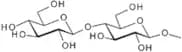

![[UL-¹³C₁₂]Sucrose](/_next/image/?url=https%3A%2Fstatic.cymitquimica.com%2Fproducts%2F3D%2Fthumb-webp%2FOS29120.webp&w=3840&q=75)
![a1-3[a1-6]a1-6[a1-3]Mannopentaose](/_next/image/?url=https%3A%2Fstatic.cymitquimica.com%2Fproducts%2F3D%2Fthumb-webp%2FOM05332.webp&w=3840&q=75)
![N-Acetylneuraminyl-(a2-3)-D-galactopyranosyl-(b1-3)-[N-acetylneuraminyl-(a2-6)]-D-N-acetylgalactos…](/_next/image/?url=https%3A%2Fstatic.cymitquimica.com%2Fproducts%2F3D%2Fthumb-webp%2FOA15983.webp&w=3840&q=75)


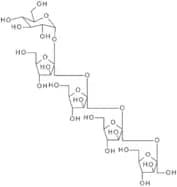
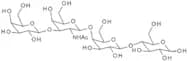

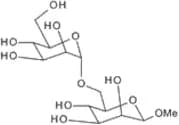
![2-Methyl-(4-O-β-D-glucopyranosyl)-1,2-dideoxy-α-D-glucopyrano)-[2,1-d]-2-oxazoline](/_next/image/?url=https%3A%2Fstatic.cymitquimica.com%2Fproducts%2F3D%2Fthumb-webp%2FOM10959.webp&w=3840&q=75)
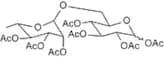
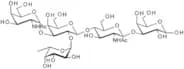

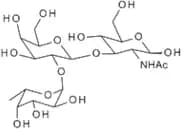
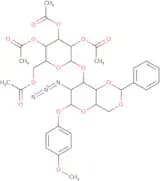
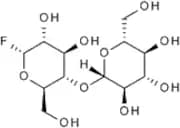

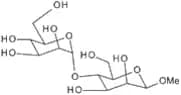

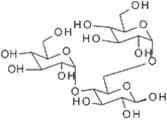
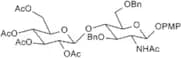


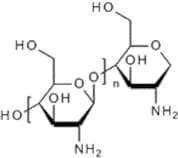
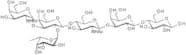
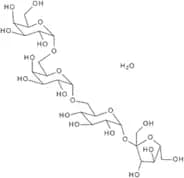
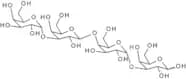
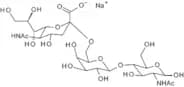

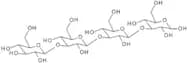
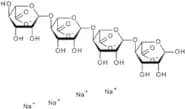

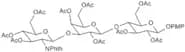

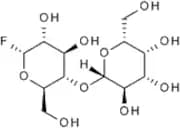
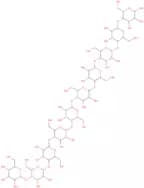

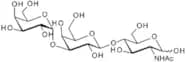
![D-Galactopyranosyl-(b1-3)-[N-acetylneuraminyl-(a2-6)]-D-N-acetylgalactosaminyl serine](/_next/image/?url=https%3A%2Fstatic.cymitquimica.com%2Fproducts%2F3D%2Fthumb-webp%2FOG15272.webp&w=3840&q=75)
![2-(2,3,6-Tri-O-acetyl-4-O-[(2,3,4,6-tetra-O-acetyl-a-D-glucopyranosyl)]-b-D-glucopyranosyl) thiops…](/_next/image/?url=https%3A%2Fstatic.cymitquimica.com%2Fproducts%2F3D%2Fthumb-webp%2FOT10963.webp&w=3840&q=75)
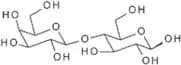
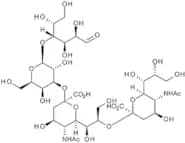
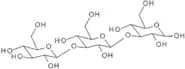
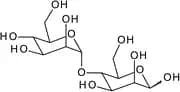
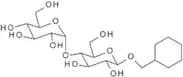
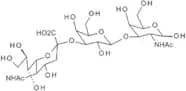
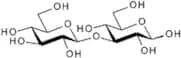





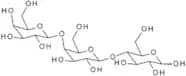
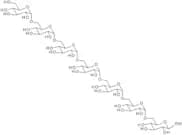
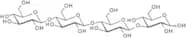
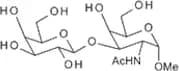
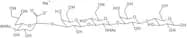
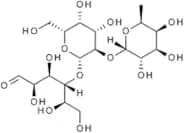
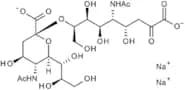
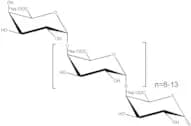
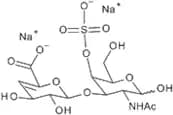
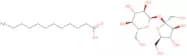
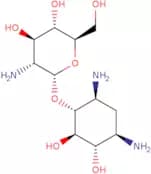
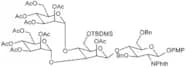
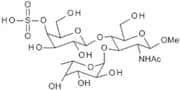





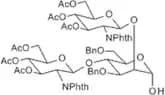
![4-O-[(2-Azidoethoxyimino)-6-deoxy-β-D-galactopyranosyl]-2-deoxy-α-D-glucopyranose-2,1-oxazoline](/_next/image/?url=https%3A%2Fstatic.cymitquimica.com%2Fproducts%2F3D%2Fthumb-webp%2FOA183930.webp&w=3840&q=75)

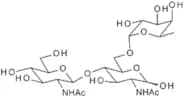

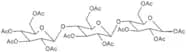
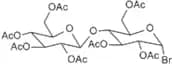


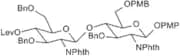
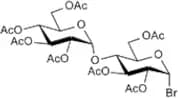
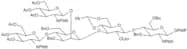


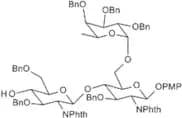
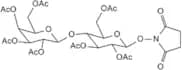
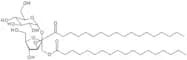
![N-[2-Acetamido-2-deoxy-6-O-(a-L-fucopyranosyl)-D-glucopyranosyl]-L-asparagine](/_next/image/?url=https%3A%2Fstatic.cymitquimica.com%2Fproducts%2F3D%2Fthumb-webp%2FOA29849.webp&w=3840&q=75)
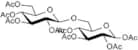


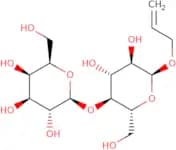

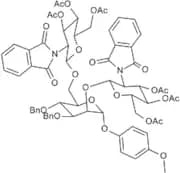
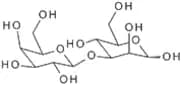
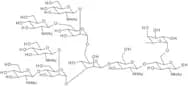

![2,3,6-Tri-O-acetyl-4-O-(2,3,6-tri-O-acetyl-4-O-[(2,3,4,6-tetra-O-acetyl-b-D-galactopyranosyl)]-b-D…](/_next/image/?url=https%3A%2Fstatic.cymitquimica.com%2Fproducts%2F3D%2Fthumb-webp%2FOT11432.webp&w=3840&q=75)




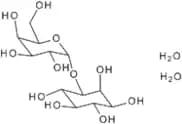
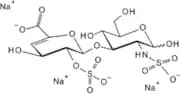
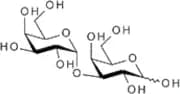
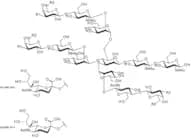
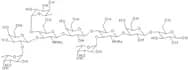
![4-O-{[(6-Azidoethoxy)ethoxy]ethyl}-β-D-glycopyranosyl-2-deoxy-α-D glucopyranose-2,1-oxazoline](/_next/image/?url=https%3A%2Fstatic.cymitquimica.com%2Fproducts%2F3D%2Fthumb-webp%2FOA183928.webp&w=3840&q=75)
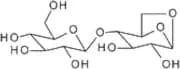

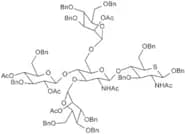





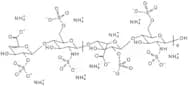

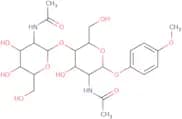

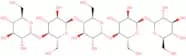
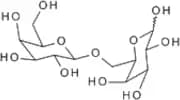
![4-O-[3-O-(2-Acetamido-2-deoxy-b-D-galactopyranosyl)-b-D-galactopyranosyl]-D-glucose](/_next/image/?url=https%3A%2Fstatic.cymitquimica.com%2Fproducts%2F3D%2Fthumb-webp%2FOA10781.webp&w=3840&q=75)