Carboidratos e Glicoconjugados
Os carboidratos são compostos orgânicos formados por carbono, hidrogénio e oxigénio, cuja estrutura básica é composta por monossacarídeos. Estes podem ligar-se para formar dissacarídeos, oligossacarídeos ou polissacarídeos, dependendo do número de unidades monoméricas. Os carboidratos desempenham um papel fundamental no armazenamento de energia, na estrutura celular e na comunicação celular. Os seus derivados são utilizados em produtos farmacêuticos, como adoçantes e excipientes.
Na CymitQuimica, oferecemos uma ampla variedade de carboidratos e seus derivados para investigação e aplicações industriais.
Foram encontrados 5009 produtos de "Carboidratos e Glicoconjugados"
Ordenar por
Pureza (%)
0
100
|
0
|
50
|
90
|
95
|
100
4-Cyclohexylbutyl-4-O-(α-D-glucopyranosyl)-β-D-glucopyranoside
CAS:<p>For more than two decades, there has been substantial interest in developing novel membrane mimics specifically targeted for the biochemical and biophysical characterization of membrane proteins. Examples include new types of detergents, such as cycloalkyl maltosides (CYMAL detergents).</p>Fórmula:C22H40O11Cor e Forma:PowderPeso molecular:480.55 g/molXyloglucan nonasaccharide
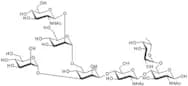
CAS:<p>Xyloglucan is a non-cellulosic polysaccharide polymer that is important in plant cell walls. Xyloglucan nonasaccharide (XN) is a linear molecule with an average molecular weight of 10,000 Da and consists of xylose monomers. The XN molecule has a basic structure, which may be due to the presence of amino acid residues, although the exact function of these amino acids is not known. XN has been shown to inhibit colony-stimulating factor (CSF) production and induce CSF release in mouse bone marrow cells. This inhibition may be due to the binding of XN to the monoclonal antibody CD45R on the surface of mouse bone marrow cells.</p>Fórmula:C51H86O43Pureza:Min. 95%Cor e Forma:PowderPeso molecular:1,387.2 g/molLaminaritriose hendecaacetate
<p>Fully acetylated laminaritriose</p>Fórmula:C40H54O27Pureza:Min. 95%Peso molecular:966.84 g/molFleetamine
<p>Fleetamine is a piperidine compound that has been shown to be an inhibitor of the enzyme glycosylation. Inhibitors of glycosylation are useful for treating diseases such as diabetes and Alzheimer's disease. It is thought that Fleetamine may inhibit human glycosylating enzymes, such as glucosyl transferase, which catalyzes the addition of a glucose molecule to a protein. This inhibition prevents the formation of oligosaccharides and glycoconjugates, which are necessary for proper functioning of cells.</p>Pureza:Min. 95%1,3-α-1,6-α-D-Mannotetraose
CAS:<p>Intermediate for synthesis of N-acetyllactosaminic glycans</p>Fórmula:C24H42O21Pureza:Min. 95 Area-%Cor e Forma:White Off-White PowderPeso molecular:666.58 g/molHeparin disaccharide III-A disodium salt
CAS:<p>Heparin disaccharide III-A is a synthetic heparin that is modified with the addition of a sugar molecule. Heparin disaccharide III-A disodium salt (HDS) is a high purity, custom synthesized product and has been fluorinated to improve its stability. HDS has been shown to be an effective inhibitor of glycosylation in bacteria cells, leading to decreased production of bacterial enzymes and proteins. It also inhibits protein synthesis by preventing the methylation of ribosomes and reducing the number of saccharides available for glycosylation. The HDS molecule is composed of two sugars: N-acetylglucosamine and D-glucuronic acid. This compound also has anti-inflammatory properties due to its ability to inhibit prostaglandin synthesis.</p>Fórmula:C14H19NO14SNa2Pureza:Min. 95%Cor e Forma:White PowderPeso molecular:503.34 g/molIsomaltitol
CAS:<p>Bulk sweetener; viscosity/bodying agent; humectant; cryoprotectant</p>Fórmula:C12H24O11Pureza:Min. 95%Cor e Forma:White SolidPeso molecular:344.31 g/mol3'-Sialyl Lewis A-sp-biotin
CAS:<p>3'-Sialyl Lewis A-sp-biotin is a biotinylated oligosaccharide</p>Fórmula:C50H84N6O26SPureza:Min. 95%Cor e Forma:White PowderPeso molecular:1,217.29 g/molMethyl 2-acetamido-4-O-(2-acetamido-2-deoxy-b-D-glucopyranosyl)-2-deoxy-6-O-(a-L-fucopyranosyl)-b-D-glucopyranoside
CAS:<p>Methyl 2-acetamido-4-O-(2-acetamido-2,3-dideoxy-b-D-glucopyranosyl)-2,6O-(a,L-fucopyranosyl)-b-D-glucopyranoside is a synthetic carbohydrate. It is a high purity and custom synthesis product with CAS No. 97242-84-7. This product has been fluorinated and methylated as well as glycosylated and click modified to increase its stability.</p>Fórmula:C23H40N2O15Pureza:Min. 95 Area-%Cor e Forma:White Off-White PowderPeso molecular:584.57 g/molHeparin derived dp26 saccharide ammonium salt
<p>Heparin derived dp26 saccharide ammonium salt (HDA) is a glycosylation product of heparin. It is a complex carbohydrate polymer with a molecular weight of over 10,000 Da and consists of repeating disaccharides. The first sugar in the repeating disaccharide is N-acetyl-D-glucosamine, which is then methylated on the 6 position. HDA has been modified by fluorination to give it improved stability and prolonged half life. This product has been custom synthesized for use in biotechnology research and has high purity.</p>Fórmula:C156H207N13O247S39Na52Pureza:Min. 95%Peso molecular:8,662.29 g/molGalactosyl isomaltol
CAS:<p>Galactosyl isomaltol is a sugar molecule that is produced by the enzymatic hydrolysis of lactose. It has been shown to have antimicrobial activity against human pathogens and can be used as an antioxidant. Galactosyl isomaltol binds to lysine residues on bacterial cell walls, preventing the formation of new cells and causing cell death by interfering with protein synthesis. The addition of galactosyl isomaltol to food decreases the levels of phycocyanin, which are a type of fluorescent pigment found in blue green algae. This compound also has magnetic resonance analysis properties that could be used for diagnosis.</p>Fórmula:C12H16O8Pureza:Min. 95%Cor e Forma:PowderPeso molecular:288.25 g/molLewis Y-O-(CH2)8-biotin
<p>Lewis Y-O-(CH2)8-biotin is a carbohydrate with the chemical formula (CHO)(CO)3OH. It is a methylated and glycosylated oligosaccharide that has been custom synthesized for use in biotechnology applications. Lewis Y-O-(CH2)8-biotin has been fluorinated at the C5 position to improve its stability and prevent hydrolysis, which may be due to its high purity. This carbohydrate is not commercially available and must be custom synthesized.</p>Pureza:Min. 95%1-O-(α-Glucopyranosyl)-D-mannitol dihydrate
CAS:<p>Inulin is a naturally occurring plant carbohydrate that is present in over 36,000 species of plants. Inulin can be found in the roots, tubers, and leaves of various plants. It is used as a food additive and as an ingredient in dietary supplements. Inulin has been shown to have clinical relevance for energy metabolism and fatty acid synthesis. It has also been shown to be effective against inflammatory bowel disease when used as a prebiotic. Isomalt (inositol hexaphosphate) is an artificial sweetener that is often used in sugar-free products such as chewing gum or candy. Anthelmintic drugs are medications that kill worms, which may include nematodes or cestodes. Probiotics are live bacteria that can provide health benefits to humans when consumed in adequate amounts. Acid formation refers to the process by which the stomach produces hydrochloric acid to digest food during digestion. Symptoms of bowel disease include diarrhea and abdominal pain. Water vapor refers to water molecules</p>Fórmula:C12H24O11•2H2OPureza:Min. 95%Cor e Forma:PowderPeso molecular:380.34 g/molHeparin sulfate NS-oligosaccharide NS
<p>Heparin sulfate NS-oligosaccharide NS is a high purity, custom synthesis, sugar-based heparin. Heparin sulfate NS-oligosaccharide NS is designed for use in glycosylation reactions and provides the opportunity to introduce a variety of functional groups including Click modification, fluorination, methylation, and glycosylation. This product contains no animal derived ingredients. Heparin sulfate NS-oligosaccharide NS can be used in a range of applications such as pharmaceuticals, agrochemicals, and food additives.</p>Pureza:Min. 95%6'-O-Benzoyl-2,3,6,3',4,-penta-O-acetyl-sucrose
<p>6'-O-Benzoyl-2,3,6,3',4,-penta-O-acetyl-sucrose is a methylated and fluorinated glycosylation product of sucrose. This compound has a molecular weight of 527.97 and an average molar mass of 579.38 g/mol. It exists in the form of white crystals at room temperature and has a melting point of 222 °C. 6'-O-Benzoyl-2,3,6,3',4,-penta-O-acetyl-sucrose is soluble in water and ethanol but insoluble in ether. It is not toxic or irritating to skin or eyes and does not react with other substances to produce hazardous reactions.</p>Pureza:Min. 95%Blood Group B trisaccharide butylamine formate salt
<p>Blood group antigen derivative for biochemical research</p>Fórmula:C22H41NO15·xCH2O2Pureza:Min. 95%Cor e Forma:White SolidPeso molecular:559.56 g/molMaltodextrin, dextrose equivalent 10-15
CAS:<p>Ex starch-partial hydrolysis,food ingredient, moderatly sweet, easily digested</p>Cor e Forma:Powder2-Acetamido-2-deoxy-6-O-(a-L-fucopyranosyl)-D-glucopyranose
CAS:<p>Adhesion molecule in eukaryotic-bacterial cell interactions</p>Fórmula:C14H25NO10Pureza:Min. 95%Cor e Forma:White PowderPeso molecular:367.35 g/mol4-O-(b-D-Ribofuranosyl)-L-rhamnopyranose
<p>4-O-(b-D-Ribofuranosyl)-L-rhamnopyranose is a custom synthesized monosaccharide that can be modified with fluorination and methylation. This sugar can be used for glycosylation reactions to form oligosaccharides or polysaccharides. The number of sugar molecules that are attached to the sugar determines the complexity of the carbohydrate. 4-O-(b-D-Ribofuranosyl)-L-rhamnopyranose is an example of a complex carbohydrate because it has four sugars attached to it.</p>Fórmula:C11H20O9Pureza:Min. 95%Peso molecular:296.27 g/mol5-(Dimethylamino)naphthalene-1-sulfonamidooctyl-O-(a-D-galactopyranosyl)-1,4-(b-D-galactopyranosyl)-1,4-b-D-glucopyranose
<p>The compound is an oligosaccharide with a complex carbohydrate. The product is custom synthesized and has been modified by fluorination. It is a high purity, synthetic monosaccharide sugar that is methylated.</p>Pureza:Min. 95%2-Acetamido-4-O-(2-acetamido-2-deoxy-β-D-glucopyranosyl)-2-deoxy-D-muramic acid
CAS:<p>A MurNAc disaccharide</p>Fórmula:C19H32N2O13Pureza:Min. 95 Area-%Cor e Forma:PowderPeso molecular:496.46 g/molLactodifucotetraose
CAS:<p>Human milk oligosaccharide; attenuates inflammatory cytokine release</p>Fórmula:C24H42O19Pureza:Min. 90%Cor e Forma:White PowderPeso molecular:634.58 g/mola,a-D-Trehalose anhydrous
CAS:<p>Trehalose is a sugar that is found in many organisms, including humans. It is a disaccharide composed of two glucose units. Trehalose has been shown to be effective against infectious diseases such as HIV and malaria. Trehalose may have anti-inflammatory effects by inhibiting the production of pro-inflammatory cytokines such as tumor necrosis factor alpha (TNF-α) and interleukin 6 (IL-6). The water vapor pressure of trehalose dihydrate is higher than that of trehalose anhydrous, which may account for its greater stability under high humidity conditions.</p>Fórmula:C12H22O11Pureza:Min. 98 Area-%Cor e Forma:PowderPeso molecular:342.3 g/mol2,3,6,2',3',4',6'-Hepta-O-acetyl-a-D-lactosyl bromide
CAS:<p>2,3,6,2',3',4',6'-Hepta-O-acetyl-a-D-lactosyl bromide is a chemical substance that absorbs infrared radiation and reflects light. It is used as an infrared reflector in India to improve the efficiency of solar panels.</p>Fórmula:C26H35BrO17Cor e Forma:White Off-White PowderPeso molecular:699.45 g/molMethyl 2-acetamido-2-deoxy-3-O-(a-D-galactopyranosyl)-a-D-galactopyranoside
<p>Methyl 2-acetamido-2-deoxy-3-O-(a-D-galactopyranosyl)-a-D-galactopyranoside is a synthetic, fluorinated glycoside that is used as a building block for the synthesis of complex carbohydrates. Methyl 2-acetamido-2-deoxy-3-O-(a-D-galactopyranosyl)-a-D-galactopyranoside can be used in either Click or Fluorination reactions to synthesize oligosaccharides and monosaccharides. It has been shown to react with ethylene glycol to form methyl 2,6 -O-[(3,4,5,6 -tetra‑O‑acetyl‑β‑D‑galactopyranosyl)α -L‑idopyranosyl]-α -L‑idopyranose. Methyl 2,6 -</p>Pureza:Min. 95%a,a-D-Trehalose dihydrate - high purity
CAS:<p>Non-reducing disaccharide; mildly sweet energy source; protein stabilizer</p>Fórmula:C12H22O11·2H2OPureza:Min. 99 Area-%Cor e Forma:PowderPeso molecular:378.33 g/molGuaifenesin EP impurity C
CAS:<p>This is a metabolite of guaifenesin, and it is an impurity in the EP guaifenesin. It can be custom synthesized for research and development purposes. The purity of this product is high, and it can be used as an analytical standard or a drug product.</p>Fórmula:C20H26O7Pureza:Min. 95 Area-%Cor e Forma:Colorless Clear LiquidPeso molecular:378.42 g/mol4-O-(β-D-Glucopyranosyl)-β-D-thioglucopyranose
<p>4-O-(b-D-Glucopyranosyl)-b-D-thioglucopyranose is a methylated, saccharide. It is a polysaccharide that can be modified with Click chemistry to introduce a variety of modifications in order to make it more suitable for different applications. This compound may be glycosylated or fluorinated for use in pharmaceuticals, as well as have its carbohydrate content modified. 4-O-(b-D-Glucopyranosyl)-b-D-thioglucopyranose is used as a synthetic sugar and is CAS No. 97787-84-5.</p>Fórmula:C12H22O10SPureza:Min. 95%Peso molecular:358.36 g/mol1,4-β-D-Xylobiitol
CAS:<p>1,4-β-D-Xylobiitol is a monosaccharide that is synthesized by the glycosylation of β-D-xylose. It is an important component of complex carbohydrates found in plants and animals. Xylobiitol can be modified with methylation or Click chemistry to produce 1,4-β-D-xylopyranosiduronic acid and 1,4-β-D-xylopyranuronic acid respectively. In addition, it can be fluorinated to create 1,4-β-D-fluoroxylobiitol and modified with saccharide or oligosaccharides to produce 1,4-[α]-,1,3-[α]- or 1,3-[β]-linked xylobiitols. Xylobiitol can also be modified with polysaccharides to form xylanolybioside conjugates in which GlcUA residues are linked</p>Fórmula:C10H20O9Pureza:Min. 95%Cor e Forma:PowderPeso molecular:284.26 g/molLewis Y-NHCOCH2NH-biotin
<p>Lewis Y-NHCOCH2NH-biotin is a custom synthesis that contains an Oligosaccharide, CAS No., Polysaccharide, Modification, saccharide, Methylation, Glycosylation, Click modification and Carbohydrate. Lewis Y-NHCOCH2NH-biotin is a high purity product that has been fluorinated and synthesized.</p>Fórmula:C38H63N5O21SPureza:Min. 95%Peso molecular:957.99 g/mol4-Methoxyphenyl 3,6-di-O-benzyl-4-O-{2-O-acetyl-3-O-[3,6-di-O-benzyl-2,4-di-O-(3,4,6-tri-O-acetyl-2-deoxy-2-phthalimido-β-D-glucopyr anosyl)-α-D-mannopyranosyl]-6-O-[3,4-di-O-acetyl-2,6-di-O-(3,4,6-tri-O-acetyl-2-deoxy-2-phthalimido-β-D-glucopyranosyl
<p>This product is a custom synthesis of an oligosaccharide. It is a complex carbohydrate that has been modified with methylation, glycosylation, and fluorination. It is synthesized from monosaccharides and saccharides. The CAS number for this product is _________________.</p>Fórmula:C153H157N5O62Pureza:Min. 95%Peso molecular:3,057.88 g/molGlycyl-Oligosaccharidesmannose 6
<p>Glycyl-Oligosaccharidesmannose 6 are custom synthesized and modified to contain fluorine atoms. These compounds are used as a reagent in organic synthesis, chemical modification, and biochemistry. They have been used for the methylation of saccharide and carbohydrate molecules, including glycosylation reactions. Glycyl-Oligosaccharidesmannose 6 can be used for the preparation of polysaccharides, which are complex carbohydrates.</p>Fórmula:C54H92N4O41Pureza:Min. 95%Peso molecular:1,453.31 g/mol6'-Galactosyllactose
CAS:<p>Galactosyllactose attenuated NF-κB inflammatory signaling in human intestinal epithelial cells and in human immature intestine. Thus, galactosyllactoses are strong anti-inflammatory agents in human colostrum and early milk, contributing to innate immune modulation. The potential clinical utility of galactosyllactose warrants investigation.</p>Fórmula:C18H32O16Pureza:Min. 95 Area-%Cor e Forma:White PowderPeso molecular:504.43 g/molGlobotriose
CAS:<p>an important cell surface epitope that acts as the receptor for Shiga-like toxin</p>Fórmula:C18H32O16Pureza:Min. 95%Cor e Forma:PowderPeso molecular:504.44 g/molAcetyl 2-acetamido-4-O-acetyl-6-O-benzoyl-2-deoxy-3-O-(2,3,4,6-tetra-O-benzoyl-b-D-galactopyranosyl)-a-D-thiogalactopyranoside
CAS:<p>Acetyl 2-acetamido-4-O-acetyl-6-O-benzoyl-2-deoxy-3-O-(2,3,4,6-tetra-O-benzoyl bDgalactopyranosyl)-aDthiogalactopyranoside is a modification of the natural carbohydrate. It is manufactured through a custom synthesis and has high purity with an Oligosaccharide content of 99% by weight. This product is an acetylated glycoside that is made from a monosaccharide and methylated with a fluorine atom. Acetyl 2-acetamido 4 O acetyl 6 O benzoyl 2 deoxy 3 O (2,3,4,6 tetra O benzoyl b D galactopyranosyl) a D thiogalactopyranoside is used in the synthesis of complex carbohydrates.</p>Fórmula:C53H49NO17SPureza:Min. 95%Peso molecular:1,004.02 g/mol1,6:2,3-Dianhydro-4-O-(2,3-di-O-benzyl-4,6-O-benzylidene-b-D-glucopyranosyl)-b-D-mannopyranose
CAS:<p>1,6:2,3-Dianhydro-4-O-(2,3-di-O-benzyl-4,6-O-benzylidene-b-D-glucopyranosyl)-b-D-mannopyranose is a complex carbohydrate that is synthesized from 1,6:2,3 dianhydro 4 O-(2,3 di O benzyl 4 6 O benzylidene b D glucopyranosyl) b D mannopyranose and has a molecular weight of 576. It contains two monosaccharides that are bound together by a glycosidic linkage. The monosaccharides are ribose and mannose. The structure of this compound includes modifications such as methylation, click modification, fluorination and sulfonation. This compound can be used in the synthesis of oligosaccharides and polysaccharides. This</p>Fórmula:C33H34O9Pureza:Min. 95%Peso molecular:574.62 g/mol4-Methoxyphenyl 4-O-[2-O-acetyl-3,4-di-O-(2,3,4,6-tetra-O-acetyl-α-D-mannopyranosyl)-6-O-benzyl-β-D-mannopyrannosyl]-3,6-di-O-acetyl -2-deoxy-2-phthalimido-β-D-glucopyranoside
<p>This compound is a glycosylation product of 4-methoxyphenol, 4-O-[2-O-acetyl-3,4-di-O-(2,3,4,6-tetra-O-acetyl-aD-mannopyranosyl)-6-O-benzyl -bD -mannopyrannoside]-, 3,6 -di -O -acetyl-. It has been custom synthesized for your order. This product is offered at high purity and with low background fluorescence.</p>Fórmula:C68H79NO34Pureza:Min. 95%Peso molecular:1,454.34 g/mol6-Sialylgalacto-N-biosyl-serine
<p>6-Sialylgalacto-N-biosyl-serine is a custom synthesis product that has been fluorinated and modified. The material is an Oligosaccharide, Polysaccharide, saccharide, Carbohydrate, Fluorination, complex carbohydrate with a CAS number of 60919-07-2. It is highly pure with a purity of > 98% by HPLC analysis. The modification on the sugar molecule includes Click chemistry and Methylation. The monosaccharide sugar is the saccharide part of the molecule.</p>Fórmula:C28H47N3O21Pureza:Min. 95%Cor e Forma:White/Off-White SolidPeso molecular:761.68 g/mol1,6-anhydrochitobiose
<p>1,6-Anhydrochitobiose is an anhydosugar that can be used in the synthesis of oligosaccharides and polysaccharides</p>Fórmula:C12H22N2O8Peso molecular:322.39 g/molSodium alginate, Laminaria Hyperborea
CAS:<p>Sodium alginate is a biocompatible polymer that is used in the treatment of wastewater. It is a water-soluble substance that forms a viscous solution when dissolved in water. Sodium alginate has been shown to inhibit the growth of bacteria and fungi, as well as to reduce the number of coliforms and other microorganisms in water. The potential for an alginate to be biocompatible depends on its chemical structure, with Laminaria Hyperborea being the most biocompatible. Alginates have been shown to have surface properties that are similar to those of natural tissue, making them useful for wound dressings.</p>Fórmula:C6H9NAO7Cor e Forma:PowderPeso molecular:216.12 g/mol6'-a-Sialyl-N-acetyllactosamine-PAA-biotin
<p>6'-a-Sialyl-N-acetyllactosamine-PAA-biotin is a biotin labelled sialyllactose. PAA - poly-N-(2-hydroxyethyl)acrylamide. The MW of PAA is ca 20,000DaSugar content: ca 10 mol%</p>Pureza:Min. 95 Area-%Cor e Forma:Off-White PowderMan-5 N-Glycan
CAS:<p>Man-5 N-glycan is a glycan that is synthesized by the enzyme mannosyltransferase. This glycan contains five mannose residues, one galactose residue, and one N-acetylglucosamine residue. The Man-5 N-glycan is found in eukaryotes, which are organisms whose cells have nuclei and membrane bound organelles. It is often found on the surface of cells or in secretions such as mucus or saliva. Man-5 N-Glycans are involved in cell signaling and may play a role in bladder cancer development. They are also used to generate monoclonal antibodies for diagnostic purposes.</p>Fórmula:C46H78N2O36Pureza:Min. 90.00%Cor e Forma:PowderPeso molecular:1,235.1 g/molGalacturonan DP5 sodium salt
<p>Sodium Pentagalacturonate, (β-1,4 sodium Pentagalacturonate) is derived from pectin or pectic acid, by enzymatic or partial acid hydrolysis (Combo, 2012). It is used inâ¯galacturonic acidâ¯metabolism research as a substrate to identify, differentiate, and characterize endo- and exopolygalacturonase(s), and gluconase(s) (Jayani, 2005). The addition of very short fragments of homogalacturonan, tri-galacturonate, tetra-galacturonate, and penta-galacturonate oligosaccharides, restore development in dark-grown, de-etiolated seedling mutants, suggesting that they are unable to generate de-methylesterified pectin fragments. A model of spatiotemporally separated photoreceptive and signal-responsive cell types has been proposed, that contains overlapping subsets of the regulatory network of light-dependent seedling development (Sinclair, 2017).</p>Pureza:(Hpaec-Pad) Min. 65%Cor e Forma:PowderNA2 Glycan, 2-AB labelled
<p>N-Acetylneuraminic acid (NA2) is a glycan that is found in the human body, and is important for brain function. NA2 Glycan, 2-AB labelled, is a high purity custom synthesis sugar with Click modification and fluorination. The glycans are made of monosaccharides or saccharides linked together by glycosidic bonds. Carbohydrates are classified according to their number of sugar units: simple carbohydrates contain one or two sugar units; complex carbohydrates have three or more. This product is an oligosaccharide that contains nine sugar units: three monosaccharides and six saccharides. It can be used as a substrate for methylation, glycosylation, and modification reactions.</p>Fórmula:C69H112N6O46Pureza:Min. 95%Peso molecular:1,761.64 g/molSucrose octasulfate ammonium
CAS:<p>This comound is generally known as sucralfates and are medications primarily taken to treat active duodenal ulcers. They are also used for the treatment of gastroesophageal reflux disease (GERD) and stress ulcers. Sucralfate is a sucrose sulfate-aluminium complex that binds to the ulcer, creating a physical barrier that protects the gastrointestinal tract from stomach acid and prevents the degradation of mucus. It also promotes bicarbonate production and acts like an acid buffer with cytoprotective properties.</p>Fórmula:C12H22O35S8•(H3N)8Pureza:Min. 98 Area-%Cor e Forma:White PowderPeso molecular:1,119.05 g/molGlycyl-asialo, galactosylated biantennary
<p>Glycyl-asialo, galactosylated biantennary is a high purity custom synthesis of sugar. Glycyl-asialo, galactosylated biantennary is custom synthesized by the click modification of glycosylation and fluorination with methylation and modification. The CAS number for glycyl-asialo, galactosylated biantennary is **********.</p>Fórmula:C64H108N6O46Pureza:Min. 95%Peso molecular:1,697.56 g/molMan-8 Glycan, 2-AB labelled
<p>Man-8 Glycan, 2-AB labelled is a carbohydrate, modification. It is a saccharide that has been fluorinated and modified with methylation and glycosylation. It has a CAS number of 7071-83-0, and is available for custom synthesis. This product has high purity, is synthetic, and can be modified with a click modification. The molecular weight of this product is 604.</p>Pureza:Min. 95%2-Methyl-(4-O-(3,6-di-O-a-D-mannopyranosyl)-b-D-mannopyrannosyl)-1,2-dideoxy-a-D-glucopyrano)-[2,1-d]-2-oxazoline
<p>This is a custom synthesis, modification, and fluorination of a polysaccharide. The monosaccharide units are methylated and then modified with a click reaction. The saccharides are glycosylated with 2-O-a-D-mannopyranosyl moieties for the purpose of increasing their water solubility. This saccharide has been synthesized by the modification of an oligosaccharide that has been modified to include a hydroxyl group. The carbohydrate is complex and contains many different types of sugars including glucose, mannose, and galactose.</p>Fórmula:C26H43NO20Pureza:Min. 95%Cor e Forma:PowderPeso molecular:689.61 g/mol2-Acetamido-3-O-(2,3,4,6-tetra-O-acetyl-b-D-galactopyranosyl)-4,6-di-O-acetyl-2-deoxy-a-D-galactopyranosyl-Fmoc-L-serine tert-butyl ester
CAS:<p>The 2-acetamido-3-O-(2,3,4,6-tetra-O-acetyl-b-D-galactopyranosyl)-4,6-di-O-acetyl-2 deoxy -a D galactopyranosyl Fmoc L serine tert butyl ester is a custom synthesis of an oligosaccharide. It is a saccharide with a polysaccharide that is glycosylated and has a sugar at the end. This carbohydrate can be used for Modification, Fluorination, Methylation, Monosaccharide, Synthetic purposes.</p>Fórmula:C48H60N2O21Pureza:Min. 95%Peso molecular:1,000.99 g/molSucrose
CAS:<p>Consumed in large amounts around the world as a food ingredient. Other applications of sucrose include its use in surfactants (esters), polyurethanes (polyols), plastics (alkyds) to produce dextrans (Leuconostoc mesenteroides fermentation) and ethanol (Saccharomyces cerevisiae fermentation).</p>Fórmula:C12H22O11Pureza:Min. 98 Area-%Cor e Forma:White PowderPeso molecular:342.3 g/mol2-(3,4-Dihydroxyphenyl)-5,7-dihydroxy-4-oxo-4H-1-benzopyran-3-yl O-b-D-galactopyranosyl-b-D-glucopyranosiduronic acid
CAS:<p>This is a custom synthesis that is a complex carbohydrate. It has been modified, glycosylated, and methylated to create a saccharide with an Oligosaccharide and Polysaccharide. This product is fluorinated, custom synthesized, and has high purity. The CAS number for this product is 77154-70-2.</p>Fórmula:C27H28O18Pureza:Min. 95%Peso molecular:640.5 g/molLacto-N-biose
CAS:<p>Neutral disaccharide naturally present in human breast milk and possible bifidus factor, acceptor for the Helicobacter pylori enzyme α1,2-fucosyltransferase and disaccharide involved in the expression of Lewis blood group antigens.</p>Fórmula:C14H25NO11Pureza:Min. 90%Cor e Forma:White PowderPeso molecular:383.35 g/molBenzyl 2-acetamido-2-deoxy-4-O-(b-D-galactopyranosyl)-a-D-galactopyranoside
CAS:<p>Benzyl 2-acetamido-2-deoxy-4-O-(b-D-galactopyranosyl)-a-D-galactopyranoside is a synthetic saccharide. The chemical structure of this material has been modified by fluorination, methylation, and click modification. This product is soluble in water and can be used as a starting material for the synthesis of polysaccharides.</p>Fórmula:C21H31NO11Pureza:Min. 95%Peso molecular:473.47 g/mol3'-Sialylgalactose sodium salt
CAS:<p>Sialylated oligosaccharide with the ability to inhibit angiogenesis and tumour development by binding to the vascular endothelial growth factor receptor VEGFR-2. Moreover, sialylated N-glycans in intestinal epithelium of chickens were found to carry terminal sialylgalactose, which interacts with influenza viruses during early stages of infection.</p>Fórmula:C17H28NO14·NaPureza:Min. 95%Cor e Forma:White PowderPeso molecular:493.39 g/mol3'-Galactosyllactose
CAS:<p>Galactosyllactose attenuated NF-κB inflammatory signaling in human intestinal epithelial cells and in human immature intestine. Thus, galactosyllactoses are strong anti-inflammatory agents in human colostrum and early milk, contributing to innate immune modulation. The potential clinical utility of galactosyllactose warrants investigation.</p>Fórmula:C18H32O16Pureza:Min. 95 Area-%Cor e Forma:White PowderPeso molecular:504.44 g/molN-Fmoc-O-a-(2-acetamido-2-deoxy-3,4,6-tri-O-acetyl-b-D-glucopyranosyl-b-1-4-2,3,6-tri-O-acetyl-a-D-mannopyranosyl)-L-threonine
<p>N-Fmoc-O-a-(2-acetamido-2-deoxy-3,4,6-tri-O-acetyl-b-D-glucopyranosyl)-L-threonine is a synthetic sugar. It is an oligosaccharide that is used in the preparation of glycoproteins. It can be modified with fluorine and methyl groups for use in click chemistry reactions. NFAODTGLT has CAS number 539073–78–8 and molecular weight of 676.35. This product is available for custom synthesis with various modifications.</p>Pureza:Min. 95%4-O-(a-D-Galactopyranosyl)-D-galactopyranose
CAS:<p>Used as enzyme substrates, analytical standards and for in vitro diagnostics</p>Fórmula:C12H22O11Pureza:Min. 97 Area-%Cor e Forma:White PowderPeso molecular:342.3 g/molLewis Y pentasaccharide
<p>Lewis Y pentasaccharide is a carbohydrate antigen that is expressed on the surface of cells in the cancer, tissue and lymphatic system. It has been shown to be a polyvalent carbohydrate ligand for lectins, which are proteins that bind carbohydrates. Lewis Y pentasaccharide has a high affinity for erythrocytes of blood group A and B, which makes it useful as an antigen for detection of these blood groups. The binding of Lewis Y pentasaccharide to glycolipids on tumor cells initiates complement-dependent cytotoxicity (CDC) by activating the classical pathway of the immune system. CDC can be used as an adjuvant therapy in cancer treatment.</p>Fórmula:C32H55NO24Pureza:Min. 95%Cor e Forma:PowderPeso molecular:837.79 g/molLactobionic acid ethyl ester
<p>Lactobionic acid ethyl ester is a custom synthesis of an oligosaccharide that is modified by fluorination, methylation, and click modification. Lactobionic acid ethyl ester is synthesized from the sugar D-glucose and the monosaccharide D-galactose. This product can be used as a substitute for sucrose in food products as it has similar taste, texture and sweetness. It also has many other applications such as being used in the manufacture of polysaccharides and complex carbohydrates.</p>Pureza:Min. 95%Chitotriose trihydrochloride
CAS:<p>Chitotriose trihydrochloride is a modification of chitin, an oligosaccharide. Chitotriose trihydrochloride is a synthetic carbohydrate which is used as a raw material for the production of fibers, films, and adhesives. It can be used in the synthesis of complex carbohydrates such as starch and glycogen. Chitotriose trihydrochloride is a high purity carbohydrate with CAS No. 41708-93-4 that can be used to produce glycosylated proteins or polysaccharides.</p>Fórmula:C18H35N3O13·3HClPureza:Min. 95 Area-%Cor e Forma:PowderPeso molecular:610.87 g/mol2-O-a-D-Glucopyranosyl-D-galactopyranose
CAS:<p>2-O-a-D-Glucopyranosyl-D-galactopyranose is a synthetic monosaccharide that can be used as a glycosylate building block in the synthesis of oligosaccharides. It has been fluorinated, methylated, and click modified. This high purity material is available for custom synthesis. 2-O-a-D-Glucopyranosyl-D-galactopyranose is also known by its CAS number 7368-73-2.</p>Fórmula:C12H22O11Pureza:Min. 95%Cor e Forma:White PowderPeso molecular:342.3 g/mol1,6-Anhydro-b-D-cellopentose
CAS:<p>1,6-Anhydro-b-D-cellopentose is a synthetic cello-oligomer</p>Fórmula:C30H50O25Pureza:Min. 95%Cor e Forma:PowderPeso molecular:810.7 g/mol4-Aminophenyl 3-O-(a-D-mannopyranosyl)-a-D-mannopyranoside
<p>4-Aminophenyl 3-O-(a-D-mannopyranosyl)-a-D-mannopyranoside is a synthetic, high purity, custom synthesis carbohydrate that is modified with fluorination and glycosylation. It is a sugar that has a molecular weight of 578.5, and its CAS Number is 68856-68-2. 4-Aminophenyl 3-O-(a-D-mannopyranosyl)-a-D-mannopyranoside can be used in applications such as Click modification, fluorination, glycosylation, and methylation. This carbohydrate has many uses including being an intermediate for saccharide or complex carbohydrate synthesis.</p>Pureza:Min. 95%D-Raffinose pentahydrate
CAS:<p>Raffinose is the most abundant of the family of oligosaccharides that are α-galactosyl derivatives of sucrose (Collins, 2006). The other main member of the group is the tetrasaccharide stachyose. Raffinose is found in sugar beet molasses and whole grains. Soybean oligosaccharides make up approximately 5% of dry matter in whole beans and up to 8% of dry matter in soybean meal. Together raffinose and stachyose rank second only to sucrose in abundance, as water-soluble carbohydrates (Kumar, 2010).</p>Fórmula:C18H42O21Pureza:Min. 97 Area-%Peso molecular:594.52 g/molRef: 3D-R-1000
10gA consultar1kgA consultar5kgA consultar10kgA consultar2500gA consultar-Unit-kgkgA consultarRutinose
CAS:<p>Rutinose is a naturally occurring polyphenol found in many plants, including the leaves and bark of rue plants. It is a glycoside derivative that has been shown to inhibit human colorectal adenocarcinoma cells (HL-60) by binding to DNA and inhibiting RNA synthesis. Rutinose also has been shown to have anti-inflammatory effects and has been used in the treatment of metabolic disorders such as diabetes mellitus. Rutinose is a bioactive compound with antioxidant properties that may be related to its ability to bind metal ions, including calcium ions at physiological pH levels. Rutinose also has been shown to have a signal peptide sequence that targets it for secretion into the blood stream, where it may act on brain functions.</p>Fórmula:C12H22O10Pureza:Min. 90%Cor e Forma:White PowderPeso molecular:326.3 g/molCellobionic acid ammonium salt
CAS:<p>Cellobionic acid is produced by oxidative enzymes working on cellulose. These compounds have found application in cosmetic antiaging formulations, moisturizers, and peels, and in treatment products to improve hyperpigmentation and acne. The bionic acids such as cellobionic acid offer the benefits of α-hydroxyacids without irritation. They also provide additional antioxidant/chelation, barrier strengthening, and moisturizing effects.</p>Fórmula:C12H25NO12Pureza:Min. 95%Cor e Forma:Off-White PowderPeso molecular:375.33 g/mol2,4,6-Tri-O-(3,4,6-tri-O-benzyl-2-deoxy-2-phthalimido-β-D-glucopyranosyl)-3-O-benzyl-α-D-mannopyranose
<p>2,4,6-Tri-O-(3,4,6-tri-O-benzyl-2-deoxy-2-phthalimido-b-D-glucopyranosyl)-3-O-benzyl a -D -mannopyranose is a synthetic oligosaccharide that is synthesized by the click chemistry reaction. It is an example of a glycosylation reaction, in which the sugar is conjugated to an amine group on the triphosphate moiety of uridine diphosphate glucose. The product has been modified with fluorination and methylation to improve its stability.</p>Fórmula:C118H111N3O24Pureza:Min. 95%Peso molecular:1,955.15 g/mol4-O-Methyl-α-D-glucurono-β-D-xylan
CAS:<p>4-O-Methyl-alpha-D-glucurono-beta-D-xylan is produced by the hydrolysis of xylan. It can be used in studies to find new soluble chromogenic substrates for the assay of xylanases and glucanases.</p>Cor e Forma:PowderN-Acetylneuraminic acid-OVA
<p>N-Acetylneuraminic acid-OVA refers to ovalbumin that has been conjugated with N-acetylneuraminic acid (Neu5Ac), a type of sialic acid. Sialic acids are important components of glycan structures and play various roles in biological processes, such as cell-cell interactions, immune response, and pathogen recognition. Conjugation of ovalbumin with N-acetylneuraminic acid can be used as a tool to study sialic acid-mediated biological phenomena or as an immunogen to elicit a specific immune response.</p>Cor e Forma:PowderGA1-Ganglioside
CAS:<p>GA1-ganglioside is also known as asialo-GM1 ganglioside. Autoimmune responses to GA1 ganglioside and high titers of anti-GA1 antibodies have been associated with neuromotor disorders, such as, motor neuron disease, multifocal motor neuropathy, and Guillain-Barré syndrome (Kolter, 2006). Anti-GA1 antibodies are also associated withâ¯Borrelia burgdorferiâ¯infection and Lyme disease (Djellaoui, 2016).</p>Fórmula:C62H114N2O23Pureza:Min. 95%Cor e Forma:PowderPeso molecular:1,255.57 g/molHeparin derived dp12 Saccharide ammonium salt
<p>Heparin is a carbohydrate that is derived from the mucopolysaccharide heparin. It is a complex carbohydrate that consists of a chain of alternating N-acetylglucosamine and glucuronic acid. Heparin is used as an anticoagulant to prevent blood clotting, which may occur due to injury or during surgery. Heparin's use in medicine has been limited by its low solubility and rapid clearance from the body. Recently, it has been modified with a fluorine atom on the sugar ring, which increases their solubility and bioavailability. Click chemistry can be used to attach other molecules to the saccharide ammonium salt in order to modify the properties of heparin. This modification can be done with methyl groups or glycosyl groups, and it can also be done with other sugars such as galactose or glucose.</p>Pureza:Min. 95%Cor e Forma:PowderPeso molecular:~3550 (Average)4-Methoxyphenyl 4-O-(4-O-acetyl-3,6-di-O-benzyl-2-deoxy-2-phthalimido-b-D-glucopyranosyl)-3-O-benzyl-2-deoxy-2-phthalimido-b-D-gluco pyranoside
<p>4-Methoxyphenyl 4-O-(4-O-acetyl-3,6-di-O-benzyl-2-deoxy-2-phthalimido-b-D-glucopyranosyl)-3,6,2′,4′″triphosphate (4MPP) is a methylated saccharide. It can be modified with click chemistry and has been shown to inhibit the synthesis of glycogen in the liver. 4MPP is a high purity product that has been synthesized from naturally occurring carbohydrates. It is also fluorinated for use in research.</p>Fórmula:C58H54N2O15Pureza:Min. 95%Peso molecular:1,019.05 g/molMethyl 3-O-(2-acetamido-2-deoxy-b-D-galactopyranosyl)-a-D-galactopyranoside
CAS:<p>Methyl 3-O-(2-acetamido-2-deoxy-b-D-galactopyranosyl)-a-D-galactopyranoside is a sugar that is synthesized by the Click modification of 3,4,6-trihydroxybenzoic acid and 2,3,6,7,8-pentahydroxyacetophenone. This sugar is used in glycosylation reactions to modify proteins or peptides.</p>Fórmula:C15H27NO11Pureza:Min. 95%Cor e Forma:White PowderPeso molecular:397.38 g/molLactose octaacetate
CAS:<p>The acetates of lactose are useful starting points and intermediates in the synthesis of oligosaccharides based on lactose, particularly in the synthesis of the important oligosaccharides that occur in human milk.</p>Fórmula:C28H38O19Pureza:Min. 98 Area-%Cor e Forma:White PowderPeso molecular:678.59 g/molD-Lactal
CAS:<p>D-Lactal is a dibutyltin oxide that is used in the synthesis of n-acetyllactosamine, disaccharides and trisaccharides. D-Lactal has been shown to have high resistance to chloride ion, which is one of the most common reagents for cleavage. It can also be used as a synthetic precursor for other glycoside derivatives by reacting with triflic acid or trisaccharide. Triflic acid and trisaccharide react with chloride to form a stereoselective glycosidic bond. D-Lactal is also able to bind lectins, carbohydrate chemistry and carbohydrate chemistry reagents.</p>Fórmula:C12H20O9Pureza:Min. 95%Cor e Forma:White/Off-White SolidPeso molecular:308.28 g/molMaltotriose - Ultrapure
CAS:<p>linear a-(1,4) trisaccharide produced from starch by acid or enzyme hydrolysis</p>Fórmula:C18H32O16Pureza:Min. 95.0 Area-%Cor e Forma:PowderPeso molecular:504.44 g/molGangliosides
<p>Sialic acid-containing glycosphingolipids-important component of neuronal cells</p>Pureza:Min. 95 Area-%Cor e Forma:PowderChitosan oligomer (Dp 3-7) hydrochloride - Molecular weight 1640
<p>Chitosan oligomer (Dp 3-7) hydrochloride is a carbohydrate with a molecular weight of 1640. It is used as a sugar and an adjuvant in vaccine development. Chitosan oligomer (Dp 3-7) hydrochloride is synthesized by the reaction of chitosan with phosphoryl chloride and has been shown to have antiviral, antibacterial, and anti-inflammatory effects.</p>Fórmula:(C6H13NO5•HCl)nPureza:Min. 95 Area-%Cor e Forma:PowderChitobiose octaacetate
CAS:<p>Octacetylated chitobiose derivative</p>Fórmula:C28H40N2O17Pureza:Min. 95%Cor e Forma:White PowderPeso molecular:676.62 g/molMethyl 2-O-(a-D-mannopyranosyl)-b-D-mannopyranoside
<p>Methyl 2-O-(a-D-mannopyranosyl)-b-D-mannopyranoside is a glycosylation product of mannose and glucose. It is an intermediate in the synthesis of the complex carbohydrate, methylated mannan. This compound is also an intermediate in the synthesis of saccharides with a fluorinated sugar moiety. Methyl 2-O-(a-D-mannopyranosyl)-b-D-mannopyranoside can be custom synthesized to meet your needs.</p>Fórmula:C13H24O11Pureza:Min. 95%Peso molecular:356.32 g/molMycothione
<p>Please enquire for more information about Mycothione including the price, delivery time and more detailed product information at the technical inquiry form on this page</p>Fórmula:C34H58N4O24S2Pureza:Min. 95%Peso molecular:970.97 g/mol4-Aminobutyl 3-O-(a-D-mannopyranosyl)-a-D-mannopyranoside
<p>4-Aminobutyl 3-O-(a-D-mannopyranosyl)-a-D-mannopyranoside is a fluorescent, water soluble, and hydrophilic glycoside. This compound is synthesized through the condensation of 4-aminobutyric acid with 3-(2,3,4,6-tetraacetyl glucosamine) to form an aminobutyl ester. The aminobutyl ester is then reacted with a D-mannose derived from 2,3,4,6-tetraacetyl glucosamine. This product is used in glycoprotein analysis and can be modified for various purposes.</p>Pureza:Min. 95%4-Methoxyphenyl 4-O-(3,6-di-O-benzyl-2-deoxy-2-phthalimido-b-D-glucopyranosyl)-3-O-benzyl-2-deoxy-6-O-(4-methoxybenzyl)-2-phthalimid o-b-D-glucopyranoside
<p>4-Methoxyphenyl 4-O-(3,6-di-O-benzyl-2-deoxy-2-phthalimido-b-D-glucopyranosyl)-3-O-benzyl-2-deoxy -6-(4methoxybenzyl)-2 phthalimid (4) is a carbohydrate compound with the molecular formula C27H32N2O9. It is a white to off white powder that has a molecular weight of 565.5 and an empirical formula of C27H32N2O9.</p>Fórmula:C64H60N2O15Pureza:Min. 95%Peso molecular:1,097.17 g/mol2,3,6,2',3',4',6'-Hepta-O-acetyl-b-lactosyl azide
CAS:<p>2,3,6,2',3',4',6'-Hepta-O-acetyl-b-lactosyl azide is a custom synthesis of a carbohydrate that has been modified by the addition of acetyl groups to one end and the attachment of an azide group to the other. The synthesis of this compound has been completed in high purity and is available for purchase. This compound is a complex carbohydrate that is a sugar that can be modified by fluorination. It is also an oligosaccharide or polysaccharide with saccharide units.</p>Fórmula:C26H35N3O17Pureza:Min. 95%Cor e Forma:PowderPeso molecular:661.57 g/mol[UL-¹³C₁₂]Sucrose
CAS:<p>Sucrose is a sugar that is used as a food additive. It is the disaccharide of glucose and fructose, which are two monosaccharides. Sucrose can be synthesized by the glycosylation of glucose and fructose in an α-1,2 linkage. Sucrose can also be synthesized by the fluorination of sucrose followed by methylation with methylamine. The synthesis of sucrose starts with the reaction of acrylonitrile with formaldehyde to produce acrylonitrile trimer, which is then reacted with methanol to produce methyl 3-hydroxybutyrate. This product undergoes a series of reactions to form sucrose.</p>Fórmula:C12H22O11Pureza:Min. 98 Area-%Cor e Forma:PowderPeso molecular:354.21 g/mola1-3[a1-6]a1-6[a1-3]Mannopentaose
CAS:<p>Found in glycoproteins including ovalbumin and human immunoglobulin M</p>Fórmula:C30H52O26Pureza:Min. 95 Area-%Cor e Forma:White PowderPeso molecular:828.72 g/molNeoagarodecaose
CAS:<p>Agarose is a polysaccharide found in red algae, typically Gelidium and Gracilaria. It is a strictly alternating polysaccharide of α-1,3 linked D-galactose and β-1,4 linked L-3,6 anhydrogalactose with occasional sulfation at position 6 of the anhydrogalactose residue. Agaro-oligosaccharides result from cleavage at galactose residues and neoagaro-oligosaccharides from cleavage at 3,6-anhydro residues. Neoagarodecaose is reported to have potential for novel cosmeceuticals.</p>Fórmula:C60H92O46Pureza:Min. 95%Cor e Forma:PowderPeso molecular:1,549.34 g/mol3'-(N-Glycolyl-a-neuraminosyl)lactose
CAS:<p>3'-(N-Glycolyl-a-neuraminosyl)lactose is a carbohydrate that is synthesized from lactose, which is a disaccharide composed of glucose and galactose. It is synthesized by the modification of the terminal hydroxyl group on the galactose moiety with glycolyl chloride. 3'-(N-Glycolyl-a-neuraminosyl)lactose has been shown to inhibit the growth of bacteria and fungi. It also has the potential to be used as an anti-cancer drug candidate due to its ability to inhibit protein synthesis in cells. This carbohydrate can also be modified by methylation, glycosylation, or click chemistry.</p>Fórmula:C23H39NO20Pureza:Min. 95%Peso molecular:649.55 g/mol3-(a-D-Rhamnopyranosyl)-D-glucose
<p>3-(a-D-Rhamnopyranosyl)-D-glucose is a glycosylation product that is synthesized by the methylation of glucose. It is a complex carbohydrate with a high purity, CAS number and custom synthesis. 3-(a-D-Rhamnopyranosyl)-D-glucose has been modified by fluorination and click chemistry to produce a versatile reagent for glycosylation reactions.</p>Pureza:Min. 95%Blood group A type 4 linear trisaccharide-NGL
<p>Useful oligosaccharide-lipid conjugate for raising antibodies.</p>Pureza:Min. 95%6-O-(b-D-Mannopyranosyl)-D-mannose
CAS:<p>Isolated from the products of the acid reversion of D-mannose</p>Fórmula:C12H22O11Pureza:Min. 98 Area-%Cor e Forma:PowderPeso molecular:342.3 g/molGD1a-Ganglioside sodium
CAS:<p>GD1a (shown as sodium salt) is one of the major gangliosides in neuronal and glial membranes. It has a core tetrasaccharide structure (Galβ1,3GalNAcβ1,4Galβ1,4Glc) with sialic acids linked α2,3/α2,8 to the inner galactose residue, α2,3 to the outer galactose residue and ceramide linked β to position 1 on the reducing terminal glucose residue (Ledeen, 2009). It interacts with myelin-associated glycoprotein (MAG) and is essential for long-term axon-myelin stability. It plays a role in viral infection as it is a receptor for viral glycoproteins in rotavirus and paramyxovirus 1. The hexasaccharide GD1a moiety was also found on a glycoprotein that acts as a receptor for adenovirus type 37. GD1a ganglioside also interacts with botulinum neurotoxin and is crucial for its entry into cells (Kolter, 2012).</p>Fórmula:C84H148N4O39·xNaPureza:Min. 95%Cor e Forma:White PowderPeso molecular:1,838.08 g/molLactose 6'-sulfate
CAS:<p>Lactose 6'-sulfate is a custom synthesis of a complex carbohydrate and an oligosaccharide. It is modified by methylation and glycosylation, which can be altered to create other saccharides such as galactose. Lactose 6'-sulfate has been fluorinated in the alpha position and contains a sulfate group that is attached with a click chemistry reaction. Lactose 6'-sulfate has CAS number 1015758-24-3 and is high purity.</p>Fórmula:C12H22O14SPureza:Min. 95%Cor e Forma:PowderPeso molecular:422.36 g/mol3-O-(2-Acetamido-2-deoxy-b-D-galactopyranosyl)-D-galactopyranose
CAS:<p>3-O-(2-Acetamido-2-deoxy-b-D-galactopyranosyl)-D-galactopyranose is a sugar molecule with biological properties such as lectin, terminal sugar, and carbohydrate. It is a specific sugar for the blood group B. This sugar is also used in assays for pneumococcus, which is a bacterium that can cause pneumonia. 3-O-(2-Acetamido-2-deoxy-b-D-galactopyranosyl)-D-galactopyranose is oxidized by enzymes called oxidases to form 3,4,6 -triacetamido galactose (3TAG) and 3,4,6 -triacetamido glucose (3TG). The disaccharide residues are then hydrolyzed into monosaccharides by glycoconjugates and polyvalent glycosidases.</p>Fórmula:C14H25NO11Pureza:Min. 95%Cor e Forma:White PowderPeso molecular:383.33 g/mol2-O-(a-D-Mannopyranosyl)-D-mannopyranose
CAS:<p>Synthesized by the action of zinc chloride on tetra-O-acetylmannose and 1-chloro-3,4,6- tri-0-acetylmannose. Isolated from partial acetolysates of baker's yeast mannan and Saccharomyces rouxii mannan.</p>Fórmula:C12H22O11Pureza:Min. 95 Area-%Cor e Forma:White PowderPeso molecular:342.3 g/molGlcA[3S]b(1-3)Galb(1-4)GlcNAcb(1-2)Mana-Ethylazide
<p>GlcA[3S]b(1-3)Galb(1-4)GlcNAcb(1-2)Mana-Ethylazide is an oligosaccharide used in glycosylation and esterification reactions. It is a complex carbohydrate that consists of a methylated mannosamine backbone, with alpha-D-glucose and alpha-D-galactose units attached to the mannosamine. GlcA[3S]b(1-3)Galb(1-4)GlcNAcb(1-2)Mana-Ethylazide has a fluorinated ethyl group at the 3 position of the mannosamine, which can be modified with other reactive groups. The CAS number for this compound is 84726-43-7.</p>Fórmula:C28H44N4Na20O25SPureza:Min. 95%Peso molecular:1,328.52 g/molMethyl protodioscin
CAS:<p>Methyl protodioscin is a natural compound that has been shown to have a promising therapeutic effect on autoimmune diseases. Methyl protodioscin is derived from soybean extract and it is known to inhibit the translocation of bacteria across the gut wall, which could be due to its ability to regulate mucin gene expression. In vitro assays show that methyl protodioscin has an effect on mitochondrial membrane potential, which may be related to its anti-inflammatory properties. The effects of methyl protodioscin on mitochondrial functions were studied in C. glabrata, and it was shown that this compound can be used as a therapeutic agent for balloon injury.<br>Methyl protodioscin also inhibits the growth of Candida albicans and other fungi in vivo, suggesting that this compound might have antifungal activity.</p>Fórmula:C52H86O22Pureza:Min. 95%Peso molecular:1,063.23 g/mol2'',3'',4''-Tri-O-benzylfucosyllactose
<p>Please enquire for more information about 2'',3'',4''-Tri-O-benzylfucosyllactose including the price, delivery time and more detailed product information at the technical inquiry form on this page</p>Fórmula:C39H50O15Pureza:Min. 95%Cor e Forma:White To Off-White SolidPeso molecular:758.81 g/molBlood group A pentasaccharide type II
CAS:<p>A antigen pentasaccharide Type I I, possible use in antiviral development</p>Fórmula:C34H58N2O25Pureza:Min. 90 Area-%Cor e Forma:PowderPeso molecular:894.82 g/molGD1a-Oligosaccharide
CAS:<p>GD1a oligosaccharide is the carbohydrate moiety from the disialylated glycosphingolipid GD1a of the a-series (shown in the sodium form), a major ganglioside found in neuronal and glial membranes. GD1a oligosaccharide has a core tetrasaccharide structure (Galβ1,3GalNAcβ1,4Galβ1,4Glc) with sialic acids linked α2,3/α2,8 to the inner galactose residue, α2,3 to the outer galactose residue (Ledeen, 2009). GD1a ganglioside interacts with myelin-associated glycoprotein (MAG) and is essential for long-term axon-myelin stability. GD1a ganglioside plays a role in viral infection as it is a receptor for viral glycoproteins in rotavirus and paramyxovirus 1. The hexasaccharide GD1a moiety was also found on a glycoprotein that acts as a receptor for adenovirus type 37. Additionally, GD1a ganglioside interacts with botulinum neurotoxin (BoNT) and is crucial for its entry into cells (Kolter, 2012).</p>Fórmula:C48H79N3O37Pureza:Min. 95%Cor e Forma:PowderPeso molecular:1,290.14 g/molMaltoheptaose
CAS:<p>α 1,4-glucoheptasaccharide derived from starch by hydrolysis and chromatography</p>Fórmula:C42H72O36Pureza:Min. 60%Cor e Forma:White PowderPeso molecular:1,153.02 g/mol1,4-b-D-Xylotetraose decasulfate sodium salt
<p>1,4-b-D-Xylotetraose decasulfate sodium salt is a highly purified and custom synthesized carbohydrate. It is used as a reagent in biochemical research. 1,4-b-D-Xylotetraose decasulfate sodium salt can be modified with various reagents to produce desired properties for use in various applications. Modifications can include methylation, saccharide, Polysaccharide, Click modification, or Modification. Carbohydrate modifications can include Oligosaccharide or Custom synthesis. Fluorination of 1,4-b-D-Xylotetraose decasulfate sodium salt is an available modification that produces the product with high purity and reduced viscosity. <br>1,4-b-D-Xylotetraose decasulfate sodium salt has a CAS number of 52878-68-9 and is available for custom synthesis at</p>Pureza:Min. 95%2-O-(2-Acetamido-2-deoxy-β-D-glucopyranosyl)-D-mannopyranose
CAS:<p>2-O-(2-Acetamido-2-deoxy-b-D-glucopyranosyl)-D-mannopyranose is a disaccharide that contains two acetamides. It has a glycosidic bond and is classified as a glycoside. This compound has the same sequence of residues as D-mannose, but one less carbon atom. The acetamides form an ester linkage to the 2’ and 3’ hydroxyl groups on the sugar moiety.</p>Fórmula:C14H25NO11Pureza:Min. 95%Cor e Forma:PowderPeso molecular:383.35 g/mol4-Methoxyphenyl 3-O-(2,3,4,6-Tetra-O-acetyl-b-D-galactopyranosyl)-2-azido-4,6-O-benzylidene-2-deoxy-b-D-galactopyranoside
<p>4-Methoxyphenyl 3-O-(2,3,4,6-Tetra-O-acetyl-b-D-galactopyranosyl)-2-azido-4,6-O-benzylidene-2-deoxy-b -D -galactopyranoside is a sugar that can be methylated or modified with other saccharides. It has CAS No. 91485 and can be synthesized by Click chemistry. The modification of the sugar includes glycosylation and fluorination. This compound is a complex carbohydrate that is used in synthetic chemistry.</p>Pureza:Min. 95%4-Methoxyphenyl 3-O-Bn-4-O-{4-O-[2-O-Ac-3-O-(3-O-tri-O-Bn-2,4,6-O-(3,4,6-tri-O-Bn-2-PhthN -β-D-Glc)-α-D-Man)-6-O-(3-O-tri-O-Bn-2,4,6 -O-(3,4,6-tri-O-Ac-2-PhthN-β-D-Glc)-α-D-Man)-β-D-Man]-3,6-di-O-Bn-2-PhthN -β-D-Glc}-6-O-PMP-2-PhthN-β-D-Glc
<p>4-Methoxyphenyl 3-O-Bn-4-O-[4-(2,6-dideoxy-3-O-(3,4,6-tri-O-Bn-2,4,6 -O-(3,4,6-tri -O -Ac)-a -D -Man)-b -D -Man]-3,6-di -O-(3,4,6,-tri -O Bn 2 4 6 O</p>Pureza:Min. 95%Agarotriose
CAS:<p>Agarose is a polysaccharide found in red algae, typically Gelidium and Gracilaria. It is a strictly alternating polysaccharide of β-1,3 linked D-galactose and α-1,4 linked L-3,6 anhydrogalactose with occasional sulfation at position 6 of the anhydrogalactose residue. Agaro-oligosaccharides result from cleavage at galactose residues and neoagaro-oligosaccharides from cleavage at 3,6-anhydro residues. It is reported that agarotriose has prebiotic properties.</p>Fórmula:C18H30O15Pureza:Min. 98 Area-%Cor e Forma:White PowderPeso molecular:486.42 g/molGT1b-Ganglioside sodium
CAS:<p>GT1b (sodium salt) has a core tetrasaccharide structure (Galβ1,3GalNAcβ1,4Galβ1,4Glc) with two sialic acids (NeuAc) linked α2,3/α2,8 to the inner galactose residue, sialic acid (NeuAc) linked α2,3 to the terminal galactose residue and ceramide linked β to position 1 on the reducing terminal glucose residue (Ledeen, 2009). GT1b is one of the major gangliosides in neuronal and glial membranes, it interacts with the myelin-associated glycoprotein (MAG) and is essential for long-term axon-myelin stability. GT1b ganglioside also acts as a receptor for bacterial toxins, such as, tetanus and botulinum toxins (Nishik,i 1996), as well as for viruses, a few examples include: Merkel cell polyomavirus, JC virus, BK virus, norovirus, and others (Low, 2006).</p>Fórmula:C95H165N5O48·xNaCor e Forma:White PowderPeso molecular:2,145.33 g/molMan-6 Glycan, 2-AB labelled
<p>Man-6 Glycan, 2-AB labelled is a custom synthesis of mannose-6-phosphate, a monosaccharide. The molecule contains six carbons and one phosphate group. It can be modified with fluorination, methylation, or click modification. This glycan is synthesized by the addition of an oligosaccharide to a polysaccharide. Mannose-6-phosphate is an Oligosaccharide that carries out glycosylation reactions in the body. It is used as a precursor for other glycans such as N-Acetylglucosamine and N-Acetylgalactosamine.</p>Pureza:Min. 95%4-O-(β-D-Mannopyranosyl)-D-mannose
CAS:<p>One of the disaccharides produced during the acid reversion of D-mannose. This mannobiose is the major repeating unit in the mannose chains of plant mannans, galacto- and gluco-mannans. It has been isolated from partial acid hydrolysates of ivory-nut (Phytelephas, macrocarpa) mannan, guaran (Cyamopsis sp.), palmyra palm (Borassus flabelliferer), fenugreek (Trigonella foenum-graecum) and lucerne (Medicago saliva) galactomannans.</p>Fórmula:C12H22O11Pureza:Min. 95%Cor e Forma:White PowderPeso molecular:342.3 g/mol4-O-(2-Acetamido-2-deoxy-a-D-glucopyranosyl)-D-galactopyranose
CAS:<p>4-O-(2-Acetamido-2-deoxy-a-D-glucopyranosyl)-D-galactopyranose is a disaccharide that contains two acetamido groups. It is an acceptor for the receptor activity and has been shown to have biological properties. This compound can be synthesized using lactam and glycosylation with the use of sodium cyanoborohydride. 4-O-(2-Acetamido-2-deoxy-a-D-glucopyranosyl)-D-galactopyranose can also be used in the synthesis of oligosaccharides, which are important for cellular function. 4O-(2 Acetamido 2 deoxy a D glucopyranosyl) D galactopyranose shows high affinity for pertussis bacteria and bordetella pertussis. It binds to the surface of these bacteria,</p>Fórmula:C14H25NO11Pureza:Min. 95 Area-%Cor e Forma:PowderPeso molecular:383.35 g/mol3-Fucosyllactose
CAS:<p>3-Fucosyllactose (3-FL) is a small and neutral human milk oligosaccharide (HMO) that is metabolized by bacteria in the large intestine. It's a trisaccharide composed of L-fucose, D-galactose and D-glucose and like many other HMOs it offers great interest for the studies of baby milk formula.</p>Fórmula:C18H32O15Pureza:Min. 95%Cor e Forma:White PowderPeso molecular:488.44 g/molSucrose dipalmitate
CAS:<p>Sucrose dipalmitate is a pharmaceutical dosage form that is made of sucrose, a high-energy sugar, and palmitic acid. It has a low energy content and can be used as a diagnostic agent in nuclear medicine. Sucrose dipalmitate can be used as an emulsifier in the preparation of nanoemulsions. The particle size of sucrose dipalmitate can be adjusted to achieve the desired effect. In addition, this compound is used for the treatment of cardiac disease and other conditions such as high blood pressure and diabetes.</p>Fórmula:C44H82O13Pureza:Min. 95%Peso molecular:819.11 g/molGQ1b-Ganglioside sodium
CAS:<p>GQ1b ganglioside (sodium salt) has a core tetrasaccharide structure (Galβ1,3GalNAcβ1,4Galβ1,4Glc) with two sialic acids (NeuAc) linked α2,3/α2,8 to the inner galactose residue, two sialic acids (NeuAc) linked α2,3/α2,8 to the terminal galactose residue and ceramide linked β to position 1 on the reducing terminal glucose residue (Ledeen, 2009). Anti-GQ1b ganglioside antibody is associated with Miller Fisher syndrome and is also found in patients with related conditions that may share the same pathogenic mechanism, such as, Bickerstaff brainstem encephalitis. Thus, the measurement of the anti-GQ1b antibody in suspected cases of Miller Fisher syndrome is a useful diagnostic marker (Paparounas, 2004). It has been found that GQ1b ganglioside contributes to synaptic transmission and synapse formation. Low concentrations of GQ1b ganglioside, evoked dopamine (DA) release from laboratory tissues (Chen, 2018).</p>Fórmula:C106H182N6O56·4NaPureza:Min. 95%Cor e Forma:White PowderPeso molecular:2,528.55 g/molD-Cellobiose
CAS:<p>D-Cellobiose, also known as cellose, is a reducing disaccharide consisting of two β(1-4)-linked glucopyranose units. It is produced by the hydrolysis of cellulose, a homopolysaccharide of glucose with β(1-4)-linkages. Cellobiose constitutes the polar part of cellobiose lipids (CLs) that are secreted by yeasts and mycelia fungi. Their various biological activities have led to a range of applications in the food industry, pharmaceutical industry and in medicine. Cellobiose itself has been used as an indicator carbohydrate for Crohn's disease and malabsorption syndrome. In biotechnology, cellobiose is one of the sugars explored for the synthesis of biotensides.</p>Fórmula:C12H22O11Pureza:Min. 97 Area-%Cor e Forma:White Off-White Crystalline PowderPeso molecular:342.30 g/molMaltodextrin - dextrose equivalent 13.0-17.0
CAS:<p>Produced from starch; white hygroscopic spray-dried powder; easily digestible</p>Pureza:Min. 95%Cor e Forma:White PowderLacto-N-difucohexaose I
CAS:<p>Fucosyloligosaccharide present in human milk and colostrum</p>Fórmula:C38H65NO29Pureza:Min. 95 Area-%Cor e Forma:White PowderPeso molecular:999.91 g/molMethyl syringate 4-O-β-D-gentiobiose
<p>Methyl syringate 4-O-beta-D-gentiobiose is a modification, which is an oligosaccharide carbohydrate complex. It is synthesized by custom synthesis and has a high purity. It is a CAS number and has the molecular formula C12H20O9. This compound can be found in nature as a monosaccharide or polysaccharide sugar. The methylation of this compound can produce methyl syringate 4-O-beta-D-gentiobiose.</p>Fórmula:C22H22O15Peso molecular:526.4 g/molIsomalto oligomers (Dp 4-8)
<p>Isomalto oligomers are a custom synthesis of polysaccharide oligosaccharides. These compounds are modified with methylation, glycosylation, and fluorination to create a high purity product that is free of undesirable contaminants. Isomalto oligomers (DP 4-8) are synthesized from sugars and can be used in the modification of saccharide chains during glycosylation reactions. This product also has the ability to produce click chemistry modifications.</p>Pureza:ReportedCor e Forma:Powder4-Methoxyphenyl 4-O-(3,6-di-O-benzyl-2-deoxy-4-O-levulinoyl-2-phthalimido-β-D-glucopyranosyl)-3-O-benzyl-6-O-(2,3,4-tri-O-benzyl-α-L -fucopyranosyl)-2-deoxy-2-phthalimido-β-D-glucopyranoside
<p>The compound 4-Methoxyphenyl 4-O-(3,6-di-O-benzyl-2-deoxy-4-O-levulinoyl)-2,3,4,6-tetra‑O‑benzyl‑a‑L -fucopyranosyl)-2,3,4,6‑tetra‑O‑benzyl‑a‑L -fucopyranoside is a glycoside of the monosaccharide 2,3,4,6 tetra O benzyl a L fucopyranose. It is prepared by the reaction of methyl 4 methoxyphenol with 2 deoxy 4 levulinoyl 2 phthalimido b D glucopyranoside in the presence of an acid catalyst. The compound has been shown to have anti inflammatory and anti allergic effects.</p>Fórmula:C88H86N2O20Pureza:Min. 95%Peso molecular:1,491.63 g/mol6-o-a-D-Glucosyl-maltose
CAS:<p>Minor trisaccharide component of honey</p>Fórmula:C18H32O16Pureza:Min. 95%Cor e Forma:White Off-White PowderPeso molecular:504.44 g/molD-Melezitose, monohydrate
CAS:<p>Used to differentiate microorganisms based on their metabolic properties.</p>Fórmula:C18H34O17Pureza:Min. 98.0 Area-%Peso molecular:522.46 g/molRef: 3D-M-1520
25gA consultar50gA consultar100gA consultar250gA consultar500gA consultar-Unit-ggA consultarMonofucosyl (1-2)-iso-lacto-N-octaose II
<p>Monofucosyl (1-2)-iso-lacto-N-octaose II is an oligosaccharide that is found in human milk</p>Pureza:Min. 95%Globo-H hexaose
CAS:<p>Cancer-associated carbohydrate antigen</p>Fórmula:C38H65NO30Pureza:Min. 90%Cor e Forma:White PowderPeso molecular:1,015.91 g/molMaltohexaose eicosaacetate
CAS:<p>CO2-philic compound; used in pharmaceuticals and CO2-based processes</p>Fórmula:C76H102O51Pureza:Min. 90.0 Area-%Cor e Forma:White PowderPeso molecular:1,831.59 g/mol2-Acetamido-2-deoxy-3-O-(a-L-fucopyranosyl)-D-glucopyranose
CAS:<p>2-Acetamido-2-deoxy-3-O-(a-L-fucopyranosyl)-D-glucopyranose is a carbohydrate that has been found in leaves of camellia plants. It can be used as a marker for the identification of camellia plants. 2-Acetamido-2-deoxy-3-O-(a-L-fucopyranosyl)-D-glucopyranose is also thought to be involved in the developmental and metabolic mechanisms of camellia plants, which are still being studied. This carbohydrate is synthesized from l -glutamine and epigallocatechin in the presence of d -proline.</p>Fórmula:C14H25NO10Pureza:Min. 96 Area-%Cor e Forma:White PowderPeso molecular:367.35 g/mol1,4-β-D-Mannopentaose
CAS:<p>Isolated from ivory-nut mannan hydrolysates</p>Fórmula:C30O26H52Pureza:Min. 95%Cor e Forma:PowderPeso molecular:828.72 g/molBenzyl 2-acetamido-2-deoxy-3-O-(b-D-galactopyranosyl)-a-D-galactopyranoside
CAS:<p>Benzyl 2-acetamido-2-deoxy-3-O-(b-D-galactopyranosyl)-a-D-galactopyranoside is a lectin that has been found to have agglutinin activity. Lectins are carbohydrate binding proteins that bind to glycoproteins and glycolipids. This protein has also been shown to be an antigen, which can stimulate the production of antibodies in the body.</p>Fórmula:C21H31NO11Pureza:Min. 95%Cor e Forma:White PowderPeso molecular:473.47 g/molIsoprimeverose
CAS:<p>Isoprimeverose is a covalently linked polysaccharide with a molecular weight of about 5,000. It has been shown to have an optimum pH at around 7.5 and is soluble in water. Isoprimeverose was found to be highly immunogenic in rats and mice, producing high levels of polyclonal antibodies against the protein target. The carbohydrate moiety of isoprimeverose contains galacturonic acid, which may play a role in its uptake by mammalian cells. The hydroxyl group on the sugar molecule may also play a role in this process. Isoprimeverose can be used as an artificial sweetener because it does not contain any sugars or carbohydrates that can cause tooth decay or other dental problems.</p>Fórmula:C11H20O10Pureza:Min. 95%Cor e Forma:White PowderPeso molecular:312.27 g/molGlycyl-sialyllacto-N-tetraose α
<p>Glycyl-sialyllacto-N-tetraose a is a custom synthesis that is an oligosaccharide with a molecular weight of 471. It has the CAS No. of 882859-14-6 and can be modified by methylation, glycosylation, and fluorination. This saccharide is a polysaccharide that can be modified by glycosylation, methylation, and click modification. The carbohydrate has a high purity and can be synthesized using organic chemistry or biochemistry techniques. Glycyl-sialyllacto-N-tetraose a is an Oligosaccharide with a sugar composition of (1) D-Glyceraldehyde 3-phosphate (2) D-Sorbitol 3 phosphate (3) Lactose (4) Glycyl-(1→4)-β--D--Galactopyranosyl-(1→3)-α</p>Fórmula:C39H66N4O29Pureza:Min. 95%Cor e Forma:White to off-white solid.Peso molecular:1,054.95 g/molMaltoheptaose tricosaacetate
CAS:<p>CO2-philic compound; used in pharmaceuticals and CO2-based processes</p>Fórmula:C88H118O59Pureza:Min. 95%Cor e Forma:PowderPeso molecular:2,119.92 g/molChitotetraose tetrahydrochloride
CAS:<p>Tetraose composed of four glucosamine residues</p>Fórmula:C24H46N4O17•(HCl)4Pureza:Min. 95%Cor e Forma:White PowderPeso molecular:808.48 g/molD-Cellobiose octaacetate
CAS:<p>Fully acetylated cellohexoses, part of a polymer homologous series of oligosaccharides isolated from cellulose by acetolysis followed by chromatography.</p>Fórmula:C28H38O19Pureza:Min. 98 Area-%Cor e Forma:White PowderPeso molecular:678.59 g/mol3'-Sialyl Lewis X 16-sp - biotin
<p>3'-Sialyl Lewis X 16-sp - biotin is a modified oligosaccharide that is synthesized by the addition of a sialic acid residue to the terminal position of the carbohydrate. This product has a CAS number and can be custom synthesized to meet specific customer requirements. 3'-Sialyl Lewis X 16-sp - biotin is an important glycosylation site for many proteins, including CD45 and CD47, which are present in erythrocytes and leukocytes respectively. It is also used as an important substrate for methylation reactions due to its susceptibility to S-adenosyl methionine. 3'-Sialyl Lewis X 16-sp - biotin is soluble in water and has a high purity. The structure of this oligosaccharide includes a complex carbohydrate composed of mono-, di-, tri-, tetra-, penta-, hexa-, hepta-, octa-, nona-, deca-sac</p>Fórmula:C56H95N7O26SPureza:Min. 95%Cor e Forma:White PowderPeso molecular:1,314.45 g/mol2-Acetamido-2-deoxy-6-O-(b-D-galactopyranosyl)-D-galactopyranose
CAS:<p>2-Acetamido-2-deoxy-6-O-(b-D-galactopyranosyl)-D-galactopyranose is a model organism that is used in the study of virus replication. It is a substrate for viral glycosylation and has been shown to be involved in mammalian cell growth. 2-Acetamido-2-deoxy-6-O-(b-D-galactopyranosyl)-D-galactopyranose is an iron oxide and it can be used as a contrast agent for magnetic resonance imaging (MRI) or computed tomography (CT). The gene product has not yet been identified, but it has been shown to be involved in fatty acid metabolism and cancer. This molecule also plays a role in the life cycle of some infectious diseases, such as influenza A virus.</p>Fórmula:C14H25NO11Pureza:Min. 95%Cor e Forma:White PowderPeso molecular:383.35 g/molNGA3B N-Glycan
CAS:<p>NGA3B N-Glycan is a high purity, custom synthesis, methylation and fluorination modification of the product. This product is an oligosaccharide that is composed of saccharides and sugars. It has a CAS No. 1620146-04-4.</p>Fórmula:C66H110N6O46Pureza:Min. 95%Cor e Forma:SolidPeso molecular:1,723.59 g/mol3a,4b,3a-Galactotetraose
CAS:<p>The acetolysis of carrageenan produces a polymer homologous series of oligosaccharides, [Gal α1,3 Gal, Gal β1,4 Gal], [Gal α1,3 Gal β1,4 Gal, Gal β14, Gal α1,3 Gal], [Gal α1,3 Gal β1,4 Gal α1,3 Gal, Gal β1,4Gal α1,3Gal β1,4Gal] etc. (Lawson, 1968). This is significant as it provides an entry to the α-gal series or Galili antigens due to the fact that the disaccharide Galα1,3 Gal can be isolated in quantity. The distribution of the full α-gal epitope (Galα1-3Galβ1-4GlcNAc-R) is unique in mammals, being abundantly expressed on glycoconjugates of non-primate mammals, prosimians and New World monkeys. In contrast, the α-gal epitope is not expressed on glycoconjugates of Old World monkeys, apes and humans; instead, they produce the natural anti-Gal antibody that specifically binds the α-epitope. Anti-Gal mediates the rejection of pig xenograft organs in humans and monkeys by binding α-gal epitopes on the pig cells, inducing complement mediated destruction and antibody dependent cell mediated destruction. This barrier to xenotransplantation has been eliminated by producing α1,3 glycosyltransferase to knockout pigs. Since anti-Gal is ubiquitous in humans, the α-gal epitope has clinical potential in the production of vaccines expressing α-epitopes that can be targeted to antigen presenting cells (APC), thereby increasing the immunogenicity of viral and other microbial vaccines (Macher, 2008).</p>Fórmula:C24H42O21Pureza:Min. 95 Area-%Cor e Forma:White Off-White PowderPeso molecular:666.58 g/mol6'-a-Sialyl-N-acetyllactosamine sodium salt
CAS:<p>Sialylated trisaccharide found in human urine</p>Fórmula:C25H41N2NaO19Pureza:Min. 95%Cor e Forma:PowderPeso molecular:696.6 g/molGM2-Oligosaccharide
<p>GM2-oligosaccharide (sodium salt) is a trisaccharide (GalNAcβ1,4Galβ1,4Glc) with sialic acid linked α2,3 to the central galactose residue (Ledeen, 2009). The parent GM2 ganglioside is present on neuronal cells and plays a key role in the regulation of dendritogenesis in cortical pyramidal neurons. In lysosomal storage disorders, such as, Tay-Sachs and Sandhoff disease, where hexosaminases A and B are deficient, GM2 ganglioside accumulates in the nervous system (Cachon-Gonzalez, 2018). GM2 ganglioside is also overexpressed in melanomas and other tumours of neuro-ecto origin (Yoshida, 2020). Moreover, the sugar moiety of GM2 ganglioside is a receptor allowing viral infection of cells with reovirus and rotavirus (Zhu, 2018).</p>Fórmula:C31H51N2O24NaPureza:Min. 95%Cor e Forma:PowderPeso molecular:858.73 g/mol1,2,3,6,2',3',6'-Hepta-O-acetyl-4'-O-(2-acetamido-3,4,6-tri-O-acetyl-2-deoxy-a-D-galactopyranosyl)-b-D-lactopyranoside
<p>This is an oligosaccharide that has been modified with a fluorinated saccharide. It is a complex carbohydrate that has been synthesized through custom synthesis and is high purity with a CAS No. This monosaccharide has been methylated and glycosylated, and it can be used in the synthesis of polysaccharides.</p>Pureza:Min. 95%Laminaritetraose
CAS:<p>Ex algal/bacterial polysaccharides-value in b1-3 glucanase assays & diagnostics</p>Fórmula:C24H42O21Pureza:Min. 95 Area-%Cor e Forma:White PowderPeso molecular:666.6 g/molVinyl a-D-lactose
<p>Vinyl a-D-lactose is a custom synthesis, fluorinated, modified monosaccharide that can be used to modify proteins and polysaccharides. It has been shown to react with proteins through the click chemistry reaction and methylation. Vinyl a-D-lactose can be used for glycosylation of saccharides and complex carbohydrates in order to synthesize oligosaccharides.</p>Pureza:Min. 95%Dextran sulfate sodium salt - MW 150,000
CAS:<p>Induces ulceration; used to model inflammatory bowel disease</p>Pureza:Min. 95%Cor e Forma:PowderMethoxyphenyl 3-O-(3-O-allyl-2,4,6-tri-O-benzyl-b-D-galactopyranosyl)-6-O-benzyl-2-deoxy-2-N-phthalamido-b-D-glucopyranoside
<p>Methoxyphenyl 3-O-(3-O-allyl-2,4,6-tri-O-benzyl-β-D-galactopyranosyl)-6-O-benzyl-2,-deoxy, 2N-(phthalamido)-bDglucopyranoside is a fluorinated monosaccharide that is synthesized from the corresponding benzaldehyde and propargylic alcohol. The glycosidic bond is formed by an O-(3'-O allyl) β - D - galactopyranosyl group. The methylene bridge in the molecule can be modified with a click chemistry reaction to react with a thiol group on a protein. This modification allows for the site specific incorporation of the sugar into proteins.</p>Fórmula:C58H59NO13Pureza:Min. 95%Peso molecular:978.09 g/molGalacturonan oligosaccharide DP7 sodium, 40% HPAEC-PAD
<p>Please enquire for more information about Galacturonan oligosaccharide DP7 sodium, 40% HPAEC-PAD including the price, delivery time and more detailed product information at the technical inquiry form on this page</p>Fórmula:C42H51O43Na7Pureza:Min. 95%Peso molecular:1,404.76 g/mol4-Methoxyphenyl 2,3,6-tri-O-acetyl-4-O-[2,4,6-tri-O-acetyl-3-O-(3,4,6-tri-O-acetyl-2-deoxy-2-phthalimido-β-D-glucopyranosyl)-β-D-gal actopyranosyl]-β-D-glucopyranoside
<p>4-Methoxyphenyl 2,3,6-tri-O-acetyl-4-O-[2,4,6-tri-O-acetyl-3-O-(3,4,6-tri-O-acetyl-2-deoxy-2-phthalimido)-bDgalactopyranosyl]-bDglucopyranoside is a modification of an oligosaccharide that has been synthesized by the Oligosaccharide Synthesis and Custom Synthesis Department at Acetech. This product is a complex carbohydrate with a high purity and CAS No. The carbohydrate chain is composed of a monosaccharide methylated at the 4 position and glycosylated with two polysaccharides (sugar) at the 1 and 3 positions. The saccharides are esterified with acetate moieties at the 2 positions. It contains fluorine atoms in the form of flu</p>Fórmula:C51H59NO27Pureza:Min. 95%Peso molecular:1,118 g/mol3-O-(2,3,4,6-Tetra-O-acetyl-b-D-galactopyranosyl)-2-azido-4,6-O-benzylidene-2-deoxy-a-D-galactopyranosyl-Fmoc threonine tert-butyl e ster
CAS:<p>3-O-(2,3,4,6-Tetra-O-acetyl-b-D-galactopyranosyl)-2-azido-4,6-O-benzylidene-2-deoxy-a-D--galactopyranosyl (TBS) is a synthetic carbohydrate that has been modified with fluorine and methyl groups. It is a complex carbohydrate that can be used as an intermediate in the synthesis of oligosaccharides and other saccharides. TBS is a monosaccharide that can be glycosylated or methylated to form many different products. This product can be custom synthesized to meet specific customer needs.</p>Fórmula:C50H58N4O18Pureza:Min. 95%Peso molecular:1,003.01 g/molBlood Group B type III/IV linear trisaccharide
<p>The blood group B type III/IV linear trisaccharide is a synthetic oligosaccharide. The methylation of the saccharide and click modification of the polysaccharide molecule allow for fast, efficient synthesis. This product has been custom synthesized to be free of impurities, high in purity, and available in glycosylation form. It can be modified with fluorination or other modifications to meet your needs.</p>Fórmula:C20H35NO16Pureza:Min. 95%Peso molecular:545.49 g/molFA2B Glycan, 2-AB labelled
<p>This is a monosaccharide with 2-AB labelled. It is a modification of the oligosaccharide, carbohydrate, complex carbohydrate, and custom synthesis. This product has high purity and CAS No. It is methylated and glycosylated. The product is fluorinated and saccharide.</p>Pureza:Min. 95%Lactosyl fluoride
CAS:<p>Lactosyl fluoride is a kinetic inhibitor of glycosidase enzymes. It has been shown to be an effective inhibitor of the enzyme β-galactosidase in both the presence and absence of calcium. Lactosyl fluoride has also been shown to inhibit other glycosidases, including α-galactosidase and α-mannosidase. The lactose derivative is activated by hydrogen fluoride, which allows it to react with the enzyme and block its activity. This product can be used as a chemical biology tool for studying glycoconjugates or as a medicine for treating diseases caused by the accumulation of oligosaccharides, such as Gaucher's disease or Tay-Sachs disease.</p>Fórmula:C12H21FO10Pureza:Min. 95%Cor e Forma:White PowderPeso molecular:344.29 g/molGlobo-H BSA conjugate
<p>Useful for study of immune response in cancer vaccine development</p>Cor e Forma:PowderPeso molecular:1539.56Maltodecaose, min 98%
CAS:<p>α 1,4-glucodecasaccharide derived from starch by hydrolysis and chromatography</p>Fórmula:C60H102O51Pureza:Min. 98 Area-%Cor e Forma:White PowderPeso molecular:1,639.42 g/molGalactosyl-Tn-antigen
<p>Galactosyl-Tn-antigen is an antigen that is found in the urine of patients with bladder cancer. It is a glycoprotein that has been shown to be present in the urine of patients with bladder cancer and not in the urine of healthy individuals. Galactosyl-Tn-antigen was detected using a monoclonal antibody against an epitope on the Tn antigen and can be used for diagnosis of bladder cancer. The level of galactosyl-Tn-antigen in the serum varies with age and glomerular filtration rate, suggesting that it may be involved in renal function. Galactosyl-Tn-antigen has also been shown to have a role in cell adhesion and skin reactions, as well as autoimmune diseases such as cancer.</p>Fórmula:C17H30N2O13Pureza:Min. 95%Cor e Forma:PowderPeso molecular:470.43 g/molHeparin disaccharide II-S trisodium salt
CAS:<p>Heparin breakdown product</p>Fórmula:C12H16NNa3O16S2Pureza:Min. 95 Area-%Cor e Forma:White Off-White PowderPeso molecular:563.35 g/molGlycyl-Lewisa
CAS:<p>Glycyl-Lewisa is a synthetic, fluorinated monosaccharide that is produced by the modification of glycerol. Glycyl-Lewisa is a fluorescent compound that can be used as a biomarker for glycosylation, methylation, and other modifications. Glycyl-Lewisa is also a substrate for polysaccharide synthesis and has been shown to have antiviral effects against HIV. This product can be custom synthesized to meet specific customer needs.</p>Fórmula:C22H39N3O15Pureza:Min. 95%Peso molecular:585.56 g/molGalNAc-b-1-4-Gal-b-1-4-Glc-b-ethylazide
<p>GalNAc-b-1-4-Gal-b-1-4-Glc-b-ethylazide is a custom synthesis, modification, and fluorination of a monosaccharide. It is a polysaccharide that has been synthesized using the click chemistry modification. The CAS number for GalNAc-b-1-4-Gal-b-1-4-Glc-b is 203359. GalNAc is an oligosaccharide that contains one or more sugars linked together by glycosyl bonds. This carbohydrate is made up of galactose and N acetylgalactosamine as its two monomers. The complex carbohydrate can be found in natural sources such as milk, egg white, and soybeans.</p>Pureza:Min. 95%a,a-D-Trehalose dihydrate
CAS:<p>Please enquire for more information about a,a-D-Trehalose dihydrate including the price, delivery time and more detailed product information at the technical inquiry form on this page</p>Fórmula:C12H26O13Pureza:Min. 98 Area-%Peso molecular:378.33 g/molk-Carradecaitolpentasulfate pentasodium salt
<p>k-carrageenan derived decasaccharide alcohol pentasulfate+(3-6 anhydrogalactose)</p>Fórmula:C60H89O61S5Na5Pureza:Min. 95%Peso molecular:2,061.59 g/mol4-O-(β-D-Glucopyranosyl)-α-D-thioglucopyranose
<p>4-O-(b-D-Glucopyranosyl)-a-D-thioglucopyranose is a synthetic sugar that is used in the synthesis of glycosides and carbohydrates. This product is available as a custom synthesis, but can also be found in the form of an oligosaccharide or monosaccharide. It has a high purity and can be used to produce fluorinated sugars.</p>Fórmula:C12H22O10SPureza:Min. 95%Peso molecular:358.36 g/molBlood group A trisaccharide-APE-HSA
<p>Core antigen ABO trisaccharide conjugated to HSA via an aminophenyl ethyl spacer</p>Pureza:Min. 95%D-Leucrose
CAS:<p>Leucrose (5-O-a-d-glucopyranosyl-D-fructose) is formed by enzymatic synthesis using Leuconostoc mesenteroides in the presence of sucrose.</p>Fórmula:C12H22O11Pureza:Min. 95%Cor e Forma:PowderPeso molecular:342.3 g/mol2-Acetamido-2-deoxy-4-O-(a-D-galactopyranosyl)-D-glucopyranose
<p>The 2-acetamido-2-deoxy-4-O-(a-D-galactopyranosyl)-D-glucopyranose is a carbohydrate. It is an oligosaccharide, which is a sugar with more than two monosaccharides. The CAS number of this compound is 9077-98-0. The molecular weight of this compound is 450.01 g/mol and the purity level is 99%. This compound can be custom synthesized to meet your needs. This product can be methylated, glycosylated, or click modified to create products with different properties.</p>Fórmula:C14H25NO11Pureza:Min. 95%Cor e Forma:PowderPeso molecular:383.35 g/molN-Propyl β-lactoside
CAS:<p>N-Propyl b-lactoside is a synthetic sugar that belongs to the group of complex carbohydrates. It is a modification on the saccharide that is made by methylation, glycosylation and carbonylation. N-Propyl b-lactoside is synthesized from the monosaccharides glucose, galactose and fructose with the help of click chemistry. This product has high purity, fluorination and synthetic properties.</p>Fórmula:C15H28O11Pureza:Min. 95%Peso molecular:384.38 g/mol3'-Sialyllacto-N-neotetraose sodium
CAS:<p>3'-Sialyllacto-N-neotetraose sodium is a synthetic, fluorinated oligosaccharide with a sialic acid side chain. This compound has been shown to be an inhibitor of lacto-N-neotetraose synthesis in the human gut. It is also used as a raw material for the synthesis of various complex carbohydrates and as a click modification reagent for saccharides and polysaccharides. 3'-Sialyllacto-N-neotetraose sodium can be modified at its methyl group or sugar moiety to produce desired products.</p>Fórmula:C37H61N2O29NaPureza:Min. 90%Peso molecular:1,020.86 g/molNystose
CAS:<p>A short chain isomer of inulin</p>Fórmula:C24H42O21Pureza:Min. 98 Area-%Cor e Forma:White Off-White PowderPeso molecular:666.58 g/molSucrose stearate - 70% monostearate
CAS:<p>The "tallowate" esters are probably the best known derivatives of sucrose and many attempts have been made to commercialise them in order to exploit their excellent surfactant functionalities. The most functional products are the mono- and diesters of the tallow acids (stearic, palmitic, oleic) with hydrophile-lipophile balance (HLB) values that lend themselves to surfactant applications in foods and cosmetics. They also have other uses, for example in coating fruits with a semipermeable membrane that acts as a preservative. Manufacturing economics have prevented these products from mass production and they remain in niche applications.</p>Fórmula:C30H56O12Pureza:Min. 90 Area-%Cor e Forma:White Off-White PowderPeso molecular:608.77 g/molLS-tetrasaccharide b
CAS:<p>Sialylated tetrasaccharide found in human milk, possible health benefits for the neonate by supporting resistance to pathogens, gut maturation, immune function, and cognitive development.</p>Fórmula:C37H61N2O29•NH4Pureza:Min. 95 Area-%Cor e Forma:White PowderPeso molecular:1,015.92 g/molMaltodextrin oligosaccharides - DP10 to DP40
<p>Produced from starch; white hygroscopic spray-dried powder; easily digestible</p>Cor e Forma:Powder1,2,3,6-Tetra-O-acetyl-4-O-[2,4,6-tri-O-acetyl-3-O-(2-acetamido-3,4,6-tri-O-acetyl-2-deoxy-b-D-glucopyranosyl)-b-D-galactopyranosyl] -b-D-glucopyranose
<p>Tetracose is a complex carbohydrate that is composed of 1,2,3,6-tetra-O-acetyl-4-O-[2,4,6-tri-O-acetyl-3-O-(2 acetamido)-β-D-galactopyranosyl]-β-D-glucopyranose and β--D--galactopyranosyl. Tetracose is a high purity custom synthesis sugar. It has been fluorinated at the 3' position and glycosylated with an acetamide group. Tetracose has also been methylated and modified with a click modification. Tetracose has CAS No.: 145925-75-5</p>Fórmula:C40H55NO26Pureza:Min. 95%Peso molecular:965.86 g/molStachyose hydrate
CAS:<p>Stachyose hydrate is a methylated, custom-synthesized, click-modified oligosaccharide that is used as a synthetic complex carbohydrate. It is synthesized from the saccharide stachyose by fluorination and modification with methyl groups. This product may be used in biological research or as a fluoropolymer precursor. Stachyose hydrate has been shown to have high purity and can be modified to contain monosaccharides and sugars.</p>Fórmula:C24H42O21·xH2OPureza:Min. 98.0 Area-%Peso molecular:666.58 g/mol2,3,6,2',3',6',2'',3'',4'',6''-Deca-O-acetyl-a-D-maltotriosyl bromide
<p>2,3,6,2',3',6',2'',3'',4'',6''-Deca-O-acetyl-a-D-maltotriosyl bromide is an acetylated and fluorinated oligosaccharide that has been prepared by a click reaction. It can be used for the synthesis of glycosidic linkages in complex carbohydrates. This product is available as a custom synthesis.</p>Pureza:Min. 95%SSEA-4 hexaose
<p>SSEA-4 hexaose is a virulence factor that belongs to the lectin family. It has been shown to be activated by binding to lectins, which are proteins that bind carbohydrates. SSEA-4 hexaose has also been shown to have cytotoxic effects on cells and induce apoptosis in some cancer cell lines. This glycan is expressed in many tissues, including brain, heart, liver, kidney, erythrocytes, lymphocytes and monocytes. In addition, it binds specifically to clostridium perfringens and mycobacterium tuberculosis with high affinity.</p>Fórmula:C43H71N2O34NaPureza:Min. 90 Area-%Cor e Forma:PowderPeso molecular:1,183.01 g/mol3α,4β-Galactotriose
CAS:<p>Obtained by the partial acetolysis of lambda-carrageenan</p>Fórmula:C18H32O16Pureza:Min. 95 Area-%Cor e Forma:White PowderPeso molecular:504.44 g/molGlycyl-asialo, galactosylated fucosylated biantennary
<p>Glycyl-asialo, galactosylated fucosylated biantennary is a synthetic glycosylated oligosaccharide that is fluorinated at the 6-position. It has been shown to have high purity and good chemical stability. The carbohydrate is made from a complex of saccharides, which are linked together by glycosidic bonds. This product is available for custom synthesis with methylation and monosaccharide modifications. CAS No.: 128868-20-2</p>Fórmula:C70H118N6O50Pureza:Min. 95%Peso molecular:1,843.7 g/molBenzyl 2-acetamido-4-O-{2-acetamido-4-O-[[2,4-Di-O-acetyl-3-O-[2,4-di-O-(2-acetamido-3,4,6-tri-O-acetyl-2-deoxy-b-D-glucopyranosyl)- 3,6-di-O-benzyl-a-D-mannopyranosyl]-6-O-[3,4-di-O-acetyl-2,6-di-O-(2-acetamido-3,4,6-tri-O-acetyl-2-deoxy-b-D-glucopyr
CAS:<p>The carbohydrate is a saccharide that is a modification of the monosaccharide. It is synthesized from D-mannose and D-glucose and has a fluorination at the C4 position. The carbohydrate has been custom synthesized for high purity, methylation, glycosylation, and click modification.</p>Fórmula:C167H206N6O65SPureza:Min. 95%Peso molecular:3,369.49 g/molLS-tetrasaccharide a sodium
CAS:<p>Sialylated tetrasaccharide found in human milk.Possible health benefits for the neonate, by supporting resistance to pathogens, gut maturation, immune function, and cognitive development.</p>Fórmula:C37H61N2O29•NaHPureza:Min. 95 Area-%Cor e Forma:PowderPeso molecular:1,020.87 g/molBlood Group A trisaccharide
CAS:<p>Core antigen fragment in ABO blood group system</p>Fórmula:C20H35NO15Pureza:Min. 90 Area-%Cor e Forma:PowderPeso molecular:529.49 g/molD-Tagatose
CAS:<p>D-Tagatose is a sugar that is found naturally in some dairy products such as yogurt. It is a complex carbohydrate that can be modified by methylation, fluorination, and click chemistry. D-Tagatose has been shown to have anti-inflammatory properties in animal studies and can inhibit the growth of bacteria such as Escherichia coli and Helicobacter pylori.<br>D-tagatose is water soluble, stable at high temperatures, and does not react with other compounds; it also has a CAS number of 87-81-0. D-tagatose can be custom synthesized to meet your needs.</p>Fórmula:C6H12O6Pureza:Min. 98.5 Area-%Peso molecular:180.16 g/molMonosialyllacto-N-hexaose
<p>Monosialyllacto-N-hexaose is a high purity, custom synthesis sugar that belongs to the group of oligosaccharides. This carbohydrate is modified with fluorination and glycosylation, which are Click modifications. Monosialyllacto-N-hexaose has a CAS number of 68638-04-3. This product is available for purchase in bulk quantities.</p>Fórmula:C51H85N3O39Pureza:Min. 95%Peso molecular:1,364.22 g/mol3-O-(a-D-Mannopyranosyl)-D-mannopyranose 1-O-propylamine acetate salt
<p>3-O-(a-D-Mannopyranosyl)-D-mannopyranose 1-O-propylamine acetate salt is a methylated saccharide. It is an oligosaccharide that can be synthesized from D-mannose and pyruvic acid, with the addition of a proton donor. This product is used in the synthesis of polysaccharides due to its high purity and low cost. The methyl group on this molecule reacts with the carbonyl group on the sugar to form an ester, which makes it resistant to hydrolysis by enzymes. 3-O-(a-D-Mannopyranosyl)-D-mannopyranose 1-O-propylamine acetate salt is also fluorinated and can be used as a click modification in proteins or carbohydrates.</p>Fórmula:C17H33O13NPureza:Min. 95%Cor e Forma:Colourless To White SolidPeso molecular:459.44 g/mol6-O-(α-D-Galactopyranosyl)-D-galactopyranose
CAS:<p>Used as enzyme substrates, analytical standards and for in vitro diagnostics</p>Fórmula:C12H22O11Pureza:Min. 95%Cor e Forma:PowderPeso molecular:342.3 g/molGalacturonan DP10-DP15 sodium salt
<p>Mixed DP 10-15 Na galacturonans (α-1,4 10-15 Na galacturonans) are derived from pectin or pectic acid, by enzymatic or partial acid hydrolysis. They are used in galacturonic acid metabolism research as a substrate to identify, differentiate, and characterize endo- and exopolygalacturonase(s) and gluconase(s). In recent studies, it has been shown that long oligogalacturonides (degree of polymerization (DP) from 10â15) help to induce plant defense signaling resulting in enhanced defenses to necrotrophic pathogens.</p>Cor e Forma:PowderD-Melibiose monohydrate
CAS:<p>D-Melibiose monohydrate is a type of sugar that can be found in the extracellular space. It is also a component of fatty acids and has been shown to act as a growth factor for some cell types. D-Melibiose monohydrate has been characterized using tissue culture, growth factor profiles, and fluorescence detector. This sugar can be used as an alternative to trehalose in vitro assays, where it has been shown to have similar biological properties. D-Melibiose monohydrate may also be used for the manufacture of solid dispersions due to its solubility in organic solvents.</p>Fórmula:C12H24O12Pureza:Min. 98 Area-%Cor e Forma:White PowderPeso molecular:360.31 g/molDermatan sulphate decasaccharide ammonium salt
<p>Dermatan sulphate decasaccharide ammonium salt is a synthetic, high purity, complex carbohydrate. The CAS number for this product is 543-58-2. Dermatan sulfate decasaccharide ammonium salt is a complex carbohydrate that has been modified with a fluorine atom at the C1 position of the glucose monosaccharide and an acetyl group at the C4 position of the glucuronic acid monosaccharide. Click chemistry was used to introduce these modifications on the sugar molecule and it has been found to be stable in both acidic and alkaline conditions. This product can be customized for your specific needs, including fluorination, methylation, or glycosylation at any position.</p>Pureza:Min. 95%Hyaluronate fluorescein - Molecular Weight - 500kDa
<p>Hyaluronate fluorescein is a complex carbohydrate with the molecular weight of 500kDa. It is a Glycosylation, Methylation, Click modification, Polysaccharide, Fluorination, saccharide and Modification product. The CAS No. for this product is not available. This product can be Custom synthesized to order for high purity.</p>Pureza:Min. 95%Cor e Forma:PowderN-GlcNAc-Biotin
CAS:<p>N-GlcNAc-Biotin is a biotin analog that is used for the detection of cancer. It is used as an outpatient diagnostic tool to detect chest deformity, asymmetry, and other signs of lung or breast cancer. N-GlcNAc-Biotin binds to the receptor for biotin, which is expressed on many cancers cells. The molecule then emits radiation at a specific wavelength that can be detected by a waveguide device. A recrystallized form of this compound was developed to enhance its sensitivity and specificity for diagnosis.END></p>Fórmula:C18H30N4O7SCor e Forma:PowderPeso molecular:446.52 g/molBlood group H type I tetrasaccharide
<p>The H type I tetrasaccharide is a glycosylated molecule that belongs to the class of complex carbohydrates. It is an oligosaccharide with a high purity and high degree of methylation. The H Type I Tetrasaccharide is an important component in immunoglobulin G and can be used in the modification of proteins and other compounds, such as oligosaccharides. The H Type I Tetrasaccharide has been shown to have anti-inflammatory properties due to its ability to inhibit the release of pro-inflammatory cytokines from mast cells.</p>Fórmula:C26H45NO20Pureza:Min. 95%Cor e Forma:PowderPeso molecular:691.63 g/mol4-Methoxyphenyl 4-O-[2-O-acetyl-3,4-di-O-(2,3,4,6-tetra-O-acetyl-α-D-mannopyranosyl)-6-O-tert-butyldimethylsilyl-β-D-mannopyranosyl] -3,6-di-O-benzyl-2-deoxy-2-phthalimido-β-D-glucopyranoside
<p>This is a modification of the monosaccharide, methylation, glycosylation and polysaccharide. This product has been custom synthesized and is available in high purity with CAS No. The molecular weight of this compound is 476.19 g/mol. The chemical formula is C28H39NO8.</p>Fórmula:C77H95NO32SiPureza:Min. 95%Peso molecular:1,574.65 g/molTrehalose-6-vanadate
<p>Trehalose-6-vanadate is a complex carbohydrate that has been modified by the addition of a fluorine atom to the sugar. It is synthesized from the sugar trehalose and vanadium pentoxide in a one-step reaction. Trehalose-6-vanadate can be used as a methylation reagent for saccharides, polysaccharides, oligosaccharides, and other carbohydrates. It can also be used in click chemistry, modification of proteins with carbohydrates, glycosylation reactions, and as a synthetic sugar. Trehalose-6-vanadate is highly pure and stable in solution.</p>Pureza:Min. 95%Isomaltopentaose
CAS:<p>Produced from high maltose syrup by treatment with transglucosidase</p>Fórmula:C30H52O26Pureza:Min. 95%Cor e Forma:White PowderPeso molecular:828.7 g/molGQ3-Oligosaccharide
<p>GQ3 oligosaccharide is the carbohydrate moiety in the GQ3 ganglioside. Breast cancer cells MCF-7 were found to express a complex pattern of neutral and sialylated glycosphingolipids from the globo- and ganglio-series, including unusual tetrasialylated and pentasialylated lactosylceramide derivatives, and GQ3 (II3Neu5Ac4-Gg2Cer) (Steenackers, 2012).</p>Fórmula:C56H86N4O43Na4Pureza:Min. 95%Peso molecular:1,595.24 g/mol3'-Sialyl Lewis X 4-sp - biotin
<p>3'-Sialyl Lewis X 4-sp - biotin is an oligosaccharide that is synthesized by methylation of the terminal hydroxyl group of 3'-sialyllactose with a bivalent metal ion. This product has been used in the synthesis of glycosylated proteins and as a carrier for small molecules such as drugs.</p>Fórmula:C42H71N7O26SPureza:Min. 95%Peso molecular:1,122.11 g/mol1,3:1,4 b-Glucotetraose (C)
CAS:<p>Glucotetraose (C) is a custom-synthesized carbohydrate that is modified with fluorine, methylation, and click modification. It is a monosaccharide with an Oligosaccharide chain of saccharides. This product has a purity of 99.5%.</p>Fórmula:C24H42O21Pureza:Min. 95 Area-%Cor e Forma:White PowderPeso molecular:666.58 g/molVerbascose
CAS:<p>Immunomodulatory pentasaccharide; prebiotic</p>Fórmula:C30H52O26Pureza:Min. 95 Area-%Cor e Forma:White PowderPeso molecular:828.72 g/molk-Carratetraitol disulfate disodium salt
<p>k-carrageenan derived tetrasaccharide alcohol disulfate+(3-6 anhydrogalactose)</p>Fórmula:C24H38O25S2Na2Pureza:Min. 95%Peso molecular:836.66 g/molD-Cellopentaose
CAS:<p>Cellotriose is a bifunctional sugar that can be chemically converted to cellobiose and D-cellopentaose. Cellotriose is a component of cellulose, which is the most abundant biopolymer on Earth. Cellotriose is a source of chitin, which is a major component of the exoskeleton of insects and crustaceans. The molecule has been observed using atomic force microscopy to have an amphiphilic nature, in that it has both hydrophobic and hydrophilic regions. Cellotriose has been synthesized in the laboratory for use as an artificial sweetener, but it does not taste as good as sucrose because it lacks the sweetness profile. When heated, cellotriose undergoes a color change from yellow to blue-green due to its ability to form hydrogen bonds with oxygen molecules. This property can be used as a colorimetric test for cellulase activity in solutions.</p>Fórmula:C30H52O26Pureza:Min. 95%Cor e Forma:White Off-White PowderPeso molecular:828.72 g/molChitosan oligosaccharide HCl
CAS:<p>Chitosan oligosaccharide HCl is a water-soluble, biocompatible polymer with an average molecular weight of 2,000. It has been shown to have hypoglycemic effects in vivo and inhibitory properties against inflammatory bowel disease. Chitosan oligosaccharide HCl also exhibits an ability to enhance the activity of monoclonal antibodies directed against human tumor cells. This effect may be due to the ability of chitosan oligosaccharide HCl to bind to antigens on the surface of tumor cells and facilitate antibody binding.</p>Fórmula:(C12H24N2O9)nCor e Forma:Off-White PowderGlobo H pentenyl glycoside
CAS:<p>GloboH-pentanyl backbone for incorporation onto peptide or conjugated to protein</p>Pureza:Min. 95%4-O-(6-O-[2-Acetamido-2-deoxy-b-D-glucopyranosyl]-b-D-galactopyranosyl)-D-glucopyranose
CAS:<p>Lacto-N-neotetraose is a trisaccharide composed of two galactose units and one glucose unit. It has been found to be an effective carbohydrate for the treatment of colostrum depletion in newborns. Lacto-N-neotetraose can be obtained through methanolysis, which is the hydrolysis of lactose by the addition of methanol to produce a mixture of sugars. This process is activated by ion exchange chromatography, and then hydrolyzed to produce oligosaccharides. Lacto-N-neotetraose can also be obtained from human or horse milk as 13C NMR spectroscopy shows that it is present in both species.</p>Fórmula:C20H35NO16Pureza:Min. 98 Area-%Cor e Forma:PowderPeso molecular:545.49 g/molBenzyl 4- O- b- D- galactopyranosyl-b- D- xylopyranoside
CAS:<p>Benzyl 4-O-b-D-galactopyranosyl-b-D-xylopyranoside is a glycoside that is used in the synthesis of antibiotics. It can be found in the leaves of "Ajania cordata" and "Chenopodium ambrosioides".</p>Fórmula:C18H26O10Pureza:Min. 95%Peso molecular:402.39 g/molNGA1F N-Glycan
<p>NGA1F N-Glycan is a custom synthesis, modification, fluorination, methylation, monosaccharide, synthetic glycan with a CAS No. that has been modified by the click chemistry reaction. It is an oligosaccharide that is saccharide and polysaccharide that has been glycosylated with sugar and carbohydrate.</p>Pureza:Min. 95%


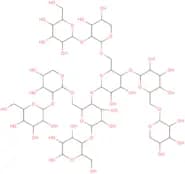

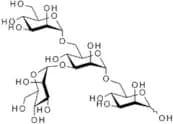

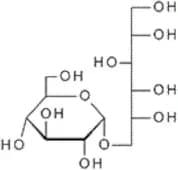
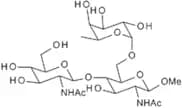


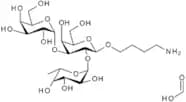
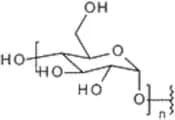
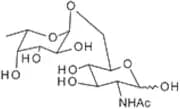
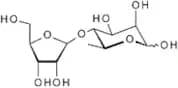

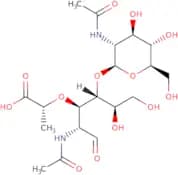
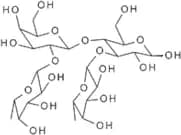
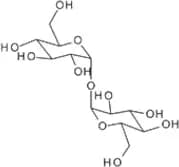
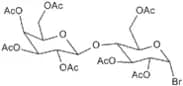

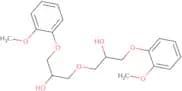
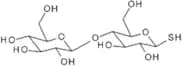
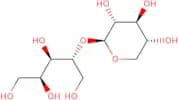
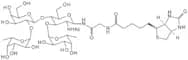

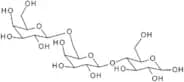


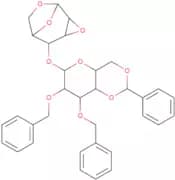
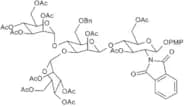
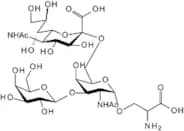

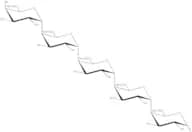
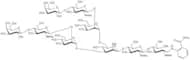
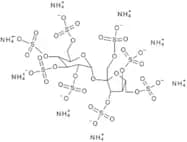

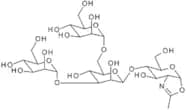


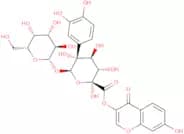

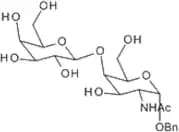
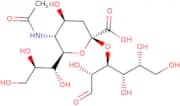
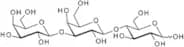
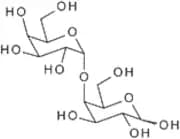
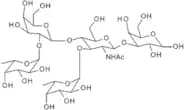
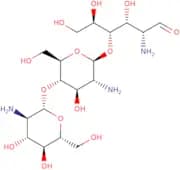
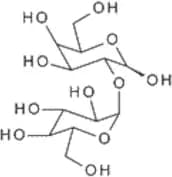


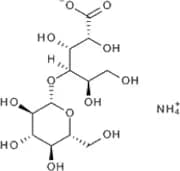



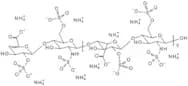
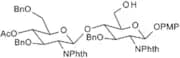
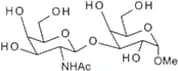
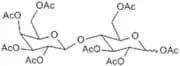
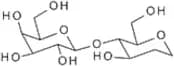
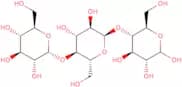




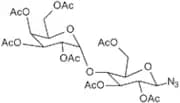
![[UL-¹³C₁₂]Sucrose](/_next/image/?url=https%3A%2Fstatic.cymitquimica.com%2Fproducts%2F3D%2Fthumb-webp%2FOS29120.webp&w=3840&q=75)
![a1-3[a1-6]a1-6[a1-3]Mannopentaose](/_next/image/?url=https%3A%2Fstatic.cymitquimica.com%2Fproducts%2F3D%2Fthumb-webp%2FOM05332.webp&w=3840&q=75)
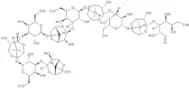


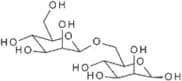

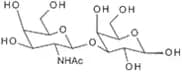
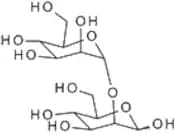
![GlcA[3S]b(1-3)Galb(1-4)GlcNAcb(1-2)Mana-Ethylazide](/_next/image/?url=https%3A%2Fstatic.cymitquimica.com%2Fproducts%2F3D%2Fthumb-webp%2FOG44930.webp&w=3840&q=75)
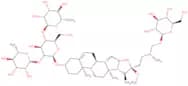
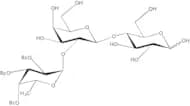
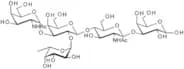



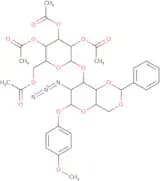
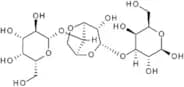

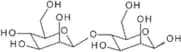
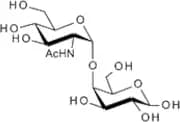

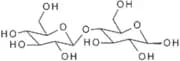

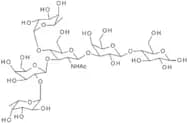


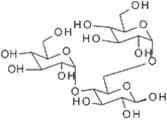

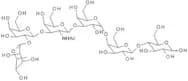
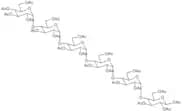
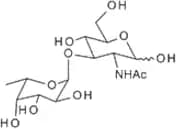

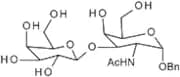





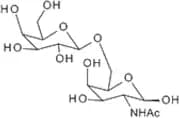

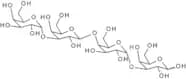
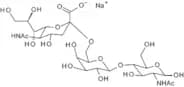
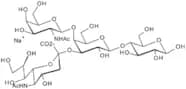


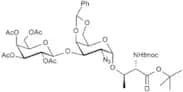
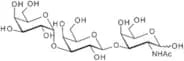
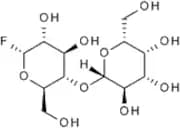
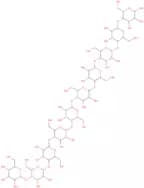


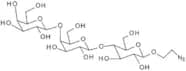

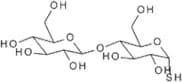


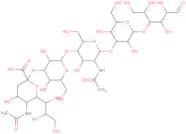
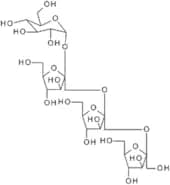
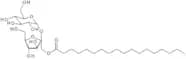
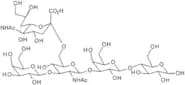
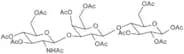

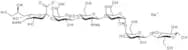

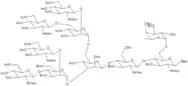
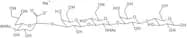



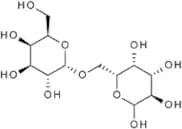
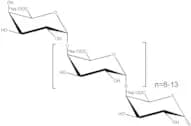
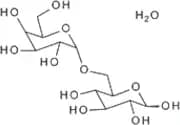

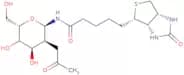

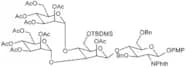




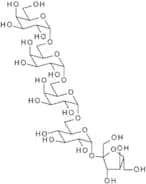


![4-O-(6-O-[2-Acetamido-2-deoxy-b-D-glucopyranosyl]-b-D-galactopyranosyl)-D-glucopyranose](/_next/image/?url=https%3A%2Fstatic.cymitquimica.com%2Fproducts%2F3D%2Fthumb-webp%2FOA05021.webp&w=3840&q=75)