CAS 100-00-5
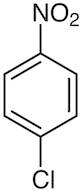
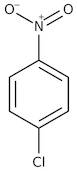
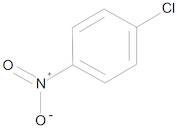
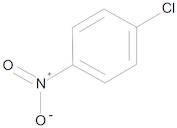
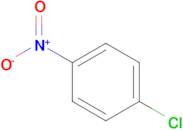
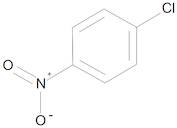
:1-Chloro-4-nitrobenzene
Description:
1-Chloro-4-nitrobenzene is an aromatic compound characterized by the presence of both a chlorine atom and a nitro group attached to a benzene ring. Its molecular formula is C6H4ClNO2, indicating it contains six carbon atoms, four hydrogen atoms, one chlorine atom, one nitrogen atom, and two oxygen atoms. This compound is typically a pale yellow solid at room temperature and has a relatively high melting point. It is known for its moderate solubility in organic solvents, such as ethanol and ether, but is less soluble in water. 1-Chloro-4-nitrobenzene is primarily used in the synthesis of various chemical intermediates, including dyes and pharmaceuticals. It is also utilized in research applications due to its reactivity, particularly in electrophilic substitution reactions. However, it is important to handle this compound with care, as it is classified as a hazardous substance, posing potential health risks upon exposure. Proper safety measures should be observed when working with this chemical.
Formula:C6H4ClNO2
InChI:InChI=1/C6H4ClNO2/c7-5-1-3-6(4-2-5)8(9)10/h1-4H
InChI key:InChIKey=CZGCEKJOLUNIFY-UHFFFAOYSA-N
SMILES:N(=O)(=O)C1=CC=C(Cl)C=C1
Synonyms:- 1-Chlor-4-nitrobenzol
- 1-Cloro-4-Nitrobenceno
- 1-Nitro-4-chlorobenzene
- 4-Chloro-1-nitrobenzene
- 4-Chloronitrobenzene
- 4-Nitro-1-chlorobenzene
- 4-Nitrochlorobenzene
- 4-Nitrophenyl chloride
- Benzene, 1-chloro-4-nitro-
- N,N,4-trimethylaniline
- Nsc 9792
- P-Chlornitrobenzol
- P-Chloronitrobenzene
- P-Nitro chloro benzene
- Para Nitrochloro Benzene
- p-Nitrochlorobenzene
- p-Nitrophenyl chloride
- 1-Chloro-4-nitrobenzene
- 1-chloro-4-nitro-benzen
- p-Nitrochlorobenzol
- p-Nitrochloorbenzeen
- PNCB
- Nitrochlorobenzene, para
- PARA NITROCHLOROBENZENE
- 1-Cloro-4-nitrobenzene
- para-nitrochlorobenzensolid(dot)
- 1-Chloor-4-nitrobenzeen
- See more synonyms
Filter by
Purity percentage
0
100
|
0
|
50
|
90
|
95
|
100
- Lower prices
- Higher prices
- Lower purities
- Higher purities
- Faster estimated delivery
4-Chloronitrobenzene
CAS:Formula:C6H4ClNO2Purity:>98.0%(GC)Color and Shape:Light yellow to Yellow to Green powder to lumpMolecular weight:157.551-Chloro-4-nitrobenzene, 98+%
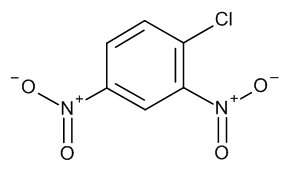
CAS:1-Chloro-4-nitrobenzene is an important intermediate used in the preparation of 2,4-dinitrochlorobenzene and 3,4-dichloronitrobenzene. It is used as a raw material in the preparation of 4-nitrodiphenylamine, 4-chloroaninline and (4-[(4-aminobenzene)sulfonyl]aniline). It serves as a common antioxidanFormula:C6H4ClNO2Purity:98+%Color and Shape:Crystals or crystalline powder and/or coarse granular solid or flakes, White to yellowMolecular weight:157.554-Chloronitrobenzene
CAS:4-ChloronitrobenzeneFormula:C6H4ClNO2Purity:98%Color and Shape:Pale yellow SolidMolecular weight:157.55446Acetaminophen Impurity 9
CAS:Formula:C6H4ClNO2Color and Shape:Pale Yellow SolidMolecular weight:157.554-Chloronitrobenzene-d4
CAS:Formula:ClC6D4NO2Purity:98 atom % DColor and Shape:Yellow-Green SolidMolecular weight:161.018161-Chloro-4-nitrobenzene 100 µg/mL in Methanol
CAS:Controlled ProductFormula:C6H4ClNO2Color and Shape:Single SolutionMolecular weight:157.551-Chloro-4-nitrobenzene
CAS:Controlled ProductFormula:C6H4ClNO2Color and Shape:NeatMolecular weight:157.551-Chloro-4-nitrobenzene
CAS:Formula:C6H4ClNO2Purity:98.0%Color and Shape:SolidMolecular weight:157.551-Chloro-4-nitrobenzene in Methanol
CAS:Formula:C6H4ClNO2Color and Shape:Yellow, crystalline solid with a sweet odor.Molecular weight:157.554-Chloronitrobenzene
CAS:Controlled ProductApplications 4-Chloronitrobenzene is a common intermediate in the production of a number of industrially useful compounds.
Not a dangerous good if item is equal to or less than 1g/ml and there is less than 100g/ml in the package
References Guo, H.C., et al.: J. Am. Chem. Soc., 131, 6318 (2009); Miura, Y., et al.: J. Org. Chem., 59, 3294 (1994);Formula:C6H4ClNO2Color and Shape:NeatMolecular weight:157.551-Chloro-4-nitrobenzene
CAS:Formula:C6H4ClNO2Color and Shape:Yellow, crystalline solid with a sweet odor.Molecular weight:157.55